
My living room had nice furniture and decent lighting but it still felt like a waiting room. Took me embarrassingly long to realize everything was the same height and texture. I swapped a few low items for a tall plant and added a textured throw and suddenly people lingered instead of standing and saying nice things and leaving.
These ideas lean minimalist with warm, lived-in touches. Budgets range from free edits to a few splurges around $100. They work for living rooms, bedrooms, small apartments, and even tricky entryways that feel too sparse.
Layered Neutrals with One Low-Contrast Accent for the Living Room
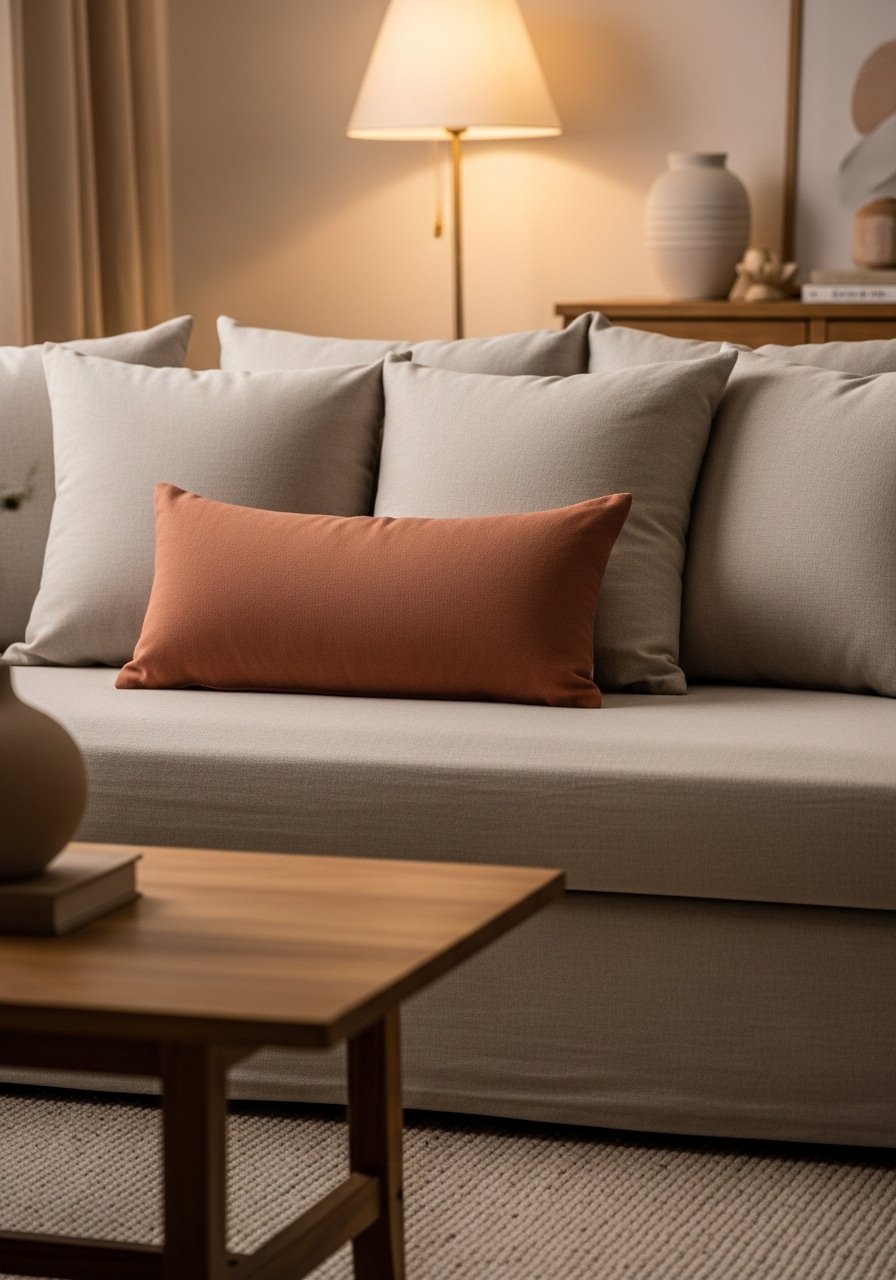
The moment I draped a 22-inch down-filled linen pillow and a chunky knit throw over the arm of my sofa, the room stopped feeling flat. For minimalist home interior design, keep colors in the same value family and add a single low-contrast accent so the room reads calm, not boring. I used linen pillow covers, set of 2 in 22-inch size and a chunky knit throw in cream. Budget here is under $80 for immediate impact. A common mistake is picking a bright accent that fights the palette. Try a 70/30 warm-cool balance by leaning 70 percent warm base with 30 percent cool tint in your textiles. That tiny ratio keeps the space steady under different lamps.
Floor-To-Ceiling Curtains to Make Ceilings Read Taller in Bedrooms
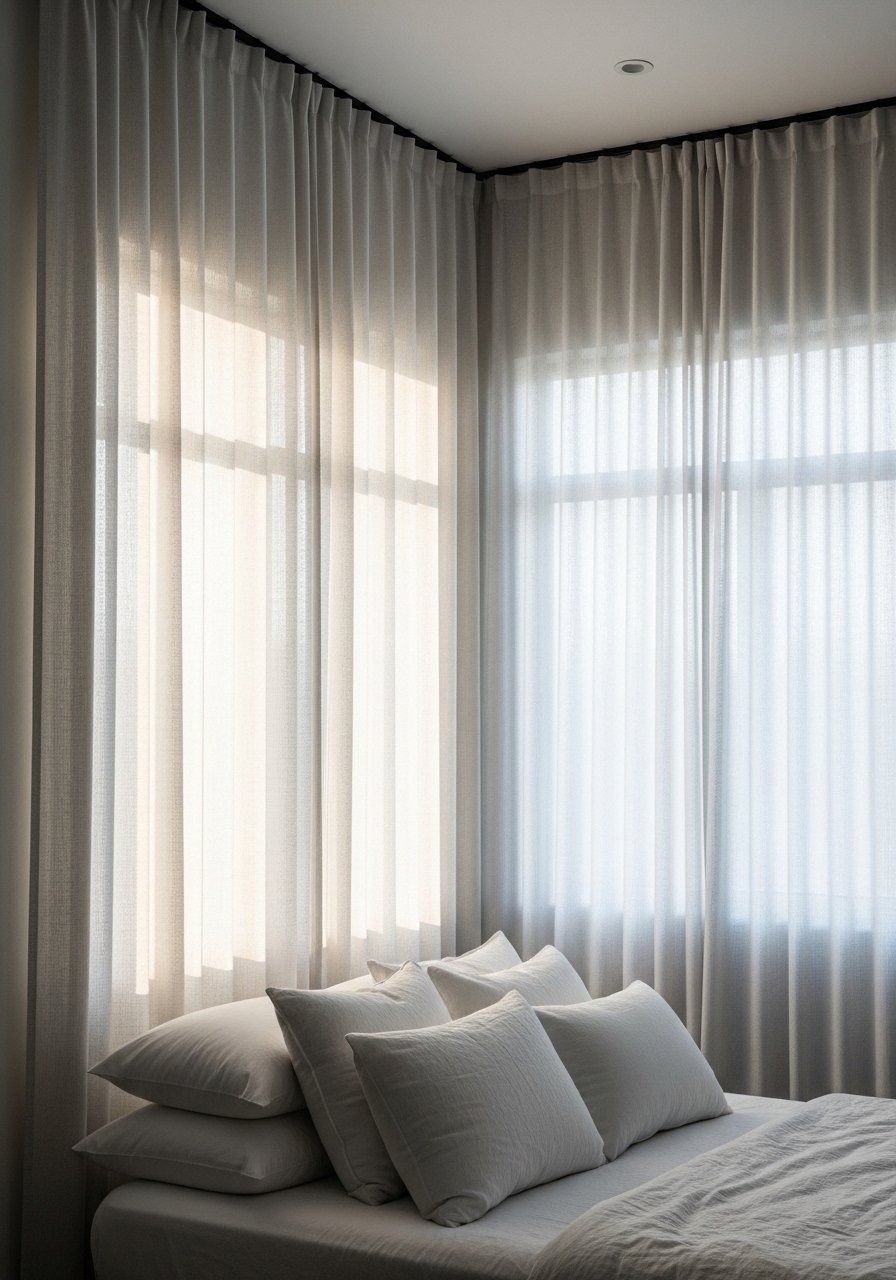
Most people hang curtains at the window frame. That mistake made my guest room feel squat. Hang panels from about 4 inches below the ceiling or right at the top of the trim to fool the eye into taller ceilings. I bought 96-inch linen curtain panels. They run about $30 to $50 per panel and work for standard 9-foot ceilings. Make sure panels either kiss the floor or puddle slightly by two inches. For renters, clip them to a tension rod and test the look before you buy hardware. Small detail most guides skip: measure twice, then add two inches to the rod placement for a softer drop.
Minimal Gallery Wall with Mixed Metal Frames for the Hallway
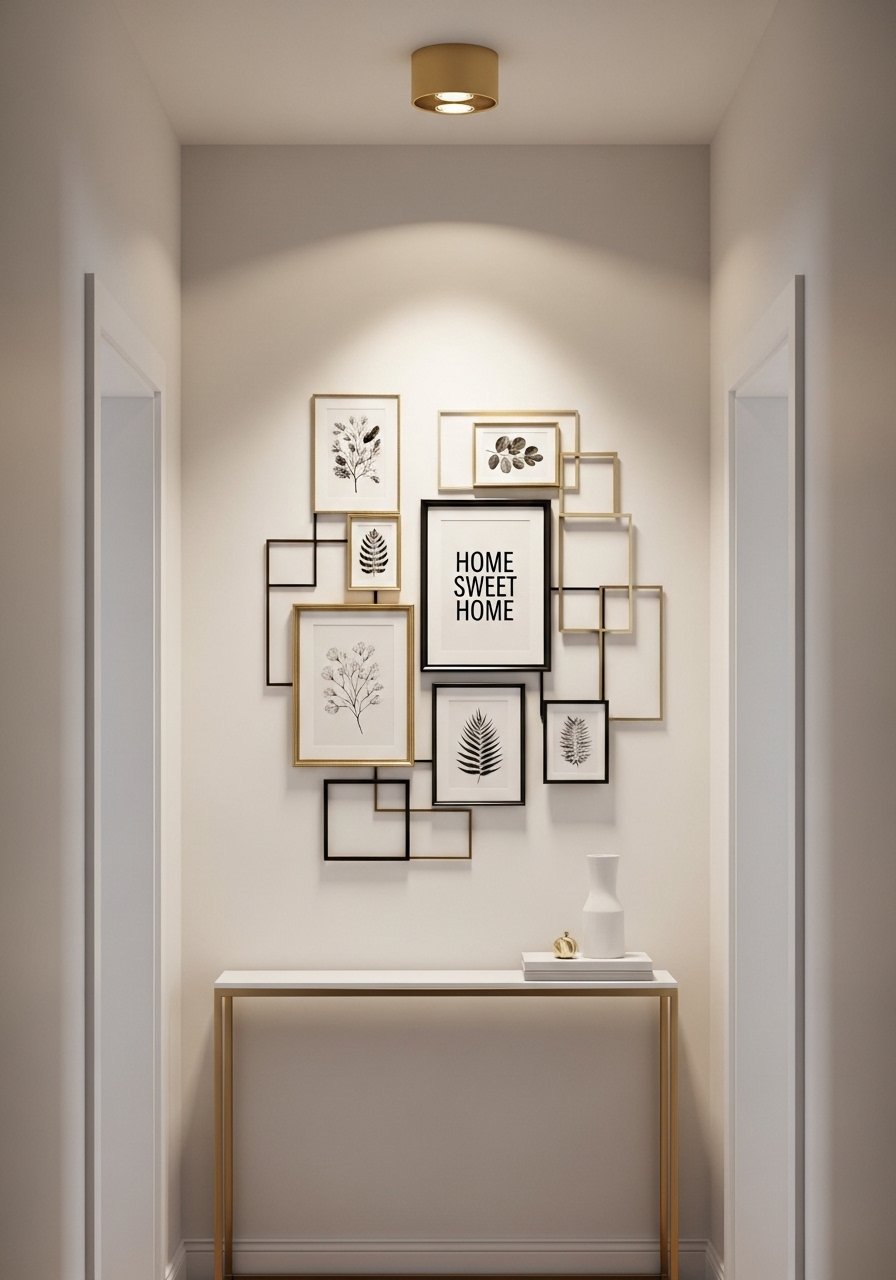
I used mixed metals to stop the gallery wall from feeling matchy. Pick three frame finishes and stick to similar mat sizes so the layout reads intentional. I grabbed mixed metal picture frames that let me swap prints without new holes. A frequent mistake is scaling art too small to the wall. Aim for art that fills at least two-thirds of the console width. If you hate hammering, use picture ledges like brass picture ledges and rotate pieces. Smaller detail people miss: hang the central piece at 60 inches from the floor for balanced sight lines in narrow spaces.
One Tall Plant to Anchor Corners in Open-Plan Living Areas
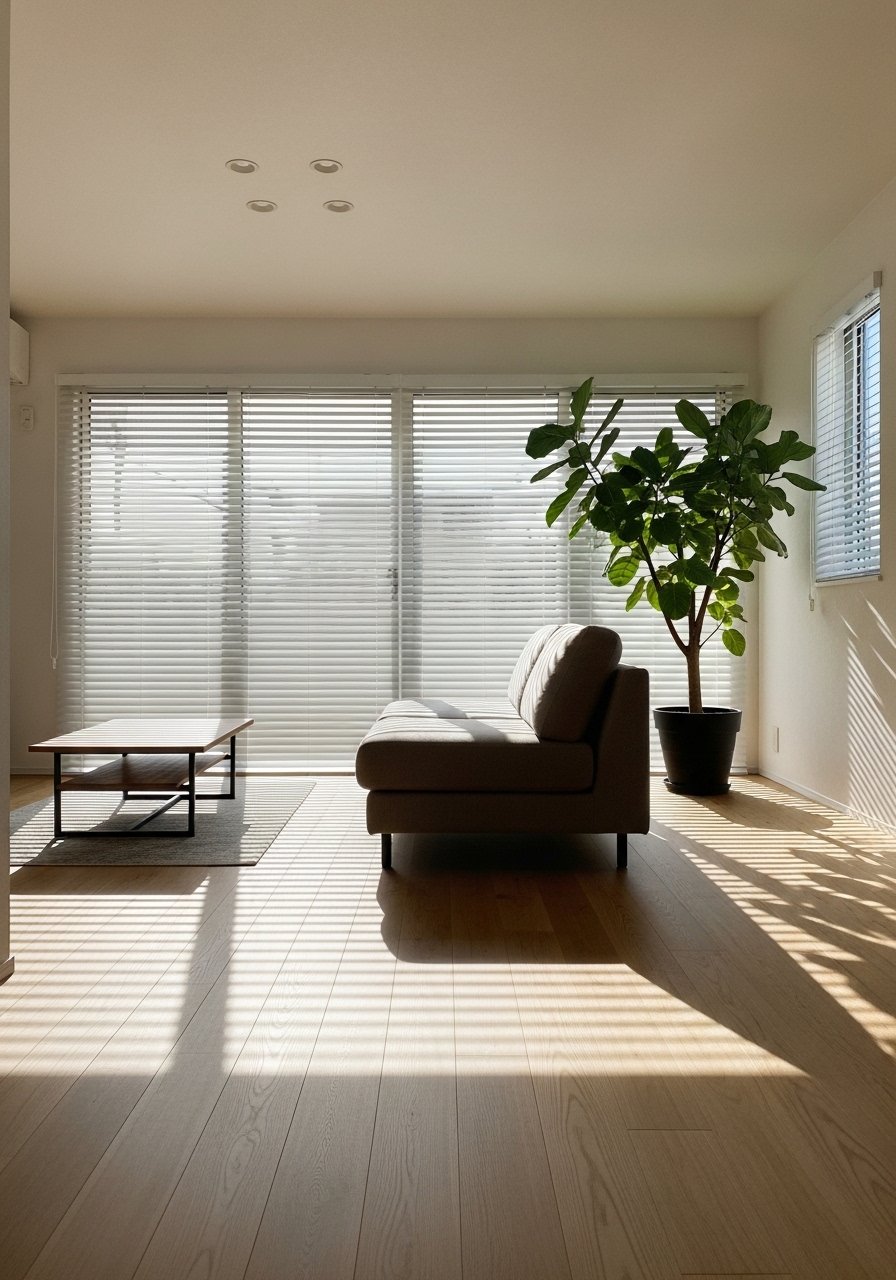
One single 6-foot plant changed my living room mood more than three tabletop succulents ever did. A tall green piece fills negative space and adds scale without clutter. I got an artificial 6-foot fiddle leaf fig for a dim corner that never sees sunlight. Budget varies from $40 for faux to $120 plus for a live plant and necessary care. Common mistake is grouping plants that are too small together. If you must, pair a tall piece with one medium pot. For renters, a weighted planter is a detail that keeps tall pieces from toppling in high traffic.
Concealed Storage Furniture for a Clean Entryway
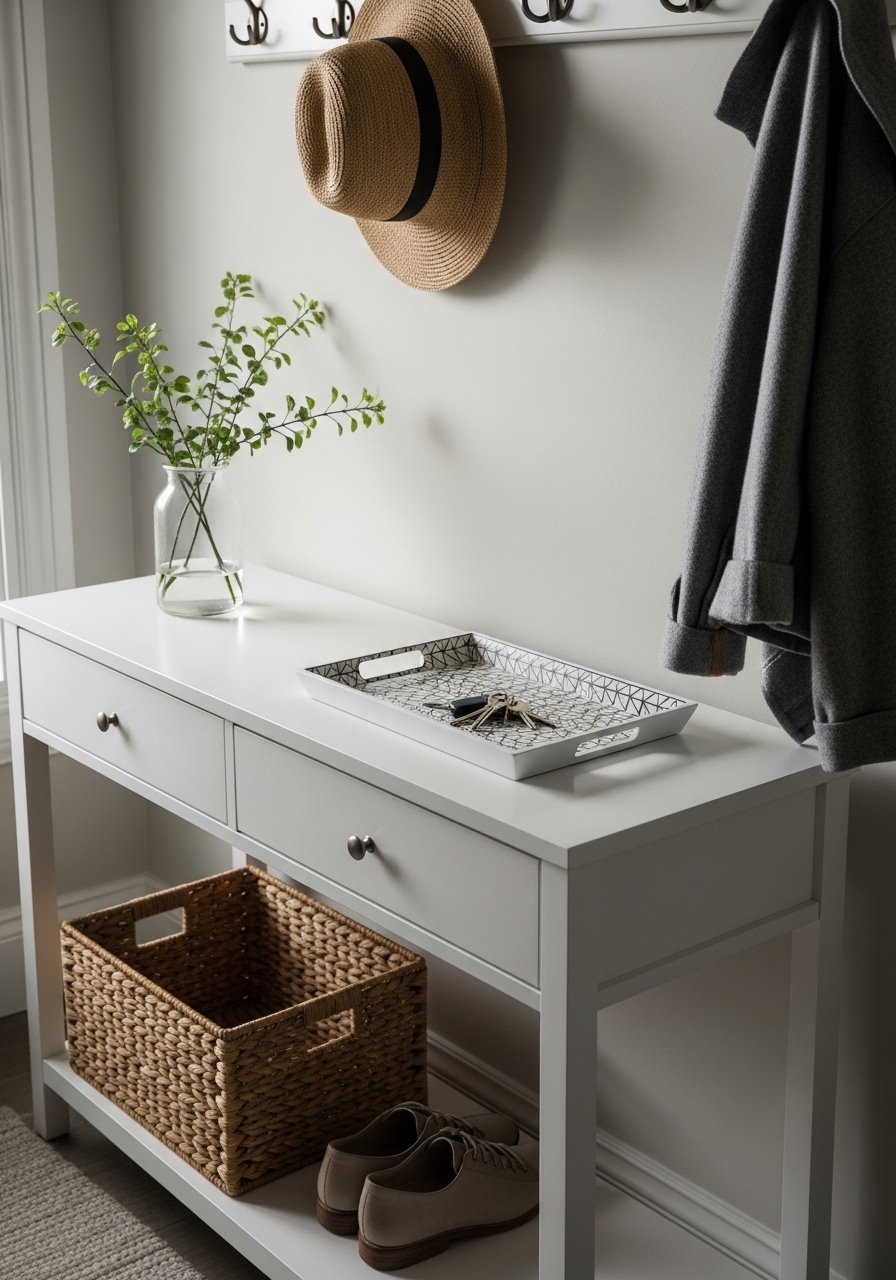
My entry used to be a dumping ground until I swapped an open console for one with concealed drawers. Minimalist home interior design thrives on hidden storage that keeps surfaces clear. I recommend a slim console with at least two drawers and a lower shelf. For smaller budgets try wicker storage baskets to corral shoes. A trap is obvious clutter on top. Keep only one bowl for keys and one standing lamp or vase. A specific detail I learned: drawer depth should be at least six inches to fit mail and chargers without bulging.
Matte Finishes and Paint Testing for Calm Walls in Any Room
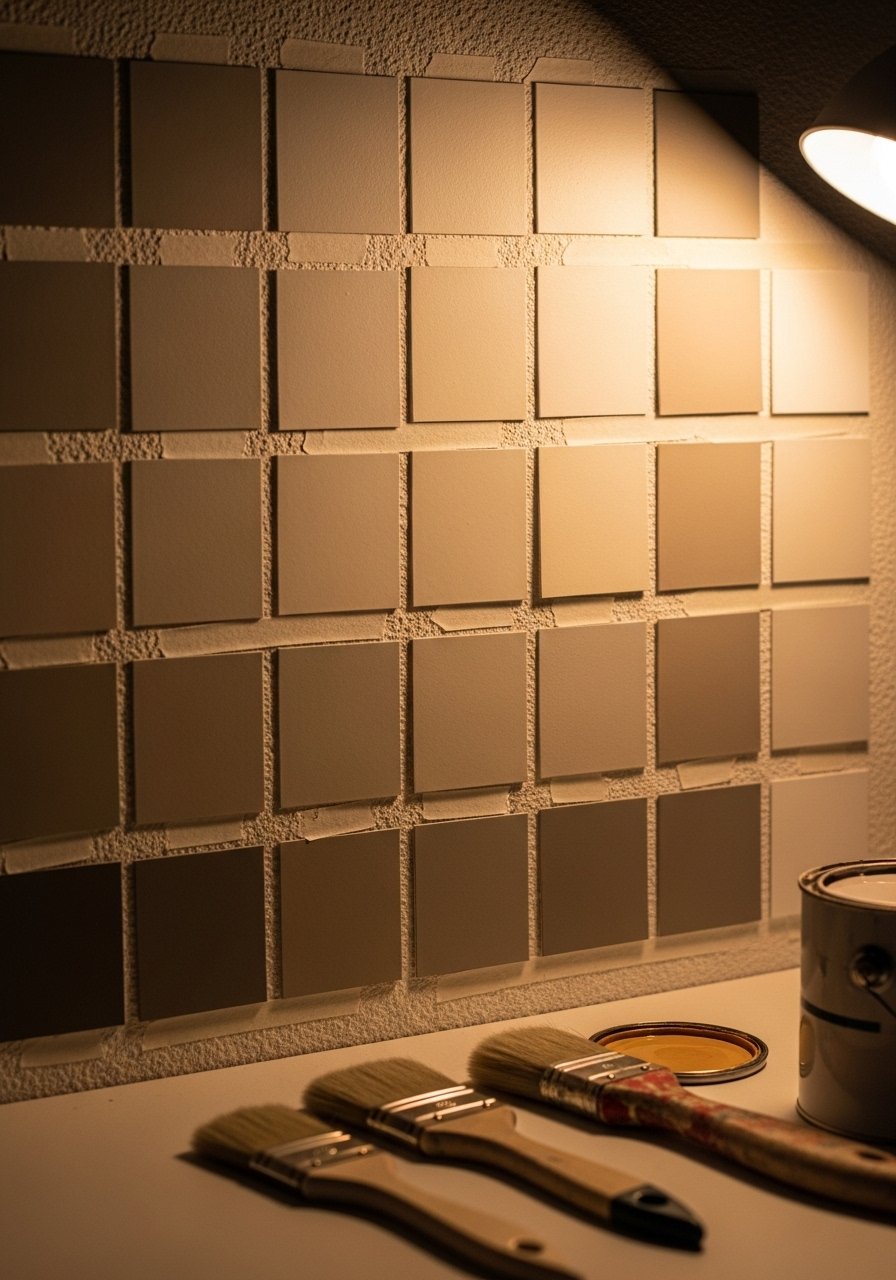
I once matched paint from a photo and it looked pink under my lamps. Most folks paint over their first match because lighting lied. Test in actual room light 3+ days before you commit and bring a real fabric swatch, not a phone photo. Scanners nail it 85% better than your eyes, so bring a cushion or rug to the paint counter and ask for a scan. Use matte or eggshell finishes to hide tiny hue differences. I keep sample pots of three similar shades and paint 2×2 foot patches. If you need a product, try ordering sample paint pots for posterboard tests. A detail others skip is to test with your actual bulbs in the room since LED light alters saturation.
Minimalist Lighting Layers to Stop Rooms From Feeling Flat
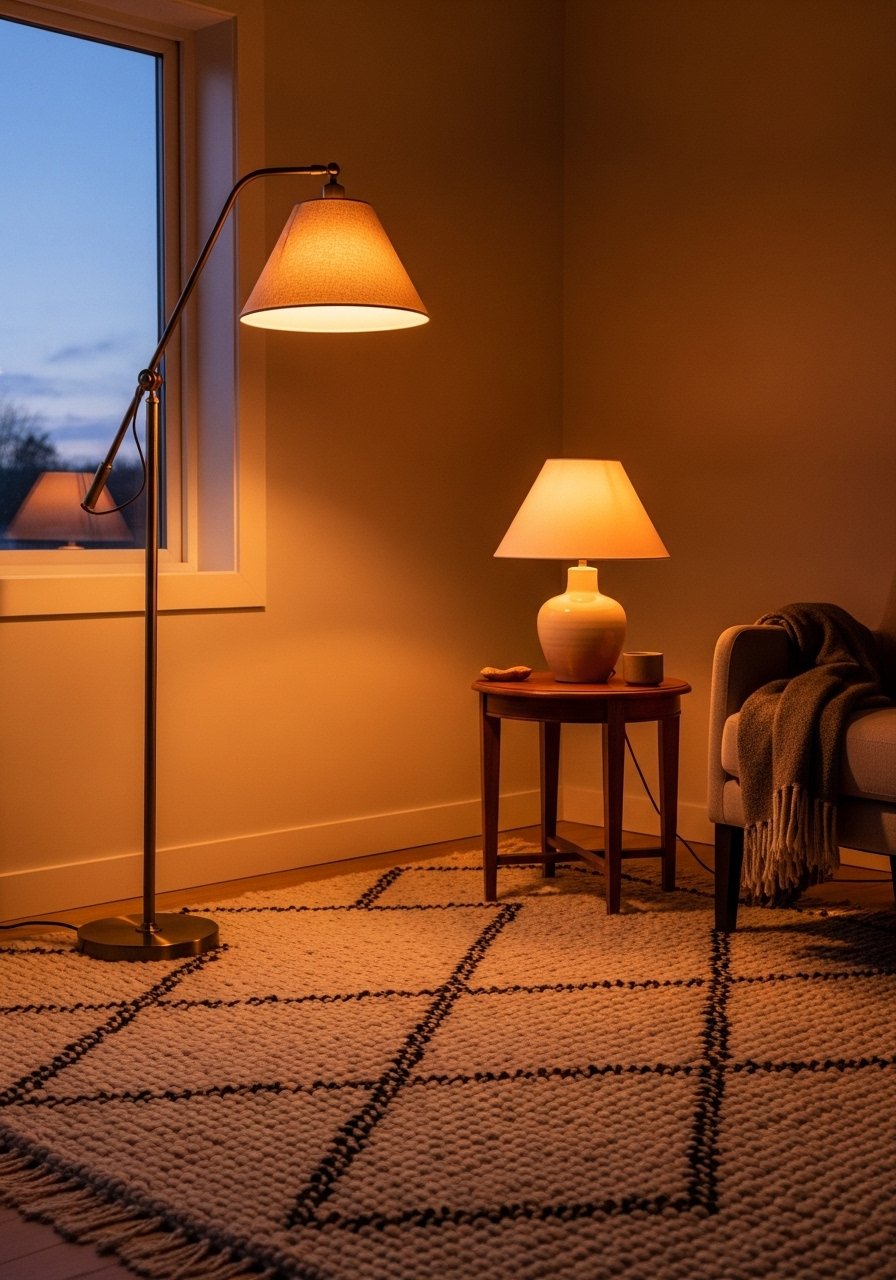
There were nights when my apartment felt like a showroom. Adding a floor lamp with a warm bulb and a small table lamp fixed that. Use three layers of light in living spaces: ambient, task, and accent. I swapped one harsh overhead fixture for a dimmable floor lamp and a low-watt table lamp. A simple dimmable floor lamp runs $60 to $120. Common mistake is choosing bulbs that are too cool. Pick bulbs labeled warm white and reduce saturation in paint if your LED glow still reads too blue. A trick I use is to dim the overhead to 40 percent and place task light at 300 to 400 lumens for reading.
Minimalist Rug Anchoring for Small Living Rooms
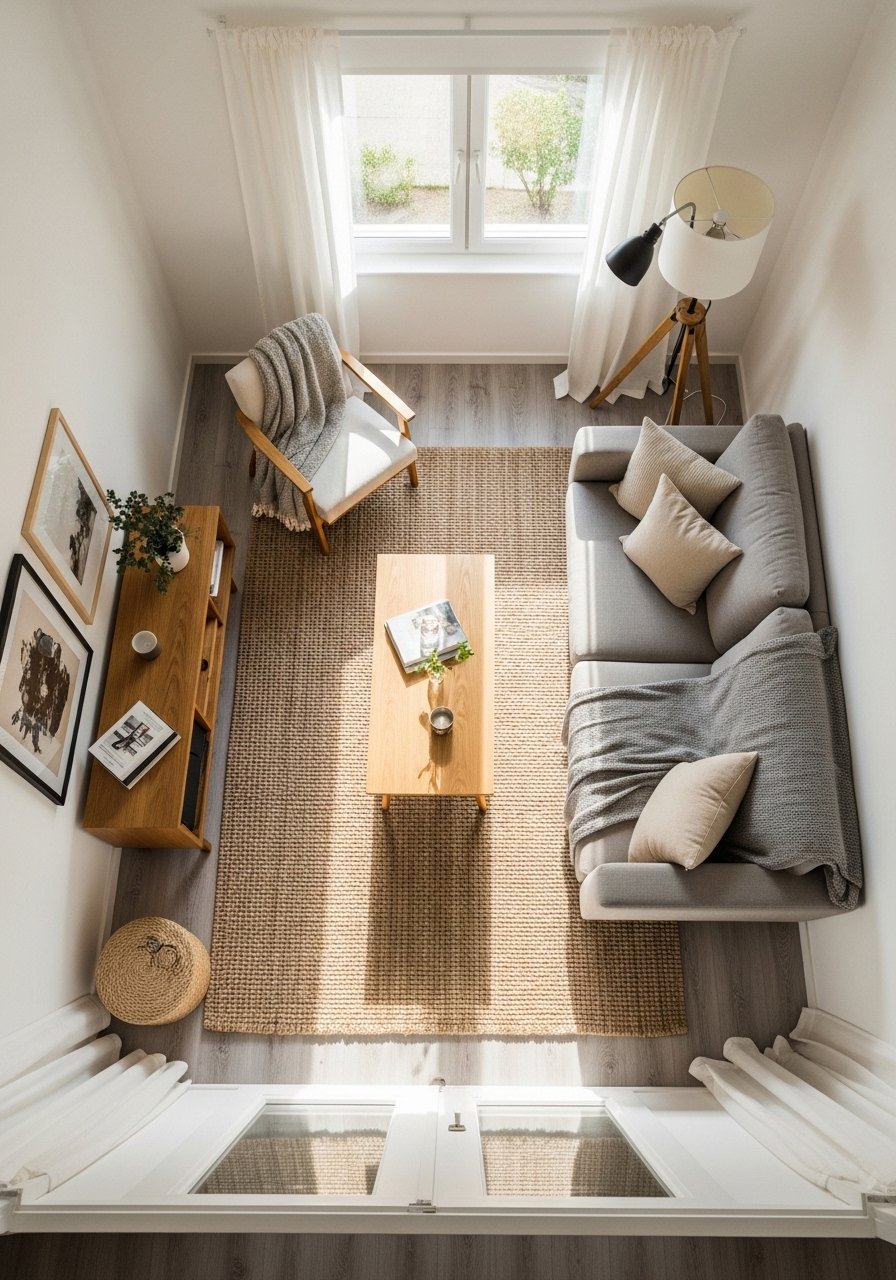
For years I picked rugs that were too small and the room looked like furniture was floating. Go bigger than you think. For standard living rooms, an 8×10 rug with all front furniture legs on it makes the arrangement feel intentional. I bought an 8×10 jute area rug for durability and neutral texture. Budget ranges from $100 to $300 depending on materials. A mistake is matching rug color exactly to the couch. Instead, choose texture contrast. One detail most write-ups miss is to leave a 10 to 18 inch reveal of floor around the rug edges for balance.
Multi-Use Corner Desk That Reads Like Furniture in Studios
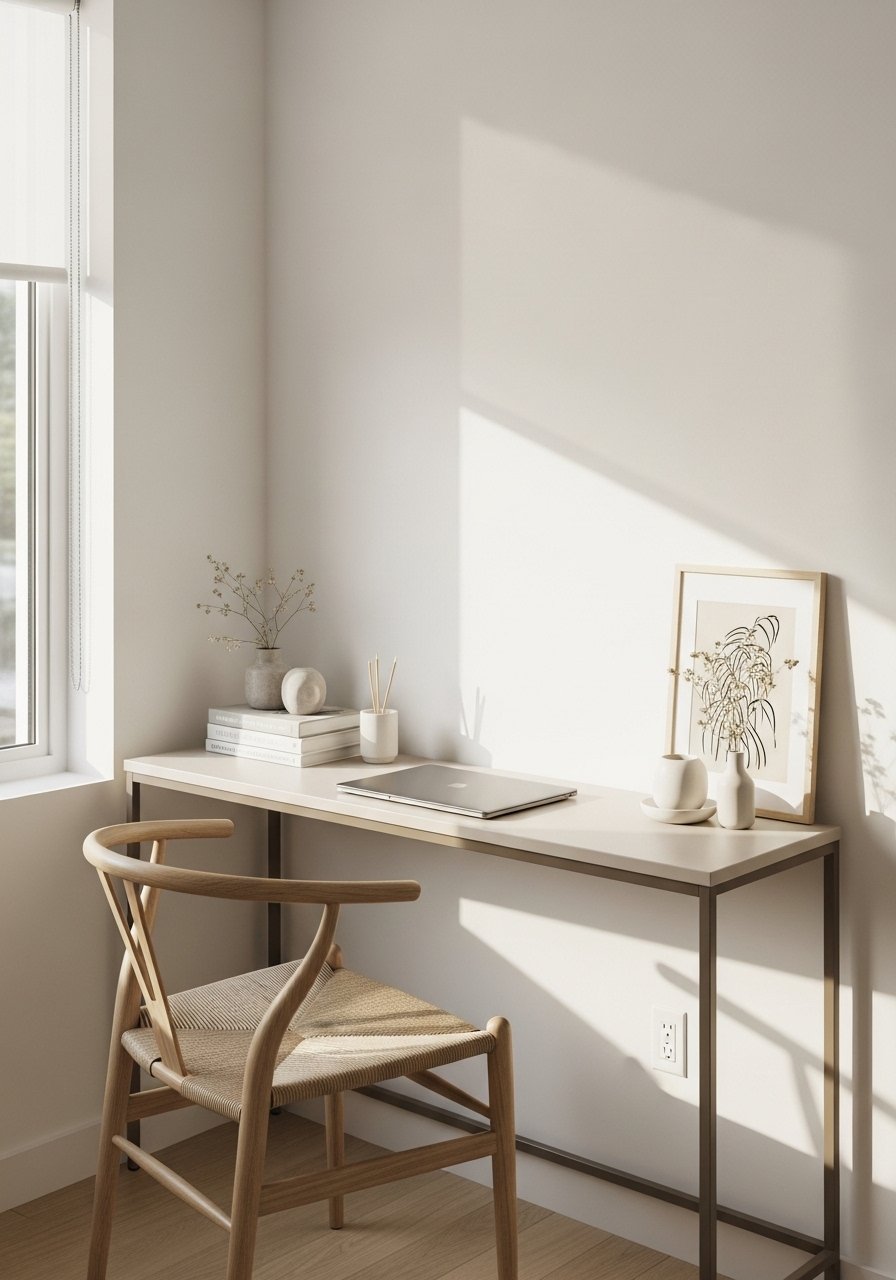
My tiny apartment doubled as a workspace and a living room. A slim desk dressed like a console keeps the workspace from taking over. Look for desks with drawers or an open shelf so you can tuck paperwork away quickly. I use a compact natural wood desk and style it with a single table lamp and one framed photo. Budget friendly desks run $80 to $200. Avoid desk clutter by using one tray for pens and one magazine holder. Renters can anchor the desk with wall-mounted shelves above to keep floor visual weight light.
Texture-First Minimalism for Bathrooms and Powder Rooms
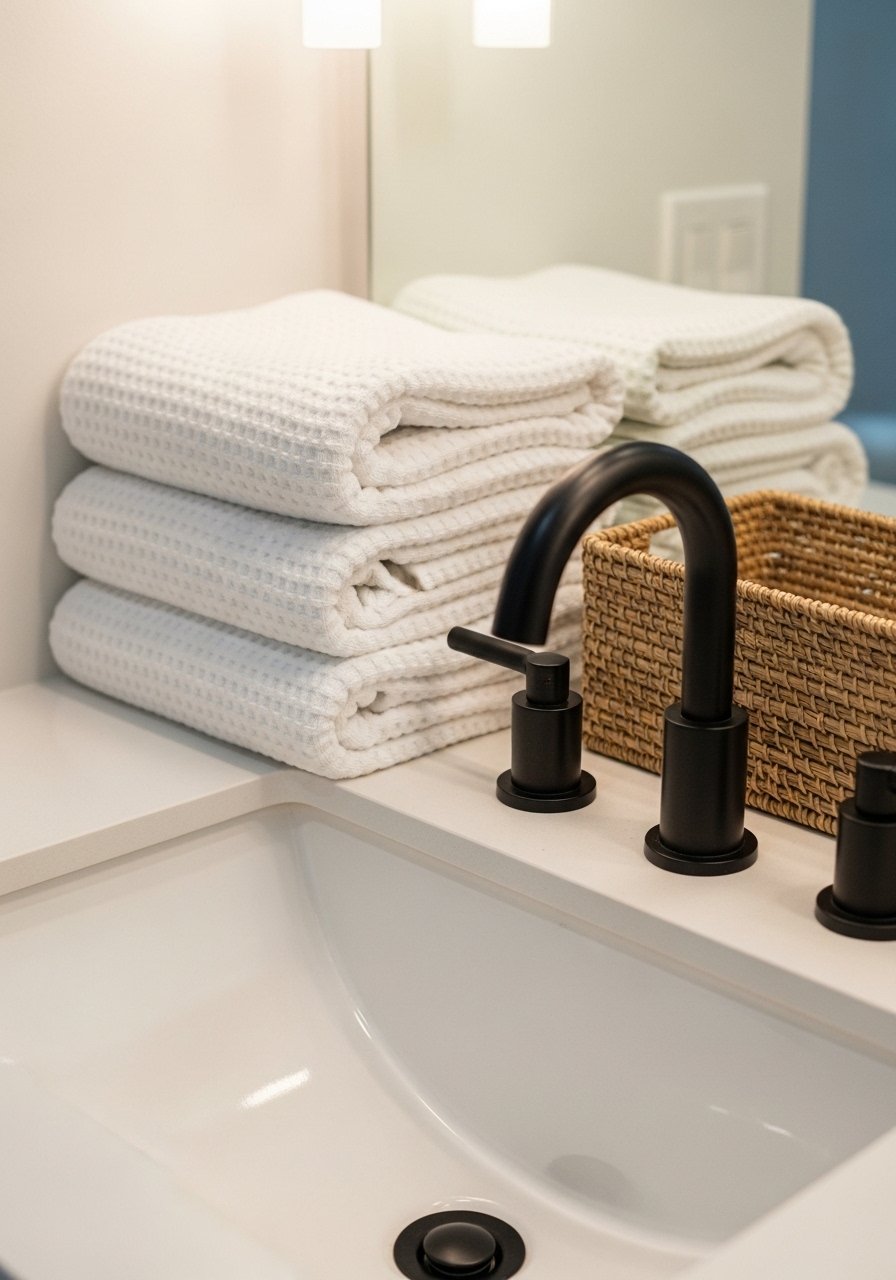
My guest bathroom felt cold until I added texture. Swap the shiny chrome for matte black fixtures and layer waffle towels and a woven basket. Textiles make the smallest spaces feel lived in. I picked up waffle hand towels, set of 4 and a matte black faucet. Budget here is under $150 for a big shift. A classic mistake is matching every surface sheen. Instead pick one shiny metal and one matte metal and keep towels in a different texture family than the bath mat. One small detail that helps: hang towels at 48 inches from the floor for easy reach and balanced sight lines.
Neutral Art and One Statement Object for a Minimal Dining Space
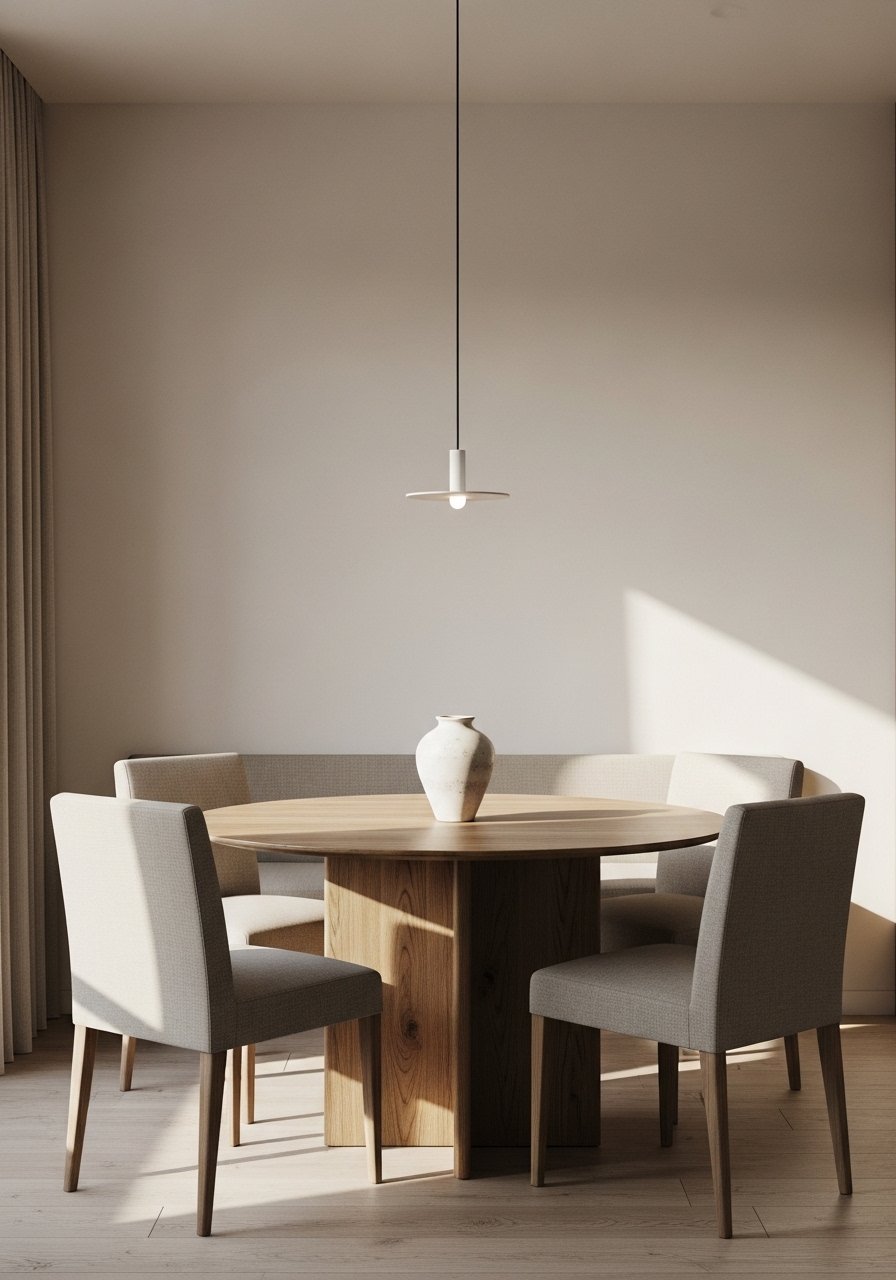
I used to overload my dining area with objects. Pare back and pick one statement object like a textured ceramic vase. The rest of the art should stay neutral in tone. I own a ceramic vase I change seasonally and a set of three neutral prints in the same family. For ease, try ceramic vases in matte glaze. Budget for a good statement piece can be $40 to $150. A mistake is placing the statement in the center of everything. Instead tuck it to one side of the table or shelf for an effortless look. If you add a runner, keep it under 12 inches wide on a standard 36-inch table.
Your Decor Shopping List
Honestly the best $40 I have spent. Chunky knit throw in cream (~$35-55). Drape over the sofa arm for instant warmth
For the curtain trick in bedrooms you need length. 96-inch linen curtain panels (~$30-50 per panel) work for 9-foot ceilings
Found these while looking for something else. Brass picture ledges (~$18-25) let you swap art without new nail holes
For anchored rugs go big. 8×10 jute area rug (~$100-300) is neutral and hard wearing, similar finds at Target or HomeGoods
Keep corners green. Artificial fiddle leaf fig 6ft (~$60-120) is low maintenance and adds scale
Small storage that hides clutter. Wicker storage baskets, set of 2 (~$25-45) are great under consoles, similar at thrift stores
Simple lighting that layers. Dimmable floor lamp (~$60-120) gives warm ambient light and helps soft layers read right
Shopping Tips
White oak beats dark wood in 2026. Design feeds have shifted completely. White oak floating shelves look current, not dated
Grab velvet pillow covers for $12 each. Swap them every few months and the whole room feels different
Curtains should puddle or kiss the floor, never hang halfway up. These 96-inch panels are right for standard 9-foot ceilings
Everyone buys five small succulents. One single 6-foot fiddle leaf fig has ten times the visual impact
For sample paint tests bring fabric swatches not phone pics. Poster board paint sample kit makes three-day room testing clean and renter-friendly
Frequently Asked Questions
Q: How do I make a small room feel less sparse without adding clutter?
A: Pick larger pieces with clean lines, like a tall plant and a larger rug, instead of many small items. Keep surfaces mostly clear and add one or two textured textiles. A 8×10 rug with front legs on it will anchor a small living room better than five tiny mats.
Q: Can I mix matte and shiny metals in a minimalist scheme?
A: Yes. Mix one shiny metal with one matte metal and repeat each once in the room. That balance reads intentional. Mixed metal picture frames help you try the look without a big commitment.
Q: How long should I test paint samples in a room?
A: Test in actual room light 3+ days. Watch patches morning, noon, and night. Bring a pillow or rug to the counter so the scanner reads the real fabric and not a phone photo. Scanners nail it 85% better than your eyes, so use the tech when you can.
Q: My apartment is a rental. How do I try the curtain height trick without new hardware?
A: Use a tension rod or clip rings that attach to the frame to hold panels high. Attach lightweight curtain panels first and step back to confirm the look. For testing use sample curtain panels on a temporary rod.
Q: Are cheaper paint matches worth it instead of the premium brand?
A: Six in ten skip the original brand for a cheaper twin, and it can save money if you test properly. Ask for a competitor formula or use a scanner to pull the color. Just remember to test patches and check sheen because gloss levels can betray a match.