
My living room had decent furniture but it still felt like a waiting room until I finally layered textiles and mixed metals. Spent $35 on a throw and three candles after blowing the budget on a table. Guests noticed the change faster than I expected. Below are things I actually did that visitors remarked on, plus the exact pieces and measurements that saved me time and money.
These ideas lean modern-rustic with a few transitional touches. Most items are under $60, with a couple of splurges around $100. They work in living rooms, entryways, bedrooms, and small dining nooks where guests tend to linger.
Layered Neutrals With One Warm Accent (Living Room)
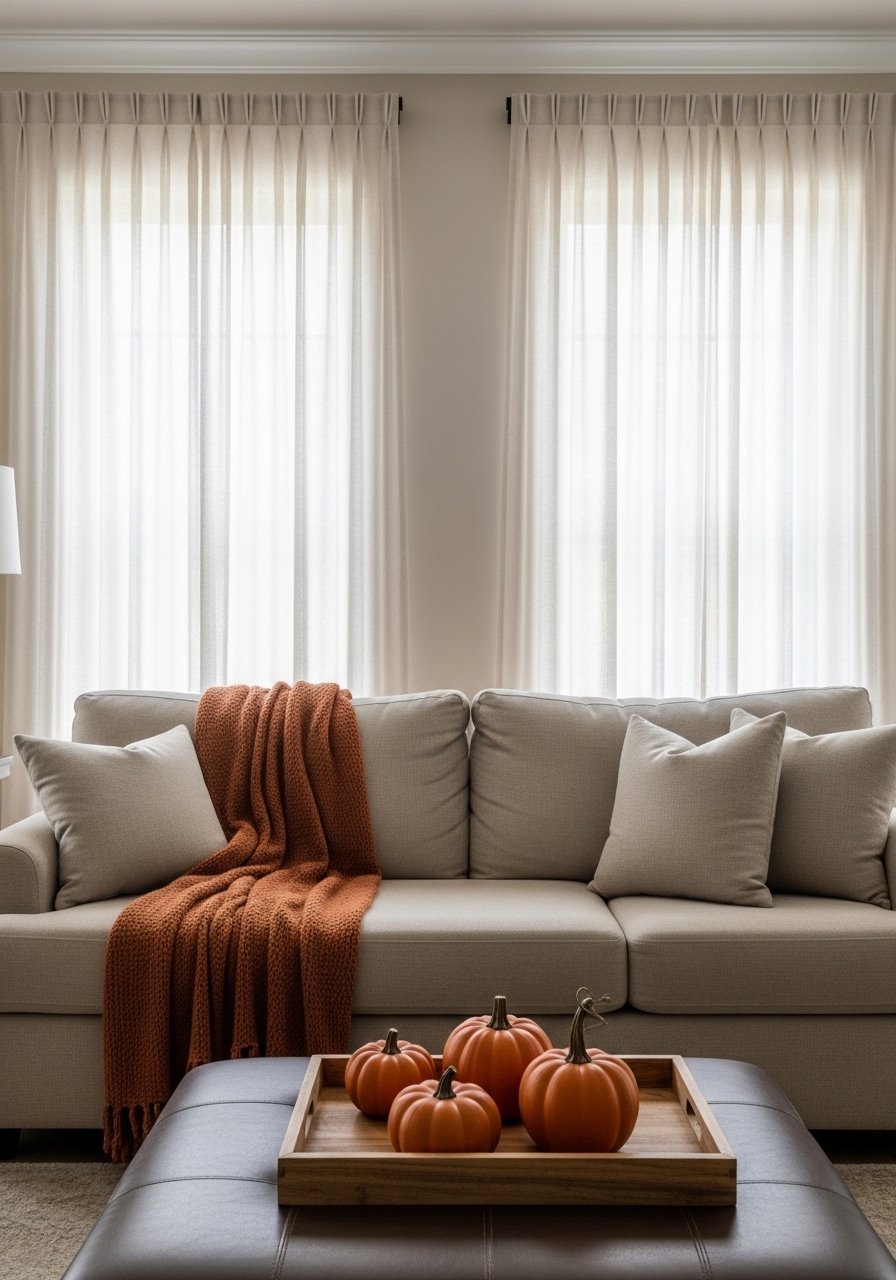
The moment I draped a rust-colored knit throw over my gray sofa the room stopped feeling flat. Layer two neutrals together, then add one warm fall accent like rust, terracotta, or deep mustard. I use 22-inch down-filled linen pillow covers in oatmeal and charcoal to anchor the look. Try Chunky knit throw in rust (~$40) for instant texture. Common mistake is matching every textile exactly. Instead, change scale and fabric. For balance follow a simple 80/20 rule, 80 percent neutral and 20 percent accent, and swap the accent with a candle or vase if guests stay late.
Floor-to-Ceiling Curtains to Add Height (Bedroom)
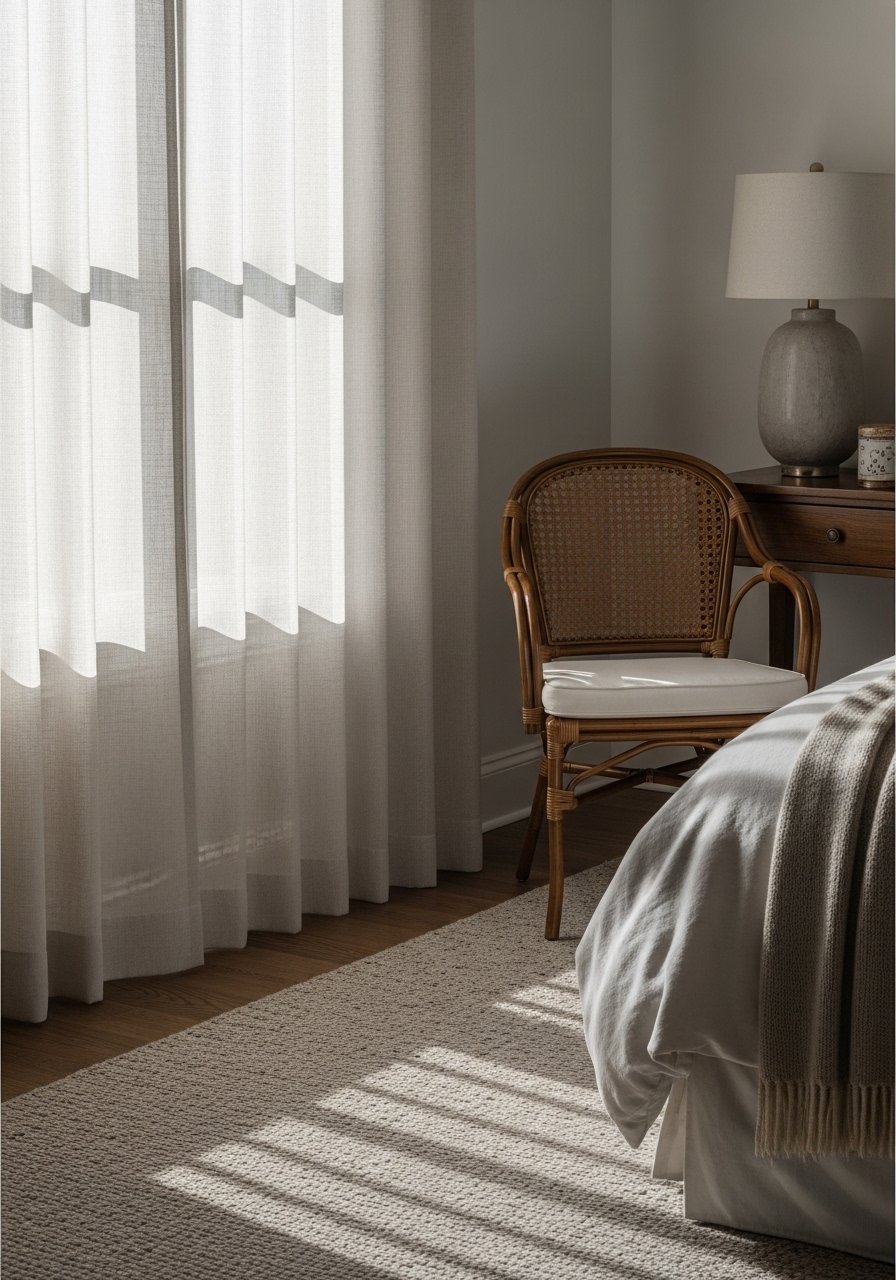
Most people hang curtains right at the window frame. That is why rooms look shorter than they are. Hang panels 4 to 6 inches above the trim and use 96-inch panels for standard 9-foot ceilings. I bought 96-inch linen panels (~$35 per panel) and the room instantly read taller. A common mistake is getting the wrong length. If curtains are too short, they make the whole wall seem squat. For renters, use tension rods or removable clips so you can take the hardware with you.
Entry Console With a Statement Mirror (Entryway)
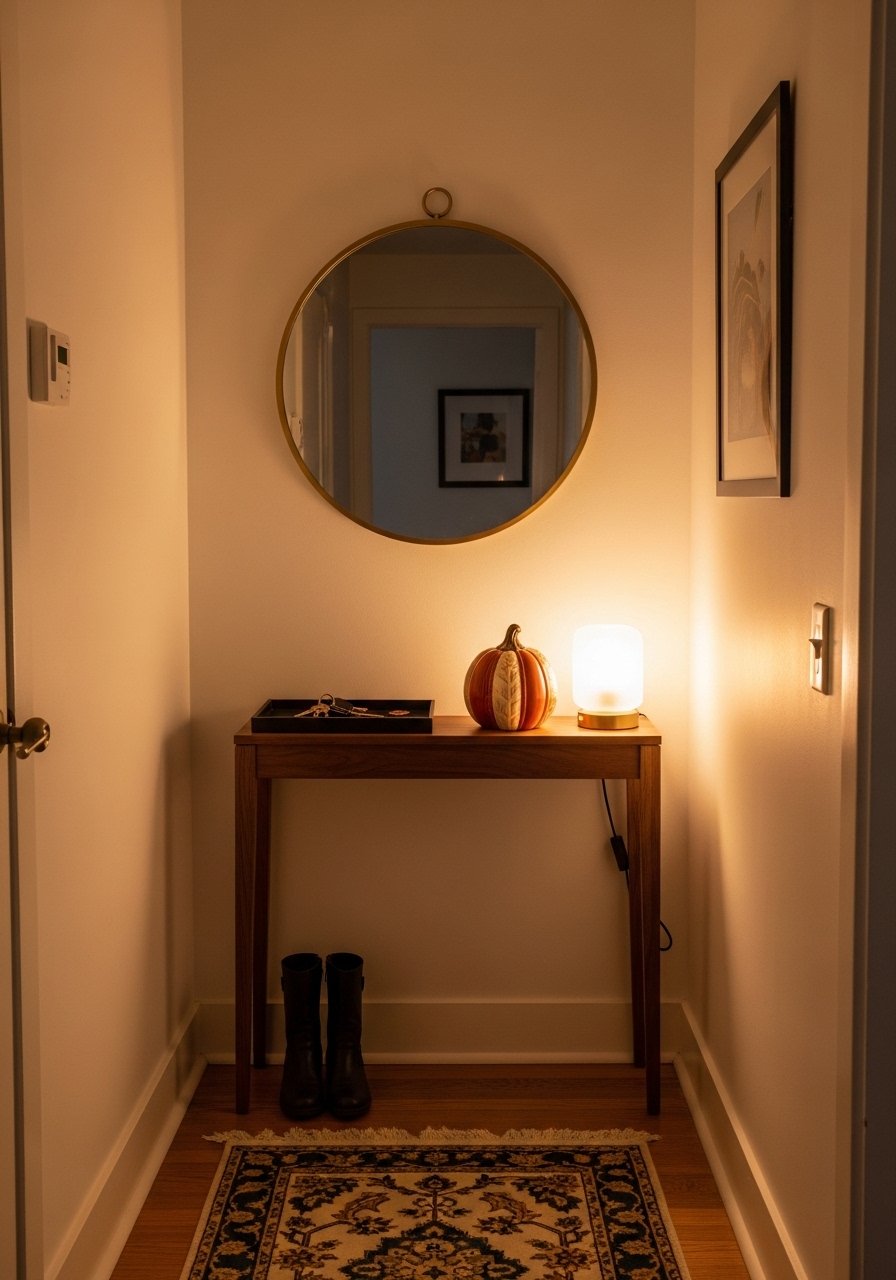
My entryway used to be a dumping ground until I swapped a bulky table for a slim console and a round mirror. Guests notice a tidy entry right away. I use a 30-inch round mirror and a slim 36-inch console. The mirror gives depth, and the console keeps clutter contained. Try Round brass mirror 30-inch for under $100. A mistake is picking a mirror too small for the table. The rule I follow is mirror width around two thirds of the console width.
Layered Lighting for Fall Ambiance (Living Room or Dining)
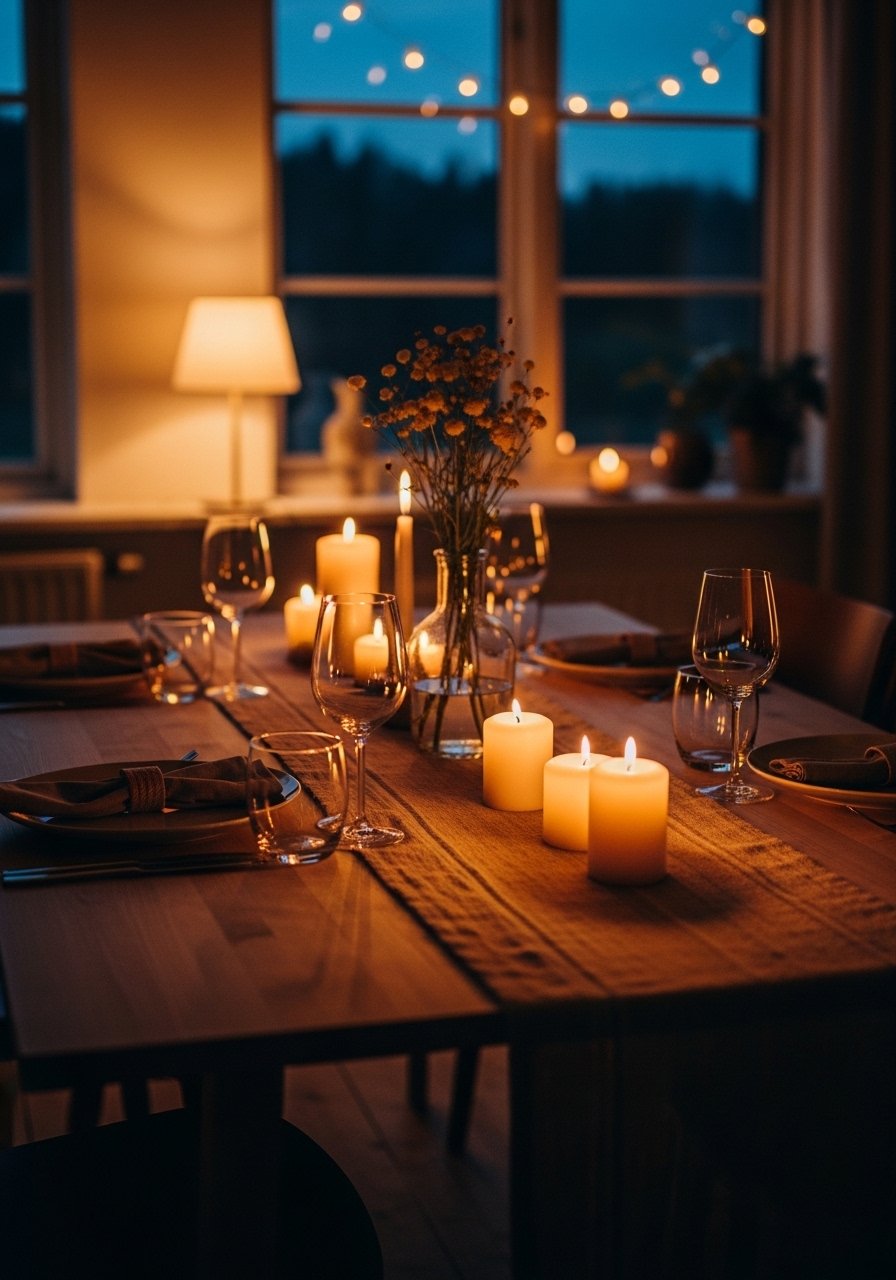
There is something about warm layered lighting that makes people slow down. Use overhead, task, and accent lights so you have options for dinner or coffee. Swap cool bulbs for warm LEDs and test them in the room first. Most matches flop on the first go because of room lights. I keep a plug-in table lamp near the sofa and a dimmer on the pendant. These dimmable warm LED bulbs made every color in my room read richer. A common error is using one bright ceiling fixture and nothing else.
Seasonal Centerpiece That Looks Intentional (Dining Table)
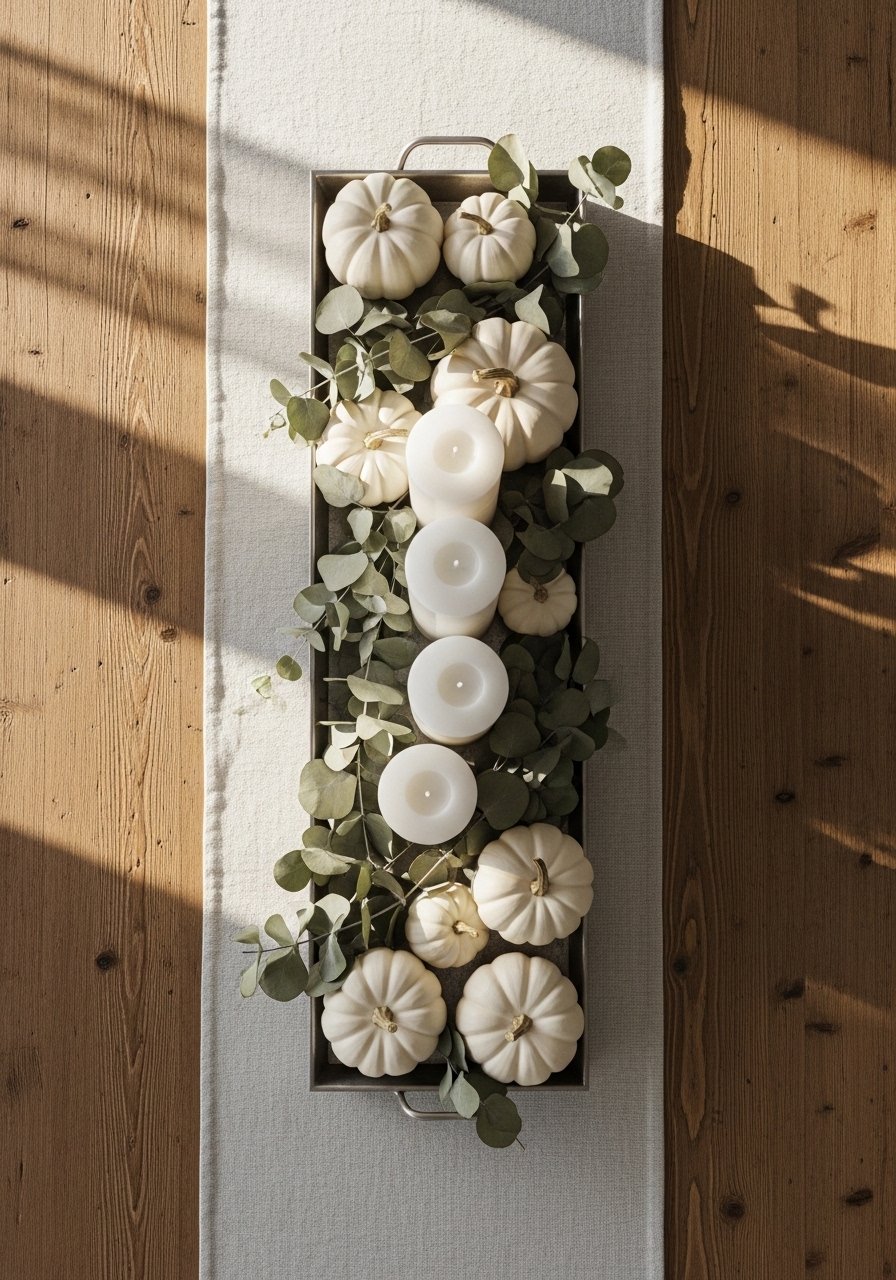
My centerpieces used to be either overdone or invisible. Narrow runners work better than big tablecloths if you want guests to notice the display. I make a low runner arrangement with a 36-inch wooden tray, five small white pumpkins, dried eucalyptus stems, and two pillar candles. Try Small white pumpkins, set of 6 for a realistic look. The mistake is scale. If the display is taller than 6 inches guests can not see each other across the table. Keep it 4 to 6 inches high so it reads seasonal but stays practical.
Rust and Brass Accents for Subtle Warmth (Kitchen or Living)
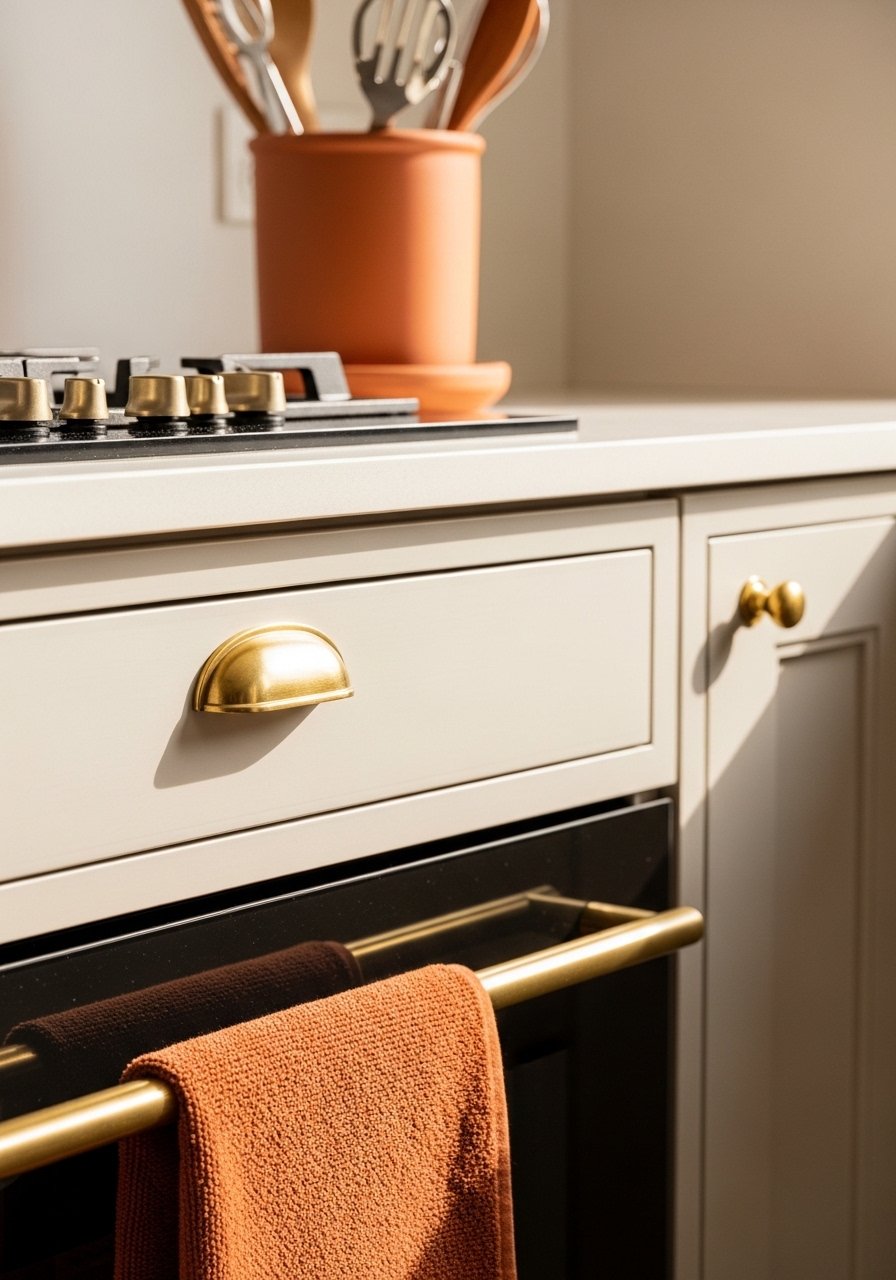
I swapped my chrome cabinet hardware for brass and suddenly accessories looked intentional. Mixed metallics can look curated if you keep one metal dominant and another as an accent. Use brass pulls and a few rust-hued ceramics. These brass cabinet pulls were affordable and updated the entire kitchen feel. A mistake is mixing three unrelated metal tones. Stick to two, and repeat them in three different spots across the room for cohesion.
Cozy Reading Nook With Layered Pillows (Bedroom or Corner)
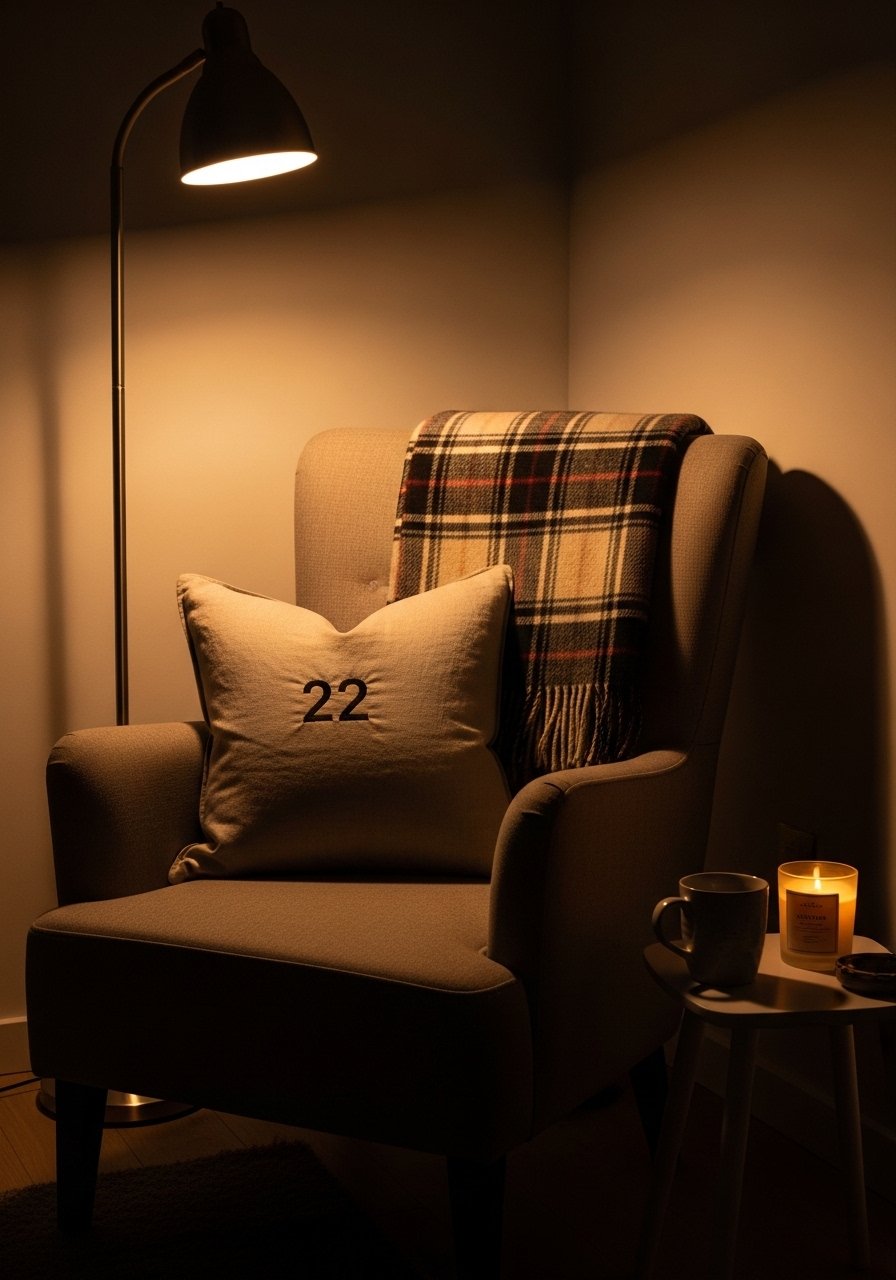
There is a real pull to cancel plans when a corner looks like this. Layer a lumbar cushion with a square 22-inch pillow and add a textured throw over the arm. I paired a plaid wool throw with a neutral pillow to bring fall into a tiny corner. Grab 22-inch linen pillow covers and a plaid throw for under $60 total. People often overstuff a chair which makes it read cluttered. Keep one chair, two pillows at most, and a small side table for a book and a candle.
Mix of Real and Faux Greens for Low Maintenance (Hallway or Living)
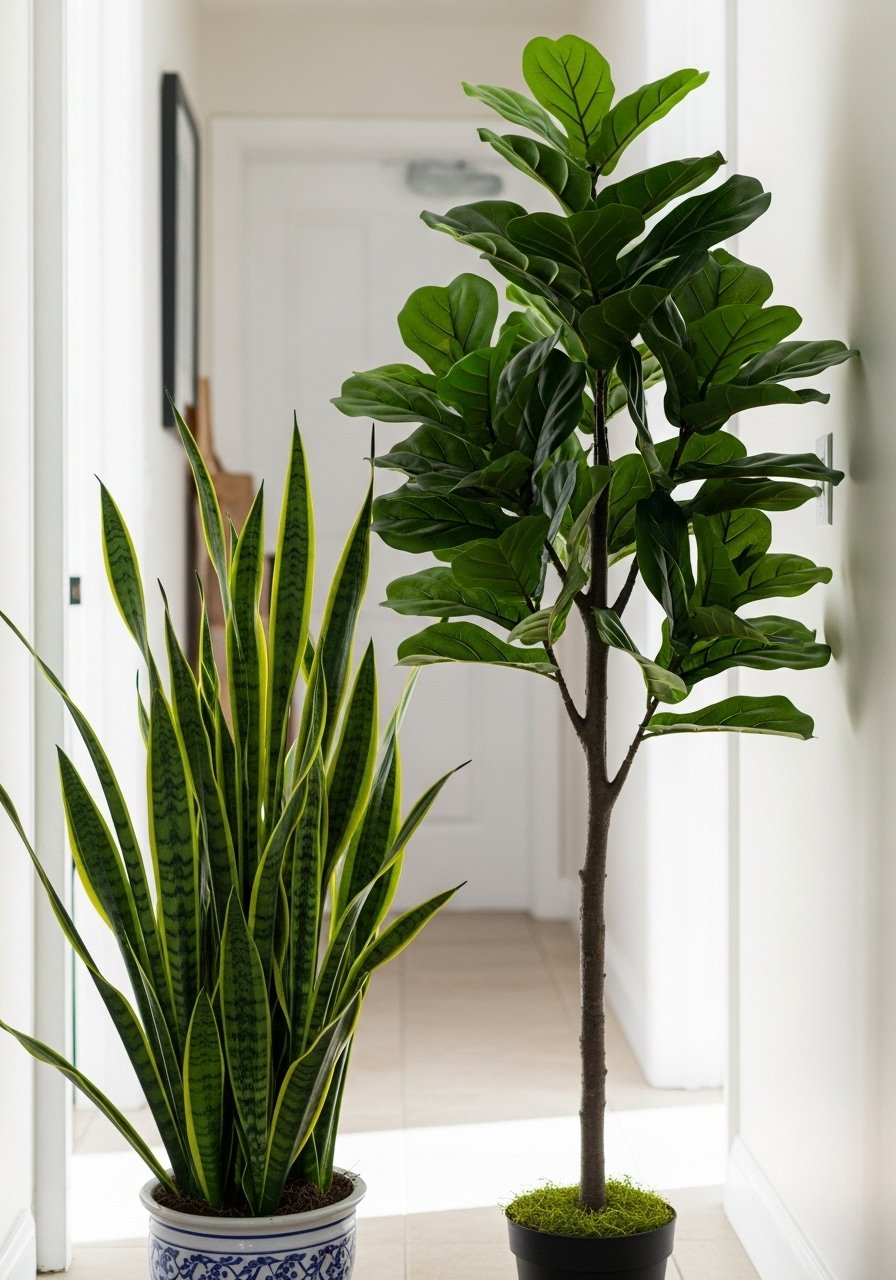
Real plants signal life but fake plants give you height without upkeep. I use a live snake plant for texture and a faux fiddle leaf fig for scale. Real ones sit on the floor in a 12-inch pot. These artificial fiddle leaf fig 5ft add presence without care. Real plants suffer under inconsistent light, which is why I mix both. One mistake is buying five small succulents instead of a single tall piece that fills the corner. One tall plant is visually stronger and simpler to style.
Warm Scents and Natural Materials in Guest Bathrooms (Powder Room)
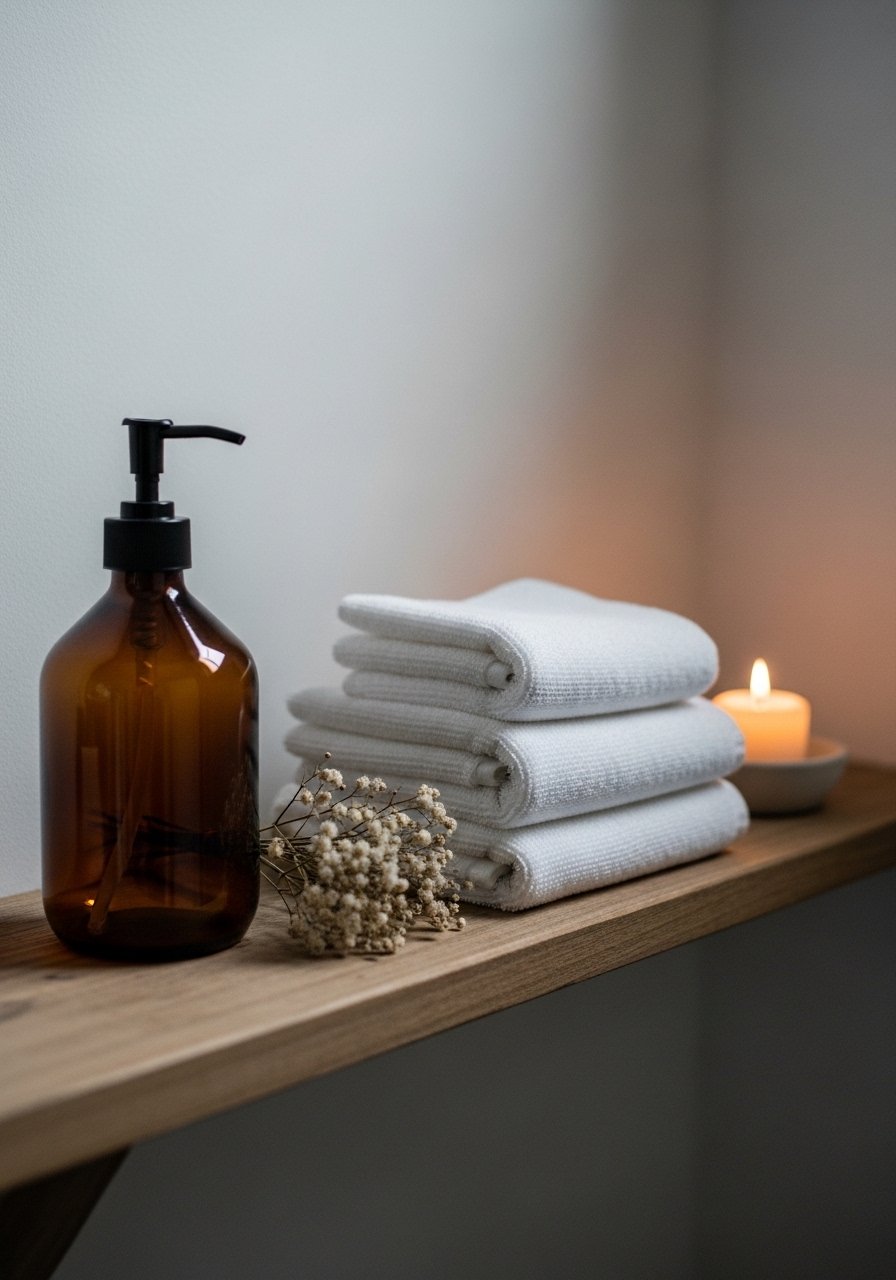
A guest once told me my house smelled like fall before I showed them the pumpkins. Warm scented candles, amber hand soap, and a bundle of dried lavender go a long way. Use reed diffusers or a small soy candle and rotate scents for short visits. I keep amber glass soy candles and a small tray for hand towels. A mistake is overpowering the space with one heavy scent. Pair a mild diffuser with a single candle and change the candle scent by room for subtlety.
Accent Rug Layering for Texture and Warmth (Living Room)
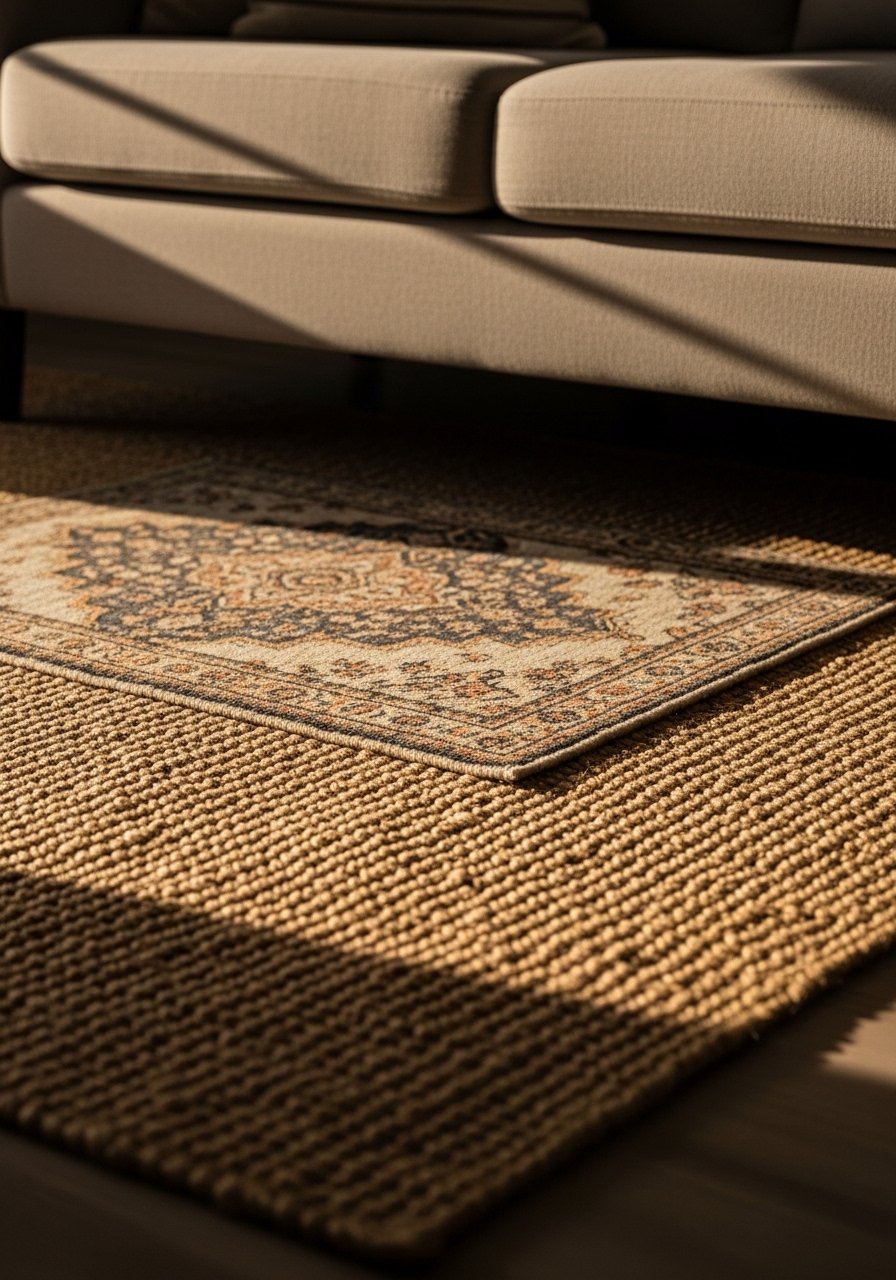
I used to buy a single cheap rug and hope it worked. Layering rugs gives depth and hides wear. Start with a neutral jute 8×10 and layer a 5×8 patterned wool rug where feet land. For a standard living room go 8×10 for the base and 5×8 for the top. This 8×10 jute rug is affordable and tough. A common error is placing both rugs randomly. Center the layered rug cluster on the seating area and make sure front legs of your sofa sit on the wool rug.
Swap Old Paint With a Competitor Formula Match (Trim or Accent Wall)
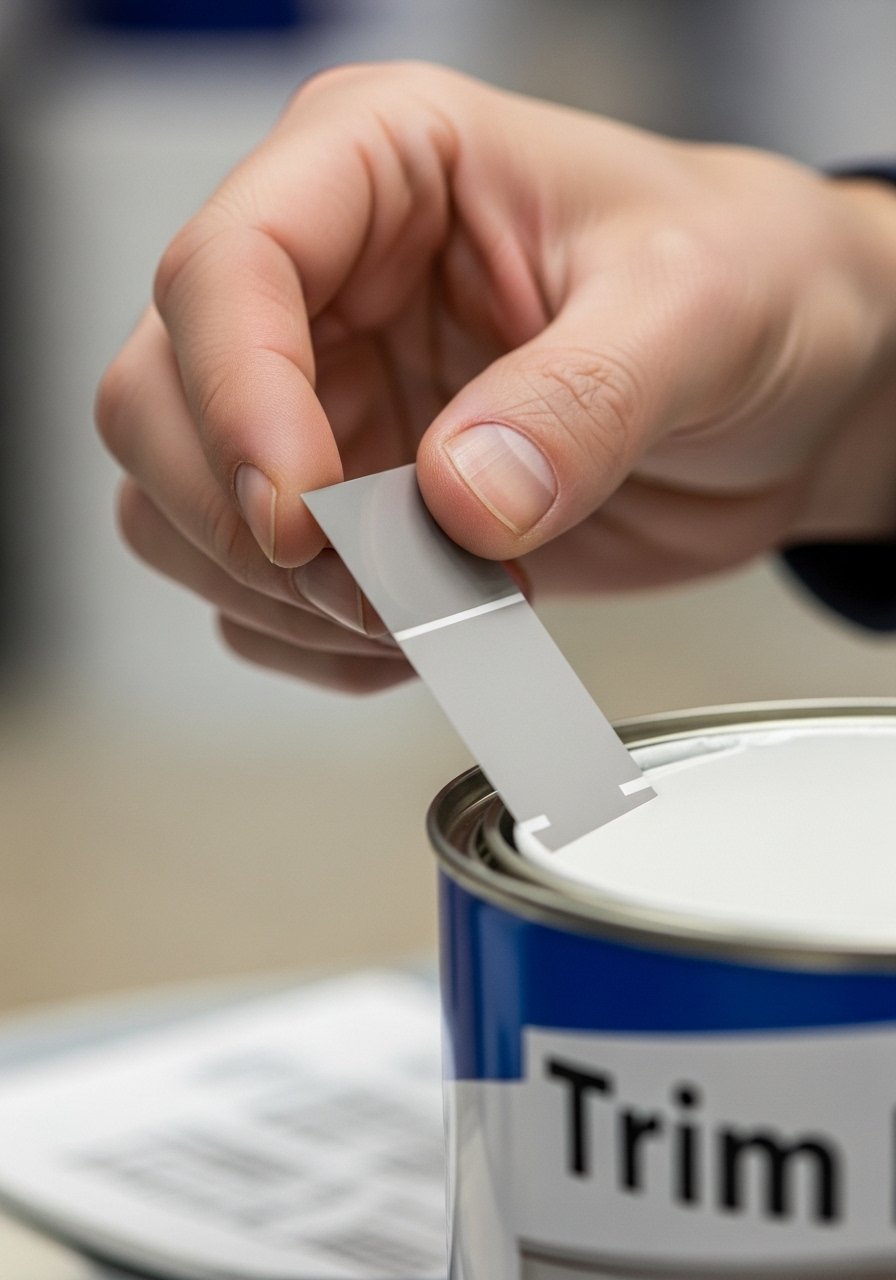
One of my go-to tricks when a favorite color disappears is to ask for a competitor formula by name at the store. About four in ten folks grab a rival brand match to save bucks. Bring a fresh chip or fabric swatch to avoid faded-sample mistakes. If you are touching up trim save the formula code and buy a small sample pot first. I used a store match to revive an old greige on my bedroom trim and it blended without repainting the walls. A trap is trusting a faded chip. Use a fresh, clean sample for the scan.
Test Sample Panels Before Committing (Any Room)
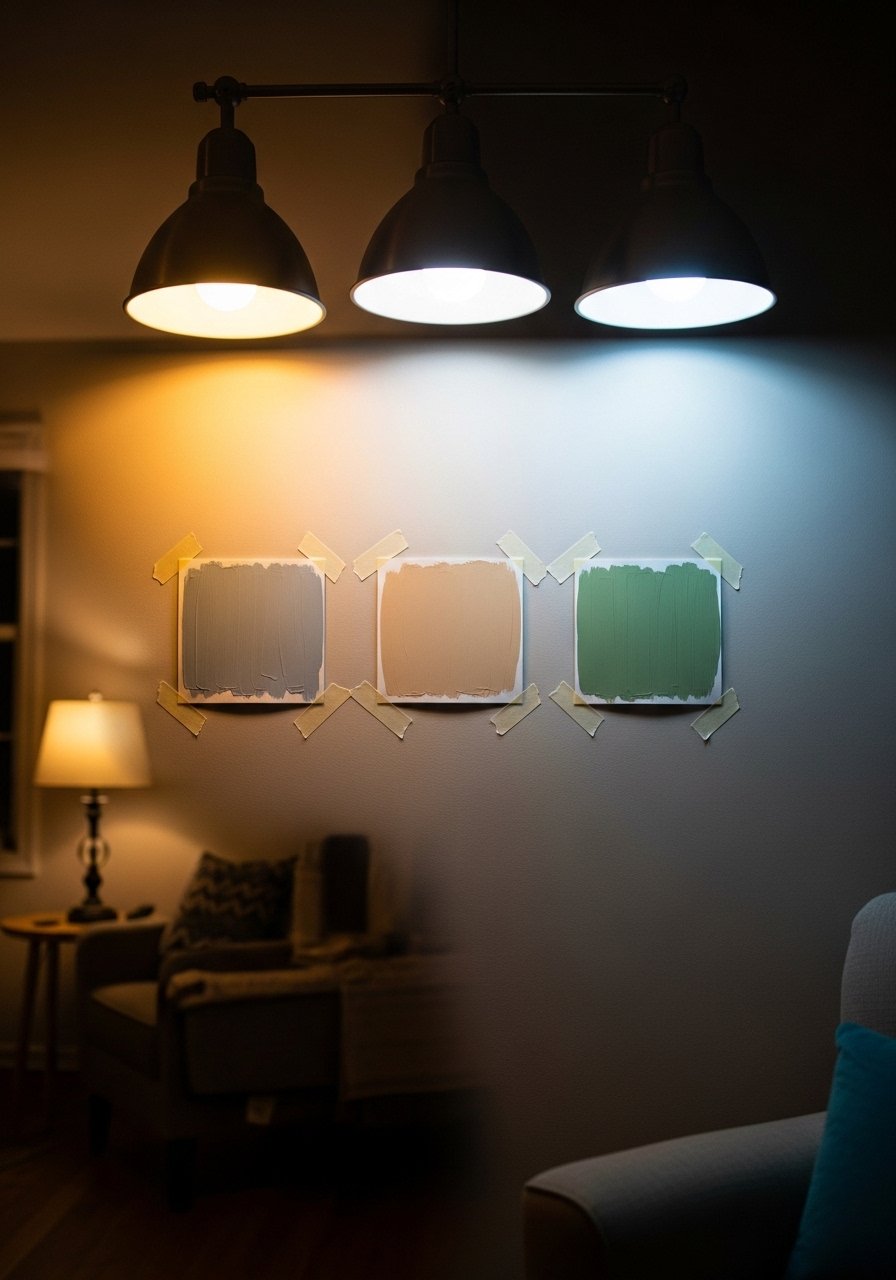
Paint looks different under home bulbs, and most matches flop on the first go because of room lights. I paint 2×2 foot panels and live with them for three days in morning and evening light. For renters use peel-and-stick poster board panels. Scanner tools slash mistakes by four-fifths for repeat jobs, but always do the eyeball check. I used Behr sample pots and left them up for a week before buying a full can. A common mistake is buying full cans from a store sample that looked fine under fluorescent store lights.
Small Touches That Make Guests Notice (Hall Table or Mantel)
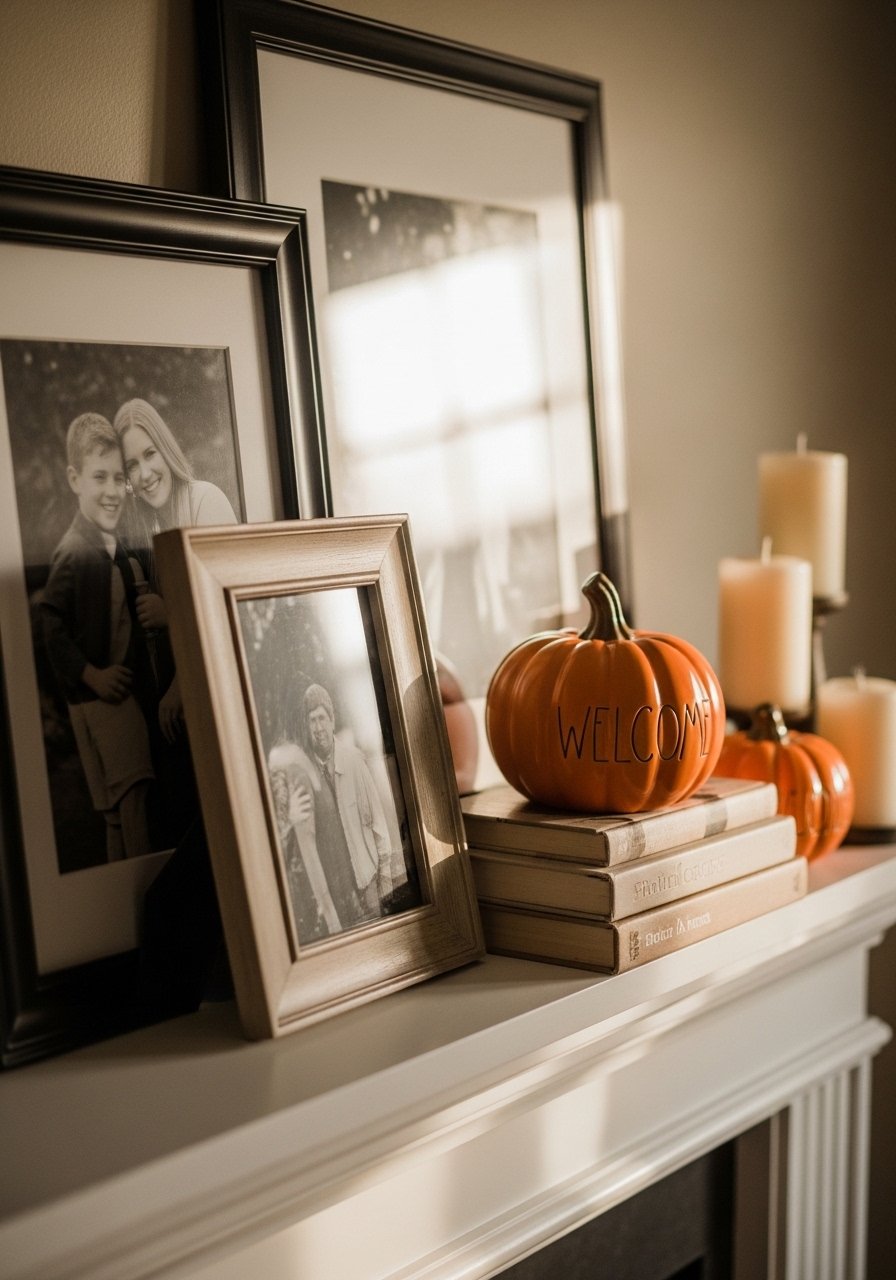
Guests comment on tiny clusters more than on a big change. Swap one art piece for a framed photo, tuck a ceramic pumpkin into a stack of books, and add a tapered candle. I bought small ceramic pumpkins, set of 3 and placed them in unexpected spots. The mistake is over-accessorizing every surface. Pick three vignettes in your home to style well and leave the rest alone. Pair this with the mirror idea earlier for a cohesive first impression.
Your Decor Shopping List
Textiles
- Honestly the best $40 I have spent. Chunky knit throw in rust (~$40). Drape over the sofa arm for instant warmth
- 22-inch linen pillow covers, set of 2 in oatmeal and charcoal
- Plaid wool throw blanket (~$45)
Wall Decor
- Found these while looking for something else. Round brass mirror 30-inch (~$95)
- Brass picture ledges, set of 2 (~$20) let you swap art without new holes
Lighting
Plants
Seasonal Finds
- Small white pumpkins set of 6 for table runners and shelves
Similar at Target or HomeGoods for several of the above items if you prefer to shop in person.
Shopping Tips
White oak is less dated than dark wood right now. White oak floating shelves look current and are easy to style.
Grab velvet pillow covers for $12 each. Swap them seasonally and the room feels different without buying new furniture.
Curtains should puddle or kiss the floor, never hang halfway up. These 96-inch panels are right for standard 9-foot ceilings.
One tall plant has ten times the impact of five small ones. Try an artificial fiddle leaf fig 5ft if you need instant height without upkeep.
Prefer a budget change over a big paint job. Ask for competitor formulas by name at your paint counter and start with a sample pot. Paint sample pots help you test before buying gallons.
Frequently Asked Questions
Q: What rug size should I actually buy for my living room?
A: Bigger than you think. For a standard living room, an 8×10 base rug with a 5×8 layered rug on top is a safe choice. Make sure the front legs of the sofa sit on the top rug.
Q: Can I mix boho textiles with modern furniture without it looking messy?
A: Yes. Keep the furniture lines simple and use boho textiles as accents only. Limit pattern scale and repeat the same color palette in three places across the room.
Q: How do I avoid a paint match that looks off at home?
A: Test samples on 2×2 foot panels and view them at different times of day. Most matches flop on the first go because of room lights. Use fresh chips for scans to avoid faded-sample errors.
Q: Should I match metals or mix them in a fall palette?
A: Mix them. Pick one dominant metal and one accent, then repeat them in three spots across the space. Too many metal finishes makes a room feel scattered.
Q: How do I make a mantel seasonal without overdoing it?
A: Pick a single line across the mantel and layer items of different heights, keeping the overall height under 18 inches. Use a single candle scent and one small seasonal item like a ceramic pumpkin.
Q: I am a renter, can I do any of these without repainting?
A: Absolutely. Use peel-and-stick panels for paint tests, removable hooks for curtains, and smaller swaps like hardware and textiles. Scanner tools slash mistakes by four-fifths for repeat jobs, but small changes are the easiest and quickest to undo.