
My living room had nice furniture and decent lighting but it still felt like a waiting room. Took me embarrassingly long to figure out it was missing texture. Every surface was smooth, every color was flat, and nothing invited you to actually sit down. After a few small handmade pieces things finally read like a lived-in home instead of a showhouse.
These ideas skew rustic with a warm, lived-in vibe. Most folks nail a rustic refresh for under $500. Projects here run from very cheap weekend hacks to one or two splurge pieces around $100-150. Useful in living rooms, entryways, bedrooms, or any blank wall that needs personality.
Weathered Wood Shelfie With Greige Pottery For A Living Room Nook
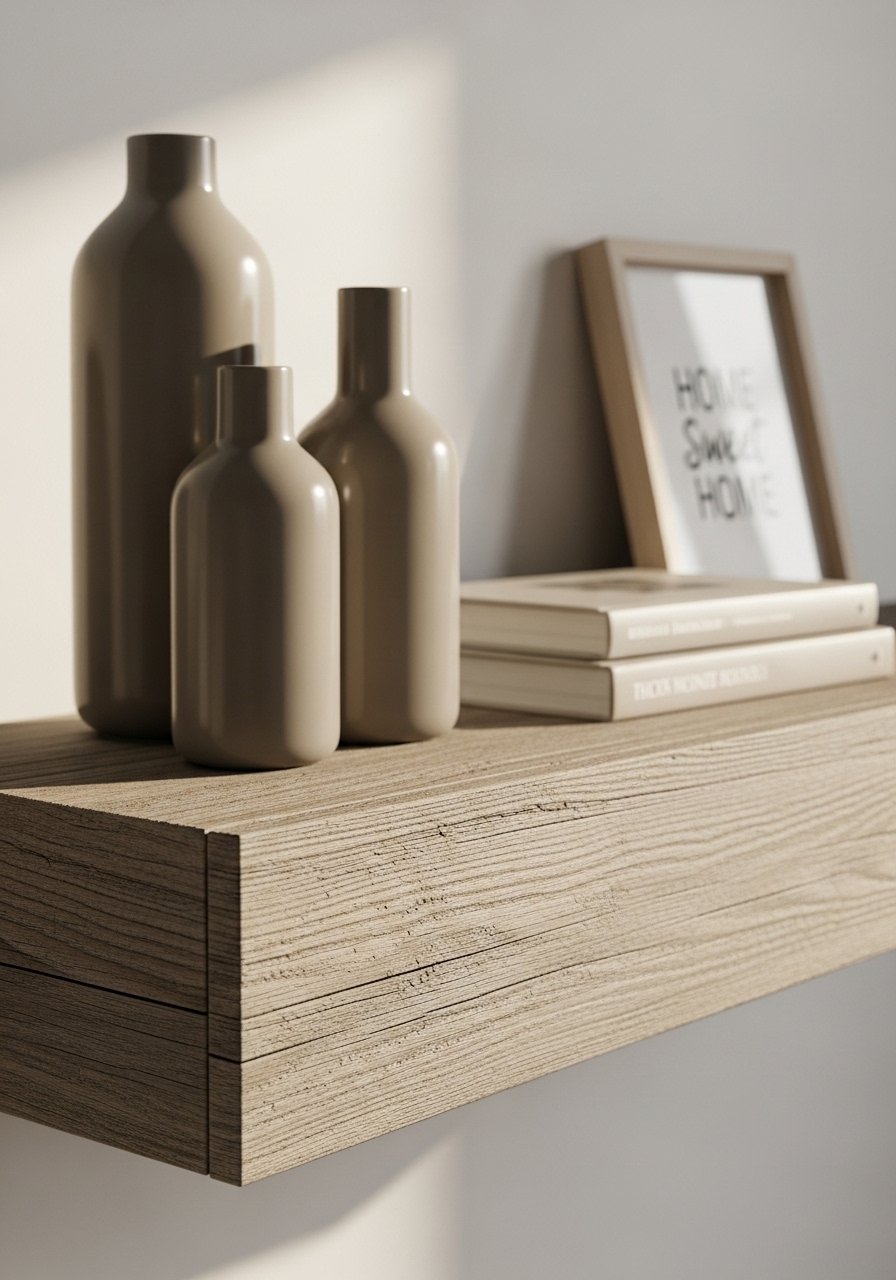
The moment I leaned a chunky weathered board into my awkward corner, the room stopped feeling like a showroom. Weathered wood adds warmth and the greige pottery takes away that staged gloss. Aim for three objects in varied heights to hit the rule of odds and avoid a museum look. A 24-inch shelf works for most nooks and keeps things proportional, not dwarfed by art. My mistake the first time was using all tall vases. Break the lineup with a flat object, like a small tray or book. For easy shopping try greige ceramic vases and a 24-inch reclaimed-wood-shelf. Most folks will get this effect for under $60.
Mason Jar Pendant Cluster Over Sink For Kitchen Lighting
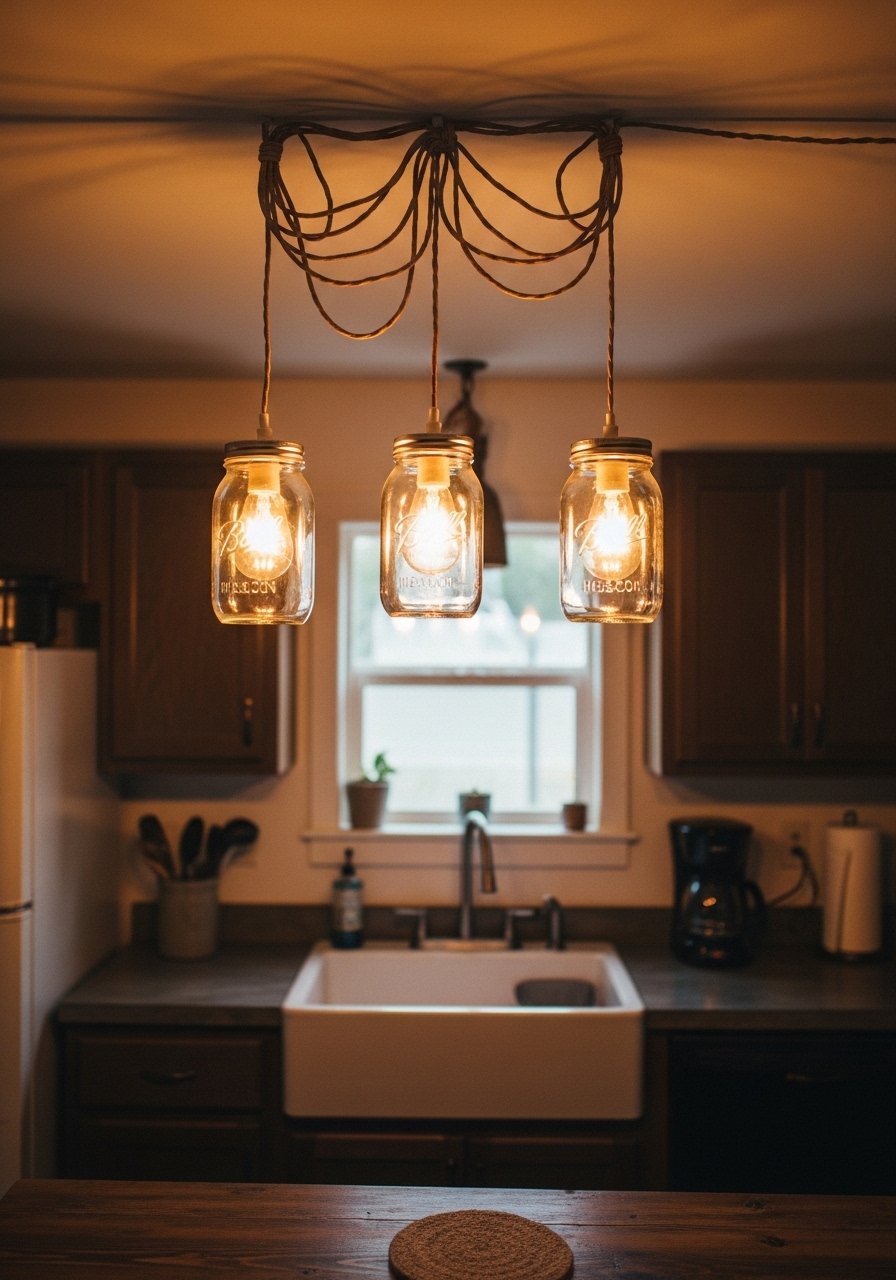
I hung three 16-ounce mason jar pendants over my sink and the cheap lighting suddenly felt intentional. Three jars are the magic number for pendant clusters in small kitchens. Use edison bulbs for warmth and keep cords intentionally uneven for a handmade aesthetic. Common mistake is wiring them at identical heights, which reads manufactured. If you rent, use a tension-mounted cluster or a single-hook ceiling plate so you do not drill multiple holes. I bought a mason jar pendant kit and split the cost with a friend. Try these mason-jar-lighting-kits for an affordable start.
Galvanized Bucket Planter Trio For Coffee Table Greenery
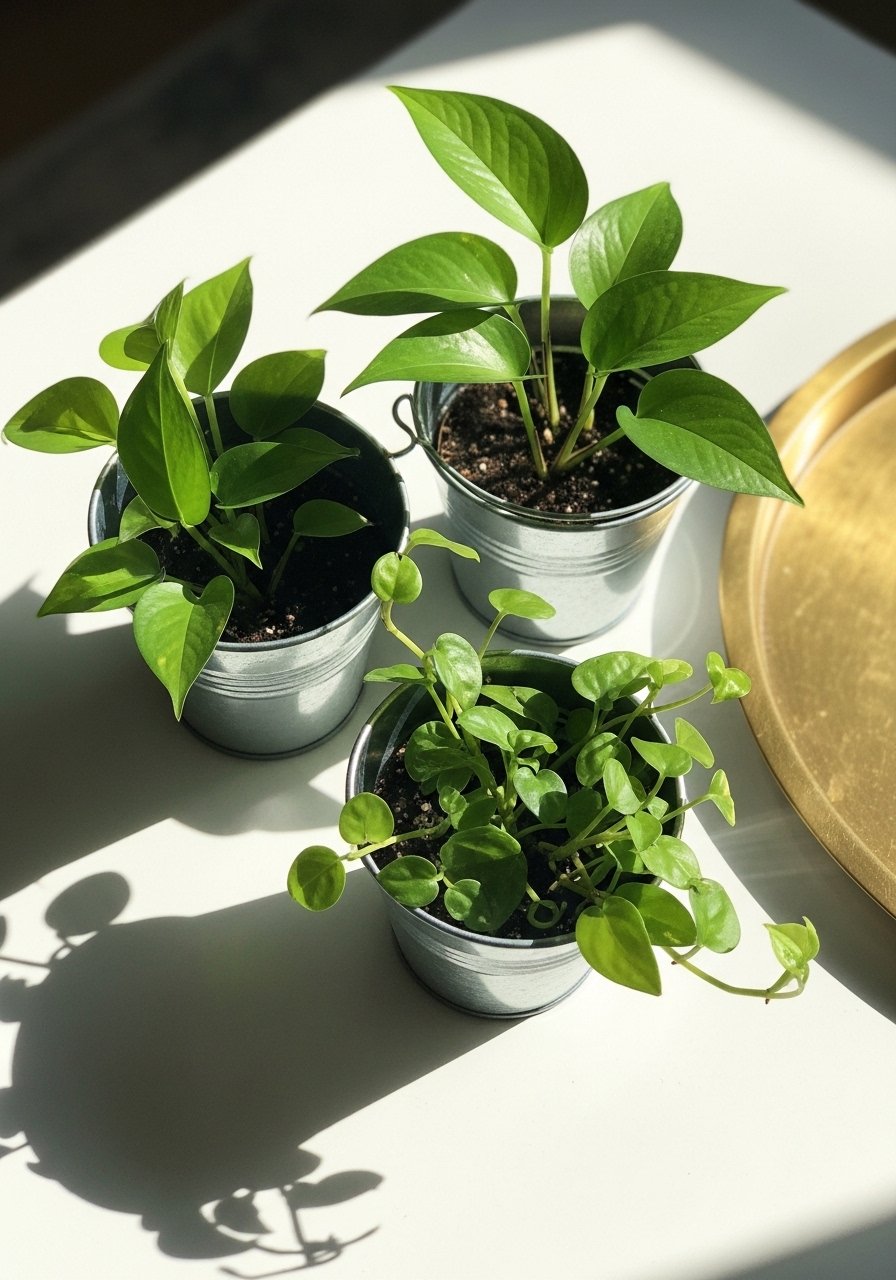
Plants rescue every flat surface, but the right planter matters. Galvanized buckets have a lived-in, rustic look and hide cheap plastic pots. Group three buckets of different sizes on the coffee table to satisfy the rule of odds and create movement. One bucket should be trailing, one upright, and one with a textured leaf. A rookie move is planting directly without a saucer. Line the inside with a small terracotta saucer so water does not stain wood. For low fuss pick pothos and spider plants that survive neglect. I bought galvanized-buckets-set and potted cheap nursery plants for under $30 total. Almost half chase jute and wood over fake stuff, but real plants win when you want life and low cost.
Reclaimed Barn Door Headboard That Leans In A Bedroom
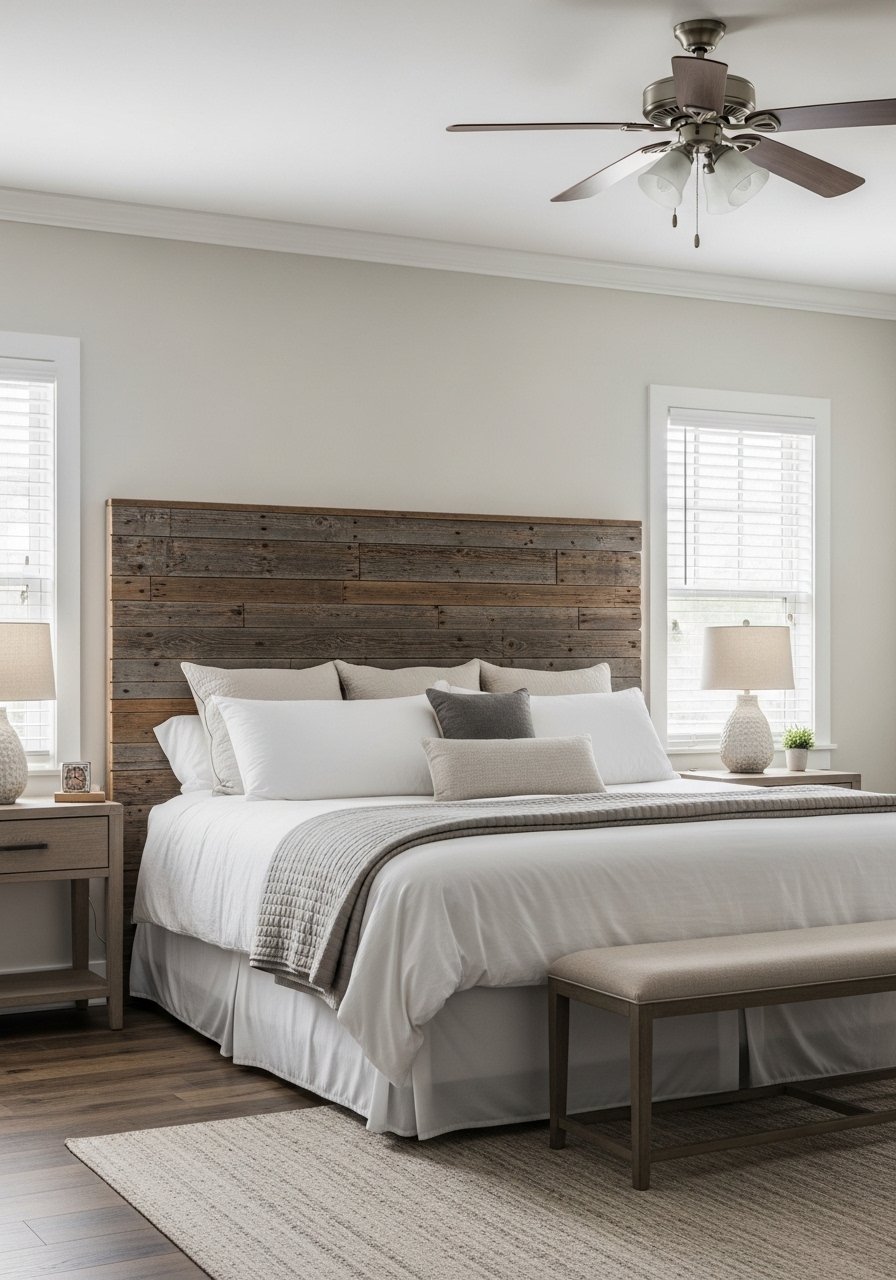
I used pallet wood to build a lean-in headboard and it made my bed suddenly feel intentional. For most queen beds a 36×60 inch panel looks balanced. Leaning keeps it renter safe and avoids wall damage. The visual success comes from height and texture, so pair it with two 24×24 euro pillows in back, two 18×18 mid pillows, and one 12×20 lumbar to hit the pillow formula. People often try to mount a headboard too low. Keep the top roughly 18-24 inches above pillows. If you do not want to cut wood, try a reclaimed-wood-panel as a ready option.
Woven Wall Hanging Above Sofa For Textural Interest
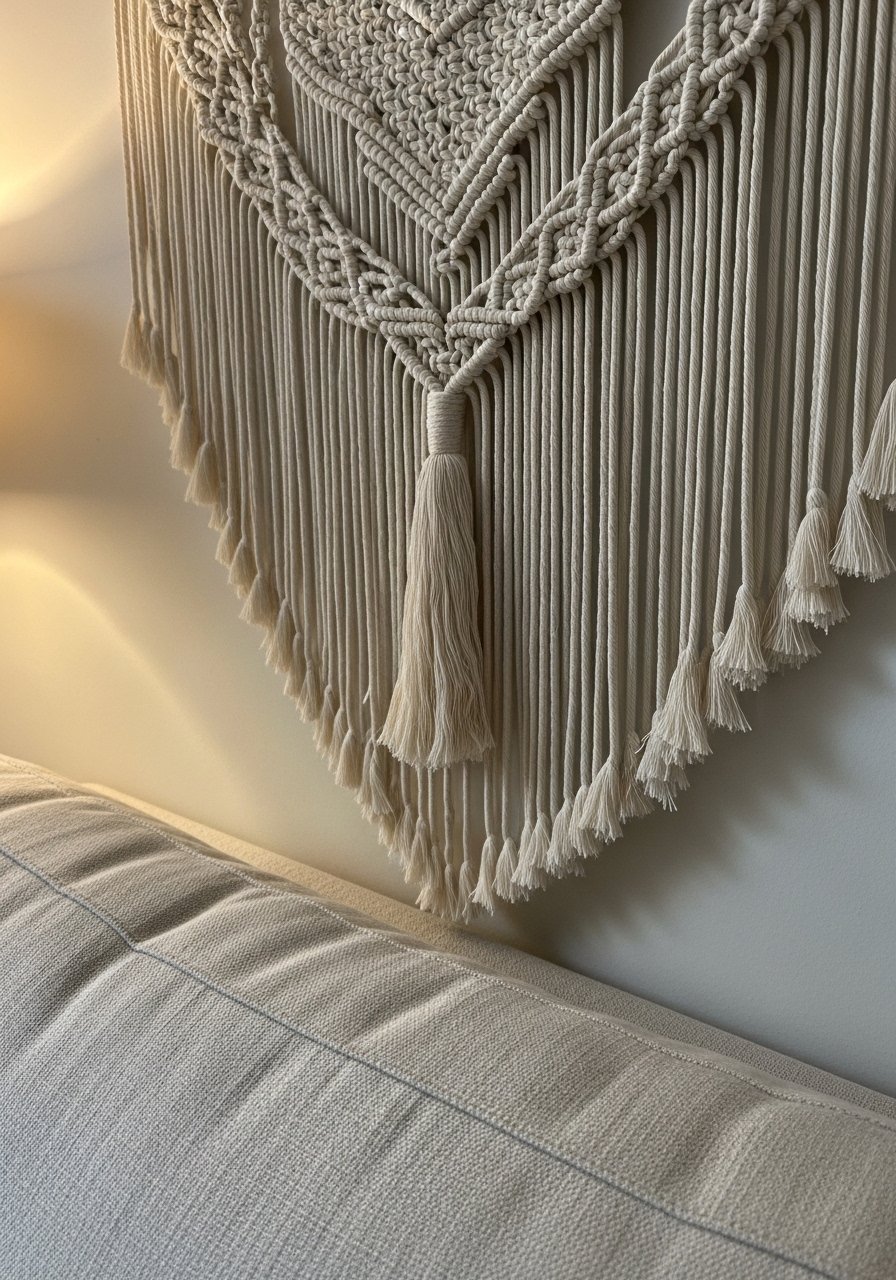
There is something about a wall hanging that makes you want to sit down. A 24- to 30-inch woven piece reads handmade without overwhelming the wall. I chose a neutral jute piece and added one small framed print next to it to keep the mix collected. A typical mistake is choosing a piece too small for a three-seat sofa. The top of the textile should align with the top third of your sofa back. Macrame snags easily in homes with pets, so pick washable linen backs or go synthetic for durability. I grabbed this 24-inch-macrame-wall-hanging and it instantly warmed the room.
Vintage Suitcase Stack Side Table For Entryway Storage
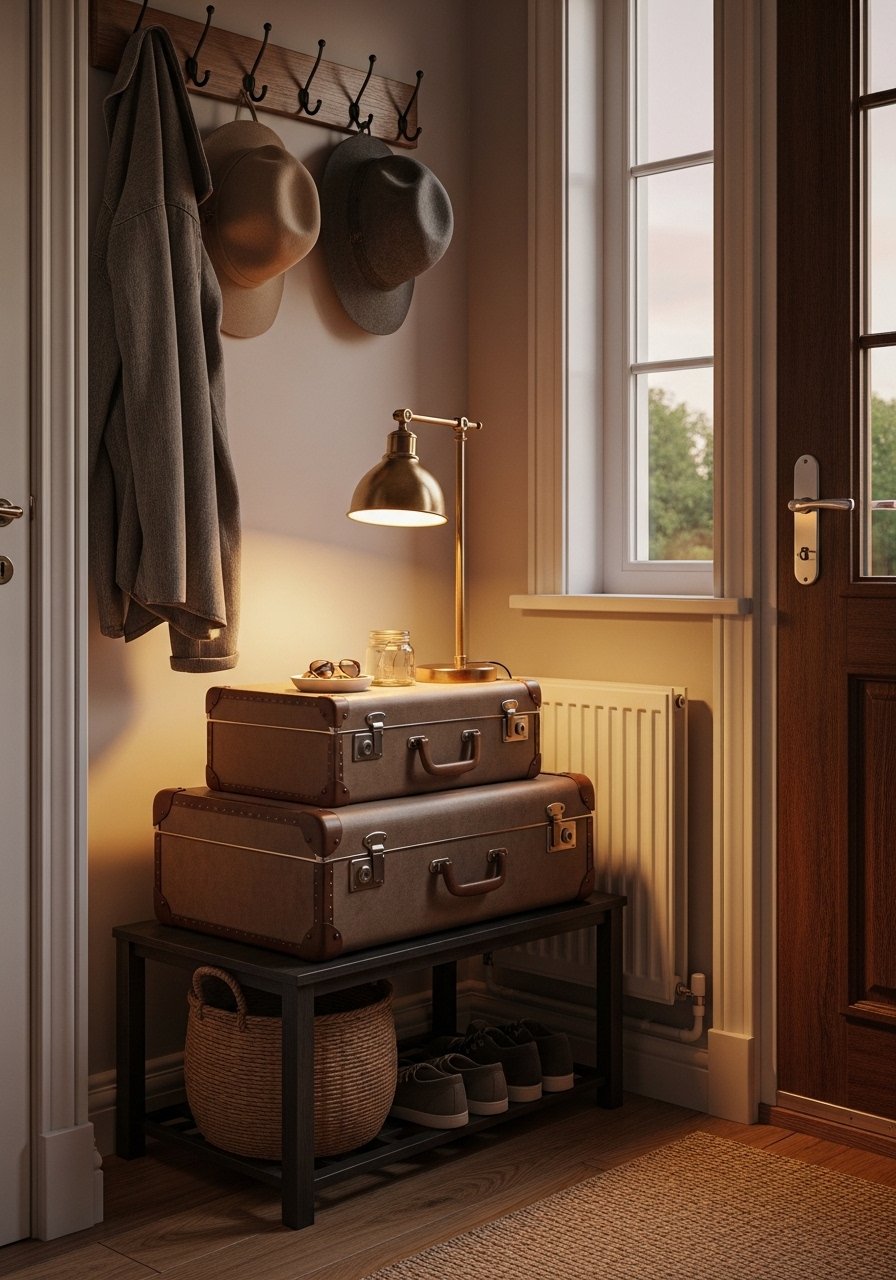
My entryway used to be a drop zone. Stacking two old suitcases gave me a surface for keys and a hidden drawer for scarves. The uneven edges and worn leather read collected. Go for a larger bottom case about 22 inches wide so it does not look like a precarious tower. People often stack identical sizes, which feels too matched. Mix sizes and materials. If your pets rub against it get a hard top so claws do not shred leather. Found cases on a thrift run, but you can also look for vintage-suitcase-set options online if you do not thrift.
Peel-And-Stick Shiplap Accent Wall With Floating Shelves For Renters
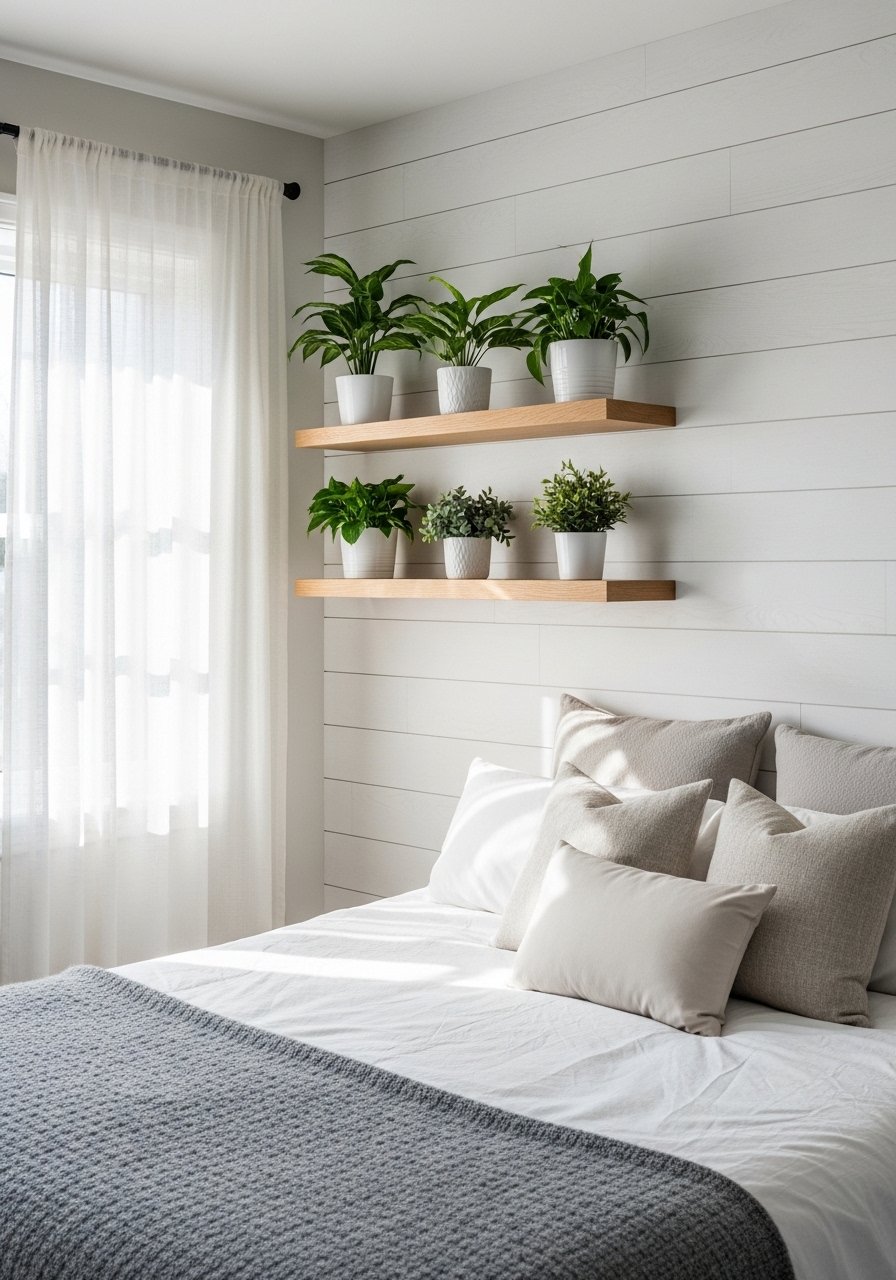
I did a peel-and-stick shiplap wall when I rented and it read expensive without paint fumes. Place panels horizontally and keep shelf spacing around 12-16 inches to avoid a cluttered look. A common error is covering the whole room. One feature wall is enough. For hands-off renters use command strips for shelves under 10 pounds. I paired whitewashed planks with white oak shelves for a warmer look than gray shiplap. Try peel-and-stick-shiplap-panels and white-oak-floating-shelves. Most folks opt to stay under $200 for this kind of update.
Brass Tray On Ottoman With Candles For Low-Cost Styling
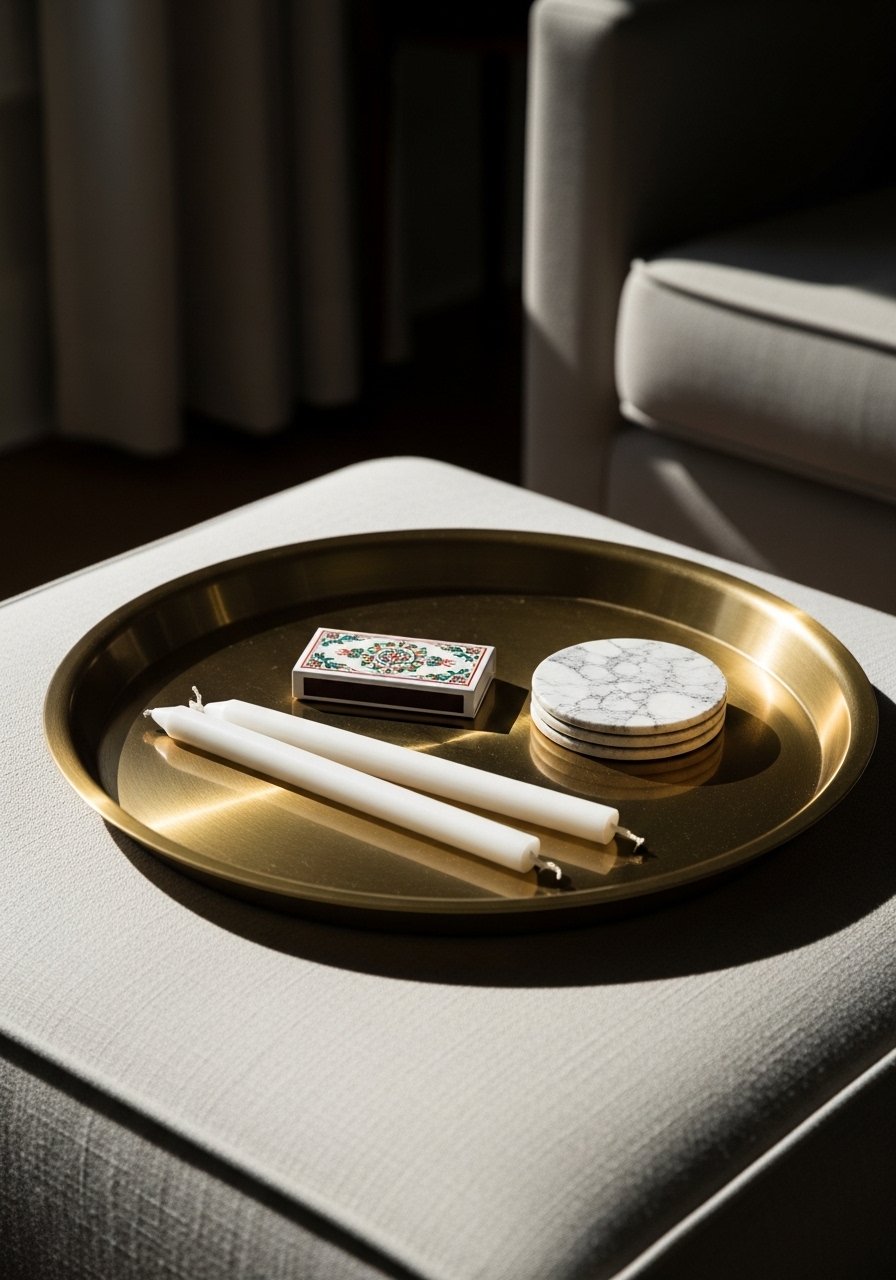
I spent $35 on a brass tray and it tied my whole seating area together. A tray anchors items at floor level so the room stops feeling top-heavy. Use one large tray about 14-18 inches across on an ottoman and arrange objects in odd numbers. Beginners often put fragile decor directly on upholstered ottomans. Always use coasters or a small board under candles to avoid wax or stains. If you have kids or pets, opt for battery-operated taper candles that give the same glow. I bought a brass-round-tray and a set of battery-taper-candles and it lasted through messy weekends.
Layered Jute Rug With Wool Throw Rug And Faux Fur Pouf For Seating Corners
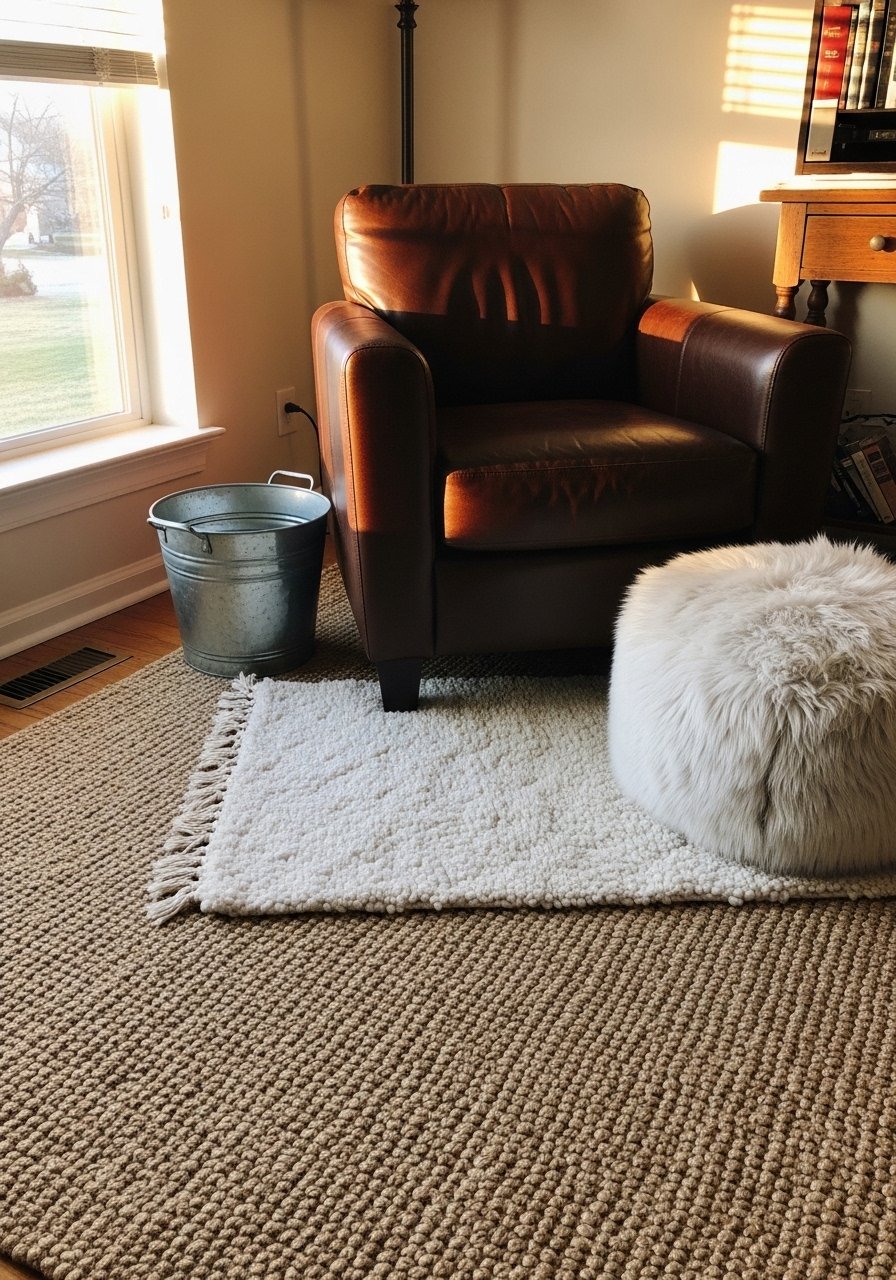
Layering rugs is the trick I used to fix a floating furniture problem. Start with a natural jute base at least 8×10 under most living room layouts, then add a smaller 5×7 wool rug centered under the front legs. For small apartments use a 5×7 jute base and a 3×5 patterned top rug. A lot of people skip the rug pad and then have sliding and bunching. Always use a pad and make sure all front legs of main furniture sit on the larger rug. Add a faux fur pouf for extra seating that reads casual. Shop a durable 8×10-jute-area-rug and a 5×7-wool-throw-rug. Three to five pillows hit that sweet spot on most couches, so add a mix of textures rather than all one fabric.
Your Decor Shopping List
- Honest favorite textiles: Chunky knit throw in cream (~$35-55). Drape over the arm for instant warmth. Similar picks at Target.
- Pillow set for sofa: 22-inch down-filled linen pillow covers, set of 2 (~$40). Pair with a 12×20 lumbar for the center.
- Lighting fix: Mason jar lighting kit, three-pack (~$30-50). Works over sinks or small islands.
- Planters and greenery: Galvanized bucket planters, set of 3 (~$20-35) and live pothos from local nurseries.
- Wall texture: Peel and stick shiplap panels, whitewashed (single panel sizes listed in product). Great renter alternative to paint.
- Small furniture hack: Vintage-style suitcase set (various sizes). Use one as a side table.
- Rug foundation: 8×10 jute area rug (~$80-120). Add a 5×7 wool rug on top if you can.
- Accent hardware: Brass round tray, 14-inch (~$25). Works on ottomans or consoles.
Shopping Tips
- White oak beats dark wood this year. White oak floating shelves look current, not dated. Use them with greige pottery for a warm shelfie.
- Grab velvet pillow covers for $12 each. Swap colors seasonally and the whole sofa reads different.
- Curtains should kiss the floor or puddle slightly, not hang mid-wall. 96-inch linen panels work for standard 9-foot ceilings.
- One tall plant beats five tiny succulents. Save effort with a 6-foot faux fiddle leaf fig where you need height without maintenance.
- If you have pets, avoid boucle. Go for washable linen or synthetic textured covers like these machine-washable-linen-pillow-covers that hold up.
Frequently Asked Questions
Q: Can I mix boho textiles with modern furniture without it looking messy?
A: Yes. Keep a dominant neutral base and use one bold texture per vignette. For example, pair a linen sofa with a single macrame wall hanging and a jute rug. That balance keeps things collected rather than cluttered.
Q: What size rug do I actually need for a living room?
A: Bigger than you think. For most living rooms go at least 8×10 so front legs of main furniture sit on the rug. Use a pad underneath to stop sliding and bunching. This 8×10 jute rug is neutral and hard wearing.
Q: How do I make rustic pieces renter-friendly?
A: Lean elements rather than mount them and use peel-and-stick and command-strip options. For shelves under 10 pounds use heavy-duty command strips and test weight limits first. Peel-and-stick shiplap panels are a renter staple.
Q: Real plants or faux for rustic styling?
A: Both. Real pothos and snake plants handle neglect and add life. Where you need consistent height and zero maintenance, use a high-quality faux like a 6-foot faux fiddle leaf fig.
Q: My living room looks staged but cold when people sit down. What am I missing?
A: Layered textures and varied pillow sizes. Three to five pillows hit that sweet spot on most couches. Add a soft throw, a rug with a wool layer on top of jute, and a small footstool or pouf for real-use seating. That combination fixes the "staged but unlivable" problem fast.