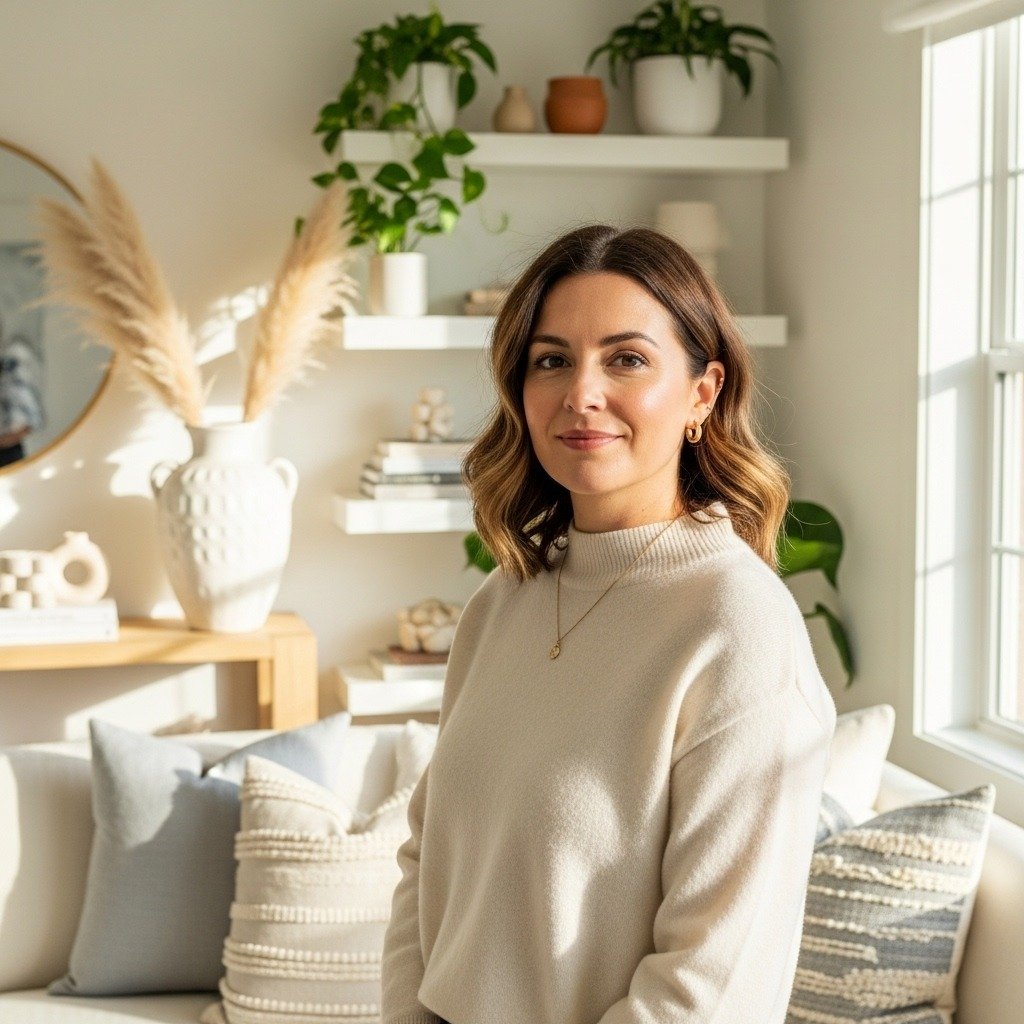
Minimalist rooms look effortless in photos—but in real life, they can quickly feel cold, unfinished, or a little *too* bare. The key isn’t adding more stuff. It’s choosing the **right** pieces and placing them with intention. When done well, minimalism feels calm, warm, and inviting—not empty.
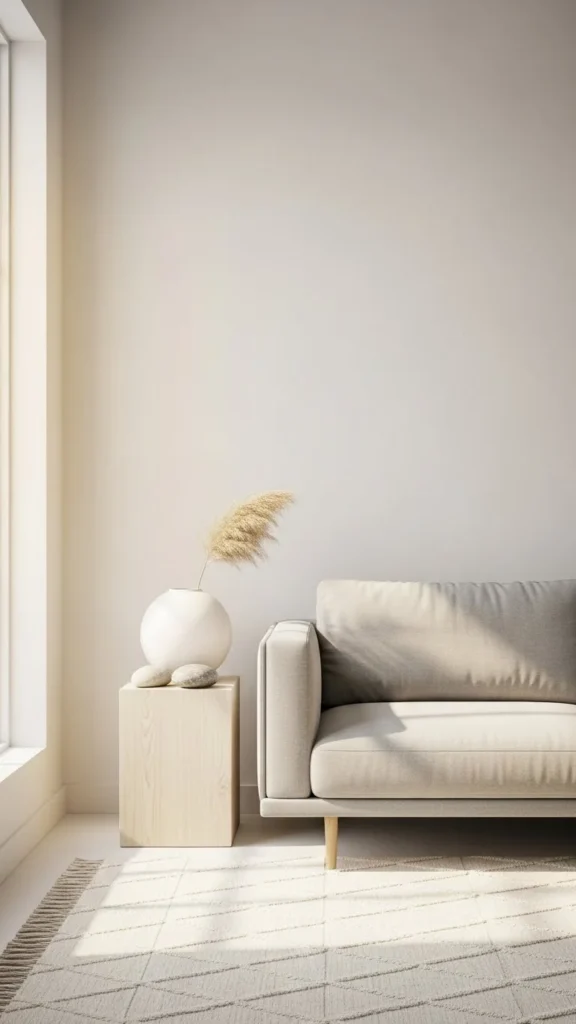
Let’s break down exactly how to decorate a minimalist room so it feels complete, cozy, and lived-in—without losing that clean, simple vibe you love.
—
## Start With a Strong Foundation
Before adding decor, make sure the basics are working for you.
A minimalist room relies heavily on:
– **Neutral colors** (white, beige, gray, warm taupe)
– **Clean-lined furniture**
– **Open space that allows the room to breathe**
If the walls, floors, or furniture feel off, accessories won’t fix it.
Tips:
– Choose one dominant neutral and one soft accent tone.
– Avoid furniture that’s too small—it makes the room feel sparse.
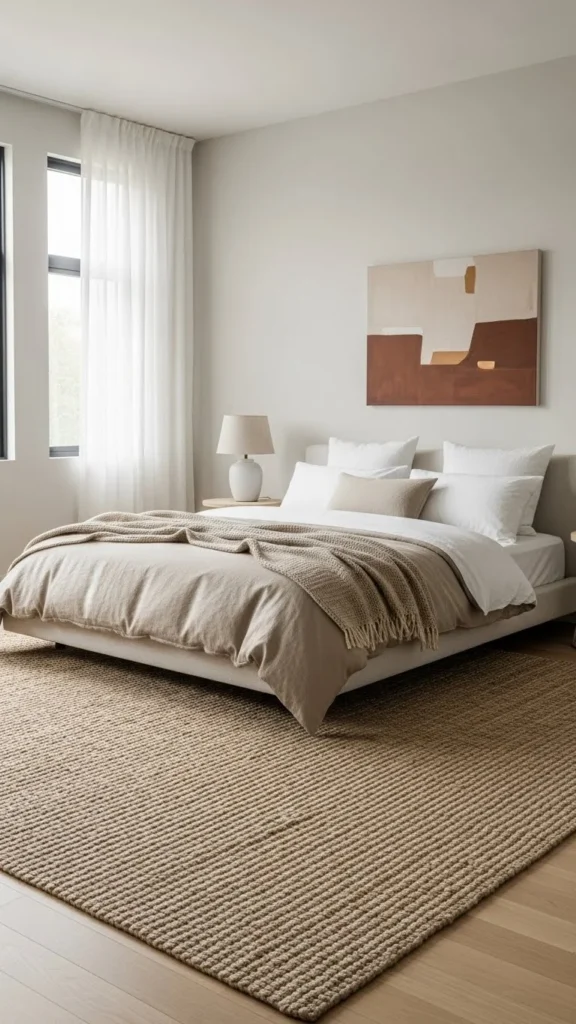
– Anchor the space with a rug to define the room visually.
—
## Layer Textures to Add Warmth
Minimalism doesn’t mean flat or sterile. Texture is what makes the room feel inviting.
Instead of adding more objects, mix materials:
– Linen curtains
– Wool or cotton throws
– Wood, stone, or ceramic accents
– Subtle woven or boucle fabrics
These layers create visual depth without visual clutter.
Quick ideas:
– Drape a throw casually over a sofa or chair.
– Use textured pillows in the same color family.
– Mix matte and natural finishes for contrast.
—
## Use Fewer Decor Pieces—But Make Them Count
In a minimalist room, every item should earn its place.
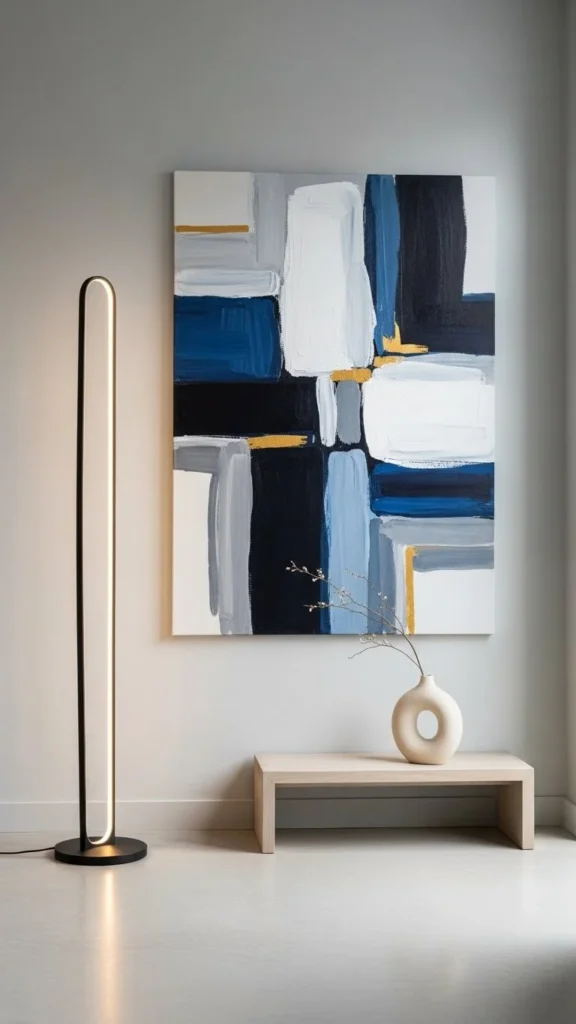
Instead of many small items, go for:
– One large art piece
– A sculptural vase
– A bold floor lamp
– A statement mirror
This keeps the space intentional rather than unfinished.
Rule of thumb:
– If it doesn’t add beauty or function, skip it.
– Leave breathing room around decor so it stands out.
—
## Bring in Life With Greenery
Plants are one of the easiest ways to prevent a minimalist room from feeling empty.
They add:
– Color
– Organic texture
– A sense of life and movement
Best plant choices:
– Snake plant
– Fiddle leaf fig
– Olive tree
– Simple dried branches in a tall vase
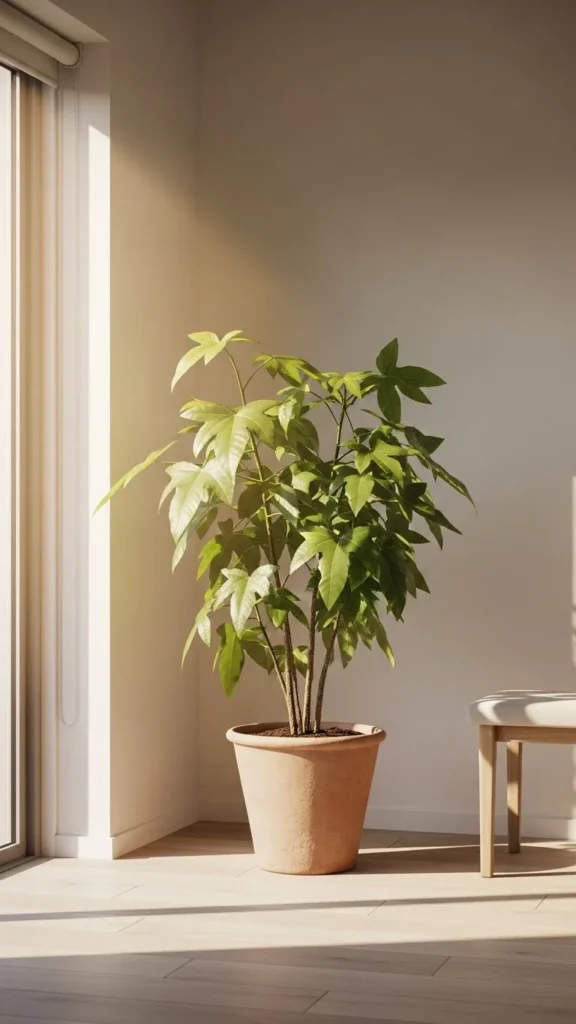
Keep it simple:
– One large plant is better than many small ones.
– Use neutral or natural planters.
—
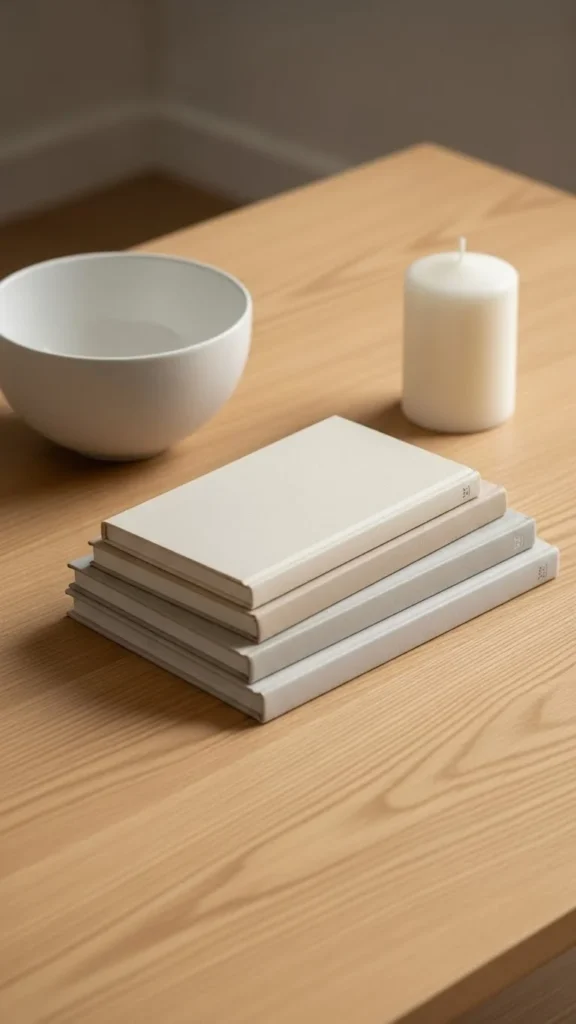
## Style Surfaces With Purpose
Empty surfaces can feel stark—but overcrowded ones defeat minimalism.
Aim for balance:
– Coffee tables: 2–3 items max
– Shelves: leave visible negative space
– Nightstands: essentials only
Easy styling formula:
– One vertical item (lamp or vase)
– One horizontal item (book or tray)
– One organic or soft element
—
## Pay Attention to Lighting
Lighting can make or break a minimalist room.
Avoid relying on one harsh overhead light. Instead, layer:
– Ambient lighting (ceiling or wall lights)
– Task lighting (lamps)
– Soft accent lighting
Tips:
– Choose warm bulbs instead of cool white.
– Lamps with fabric or frosted shades soften the room.
– Let natural light be part of the design.
—
## Edit, Step Back, and Edit Again
Minimalist decorating works best when you pause and reassess.
After styling:
– Step out of the room.
– Come back with fresh eyes.
– Remove one thing that feels unnecessary.
If the room feels calm but not cold, you’ve nailed it.
—
## Final Takeaway
Decorating a minimalist room without it feeling empty is all about **intention over quantity**. Focus on texture, scale, lighting, and meaningful pieces instead of filling space just to fill it.
Minimalism isn’t about having less—it’s about choosing better.
Save this guide and come back anytime you’re wondering **how to decorate a minimalist room** without losing warmth or personality ✨