
I used to hang curtains at the window frame and wonder why rooms still felt squashed. The wrong rod height and short panels make a ceiling look lower, and the whole room feels unfinished.
I learned to think vertically first. Small shifts—rod placement, panel length, and a sheer layer—change the way a room breathes.
How to Decorate a Room With Curtains for Height
This is the method I use every time a room feels flat or low. You’ll get a taller visual line, balanced proportions, and a softer edge around the window that reads intentional—not accidentally hung. It’s calm, simple, and works with organic modern or cozy neutral schemes.
What You'll Need
- Linen curtain panels in natural, 108 inches (~$35–90)
- Sheer voile panels in white, 96 inches (~$15–40)
- Blackout curtain panels in charcoal, 108 inches (~$30–80)
- Extra-long extendable curtain rod, matte black, up to 144 inches (~$25–70)
- Curtain rings with clips, brass finish, 12-pack (~$8–20)
- Decorative tiebacks in brass, pair (~$10–25)
- Ceiling-mounted drapery rod brackets, deep-set, pair (~$10–30)
Step 1: Raise the Rod 4–6 Inches Above the Window Frame
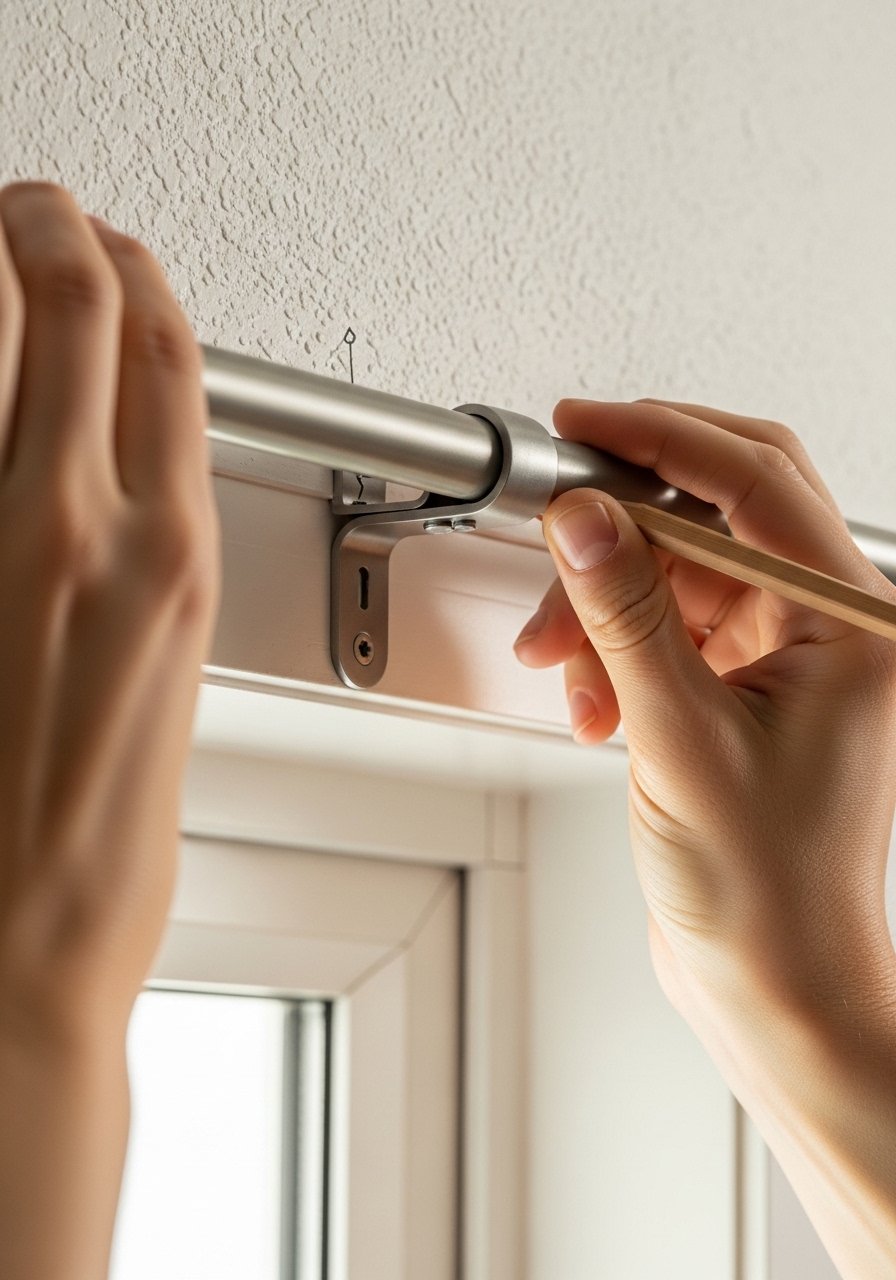
I always start by lifting the rod above the window frame—about 4–6 inches. That gap draws the eye upward and tricks the room into feeling taller. Visually, the wall becomes a taller band instead of a cropped rectangle.
People miss that even a small lift changes proportion instantly. The mistake to avoid is mounting the rod too close to the ceiling; it can look cramped or off-balance. If you have low trim or a big window, go higher—near the top third of the wall—so the rod reads intentional.
Step 2: Choose Full-Length Panels That Either Graze or Pool Slightly
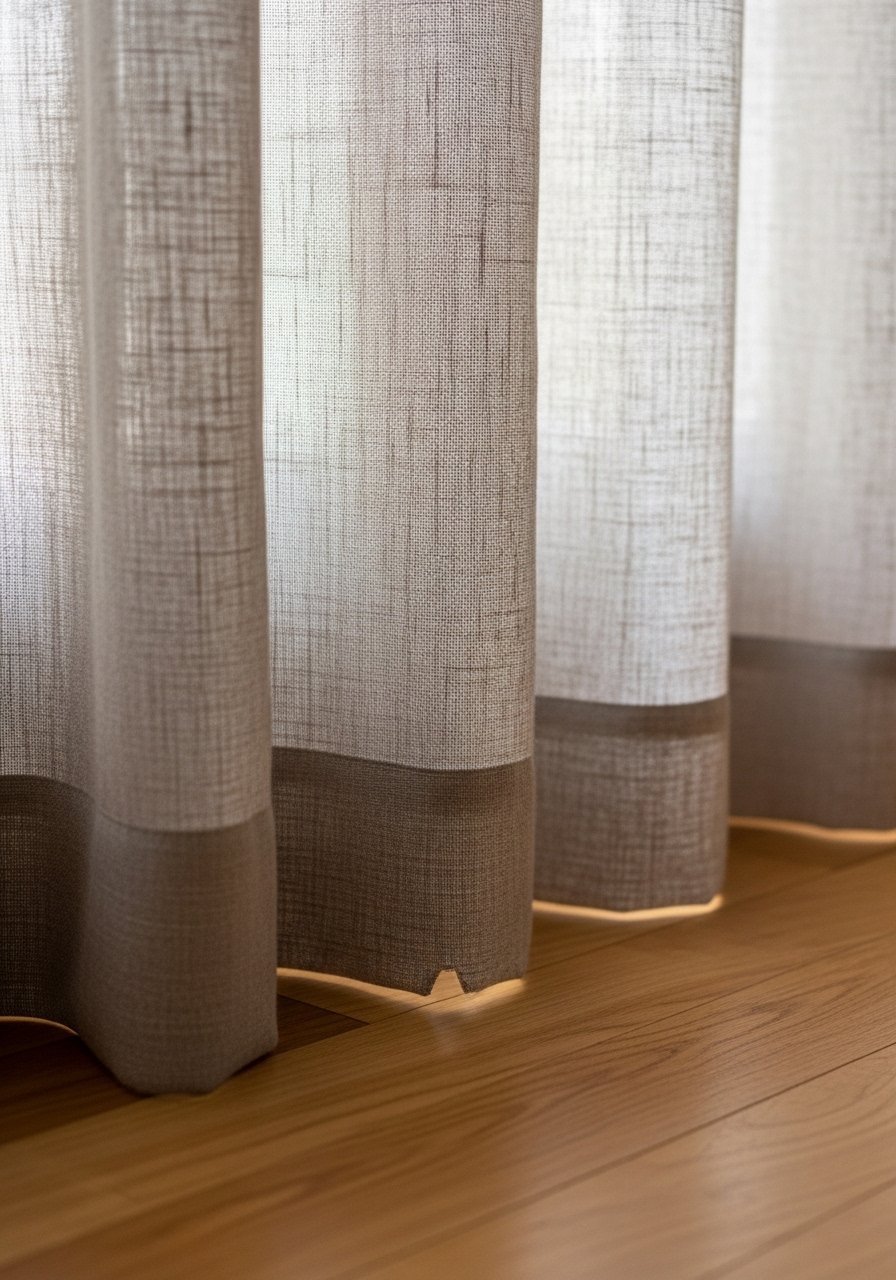
I hang panels that reach the floor—108 inches for most living rooms. Panels that graze or have a subtle puddle look grounded and luxurious. When curtains stop short, they visually chop the wall and make ceilings feel lower.
One insight: longer panels make the window feel proportionally larger, even if your window doesn’t change. A common mistake is buying “just long enough” panels. If the budget is tight, buy longer panels and hem them later or let them gently pool for that lived-in feel.
Step 3: Extend the Rod Beyond the Window Frame to Widen the View
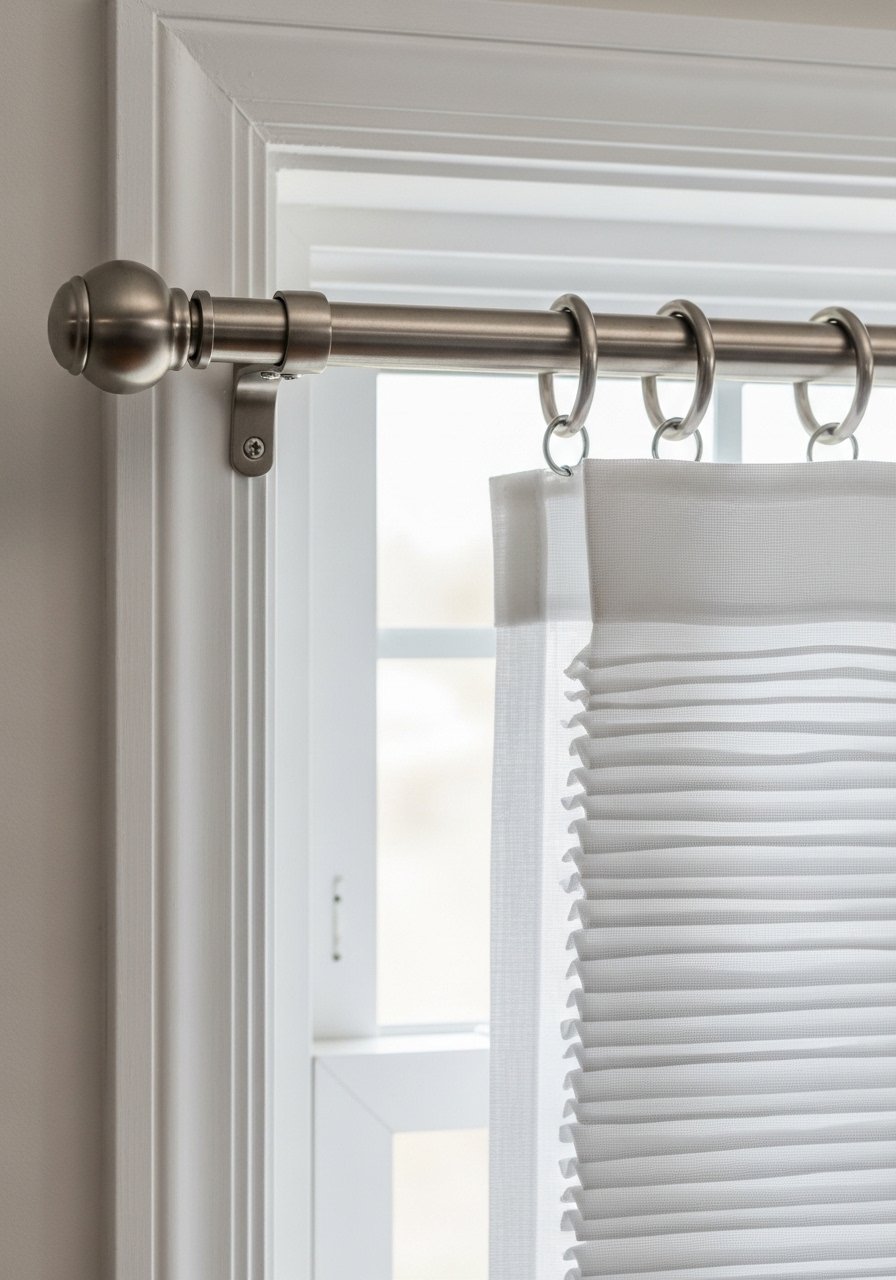
I always extend the rod 8–12 inches beyond each side of the window. That clears glass when curtains are open and visually widens the window. The result is a taller, airier wall and more natural light.
People overlook the stack-back—the way fabric bunches at the side. Using a deeper rod and rings with clips keeps that stack neat. The mistake to avoid is centering the rod only over the glass; it makes the window feel trapped and the wall smaller.
Step 4: Layer Sheers and Heavier Panels for Soft Vertical Lines
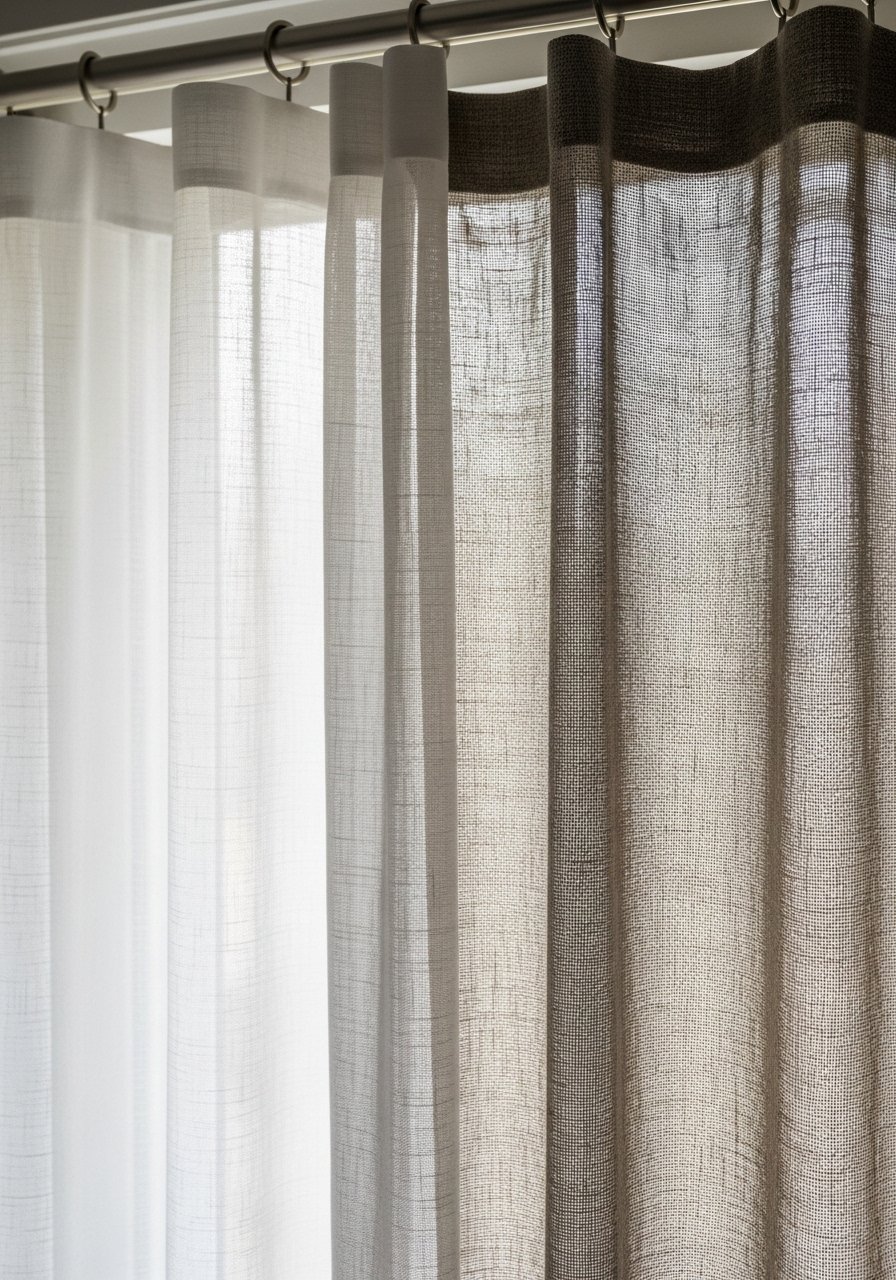
I layer a sheer voile behind a heavier linen or blackout panel. The sheer softens the window edge and keeps vertical lines continuous, especially when the heavier panels are open. Layering keeps height but adds depth and texture.
People miss how sheers can visually “complete” a tall curtain setup even when not used for privacy. Avoid hanging sheers shorter than your main panels; mismatched lengths interrupt the vertical flow. Use rings with clips for a clean top and easier movement.
Step 5: Finish with Balanced Hardware and Subtle Tiebacks
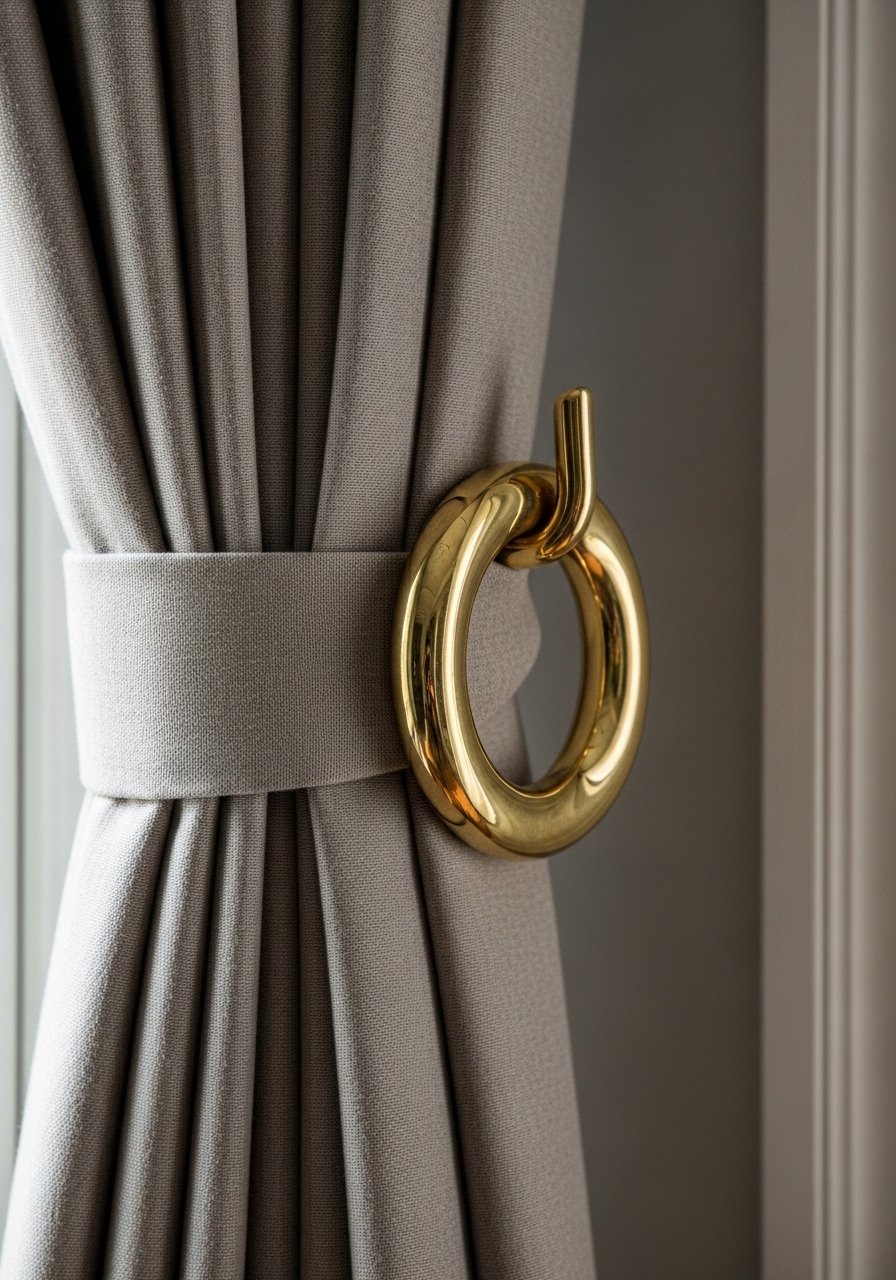
I finish by choosing hardware that reads in scale with the room. Heavier rods suit taller walls; delicate rods can disappear. I add tiebacks to shape the curtain’s fold and show more wall and light—this reinforces the taller proportion.
A useful insight: hardware color ties the curtain into the room’s palette. The mistake I used to make was too-small rings or flimsy tiebacks that collapse the fold. Choose rings and tiebacks that match the rod weight so the curtain hangs crisply.
Common Mistakes and How to Avoid Them
I see the same missteps often. Here’s what I check before I hang anything.
- Hanging too low: Raises ceiling visually with one adjustment—move the rod up.
- Wrong panel length: If panels stop above the floor, they shorten the wall. Buy longer.
- Narrow rod width: Measure beyond the frame so curtains clear glass when open.
Also, don’t forget stack-back and fabric weight; both affect how the curtains read when open.
Adapting This Look for Small Rooms or Very Tall Ceilings
In small rooms, I slightly reduce the rod height—2–3 inches above trim—so the ceiling still reads higher but the window stays in scale. Use lighter fabrics and narrower patterns to avoid overwhelm.
For very tall ceilings, I split the height visually: rod near the top third, then use a trim band or picture rail below. Consider ceiling-mounted brackets if you want dramatic vertical emphasis without crowding the window frame.
Mixing Curtain Styles with What You Already Own
I usually match curtain texture to existing textiles. Linen panels pair well with organic modern furniture. Heavier velvets suit classic rooms but risk looking heavy in minimalist spaces.
Tips I use:
- Match metal tones (rod, tiebacks) to lighting or hardware.
- Bring one color from upholstery into the curtain palette for cohesion.
- Swap sheers seasonally—lightweight in summer, layered in colder months.
Final Thoughts
Start with one window and raise the rod—small changes show up fast. Focus on length and width first; the rest follows. I often begin with a neutral linen panel to test the look; it’s low-commitment and makes the room feel calmer and taller.