
I used to stand in my bedroom and wonder why the neutral paint made everything feel cold and hollow. Blank or beige can read flat if you don’t add weight and texture.
I learned to treat neutrals like a playlist: layer tones, add texture, and place a few lived-in pieces so the room finally feels calm and complete.
How to Decorate a Bedroom With Neutral Colors
This is the method I use every time a room feels unfinished. You’ll learn how to layer neutrals, use texture and scale, and arrange key pieces so the bedroom reads calm, intentional, and comfortable—think organic modern with a lived-in feel.
What You'll Need
- Linen duvet cover in warm white, queen (~$70–110)
- Chunky knit throw in oatmeal, 50×60 (~$40–65)
- Bouclé lumbar pillow, 12×20, ivory (~$25–45)
- Natural jute rug, 5×8, beige (~$80–180)
- Linen curtains, 48×84 pair, natural (~$30–80)
- Ceramic bedside lamp with linen shade, beige (~$35–90)
- Solid wood nightstand, natural oak, small (~$90–220)
Step 1: Anchor the bed with tone and scale
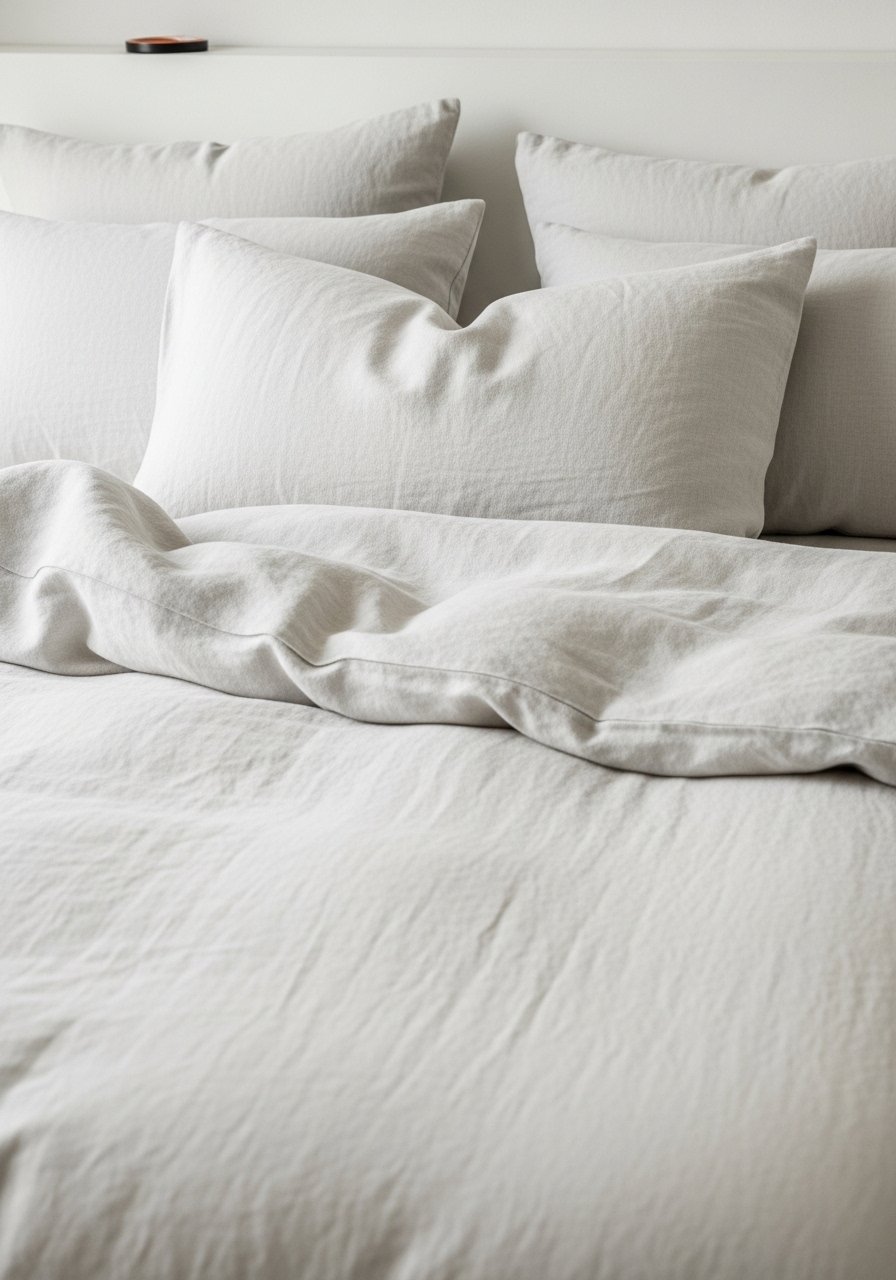
I always start at the bed because it sets the room’s mood. Choose a linen duvet in a warm white or soft sand as your base. Its tone becomes the anchor; everything else layers on top. A low headboard or a simple wood frame gives weight without darkening the palette.
People miss how scale matters—oversized pillows or too-small bedding feels off. Avoid a headboard that’s thinner than the mattress height; it looks like it’s floating. Aim for proportion so the bed sits grounded and calm.
Step 2: Layer texture with rugs, throws, and pillows
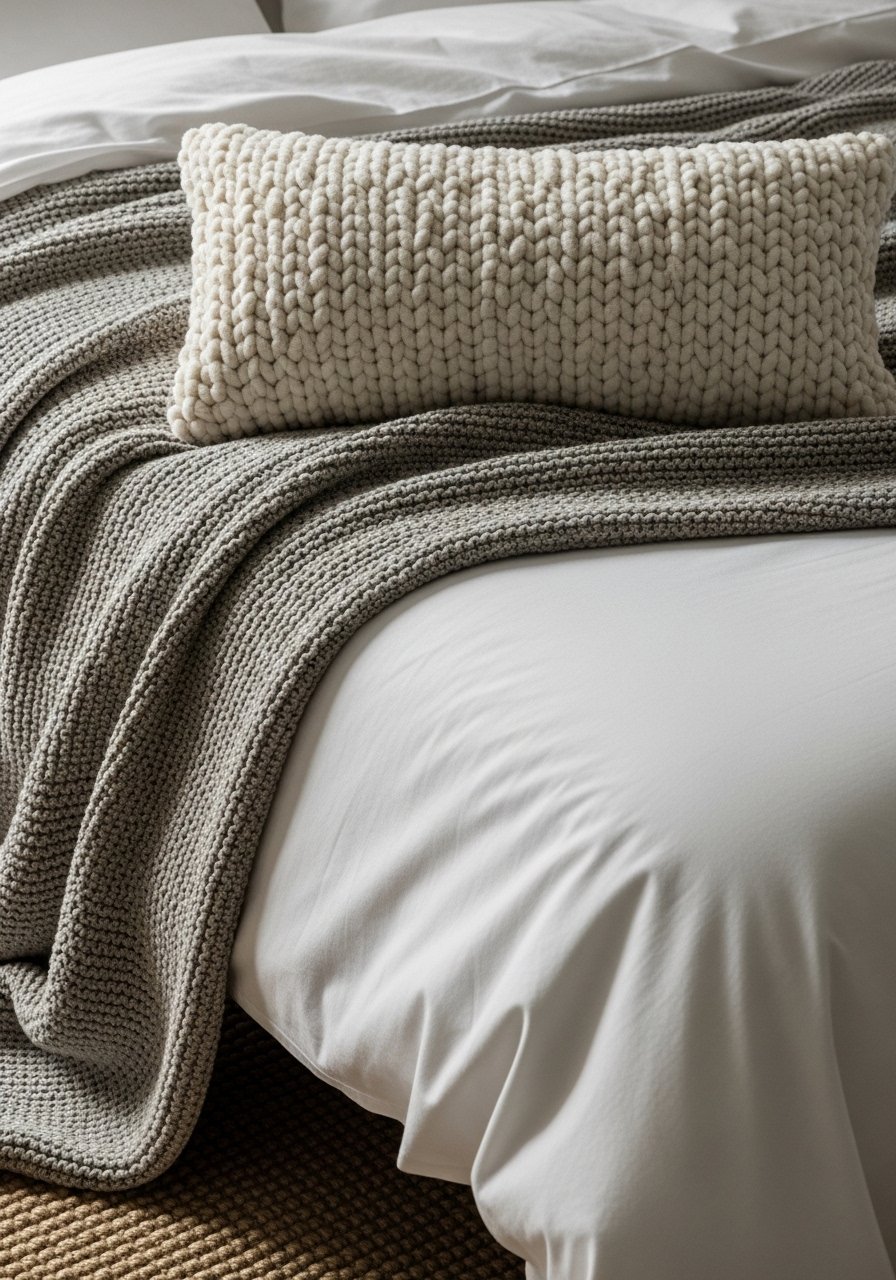
Texture is where neutral rooms stop feeling empty. I add a jute rug under the bed for an earthy base, a chunky knit throw for a relaxed, tactile layer, and a bouclé lumbar for close-up interest. These three textures—natural fiber, knit, and boucle—play together without competing.
One insight I didn’t see at first: keep texture sizes varied. A large rug, medium throw, and small pillow read balanced. Don’t pile identical fabrics—avoid a room full of the same weave or it goes flat.
Step 3: Balance warm and cool neutrals
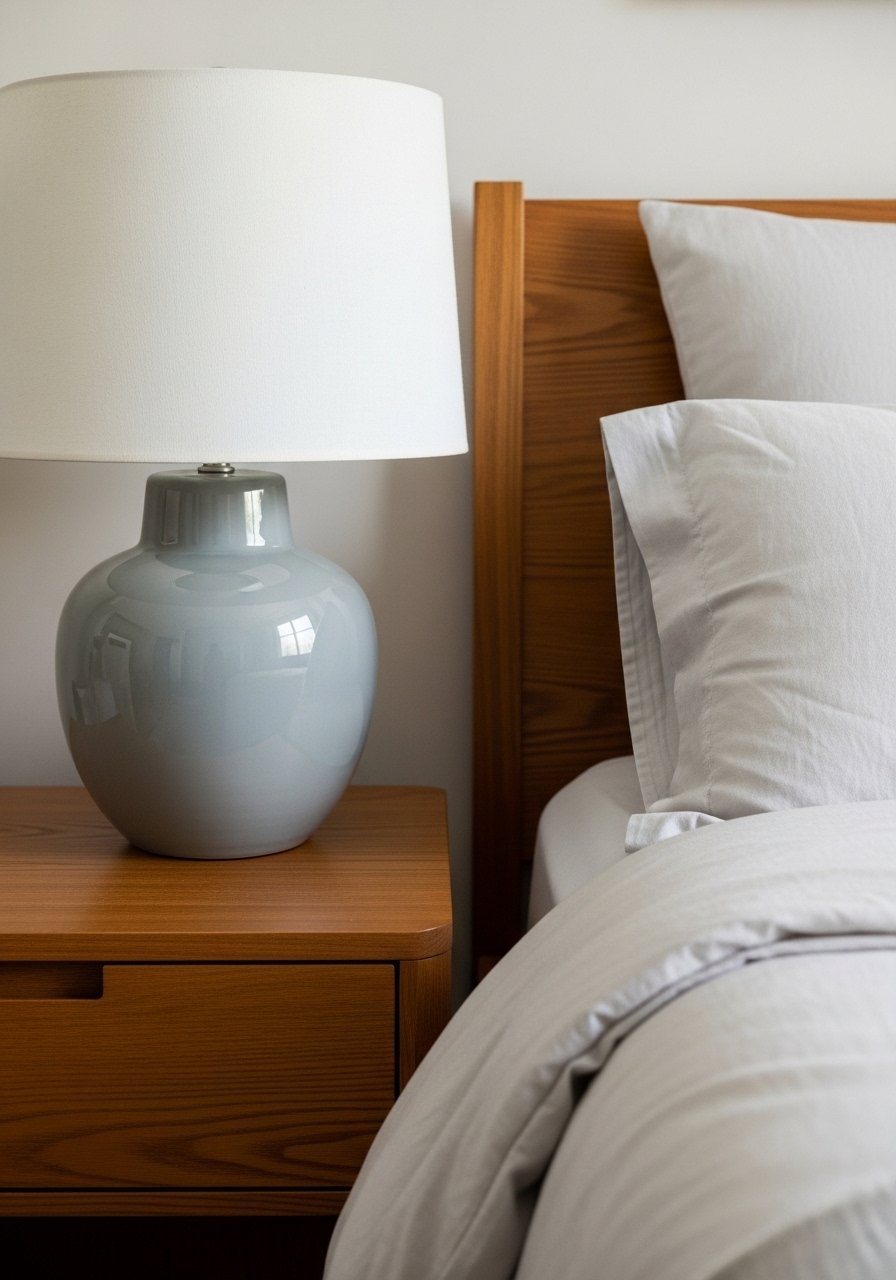
Neutral doesn’t mean one color. I mix warm creams with a hint of cool grey and a mid-tone wood. This keeps the palette layered and interesting. For instance, the linen duvet (warm) sits against a cool ceramic lamp and a natural oak nightstand to create subtle contrast.
People often make the room too monochrome. The trick is small counterpoints—a grey throw or cool metal detail—to avoid a washed-out feeling. The mistake to avoid is adding darker colors abruptly; keep contrasts soft and purposeful.
Step 4: Fill awkward corners subtly
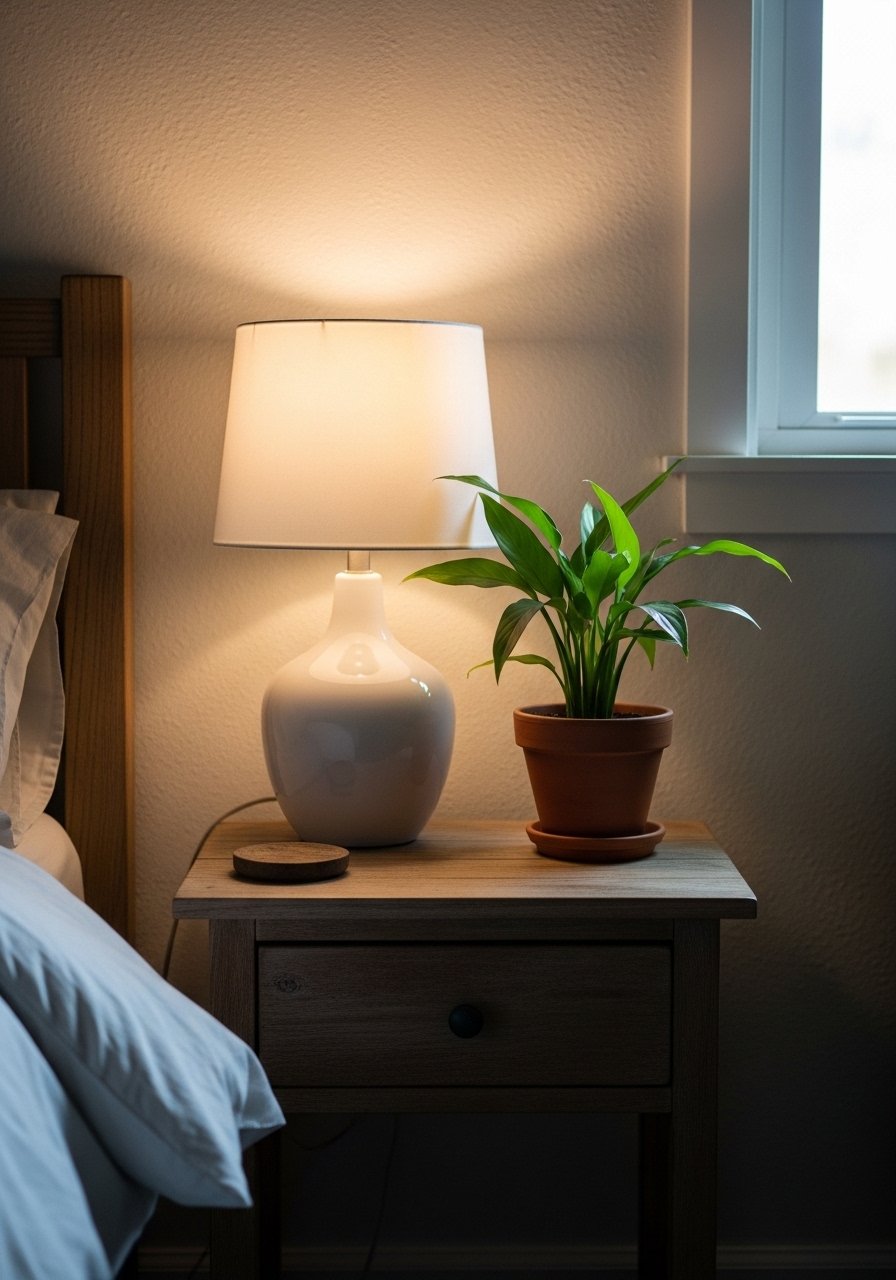
Corners can make a room look unfinished. I either tuck in a small nightstand and lamp or place a low bench to anchor the space. A potted plant or a stack of books softens the corner without shouting for attention. Low pieces keep the sightlines open.
One thing people miss: scale in corners. A tall, skinny item can look unbalanced beside a wide bed. The common mistake is adding something too tall or ornate—choose low, textured, and simple to keep the room calm.
Step 5: Tune the light and focal points
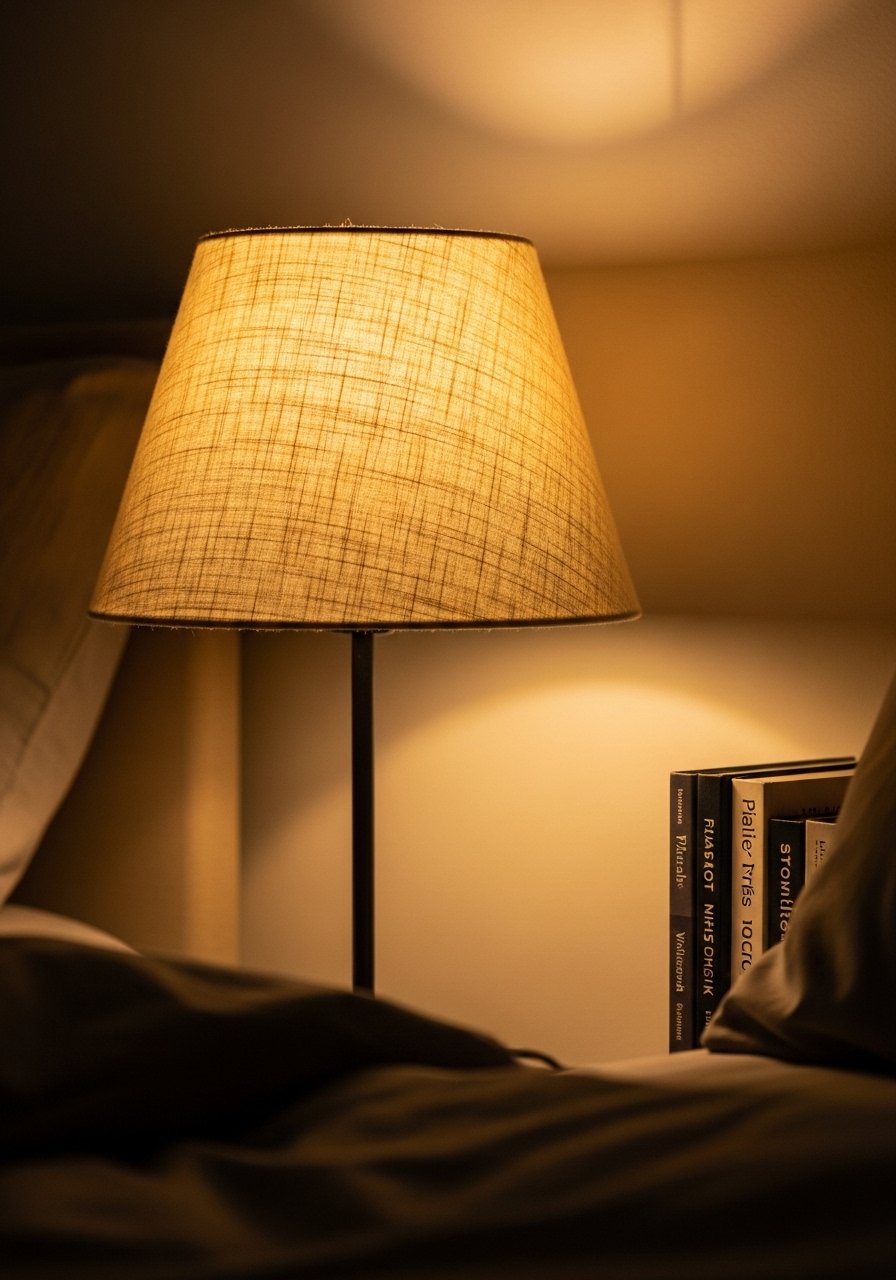
Light changes everything in a neutral room. I use a ceramic bedside lamp with a linen shade for warm, diffuse light. Place lamps so they create pools of light, not harsh overhead beams. Curtains should hang just above the window frame and brush the floor to lengthen the wall visually.
An insight I learned slowly: make one focal point gentle—a textured headboard, a piece of art, or a woven wall piece. Don’t compete with multiple focal points. The common mistake is over-symmetry; two identical oversized lamps can make the room feel staged. Keep it lived-in.
Common mistakes with neutral bedrooms
I see the same issues: too flat, too little texture, and furniture that doesn’t fit the room’s scale. Neutral rooms reward small edits, not big changes.
- Avoid a single fabric type across bedding and curtains.
- Don’t push furniture against walls automatically; slight pulls create breathing room.
- Use a rug that extends beyond the bed; tiny rugs read like an afterthought.
A few deliberate choices beat many small, uncertain ones.
Adapting this look for small rooms or a tight budget
I decorate small rooms by prioritizing texture and scale over new purchases. Swap one statement textile rather than redoing the whole room.
- Small room: choose a narrow nightstand and a 4×6 jute rug to keep floor visible.
- Budget: start with a quality duvet cover and one knit throw (~$40–65) to change the mood.
- Thrift or repurpose wooden pieces for warmth instead of buying matching sets.
Layering is free; move what you already own and see what breathes life into the space.
How to mix neutrals with what you already own
I rarely toss everything. I look for a tonal relationship—find the warmest or coolest piece in the room and lean into it.
- Keep one element as the anchor (a wood dresser, framed art, or rug).
- Match metals and small accents to that anchor for cohesion.
- Edit; remove one or two items that clash to let neutrals read calm.
Small edits—like swapping a pillow cover—make the biggest difference in how the room feels.
Final Thoughts
Start with one change and live with it for a week. I often begin with a linen duvet or a chunky knit throw; they’re low-commitment and shift the room’s mood quickly.
Neutrals are patient. With a few layered textures, balanced tones, and careful placement, the bedroom stops feeling unfinished and becomes quietly comfortable.