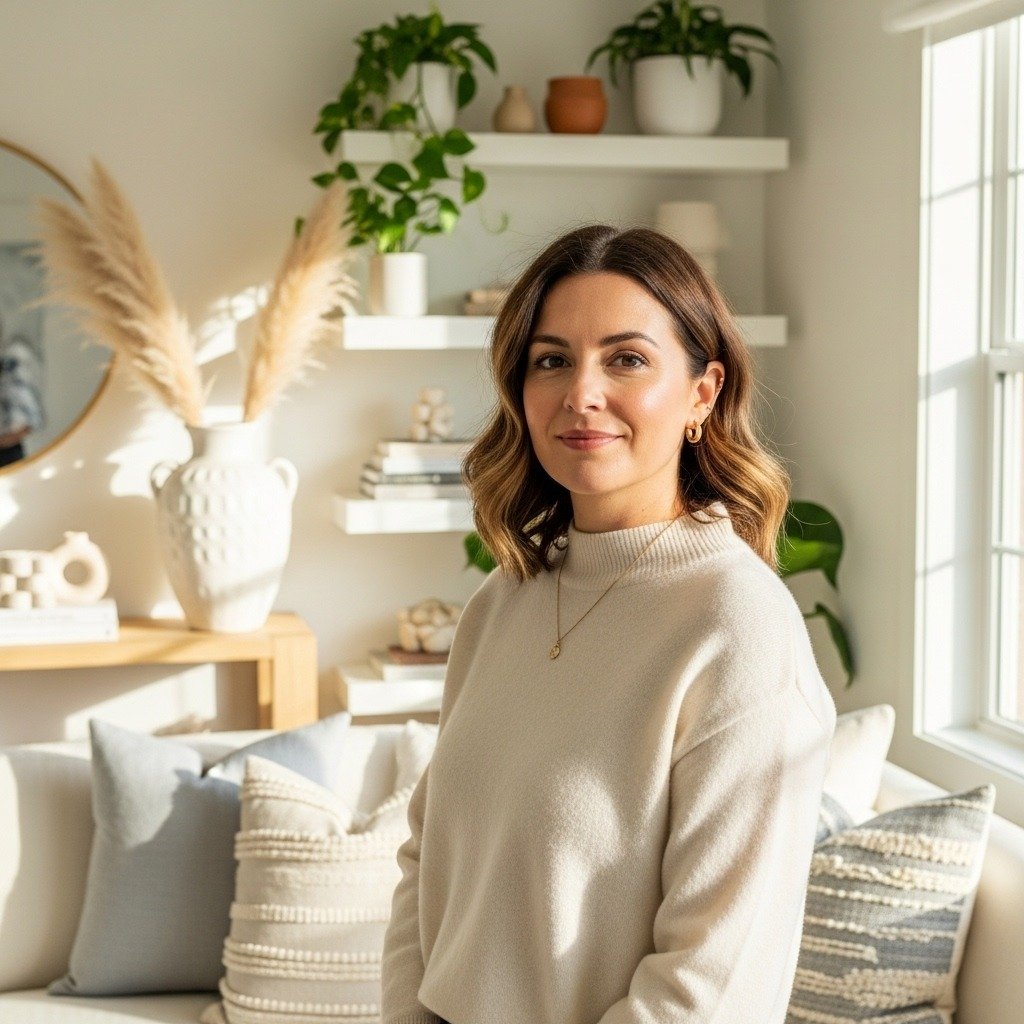
Rooms that feel small and somehow unfinished used to stop me cold. I’d stare at a tight corner and not know where to start. Toys, a single window, and a bed can make a room feel crowded or flat.
I learned small rooms respond to careful placement more than more stuff. That’s what I want to show you.
How to Decorate a Small Kids Room Creatively
This is the method I use every time a small kids room feels cluttered or flat. You’ll learn how to pick one anchor, layer storage, and add soft lighting so the room reads calm, playful, and intentionally cozy. It’s doable without renovations or new furniture.
What You'll Need
- Peel-and-stick removable wallpaper, neutral forest print, 20.5"x16.5ft (~$25–60)
- Low open kids bookshelf, 3-cubby, white, 24" H (~$40–100)
- Washable area rug 4'x6', pastel low pile (~$40–120)
- Cordless blackout roller shade, white, 24"x48" (~$15–45)
- Hanging wall storage baskets set of 3, seagrass natural (~$25–50)
- Floating shelves set of 3, oak finish, 12" deep (~$25–60)
- Warm LED string lights, 16 ft, plug-in (~$10–25)
- Round floor cushion, linen cover, 24" diameter (~$30–60)
Step 1: Pick a single anchor and scale everything to it
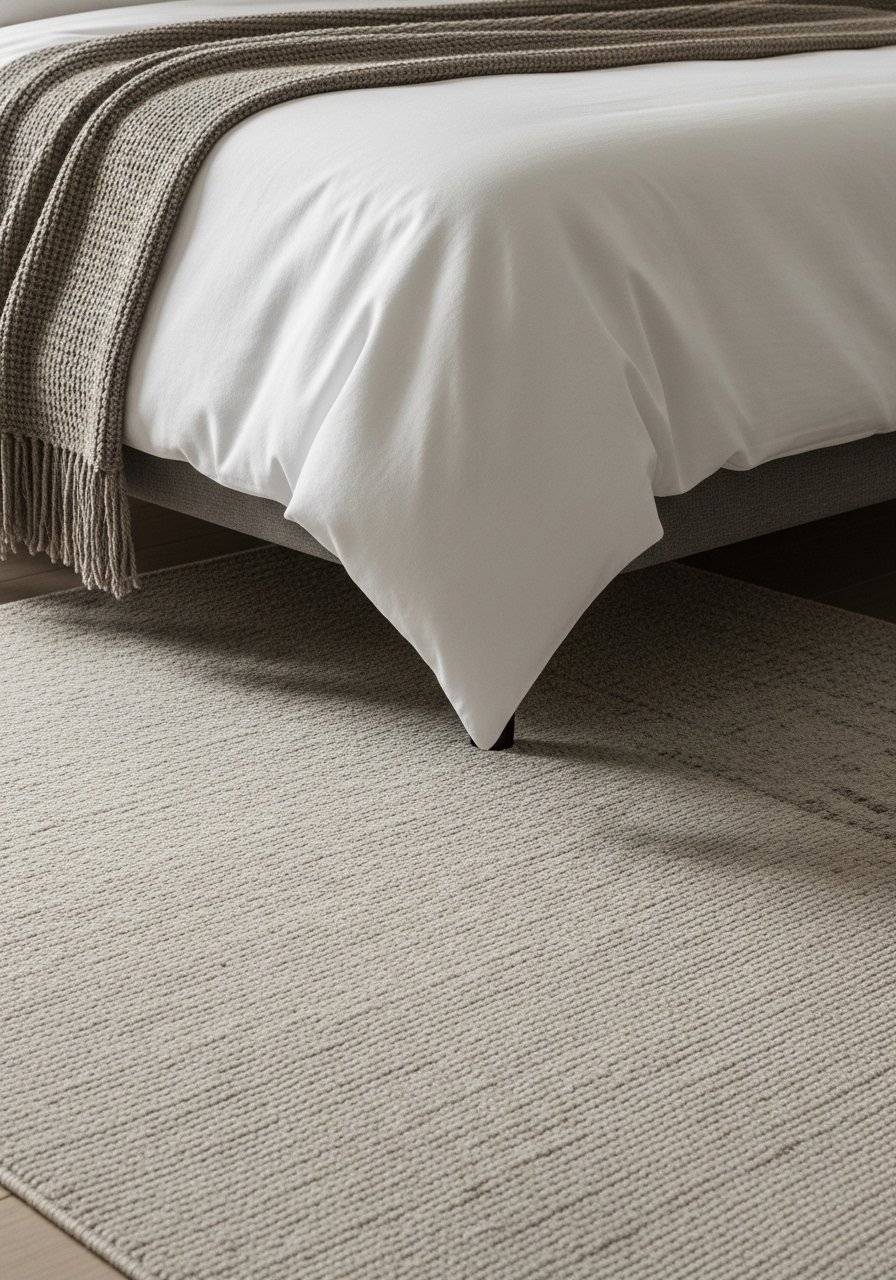
I always choose one anchor first—usually the bed or a washable rug. That anchor decides the scale for everything else. A 4×6 rug that reaches past the bed legs makes the floor read bigger and more intentional. People miss that the anchor should sit with the furniture, not float in the middle. Small mistake to avoid: picking a tiny rug or an oversized pattern that overwhelms the room. I keep the anchor neutral so playful pieces read deliberate.
Step 2: Keep storage low and open to preserve sightlines
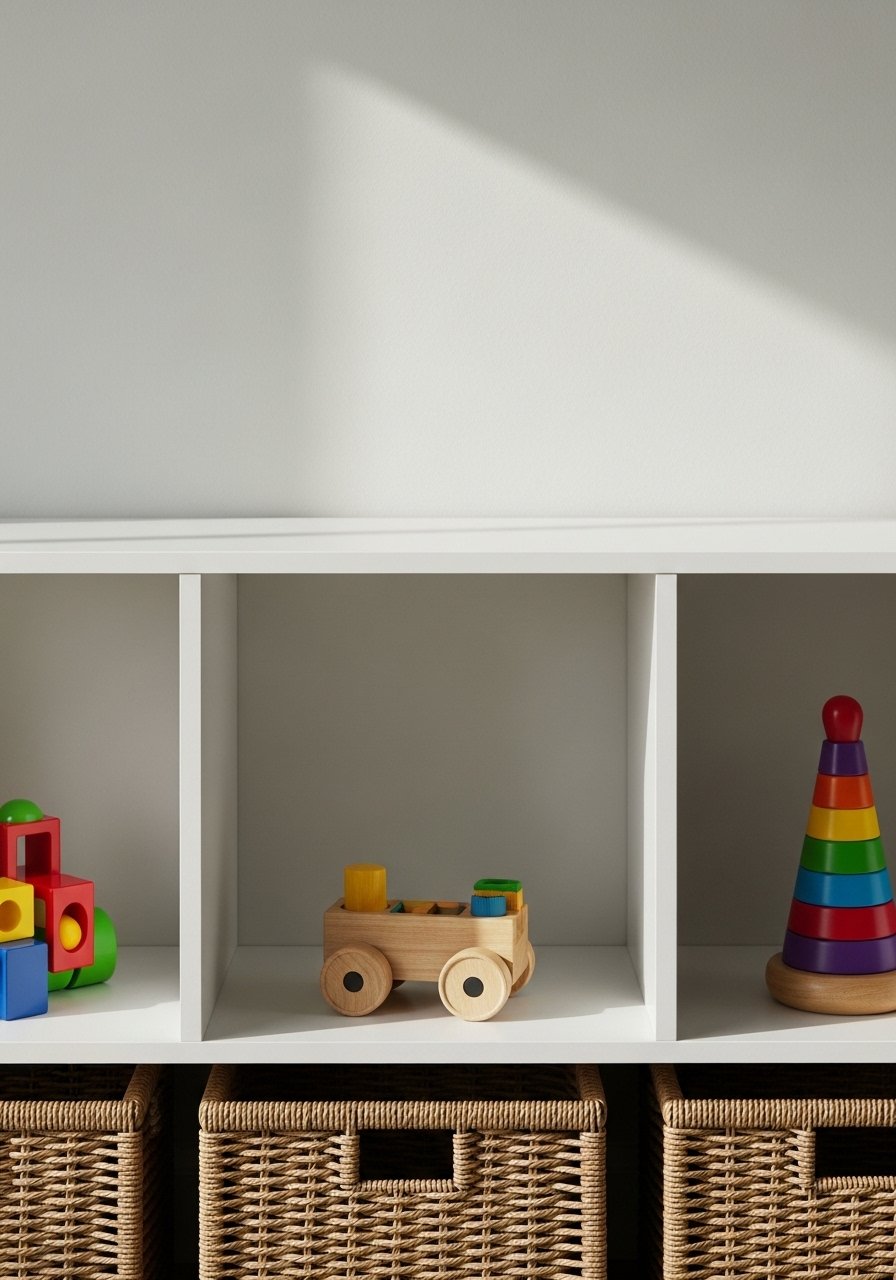
I make storage short and accessible. Low open shelving lets the eye sweep across the room instead of getting stopped by tall furniture. I use the low open kids bookshelf, 3-cubby, white and a few baskets at child height. That gives room for display and quick cleanups. People often forget that visible storage becomes decor if it’s tidy and curated. Don’t stack closed tall dressers near the door—it blocks light and makes the room feel smaller.
Step 3: Zone with one treated wall, not the whole room
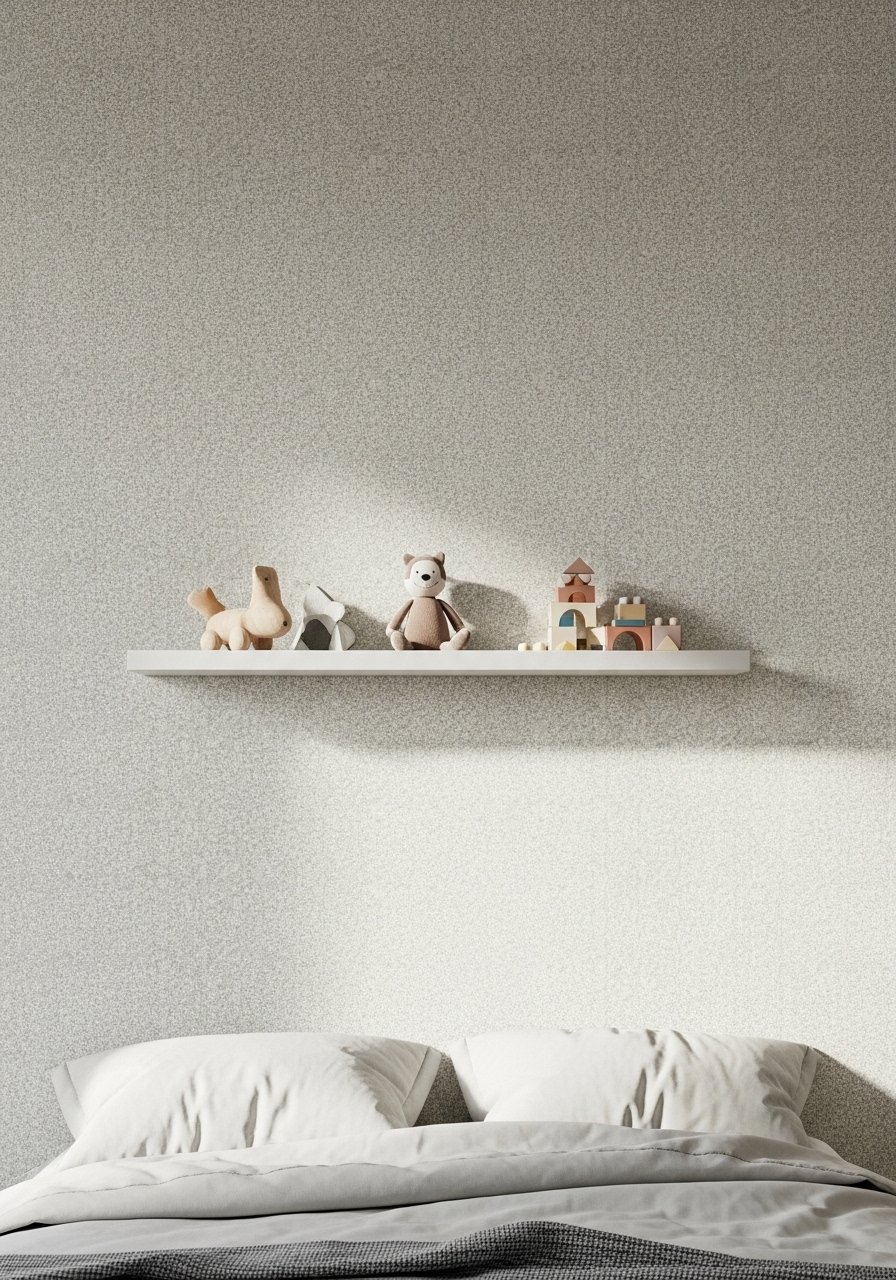
I pick one wall for a peel-and-stick pattern or a simple painted stripe. That zone reads intentional and keeps the rest of the room calm. I’ve used the peel-and-stick removable wallpaper, neutral forest print behind a bed so toys and textiles feel tied together. The insight: a well-chosen accent makes corners read purposeful. Mistake to avoid: papering every wall or using competing patterns that shrink the space. Keep the palette to two or three tones.
Step 4: Layer light and create one cozy corner
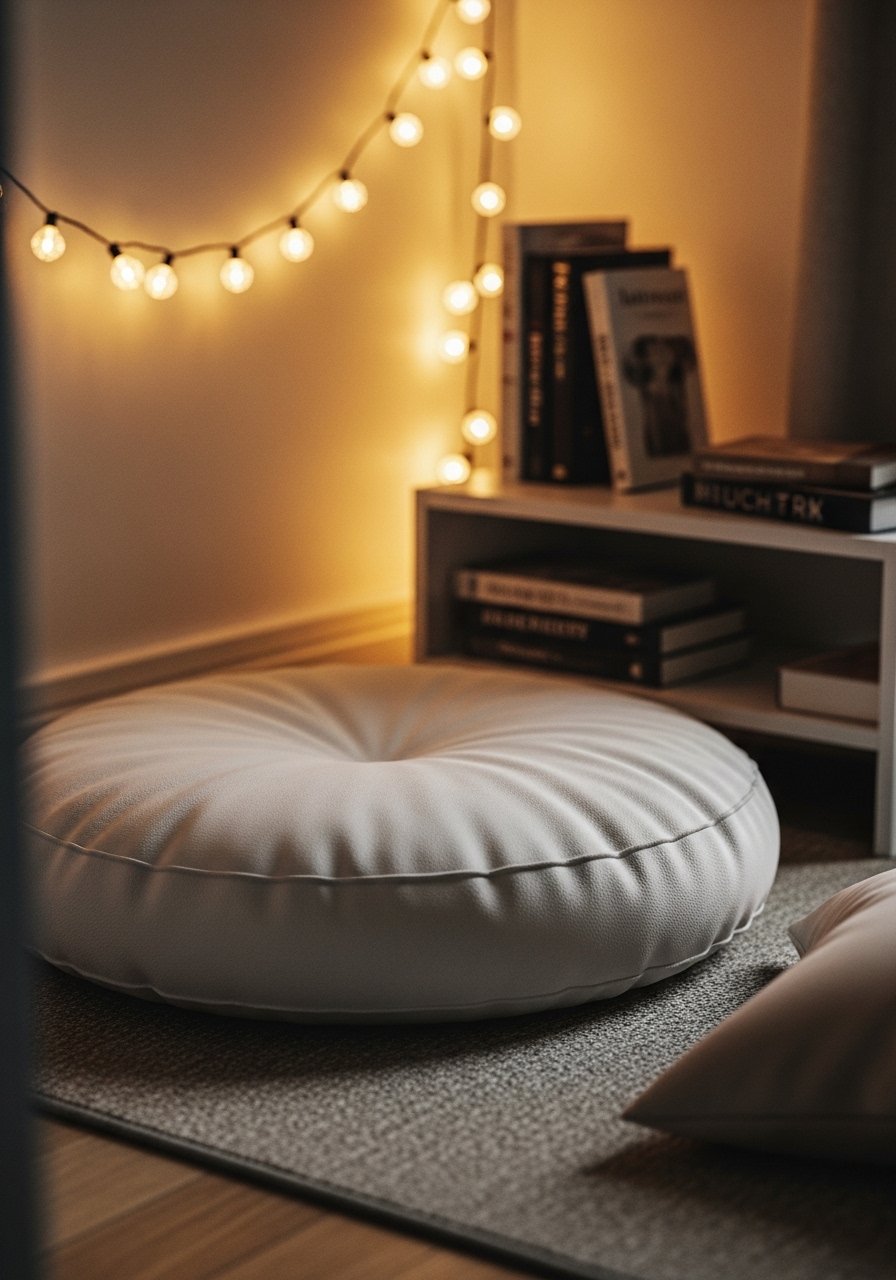
I layer a soft lamp or string lights with the overhead fixture. Kids’ rooms feel like bedrooms—not basements—when the light is warm and layered. I string the warm LED string lights, 16 ft near a reading nook with a round floor cushion. People underestimate how a single small corner can change the room’s mood. Small mistake: relying only on ceiling light—it flattens textures and makes the room feel clinical.
Step 5: Edit surfaces and rotate displays regularly
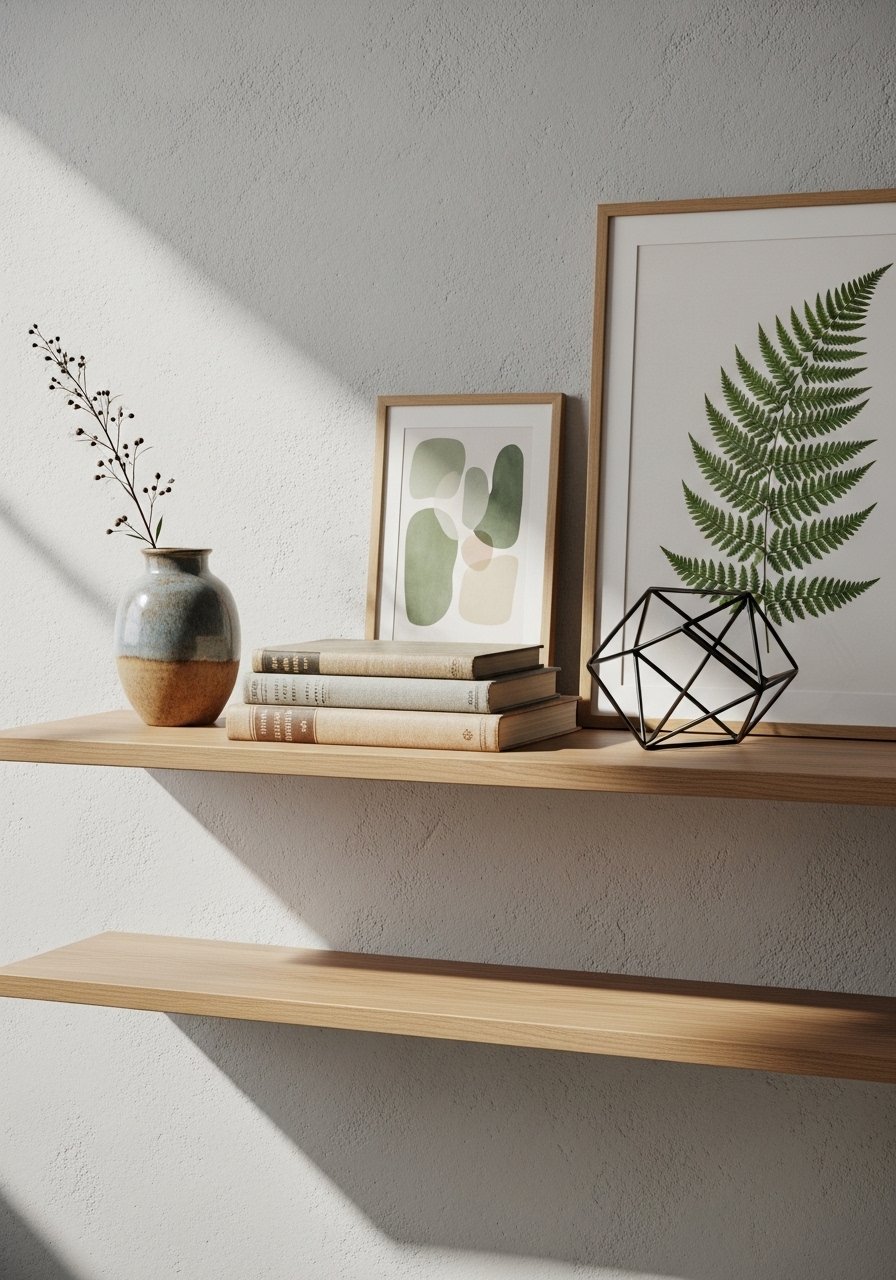
I keep shelves curated—three to five items max. Edit toys and books so any shelf looks intentional. The floating shelves set of 3, oak finish works because it gives a few display spots without heavy furniture. I rotate toys monthly; that keeps the room fresh without adding stuff. People think more decor equals better design. The small mistake is overcrowding shelves and keeping every drawing up—editing clears visual noise and makes the room feel larger.
Common mistakes with small kids rooms
I see the same traps: too many tall pieces, competing patterns, and unclear storage. Those all make a room feel smaller and busier.
Simple fixes:
- Keep furniture low and close to the walls.
- Use one accent pattern, not three.
- Hide small pieces in baskets instead of displaying everything.
I prefer a few intentional displays and regular edits. It keeps the room feeling calm and useful.
Adapting the look for different sizes and budgets
If the room is micro-small, skip the large nightstand and use wall hooks or a peg rail. For tight budgets, peel-and-stick wallpaper or a painted stripe is an inexpensive anchor. Washable rugs and thrifted low shelves save money and time.
Budget quick swaps:
- Paint an accent wall instead of buying wallpaper.
- Shop secondhand for a low bookshelf.
- Swap decorative pillows seasonally rather than buying new big furniture.
I try small changes first. They often do most of the work.
Mixing what you already own with this look
Start with a neutral base—white walls, light wood, or a muted rug—and add playful accents. Keep colors in a 2–3 color family so toys and bedding don’t compete with the wall treatment.
Practical tips:
- Reuse a dresser by lowering its contents and adding a basket on top.
- Choose two textile colors and repeat them around the room.
- Let one playful item be the kid’s choice; keep the rest restrained.
I blend old pieces into the new plan so the room feels personal, not showroom-ready.
Final Thoughts
Start with one small change—pick an anchor or add a reading corner. I’d try the peel-and-stick wallpaper behind the bed; it’s low-commitment and instantly purposeful. Small edits and low storage choices make the biggest difference.
Be patient. Rearranging a few pieces and editing surfaces will make the room feel calm and lived-in.