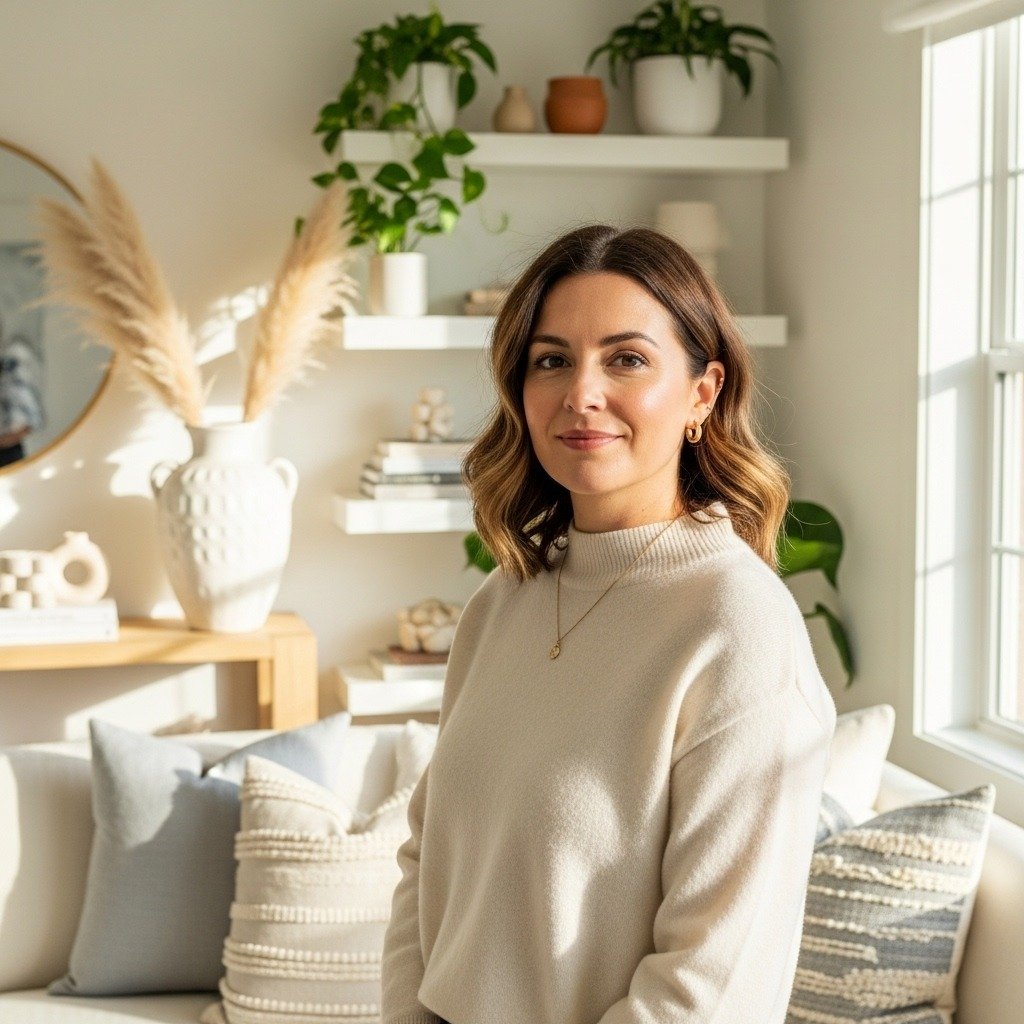
I kept staring at my living room and feeling something was off. The furniture fit, but the space felt new and anonymous. I wanted warmth and history without clutter.
I learned to add a few vintage touches that make a room feel lived-in and intentional. Small, thoughtful changes do most of the work.
How to Decorate a Room With Vintage Style Touches
This is the method I use every time a room feels unfinished. You’ll learn how to pick one vintage focal piece, layer textiles and surfaces, and balance old and new so the room reads warm and lived-in—not crowded or kitschy.
What You'll Need
- Bouclé accent chair in ivory, occasional size (~$150–350)
- Antique brass table lamp, medium (~$40–120)
- Kilim-style area rug, 5×8, muted colors (~$120–350)
- Linen curtain panels in natural, set of 2, 84" (~$30–80)
- Set of vintage-style glass vases, assorted sizes (~$20–50)
- Framed botanical prints, set of 4, 8×10 (~$30–80)
- Chunky knit throw in oatmeal, 50×60 (~$40–70)
- Round brass mirror, 24" diameter (~$60–150)
Step 1: Choose one vintage focal piece
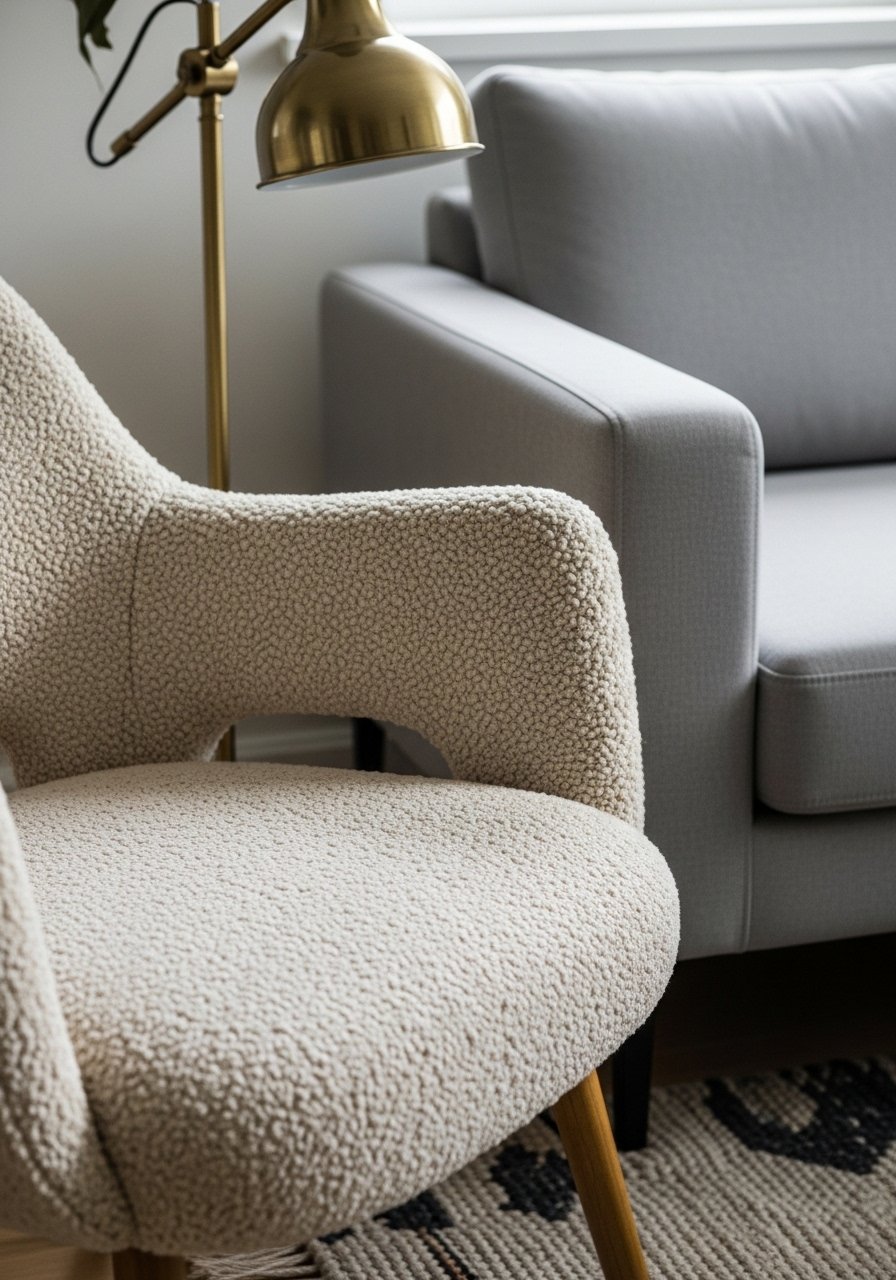
I always start by picking one standout vintage item. It could be a bouclé accent chair, a brass lamp, or an old mirror. That one piece sets the tone and tells the room’s story.
Visually, it creates a focal point that anchors everything else. People often miss that the focal piece doesn’t need to be large—just characterful. Avoid collecting multiple strong vintage pieces at once; the room can quickly read cluttered instead of curated.
Step 2: Layer textiles to soften edges
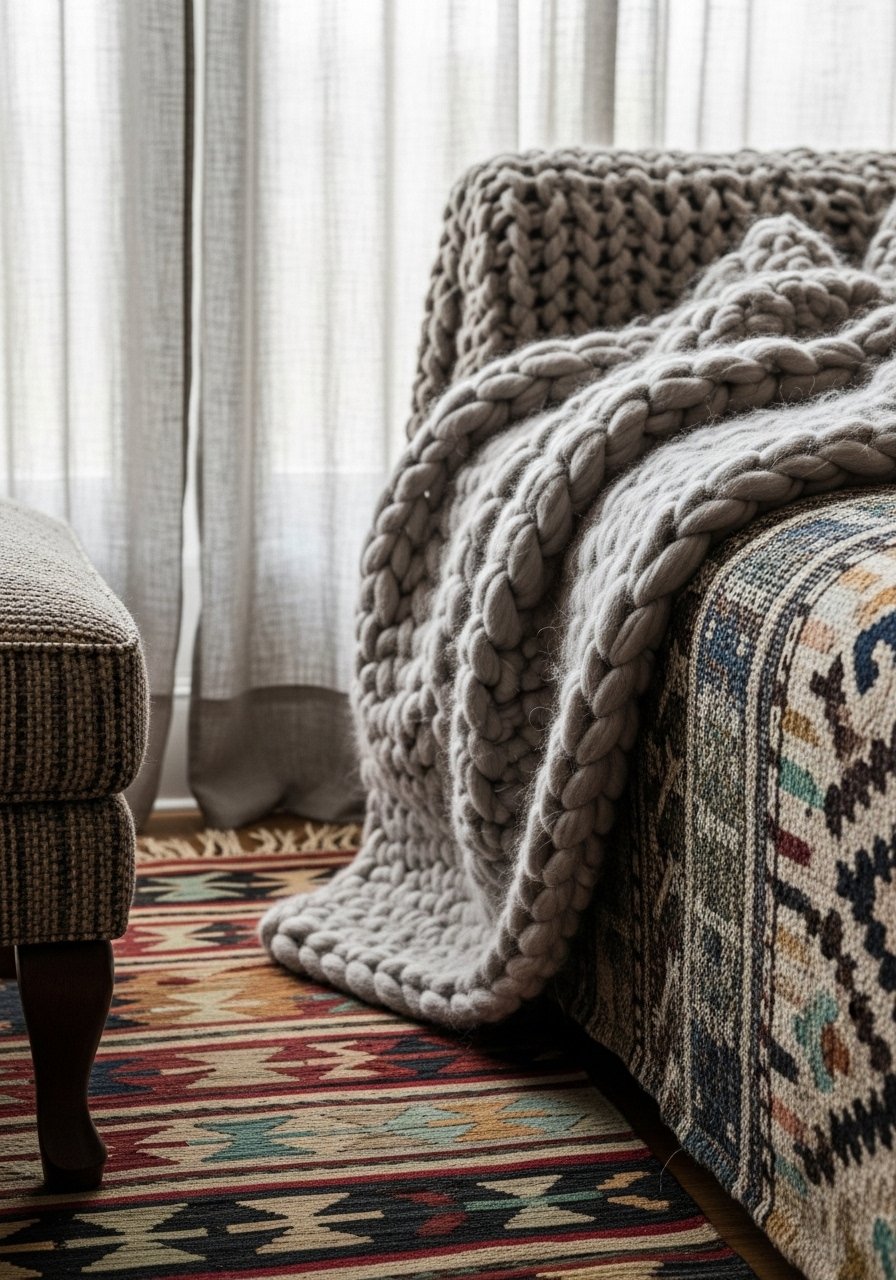
Textiles are where vintage style becomes tactile. I layer a kilim-style rug with a simple sofa, add linen curtains, then throw a chunky knit on the arm. Each layer adds warmth and slows the eye.
The visual change is immediate: the room stops feeling flat and starts to feel assembled over time. One common miss is ignoring scale—small rugs or heavy curtains that are too short break the flow. Don’t match everything; let patterns and solids have a gentle conversation.
Step 3: Curate surfaces with found objects
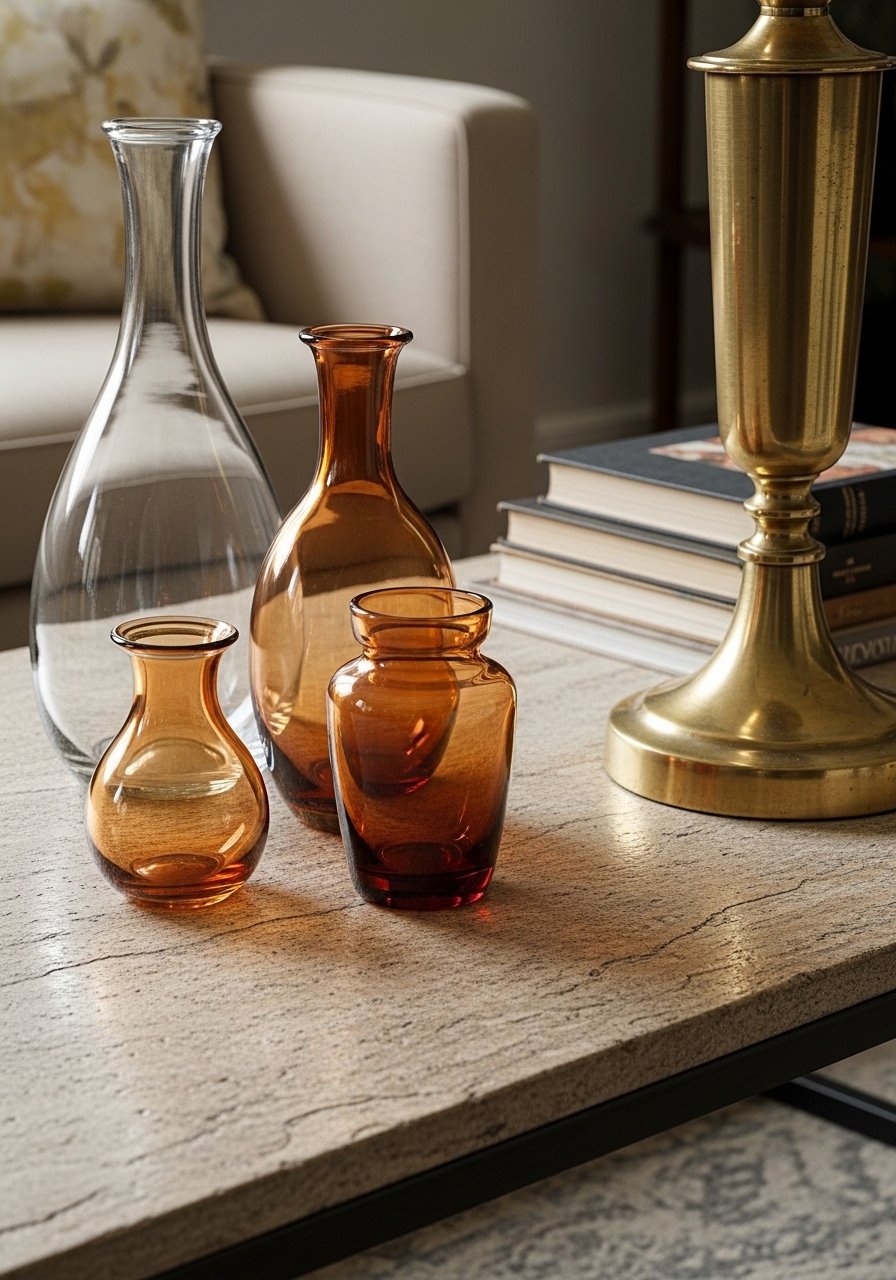
I edit every surface like it’s a small still life. I group three to five objects of different heights and materials—glass vases, an old book, a small brass trinket. It reads intentional and collected.
This step changes the room from show-home to lived-in. People often pile items without considering rhythm; grouped objects should have breathing room. Avoid over-accessorizing every surface—leave some clear space to let the vintage pieces stand out.
Step 4: Balance proportions and color
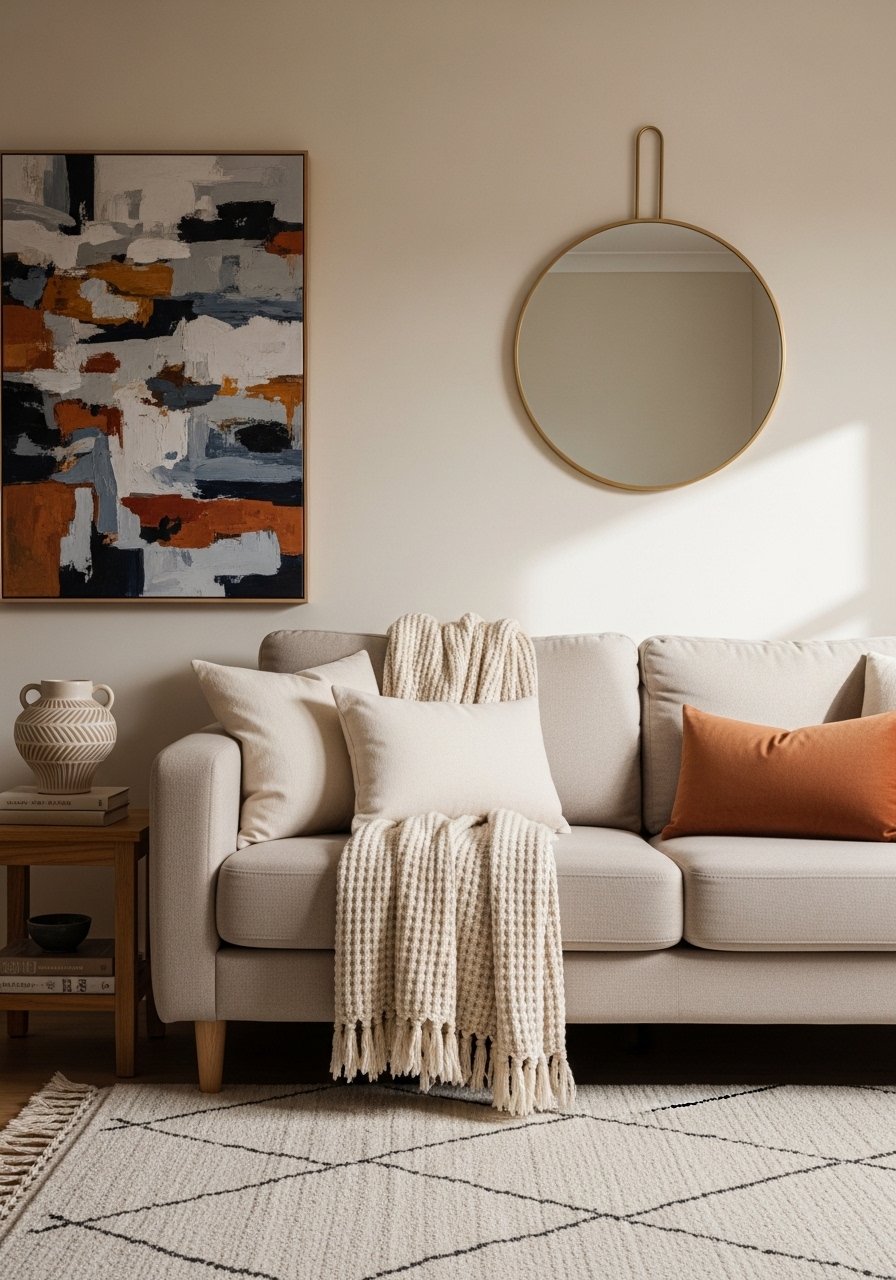
I check proportions by sight: rug size under the furniture, art scale over the console, mirror height above a side table. Vintage pieces often carry patina and warm tones, so I balance them with cleaner modern lines.
Visually, this keeps the room calm and coherent. An insight I learned: repeat a tone from a vintage piece elsewhere (a brass lamp echoed in a mirror frame) to make the eye travel. A common mistake is hanging art too high or using a rug that’s too small—both chop the space.
Step 5: Finish with layered lighting and reflective surfaces
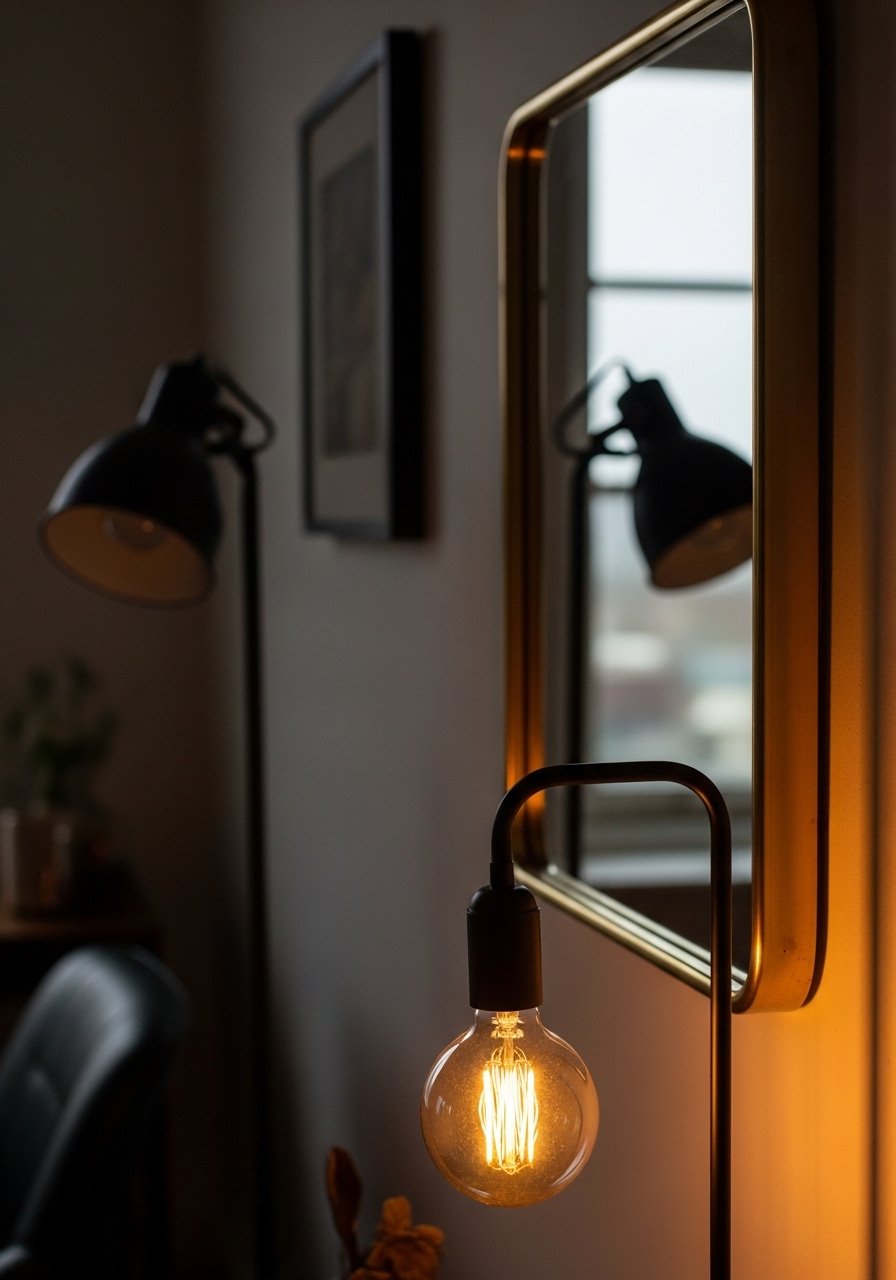
I never rely on one overhead light. I add a brass table lamp, a floor lamp, and use a round mirror to bounce daylight. Warm bulbs and dimmable lamps make the vintage elements sing in the evening.
The room feels intimate and flexible. People miss how reflective surfaces—mirrors or glass vases—can multiply light and patina. Avoid harsh, cool bulbs that wash out warm brass and aged finishes; they flatten the vintage charm.
Common mistakes when adding vintage touches
I see a few repeating errors. First, overstuffing: too many “vintage” items can look like a thrift shop display. Second, matching everything—your room should feel collected, not themed.
Quick fixes:
- Edit: remove at least one item if the grouping looks crowded.
- Scale-check: stand at the doorway and see if any piece reads out of place.
- Mix finishes: pair brass with matte wood or ceramic for balance.
Adapting vintage style for small rooms or a budget
You don’t need a big budget or space to get a vintage vibe. I use small swaps and clever placement.
- Choose one small vintage focal point (mirror or lamp) instead of big furniture.
- Swap textiles: a new rug or curtains can change the mood for $100–200.
- Shop mixed sources: one thrifted piece, one new neutral anchor.
On a tight budget, I start with a throw and a few glass vases. It’s low-commitment and changes the room’s tone.
How to mix vintage with pieces you already own
I treat existing furniture as the backbone and add vintage as punctuation. Keep your modern essentials but adjust finishes and textiles.
- Repeat a color from a vintage piece in a cushion or artwork.
- Use vintage lighting near modern seating to bridge styles.
- Keep lines simple: a modern sofa plus a vintage side table feels intentional.
If something reads discordant, swap it temporarily. Mixing should feel like a conversation, not a clash.
Final Thoughts
Start with one small change—a chunky throw, a brass lamp, or a vintage print. Those little edits make a room feel older and more personal without being fussy.
I remind myself to edit often. Living with a piece for a week tells you if it belongs. Small, patient choices give the most naturally vintage feeling.