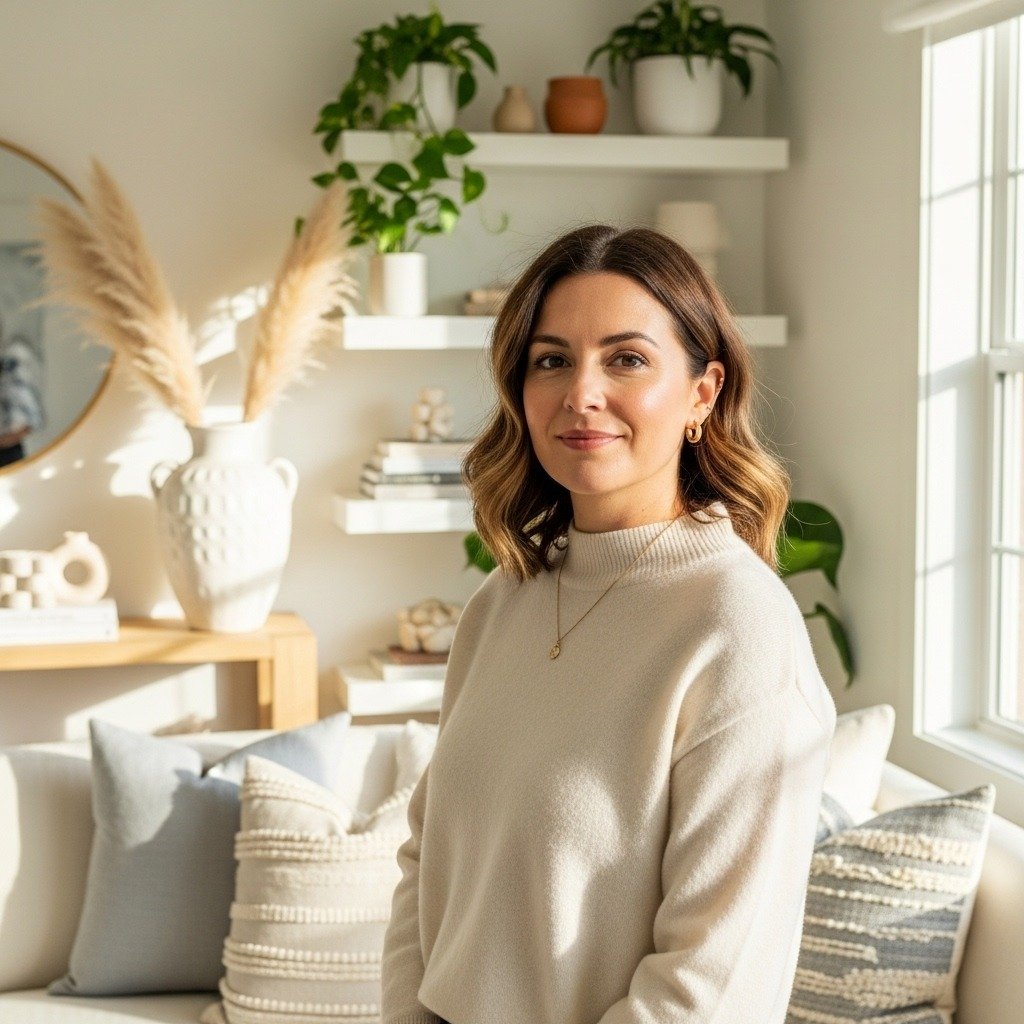
I'd stand in a finished room and still feel something missing. Modern decor can look clean, but often feels cold or unfinished.
I used to overthink rugs and lighting. The trick isn't more pieces—it's placement, scale, and a few tactile choices that make a modern room feel lived-in and balanced.
How to Decorate a Room With Modern Decor Simply
I’ll show you a simple way to make modern rooms feel warm and intentional without buying everything new. You’ll end up with balanced furniture, layered textures, and a calm color story—an organic modern look that reads modern but relaxed.
What You'll Need
- Chunky knit throw in oatmeal, 50×60 (~$40–70)
- Bouclé accent chair in cream, compact (~$150–400)
- Jute area rug, 5×8, natural (~$120–300)
- Minimalist floor lamp with warm LED, matte black (~$60–150)
- Linen cushion covers in sage, 18×18, set of 2 (~$25–45)
- Abstract framed art print, 16×20, neutral tones (~$30–120)
- Matte white ceramic vase set, medium + large (~$25–60)
- Faux fiddle leaf fig, 5–6 ft, realistic (~$70–180)
Step 1: Anchor the room with one large piece
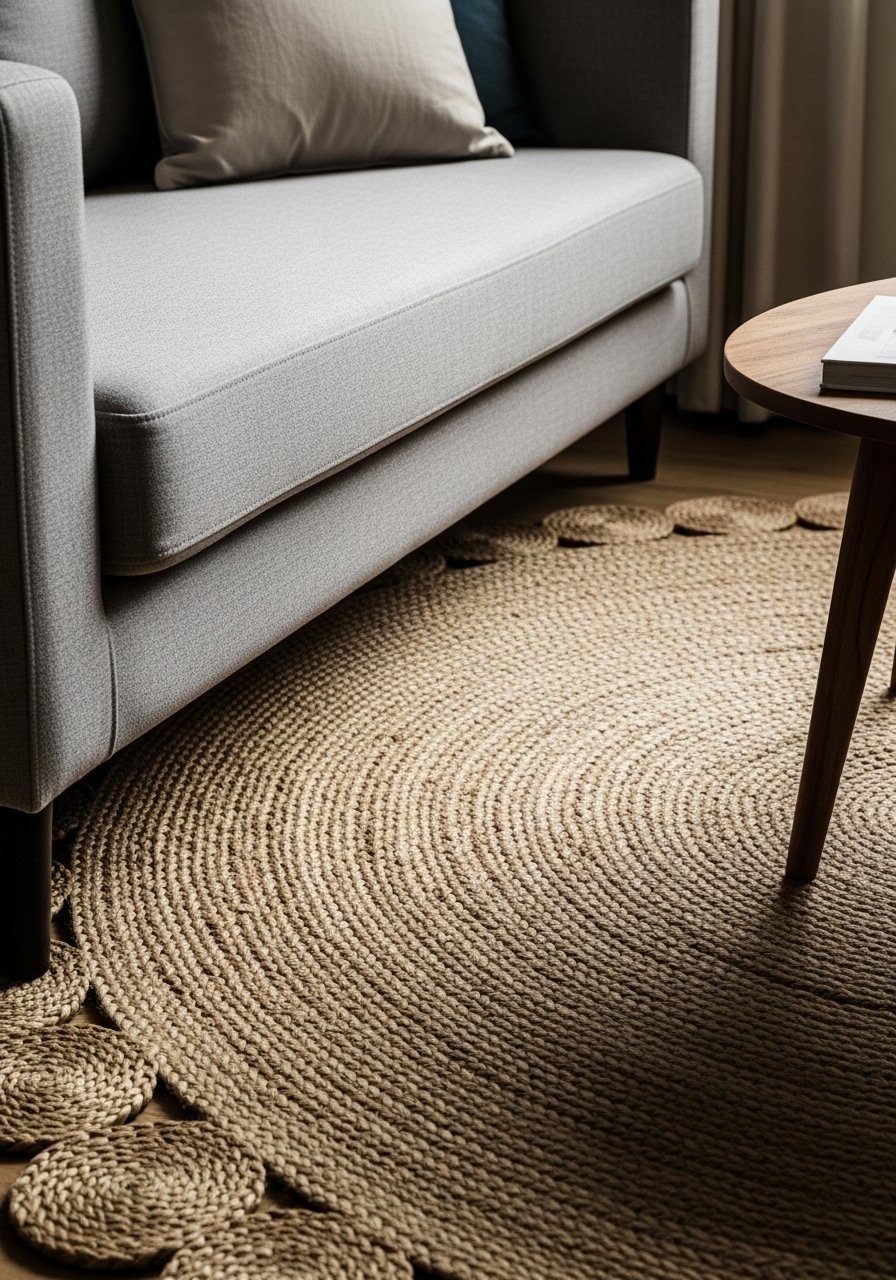
Pick one large anchor—usually the sofa or the bed—and place it where traffic flows naturally. I angle mine to face the room’s focal point (window, TV, or fireplace). That single decision sets scale and circulation.
Visually the room immediately reads intentional. People often miss how an anchor dictates where other pieces live. Mistake to avoid: crowding the anchor into a corner. Give it breathing room so the rest of the design can sit around it.
Step 2: Layer textiles for warmth and depth
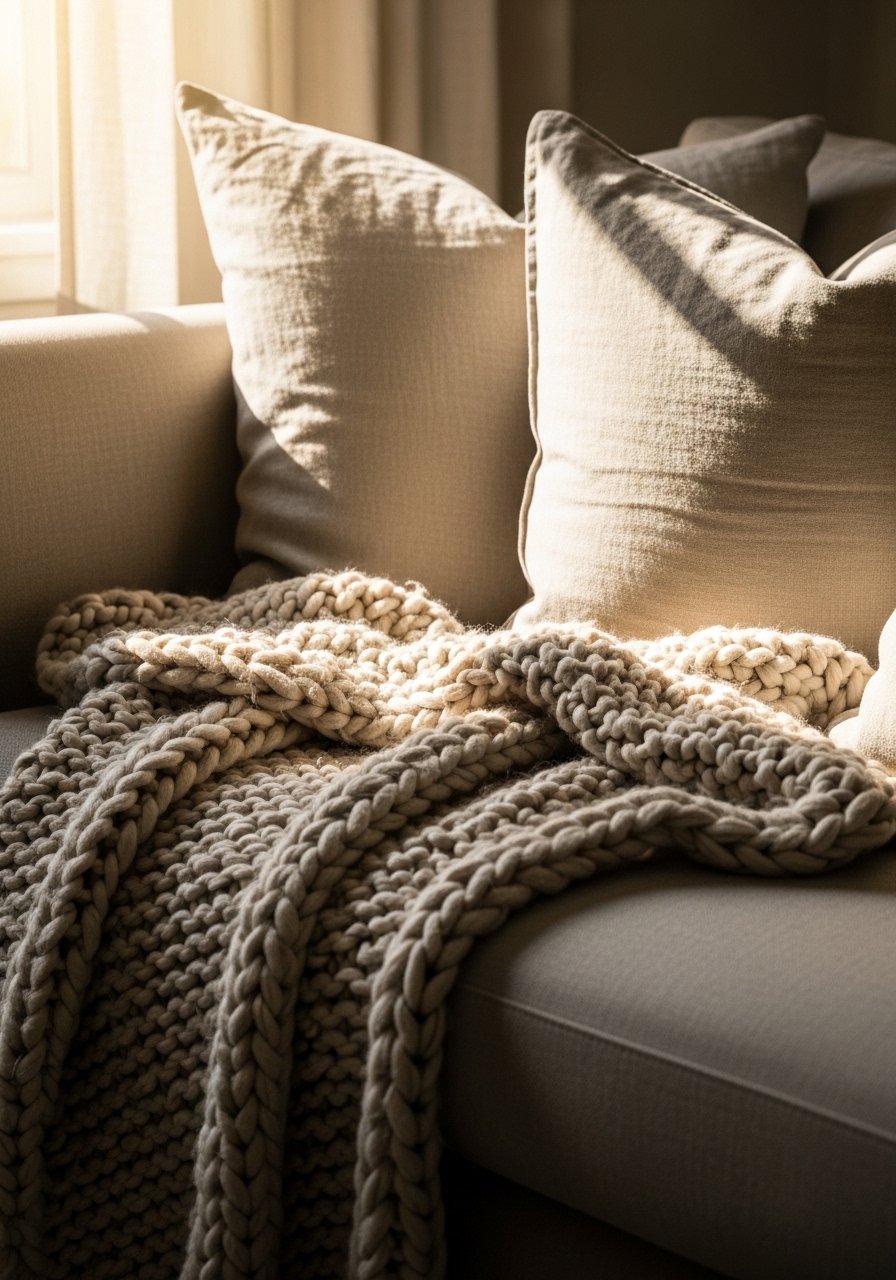
Add a rug, a throw, and 2–3 cushions in different textures. I start with a neutral base rug like jute, then introduce a chunky knit throw and linen pillows for contrast. Textiles soften modern clean lines and make the room feel lived-in.
What changes is immediate: the room stops feeling flat and starts to invite you in. One insight I use often is mixing scale—small cushions with one larger pillow creates calm imbalance. Mistake to avoid: matching everything too closely. Texture beats exact color matches.
Step 3: Balance height with lighting and wall art
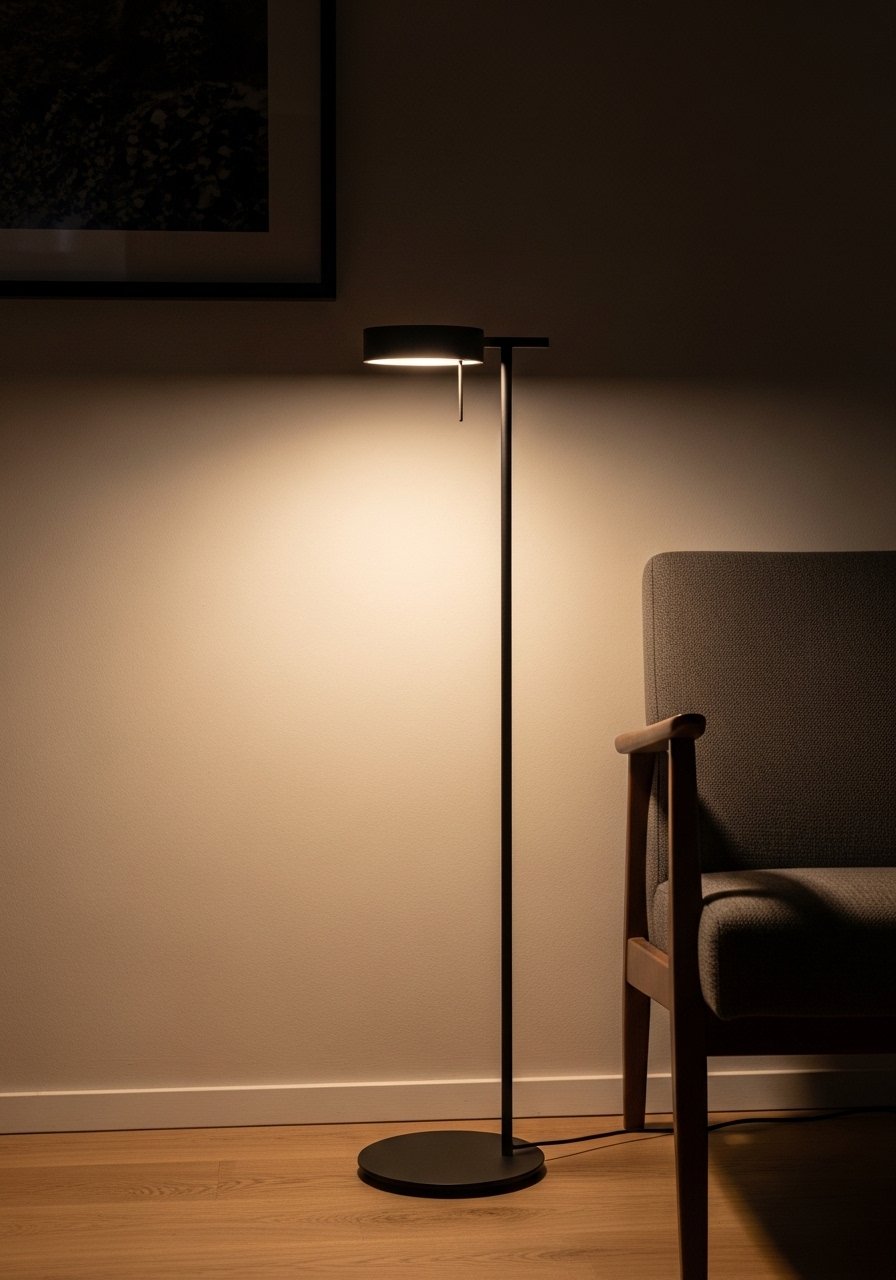
Bring in a floor lamp and one or two pieces of vertical art. I position the lamp behind a seating piece and hang art so its center is roughly eye level. This creates layers: floor, seating, wall.
The room shifts from flat to layered. Many people rely on a single ceiling fixture—don’t. One insight: a pair of lower light sources reads cozier than a bright overhead. Mistake to avoid: hanging art too high. Keep it connected to the furniture below.
Step 4: Edit surfaces and style with intention
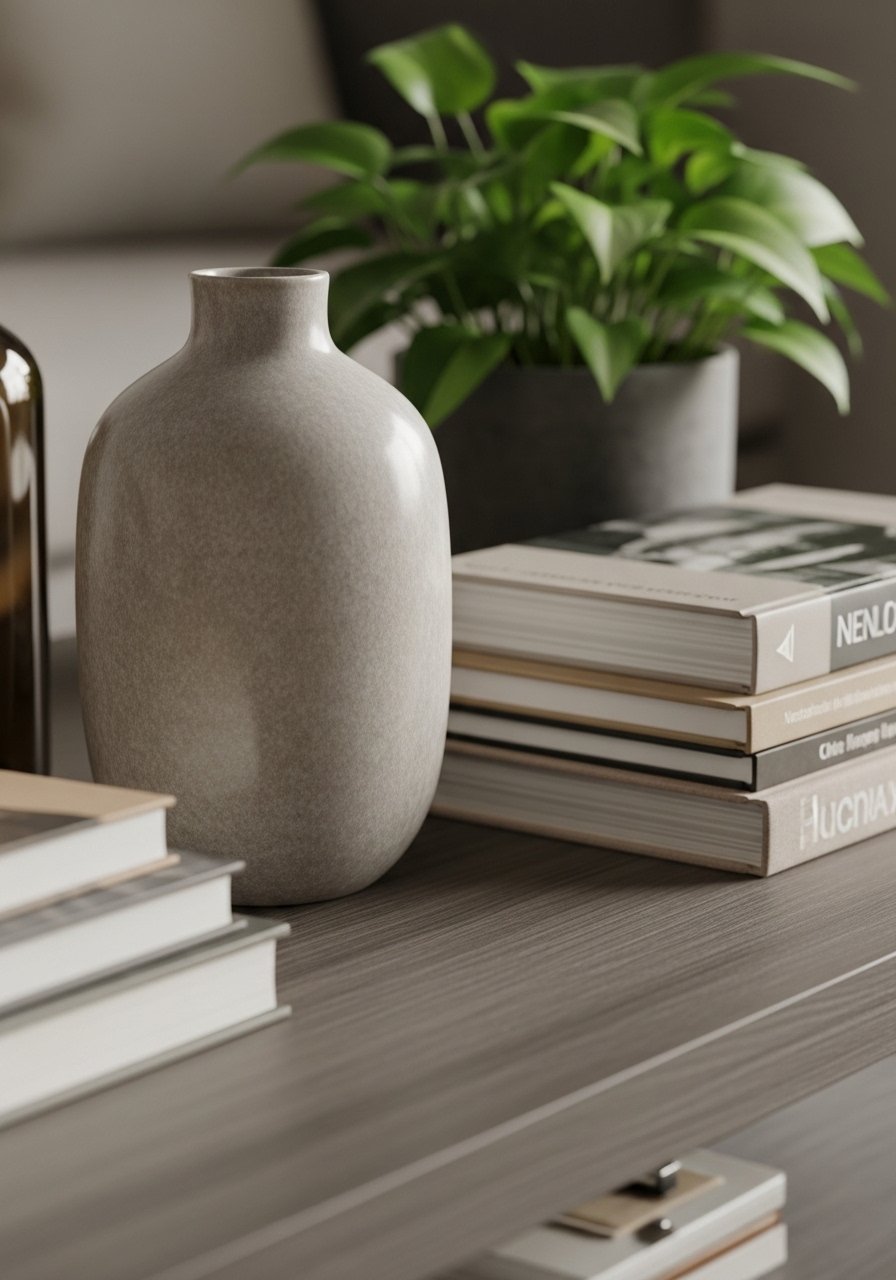
Clear surfaces to three or four curated objects. I use a matte vase, one book, and a small plant on the coffee table. That restrained mix reads modern and intentional.
Visually, clutter dissolves and the eye has places to rest. People often fill every shelf; I purposely leave negative space. Mistake to avoid: forcing symmetry everywhere. Small asymmetries feel natural and more relaxed.
Step 5: Introduce one organic or tactile statement
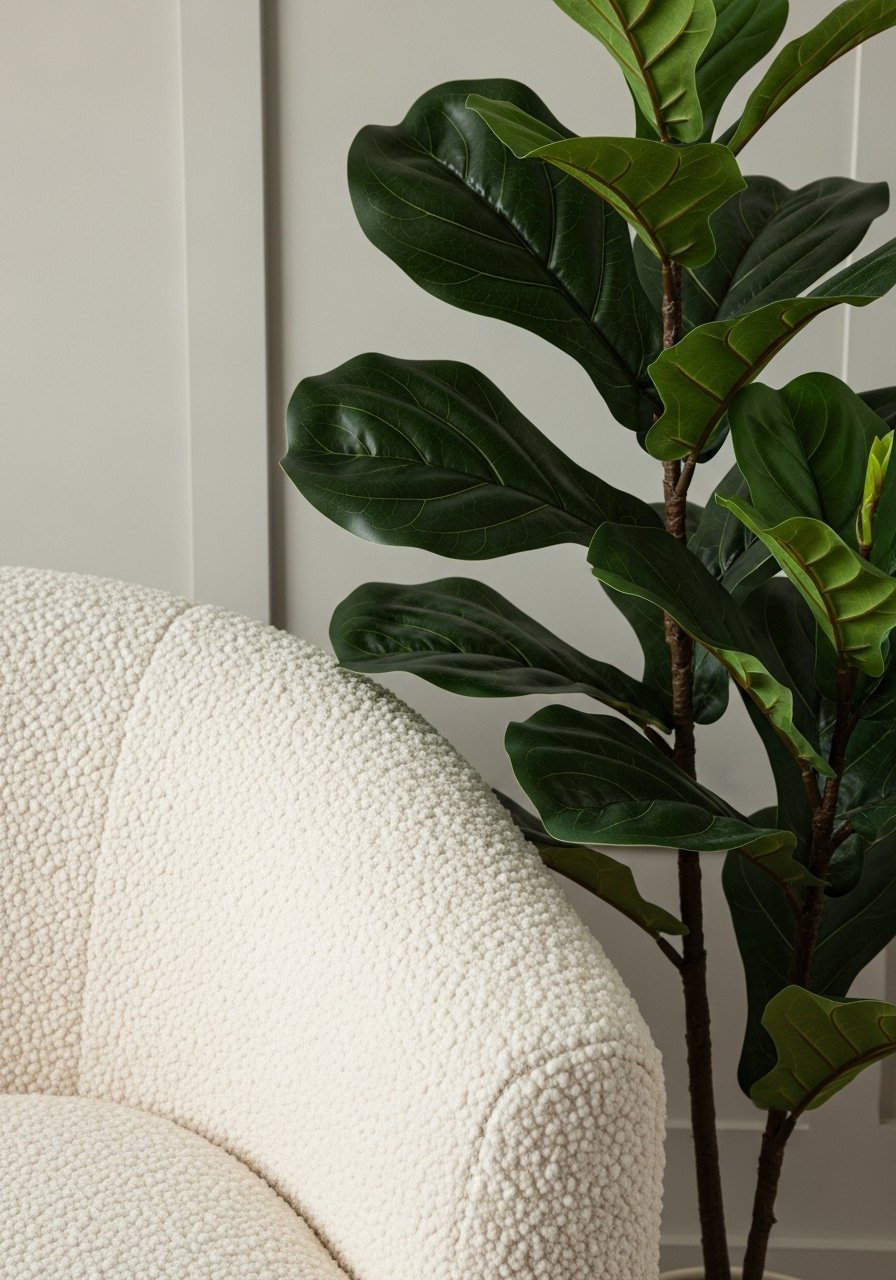
Finish with one tactile statement—an accent chair in bouclé or a tall plant like a fiddle leaf fig. I place the chair at an angle that invites conversation or reading, never blocking walkways.
This final element makes the room feel human. An insight I learned: tactile pieces change how you use the room. Mistake to avoid: choosing a statement that fights the anchor. It should support, not compete.
Common mistakes with modern decor
I see the same habits repeat. First, too much symmetry. Modern lines are clean, but perfect symmetry often reads staged. I prefer small intentional imbalances.
Second, choosing color over texture. Neutral palettes work if you vary textures. Third, over-accessorizing flat surfaces. A few thoughtfully placed objects beat many small pieces.
Quick list:
- Avoid matching everything precisely.
- Keep walking paths clear when adding chairs or plants.
- Edit art and objects until each one feels necessary.
Adapting the look for small rooms or a budget
I scale down selections and focus on texture when space or funds are tight. A smaller jute rug and a well-placed throw can read larger than an expensive piece.
Bulleted strategies:
- Use multi-purpose pieces (a bench that doubles as a side table).
- Pick one investment (lamp or rug) and shop budget for the rest.
- Opt for faux plants that read real at a fraction of the cost.
Small rooms benefit from lighter rugs, lower-profile seating, and vertical art to lift the eye.
Mixing modern with what you already own
You don’t need to replace everything. I keep older wood or vintage pieces and pair them with modern textiles and lighting.
Try these swaps:
- Replace a dated fabric with linen cushion covers to modernize a couch.
- Add a sleek lamp to update a traditional side table.
- Use a neutral abstract print to tie mismatched wood tones together.
I focus on relationships—how pieces look together—rather than matching every style.
Final Thoughts
Start with one small change: a chunky throw or a new lamp. I often swap a throw first and live with it for a week to see how the room feels.
Modern decor is about restraint and texture. Make one edit, step back, and then add another. Small, confident choices add up to a room that feels simple, warm, and intentional.