
My sofa looked like a safe choice but boring. I kept buying things in the same muted tones. Nothing read as intentional. I would bring in a pillow, then a vase, and the room still felt indecisive.
I learned to think in ratios and repeats. You will learn how to pick one color, repeat it thoughtfully, and stop over-accessorizing. The end result feels balanced, warm, and like you meant it.
This is the method I use when a room feels unfinished. It works for living rooms, bedrooms, and open-plan spaces. You can do it with what you already own and one or two new pieces.
What You'll Need
- Chunky knit throw in oatmeal, 50×60 ($40 to 65). I keep one folded on a chair for weight and texture
- Set of 3 ceramic vases, matte white ($25 to 40). Use them grouped on a console or coffee table
- Accent pillows, 18×18 and 20×20 mixed set ($30 to 60). Pick one with your accent color and one neutral
- Jute area rug, 8×10 ($90 to 160). Neutral anchor for layered rugs
- Brass picture ledges, 24-inch ($18 to 30). Great for rotating art without a lot of holes
- Floor lamp with warm LED bulb ($40 to 120). Height matters more than shade style
- Paint sample set of accent color chips. Grab at a local hardware store or online. Small cost. Try three values
- Decorative tray in wood or metal, 14-inch. I use it on coffee tables to corral small objects
Step 1: Choose one accent color and one supporting neutral
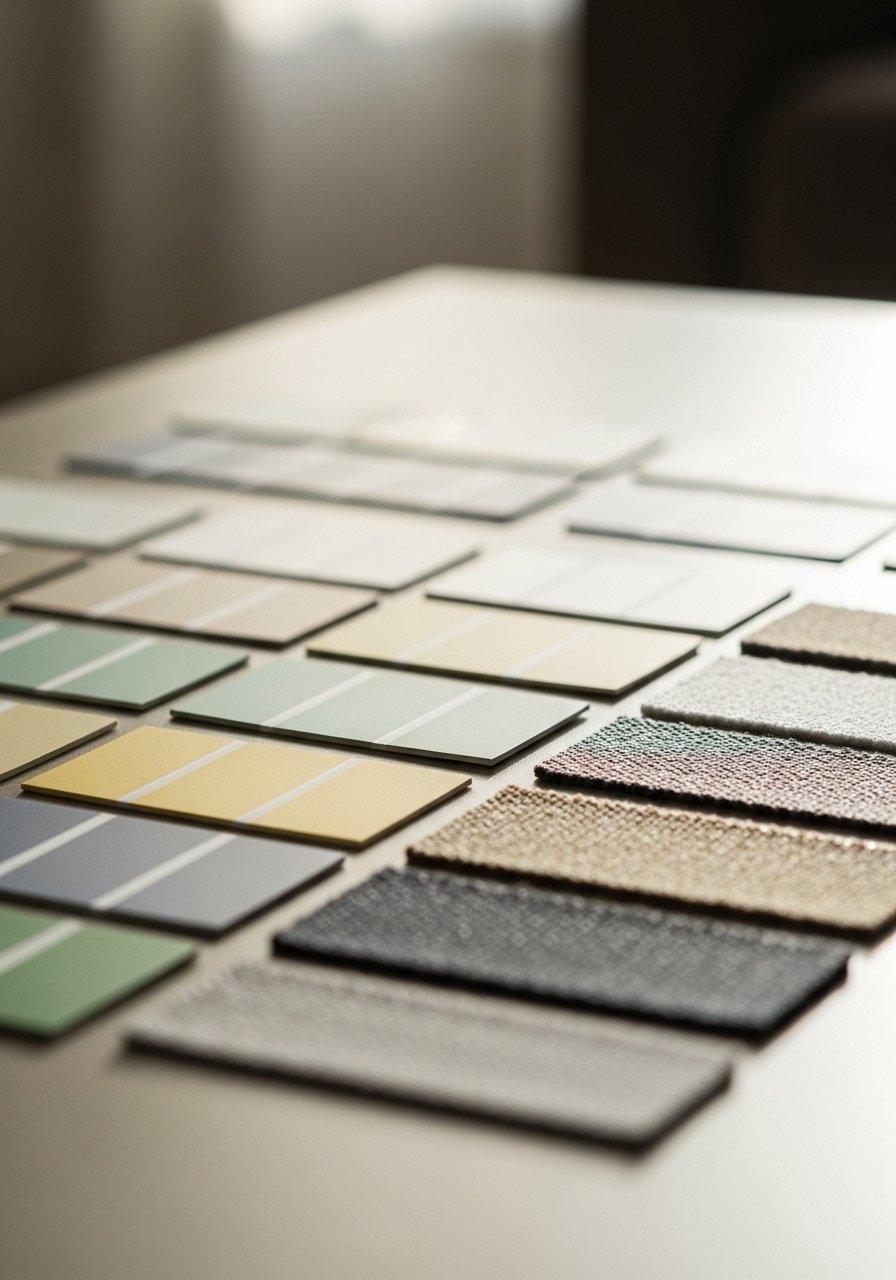
Pull out three swatches of the color that keeps catching your eye. I pick one bold value, one mid tone, and one pale version. Use the bold one for a single punctuation area. Use the mid tone for pillows or a small chair. Use the pale version as a subtle repeat in smaller decor.
A useful proportion I use is 60 to 70 percent neutral, 20 to 30 percent accent color, and 10 percent texture or metallic. Most people try to pepper color everywhere. That makes the room read busy. Avoid too many accent hues at once. Stick to one main color and a supporting neutral palette.
Step 2: Anchor the room with one large element in your accent color
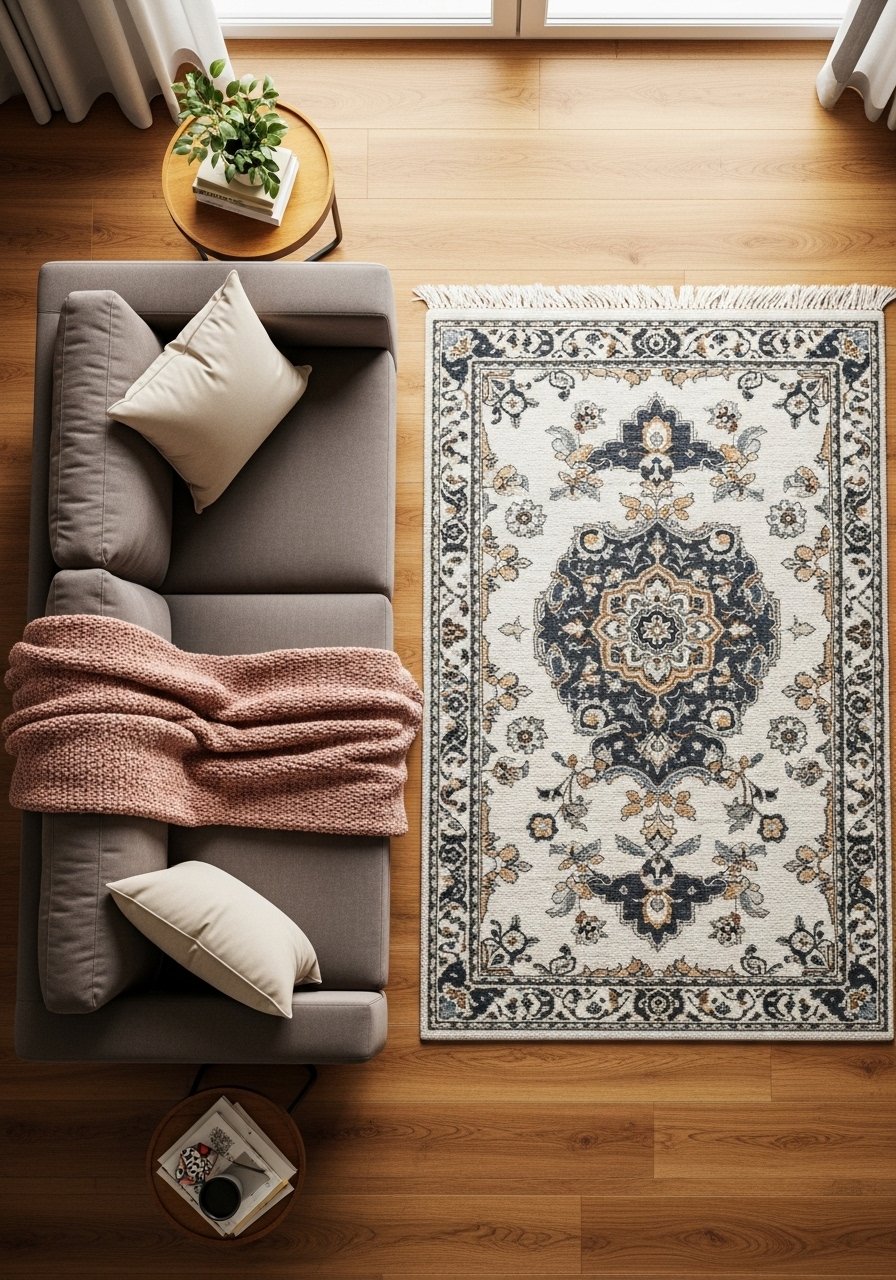
Most people start with small accessories. I start with a large anchor instead. A rug, an armchair, or a single upholstered ottoman in your chosen color immediately makes the accent feel deliberate. If you buy a rug, size matters. I aim for at least the front legs of seating on the rug in living rooms. That keeps the room cohesive.
When done wrong the accent looks like an afterthought. When done right it reads as planned. Avoid a tiny rug or a throw as your only color source. It will look decorative and unsettled. A large element gives permission for smaller repeats.
Step 3: Layer textiles with varied scale and texture
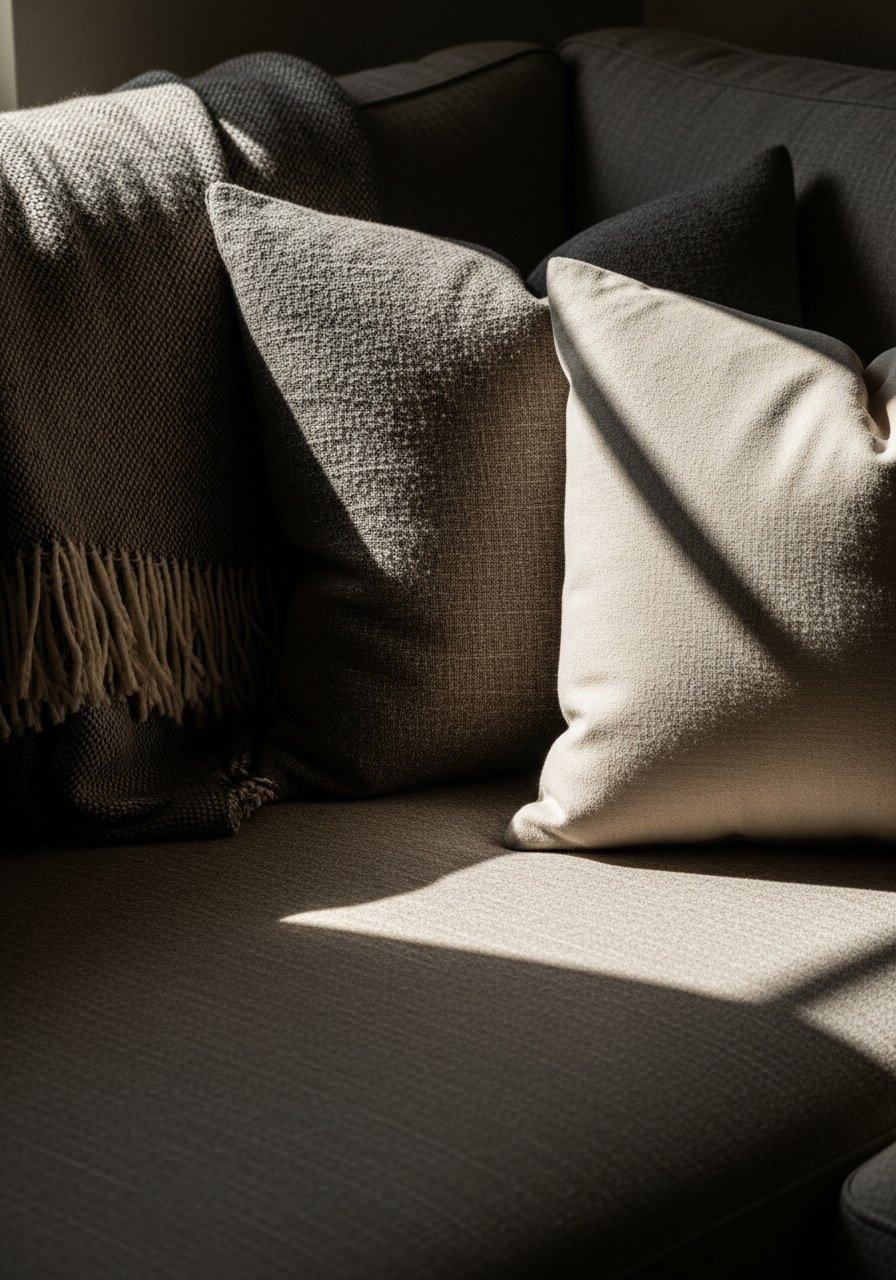
Start with three pillows on a sofa. Use mixed sizes: one 20×20, one 18×18, and one lumbar about 12×20. I mix solid color, subtle pattern, and a texture. That variety keeps your accent color interesting without being loud. Fold the chunky throw over an arm or basket for another repeated note.
People often match fabrics too closely. That creates a flat feel. Use contrast in texture and one patterned piece that pulls in both the accent color and a neutral. Avoid filling every seat with identical pillows. Odd numbers and different scales look intentional.
Step 4: Place accent objects in groups and repeat them across the room
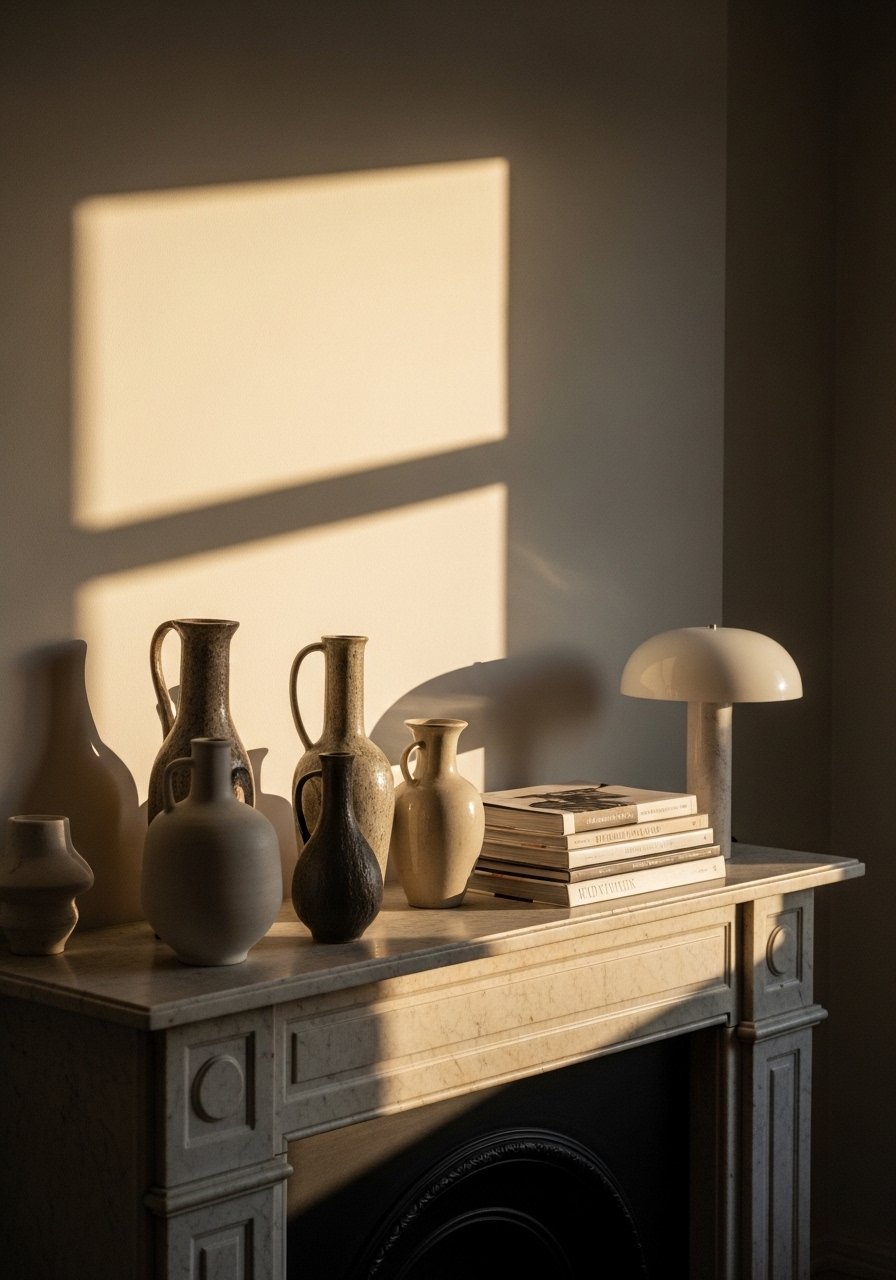
This is where the room starts to read as styled. Group three objects on a tray or ledge. A tall vase, a medium bowl, and a low object creates a stepping visual. Repeat a similar trio somewhere else in the room. That echo ties things together.
People miss the spacing. Leave 2 to 3 inches between grouped items. Crowding creates visual clutter. A common mistake is mirroring the same exact group on both sides of a table. Slight variation looks lived-in and balanced. Use one accent color piece in each group so the eye travels.
Step 5: Check light, trims, and tiny repeats to finish the look
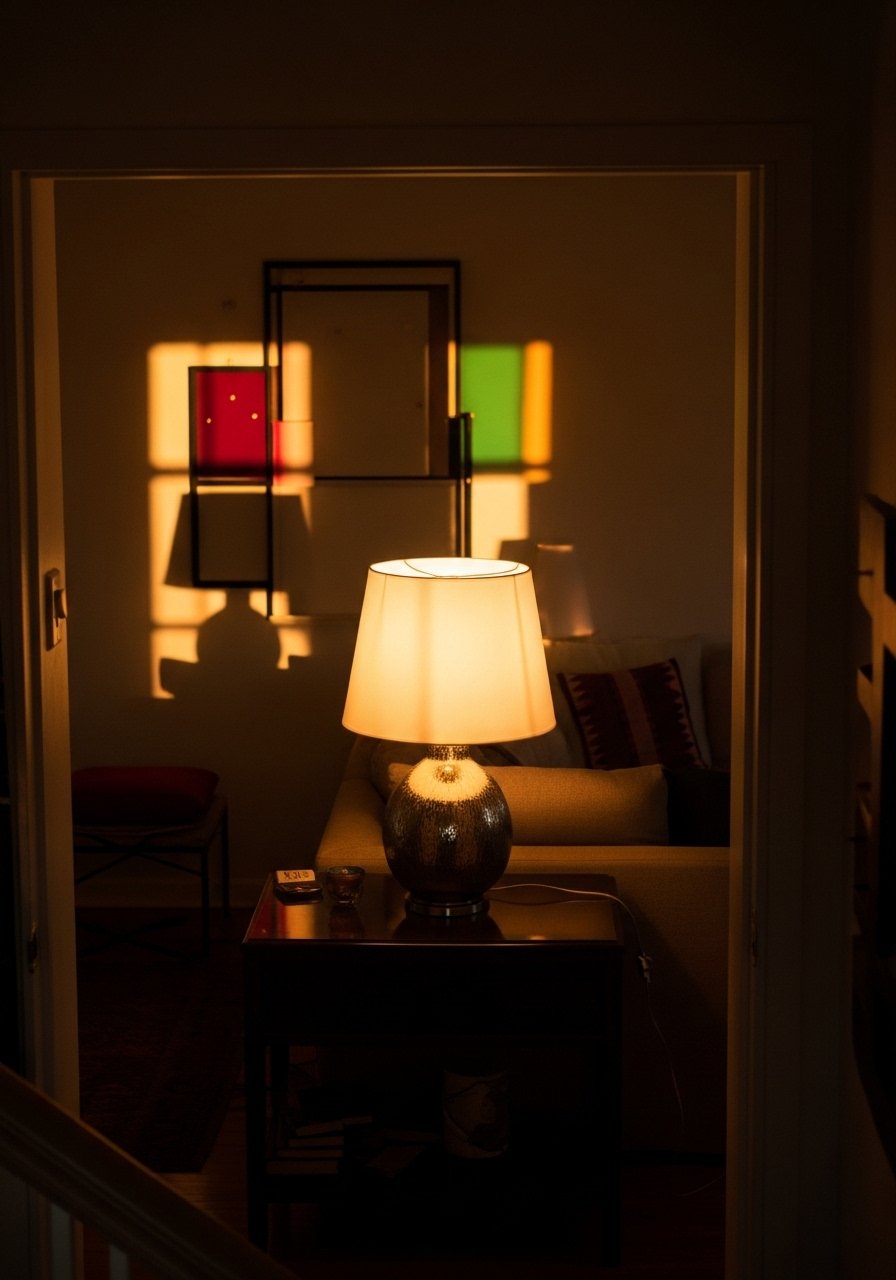
Step back and look for three small repeats of your accent color outside the main elements. A book spine, a lamp base, and a vase count. I often add a warm LED bulb and a lamp with a colored switch plate or shade. Light changes how a color reads. Test your color at morning and evening light.
You will be tempted to keep adding. Stop after you have five or six deliberate repeats. Too many scattered accents dilute the impact. In rooms with less natural light, choose deeper or warmer accent tones so they read clearly under lamps. A single small framed print in the accent color can seal the look.
Why your room still feels indecisive after adding color
I've noticed people add color as an afterthought. They buy a pillow here and a vase there. The result is a scattershot room. Color needs intention. Pick a dominant neutral and one accent. Repeat that accent in three scales: big, medium, and small. Repeat it in three places across the room.
Common missteps to avoid:
- Too many unrelated colors. Keep to one main accent.
- Exact matching of fabrics. Mix finishes and textures.
- No large anchor. Small items alone rarely read as planned.
Making this work in a small room
Small rooms ask for restraint. Use lighter values and fewer large pieces. Try a single accent chair rather than a full sofa in color. Bulleted ideas to try:
- Use one rug that fits most furniture, or a runner to create a colored path
- Place accent color vertically with a tall lamp or narrow shelving to draw height
- Keep artwork small but repeated, two or three times at different heights
- Mirror the color in textiles, not walls, for a renter-friendly approach
When space is tight, each repeated color becomes more powerful. Choose a soft mid tone so it does not overwhelm.
Mixing an accent color with what you already own
I used to think I needed to replace everything to add a color. After trying small repeats I never do. Start with what is easiest to swap. Lampshades, pillow covers, and a single small rug are low-commitment. If you own patterned pieces, pull a color from one pattern and match it to a solid in pillows or a chair.
Example: A blue patterned throw pillow can be your anchor. Add a mid-blue lumbar pillow, a small blue vase on a shelf, and a picture frame with a blue mat. The room reads intentional because the hue repeats in different materials. Keep the rest of the palette neutral and textured so the accent has room to breathe.
Start with One Corner
Pick a corner of the room and make it the practice zone. Swap in one chair or a pillow and a small rug, then live with it for a week. Adjust spacing and light. If it reads right there, the rest of the room will follow more easily.
A single pillow or a small rug is all the commitment you need. Once that corner feels settled you will see where the color wants to repeat next. Start small. Trust what your eyes tell you.