
My couch looked tired for months. I piled on random cushions and nothing sat right. The room felt lopsided, like the left side was trying harder than the right.
I kept moving pillows around and wasted weekends. It finally clicked that pillow placement is as much about balance and scale as fabric and color.
Everywhere I look this year, people are choosing calm palettes and one textured piece to keep a room feeling grounded. I use the same approach when a seating area looks unfinished. It works in an hour and keeps the room feeling intentional, not staged.
What You'll Need
- Feather-fill pillow inserts, 20×20 ($15 to $30). Inserts make covers sit plump and generous
- Euro sham set, 26×26, linen blend ($35 to $70). Big backing pillows that add height
- Lumbar pillow, 12×20, textured cotton ($20 to $45). Great for layering at the ends
- Velvet accent pillow, 18×18, jewel tone ($20 to $50). Use one to anchor color
- Chunky knit throw, 50×60 ($40 to $80). Drapes well over an arm or back
- Set of patterned pillows, 16×16, two-pack ($25 to $55). Small print for contrast
- Wood serving tray, round, 14-inch ($18 to $40). Anchors small objects on a coffee table
- Ceramic vase set, matte white, set of 3 ($20 to $45). Adds sculptural weight and rhythm
Step 1: Start with a blank sofa and assess scale
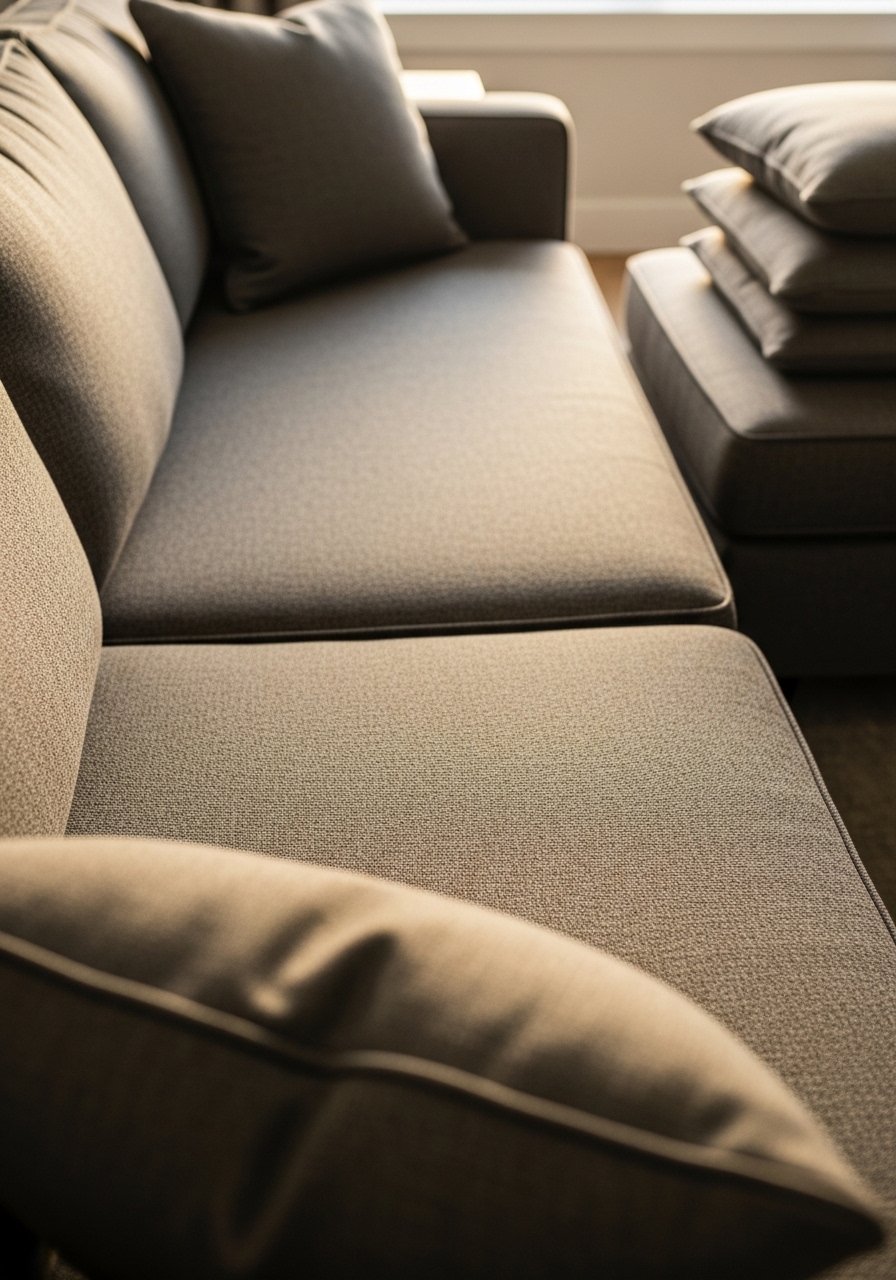
Pull everything off the sofa. Yes, every pillow and throw. I used to skip this and then copied mistakes from the pile. A blank surface makes scale obvious. Measure the sofa height and length. I aim for pillows that fill roughly two thirds of the seat depth when propped. That keeps them visually proportional.
What changes visually is immediate. The sofa stops looking cluttered. The missing detail people miss is negative space. Leave about 2 to 3 inches between grouped pillows so each one reads. Mistake to avoid is starting with smallest pieces. Begin with the biggest shapes. The large shapes set the rhythm.
Step 2: Place your anchor pillows first
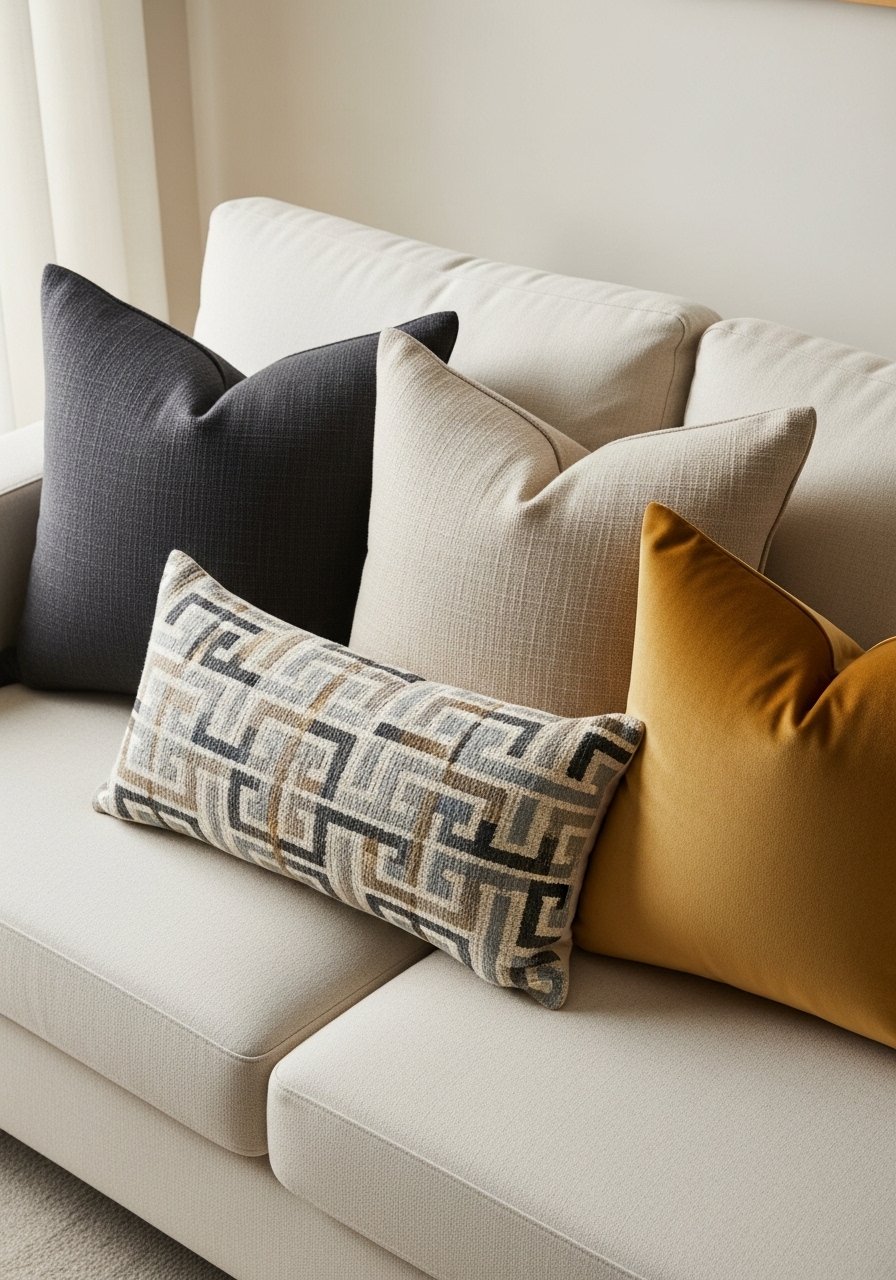
I always place the largest pillows first, usually 26×26 euros. They create a visual backdrop and raise the eye. Put them against the sofa back at each end, not crowded into corners. For a standard three-seat sofa, leave about 12 inches between the inner edges of the euros so the mid section can breathe.
Visually the seating gains height and a neat frame. People miss choosing the right size for the sofa. Too-big euros overwhelm a low-back couch. Too-small ones disappear. Mistake to avoid is using identical fabrics for all anchors. Keep the anchors simple in material, linen or cotton, so texture and pattern added later pop.
Step 3: Add mid-size pillows for pattern and texture
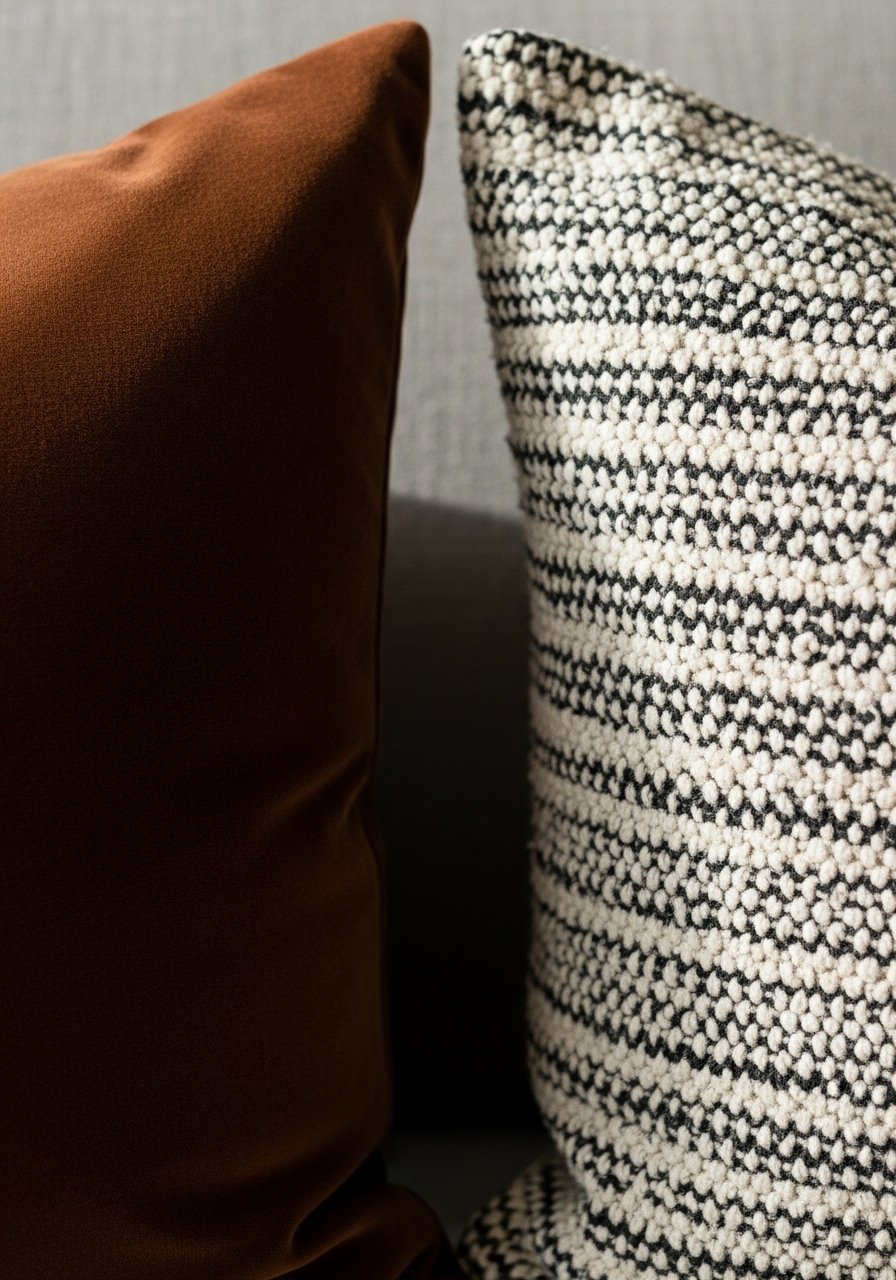
Next I add 18×18 pillows in front of the euros. This is where color and pattern join the composition. Place one patterned pillow and one textured solid on each side. If you use two patterns, make one scale large and one small. I aim for a 2 to 1 ratio of solids to patterns. That keeps the look calm.
What changes is depth and interest. A common oversight is matching colors exactly. Instead, pick hues that relate but differ in tone. Avoid too many tiny prints. They read as visual noise. Temptation is to buy all matching sets. Resist that. Mix materials like velvet, woven cotton, and linen for depth.
Step 4: Layer a lumbar and a throw for finish and comfort
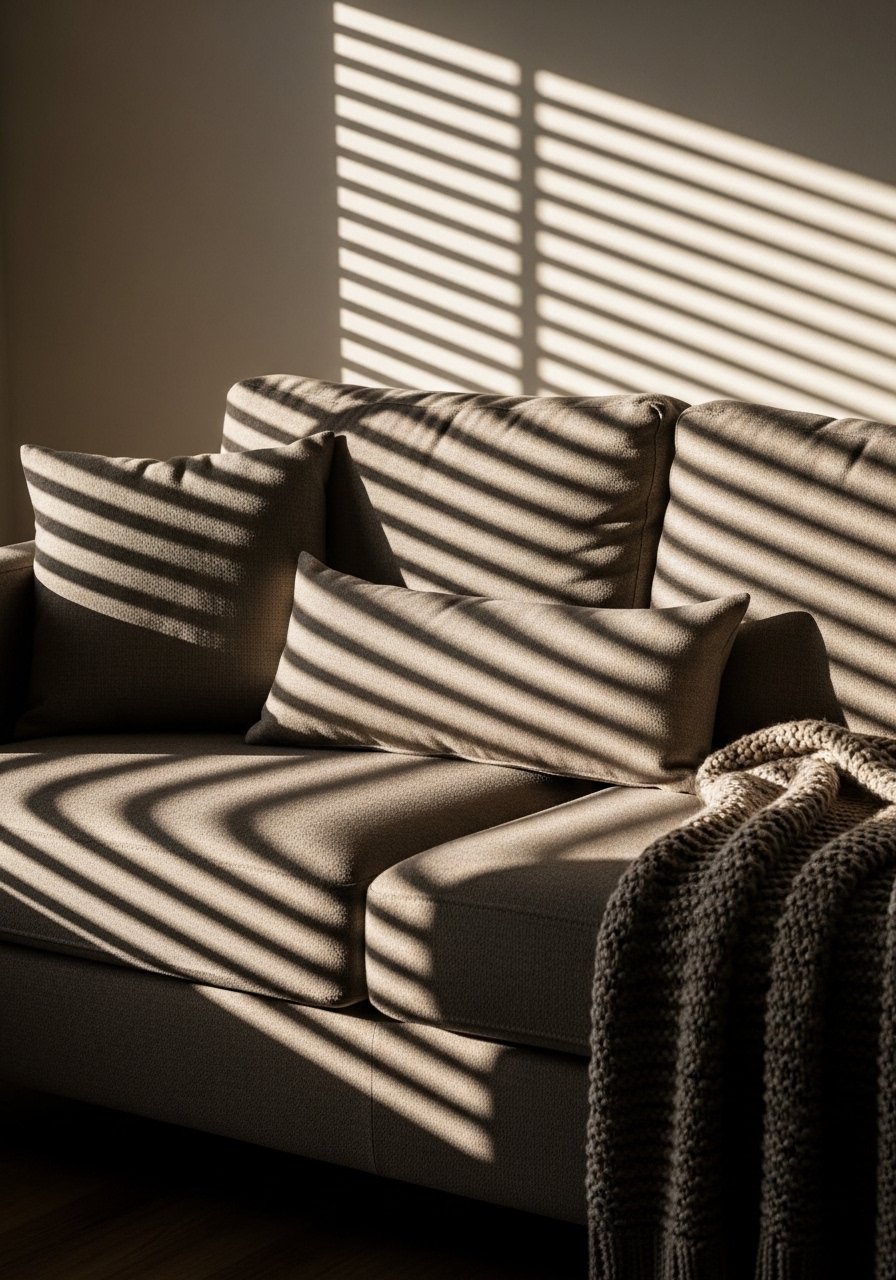
I always finish one side with a 12×20 lumbar and the opposite side with a folded throw. The lumbar breaks horizontal lines and adds a human scale. Place the lumbar so it overlaps the front pillow by about 2 inches. That small overlap reads as an intentional layer.
You will see the seating area settle into a composed look. People often place the lumbar dead center. That makes the arrangement predictable. Mistake to avoid is too many small pillows. One lumbar is enough. Keep the throw in a contrasting texture to invite touch and to balance the colors you used earlier.
Step 5: Check room balance and repeat the language elsewhere
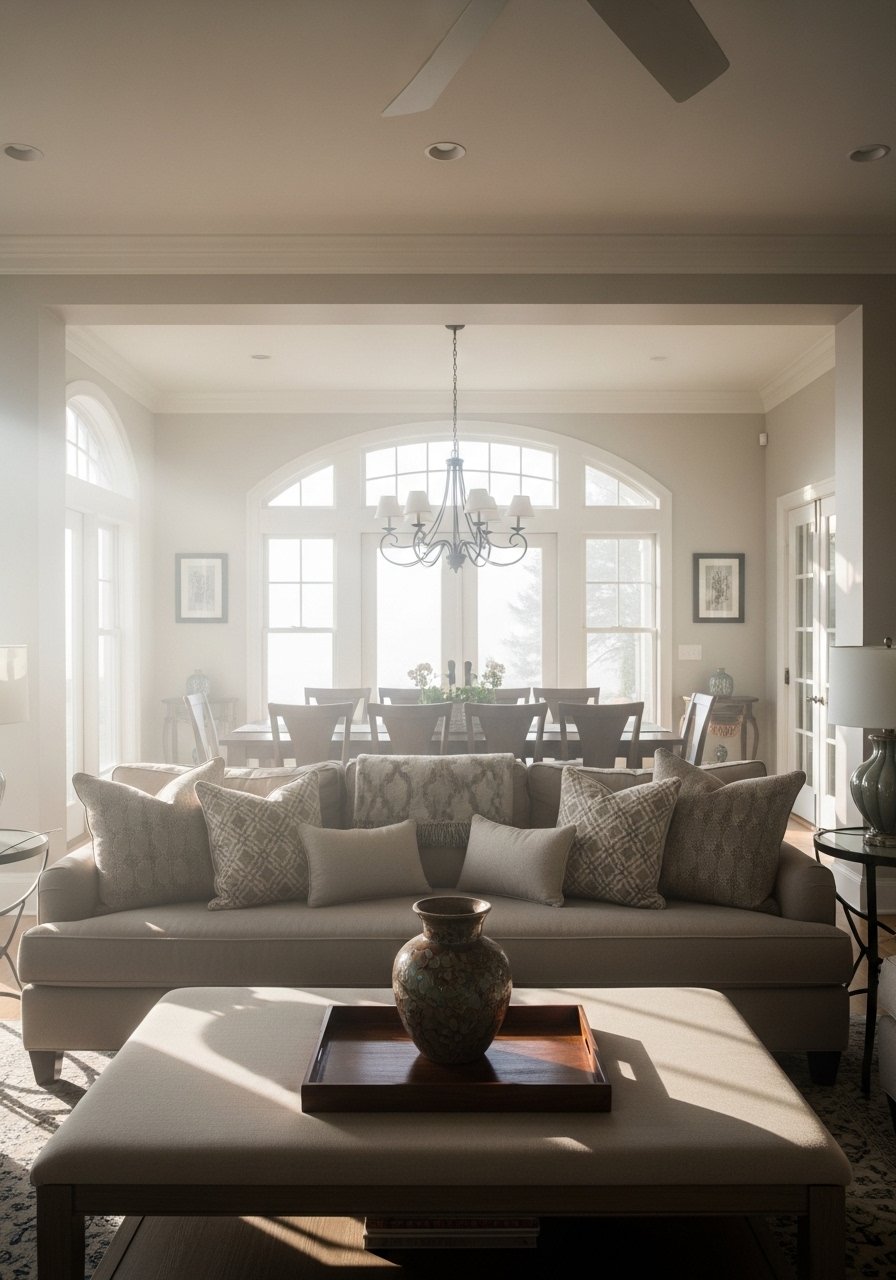
After the sofa looks right, step back and scan the whole room. I look for color echoes and repeated textures. Use a tray and a vase on the coffee table to mirror one pillow color or shape. If the room still feels lopsided, move a pillow to an accent chair or a pouf. Repeat one pattern at least once elsewhere so the eye travels.
What changes is cohesion. The seeded repetition makes the arrangement feel intentional. People miss this stage and then the sofa feels like an island. Avoid adding new colors at the last minute. Stick to the palette you set in step three and move small accessories rather than swapping pillows.
Why Your Sofa Still Looks Off After You Add Pillows
I keep seeing sofas that look like they were styled quickly. The most common issue is scale mismatch. Pillows too small for the sofa vanish. Pillows too large overpower.
- Check proportions. Big sofas need euros or 24 to 26 inch anchors. Small settees work with 20 inch backs.
- Mind spacing. Aim for 2 to 3 inches between pillows in a group.
- Repeat one color or texture elsewhere in the room. A rug, a vase, or a throw works well.
- Resist symmetry for everything. Symmetry is fine at the anchors. Vary the middle layers.
A small edit can make a big difference. Swap one pillow into another room. It often fixes the balance instantly.
Making This Work in a Small Room
I used to cram too many cushions into a tiny loveseat. Now I keep it minimal and purposeful. Use these adjustments for tight spaces.
- Choose smaller scales, like 18 inch anchors, or one euro plus a lumbar
- Limit to three pillows per seat at most. One on each end and one center works for two-seaters
- Pick low-profile inserts so the seat depth stays usable
- Use lighter fabrics and more neutrals to keep the space feeling open
A compact arrangement should maintain breathing room. You want comfort and visual clarity. That combination makes a small room feel deliberate instead of stuffed.
Mixing New Pillows with What You Already Own
I often shop around my house before buying. Old pillows can be the start of a fresh palette. Pull two colors from an existing pillow and look for a new textured piece that matches one of them. Swap covers rather than buying new inserts whenever possible.
Try an experiment. Move a patterned pillow from the bedroom to the living room and use a plain pillow in the bedroom in its place. Repeat a material, like a matte ceramic or a woven throw, in both rooms. This layered approach keeps the home cohesive without a big shopping run. I find that small swaps make the whole place feel updated.
Start with One Corner
Pick one corner of a room and style it like a set. Add an anchor pillow, a mid-size pattern, and one lumbar or throw. Work until the corner feels balanced to your eye.
Begin small. A single linen sham or a textured lumbar is a low-commitment starting point. When one corner reads right, the rest of the room usually follows.