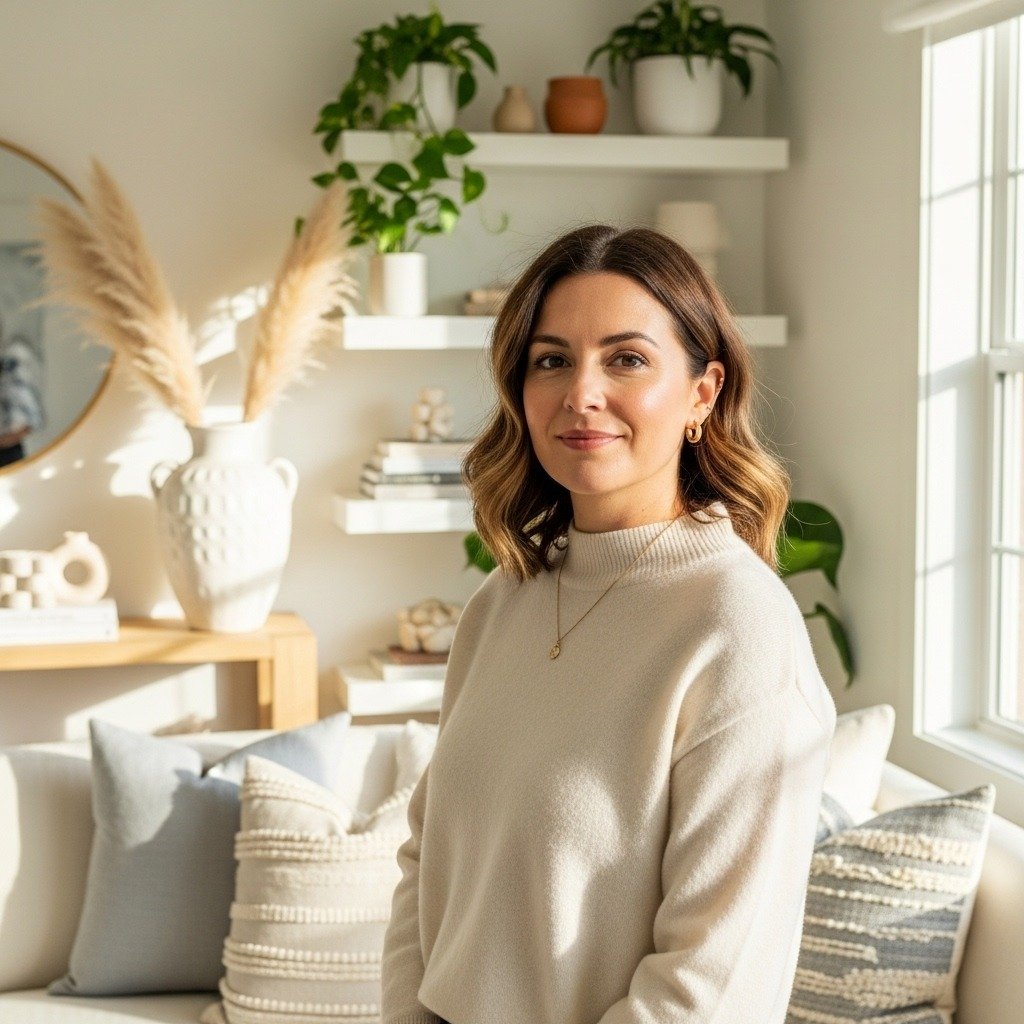
My shelves used to look like a yard sale. I kept adding little things and the space got visually noisy. Swapping to balanced groupings changed everything. A couple of thoughtful edits and the shelves finally read intentional instead of chaotic.
These ideas tilt toward modern cozy and minimalist-boho blends, with most looks doable for $20 to $150. They work in living rooms, kitchens, bathrooms, and entryways. Warm neutrals are everywhere right now. I have seen them take over every design feed I follow.
What You'll Need to Get This Look
- Textiles and soft goods. Chunky knit throw blanket in cream (~$35-55). I toss mine over a basket on the bottom shelf.
- Curtain and pillow basics. Velvet pillow covers, set of 4 (~$40). Mix two colors for depth.
- Shelving hardware and shelves. Set of 3 white oak floating shelves (~$45-70). Stagger heights for balance.
- Mirrors and art. 36-inch round mirror (~$80-120). Use to open tight spaces.
- Lighting. Rattan pendant light shade (~$30-60). Swap shades to refresh a room.
- Small storage. Woven seagrass baskets set of 3 (~$30-55). Hide clutter and dust.
- Plants. Artificial fiddle leaf fig tree, 6ft (~$60-90). Good when maintenance is a problem.
- Trays and containers. Natural wood serving tray (~$25). Corral smaller items.
- Glass and ceramics. Ceramic vases set of 3 (~$25-45). Use odd numbers.
- Lighting accents. LED strip lights warm white (~$20-35). Add under-shelf glow.
- Budget backdrop. Peel and stick wallpaper panels in neutral tones (~$20-35). Try on the back of one shelf.
Layered Textiles For A Cozy Reading Nook
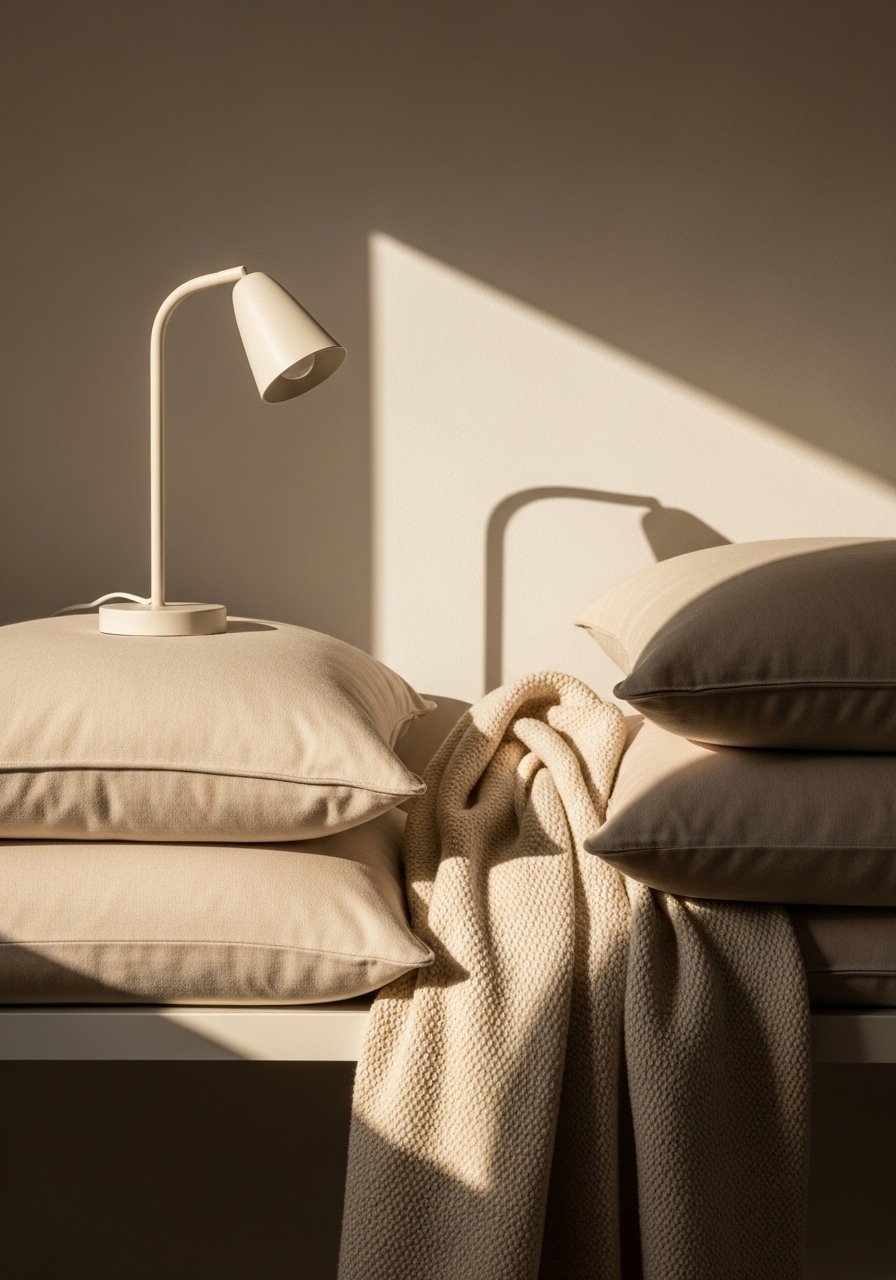
The moment I draped a chunky knit blanket over a stack of books my nook stopped looking staged. It feels cozy and lived-in. Works best in a bedroom or small living room. Budget is $25 to $120 depending on pillow quality. Use the 60-30-10 color rule with textiles. For example, 60 percent neutrals, 30 percent muted color, 10 percent a bold rust or navy accent. Avoid tiny cushions only. Small pillows look cluttered on open shelves. Try velvet pillow covers for texture.
Floating Shelves With Curated Greenery For A Modern Kitchen
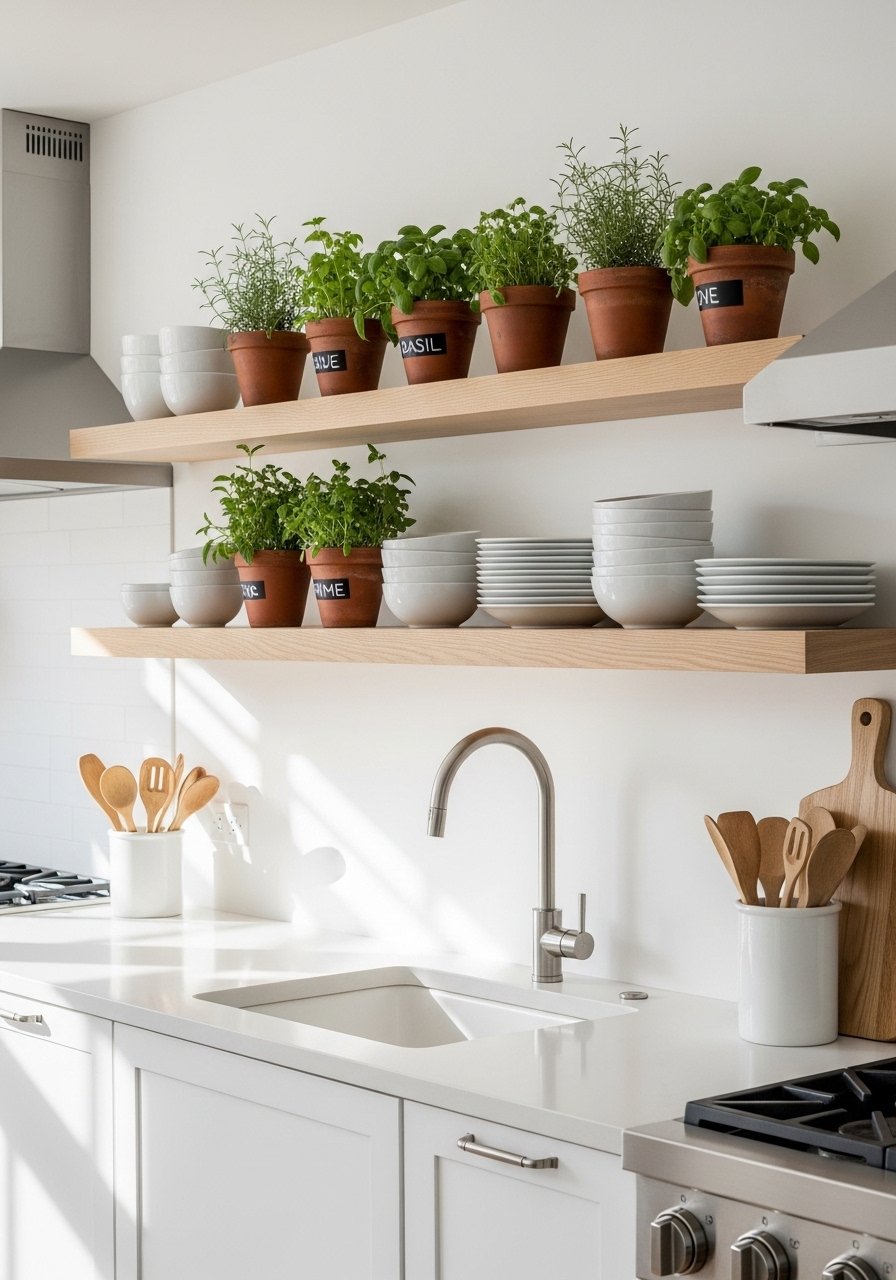
I keep seeing kitchens styled with living herbs. They make open shelving feel purposeful and usable. Use three pots for an odd-number grouping. In small kitchens, one tall plant at the end of the shelf anchors the run. Choose shallow pots so plates still stack neatly. One mistake is too many plants that block view lines. I use terracotta herb pots and rotate the herbs. Real plants add color in photos and actually smell great in person.
Minimalist Kitchen Open Shelves With Uniform Dishware
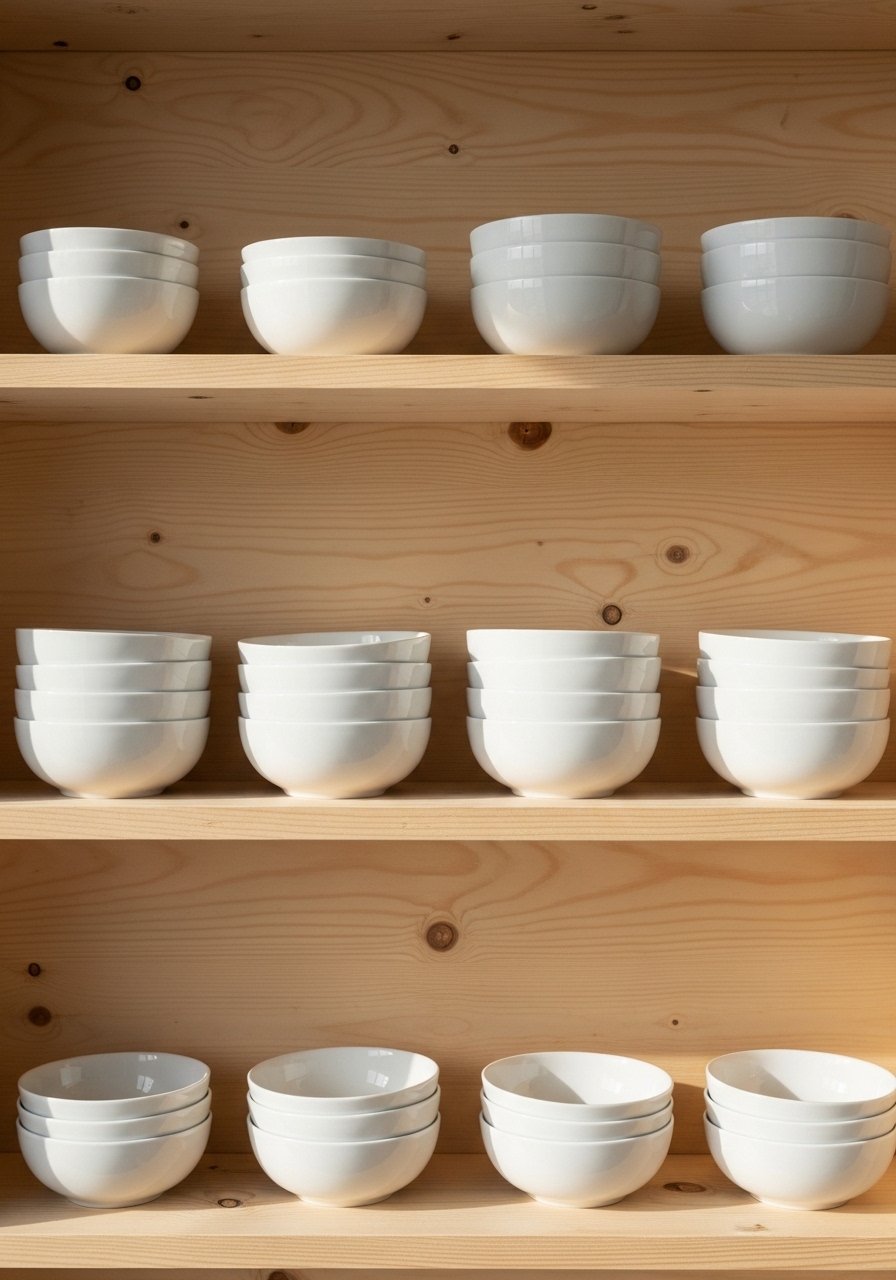
My feed is full of matching dishware looks and for good reason. Uniform plates create calm on a busy wall. Best for modern or Scandinavian kitchens, budget $40 to $200 depending on set size. Pick one material, like porcelain, and stick to it across shelves. The common mistake is mixing finishes. A few mismatched items can work, but six identical plates in a vertical stack read cleaner in photos and daily life. Try simple white dinnerware set for durability.
Boho Woven Baskets For Entryway Open Shelves
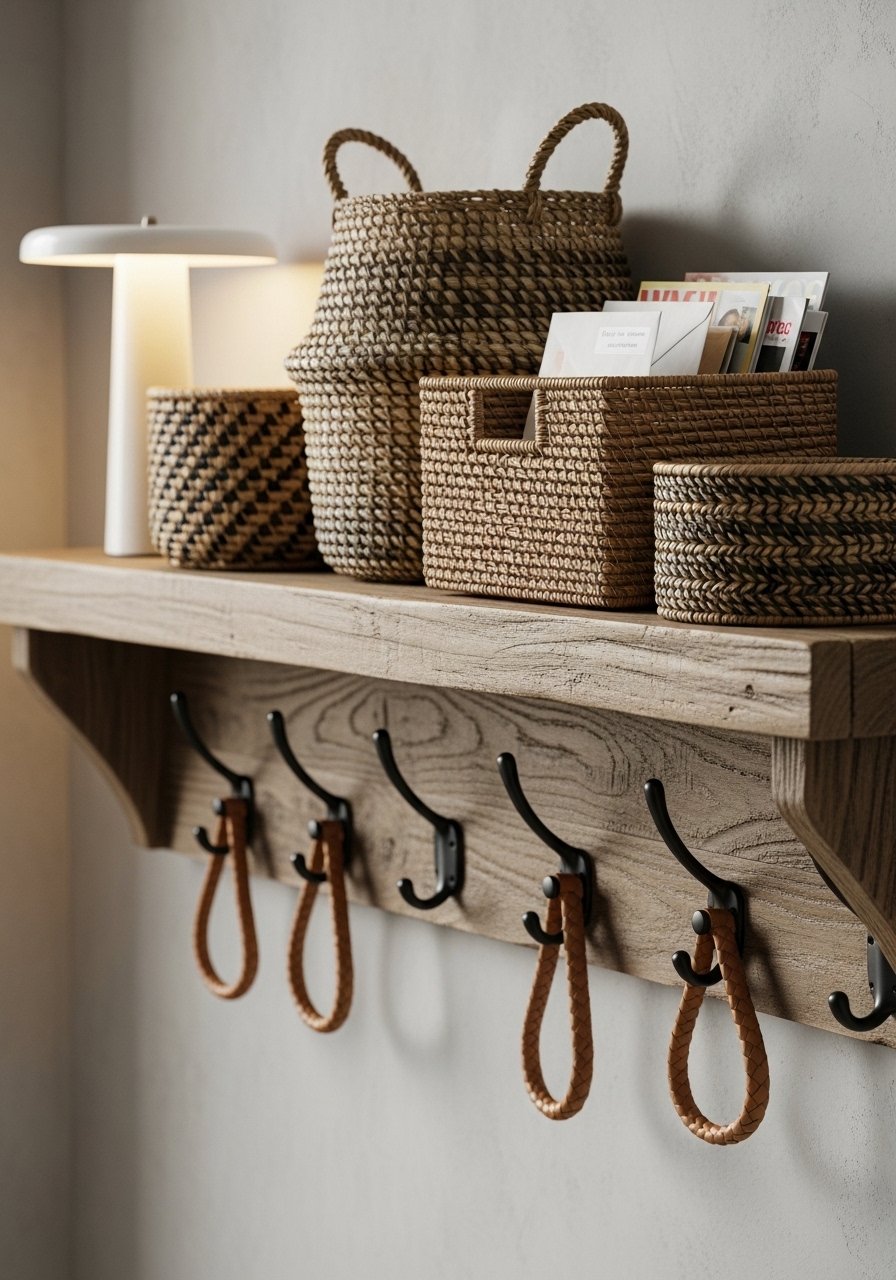
A friend asked me about taming entryway chaos, and baskets were the simple answer. Use baskets on lower shelves to hide shoes and toys. Budget friendly at $25 to $70. I like mixing one large basket with two smaller ones to follow an odd-number rule. Avoid plastic bins that read cheap. Seagrass or rattan adds texture and photographs well. Grab woven seagrass baskets set for instant containment.
Monochrome Styling With One Bold Accent Color For Living Rooms
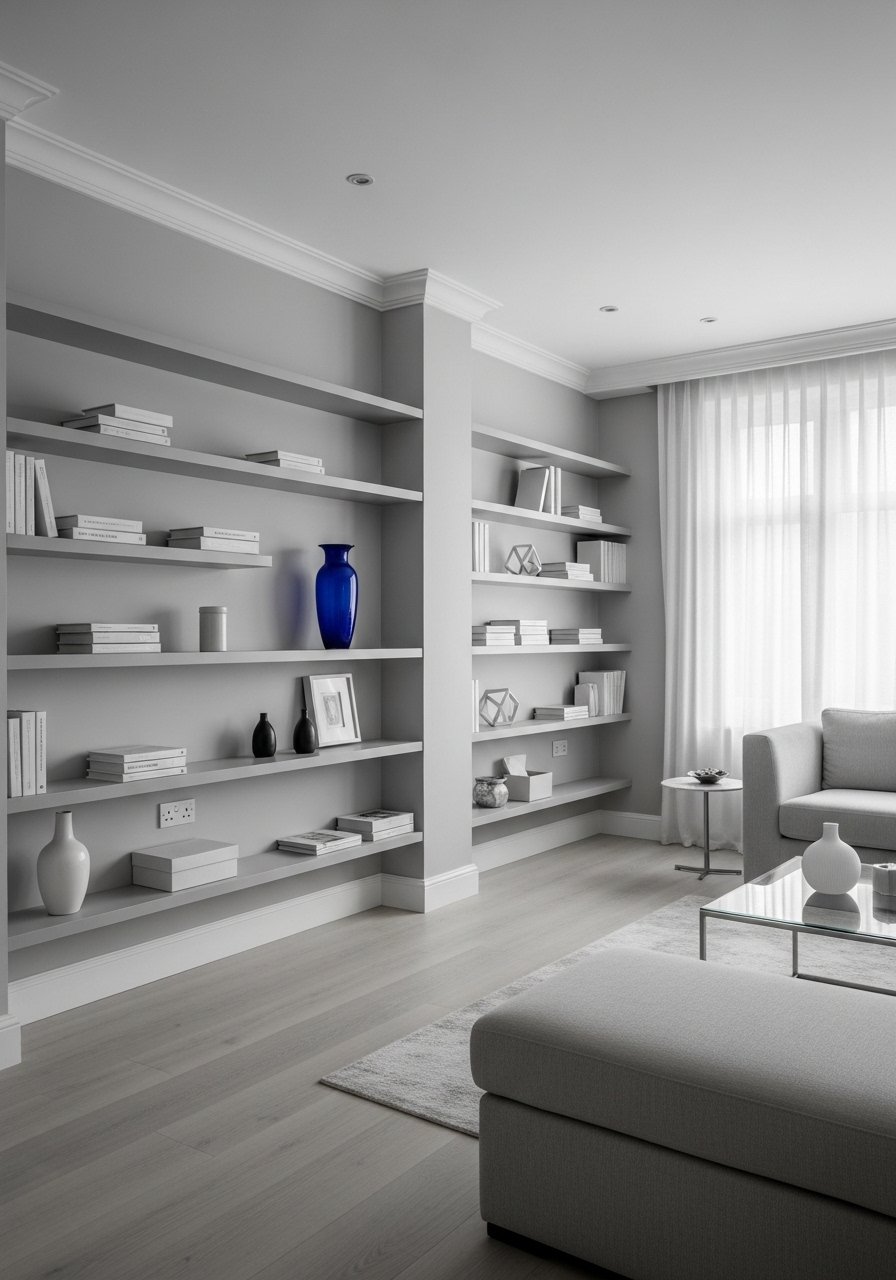
My living room went from flat to intentional when I committed to a monochrome base with one accent color. The trick is a 70-20-10 split. Seventy percent neutrals, twenty percent mid tones, ten percent that pop color. Works in living rooms and bedrooms, budget $15 to $120. A common misstep is using too many competing accents. Keep the accent color to one or two small pieces on separate shelves so it carries across the room. I use cobalt ceramic vases as focal points.
Gallery Wall With Mismatched Vintage Frames On Shelves
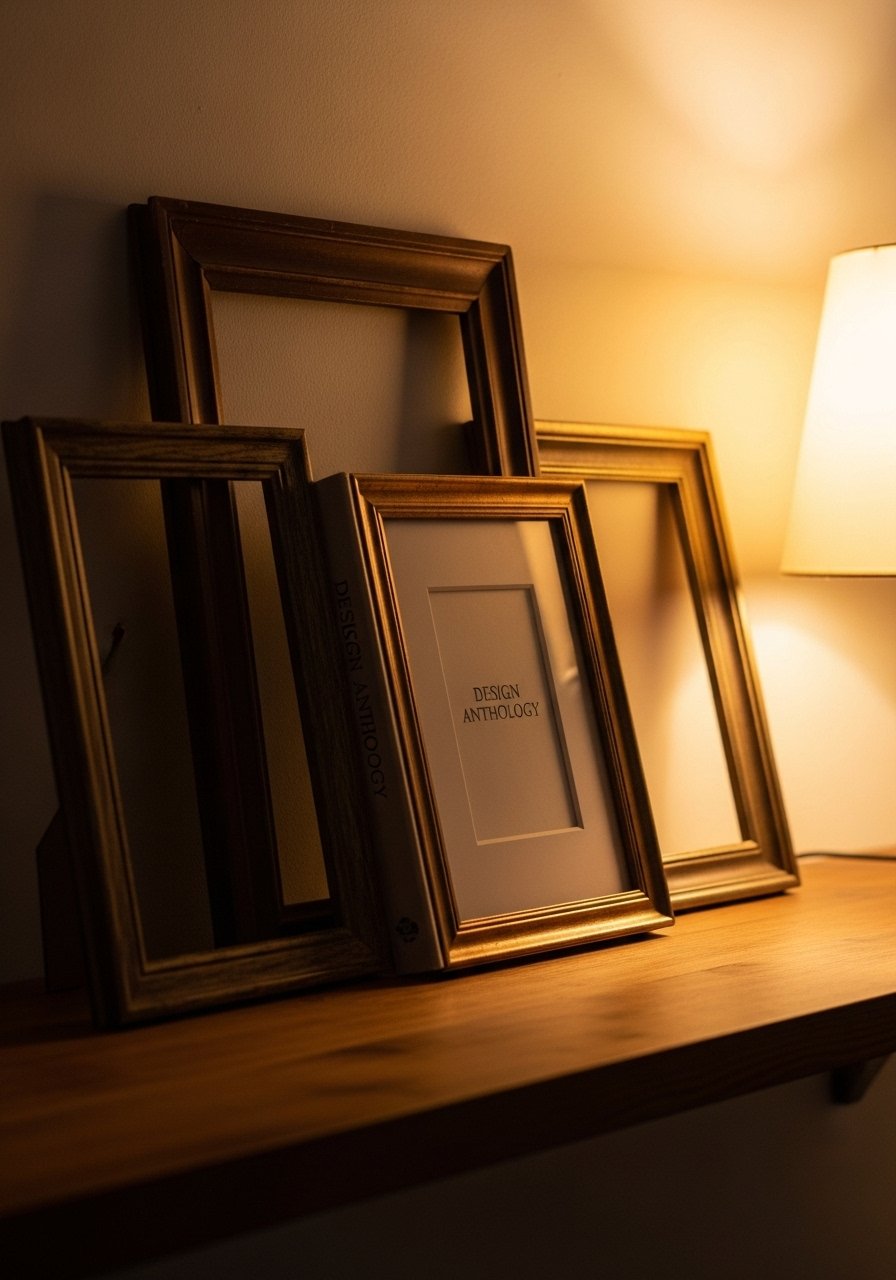
I found success leaning art instead of hanging it. Frames on shelves feel casual and are easier to swap. Mix frame finishes for a collected look. Works best in transitional or vintage-inspired rooms and fits any budget depending on the frames. Use mats to keep images from competing with frame texture. A big mistake is tiny frames clustered tightly. Go for two large and one medium for scale. For mats, I use white picture mats 11×14.
Ceramic And Pottery Focus For Neutral, Textured Styling
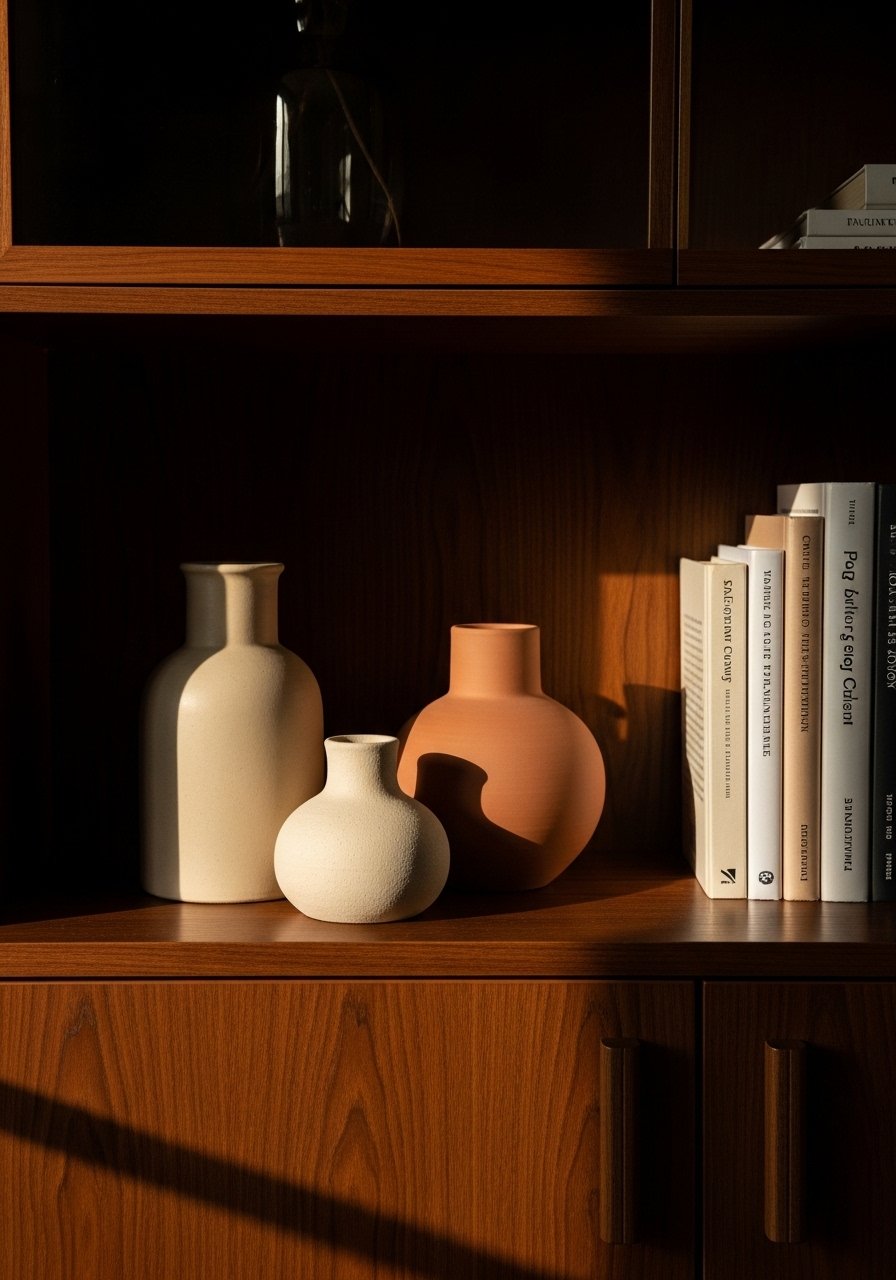
Every showroom I walk into has a ceramic moment this year. Group 3 to 5 pottery pieces of varying heights. The textures read well in photos and still look genuine in real life. Budget ranges $20 to $150 depending on artisan pieces. The frequent mistake is buying glossy mass-produced ceramics that reflect light oddly. Choose matte finishes for depth. In narrow rooms, taller vases work better on higher shelves to keep sight lines clear. Try matte ceramic vases set.
Stack Books Horizontally To Create Levels And Visual Rhythm
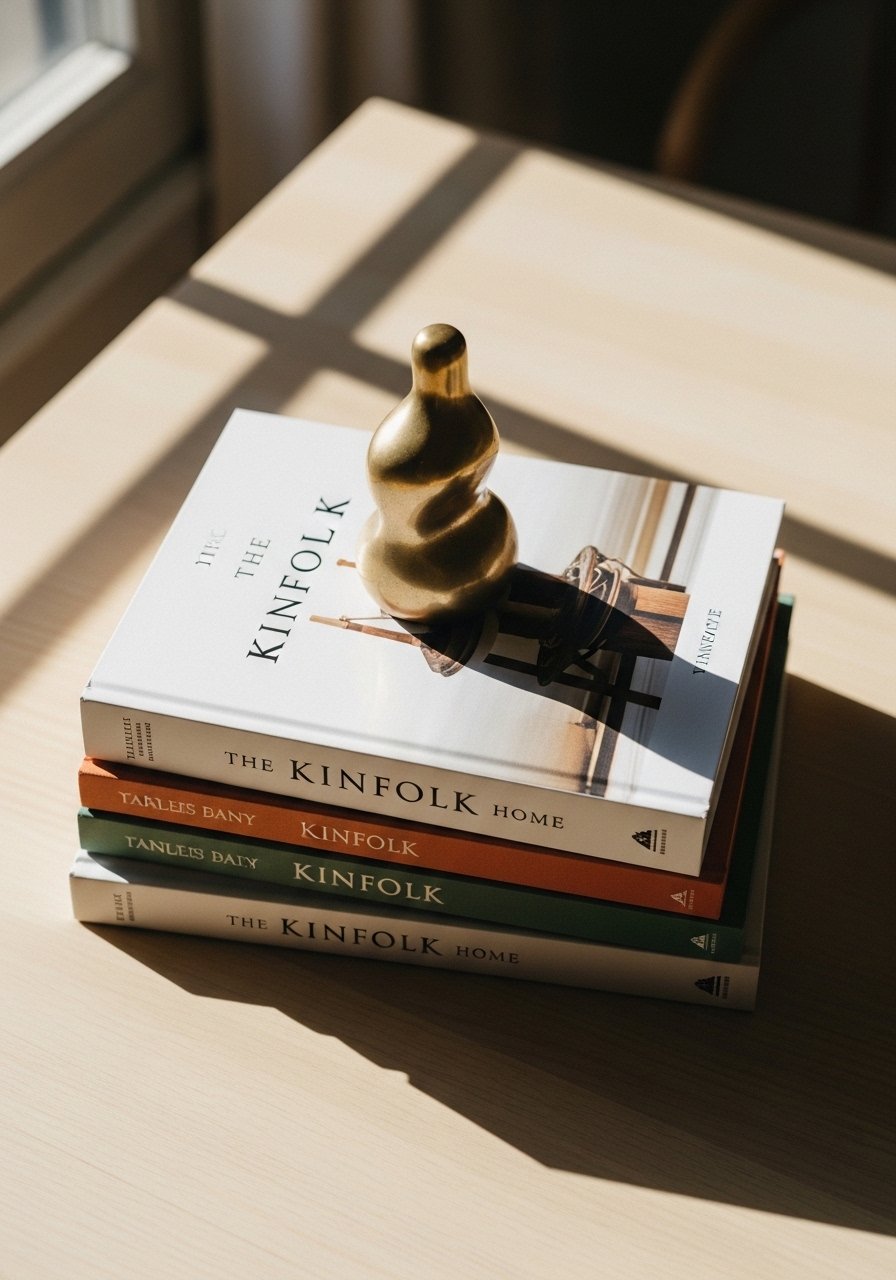
I used to stand all my books vertically and the shelves looked flat. Stacking horizontally creates platforms for objects and adds height variation. Use an odd number of stacks and keep text-facing spines to maintain a curated look. Works in home offices and living rooms, budget is essentially whatever you already own. Photo vs reality note: stacked books can topple if not weighted, so end with a heavy object or a bookend. I like mixed metal bookends for stability.
Use Trays To Contain Small Pieces On Bathroom Shelves
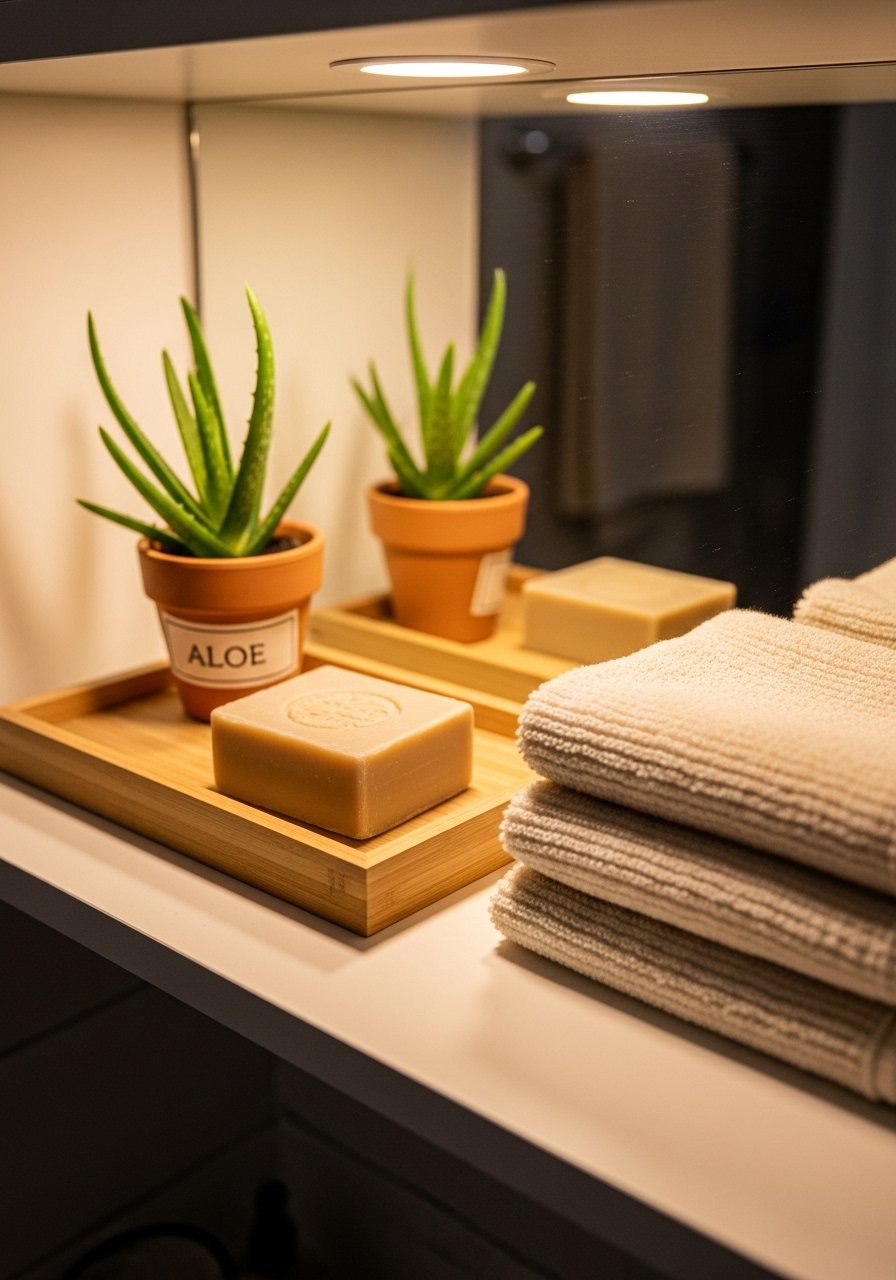
I switched to trays on bathroom shelves six months ago and cleaning became easier. A tray groups toiletries and looks intentional. Choose a tray that fits at least two-thirds of the shelf depth so it reads anchored. Budget $15 to $40. Mistake alert: clear plastic trays show clutter. Use natural wood or stone trays for texture. In tight bathrooms, one tray per shelf keeps things tidy and dust-free. I recommend natural wood serving tray.
Seasonal Rotation Shelves For Freshness With Minimal Effort
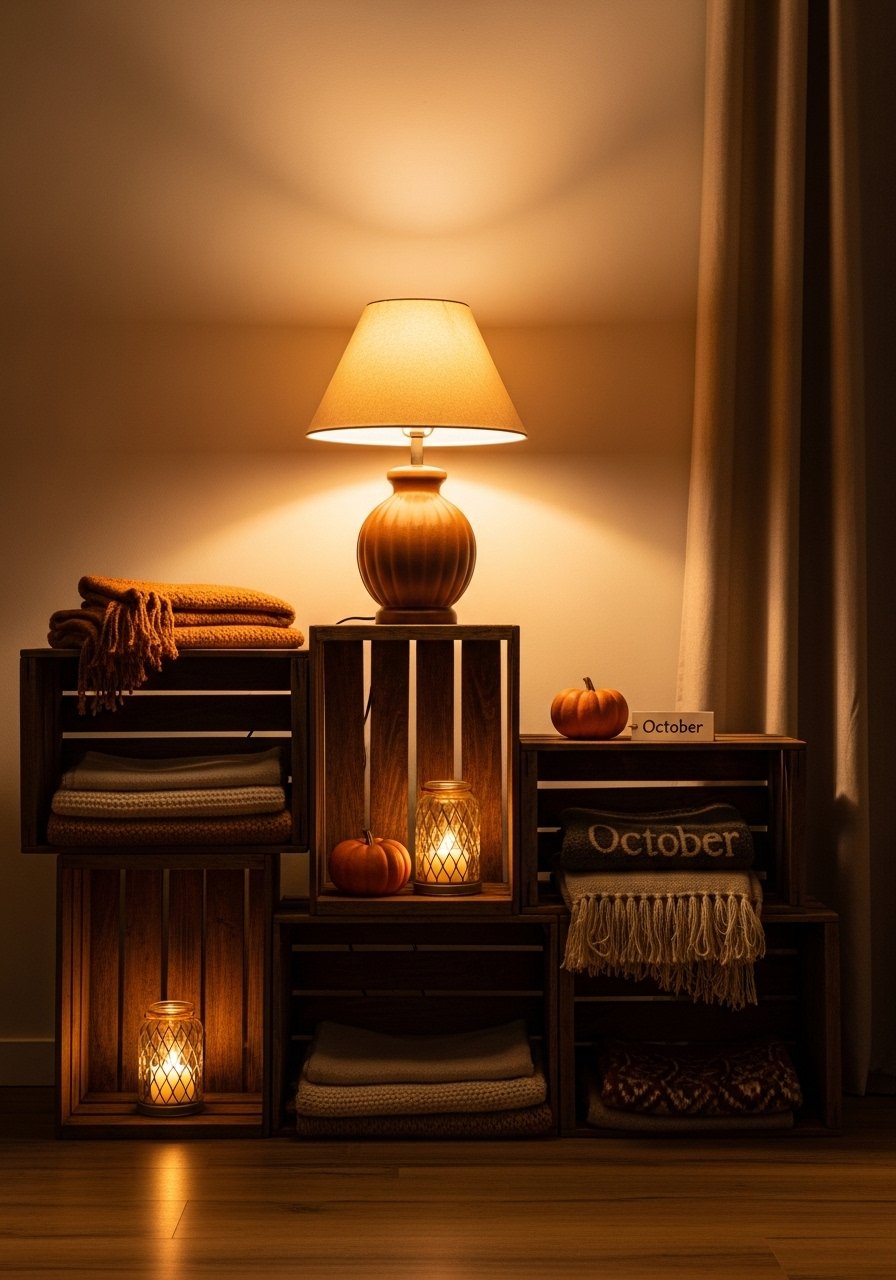
A friend asked me about keeping decor fresh without buying new things constantly. I rotate one shelf per season. It keeps the room interesting and prevents overall clutter creep. Budget varies since you reuse existing items. The mistake is rotating every item at once which looks chaotic. Swap one or two anchor pieces and a small accessory. In photos seasonal items read intentional, in real life they survive dusting because they are fewer. For fall accents try small decorative pumpkins set.
Open Shelf Office Organization With Decorative Boxes
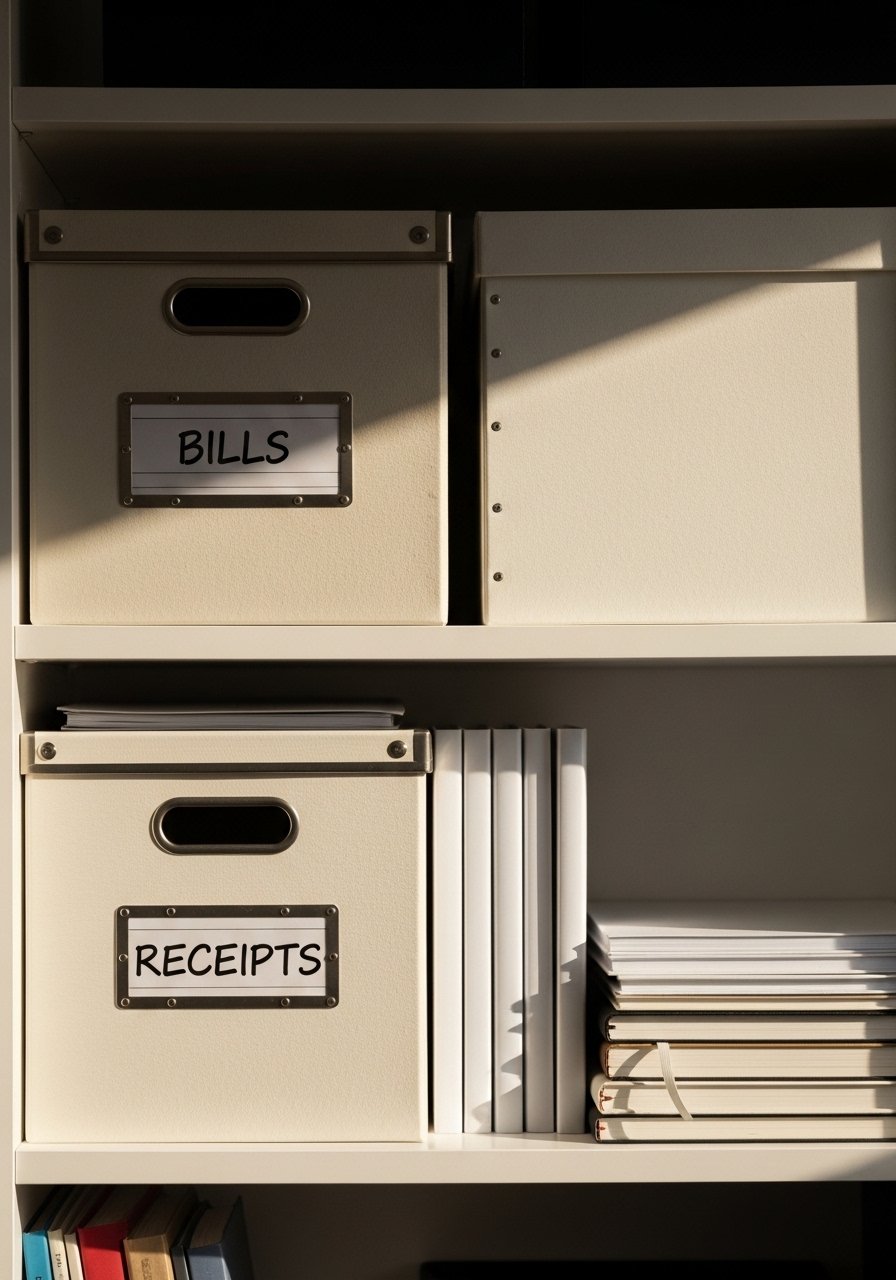
The last three homes I visited all had pretty boxes on office shelves and I realized why. Decorative boxes hide cables and paper while keeping a tidy look. Use consistent sizes for rhythm. Budget $20 to $80 depending on box material. A common mistake is clear bins that show the mess. Choose linen-wrapped or woven boxes that complement shelf tones. For labels, use printed text like 'Bills' and 'Receipts' to stay readable. Try linen storage boxes set.
Vintage Finds Mixed With Modern Lines For Eclectic Balance
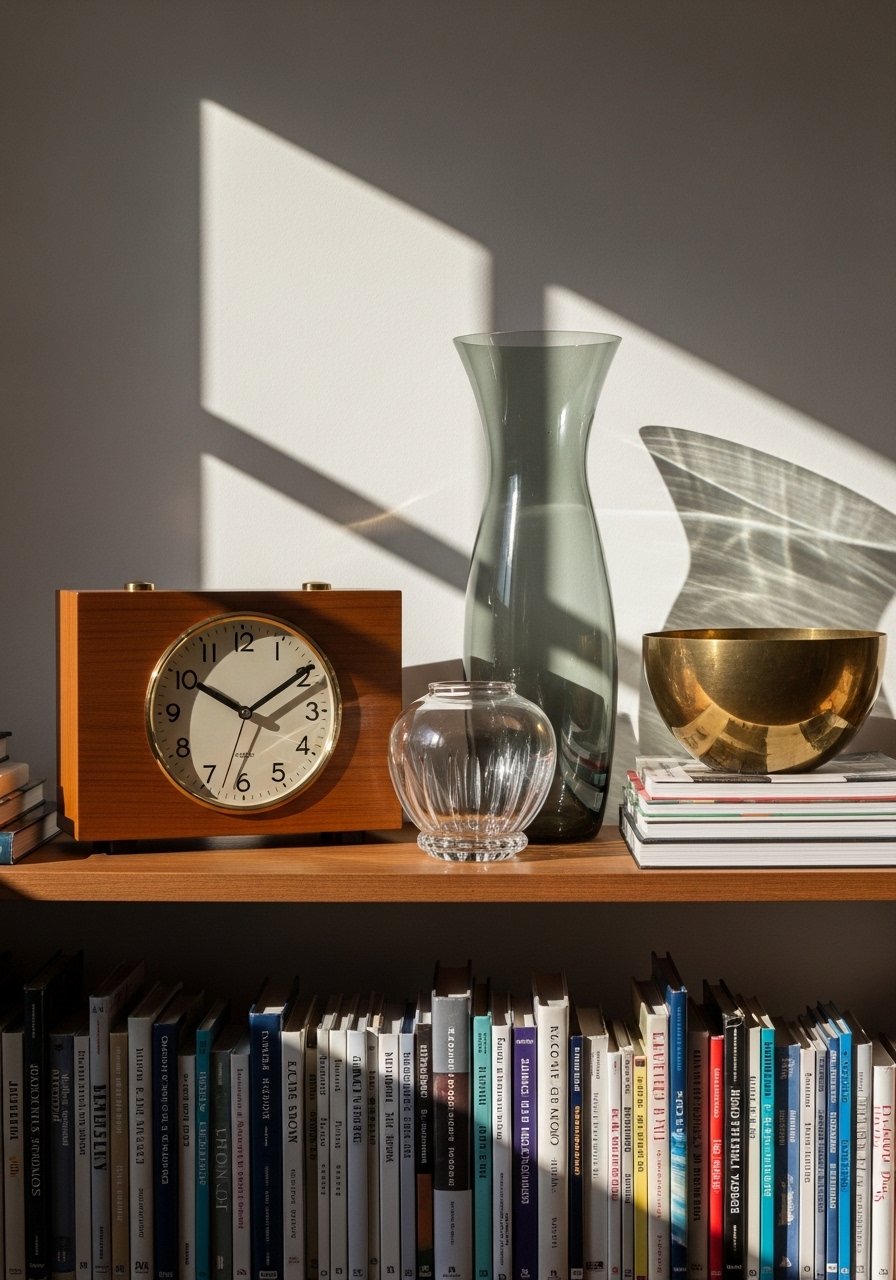
My feed is full of this high-low pairing and it works because one element grounds the other. Mix one vintage object with two modern pieces to keep balance. Works in living rooms and studies. Budget varies widely, but thrifted pieces can be $5 to $50. The cheap look happens when everything is mismatched in scale. Keep scale in mind. I pair a thrifted brass bowl with a clean-lined lamp from Target. Browse vintage brass bowls for options.
High-Low Pairings Of Designer Pieces And Thrifted Finds
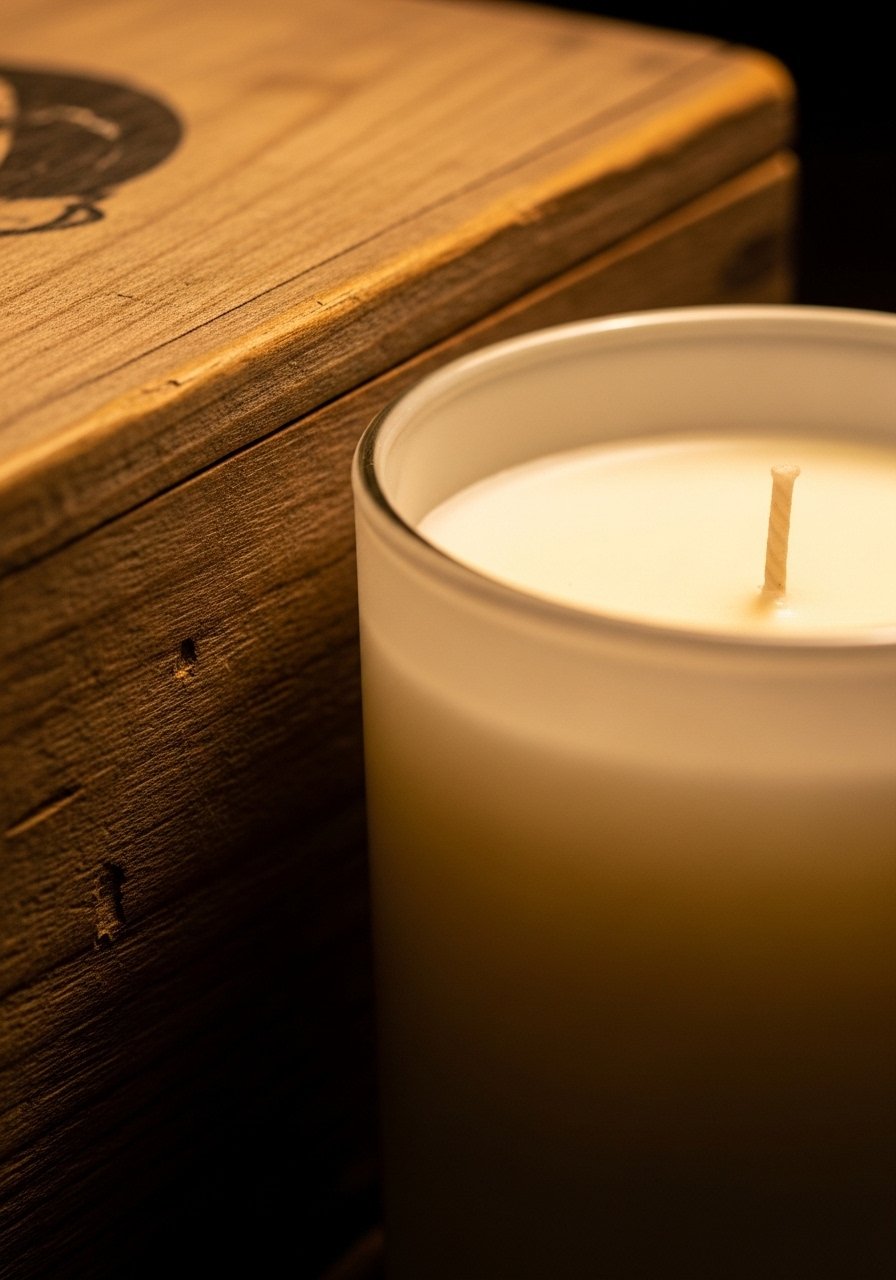
I used to feel like I had to buy everything new. Mixing a higher-end statement object with thrift finds gives a curated look without a big budget. Use one splurge per shelf and make the rest approachable. The visual rule is 1:3 splurge to thrift. For small rooms, choose smaller splurges so they do not overwhelm. Avoid putting multiple expensive-looking glossy items together. For a tasteful splurge try artisan ceramic vase.
Oversized Art Leaning Behind Objects For Depth
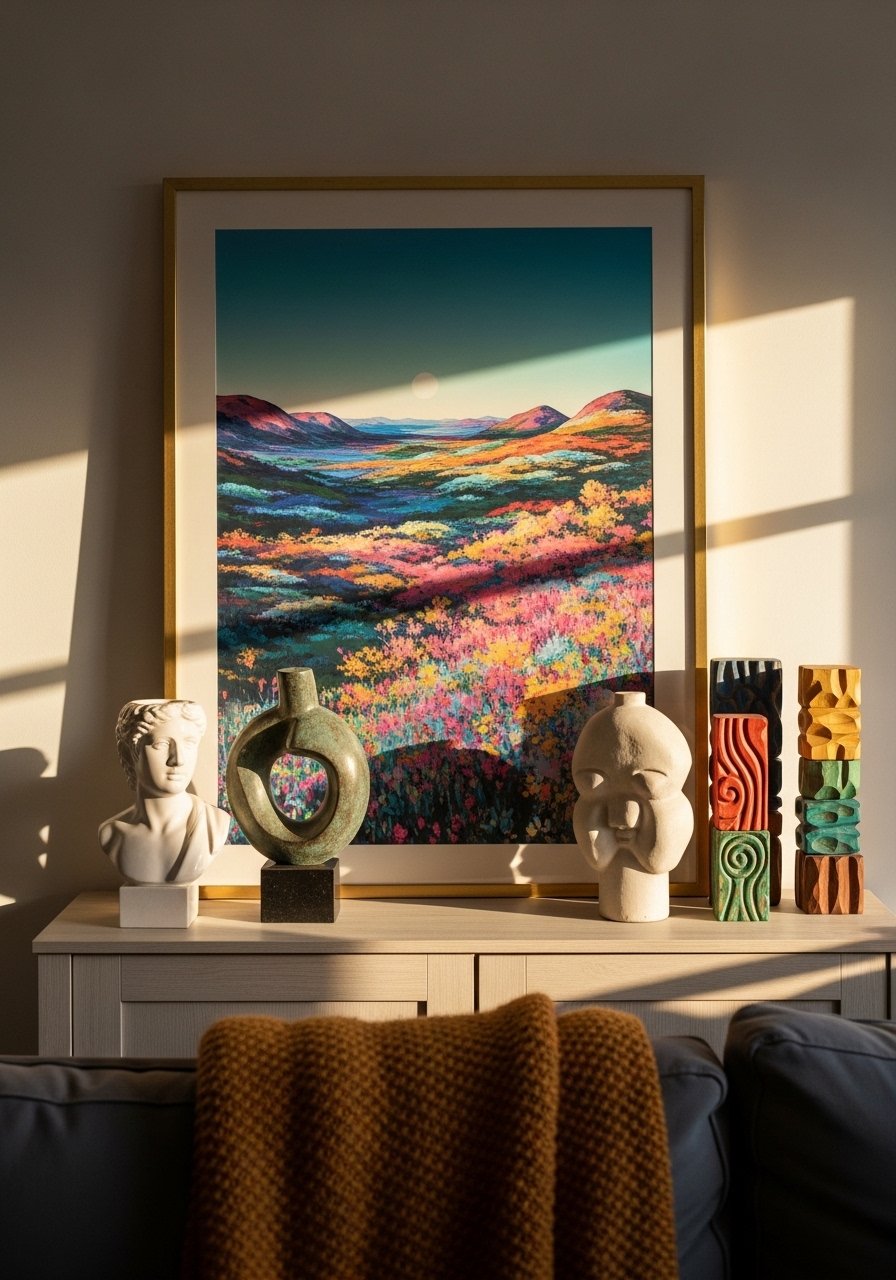
An oversized print behind smaller objects adds instant depth. I switched to leaning art last year and it read less formal. Works in living rooms and entryways. Budget $50 to $300 depending on framing. The visual trick is to keep at least one third of the artwork visible. Mistake to avoid: using art that is the exact same height as shelf which looks cramped. For affordable large art consider framed large print 24×36.
Glassware Collection Display On Dining Shelves For Entertaining
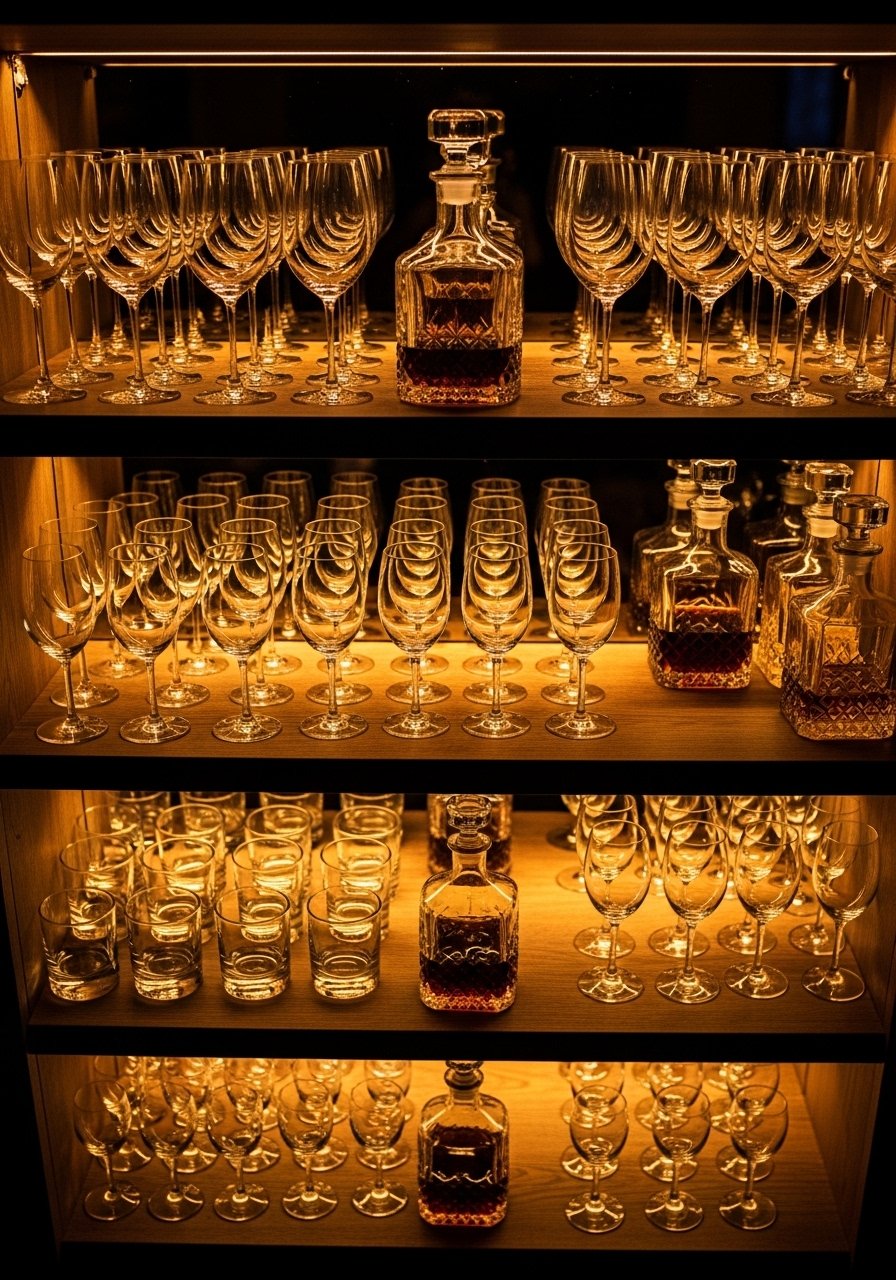
I used to hide glassware in cabinets. Displaying it on open shelves makes setting the table faster and looks elegant. Use matching glassware and group by type. Works in dining rooms and kitchens, budget $30 to $200. Too many different styles reads cluttered. Keep one finish for clarity. In photos the glass sparkles, but in real life dust is more visible so rotate items occasionally. I like simple wine glasses set.
Neutral Textures With Warm Wood Contrast For Modern Farmhouse
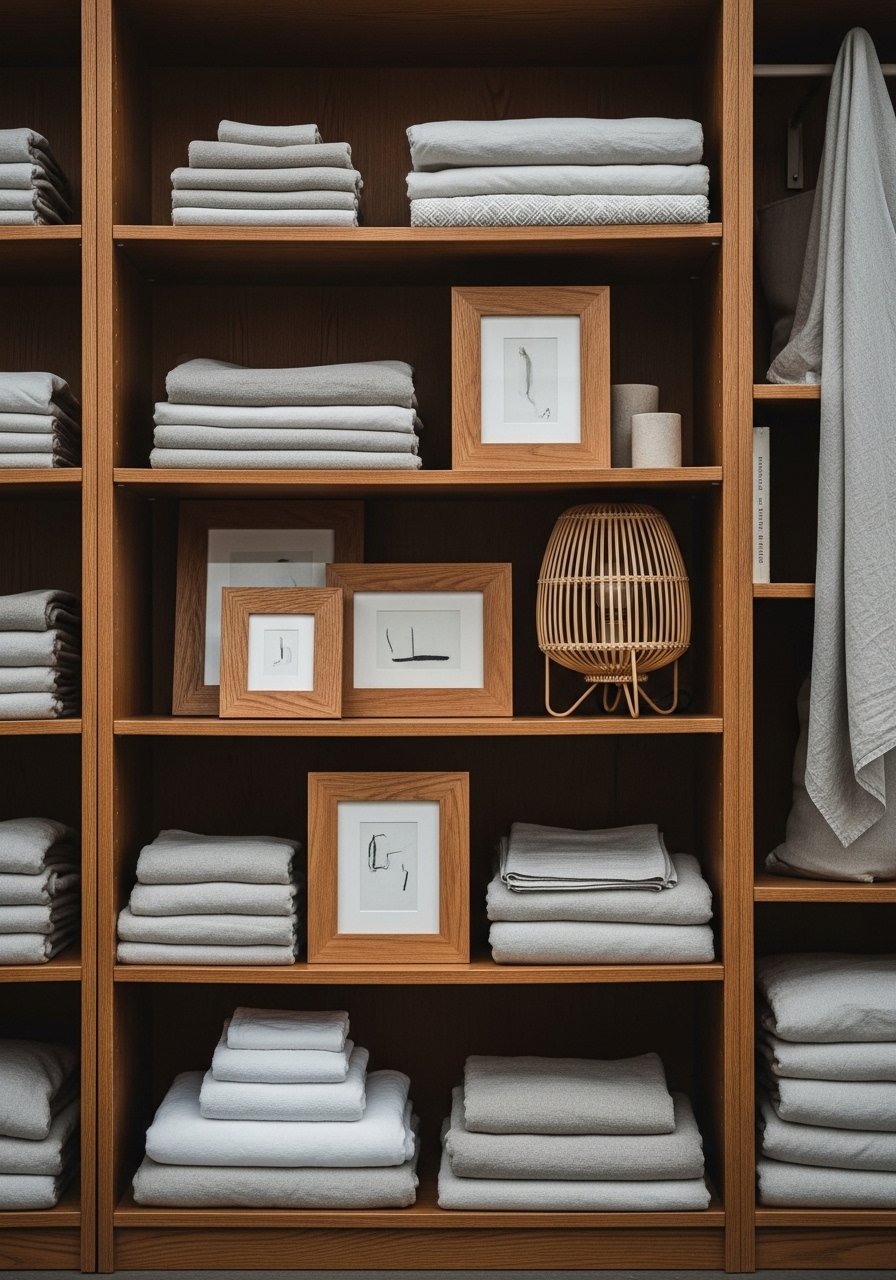
I keep seeing warm wood tones in showrooms and they anchor neutral palettes. Mix linen, jute, and wood for a tactile look. Ideal for modern farmhouse or transitional rooms, budget $30 to $150. The mistake is overusing white which reads flat. Introduce a warm wood shelf or accessory to add depth. For small rooms, pick one warm wood item per shelf to prevent heaviness. Try rattan table lamp.
Black And White Contrast For Modern Living Rooms
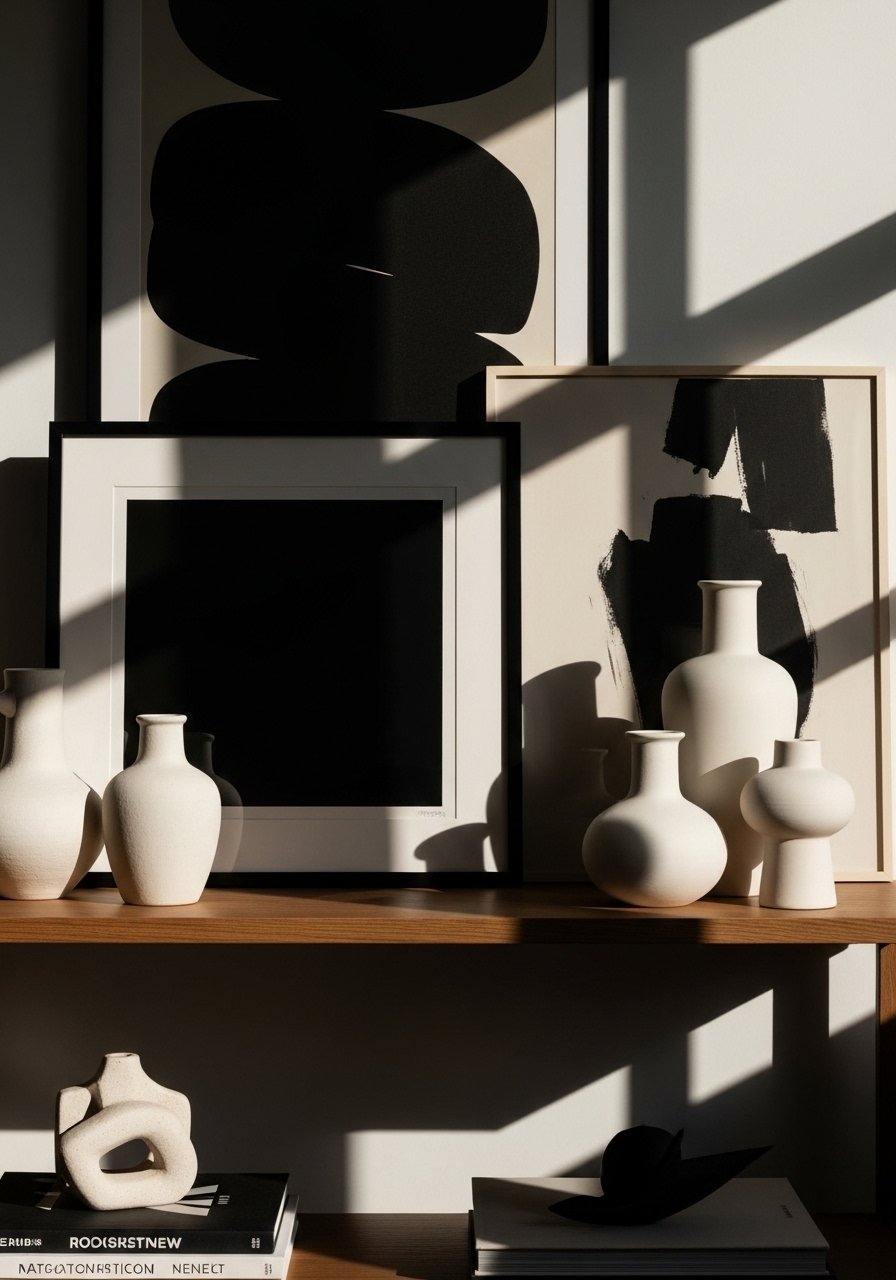
My feed is full of black and white shelf styling lately. High contrast brings modern energy and reads sharp in photos. Use black picture frames, white ceramics, and a single wood piece to keep warmth. Works best in modern living rooms. Budget $25 to $200. A common misstep is too many black items that make the shelf heavy. Balance with white negative space. Try black picture frames set.
Curated Kids' Shelves With Labeled Bins For Playrooms
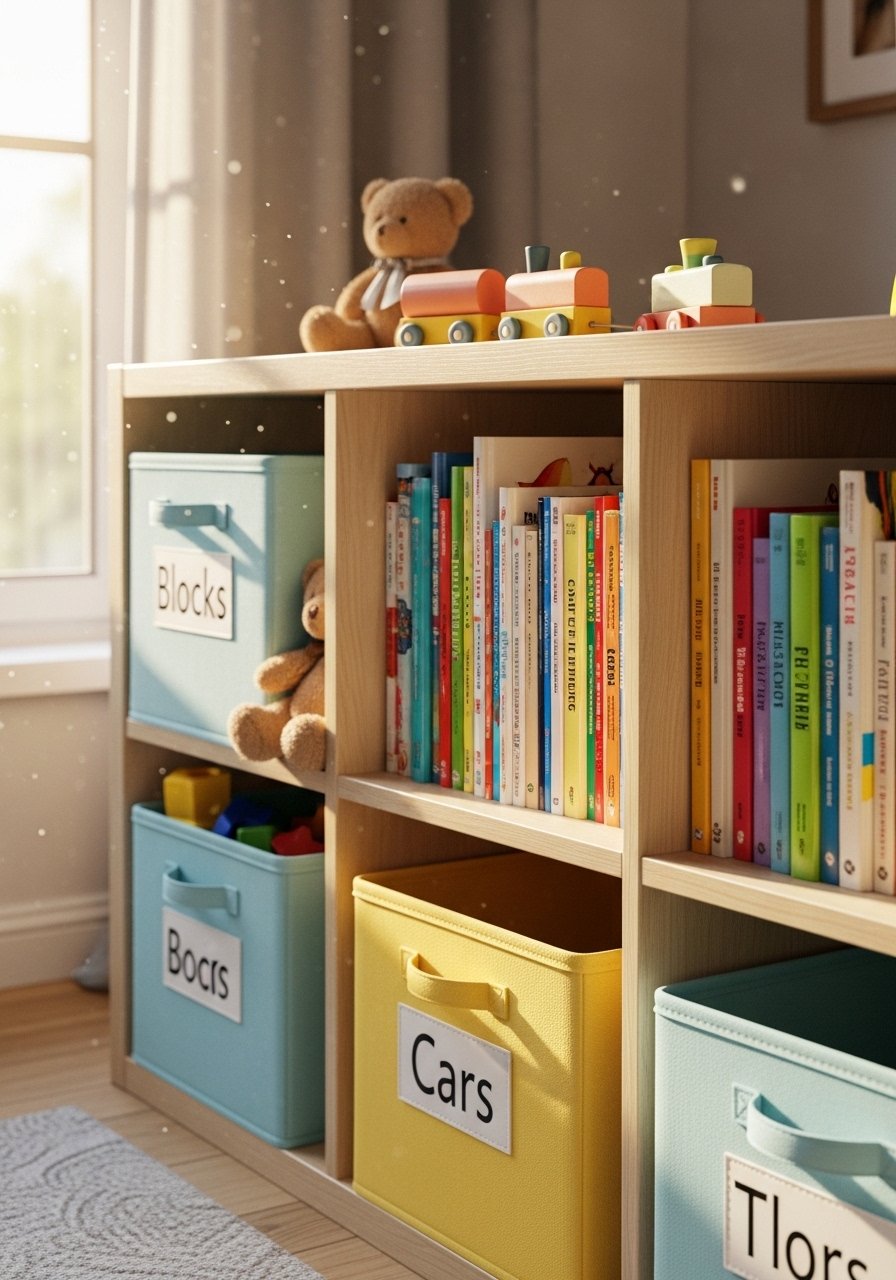
Parents often end up with shelves that scream chaos. I organize kids' shelves with a few labeled bins and a small rotating display of toys. Labels like 'Blocks' and 'Cars' help kids keep things tidy. Budget $15 to $60. Keep fragile decor out of reach. In photos color looks playful, in real life durability matters. Use canvas storage bins with labels.
Functional Entryway With Hooks, Baskets, And A Catchall Shelf
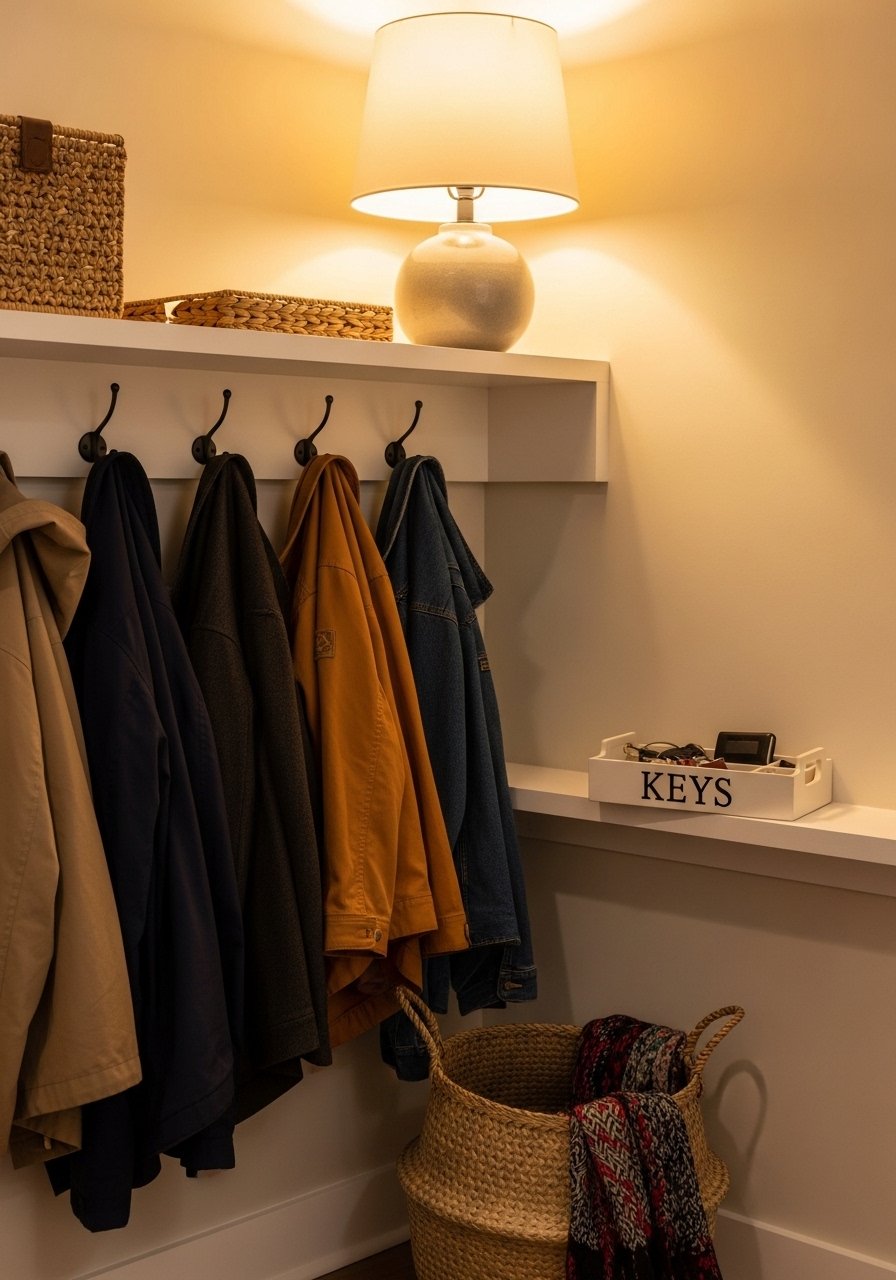
My entry used to be a mail trap. Adding one shallow shelf for keys and a basket for scarves solved it. Hooks below keep jackets tidy. Budget $30 to $120. The key mistake is making the shelf too deep so things disappear. Keep depth to under 10 inches for functionality. Use a small tray labeled 'Keys' so everyone knows where to put essentials. Grab small key tray for under $20.
The Negative Space Minimal Shelf For Calm Visuals
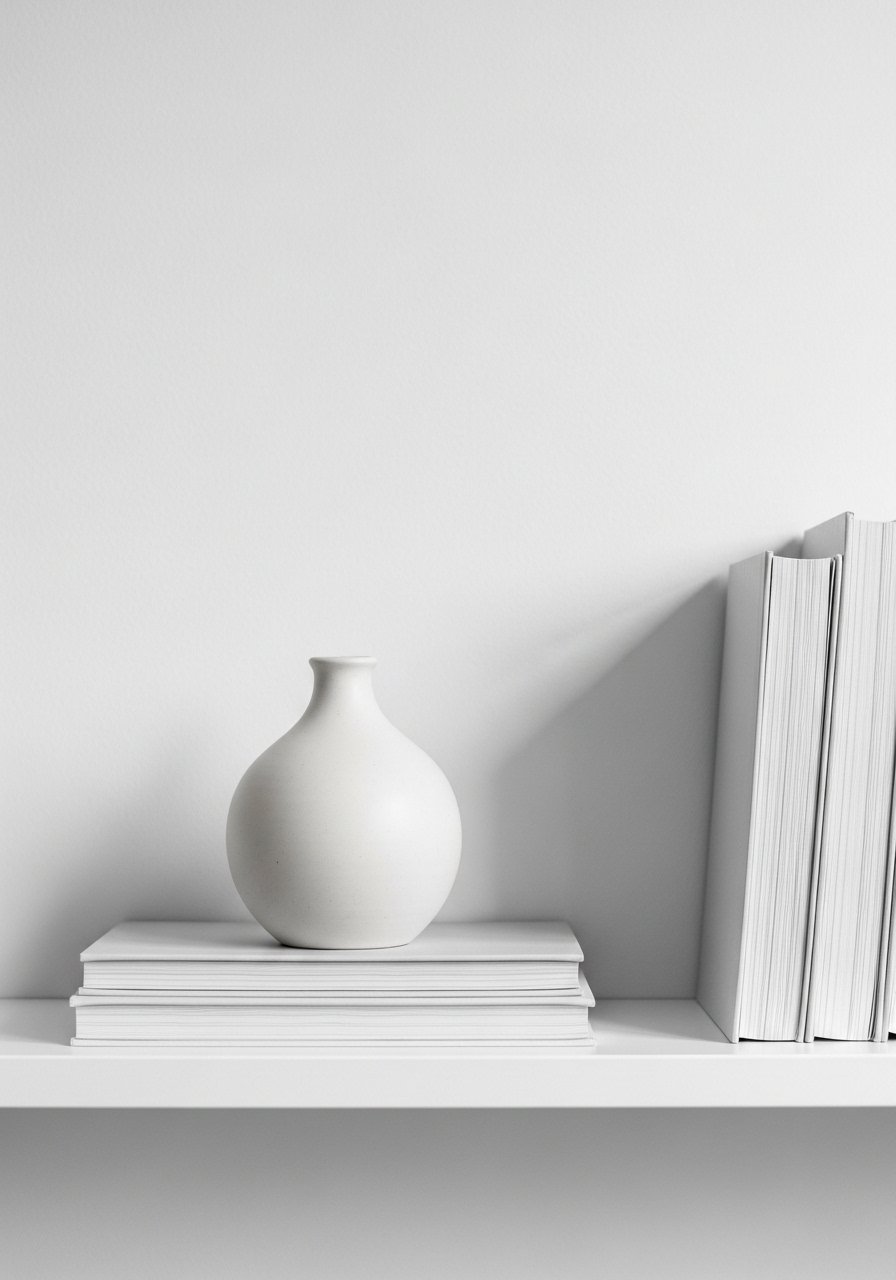
I used to cram every surface. Embracing negative space was harder than I thought. A minimal shelf with one or two objects reads calm and curated. Works in Scandinavian or modern bedrooms. Budget $15 to $150 depending on chosen pieces. The common error is copying catalog minimalism and then keeping dust-prone objects. Fewer items equal less cleaning. For a clean start try matte ceramic vase single.
Layered Mirrors And Small Sculptures To Amplify Light
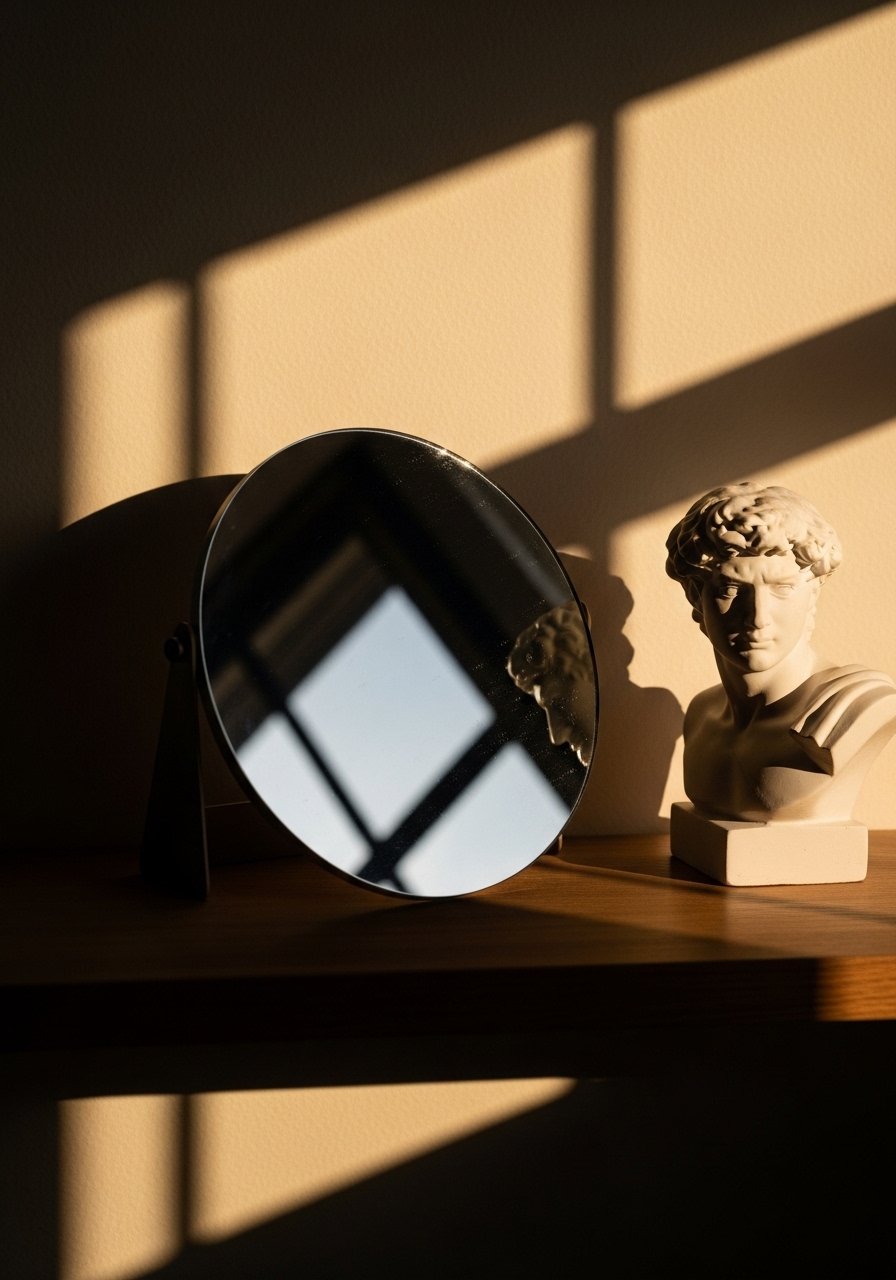
I switched one shelf to reflect light and noticed the room felt larger. Mirrors amplify daylight and add depth. Use a small mirror behind low objects to create layers. Best for darker corners or small rooms, budget $30 to $120. A mistake is using a mirror that is too reflective for glossy shelves, which shows fingerprints. Matte frames reduce visual noise. For compact mirrors try small round mirror 12-inch.
Fresh Florals And Daily Freshness Shelf For Kitchen Or Dining
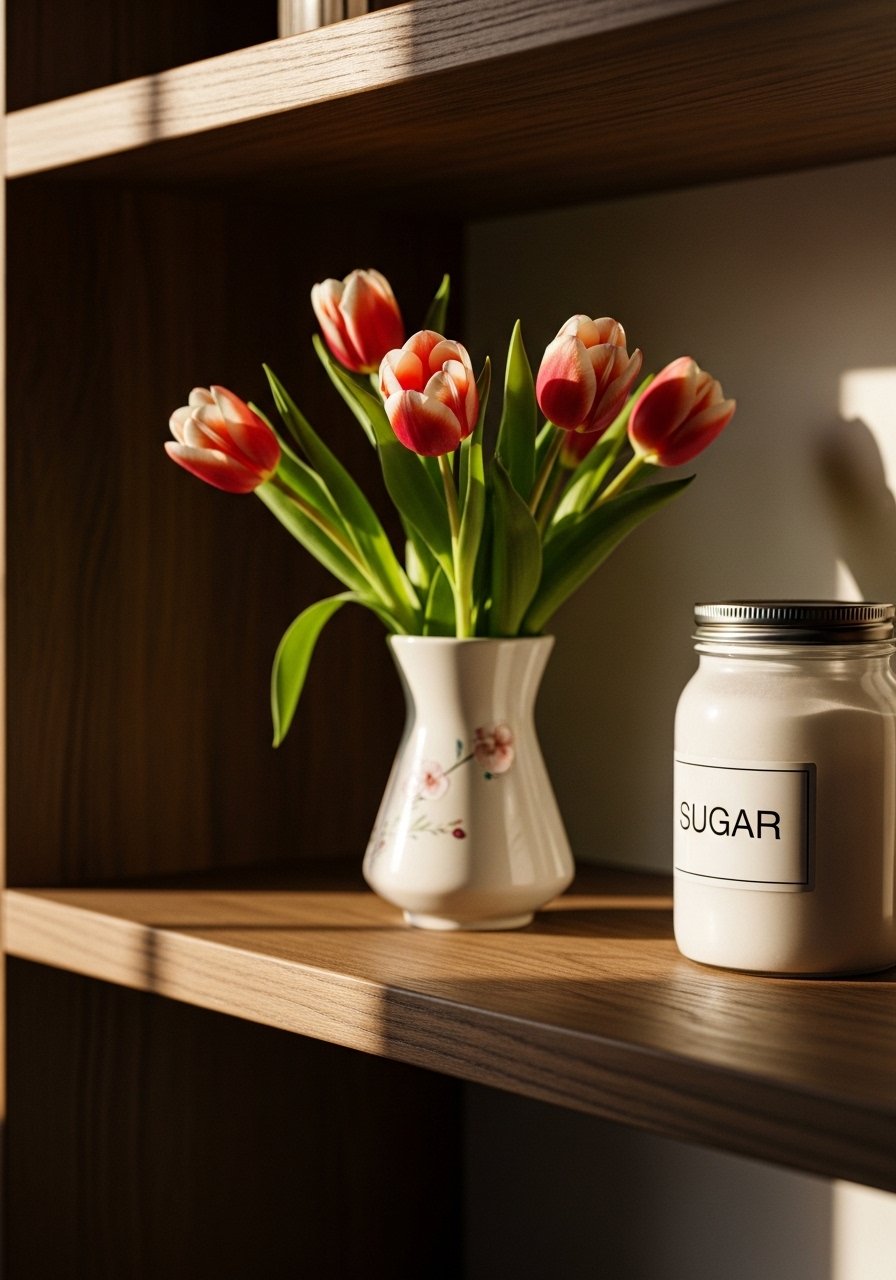
I bought fresh flowers once a week and the shelves immediately looked cared for. Fresh florals add a living touch that photos and guests notice. Works in kitchens and dining rooms, budget $10 to $40 per week. The real-life caveat is maintenance. Keep stems short and rotate water. Avoid overly large bouquets that block sight lines. I keep a small clear glass bud vase on a middle shelf for quick swaps.
Built-In Ledge For Small Frame Collections And Mementos
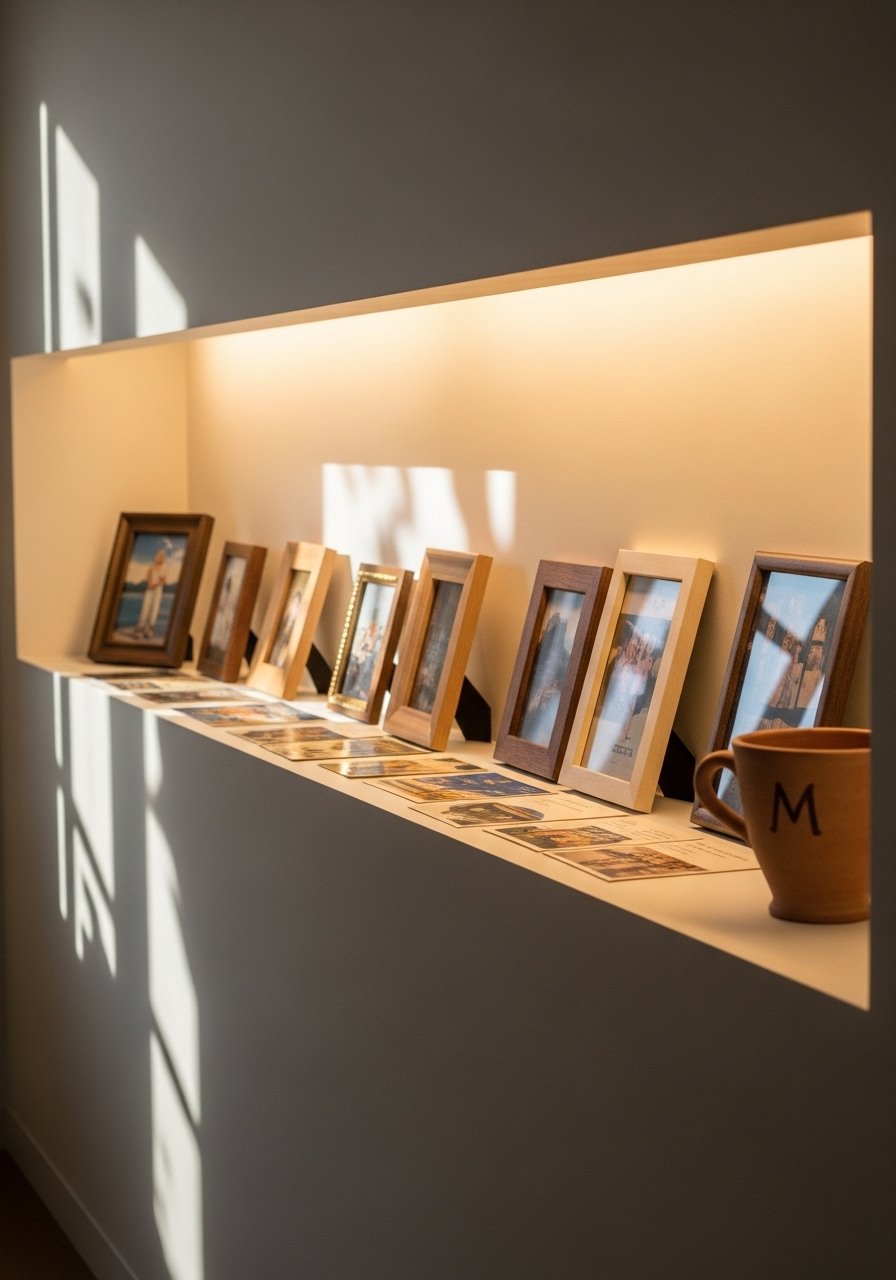
I found narrow ledges are perfect for tiny collections that usually look cluttered on deep shelves. A ledge keeps items flush and readable. Use for postcards, small frames, and heirlooms. Budget $20 to $200 depending on install. The mistake is overfilling the ledge. Stick to 3 to 5 items spaced evenly. For a clean look use thin frames and picture ledge 24-inch.
Rotating Functional Displays For Real-Life Use And Style
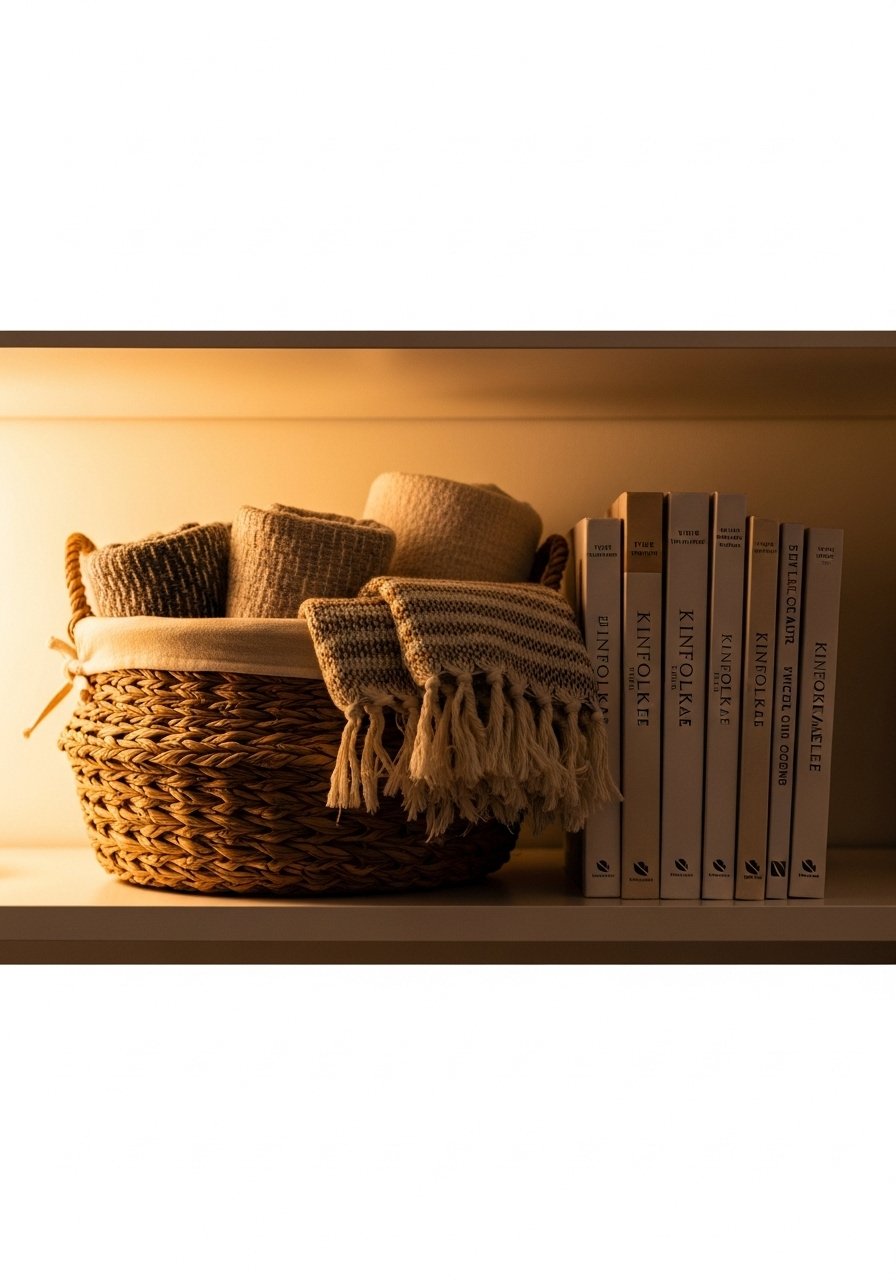
I used to keep seldom-used items on display and then wonder why shelves felt dusty. Now I rotate the most-used objects forward. Put daily items like cookbooks or scarves at eye level. Budget neutral, it is more about edit than expense. The common error is treating shelves as storage overflow. Rotate quarterly and keep a 'use me' area. For cookbook display try cookbook stand wooden.
Mix Of Metals For Subtle Modern Glam On Shelves
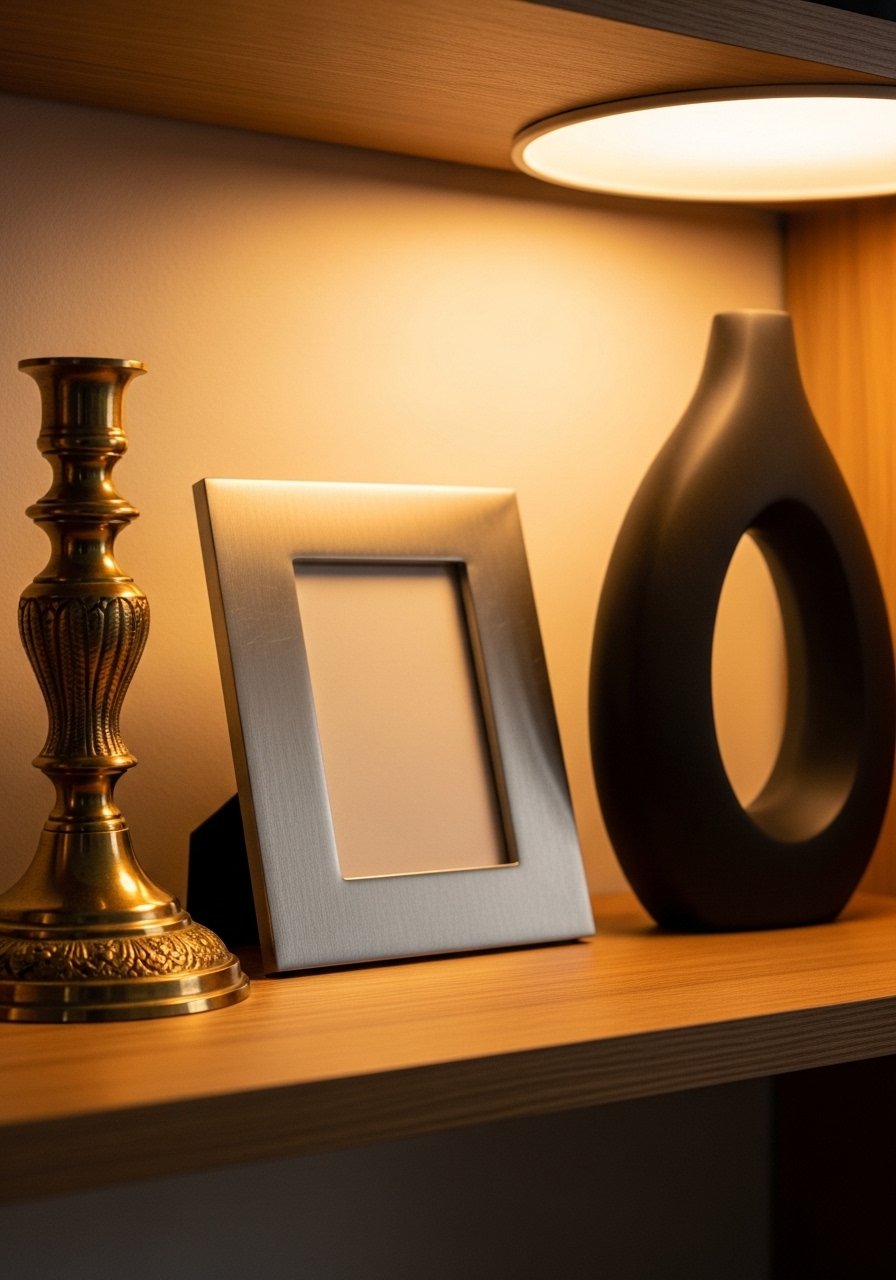
I used to match metals out of habit. Mixing warm brass with cool nickel now reads intentional. Use three metal finishes at most on a single shelf. Works well in modern glam and eclectic rooms, budget $20 to $200. Avoid clashing finishes with similar shapes. Keep one metal dominant and use the others as accents. For an easy start try mixed metal picture frames set.
Shopping Tips for These Looks
Measure Twice, Buy Once. Shelves look crowded if your largest object is taller than the shelf height. Floating shelves white oak set come in multiple depths.
Grab velvet pillow covers for $12 each. I swap mine every season and the room changes.
Curtains should puddle or kiss the floor, never hang halfway. 96-inch linen blend panels fit taller ceilings.
One tall plant beats five small ones. Try artificial fiddle leaf fig 6ft.
White oak beats dark wood in 2026. White oak floating shelves look current, not dated.
Vintage frames are cheap at thrift stores. Pair them with white picture mats 11×14 for a clean gallery wall.
Frequently Asked Questions
Q: Can I mix boho textiles with modern furniture, or does it look messy?
A: Yes. I mix one boho textile, like a woven throw, with modern lines and let texture be the bridge. Keep colors limited and use an odd-number grouping. A chunky knit throw works well.
Q: How do I keep open shelf decor from getting dusty?
A: Rotate items monthly and use baskets for things that would attract dust. I also keep frequently used pieces at eye level and decorative-only items higher up. Woven seagrass baskets set hides dust-prone clutter.
Q: What are the best shelf depths for display versus storage?
A: Display shelves are best at 8 to 10 inches deep. Storage shelves should be 12 to 14 inches. The mistake is using deep shelves for delicate decor where pieces get lost. Floating shelves white oak set come in varied depths.
Q: Should I use real plants or faux on open shelves?
A: Both. Real plants add scent and movement in photos, but faux plants save maintenance time. I keep a faux fiddle leaf fig for height and real succulents in sunny spots. Realistic faux fiddle leaf fig is low effort.
Q: How do I style shelves in a small room without making it feel crowded?
A: Embrace negative space and scale down objects. Use mirrors and a single tall object to draw the eye up. Keep one shelf minimalist with two items to give the eye room to rest. Try small round mirror 12-inch.
Q: What is a simple rule to avoid the 'thrift-store clutter' look?
A: Limit patterns and finishes. Keep three materials maximum on a shelf, like wood, ceramic, and metal. Use consistent color undertones to tie pieces together. Matte ceramic vases set helps maintain a cohesive texture.