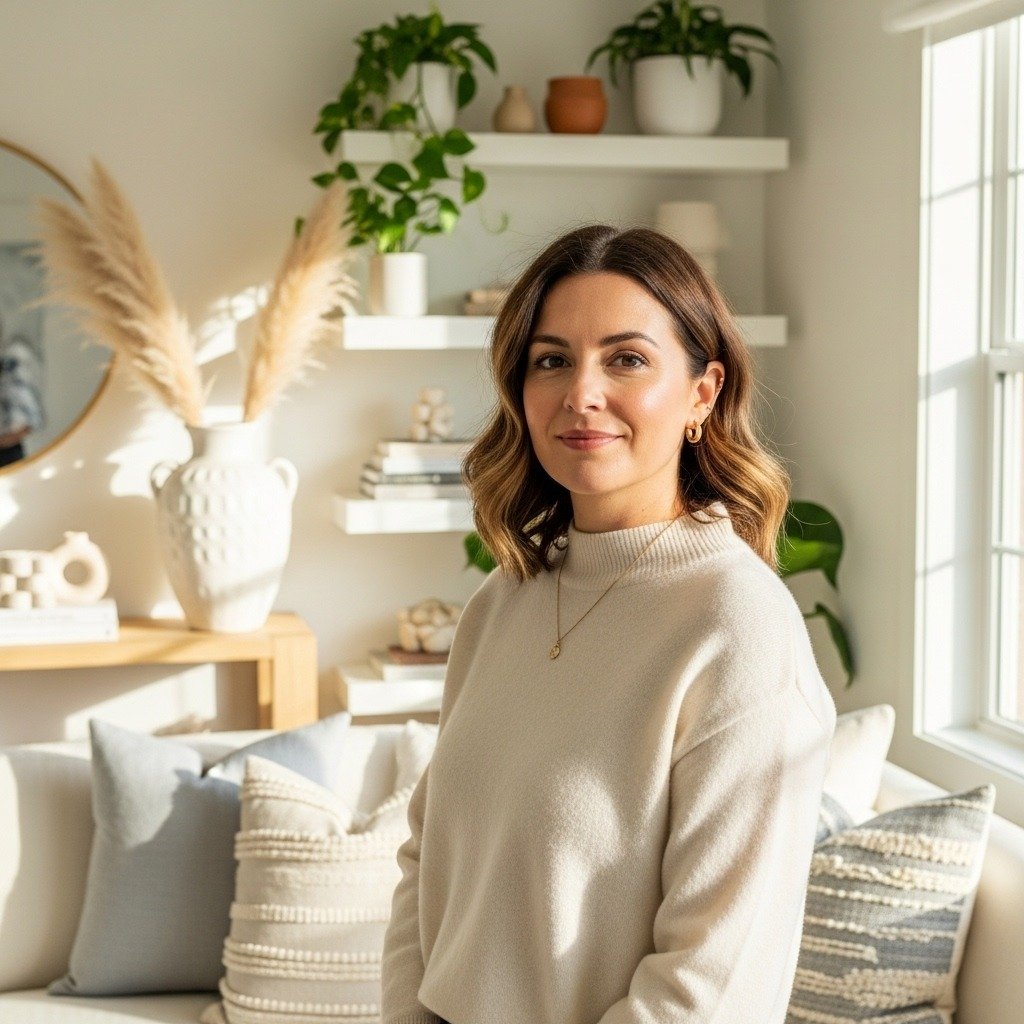
I stared at my blank living room wall for three months. Every time I added something it read as clutter, or nothing at all. I tried matching everything, then matching nothing, and both felt wrong. The moment I realized the problem was scale and space, not more stuff, the room began to breathe.
I messed this up the first two tries. My first version had six tiny things fighting for attention. The second had one hulking item that made the rest invisible. The approach that actually worked is about choosing fewer pieces, getting their sizes right, and making the empty parts intentional.
Step 1: Anchor the room with one grounded piece
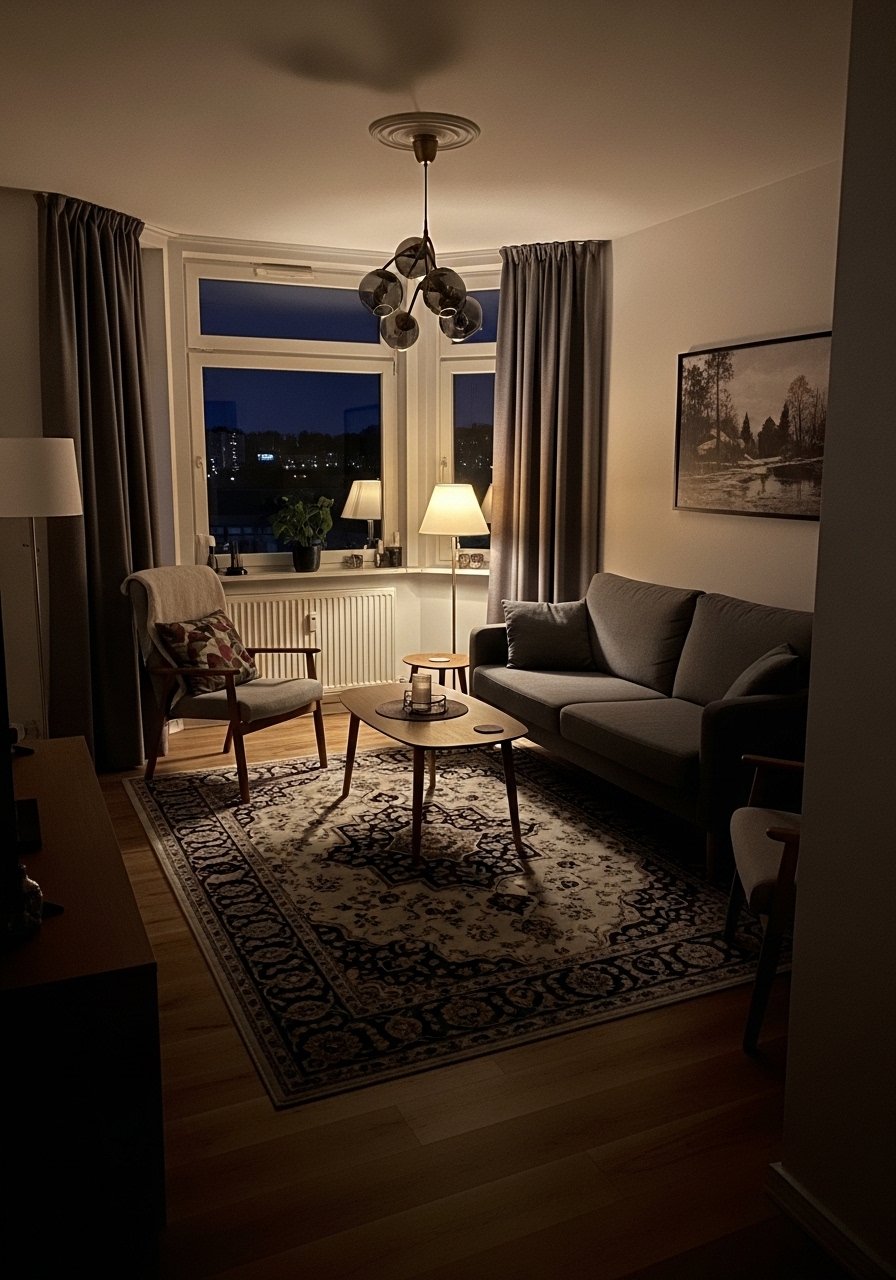
Start by anchoring. Lay down a rug or commit to one piece of wall art about two thirds the width of the sofa. I use an 8×10 jute rug when the seating group is standard, because its coarse weave feels grounded under bare feet and tones down the visual noise. If you pick art, choose a frame that sits roughly 18 to 24 inches above the console or sofa top. Common mistake: trying to balance three medium pieces instead of one clear anchor. It felt scary to leave empty floor around the rug at first, but that breathing room makes the rest look deliberate.
Step 2: Add three levels of texture
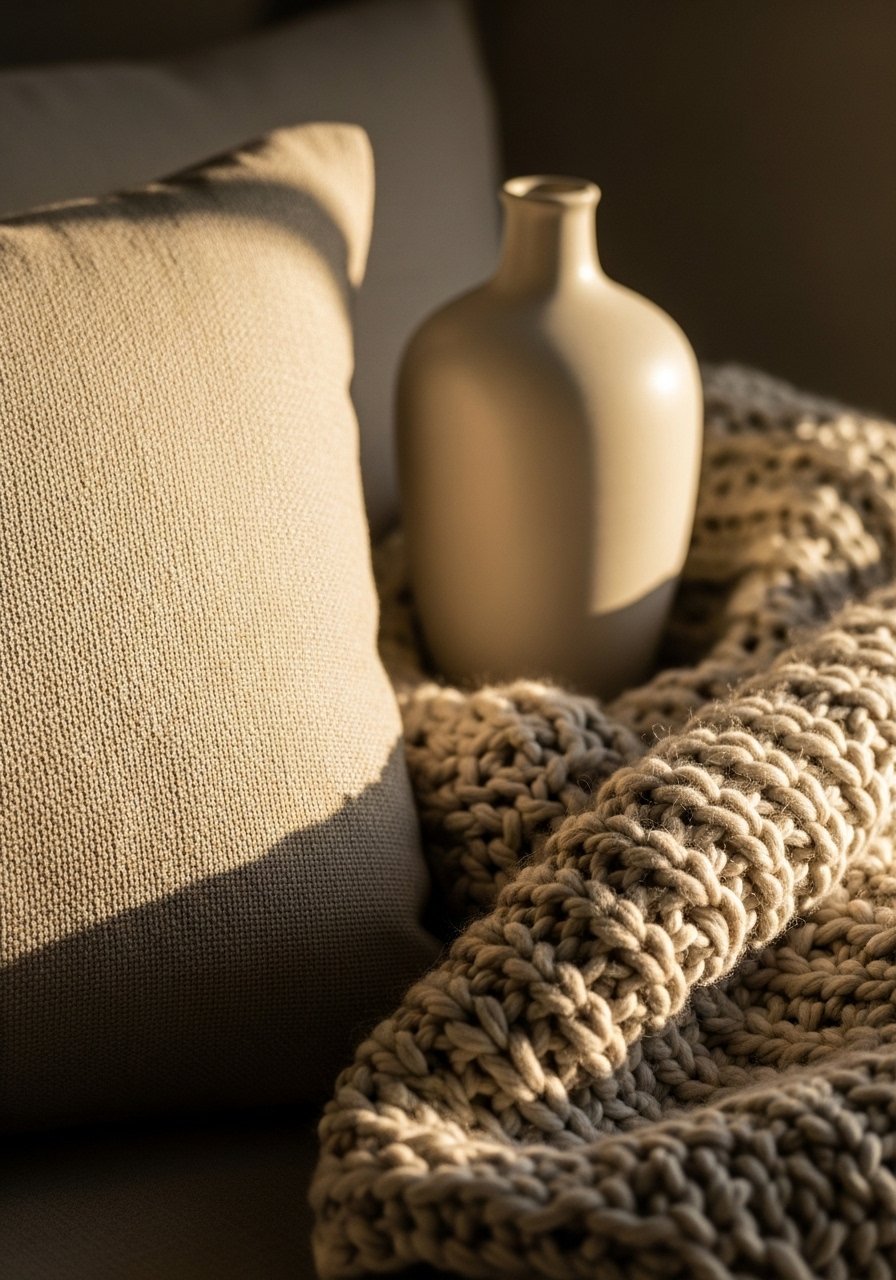
Layer textures so the room feels tactile and used. I aim for three dominant textures: one soft, one woven, one hard. For example, linen pillows are cool and slightly nubby, a chunky knit throw is heavy and cozy in your hands, and a matte ceramic vase is cool and smooth. Sensory detail matters; you want surfaces that invite touch, not just sight. A common slip is choosing everything smooth or everything soft, which flattens the space. Tip: limit pillows to two medium plus one small per sofa, or the couch looks lumpy.
Step 3: Group objects in odd numbers and mixed heights

Group on shelves and tables in threes or fives, not pairs. Place the tallest object roughly 1.5 to 2 times the height of the medium object, and the smallest about half the medium. I ruined my first shelf by arranging identical vases in a row. The fix was adding a stack of books, a medium plant, and one tall ceramic vase. The visual result is layered without being crowded. Another mistake people make is centering everything symmetrically. Try a slightly off-center tallest item, then step back and let your eye find the balance.
Step 4: Use light and green to make the room feel alive
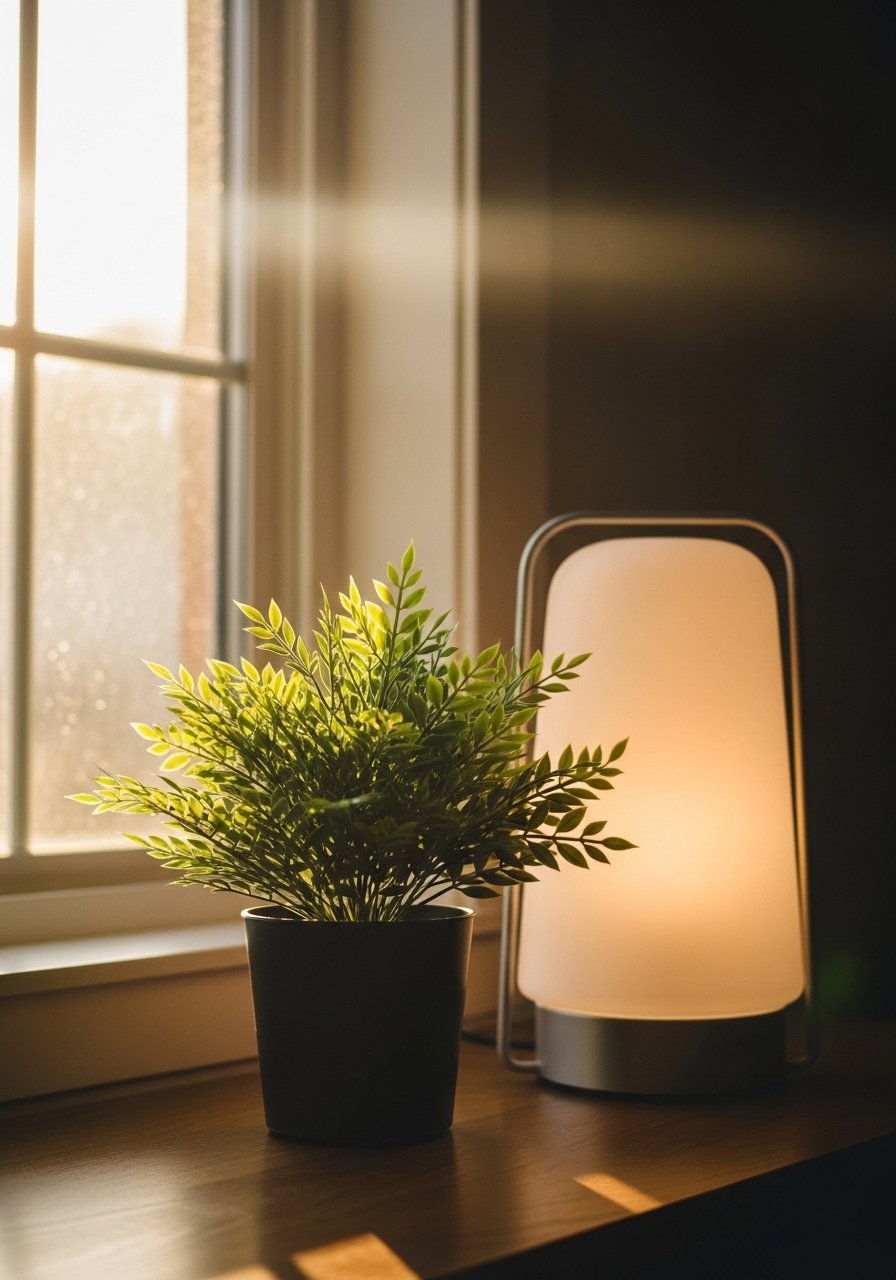
Lighting and plants give the room motion and life. A table lamp with a warm bulb softens flat daylight, and a floor lamp behind the sofa adds depth. I keep a low-maintenance plant near a window. Real life note: my fiddle leaf lasted a week before my roommate overwatered it. If your space is dark, pick a plant with glossy leaves so it reads healthy under lower light. The result is a room that feels lived-in, not staged.
Step 5: Edit, live with it, then tweak
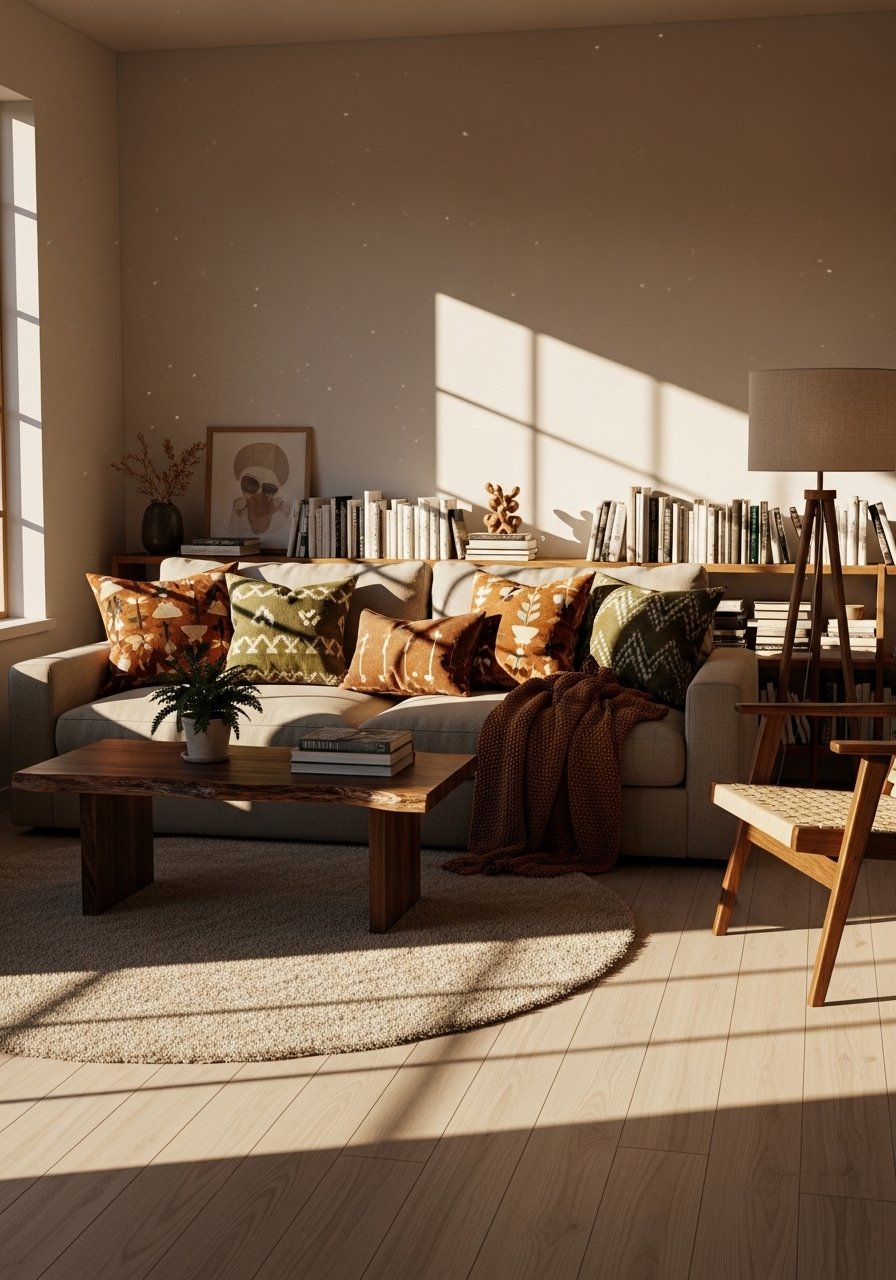
This is the step I almost skipped every time. Walk away for ten minutes, come back, then remove one item. Usually you will find one object that can go. Live with the setup for a week. Small wins will show up as you use the room, like realizing the stack of coffee table books gets knocked around, or that the tray needs to be centered. I still switch things after a few days. The payoff is a room that feels calm, because you have fewer, better decisions.
What to Grab for Your Living Room Refresh
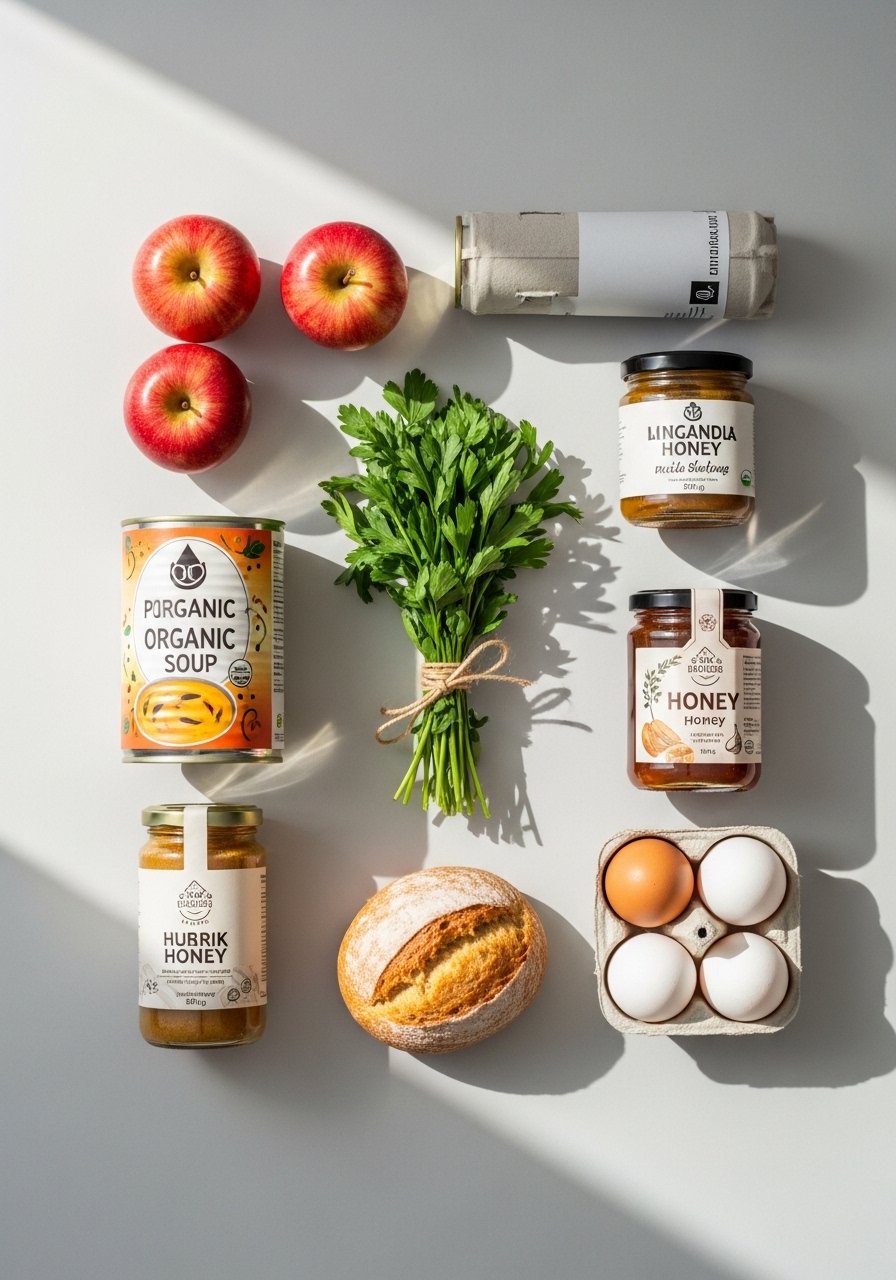
- Chunky knit throw in oatmeal, 50×60 ($40-65). I keep one on the arm of every sofa I own. Used in Step 2.
- Linen throw pillows, 20×20, natural ($18-35 each). The nubby feel changes the room. Used in Step 2.
- Jute area rug, 8×10 ($90-160). Neutral and textured, great anchor. Used in Step 1.
- Matte ceramic vase set, varying heights ($25-40). For odd-number groupings on tables. Used in Step 3.
- Brass picture ledge, 24-inch ($18-30). Easier for rotating artwork than nails. Used in Step 1 and 3.
- Warm white table lamp, medium base ($30-75). Soft light makes everything softer. Used in Step 4.
- Low-light houseplant, small ($15-35). Real life gets messy. Similar at local nurseries. Used in Step 4.
Why Your Room Still Feels Off After Styling
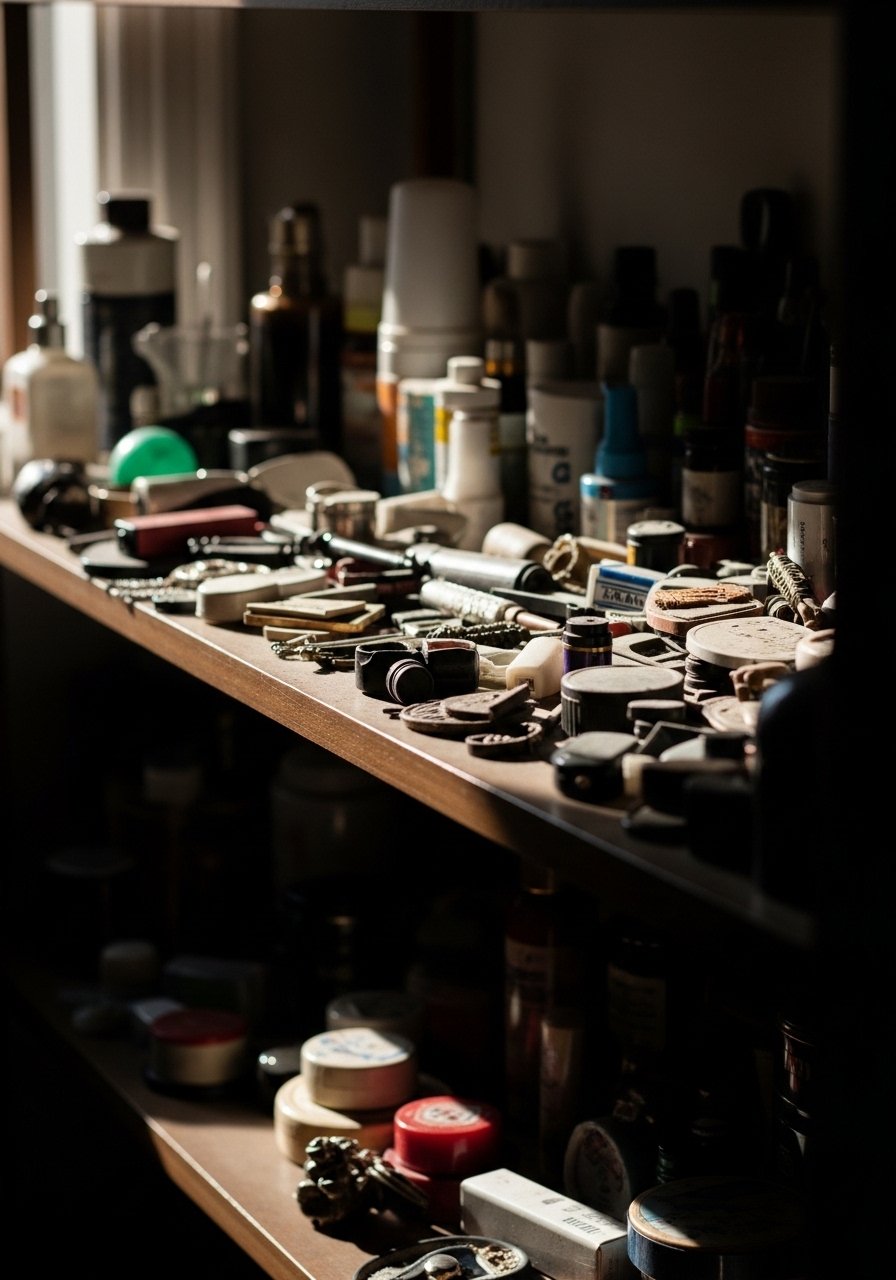
Often the room feels wrong because the empty parts are accidental. You are either afraid of empty space or you hide it with too many small objects. Try making the empty parts intentional by keeping a clear horizontal plane on at least one surface, like the top of a console or the middle shelf. Another miss is wrong scale for the room. A small rug in a big seating group makes the furniture float apart. I learned to measure before buying, and that saved me from a lot of returns.
Making This Work in a Small Room
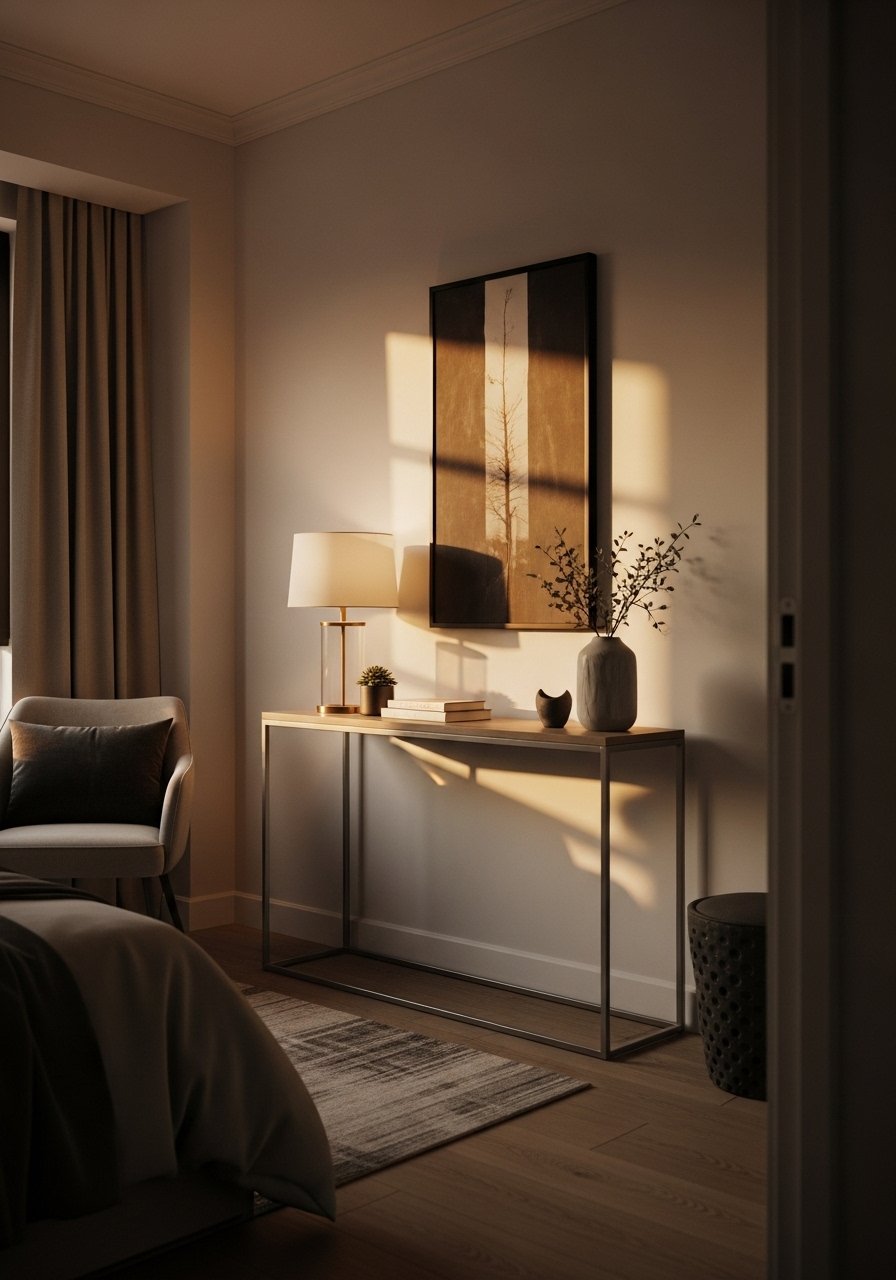
If you have a tiny room, think vertical and light textures. Use a rug that sits under the front legs of seating, 4×6 or 5×8, instead of trying to find an 8×10. Mount art higher to lift the ceiling visually. Bulleted approach:
- Pick one anchor piece no wider than two thirds of your main furniture.
- Use slim-profile furniture and raised legs to create more visible floor.
- Limit decor to three texture types, so the room reads calm not cluttered.
My small apartment felt twice as big when I followed these rules.
What It Looks Like After a Week with Real Life
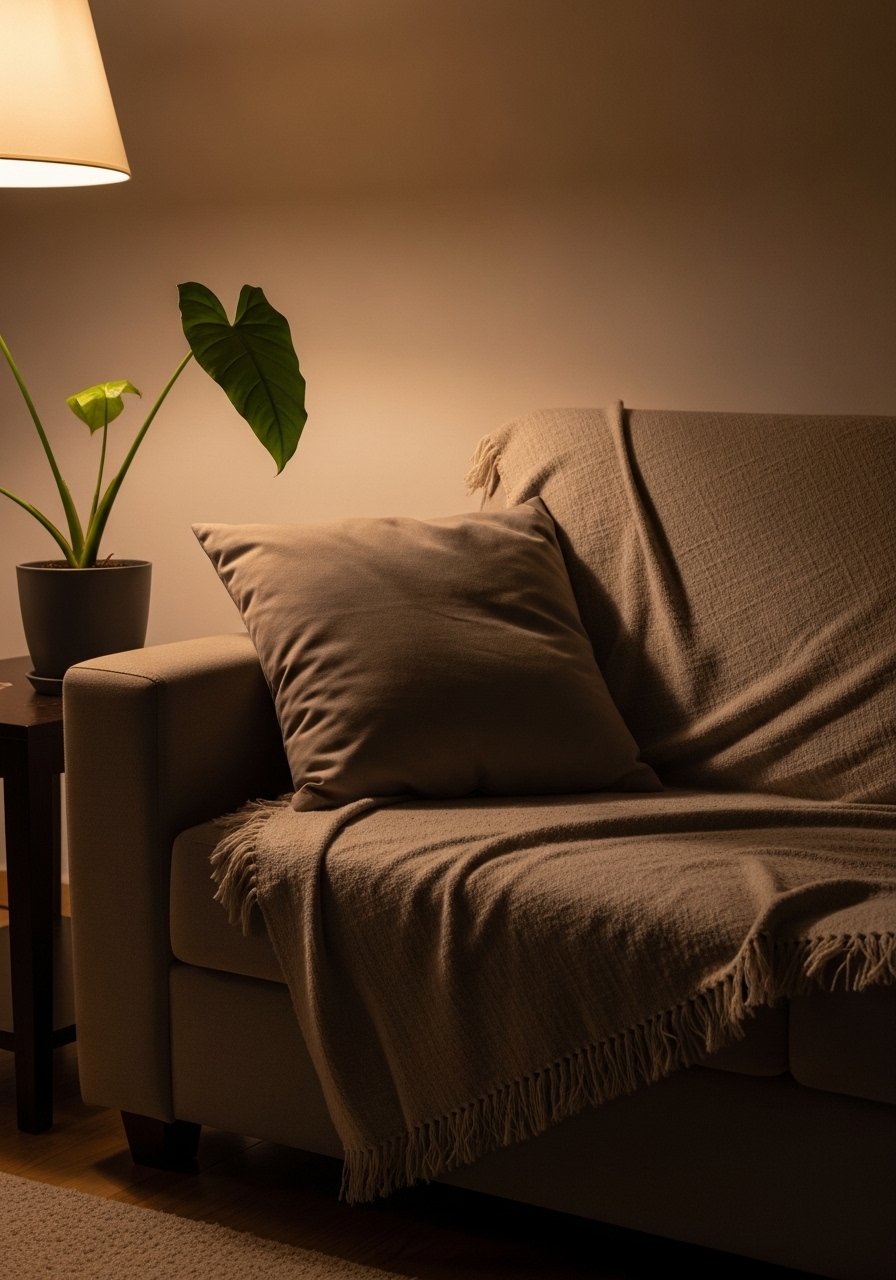
After a week the room should look lived-in. Throws will be rumpled, not perfect. One pillow might migrate. You do not want everything glued in place. If a tray on the coffee table is consistently used for remotes, make it a permanent home. If a vase ends up on the floor, find a sturdier spot for it. My partner knocked over a ceramic piece twice before I moved it to a higher shelf. That taught me to place breakables out of direct traffic.
Start with One Corner
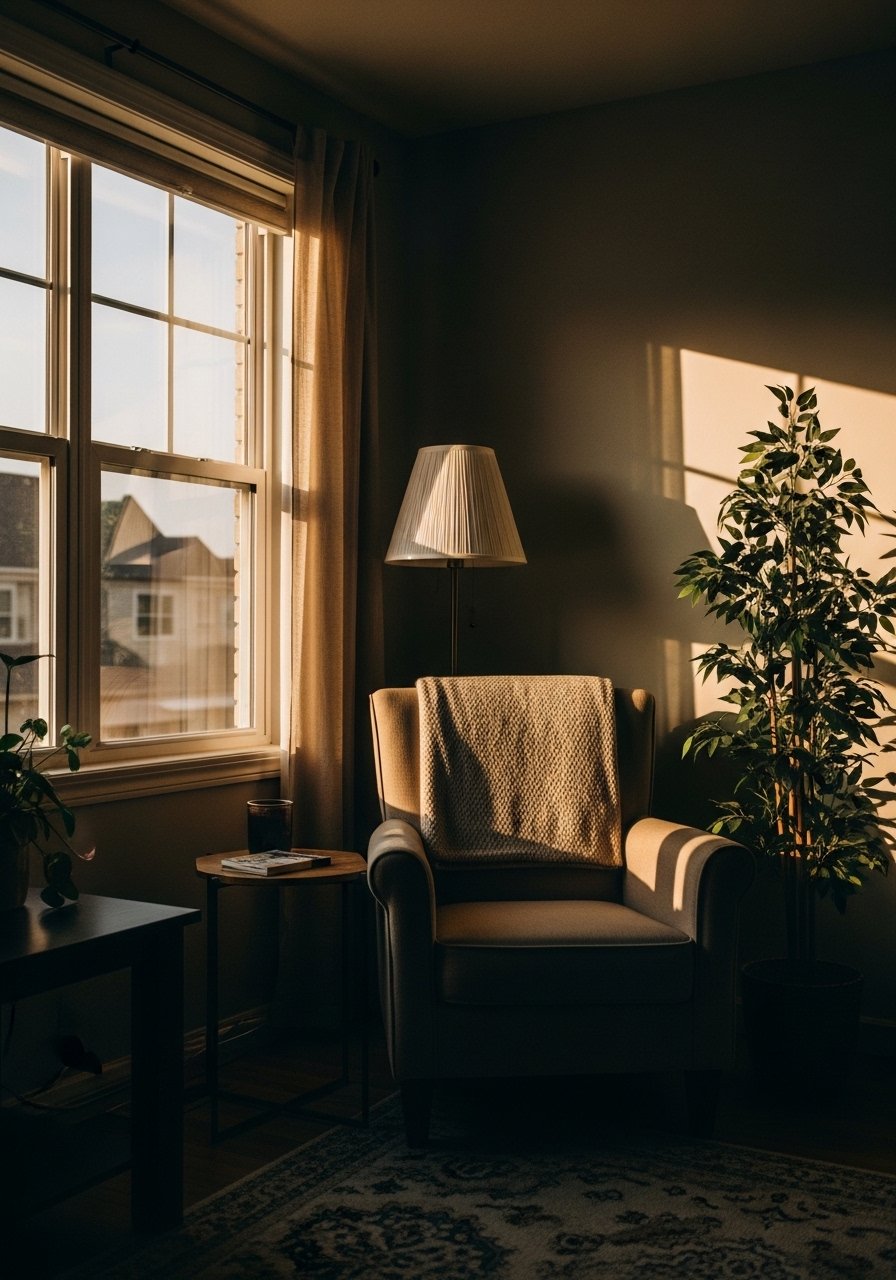
Pick one corner and apply the steps: anchor, texture, group, light, then edit. Start small so decisions feel manageable. Try one product from the list, like the chunky knit throw, and see how it changes the way the room feels to you.
Give yourself permission to adjust after living in the room for a few days. The quiet payoff is a space that feels comfortable and intentional, without needing everything replaced or perfect.