
I used to shove the bed against the wall and stack every pillow I owned on top, hoping it would look full. Instead it just looked crowded on one side and oddly empty on the other. For months I thought the problem was the pieces, not the placement.
After a few attempts that looked like hotel rooms gone wrong, I learned to treat every part of a small bedroom as a weight to balance. The fixes are small but specific: scale, negative space, a couple of tactile pieces that invite touch. This approach cleared the visual noise and made the room feel calm instead of cramped.
Step 1: Anchor the room, not the wall
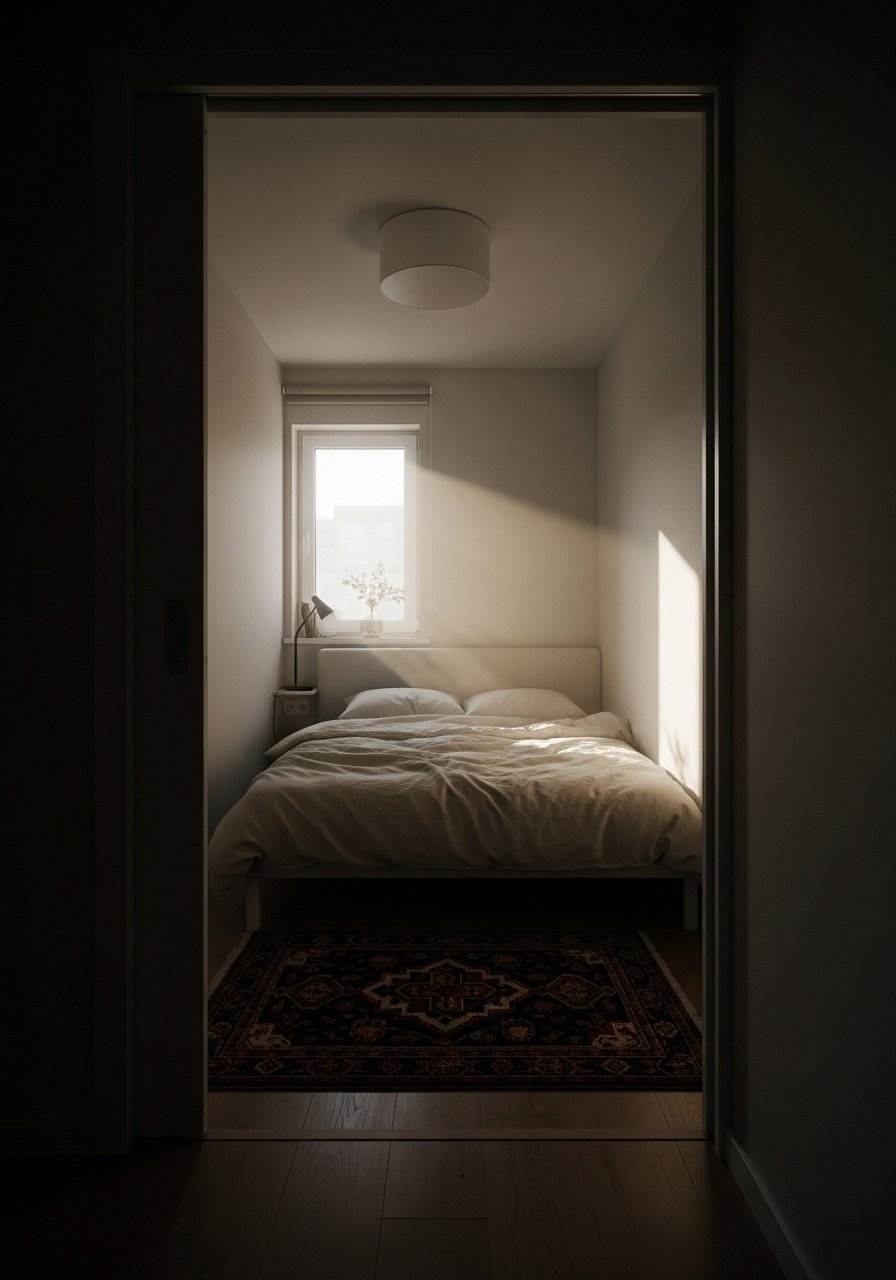
Move the bed to create a little walk space, even if it is just 18 inches on one side. I avoided this for months because I feared losing floor space. Once I gave the bed room to breathe, the whole layout felt intentional. Use a low headboard or none at all to keep sightlines open. Lay a rug that extends 18 to 24 inches beyond the sides and foot of the bed so the room reads as one anchored shape. The rug should feel slightly coarse underfoot if it is natural fiber, which grounds the softness of linen or cotton bedding.
Step 2: Edit bedding like you would an outfit
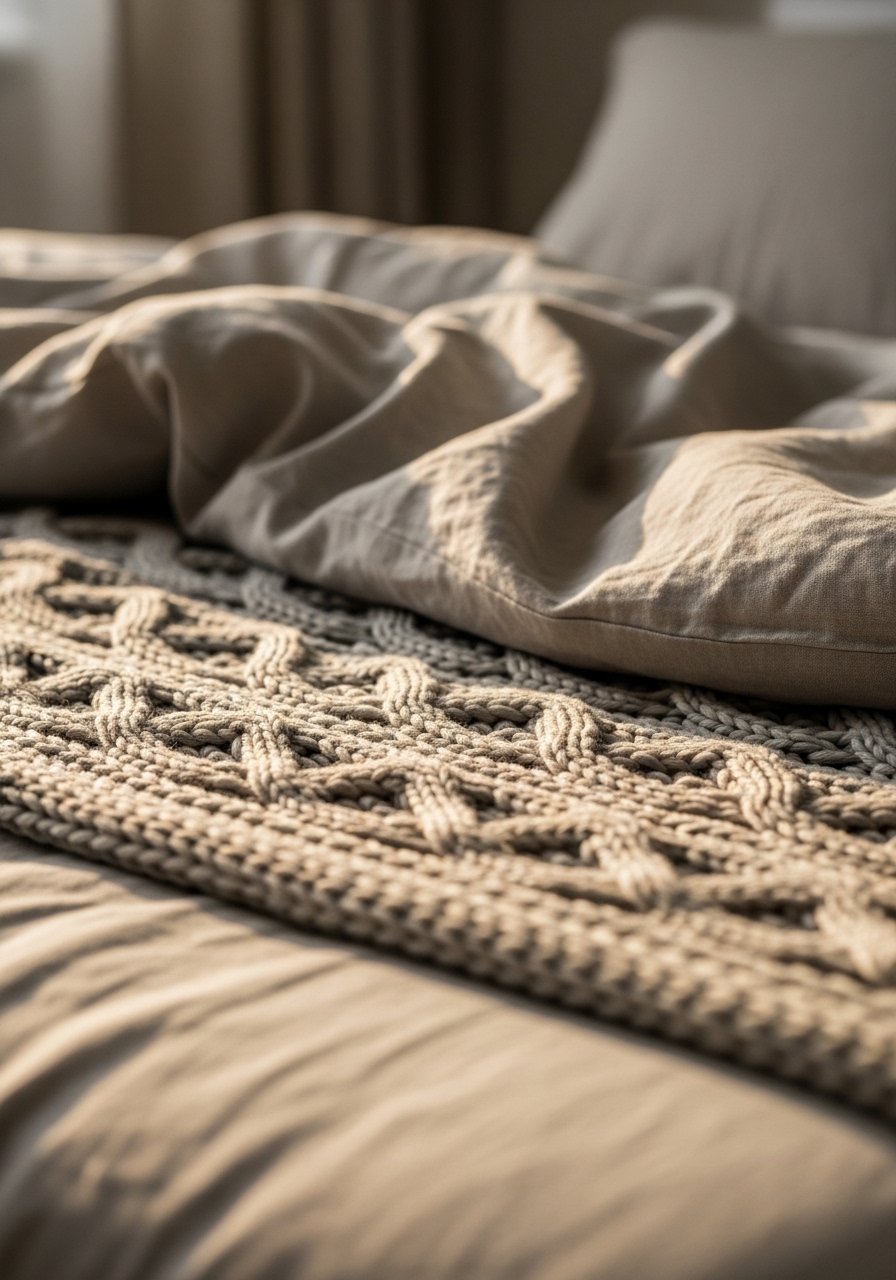
Start with a simple base: a fitted sheet and a linen duvet in a muted color. I ruined one version by piling on patterned quilts and cushions. Now I choose one patterned piece and let the rest be textured solids. Linen feels cool and slightly slubby to the touch, which reads relaxed. Add a chunky knit throw at the foot of the bed for weight and a single lumbar pillow for posture. I like a 2:1 pillow size ratio, two square pillows plus one long lumbar, which makes the bed look composed rather than overstuffed. Try linen duvet cover in sage green, queen ($70-110) for the look I use.
Step 3: Nightstand strategy that breathes
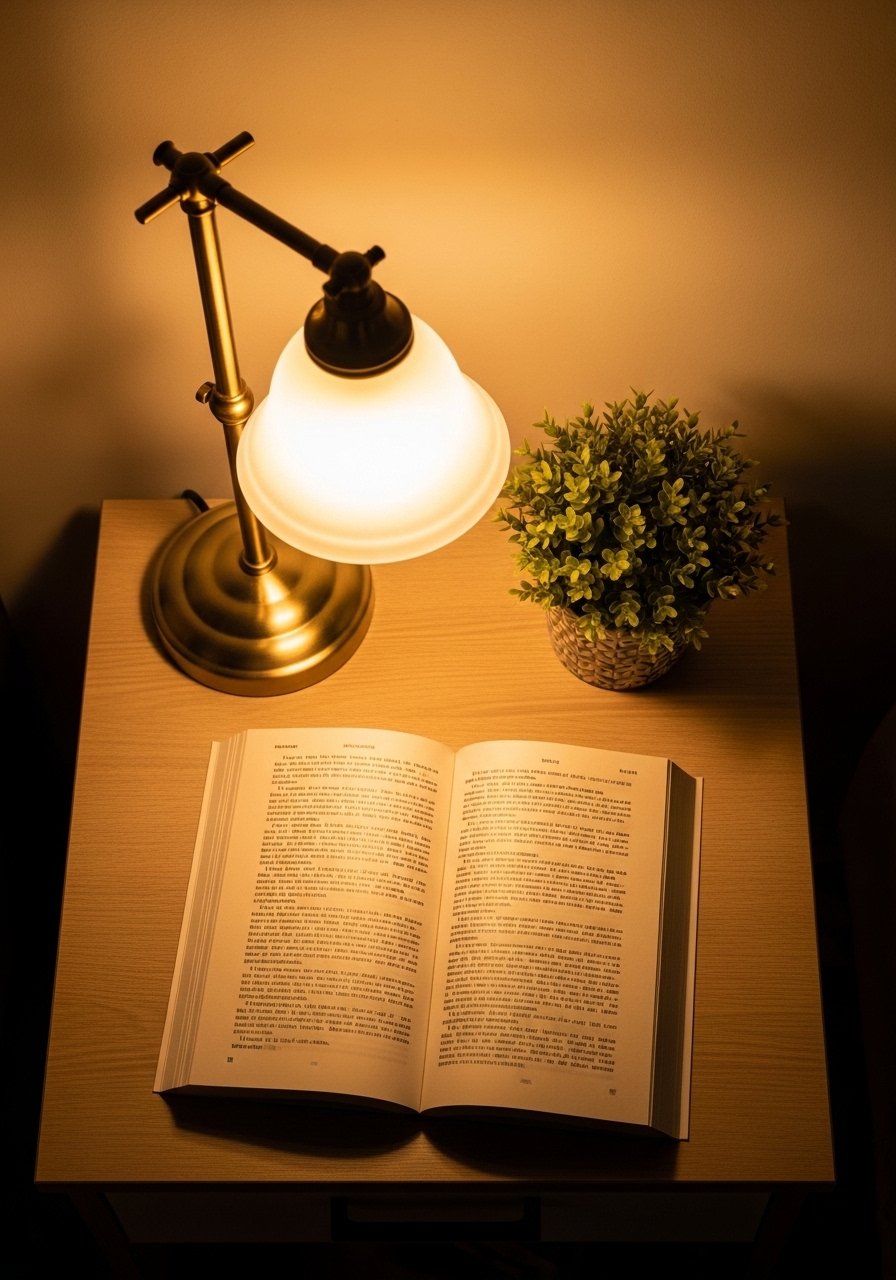
Most people cram every gadget and decor item onto the nightstand. That was my habit. Instead, pick three things and leave negative space. A lamp, one book, and a small vase creates a calm vignette. Make the lamp height about the same as the top third of your head when you sit up, usually 18 to 24 inches tall. Ceramic or matte metal lamps feel solid and pleasant when you pick them up, compared with lightweight plastic. For height variety, use a tall vase or stack two books under a small sculpture. The visual result is a tidy, liveable surface, not a catchall. I bought this ceramic vase set, matte white ($25-40) and it solved my awkward empty corner problem.
Step 4: Hang one piece of art, not a gallery wall
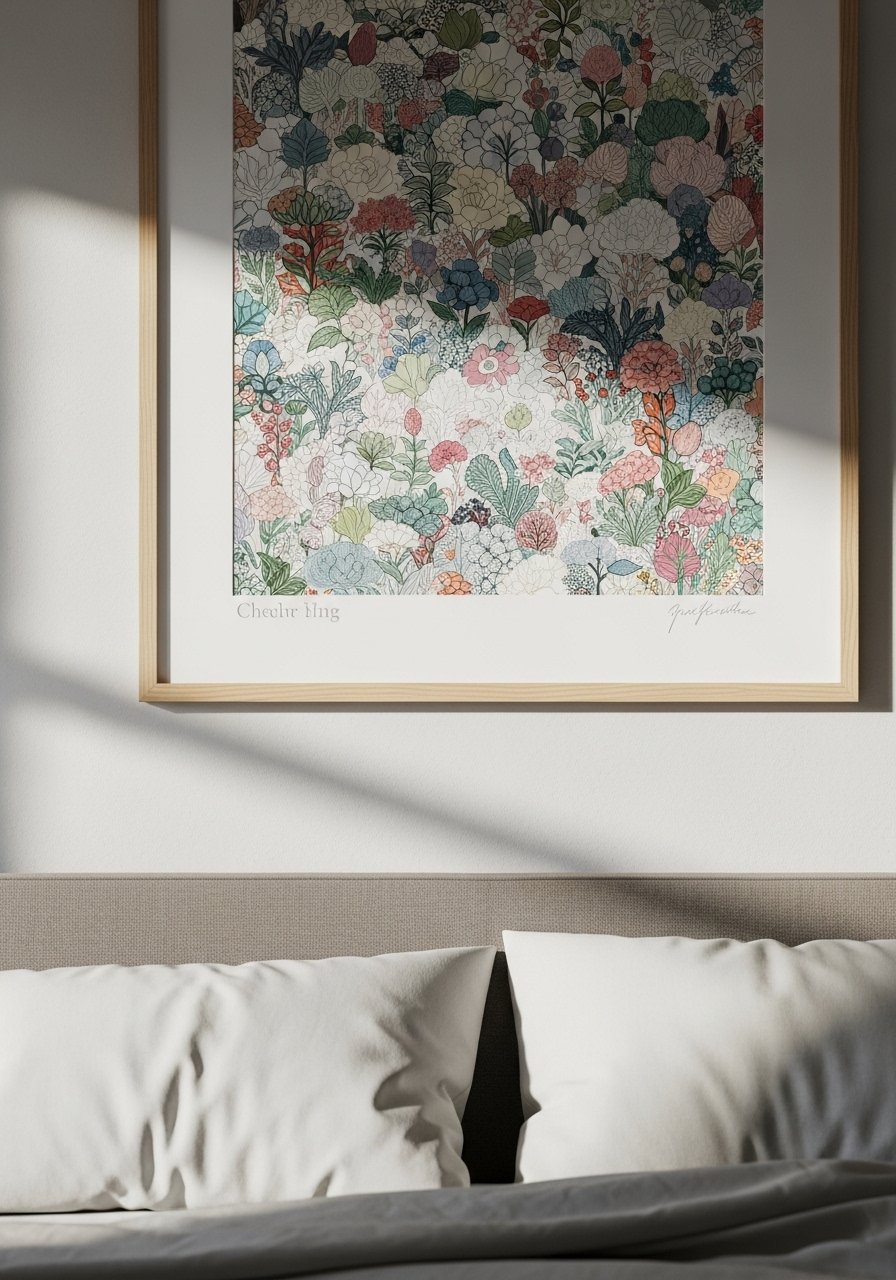
I tried a gallery wall and it made the room pulse with noise. A small bedroom needs one well-scaled piece instead. Aim for artwork that is 60 to 75 percent the width of the bed. Center it at eye level when you stand, about 60 inches from the floor to the middle of the frame. The single piece gives the eye a resting point and makes the room feel taller. If you want more art later, lean smaller pieces on a shelf rather than adding more holes. I hung a framed print that has texture on paper, it reads softer than glossy poster paper, and touching the frame feels substantial, not flimsy.
Step 5: Use lighting and texture to add depth
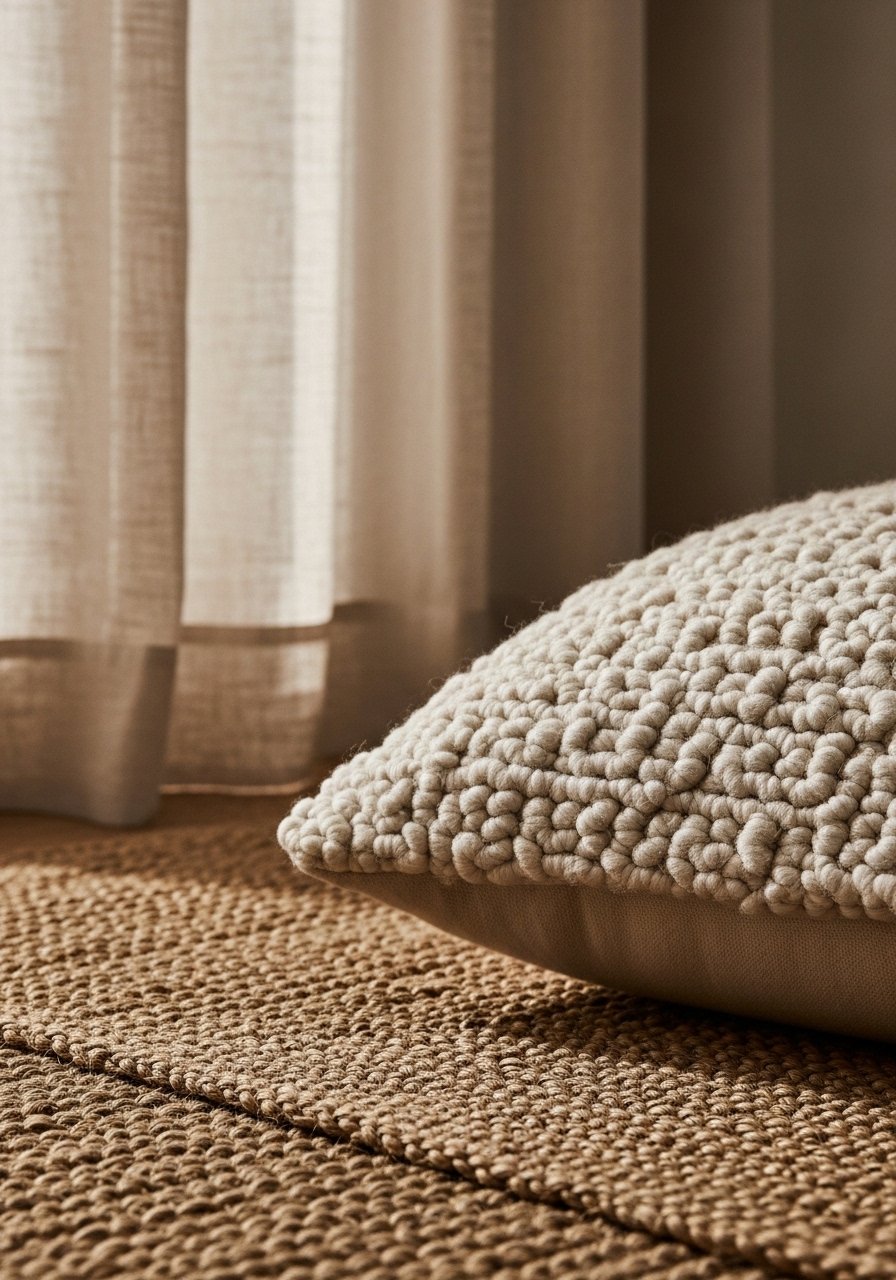
Layer three light sources: overhead, task, and a softer accent or string light. I overlooked this and lived with flat, harsh light for months. Swap an overhead bulb for a warm 2200K to 2700K bulb to make fabrics look richer. Add linen curtains that filter light, they should be long enough to puddle slightly or stop just at the floor depending on your taste. Mix materials so things feel lived in, like a nubby boucle cushion, a cool ceramic lamp base, and a slightly rough jute rug. For something affordable that I use daily, try jute area rug, 5×8 ($50-90). Warning, if you have pets, natural fibers catch hair, so factor that in.
The Bedroom Basics You'll Actually Use

- Linen duvet cover in sage green, queen ($70-110). Used in Step 2 as the main bedding anchor.
- Chunky knit throw in oatmeal, 50×60 ($40-65). For the foot of the bed in Step 2.
- Ceramic vase set, matte white ($25-40). For nightstand height in Step 3.
- Table lamp, 20-inch brass finish ($35-70). Warm light for Step 5.
- Jute area rug, 5×8 ($50-90). Anchors the room in Step 1.
- Linen curtains, natural, 48×84 pair ($40-80). Light diffusion for Step 5.
- Simple wood bedside tray, 12×8 ($15-30). Keeps nightstand edits tidy, recommended in Step 3.
- Neutral framed print, 24×30 inches ($30-70). For the single art piece in Step 4. Similar options at Target or HomeGoods.
Making This Work in a Tiny Rental
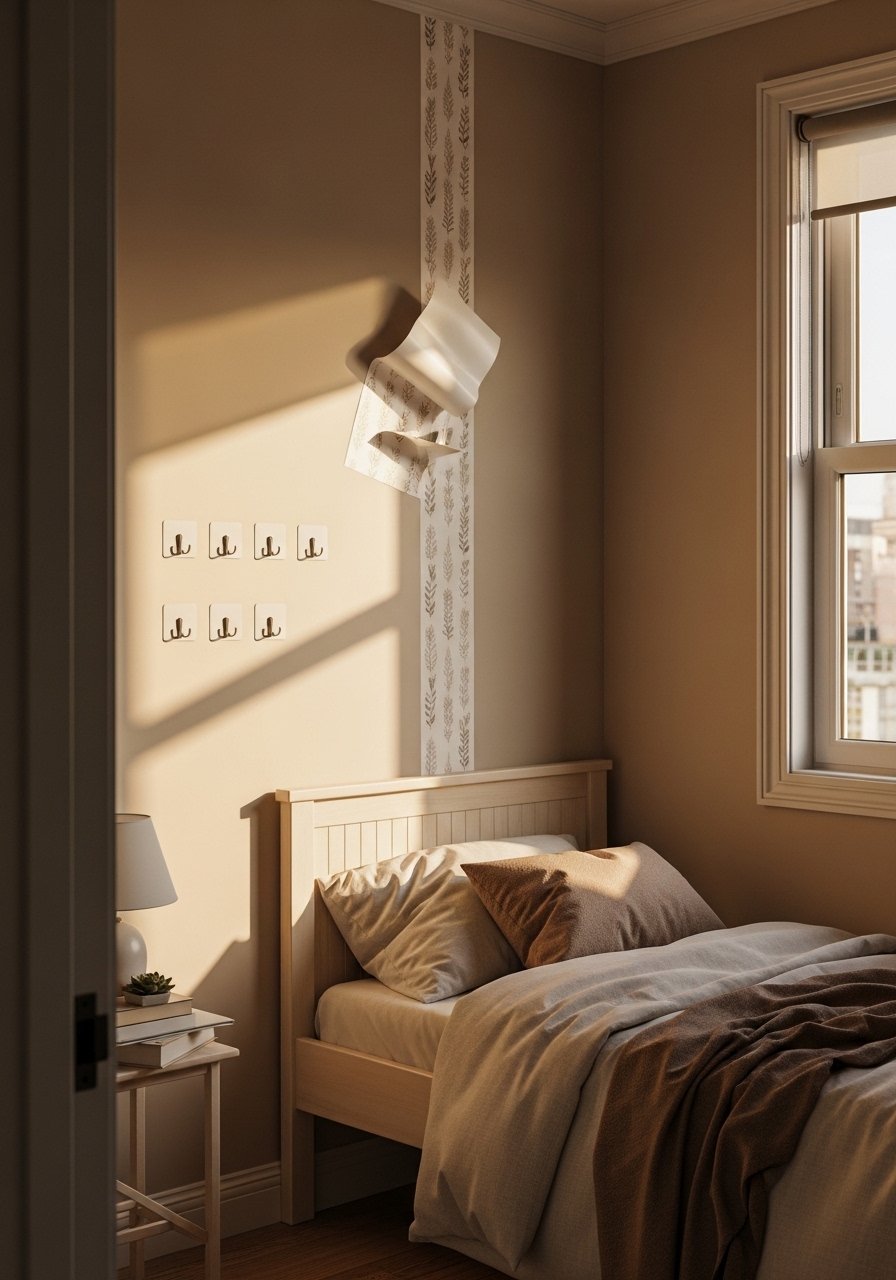
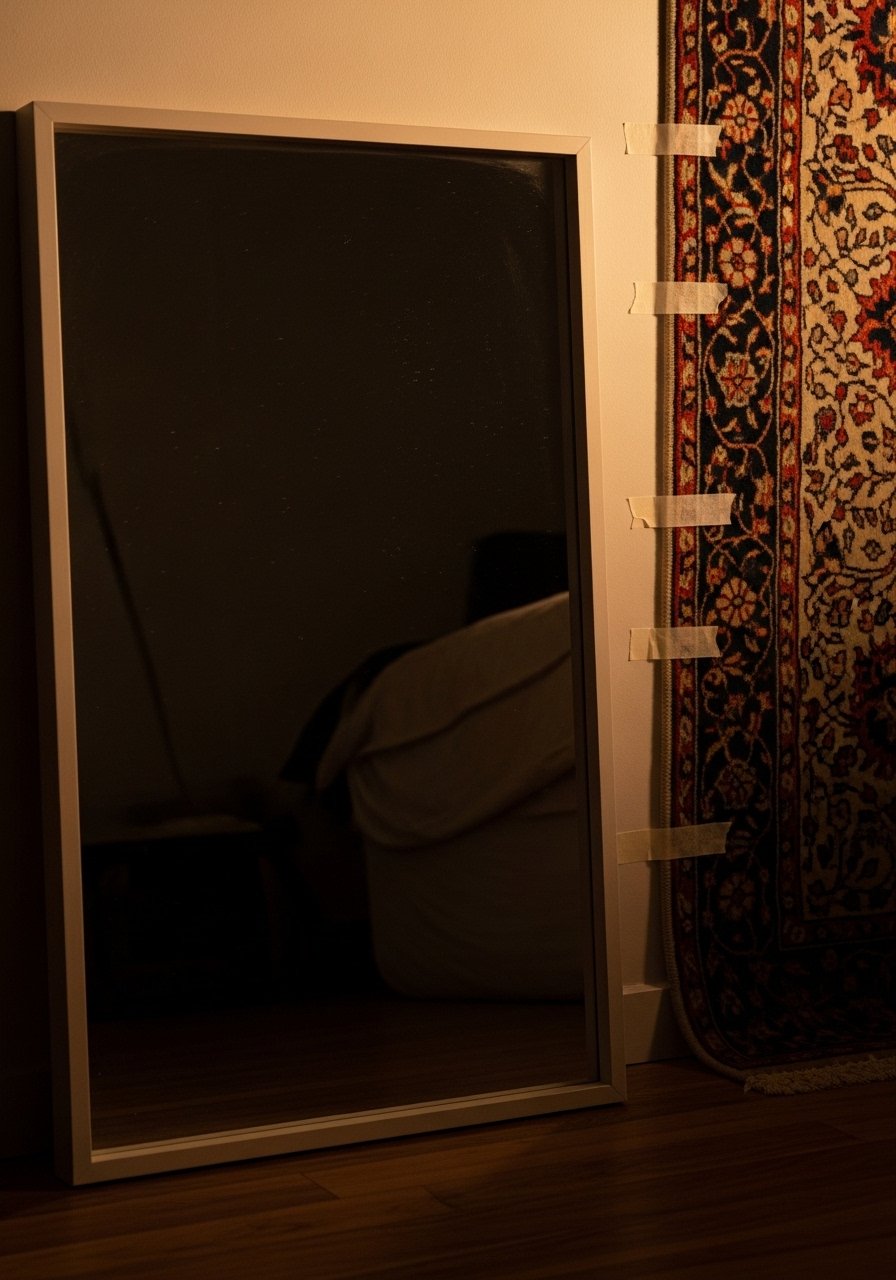
If you cannot screw into walls, rely on furniture placement and textiles. Use removable hooks and picture rails or lean art on a dresser. A floor mirror propped against a wall doubles the sense of depth and bounces light, but be sure it tilts slightly forward so it does not feel like a sheet of glass in the room. For renters, a lightweight headboard that attaches to the bed frame is a good alternative to wall-mounted versions. I lived in a studio where I used double-sided carpet tape for a rug runner and it held up for a year with careful vacuuming.
Why Your Small Bedroom Still Feels Off After a Refresh
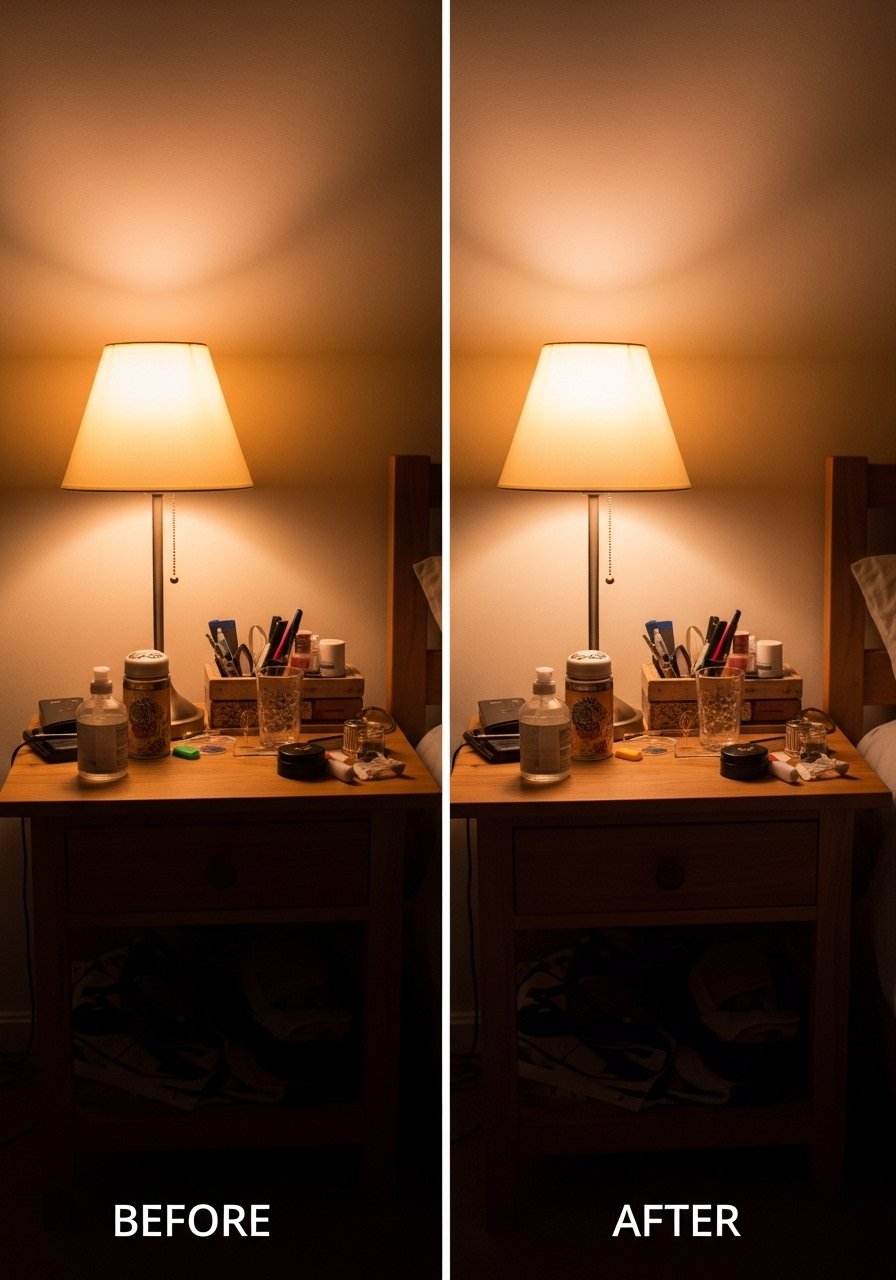
Often the issue is scale, not style. Too-large art, too many pillows, or a rug that is too small makes the room read fussy. Other common mistakes are uneven visual weight and ignoring the vertical plane. Fix the first by measuring before you buy. Fix the second by adding one tall element, like a slim plant or a tall vase. If you still feel uneasy, live with the change for a week before editing again. I swapped three pillows for one lumbar and it took a few days to stop reaching for the removed ones.
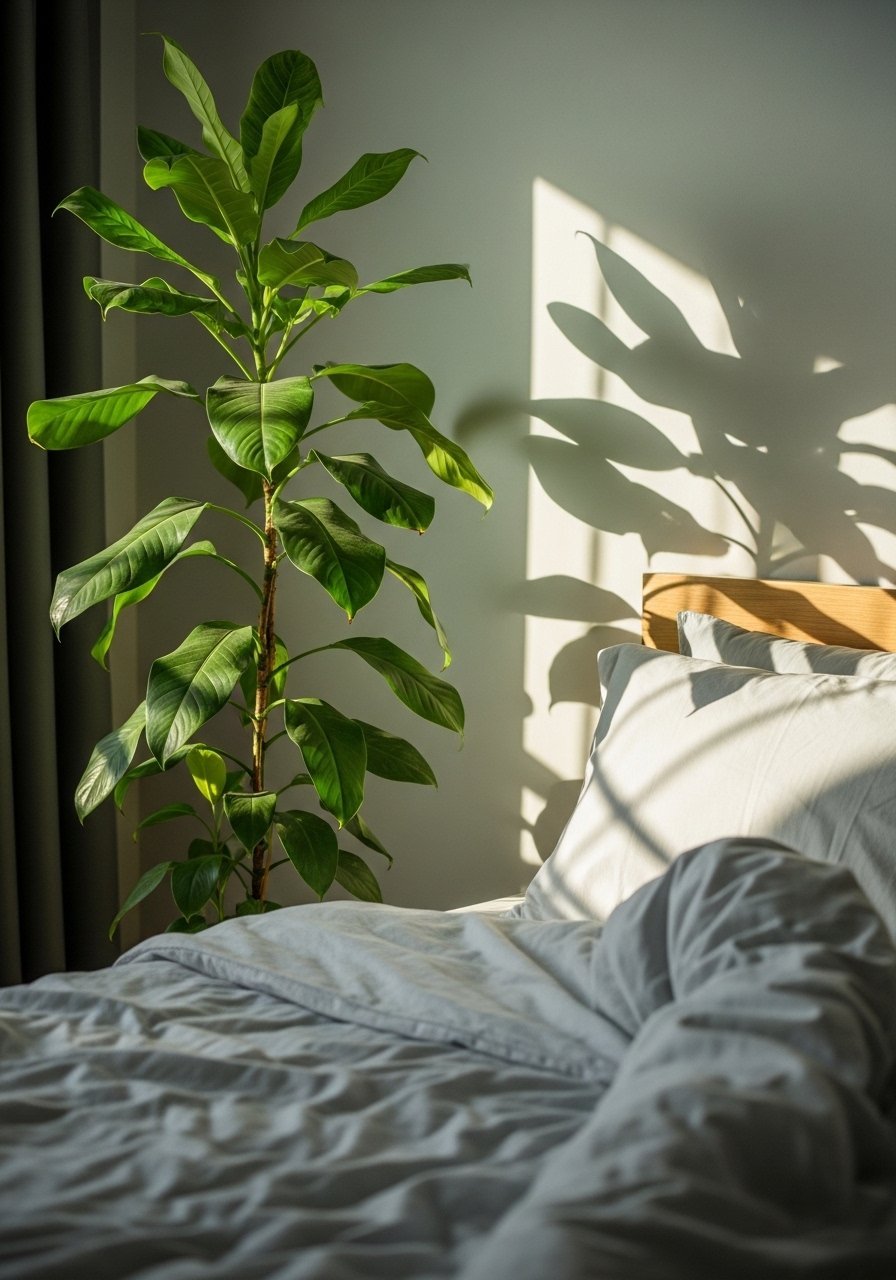
What the Room Should Feel Like After a Week
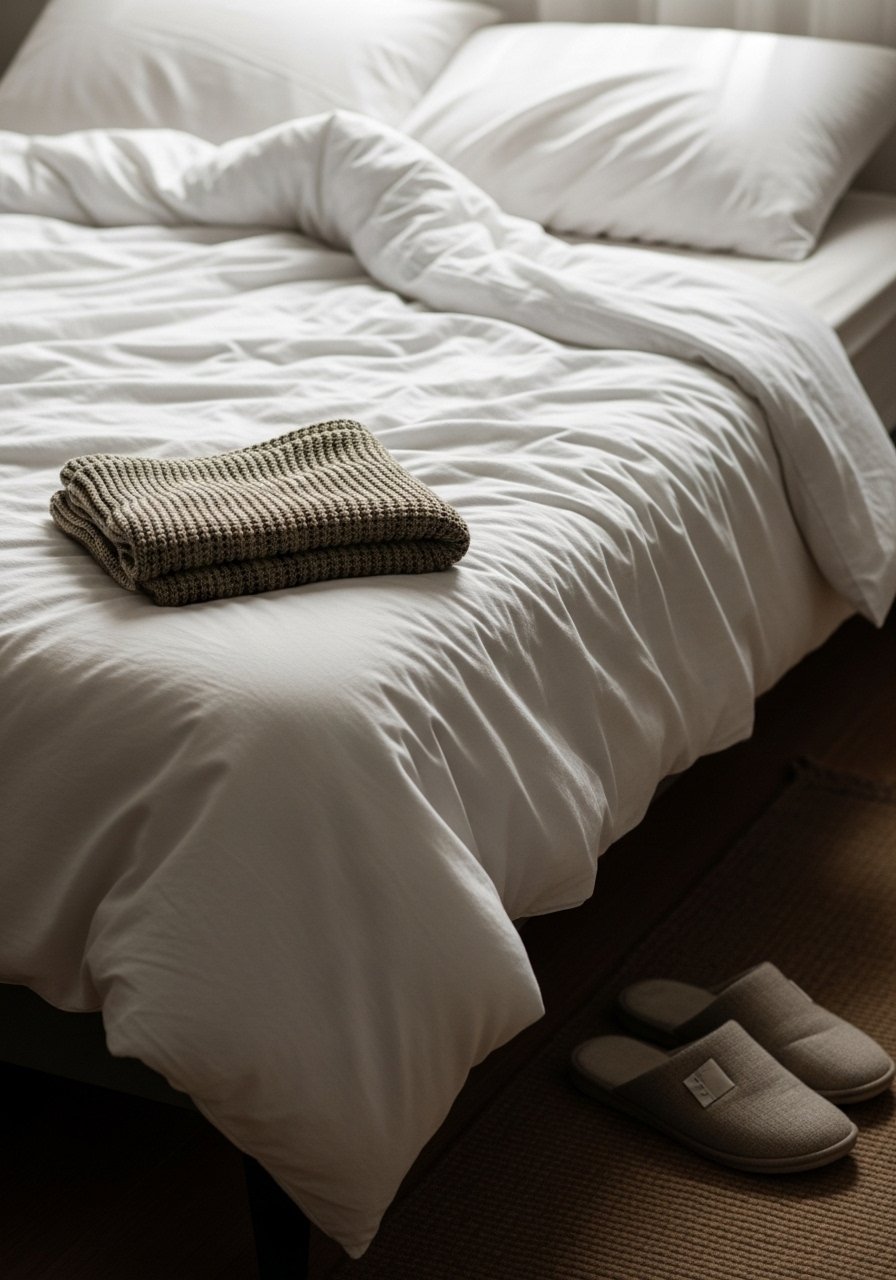
After a week the room should feel calmer when you walk in. When I did this, getting into bed felt deliberate, not like collapsing into a pile of mismatched cushions. The tactile bits matter: linen that feels cool, a knit that is warm and slightly heavy, a lamp you can pick up and that feels steady. You will still catch yourself adjusting things on day two, that is normal. If the room stays calm after a few days, you are done.
Start with One Corner
Choose one corner or one surface to fix first, maybe the nightstand or the spot at the foot of the bed. Swap out the bedding base or move the bed to create 18 inches of walking space on at least one side. Give yourself permission to be imperfect while you test proportions. My first attempt had too many cushions and not enough negative space, but after editing down I kept the pieces that felt tactile and useful. Start small, live with it for a week, then adjust one thing.