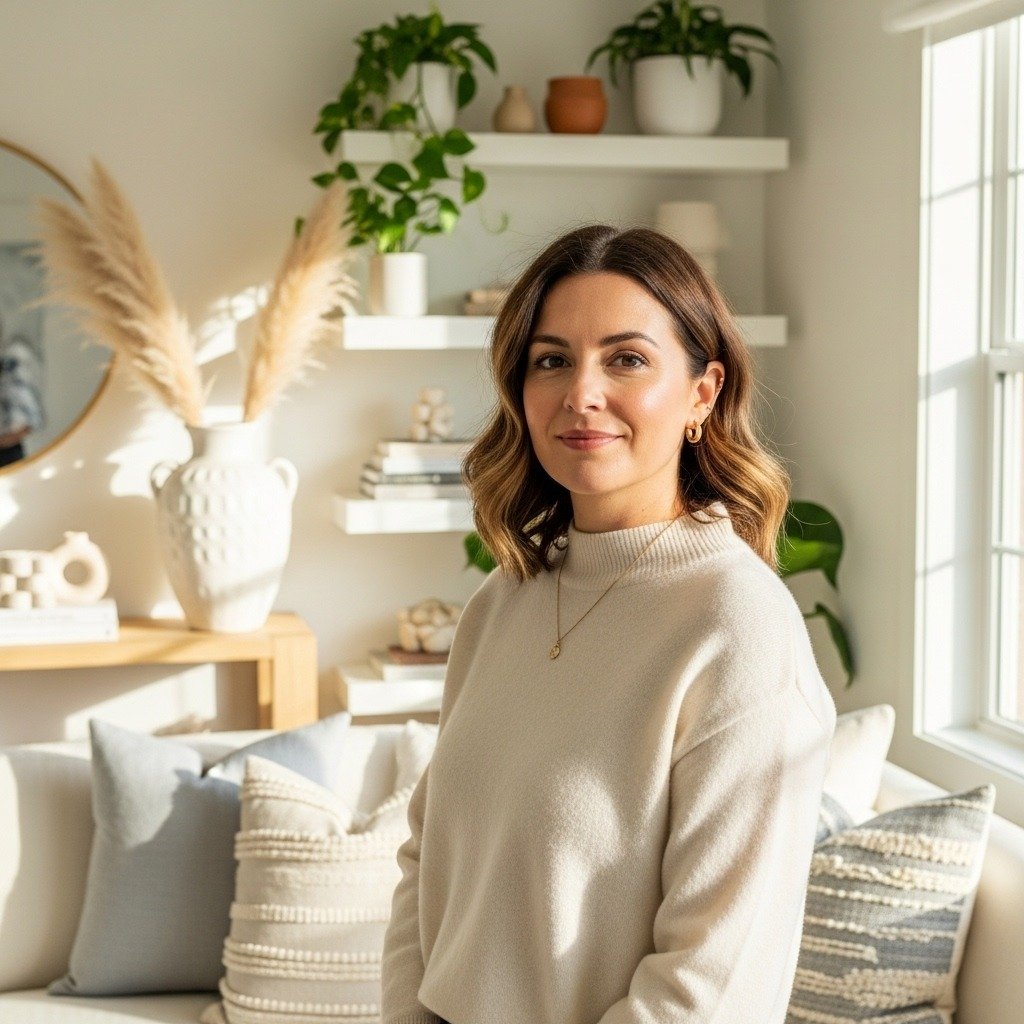
I had a pile of plants and nowhere that felt right. Every time I moved one, the whole thing looked off. The corner with the empty floor lamp felt heavier than the sofa. My first instinct was to cram more plants into every nook. That made the room feel busy and tired.
What finally worked was treating plants like furniture. I stopped thinking only about foliage and started thinking about weight, height, and texture. My first three attempts looked crowded. The fourth time I edited instead of added and it clicked.
Step 1: Pick anchor spots and size your plants to the room
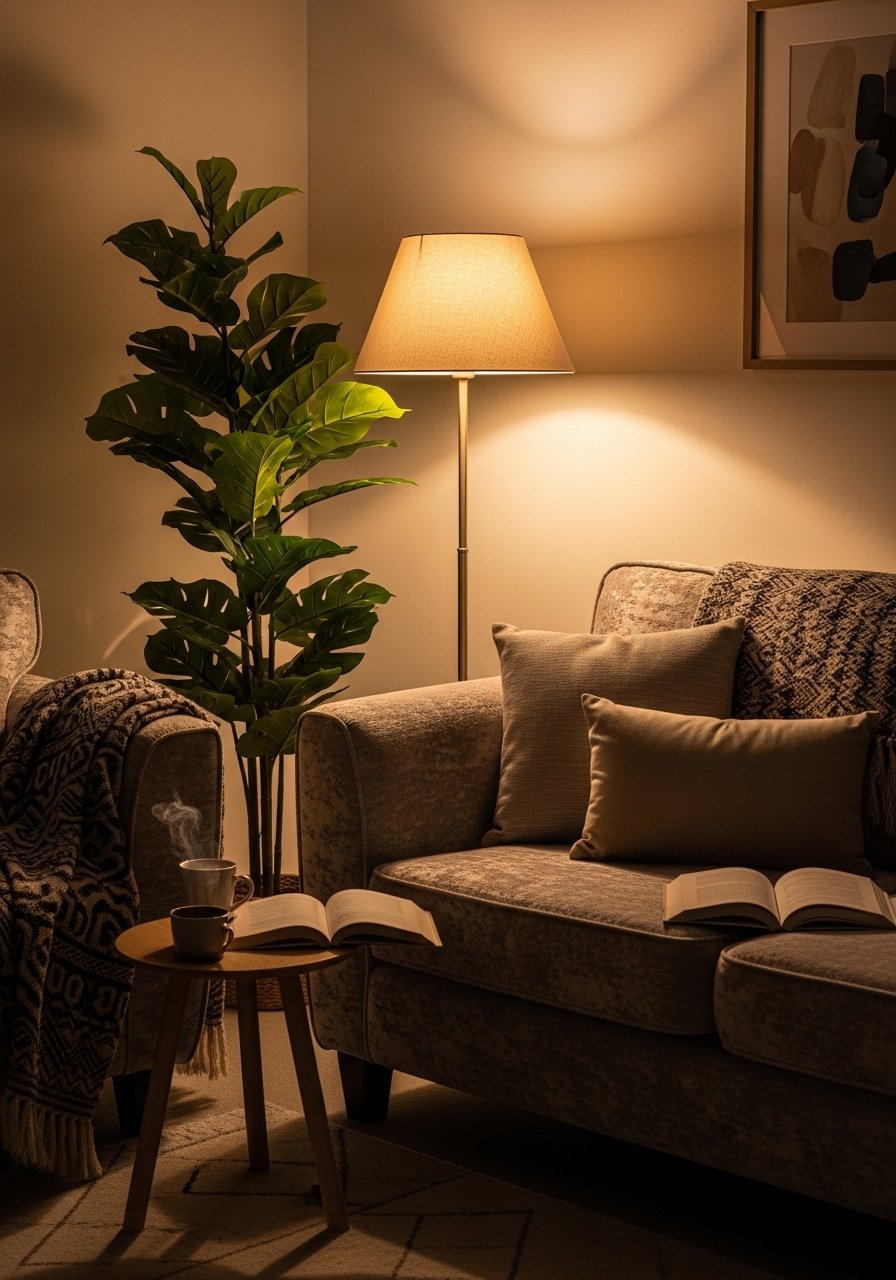
Start by choosing one or two anchor spots where a plant will read like furniture. Corners, the end of a console, and the empty spot beside a sofa are classic anchors. For scale, pick a tall plant that reaches roughly two-thirds the height of the wall behind it. A plant that is about 5 to 7 feet tall works for standard 8-9 foot ceilings. If the plant feels too big to lift, it probably is. Too small, and it disappears.
Common mistake fixed here: grabbing every mid-size plant and hoping it adds up. It rarely does. Keep anchors, then fill.
Step 2: Group in odd numbers and balance heights
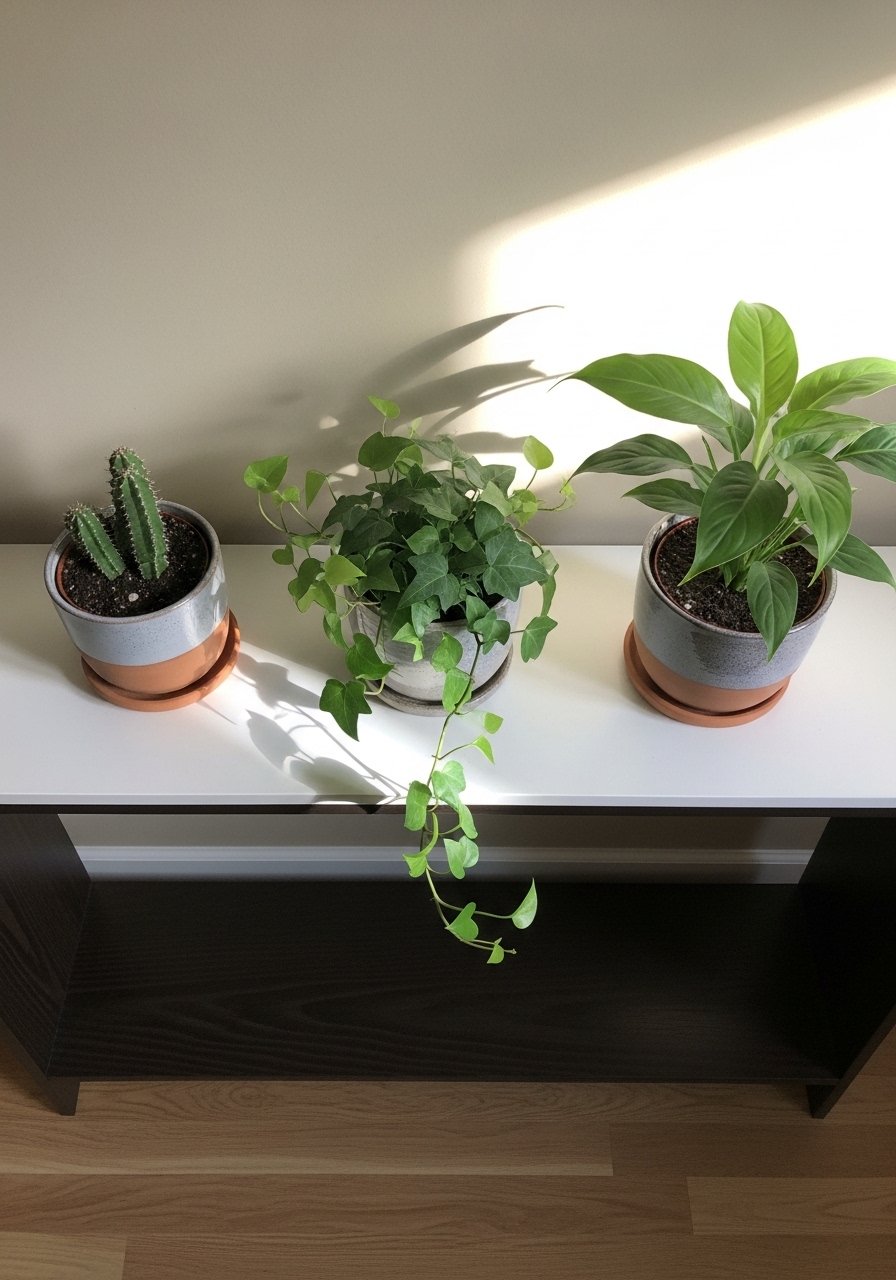
Most people go symmetrical and safe. Instead, group plants in odd numbers so the arrangement reads relaxed. I like a 3-plant trio: tall, medium, small. Use a simple height ratio like 3:2:1. That gives the eye a clear path to follow. Spread the bases about 12 to 18 inches apart so each plant breathes. If things still look stuck together, move the smallest out slightly to the side. This step is where the arrangement starts to look styled instead of cluttered.
Insight people miss: the tallest should have negative space above it. That empty air matters as much as the leaves.
Step 3: Mix materials and textures for real-life depth
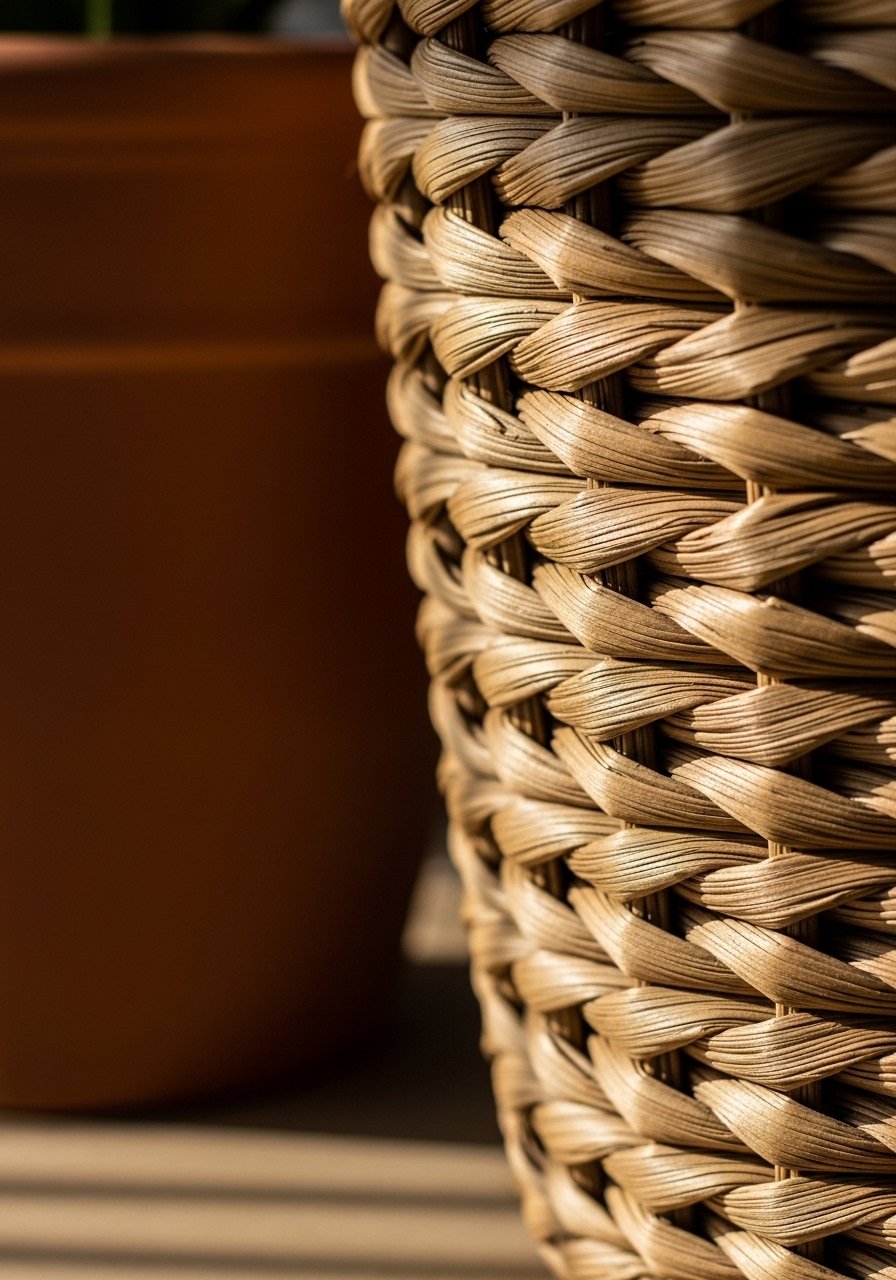
I used to pick only ceramic white pots. Pretty in photos, bland in life. Swap in a rough terracotta, a cool matte ceramic, and a woven basket to give the room tactile contrast. The terracotta feels dry and gritty. The ceramic is cool and heavy in your hands. The woven basket adds warmth against a smooth tabletop.
Common mistake: matching every planter. That flattens the look. Also think about the plant's texture. A rubber plant has a smooth, waxy leaf. A fern feels feathery. Those contrasts keep the eye moving.
Step 4: Raise and lower plants to create flow
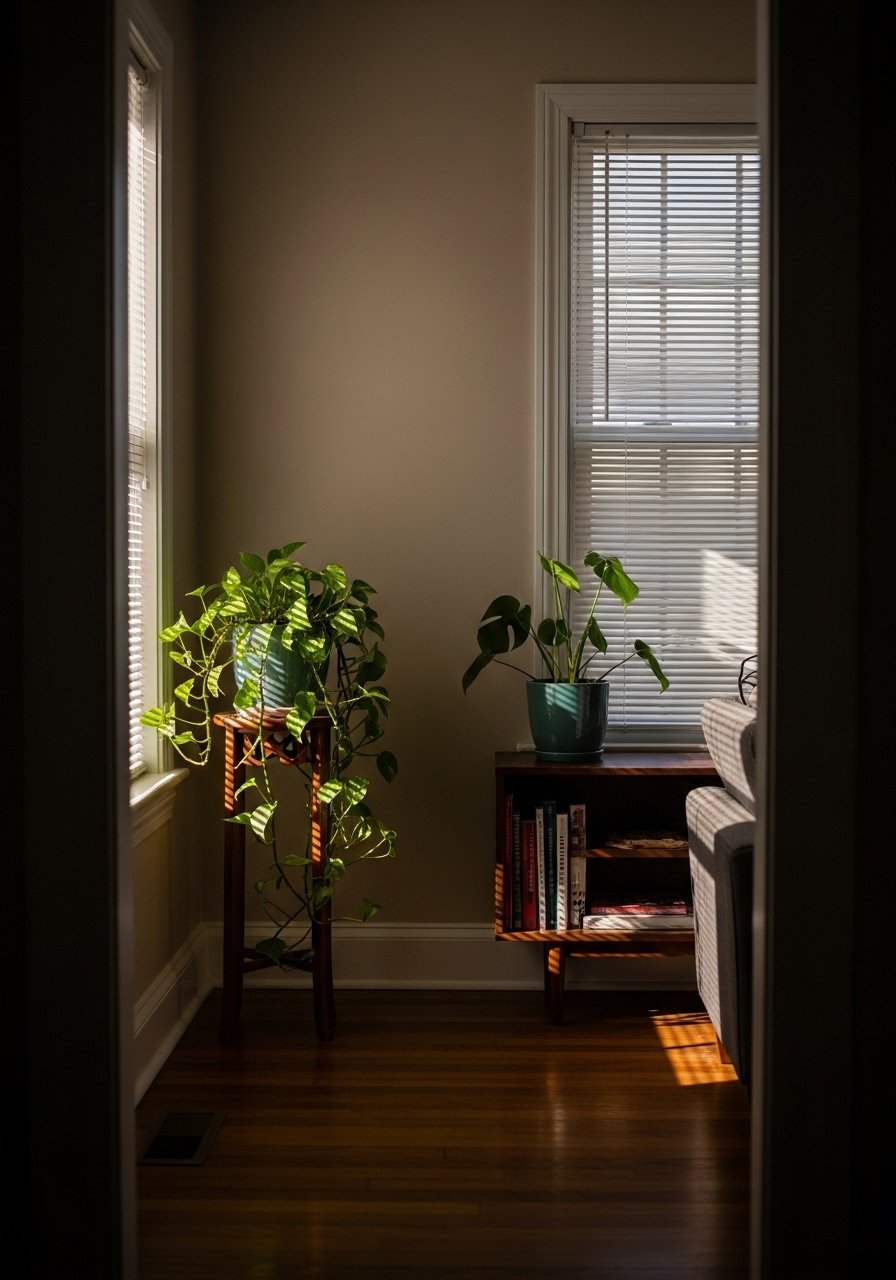
Use stands, stools, and stacks of books to get different heights. I stack an 8-inch ceramic saucer on a wooden stool to gain 10 inches. Shorter stands of 12 to 18 inches work well beside sofas. Raise one plant so its foliage overlaps a shelf or picture frame slightly, about one to two inches. That makes the room feel layered and anchored.
I messed this up the first time by making everything the same level. It looked like a potted-plant store. Fixing that gave the space rhythm. If you have pets, pick heavier planters or secure them. My roommate knocked over a light-weight pot twice before we switched to a ceramic one.
Step 5: Edit, live with it, tweak after a week
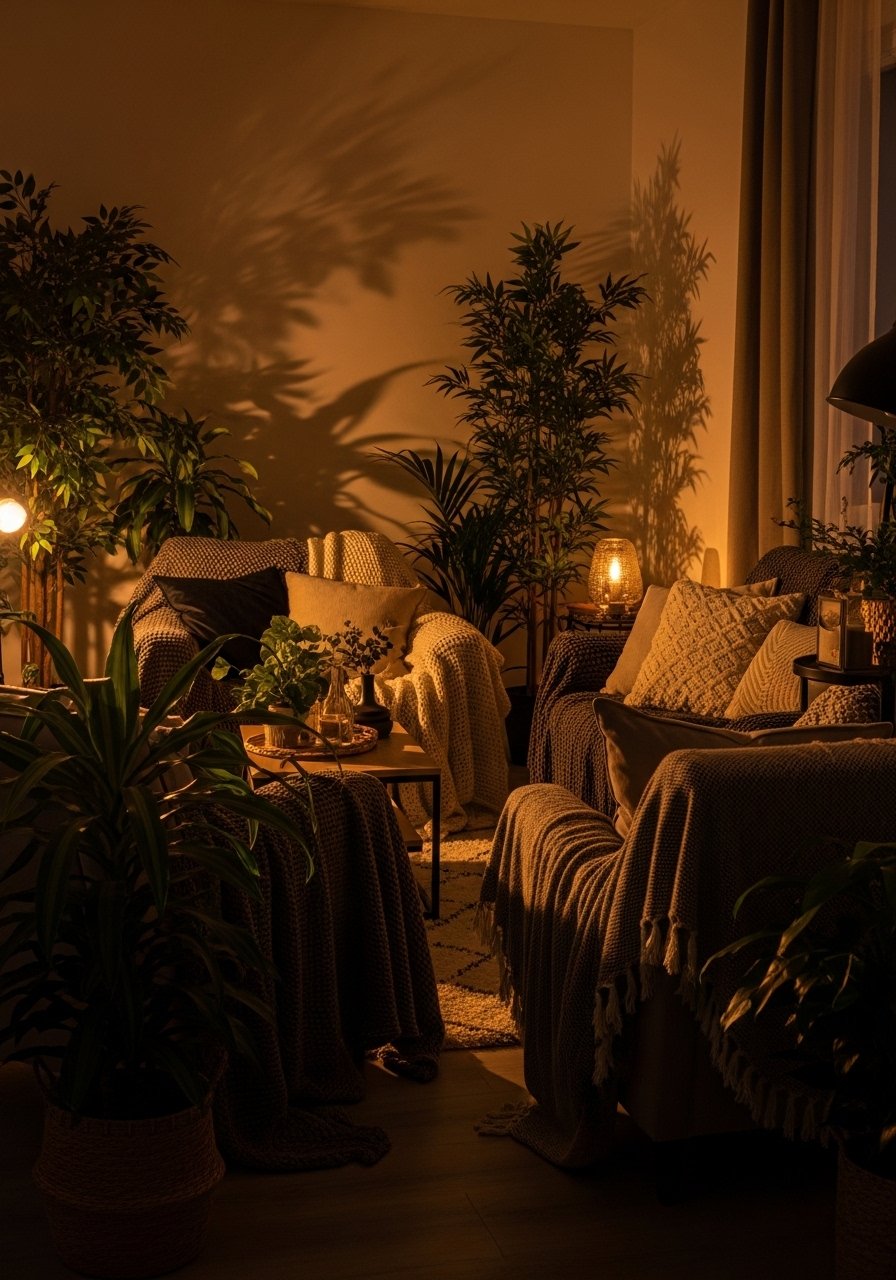
This is the step where you resist adding more. After placement, step back and live with it for a week. Plants move as they grow. Leaves get damaged, pots get dusty, the light changes. On day three I moved a medium plant six inches and it improved the view from the sofa. On day seven I swapped a green ceramic pot for a woven basket and the whole corner felt softer.
Common frustration this fixes: things that look perfect in photos but awkward in daily life. Editing over time wins.
What to Grab for an Aesthetic Plant Room
- Large wicker basket planter, 14-inch ($25-45). Use in Step 3 as a warm cover for a plastic nursery pot. Similar at HomeGoods.
- Tall fiddle leaf fig tree, 6-foot artificial option ($80-150). Good anchor plant for Step 1 if you lack light.
- Ceramic planter set, matte white, 3 sizes ($25-40). For Step 3, cool and heavy in the hand.
- Metal plant stand, 24-inch brass finish ($30-55). Use in Step 4 to lift a medium pot.
- Terracotta saucer pack, 8-inch ($10-18). Adds gritty texture in Step 3.
- Pebble top drainage tray, 12-inch ($12-22). Keeps shelves dry in Step 2.
- Grow light lamp, clamp-on, adjustable ($25-50). Useful for low-light rooms in Step 1.
- Chunky woven throw in oatmeal, 50×60 ($40-65). Not a planter, but anchors seating near plant groupings in Step 4. Similar options at Target.
Why Your Plant Arrangement Still Feels Messy
If it still reads messy, you probably added too many small pots without a visual anchor. Small plants are great, but they need a stronger neighbor. Another common problem is repeating the same texture. Try swapping one ceramic for a woven basket. Negative space matters here. Leave a breathing gap of 4 to 6 inches around small groupings. Finally, check the view from seating. The arrangement should look intentional from where you spend most of your time.
Making This Work in a Small Room
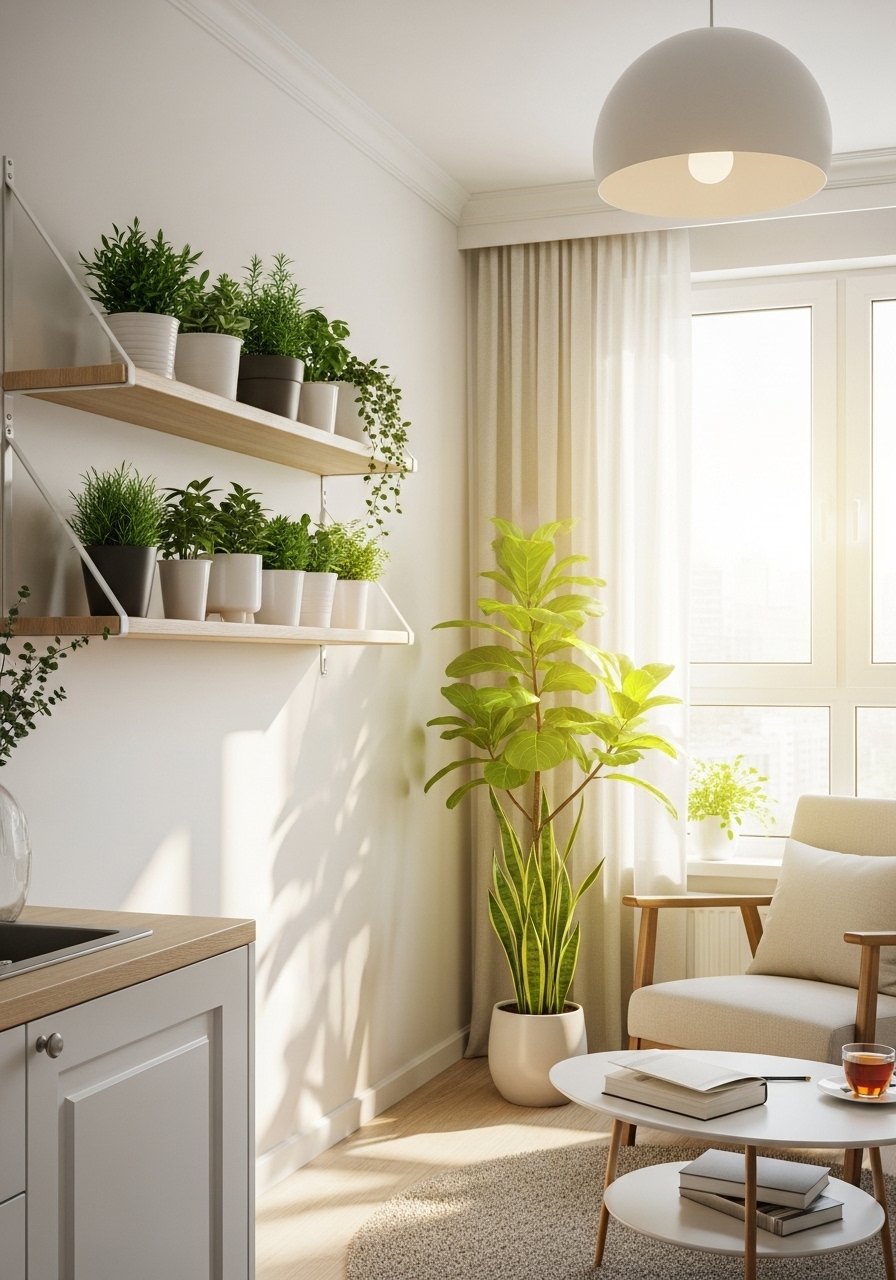
Start vertical to save floor space. Use narrow, tall plants against the wall. Floating shelves with staggered heights let you layer without crowding the floor. Bulleted approach that I use often:
- Choose one tall anchor, one medium shelf plant, and one tiny hanging plant.
- Keep shelf depths at least 10 inches for pot stability.
- Use hanging planters to free floor space, especially above seating.
Renters note: use removable hooks and avoid overly heavy pots on drywall.
What This Looks Like After a Week with Kids and a Dog
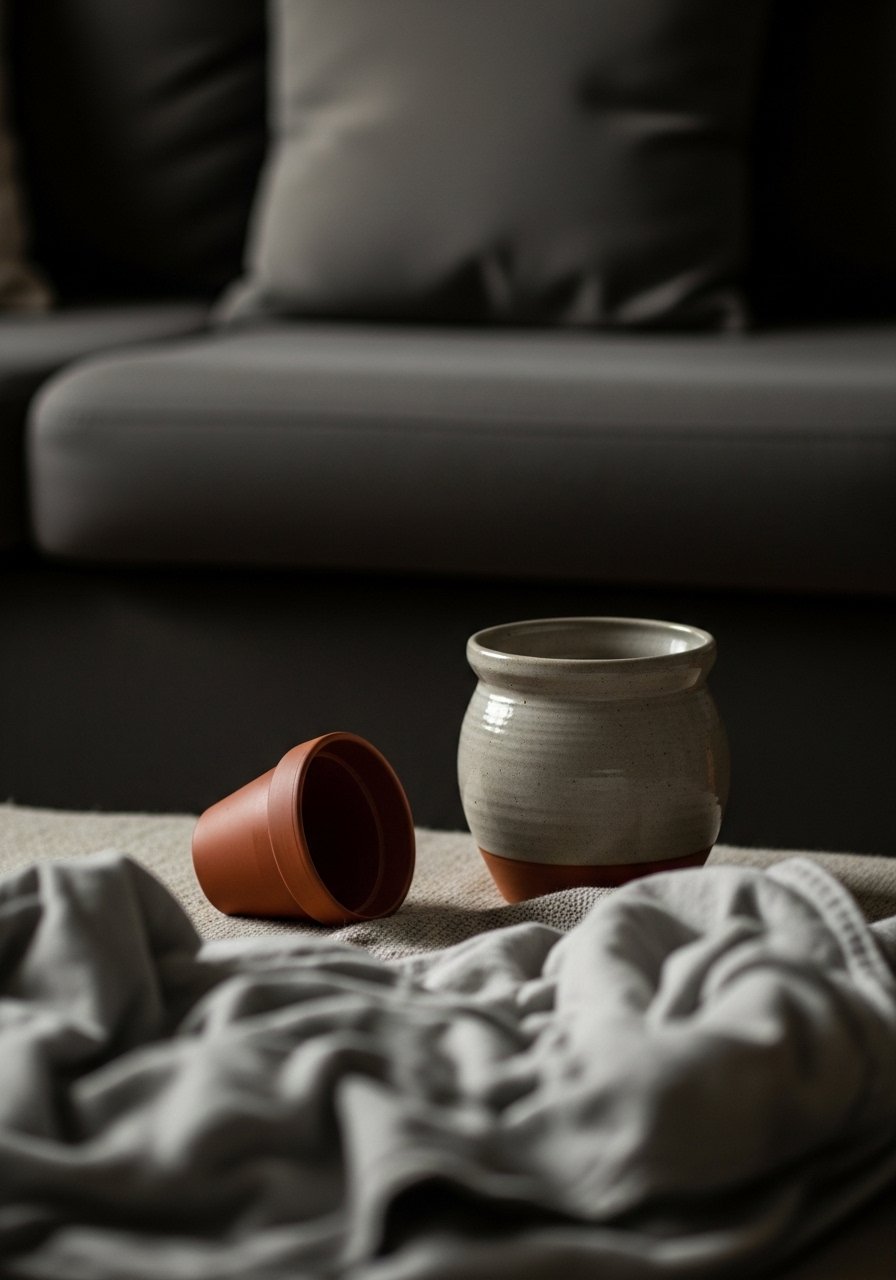
Reality check: things will move. My dog nudged a low pot and the rim cracked during the first week. I replaced it with a heavier ceramic one and moved the plant up a step to a sturdier surface. Leaves got dusty quickly on that low coffee table. A quick wipe with a damp cloth every two weeks keeps foliage fresh and the light quality better. You will tweak placement. That is normal. Small fixes keep the space feeling edited rather than overwhelmed.
Start with One Plant and One Spot
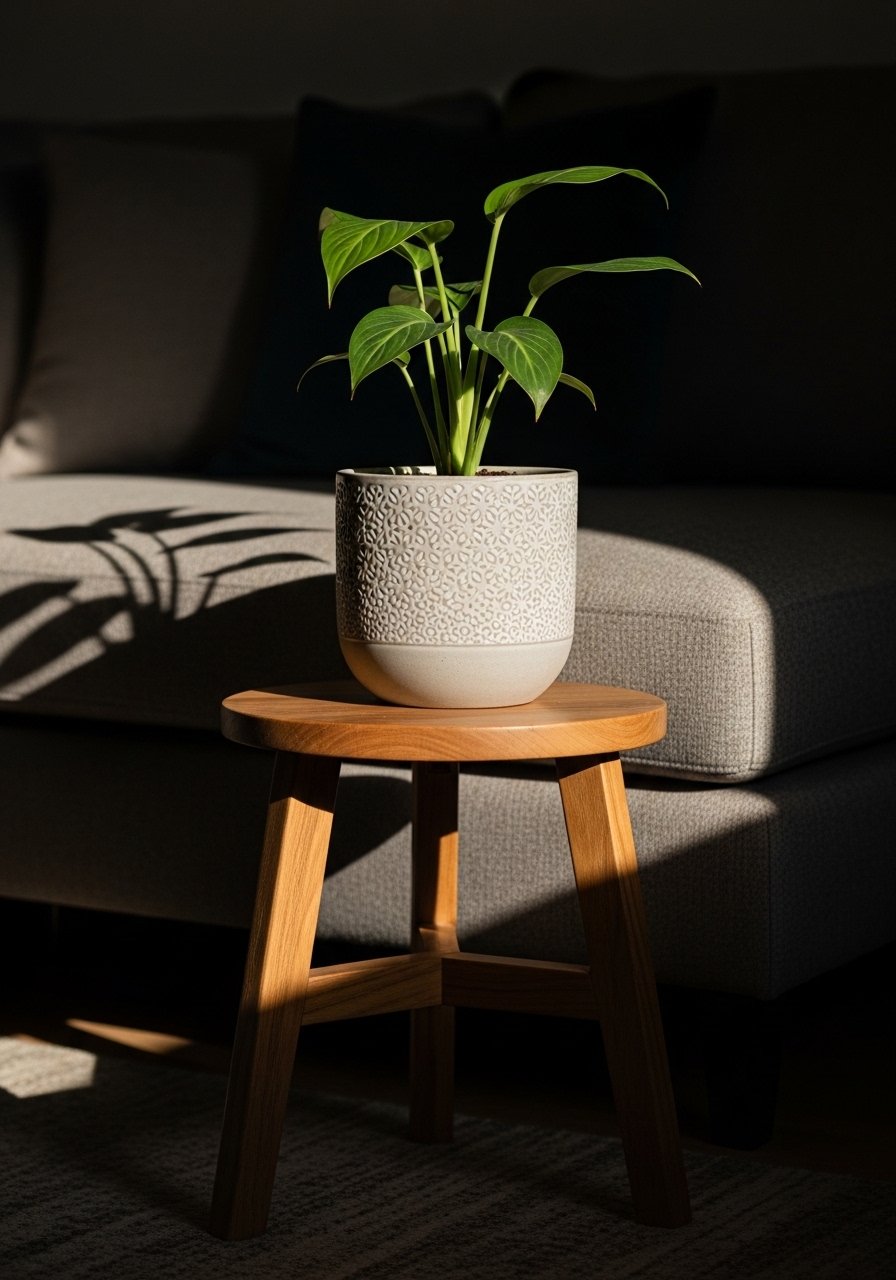
Pick a single corner or the end of your sofa and commit to one plant there for a week. Use a sturdy planter from the shopping list, like the ceramic set or the wicker basket, so you can feel its weight and texture in your hands. Walk past it a few times, sit on the couch, and move it if it blocks sightlines.
Once that one plant feels right, add the medium and small pieces using the odd-number rule. It gets easier faster than you expect, and you will know what to buy next.