
I used to think the answer was brighter paint. I repainted twice, bought bigger lamps, and still came home to a room that felt flat and lifeless. The moment I noticed the problem was the day I moved a narrow console out of front of the window and sunlight actually reached the floor. That tiny shift changed everything.
I had heavy curtains that pooled on the floor, a tall bookshelf blocking side light, and a mirror that was too small to help. I tried swapping pillows and rearranging furniture, but the bright shot of daylight only happened after I learned three simple placement ideas and a few proportions that actually matter.
Step 1: Clear the window zone and hang curtains higher
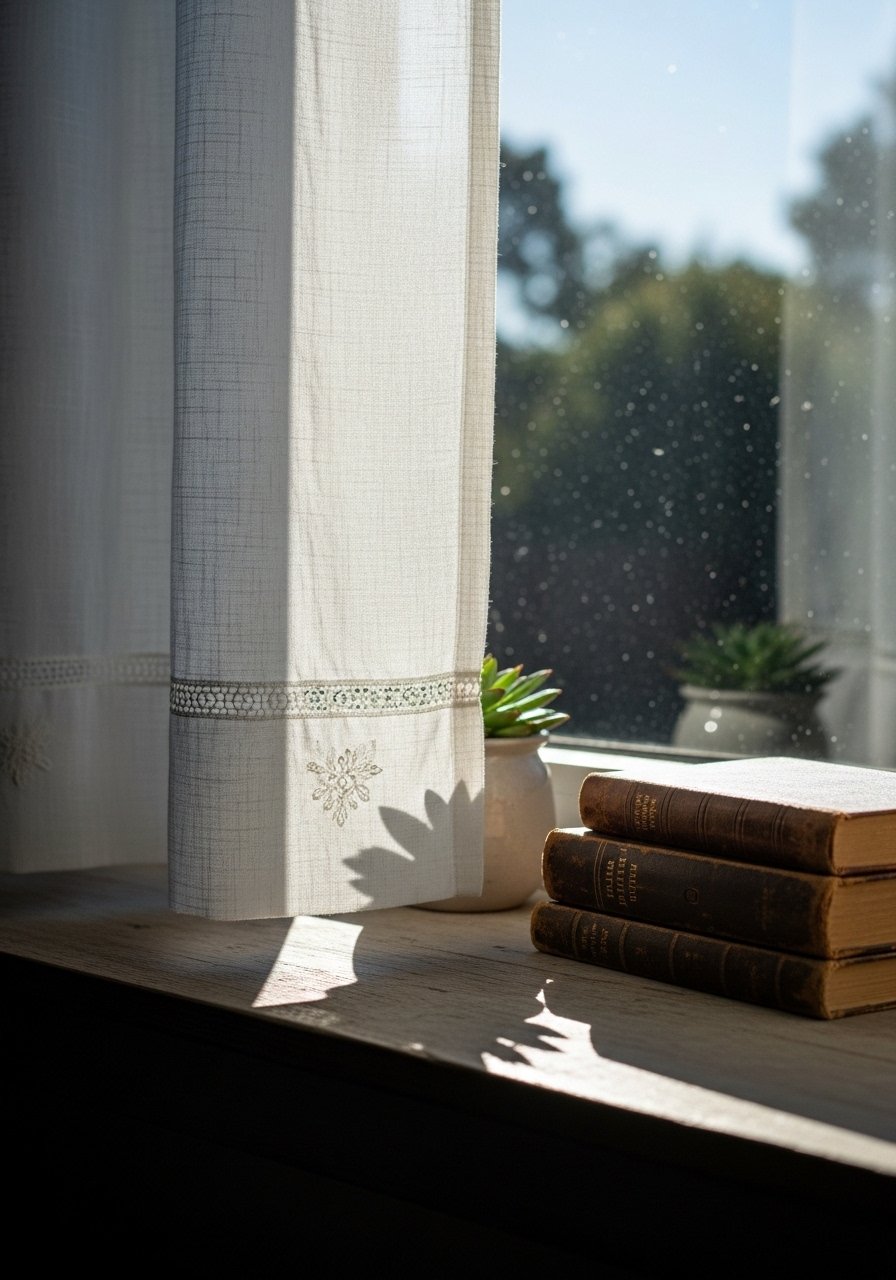
Start by moving anything in front of the window, even a small chair. My first instinct was to shove everything else into the room, which made the window feel like an afterthought. Leave roughly 4 to 6 inches of space between the top of the frame and the curtain rod, and use panels that together are 1.5 to 2 times the window width so the fabric stacks to the side rather than blocking light.
Swap heavy, lined drapes for a linen or linen-blend sheer that has some texture. Linen feels cool and slightly nubby, it filters glare without flattening the light. The visual change is immediate. The ceiling reads taller and the light falls softer across the floor.
Step 2: Layer window treatments instead of covering the glass
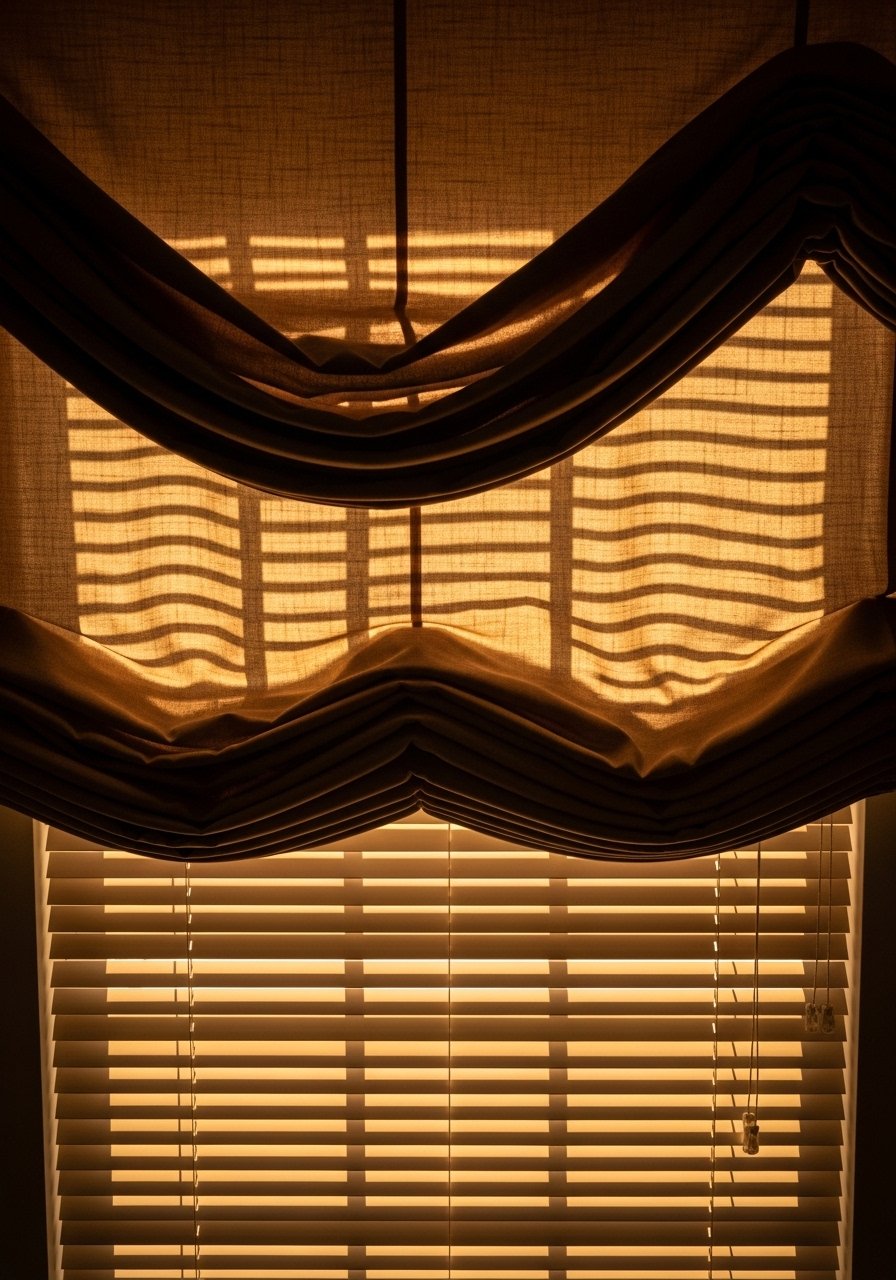
Most people pick one thing and stop. I used to put in a blackout blind or a single curtain and call it done. A better move is a thin, light-filtering blind for privacy plus a linen panel for softness. The blind tames morning glare while the panel softens the light quality.
Keep the blind fabric neutral and the curtain color one or two shades lighter than the wall. That contrast bounces light back into the room. I learned the hard way that an ultra-thin sheer can read cheap, so aim for a medium weight that still moves when the window opens.
Step 3: Use mirrors and reflective surfaces where the light naturally goes
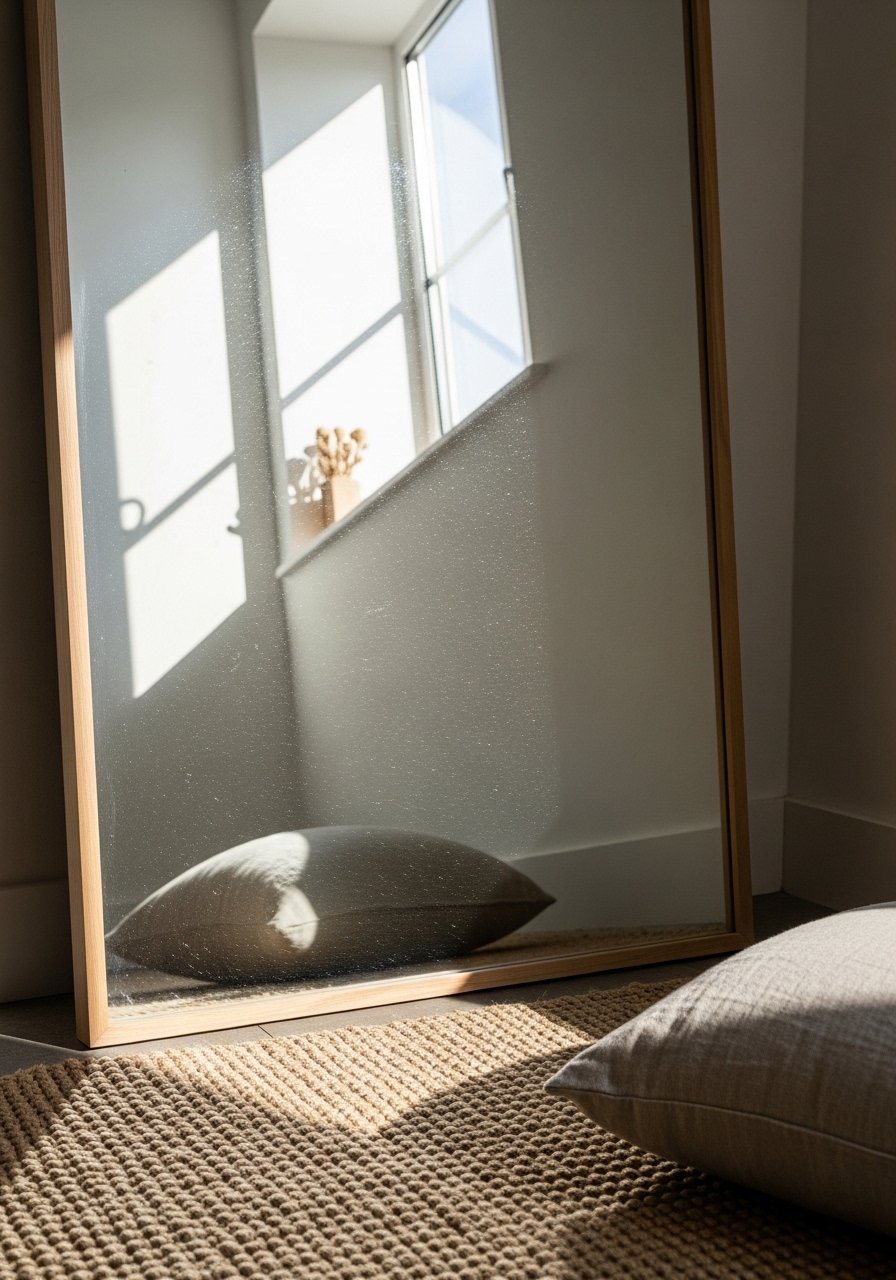
This is where it starts to look intentionally bright instead of accidentally brighter. Place a mirror where it can catch the incoming light, not tucked behind plants. A good rule is a mirror height around 60 to 75 percent of the wall height, or about two thirds the width of a console under it. I once hung a tiny mirror and it made no difference. Bigger, positioned correctly, it bounces daylight into corners that felt permanently dim.
Also add a small glossy tabletop or a glass lamp base so the light has more surfaces to skip off of. Those little reflections change the feeling from flat to alive.
Step 4: Keep window sightlines low and the area uncluttered
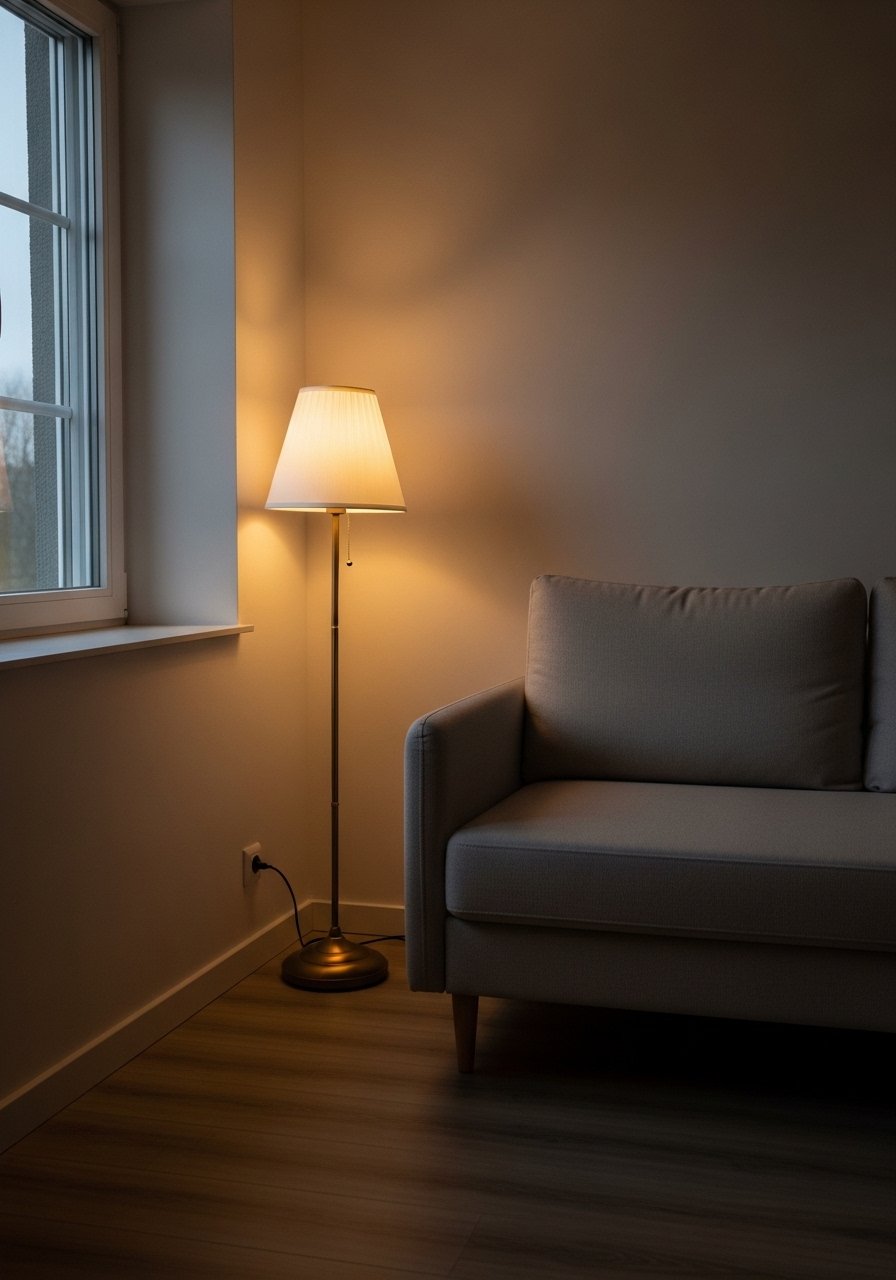
Low-profile furniture near windows makes a huge difference. Move tall bookcases away from side windows. Choose seating with open legs so light can pass underneath. I had a chunky console that swallowed light until I swapped it for a clear acrylic table and the room felt less boxed in.
Leave about 60 to 80 percent of the sill clear for light and narrow plant groupings. A single taller vase paired with a low ceramic pot keeps things balanced. Textures matter here, the jute rug will feel rough underfoot while a soft linen throw reads airy, so keep heavier textures away from the immediate window edge.
Step 5: Plan for low-light hours with layered, warm fixtures
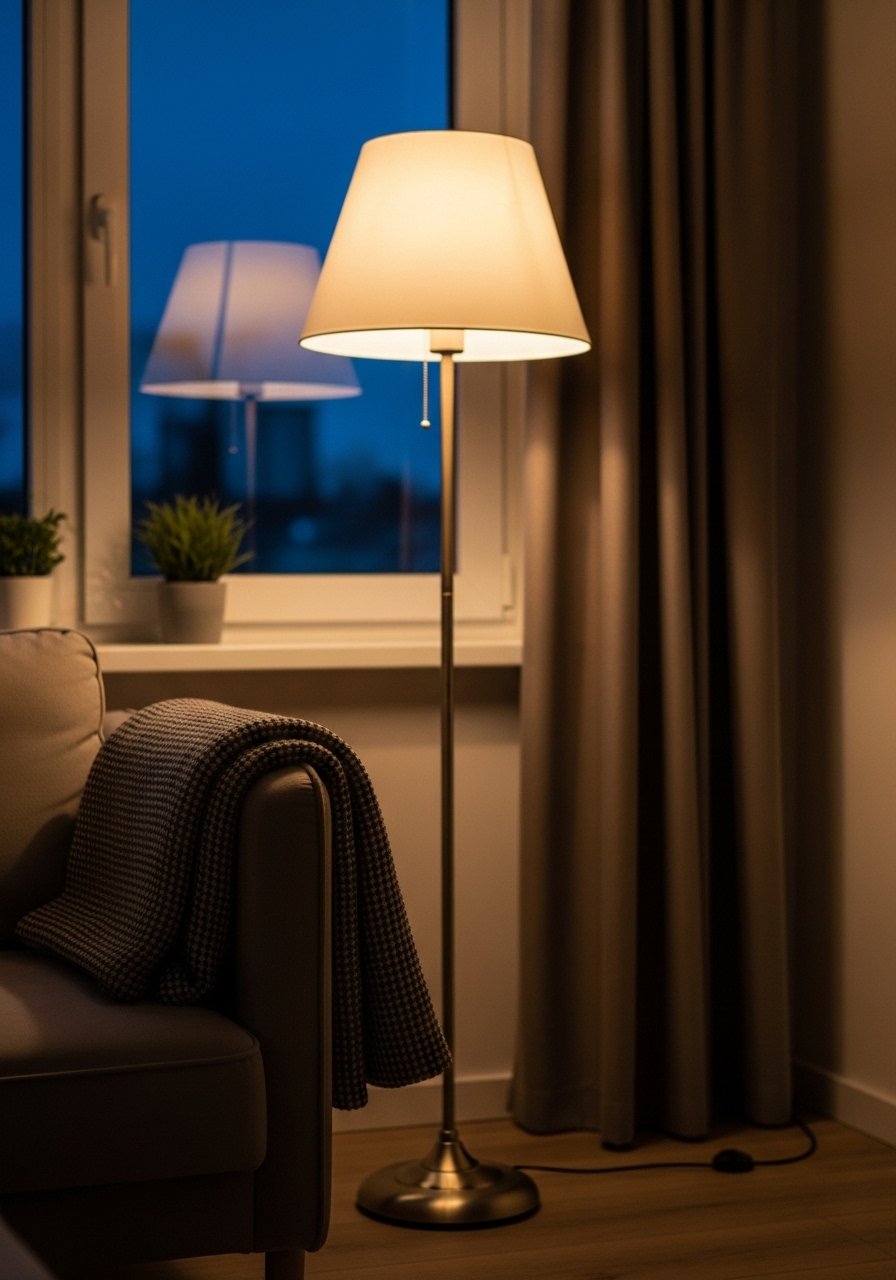
Natural light fades, so layer lighting to match. Add a floor lamp with an adjustable arm and a warm 2700 to 3000K bulb near the seating. I bought a lamp that was too tall and it glared into my eyes the first week. The right scale matters, pick a lamp head that sits just above eye level when seated.
Also use smaller, dimmable table lamps for corners. The goal is to mimic the natural spread of daylight, soft edges not harsh spots. When it works, the room still feels like the same bright place you enjoyed during the day.
What to Grab to Brighten a Room with Natural Light
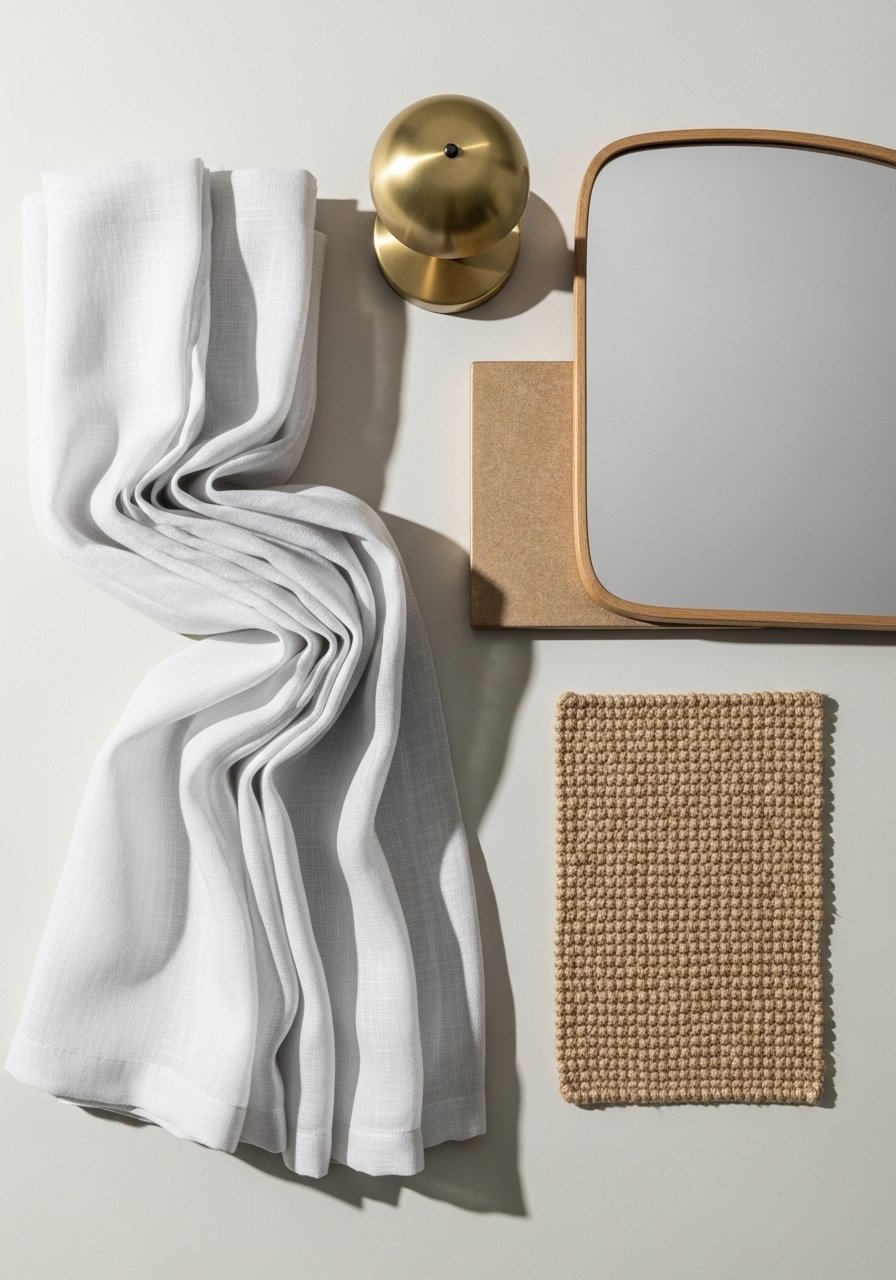
- Linen curtain panels, 96-inch, natural ($35-70). Use in Step 1 and Step 2. The weight is enough to drape but light enough to let sun through. Similar options at Target.
- Double curtain rod, adjustable 28-84 inch, matte black ($20-40). Needed for Step 2 to layer blind and panel.
- Large wall mirror, 36×48 inches, thin black frame ($80-150). Recommended in Step 3. Size makes the bounce useful.
- Acrylic console table, 47-inch clear ($120-220). Swapped for a bulky console in Step 4, keeps the sightline open.
- Floor lamp, adjustable arm, matte brass ($60-140). Use in Step 5. Matte brass warms the light without glare.
- Neutral jute rug, 8×10 ($90-160). Grounding texture for the seating area mentioned in Step 4.
- Set of ceramic vases, matte white, varying heights ($25-40). For sill styling in Step 1 and Step 3. Heavy, grounded pieces that won’t tip easily.
Why Your Room Still Feels Dim After Opening the Curtains
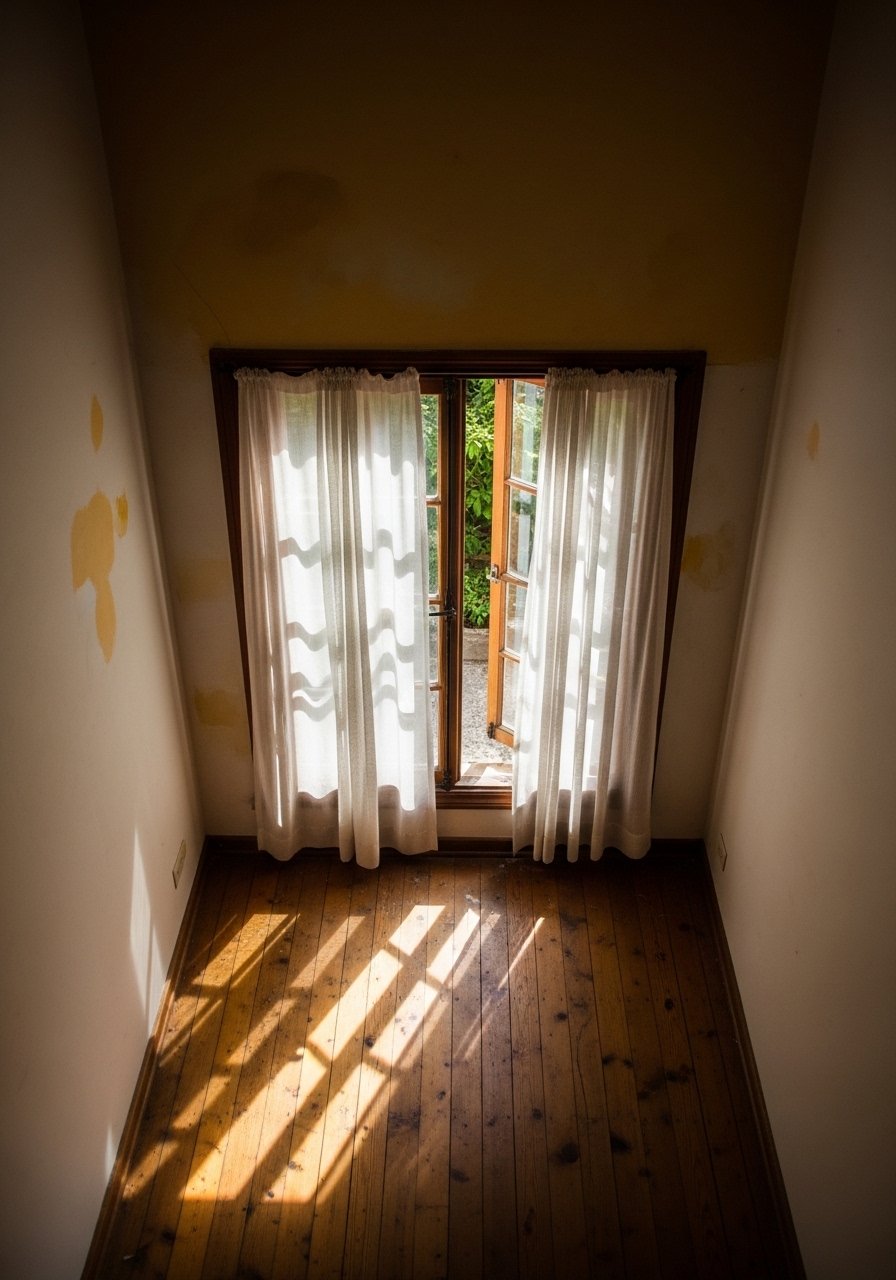
Sometimes the problem is not the amount of glass but the finish around it. If your window frames, trim, or sills are the same flat color as the wall, they absorb light rather than bounce it. Repainting trim one shade lighter gives a small but visible bounce. Dirty windows also cut visible light. Wipe them on a bright day and you will notice.
Other common issues
- Heavy furniture or tall shelves beside the window that cut side light
- Curtains hung too low, which shortens perceived ceiling height
- A small mirror placed where it reflects a dark wall instead of the window
Making This Work in a Small North-Facing Room
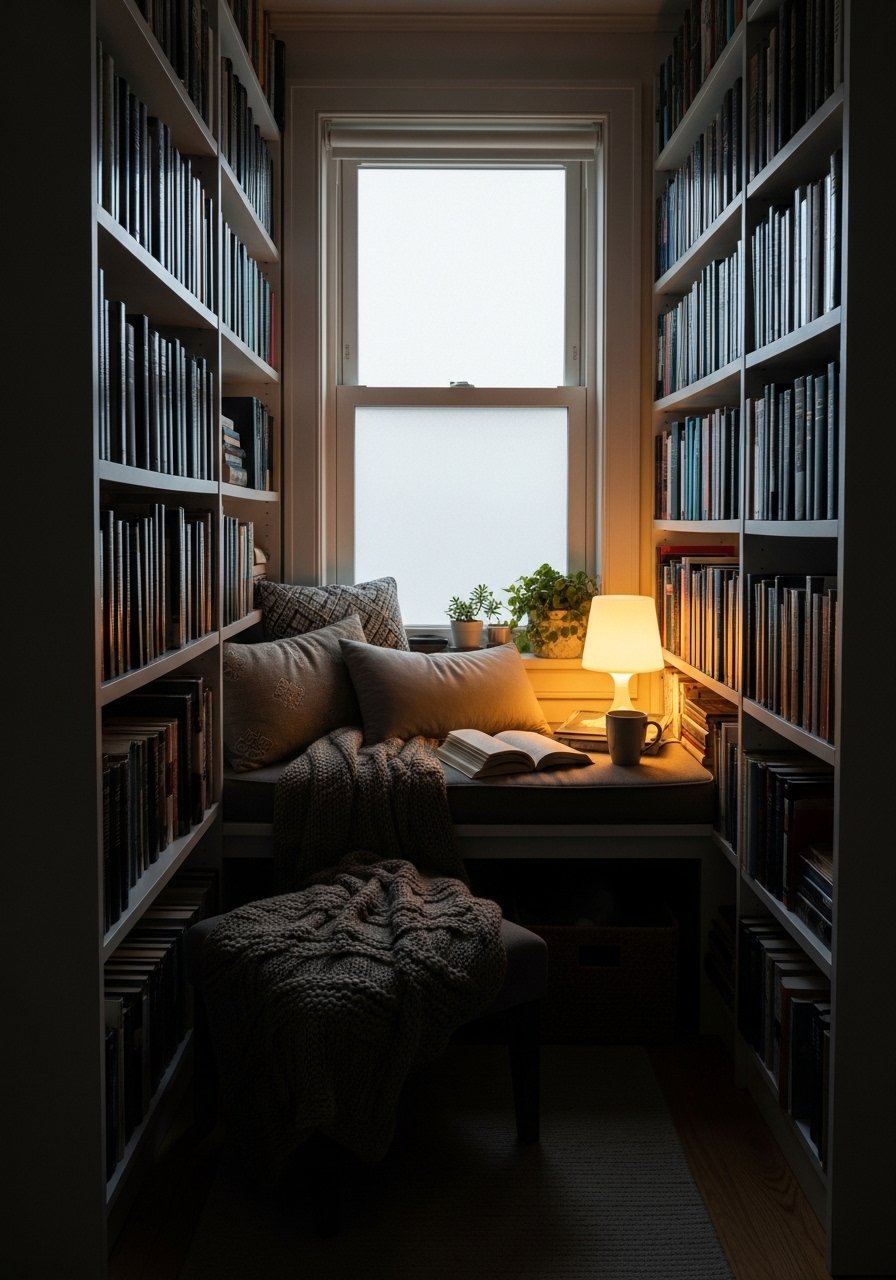
North light is steady but cool. Counterbalance with warm bulbs and warm-toned accessories. In a small room choose a rug that keeps the floor visually open, like a light jute or sisal, and a low sofa with slimmer arms so light can reach the back. Mirrors work well over a console opposite the window, but use one that is at least half the width of the surface below it to be effective.
If ceilings are low, hang curtains very close to the ceiling line and let panels just brush the floor. The vertical line draws the eye up and makes the space feel airier.
What It Looks Like After a Week with Kids and a Dog
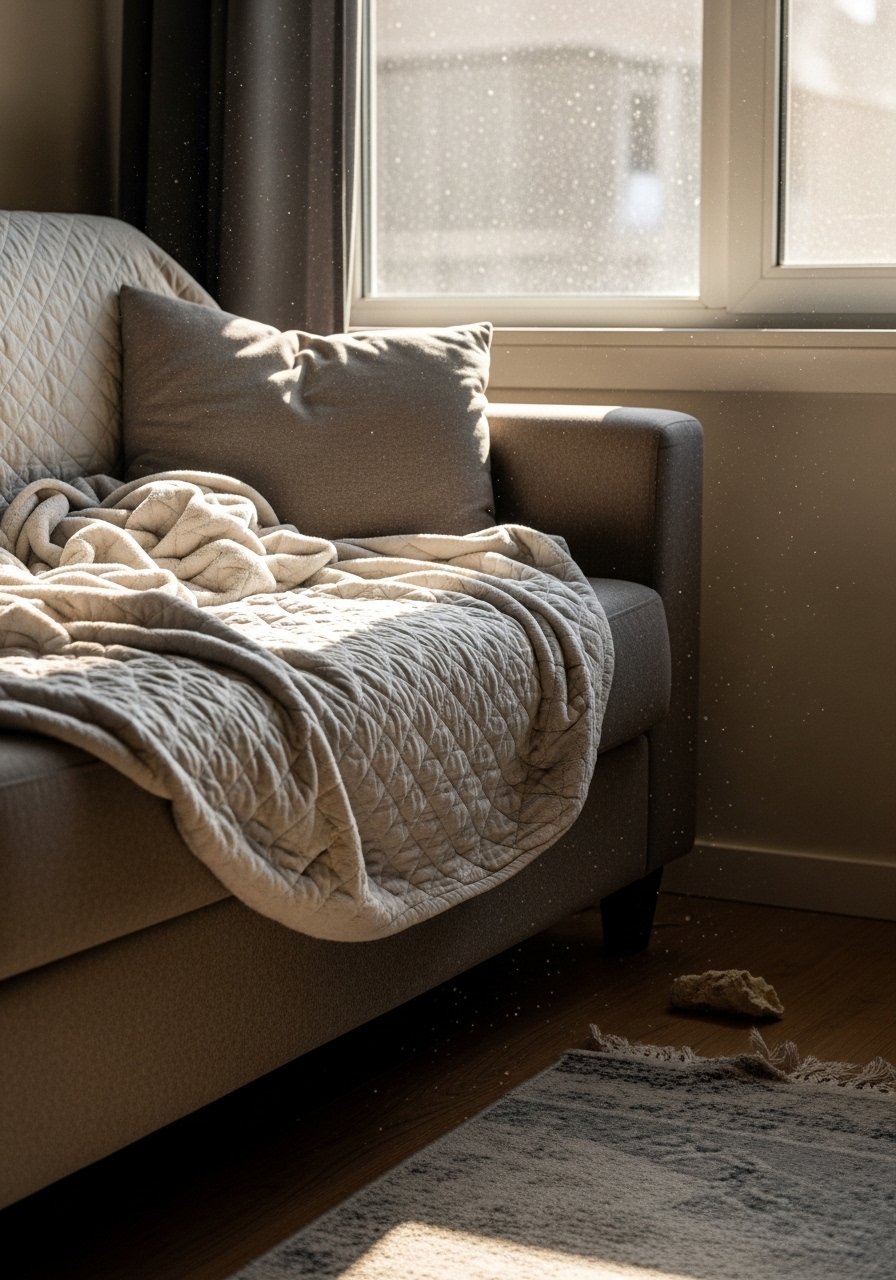
Real life changes staged photos. After a week with kids or pets you want solutions that tolerate use. I learned this when a cat knocked over a vase on my sill the first month. I swapped to heavier ceramic vases and moved any fragile pieces higher.
Practical points
- Use washable curtain panels or a washable lining if pets rub the fabric
- Acrylic or glass-topped consoles clean faster than open wooden shelves
- Keep one shelf lower and closed for toys or dog gear, and style the rest as you practiced
Start with One Window
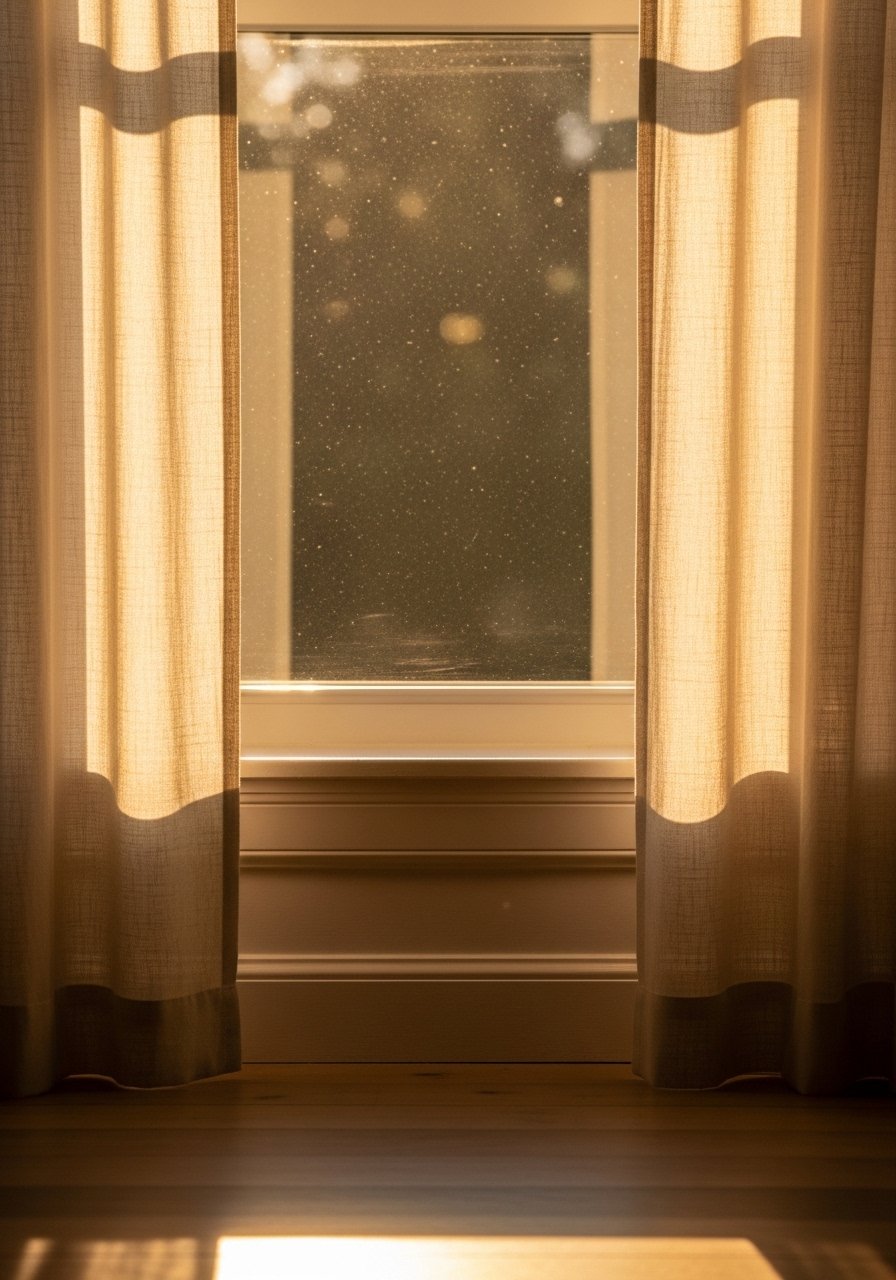
Pick the window that most affects how you use the room, and make two small moves there. Raise the rod 4 to 6 inches above the frame and swap in a linen panel. Then add one reflective surface, a mirror or a glossy tabletop, to nudge light into the dark corners.
I started with one single window and then copied the same small choices across the room. It felt manageable and gave me quick wins. Try those two changes first and live with them a week. You will see where to tweak next.