
My living room had nice furniture but it still felt like a waiting room. I started cutting up old tees one weekend and by Sunday the sofa looked softer and friendlier. These projects are mostly no-fuss, most cost under $30 in supplies, and they work in living rooms, bedrooms, kids rooms, or entryways that need a quick personality injection.
These ideas lean casual modern and boho-influenced. Budget ranges from free to about $50 for basic tools or a pillow insert. They are great for renters since almost every project is reversible or portable.
Cozy No-Sew T-Shirt Pillow Cover For The Living Room
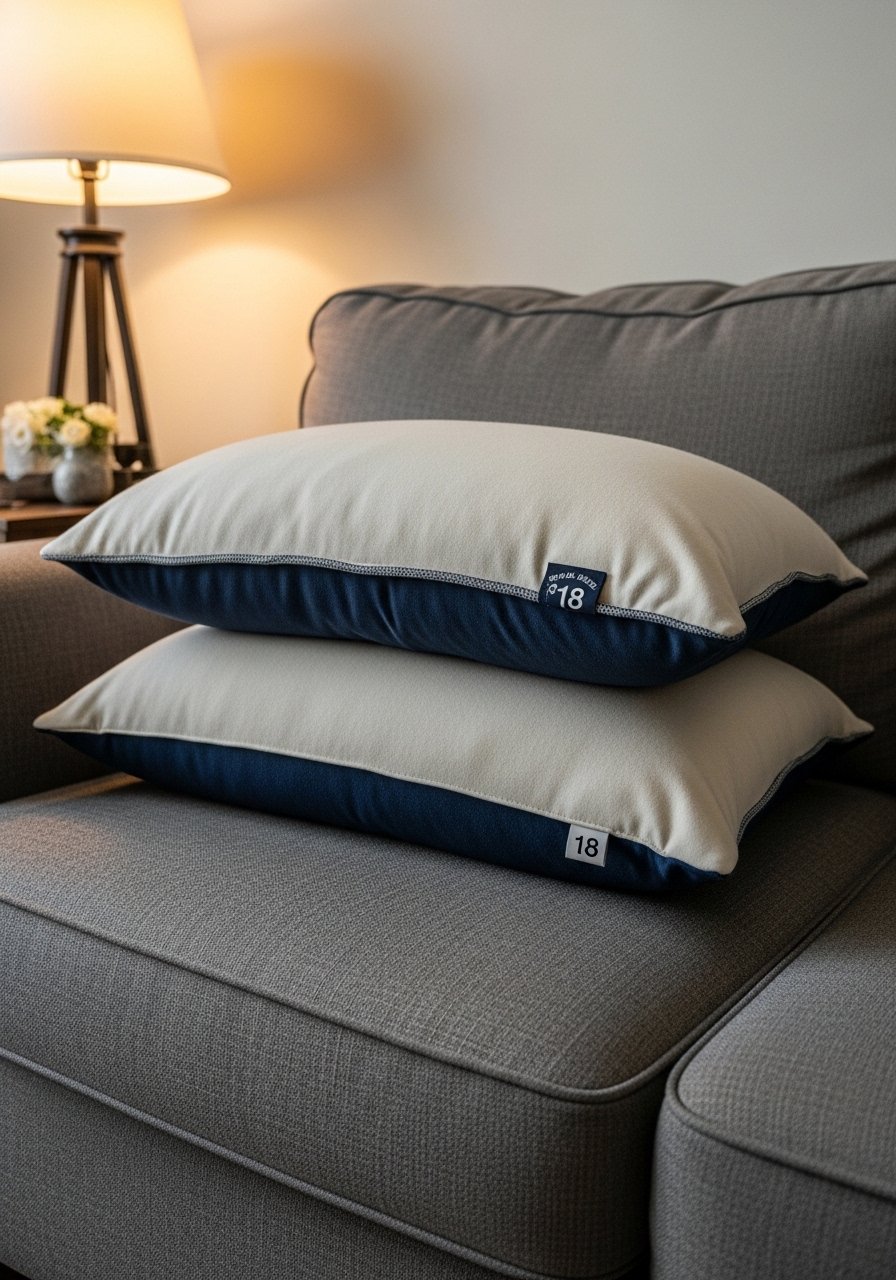
The moment I draped a chunky t-shirt pillow over my couch, the sofa stopped looking like office furniture. Cut a large tee into a rectangle that’s 2 inches larger than your 18-inch insert, fold, and tie or use heat-bond tape for a no-sew finish. I like an 80/20 color ratio, one neutral shirt and one bold stripe, so the cover reads intentional not chaotic. Budget is under $10 if you already have old shirts. Common mistake is making the ties too thin, which pops under use. For inserts, I use an 18-inch down alternative pillow insert that keeps shape without a big cost.
Chunky Braided T-Shirt Rug For Entryways
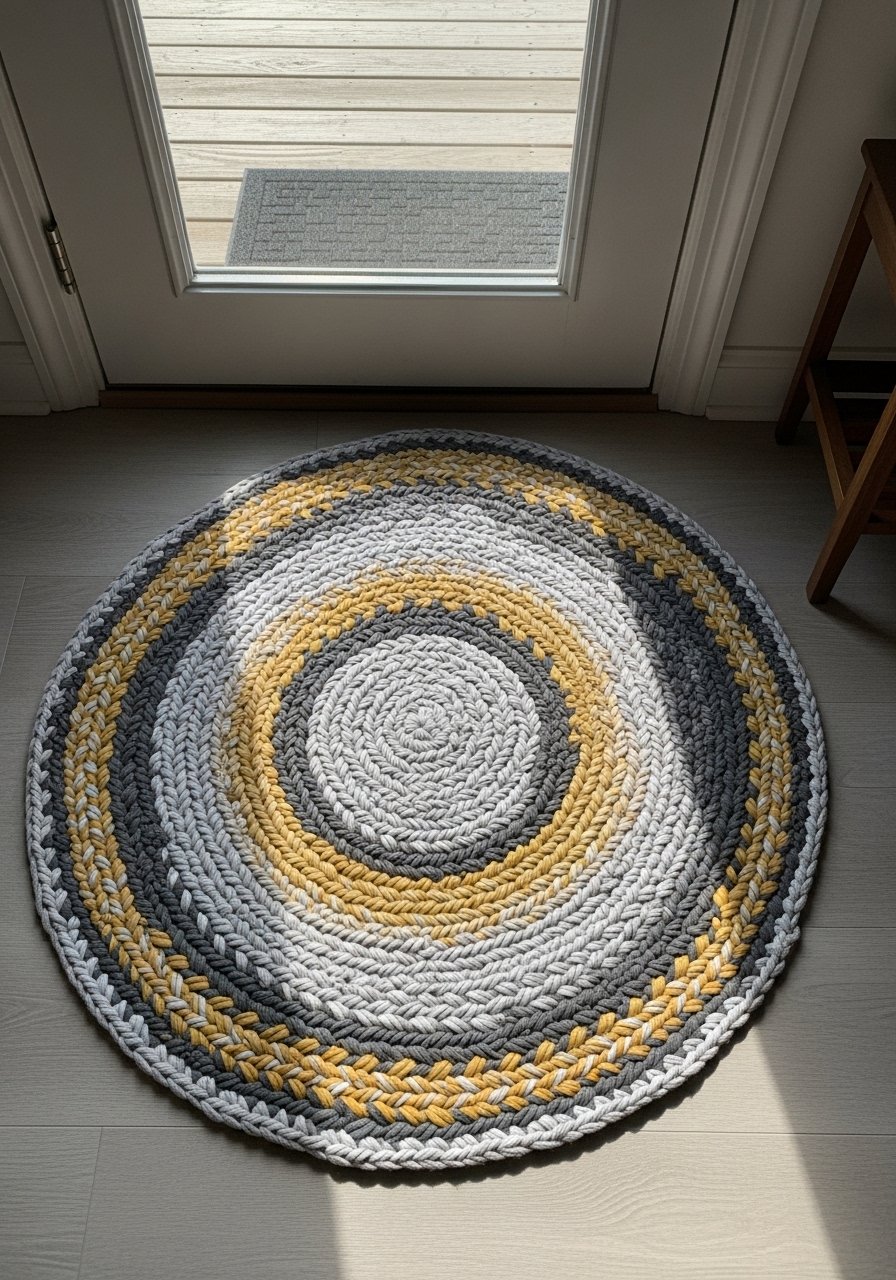
A braided t-shirt rug is forgiving, so it works in a narrow entry even if your cuts are uneven. Cut tees into 2-inch strips, stretch to form yarn, then braid three long ropes and coil them into a 3-foot circle. The rule of three matters here: three color tones, three braids per coil, and repeat for rhythm. I spent about $15 on a non-slip pad to go underneath and the rug sat perfectly on top. People often make the rug too thin near the center, so make each braid about 1 inch thick as you go. Non-slip rug pads are cheap insurance.
T-Shirt Yarn Storage Basket For Corners
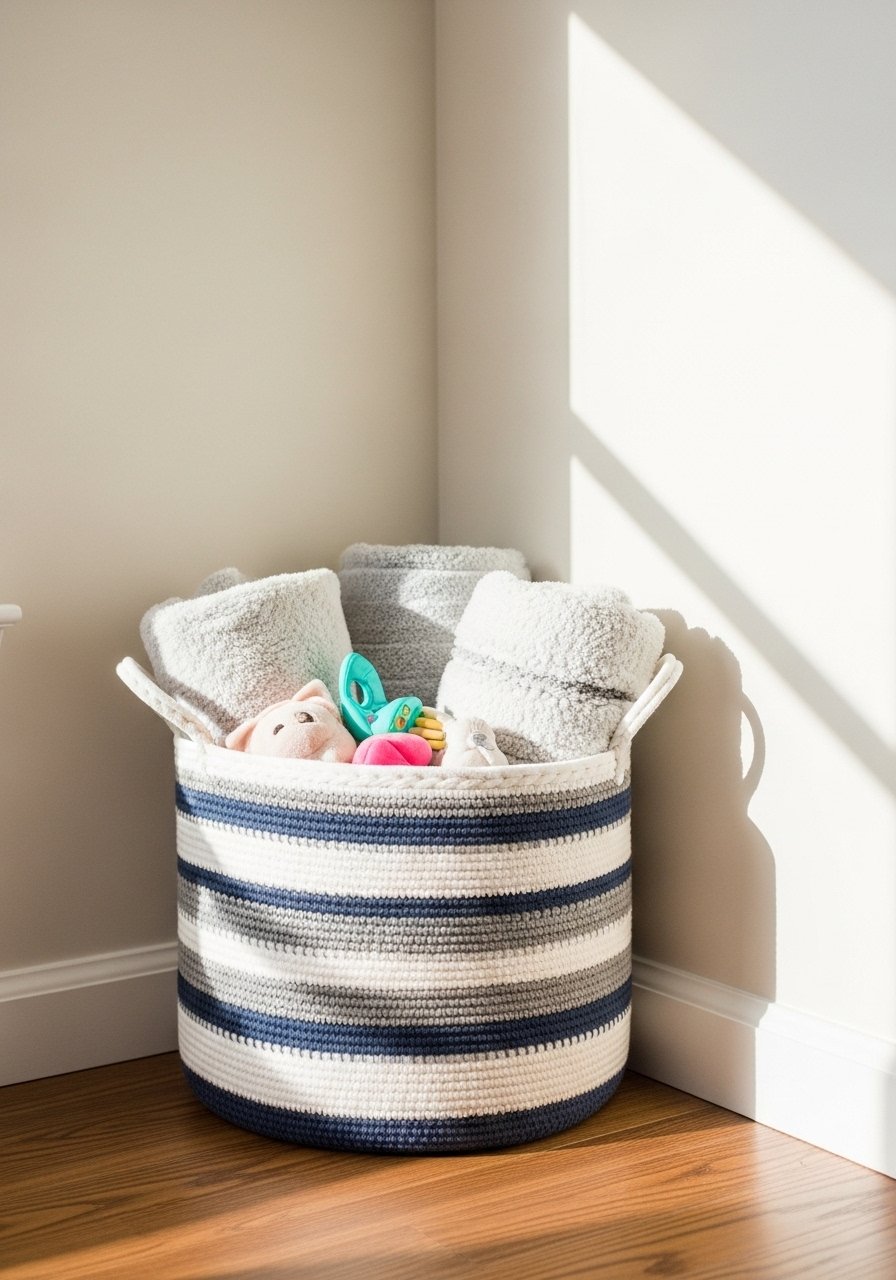
I used t-shirt yarn to crochet a small basket that finally stopped shoes from spreading across my entryway. T-shirt yarn makes a sturdy basket when you use a 10 mm hook and single crochet. Aim for a 12-inch diameter base if you want it to hold a couple of throws. Budget is about $10 if you need a hook and yarn cutter. A frequent mistake is skipping the base reinforcement; sew a simple cardboard disk inside the bottom or use a 12-inch round basket base for extra structure. This basket pairs well with the braided rug idea above.
Knit Pouf From Old Tees For Casual Seating
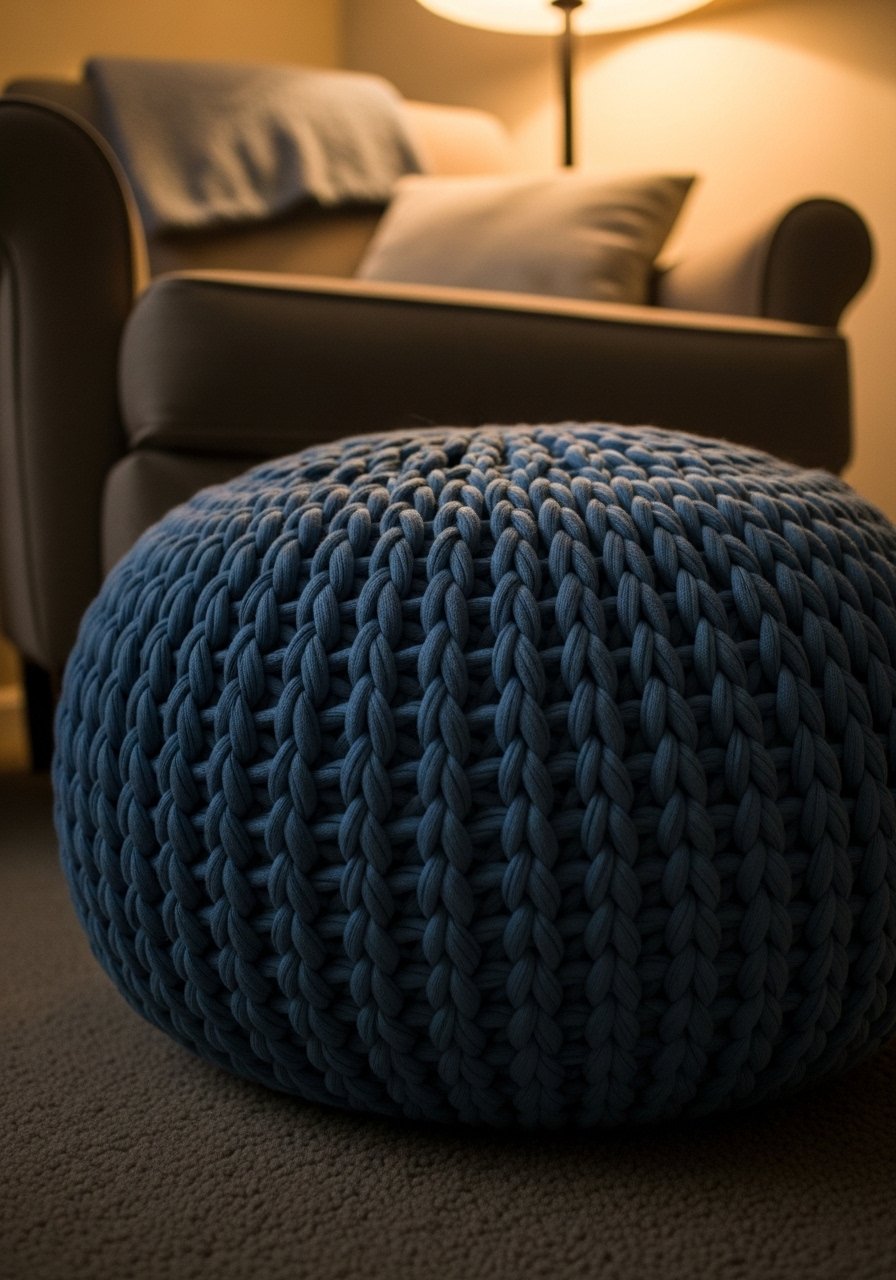
I made a pouf because company kept stealing chairs. Stuff t-shirt knots around a pillow form or large bag of polyfill and wrap with a knitted t-shirt cover. For a lounge-size pouf make it 20 inches across and use a long tube knit for the outer cover so you can unzip and wash it. Budget: $20 to $40 depending on fill. People underestimate weight, so add a small inner liner bag to keep polyfill contained. If you need a durable zipper, grab a heavy-duty 20-inch zipper.
Boho Plant Hanger From T-Shirt Strips For Sunny Corners
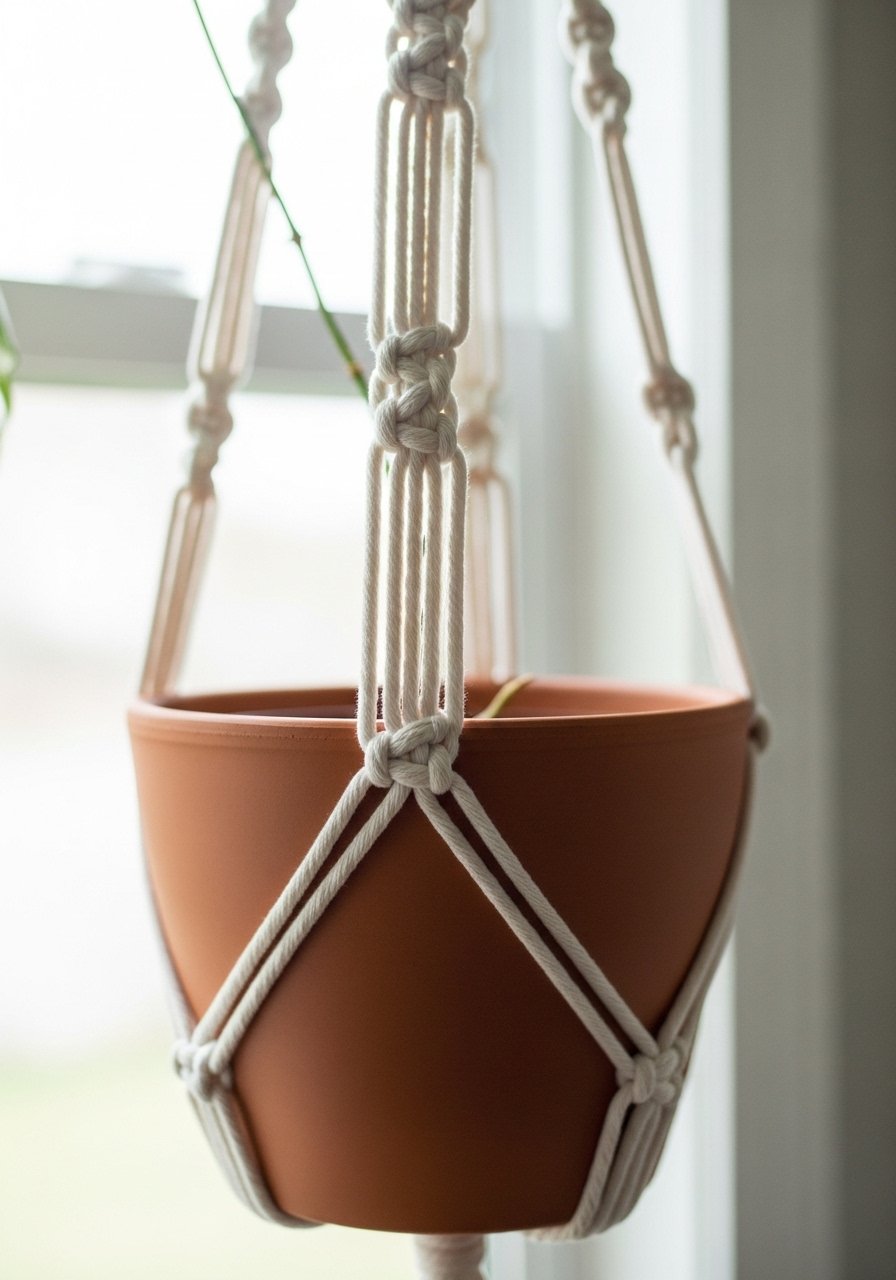
There is something about a plant hanger with soft fabric that looks lived in. Use four 2-inch t-shirt ropes, knot in macrame square knots, and leave the pot low so the plant becomes part of the vignette. For a standard 6-inch pot hang it about 36 inches from the ceiling. Common mistake is using too slippery a cotton blend that stretches out. I prefer 100 percent cotton tees and a set of wooden rings to anchor the hanger from above.
Fringe Table Runner For Casual Dining Rooms
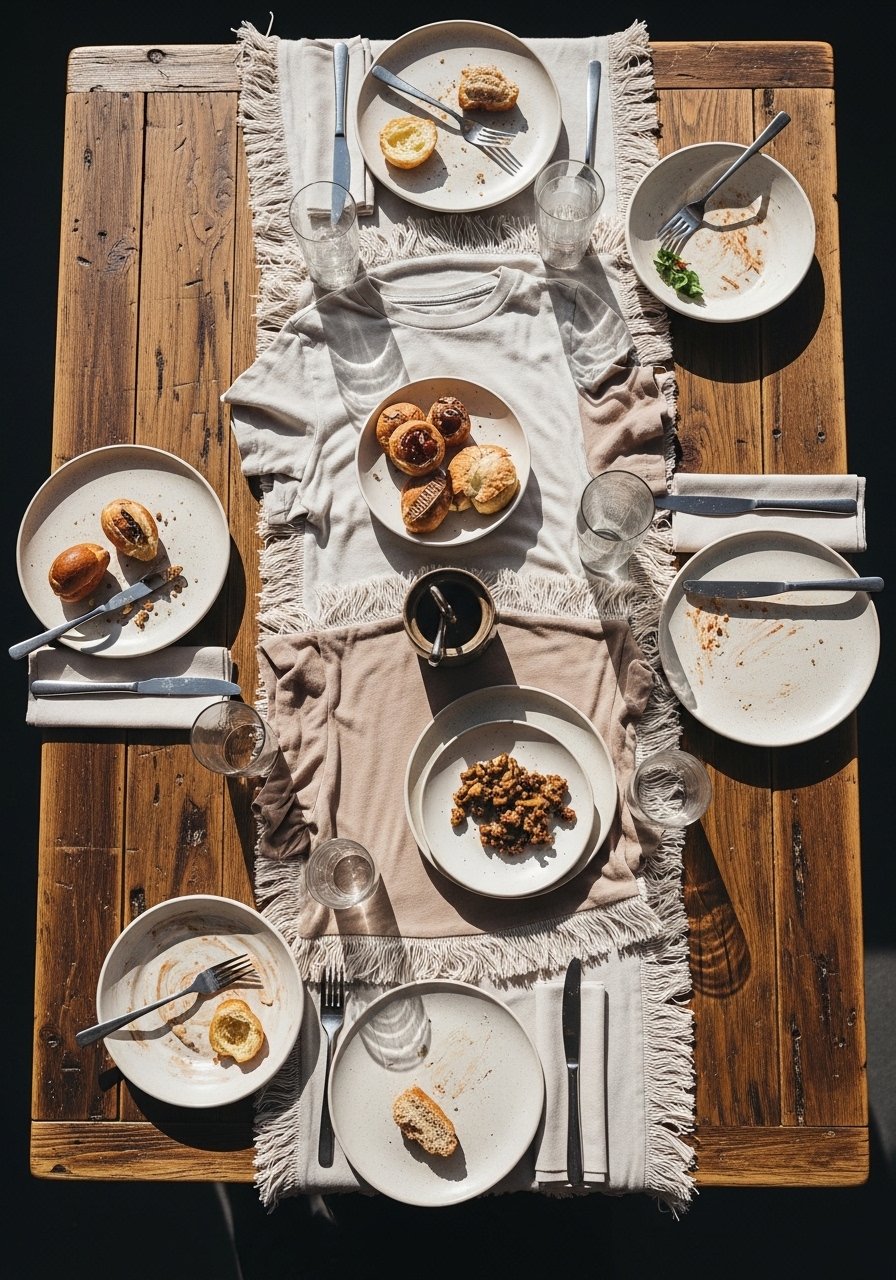
Cut one long tee into long fringe, lay over a backing strip, and secure with hot glue or a running stitch to create a runner that adds texture without full commitment. Aim for 12 to 18 inches of fringe on each side so it reads layered not skimpy. Budget under $15 if you repurpose tees. Avoid glueing directly to delicate wood unless you add a protective liner. For quick work, use a mini hot glue gun. This runner pairs nicely with the napkin and coaster ideas below.
Woven T-Shirt Wall Hanging For A Cozy Bedroom
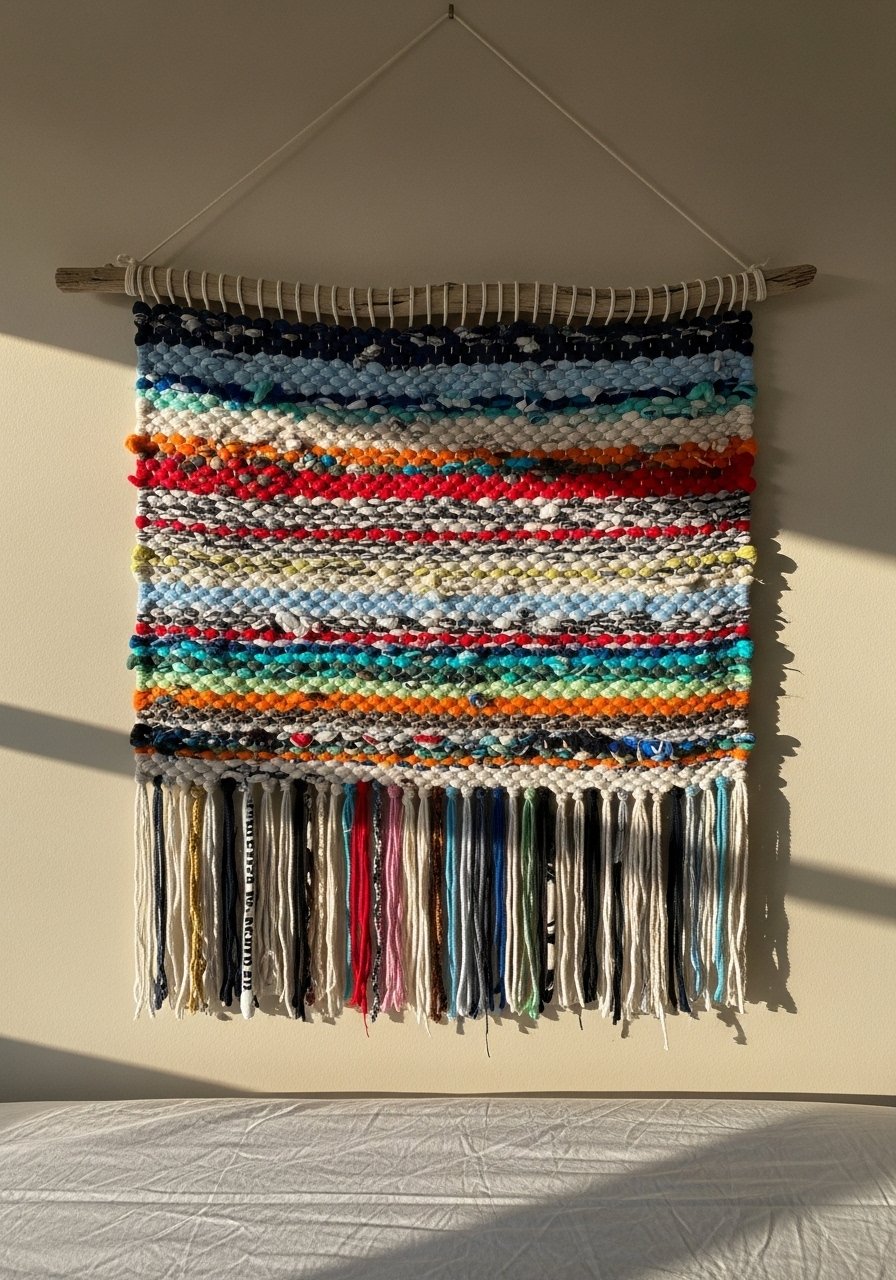
I hung a t-shirt weave above my bed and the wall stopped feeling like a blank TV backdrop. Use a 24-inch loom or a simple wrapped cardboard piece, mix thin and chunky strips, and keep the color weight heavier at the bottom for balance. A 2:1 width-to-height ratio looks best, so a 24-inch wide piece should be about 12 inches tall layered. A common mistake is too many color changes which makes the piece read busy. I used a small wooden loom to keep edges tidy.
Quilted T-Shirt Throw For Family Rooms
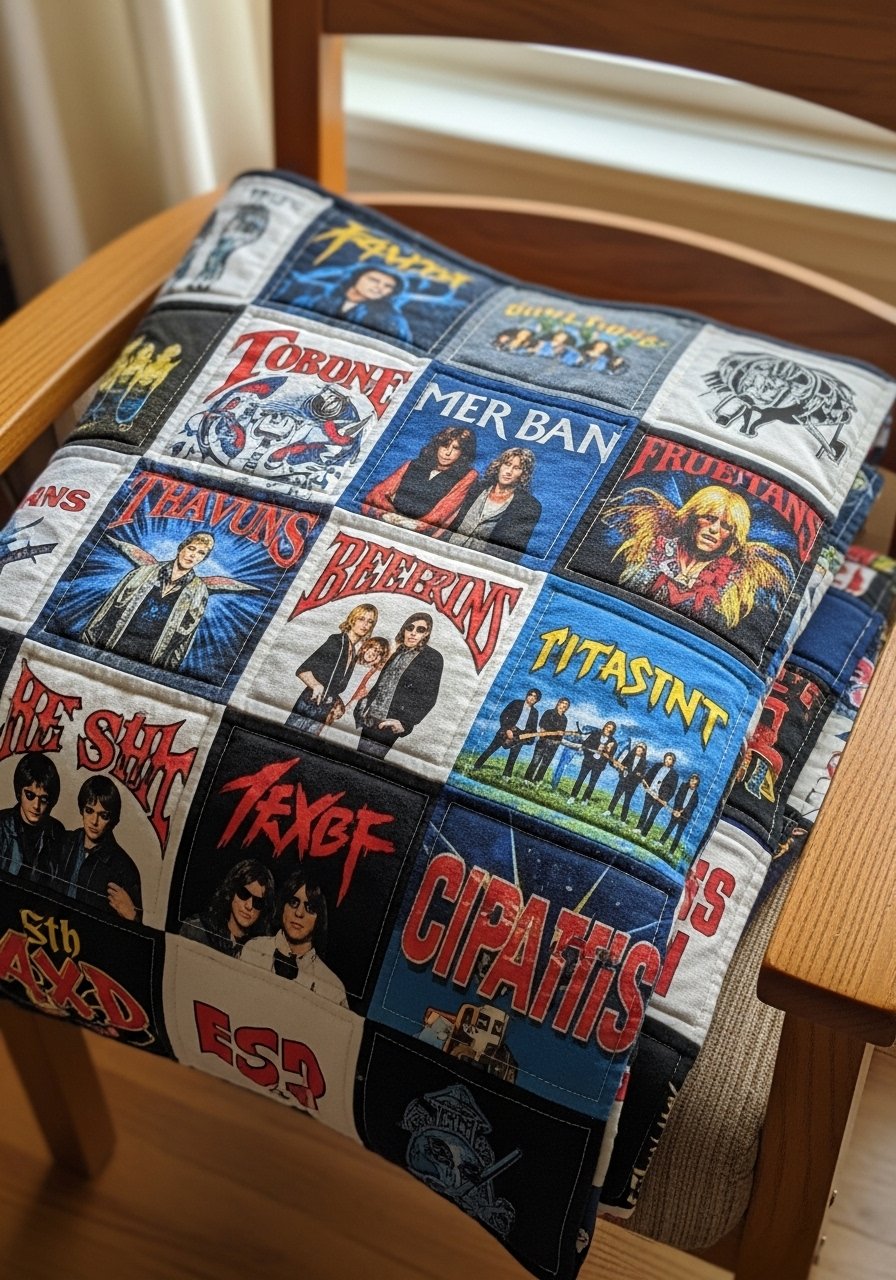
Quilting old tees keeps the memories and makes a heavy, washable throw for movie nights. Cut shirts into 10-inch squares and stitch them with a cotton backing. For a lap blanket go 40 by 50 inches, for a couch throw 50 by 60 inches. The mistake people make is skipping stabilizer; add a lightweight cotton interfacing to stop printed tees from stretching out. Sewing a quilt by hand takes time, but a machine cuts it to a weekend project. I use a 45 by 60-inch cotton batting so the throw stays cozy without bulk.
Lampshade Cover From a Favorite Tee For Soft Lighting
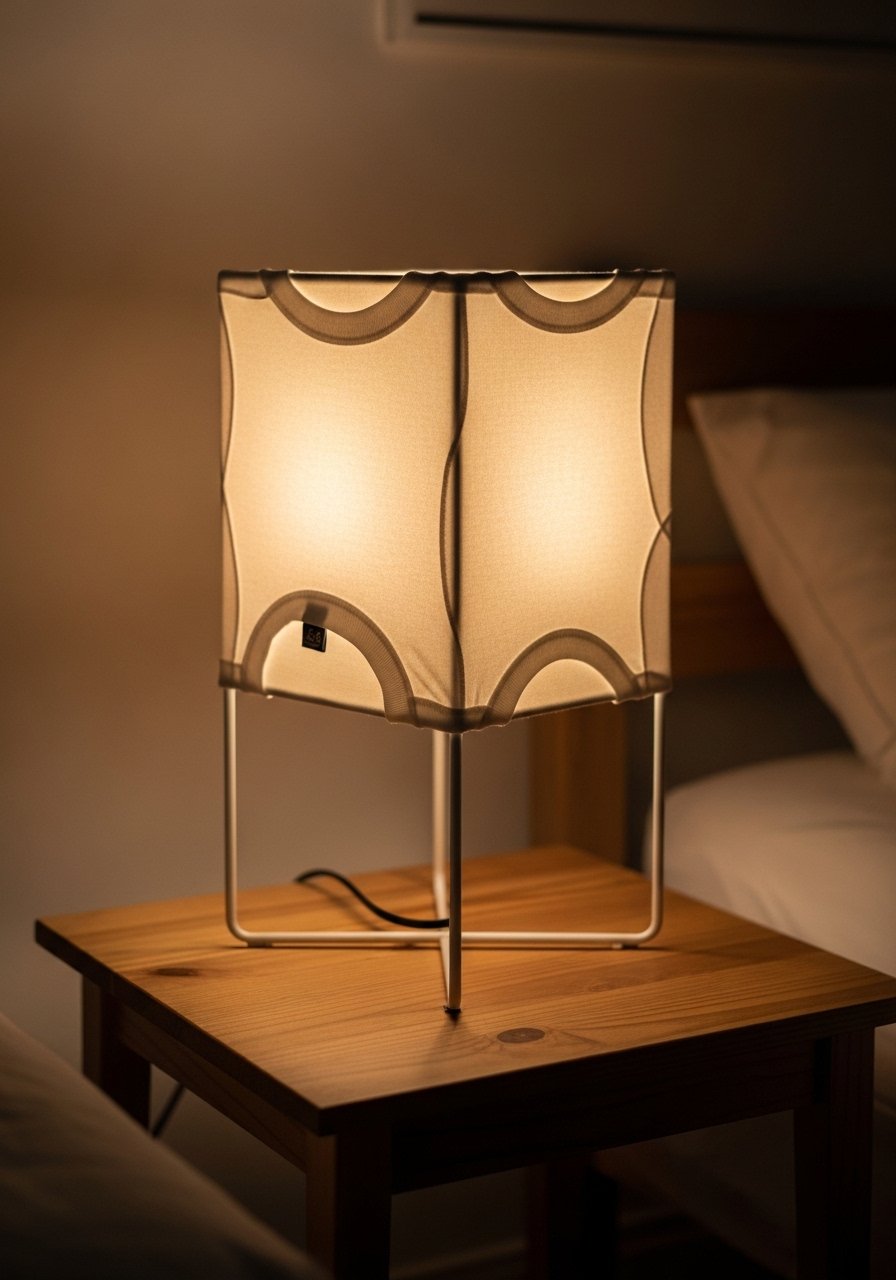
I covered a small lampshade with a band tee and the light immediately felt like mine. Measure the shade height and circumference, cut the tee into a tube a half inch larger both directions for seam allowance, and attach with fabric glue or a neat blind stitch. Budget under $10. Common mistake is using a dark print over white shade; the lamp reads dim unless the fabric is thin. If you want a quick route, use a fabric adhesive spray for an even finish.
Color-Blocked Curtain Panels From Long Tees For Windows
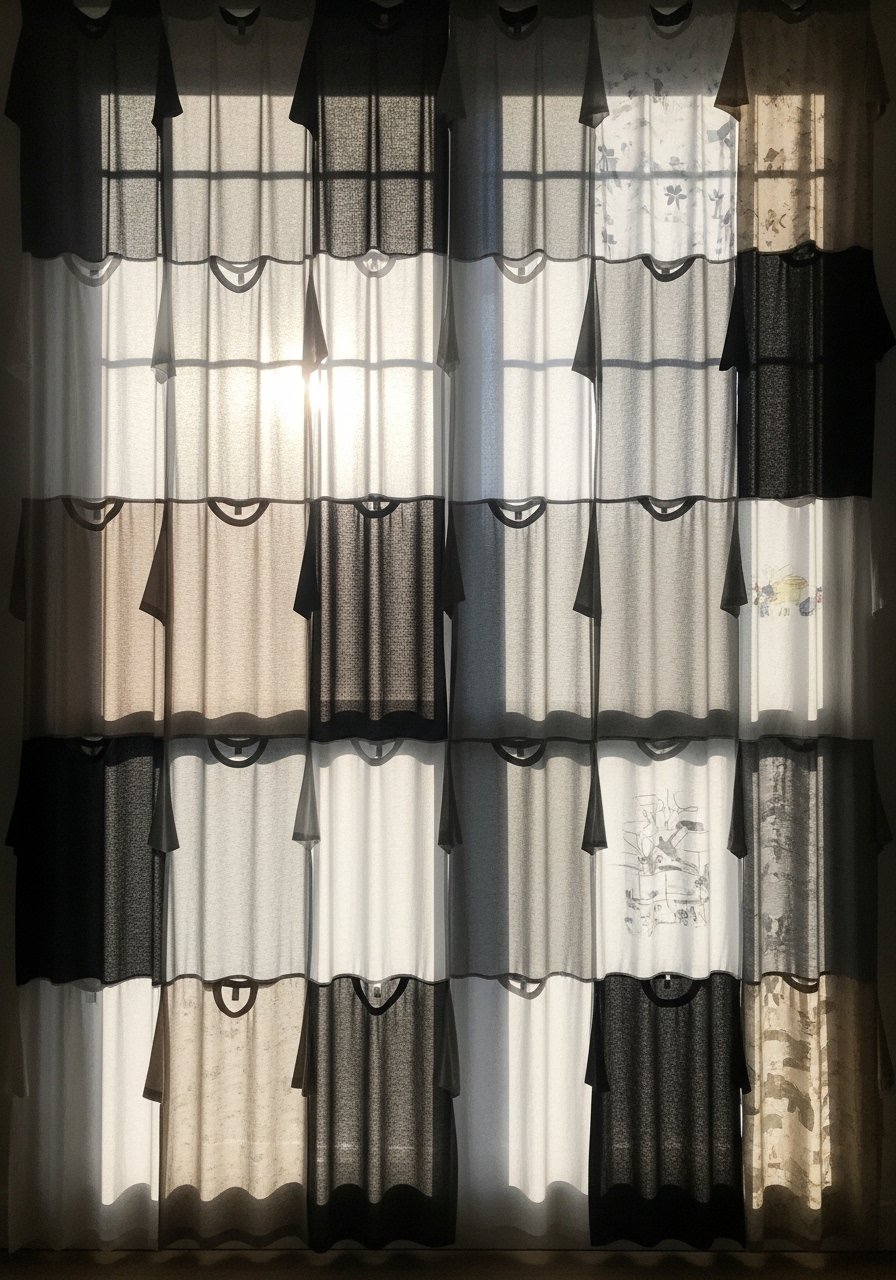
Most people hang curtains right at the window frame. That is why their rooms look shorter than they are. Sew long tees together side by side to reach 96 inches, hem, and hang higher than the window for instant height. Aim to have panels equal to 2 to 2.5 times the window width for proper fullness. Cost is minimal if using donated tees and a handful of curtain rings. A common error is uneven hems, so use a 24-inch hemming tape for cleaner lines.
Fabric Garland For Parties Or Seasonal Styling
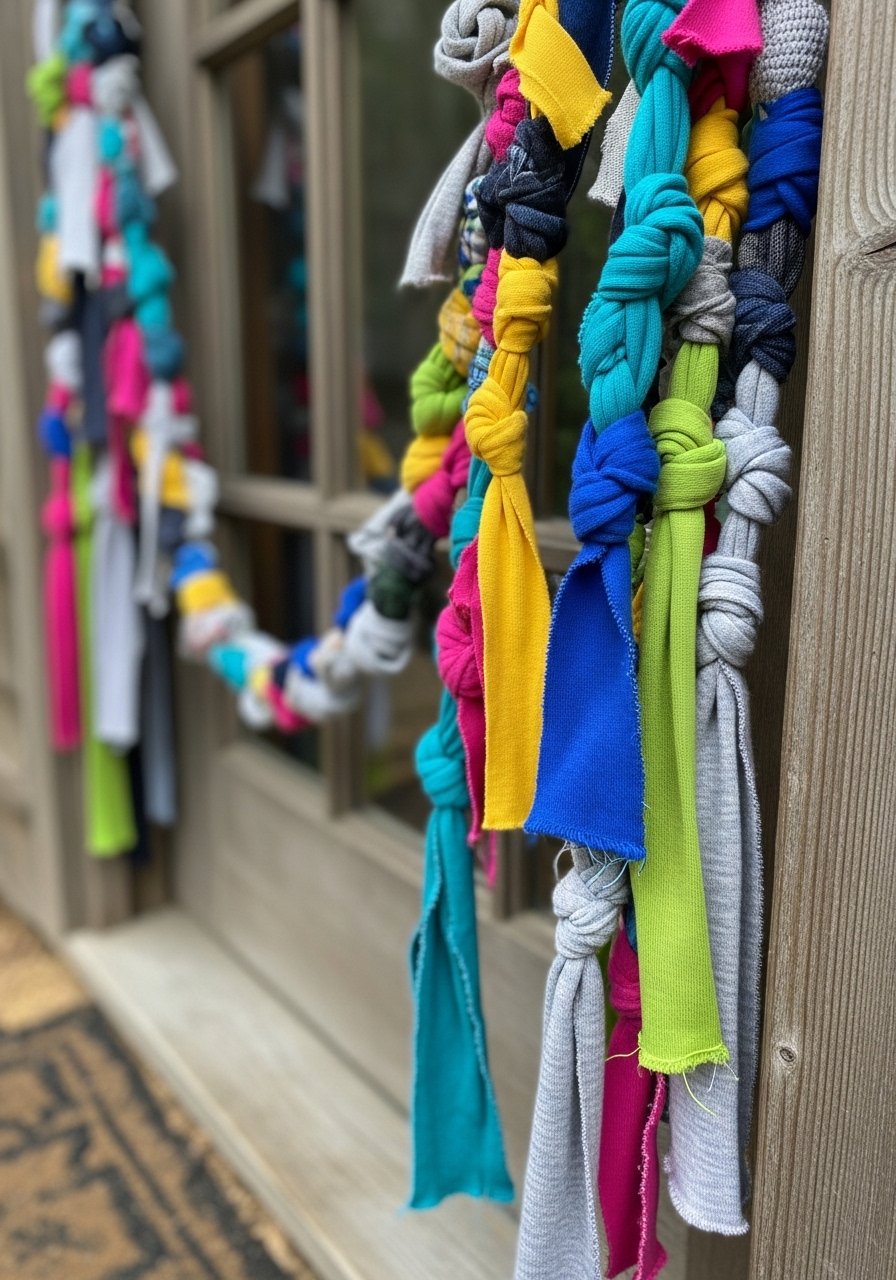
I made a fabric garland for a birthday and then left it up for months. Cut tees into 1-inch strips and tie them onto twine in a repeating color sequence for a tidy look. For a standard mantel buy 10 yards of twine and plan on about 60 knots per 10 feet. A frequent mistake is spacing strips too far apart, which makes it look sparse. For a neat finish, knot every 1 inch. Grab a 100-foot natural twine roll for multiple projects.
Drawer Liners And Shelf Covers For Closets
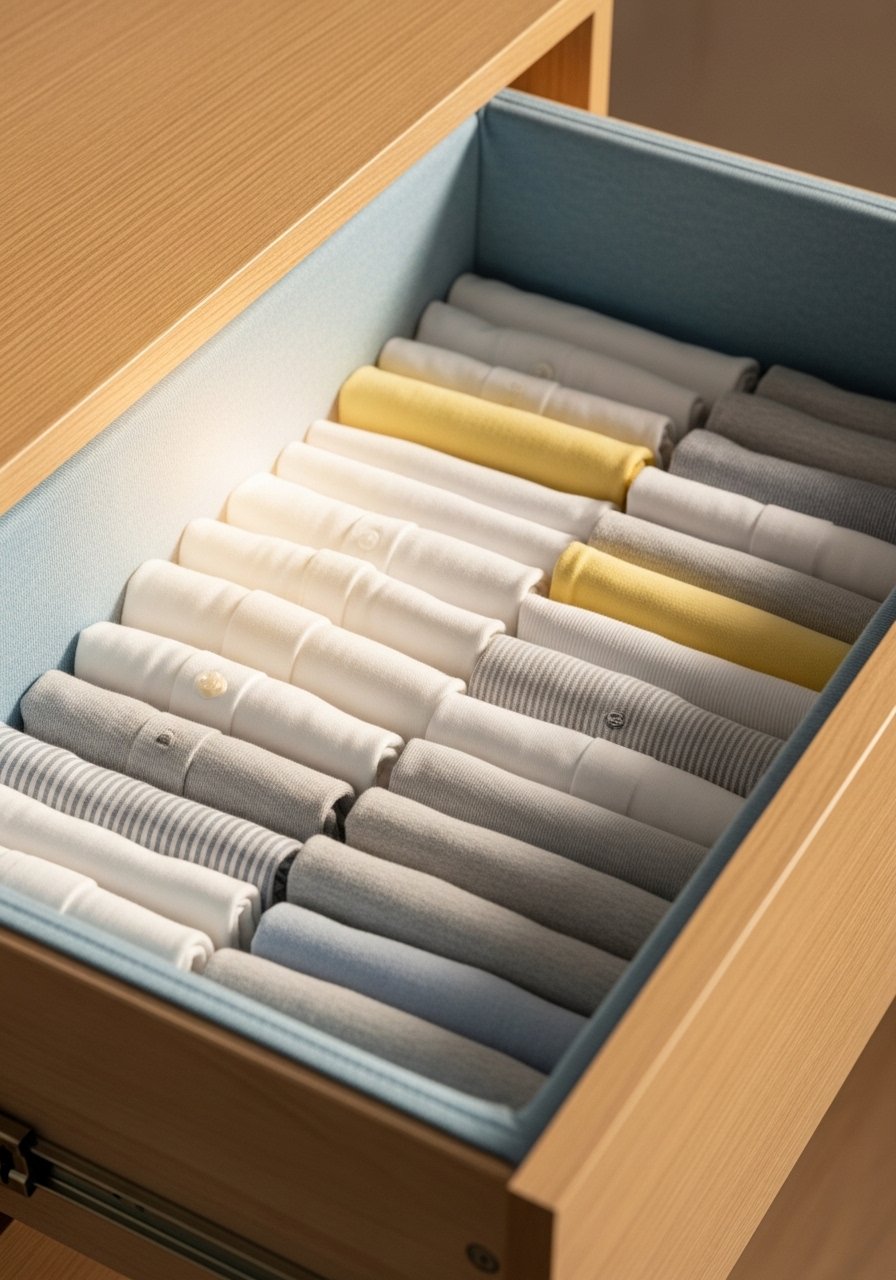
Using t-shirt fabric as shelf liners makes the inside of furniture feel finished. Cut to size and use double-sided tape to secure. For dresser drawers measure width and depth and add a quarter inch on each side for tuck-in. Budget is basically zero if you already have tees. Mistake people make is using slippery prints that slide; choose cotton tees for grip. If you want washable liners, stitch edges with bias tape using a bias tape maker kit.
T-Shirt Coasters For Coffee Tables
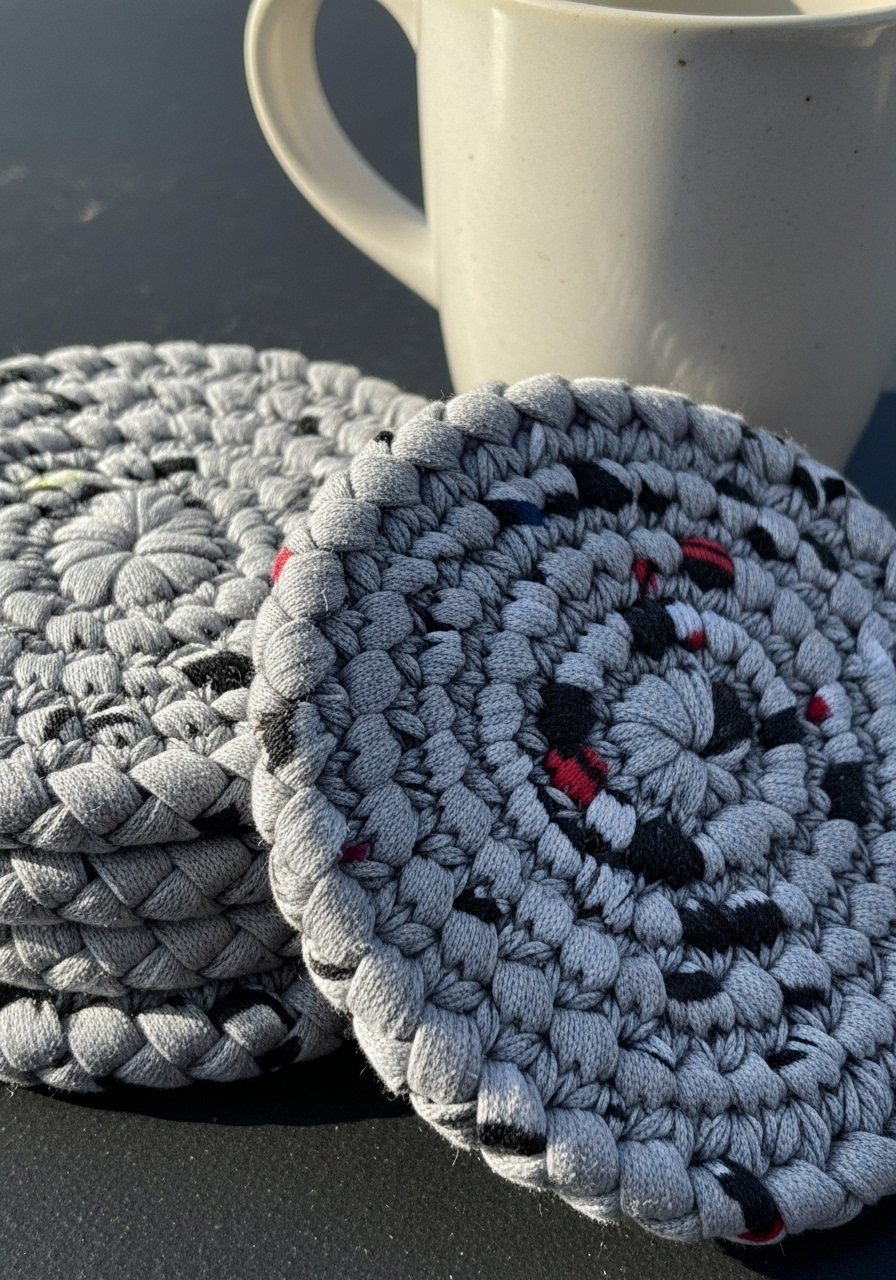
Coasters are one of the fastest ways to use leftover t-shirt yarn. Braid thin rope and spiral it into a 4-inch coaster, securing with hot glue or whip stitch. A set of four takes under 30 minutes. A common error is making the coaster too thin so it warps when wet. Aim for 1/2 inch thickness. I keep a set of cork coasters on hand if I want extra stiffness underneath.
Soft Headboard Cover From Old Band Tees For Bedrooms
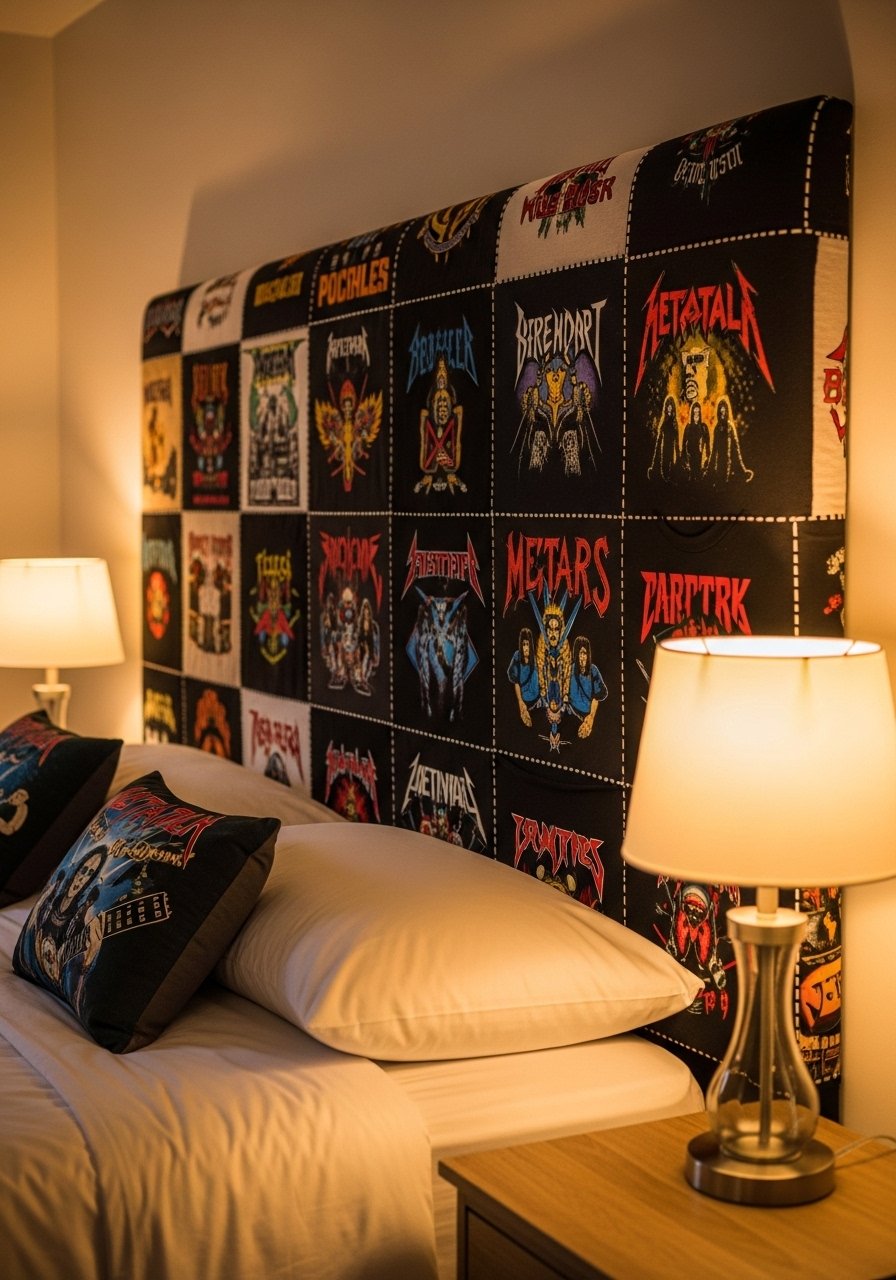
I covered a simple plywood headboard with tees and suddenly the bedroom felt personal. Stretch tees over a 60 by 30-inch plywood board and staple along the back. For king beds scale up to 76 by 36 inches. The cheap hack is to use batting under the fabric for a padded look. A mistake is stapling too close to printed areas which can distort band logos. I keep a 3/8-inch upholstery batting roll handy for padding.
Reversible Placemats From T-Shirt Panels For Dining
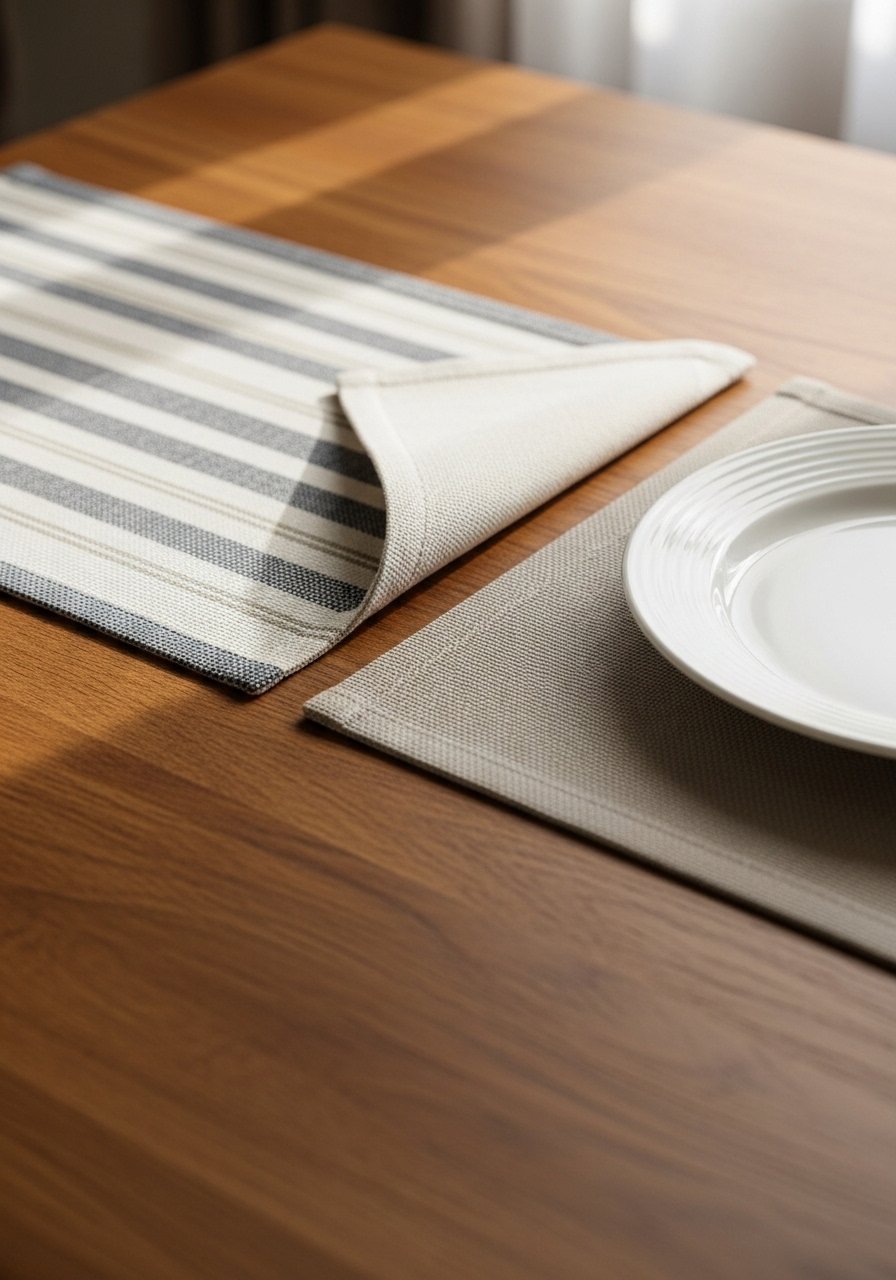
Cut tees into 12 by 18-inch rectangles and sew two together for reversible placemats that hold up to spills. Add a thin cotton backing for structure and topstitch around the edge. Budget under $8 for a set of four if you already have shirts. People often choose patterns that fight with their dishes. Use a solid back to avoid clashes. For clean edges, use a stitching guide foot.
Pet Bed From Layered T-Shirt Cushions For Pets
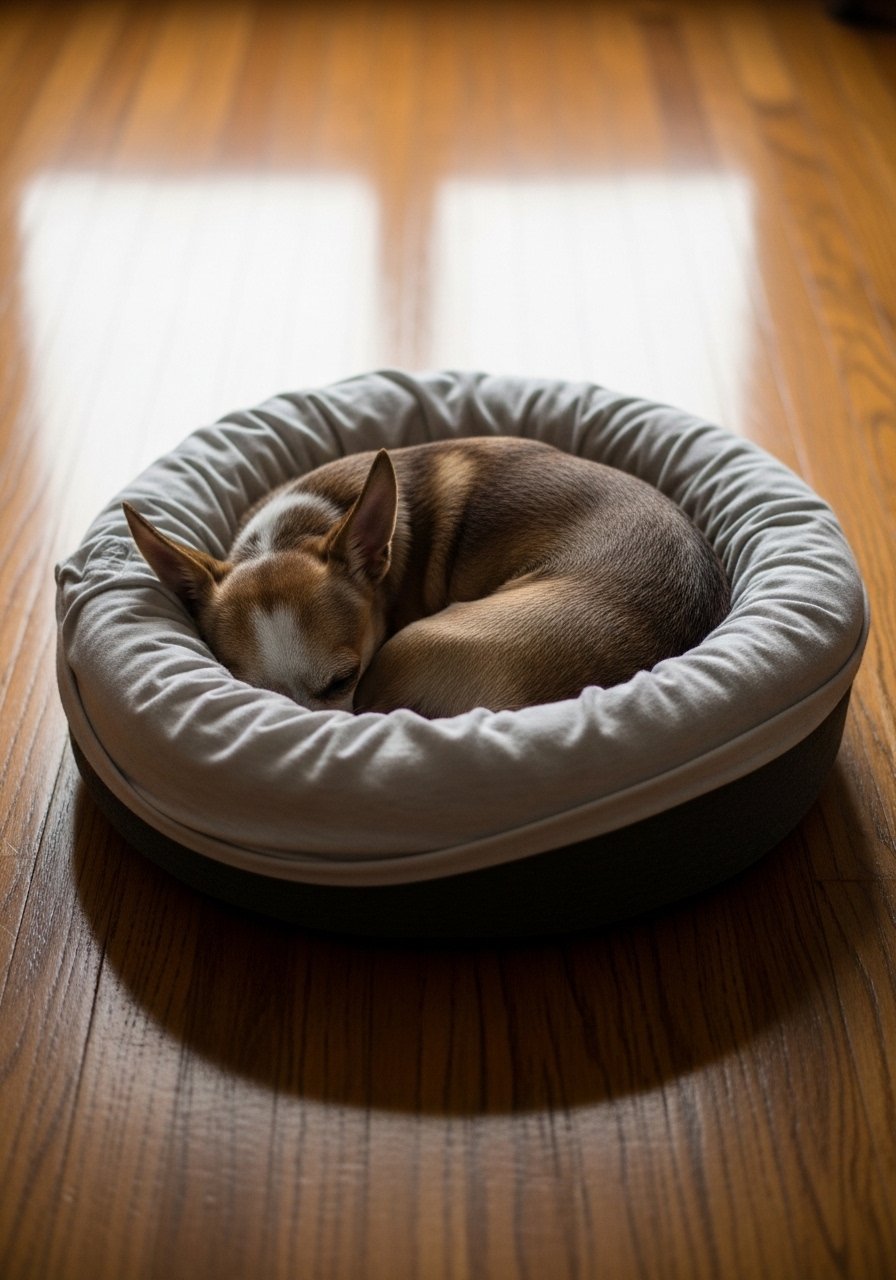
My dog adopted the t-shirt bed faster than any store bed we tried. Layer rolled tees into a shallow basket and stitch or glue the sides up. For small breeds make a 20-inch diameter, for medium breeds 30 inches. The mistake is skipping an inner washable liner. Make the top removable so you can wash it. I use a waterproof inner liner bag so accidents are easy to clean.
Chair Seat Re-Cover For Kitchen Or Desk Chairs
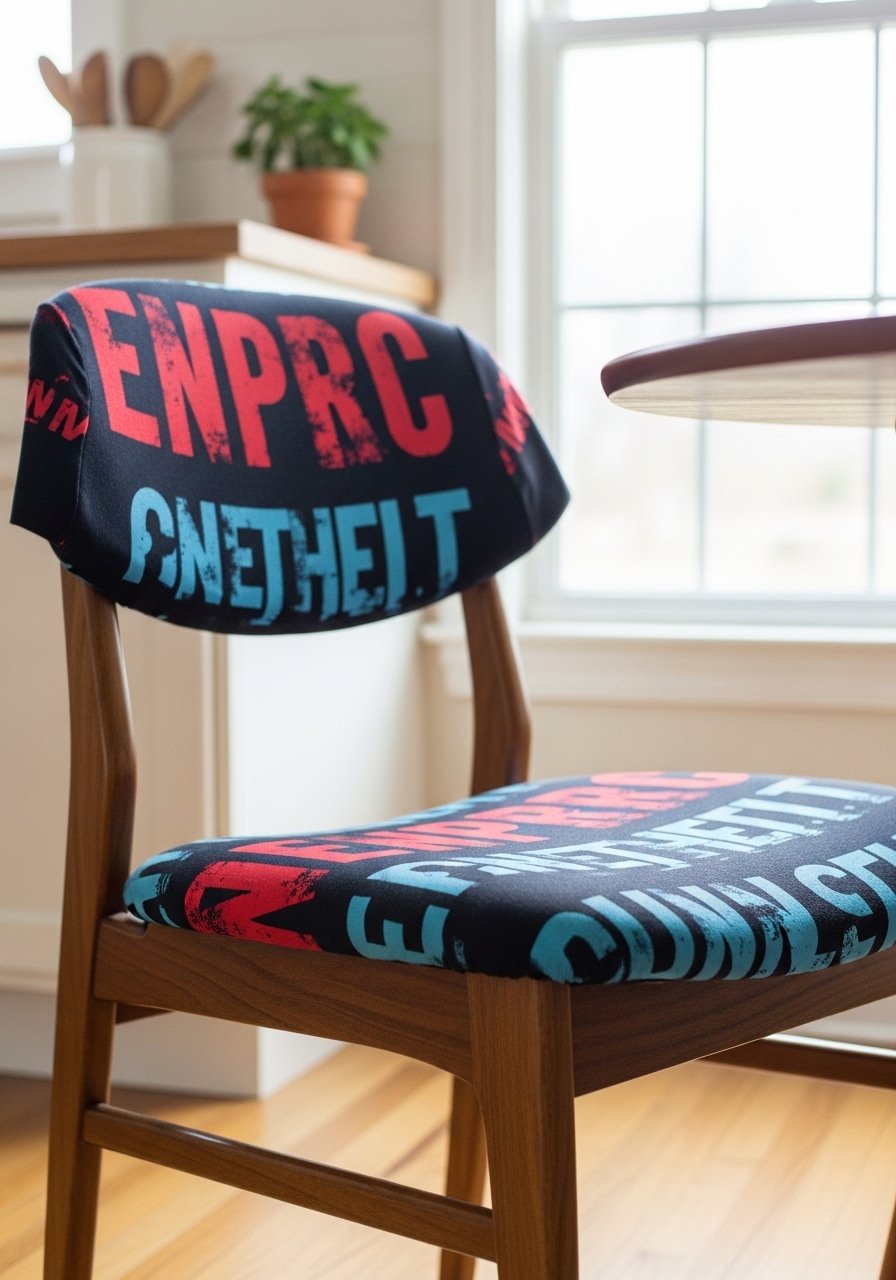
A chair seat re-cover is one of the quickest ways to make a thrifted chair feel current. Remove the seat, use it as a template, cut the tee with a half inch seam allowance, and staple underneath. For dining chairs plan on 15 minutes per seat. Oversized logos can press through if not backed, so use interfacing. For a tight finish, try a hand stapler for upholstery.
Draft Stopper From Rolled T-Shirt Tubes For Doors
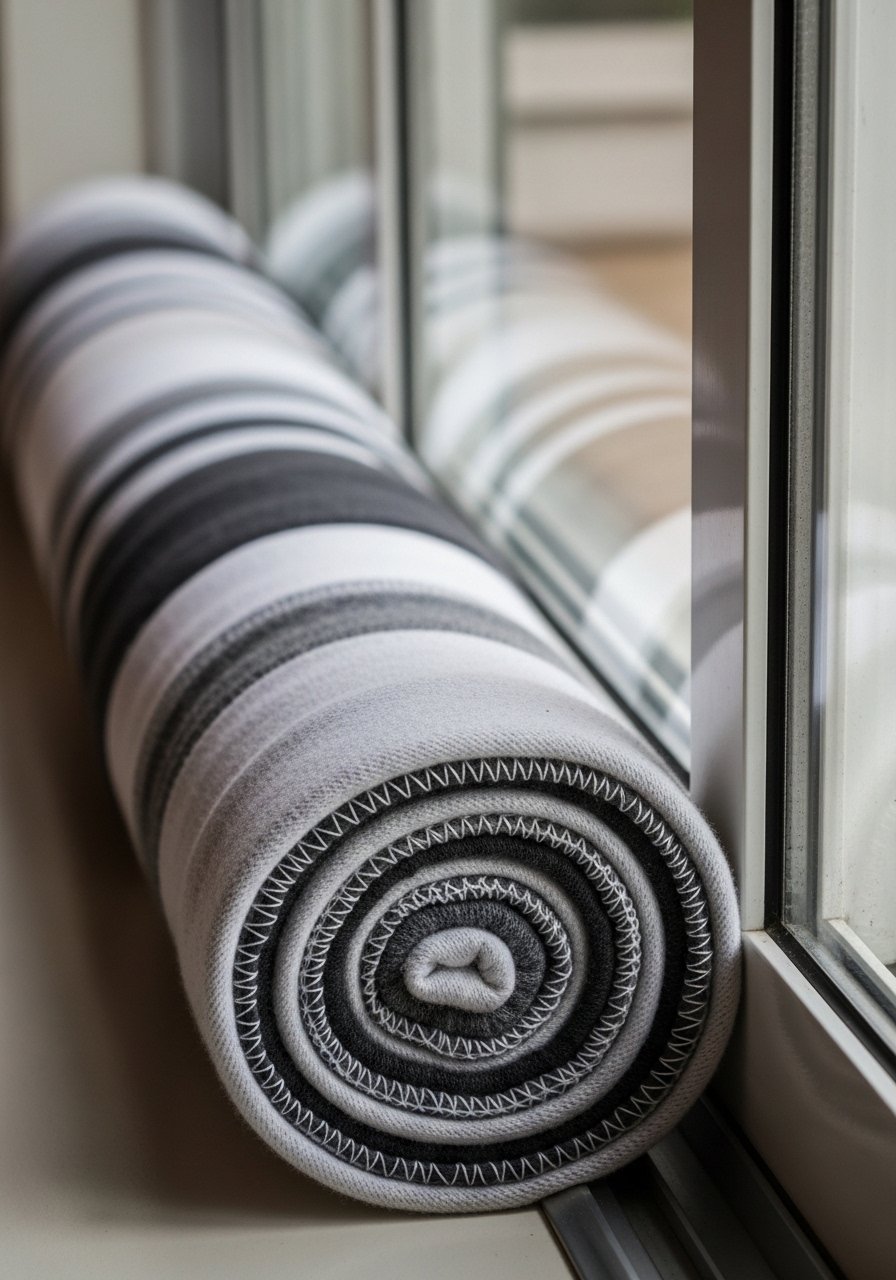
I made a draft stopper for my sliding door by filling a long sewn tube with rice and extra tee scraps. Cut tees into 3-inch tubes, knot ends, and sew them together inside a cover. For a sliding glass door aim for 60 inches long and about 4 inches in diameter. Common mistake is using loose filler that shifts. Rice gives weight and mutes the sound of slamming doors. Use a heavy-duty sewing needle when hand stitching thick tubes.
Textile Wall Pockets From T-Shirt Panels For Entry
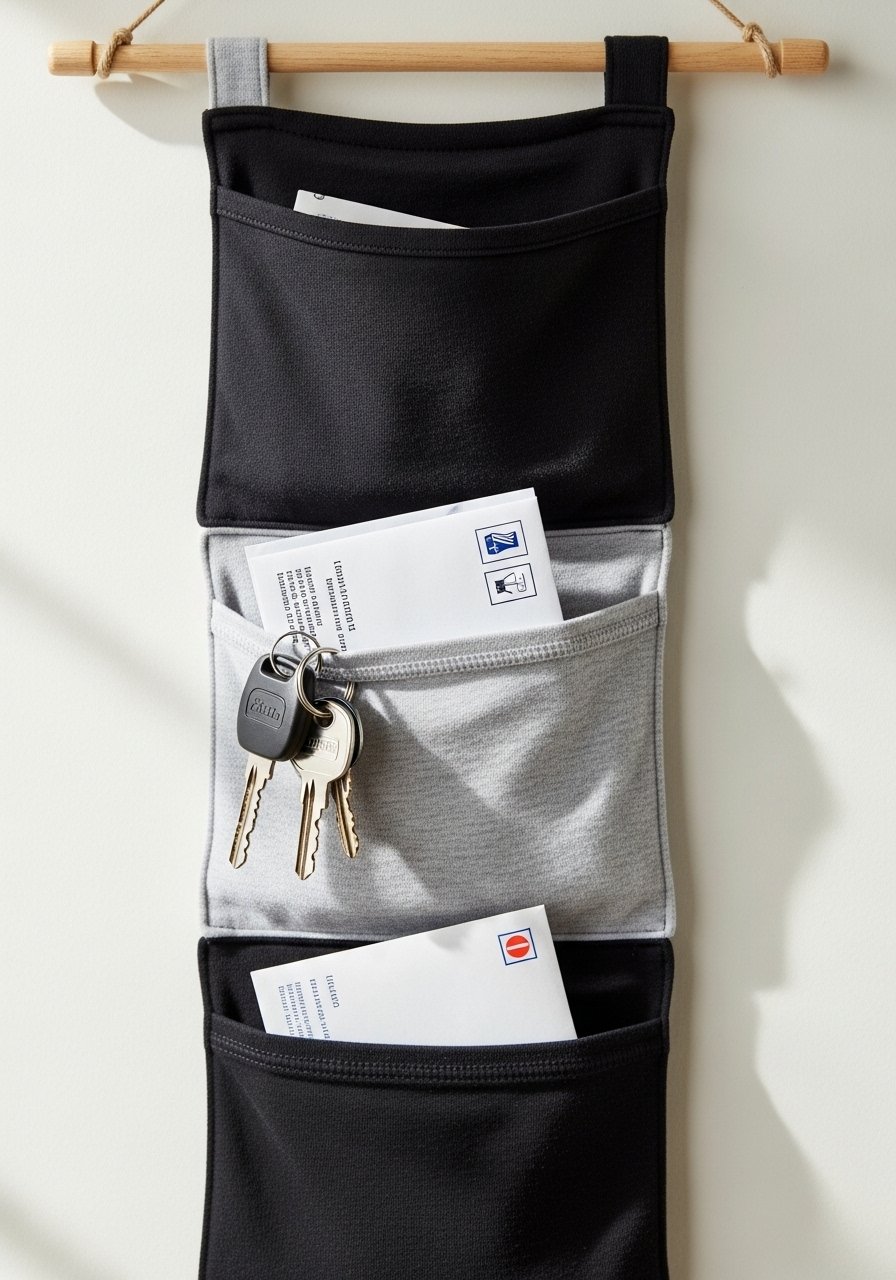
I hate losing my keys so I made wall pockets from t-shirt panels and hung them by the door. Make each pocket 6 by 8 inches with a 1-inch seam allowance and space them 4 to 6 inches apart. This system fixes the problem of a cluttered console or no mail spot. A mistake is making pockets too shallow. Go deeper by 2 inches if you use them for magazines. For a tidy hanger, use a set of wooden dowels.
Printed Tee Collage Framed As Casual Wall Art
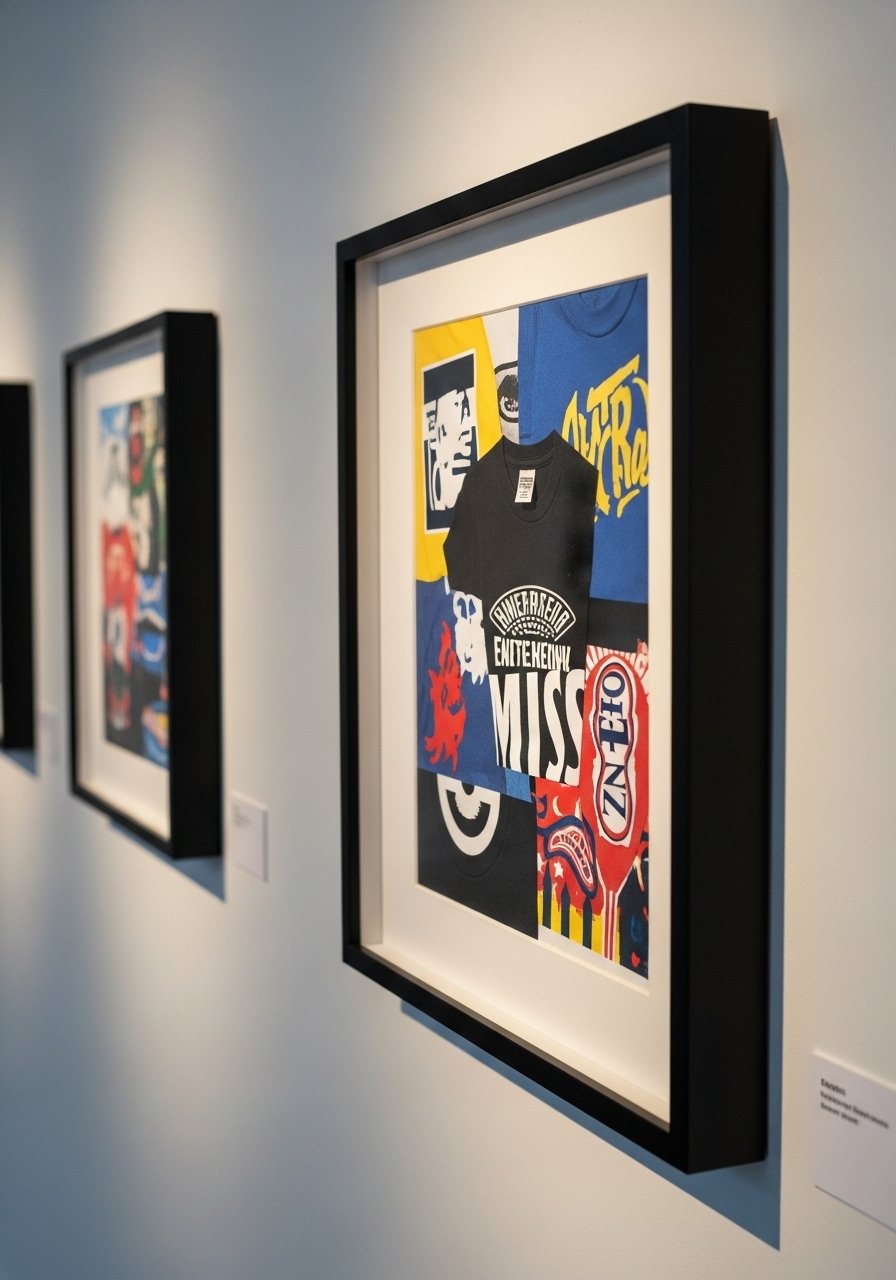
Rather than toss sentimental tees, cut prints into rectangles and frame them in a grid for a relaxed gallery wall. Use 5-inch squares and a 2-inch mat for spacing. I used three rows of three for a balanced look. A common mistake is not stabilizing old fabric, which sags in the frame. Iron onto a backing board with a thin stabilizer. For framing, I use 11 by 14-inch simple frames so pieces look crisp.
Mini Rug Placemats For Kids Tables
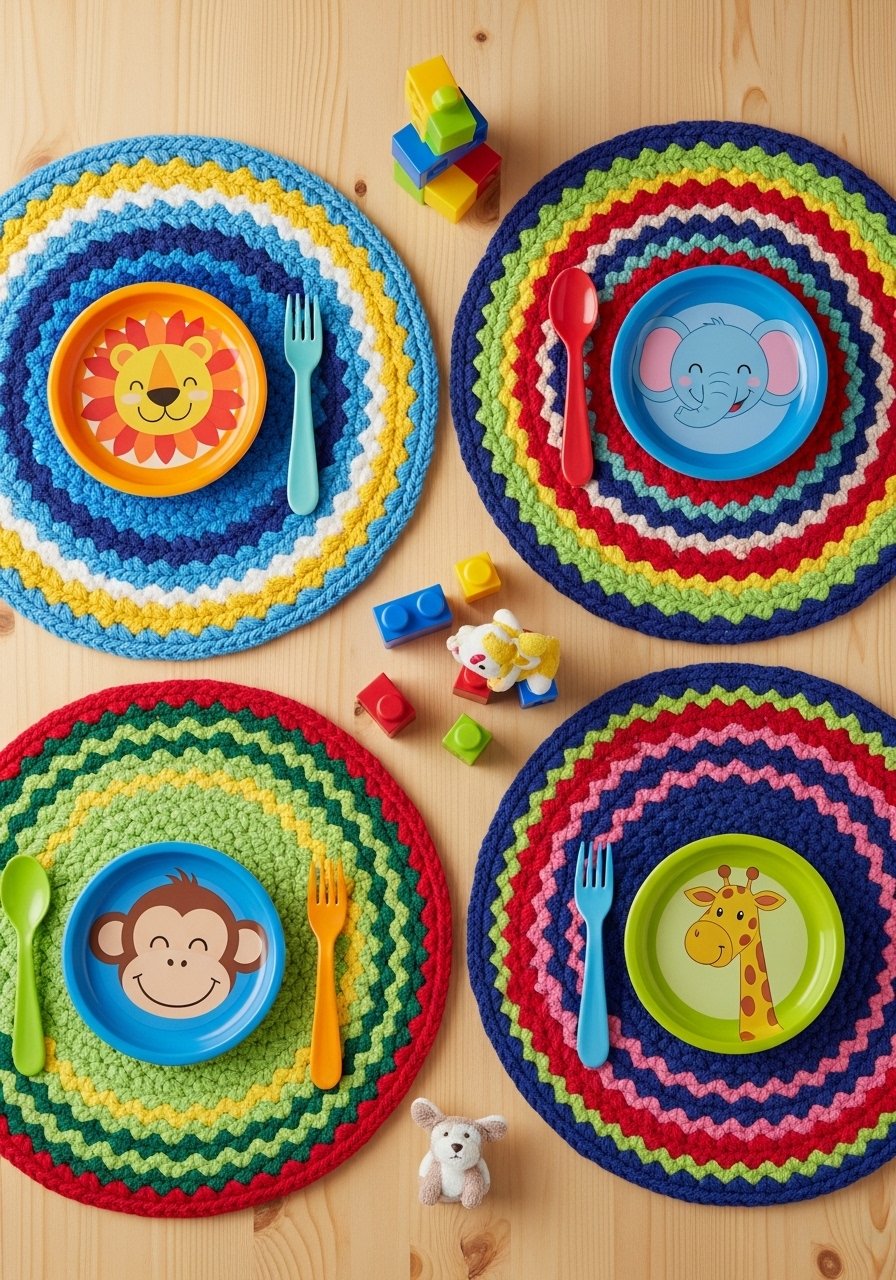
I made mini braided rugs for my kids because plastic placemats felt disposable. Make 12 by 16-inch braided rectangles and stitch the edges. They double as toys and wash well on a gentle cycle. The usual error is choosing too many slippery fabrics that shift when kids push plates. Choose cotton tees and secure edges with a fabric sealant so they last through rough use.
Your Decor Shopping List
- 18-inch down alternative pillow insert. A neutral insert that keeps shape. $15-25.
- Non-slip rug pad 3×5. Prevents braids from sliding. $10-20.
- 10 mm crochet hook set for baskets and poufs. Useful and inexpensive.
- Mini hot glue gun. For lampshade covers and runners. Budget tool.
- 3/8-inch upholstery batting roll. For padded headboards and throws.
- Heavy-duty 20-inch zipper. For removable pouf covers.
- Natural twine roll 100-foot. For garlands and hangers.
- Hand stapler for upholstery. For chair re-covers.
- Fabric adhesive spray. Quick and clean for lampshades.
- Bias tape maker kit. For neat shelf liners and placemats.
Many of these are also available at Target or HomeGoods if you prefer to shop in person.
Shopping Tips
White oak beats dark wood in 2026. Design feeds have shifted completely. These white oak floating shelves look current, not dated.
Grab a 10 mm crochet hook for $8. It makes basket and pouf work fast so the project doesn’t stall.
Curtains should puddle or kiss the floor, never hang halfway up. These 96-inch linen panels are right for standard 9-foot ceilings.
Lead with texture. Buy a chunky knit throw in cream and layer it with a t-shirt quilt for a softer look.
Everyone buys five small succulents. One single 6-foot fiddle leaf fig has ten times the visual impact.
Frequently Asked Questions
Q: Can I upcycle tees without a sewing machine?
A: Yes. Lots of projects here are no-sew or use simple hand stitches. Use heat-bond tape or fabric glue for seams that need to be sturdy. A mini glue gun covers most quick fixes.
Q: What thickness should I cut t-shirts into for t-shirt yarn?
A: Cut 2-inch strips and stretch them into 1/2 to 1 inch of yarn thickness depending on how chunky you want the final piece. Stretching evens out edges and reduces fraying.
Q: How do I color coordinate a patchwork quilt of band tees without it looking messy?
A: Follow an 80/20 rule, 80 percent neutral tones and 20 percent bold prints. Group similar colors together and balance heavy prints across the quilt so they don’t cluster in one corner.
Q: Are these projects renter friendly?
A: Absolutely. Most items are portable and removable. The curtain panels, pouf, baskets, and framed tee art require no permanent changes. For anything you staple or hang, use removable hooks when possible.
Q: What is the best filler for a t-shirt pouf so it keeps shape?
A: Polyfill is soft but needs a lot. I mix polyfill with an inner bag of foam chunks for support. For heavier, sit-on durability add a small bag of recycled foam. A zipper on the cover makes adjustments easy.
Q: Can I wash items made from recycled tees?
A: Yes, most cotton tees wash fine. For braided or crocheted pieces, use a gentle cycle and air dry to avoid stretching. Quilts and placemats can usually be machine washed if you used cotton backing.
Q: How do I stop printed tees from bleeding onto lighter fabrics when making a quilt?
A: Pre-wash all shirts in cold water with a color catcher. Iron on a lightweight interfacing to stabilize prints and prevent bleed through.
Q: What mistakes should I avoid when making a t-shirt rug?
A: Don’t start with strips that are too narrow. Narrow strips make a flimsy rug. Aim for 2-inch cuts, three-strand braids about 1 inch thick, and a non-slip pad beneath.