I kept trying to make floor seating feel deliberate, but everything ended up looking like a sleepover. Too many cushions, a too-small rug, and a coffee table that made the space feel unstable. I finally noticed the problem wasn't that floor seating is casual. It was that I treated casual like careless.
At first I piled cushions in the center, afraid of empty space. That made the room feel cramped and flat. After three attempts, I landed on a way to build a cozy arrangement that reads as intentional from the doorway and actually works when people sit down.
Step 1: Define the footprint with a rug and spacing
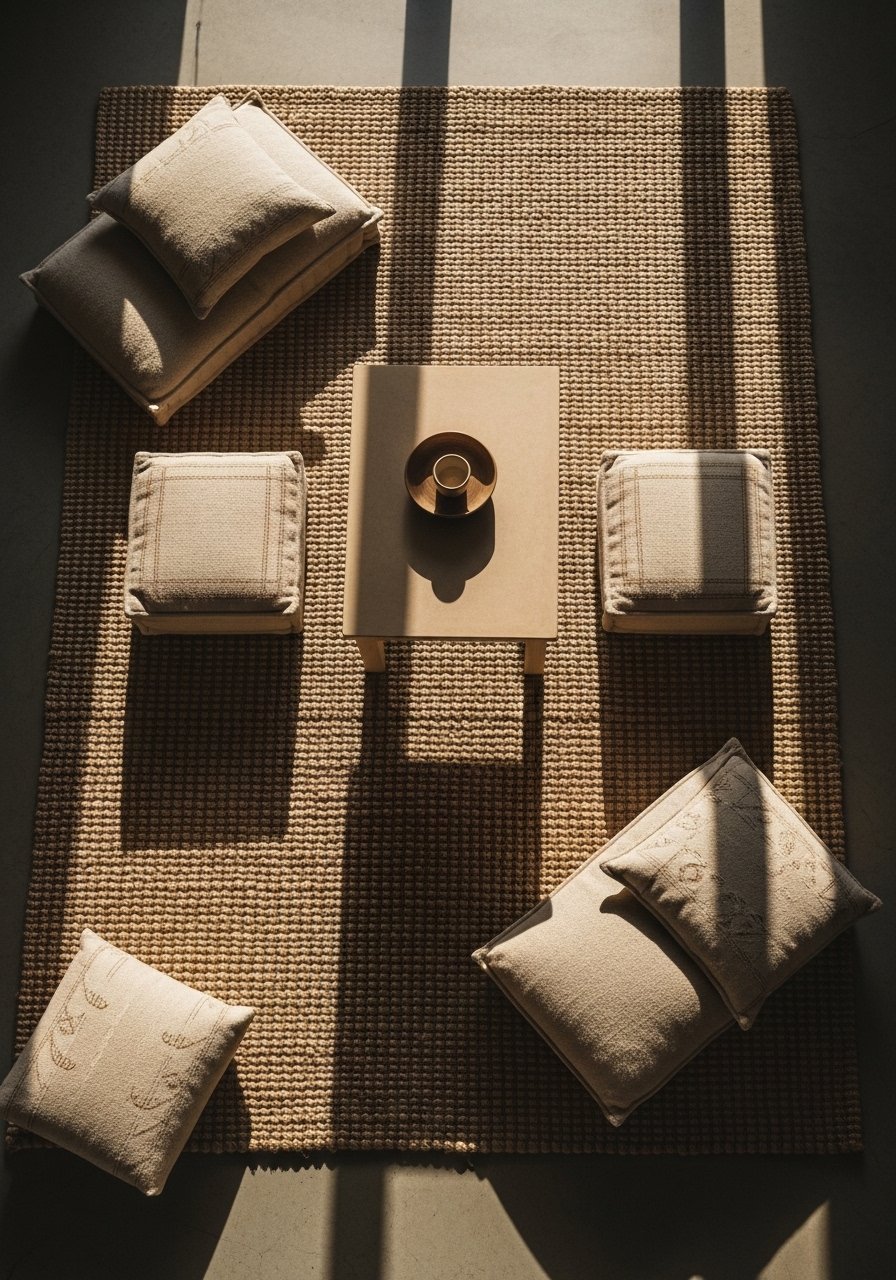
Start by deciding the seating footprint, not the cushions. Pick a rug that covers 60 to 70 percent of the intended seating area. For example, if your seating zone is roughly 10 feet by 8 feet, an 8×10 rug keeps the cluster grounded without swallowing the room. A rug that is too small makes everything look like it is floating. A rug that is too large will feel like a stage.
Common mistake: trusting a thin throw rug as the only anchor. Feel the rug underfoot. A 5mm flatweave feels cool and thin, while a 12mm jute or wool rug has weight and keeps cushions from sliding. I learned this the hard way when cushions kept migrating into the hallway.
Step 2: Choose cushions by shape and scale, not just color
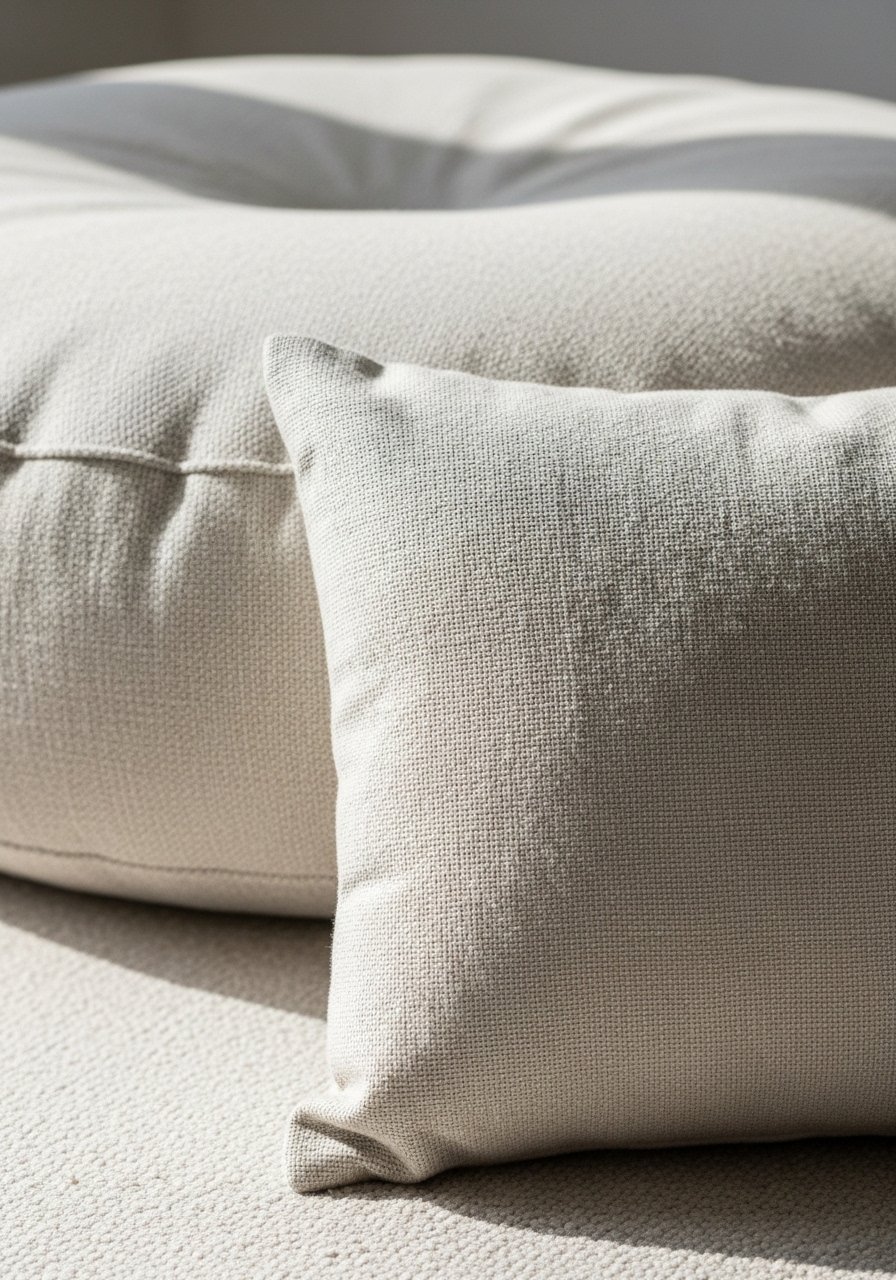
Buy at least two sizes: a large floor cushion around 30 to 36 inches for a grounded seat, and smaller 18 to 20 inch pillows for backs or staggered seats. Mix a round pouf with a square linen pillow to avoid a uniform blocky look. The round shape reads softer and feels different against your hips.
Mistake to avoid: buying all pillows the same size because they matched online. That made my first setup feel monotonous. Texture matters here. A nubby wool cushion is warm and heavy in your hands. A thin cotton pillow is airy, but it collapses when you sit.
Step 3: Create a subtle back and varied heights
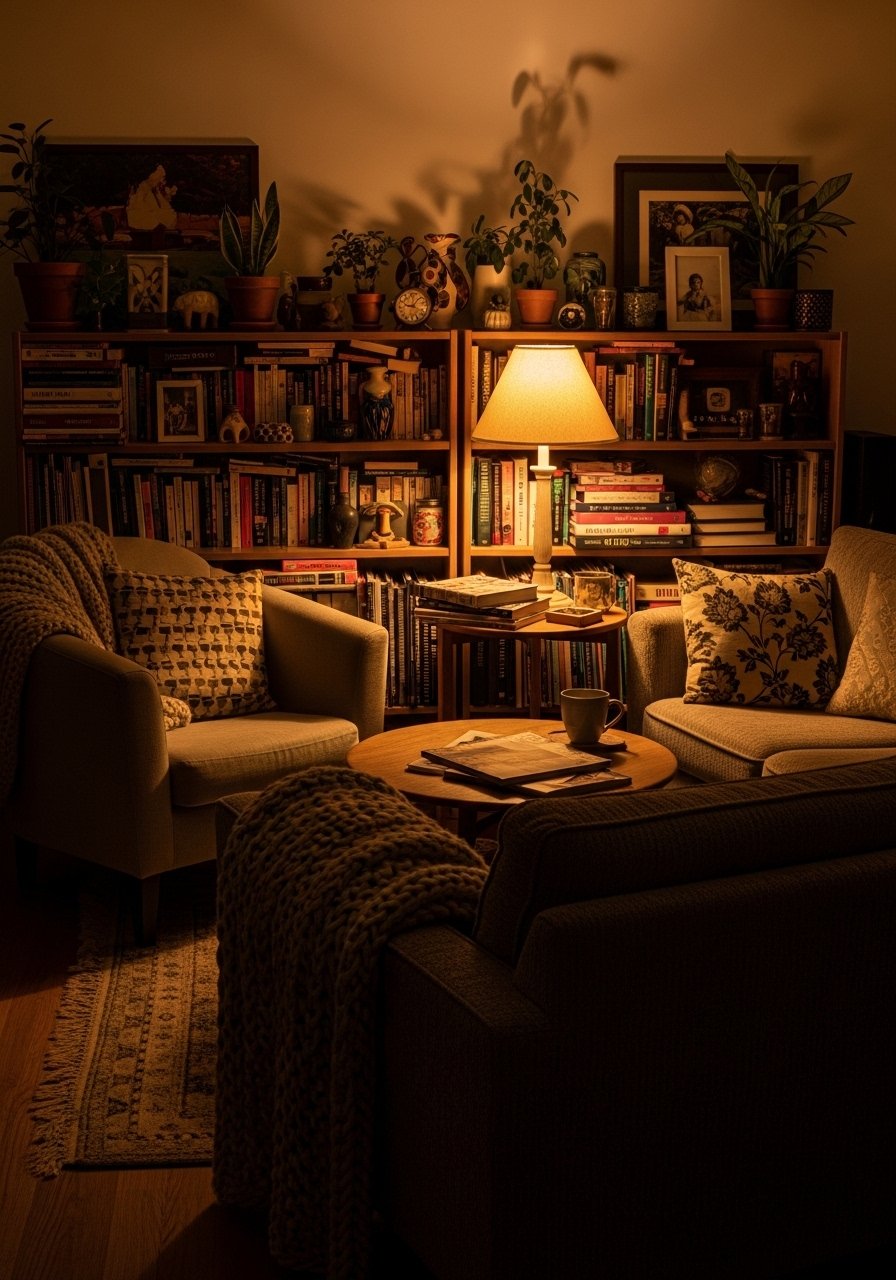
People need something behind them for comfort and visual weight. Use a low sofa, a bench, or a bookcase at least 12 inches behind the seat line so you are not staring at an empty wall. If nothing fits, prop tall cushions against the wall for a soft backing. Layer in one taller element like a 20-inch floor pouf or a ceramic vase on a low table to give the eye a vertical anchor.
Insight most miss: height does not mean tall objects only. A stack of two cushions gives you the same visual lift as a small side table. I almost skipped this step, and the seating felt like it was melting into the floor.
Step 4: Add surfaces and lighting that feel reachable and intentional

You need at least one reachable surface for drinks and one soft light source nearby. A low coffee table or a tray on a 12 to 14 inch pouf keeps things within arm’s reach. For lamps, choose a floor lamp with warm bulbs that cast pool lighting rather than harsh overhead light. The right lamp makes the space feel cozy, not stage-lit.
Common mistake: using a high coffee table that forces people to sit hunched, or relying solely on overhead lighting. That was my second failure. The right lamp feels like a warm shoulder at the edge of the circle.
Step 5: Edit down and live with it for a week
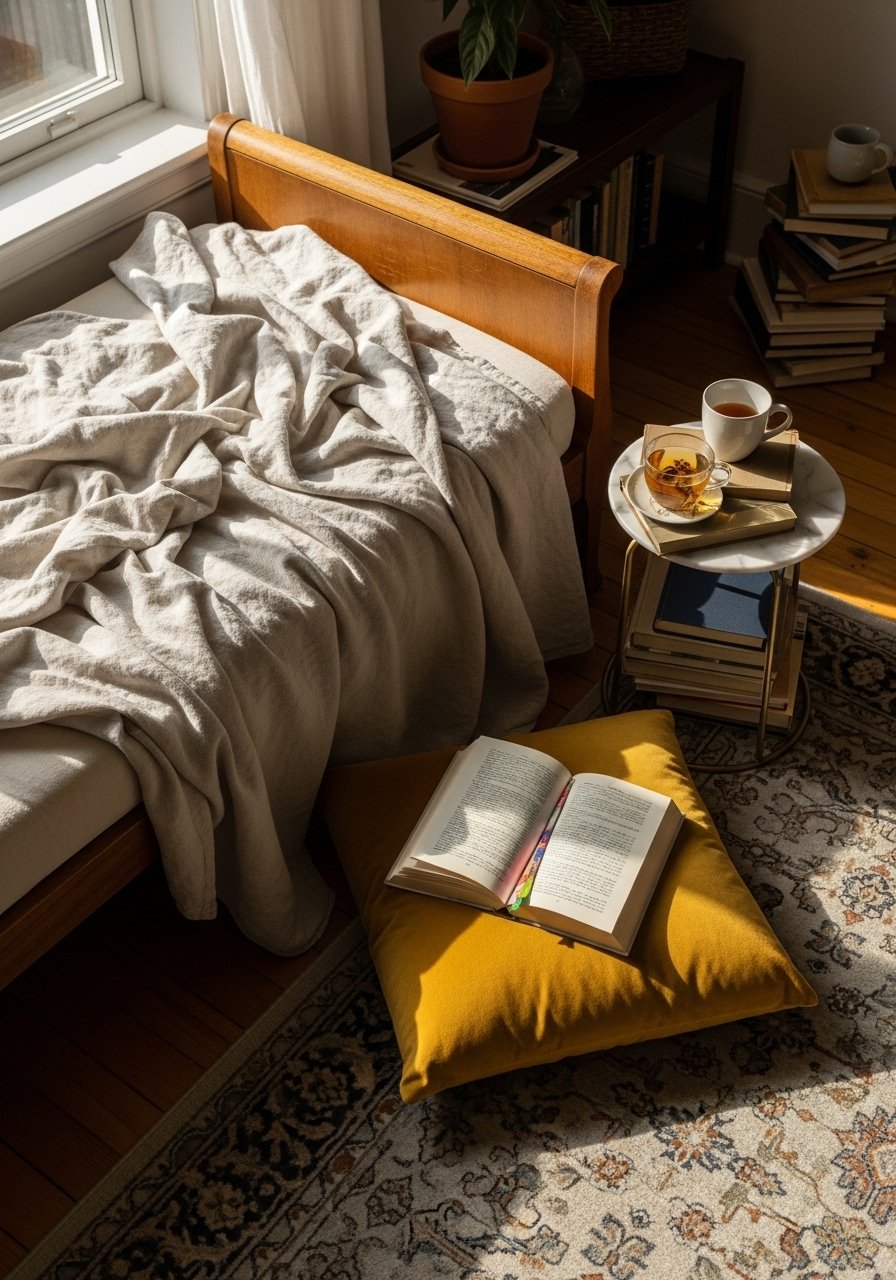
This is where many people give up. Leave a little breathing room between cushions, about 6 to 12 inches, so the arrangement reads as intentional, not stuffed. After setting everything, live with it for a week and observe how people actually sit. I had to move one pouf three times before it landed in the right spot.
Most people overdecorate the first day. Step back, walk around the room, and remove one pillow. The small edit will often make the group feel calmer. Your goal is comfortable clutter, not crowded chaos.
What to Grab for Cozy Floor Seating
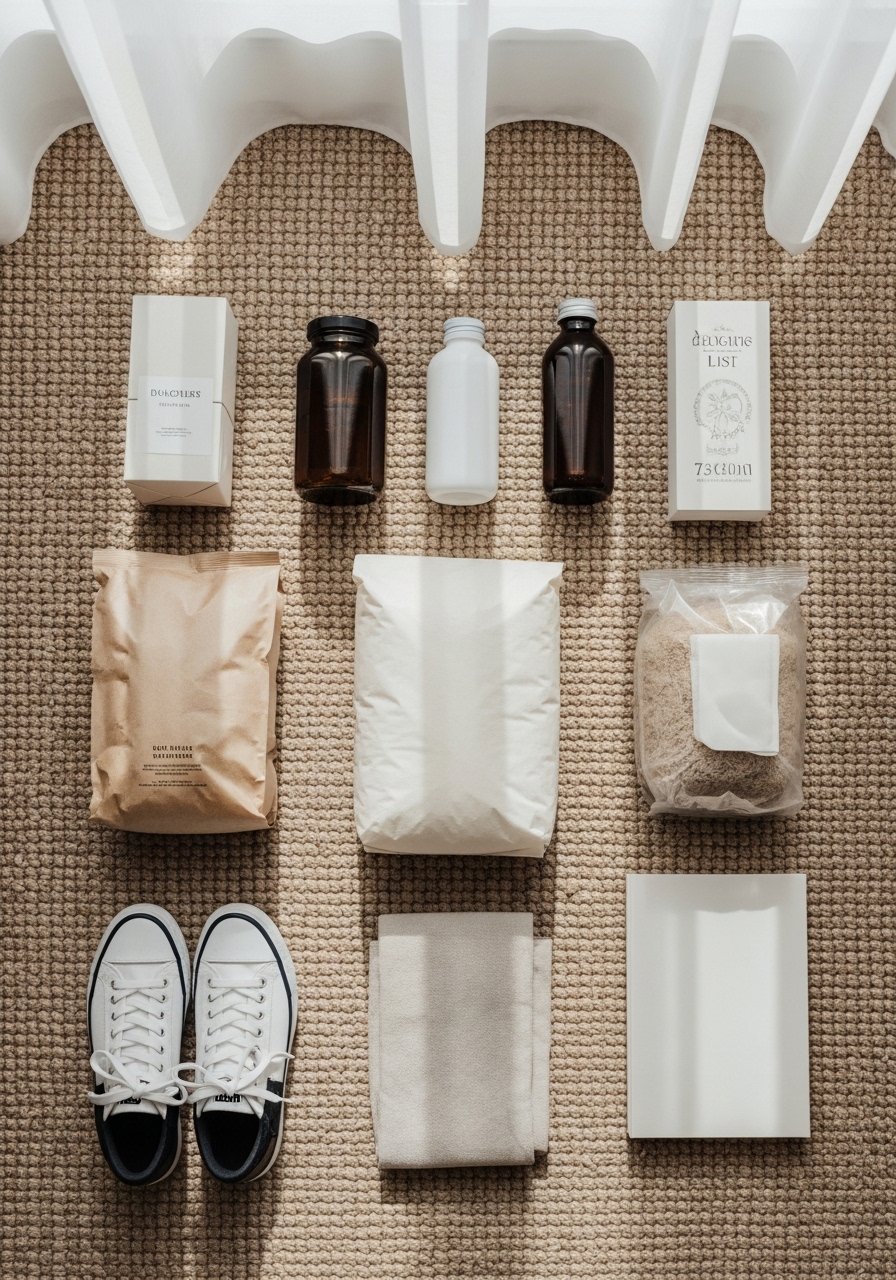
- Large round floor cushion, 36-inch wool blend, oatmeal ($60-90). Use in Steps 2 and 3 as the main seat.
- Square linen throw pillows, 20×20, set of 2 in soft gray ($30-50). Good for backs in Step 2.
- Jute area rug, 8×10, natural ($90-160). Anchors the footprint in Step 1. Similar at Target.
- Low wooden tray, 18-inch, walnut finish ($20-35). For Step 4 to corral drinks.
- Wool throw, 50×60, chunky knit in oatmeal ($40-65). Adds weight and texture in Steps 2 and 5.
- Ceramic pouf set, matte white and sand, 16-inch and 12-inch ($35-55). Use as varied-height elements in Step 3.
- Floor lamp with warm LED bulb, tripod base, 60 inches ($70-120). For the pool lighting in Step 4.
Why Your Floor Seating Still Feels Like a Sleepover
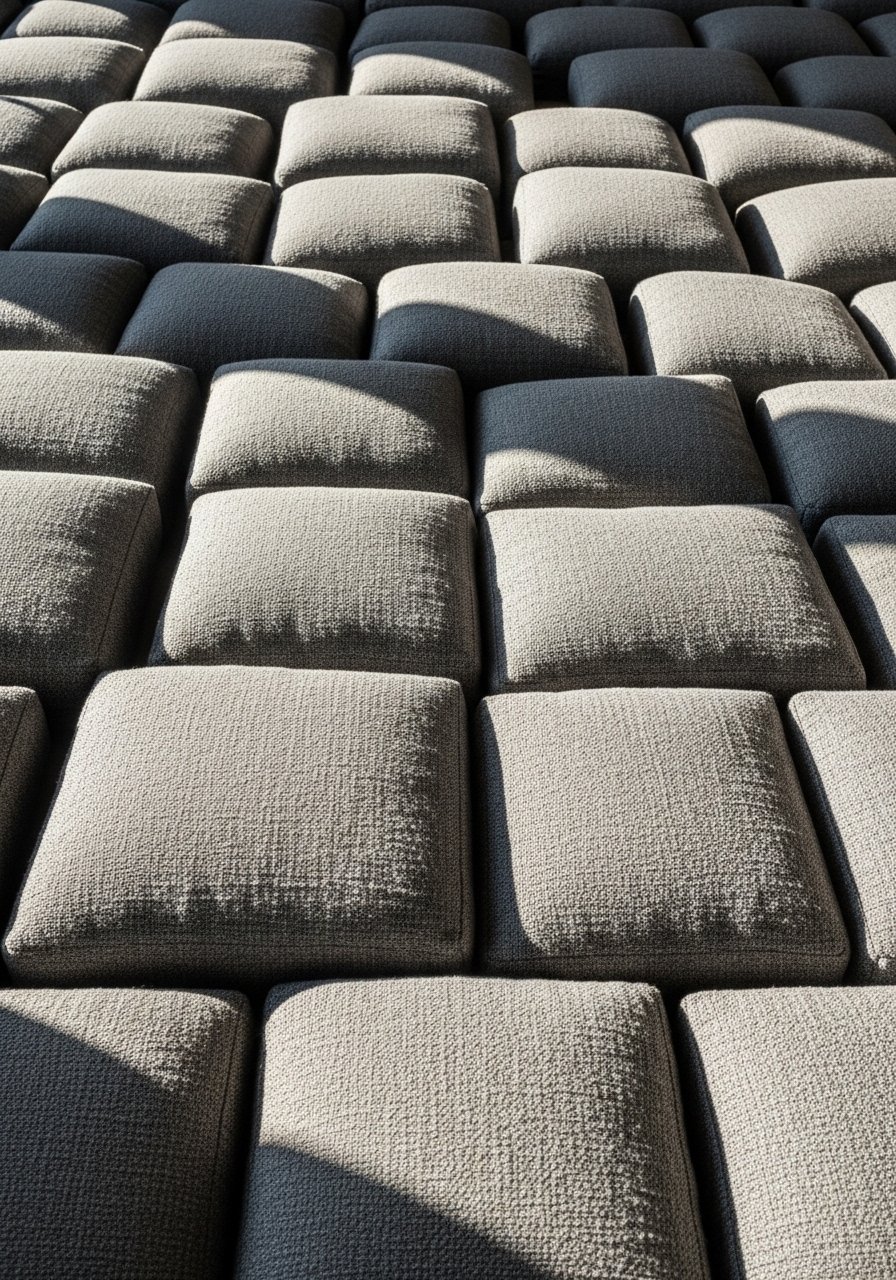
If everything looks temporary, it usually is. Too many pillows of the same size make a setup read as improvised. One fix is to remove half the pillows and add a single texture contrast, like a chunky knit throw. Another issue is scale. If your rug does not cover at least 60 percent of the seating zone, the cluster will look tacked on. I learned that moving the rug by 18 inches toward the window changed the whole entry view.
Small edits to try: remove one cushion, replace one pillow with a throw, and check that a lamp is within 4 to 6 feet of the seating.
Making This Work in a Small Room
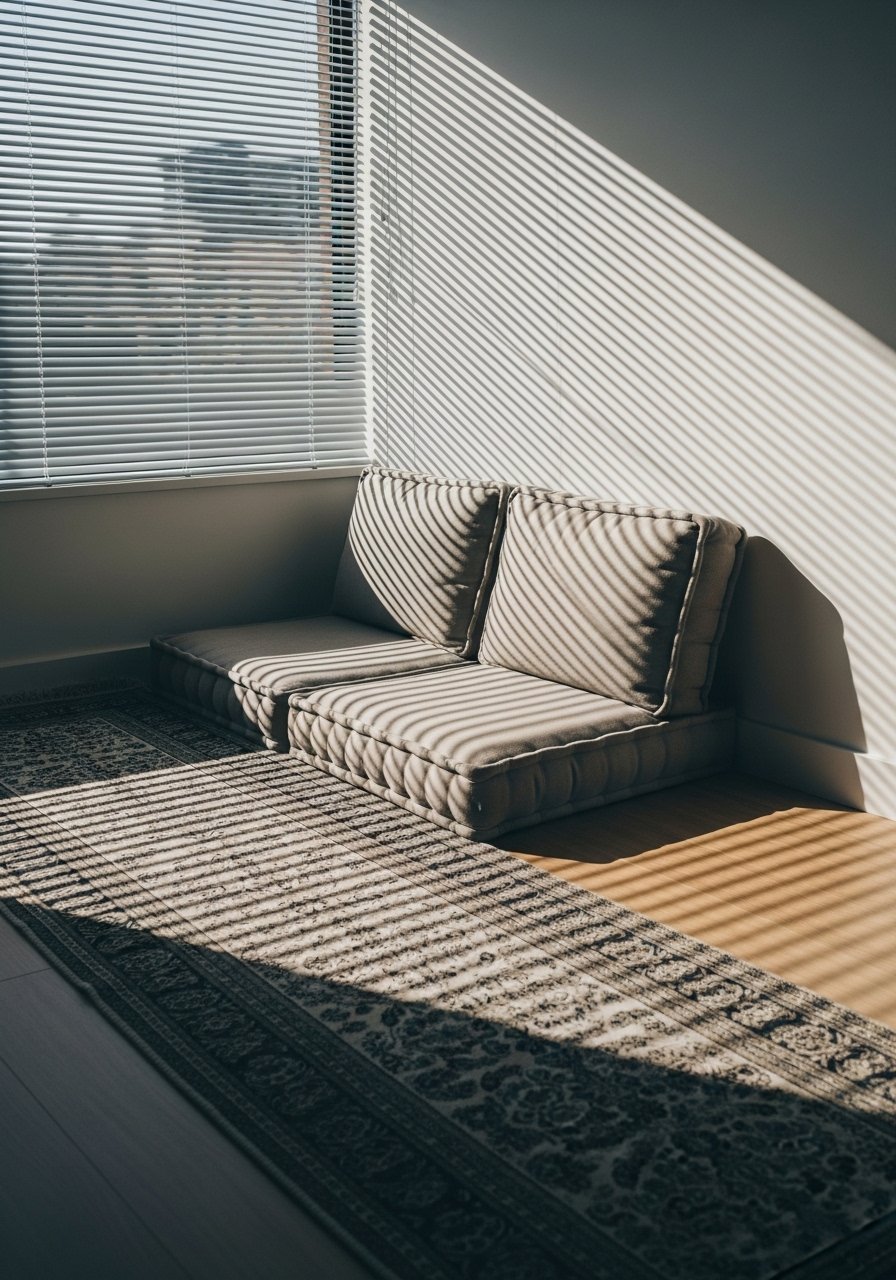
In tight spaces, limit yourself to two seating elements. Use a runner or a 5×7 rug, not an 8×10, so the cluster reads proportional. Choose thinner cushions with firmer fill to avoid a squashed look. Stack one cushion on top of another when not in use to free floor space. Keep surfaces minimal, like a small nesting table that tucks away.
Quick plan: rug about 60 percent of the corner, one large 30-inch cushion, one 18×18 back pillow, and a low tray that slides under the sofa when you stand up.
What This Setup Looks Like After a Week with Kids or Pets
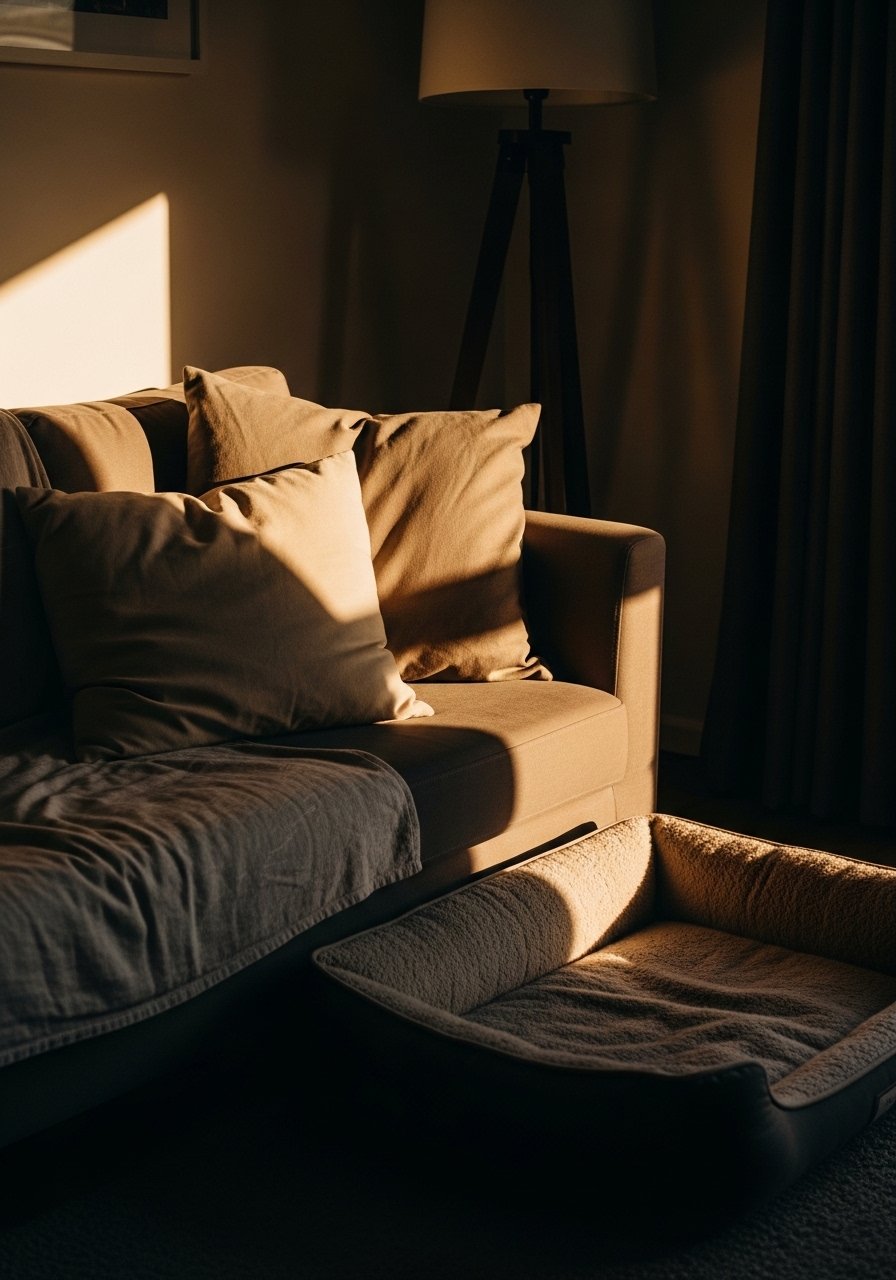
Expect movement. Cushions will migrate, throws get scooched, and small crumbs will gather in textured fabrics. I recommend washable linen covers for anything that touches faces or food. Put a durable wool pouf where the pet likes to nap. Keep one small bin nearby for quick toy or blanket corral. After a week you will see natural paths form, then place a pouf or tray to respect those paths.
My roommate and I moved a pouf twice before our dog decided that was his spot. Now we embrace that part of the room.
Start with One Floor Cushion
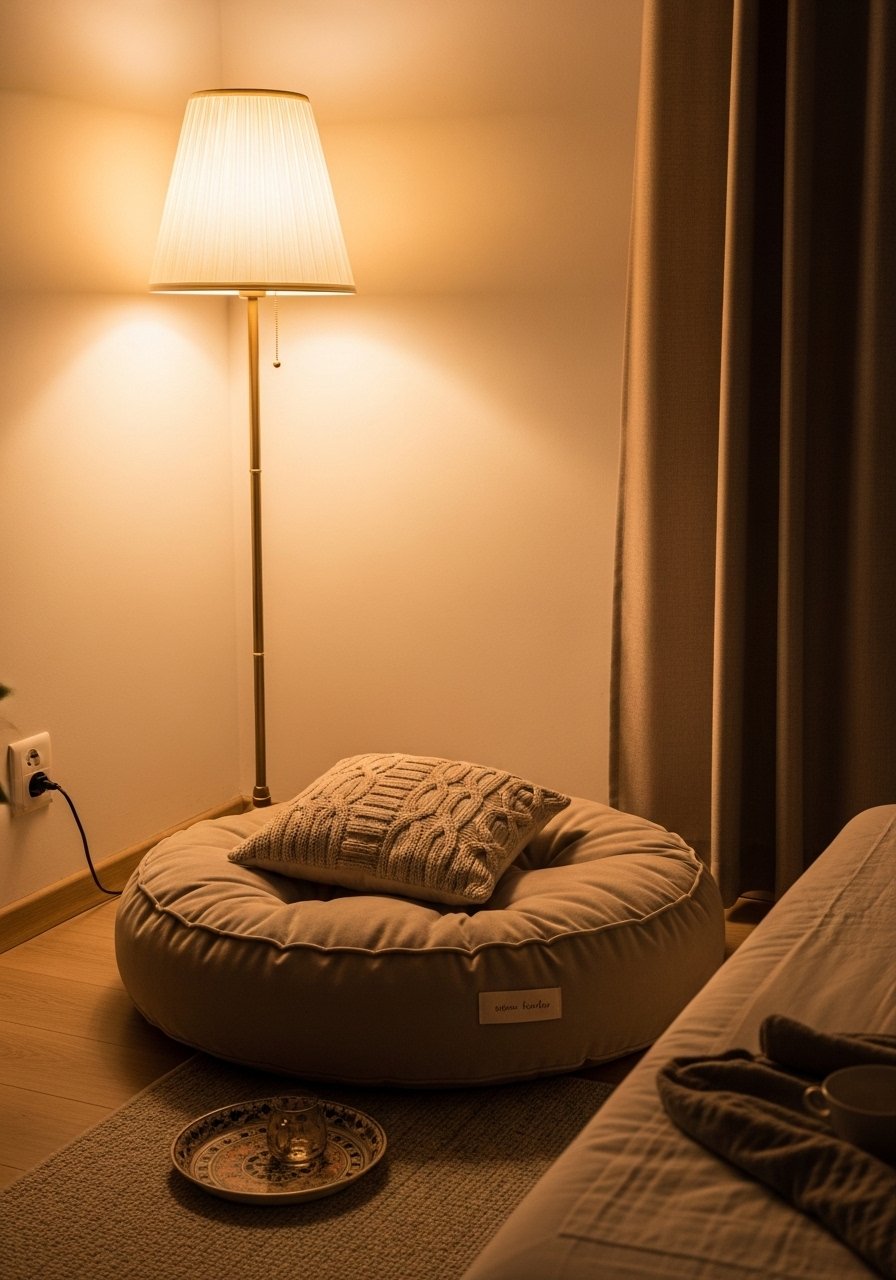
You do not need everything at once. Pick the large round cushion from the shopping list, add a lamp, and live with that for a week. Notice where people set their drinks and where cushions end up on the floor. Make one targeted swap after your week of use, like a firmer cushion or a wider rug.
It takes small, practical edits to make floor seating feel intentional. Start with one comfortable seat, then build around what actually gets used.