
I remember sitting in my living room at night, hating how the single ceiling light made everything look flat and cold. I tried brighter bulbs, a big pendant, and even one dramatic lamp. It still felt wrong. After a week of living with different setups I realized the problem was not more light. It was how the light lived in the room.
I spent weeks moving lamps, swapping shades, and testing bulbs before the room stopped fighting me. I messed this up the first three times, mostly by piling lights in one corner. Once I learned to think in layers and distance, it finally felt calm and usable.
Step 1: Turn everything off and map the dark spots
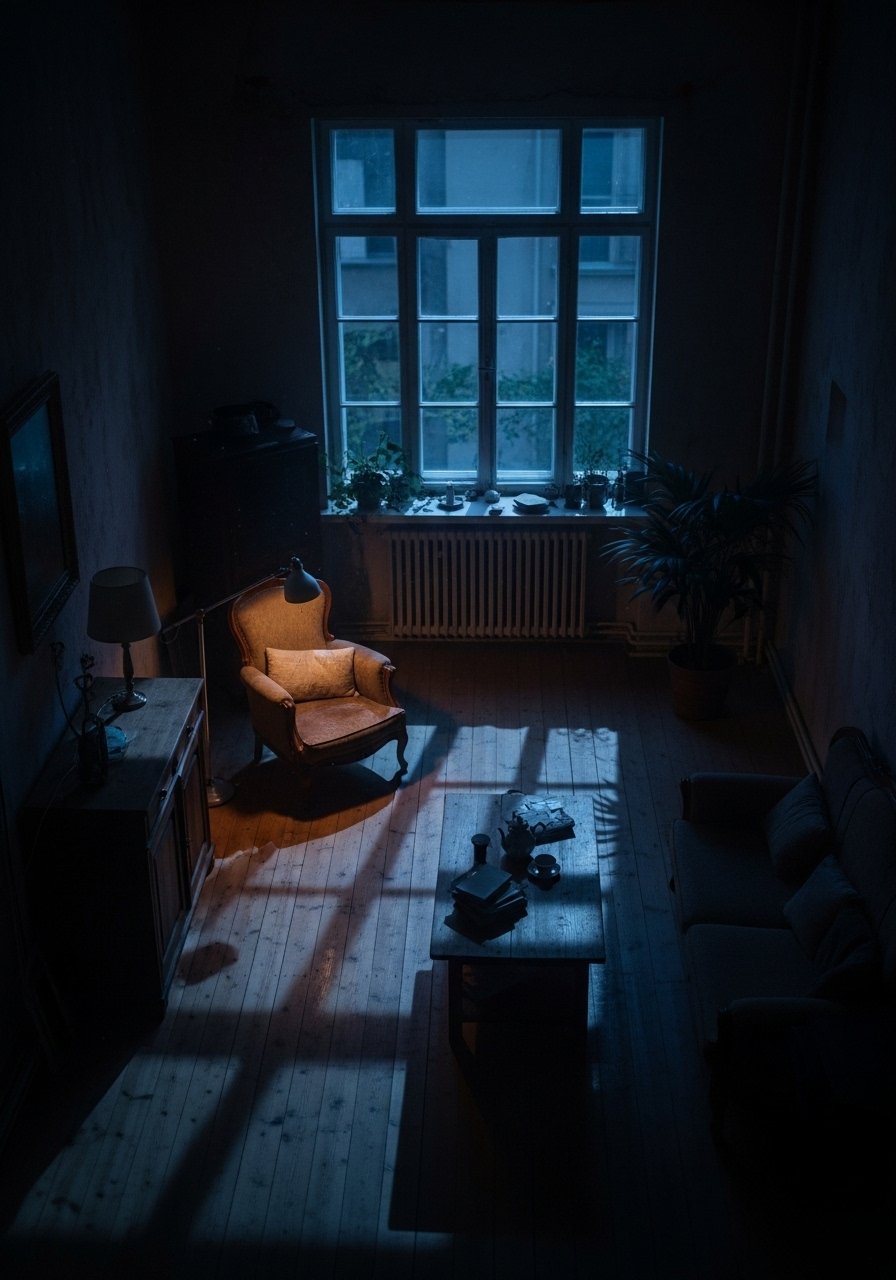
Walk the room at night and stand where you usually sit. Turn off every light, then turn them on one by one. Note the places that stay flat and those that glare. Most people start by adding a lamp to the nearest surface. I did that, and the result was one bright pool and everything else dull.
What changes: you begin to see where light is missing, not where you think it is. Common mistake: assuming a single, bright bulb solves ambient needs. Insight: aim for three layers of light, that is ambient, task, and accent. Measure rough distances. Floor lamps that sit 60 to 66 inches tall work well near seating. Wall art should hang 6 to 8 inches above a sofa. Those two numbers will guide placement later.
Step 2: Place one floor lamp and one table lamp as anchors
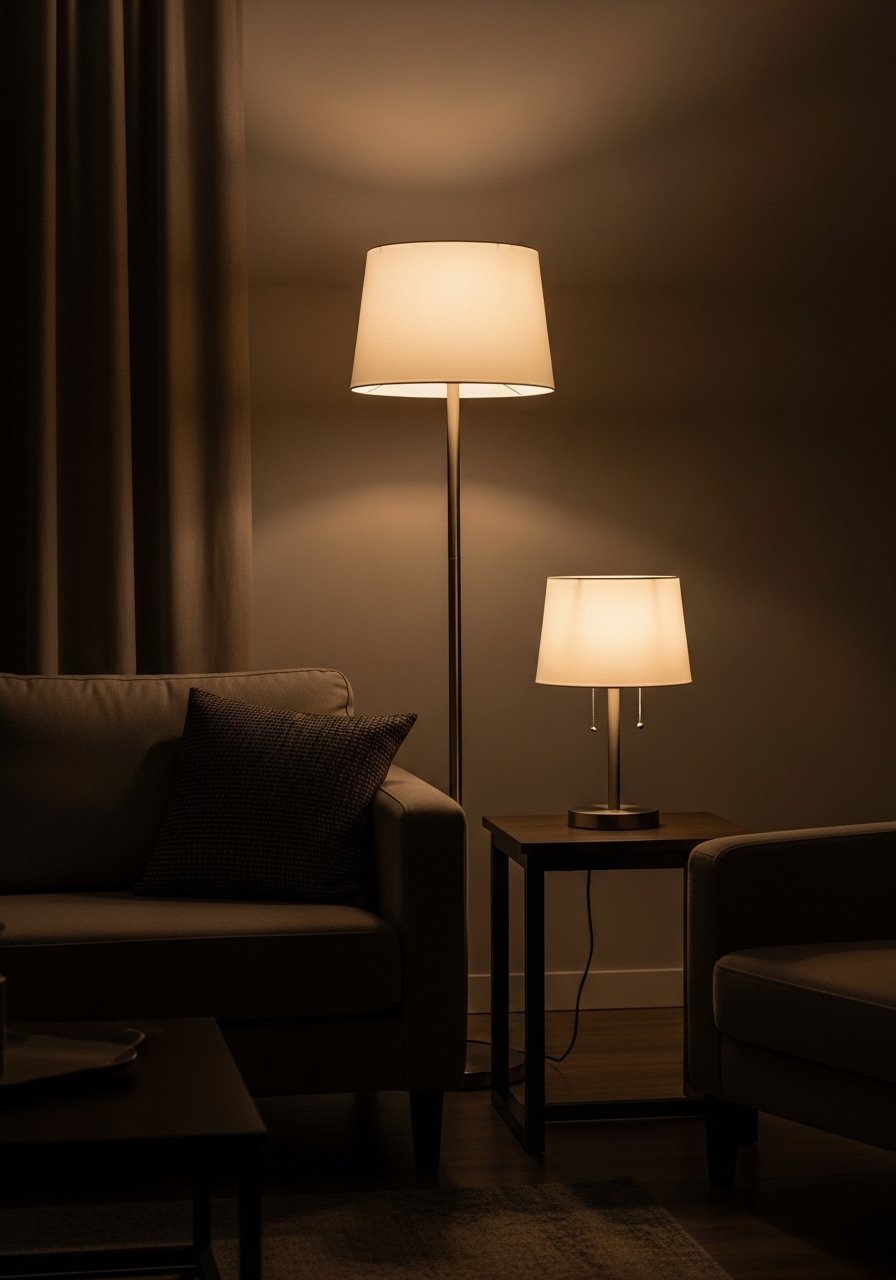
Most people start with the biggest item. That is backwards. Start with one floor lamp near the main seating zone and a table lamp across the room. I put a tall lamp about 18 inches from my sofa arm. The floor lamp provides a warm pool, the table lamp balances the opposite side.
What changes visually: the room suddenly reads as anchored, not lopsided. Common mistake: putting both lamps on the same side of the room. Insight people miss: floor lamps should look sculptural, not crowded. I once bought a lamp that was too top-heavy and it felt cheap. A linen shade gives a soft glow and the base should feel heavy in your hand, not wobbly. If you want a specific look, try a floor lamp with linen shade, 63-inch ($70-120) for a grounded feel.
Step 3: Layer soft, warm bulbs and add dimming control
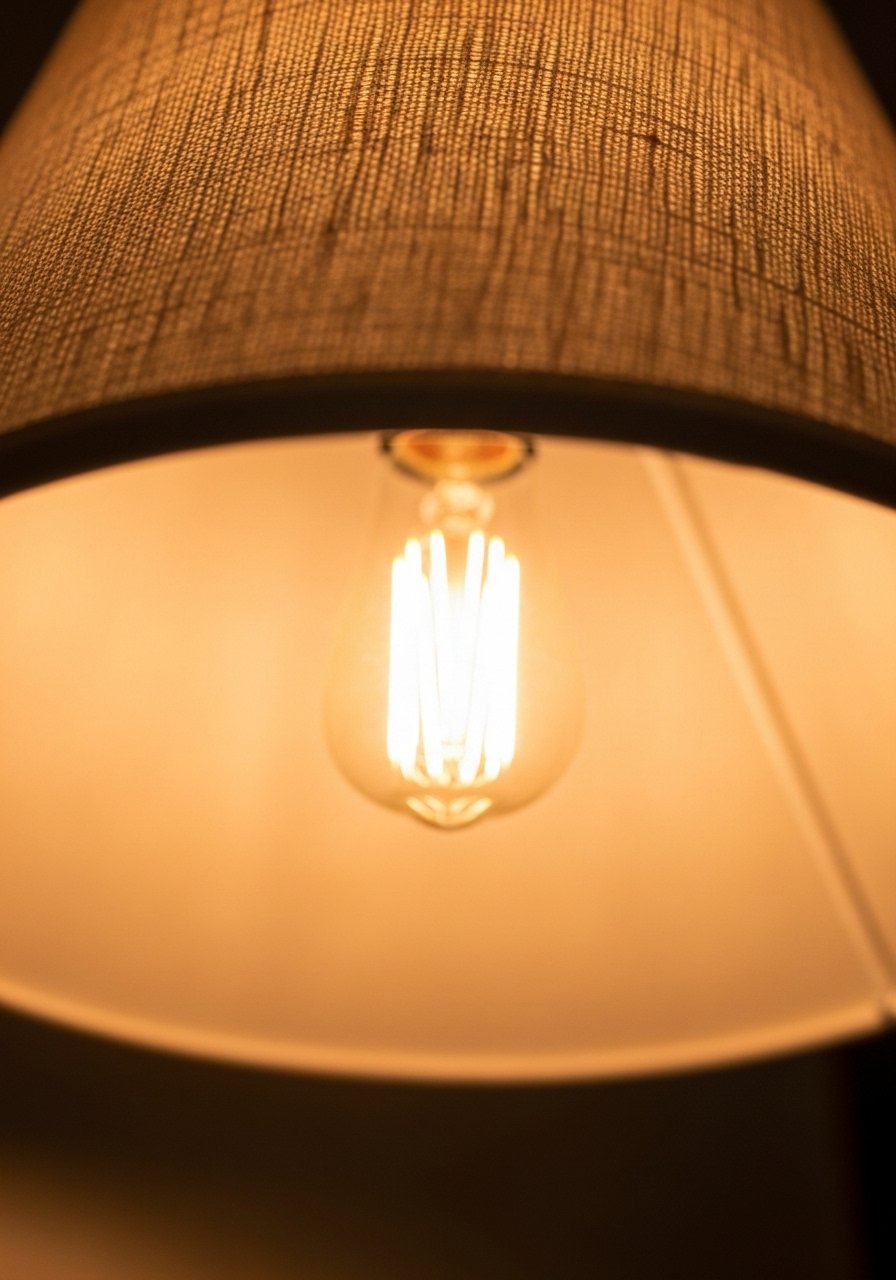
This step is where it starts to actually look styled instead of just lit. Swap cold, bright bulbs for warm 2700K LEDs and add dimmers or smart bulbs. I used 800-lumen bulbs in the main floor lamp and 400-lumen bulbs for accent lamps. That balance keeps things readable without being harsh.
What changes: shadows soften and textures pop. Common mistake: matching every bulb to the same high lumen number. Insight: lower lumen lights on accent pieces create depth. I was unsure about smart bulbs at first, but the ability to lower lights to about 30 to 40 percent at night made the room feel calm and intentional.
Step 4: Use reflective surfaces and soft textures to spread glow

This part feels wrong while you are doing it. Mirrors, light-colored throws, and a jute rug will all help bounce ambient light. I added a 24-inch round mirror above a console opposite a lamp. The mirror multiplied the lamp’s glow so the far corner felt less heavy.
What changes: surfaces pick up warmth and make the light feel even. Common mistake: adding too many shiny surfaces that create glare. Insight: textured materials scatter light in a pleasant way. A chunky knit throw, 50×60, feels nubby and warm against your legs and helps reflect light without looking metallic. I like a chunky knit throw in oatmeal, 50×60 ($40-65) for that reason.
Step 5: Live with it, tune at night, and simplify
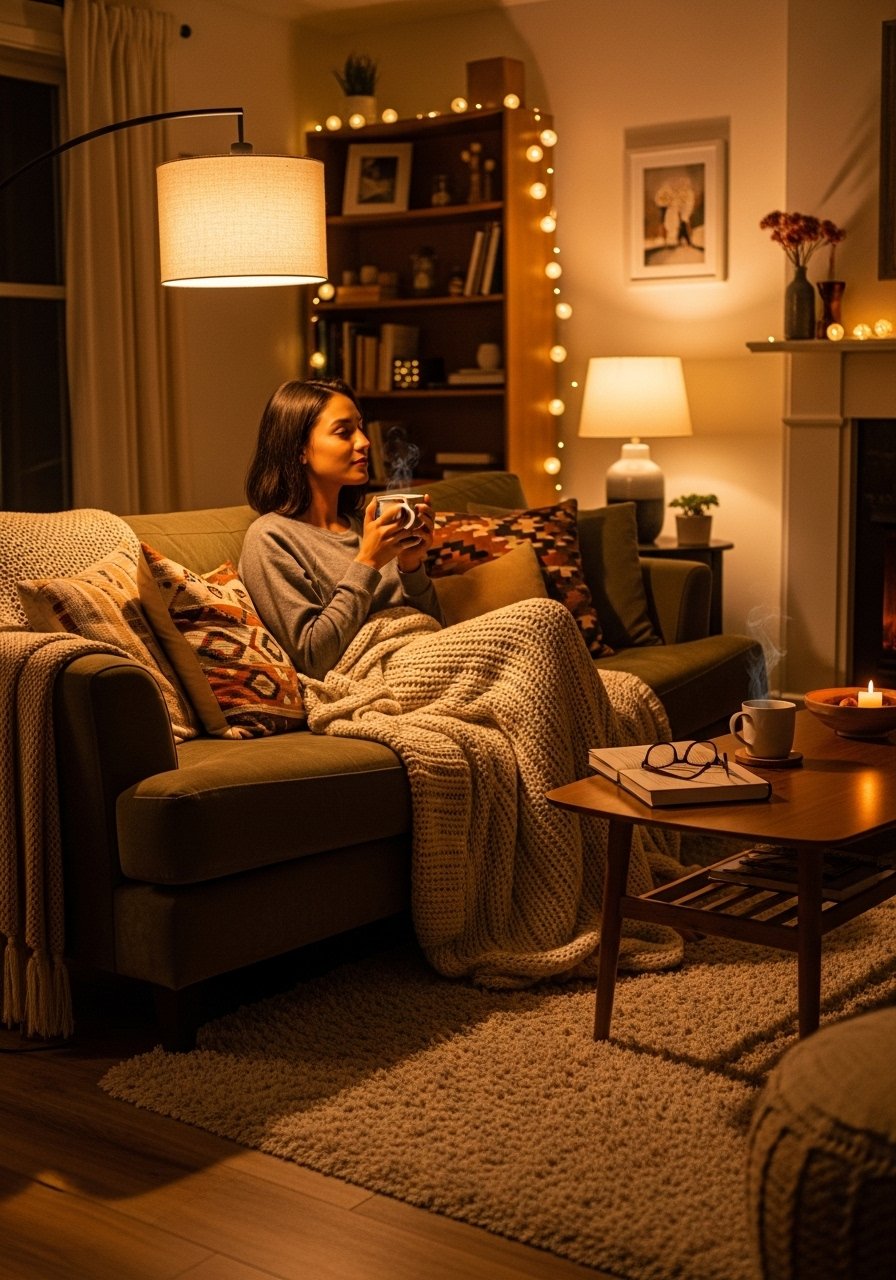
I almost skipped this part. After styling, spend a week living with the setup. Turn lights on and off at different times. Step back and notice glare spots, cords, or accessories that catch too much light. I had to move a ceramic vase twice before it stopped creating a blinding reflection.
What changes: minor moves make a big difference in comfort. Common mistake: adding more decorative lamps instead of removing the ones that create problems. Insight: less is often better when you test at night. My final rule is keep lamp shades opaque enough to be cozy, and place accent pieces so they sit in the soft pools of light, not in direct beam. For a simple height accent, I use this matte ceramic vase set, 3-piece ($25-40).
What to Grab for Your Ambient Lighting Refresh
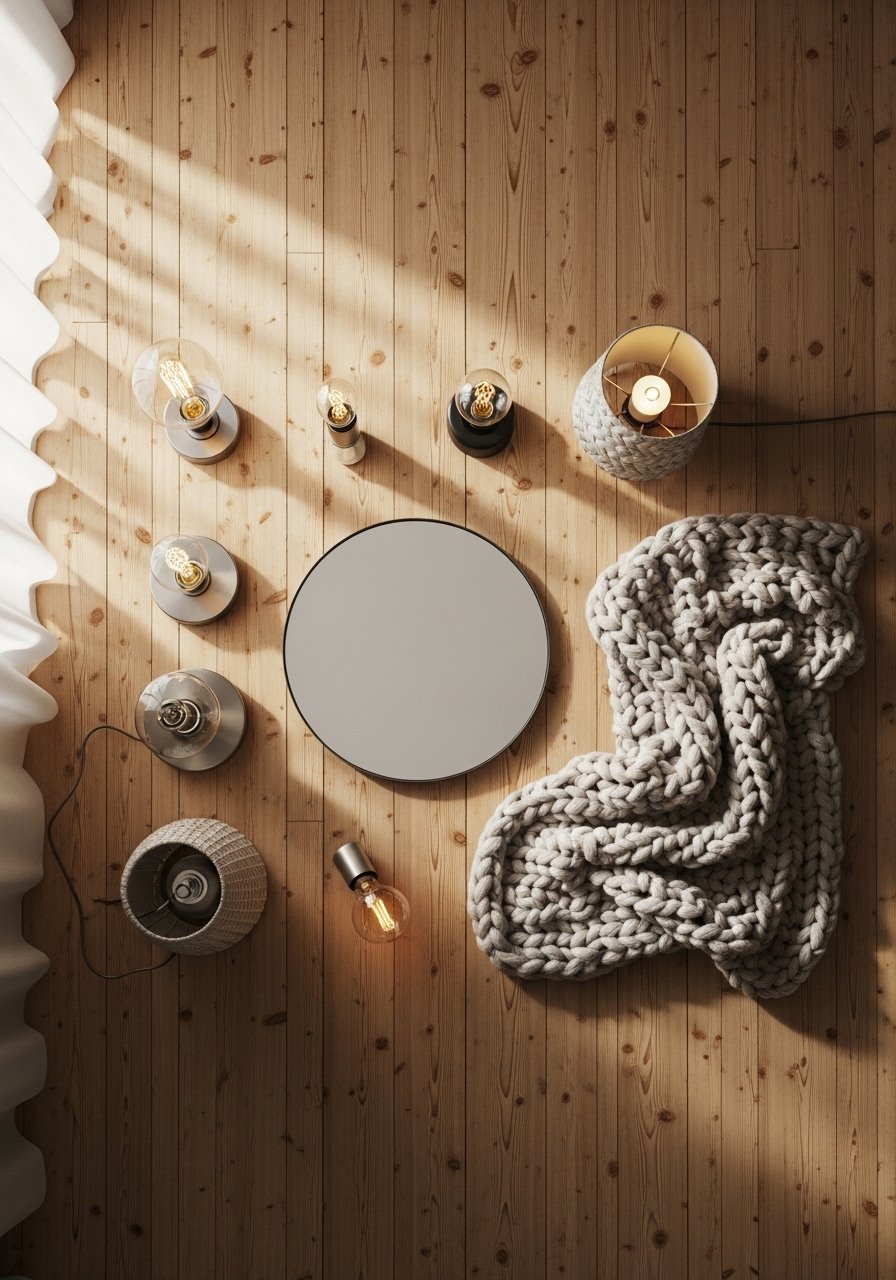
- Warm LED bulbs, 2700K, 800-lumen ($12-25 per 4-pack). Use in floor lamps and main fixtures. Referenced in Step 3.
- Dimmable smart bulbs, multi-pack ($25-60). Great for tuning evening light in Step 3.
- Floor lamp with linen shade, 63-inch ($70-120). Anchor lamp used in Step 2.
- Table lamp, 18-inch ceramic base with cotton shade ($30-65). Balances the opposite side as in Step 2.
- Chunky knit throw in oatmeal, 50×60 ($40-65). Texture and warmth noted in Step 4.
- 24-inch round mirror, thin black frame ($40-80). Reflects ambient light as in Step 4.
- Jute area rug, 8×10 ($90-160). Grounds the space and helps diffuse light from below. Mentioned in Step 4.
- Matte ceramic vase set, 3-piece ($25-40). Height element from Step 5.
- Brass picture ledge, 24-inch ($18-30). Use to layer small art near lamps for a balanced wall arrangement in Step 5.
Why Your Room Still Looks Flat with Lamps On
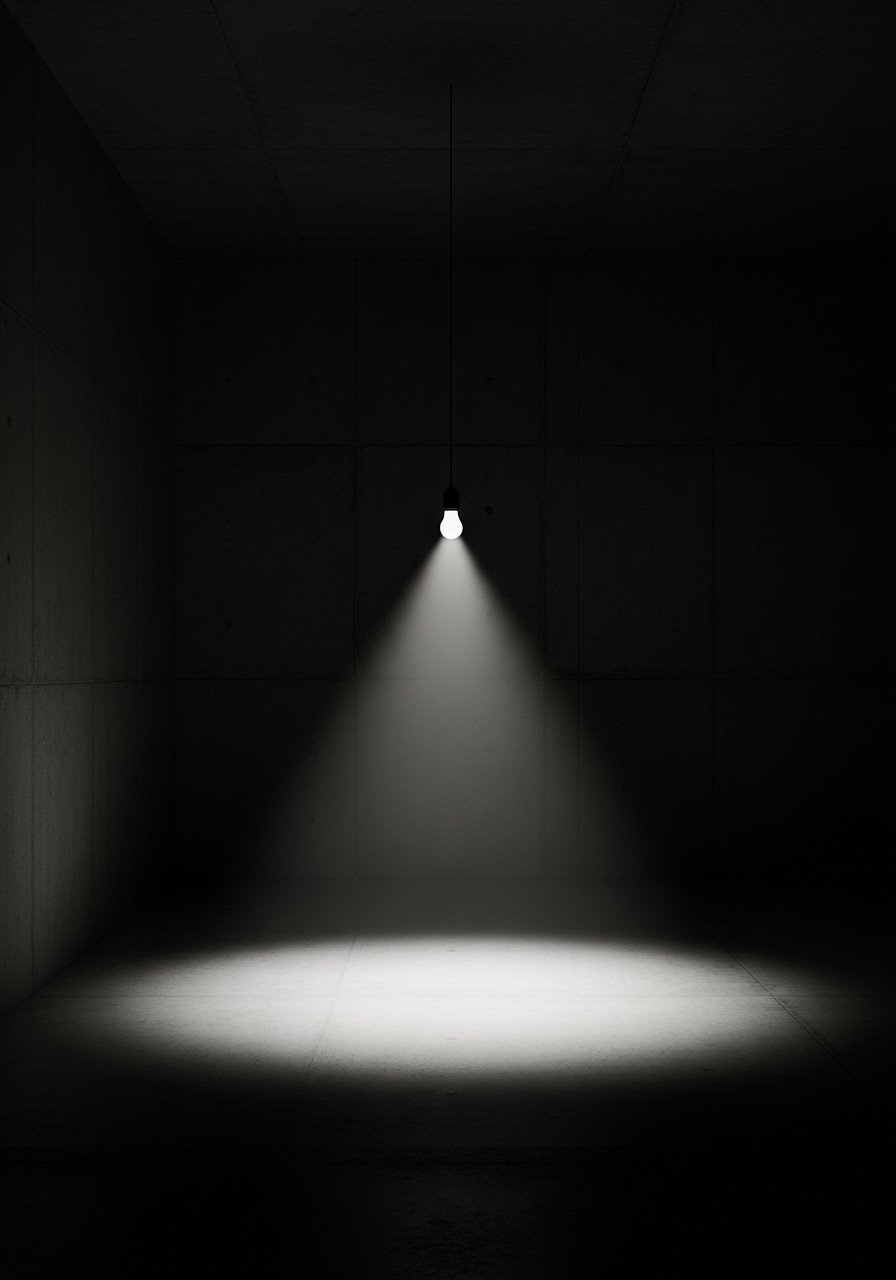
Short answer: light is in the wrong place. You can have five lamps and still feel cold if they all point up or all sit next to each other. I learned this after installing three matching table lamps on a single console. The glare was everywhere and the seating felt abandoned.
Fix it by scattering sources so light overlaps. Aim for one anchor light near seating, one opposite balance point, and one accent that highlights a texture or art. If you see hard shadows on faces, soften with a lamp that has a fabric shade. If cords are visible, tuck them behind furniture or use cord covers that match your baseboard.
Making Ambient Lighting Work in a Small Room
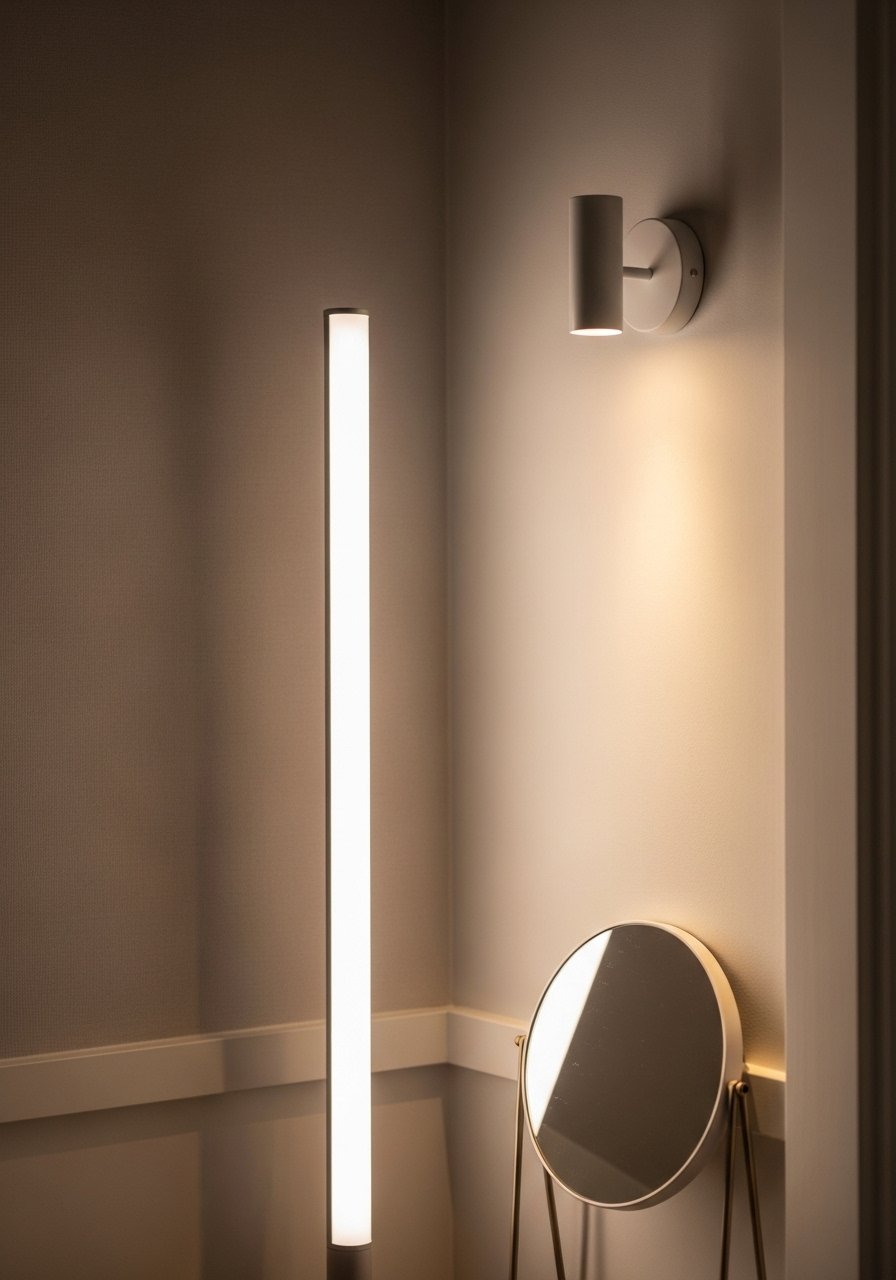
Small rooms need fewer, smarter pieces. Pick a slim floor lamp, one table lamp, and a mirror. A good formula is two light sources per 100 square feet, not a lamp every corner. Use plug-in wall sconces on Command hooks for renter-friendly placement. Bulbs around 400 to 800 lumens are usually enough in a small room.
Practical notes: choose slimmer bases so the lamp does not crowd circulation. Lighter textiles like a linen pillow feel cool to the touch and help bounce light. If you have low ceilings, keep fixtures under 66 inches to avoid a top-heavy look.
What Your Room Should Feel Like After a Week
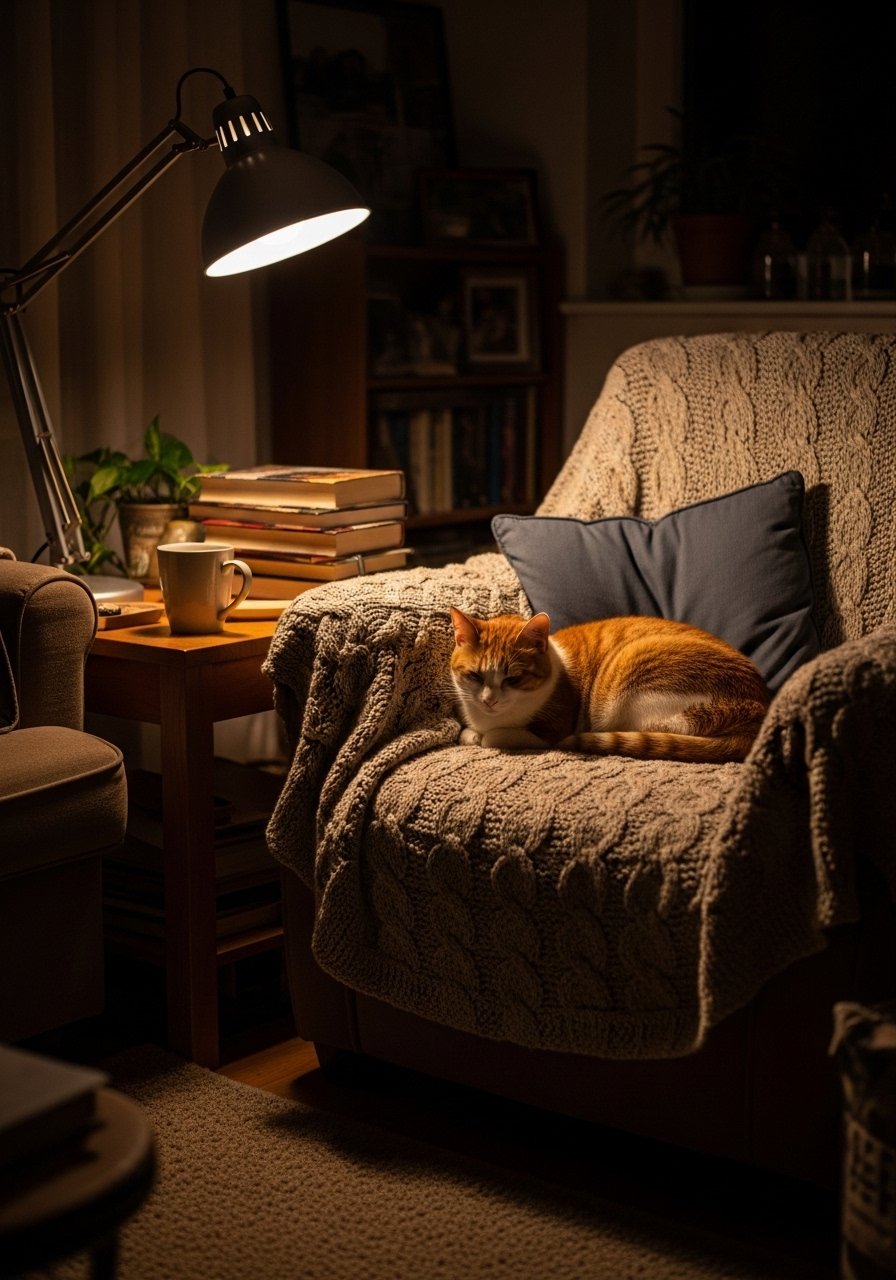
After a week it should feel calm at night and useful during the day. You should be able to read without squinting, and the corners should not disappear into black. Expect to move one lamp or swap a bulb once. I had to lower one table lamp's bulb from 800 to 400 lumens after three nights. My partner complained at first, then admitted the space felt less harsh.
If kids or pets are part of your life, anchor lamps to furniture or pick low, heavy bases. A nubby throw hides paw prints better than a smooth cotton one, so choose materials with daily life in mind.
Start with One Lamp, Live with It
Decide on one anchor lamp and one warm bulb, then live with that setup for a few days. Step back at night and notice what is missing more than what is extra. If you need a simple purchase, try the chunky knit throw I use to soften lamp glow.
Trust small changes. Move one lamp an inch or two, swap a bulb, and then sit down. You will notice the difference when the room finally feels calm enough to stay in.