
I started this because my windowsill felt sad, like a roster of lonely succulents. One tiny ceramic door later and I was hooked. Building fairy gardens taught me to think in miniature the way you layer a room. Small changes add texture, height, and personality, and you do not need a greenhouse or a big budget to get that lived-in look.
These ideas lean cottage-meets-boho. Most projects are under $25, with a few splurges around $40-60 for nice tools or lights. They work on windowsills, balconies, tabletop vignettes, and even inside large terrariums.
Cozy Terrarium Fairy Garden For A Sunny Windowsill
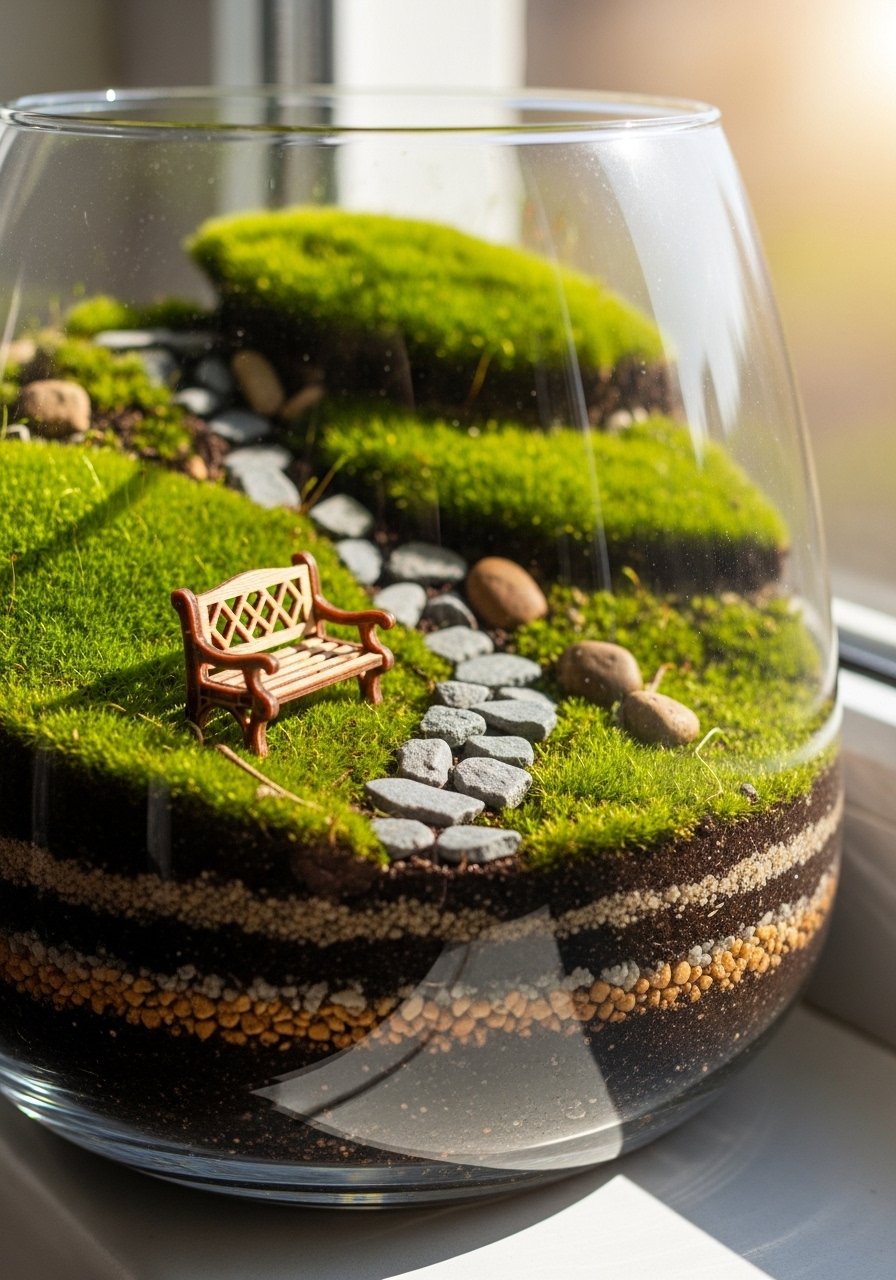
Start with a clear glass terrarium, about 8 to 10 inches tall. I always use a 2-inch layer of pebbles under potting mix for drainage. The visual trick is to stack heights: low living moss, a mid-height ceramic house, and a taller faux fern at the back to create depth. This feels like a tiny landscape you want to walk into. Budget is low if you already have soil tools, but a quality set of miniature gardening tools helps. Try mini gardening tools for terrariums. A common mistake is overcrowding. Leave negative space so each piece reads. For scale, make the tallest item no more than twice the size of the smallest, or the scene feels off.
Rustic Fairy Door Planter For A Front Porch Accent
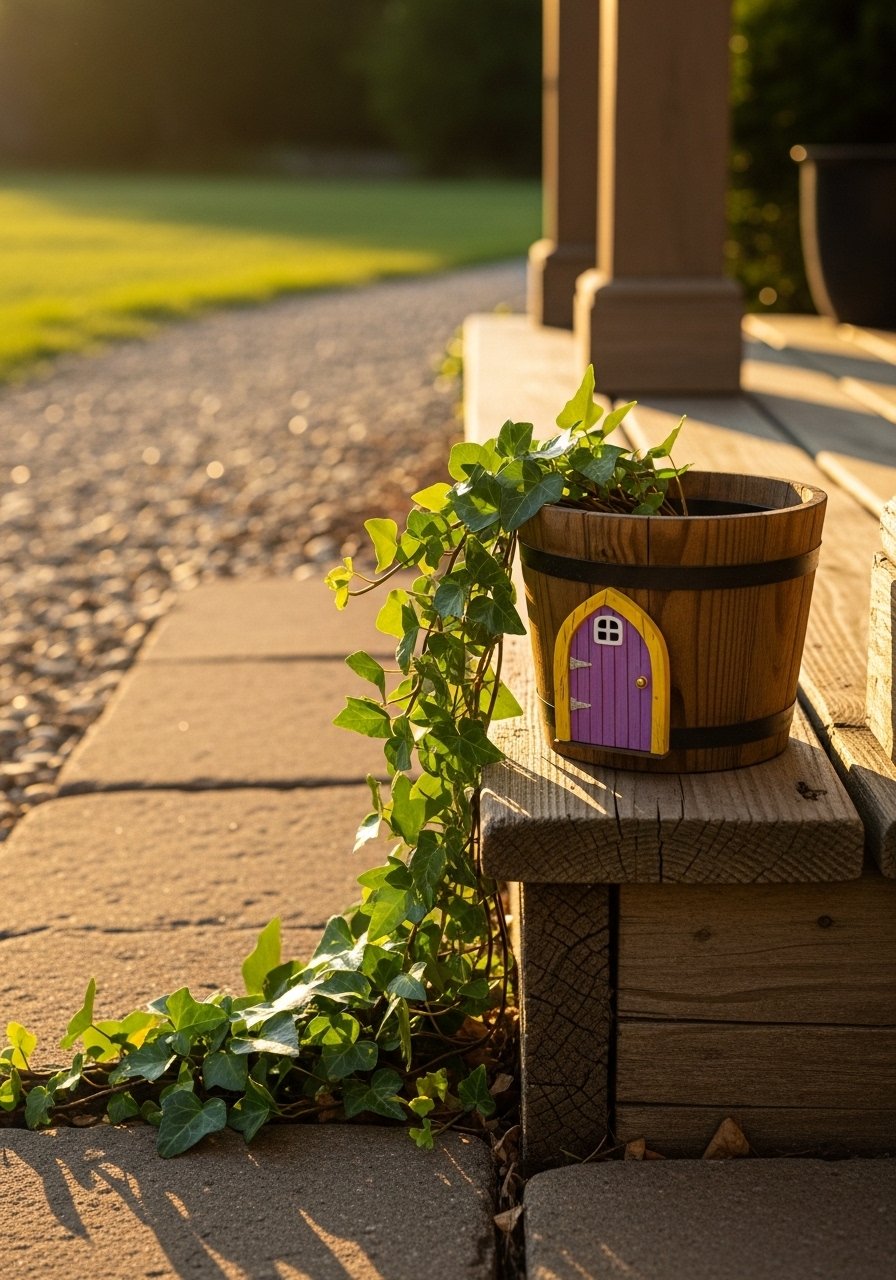
I mounted a tiny painted door on a cedar planter and instantly the porch felt friendlier. This is great for porches or stoops and works well with trailing plants like ivy or thyme. Paint the door a saturated color for a focal point, about 2.5 to 3 inches wide so it reads from arm’s length. Use mini wooden fairy doors and exterior glue for durability. People often make the door too small and no one notices it. Pair the door with a 6-inch stepping-stone or a cluster of glass pebbles for scale. Budget under $30 if you reuse leftover paint.
Miniature Pathways With Natural Pebbles For A Backyard Pot
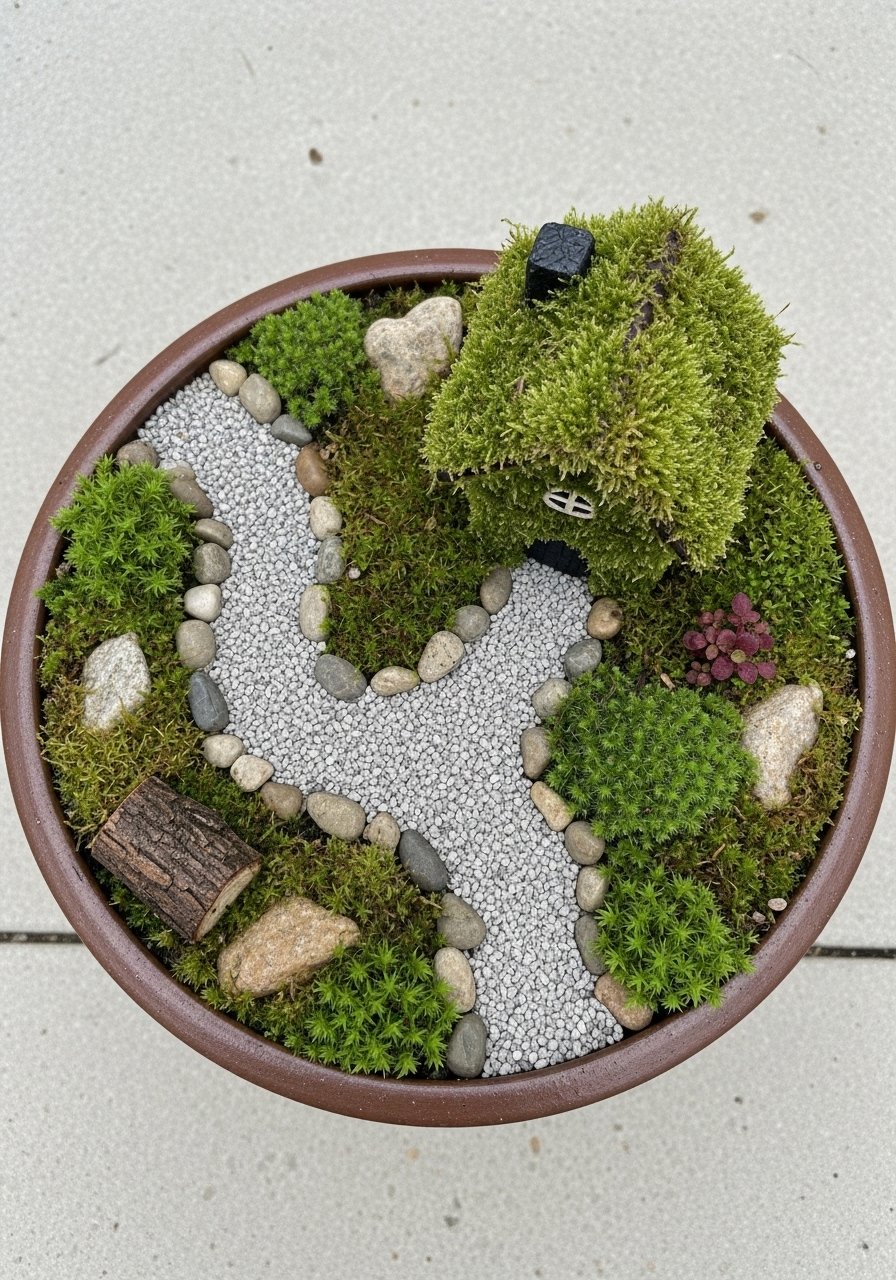
Paths make a fairy garden feel planned. I used flat pea gravel and a tube of craft glue to lay a path about 1/2 inch wide so it reads at scale. A trick I learned is to press the pebbles into damp soil and then top with a tiny dusting of sand to hold them in place. For a low-cost start, assorted decorative pebbles are great. The mistake most people make is using stones that are too big. Keep the stone size under 1/4 inch for pots under 12 inches wide. This idea works on balconies and patio tables, and it pairs nicely with the terrarium idea above.
Reclaimed Teacup Fairy Garden For Indoor Tabletops
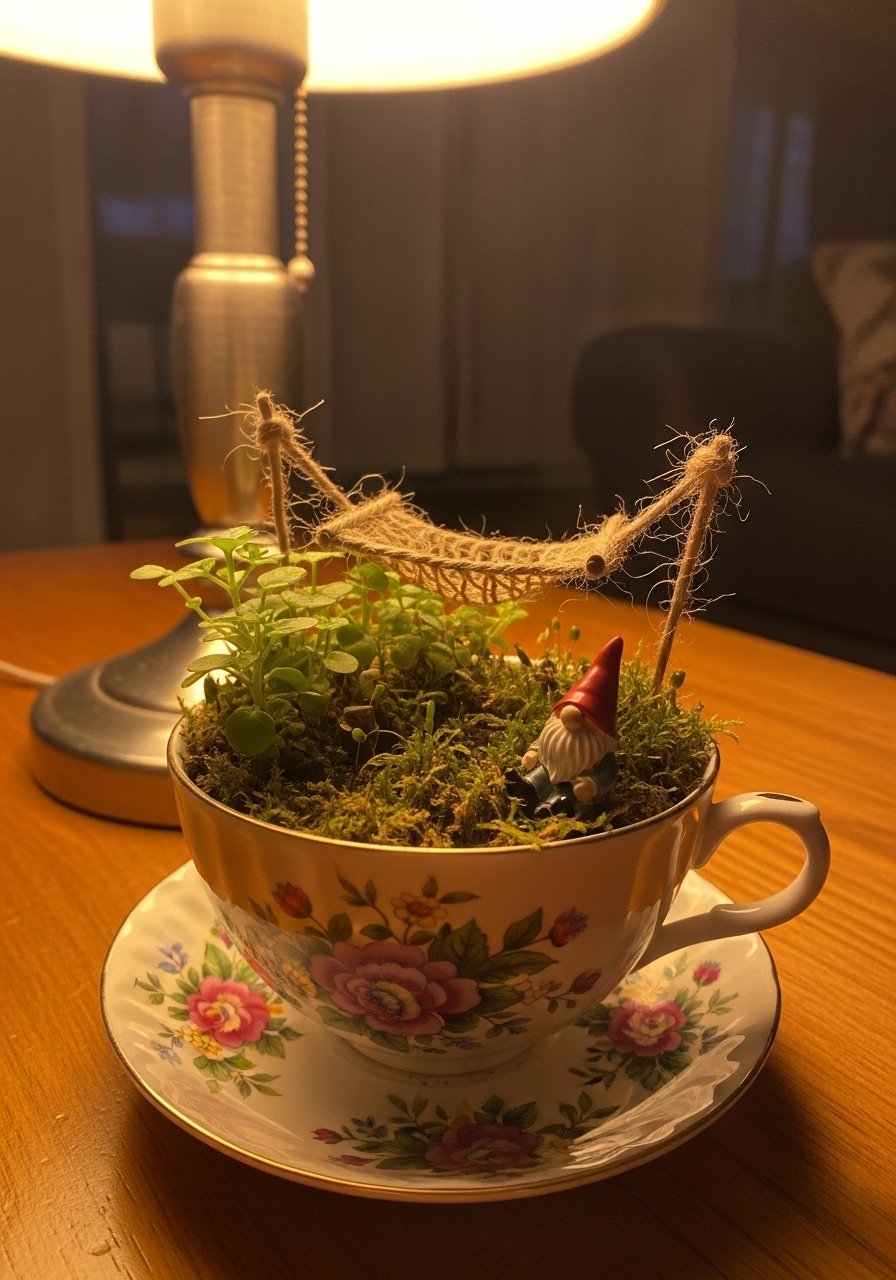
I have a hoard of chipped teacups and turning one into a fairy garden is fast and forgiving. Use cactus soil for drainage and pack in a small layer of activated charcoal if you worry about mold. Plant shallow succulents or air plants that need little water. I used small ceramic teacup planters on a shelf display. A common error is overwatering. Treat these like succulents, water sparingly. Teacup gardens make charming gifts and fit perfectly on entry tables or bathroom counters where humidity helps.
Solar LED Fairy Light Trail For Outdoor Containers
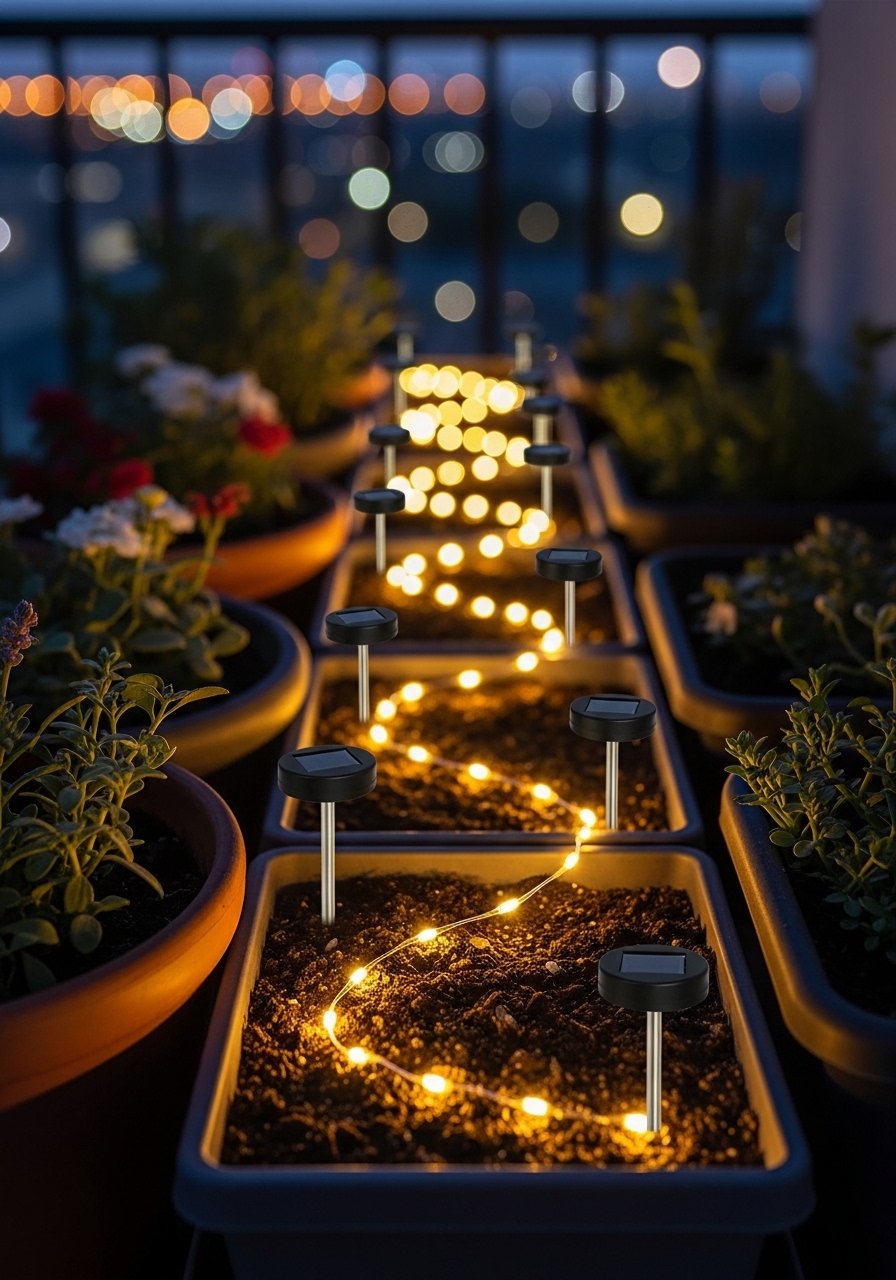
Lighting changes everything. I wired a string of micro solar LED lights into a pot and suddenly the whole balcony felt intentional. Use solar micro-stakes because you avoid running wires through plants. Place lights 1 to 2 inches above the soil level so they cast a soft wash rather than a spotlight. These mini solar fairy lights are weatherproof and cheap. A mistake is burying the solar panel or placing it in shade. Make sure the panel gets direct sun for at least four hours. This works for any outdoor nook and makes evening views so much more magical to sit with.
Tiny Furniture From Polymer Clay For Kid-Friendly Rooms
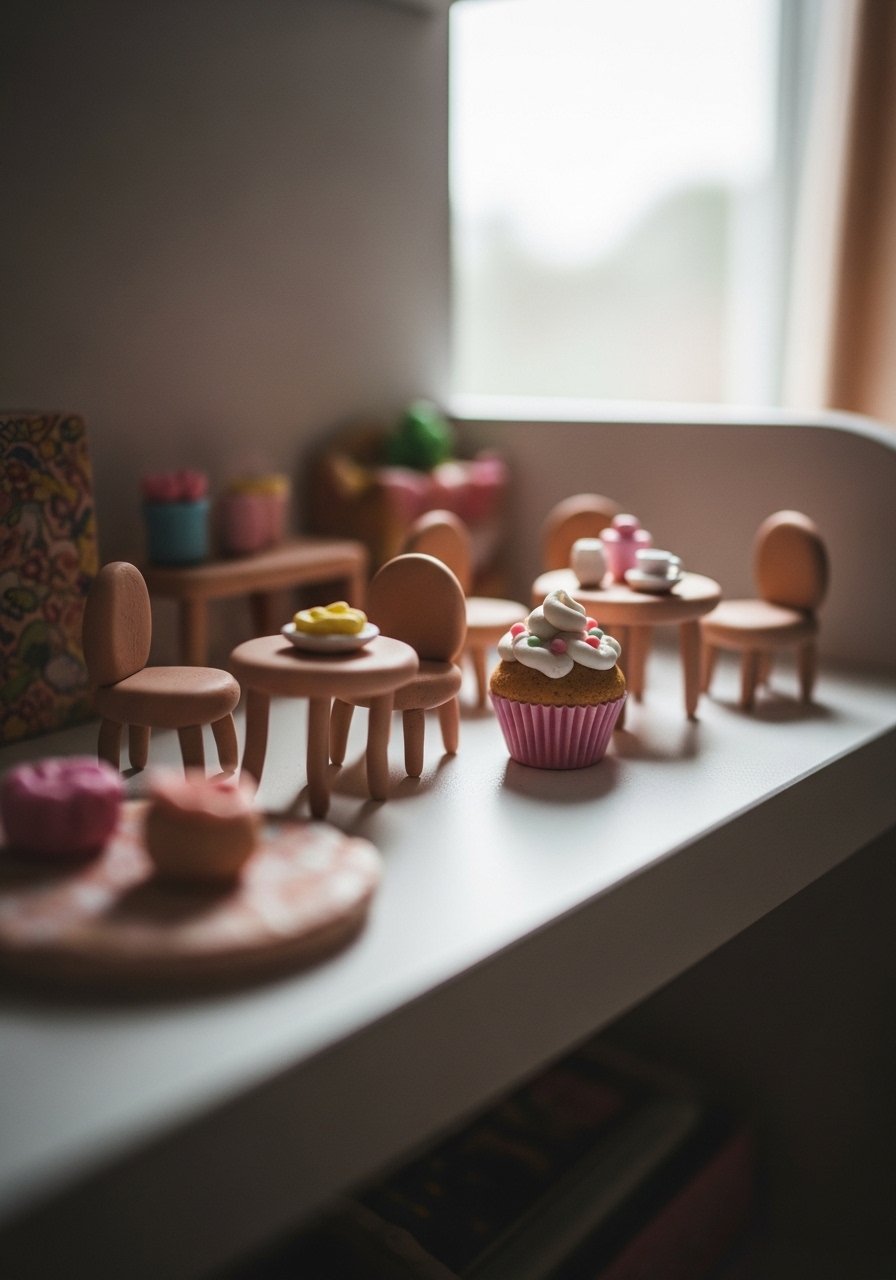
I made tiny clay chairs and a teapot to put in my daughter’s windowsill garden. Polymer clay bakes in a home oven and you can make pieces about 1 inch tall. Make a template so chairs match scale across pieces. For tools, I use a polymer clay starter kit with a small rolling pin and cutters. Parents often overcomplicate this. Keep shapes simple, color pieces with acrylic paint after baking. Stuff this kind of garden into a child’s room or play space. The small scale encourages imagination and the pieces are light enough that kids can move them without damage.
Moss Cushioning For Moisture-Loving Fairy Gardens
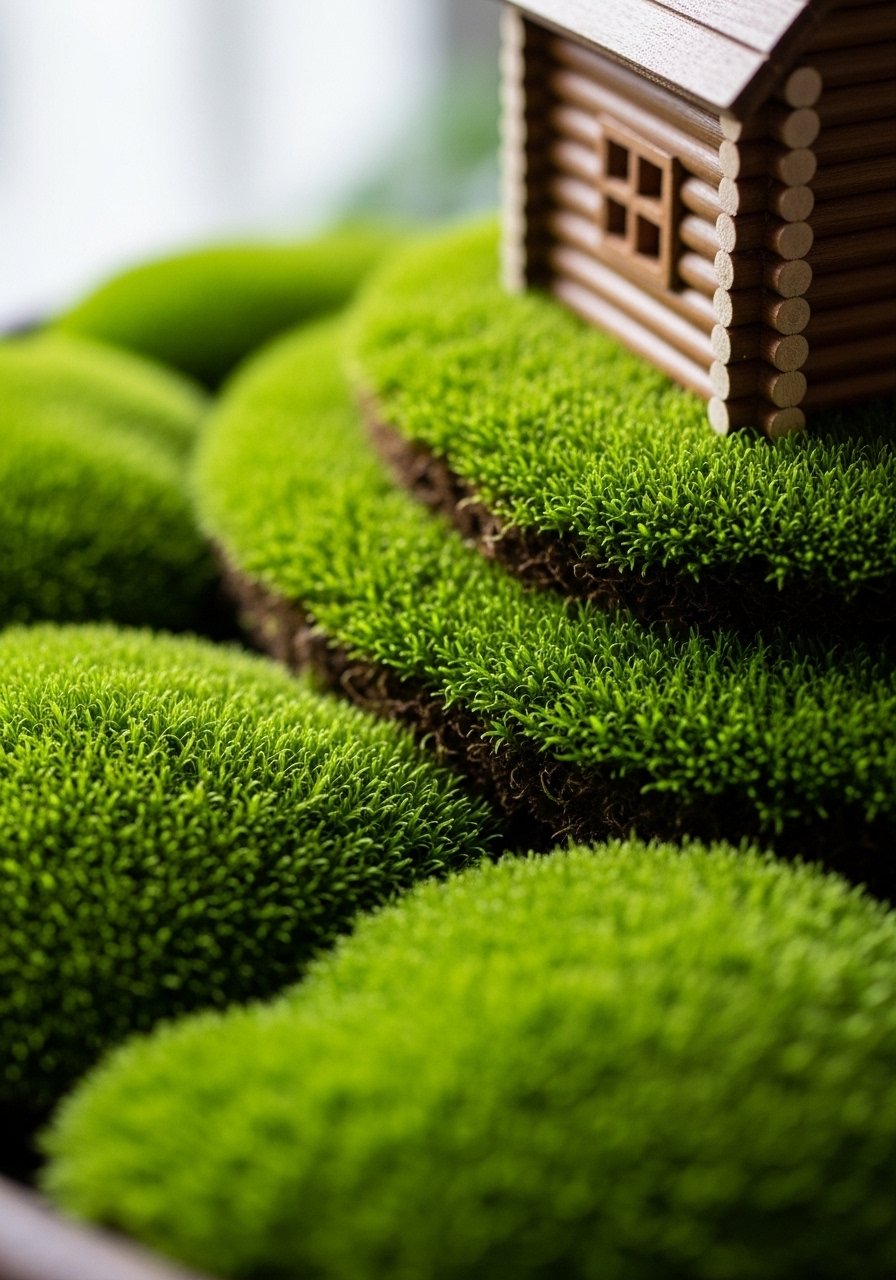
I learned to use sheet moss instead of loose moss for shaded containers. It holds moisture and gives a lush, even carpet look without floating away in the next watering. Buy preserved sheet moss when you do not want maintenance, or live sheet moss for true green that will grow. I get mine in 4×4-inch sheets like preserved sheet moss packs. Newbies often sprinkle moss loosely and it looks messy. For a polished result, cut sheets to fit and glue edges under rocks or behind a tiny bench for clean seams. This is particularly nice in shaded terrariums or north-facing rooms.
Upcycled Dollhouse Parts For A Vintage Cottage Look
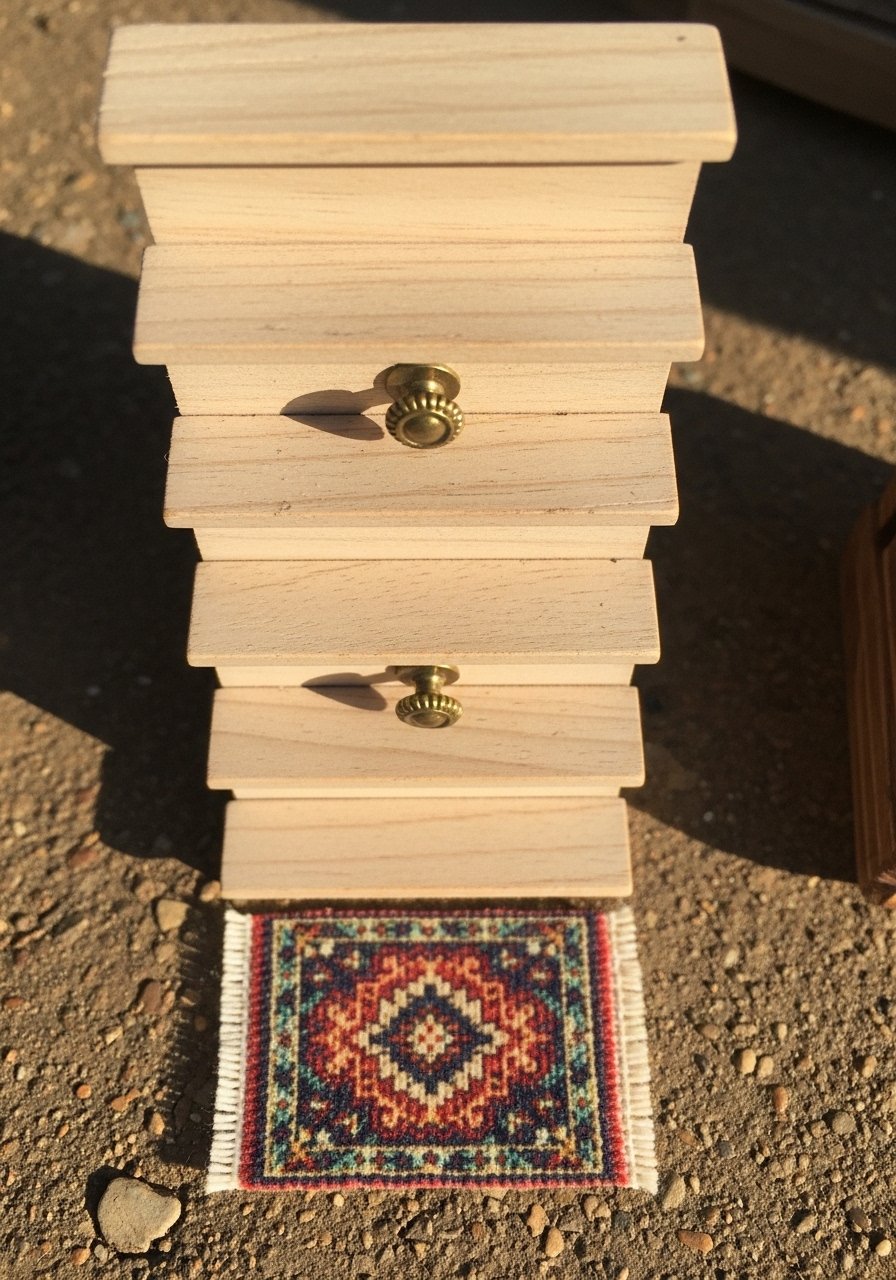
I raid thrift stores for dollhouse bits and hardware to make a story-rich garden. Old stairs, tiny brass knobs, and carpet scraps give a lived-in patina you cannot buy new. Glue dollhouse parts to flat stones or small blocks so they stand level in soil. I keep a tiny hardware collection for doorknockers and hinges. People assume everything must be new and miniature shops charge a premium. Thrifted pieces give character and save money. For scale, keep door knobs under 1/4 inch wide or they overpower the scene.
Miniature Water Feature Using a Shallow Dish For Calm Corners

There is something about a tiny water element that makes a garden feel complete. I use a shallow porcelain dish about 2 inches across and a battery-operated micro pump to circulate water without splashing. Keep the pump rated for small fountains and place the dish on a level surface with a 1-inch depth of water. Try battery micro fountain pumps. A common mistake is making the dish too deep. Keep it shallow so evaporation is low and plants at the edge do not drown. This works on covered porches, bright bathrooms, or in larger indoor terrariums.
Painted Rocks As Story Stones For Tabletop Displays
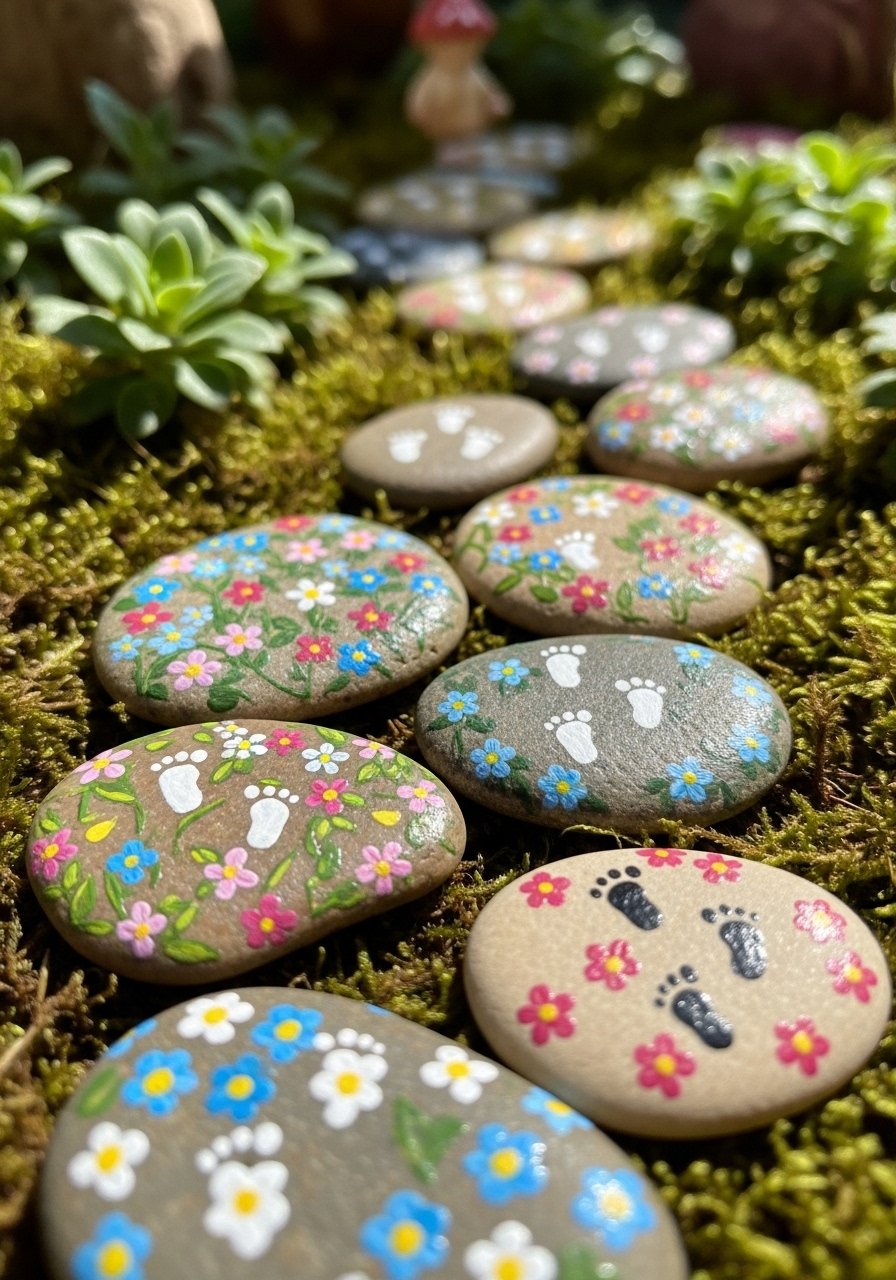
Painted stones are an easy craft to anchor a theme. I keep a set of stones painted with door numbers, tiny signs, and stepping-stone patterns. Use acrylic paint and a matte sealant to protect them. For readability, keep letters and icons at least 1/8 inch high and use dark outlines. I pick up smooth river stones and seal them with matte spray sealant. People overpaint with too much gloss and the stones look cheap. Flat, soft color reads better at small scale. These work great on coffee tables, mantel vignettes, or grouped in large planters.
Tiny Fabric Hammock Or Rug For A Cozy Reading Nook
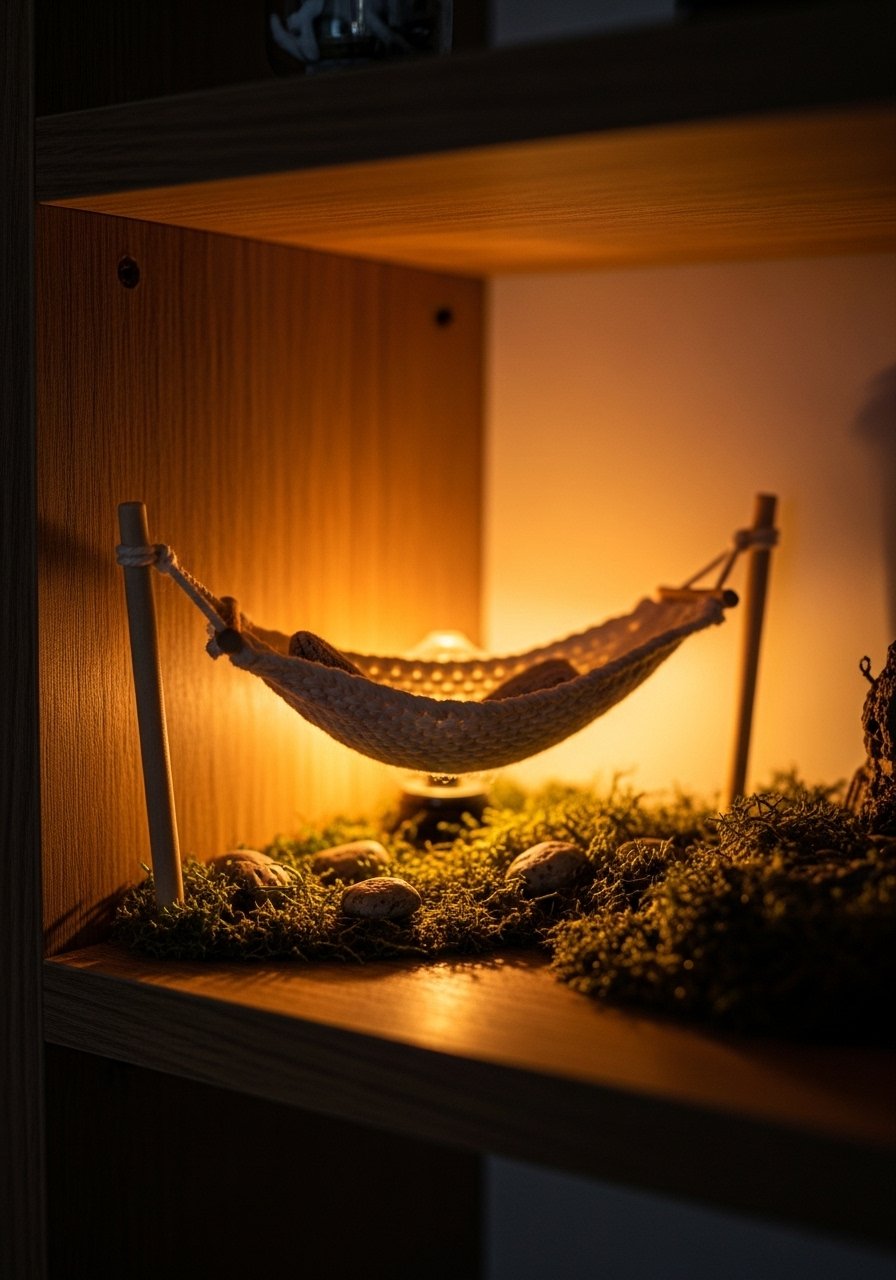
Tiny textiles add coziness. I stitched a hammock from a scrap of linen roughly 1.5 by 2 inches and hung it between two dowel posts glued into a tiny base. For a rug, a 2×3-inch scrap of thrifted fabric with frayed edges looks lived-in. Use a dab of craft glue on corners so the fabric keeps shape. I often store tiny fabrics in a mini sewing kit. The most common mistake is using fabric that is too stiff. Pick thin, soft fabric and pre-wash if it has a heavy finish. These pieces make fairy gardens feel like real hangouts.
Seed Packet Garden For Seasonal Rotation On Balconies
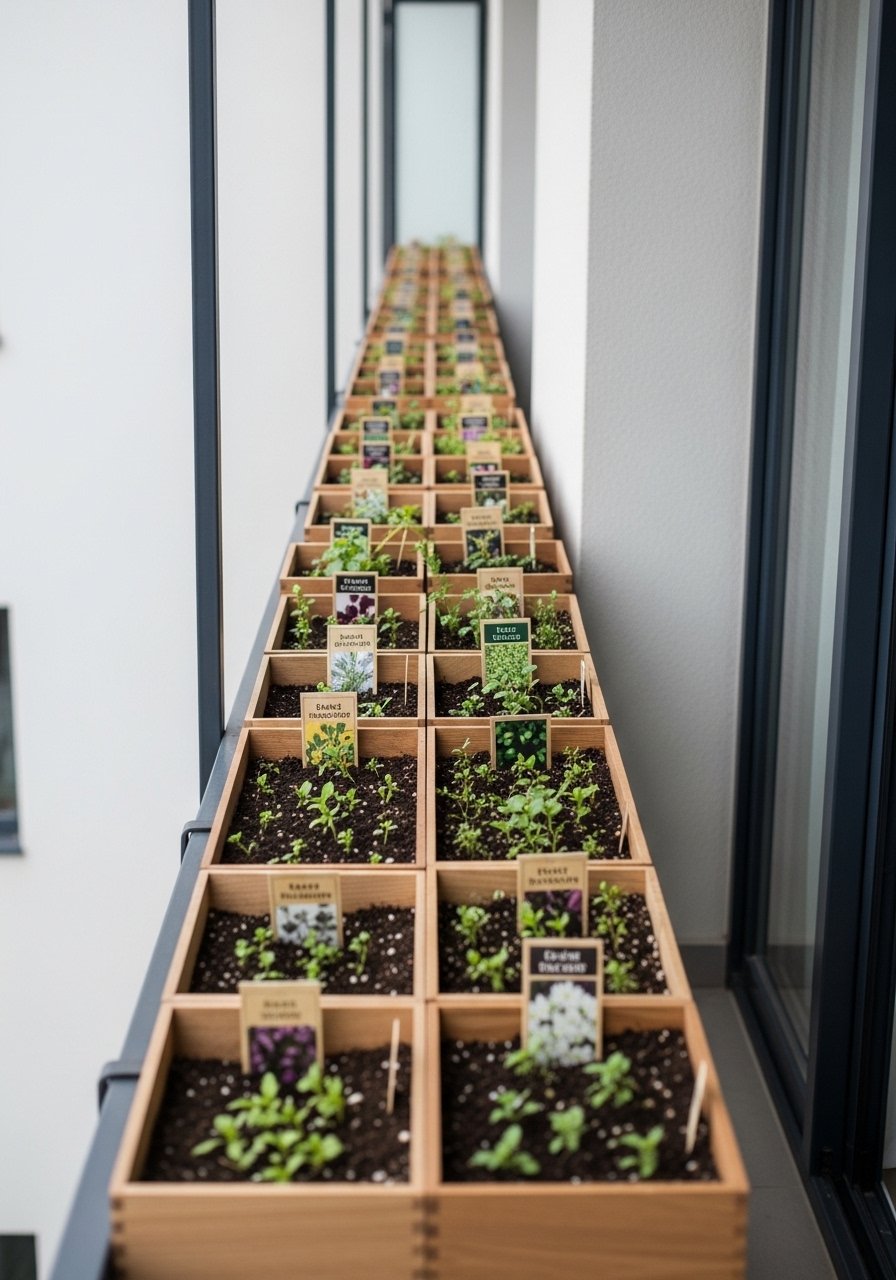
I swap miniature scenes by season using seed packet labels and tiny planters. Start small with thyme, alyssum, or dwarf pansies. Label each mini plot with handmade seed tags about 1 inch tall so you can rotate themes easily. Use mini wooden trough planters for a neat look. A mistake is planting tall varieties that outgrow the scene. Choose plants that stay under 6 inches for balcony boxes. This is a fresh angle that competitors miss, because rotating seasons keeps a fairy garden interesting without rebuilding from scratch.
Battery-Operated Candles For Safe Evening Glow Indoors
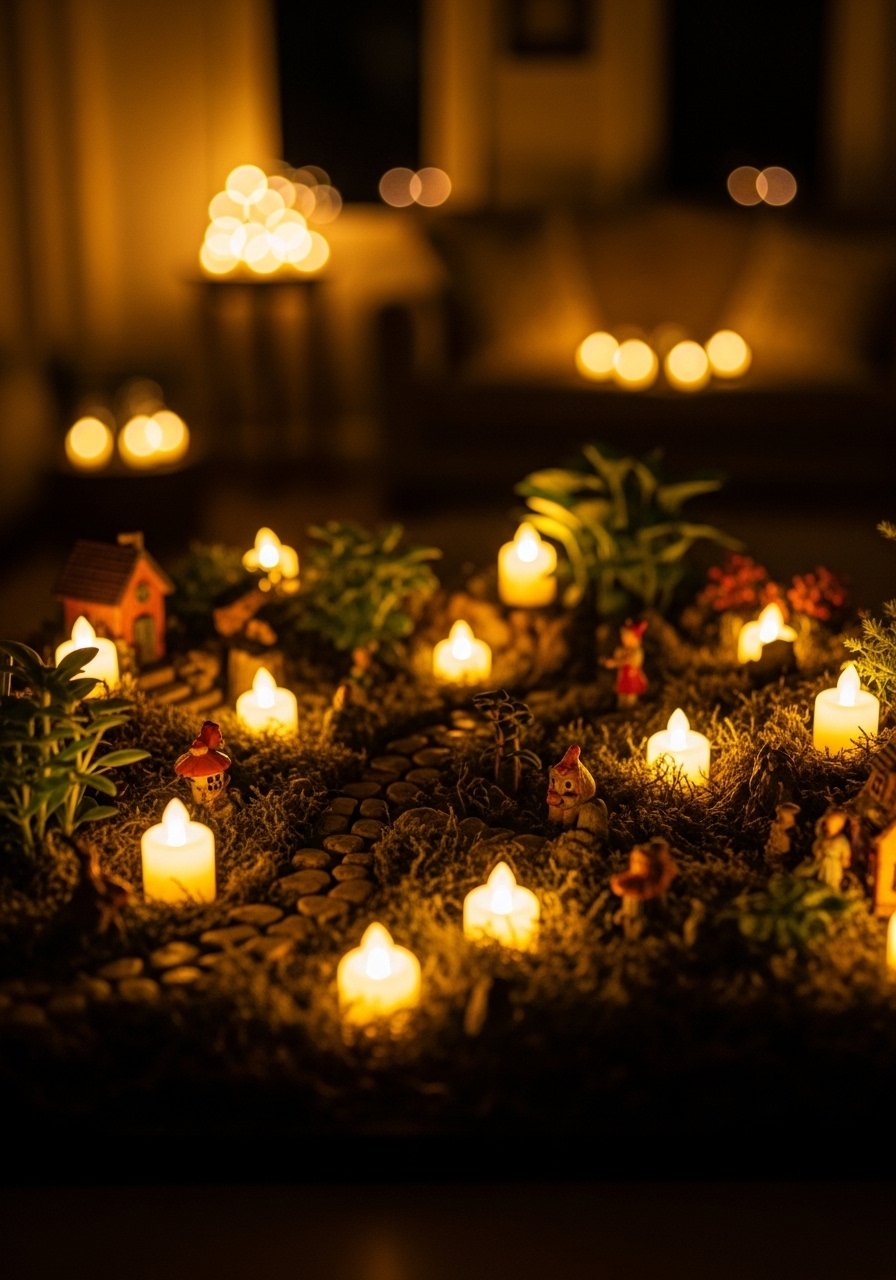
Real candles are lovely but risky in small displays. I use tiny battery-operated tea lights to add warmth and flicker safely. Place them behind a house or under a tree so the light filters through leaves. These mini battery tea lights last for evenings and are small enough to tuck away. A common mistake is placing lights too close to dried moss or fabric. Keep a 1-inch buffer and use battery options if anything is flammable. This works inside on side tables and mantels where open flame is not appropriate.
Storytelling Add-Ons With Tiny Books And Signs For Shelves
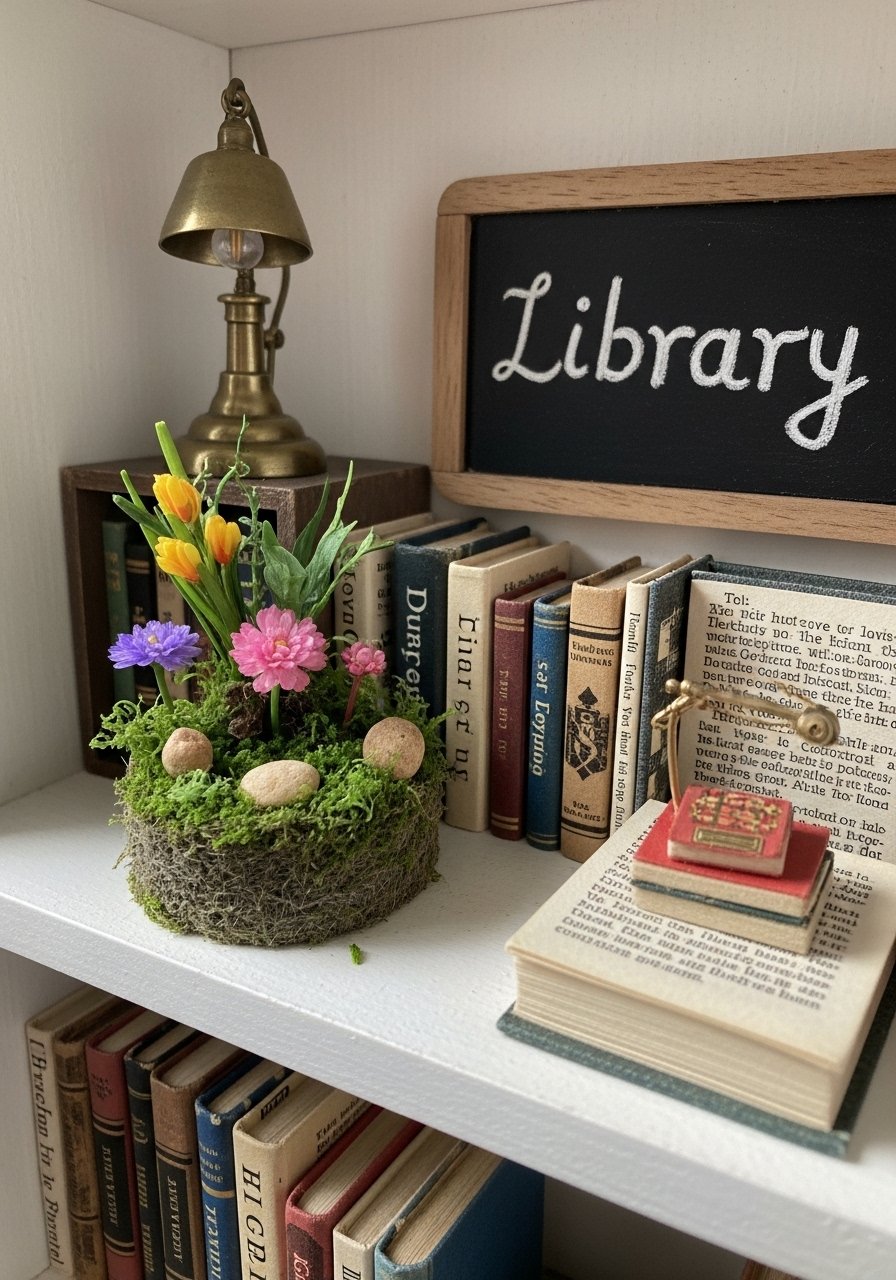
Little props sell the narrative. I glue paper pages into 1-inch book covers and add tiny titles with a fine pen. Small signs help tell the scene's story, like a chalkboard reading "Park." Make book spines about 1/8 inch wide so they read from a foot away. I use ultra-fine permanent pens for detail work. People forget scale and make signs huge. Keep props clustered in groups of three to follow the rule of three. These pieces are perfect for shelf displays and pair well with the teacup and painted-rock ideas above.
Your Decor Shopping List
Textiles
- Honestly the best $40 I have spent. 22-inch down-filled linen pillow covers, set of 2 in soft gray for a layered display next to a windowsill garden
Tools & Craft Supplies
- Mini gardening tools for terrariums (~$12). Small trowel and rake fit tiny pots
- Polymer clay starter kit (~$20) for tiny furniture making
Lighting
- Mini solar fairy lights (~$18). Use for outdoor containers and balcony railings
Decor Pieces
- Mini wooden fairy doors (~$10-18). Paint them bold for curb appeal
- Preserved sheet moss packs (4×4-inch sheets) for low maintenance indoor displays
Budget Finds
- Assorted decorative pebbles (~$8) for paths and accents
- Mini battery tea lights (~$9 pack) for safe indoor glow
Splurge Tool
- Battery micro fountain pumps (~$40) to add a tiny water feature that lasts
Most of these items are similar at Target or HomeGoods if you prefer to shop in person.
Shopping Tips
White oak beats dark wood in 2026. Design feeds have shifted completely. These white oak floating shelves are a neutral backdrop for tabletop gardens.
Grab mini gardening tools for terrariums for $12. Small tools prevent accidental root damage when you plant in tiny pots.
Curtains should puddle or kiss the floor, never hang halfway up. These 96-inch linen panels are right for standard 9-foot ceilings and make a windowsill garden feel framed.
Lead with a single large plant rather than five tiny ones. One 6-foot fiddle leaf fig anchors a corner so your fairy garden has a backdrop.
Try preserved moss if you travel a lot. Preserved sheet moss packs keep a display green without watering.
Frequently Asked Questions
Q: Can I make a fairy garden on a small apartment balcony?
A: Yes. Use vertical planters and keep things lightweight. Mini wooden trough planters or shallow terracotta boxes work best, and pick low-growing plants under 6 inches so they do not block the view.
Q: What materials last outdoors year-round?
A: Use glazed ceramic houses, stainless steel hardware, and solar LEDs. Preserve wood with outdoor sealer and avoid paper props outside. Mini solar fairy lights are a good durable light option.
Q: How do I prevent mold in terrariums?
A: Start with a pebble drainage layer and activated charcoal, then use a well-draining mix. Keep the lid off for a few hours a week to let moisture escape and water sparingly.
Q: Can kids help build these projects safely?
A: Absolutely. Give kids glue that dries clear and oversized pieces to avoid swallowing hazards. Reserve hot-glue tasks for adults and let kids place rocks, paint stones, and arrange plants.
Q: How do I choose scale so tiny pieces feel real?
A: Use the "double rule." Keep the tallest element no more than twice the height of the smallest. For a pot under 8 inches, make doors 2 to 3 inches tall and props 1/8 to 1/2 inch for readability.
Q: Are fake plants acceptable inside fairy gardens?
A: Both work. Live moss or succulents look great, but high-quality faux plants have zero maintenance. Use faux when light is poor or you travel often. A faux fiddle leaf or tiny silk fern reads realistically when tucked in behind live pieces.
Q: How can I make my fairy garden look less kitschy?
A: Stick to a simple palette, three focal pieces, and leave negative space. I learned this the hard way when I overloaded a bowl and nothing stood out. Painting props in muted tones helps harmony.
Q: What is the easiest quick project for a busy person?
A: Upcycled teacup gardens take 15 minutes to arrange and require almost no maintenance. Plant a small succulent, add a painted rock, and tuck in a tiny chair for instant personality.