
My living room had nice furniture and decent lighting but it still felt like a waiting room. Took me embarrassingly long to figure out it was missing texture. Every surface was smooth, every color was flat, and nothing invited you to actually sit down.
These ideas lean modern and warm. Most items are under $50, with a few splurge pieces around $100-150. Works for living rooms, bedrooms, home offices, studios, and any echo-prone hallway that needs a quieter, more intentional look.
Fabric-Wrapped Acoustic Panels as Living Room Art
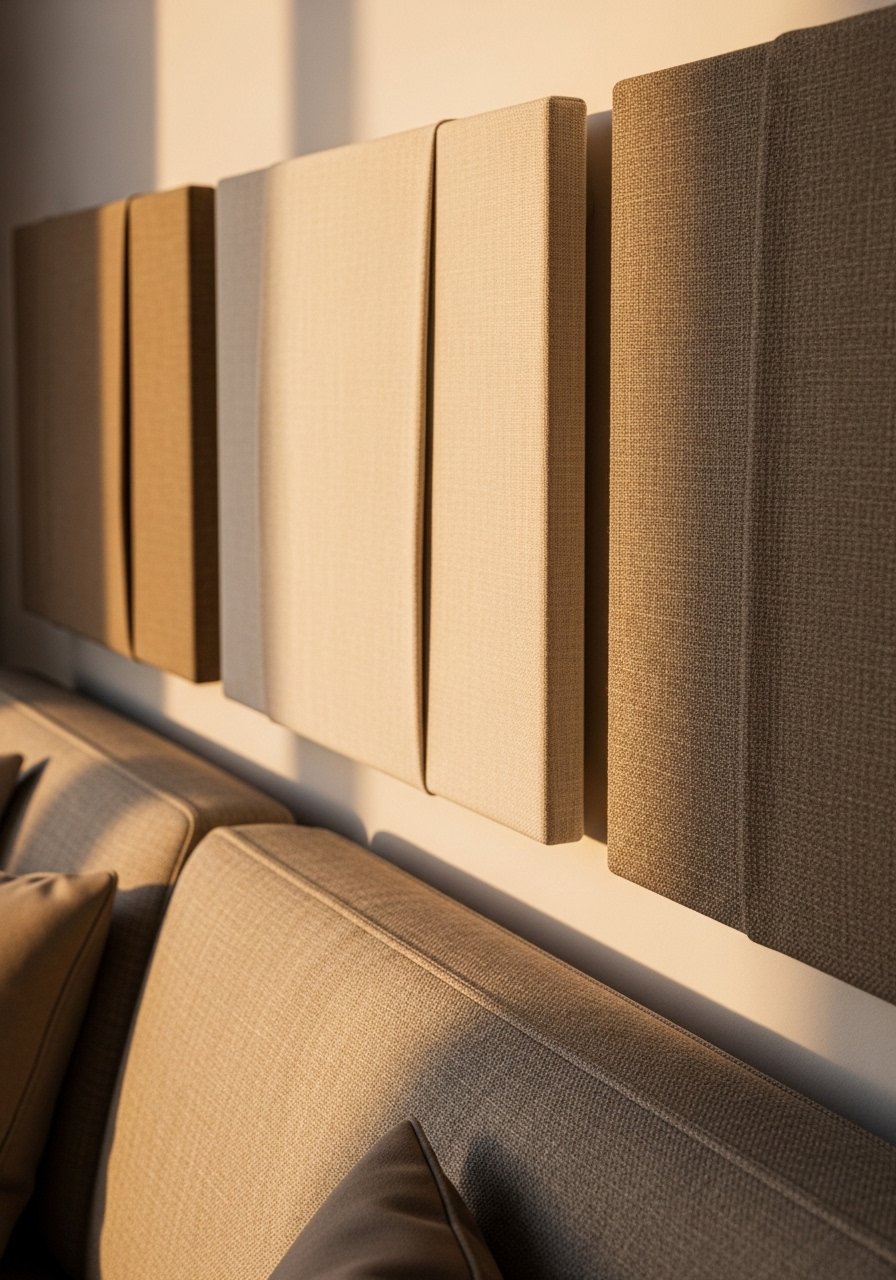
The moment I wrapped foam in upholstery fabric and hung the panels like art, the room stopped echoing and started feeling settled. Visually they read as large framed pieces, which makes them perfect for a living room or media wall. Budget usually falls between $30 and $90 per panel depending on fabric choice. I used studio-acoustic-panel-foam with linen fabric pulled tight over a wooden frame. A common mistake is using fabric that is too thin. Thicker weave keeps the foam from showing through and improves absorption. Pro tip, build panels in a 2:3 ratio so they feel deliberate, not random.
Floor-To-Ceiling Felt Strips for Vertical Texture in Hallways

Most people hang stuff at eye level which makes hallways feel chopped. I stapled 4-inch felt strips to a thin backing and ran them floor to ceiling to add warmth and make the space feel taller. Felt is cheap and scores high on absorption for mid frequencies. Expect to spend $10-30 per linear foot if you use higher density felt. I used adhesive-felt-rolls and thin furring strips. The mistake I see is spacing strips too far apart. Keep a 2:1 coverage to open wall ratio for noticeable sound difference and better visual rhythm.
Patchwork Felt Tiles for a Cozy Bedroom Accent
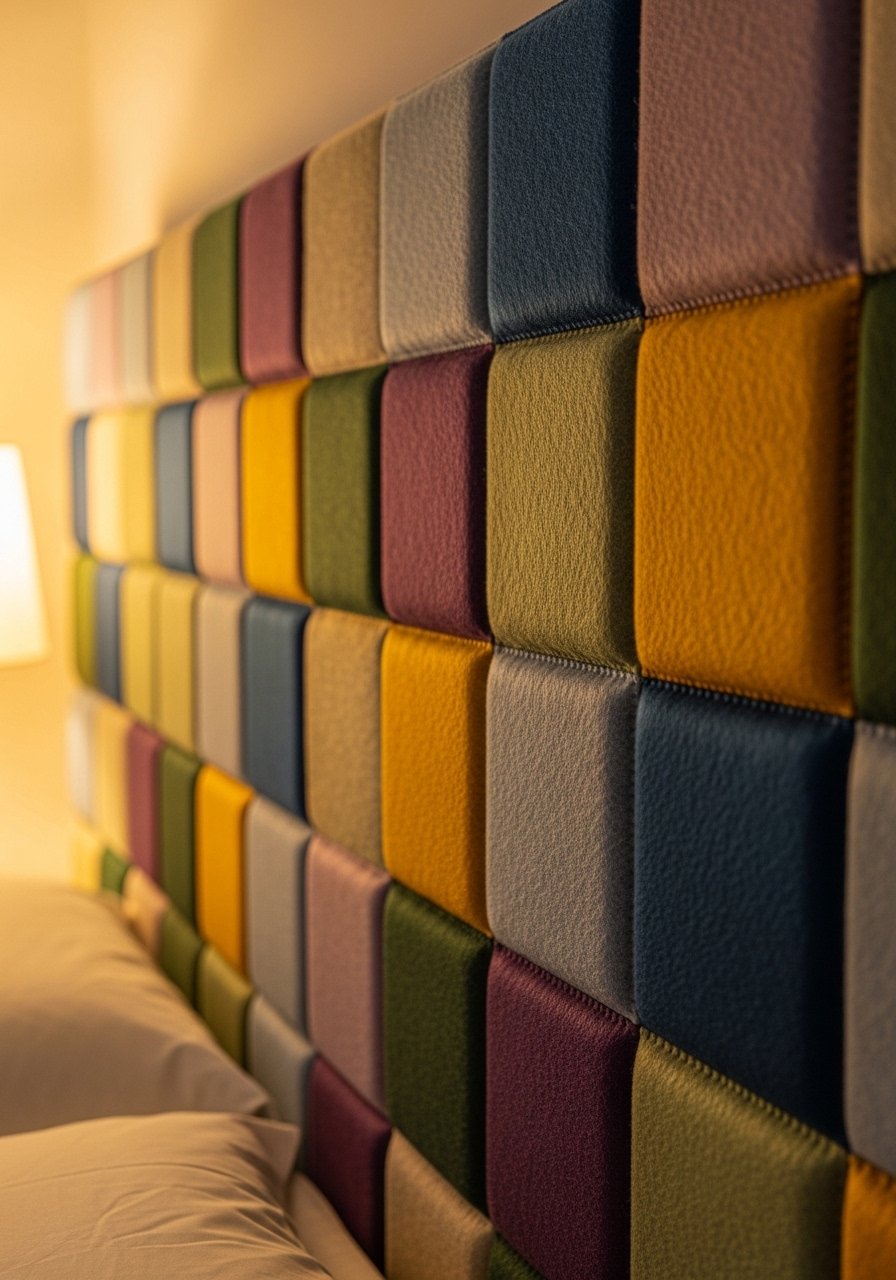
There is something about patchwork that instantly reads cozy without fussy styling. I laid down 12-inch felt tiles in a grid behind the bed to cut hallway noise and create a soft focal point. Budget-friendly kits run $40-80 for a 12-tile starter. I used self-adhesive-felt-tiles and trimmed a few tiles to fit outlets. Common mistake, not staggering seams. Stagger the tiles like brickwork and the wall reads custom. Add a 22-inch linen pillow on the bed and the 80/20 color rule keeps it calm.
Wood Slat Panels With Hidden Acoustic Foam for Modern Vibe
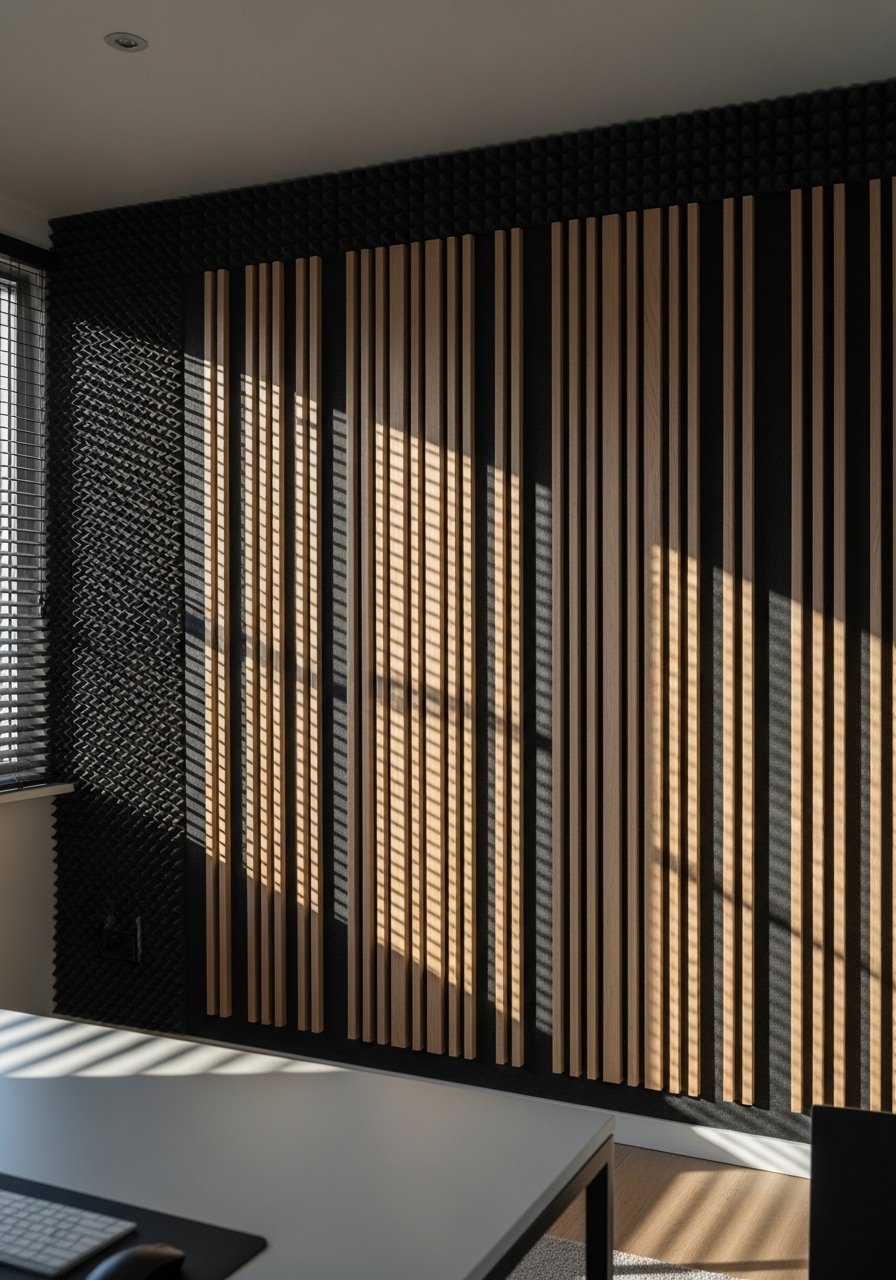
White oak beats dark wood in 2026. Design feeds have shifted completely. I built slat panels and mounted thin foam behind them so the wall looks high-end but still absorbs. The front is decorative, the back does the work. Expect to spend $80-200 depending on wood. I used wood-slat-panel-kit and cut acoustic foam to fit behind each bay. A common slip-up is using slats too close together which traps less sound. Keep 1/4-inch gaps and a 1.5-inch foam cavity for best results.
Reclaimed Frame Panels That Hide Imperfections in Rental Spaces
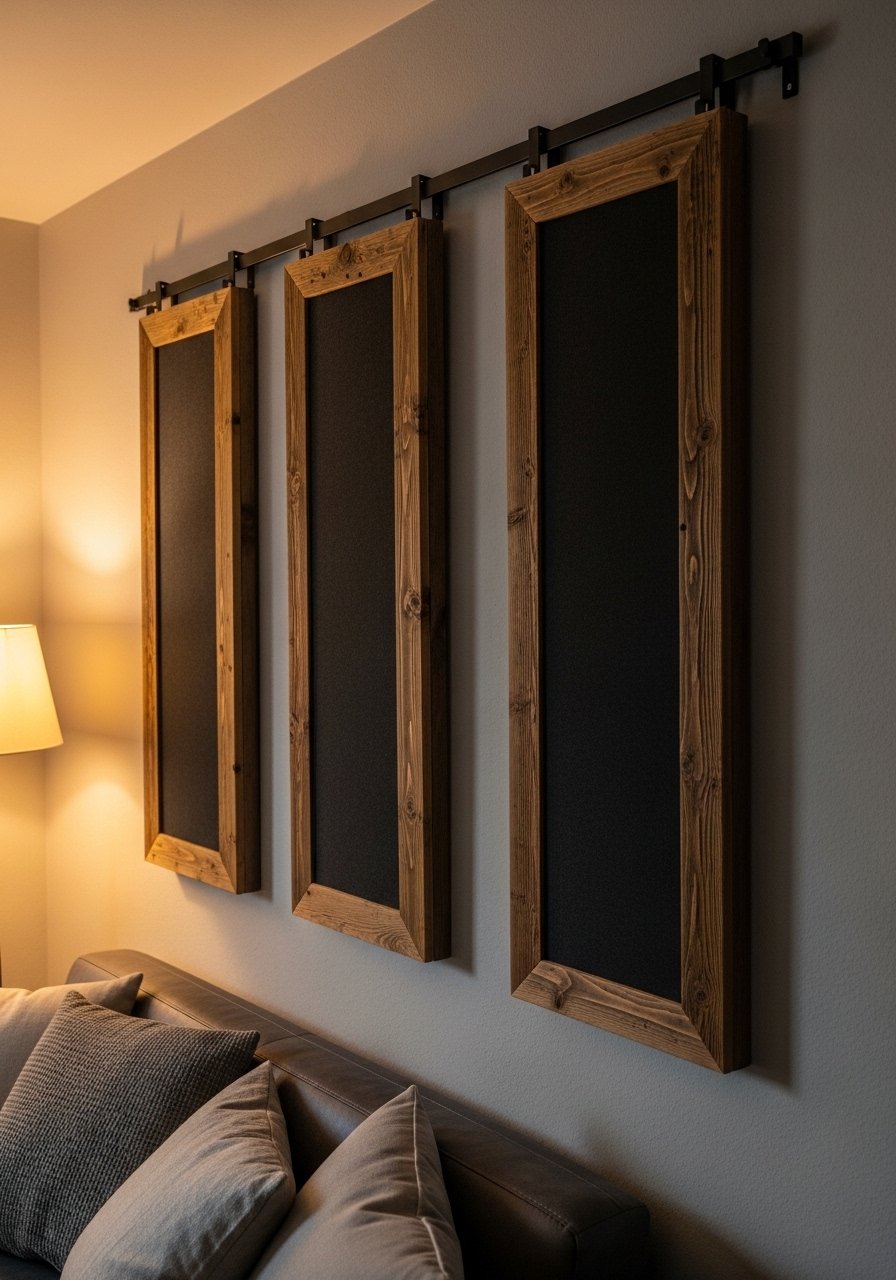
Renters hate drilling permanent holes. I made framed panels that rest on picture rails and cover uneven plaster and nail pops. The fronts are upholstery fabric, backs are high-density acoustic batting. That way you get a clean look without permanent changes. I used reclaimed-wood-frames paired with adhesive Velcro for stability. Mistake to avoid, stacking panels off-center. Keep them centered over the couch and use rule of three for groupings so they read intentional.
Tufted Upholstered Panel Headboard That Absorbs Sound
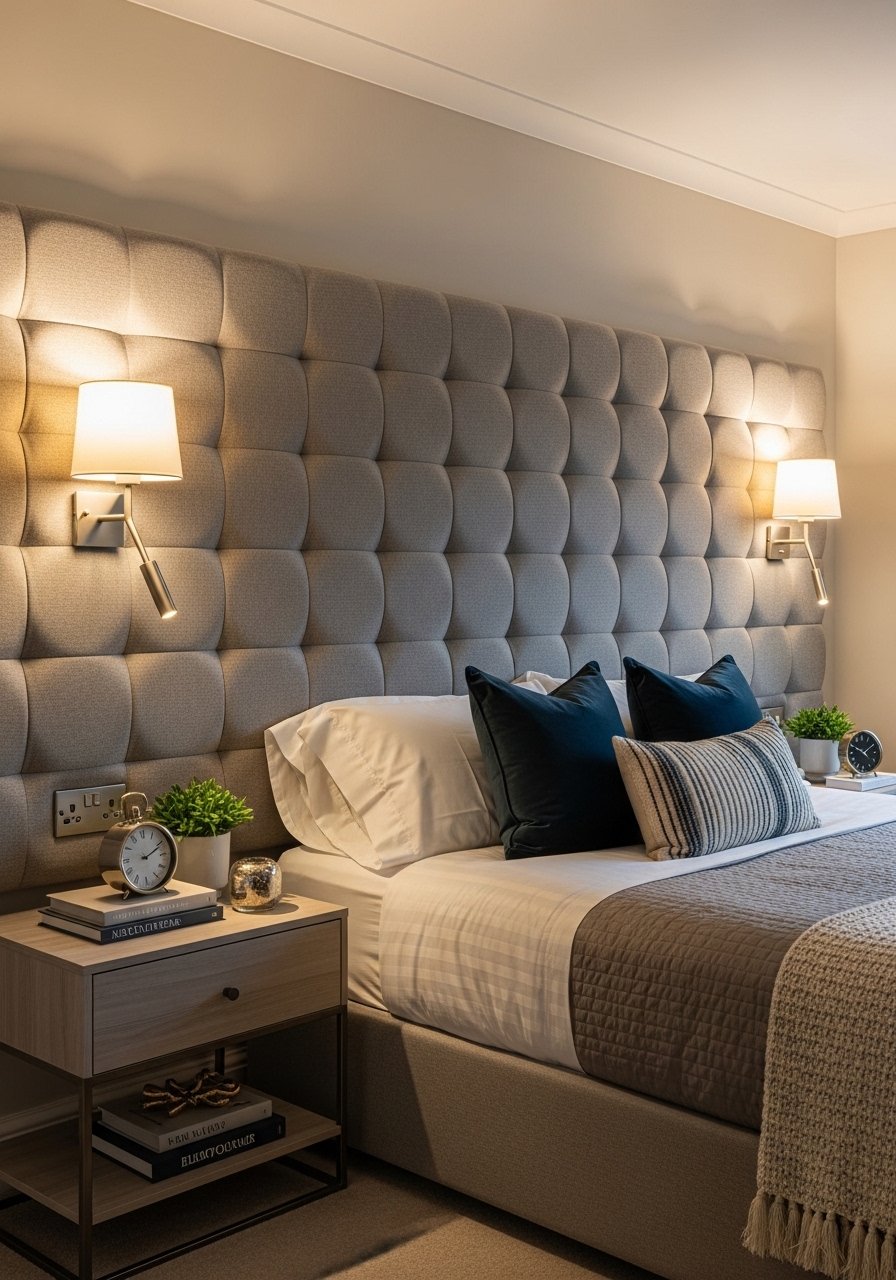
A tufted headboard does the double duty of looking finished and tamping down bedroom noise. I built a 48-inch tall upholstered panel with extra batting and button tufting to tame TV sound from the hall. Splurge pieces push $150-300 if you use high-end fabric. I picked up upholstery-batting-roll and button kits online. People often go too thin on the foam. Add an extra inch of batting behind the fabric and you will hear the difference when the door closes.
Geometric Foam Art Panels for a Home Recording Space
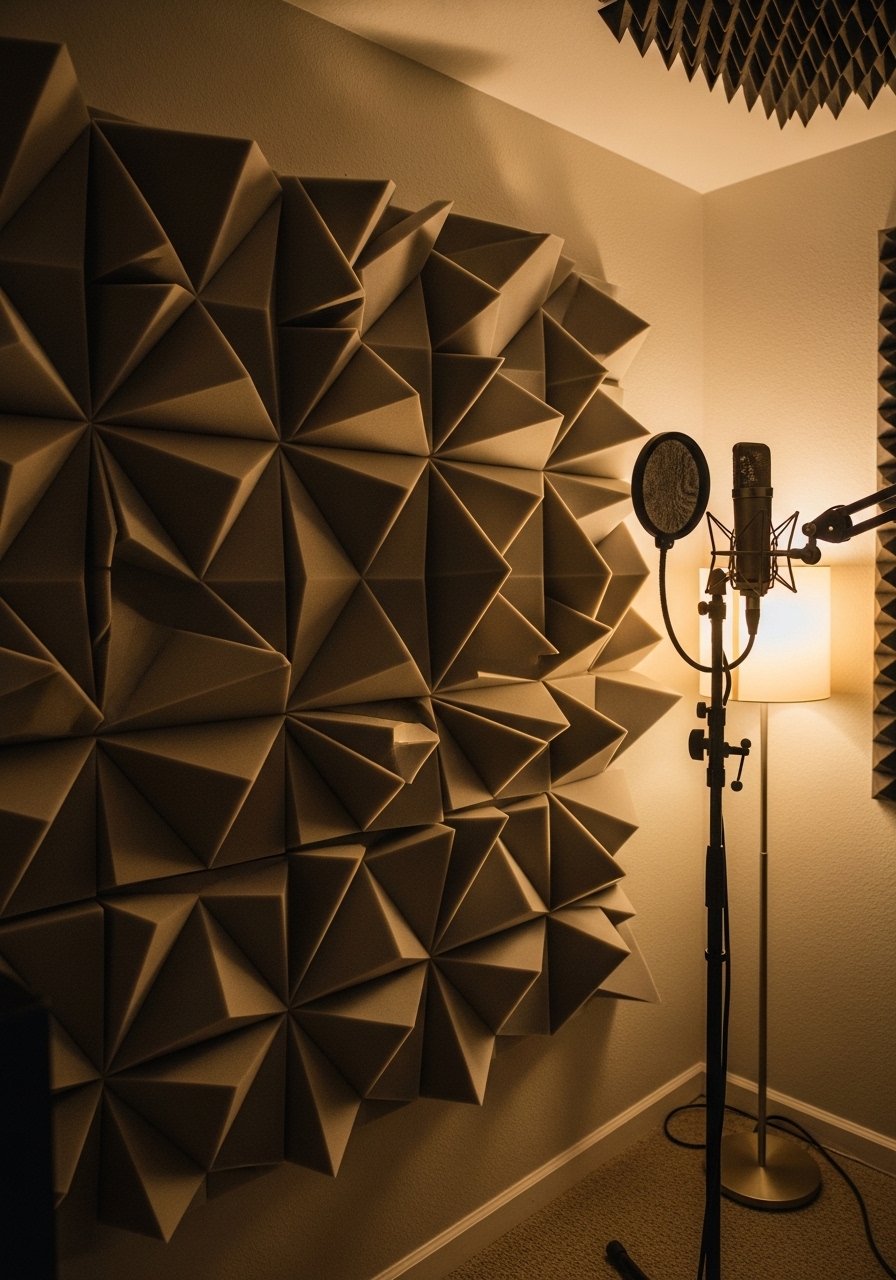
If you record podcast episodes or play guitar, geometric foam panels are both functional and stylish. I cut wedge shapes from eggcrate foam and glued fabric to create a geometric mural. Kits start at about $40 for a starter set. I used acoustic-foam-tiles and fabric spray adhesive. A common error is covering only the center of a wall. Treat first reflection points behind the mic and on the opposite wall. I hang a small rug under the desk to tame floor reflections too.
Movable Rolling Acoustic Screens for Open Concept Rooms
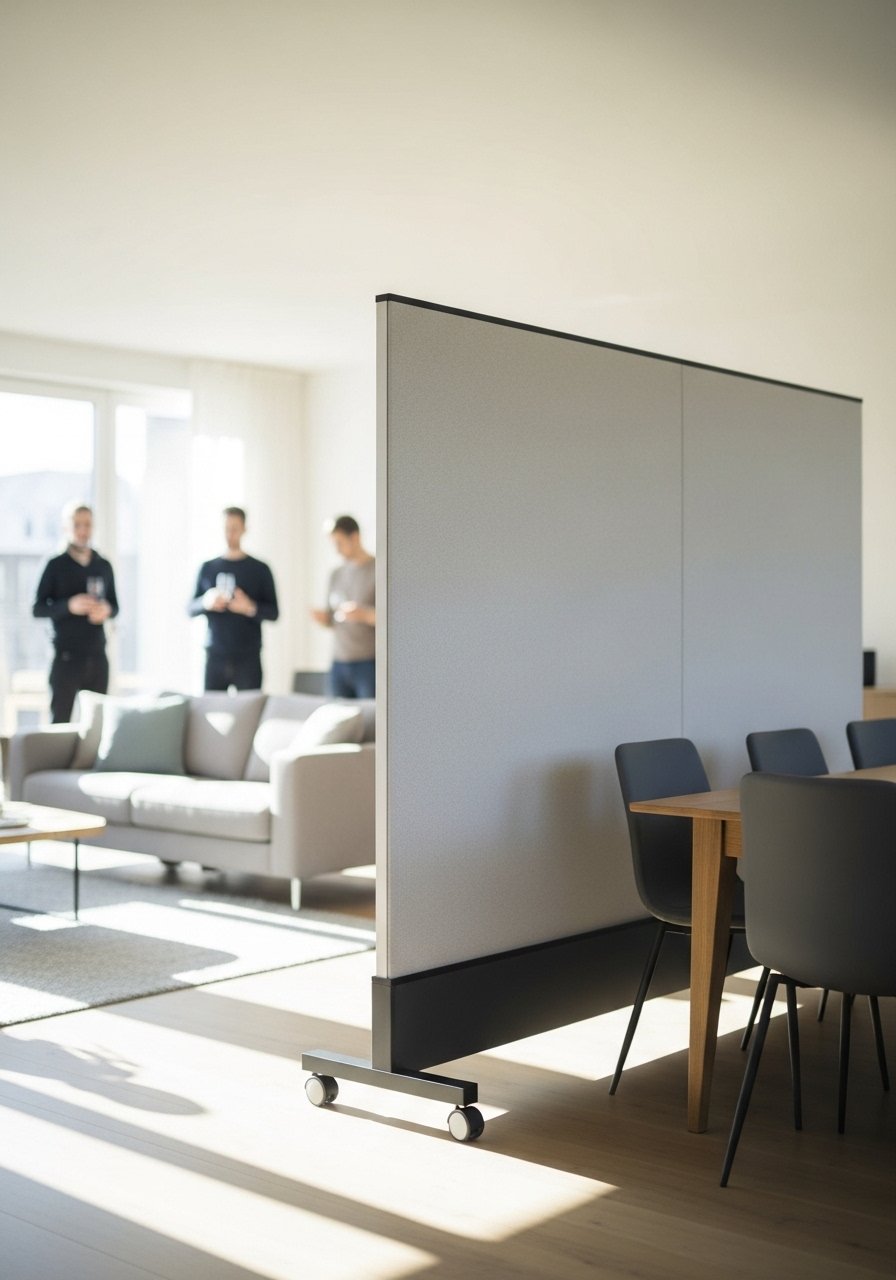
Open concept is great for brunch but brutal for sound. I built rolling screens on casters with thick felt and foam cores so I can slide them where needed. They double as photo backdrops when closed. My DIY took about $120 per panel using soundproofing-blanket-rolls and furniture casters. Mistake I made the first time was using small casters that squeaked. Go for 2-inch locking casters and balance the panel width using the rule of three when grouping multiple screens.
Cork Tile Panels That Add Warmth and Absorption to Home Offices
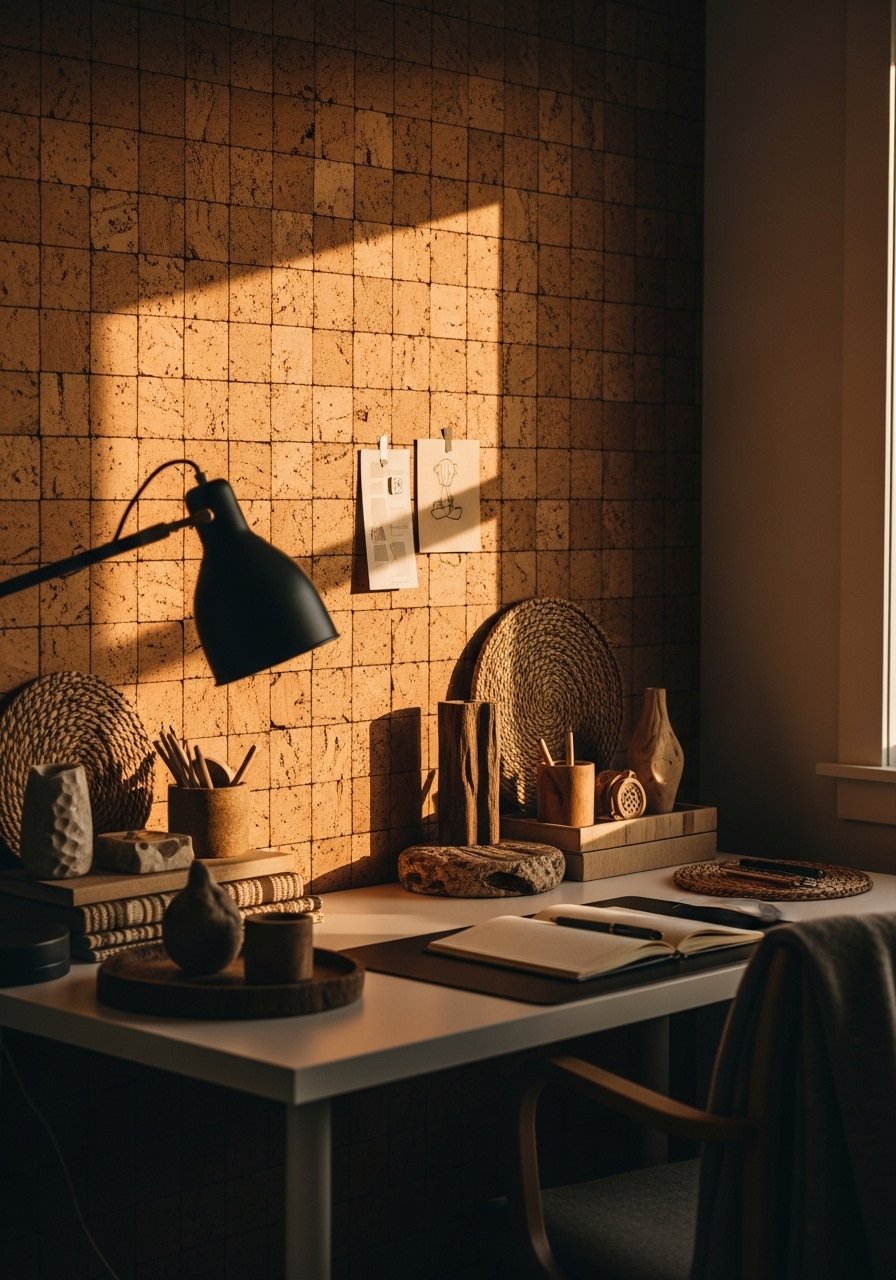
Cork feels warm and tone-downs mid-range frequencies in a room. I glued 12×12 cork tiles onto plywood, then framed the sheet for a clean edge. It also doubles as a pinboard for notes. Expect $60-120 for a medium wall depending on cork grade. I used cork-wall-tiles and contact cement. People often leave seams visible. Flush the tiles and sand lightly for a seamless look that reads custom.
Hanging Baffles From High Ceilings to Calm Large Rooms
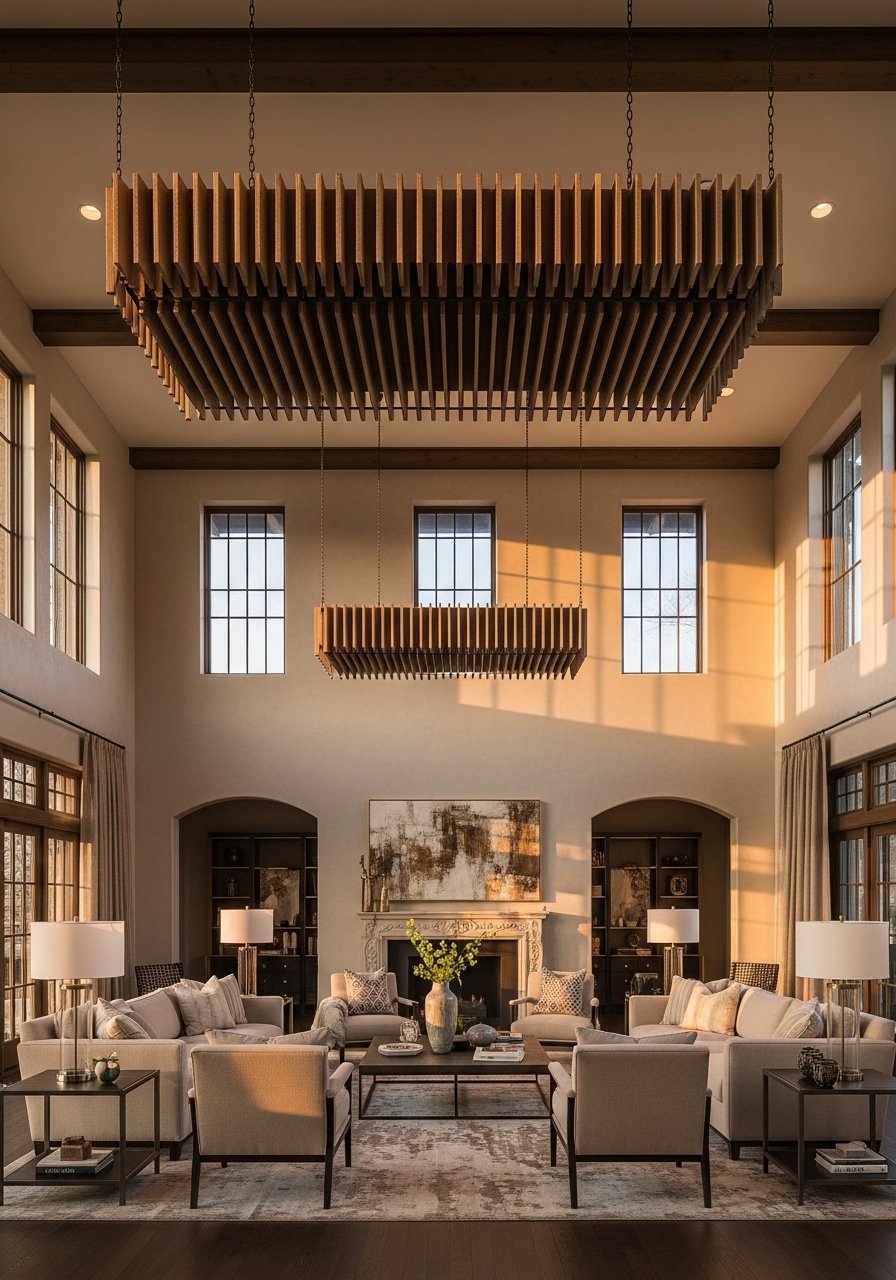
Tall ceilings cause echo because the sound has so far to travel. Hanging baffles breaks up vertical space and reduces reverberation. I suspended felt baffles on thin steel cable and they vanished into the sheens of the ceiling, but worked. Expect $80-200 per baffle. I used hanging-acoustic-baffle-kit and stainless cable. A mistake is mounting them too clustered. Space them at least a third of the ceiling width apart so they scatter sound evenly.
Gallery-Style Fabric Panels in the Dining Room for Quieter Meals
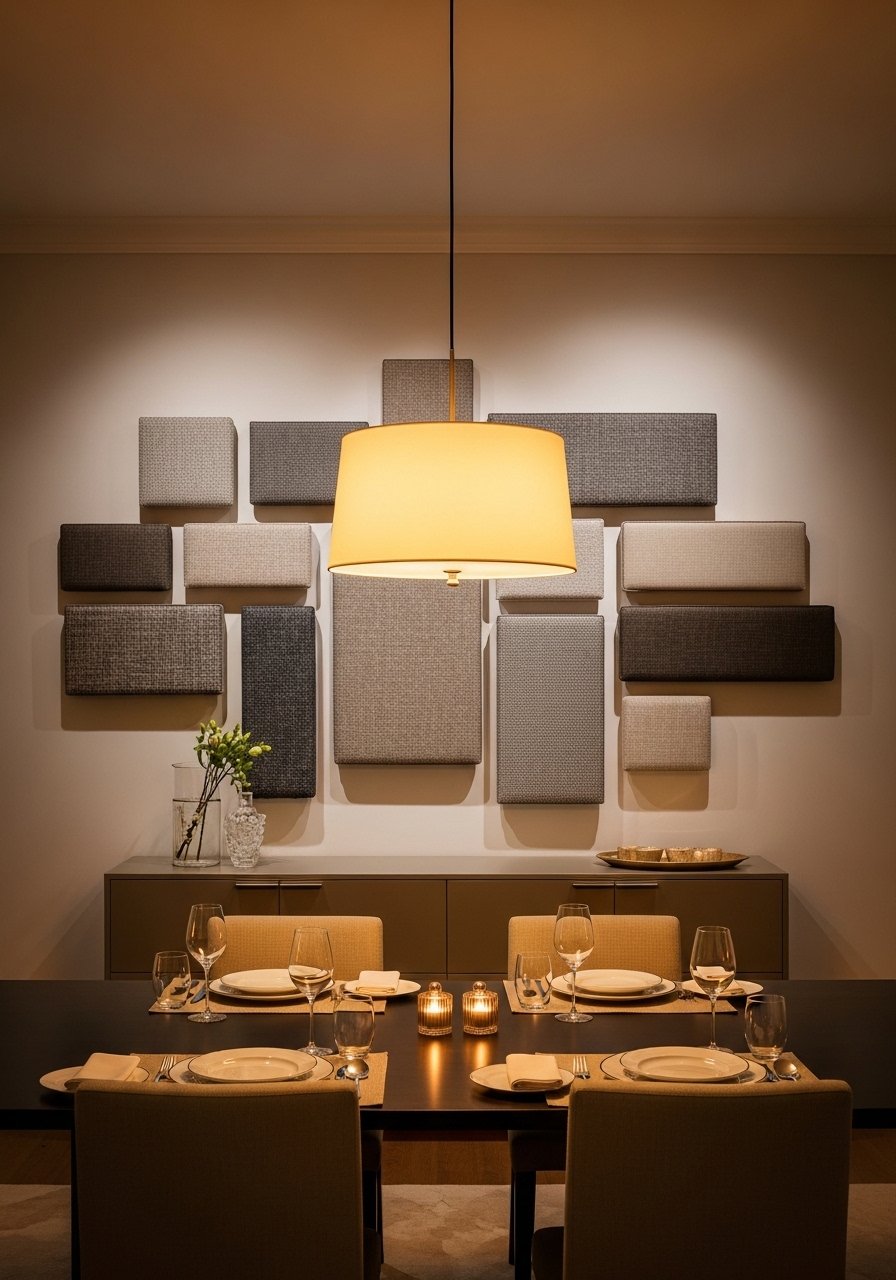
I used a variety of sizes and fabrics to create a gallery that looks intentional and reduces clinking and conversation bleed. Keep a 1:2 ratio between the largest and smallest panels so the wall reads balanced. I bought fabric-upholstery-squares and lightweight mounting hooks. The common mistake is matching every frame exactly. Vary fabrics and mix a linen with a wool panel to keep things lively and not museum-like.
Portable Blanket Panels for Temporary Sound Control
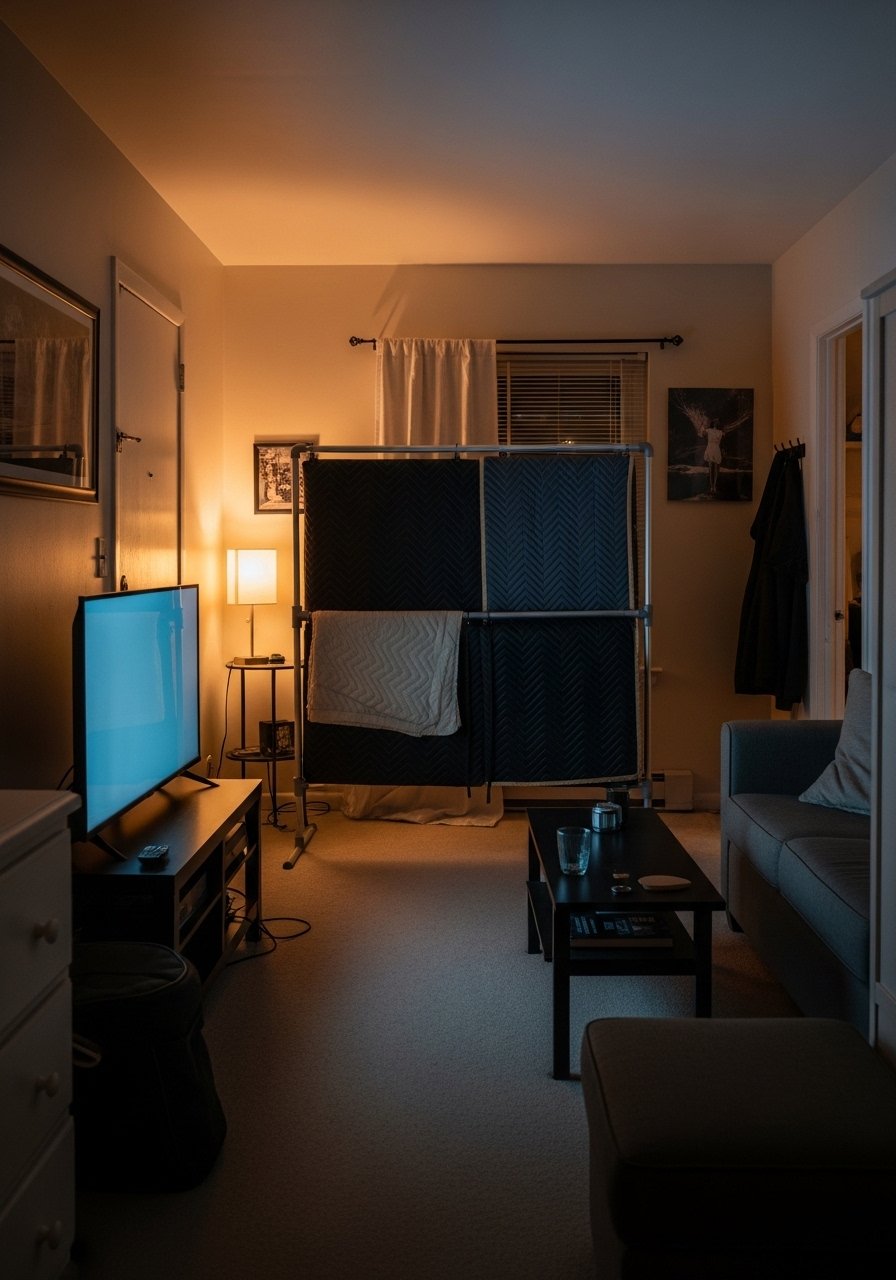
When friends come over and I blast a movie late, I pull out a blanket panel that I hang behind the TV to kill reflections. Moving blankets are cheap and surprisingly effective when paired with a wooden frame. A set costs under $50. I use moving-blanket-sound-absorber and picture wire. People usually forget to secure bottoms, so the blanket flaps and looks sloppy. Add clips or weight the hem for a clean hang.
Woven Textile Panels for a Boho Reading Nook
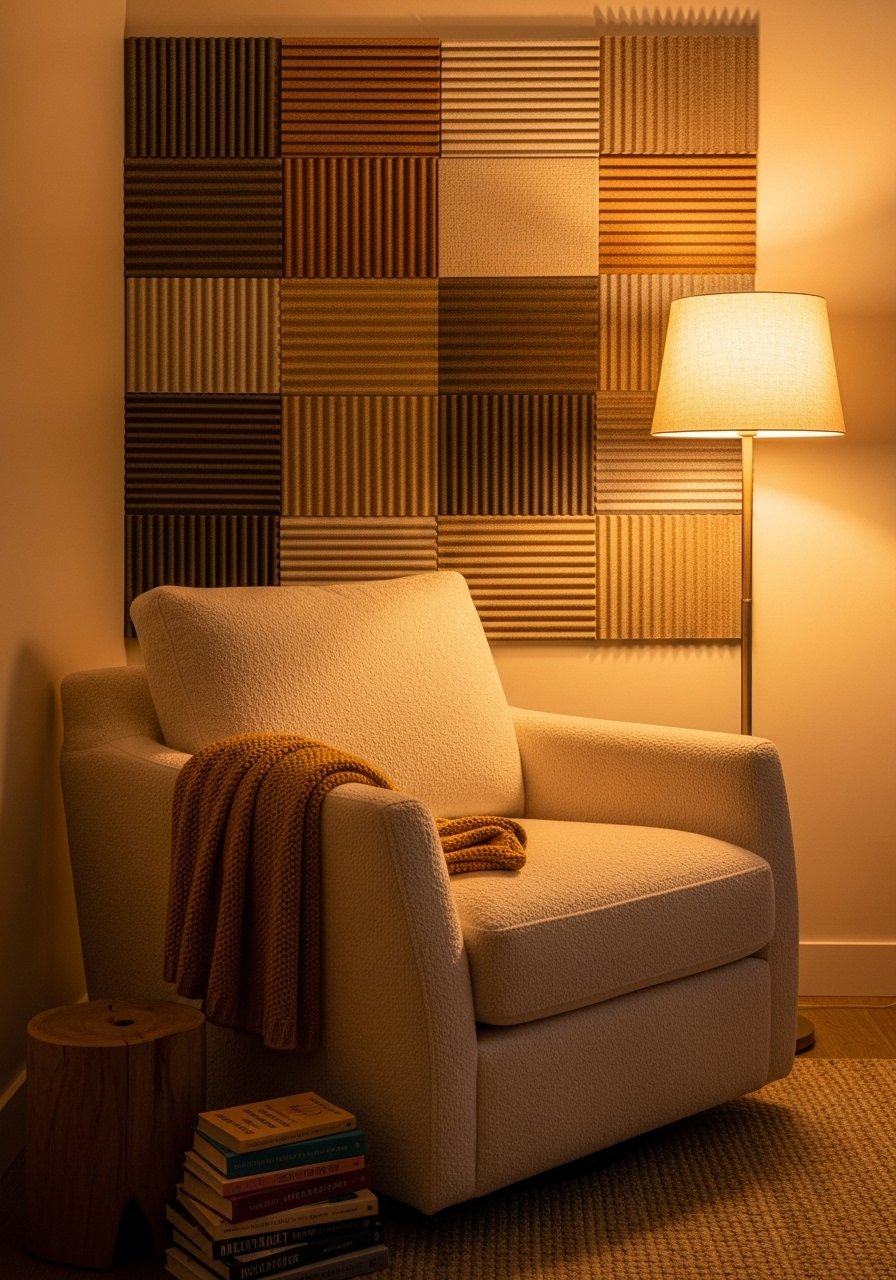
There is something about a reading nook with layered pillows that makes you want to cancel your plans. I stretched vintage kilims over thin panels to get both visual pattern and absorption. It costs more for authentic textiles, but you can mimic the look with patterned cotton. I used decorative-textile-panels and lightweight frames. A common mistake is over-stretching the weave which crushes the texture. Leave a tiny bit of slack so the textile breathes and still traps sound.
Painted Thin Acoustic Boards for Custom Color Blocking
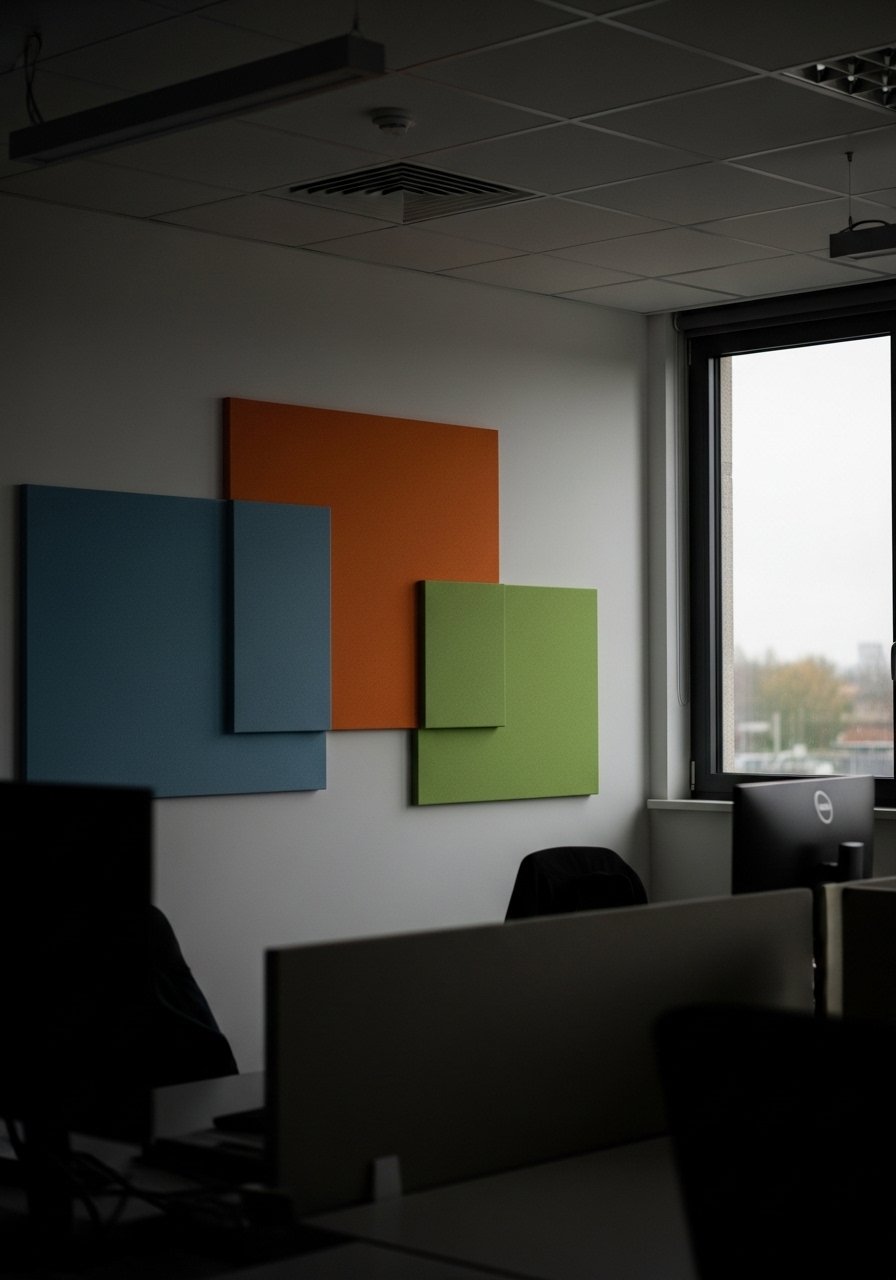
If you want color without carpet or curtains, paint thin acoustic boards and mount them in a color-block configuration. I used eggshell paint which keeps the texture intact. Use a primer rated for fabric-backed panels. I bought acoustic-fabric-board and spray primer. People often think glossy paint will look polished. Matte or eggshell is better because it keeps the sound-absorbing surface functional and avoids glare in video calls.
Slatted MDF Panels With Acoustic Backing for Budget Modern
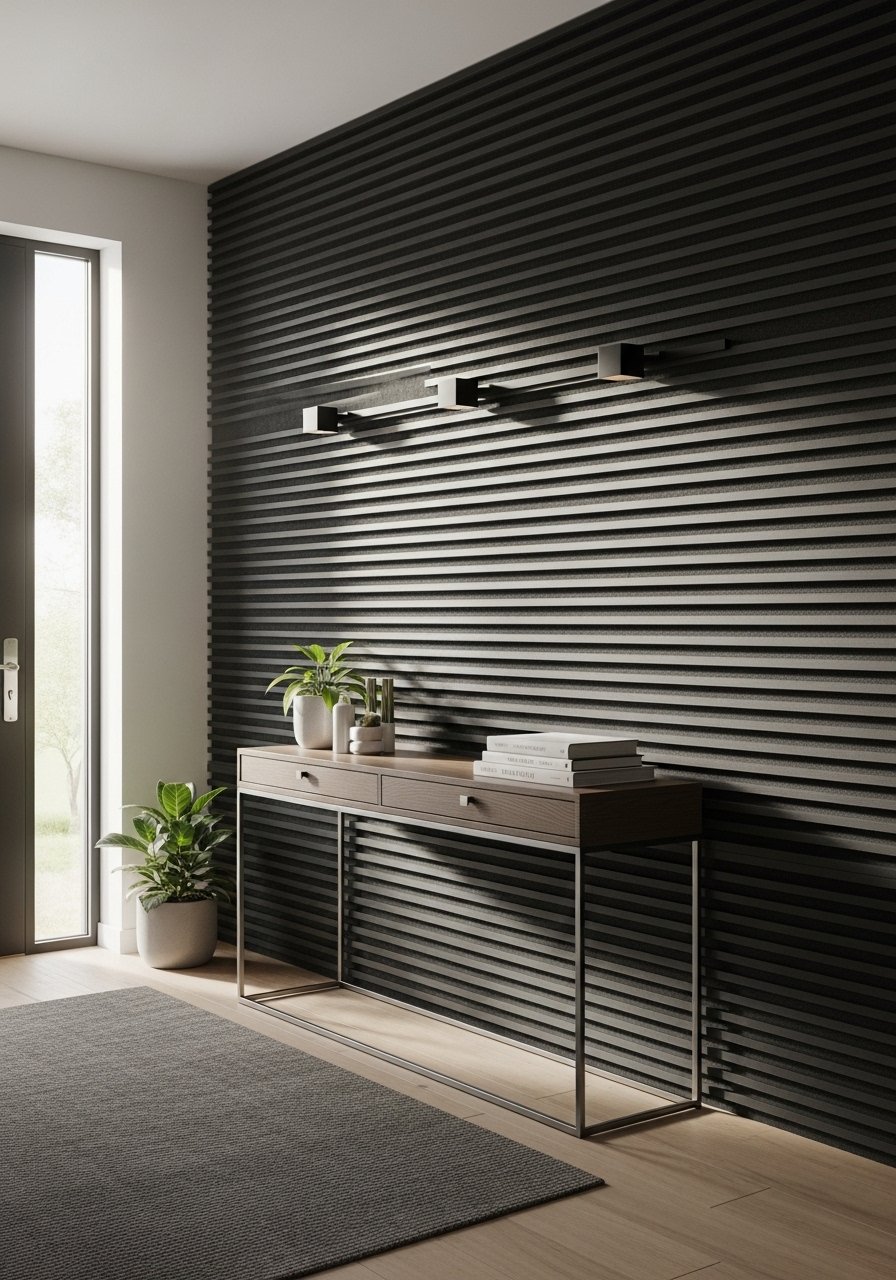
Fancy slat walls can cost a fortune. MDF slats painted and mounted over acoustic backing give the same visual rhythm for less. I routed 1×1 slats and left a 3/8-inch reveal to catch shadow and depth. I used slatted-mdf-panels and adhesive foam sheets. Mistake to avoid, painting before assembly. Paint the slats after installation for even coverage and fewer touch-ups.
Felt and Fabric Mosaic for a Patchwork Accent Wall

Instead of uniform tiles, make a mosaic of different textures and densities. I mixed wool felt, boucle, and tight-weave linen squares in a roughly 3:1 neutral to color ratio. It looks intentional and improves broad-spectrum absorption. I grabbed mixed-felt-squares-pack. A misstep is using identical thicknesses; vary thickness to create visual movement and functional layering.
Sound-Absorbing Bookshelf Backing That Cuts Glare

Your bookshelf is often a reflective surface. I added thin acoustic fabric to the back of shelves which cuts noise and softens glare on glossy book spines. Use a 1/4-inch fabric-backed board so shelves still close flush. I used acoustic-shelf-liner. A common mistake is lining only the visible rows. Line every shelf to keep consistency in sound absorption and appearance.
Layered Headboard Panels That Double as Wall Art
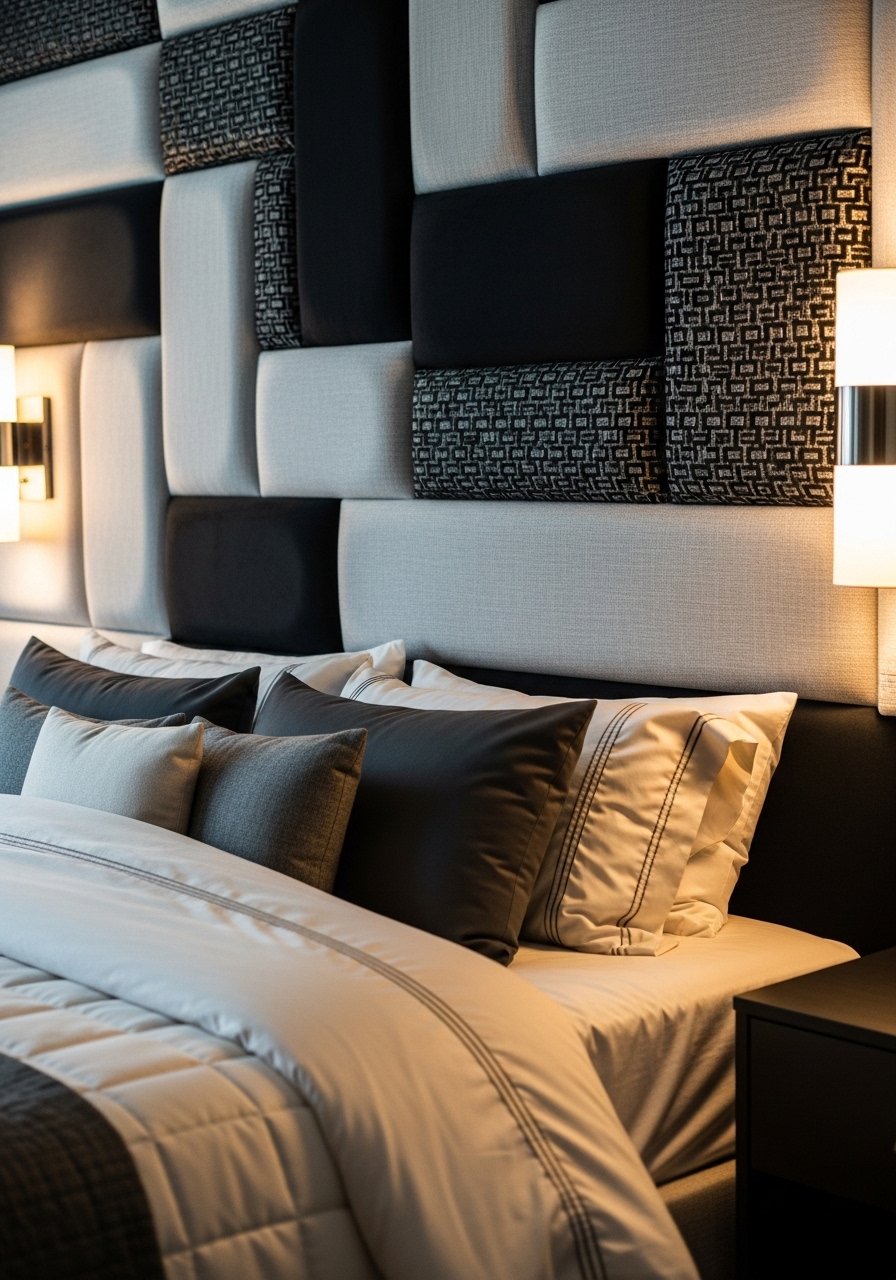
My headboard started just as a backrest, then turned into the room’s focal point once I layered smaller panels over a large base. Start with a 60-inch base, then add two panels at 2/3 and 1/3 widths for balance. I used upholstered-panel-kits and hidden French cleats. The mistake I see is matching all fabrics. Mix a textured neutral with a patterned accent and the headboard reads expensive.
Peel-and-Stick Acoustic Squares for Renters and Quick Fixes
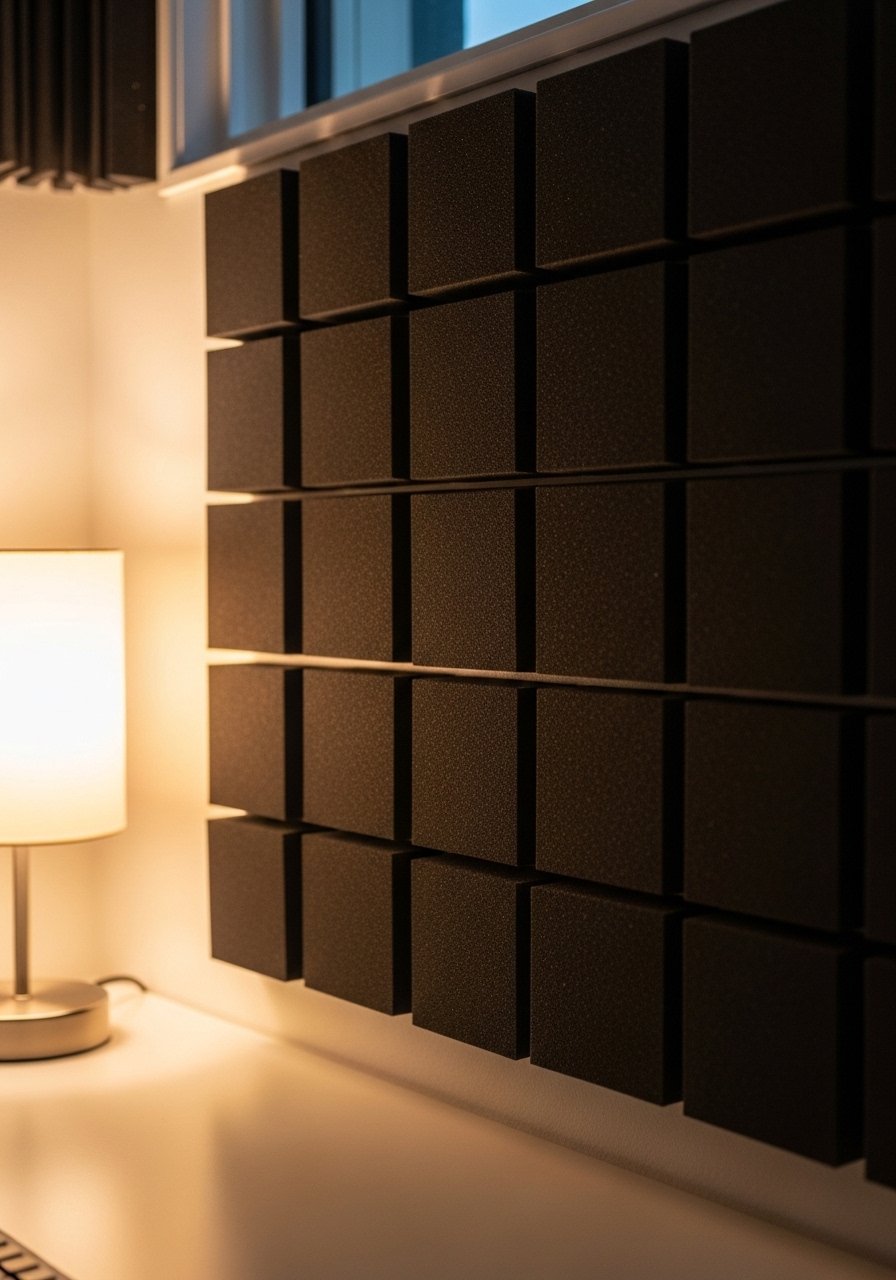
When you need fast results without tools, peel-and-stick foam squares are a lifesaver. They work best on clean drywall and for mid to high frequency control. I keep a pack on hand for sudden echo problems during video calls. I buy peel-and-stick-acoustic-squares. Mistake is placing them on textured walls. Use a flat surface or the adhesive might not hold. If you must put them on a textured wall, back them with a thin hardboard square first.
Acoustic Planter Wall Using Real Plants for Natural Absorption

Plants actually help with mid-frequency absorption when combined with soft backing. I mounted shallow planters on an acoustic panel wall so the plants and backing work together. Use hardy species like pothos or zz plant to keep maintenance low. I used wall-planter-kit-acoustic. The mistake is overcrowding. Keep a three-quarter coverage so plants breathe and the acoustic panels still do their job.
Your Decor Shopping List
Textiles
- Honestly the best $40 I have spent. Chunky knit throw in cream in a 50×60 size for draping
- 22-inch linen pillow covers down-filled inserts recommended, mix two colors
Wall Decor
- Self-adhesive-felt-tiles 12×12 set, mix and match colors
- Wood-slat-panel-kit in white oak finish, buy extra slats for mistakes
Lighting
- Adjustable picture light brass finish to highlight fabric panels
Sound Materials
- Studio-acoustic-panel-foam 2-inch density for panel cores
- Peel-and-stick-acoustic-squares for rentals
Hardware & Tools
- Hanging-acoustic-baffle-kit with cable and anchors
- Adhesive-felt-rolls 12-inch width for vertical strips
- Upholstery-batting-roll for tufted panels
Budget Finds
- Moving-blanket-sound-absorber pack of 6 for under $50
- Cork-wall-tiles 12×12 starter pack
Similar at Target or HomeGoods for pillow covers, throws, and decorative frames.
Shopping Tips
White oak beats dark wood in 2026. Design feeds have shifted completely. These white oak floating shelves look current, not dated.
Grab peel-and-stick-acoustic-squares for $20. Patch a reflection point behind a TV and you will notice reduced brightness in the sound immediately.
Curtains should puddle or kiss the floor, never hang halfway up. These 96-inch linen panels are right for standard 9-foot ceilings.
Lead with a large statement and then add two smaller accents. Studio-acoustic-panel-foam is a reliable base product for custom panels.
One big plant beats five tiny succulents. Artificial fiddle leaf fig 6ft is an easy height solution if you do not want upkeep.
Frequently Asked Questions
Q: How thick should DIY acoustic panels be for a living room?
A: Aim for at least 2 inches of foam or a 1.5-inch foam cavity behind a decorative face. That thickness reliably reduces mid to high frequencies and still mounts easily.
Q: Can I make panels that look expensive on a tight budget?
A: Yes. Use linen fabric, clean edges, and stick to a 2:3 or 3:5 ratio when sizing panels. Self-adhesive-felt-tiles are an affordable way to get a textured look that reads custom.
Q: Are acoustic panels ugly?
A: They only look that way if you treat them as purely functional. Wrap them in fabric, frame them, or stagger sizes. Mixing textures like wool and linen makes panels read like art, not physics.
Q: What is the easiest renter-friendly solution?
A: Peel-and-stick squares or framed panels that rest on picture rails. Peel-and-stick-acoustic-squares are the fastest; framed panels on rails avoid holes.
Q: How do I place panels for best effect in a home studio?
A: Start with first reflection points on either side of the monitor, add a panel behind you, and treat the ceiling if it is low. Use the rule of three for asymmetrical balance.
Q: Will plants really help with sound?
A: Plants help a little when paired with soft backing. Use shallow planters mounted on acoustic backing and aim for about 50-75 percent coverage so both the plant and panel work together.
Q: Can I paint acoustic boards without losing performance?
A: Yes, if you use matte or eggshell and avoid heavy gloss. Prime first and use minimal coats. Acoustic-fabric-board takes paint well when prepped correctly.