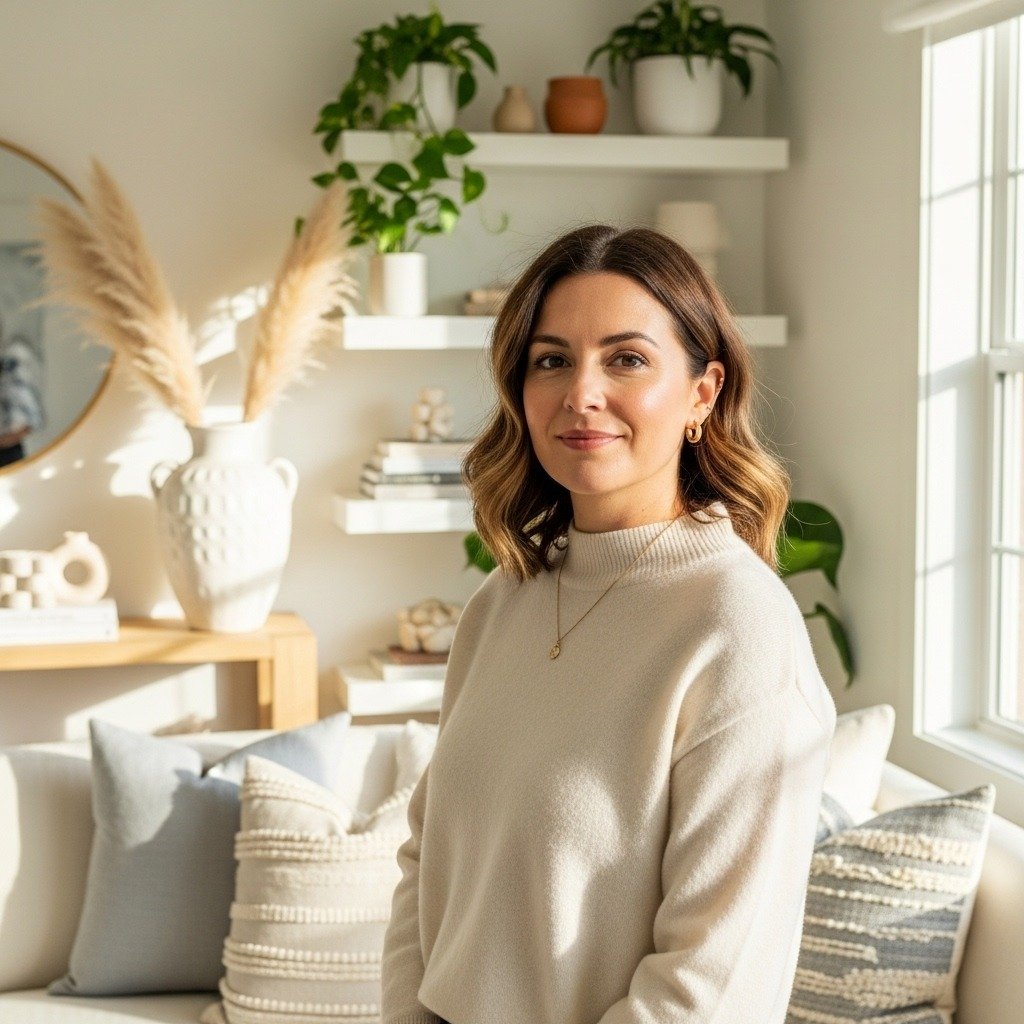
I used to think decorating was about trends. Slowly I learned it’s about what feels like home after a week, a month, a year.
Here are things I actually keep, return, and live with. Small fixes, honest mistakes, and things that quietly make a room feel intentional.
29 Trendy Aesthetic Room Decor Ideas That Pinterest Loves
These 29 ideas are practical, lived-in, and budget-aware. I pulled only looks I’ve tried in real homes — not showrooms. Use these to pick one strong change at a time and build a room that feels like you.
1. Cloud Nine LED Lights for Dreamy Bedrooms
I put a cloud LED over my bed to soften late-night scrolling and it actually helped me slow down. The silicone glow is gentle and blends with bedside lamps so the room reads calm, not nightclub.
I once bought one too bright and had to swap for a warmer color temp. Lesson: pick 2700K or labeled “soft white.”
Keep the cord tucked behind a floating shelf or weave it with faux vines so it looks intentional. It’s an easy mood fix that reads like a deliberate touch, not an afterthought.
What You'll Need for This Look
2. Eco-Chic Rattan Mirrors That Ground Any Space
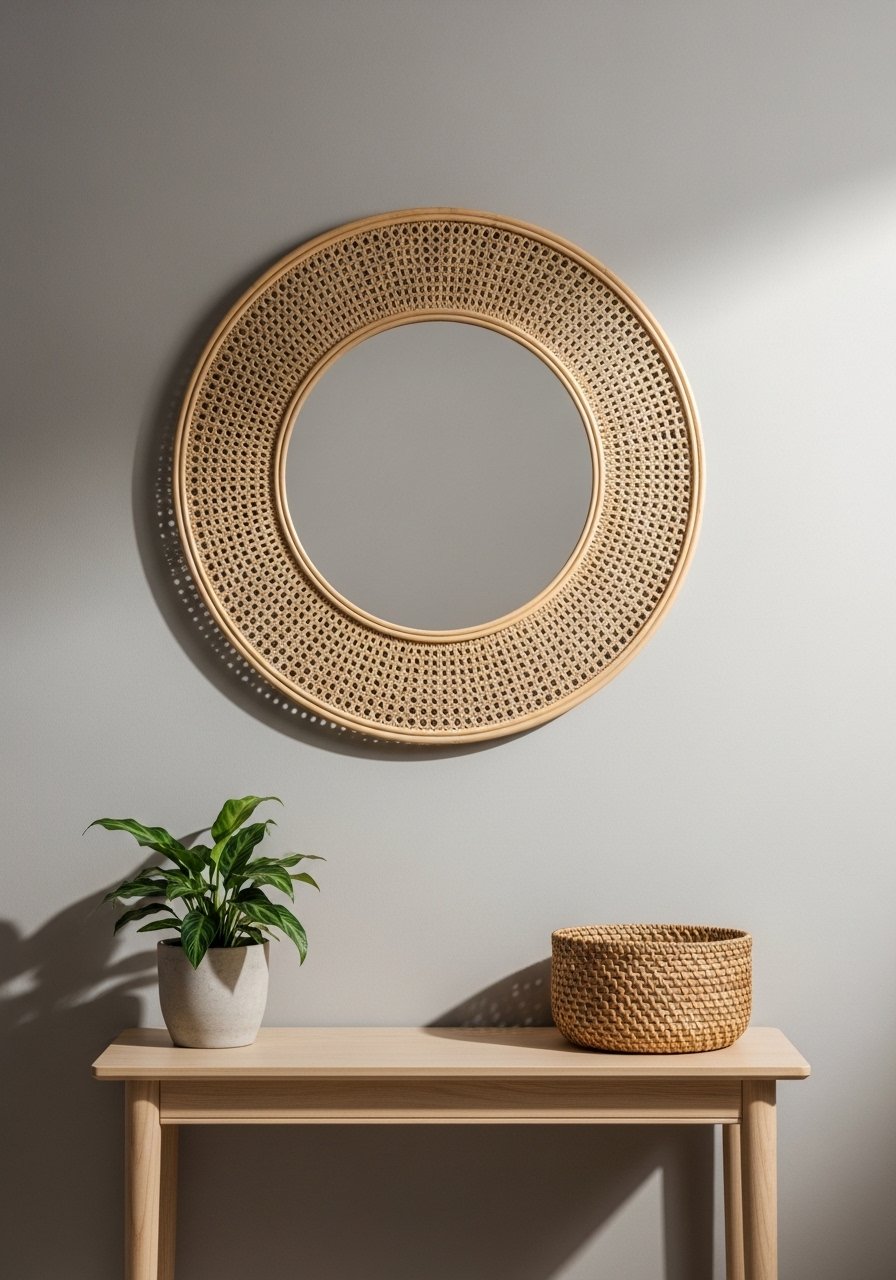
I added a rattan mirror to brighten a small entry. It bounced light and gave the wall personality without being loud. It instantly reads collected instead of bought-off-the-shelf.
I like that a rattan mirror hides fingerprints and looks better with age. If your space is small, hang it low over a table — it feels intentional and doubles as styling height.
Watch humidity near rattan; I keep mine out of direct bathroom steam. A simple styling tip: layer a tiny shelf beneath it for keys and a mini vase.
What You'll Need for This Look
3. Jewel Tone Accent Wall to Wake Up Beige Rooms

I painted one wall deep teal and the whole room stopped feeling flat. Beige sofas finally looked alive against that single pop of color.
I made the mistake of painting too large a wall at first — it felt overpowering. I repainted to one shorter wall and it reads dramatic but cozy now.
Pair that wall with warm neutrals and a few patterned cushions so the room feels layered, not chaotic. A bold wall is a small renovation with big emotional return.
What You'll Need for This Look
4. Layered Natural Linens for Everyday Comfort
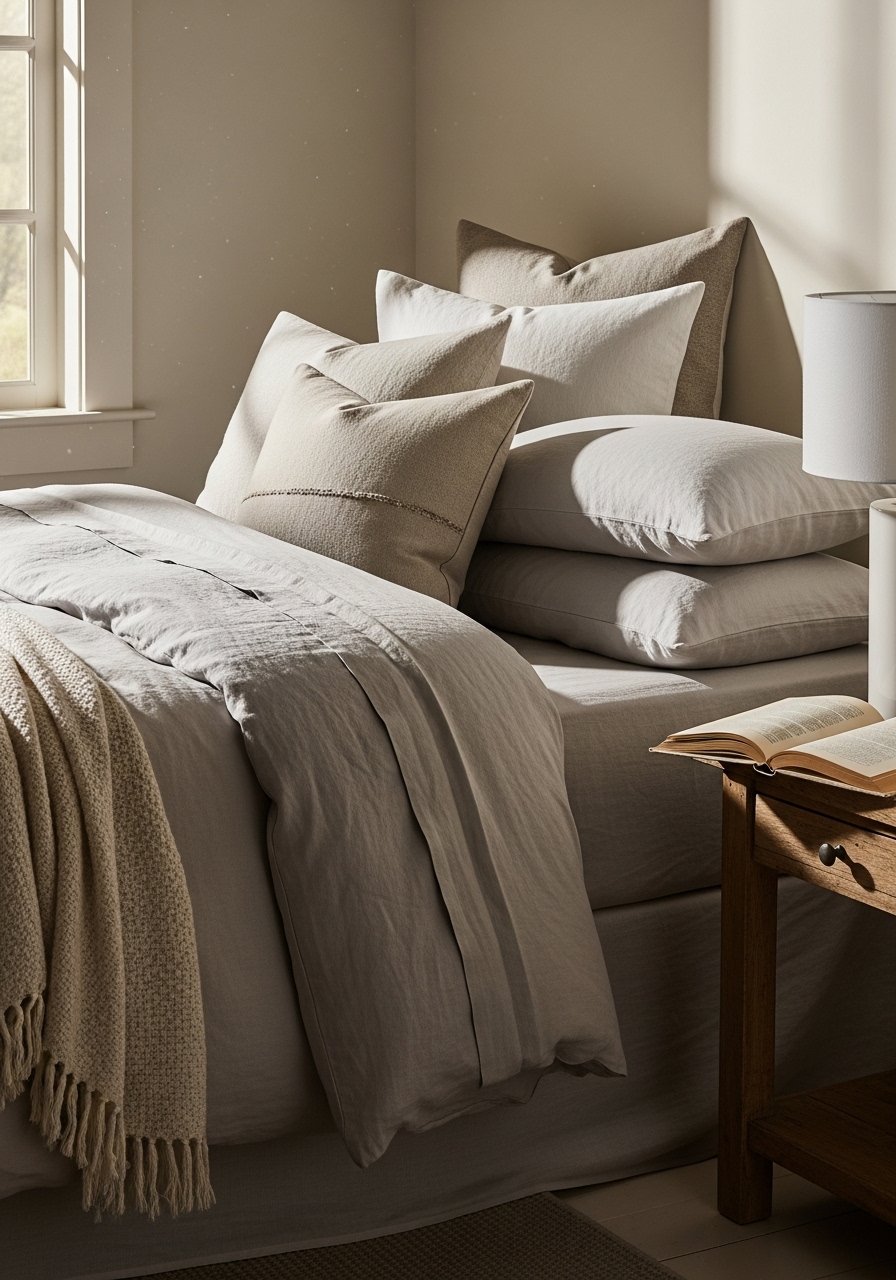
I slept on linen for months before I appreciated it. The fabric softens with use and never looks contrived. It made my bedroom feel lived-in and calm.
I once tried linen that claimed “wrinkle-free” — it looked fake. Real linen creases; that’s part of its charm. Wash in cold and tumble low to keep the texture.
Start with a linen duvet and two pillowcases, then add a lighter cotton throw for contrast. It’s an affordable way to get that relaxed, undressed-but-put-together bed.
What You'll Need for This Look
5. Pattern Drenching on One Wall for Cinematic Intimacy
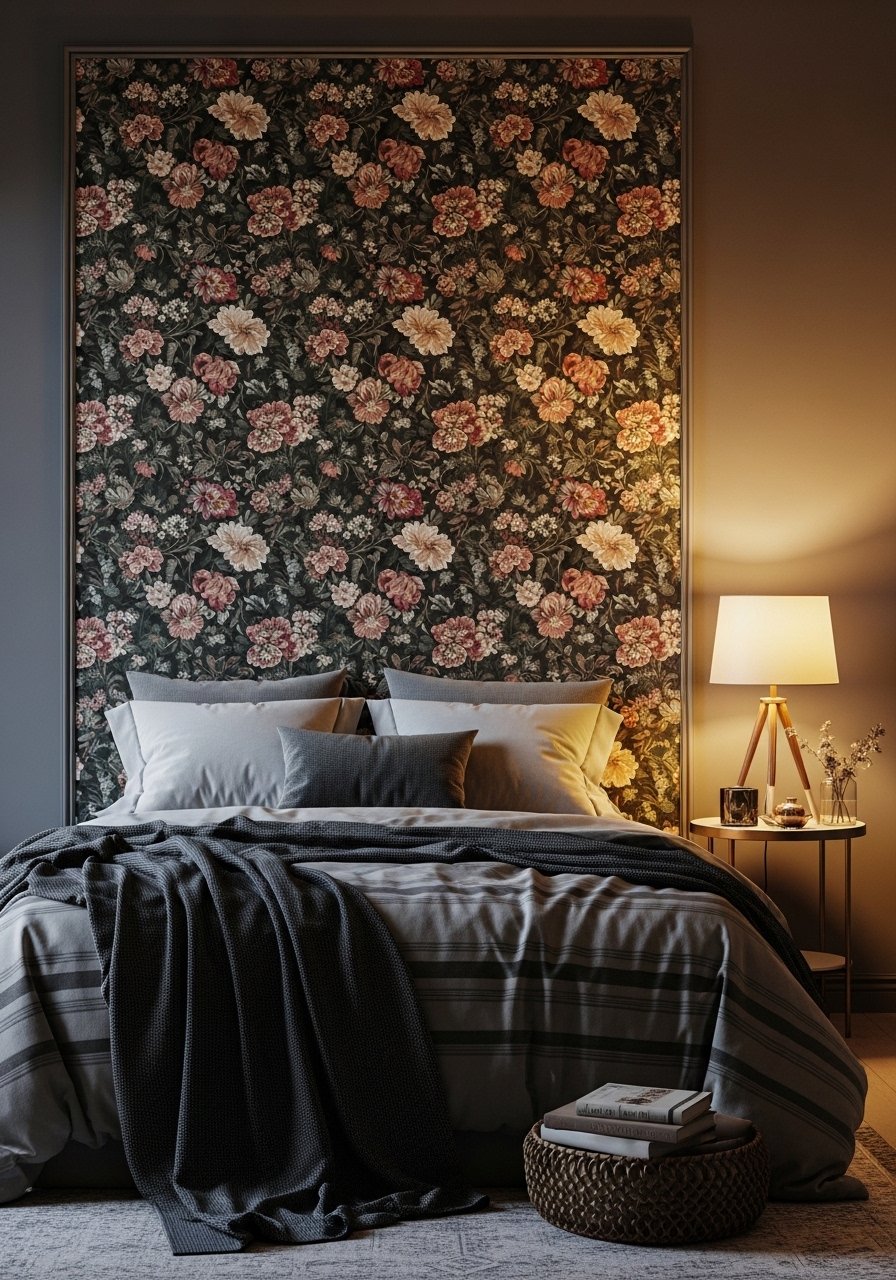
I wallpapered one wall in a single large-scale pattern and suddenly my small bedroom felt like a scene from a favorite film. It made the bed the obvious focal point.
I overdid scale at first and the room felt busy. I changed to a single-motif paper and toned down other patterns. Now everything reads cohesive, not chaotic.
Tip: match one color from the paper to your cushion fabric and tie the rest with neutrals. It’s bold but easy to live with if you keep the rest quiet.
What You'll Need for This Look
- Large-scale floral peel-and-stick wallpaper
- Velvet jewel-tone accent cushion
- Wallpaper smoothing tool
6. Mixed Wood Tones for Collected, Not Matchy, Vibes

I stopped trying to match every wood finish and the room instantly looked like it belonged to a person, not a catalog. Dark coffee table against a lighter shelf gives depth.
My early mistake was buying all one tone that read flat. Mixing woods felt risky, but it actually made pieces feel curated.
If you worry it’ll look messy, keep the scale similar and repeat one color in small accents (a frame or bowl). Contrast adds warmth and a lived-in story.
What You'll Need for This Look
7. Bronze Hardware for Warm, Patina-Prone Details
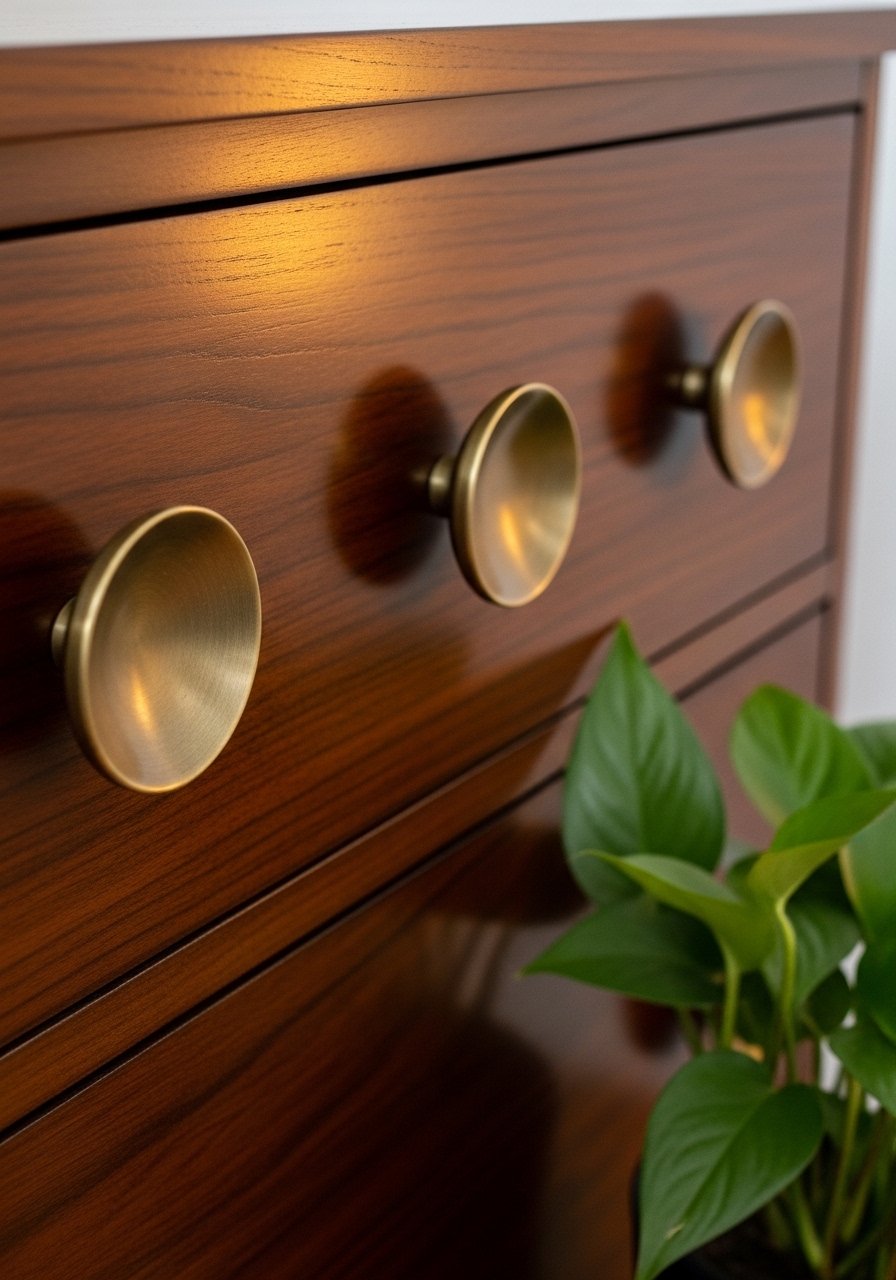
I swapped out brass for matte bronze pulls and suddenly my dresser felt intentional. Bronze has a lived-in warmth that plays nicely with jewel tones.
I once bought shiny brass and it clashed with the rest of my matte finishes. Bronze aged beautifully and hid small scratches, which I appreciated.
Start with cabinet pulls and a lamp base if you’re hesitant. Over time the metal develops color and makes the room feel more like yours.
What You'll Need for This Look
8. Curved Furniture for Softer Room Flow
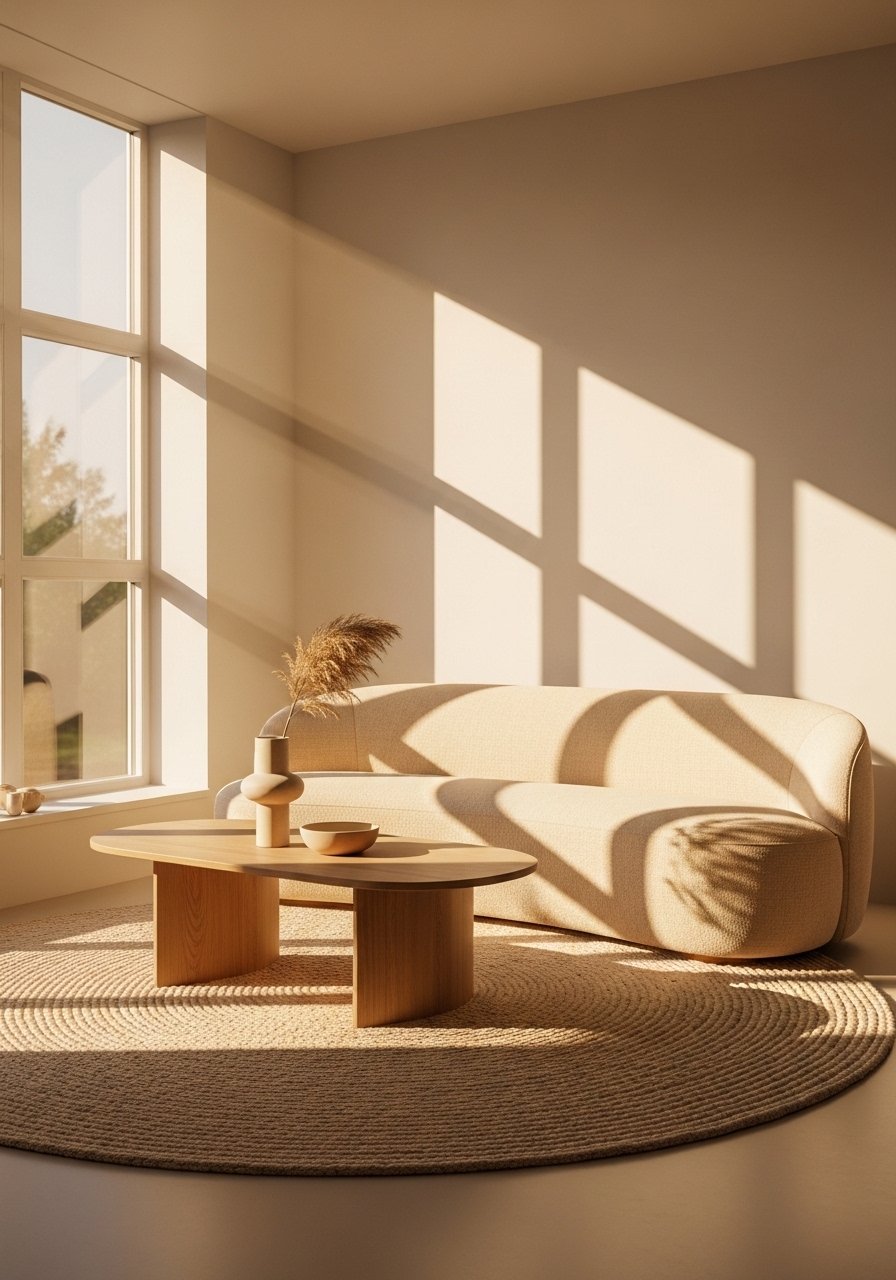
I chose a curved sofa for a small living room and it changed the way we used the space. The soft silhouette makes conversation feel intimate and corners feel less boxy.
It’s more forgiving than sharp lines for small kids and pets. Just note curved pieces can be harder to push flush against a wall; plan your layout accordingly.
Pair a rounded sofa with a slim rectangular rug to anchor the shape. The curve makes the room feel deliberate and calm without trying too hard.
What You'll Need for This Look
9. Skirted Ottomans to Hide Clutter and Soften Corners
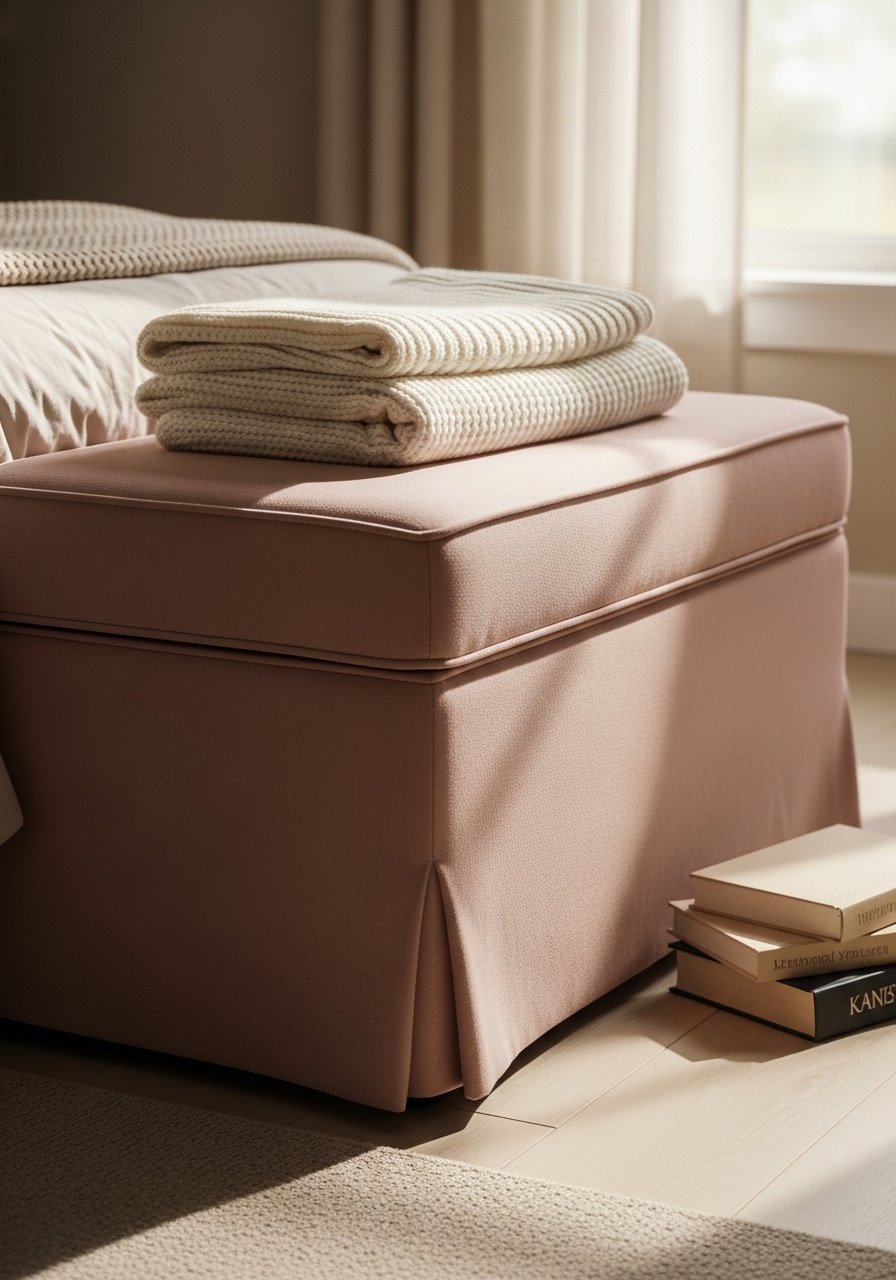
I bought a skirted ottoman to hide extra blankets and the room instantly read softer. The skirt disguises baskets and gives a tailored, feminine edge.
At first I chose a skirt that was too long and it felt droopy. I hemmed it and the proportion improved. Small tailoring makes a big difference.
Use one with hidden storage for magazines, monitors, or spare linens. It’s a simple upgrade that keeps things tidy and surfaces calm.
What You'll Need for This Look
10. Textured Wall Hangings for Quiet, Tactile Focus
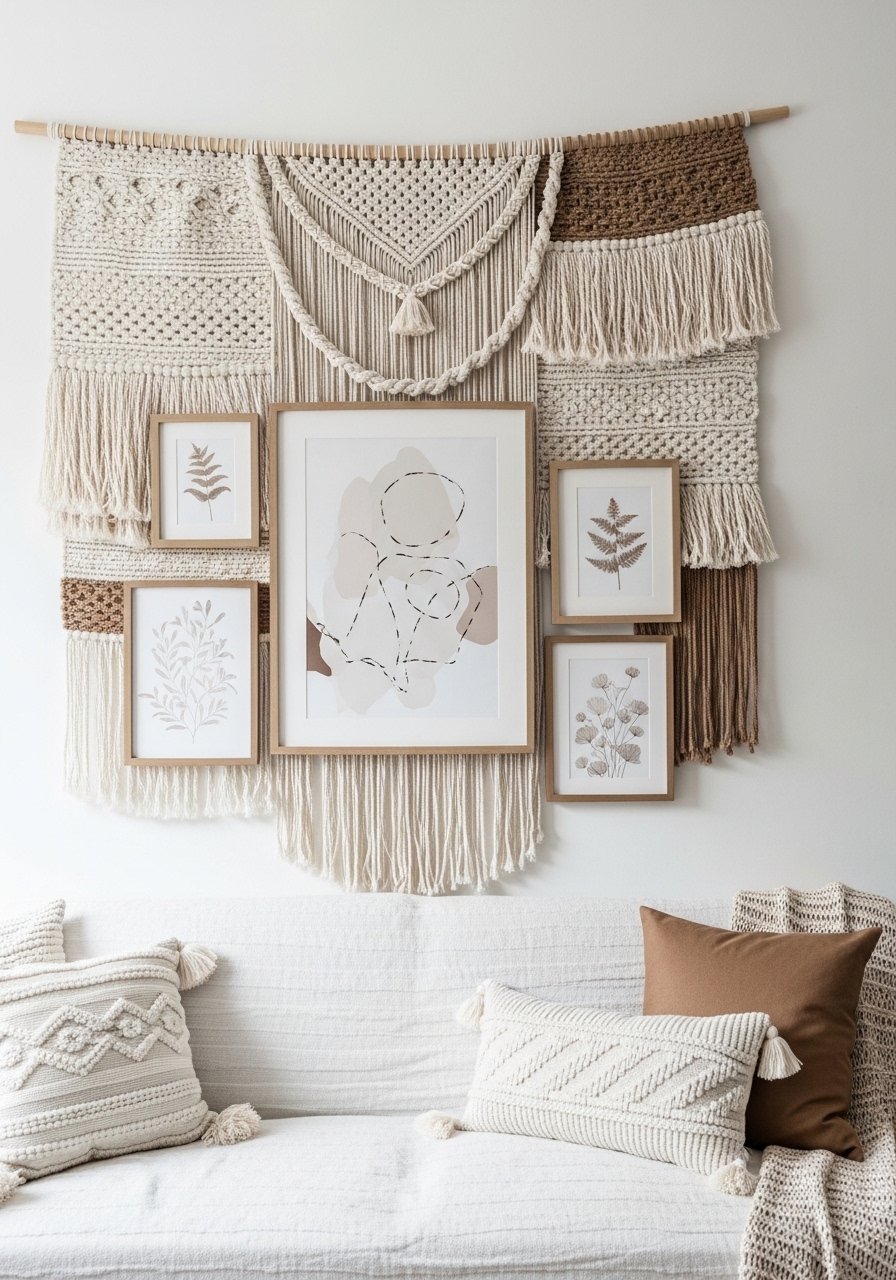
I swapped a framed print for a woven wall hanging above the couch and the room felt quieter and more tactile. Textiles absorb sound and make a room feel calmer.
I learned the hard way that scale matters — a tiny hanging on a big wall disappears. Go larger than you think or layer two pieces together.
Woven pieces look best when paired with a plant and a small wood shelf underneath. It’s a subtle way to bring natural fibers without committing to wallpaper.
What You'll Need for This Look
11. Floating Bamboo Shelves for Light, Layered Storage
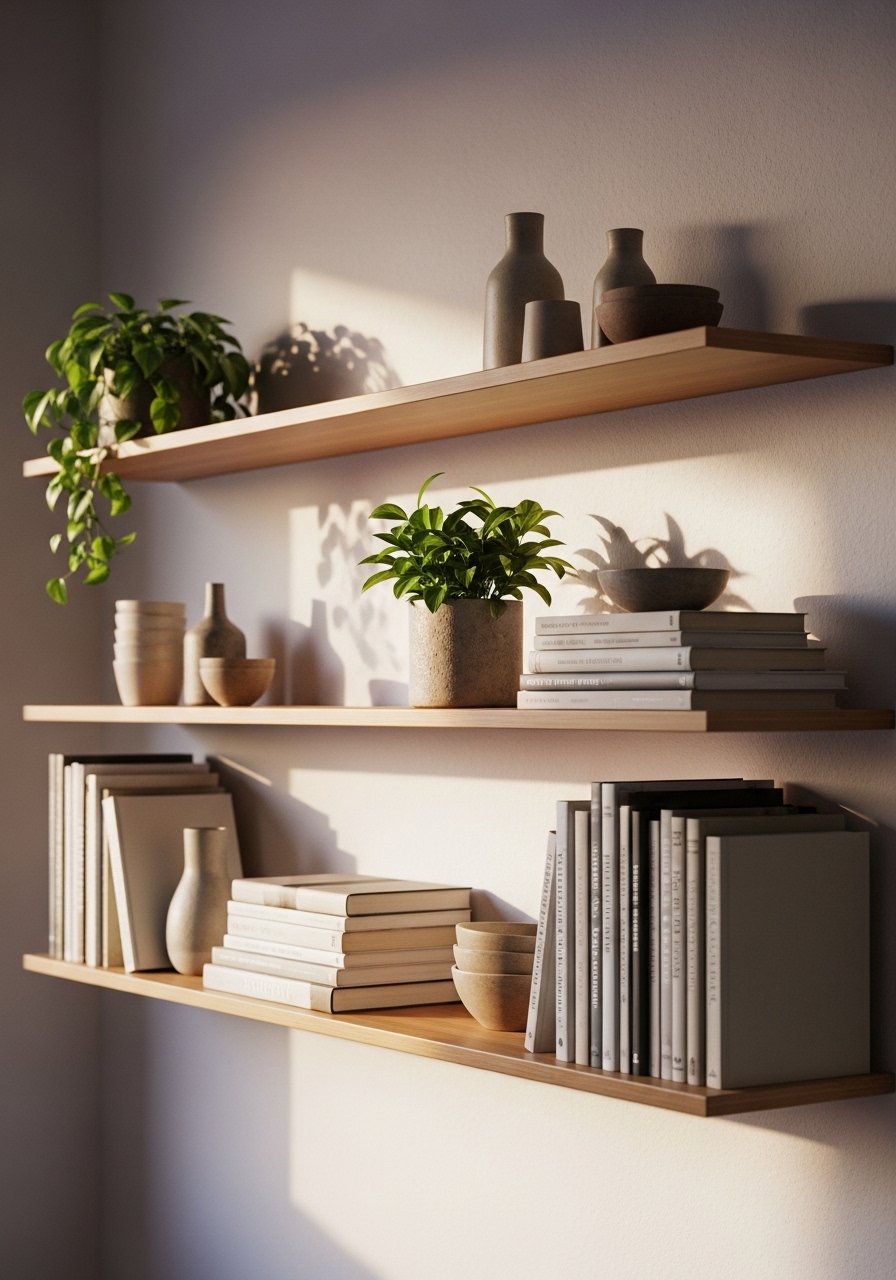
I installed bamboo floating shelves in a narrow hallway and the space started telling a story. The warm wood keeps them from reading utilitarian.
My mistake was overloading them at first. I learned to space objects and leave breathing room. The empty space matters as much as the items.
Use shelves to display a few ceramics, a framed photo, and a trailing plant. They’re inexpensive, renter-friendly, and make small walls useful.
What You'll Need for This Look
12. Matte Ceramic Lamps for Soft, Intentional Glow

I replaced my glossy lamp with a matte ceramic base and the light felt calmer. The finish doesn’t scream for attention; it folds into the mood.
I once chose a lamp that was too tall and it overshadowed the art behind it. Scale is subtle but important — aim for the top of the shade at eye level when seated.
Pair matte ceramic with a warm bulb and a linen shade. It’s a small swap that raises the room’s quiet comfort.
What You'll Need for This Look
13. Arced Mirrors with Dark Wood Frames for Character
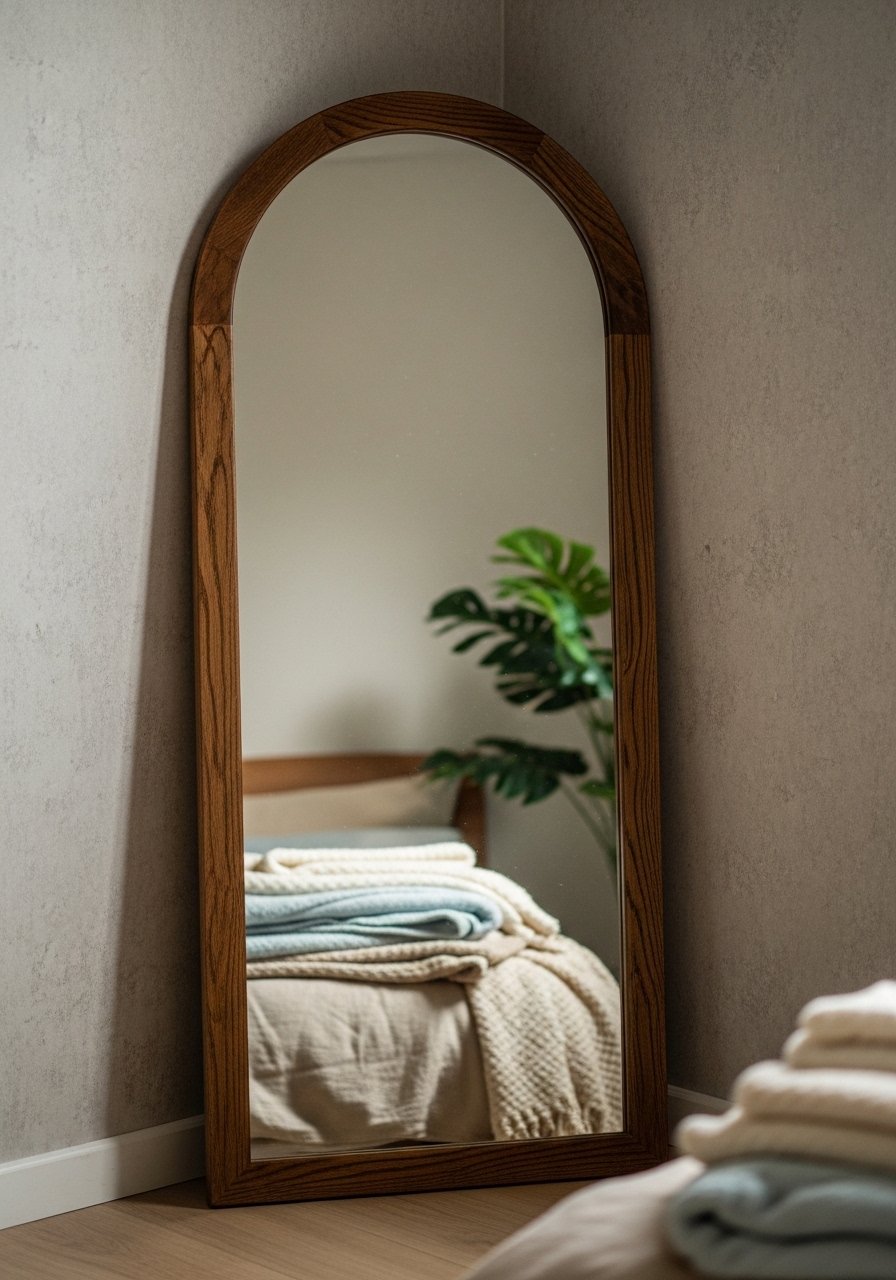
I leaned an arced mirror with a dark wood frame in a corner and it added unexpected character. The curve softens the space and the wood grounds it.
I initially hung it too high and it cut off the best reflection. Leaning it solved that and felt relaxed, not forced.
This combo looks especially good with warm neutrals and a jewel-tone cushion nearby. It reads like a well-traveled room instead of a staged one.
What You'll Need for This Look
14. Small Gallery Wall with a Single Color Story
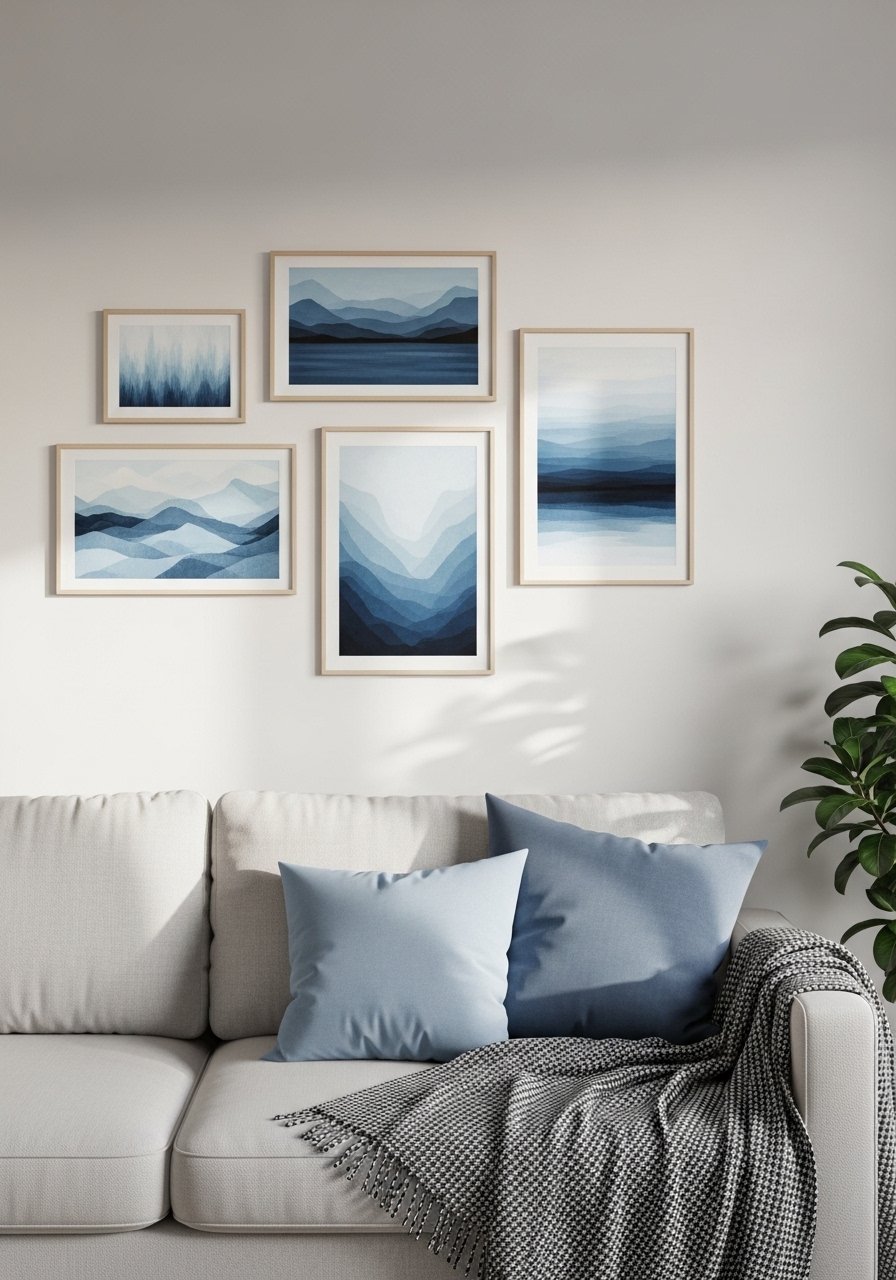
I made a tiny gallery wall using only prints that shared blue tones. It’s coherent and feels intentional without dominating the room.
Start by arranging on the floor until the composition reads balanced. I used three sizes and kept frames the same color so the images feel unified.
This approach is renter-friendly and cheap to change. Swap prints seasonally for a new mood without repainting.
What You'll Need for This Look
15. Layered Rugs to Define Zones Without Walls

I layered a smaller patterned rug over a large neutral rug to define a seating zone in an open plan. It anchored the furniture and felt cozy.
First time I tried this, the patterns clashed. I pulled colors from the larger rug into the smaller one and it clicked. Scale and color are key.
This trick works in studios or living/dining combos when you need zones without building walls. It’s easy to swap if you change your mind.
What You'll Need for This Look
16. Warm Terracotta Accents for Grounded Color

I started adding terracotta pots and bowls and the room stopped looking cold. The warm, earthy tone plays well with both neutrals and jewel accents.
I once painted a shelf in bright orange thinking it was similar; it looked off. Stick with true terracotta shades and pair them with greens or ochre.
Terracotta is low-effort and ages beautifully. Use a set of small pots across a shelf to repeat color without overdoing it.
What You'll Need for This Look
17. Bronze Lamps and Frames for Cohesive Metallic Notes
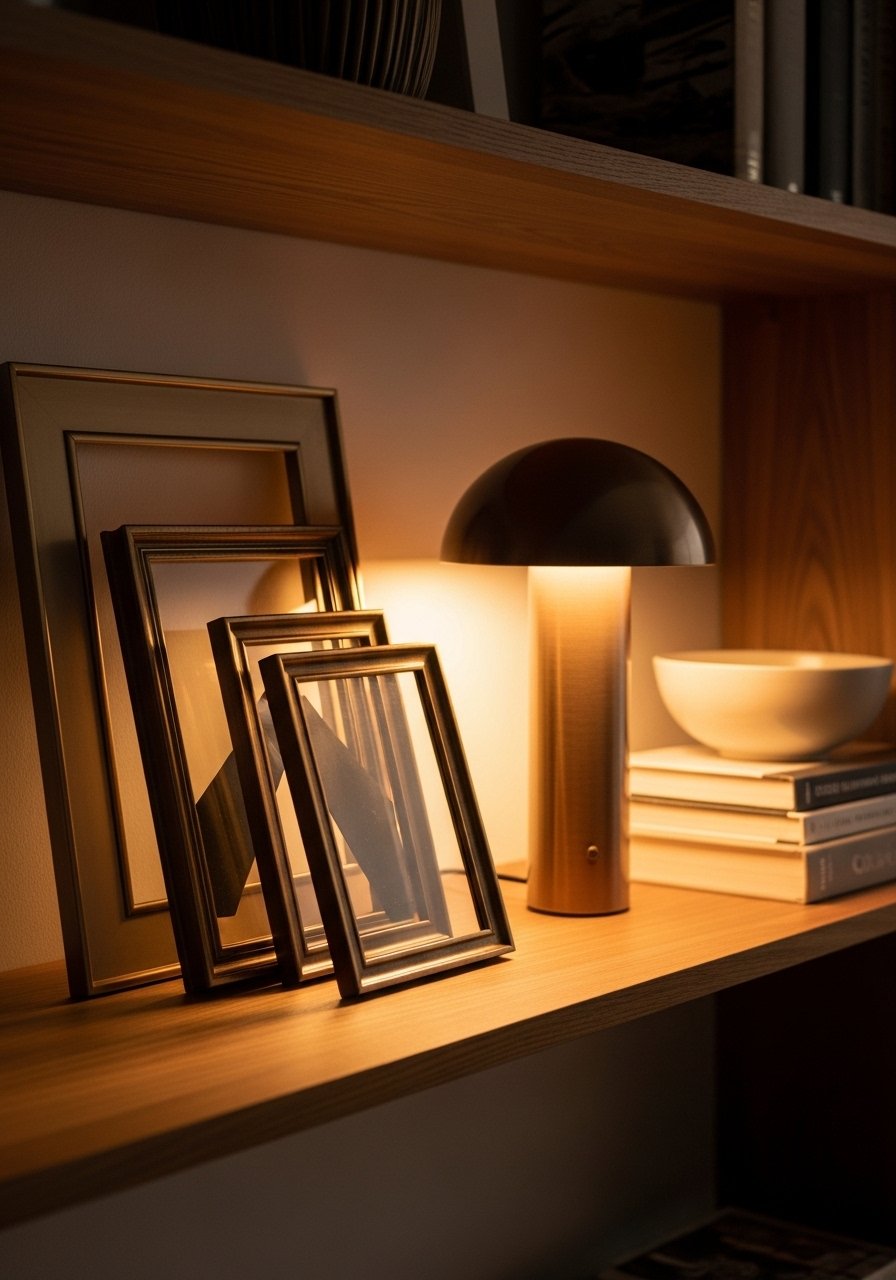
I grouped bronze frames and a lamp on a console and the metal started to feel intentional. Repeating bronze in small doses ties a room together.
I overdid mixed metals before and the room felt messy. Restrict bronze to two or three elements so it reads deliberate.
Use bronze pieces with warm wood and textiles to create a gentle, aging warmth. It’s an easy way to introduce patina without commitment.
What You'll Need for This Look
18. Linen Curtains to Soften Light and Add Texture
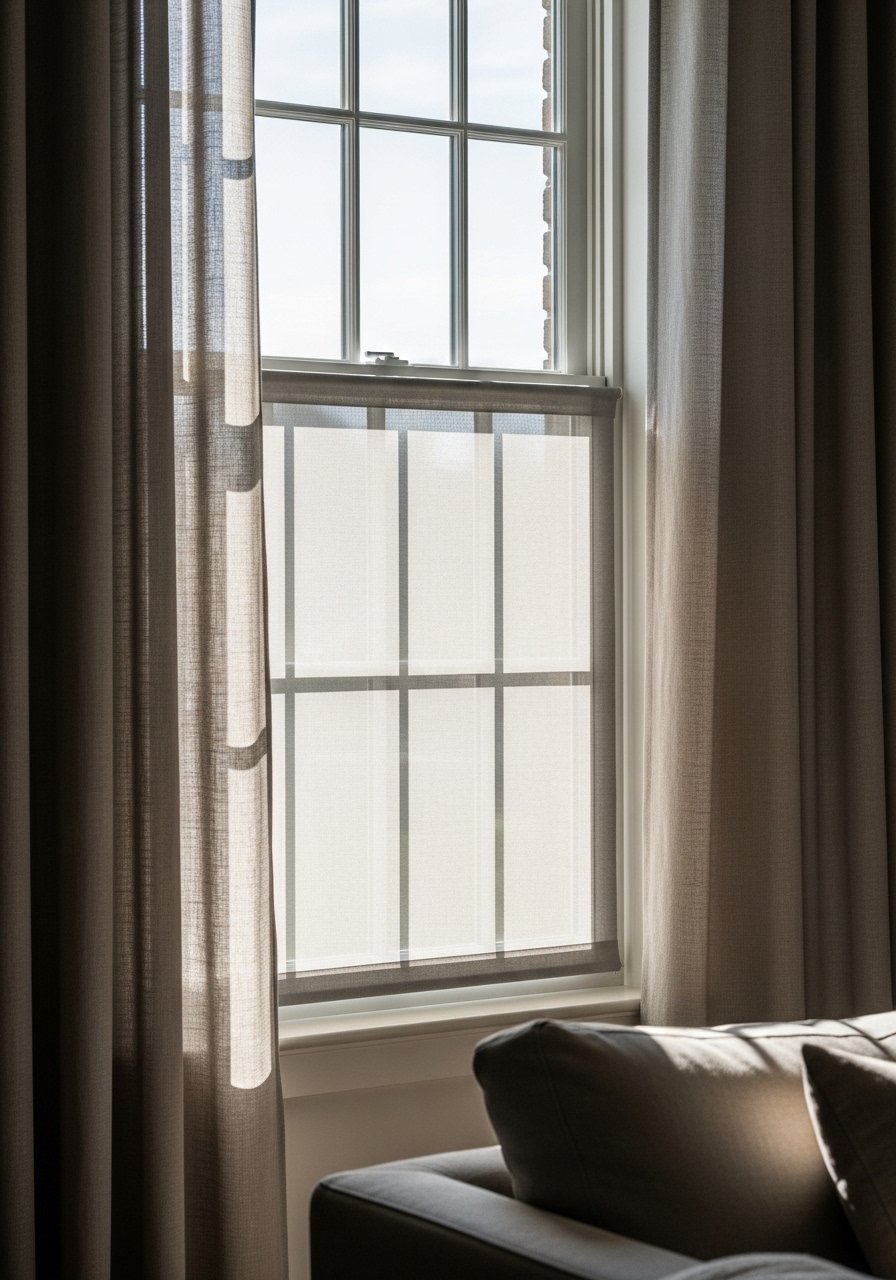
I swapped heavy drapes for linen curtains and the room started breathing. Linen filters sunlight in a way that feels soft and real.
If you want privacy, pair linen with a thin sheer behind it. I learned that heavy blinds plus linen can look cluttered; choose one or the other.
Hang curtains high and wide so a small window reads larger. Linen is affordable texture that never pretends to be anything else.
What You'll Need for This Look
19. Faux Fur Throws for Cozy Zoning in Multi-Use Rooms
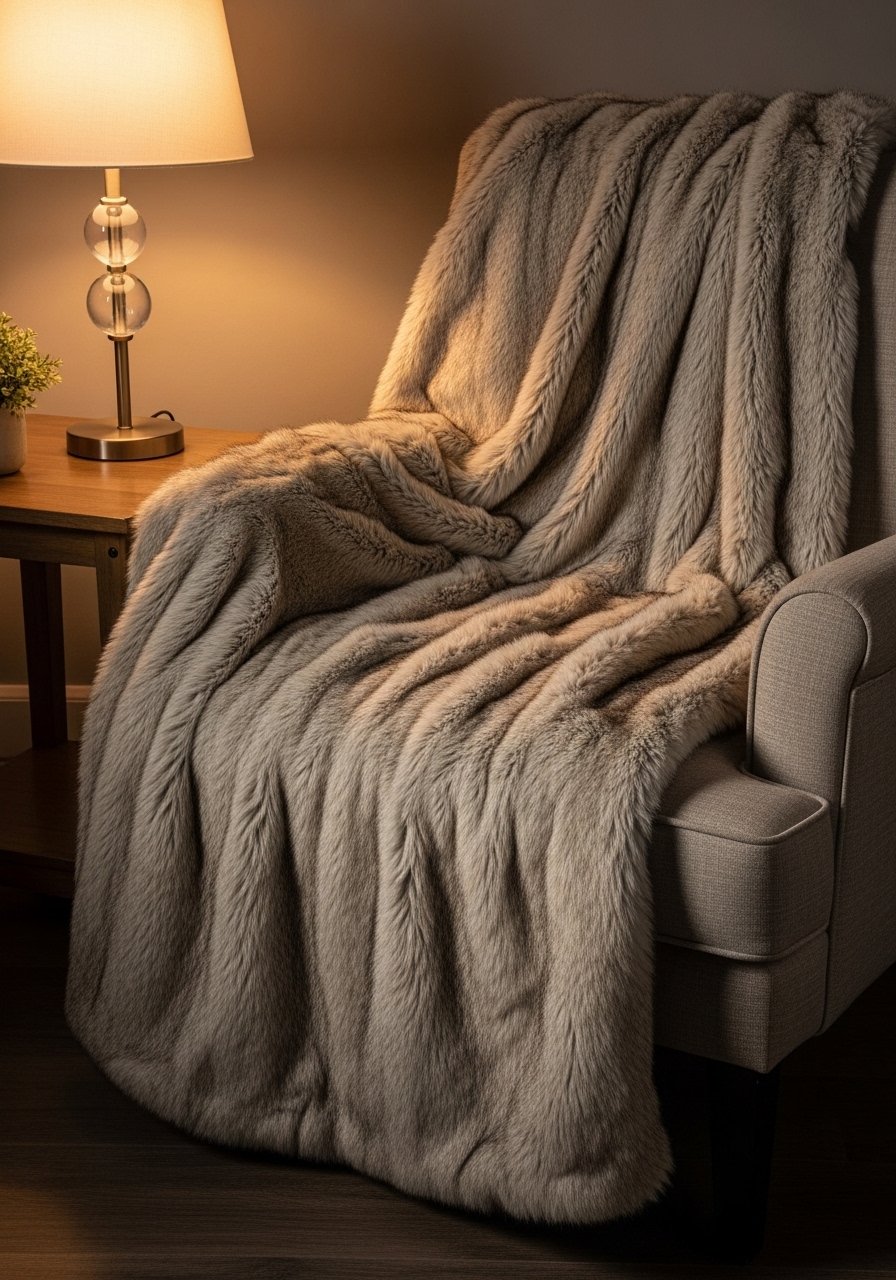
I use faux fur throws to define a reading nook and it reads cozy without clutter. The throw adds instant warmth and invites you to sit down.
My first fur throw was too synthetic-looking. I returned it and found a better plush option that looked real and washed well.
Choose a neutral color that complements your furniture, then layer with a patterned cushion. It’s an easy way to make shared spaces feel personal.
What You'll Need for This Look
20. Hidden Storage Benches for Neat Entryways
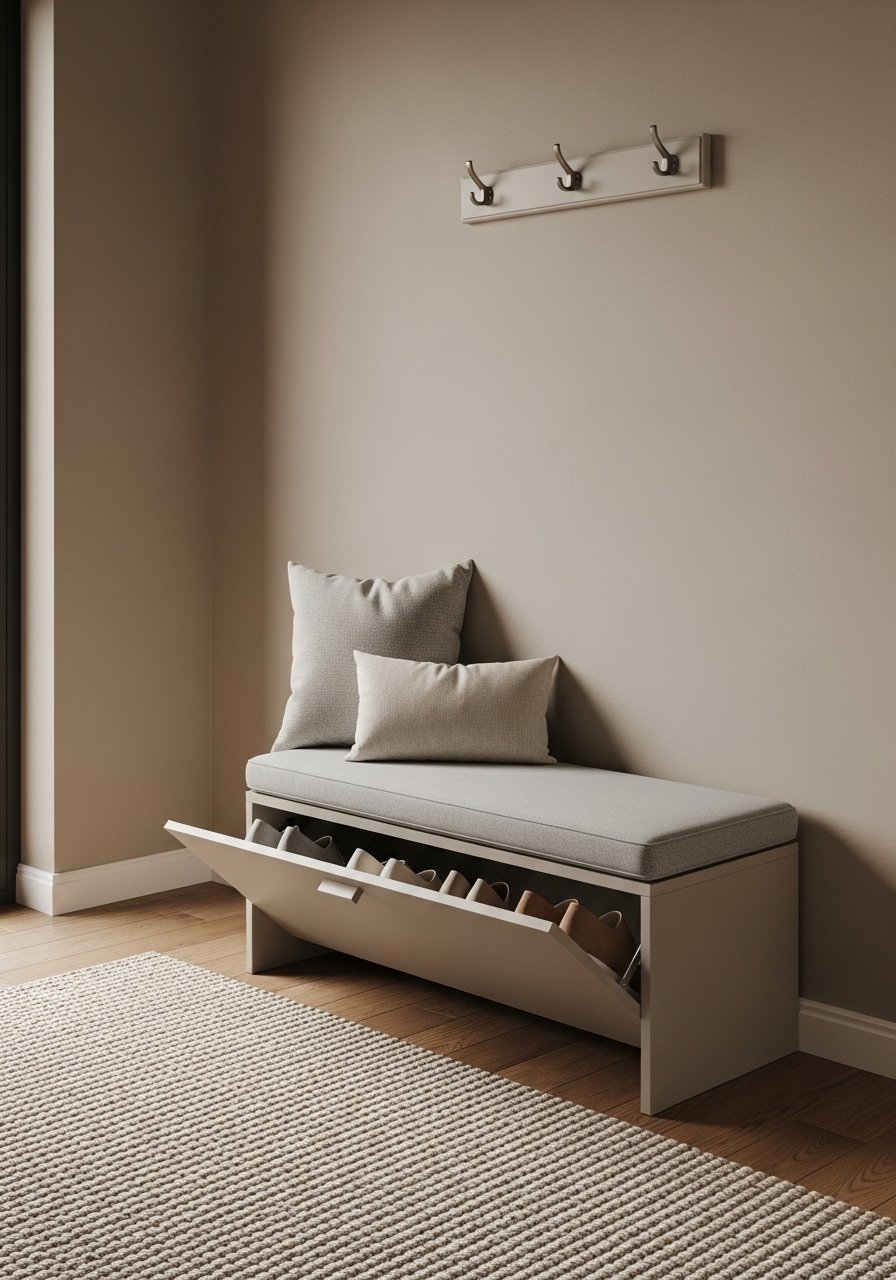
I replaced a cluttered entry with a storage bench and the house stopped looking chaotic immediately. Shoes and umbrellas tucked away make coming home calmer.
I once bought a bench with flimsy hinges; it broke after months. Spend a little extra on build quality for something used daily.
A storage bench also works at the foot of a bed for linens. Choose a neutral fabric and you’ll get both function and quiet style.
What You'll Need for This Look
21. Simple Plant Groupings for Calm, Natural Energy
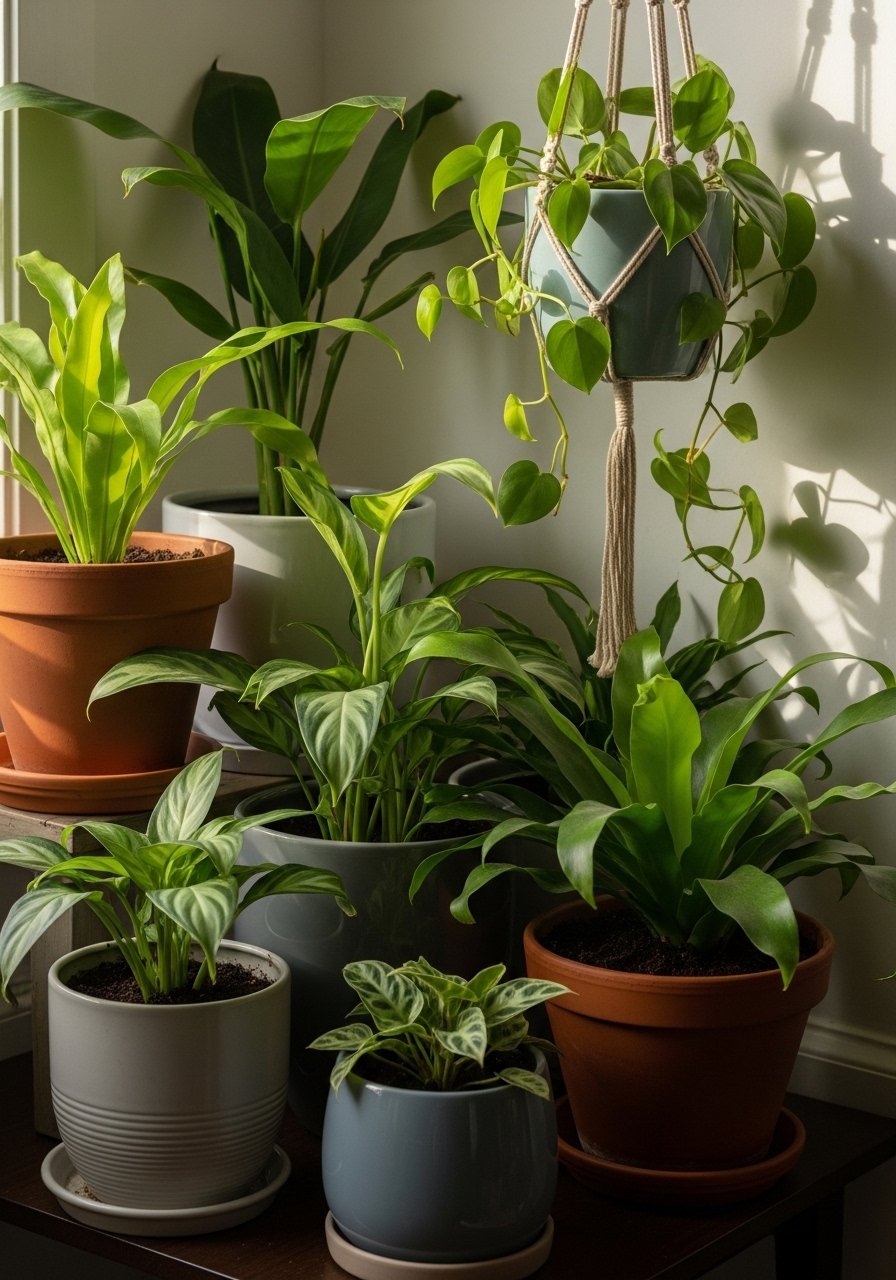
I stopped buying single statement plants and started grouping three sizes together. It looks more intentional and the mix creates a small indoor garden vibe.
I once had a tall plant in a tiny pot and it toppled. Match pot size to plant scale and consider stability for tall stems.
Combine a tall floor plant, a mid-level pot, and a trailing planter. It’s low-cost, high-impact, and breathes life into any room.
What You'll Need for This Look
22. Statement Ceramic Serving Bowls as Shelf Art
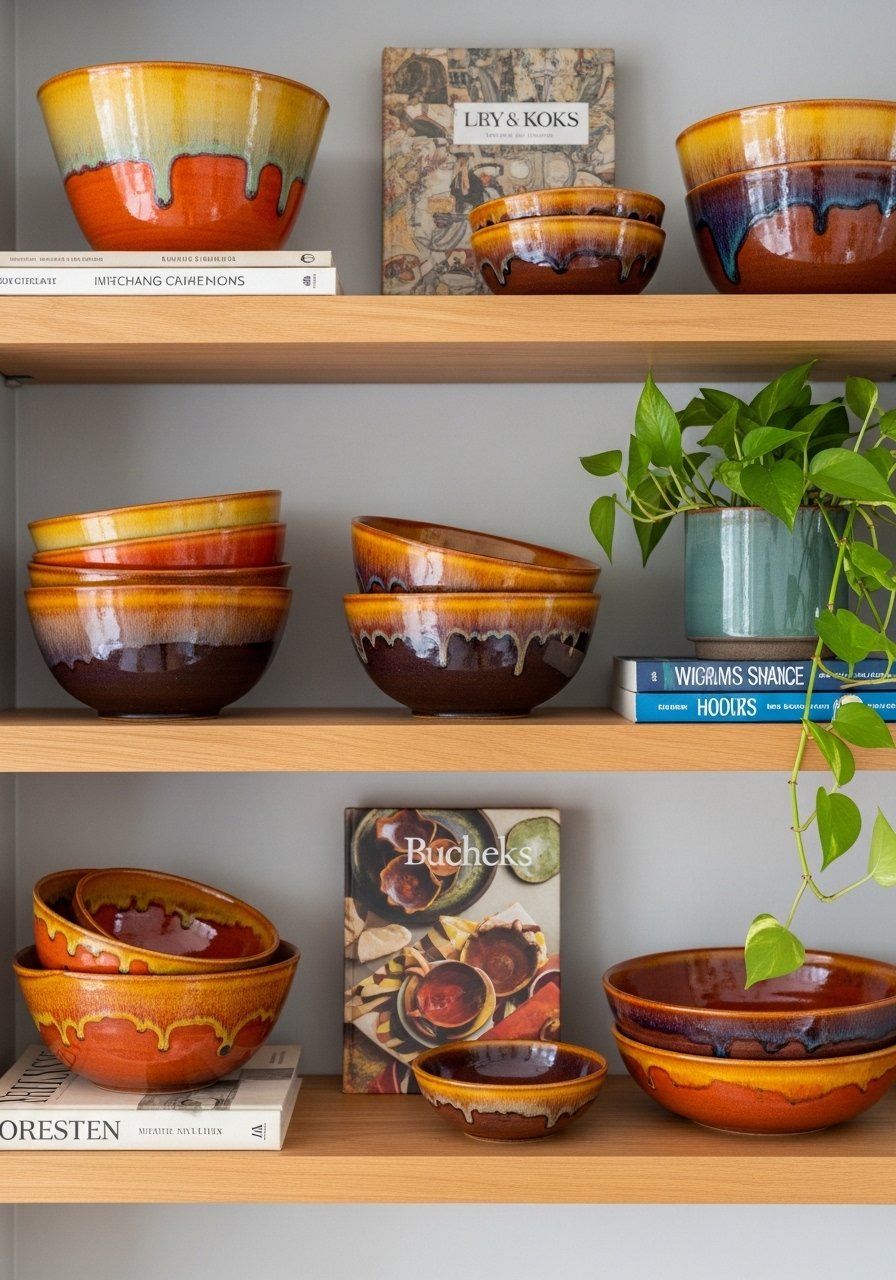
I stopped hiding pretty bowls in cupboards and started using them as shelf art. A few ceramics add color and texture without clutter.
I had a bowl with a loud glaze that clashed; now I stick to two complementary glazes. Repetition helps the eye rest.
Mix functional pieces with a few decorative ones so your shelves are pretty and useful. It’s an easy, affordable way to style open storage.
What You'll Need for This Look
23. Hidden Cable Channels Behind Floating Shelves
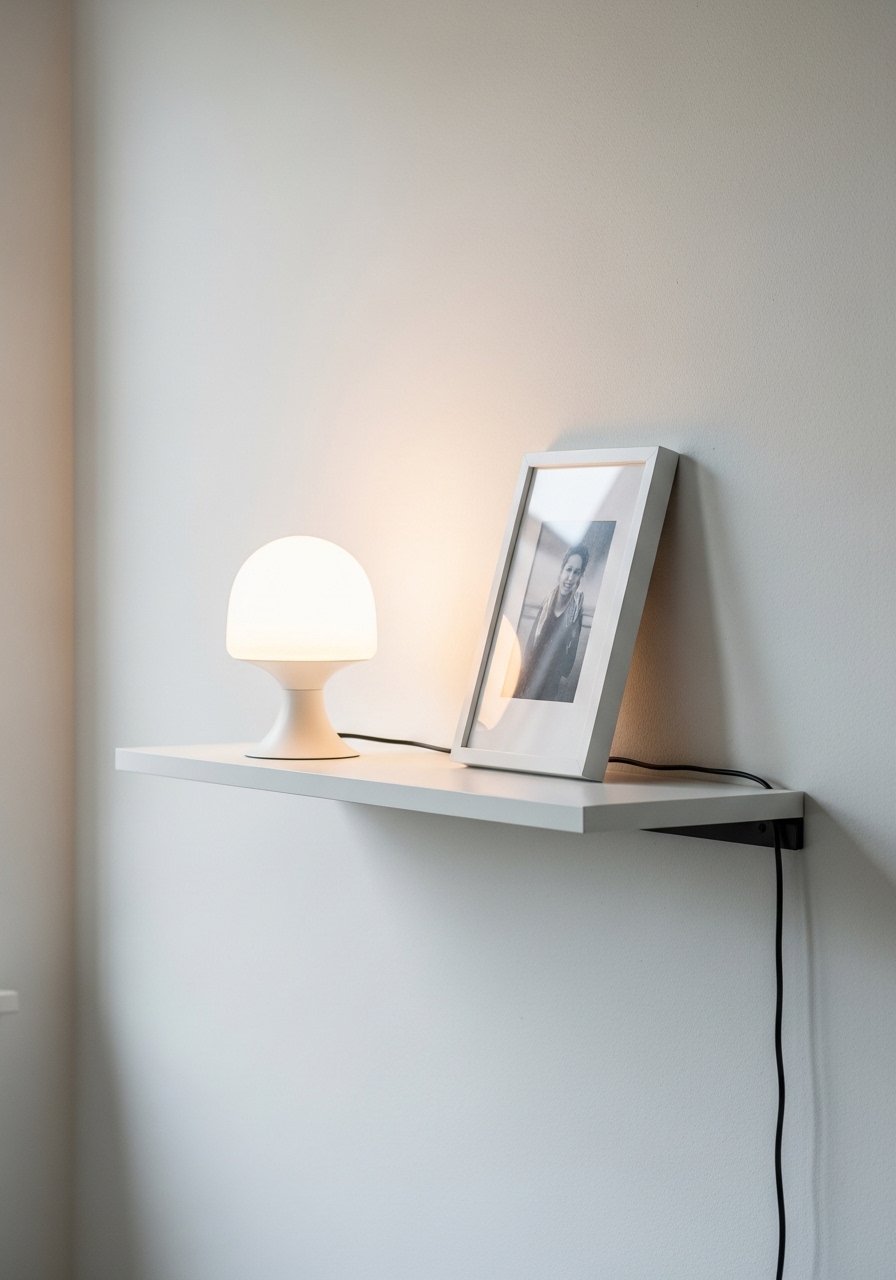
I used a cable channel behind a floating shelf to hide lamp cords and it keeps the vignette clean. No visible wires means the shelf looks styled, not messy.
My first attempt left the cord dangling and it ruined the look. The cable channel is inexpensive and nearly invisible when painted.
This is a tiny fix that makes surfaces feel tidy and intentional. Perfect for lamps, chargers, or fairy lights.
What You'll Need for This Look
24. Curved Bookcases for Flow and Soft Structure
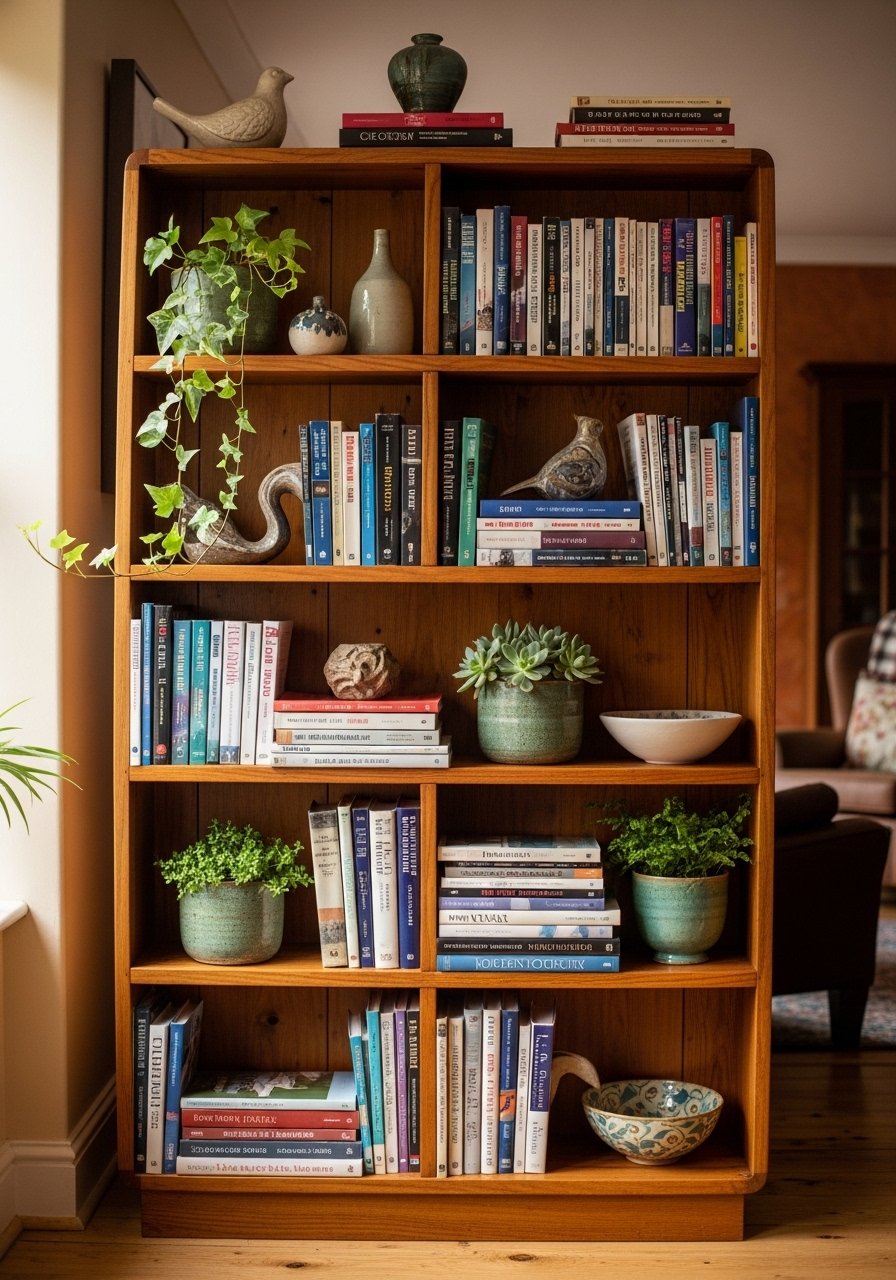
A curved bookcase in my living room softened the straight lines and created an unexpected focal point. It allowed me to mix books and objects easily.
I once over-styled the shelves and they looked cluttered. Pull back, leave breathing room, and repeat materials like wood and ceramic to tie it together.
The curve reads modern but approachable. Use it to display everyday items instead of hiding them away.
What You'll Need for This Look
25. Soft Ochre Cushions to Warm Neutral Sofas
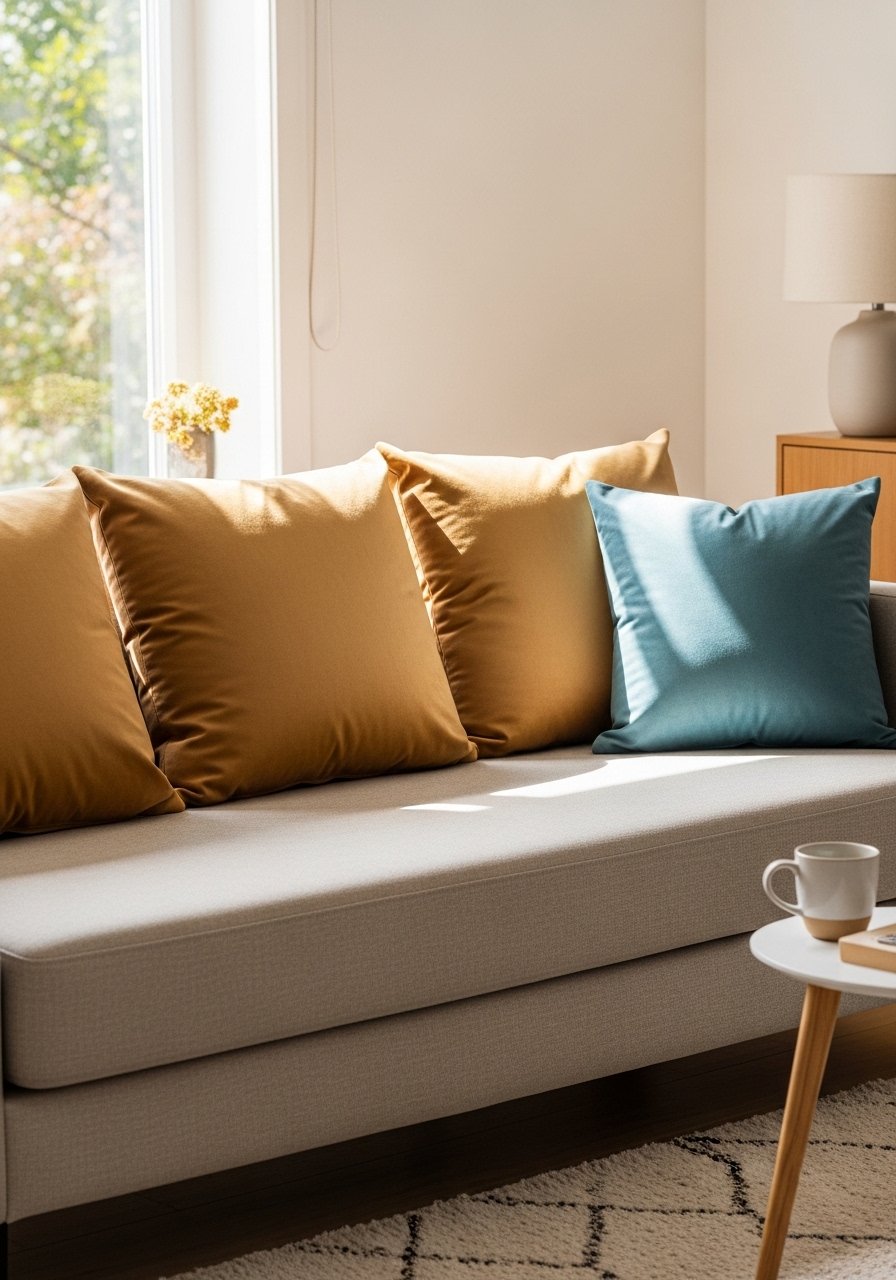
I added ochre cushions to a neutral sofa and it shifted the whole palette to feel warmer and more intentional. Ochre plays nicely with greens and deep blues.
I once picked a shade too mustardy and it pulled the room into an 80s vibe. Choose softer ochre with brown undertones for warmth without nostalgia.
Use ochre in small doses — two cushions and a throw — and let the color be the quiet secret that ties other pieces together.
What You'll Need for This Look
26. Sculptural Ceramic Vases as Mini-Sculptures
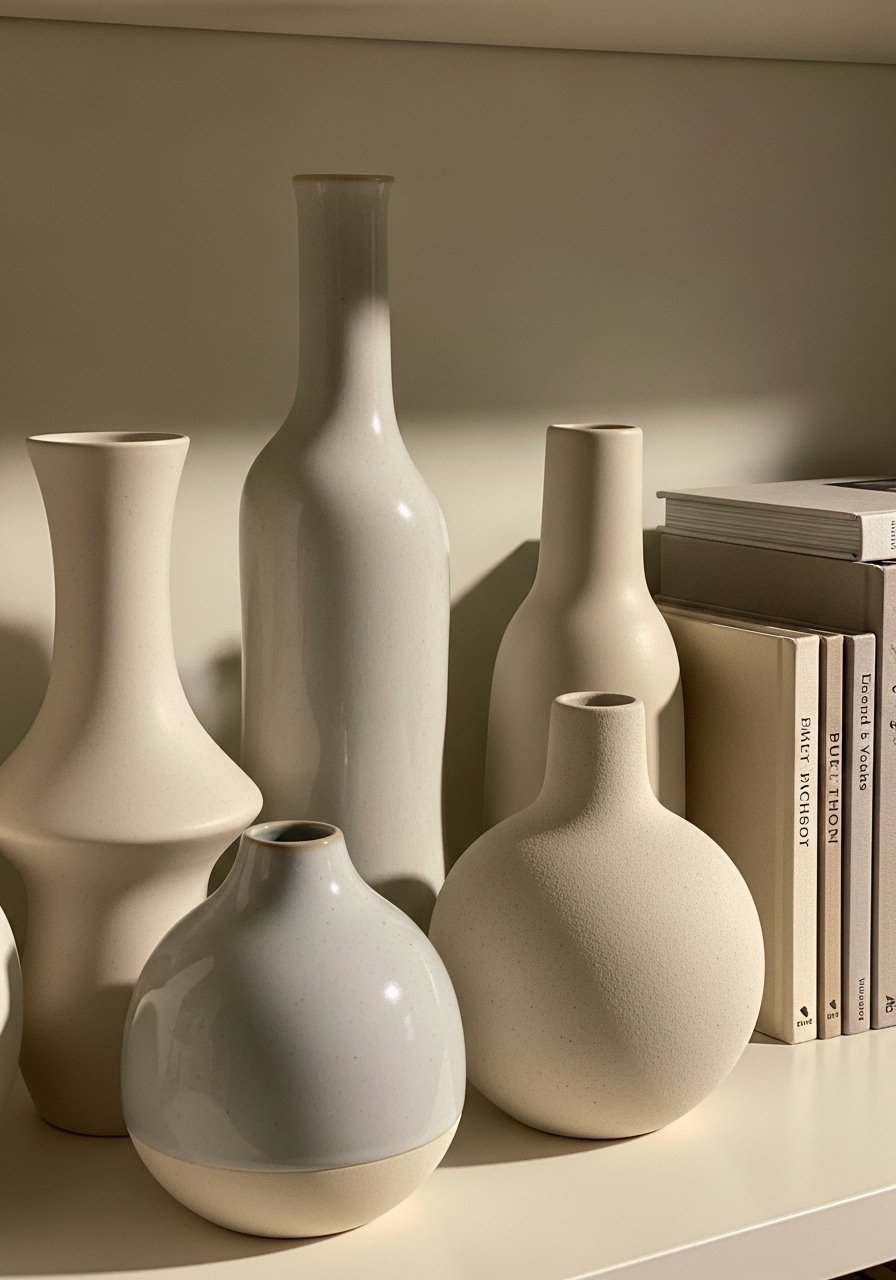
I started collecting sculptural vases and they act like tiny sculptures on shelves. A trio of different heights creates a pleasing rhythm.
I bought one too ornate and it competed with everything else. Simple shapes repeat more easily across different rooms.
Group vases in odd numbers and vary heights. They feel personal and are useful for fresh stems when seasons change.
What You'll Need for This Look
27. Patterned Cushions to Tie Together Mixed Wood Tones
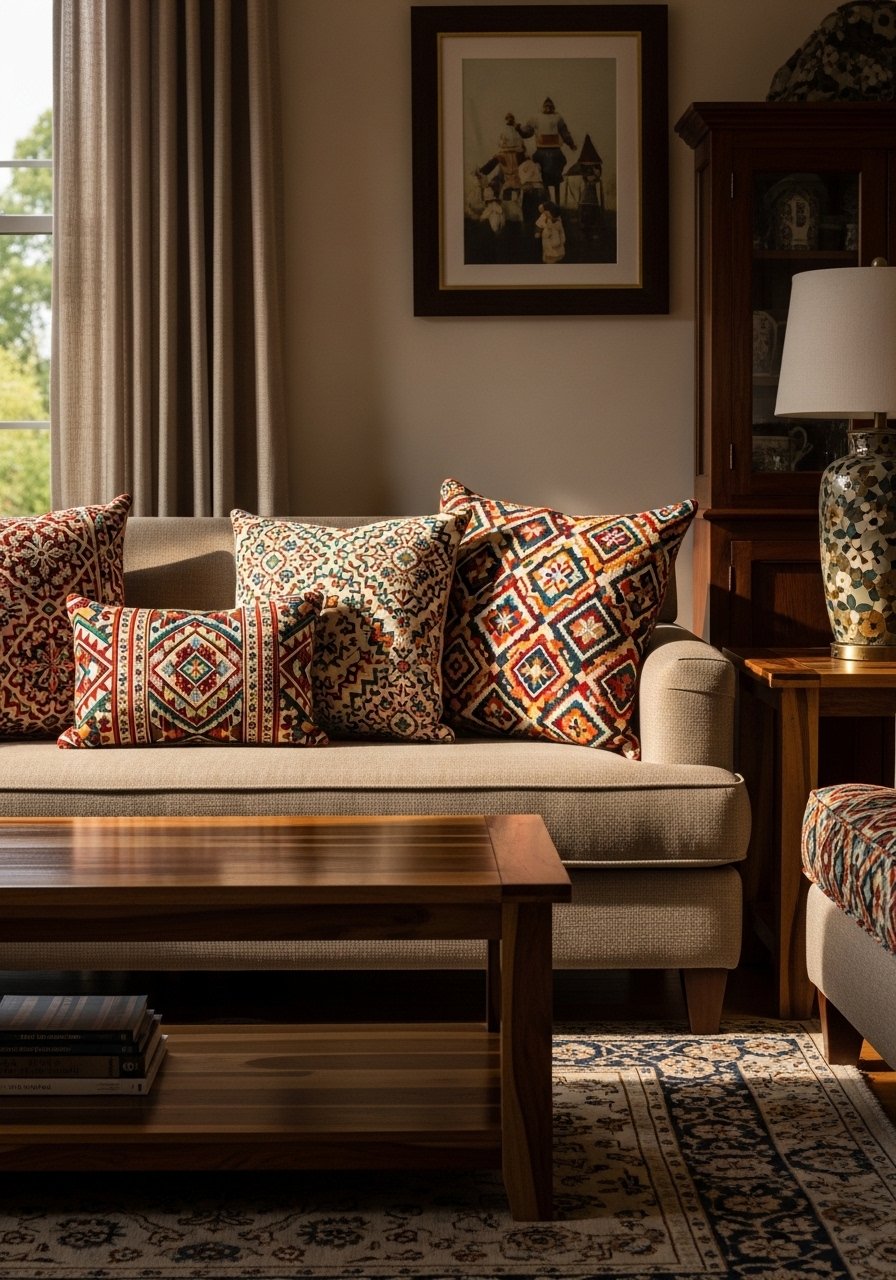
I use patterned cushions to pull together different wood tones and it works surprisingly well. The pattern acts like a bridge that unifies the room.
My first cushion set was too small and got lost. Scale matters — choose cushions that are proportionate to your sofa size.
Pick a pattern with two main colors that match other accents in the room. It’s an easy layering move that feels intentional.
What You'll Need for This Look
28. Small Table Lamps to Create Layered Light
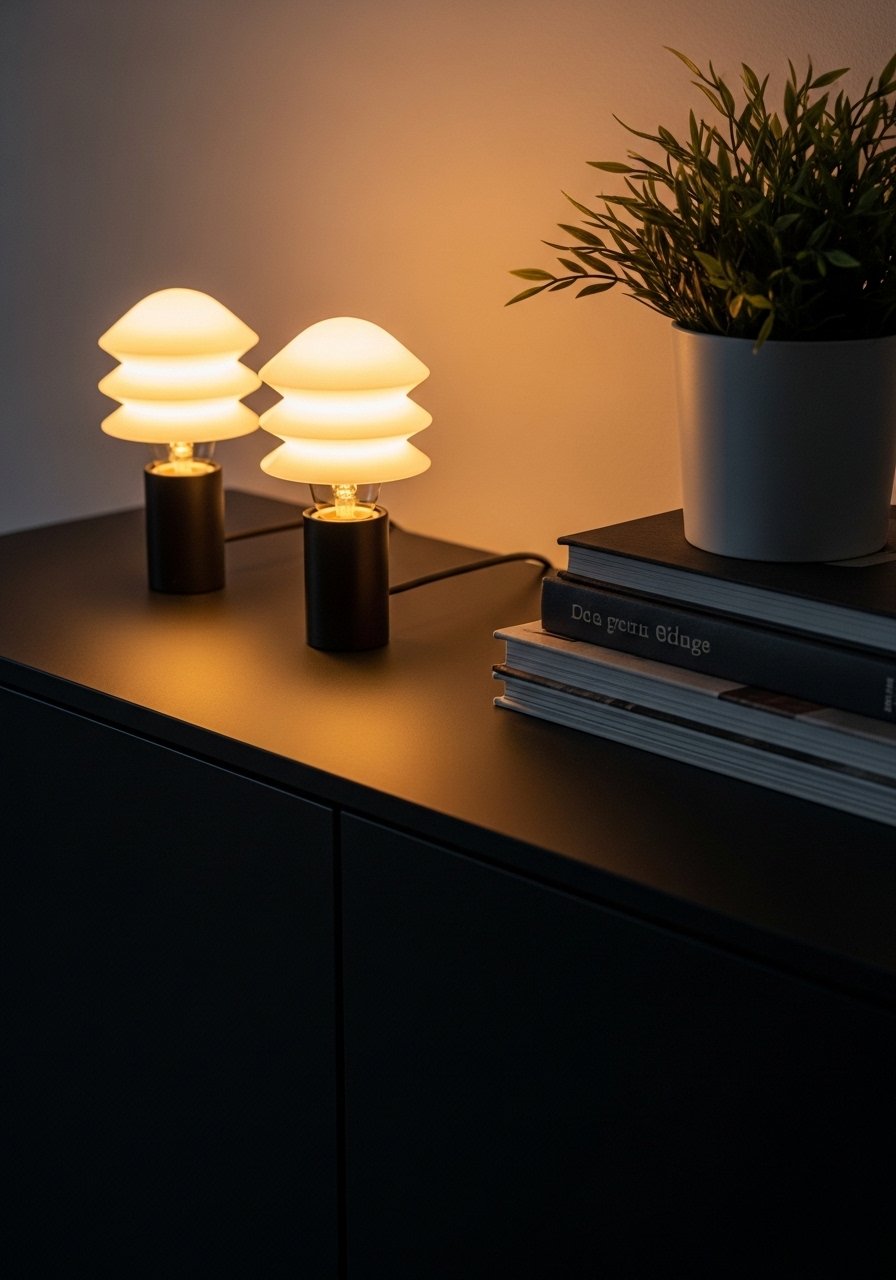
I started using two small table lamps instead of one big overhead light and the room felt controlled and soft. Layered light lets you pick the mood.
I used bulbs that were too bright at first; swapping to 2700K made the difference. Dimmers are worth it if you can add them.
Place lamps opposite each other for balance and use warm bulbs to keep the room cozy. It’s an easy way to make evening feel intentional.
What You'll Need for This Look
29. Minimal Floating Desk with Curved Chair for Work Corners
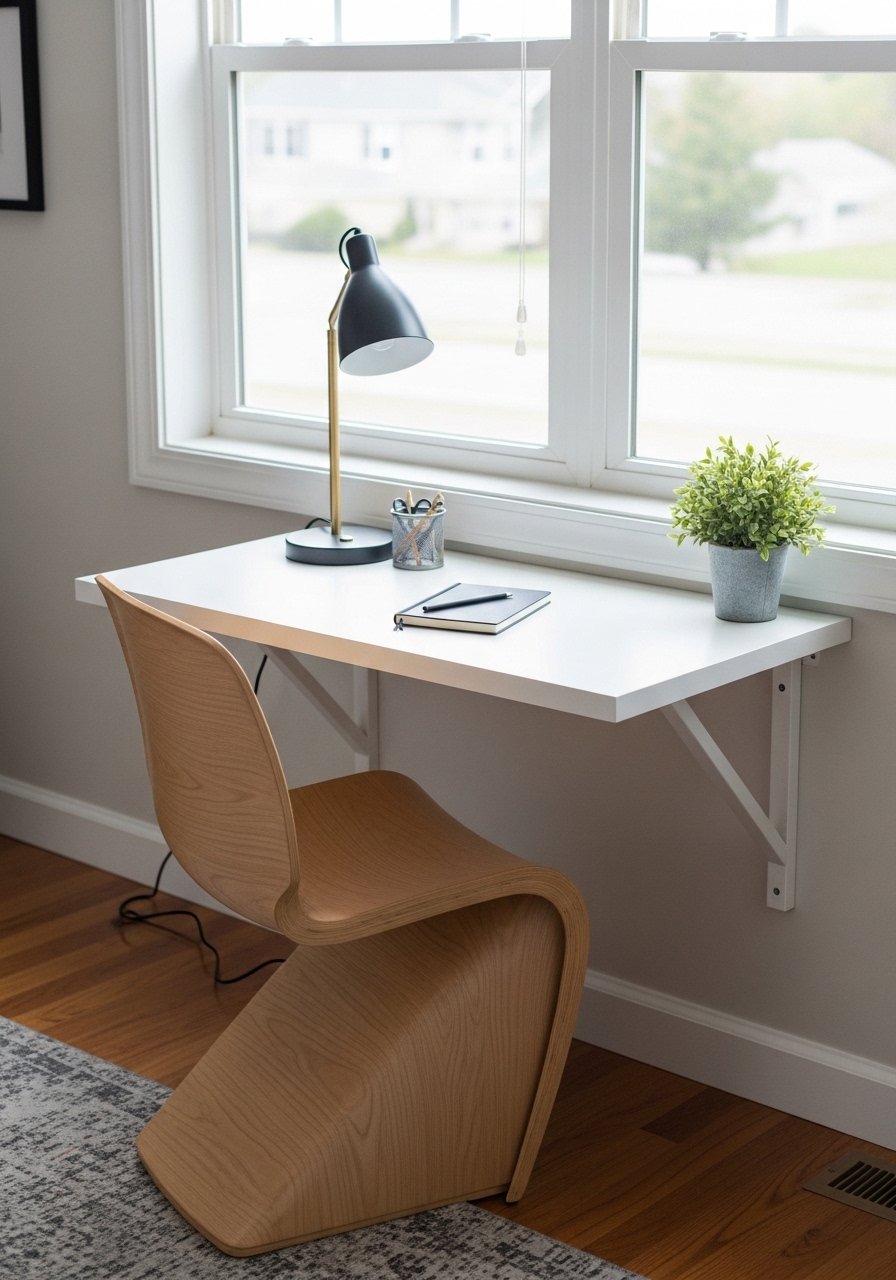
I installed a floating desk in a tight corner and paired it with a curved chair. The setup gives a defined workspace without bulk.
I made the mistake of choosing a chair that was too rigid for long sits. I swapped to one with a slight curve and it’s both comfortable and stylish.
Keep desk styling minimal: lamp, a small tray for pens, and a plant. It’s a practical work nook that doesn’t dominate the room.
What You'll Need for This Look
Final Thoughts
You don’t need to do all 29 ideas. Pick one that solves a pain you actually have — more light, less clutter, warmer color — and start there.
Small, honest changes add up. Decor should feel like home after a week, not just look good in a photo.