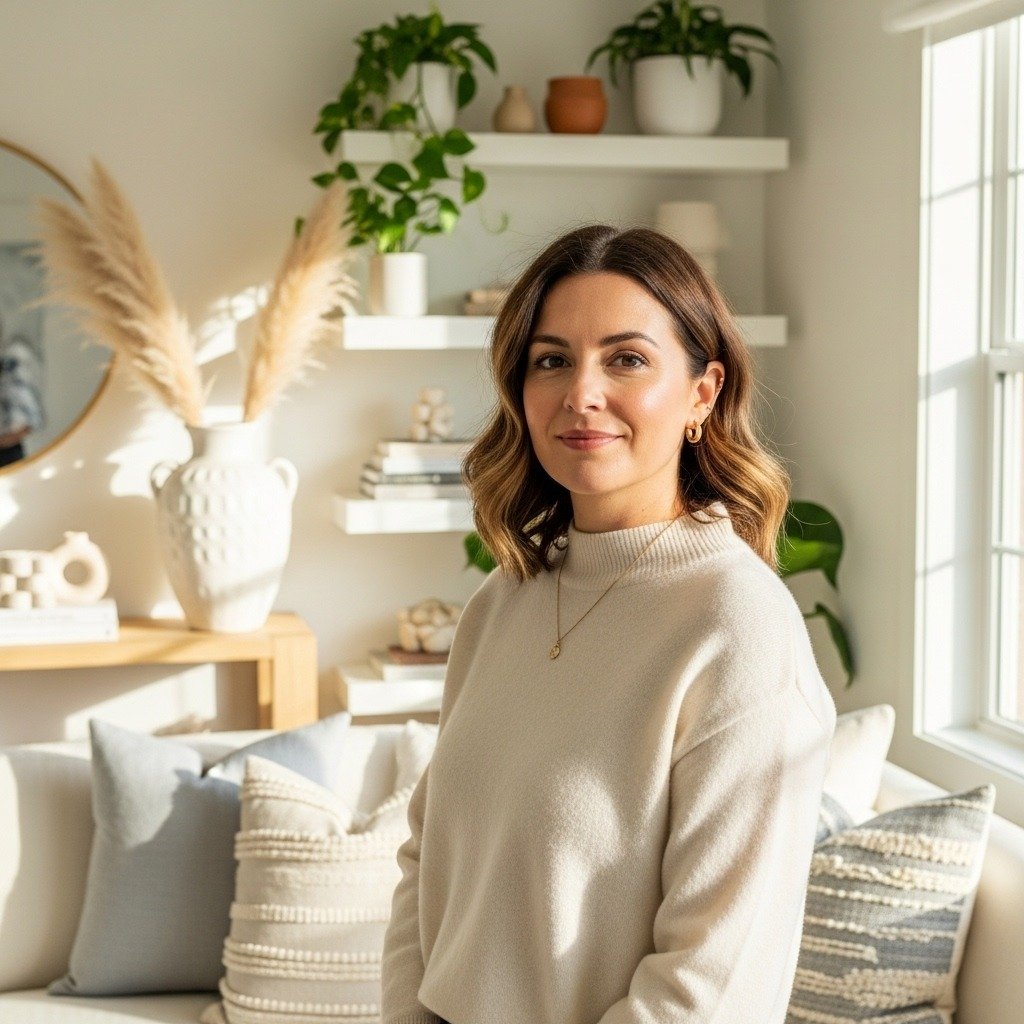
I remember the first time I painted a wall in warm olive and felt the whole room breathe differently. It stopped feeling like a staged photo and started feeling like home.
I kept a lot of what I learned the hard way. These ideas are the ones I actually used, returned, or lived with until they worked.
23 Grounded Earthy Home Decor Ideas That Feel Naturally Calm
These 23 ideas are practical, worn-in, and budget-aware. I show what to pick, what I learned the hard way, and the few things worth spending on. Read these and know exactly what to try first.
1. Layered Neutral Textiles That Make a Room Feel Finished
I draped three different neutral textiles across my sofa and the room suddenly read as intentional, not empty. I mixed cream linen, camel wool, and a jute lumbar. It added depth without clutter.
At first I bought identical beige pillows and the sofa looked flat. The fix was contrast in texture more than color. The varied weaves catch light differently and calm a busy eye.
Pay attention to scale: one chunky knit, one smooth linen, one textured weave. They all work together. Keep colors in the same warm family and the look will feel curated, not matchy.
What You'll Need for This Look
2. Low-Profile Seating for Small Rooms That Keeps Scale Calm
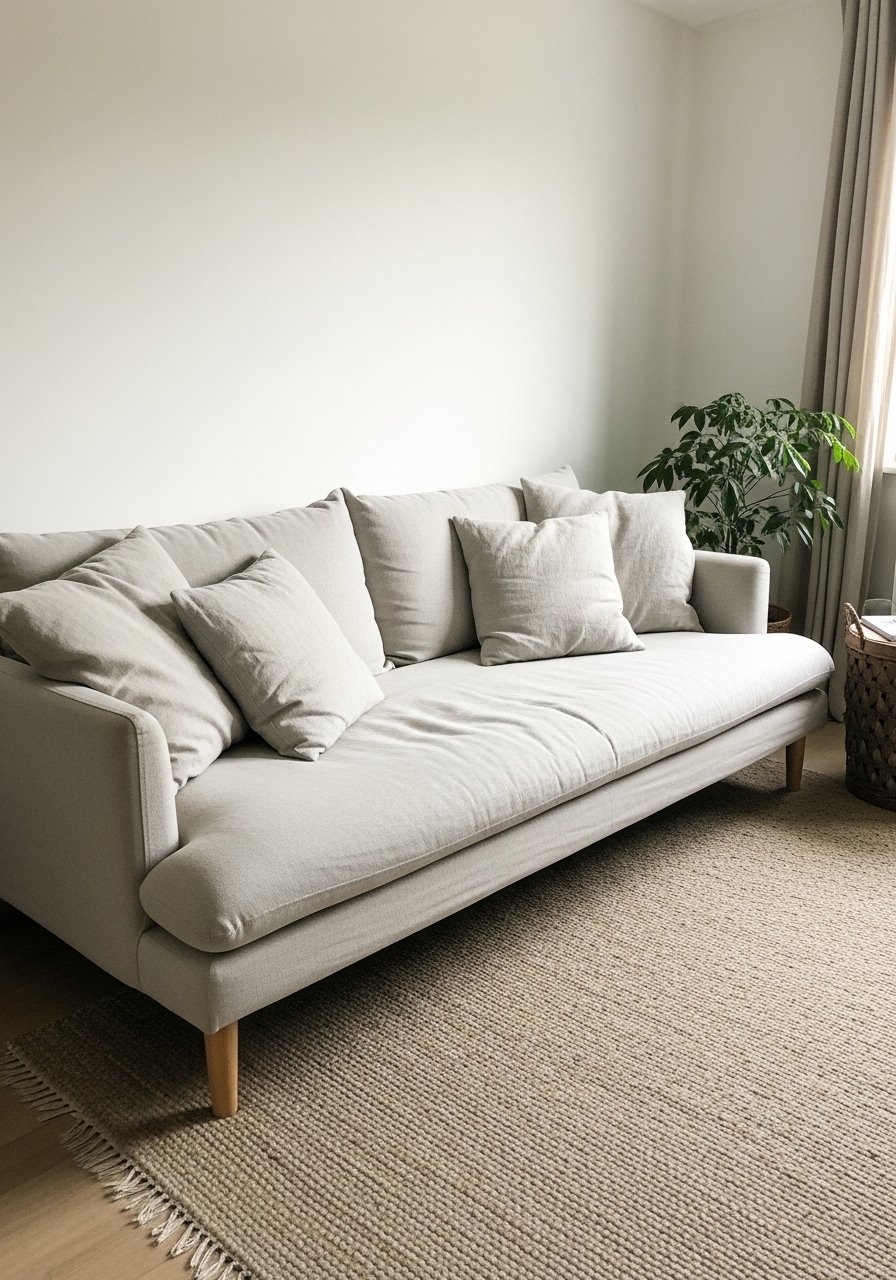
I swapped my high-arm sofa for a low-profile linen piece and the space felt taller. Low seating pulls visual weight down and gives the room an airy feel while staying grounded.
This is my go-to trick in small living rooms. The lower silhouette frees sightlines and makes plants and rugs read as part of the same plane. It’s calm, not cramped.
Avoid overly thin bases that feel cheap. Look for solid wood legs and natural upholstery. I bought a budget version once that sagged in months — invest a little in frame quality.
What You'll Need for This Look
3. One Antique Piece Per Room to Add Immediate Soul
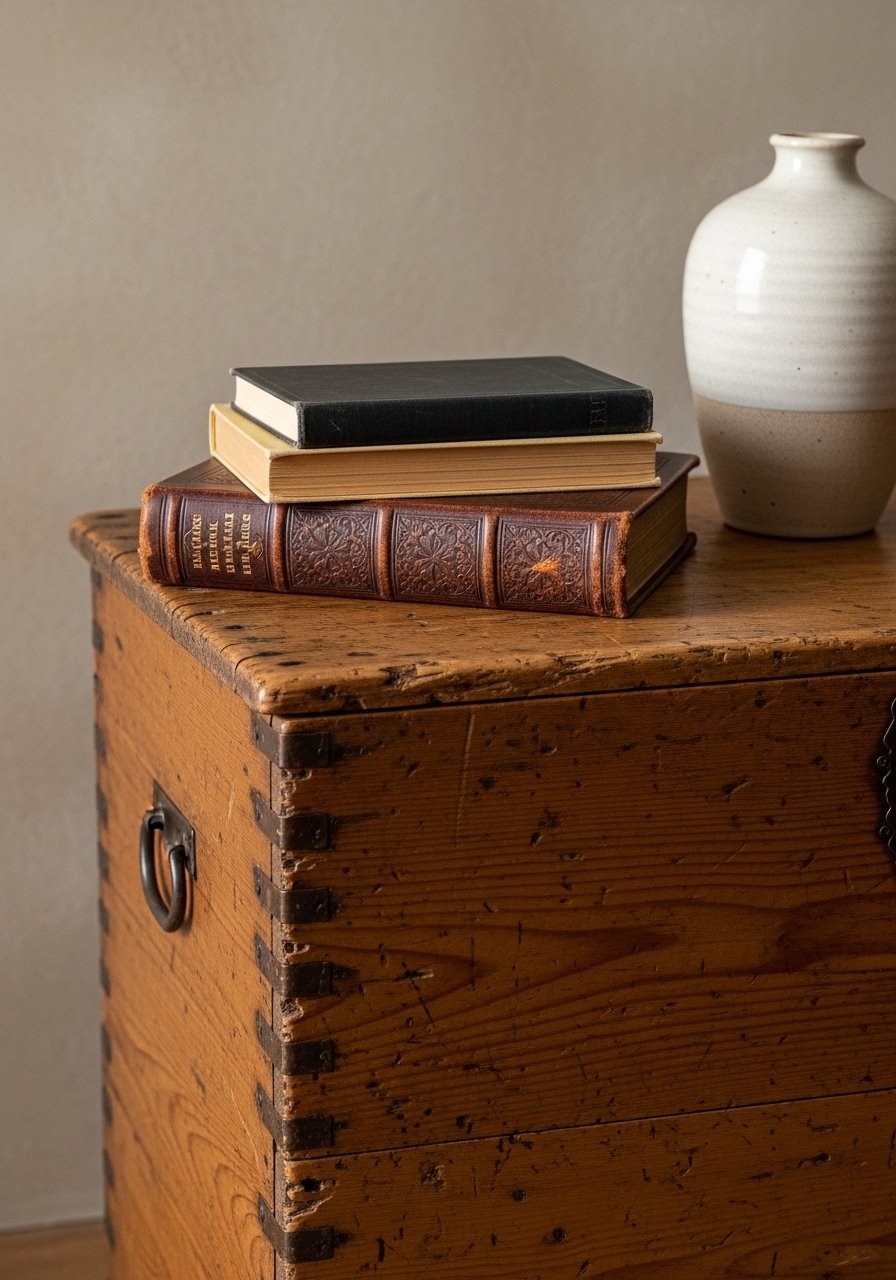
I started introducing a single antique into each room and the space stopped feeling new-house showroom. A battered chest or an old wooden stool reads like history, even with simple modern pieces.
My mistake was trying to match finishes. That made the antique look forced. Now I let it stand apart and treat it as the room’s punctuation mark. It adds lived-in charm without clutter.
Look for scale-first, condition-second. A little wear is fine — it tells a story. In tight budgets, thrift markets and estate sales have gems that don’t cost a fortune.
What You'll Need for This Look
4. Rounded Coffee Table to Soften a Boxy Sofa Setup
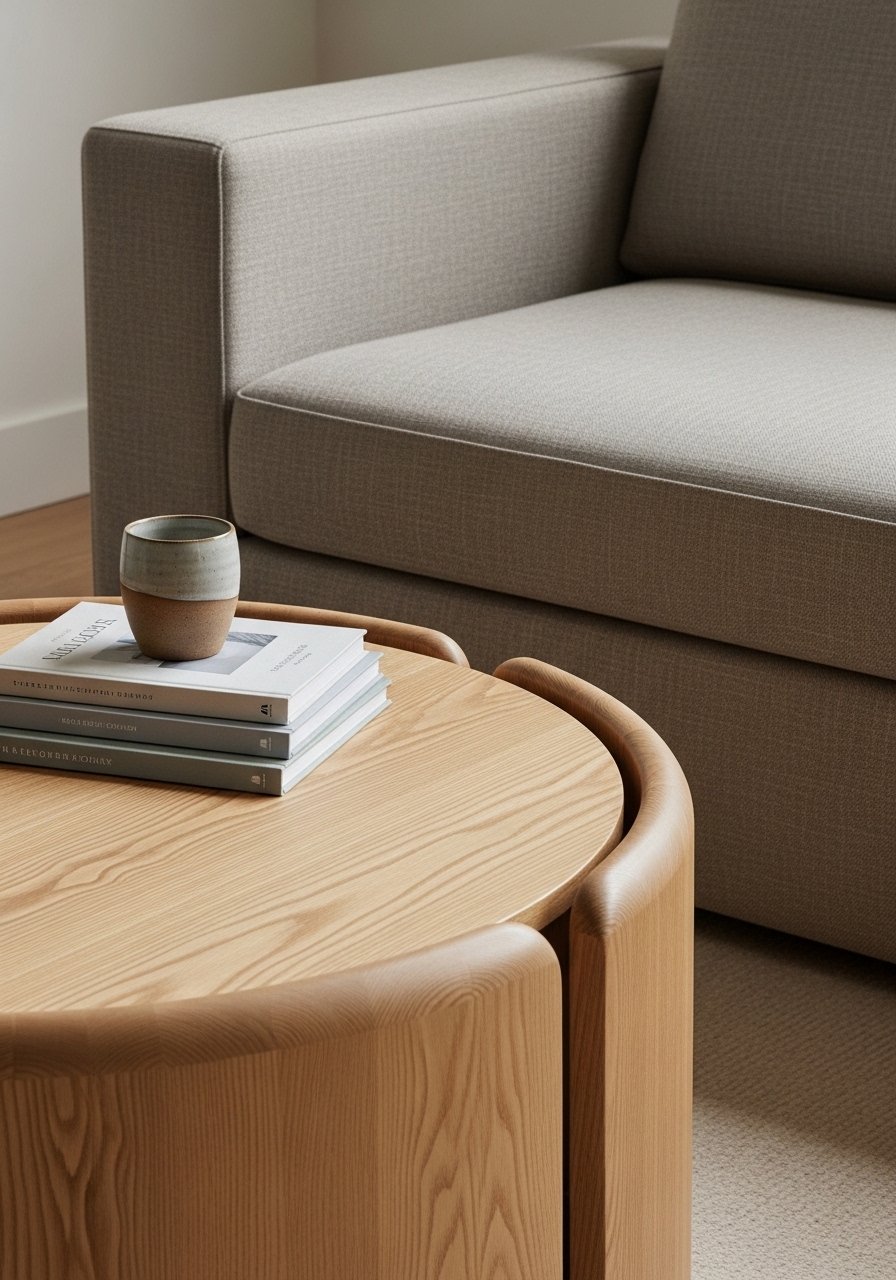
I swapped my rectangular coffee table for a rounded oak top and the room felt more relaxed. Curves create flow and coax you off strict right angles, which is especially nice with a heavy sofa.
My first rounded table was too small and looked like an afterthought. Size matters: choose a diameter that reaches the sofa seats. The gentle curve invites movement and makes conversations feel softer.
Look for light woods like white oak to keep the tone earthy. Round tables also hide scuffs better than sharp corners — practical with kids or dogs.
What You'll Need for This Look
5. Warm Neutral Walls with a Single Deep Accent
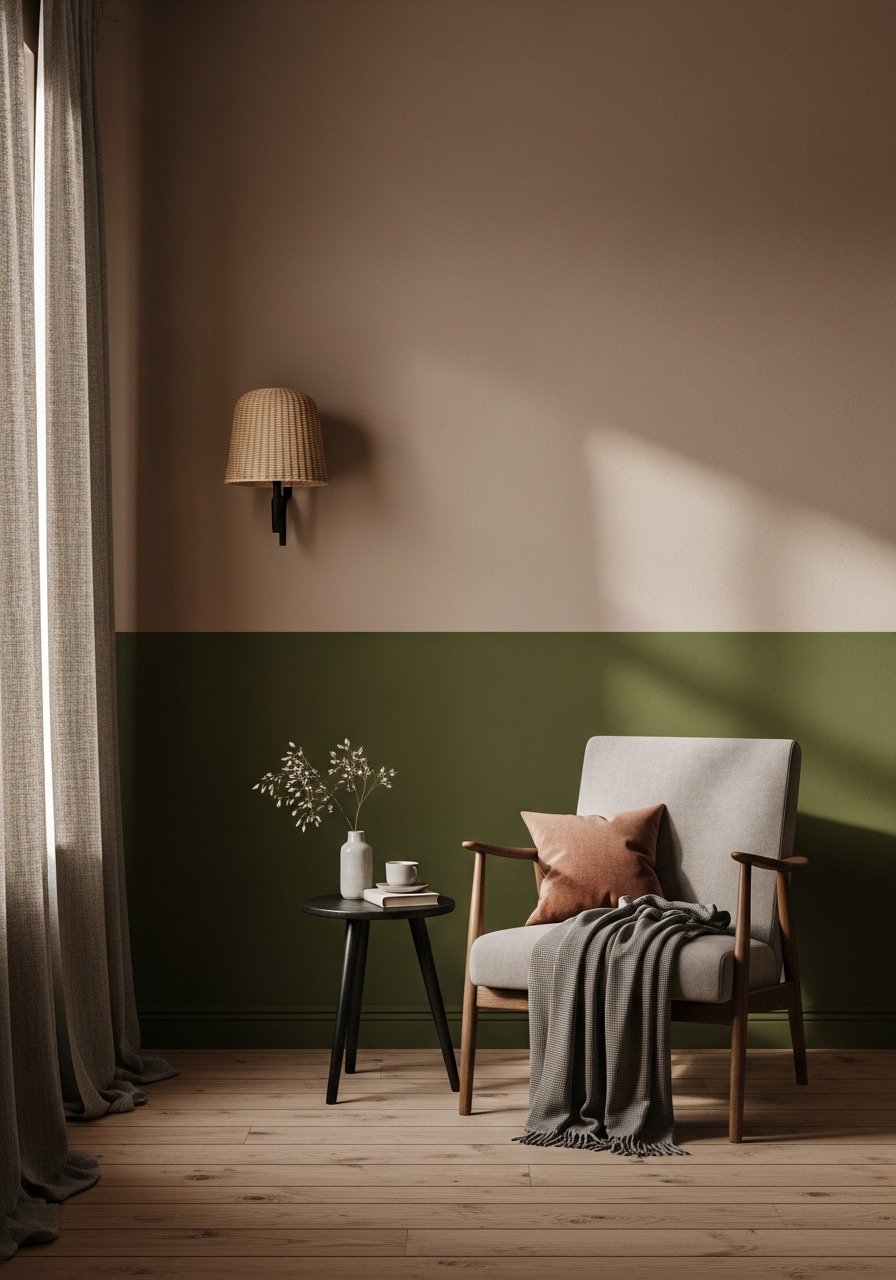
I painted most walls a warm taupe and one wall a deep olive. The room gained calm without feeling heavy. The green accent reads earthy rather than moody because the surrounding neutrals keep it airy.
My mistake was making the accent too small — a narrow stripe looked accidental. Make the accent a true wall or a large vertical plane so it anchors the room. Balance with lighter textiles to avoid gloom.
Sample swatches at different times of day. Light changes warm tones drastically. Once you commit, repeat the accent hue in cushions or art for cohesion.
What You'll Need for This Look
6. Layered Rugs — Jute Base With Patterned Top
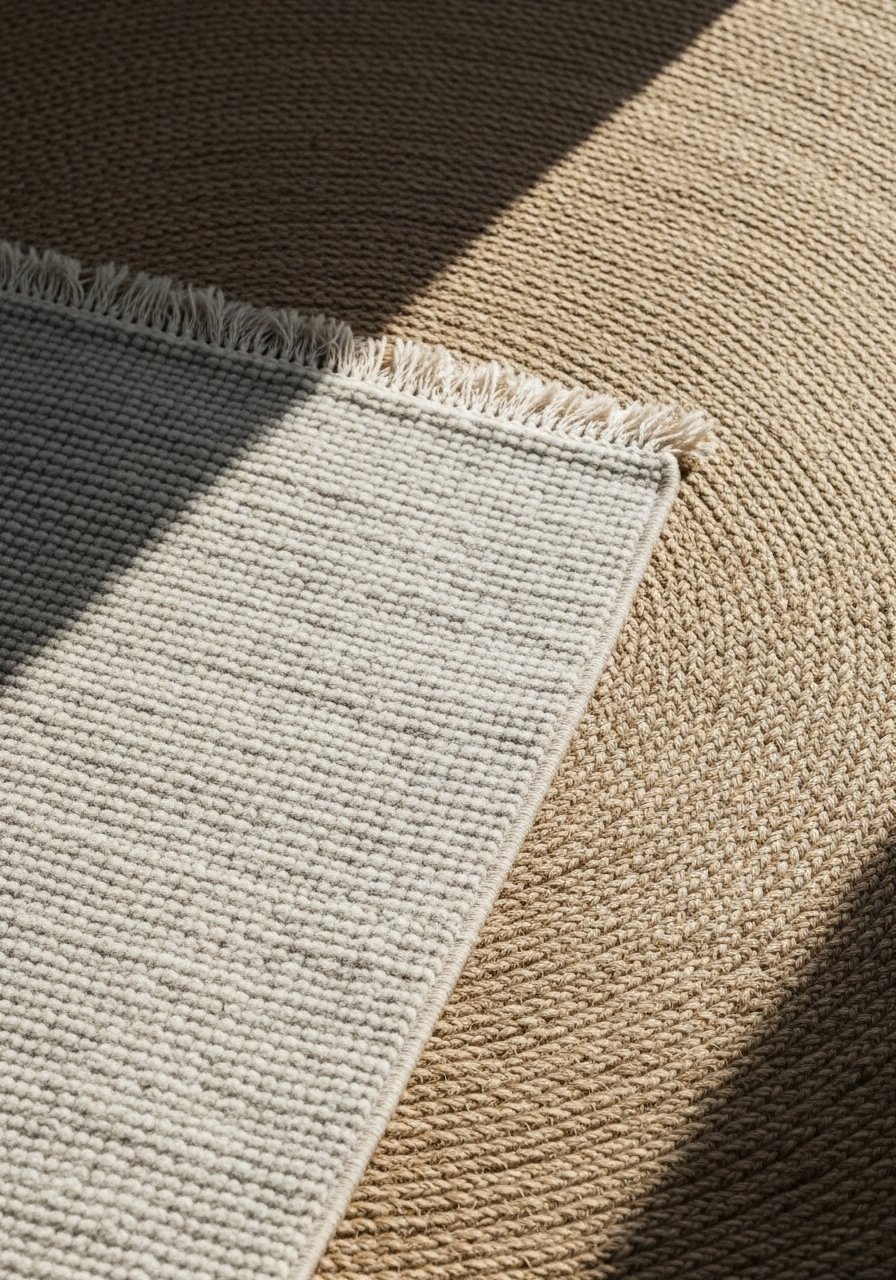
I layered a low-cost jute rug under a smaller patterned wool piece. It grounded the seating area and added softness underfoot. The jute keeps it natural while the pattern gives personality.
At first I skipped padding and the top rug slipped constantly. Rug pad fixed that and made the layers feel intentional. The base rug also protects floors and anchors the pattern.
Keep colors in the same warm family. The jute gives an organic edge that ties a modern sofa to a vintage rug without looking forced.
What You'll Need for This Look
7. Sculptural Brass Lamp for Warm, Tactile Light
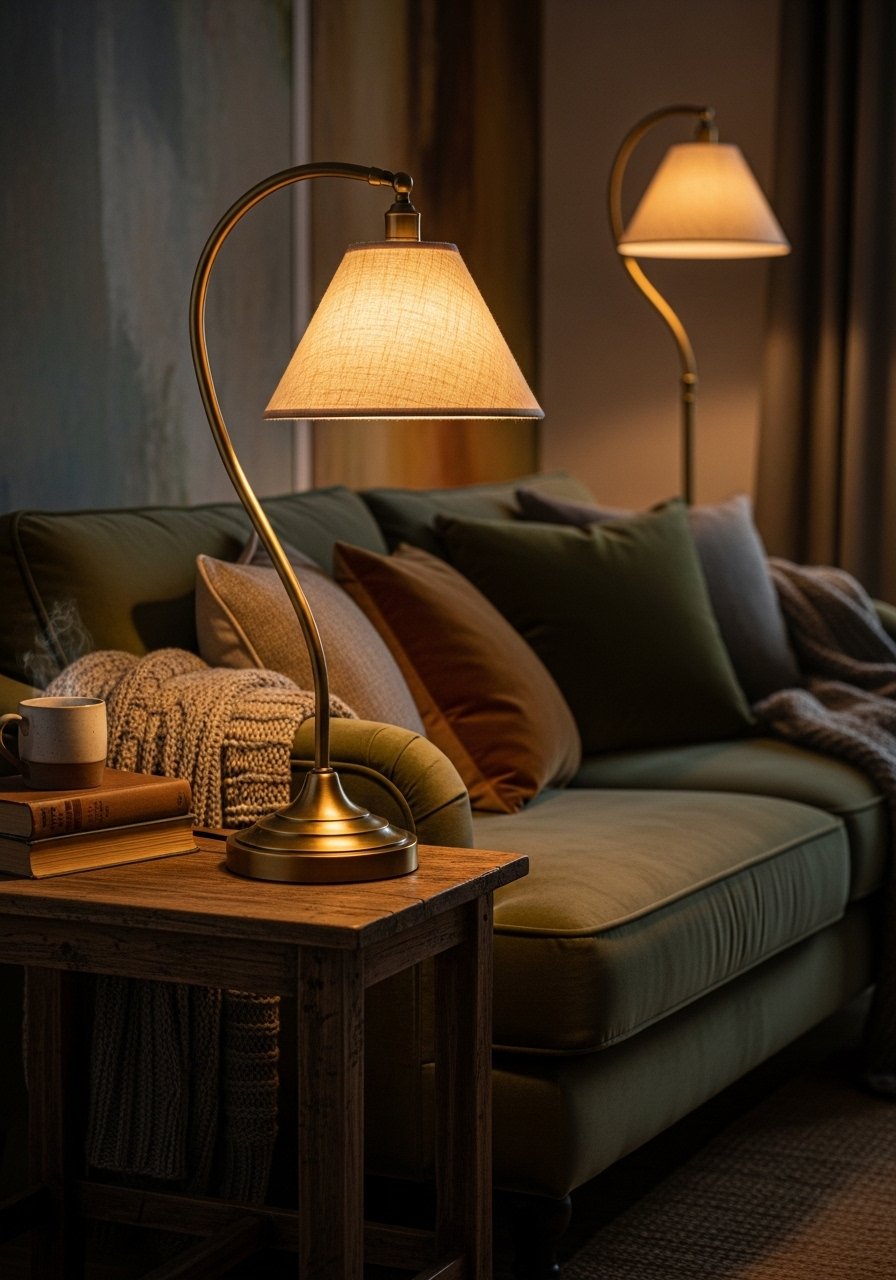
I replaced a cold chrome lamp with a sculptural aged brass one and the room felt friendlier at night. The brass casts warm reflections that play against textured walls and textiles.
I bought an ornate brass lamp once and it clashed with my simple furniture. The lesson: choose clean, organic shapes rather than fussy detailing. A single sculptural form is enough.
Use a soft white bulb (2700K) and a fabric shade that diffuses light. The lamp becomes both a practical task light and a tactile detail that ages well.
What You'll Need for This Look
8. Terra-Cotta Accents for That Weathered, Warm Edge
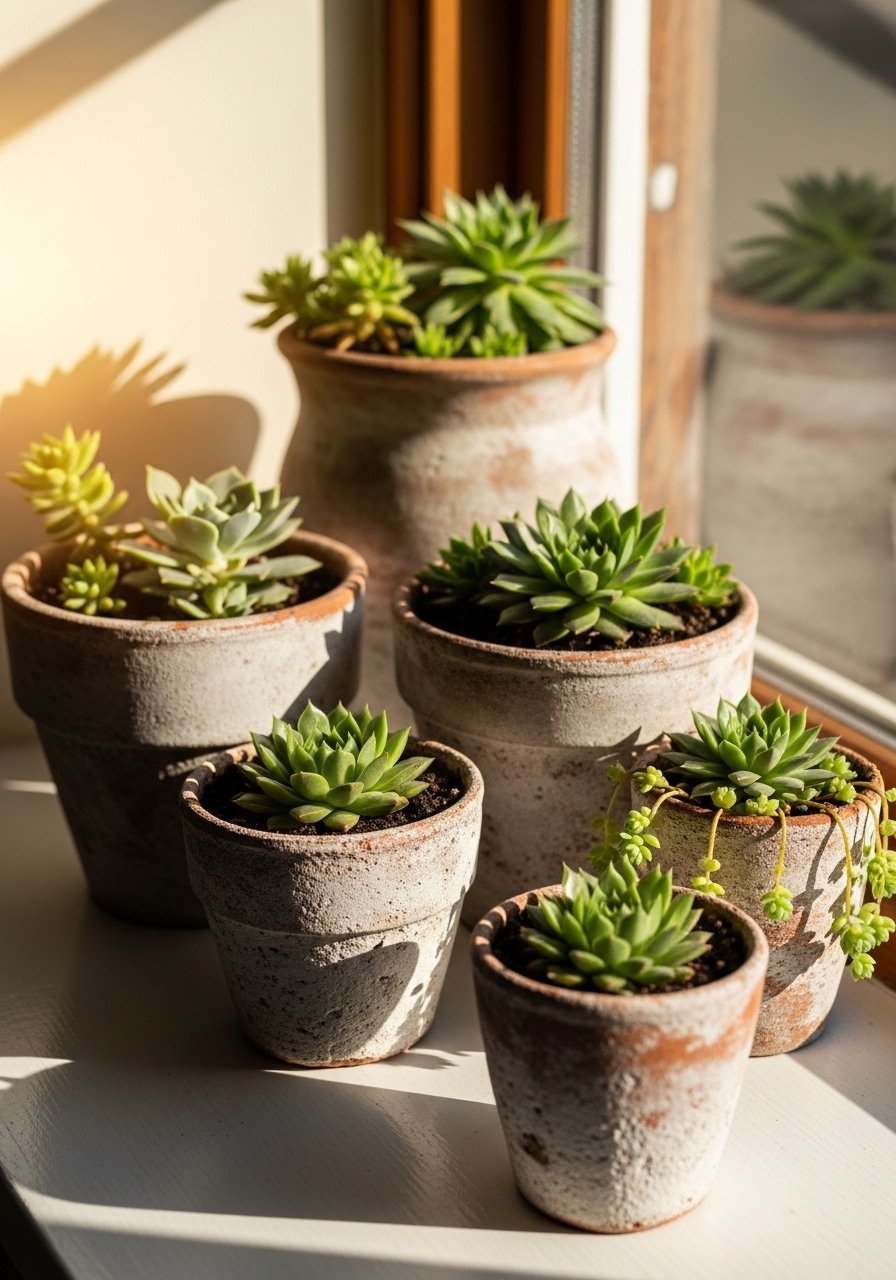
I started bringing terra-cotta pots into my kitchen and they made the space feel sun-baked and calm. The reddish clay adds a homey patina that pairs well with wood and linen.
I once glazed all my pots white and lost that earthy presence. The matte, raw terra-cotta is what creates that lived-in warmth. Mix glazed and unglazed for contrast.
Use different sizes and heights and tuck in a few dried stems or succulents. They’re inexpensive, durable, and they age gracefully with a little chalky buildup.
What You'll Need for This Look
9. Mix Wood Tones — Don’t Fear Non-Matching Pieces
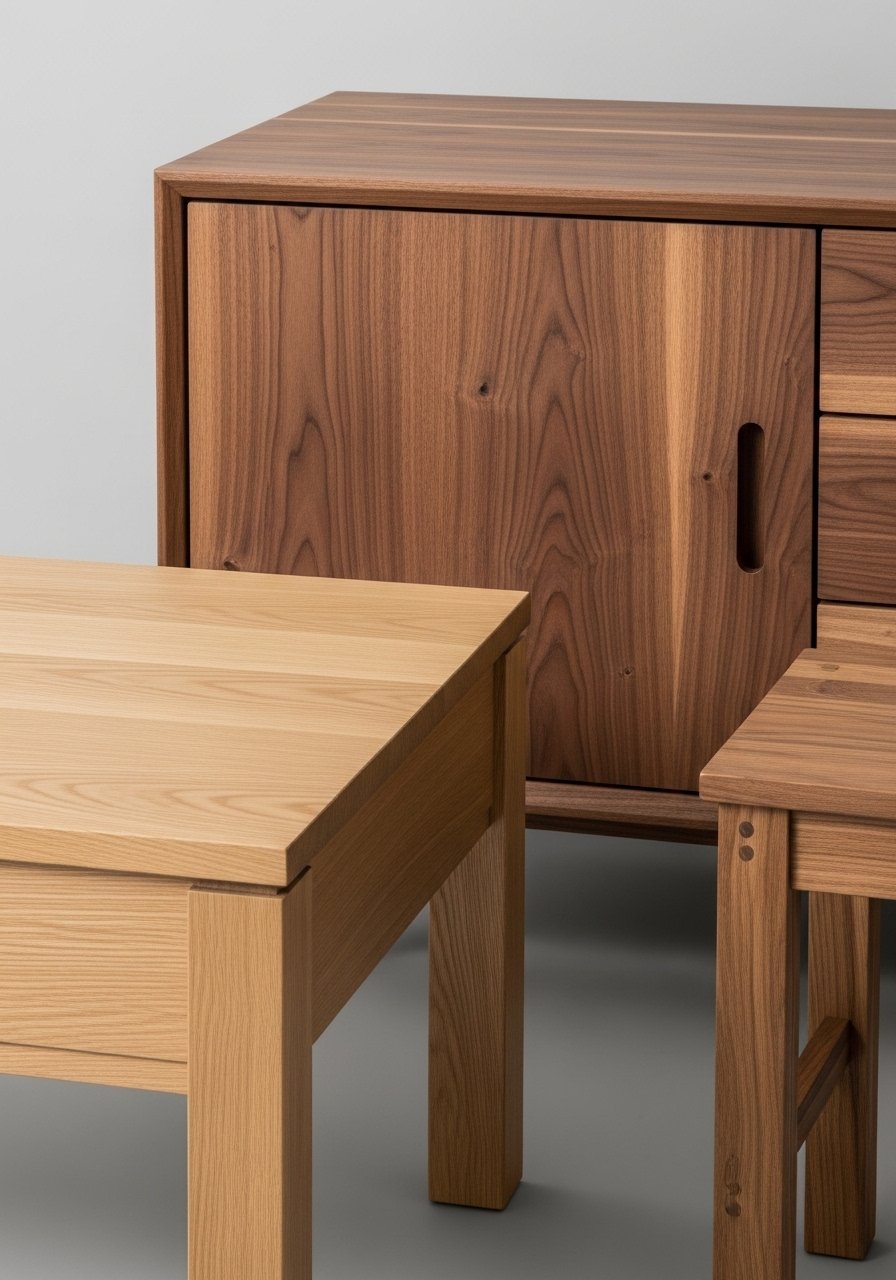
I stopped trying to force every wood piece to match and the room finally read natural. Mixing light oak with walnut and a painted pine stool feels curated, not chaotic, when tied with textiles.
My older habit was to return pieces until finishes matched perfectly. That produced a showroom look. Now I layer grains and tones and the room looks collected over time.
Balance is key: repeat a wood tone in three places to create cohesion. Small painted accents can also bridge different grains.
What You'll Need for This Look
10. Linen Sheets and Throws to Keep Layers Airy
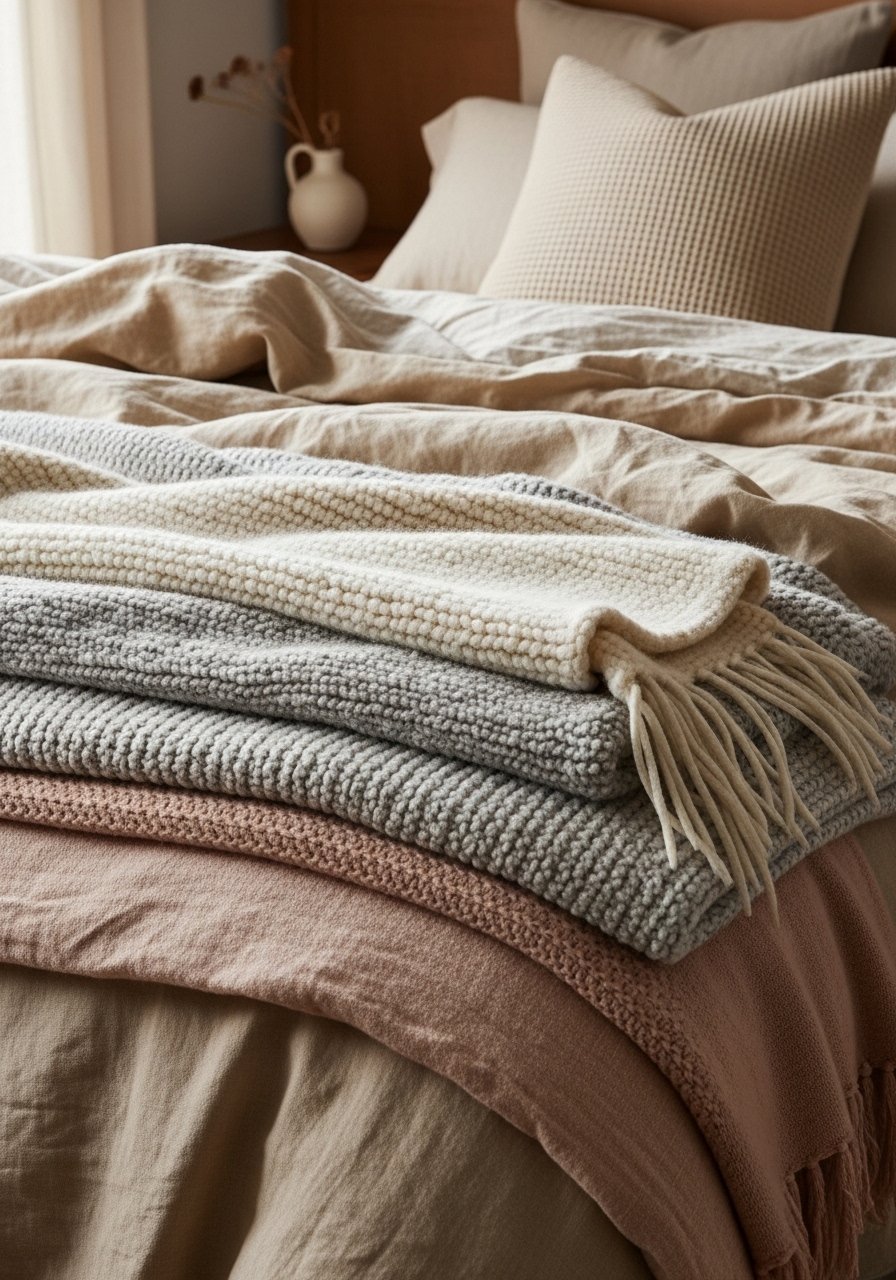
I upgraded my throws and bedding to linen and the room felt healthier. Linen breathes and wrinkles in a way that reads lived-in, not sloppy. It adds subtle texture without weighing the palette.
I once bought heavy cotton and it made everything look too dense. Linen’s matte finish keeps warm neutrals feeling light. It’s forgiving and softens light in the morning.
Care tip: wash linen gently and expect some initial shrinkage. The relaxed look improves with use and it’s worth the extra care for everyday comfort.
What You'll Need for This Look
11. Veined Stone Accent — A Small Slab Changes Mood
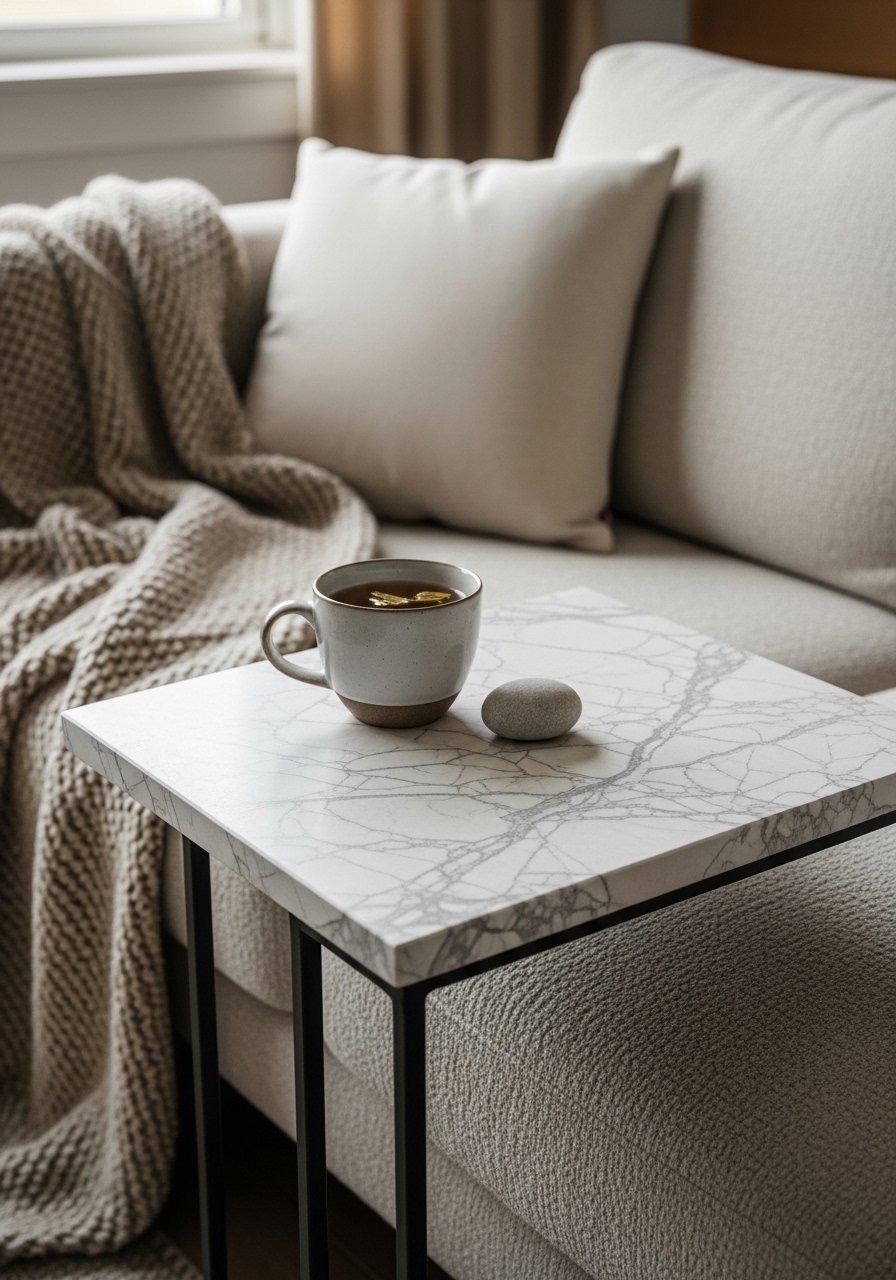
I added a veined stone side table and it instantly felt like a proper pause in the room. Stone brings cool solidity to warm woods and textiles, which balances the whole scheme.
My mistake was choosing overly glossy stone that read cold. A honed finish with visible veins felt more natural. Even a small slab as a tray or table is enough to matter.
Place it near softer elements — linen, wood, woven baskets — so the stone reads as grounding rather than dominant.
What You'll Need for This Look
12. Tall Green Plant for Immediate Biophilic Calm
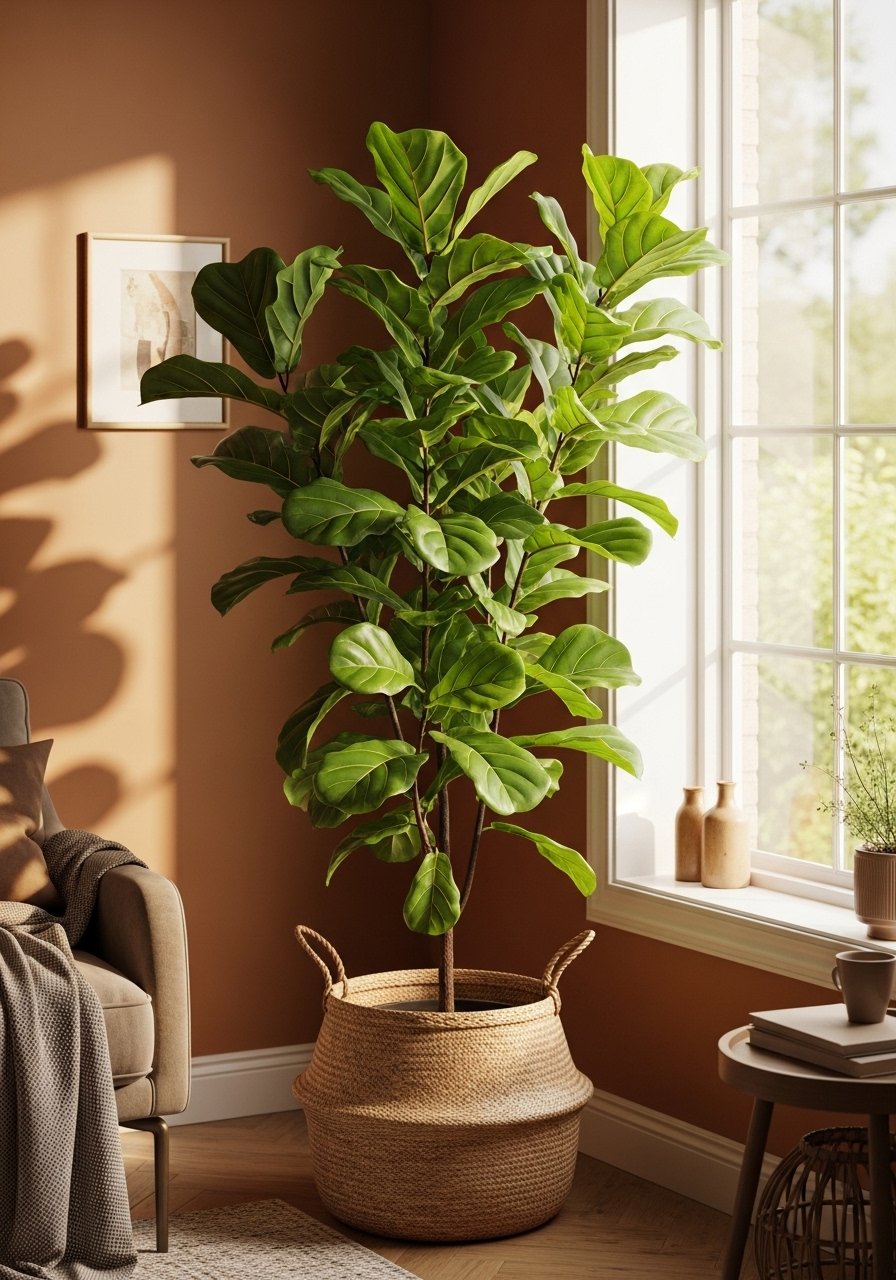
I finally bought a tall green plant and it made the room feel calm in a way furniture never did. The vertical green draws the eye up and softens corners.
I once picked a delicate plant that wilted under my care. Now I opt for hardy species and clinical placement — near light but not baking in direct sun. A woven planter keeps the look earthy.
Scale matters: a small plant on a shelf won’t anchor a room. Choose a height that fills negative space without crowding.
What You'll Need for This Look
13. Curved Shelving to Echo Softer Furniture Lines
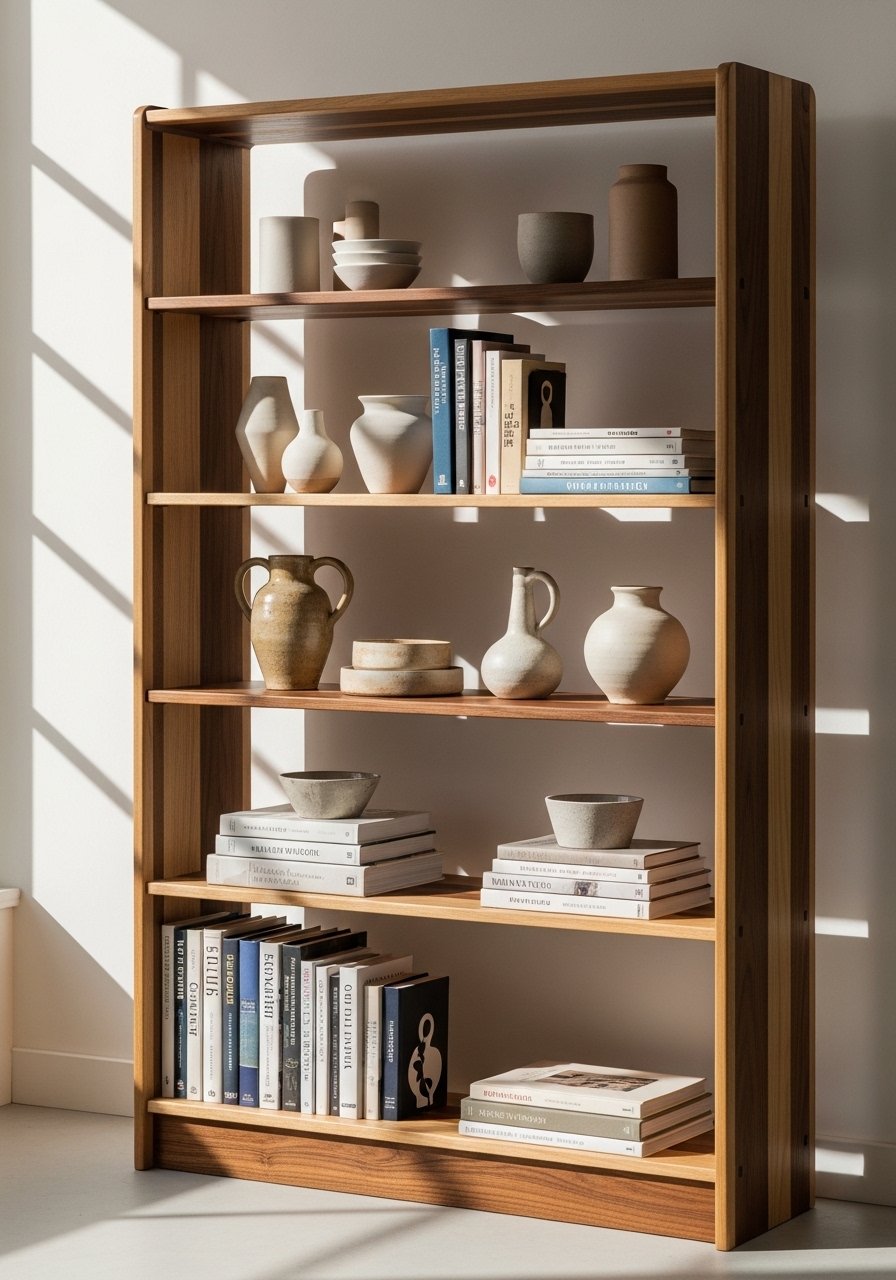
I installed a curved shelving unit to mirror the room’s rounded coffee table. The repeat of curved lines makes the whole space feel intentional and comfortable.
My early attempt used overwhelmed shelves with too many objects. The cure was editing: fewer items, more breathing room between objects. Curves let the eye flow instead of stopping at corners.
Use ceramics, small plants, and a couple of framed photos. The mix of materials keeps the shelf tactile and grounded.
What You'll Need for This Look
14. Braided Jute Baskets for Storage That Looks Good
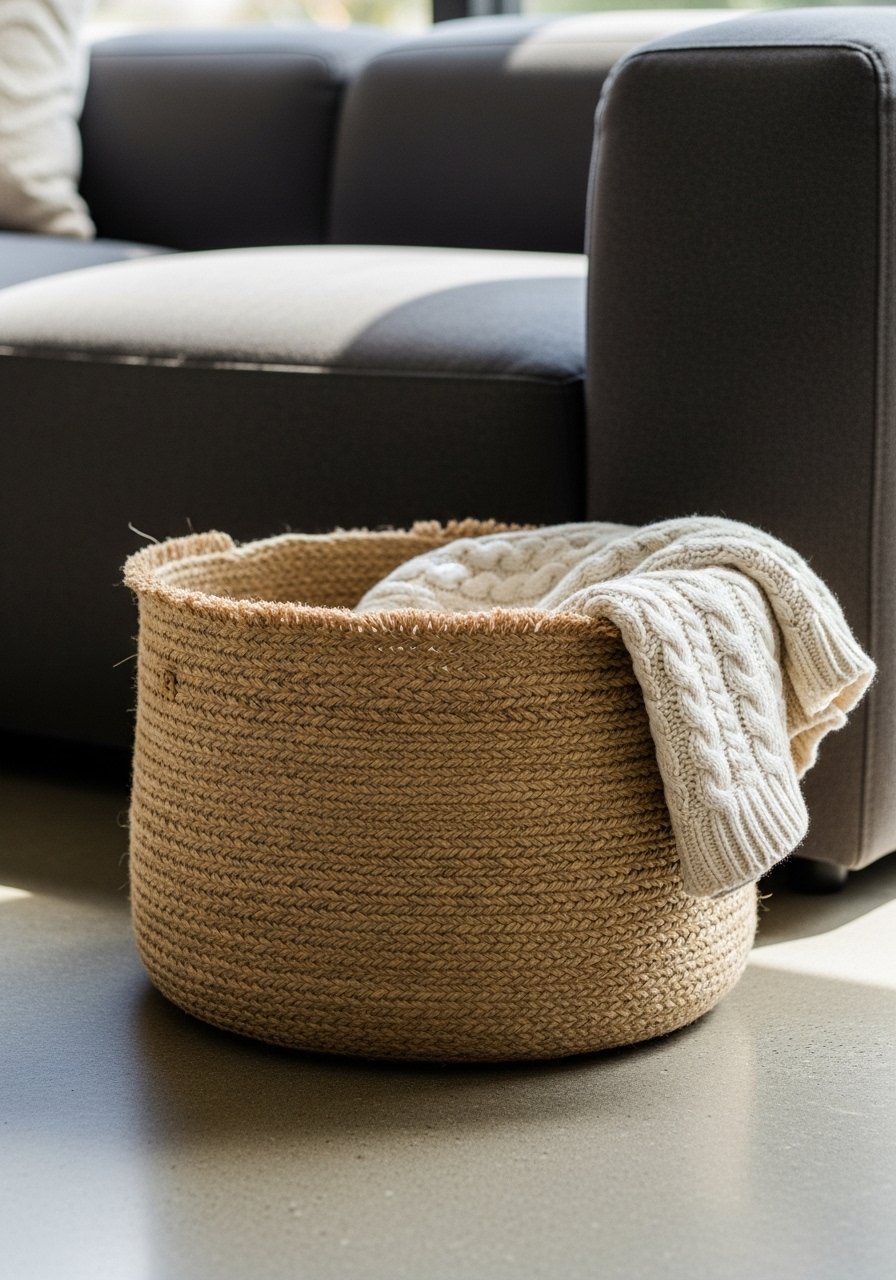
I started hiding throws and toys in braided jute baskets and the room felt tidier and cozier. They’re inexpensive, durable, and their texture adds warmth to a plain corner.
I once bought a stiff basket that scratched the floor. Look for baskets with a soft base or use felt pads. The tactile braid reads organic and handles wear well.
Use different sizes and nest them or spread around rooms. They’re a simple fix for both storage and texture.
What You'll Need for This Look
15. Federal-Style Mirror Above a Quilt for Americana Vibes
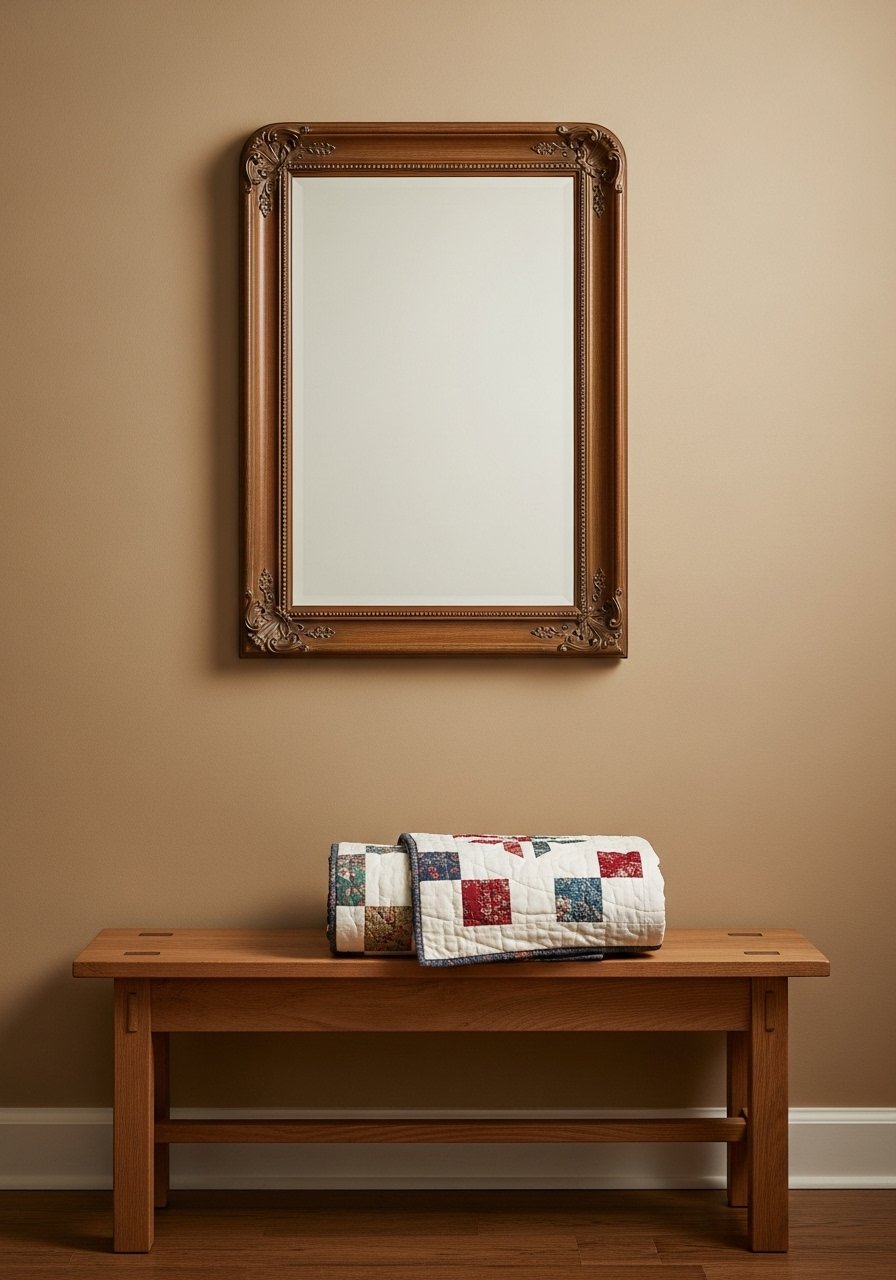
I hung a classic federal-style mirror above a folded family quilt and the entry felt like a small story. The reflective piece brightens while the quilt keeps it rooted and sentimental.
I once centered a modern abstract over the quilt and it jarred. The mirror’s proportions and calmer frame read as part of the same language. The mix feels intentional, not themed.
This works great in hallways and bedrooms. Keep the mirror frame simple and aged, and let textiles add color.
What You'll Need for This Look
16. Sculptural Wall Hooks — Practical Art

I switched plain coat hooks for sculptural hooks and it felt like functional art. They anchor everyday items and keep entryways tidy while adding shape.
My early picks were too small and bent under jackets. Choose sturdy hooks with simple profiles that can handle weight. They shouldn’t shout; they should compliment other fixtures.
Use them in multiples to create rhythm. A hat, a tote, and a linen coat become a small vignette that reads calm and intentional.
What You'll Need for This Look
17. Distressed Brass Hardware to Age New Cabinets
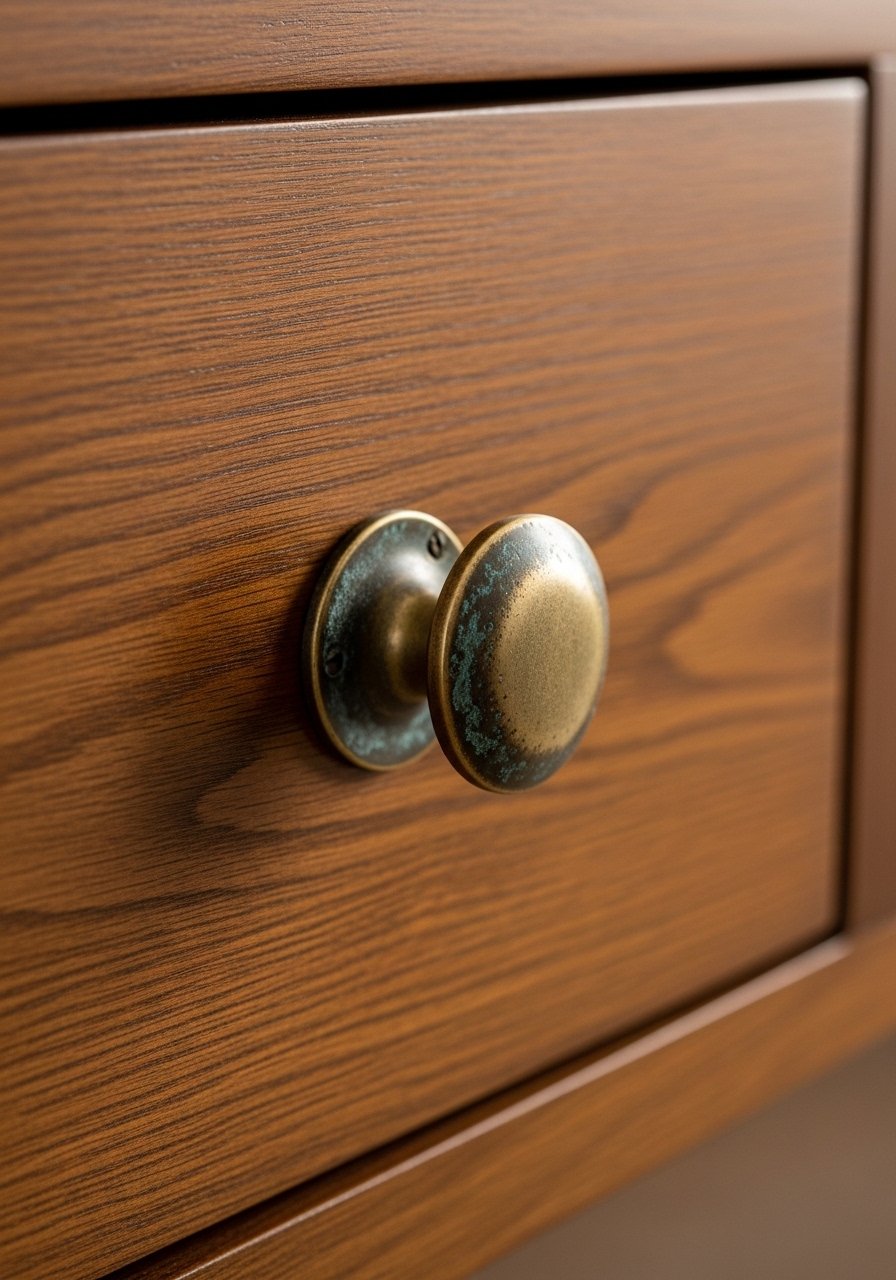
I replaced new cabinet knobs with distressed brass hardware and the kitchen stopped reading like an appliance showroom. The small change adds texture and a little history.
I once chose shiny brass that clashed with my aged sink. The distressed finish blends with wood and stone better. It’s an easy swap that pays off visually.
Swap a few pieces first to test compatibility. Hardware is small but sets a tone — choose curves to keep the look soft.
What You'll Need for This Look
18. Open Shelves with Mixed Ceramics for Everyday Use
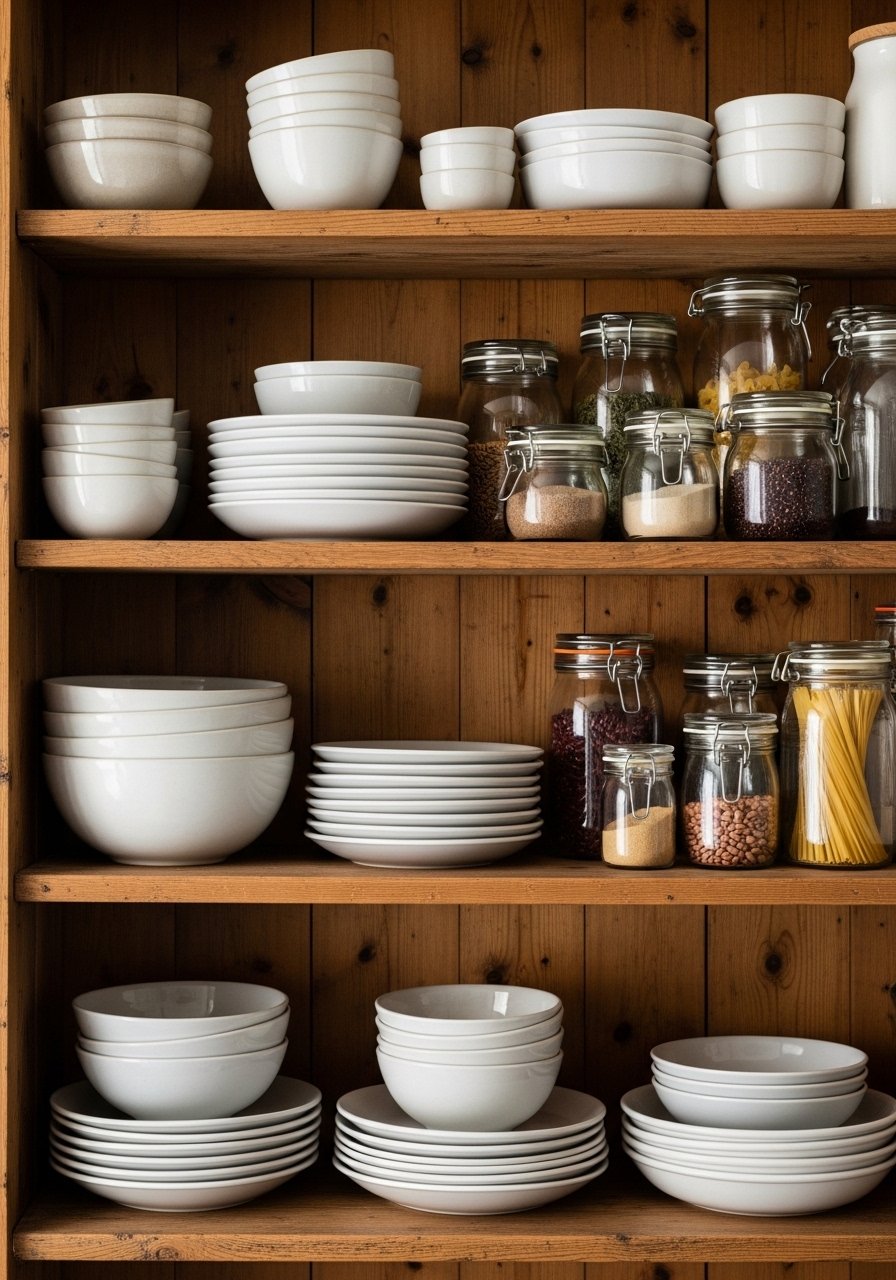
I removed upper cabinet doors and styled the shelves with mixed ceramics. It’s more work to keep them tidy, but breakfast feels nicer and the room reads lived-in.
I used to stack everything in mismatched piles. The trick was editing: three types of ceramics max, neutral tones, and some clear glass for airiness. It looks collected, not cluttered.
Keep frequently used items within reach and display a few favorites. The openness invites you to live in the space instead of hiding everything away.
What You'll Need for This Look
19. Moody Lower Cabinets, Light Upper Walls Trick
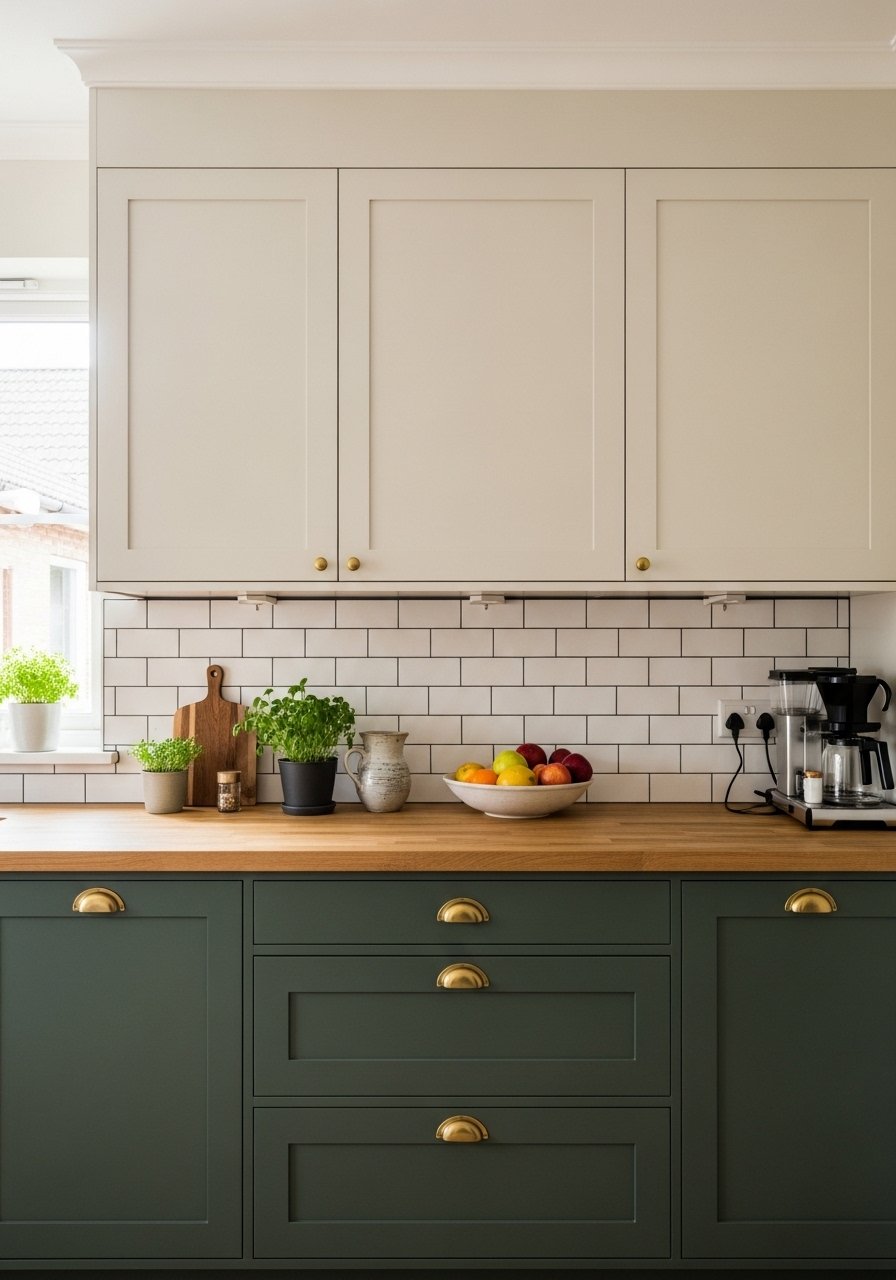
I painted lower kitchen cabinets a deep olive and left the walls light. The room gained depth while staying bright — the darker low pulls visual weight down where it belongs.
My mistake was trying full-dark cabinets in a small kitchen. It swallowed the space. The lower-dark, upper-light combo gives the drama without closing the room. It’s a balanced tension.
Pick a durable paint finish for cabinetry and repeat the darker tone in a rug or chair cushion to tie the look together.
What You'll Need for This Look
20. Arched Mirror to Echo Doorways and Soften Corners
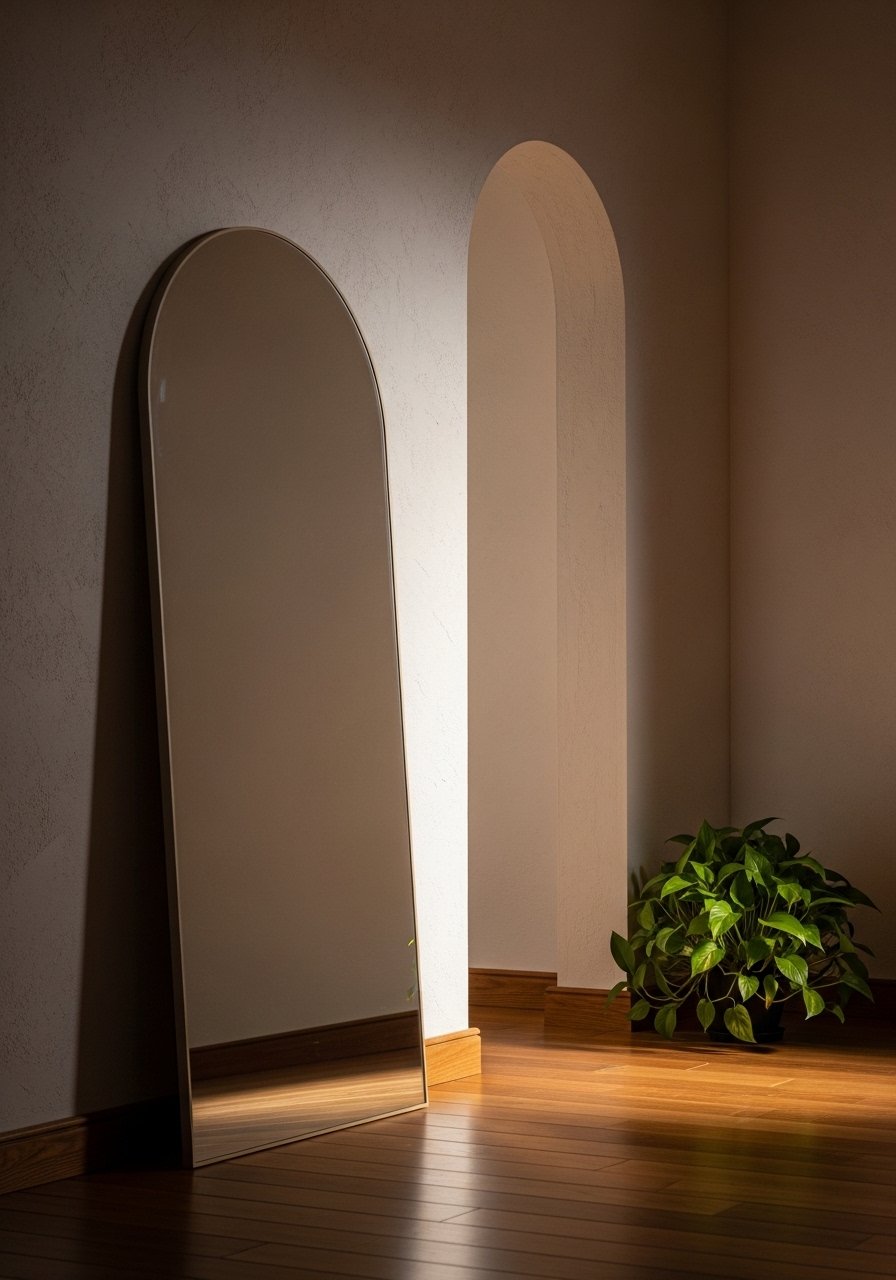
I added an arched mirror and it made the room feel taller and softer. The arch echoes other rounded elements and adds a quiet architectural note without renovation.
I once hung a square mirror and it felt like punctuation, not conversation. The arch reads more relaxed. Leaning the mirror casually instead of mounting works well in rental spaces too.
Place it opposite a window for extra light. The gentle silhouette complements curved furniture and layered textiles.
What You'll Need for This Look
21. Terracotta Tile Look for a Kitchen Nook or Entry
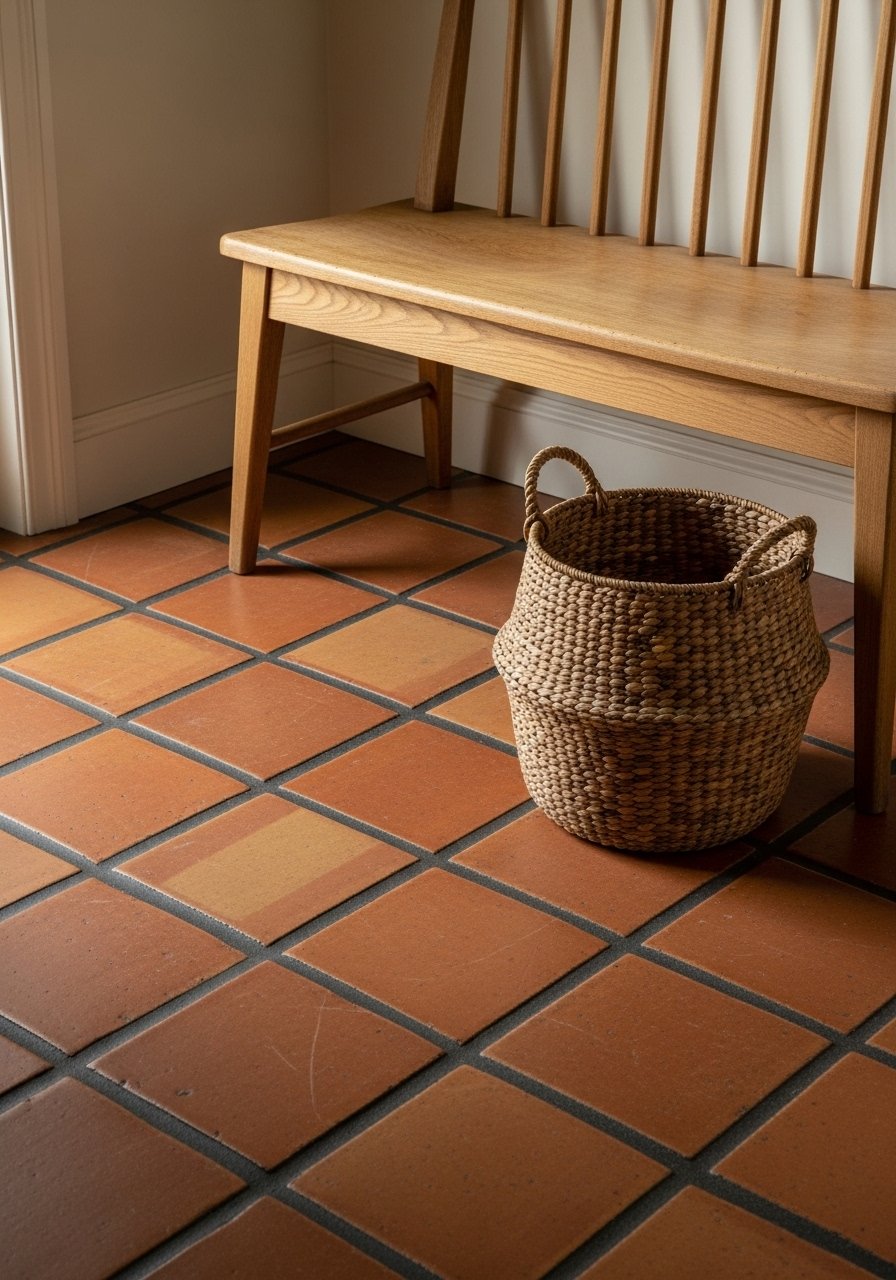
I introduced a terracotta tile runner in my entry and it immediately felt anchored and warm. The earthen color handles dirt well and gives the space an old-house charm.
My first tile choice was glossy and slippery. The matte, textured terracotta is forgiving and shows wear in a way that looks right. It ages into the home.
If full tiling is too much, use a few tiles as a mat or a removable panel under a bench. It’s surprising how much character a small patch adds.
What You'll Need for This Look
22. Minimal Gallery Wall with Heirloom Pieces

I pared my gallery wall down to three frames and a small textile and the result felt intentional. Minimal groupings let each piece speak and the wall stops shouting for attention.
I used to plaster every spare wall with art. That created visual noise. Editing to a few meaningful pieces brings calm and makes the collection feel collected, not cluttered.
Use similar frames or repeat a color in the mats to create unity. Heirloom linens or simple sketches work beautifully alongside photos.
What You'll Need for This Look
23. Budget Earthy Makeover — Swap Key Textiles, Not Everything
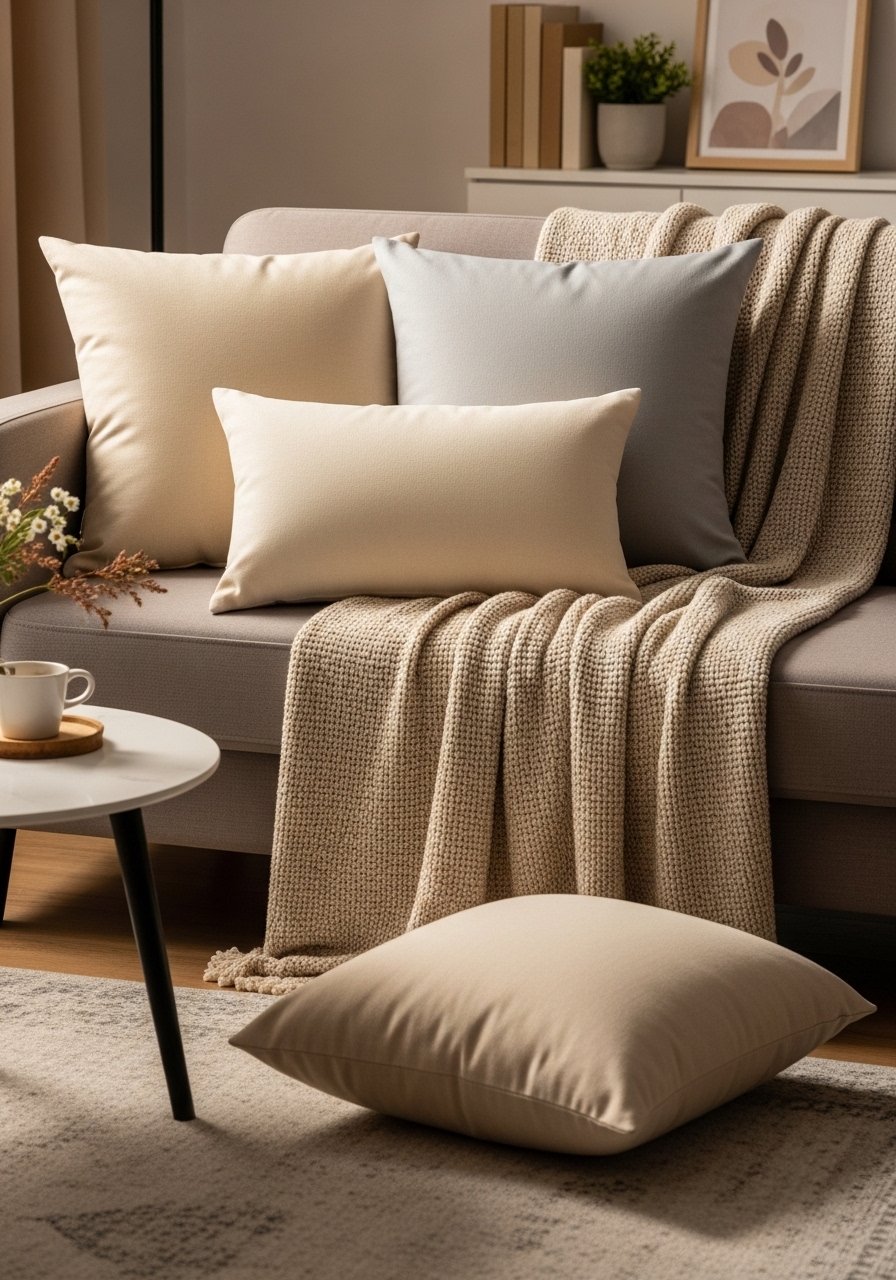
When money was tight I swapped only textiles — pillows, a throw, and curtains — and my living room changed more than any big purchase did. It’s affordable and instantly satisfying.
I once thought I needed new furniture. That escalated costs. Replacing soft goods gave me warmth, texture, and a new palette for a fraction of the price. It’s the easiest way to try warm minimalism.
Start with one or two statement textiles and add a jute rug if budget allows. It’s practical and low-risk.
What You'll Need for This Look
Final Thoughts
You don’t need to do everything I wrote. Pick one room and try two ideas that feel doable. Start with textiles or a single accent and watch the mood change.
Small swaps add up. Live with choices for a bit before you shop again. It keeps the house real and calm.