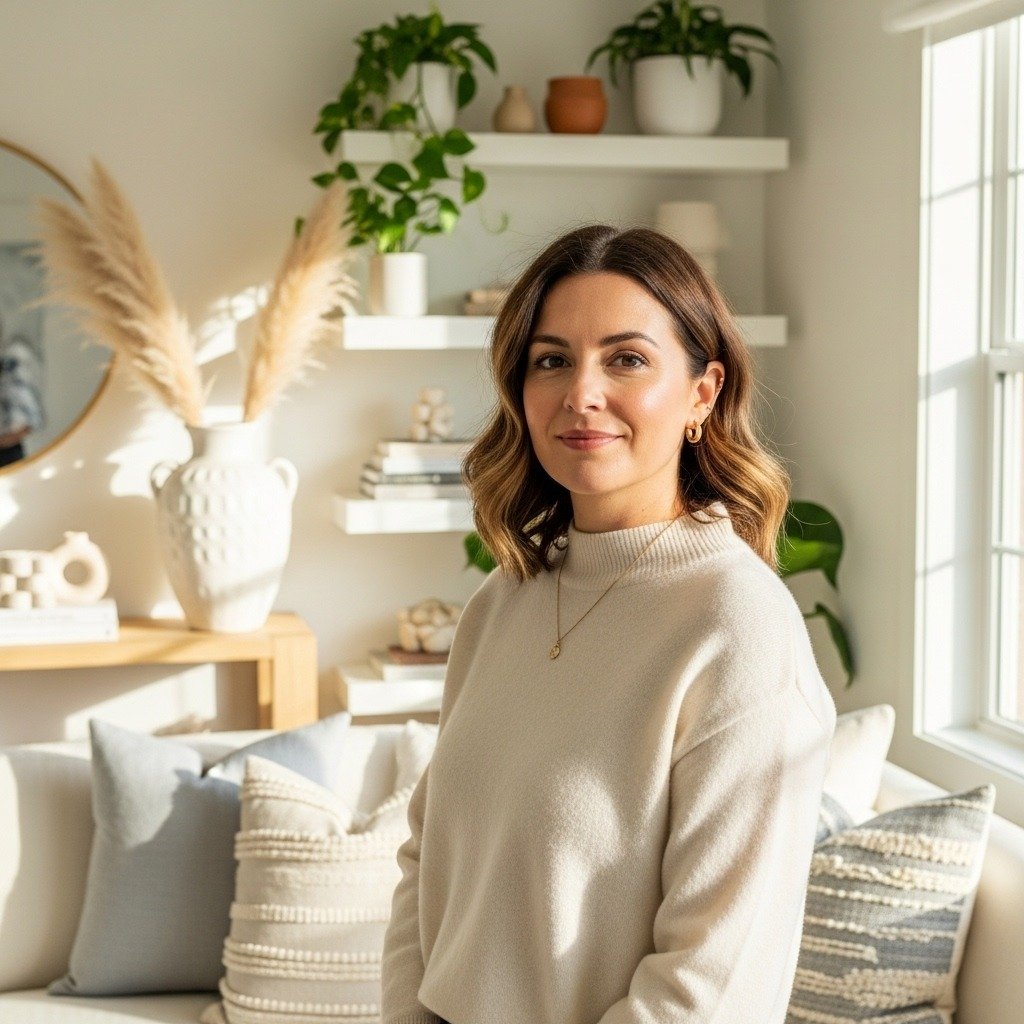
I used to rush the entryway and call it “done.” Then guests arrived and I noticed the room felt like an afterthought. I started treating the first 5–10 feet of a home like the front porch — small, honest, and worth living in.
These are the fixes I kept. Real pieces, real returns, real lessons.
25 Welcoming Entryway Decor Ideas That Make a Great First Impression
These 25 ideas are ones I’ve used, tested, and lived with. Each idea is practical and repeatable — meant to help you make a warm, useful entry without overthinking it. Read through and pick one or three to try today.
1. Layered Neutral Textiles That Make a Room Feel Finished
I added a chunky knit throw over a slim bench and suddenly the entry didn’t feel sparse. I’d previously bought a loud patterned rug here that clashed; returning it was worth the lesson.
The layers — linen pillow, wool runner, woven basket — softened hard edges and made the space feel intentionally edited. It reads cozy without clutter.
Watch scale: too-thick textiles on a narrow bench swallow the seat. I kept colors within warm neutrals and mixed textures instead of prints.
What You'll Need for This Look
- Cream chunky knit throw (50×60)
- Linen pillow covers in warm beige (18×18)
- Woven storage basket, natural (large)
- Wool runner rug, 2×8, warm beige
2. Sculptural Statement Light That Doubles as Art
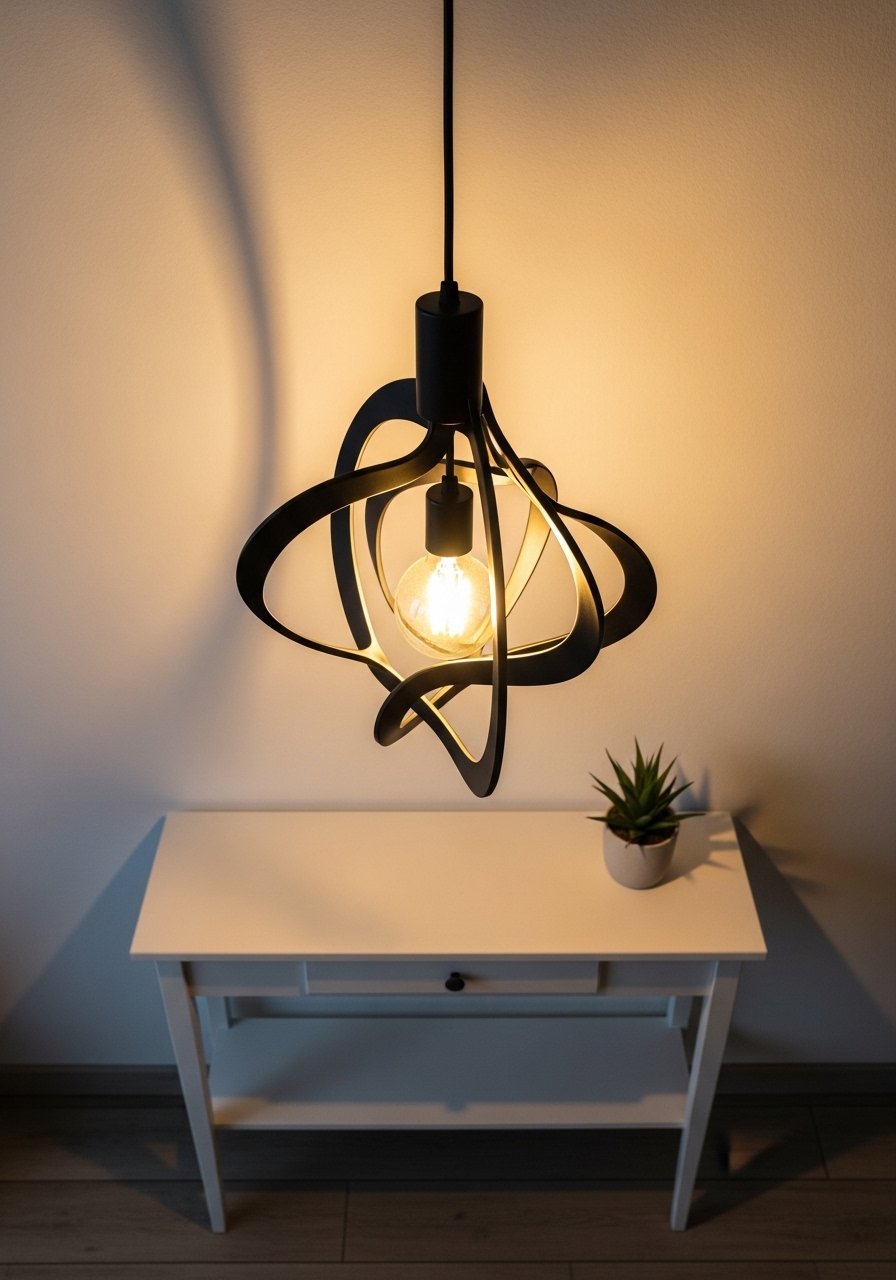
I swapped a flat flush mount for a sculptural pendant and the entry finally had personality. The old light made the space feel utilitarian — I returned it after a week.
A single eye-catching fixture sets a tone and reduces the need for surface decor. I chose warm bulbs so the pendant read like a welcome, not a showroom.
Pro tip: check ceiling height. My first pendant was too low for guests with tall coats. Pick a scale that clears shoulders and hangs above eye level.
What You'll Need for This Look
3. A Mirror with a Thin Shelf for Last-Minute Checks
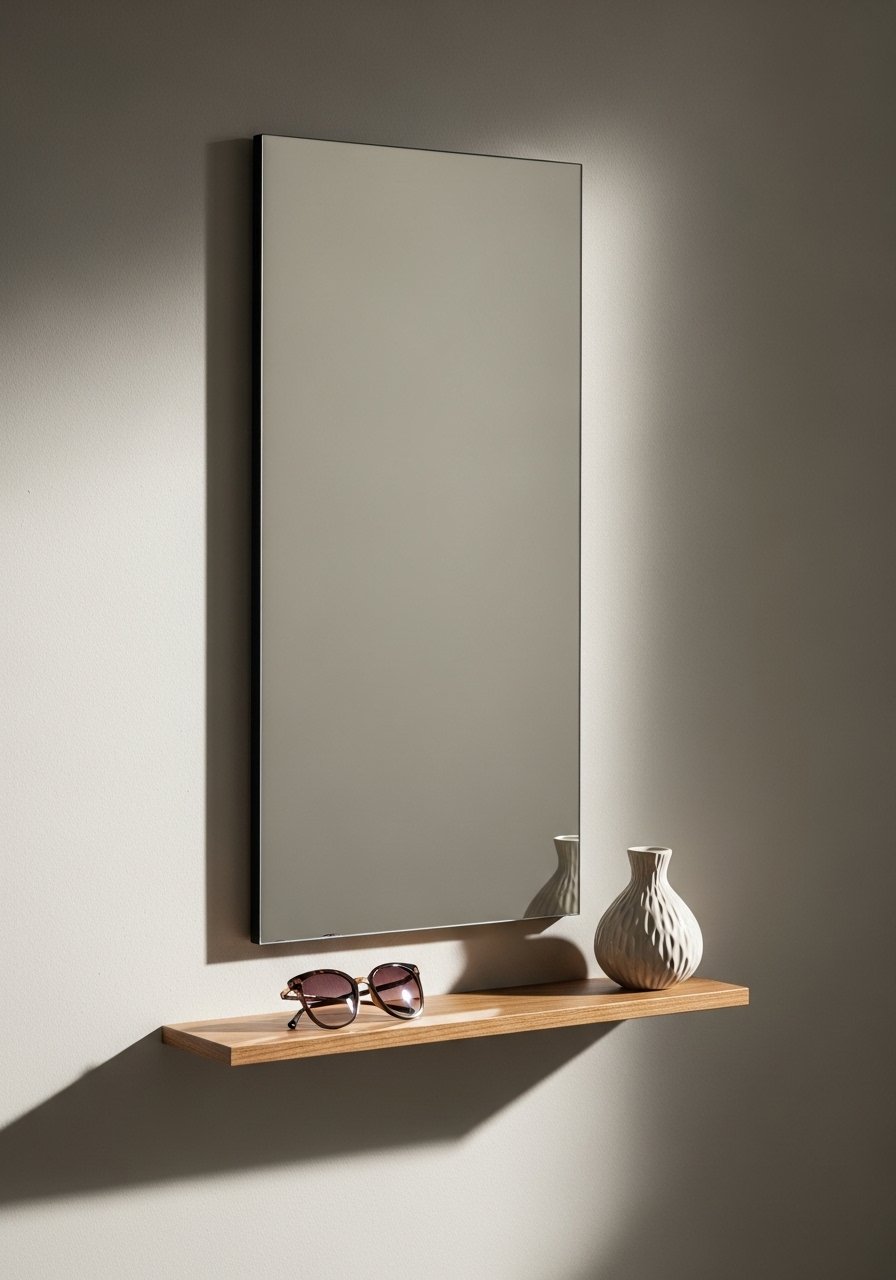
I hung a mirror with a built-in shelf after walking out the door without my keys one too many times. The shelf caught sunglasses, wallet, and a stray receipt — tiny wins that felt huge.
Mirrors also bounce light into darker halls. I learned the hard way not to hang it too high; the first one reflected only the ceiling.
Mount it so you can see your face comfortably. Use the shelf for small items you actually use every day, not decorative clutter.
What You'll Need for This Look
4. Console Table Styled with One Large Art Piece
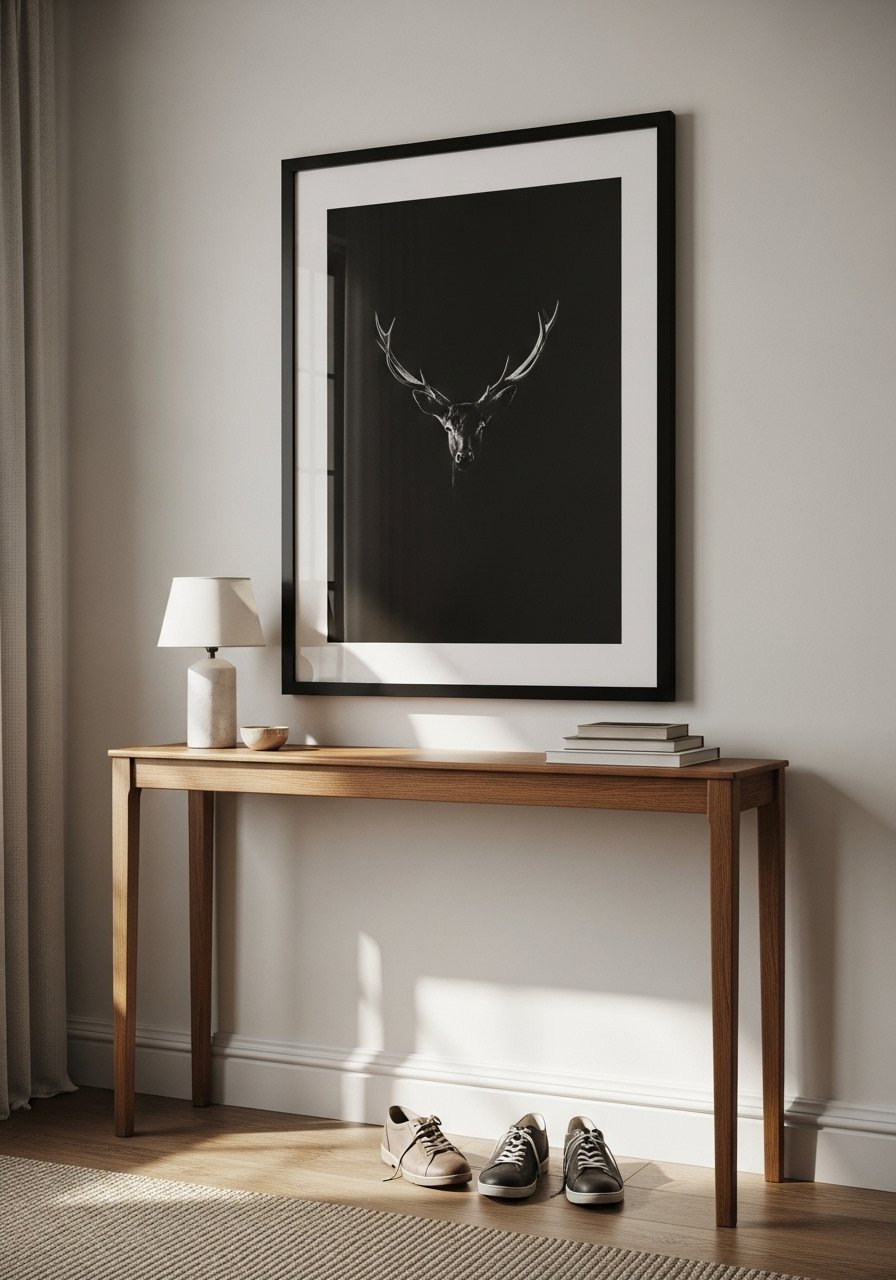
I used to clutter the console with ten small things. Replacing them with one large art piece calmed the space immediately. Returning a mismatched frame taught me scale matters.
A single artwork anchors the console. It feels curated and reduces the daily need to rearrange. I leaned the piece for a relaxed vibe and kept one low tray for essentials.
If you have kids, hang the art higher to avoid tiny fingerprints. Choose a frame color that connects to other finishes in the entry.
What You'll Need for This Look
5. Bench with Hidden Storage to Tame Shoe Clutter
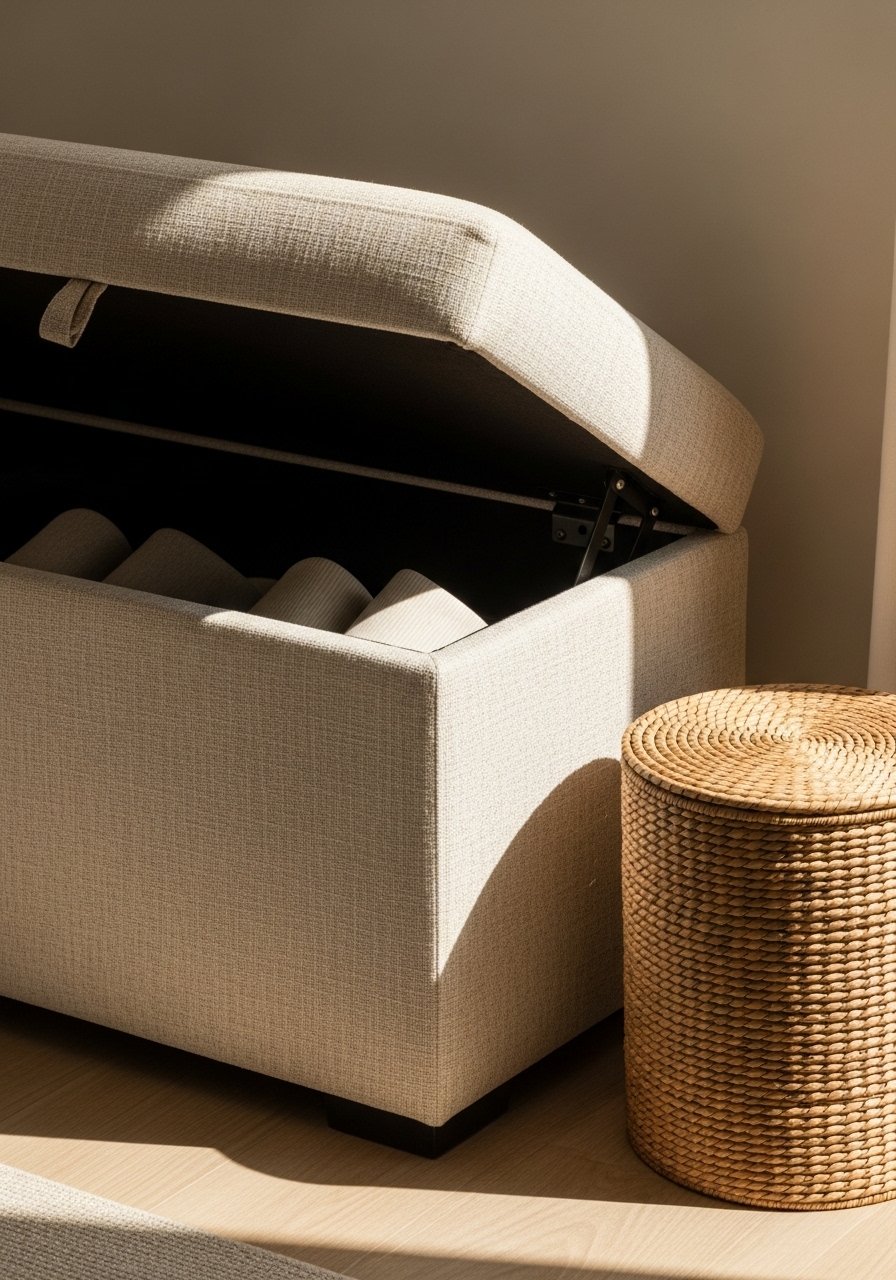
I bought a narrow bench with a lift-top after trips where shoes spilled into the hallway. The hidden storage made the entry feel tidy overnight.
The seat doubles as a spot to sit while tying shoes. I made the mistake of buying a bench too shallow; it looked fine but wasn’t comfortable for sitting.
Measure the walkway first. Choose upholstery that hides scuffs or pick a darker tone for high-traffic homes.
What You'll Need for This Look
6. Layered Lighting: Sconce Plus Pendant for Depth
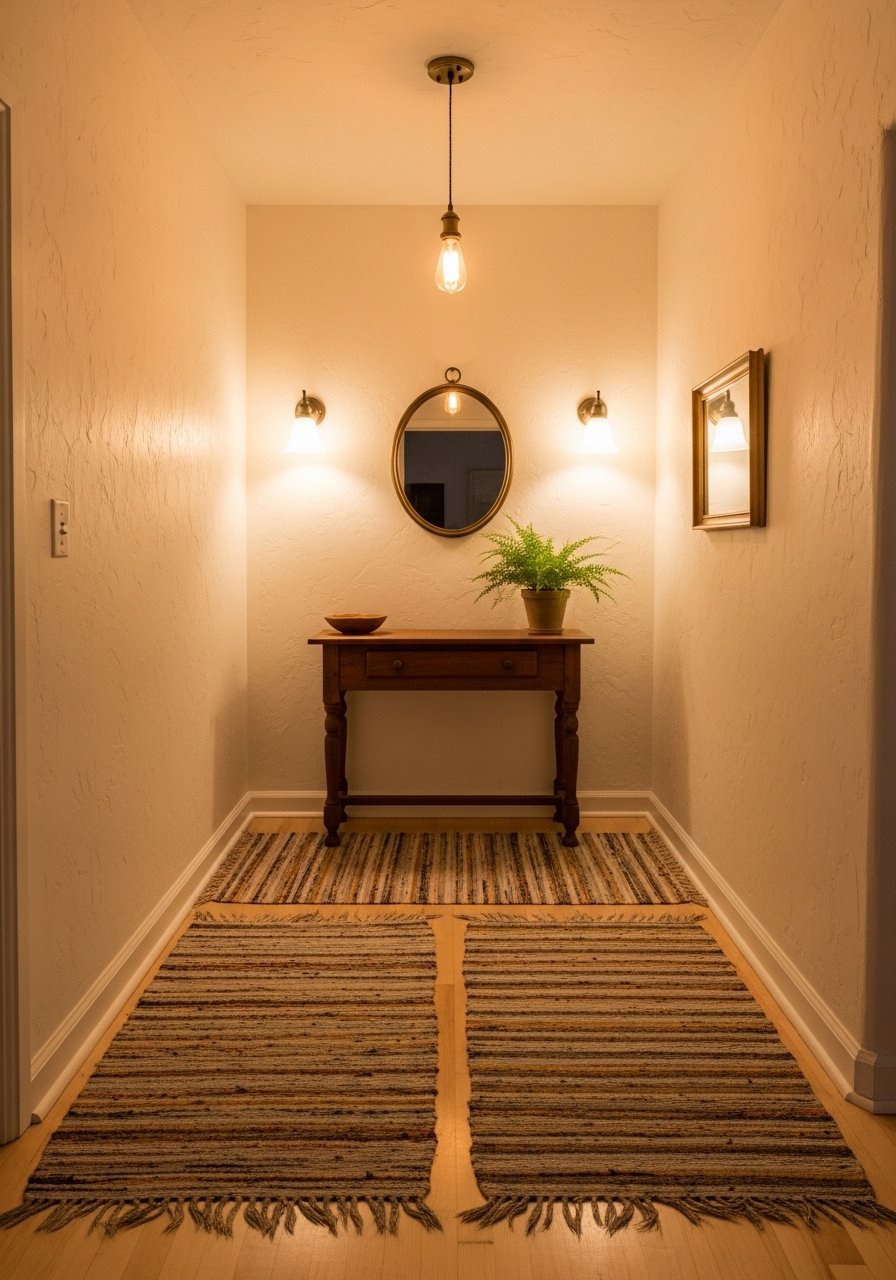
I added a sconce beside the door in addition to the pendant and the room stopped feeling flat. My pendant alone gave shadows that made the coat area gloomy.
Layering light creates pockets of warmth. I once bought cool bulbs and had to re-buy warm ones — lesson learned.
Aim for dimmable bulbs or soft white LEDs. Sconces should sit at eye level for balanced glow.
What You'll Need for This Look
7. A Durable Runner That Hides Traffic and Stains
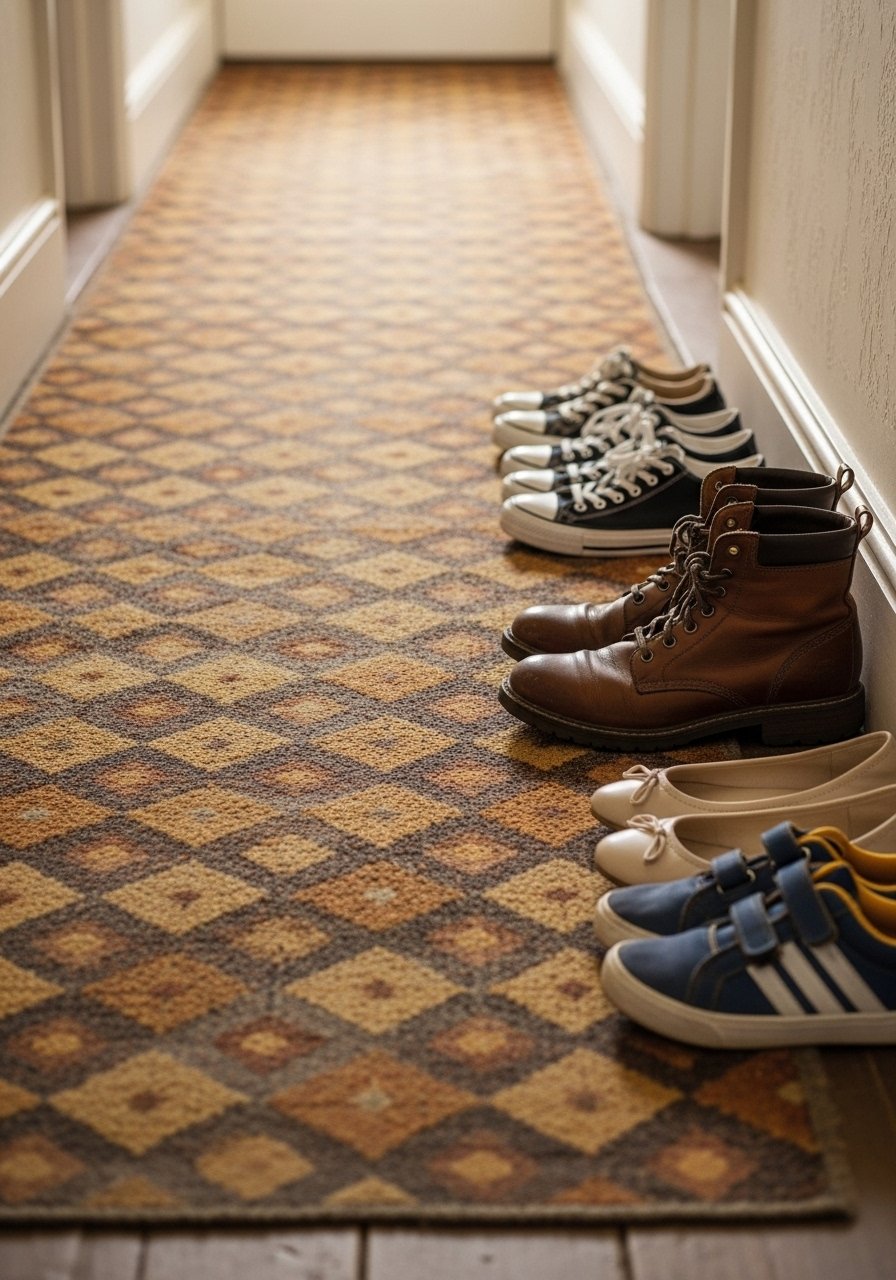
I switched to a patterned, low-pile runner after one too many muddy days. A solid pale rug looked great for a week; then it looked tired and stained.
Patterns hide marks and low pile cleans easily. I originally bought a high-pile rug that flattened underfoot — returned it for something practical.
Think practically: pick fibers that clean well and a width that leaves exposed floor on both sides for balance.
What You'll Need for This Look
8. A Small Coat Wall with Mixed Hooks and Shelf
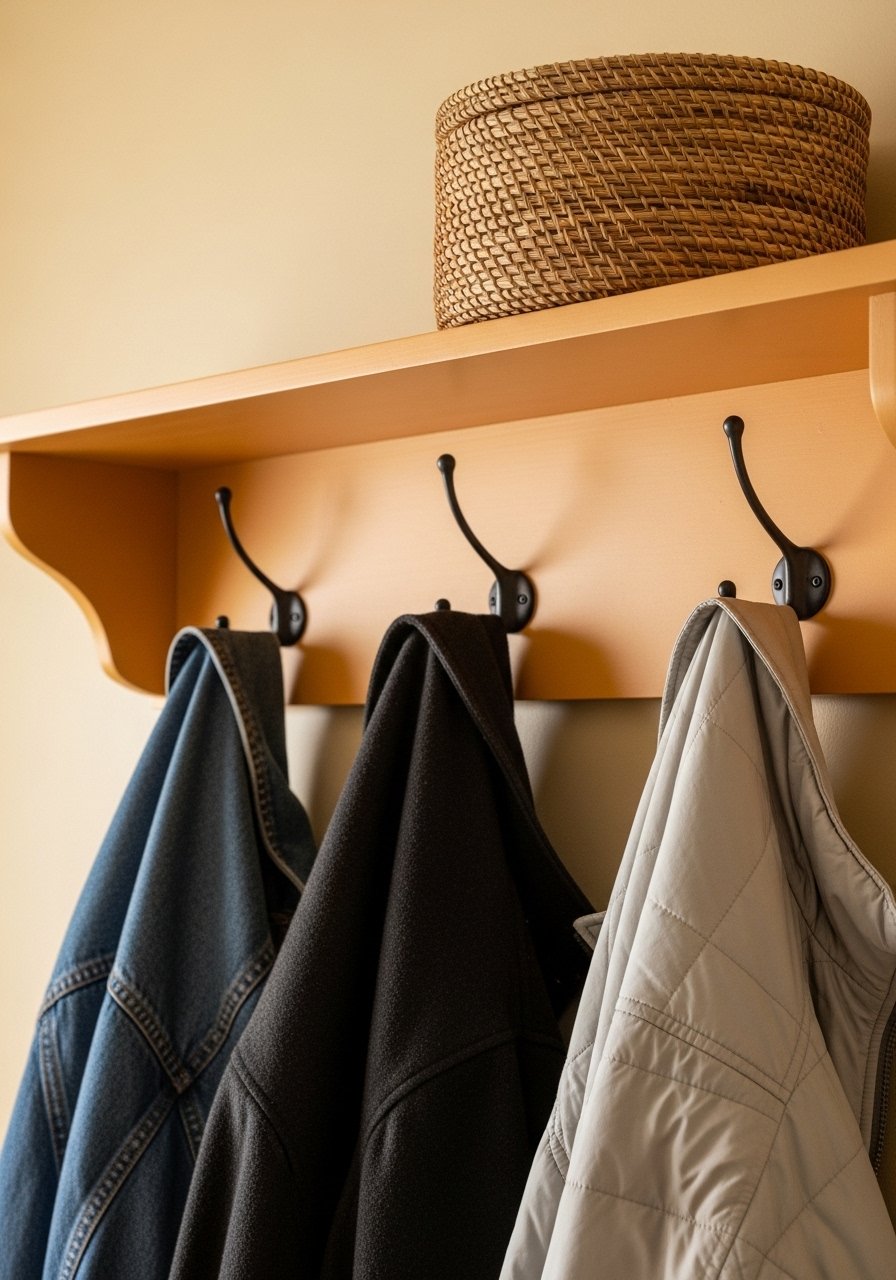
I installed a simple shelf with hooks after coats piled awkwardly on a chair. It’s basic, but it suddenly felt like an entry used by people, not a display.
The shelf holds hats and a small basket for mittens. I once used too many hooks and the wall looked busy — fewer hooks read tidier.
Space hooks out and mix hook styles for interest. Keep one hook slightly lower for kids or bags.
What You'll Need for This Look
- Wall shelf with hooks, wood (36")
- Decorative wall hooks, matte black (6-pack)
- Woven storage basket (small)
9. Curated Tray System for Keys and Wallets
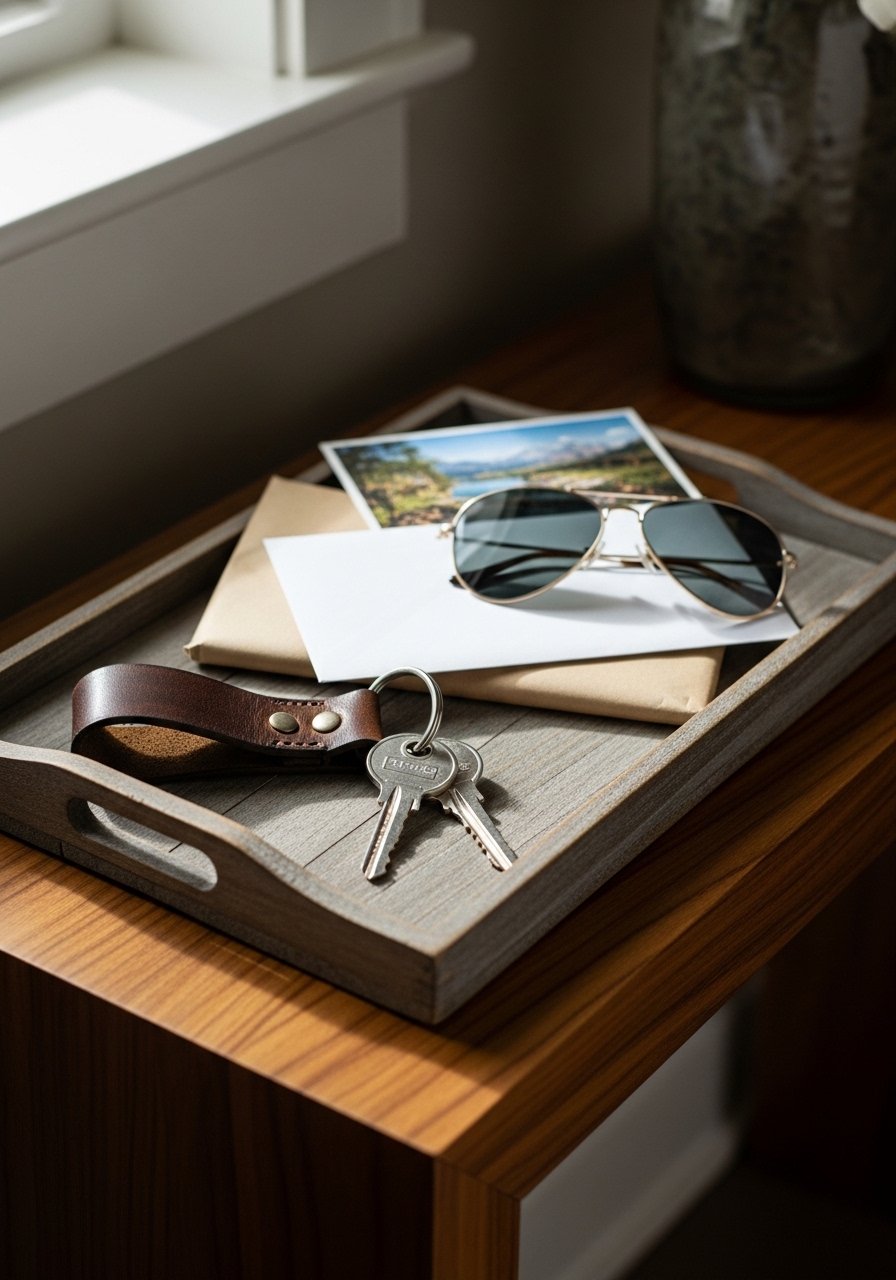
I finally stopped losing my keys when I gave them a home on a tray. I’d previously scattered items across three surfaces; the tray forced a landing zone.
A tray contains visual clutter and keeps essentials handy. I once used a too-small tray that overflowed — swap to a slightly larger size.
Pick a tray material that resists scratches and wipe it weekly. Add a small dish for coins to avoid a jumble.
What You'll Need for This Look
10. A Low Art Shelf for Rotating Finds

I installed a low shelf to rotate small finds from travel and kids’ art. It gave me permission to change things without committing to nails and frames.
The shelf keeps the entry fresh and personal. I made the mistake of hanging it too high; nothing read from a standing height.
Mount the shelf at eye level for most adults. Swap pieces seasonally to keep things lively without buying more.
What You'll Need for This Look
11. Natural Fiber Baskets in Groups for Hidden Storage
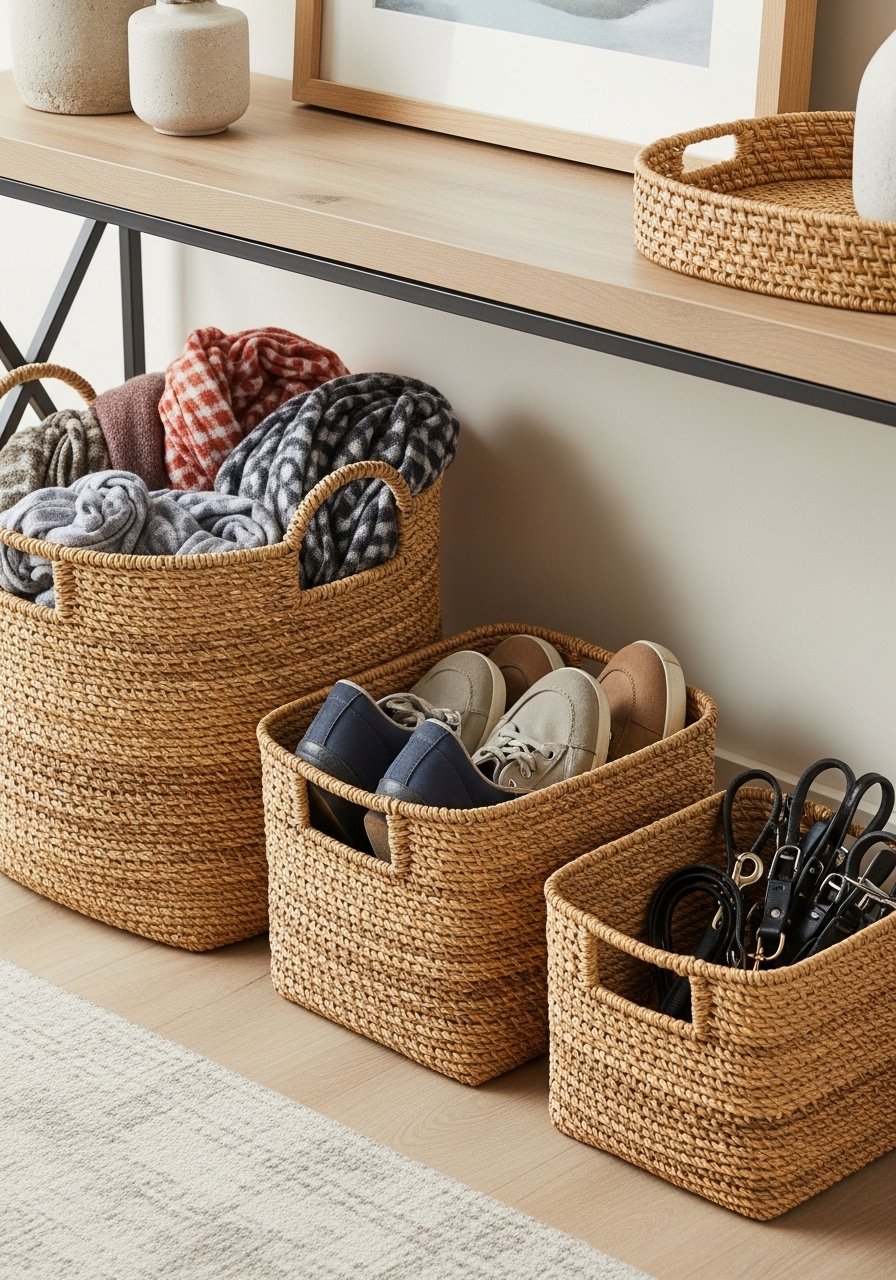
I stopped seeing stray scarves when I grouped woven baskets under the console. The baskets hide mess without feeling like a closet denial.
I originally bought identical baskets and they looked stiff. Mixing sizes and shapes gave a relaxed, lived-in look.
Leave one basket slightly open to show usage. Use labels inside if multiple people access the entry.
What You'll Need for This Look
12. A Statement Door Mat That Frames the Entry

After a plain mat that disintegrated, I bought a durable statement doormat and stopped apologizing at the door. It’s the first tactile thing guests touch; make it count.
Choose coir or durable fiber for function. I once chose a delicate welcome rug that frayed under a wet umbrella — returned it fast.
Pair a sturdy outdoor mat with an indoor rug to protect floors and add warmth right inside the threshold.
What You'll Need for This Look
13. Sculptural Plant Stand for a Touch of Green
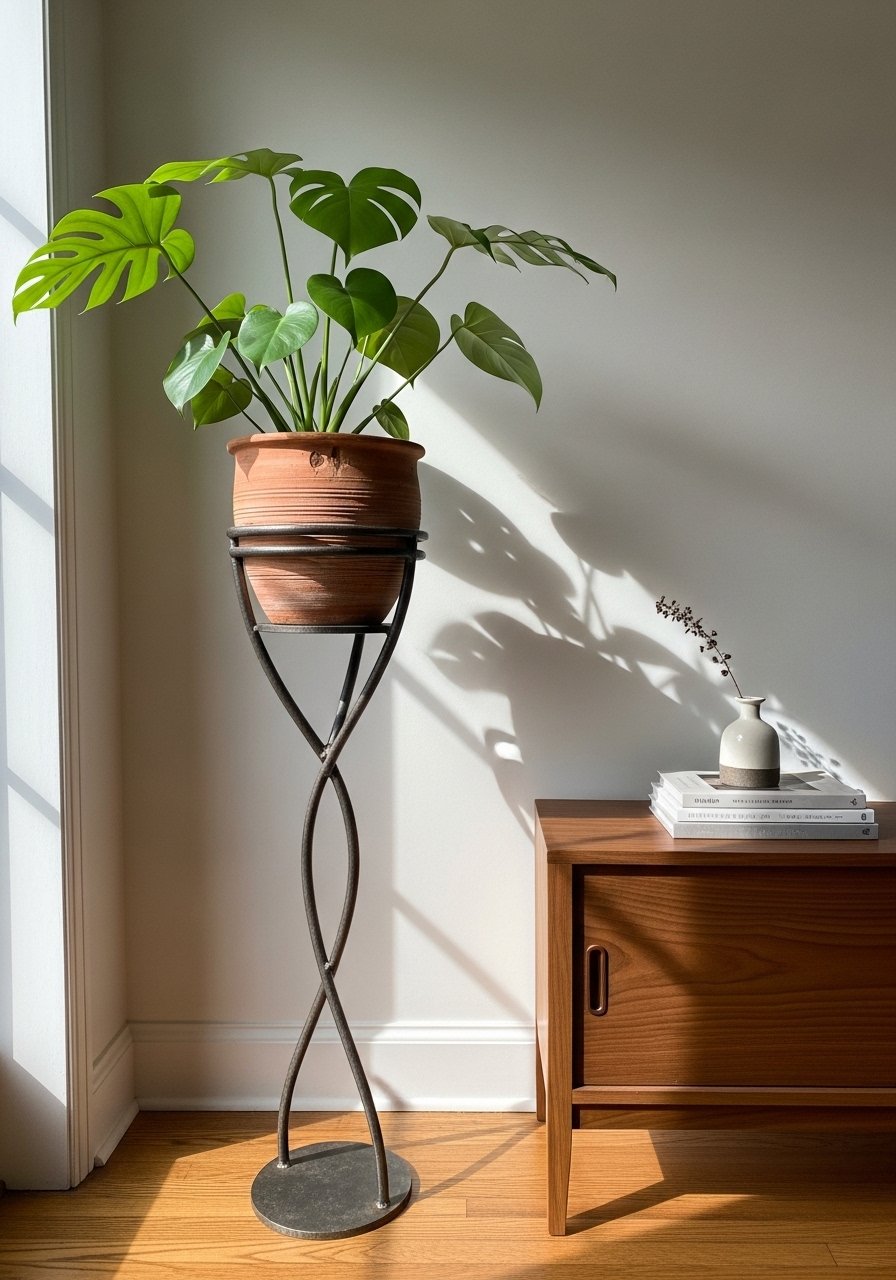
I added a tall plant stand to give the entry vertical life. My first plant was in a flimsy pot and it tipped over — lesson learned, sturdier base is worth it.
Plants add movement and softness. I chose a hardy species and a textured pot that reads like furniture, not an add-on.
Mind watering and light needs; pick a low-maintenance plant if your entry is dim.
What You'll Need for This Look
14. A Small Bench with Shoe Rack for Daily Rotation

I replaced an awkward chair with a bench that had shoe cubbies. Shoes were suddenly contained and the bench actually got used.
The open cubbies encourage regular rotation — shoes don’t pile in a hidden heap. I initially bought a shallow cubby and it only fit one pair; bigger is better.
Make sure the bench depth allows comfortable sitting. Use a cushion that stands up to shoes and scuffs.
What You'll Need for This Look
15. A Warm Accent Wall in a Soft Neutral
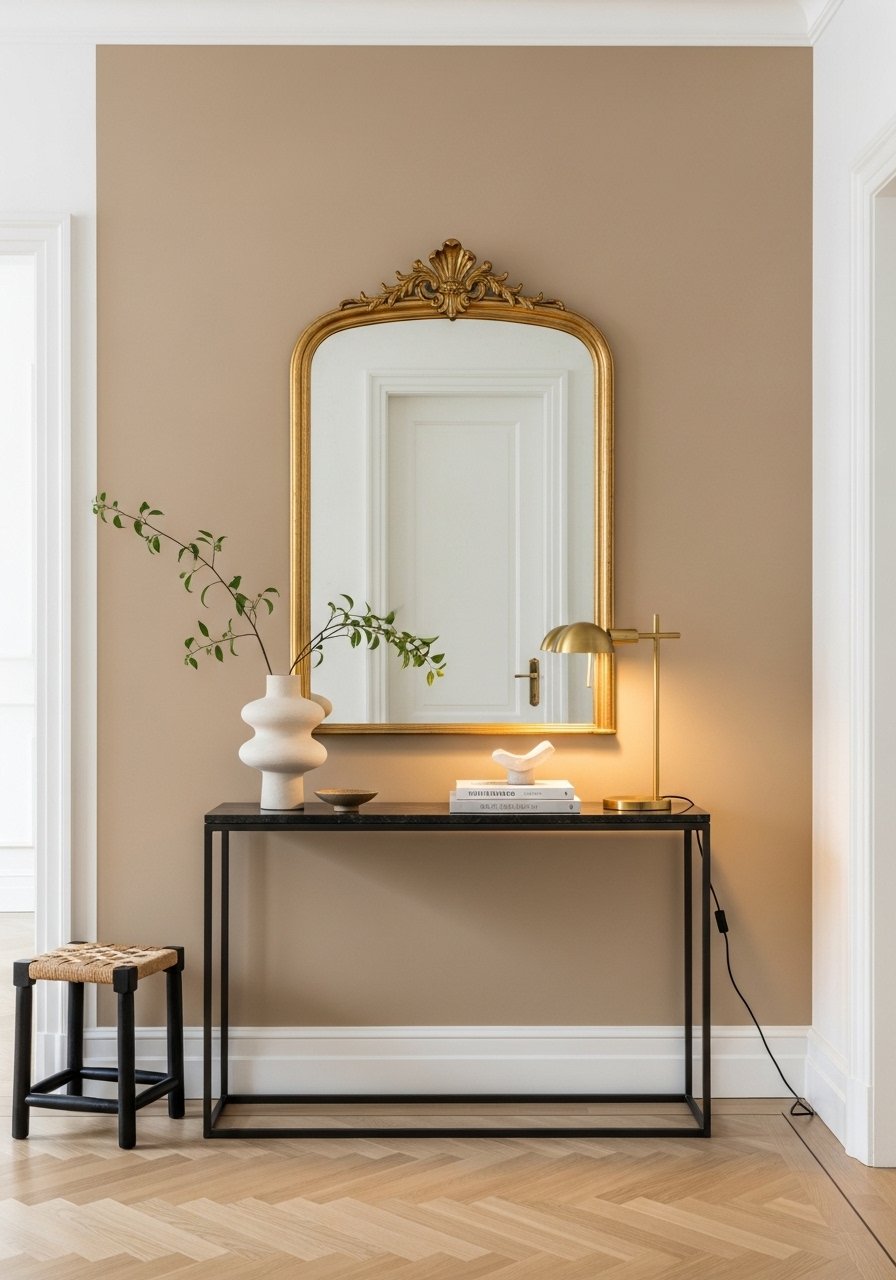
I painted the wall behind the console a warm neutral to ground the space. White walls felt sterile; this single wall made everything sit together.
It doesn’t need to be bold — the warmth ties textiles and wood together. I once chose a shade too dark and it shrunk the area visually; test samples first.
Paint samples on the wall and view at different times of day. The right warm neutral reads different in morning and evening.
What You'll Need for This Look
16. Compact Umbrella Stand Near the Door
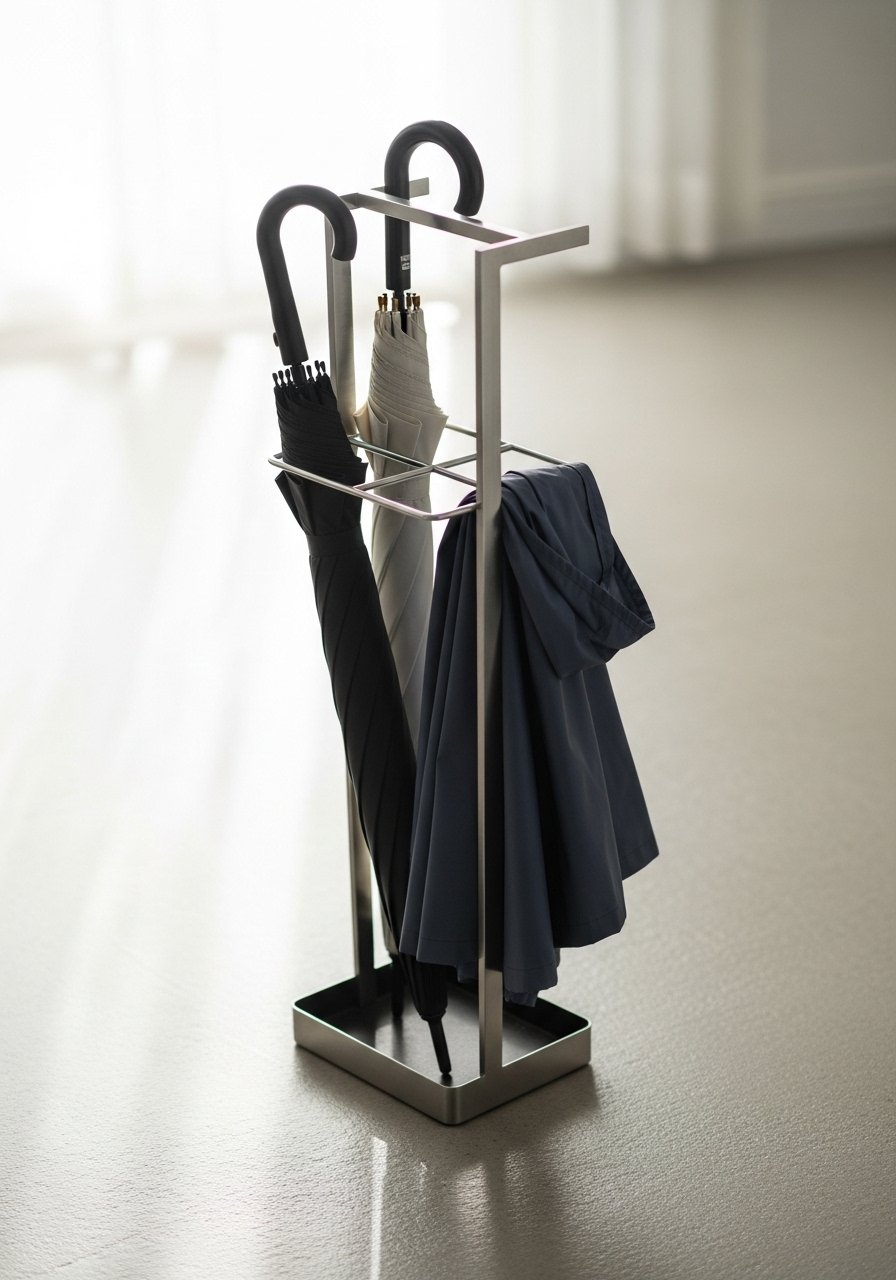
I kept tripping over umbrellas until I placed a slim stand right by the door. It’s small but prevents drips and last-minute scrambling.
Choose one with a removable drip tray to protect floors. I bought a cheap plastic version that stained my tile — traded up to metal.
A narrow profile fits tight spots and still holds multiple umbrellas for rainy days.
What You'll Need for This Look
17. Acoustic-Friendly Textured Wallpaper for Quiet Entry
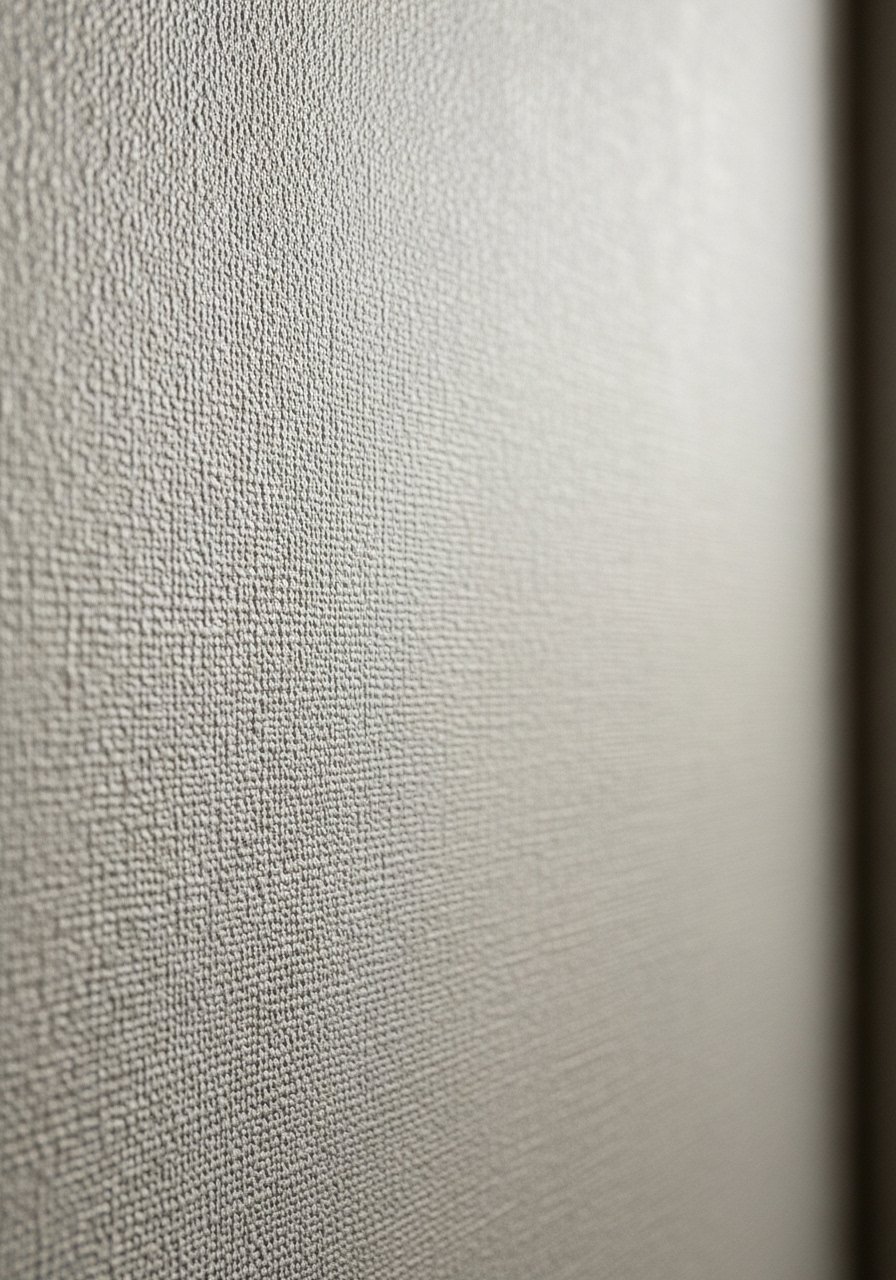
I installed textured wallpaper behind a console to soften reverberation in a loud hallway. It calmed the echo without adding visual fuss.
The texture reads tactile and masks small scuffs. My first wallpaper choice was too shiny and showed seams — I switched to a matte finish.
Pick a texture for sound absorption and avoid glossy papers in tight corners where seams show.
What You'll Need for This Look
18. A Catch-All Coat Rack That Doesn’t Look Messy
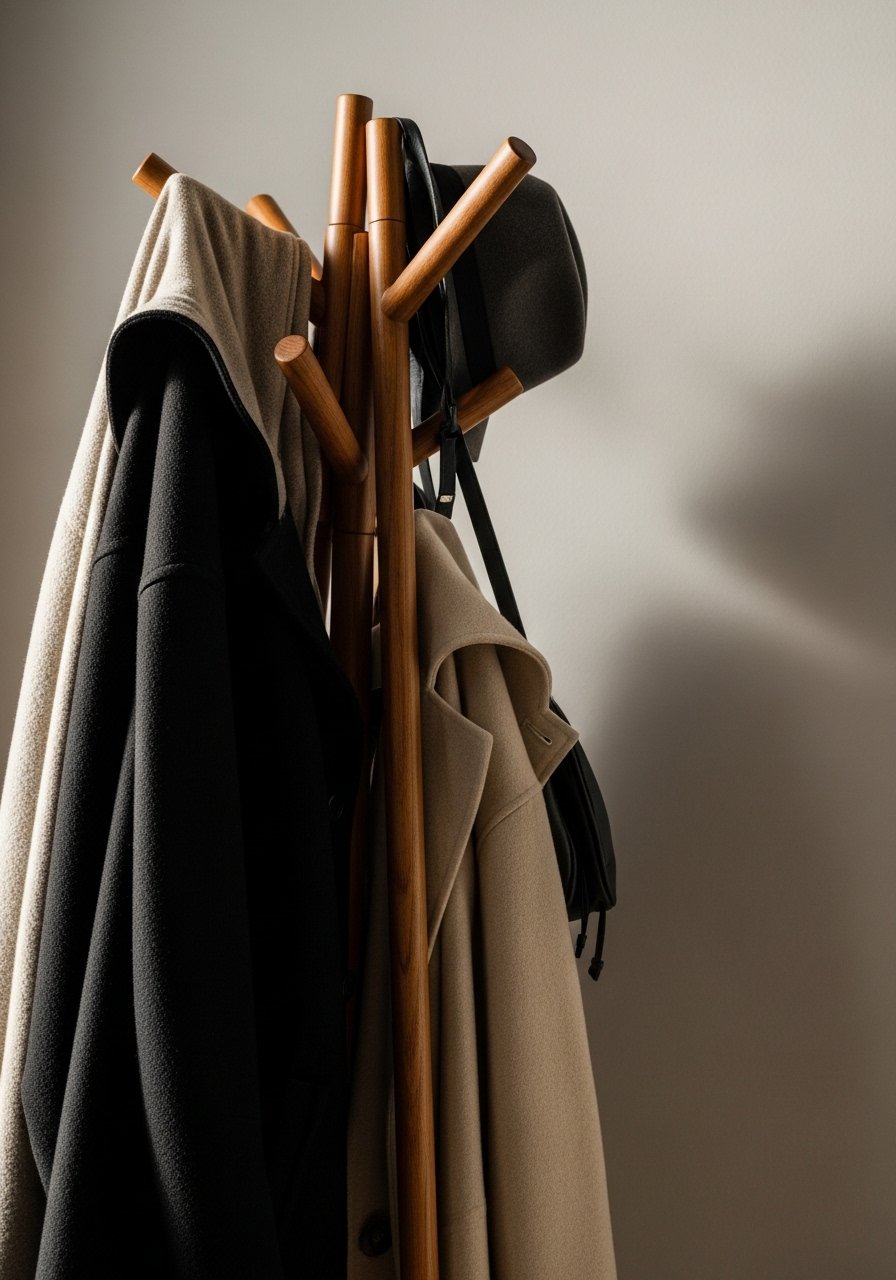
I swapped my jumbled pile of coats for a streamlined freestanding rack. It keeps essentials visible but organized and gives the entry vertical structure.
Picking a design with a mix of heights prevents a “spiky” look. My first rack had too many pegs and looked chaotic — simpler is calmer.
Place it away from the door swing so coats don’t brush the threshold. Choose wood or metal that harmonizes with other finishes.
What You'll Need for This Look
19. Low Console Drawer for Mail and Charging Station

I installed a console with a shallow drawer to hide mail and charge phones discreetly. The cable chaos is now contained and out of sight.
The drawer keeps surfaces clean and gives a place to drop things. I bought a console without a drawer first and regretted it.
Route one outlet into the drawer for a tidy charging station. Use small boxes inside to sort mail by person.
What You'll Need for This Look
20. A Small Welcome Basket for Guest Essentials
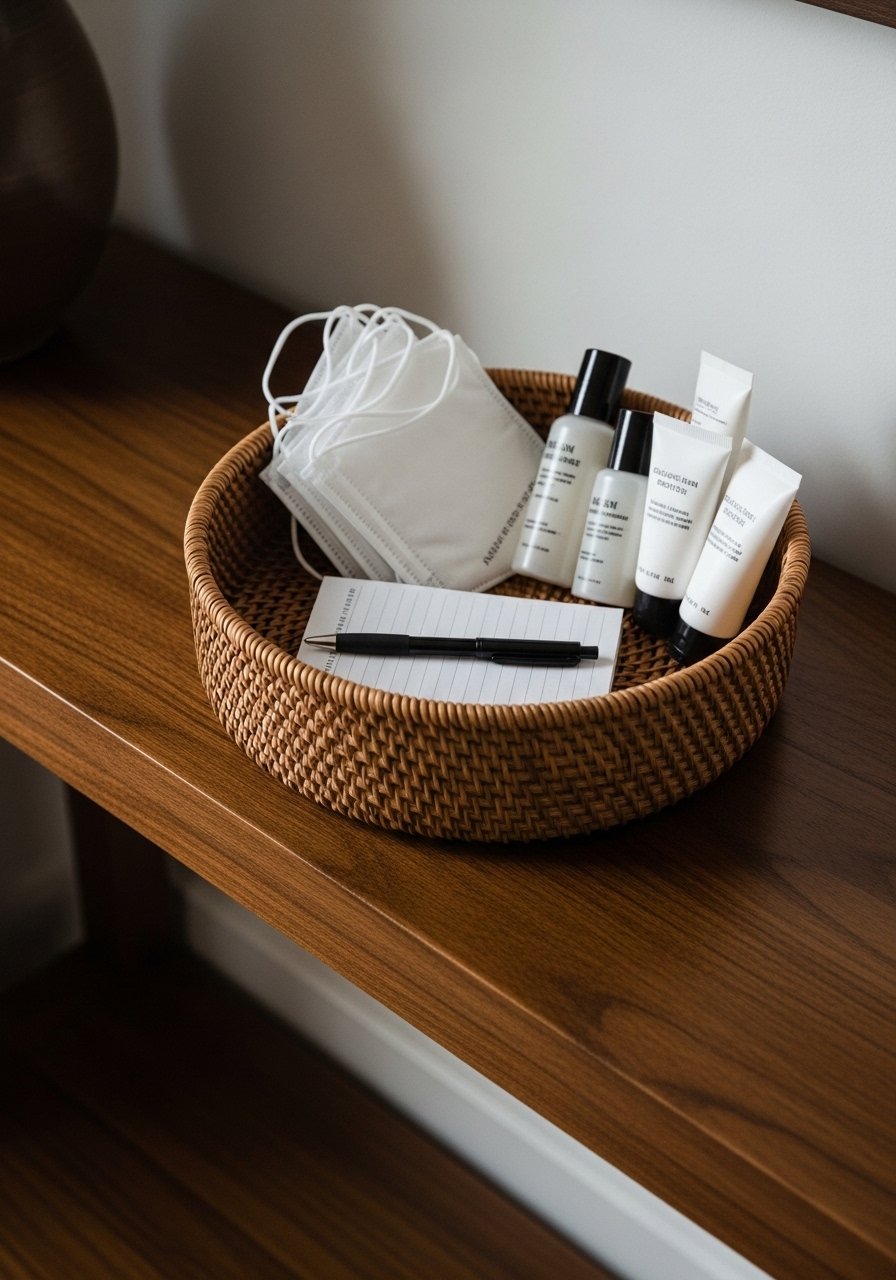
I keep a small welcome basket for guests with basics like lip balm and spare masks. It’s low-effort hospitality that doesn’t scream “decor.”
Guests appreciate the thought and I like that it prevents rummaging in drawers. I once overfilled a basket and it looked like clutter; now it’s minimal.
Rotate contents seasonally (sunscreen in summer, hand warmers in winter). Keep the basket accessible but tidy.
What You'll Need for This Look
21. A Slim Console with Vertical Storage for Papers
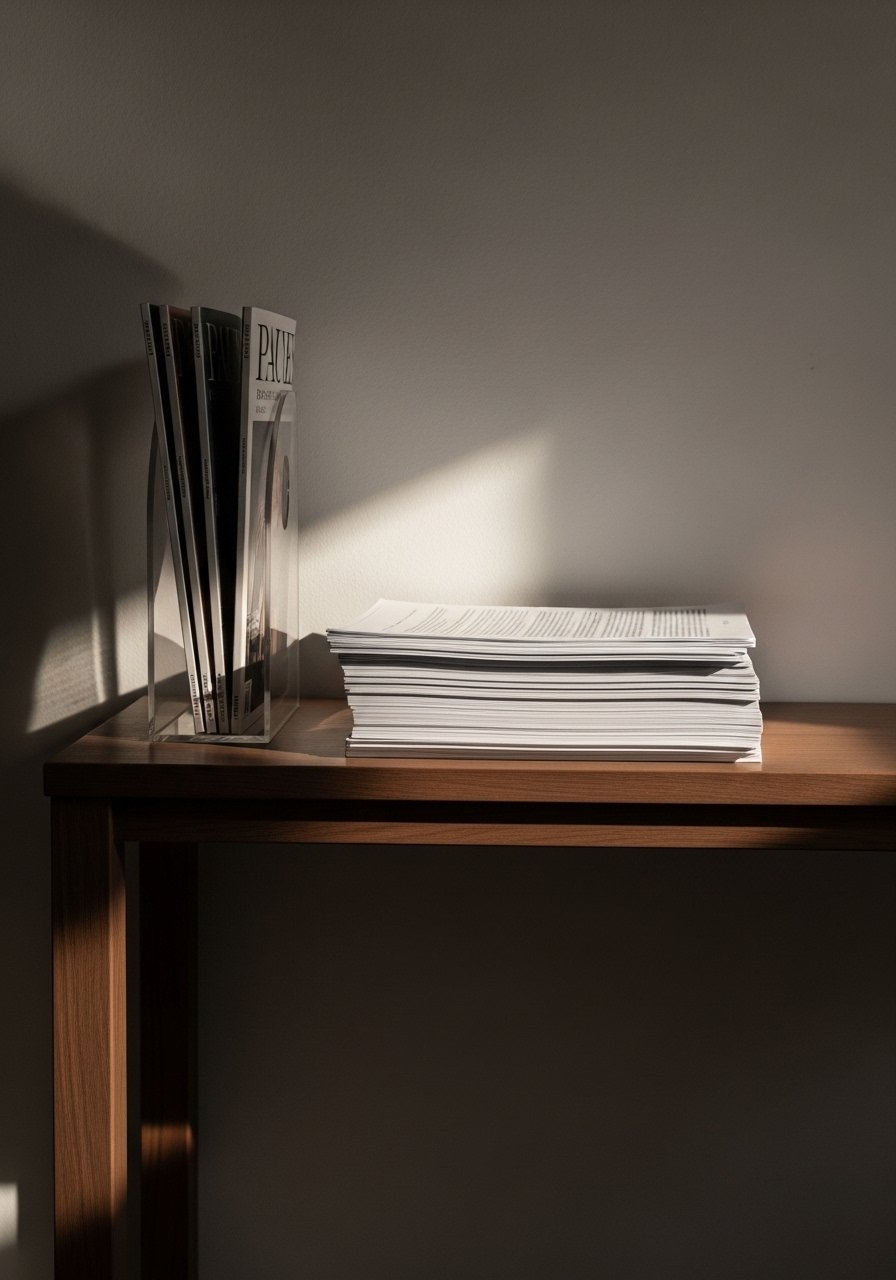
I added vertical storage to my slender console to prevent mail piles. A magazine holder keeps papers upright and readable, not strewn across the surface.
It’s an easy habit change: sort mail into keep, toss, and action. I once left everything loose and the console lost its calm.
Label the holders if multiple people use them. Keep the “action” pile small to avoid overwhelm.
What You'll Need for This Look
22. Kid-Friendly Drop Zone with Hooks and Bins
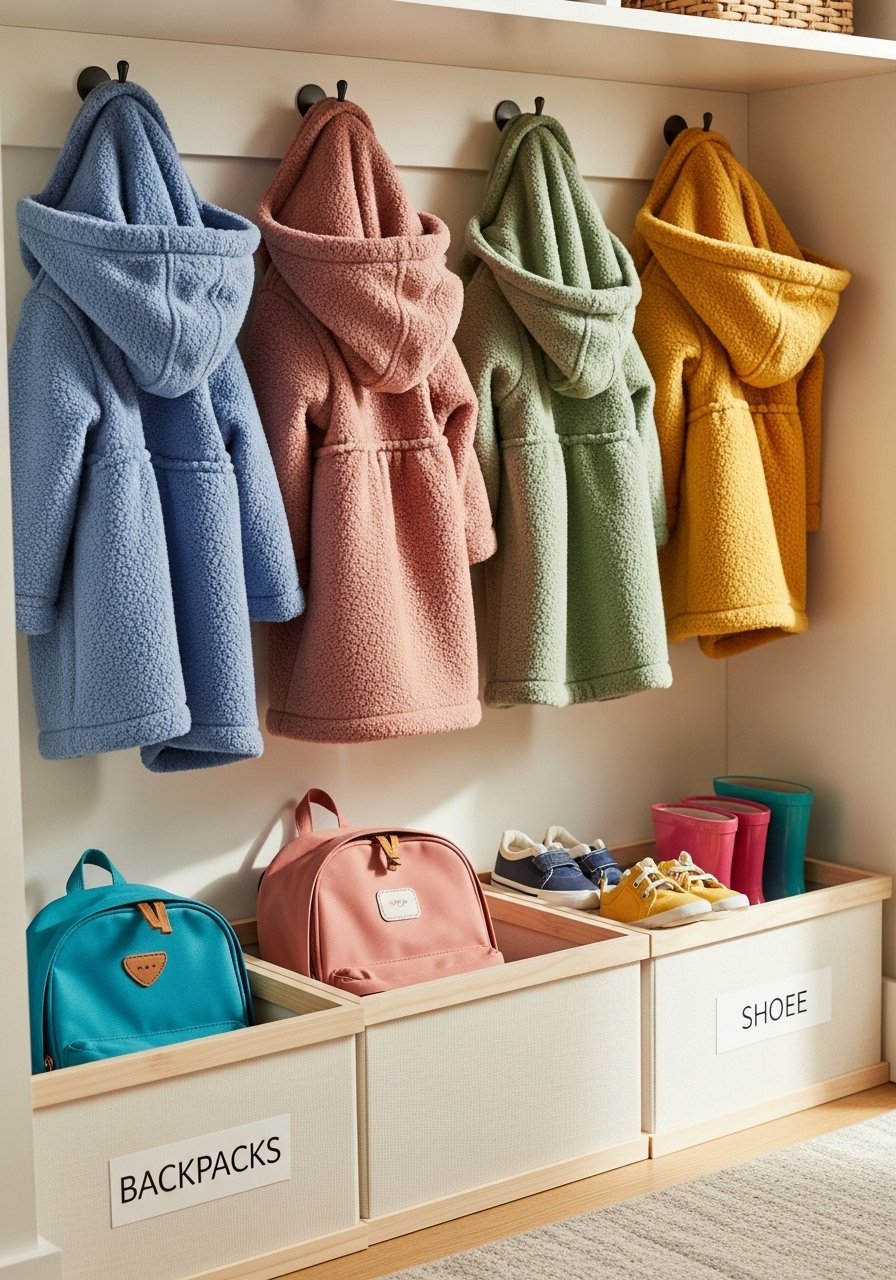
I carved a child-sized zone into our entry so little ones can hang jackets and stow shoes themselves. It cut morning chaos in half.
Low hooks and labeled bins give kids ownership. I’d put hooks too high at first — frustrating for everyone — so I lowered them.
Include a small seat nearby for kids to sit while putting on shoes. Keep labels simple and pictorial for early readers.
What You'll Need for This Look
23. Seasonal Vignette Area That Changes Easily
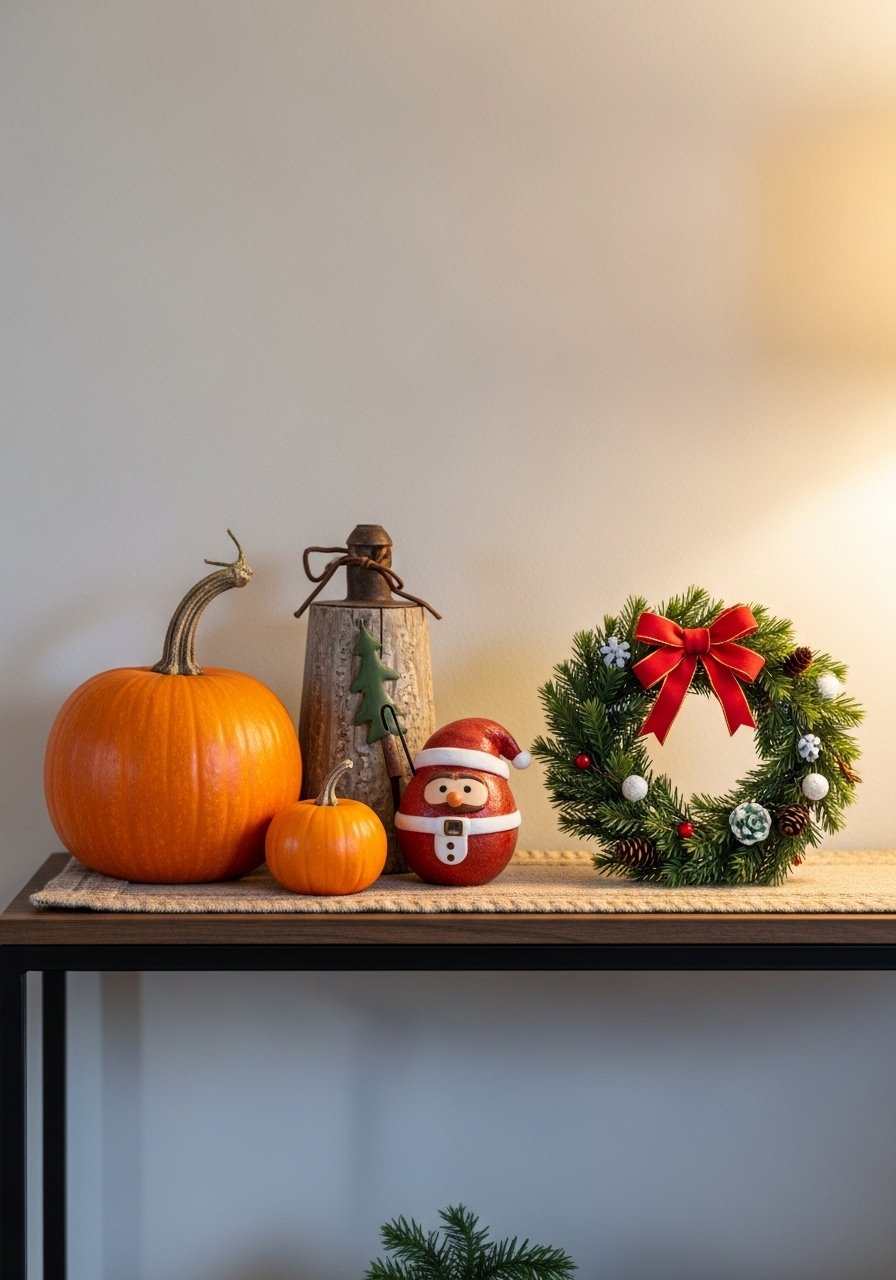
I keep one corner of the console for seasonal touches. Swapping a vase or a small accessory keeps the entry feeling updated without wholesale redecorating.
This is where I test trends without commitment. I once over-accessorized for a season and it read cluttered; now I limit to one or two swaps.
Store off-season items in a slim box under the bench. Rotate small, affordable pieces that pack away flat.
What You'll Need for This Look
24. A Scent Anchor: Subtle Diffuser or Candle on Rotation
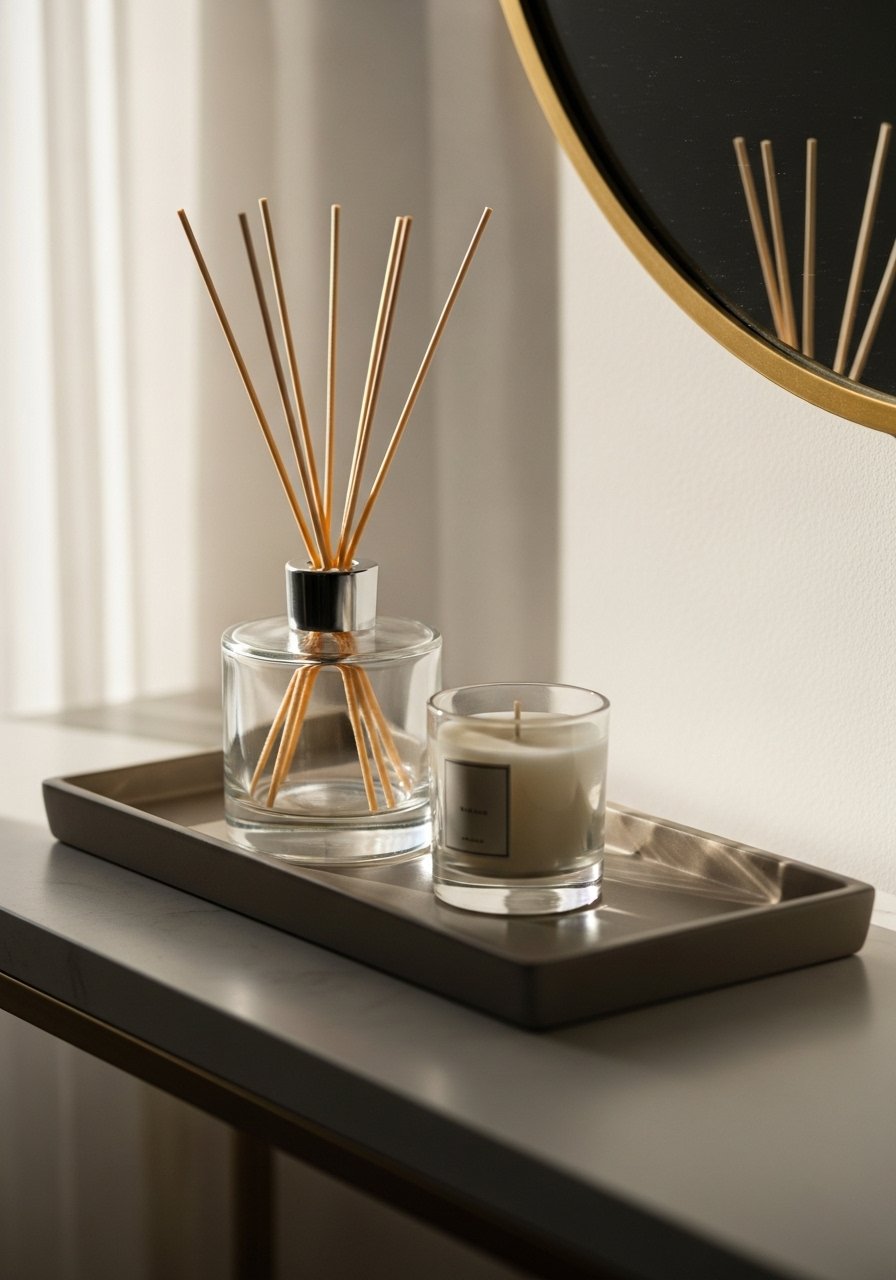
I started using a subtle diffuser in the entry and people noticed without asking what was different. Scent sets a quiet tone; strong fragrances feel intrusive here.
I learned not to go heavy — guests can’t get away from intense smells. I keep scents light and switch them with seasons.
Place a diffuser on a tray to protect surfaces. Opt for natural reed oils or unscented options if someone has sensitivities.
What You'll Need for This Look
25. Motion-Sensor Night Light for Safe Late Returns
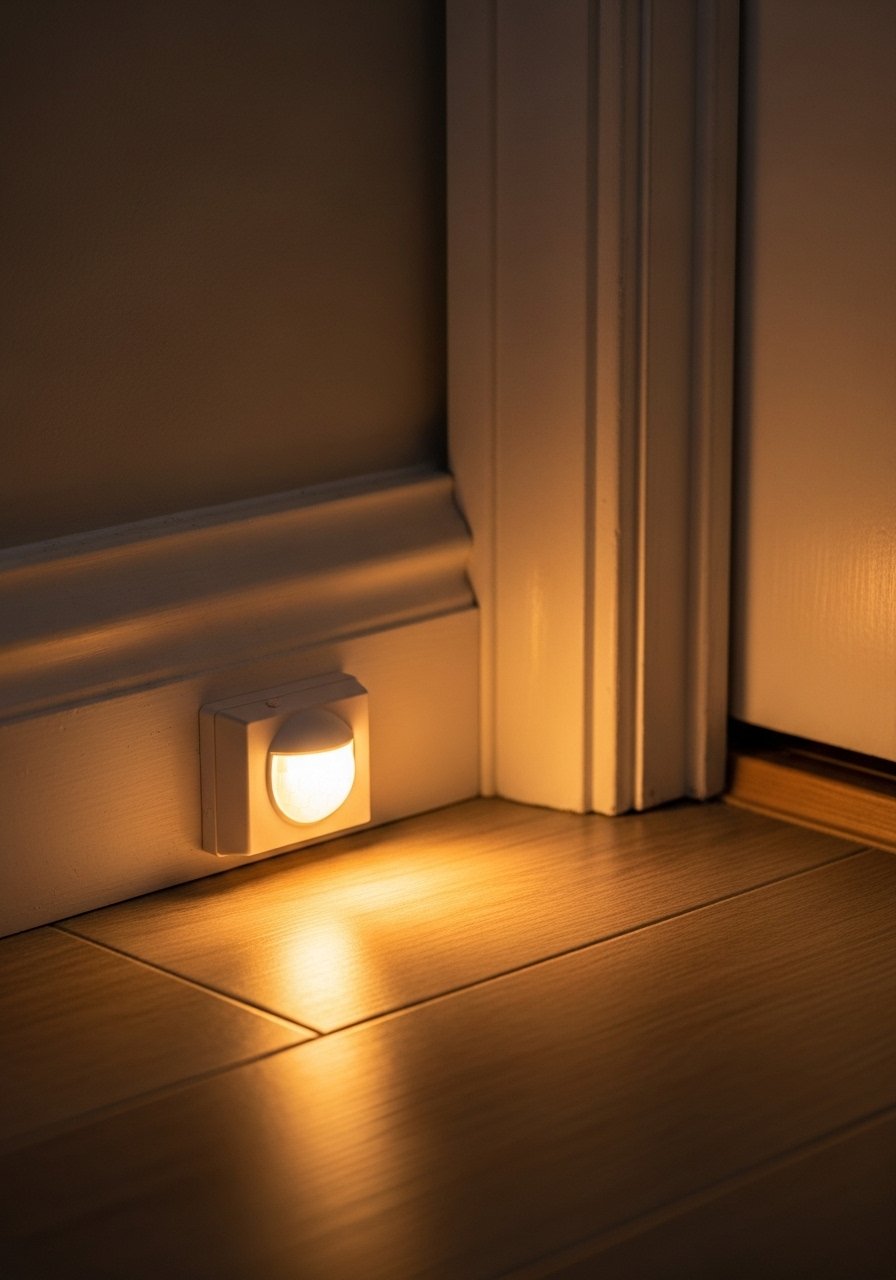
I installed a motion-sensor night light by the baseboard after stumbling in late one night. It’s low-tech but keeps late arrivals from groping for switches.
It provides just enough light to navigate and doesn’t compete with main fixtures. I bought a too-blue light once and replaced it with a warm glow model.
Pick a warm color temp and place it low where it won’t shine directly in faces. It’s an easy habit-saver.
What You'll Need for This Look
Final Thoughts
You don’t need to do everything. Pick a couple of ideas that fix your real frustrations and live with them for a month.
Small edits — a tray, a light, a bench — change how the space functions and feels. Trust what you use every day; that’s the most useful design guide.