I used to work at a cluttered kitchen table. It always felt like I was borrowing someone else’s day. I slowly learned that small decor choices change how focused I am—and how welcome the room feels.
These are things I actually bought, returned, kept, and lived with. Simple, usable solutions that made my workdays calmer.
27 Productive Home Office Decor Ideas That Boost Focus Instantly
I’m listing 27 concrete ways I changed my room so work feels easier. These are decor-forward and actually useful for focus. Each idea is something I’ve tried in a real home, not a showroom.
1. Height-Adjustable Desk with Natural Wood Top
I switched to a height-adjustable desk with a natural wood top and finally felt less stuck. I stand for focused bursts and sit when I need to think. The wood keeps the setup from looking like a lab.
At first I bought a too-small frame and returned it. My lesson: match the top dimensions to my monitor placement. Now the wood tone makes calls feel calmer.
I pay attention to cable placement and the desk’s memory presets. They save tiny mental energy every day.
What You'll Need for This Look
- Height-adjustable desk with natural wood top
- Single monitor arm, adjustable
- Under-desk cable management tray
2. Ergonomic Chair with Cushion Layering
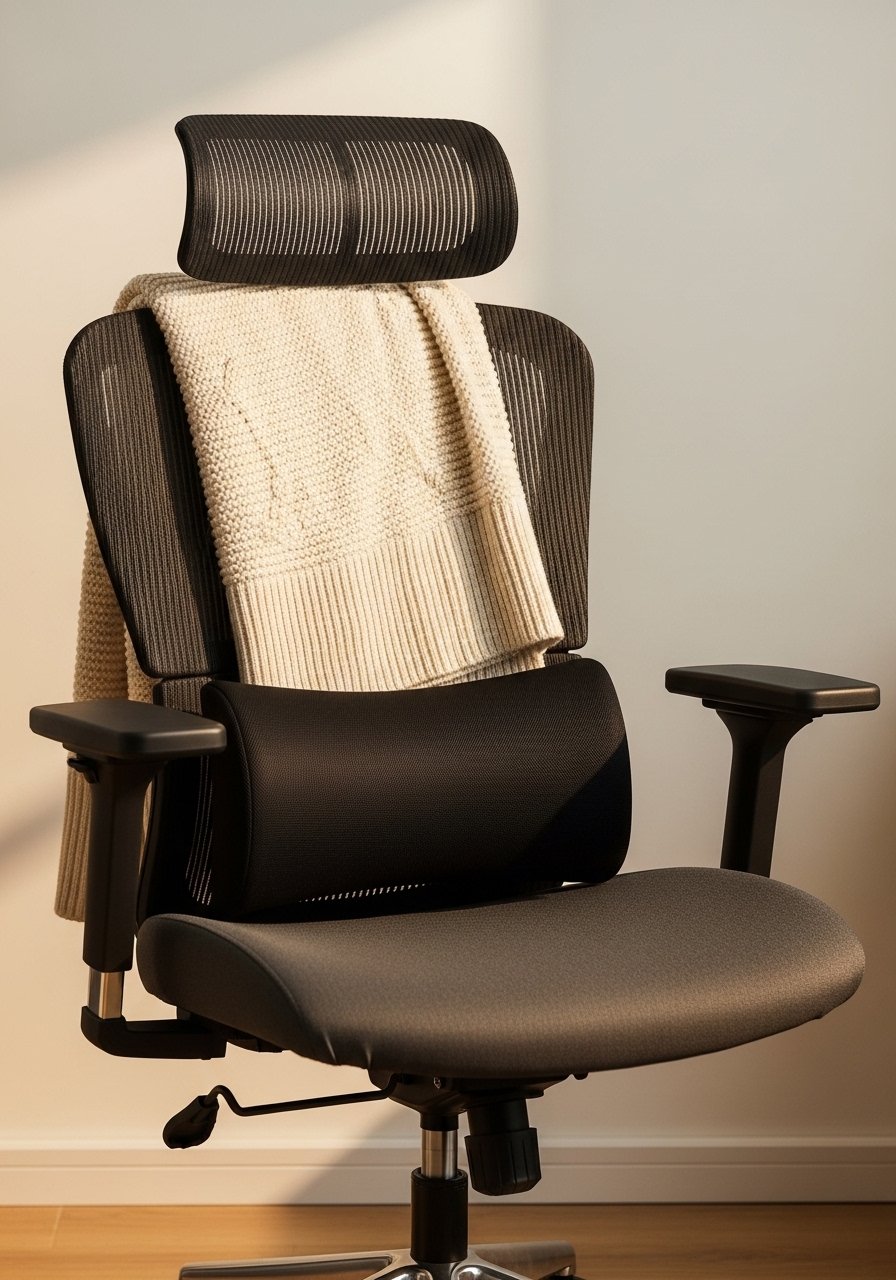
I bought a good ergonomic chair and then added a soft lumbar cushion and a thin seat pad. It made long afternoons possible. The chair supports my lower back while the cushion gives that lived-in softness.
I once skipped testing the cushion thickness and it made my hips sore. I swapped for a thinner foam layer and it was better. Small changes mattered more than brand names.
I notice posture more now. The combo looks residential, not corporate. That helps me relax into focused work.
What You'll Need for This Look
- Ergonomic office chair with lumbar support
- Memory foam lumbar cushion (medium thickness)
- Thin gel seat pad (standard size)
3. Layered Neutral Textiles That Make a Room Feel Finished
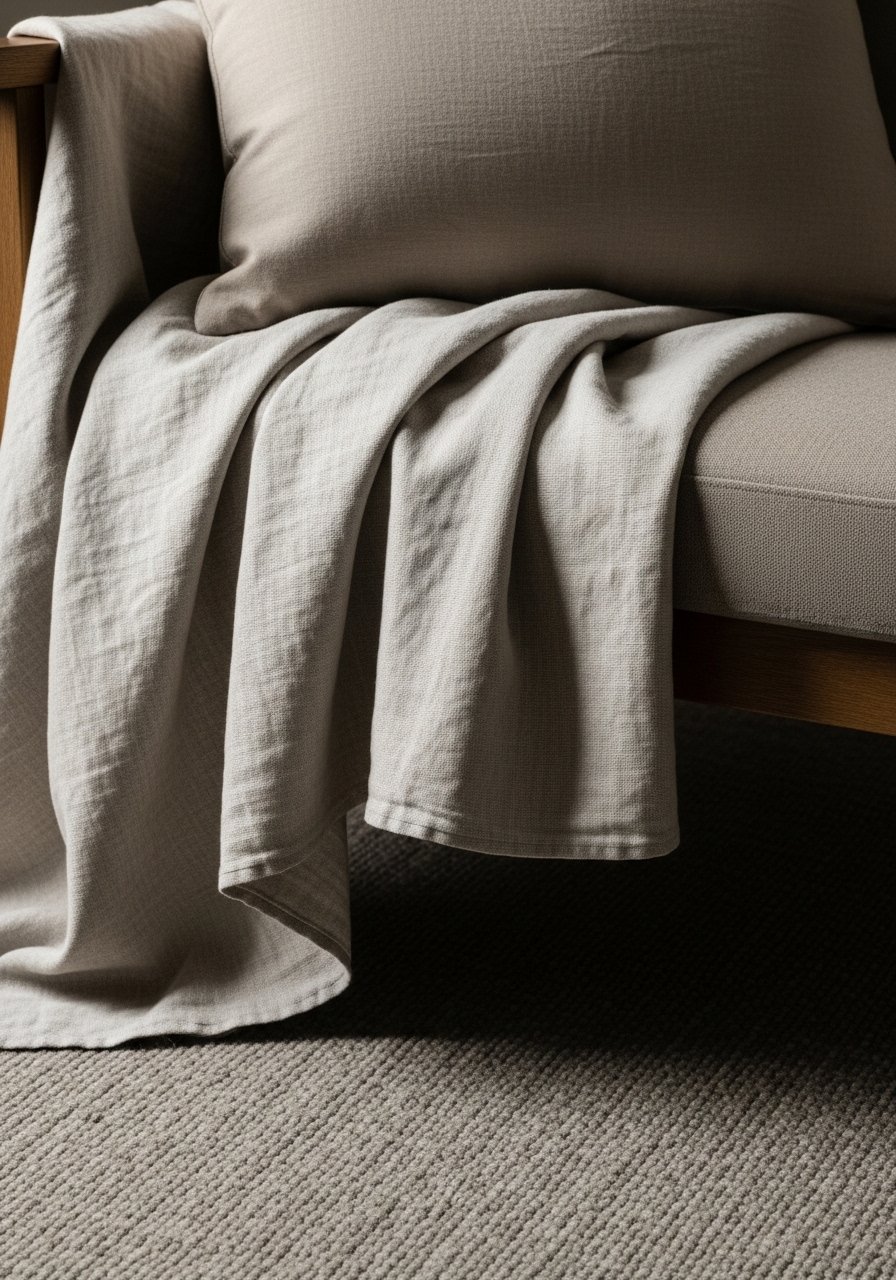
I added a lightweight linen throw, a neutral pillow, and a small natural fiber rug under my chair. It changed the room from “office” to “room I want to sit in.” Textiles grounded my desk corner and made focus feel easier.
I once chose a rug that shed like crazy. I returned it. Now I test pile and weave before committing. Natural fibers warm the sound and the mood.
Small layers are all I need. They soften screen glare and stop the tech from dominating the view.
What You'll Need for This Look
- Linen throw in warm beige (50×60)
- Neutral pillow cover 18×18 (beige/cream)
- Small jute area rug (4×6)
4. Modular Storage Dividers for Flexible Zones
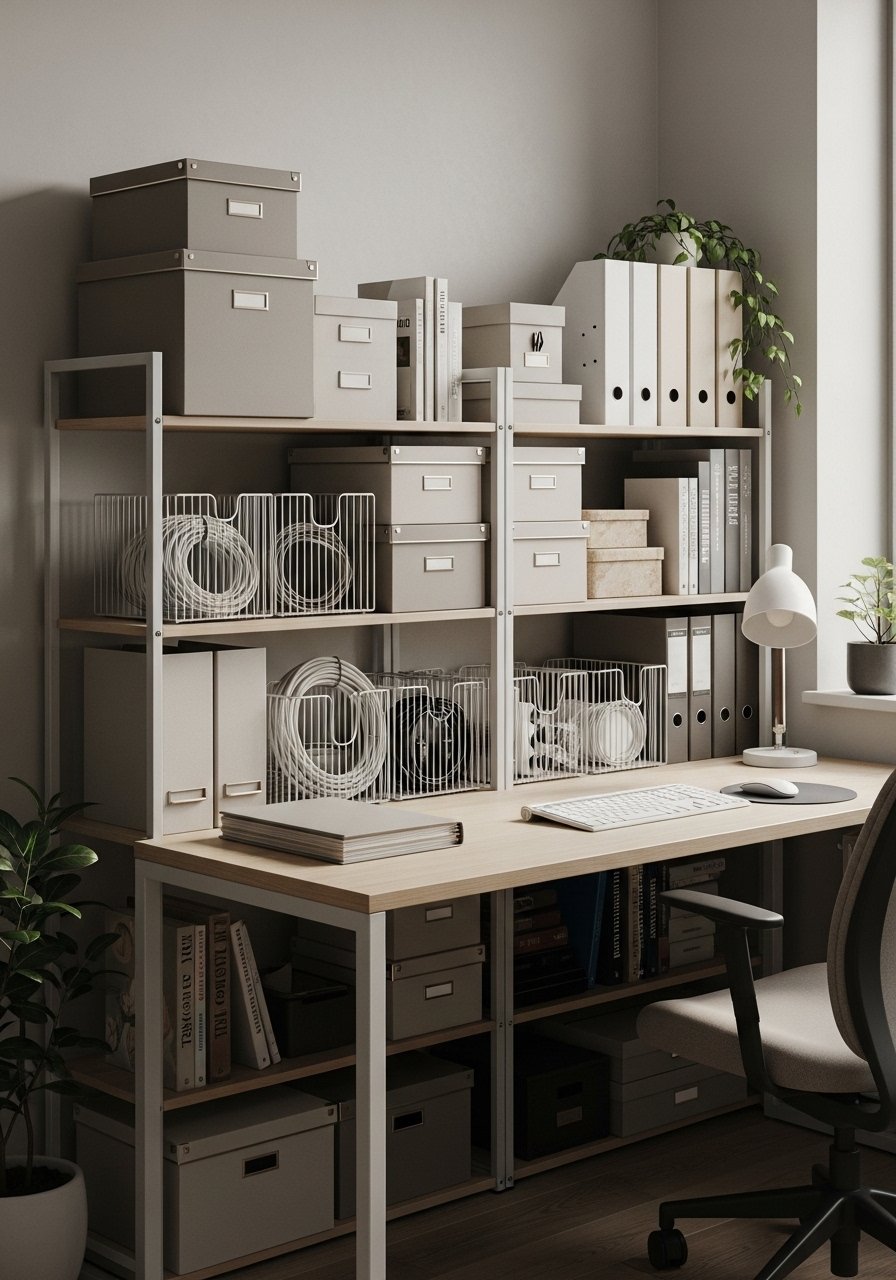
I bought modular storage dividers and used them as a backdrop to hide papers and display a few plants. The units let me swap pieces when my needs changed. It made the room feel planned, not permanent.
My first layout blocked light. I moved the taller pieces away from the window. That was a simple fix, but I should have measured sightlines first.
Now I use a mix of open and closed modules. The visual rhythm helps my brain decide what to look at during work.
What You'll Need for This Look
5. Biophilic Plant Corner with Landscape Art
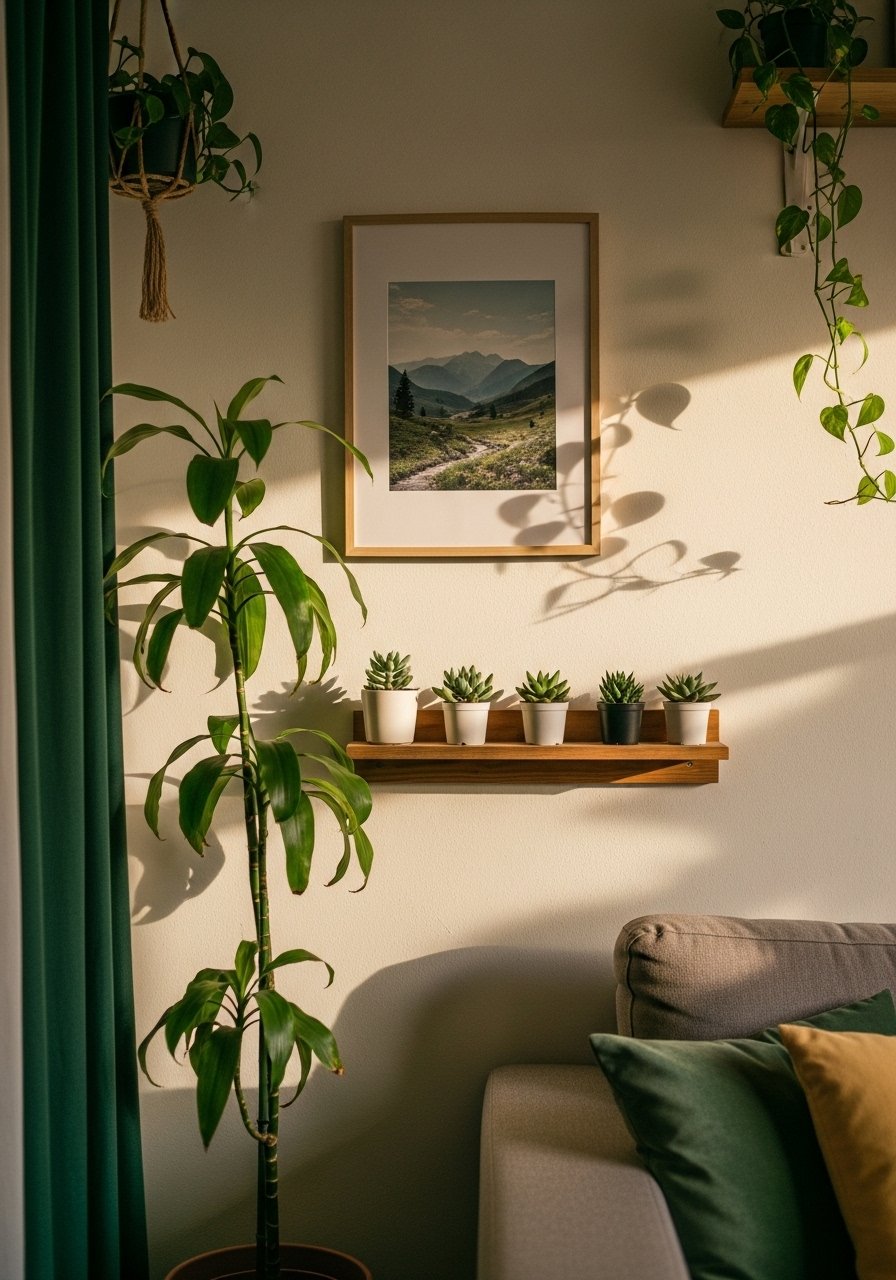
I created a plant corner with a tall snake plant, a few small succulents, and one landscape print. It softened the electronics. I noticed my mood shift during long calls.
At first I overwatered a fern and lost it. I learned to pick low-care varieties for my schedule. Now the plants stay alive and become part of my routine.
Even a small plant cluster makes the video background feel calmer. The art ties the green tones to the rest of the room.
What You'll Need for This Look
6. Tech-Integrated Desk with Wireless Charging
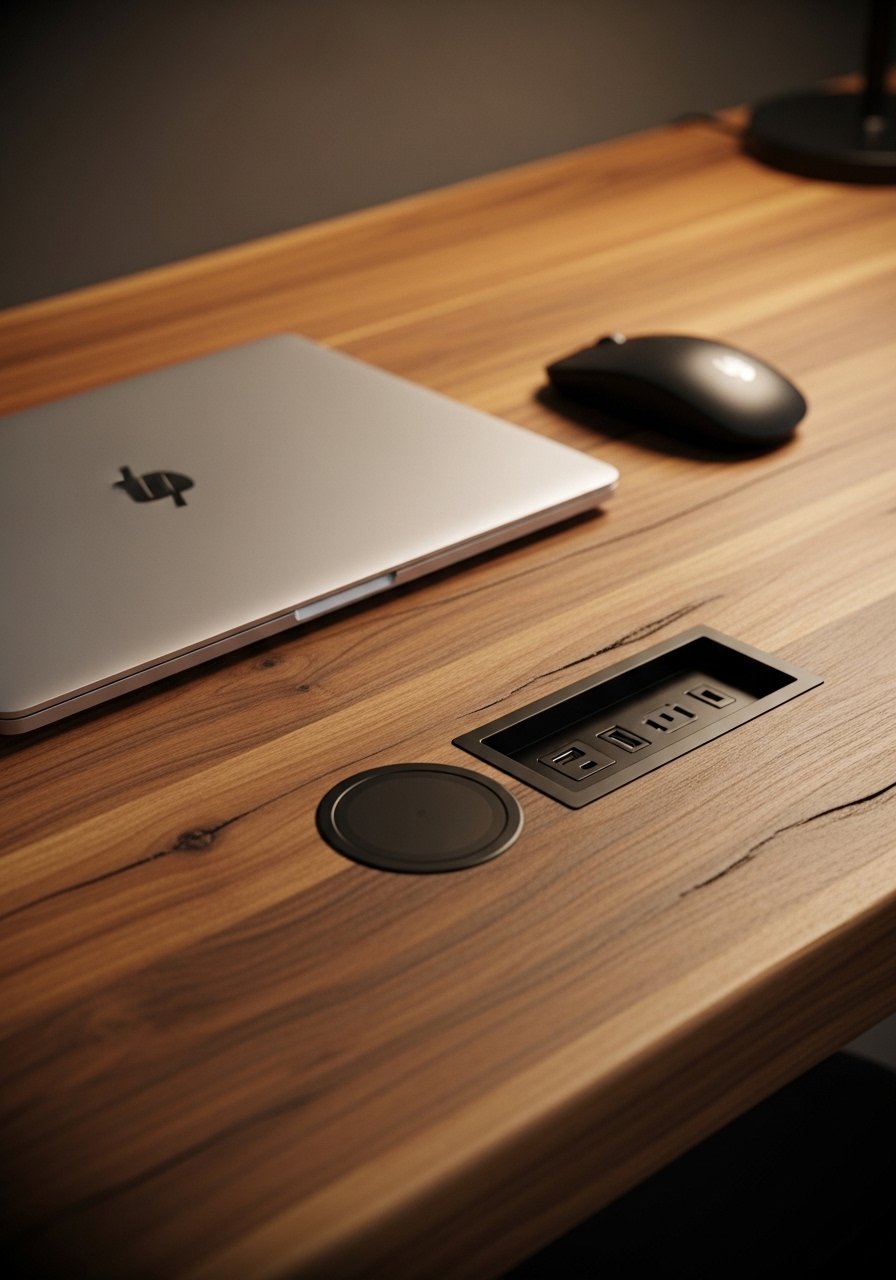
I installed a desk with a wireless charging pad and a grommet for power. My phone and mouse charge without cords tangling. The surface looks calmer and I waste less time hunting cables.
I once picked a desk where the charger wasn’t aligned to my phone’s regular placement. It was frustrating. I ended up moving the pad and labeling a spot.
Now I place devices in routine spots. The tech integration makes small rituals feel automatic, which helps me enter focused work faster.
What You'll Need for This Look
- Desk with built-in wireless charging pad
- Desk power grommet for cable pass-through
- Qi wireless charging pad (stand or puck)
7. Daylight-Mimicking LED Task Lighting
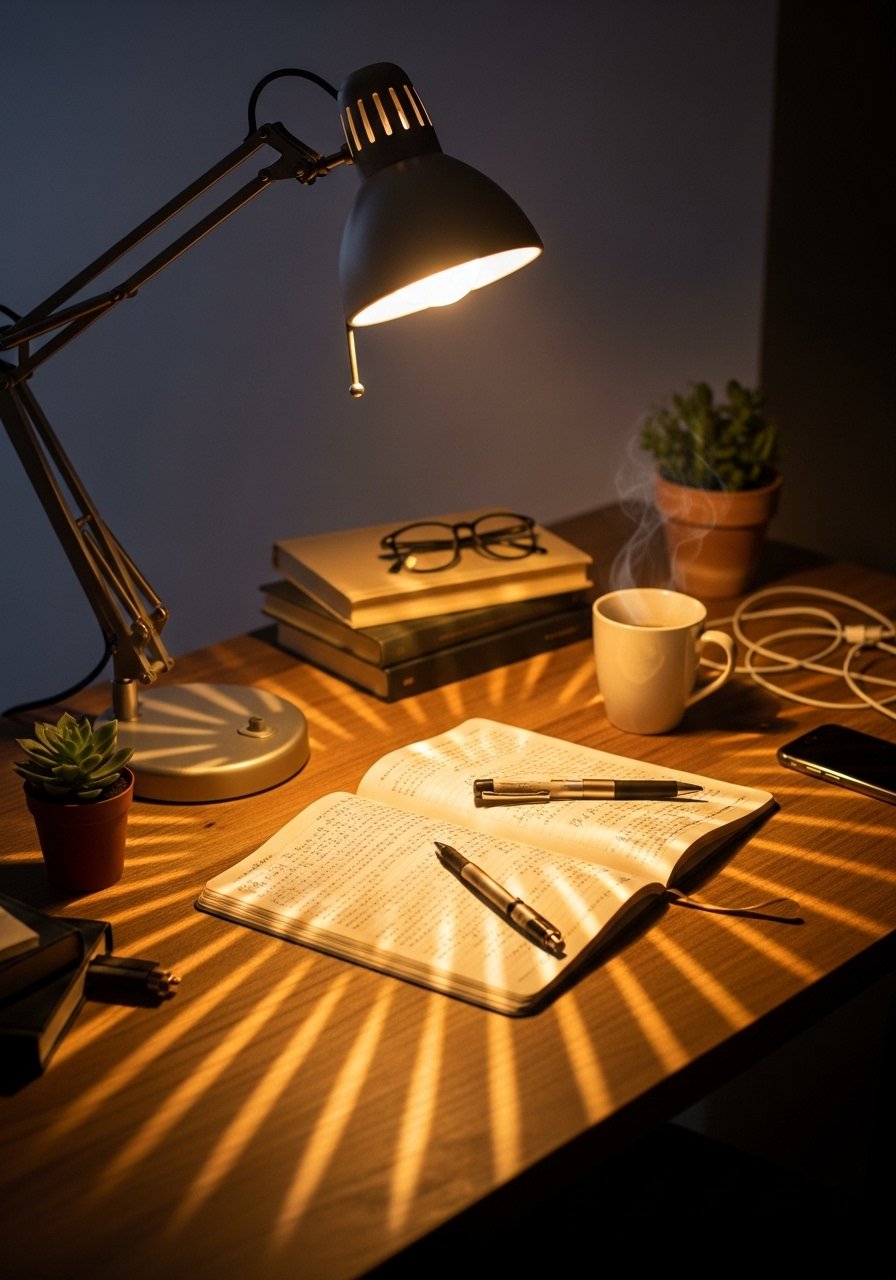
I swapped my old lamp for an LED task light that mimics daylight. It doesn’t feel harsh. It pulls my attention to the work surface and reduces screen glare.
I tried one with bluish tint and my energy felt flat. The warm-daylight setting is gentler. I learned to use the light for focused sessions, not all day.
A dimmable lamp helps me create a start-and-stop ritual. Turning it on signals work time; turning it off helps me close the day.
What You'll Need for This Look
8. Warm Wood Accents to Soften Screens

I added small warm wood accents: a tray, pencil cup, and monitor riser. Those pieces stop the screen from dominating my sightline. The wood reflects light in a nicer way than metal.
I almost picked very dark wood and it made the area feel heavy. Lighter wood matched my floors and felt fresher. Matching tones kept the room cohesive.
Now I layer wood with a bit of white for contrast. It reads calm and intentional when I glance up from the keyboard.
What You'll Need for This Look
9. Multi-Purpose Furniture for Shared Spaces
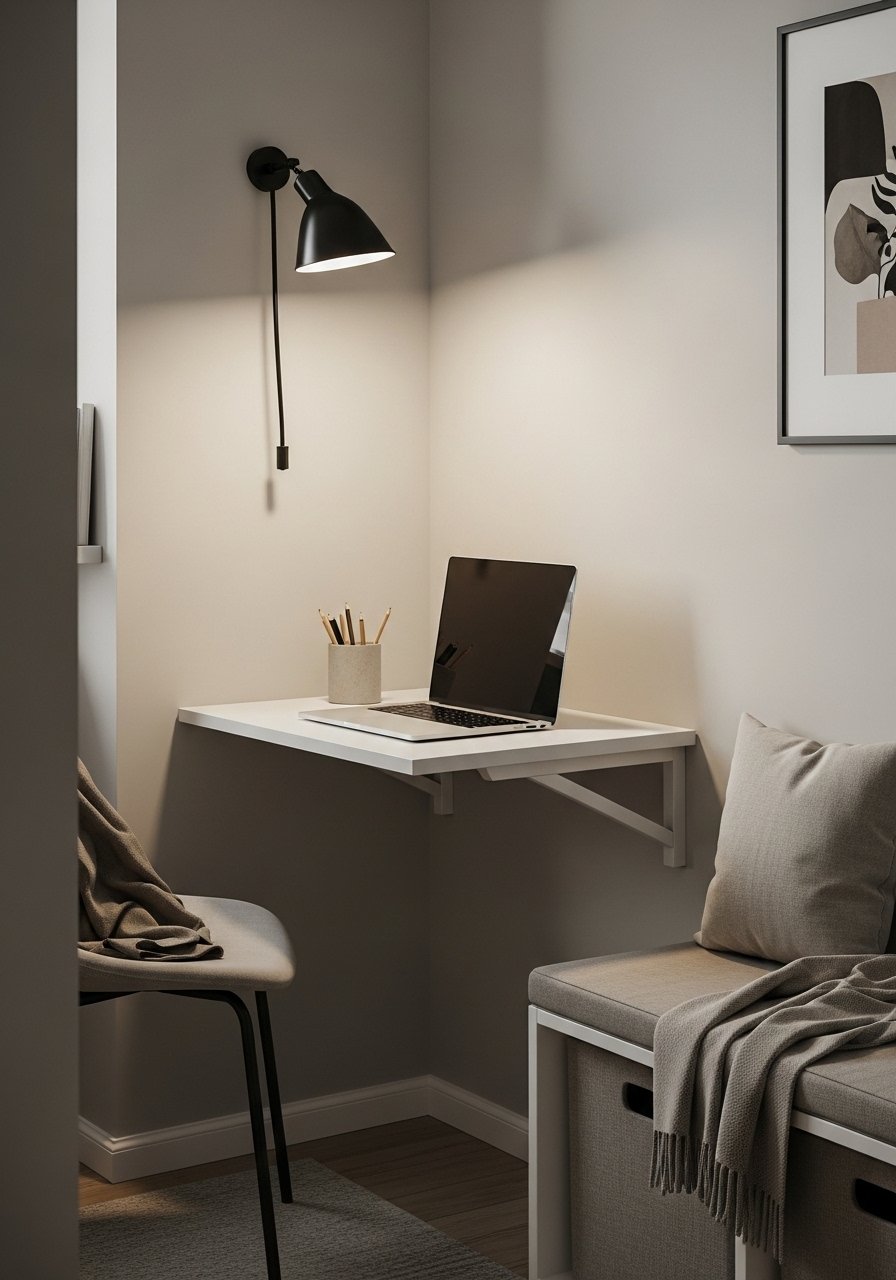
When I had to share a living room, I chose a slim desk that doubles as a console. I also used a bench with hidden storage. It keeps work out of sight on weekends.
I once bought a folding desk that wobbled. I returned it. Stability mattered more than compactness. A sturdy slim piece is better than a shaky foldable one.
Now my office corner blends into the living room. That makes the room feel intentional and keeps work from overtaking the couch.
What You'll Need for This Look
10. Soft Area Rug to Anchor Focus Zones
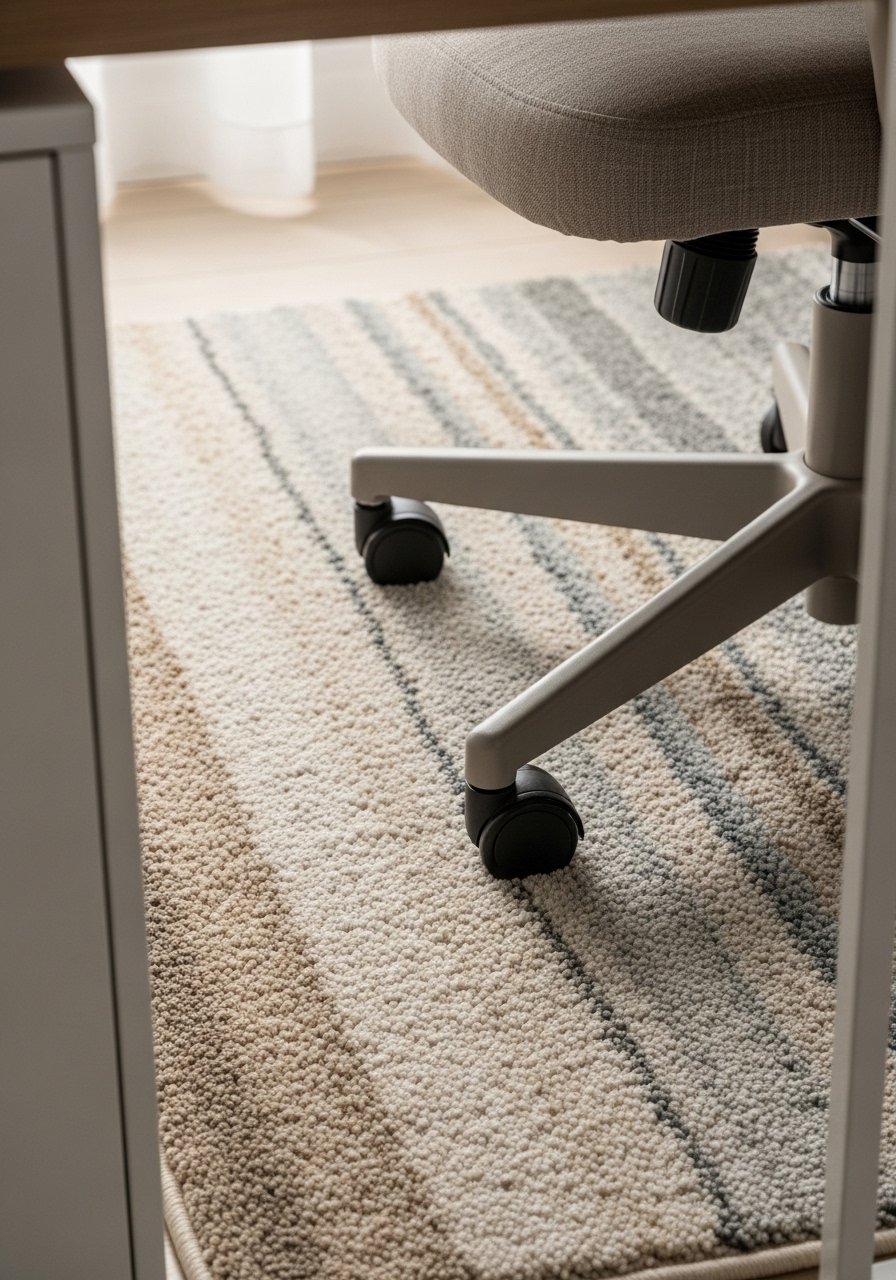
I placed a soft area rug under my desk and it changed how grounded the space felt. My chair rolls smoother and the room sounds better. The rug visually separates work from the rest of the room.
At first I picked a very light rug that stained quickly. I learned to pick a practical weave for a chair area. Medium-toned rugs hide wear and look lived-in longer.
A rug pad helps the rug stay in place. That tiny detail prevented trips and kept the chair steady.
What You'll Need for This Look
11. Bouclé or Upholstered Guest Seating
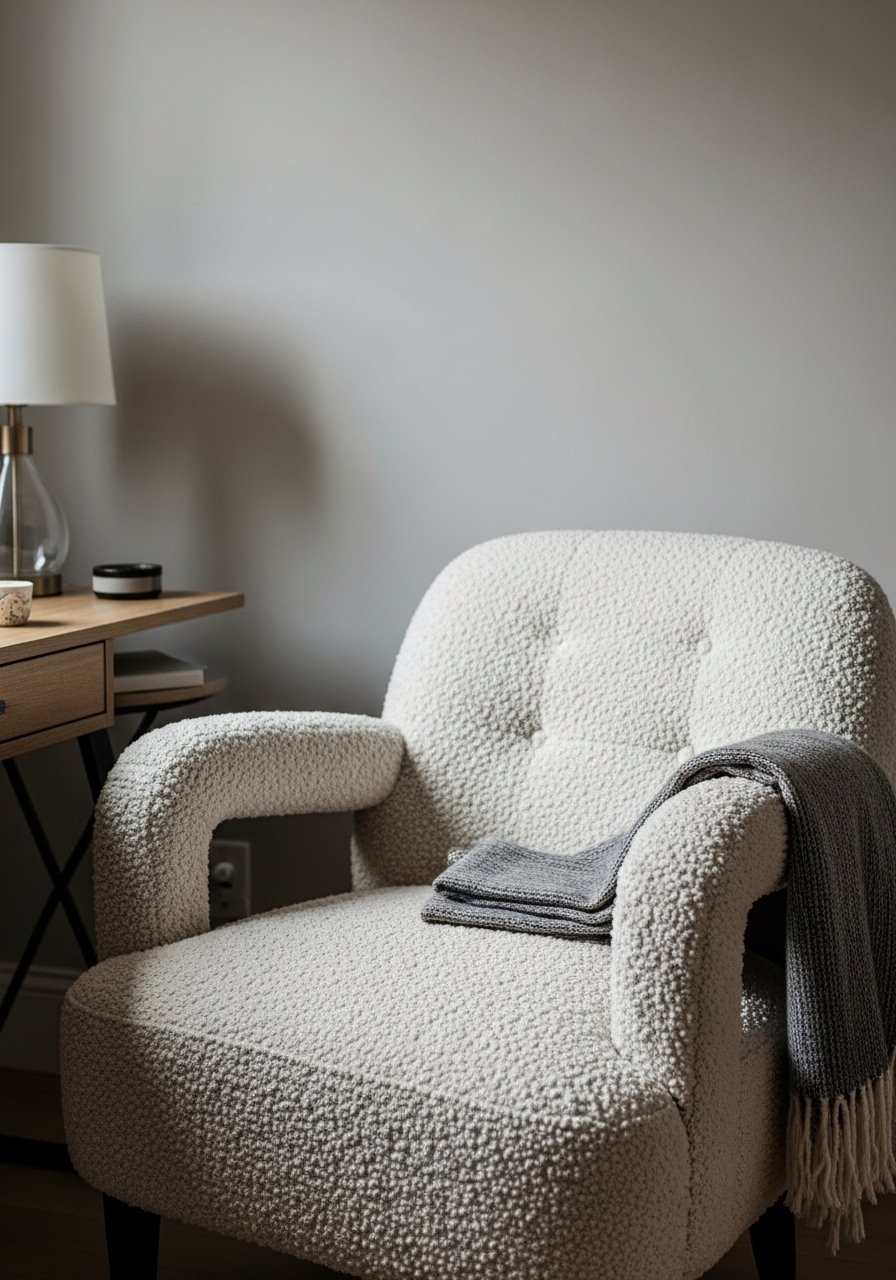
I added a bouclé chair for reading and informal calls. It makes the room feel like a home, not a cubicle. Sitting there gives me a different posture and a fresh viewpoint.
I once picked an upholstery color that clashed with my pillow palette. I swapped the pillow covers and it pulled the look together. Small color tweaks solved the mismatch.
The chair is also a comfort anchor when I need to step away from the desk and think.
What You'll Need for This Look
12. Floating Shelves for Vertical Declutter
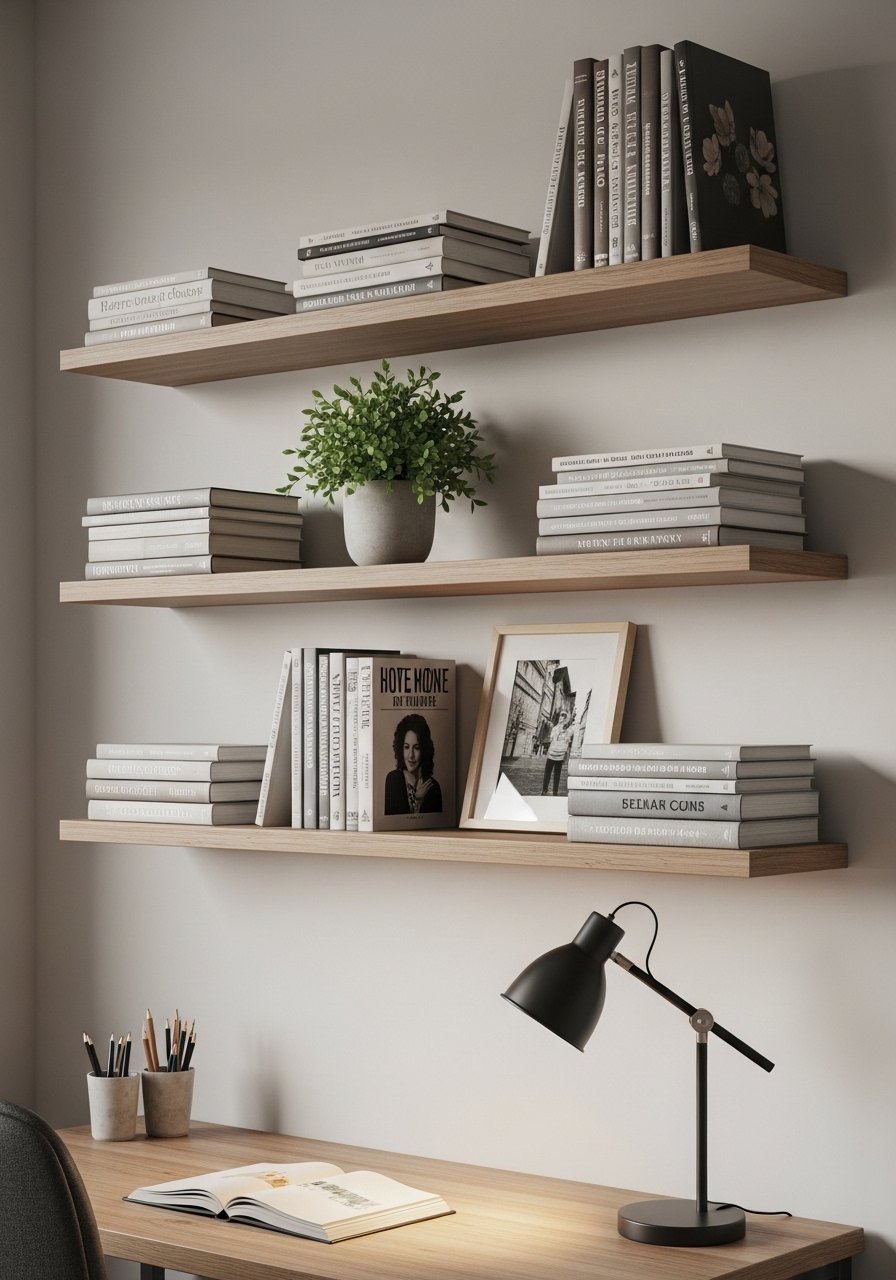
I installed floating shelves above my desk to keep essentials within sight. They freed my desktop and gave me places for reference books, a lamp, and a plant.
I initially overfilled them and the shelf looked messy. I removed half the items and it suddenly felt curated. Space between objects makes them readable to my eye.
Shelves help me create an intentional backdrop for video calls too. I keep it simple and swap items seasonally.
What You'll Need for This Look
13. Scented Focus Ritual with a Dedicated Diffuser
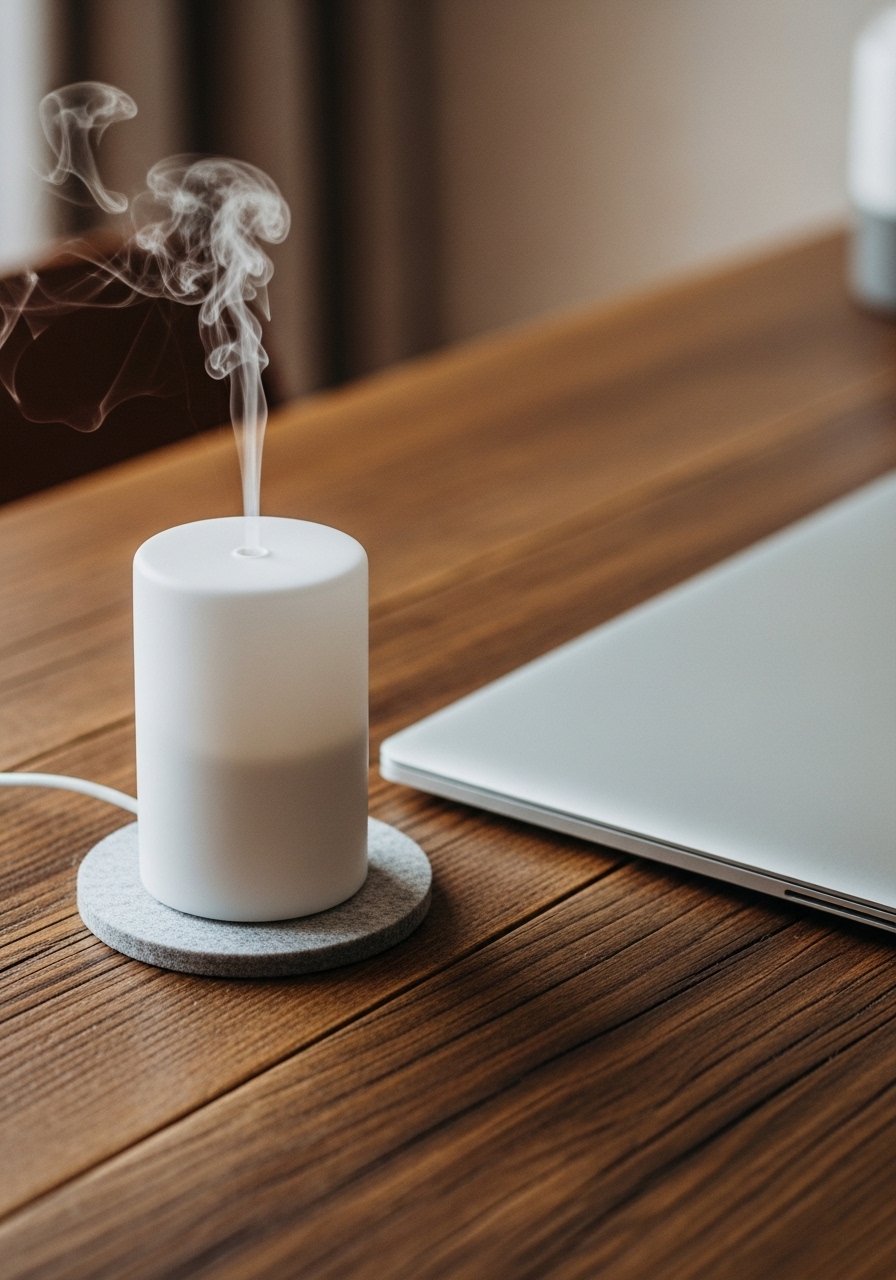
I started using a specific scent only for work. A warm, subtle citrus blend signals “work time” for me. After a week, I noticed I entered focus faster when I turned on the diffuser.
I overdid it once and the scent was distracting. I dialed back to two drops per session and it was perfect. The ritual matters more than the specific fragrance.
This small sensory cue helps me create mental boundaries. It’s a cheap ritual and it works.
What You'll Need for This Look
14. Under-Desk Movement Tools like a Balance Board
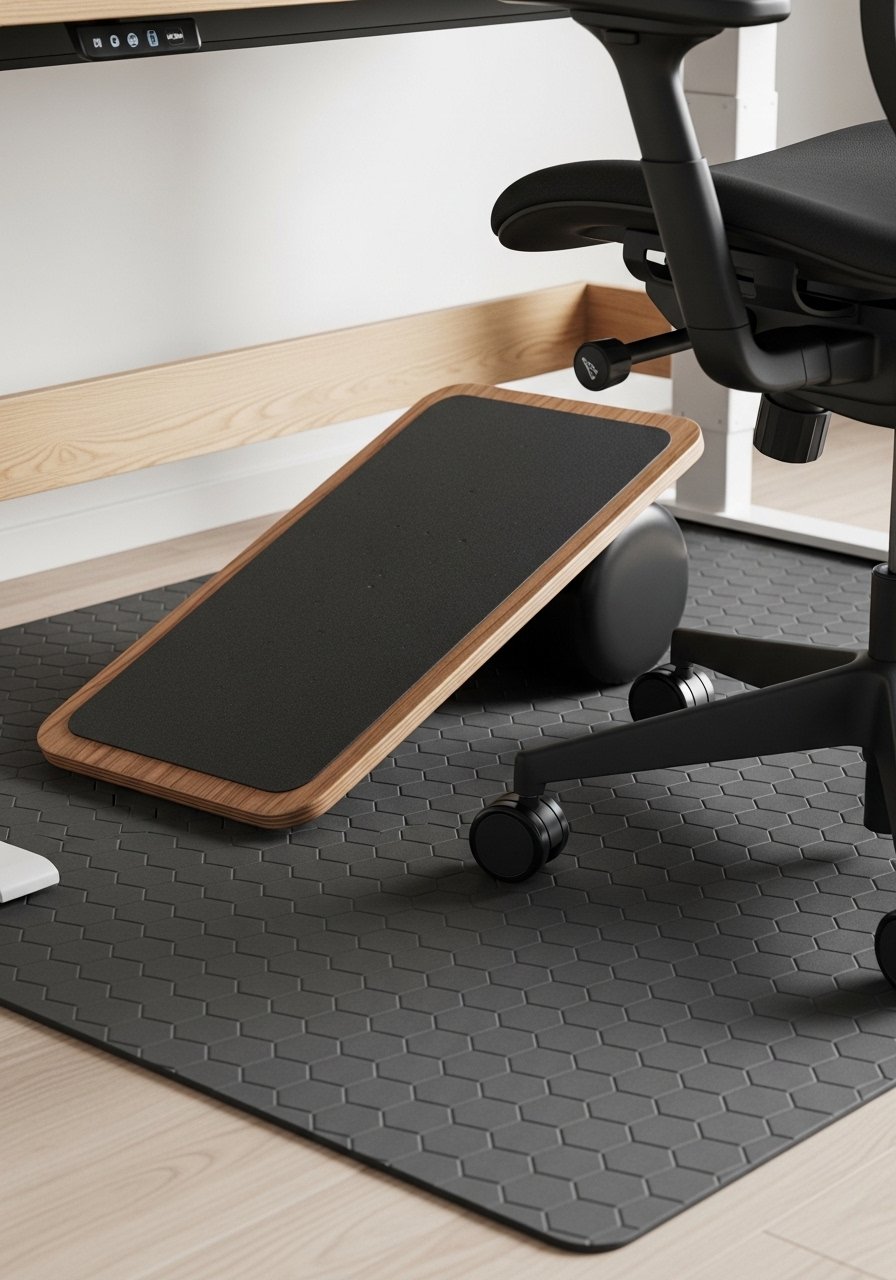
I added a balance board under my standing desk. It keeps my legs engaged without needing a treadmill and makes standing less tiring. Fifteen minutes of gentle movement makes emails go faster.
I first tried a board that was too tall and I tripped. Lesson learned: low-profile boards are safer for daily use. Now I use short sessions and my lower back feels better.
This is an easy way to mix movement into the day without interrupting flow.
What You'll Need for This Look
15. Digital Art Frame as an Adjustable Backdrop
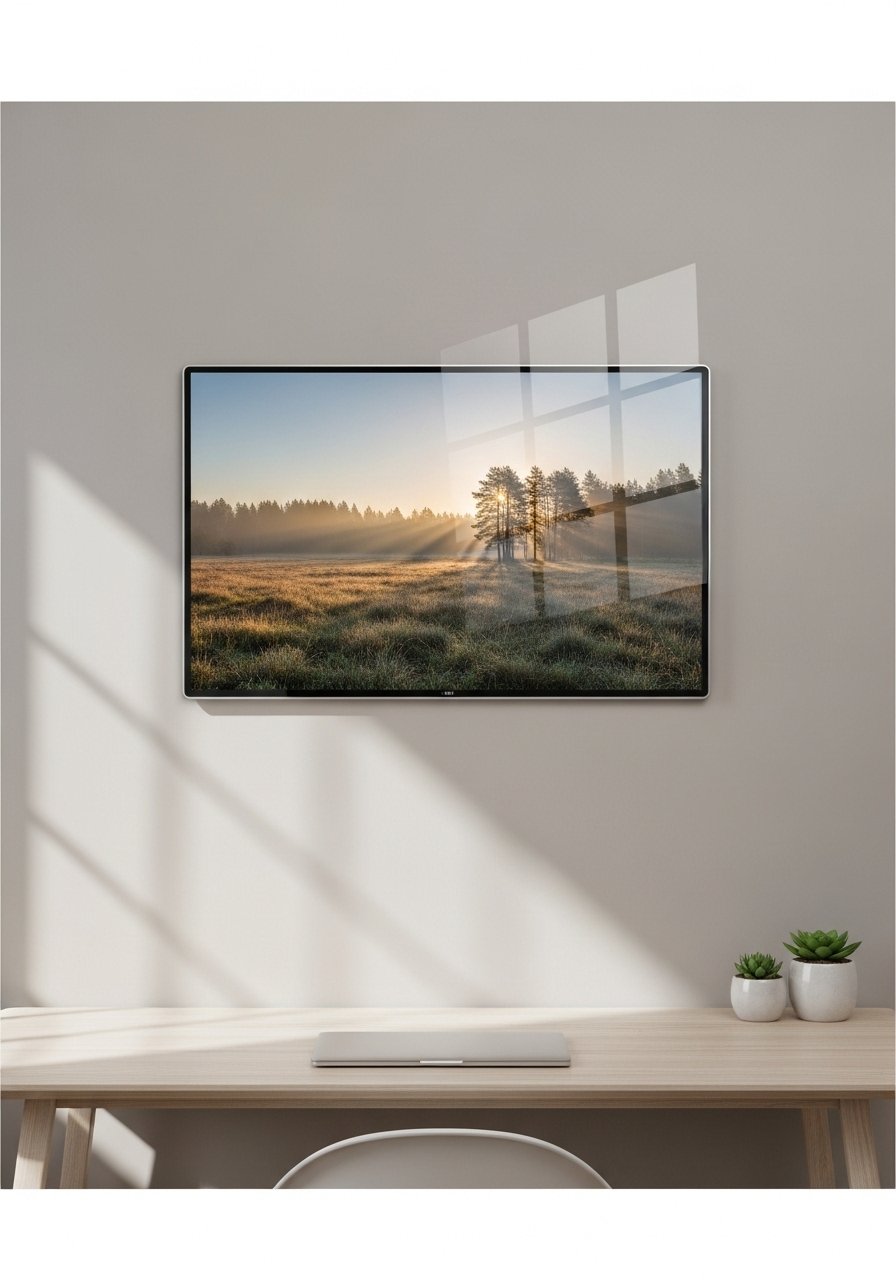
I put a digital art frame behind my desk and cycle landscapes during deep work. It’s subtle, and it makes my background feel intentional for calls. I switch images for different tasks—calm scenes for writing, brighter pieces for creative work.
I tried flashy motion art at first and it distracted me. Now I keep images still and low-contrast. The frame helps the room look curated without extra clutter.
It doubled as inspiration and a buffer for video calls. I like the control it gives me.
What You'll Need for This Look
- Digital picture frame (high resolution)
- Downloadable landscape art pack
- Picture frame wall mount kit
16. Cable Management Tray and Power Strip Hideaways
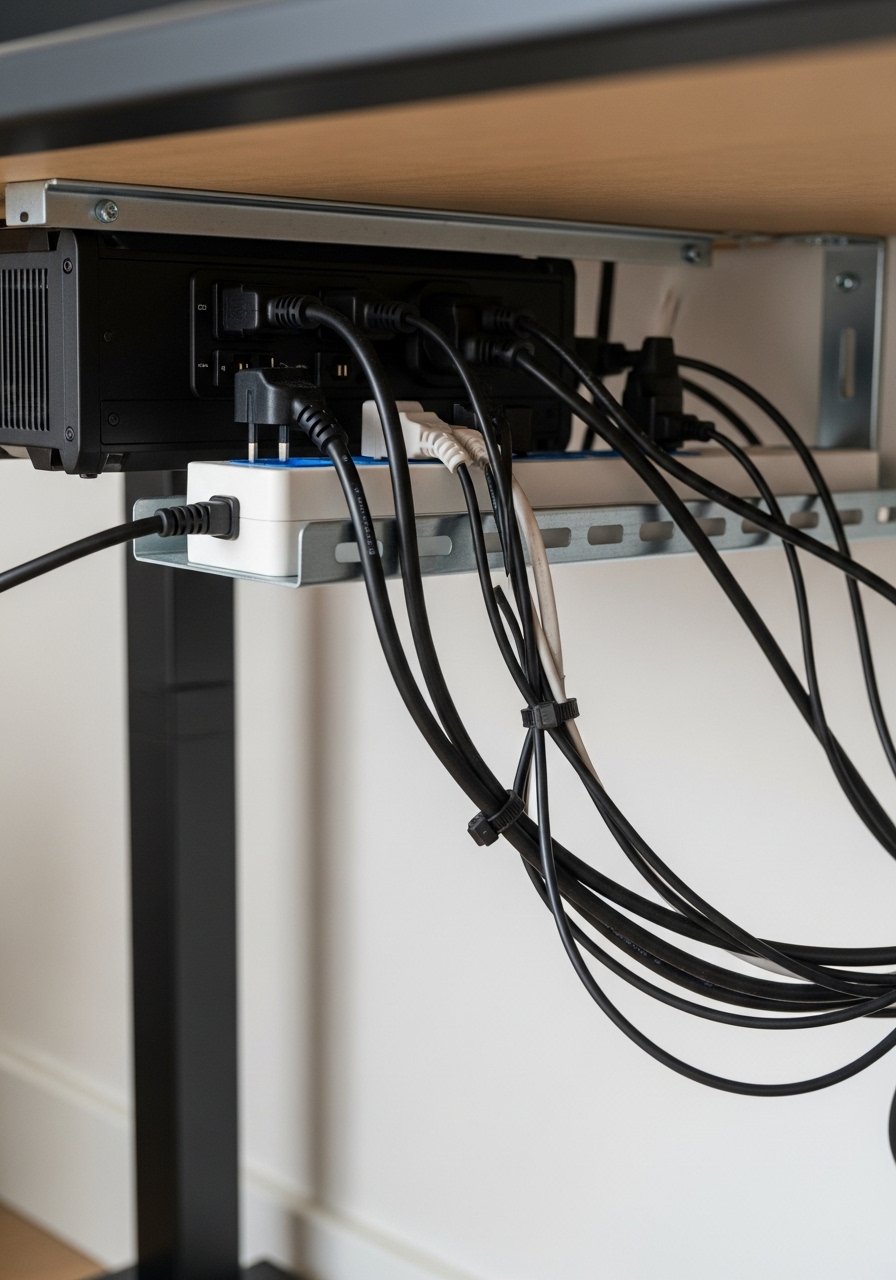
I installed a cable management tray and tucked the power strip out of sight. My desk no longer looks like a tech nest. The tidy underside keeps me calm during deep work.
I once used flimsy zip ties that snapped. I replaced them with proper Velcro straps and it’s held up. Durable solutions matter in a lived-in space.
I feel lighter when I don’t see a web of cords. Small order gives me mental space.
What You'll Need for This Look
17. Compact Corner Desk That Fits Tight Spaces
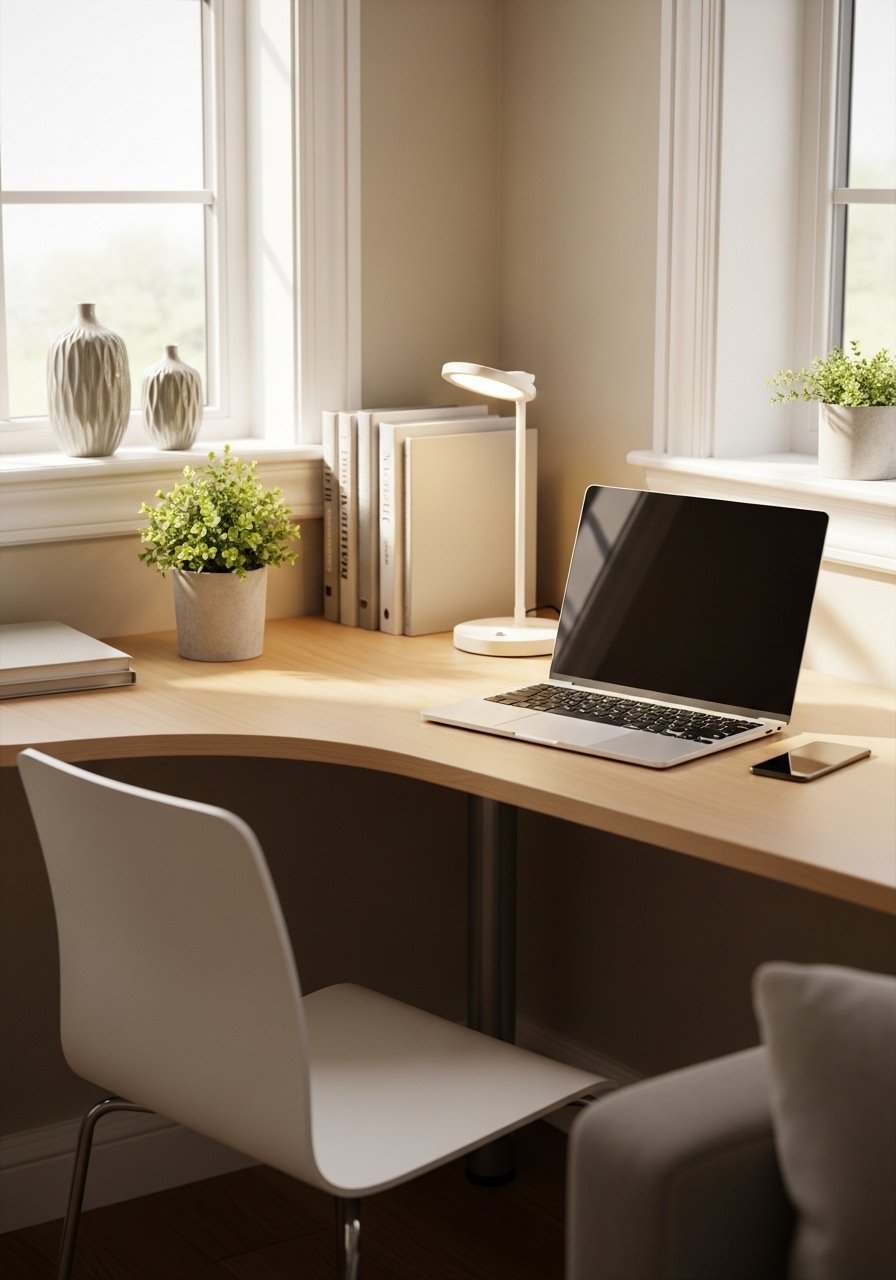
When my apartment had no spare room, I found a compact corner desk that fit by the window. It uses a forgotten corner and feels like its own zone. The light there helped my focus immediately.
I bought one that had poor legroom. I returned it and chose a slightly deeper top. Measure first. Depth matters for keyboards and notebooks.
A corner desk can feel deliberate and cozy. It saved my sanity when space was tight.
What You'll Need for This Look
18. Natural Fiber Baskets for Casual Storage
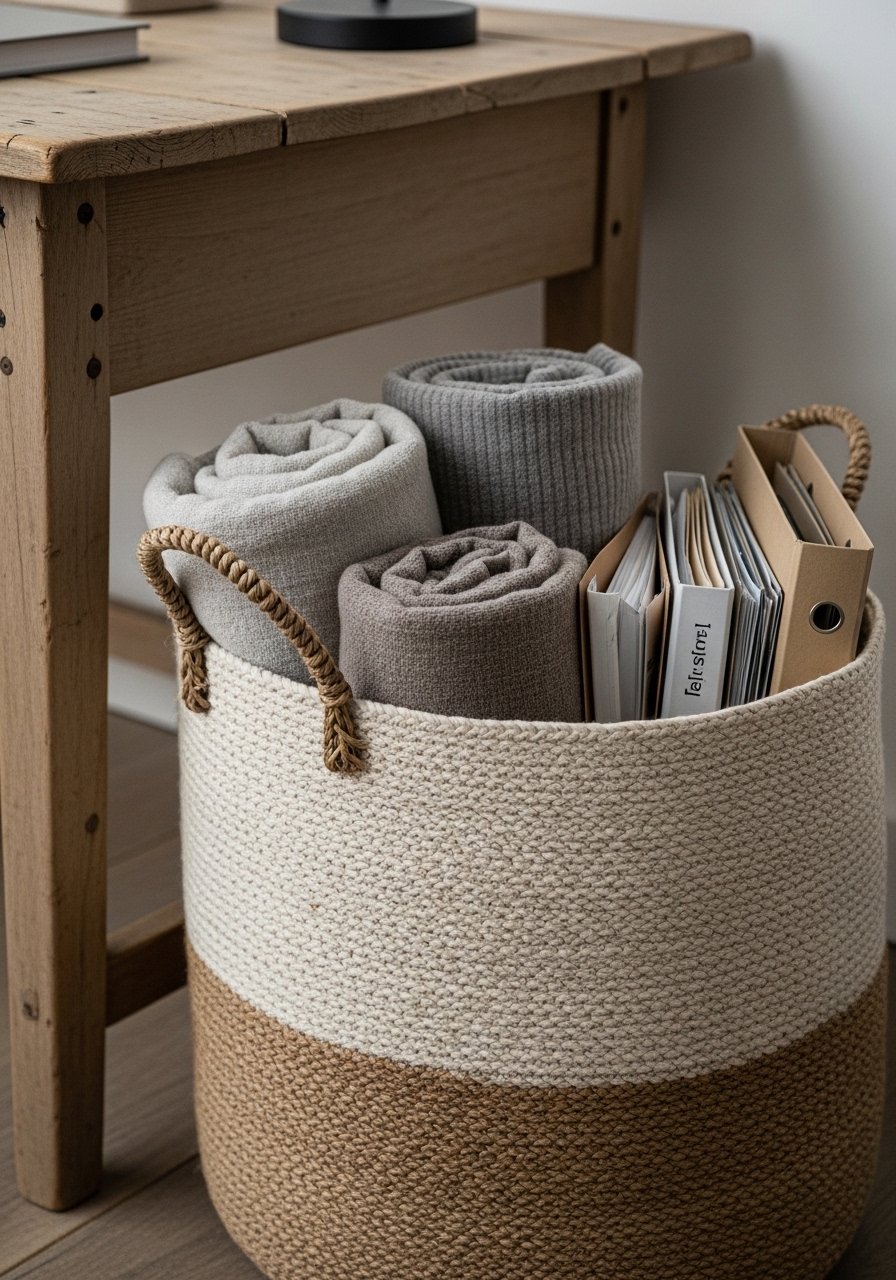
I use natural fiber baskets to stash cables, spare chargers, and notebooks. They hide clutter but still look intentional. Pulling a basket out to find things is faster than digging drawers.
I once put heavy electronics in a woven basket and it sagged. I moved fragile items to boxes and keep the basket for soft goods. Match the basket use to the material.
Baskets are forgiving, mobile, and suit a homey aesthetic while keeping the room tidy.
What You'll Need for This Look
19. Layered Window Treatments for Light Control
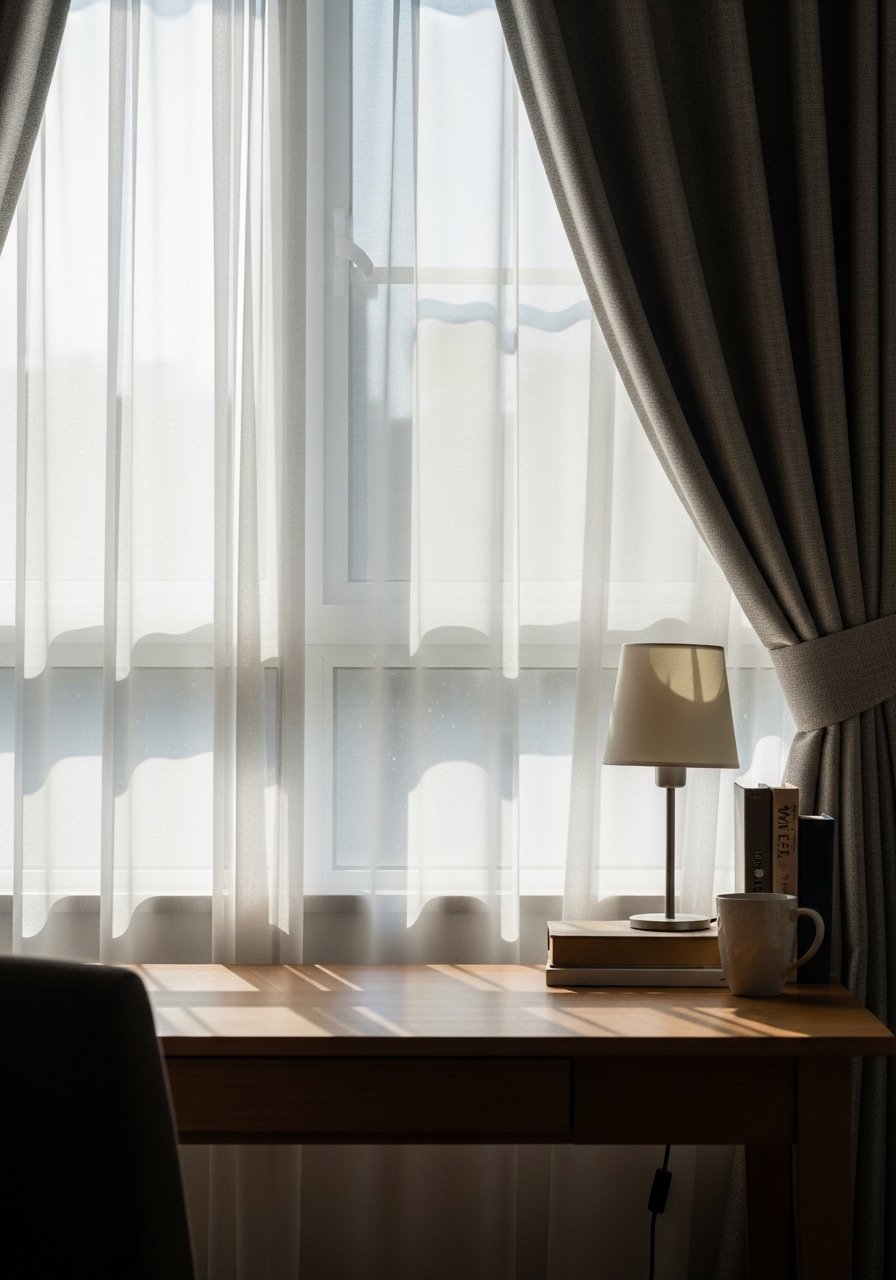
I layered sheers and a heavier curtain to control the light. I wanted bright mornings and softer afternoons. The layers let me tune glare without losing warmth.
I once installed blackout panels and the room felt boxed in. I replaced them with lighter weights and kept the blackout for naps only. Light quality changed my energy more than wall color.
Now I can manage direct sun for video calls and keep gentle ambient light for deep work.
What You'll Need for This Look
20. Plant Alternatives: Botanical Prints and Textiles
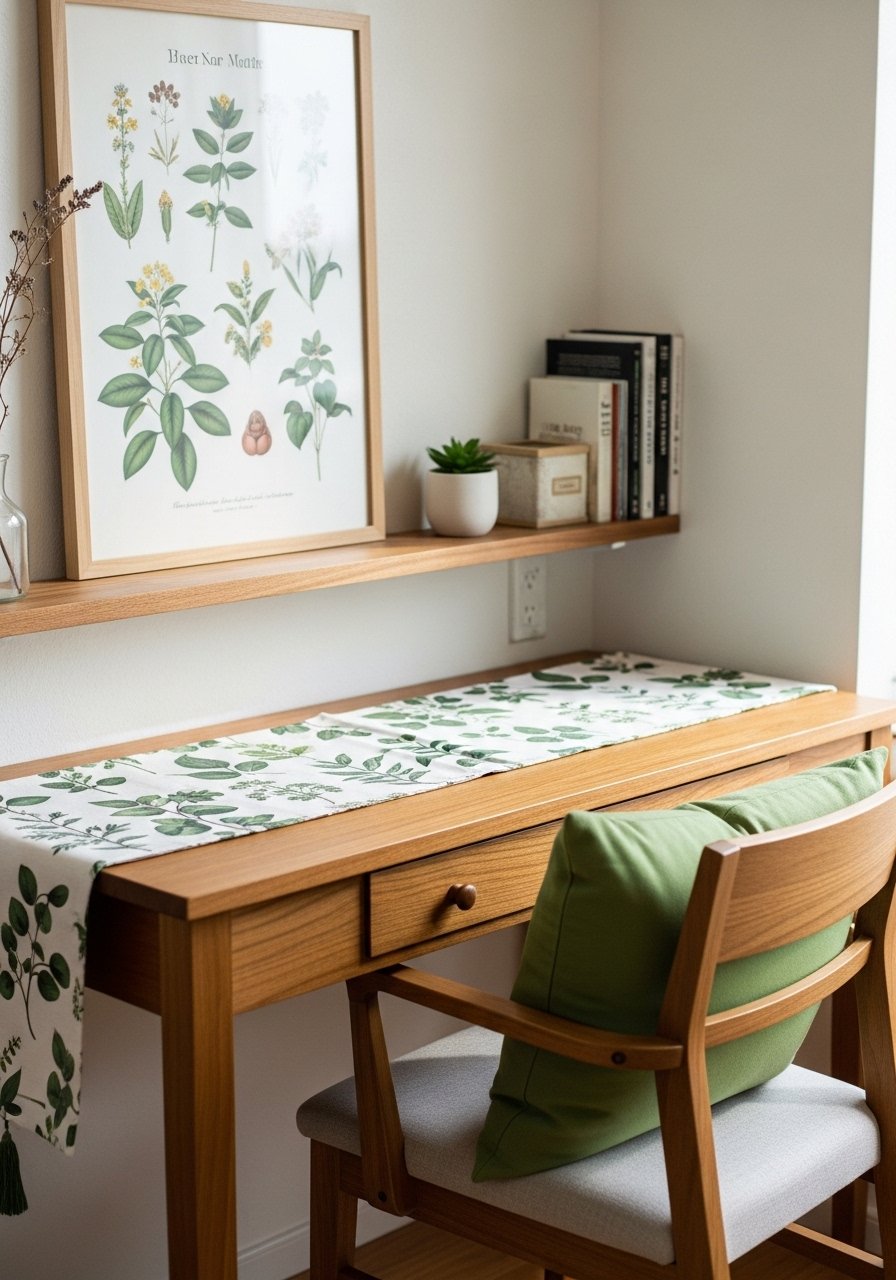
When real plants weren’t an option, I used botanical prints and a plant-patterned pillow. The suggestion of green did a lot of the emotional work without the watering schedule.
I’d tried glossy, high-sheen prints that reflected light. They looked fake. Matte prints and textured textiles feel more authentic in a lived-in room.
This is a practical route for renters or for rooms with low light.
What You'll Need for This Look
21. Posture Sensor Add-On for Everyday Chairs
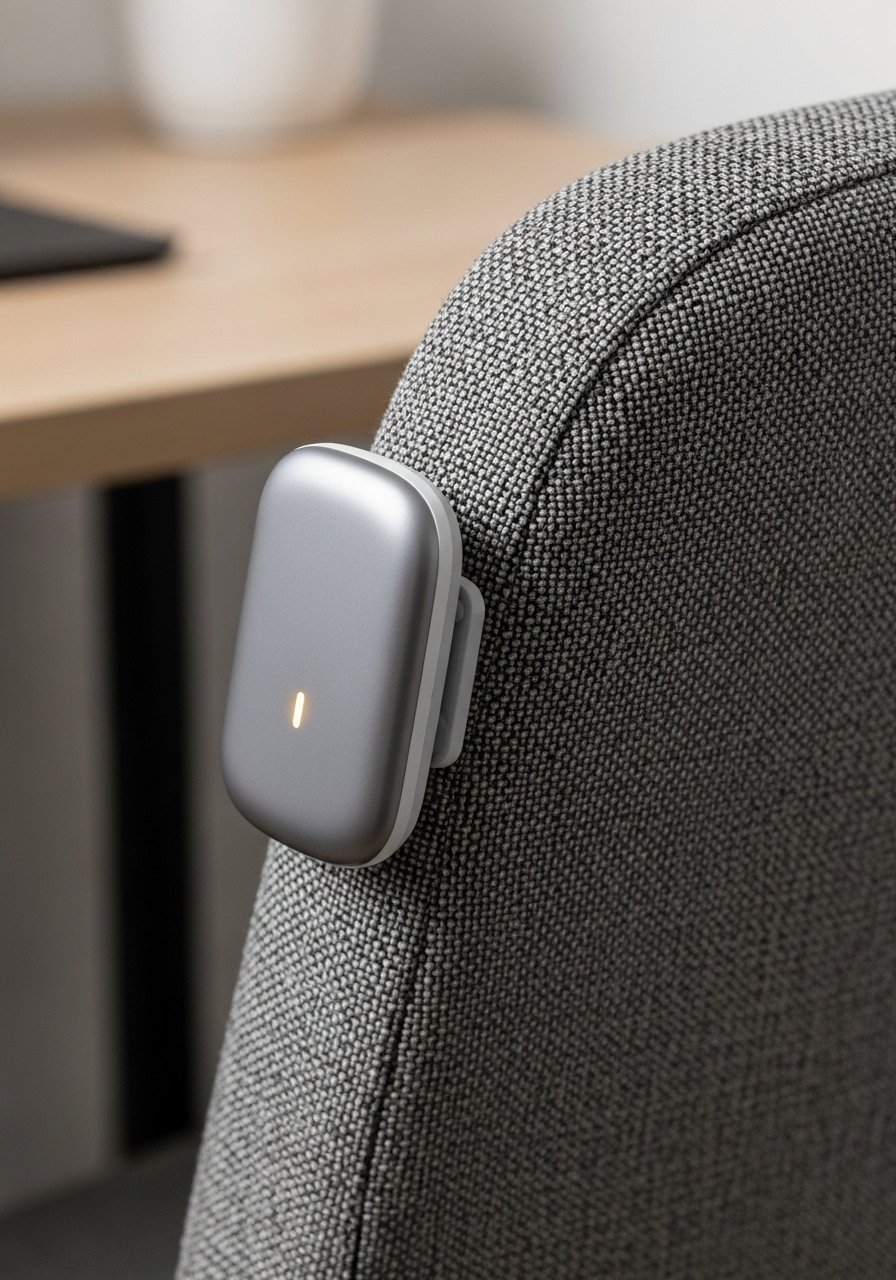
I clipped a posture sensor to my everyday chair to remind me when I slouched. It gives gentle nudges and kept me accountable during long edits. The reminders are private and practical.
I first ignored the alerts because they were too frequent. I adjusted sensitivity and it stopped nagging. The right settings made a habit without annoyance.
It’s a quiet tech solution that improved comfort without changing my chair.
What You'll Need for This Look
22. Small Desk Lamp with Warm Dimmable LEDs
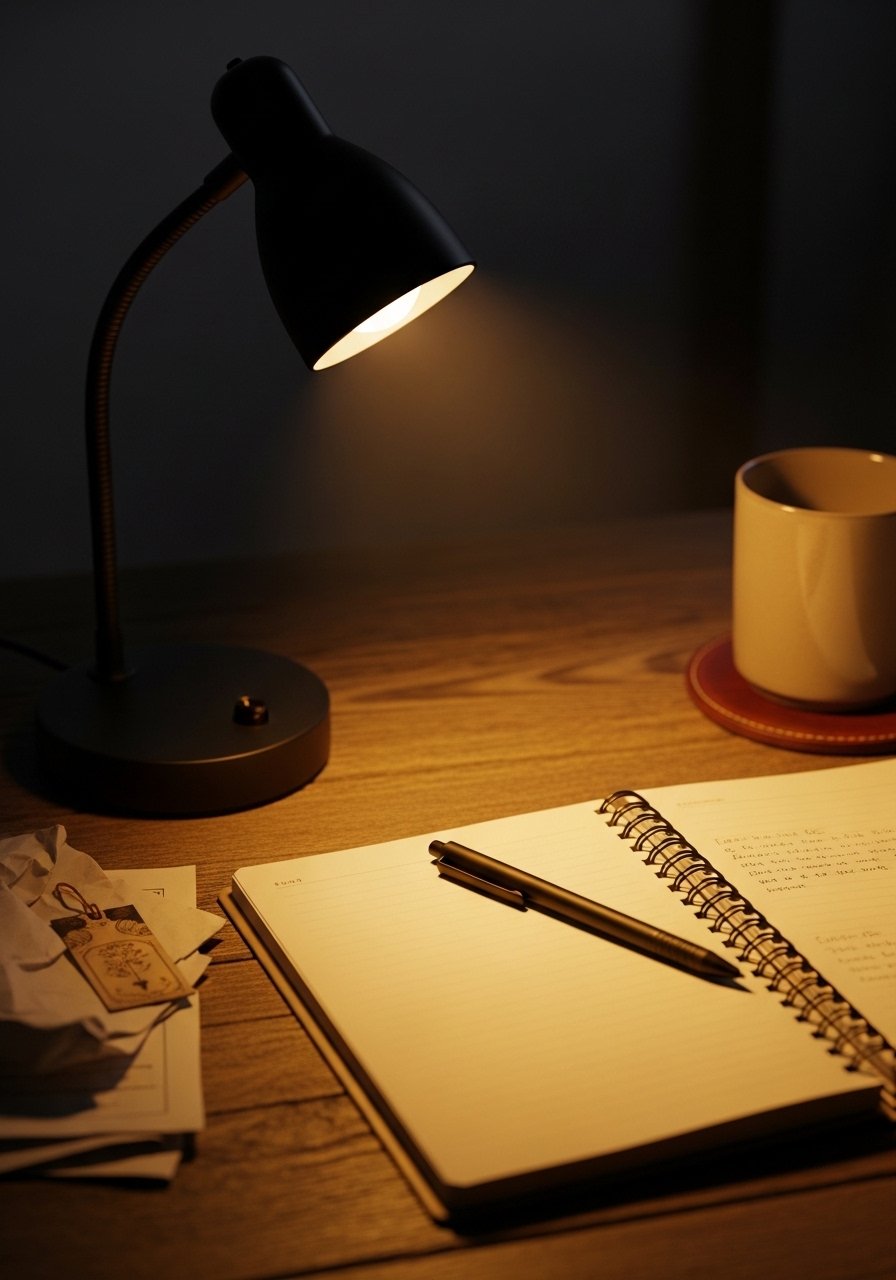
I keep a small dimmable lamp for late-afternoon tasks. The warm light reduces eye strain and tells my brain we’re winding down. It’s better than overhead glare when I’m reading.
I bought a lamp with only on/off before and it was too bright. Dimming makes the same lamp feel right for many tasks.
The lamp is my evening signal. Flipping it on focuses my work; flipping it off helps me stop.
What You'll Need for This Look
23. Personal Focus Corner with Minimal Decor
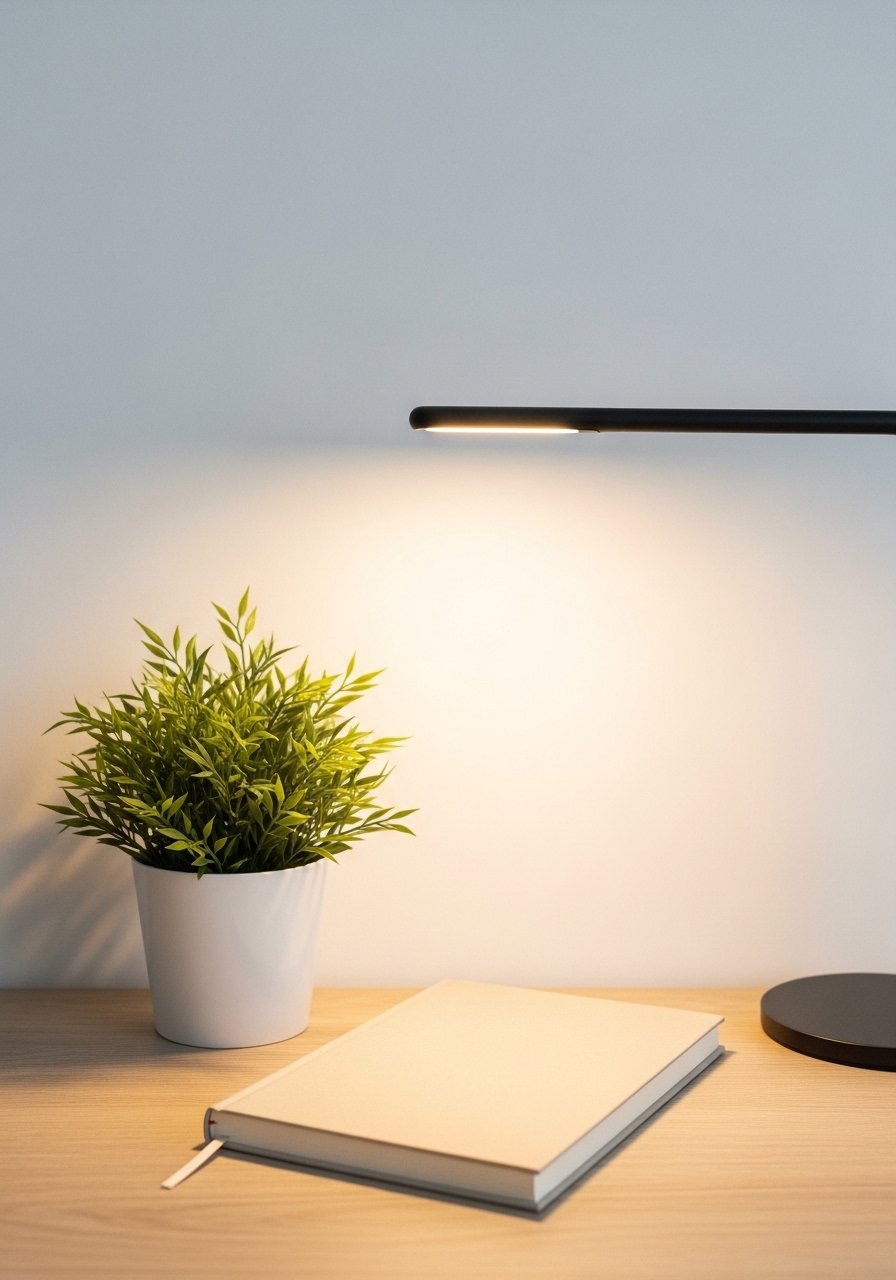
I created a tiny focus corner with only what I need: a lamp, a notebook, and a plant. The minimal approach made it easy to get into work without choice fatigue.
I used to pile things there and it became a catch-all. Clearing it weekly fixed that. A quick weekend reset keeps the corner functional.
Minimal doesn’t mean cold. I keep textures and a single warm tone to keep it comfortable.
What You'll Need for This Look
24. Neutral Paint with One Calming Accent Wall
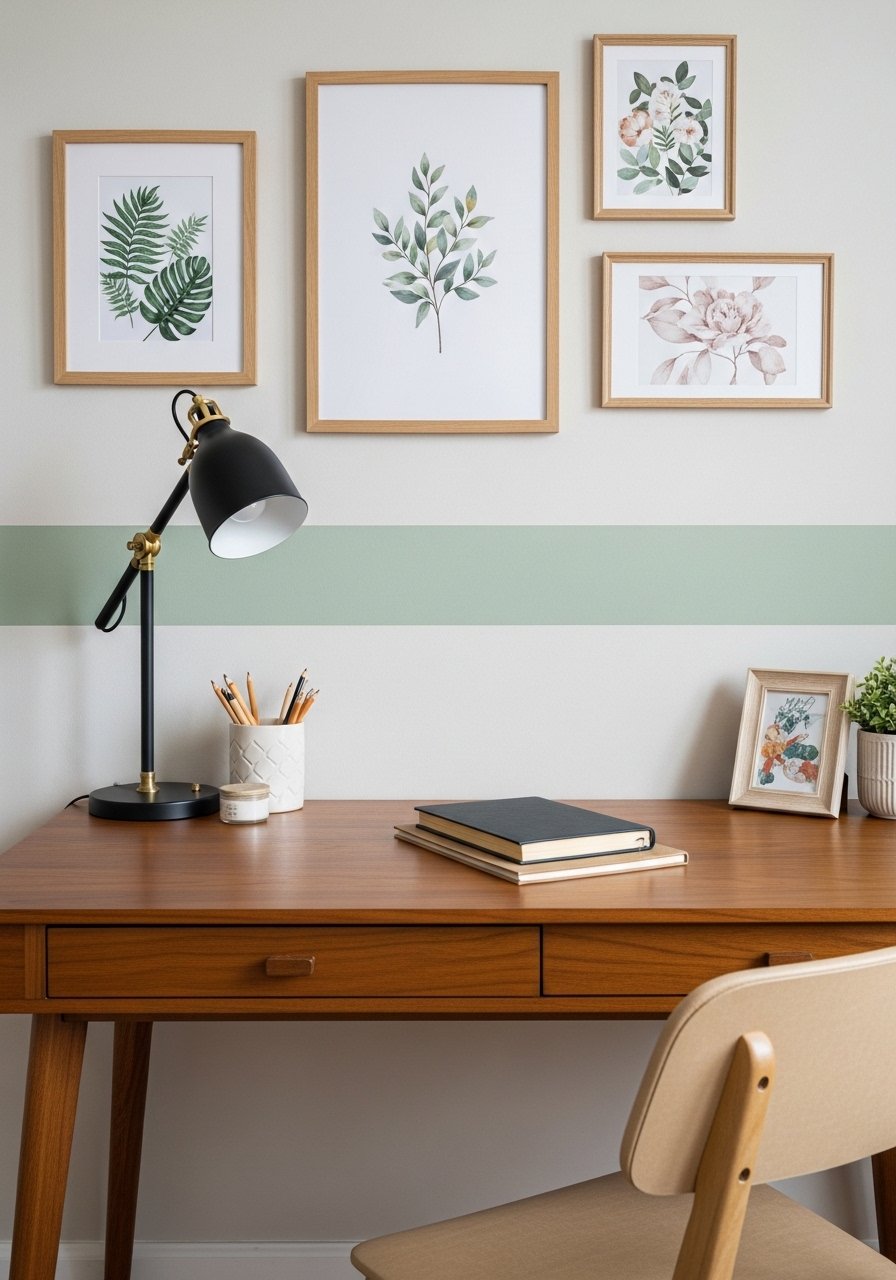
I painted my office in a warm neutral and added one soft sage accent wall. The neutral keeps the room restful. The accent gives me a visual anchor for focus.
I initially chose a stronger color and it pulled my attention too much. Subtlety works better for work. The accent should whisper, not shout.
A calm color palette helps me stay steady through long tasks.
What You'll Need for This Look
25. Cork or Felt Pinboard for Visual Organization

I installed a cork pinboard for quick notes and visual reminders. It’s tactile and satisfies the urge to pin things instead of leaving them on the desk.
I once used an oversized board and filled it to chaos. I swapped to a medium size and now I curate what goes up. It’s a discipline I enjoy.
A small, styled pinboard is both practical and calming.
What You'll Need for This Look
26. Rug Pad and Chair Mat for Comfort & Durability
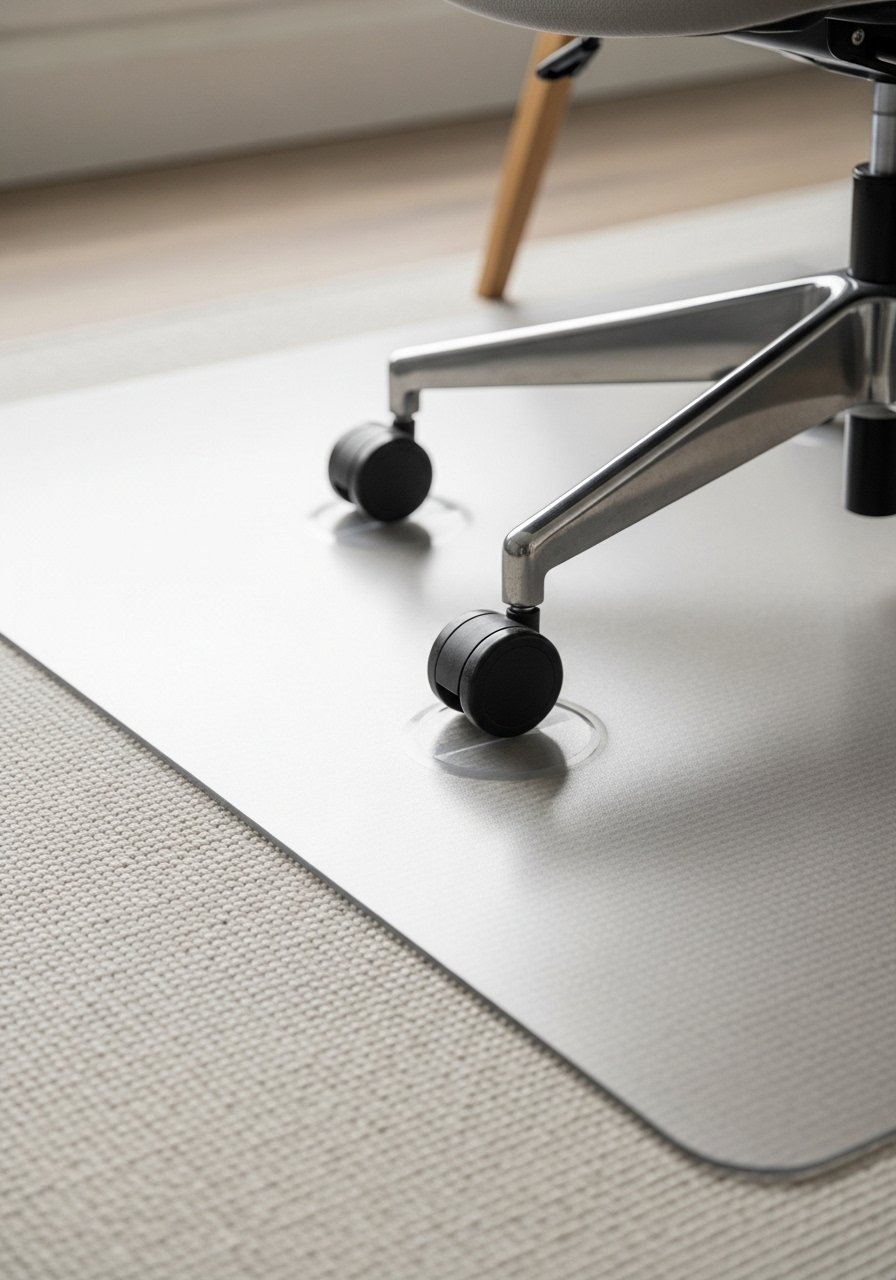
I added a rug pad and a clear chair mat where my chair rolls. The rug pad stops sliding and the chair mat protects the rug and floor from wear.
I initially skipped the pad and my rug shifted every time I pushed the chair. The pad fixed it immediately. It was an inexpensive fix that mattered.
Comfort underfoot changes how long I can sit and focus without fidgeting.
What You'll Need for This Look
27. Weekend Reset Tray for Hybrid Routines
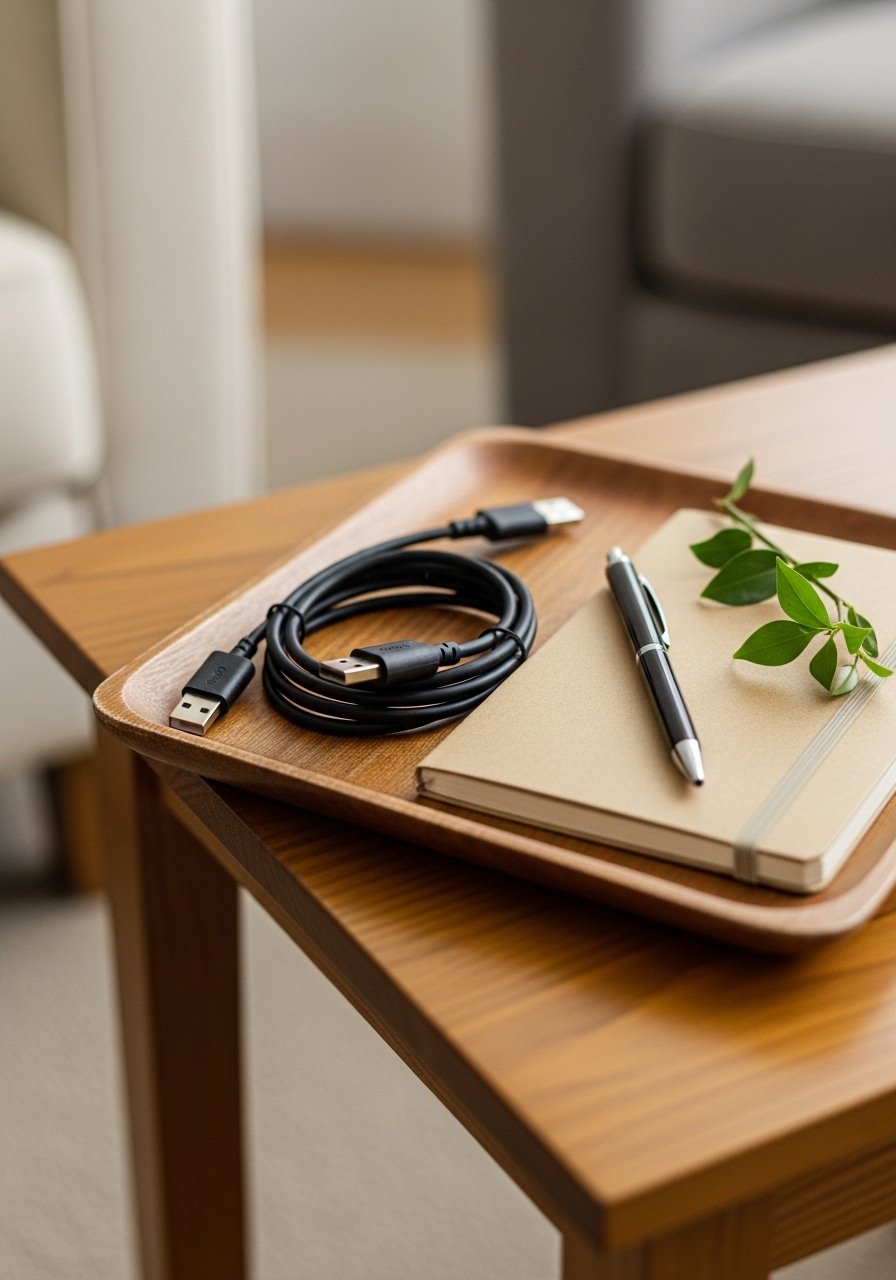
I made a weekend reset tray where I gather loose papers, chargers, and small decor on Fridays. On Monday morning I return only what I need to the desk. It keeps clutter from creeping in midweek.
I used to let small items pile. The tray forced a quick decision: keep, toss, or file. That tiny ritual cut a lot of friction.
A physical reset helps me start the week with a clear surface and clearer mind.
What You'll Need for This Look
Final Thoughts
I don’t use all of these at once. I pick one or two and live with them for a month. The changes stack slowly.
Start small, test, and adjust. The right decor choices make work feel possible and the room feel like yours.