
A real, lived-in living room showing the final result of summer-fresh decor: airy textiles, light colors, and layered natural textures. Natural daylight, soft shadows, layered textures. The space feels intentional but not staged. No text overlay. Wide angle that shows balance and flow.
There are mornings when I open the curtains and the room still feels heavy and dull. The light is right, but the space feels cold and empty.
I get stuck deciding whether to strip things back or add color. This guide is about getting a summer-fresh feel without overdoing it.
How to Decorate a Room for Summer Freshness
You'll learn how to layer light fabrics, pull a simple color story, and place a few natural textures so the room breathes. It's my easy method for an organic modern, summer-ready look you can finish in an afternoon.
What You'll Need
- Linen throw in oatmeal, 50×60 (~$30–60)
- Sheer white curtain panel, 52×84 (~$25–60 per panel)
- Jute area rug, 5×7 natural (~$120–320)
- Seagrass storage basket, large (~$25–60)
- Clear glass vase, 8 inch (~$15–40)
- Lemon-scented soy candle, 8 oz (~$12–25)
- Linen pillow covers, 20×20, sage (set of 2) (~$20–45)
- Bouclé accent chair, cream (optional) (~$220–650)
Step 1: Strip back the heavy pieces and pick a calm palette
I start by removing the things that feel visually "weighty"—dark throws, dense patterns, or too many small accessories. I keep one anchor piece, like a sofa, and simplify its surroundings. The room shifts from closed-off to breathable when the color story is mainly light neutrals with one soft accent color.
People often miss how much small items clutter color perception. One mistake is taking everything away at once; you want a few well-placed pieces, not emptiness.
Step 2: Let the windows be the quiet star
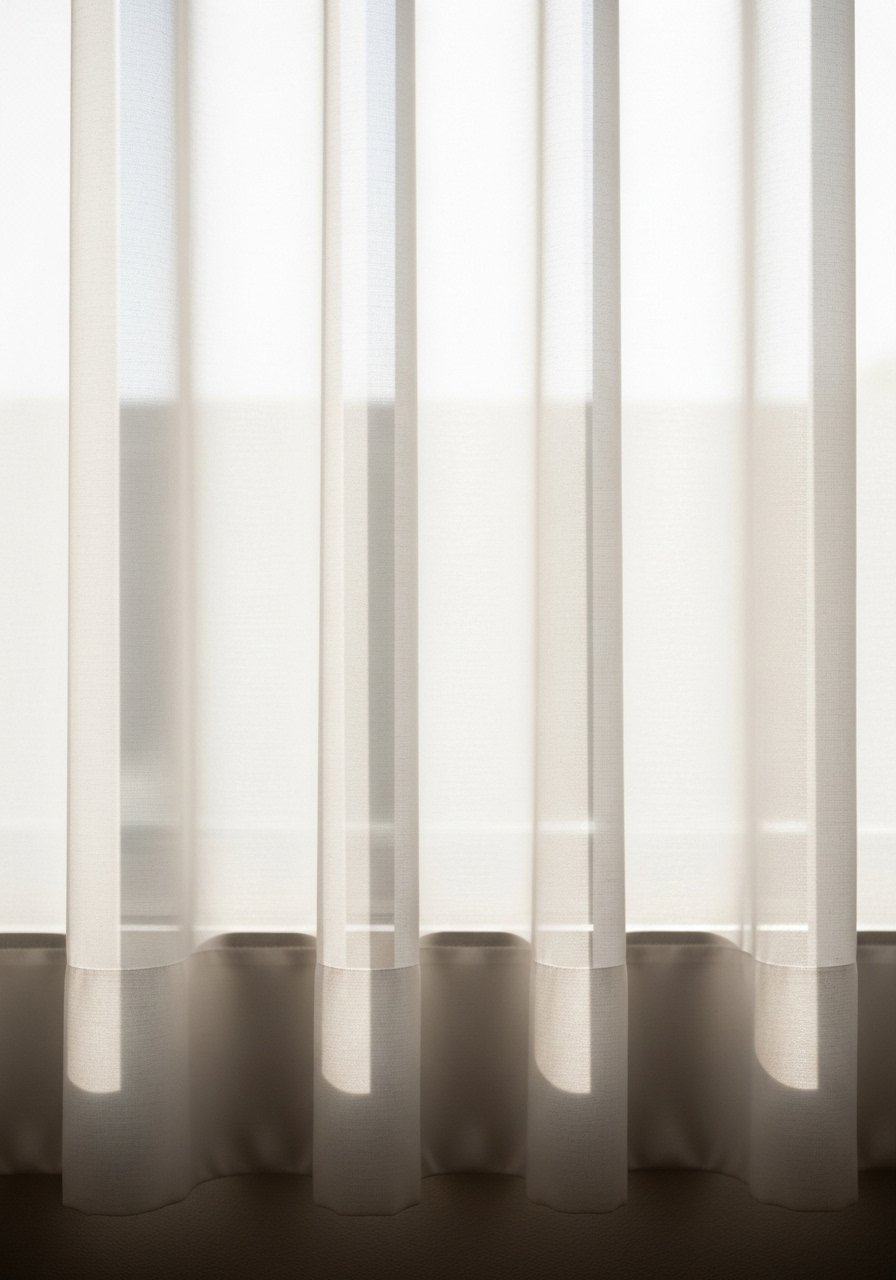
I swap heavy drapes for sheer white panels so light becomes a design element. Curtains soften the room and blur outdoor greens into the interior. I let panels touch the floor for a relaxed, tailored look. This is where a summer room starts to feel airy, even if furniture stays the same.
An insight I use: window fabric sets the room's perceived temperature. A small mistake is choosing sheers that are too short or see-through when privacy is needed—think layered with a light blind if that’s the case.
Step 3: Layer natural textures on the floor and in corners
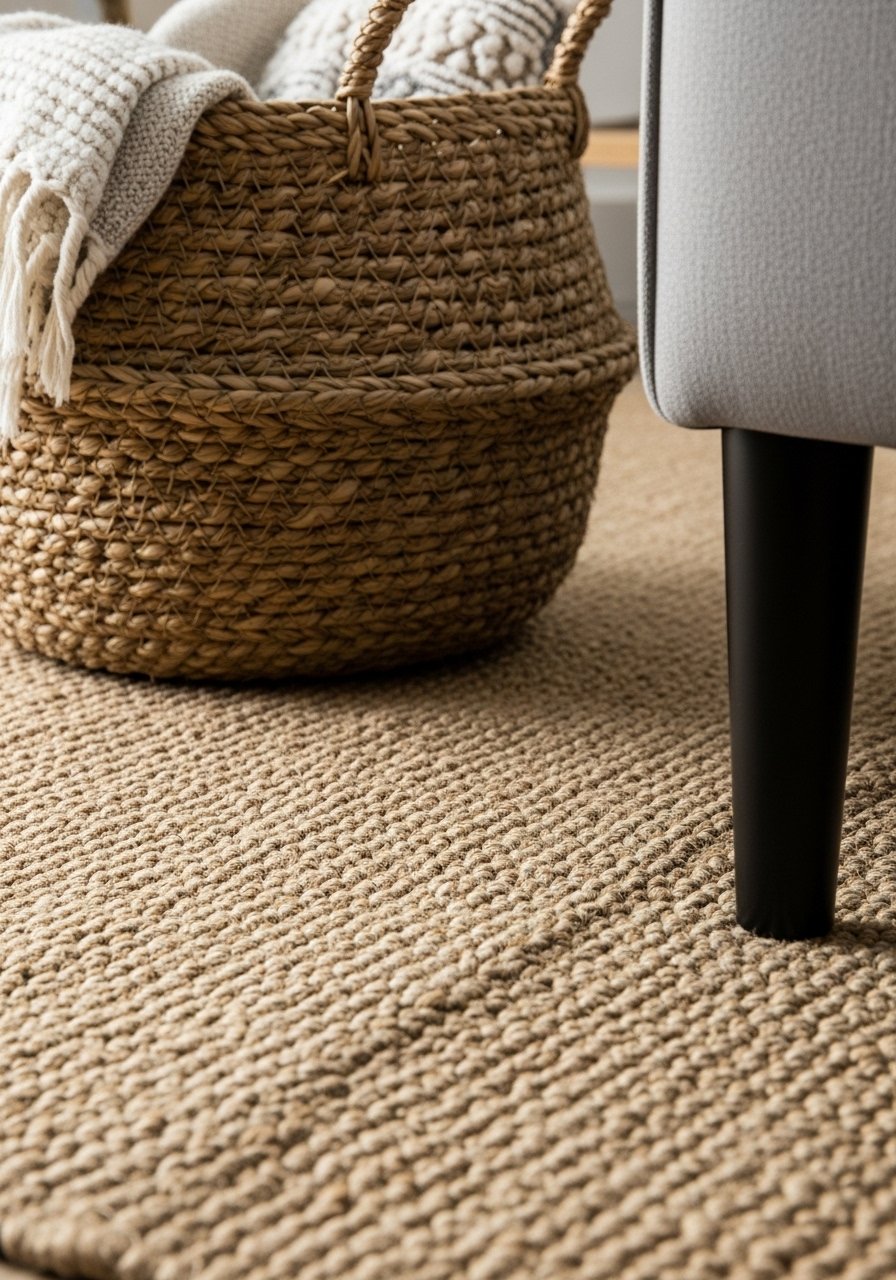
I add a jute rug to warm the floor and anchor seating. The coarse weave balances lighter fabrics above. A seagrass basket in a corner adds vertical texture and practical storage. These natural elements give the room a calm, organic-modern feeling without adding color chaos.
People often overlook scale. A tiny basket next to a big sofa disappears. Avoid a rug that’s too small; it should tuck under front legs for visual coherence.
Step 4: Make low vignettes with greenery and citrus accents
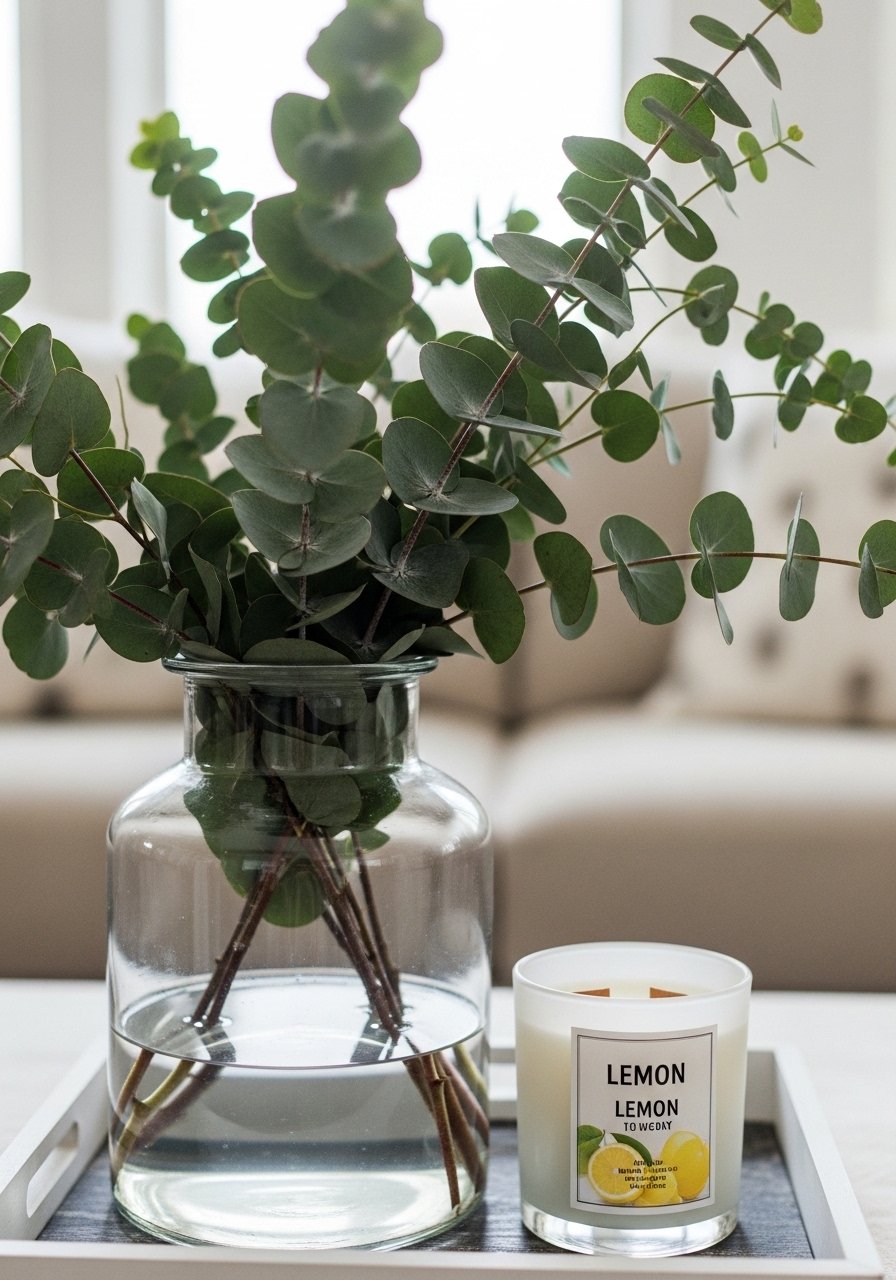
I create small vignettes—one or two surfaces, not every surface. A clear glass vase with a few fresh stems reads modern and easy. A lemon-scented soy candle adds that summer scent without shouting. I keep accessories in odd numbers and on varying heights so the eye moves around naturally.
An insight: scent informs mood more than color. A mistake is over-accessorizing every tabletop; leave breathing room so each object counts.
Step 5: Edit for balance and leave intentional empty space
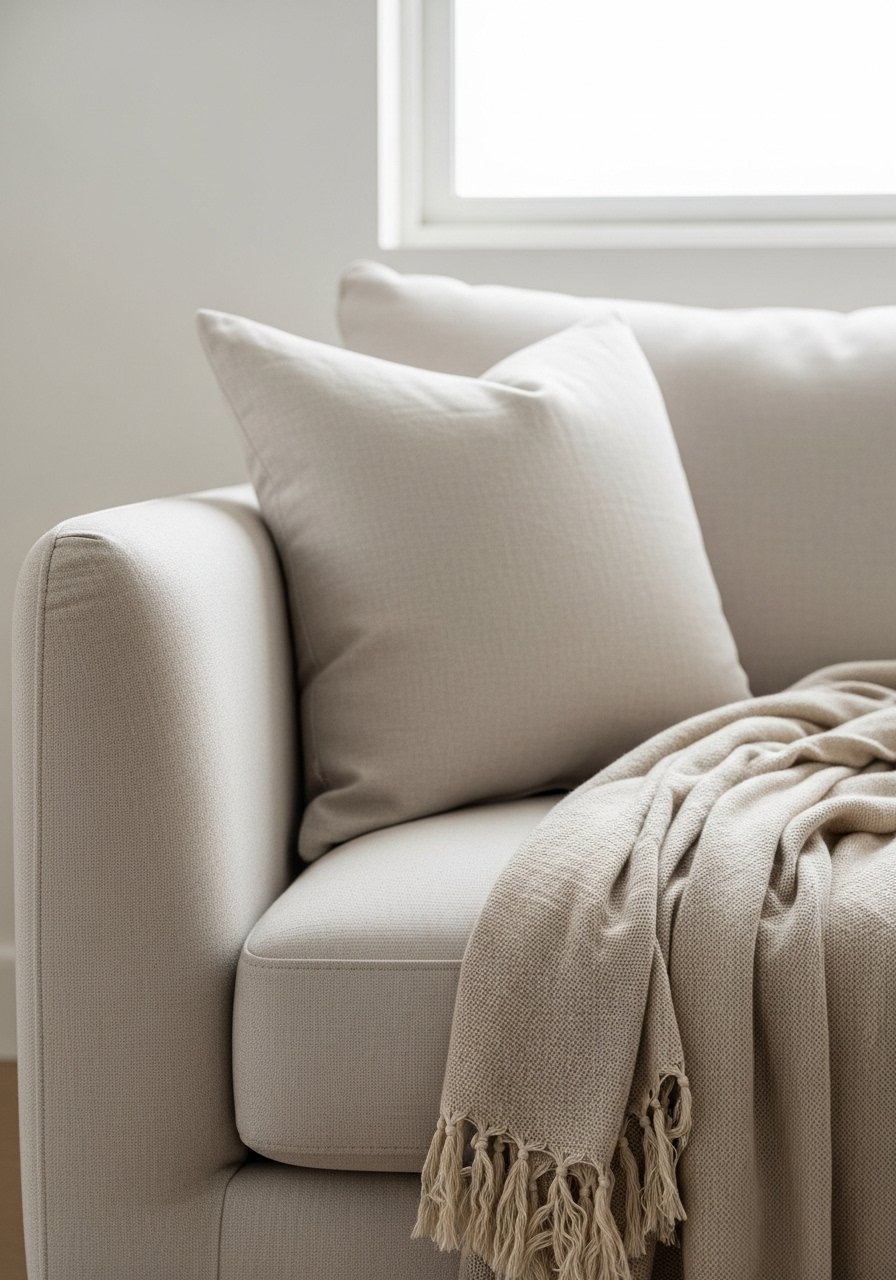
After layering, I step back and scan for rhythm. I balance texture and color across the room—if one side is heavy, I add a tall basket or floor lamp opposite. I also leave empty space. A summer room shouldn't feel cluttered; negative space makes the light work.
People miss the power of absence. One small mistake is treating empty space as unfinished; it’s actually part of the design. Trust the pause.
Common mistakes and how I fix them
I see the same issues often. Too many patterns. Too many tiny objects. Or removing everything and ending with a cold, staged look.
What I do instead:
- Keep one soft accent color (sage or soft blue) and repeat it.
- Limit patterns to one scale—large and small, not three.
- Edit in layers: textiles, then floor, then surfaces.
If your room feels off, swap pillow covers and a throw first. It's low cost and often solves the problem.
Adapting the look for small rooms and budgets
I work small by choosing multi-use items. A seagrass basket stores blankets. A clear vase doubles as a utensil holder temporarily. A 5×7 jute rug or a runner can define a small seating area without overwhelming.
Budget tips:
- Start with pillow covers ($20–45) rather than new pillows.
- Use clipped branches from your yard for the vase.
- Choose one investment piece only, like a rug, and keep the rest simple.
You can create a summery feeling in stages. I often do the windows and throws first.
Mixing summer freshness with what you already own
I rarely replace everything. Instead I:
- Swap dark throws for a light linen throw.
- Change heavy pillows to linen covers in sage or cream.
- Move an existing table to create better flow.
If you have a bold patterned chair, I let it remain the room’s accent and neutralize around it. The goal is balance, not uniformity.
Final Thoughts
Start small. Swap pillow covers, hang sheers, and add one natural texture. These moves give a fresh summer mood without a full overhaul.
I promise the room will feel lighter and more intentional. A linen throw is an easy, low-commitment place to begin.