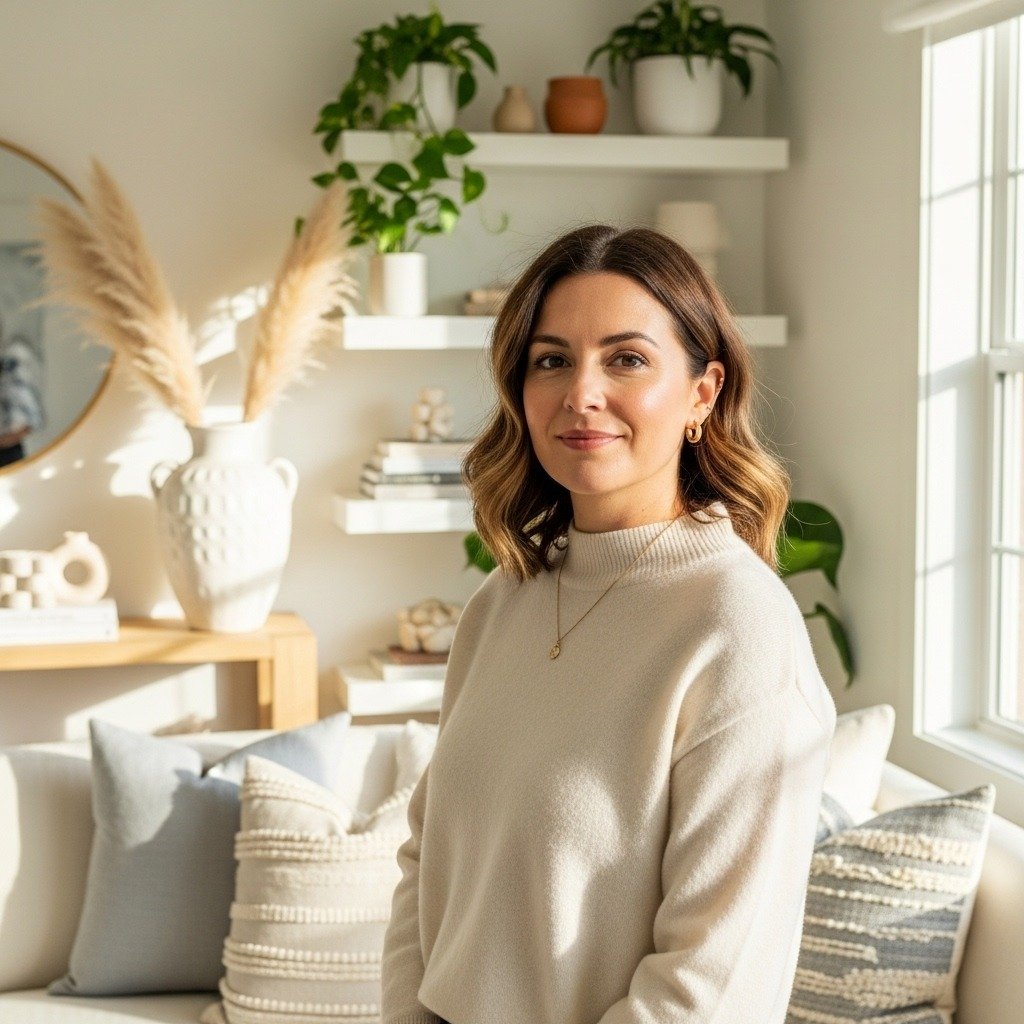
I keep staring at a room that feels flat, even though the walls are fine. Maybe the corners feel empty, or the sofa disappears into the space. I’ve been there.
Without repainting, you can coax a room into feeling intentional—warmer, cozier, and balanced—by working with texture, scale, and placement. It takes small choices.
How to Decorate a Room Without Painting the Walls
This is the method I use every time a room feels unfinished. You’ll learn how to pick a focal piece, layer textures, and balance scale so the whole space reads as intentional. The result is a calm, organic-modern, lived-in look you can achieve without touching a brush.
What You'll Need
- Bouclé accent chair, cream, mid-century style (~$250–500)
- Rattan round wall mirror, 24 inch (~$60–150)
- Brass arc floor lamp with dimmer, 60 inch (~$80–180)
- Linen blend curtains, 52×84, natural (pair) (~$30–80)
- Handwoven jute rug, 5×8, natural (~$120–300)
- Velvet throw pillows 18×18, set of 2, deep green (~$30–60)
- Framed botanical prints set, 8×10, black frames (set of 3) (~$35–80)
- Woven seagrass baskets, set of 2, medium & large (~$25–70)
Step 1: Anchor the room with one strong focal piece
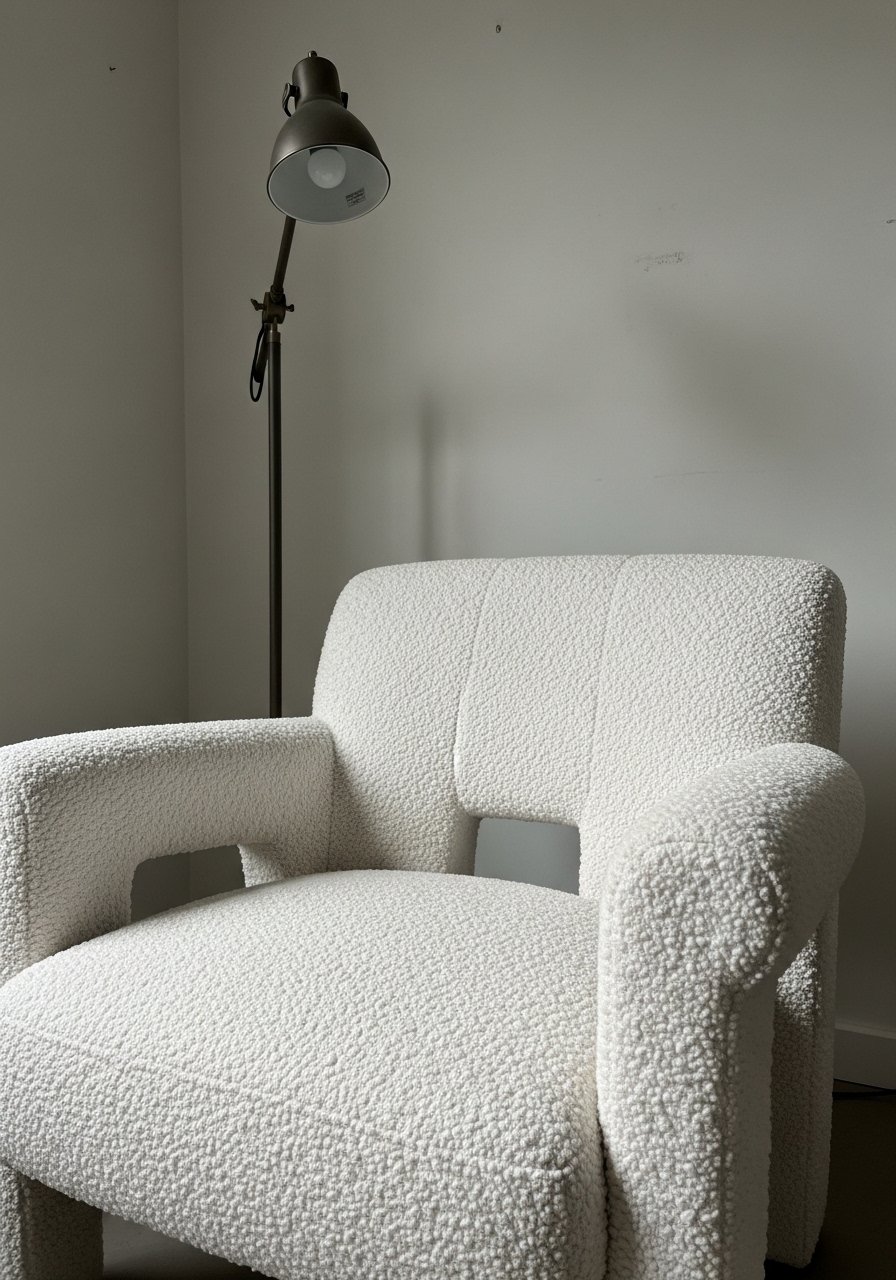
I start by choosing one thing that draws the eye—a chair, a mirror, or a bold rug. I place it where the room naturally wants to focus: by a window, in a corner that’s seen from the doorway, or opposite the sofa. That single object pulls the room together.
People often miss scale. Pick a piece that reads large enough in the space. Small mistake to avoid: placing a focal piece too close to a wall so it looks stuck. Give it room to breathe.
Step 2: Layer textures to change the wall’s personality
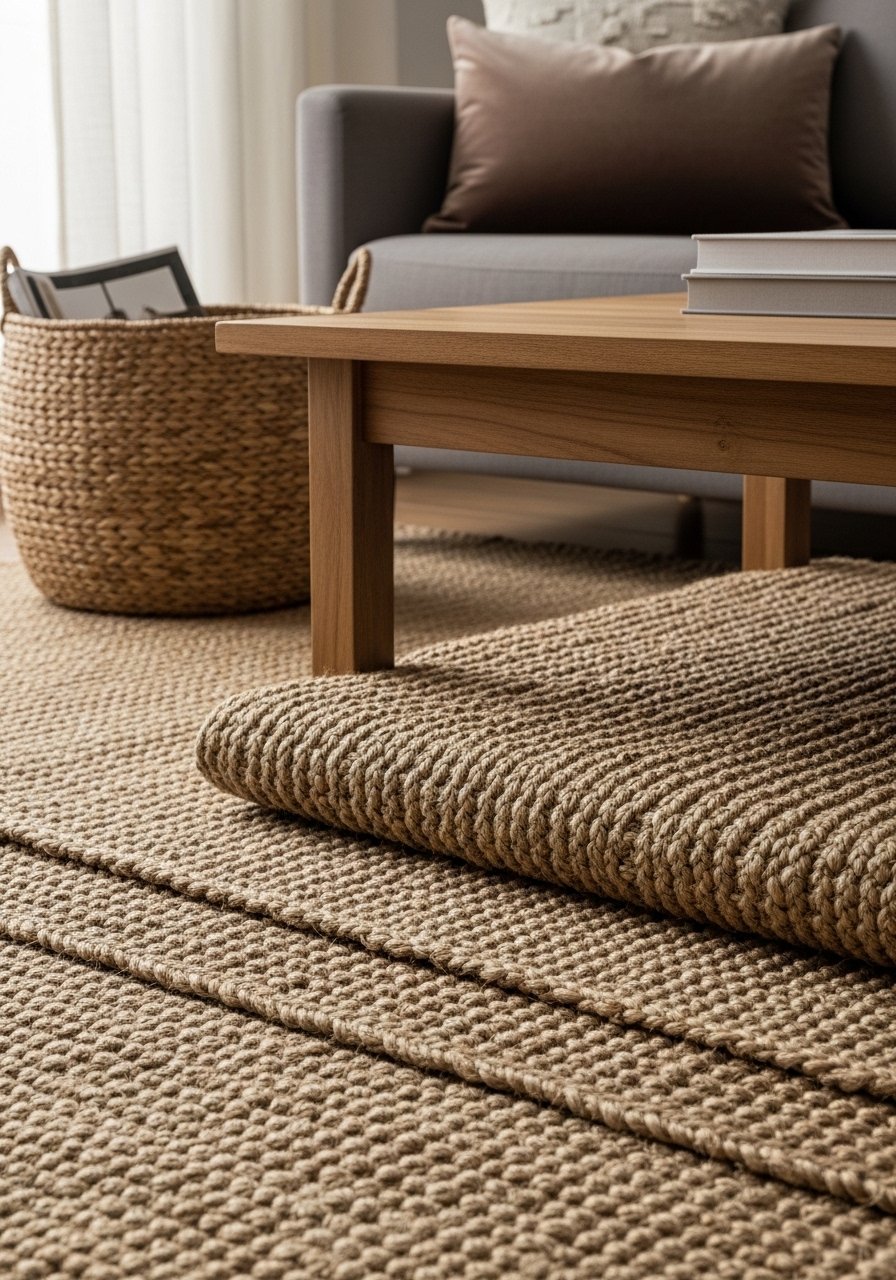
When paint isn’t an option, texture creates depth. I layer a natural rug, add velvet pillows, and place a woven basket nearby. These layers make plain walls feel intentional because the eye finds contrast and detail.
One insight I’ve learned: textures read as color blocks from a distance, so mix warm and cool textures. Small mistake: over-matching textures (all jute or all velvet). A single contrasting fabric—like deep green velvet—changes the whole mood.
Step 3: Frame the room with curtains and lighting
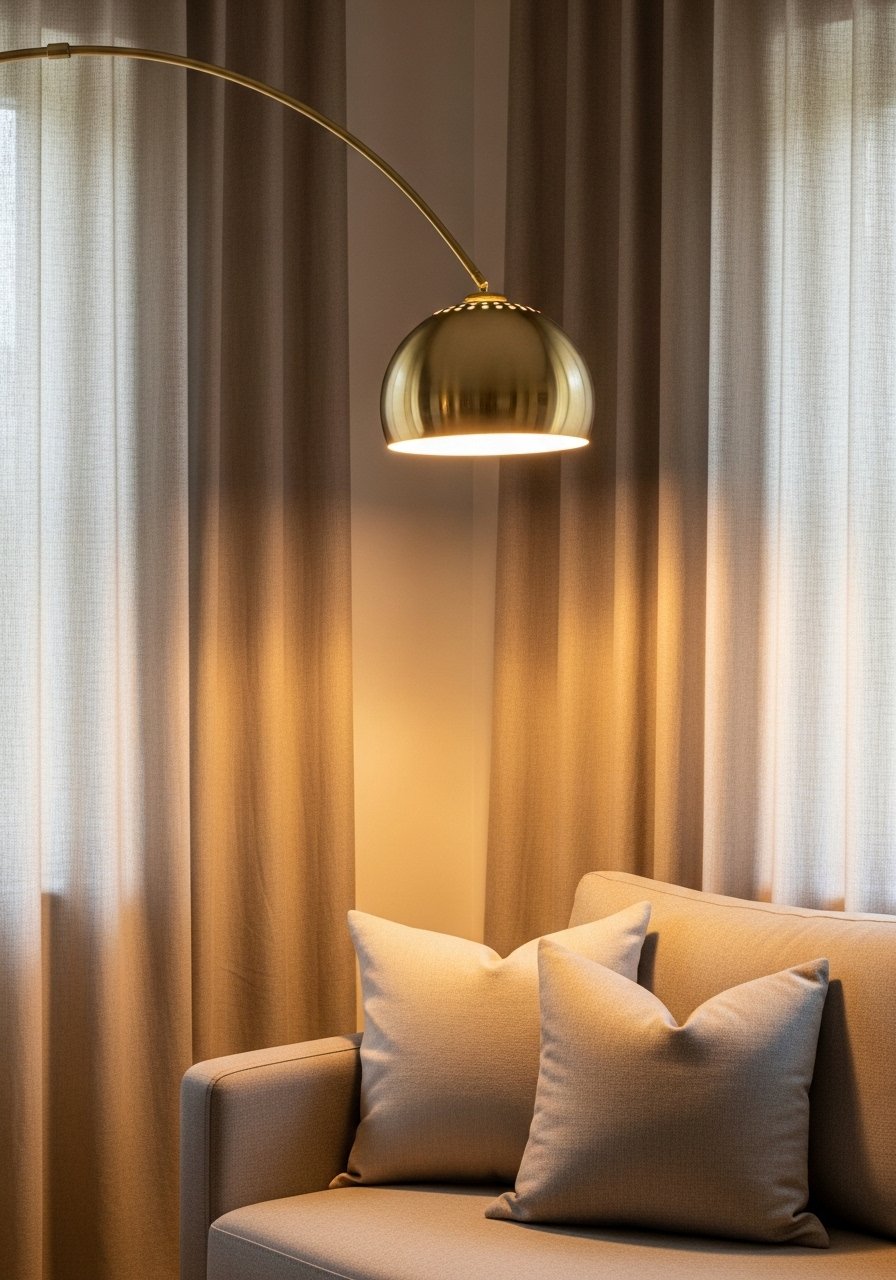
I hang curtains high and wide so the window feels larger and the wall gains vertical rhythm. Then I add a warm floor lamp near seating to create pockets of light. Together they give the wall a purpose without new color.
People underestimate light’s role in making a room cozy. A dimmable lamp shifts a space from daylight to evening mood. Mistake to avoid: hanging curtains too low or too short—pull them up and out.
Step 4: Group objects to create intentional vignettes
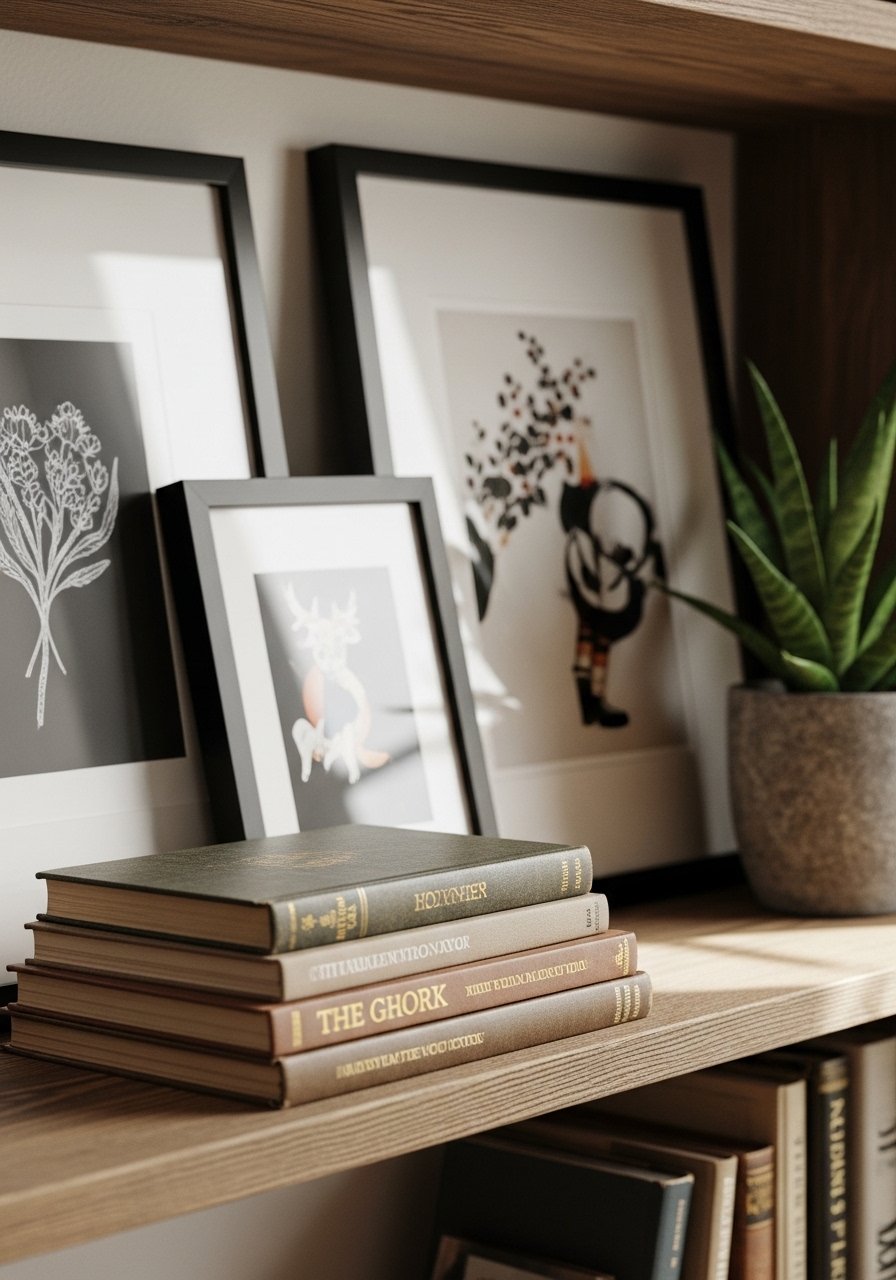
I edit surfaces down to a few groups. On a console or shelf I arrange art, plants, and a tactile object in odd numbers. Grouping tells the eye that the wall is curated, not empty.
An insight: negative space around groups feels deliberate. Don’t pack everything into one spot. The common error is overcrowding—spread smaller groups across the wall to create balance.
Step 5: Use mirrors and art to bounce scale and light
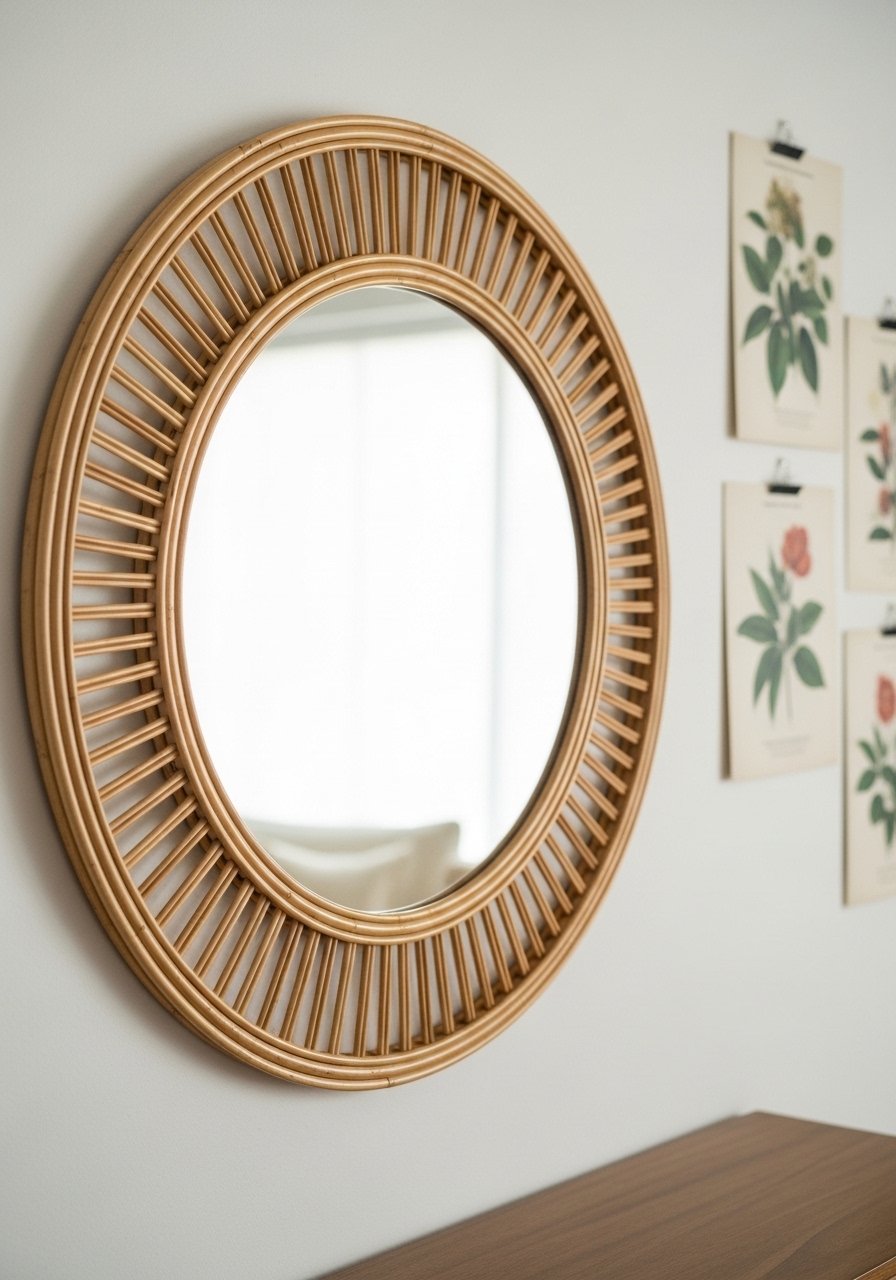
A mirror can act like a second window and make a wall feel intentional. I place a round mirror above a console or opposite a light source. Then I balance it with art or a tall plant on the other side.
People miss the mirror’s role in scale. A small mirror looks decorative; a larger one anchors. Mistake to avoid: hanging art too high. Aim for the center of grouped pieces at about eye level when seated.
Common mistakes and how to fix them
I see the same things go wrong: everything feels random, or everything matches too much. Both make the room bland.
- Avoid tiny accents in big rooms; they disappear.
- Don’t match every texture—introduce a contrast fabric or natural fiber.
- Resist the urge to fill every surface; a little negative space reads intentional.
When in doubt, stand in the doorway and look. If your eye has nowhere to rest, edit.
Adapting this approach for small rooms and budgets
Small rooms need fewer moves. I pick one or two focal items and scale them down. A narrower rug, a slim floor lamp, and one framed print can do wonders.
Budget tips I use:
- Swap real for faux plants in small pots.
- Choose a single statement pillow and pair with existing cushions.
- Use a well-placed mirror instead of large (expensive) furniture.
Small choices can read like a thoughtful design if they are placed with intent.
Mixing this look with what you already own
I don’t toss what I already have. I edit it. Keep pieces that feel comfortable and layer in texture and scale.
A quick formula I use:
- Keep one anchor (sofa or bed).
- Add one new texture (rug or curtains).
- Repeat a color in small doses (pillow, print, plant).
This makes the room feel cohesive without forcing a complete overhaul.
Final Thoughts
Start with one small change—a textured rug or a mirror—and live with it for a week. I find that one deliberate object changes how I see the whole room. You don’t need paint to make a space feel cozy and balanced; you need placement, contrast, and a few tactile pieces like a rattan round wall mirror, 24 inch to try first.