
My desk used to be a magnet for mail and coffee cups. I would sit down and the room would fight me. Everything felt random. I finally stopped buying organizers and started making choices about one thing at a time.
This is the method I use when a study feels noisy. It gives the room a clear purpose. The goal is a calm, focused place that still looks lived-in.
I've noticed the rooms I like best pair a clear work zone with a few comforting textures. By the end you will have a readable layout, fewer visual distractions, and a simple daily system to keep it that way.
What You'll Need
- Compact task desk, roughly 40 inches wide ($100 to 250). Choose a depth that leaves 24 inches of knee space
- Adjustable desk lamp with swivel arm ($30 to 80). I place mine on the opposite side of my dominant hand
- Ergonomic desk chair, mesh or upholstered seat ($120 to 300). Sit in it before you buy
- Set of floating shelves, 24-inch ($20 to 60). Great for reference books and a tidy display
- Jute area rug, 6×9 or 8×10 depending on room ($90 to 160). Neutral base that hides wear
- Set of woven storage baskets, medium ($25 to 50). Use them under or beside the desk
- Set of 3 ceramic vases, matte white ($25 to 40). One grouped accent at a time
- Brass picture ledge, 24-inch ($18 to 30). Easy way to add art without holes
- Wooden desk organizer tray ($15 to 35). Keeps my daily items visible and controlled
Step 1: Define the work footprint
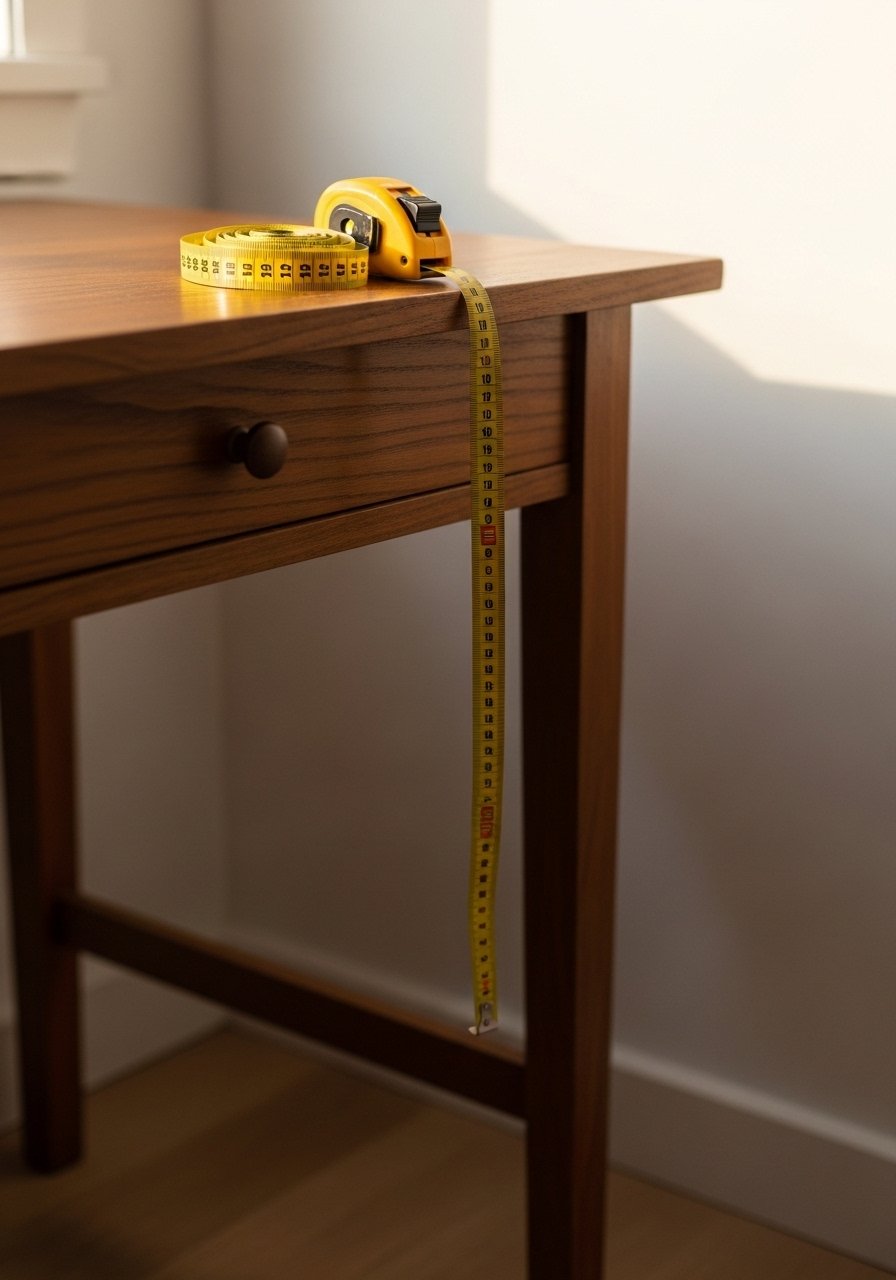
Most people start by buying cute accessories. That is backwards. I start by deciding how much physical space I need to do focused work. My rule is at least 30 inches of clear desktop width for a laptop and a notepad. Leave 24 to 30 inches behind the desk for chair movement and a small basket.
Visually, this step creates an island of purpose in the room. When done wrong the desk blends into the clutter. When done right the desk reads as a single plane, honest and usable. Mistake to avoid, cram too many piles on the surface because you think you will sort them later.
Step 2: Zone the surface and nearby storage
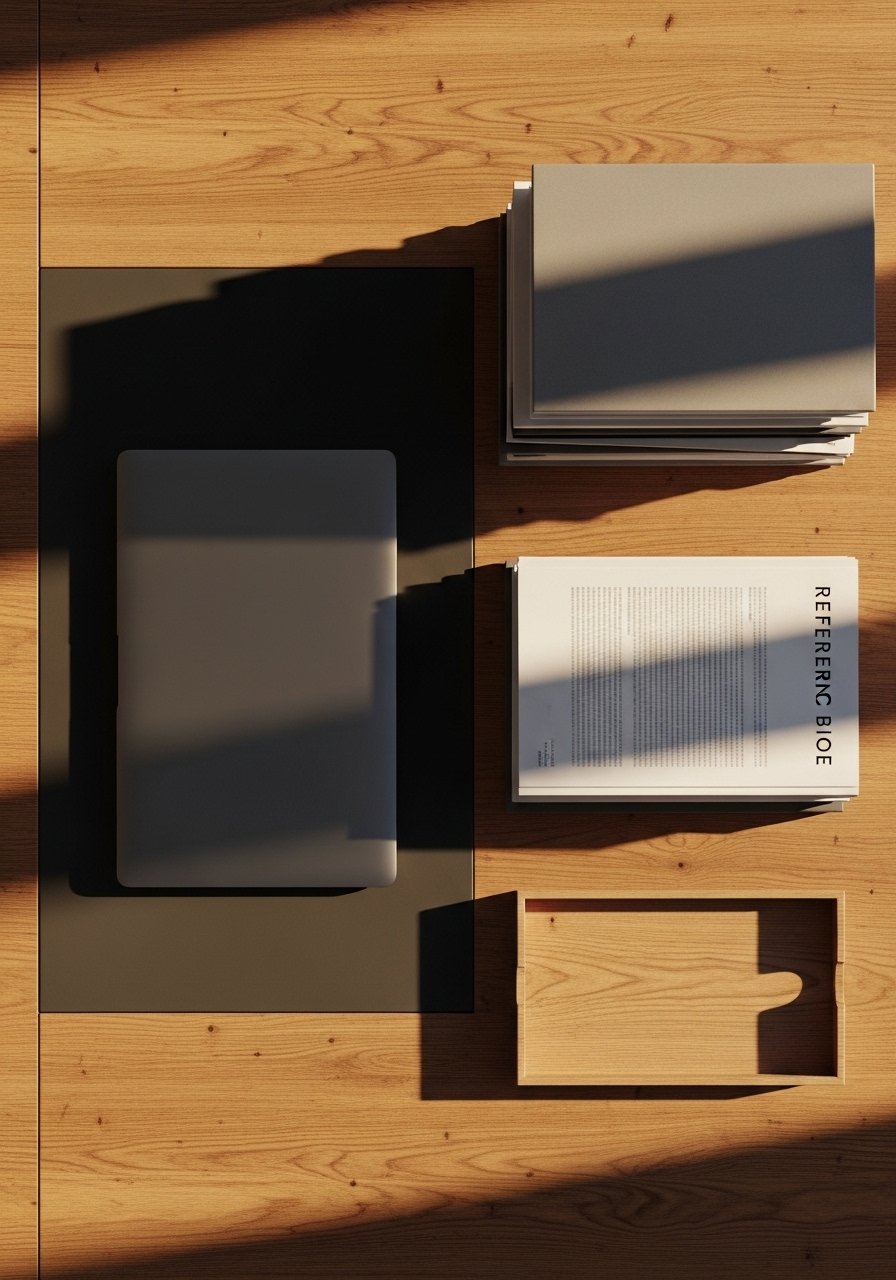
Pull everything off the desk. I mean everything. Then make three zones, work, reference, and landing. The landing zone is where mail and keys live. Use a tray about 10 by 6 inches for that. Place reference items on floating shelves or in a small basket to the side, not on the desk itself.
The visual change is dramatic. The surface instantly looks intentional. I often see people group too many books upright. Leave 2 to 3 inches between object groups so each cluster can breathe. Temptation to keep everything within arm's reach is real, but it creates visual noise.
Step 3: Layer lighting for comfort and focus

I used to rely on an overhead fixture. Now I always place an adjustable desk lamp and make sure its beam lands on the work area, not the screen. Position it on the non-dominant side to cut down on shadows. Aim for a lamp with an adjustable arm and a warm output that is not flat.
You will notice glare disappears and the desk looks sharper. People miss the simple rule, light the page and the keyboard separately. Mistake to avoid, using a lamp with too blue a tone because it makes the room feel clinical and tiring.
Step 4: Add texture, anchor the zone
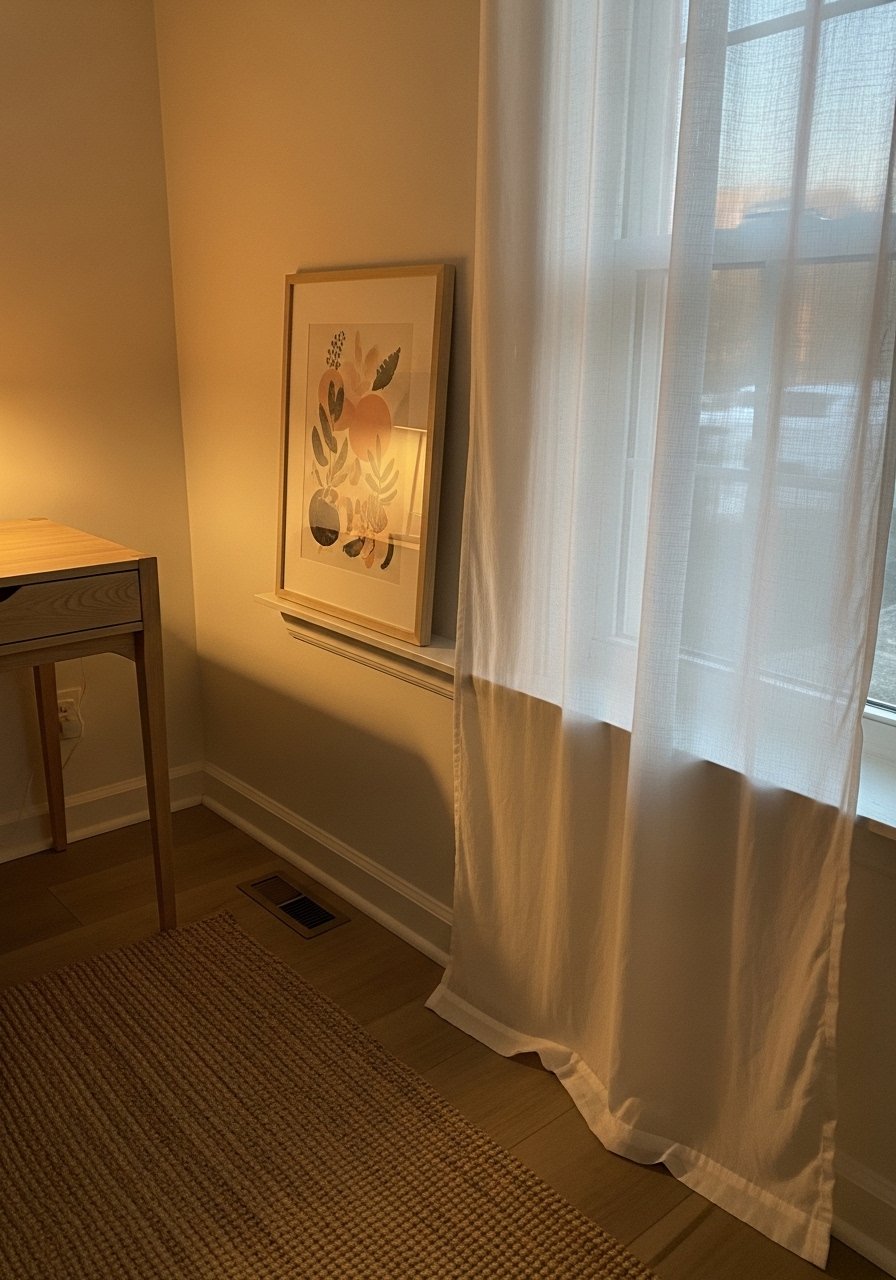
A rug fixes where the work zone sits in the room. I choose a rug that the chair can rest on. In small rooms that means a 6×9 rug. In larger rooms I go 8×10. Add curtains in a light linen for vertical softness. Place one larger piece of art on a ledge instead of many tiny prints.
The space goes from practical to calm. When wrong, rugs are too small and the desk looks tacked on. When right, the room reads balanced and grounded. Mistake to avoid, adding too many patterns at once. Keep one large neutral ground and one textural accent.
Step 5: Create a two-minute end-of-day routine
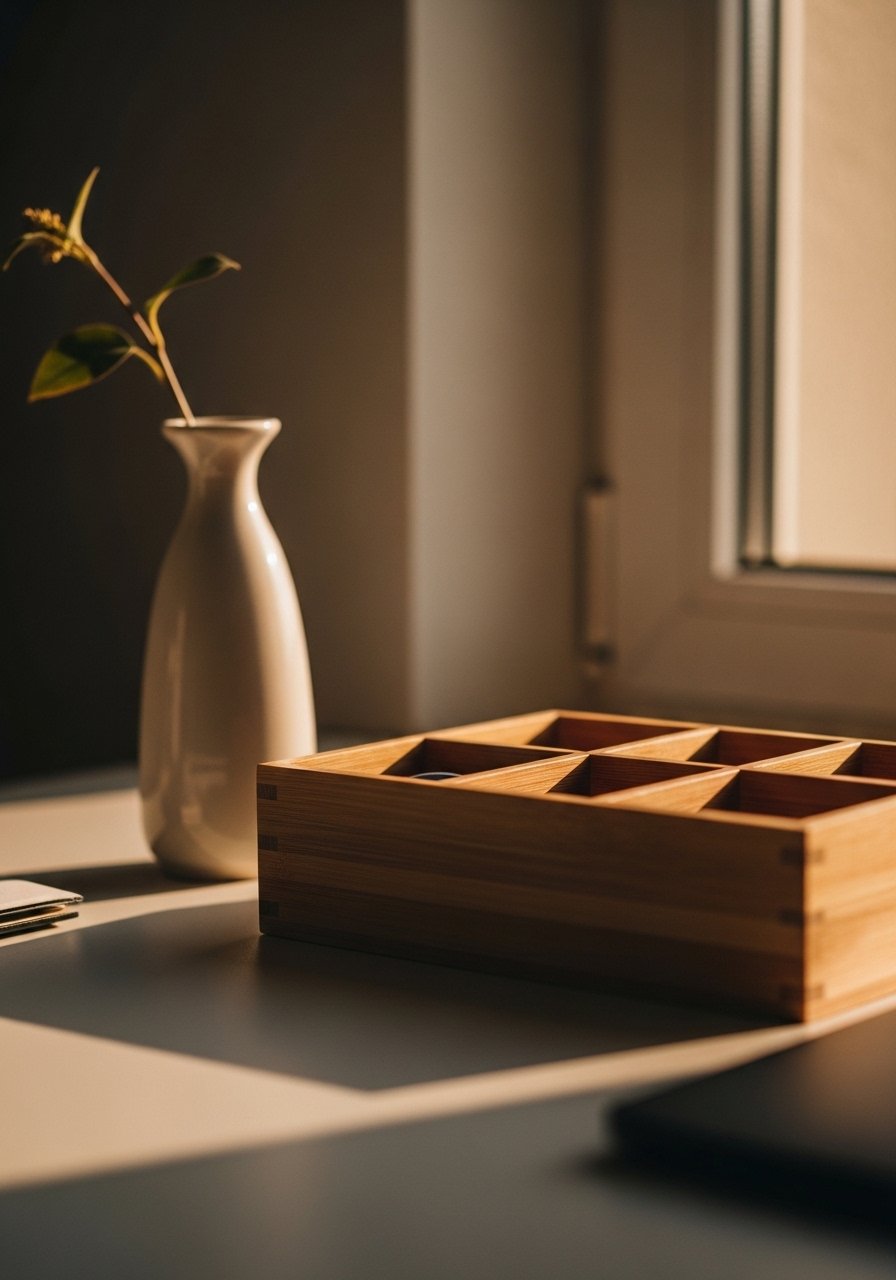
I finish each day by clearing the work zone into the landing tray and a woven basket. The desk becomes a blank pause point. A single vase or small plant stays as a friendly anchor. Add one decorative item, never more than three objects on the surface.
You will feel the room reset. Many skip this, and clutter creeps back. Small mistake, think daily tidying is tedious. It is two minutes and it keeps the space working. A wooden organizer tray makes the routine easy and readable.
Why Your Study Still Feels Chaotic
I used to think more storage solved chaos. It did not. Chaos often comes from unclear boundaries. Make the work plane and the rest of the room separate. Keep piles out of sight in baskets or drawers. Keep flat surfaces 80 percent clear and that empty space will feel intentional.
- Ask what belongs on the desk for the current week. Remove everything else
- Group like items in odd numbers, no more than three small objects together
- Rotate decorative items seasonally, not daily
Making This Work in a Small Room
I keep seeing small rooms styled as if they can host multiple functions. Pick one primary function, study, and make small concessions. Use a compact desk against a wall. Float shelves up high to save floor space. Choose a 6×9 rug so the chair fits and the room still breathes.
- Use a slim chair that tucks under the desk
- Mount a lamp or use a clamp lamp if the desk is narrow
- Keep curtains sheer to maximize available light
Mixing Quiet Luxury with Everyday Use
Everywhere I look this year people want study rooms that feel earned, not staged. Quiet luxury is about materials and restraint. I pair a simple jute rug with a mid-century inspired chair and linen curtains. The look reads elevated but handles daily spills and wear.
In practice I keep one ceramic vase and one brass ledge for art. The rest lives in baskets. The room has texture that ages well, and it is resilient enough for real life.
Start with One Corner
Pick the corner you use most. Clear it, measure the space, and place the desk so movement is easy. Add one good lamp and one basket. I find that small, staged wins give the confidence to make larger choices.
Start with that corner tonight. It will feel purposeful in a single afternoon and stay that way with a two-minute nightly reset.