
My living room had good bones and nothing felt personal. I spent time rearranging furniture and changing lighting before I realized the missing piece was deliberate styling. A single throw, a stack of books, and a sculptural lamp made the room stop feeling generic.
These ideas aim for a polished, lived-in look that reads modern farmhouse and warm modern. Most suggestions cost under $150 with a few splurges around $300. Use them in living rooms, open-plan great rooms, and cozy media nooks. Everywhere I look this year, natural materials and layered neutrals are taking center stage.
What You'll Need to Get This Look
Textiles and Soft Goods.
- Chunky knit throw. I toss mine over the sofa arm and it softens a modern couch.
- Linen blend curtains, 84-inch. Filter light while keeping privacy.
- Velvet pillow covers, set of 4. Mix jewel and neutral tones.
Wall Decor and Art.
- 36-inch round mirror. Opens up small rooms.
- White oak floating shelves, set of 3. Target has similar picks.
Lighting.
- Rattan pendant shade. Swapping just the shade updates a room.
- LED Edison bulbs, warm white. Warm bulbs make evening scenes feel intimate.
Plants and Greenery.
- Artificial fiddle leaf fig, 6-foot. One tall plant anchors corners.
Budget Finds.
- Peel and stick wallpaper panels, neutral pattern. Great for renters and accent walls.
Layered Textiles for a Cozy Reading Nook

The moment I draped a chunky knit over my reading chair, the nook finally read inviting. Aim for a 60-30-10 color split. Sixty percent a neutral base, thirty percent a secondary tone, and ten percent a bold accent. This look works in small corners and large bay windows. Budget: $30 to $150. Avoid mixing too many smooth fabrics. Smooth plus smooth looks flat in photos. Pair linen pillow covers with a velvet lumbar for contrast. Grab a chunky knit throw and a velvet pillow cover set to recreate it.
Floor-to-Ceiling Curtains to Add Height in Modern Living Rooms
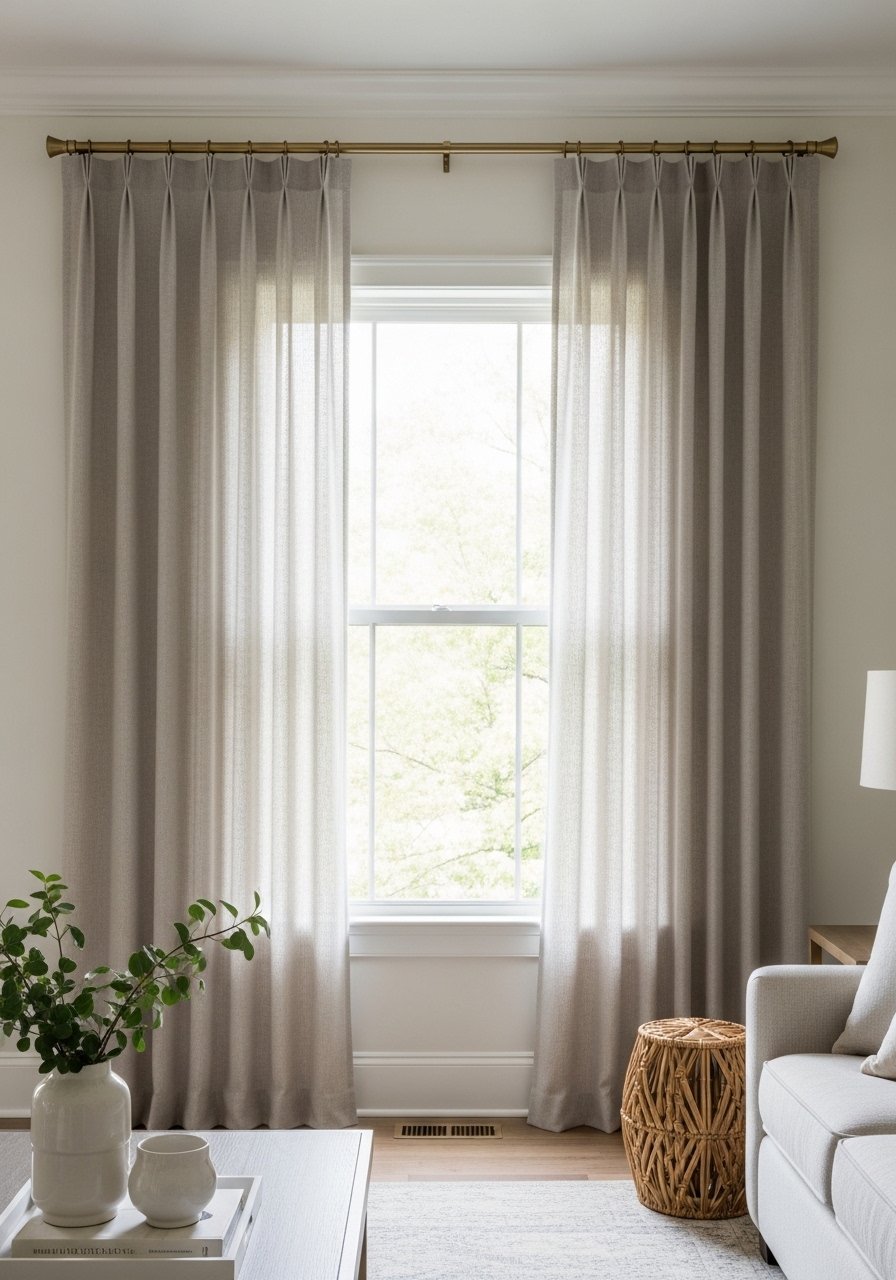
Most people hang curtains at the window frame. That choice makes rooms look shorter. Hang them just below the ceiling and let them puddle slightly on hardwood floors. For 9-foot ceilings pick 96-inch panels. This trick stretches sight lines. In photos it looks dramatic, in real life the extra fabric collects more dust, so vacuum occasionally. I paired linen blend 96-inch panels with a slim brass rod from West Elm for a current look under $200.
Gallery Wall With Mismatched Vintage Frames for an Eclectic Feel
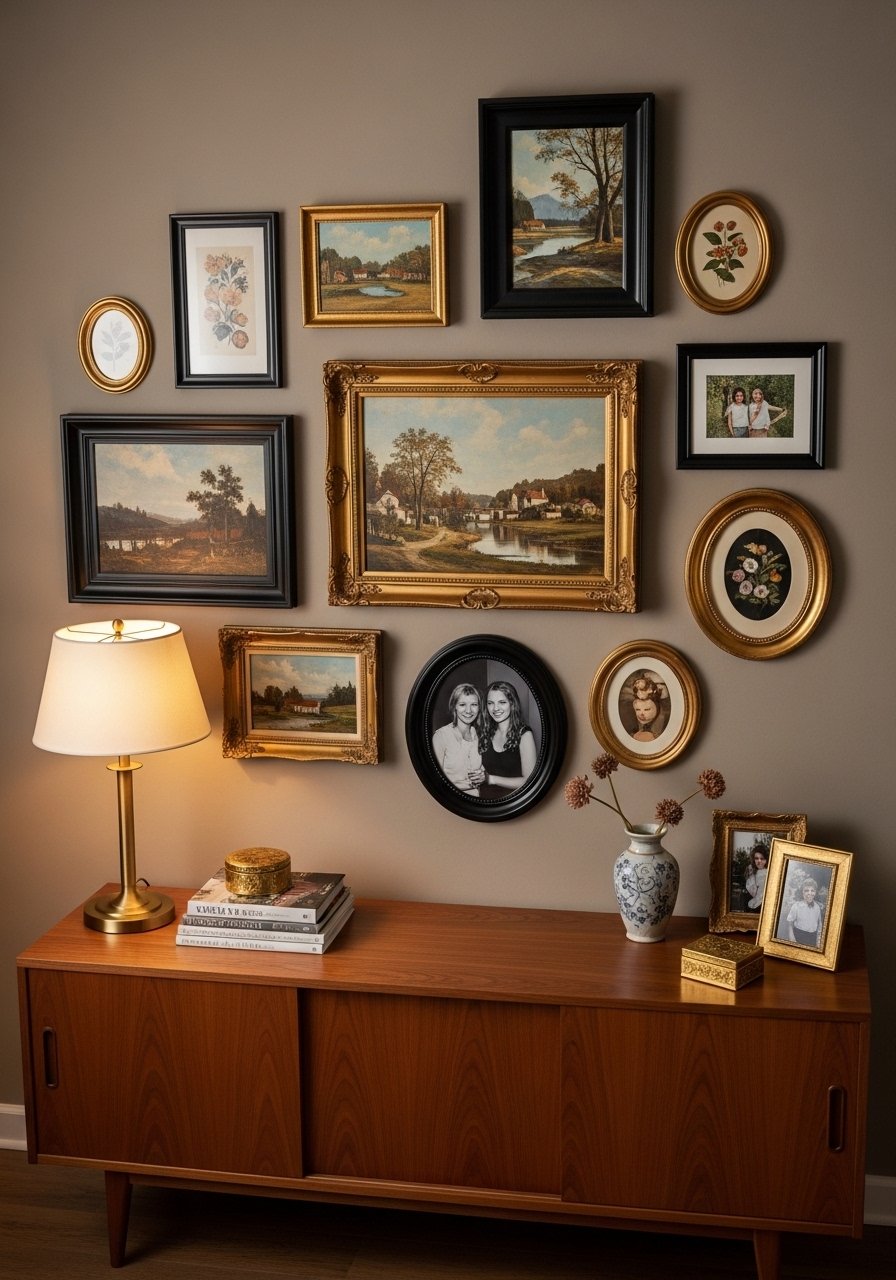
A friend asked me about this wall after visiting. Use the rule of odd numbers and start with three larger frames as anchors. Mix frame finishes, but limit mat color to white for cohesion. Gallery walls look perfect in photos when layouts are symmetrical, but in real life a slightly imperfect grid feels curated not staged. Avoid cheap plastic frames. I used a pair of brass frames and several thrifted painted frames. If you need quick options, try mixed metal picture frames.
Oversized Mirror to Brighten Dark Corners in Transitional Rooms
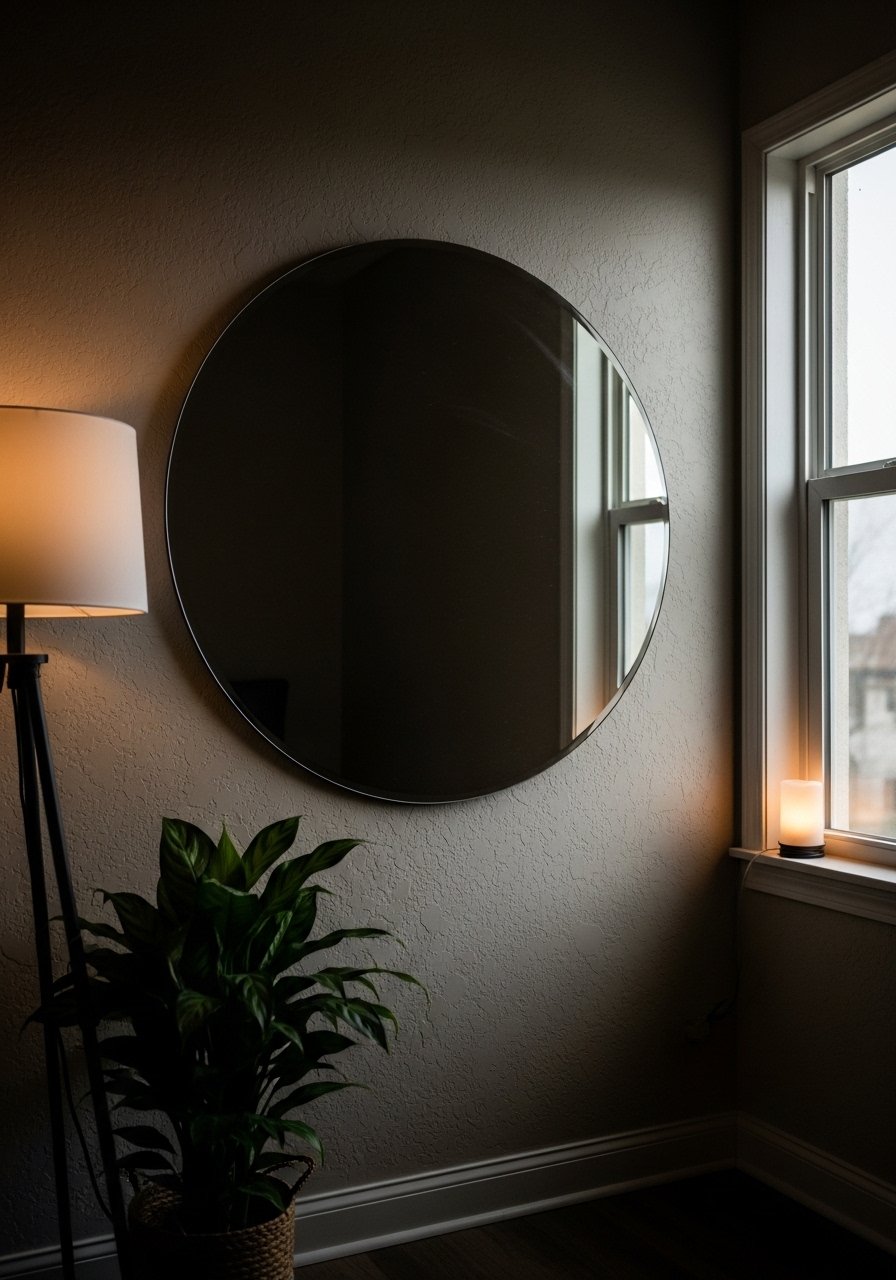
I keep seeing oversized round mirrors in showroom corners. One mirror can bounce a lot of light and visually double a small room. For a 10-by-12 living room a 36-inch mirror is a safe size. In photos the reflection reads sharp. In real life you notice dust and fingerprints so choose an easy-clean frame. The common mistake is matching the mirror frame exactly to furniture finishes. Slight contrast is better. I use this 36-inch round mirror because the frame is thin and modern.
Layered Rugs for Dimension in Open-Plan Spaces

There was a time I bought one rug and felt the room still looked flat. Layering a natural jute under a softer patterned rug fixes that. For open-plan living, put a larger neutral rug under all furniture and a smaller patterned rug centered under the coffee table. The visual rule I use is odd number layering, two rugs is usually best. Mistake to avoid: rugs that fight in scale. Keep the jute in a natural color and pick a patterned rug no smaller than 4×6. Try this 8×10 jute rug as a base.
Curated Coffee Table Styling for Everyday Life
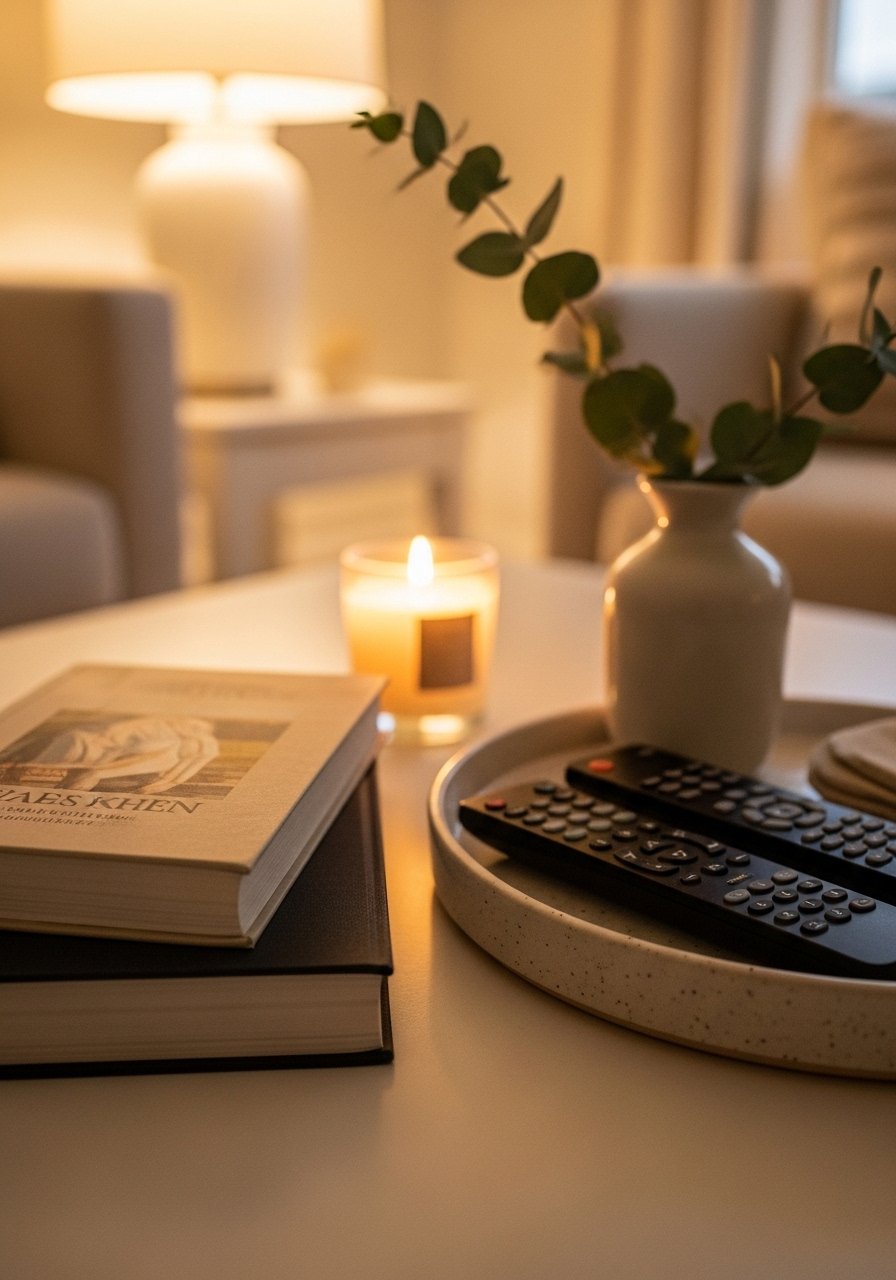
There is something about a styled coffee table that makes a living room feel finished. I aim for three objects in differing heights, and one soft, usable item like a small woven basket for remotes. Photos reward symmetry, but real life needs function. A common mistake is using fragile decor in a family room. Pick sturdy ceramics and a tray to corral clutter. For durable styling, use a ceramic tray and a set of hardcover design books available at Target or Amazon.
Built-In Look With White Oak Floating Shelves in Minimalist Living Rooms

I switched to white oak shelves six months ago and my wall stopped feeling dated. Stagger heights and leave negative space to avoid the cluttered look. For rental spaces use bookends and removable anchors rated for the weight. In photos crowded shelves can look curated, but in real life you need to leave breathing room every third shelf. Avoid mixing too many trinkets in small rooms. Buy white oak floating shelves and limit displays to three visual groups per shelf.
Mixed Metallics for Modern Glam in Formal Living Rooms

My feed is full of mixed-metal styling lately. Mixing brass, nickel, and bronze creates depth if one finish leads. I use brass as the primary accent and introduce nickel in smaller hardware. The tip I learned is to keep metal ratios roughly 60 percent primary, 30 percent secondary, 10 percent accent. Avoid matching every piece to the same finish. Brass candleholders are an easy way to start.
Statement Lighting to Update a Small TV Room

One splurge that made my TV room feel intentional was swapping the basic flush mount for a rattan pendant. The pattern casts soft shadows and reads expensive on camera. For low ceilings pick a shallow pendant. The mistake I see is choosing a fixture only for looks. Measure the clearance so heads do not bump it. Rattan works for boho and coastal vibes. Try this rattan pendant shade under $60.
Minimalist Console Styling for Entry-Facing Living Rooms

Most consoles become clutter magnets. I keep a single decorative tray, a lamp, and one sculptural object. In narrow entryways the console should be no deeper than 12 inches. Photos reward negative space, but everyday use requires a catchall. A cheap trap is over-accessorizing with tiny objects that disappear. Use a decorative tray and a narrow console lamp for function.
Built-In Look With Bookcase Styling for a Family Room

I used to pile books vertically. Now I rest some horizontally to create ledges for small objects. The visual trick is to repeat textures across shelves, like wood, terracotta, and woven fiber. In photos this reads tidy. In real life baskets hide toys and cords. Avoid painting the backs in a loud color unless you want the shelves to scream. Woven storage baskets are practical and pretty.
Low-Profile Furniture for Small Urban Living Rooms

A friend asked me how to make small rooms feel roomy. Low-profile sofas show more wall and increase perceived space. Choose legs that lift the sofa off the floor to let rugs show. Budget range is $300 to $1,200 depending on fabric. In photos low furniture reads modern. In real life you may need firmer cushions for everyday use. Avoid oversized armchairs that block sight lines. Consider a low-profile sofa from IKEA or Wayfair.
Boho Textiles Layered With Modern Furniture for a Collected Look

There is a timelessness to mixing boho textiles with clean-lined modern pieces. My trick is to limit patterned textiles to two and keep the rest solid neutrals. Photographs can flatten busy patterns. In real life texture adds interest and hides pet hair. A common mistake is clashing scale, so pair a small pattern pillow with a large geometric rug. Try kilim pillow covers for pattern without bulk.
Statement Art Above a Sofa for Contemporary Spaces

I used to crowd a sofa with five small frames. One large statement art piece reads more sophisticated. Aim for art that is roughly two-thirds the sofa width. In photos large art centers the composition. In real life it needs secure hanging hardware. A cheap mistake is picking art that competes with the rug. Choose an art piece that echoes one color from the room. Large abstract prints are affordable and impactful.
Accent Wall With Subtle Peel-and-Stick Wallpaper for Renters
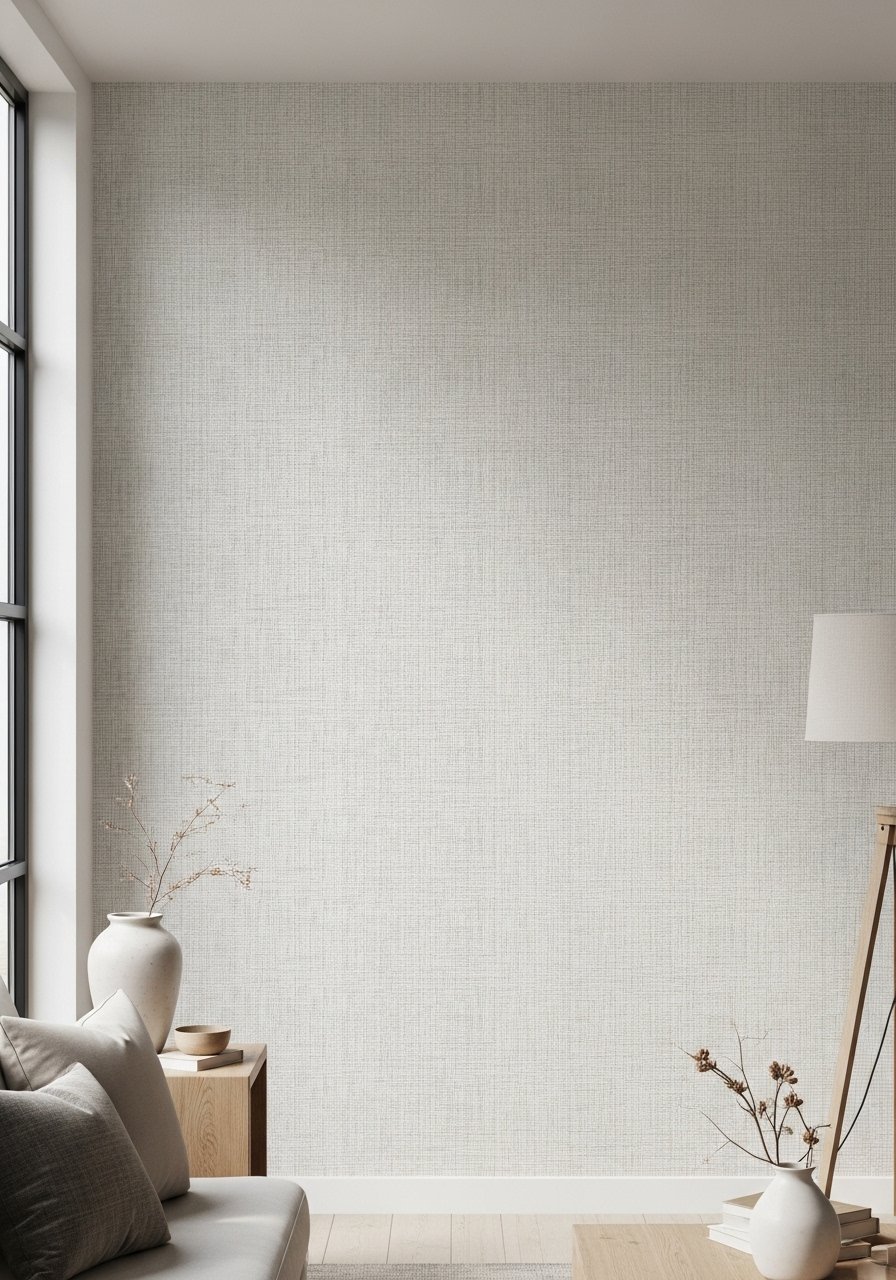
I swapped one wall with neutral textured peel-and-stick and the whole space felt intentional. Pick a pattern that reads from a distance as texture. On camera busy wallpaper can overwhelm. In reality it hides scuffs and is removable, perfect for renters. Common mistakes are going too bold in small rooms. Use a soft tone like sand or warm gray. Peel and stick wallpaper panels are under $35 a panel.
Sculptural Objects for Coffee Tables in Modern Minimalist Rooms
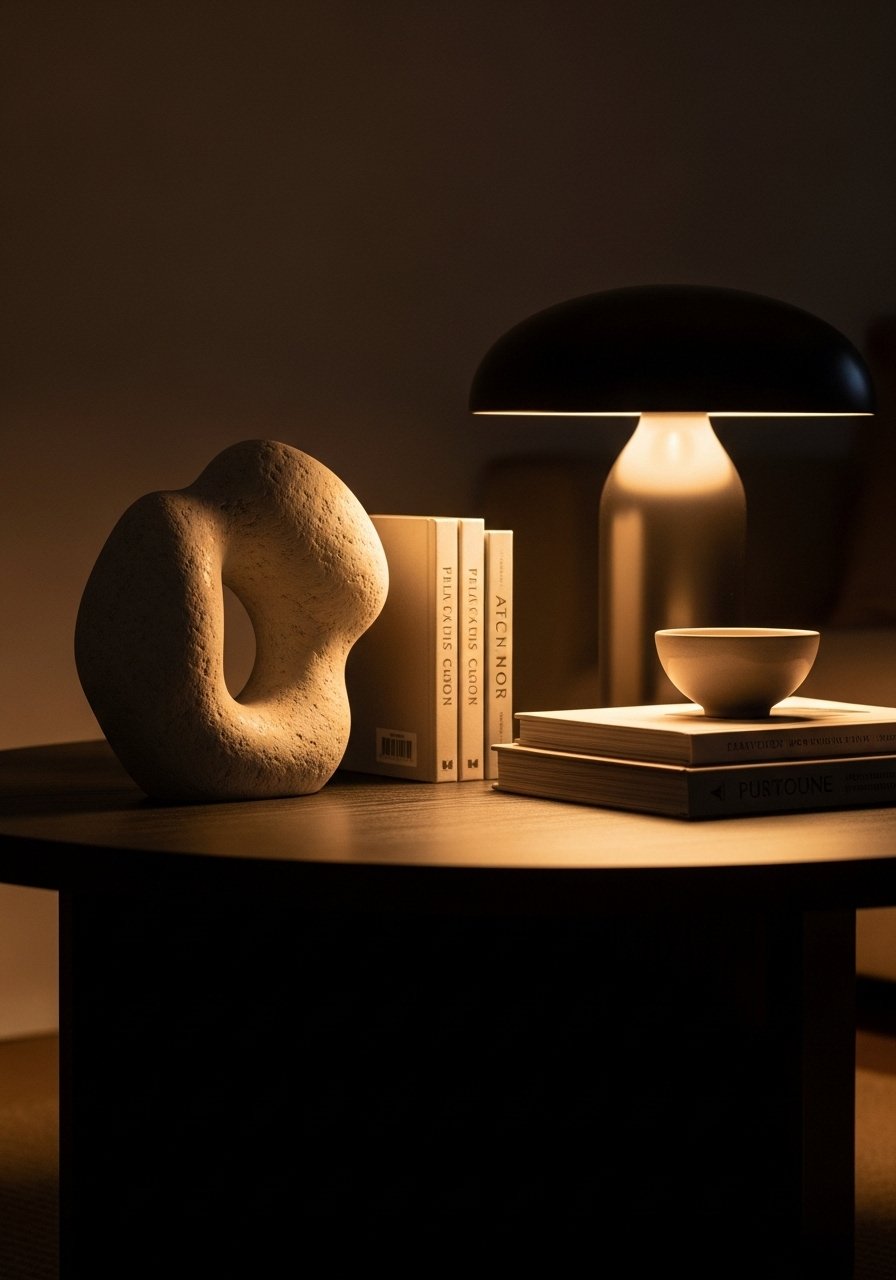
My feed is full of sculptural objects right now. One interesting form anchors a coffee table better than many small items. The ratio I use is one sculptural object, one plant, and one book stack. Photos love symmetry. Real life needs a small tray for remotes. A frequent mistake is choosing fragile materials. Pick matte ceramic or stone. Stone sculptural decor adds weight.
Use a Console Behind a Sofa to Define an Open Plan Living Space

The trick I use to define zones is a slim console behind the sofa. It creates a visual boundary without blocking flow. For small apartments choose a table no deeper than 12 inches. Photos can make this look redundant. In real life it becomes an often-used surface for keys and charging. Avoid leaving cords visible. A narrow sofa console from Target keeps things tidy.
Textured Accent Wall With Venetian Plaster for High-End Feel

I wanted depth without lots of art. Venetian plaster gives a soft sheen and tactile interest. It's pricier but lasts. For renters use a faux plaster paint kit. Photos show sheen, while real life reveals subtle variation that reads handmade. The common error is over-polishing. Keep finish slightly matte. For DIY try faux plaster paint.
Hidden Storage Ottoman for Clutter Control in Family Rooms

I used to stash magazines on a tray and still have clutter. A storage ottoman hides blankets, controllers, and kids' toys. Pick one with a strong hinge and removable fabric for cleaning. Photos can make ottomans look bulky. In real life choose a slim rectangular shape to avoid blocking sight lines. Avoid cheap foam that collapses. Consider a storage ottoman rated for seating.
Layered Lighting Plan for Versatile Ambience in Living Rooms
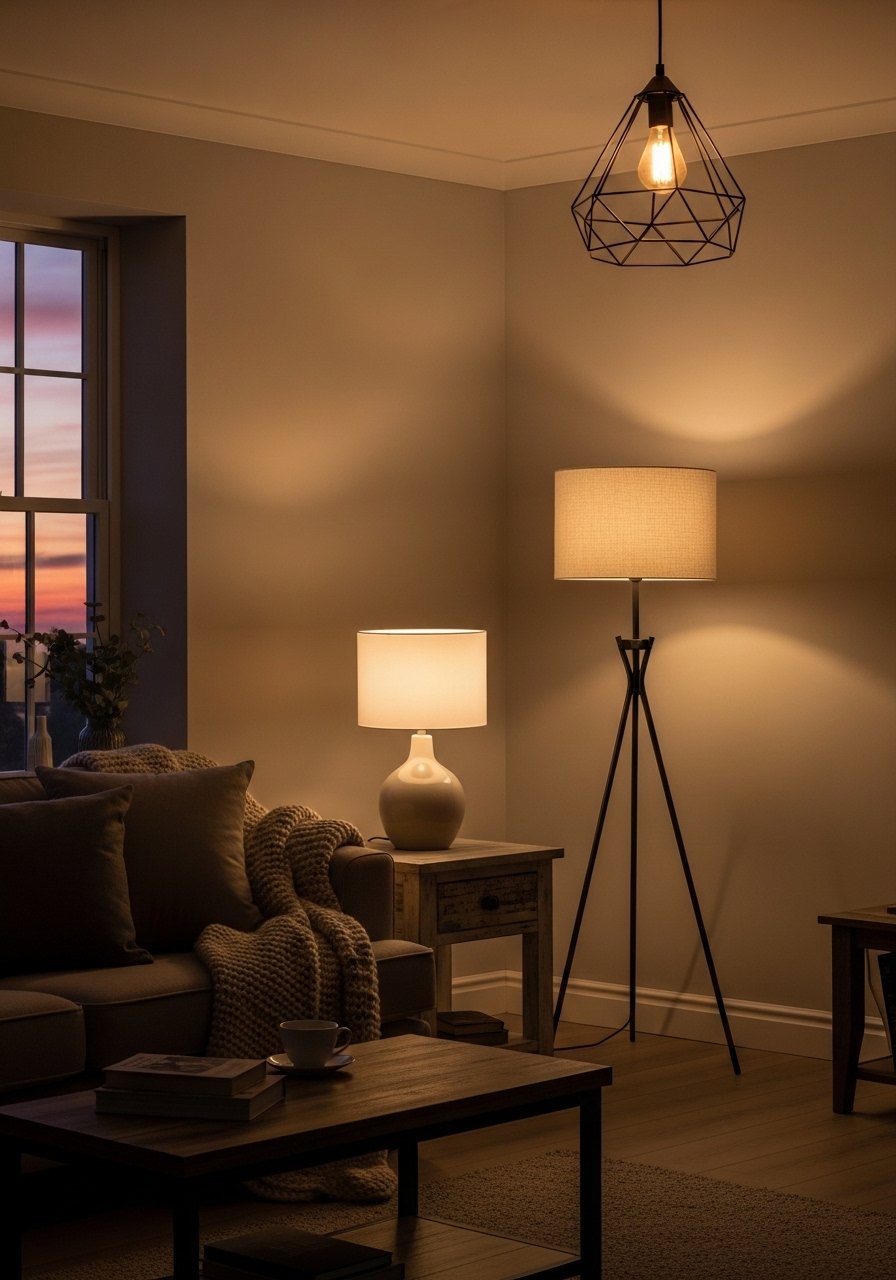
Every showroom I walk into has layered lighting displays right now. I always pair overhead general light with at least two task lamps and a low lamp for ambience. Use warm white bulbs and dimmers for flexibility. In photos uniform lighting looks flat. In real life layers let you change mood quickly. The common mistake is relying only on ceiling lights. Try LED warm white bulbs and a slim floor lamp.
TV Styling With Art and Low Shelving for Media Rooms

My living room stopped feeling like an electronics showroom when I flanked the TV with low shelving and leaned art beside the screen. Place art off-center so the TV feels anchored not framed. In photos this setup looks editorial. In real life keep cords managed and add a woven basket for controllers. Avoid tall shelving directly behind viewers. For quick styling use low media cabinets.
Incorporate Warm Wood Tones for a Transitional Look

My feed is full of warm wood tones in 2026. White oak pieces add warmth without looking heavy. In small rooms choose one warm wood piece to avoid a dated all-wood look. Photos show grain beautifully. In practice pick finishes you can maintain. A mistake I made was mixing too many wood tones at once. Opt for one dominant wood and small accents. White oak coffee tables pair well with light sofas.
Add a Personal Gallery Ledge for Rotating Art in Casual Spaces

My feed is full of gallery ledges lately. One ledge allows me to rotate art and layered frames seasonally. The ratio I use is three frames grouped, one sculptural object, and negative space. Photos make stacked frames look intentional. In real life frames can slide off, so secure them with museum putty. Avoid overcrowding the ledge. Wooden gallery ledges are easy to install and renter-friendly.
Sculptural Greenery and Planters for Organic Texture
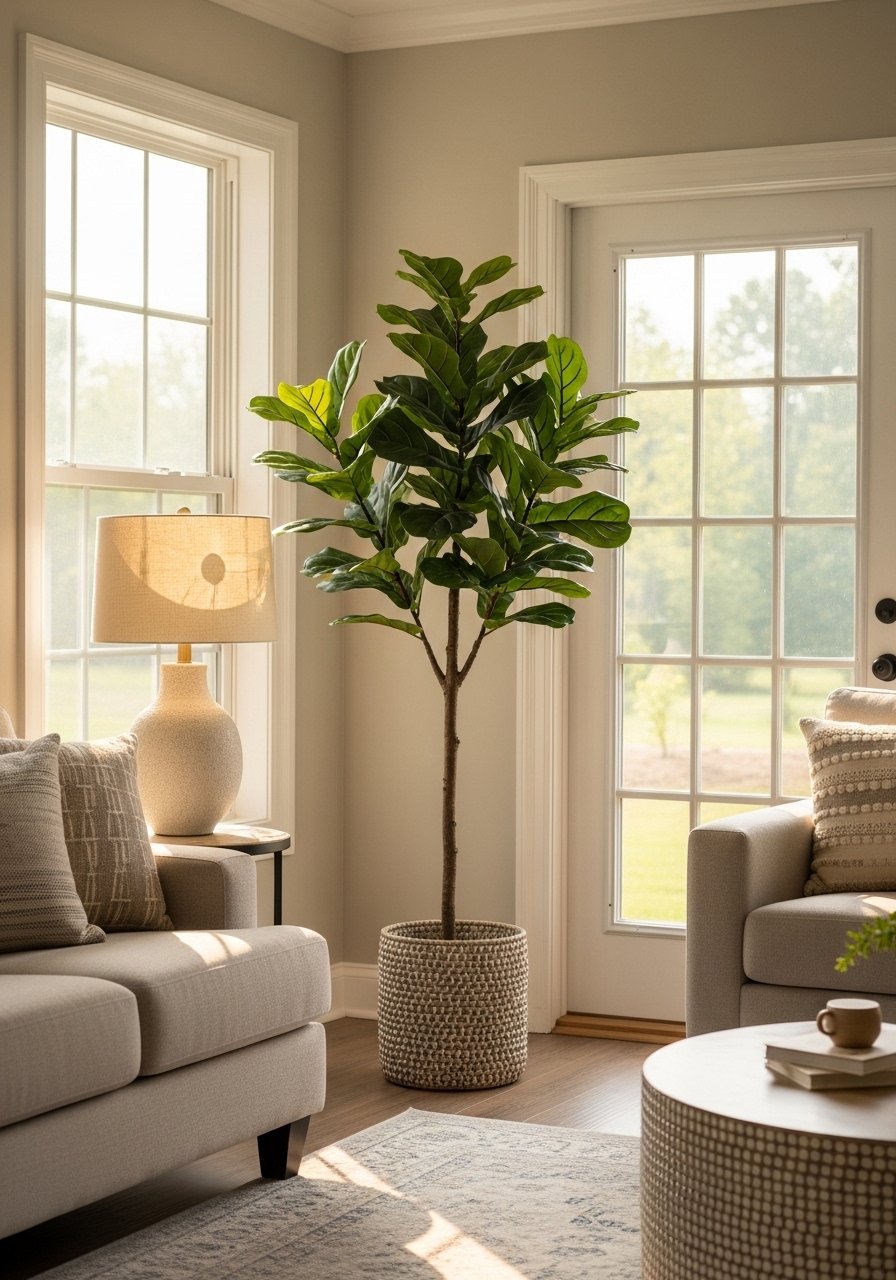
A single tall plant beats five small plants in visual impact. I used an artificial fiddle leaf fig in a woven basket where light is limited. It reads real from a distance and survives neglect. In photos plants add life. In real life dust and occasional reshaping keep them convincing. The mistake is overcrowding with mismatched pots. Use one statement planter like this 6-foot artificial fiddle leaf fig.
Low-Contrast Neutrals With One Bold Accent for Sophisticated Calm

I used to fear bold color. Then I introduced a single teal pillow and the room popped. The 60-30-10 rule helps: majority neutrals, mid-tone, one accent. Photos can wash out low-contrast schemes. In person the layered neutrals feel restful. Mistake to avoid is picking too many accents of equal weight. Pick one bold item like a velvet pillow or a ceramic vase. Teal velvet pillow covers are an easy update.
Coastal-Inspired Natural Fibers for Airy Beachy Living Rooms

I live near the coast and I keep seeing natural fibers in every catalog. A jute rug, linen sofa, and rattan accents make a space feel light and durable. In photos this style reads breezy. In reality it hides sand and footprints well. A common mistake is pairing jute with slick rugs that slide. Use a rug pad. Jute rugs 8×10 are affordable and practical.
Shopping Tips for These Looks
Buy one statement piece first. Grab a 36-inch round mirror and style around it. I buy the biggest item first and build the palette.
Grab these velvet pillow covers for $12 each. I swap mine seasonally and it completely changes the room's vibe.
Curtains should puddle or kiss the floor, never hang midway. These 96-inch linen blend panels are right for taller ceilings.
White oak beats dark wood in 2026. White oak floating shelves look current, not dated.
Buy one realistic tall plant instead of five small succulents. Artificial fiddle leaf figs, 6-foot add height and require zero watering.
Mix metals, but let one finish lead. Try mixed metal picture frames as an easy starter.
Frequently Asked Questions
Q: Can I mix boho textiles with modern furniture without it looking messy?
A: Yes. Limit patterned textiles to one or two pieces and keep the furniture lines clean. I pair a kilim pillow with a mid-century sofa for balance. Kilim pillow covers are a good way to test the look.
Q: What size rug should I actually buy for a living room?
A: Bigger than you think. Minimum for a standard living room is 8×10. Front legs of main furniture should sit on the rug. This 8×10 jute rug is durable and neutral.
Q: Are faux plants acceptable, or do I need real greenery?
A: Both work. Use real plants where you can maintain them. For low-light corners use a realistic faux like a 6-foot fiddle leaf fig. I use an artificial fiddle leaf fig where natural light is limited.
Q: How do I prevent a gallery wall from looking cluttered in photos?
A: Start with three anchor pieces and maintain consistent mat color. Leave breathing room between frames. I scale pieces to two-thirds the sofa width.
Q: Should I match all metals in a room?
A: No. Mix metals for a layered, intentional look. Let one finish be dominant and sprinkle others in small accents. Brass candleholders are an easy primary accent.
Q: How can I make a small living room feel more polished without buying new furniture?
A: Focus on textiles, lighting, and a large mirror. Swap in a chunky throw, hang curtains high, and add a 36-inch mirror to bounce light. Chunky knit throws are inexpensive and impactful.