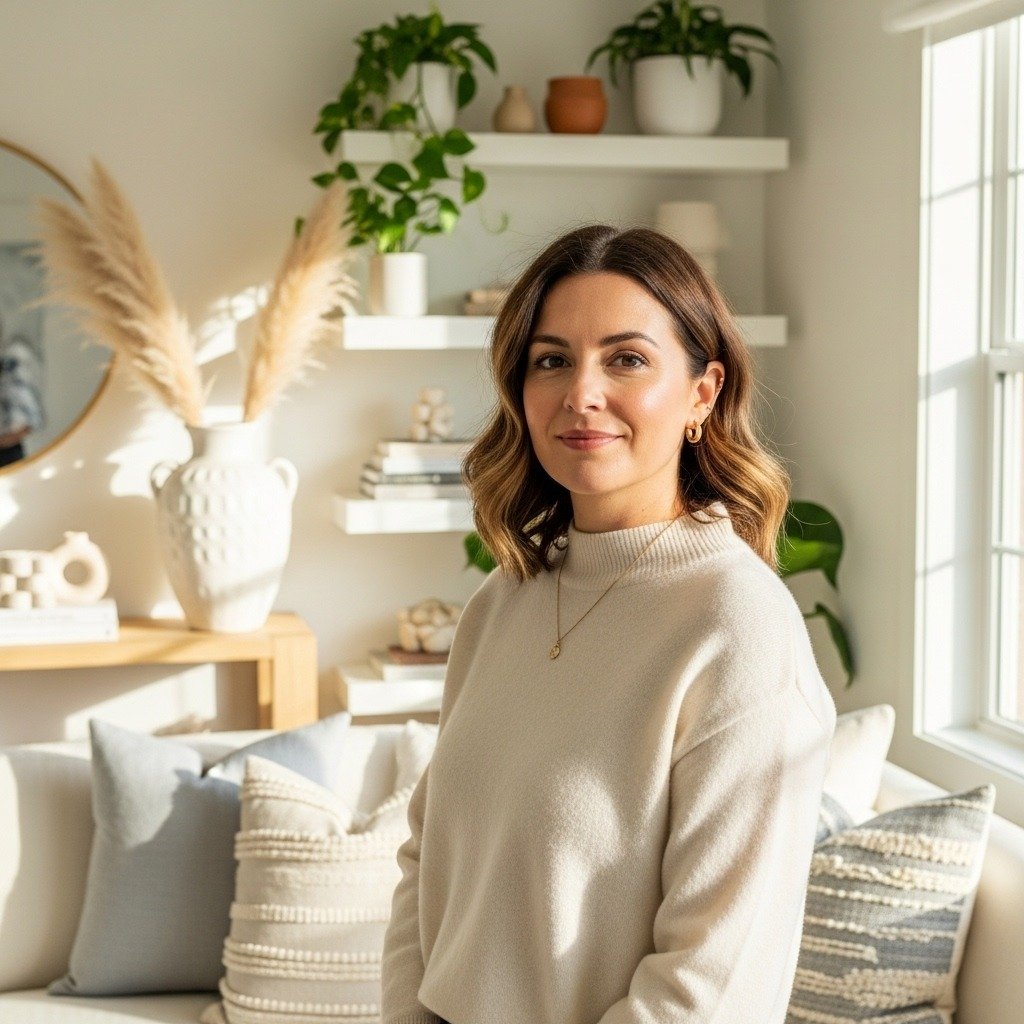
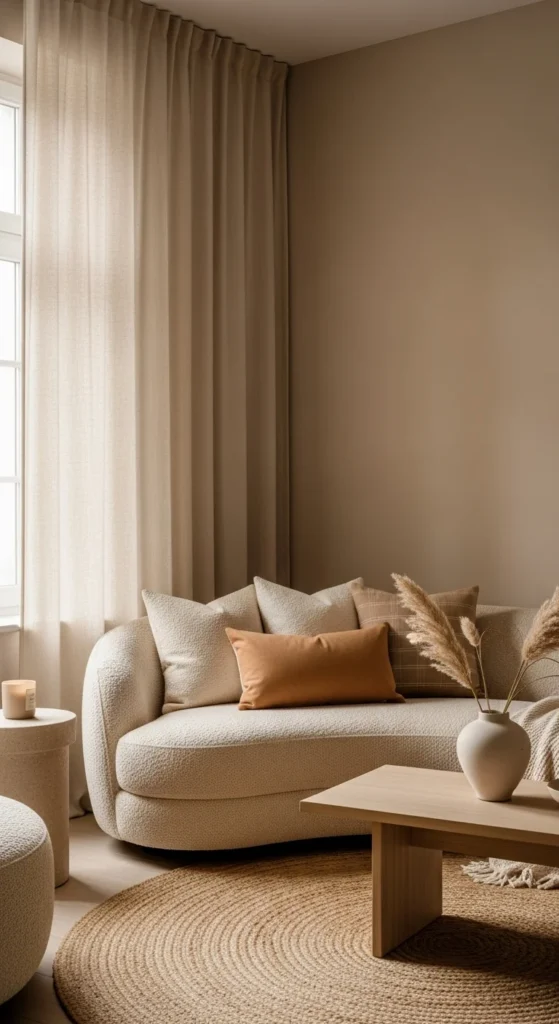
Creating a calm home isn’t about stripping everything away. It’s about choosing pieces that feel warm, intentional, and easy to live with. Today’s minimalist trend leans toward lived-in comfort—soft curves, warm neutrals, layered textures, and simple zones that make small apartments feel peaceful. These ideas help you update your space without spending much or losing personality.
—
## 1. Warm Neutral Color Foundations
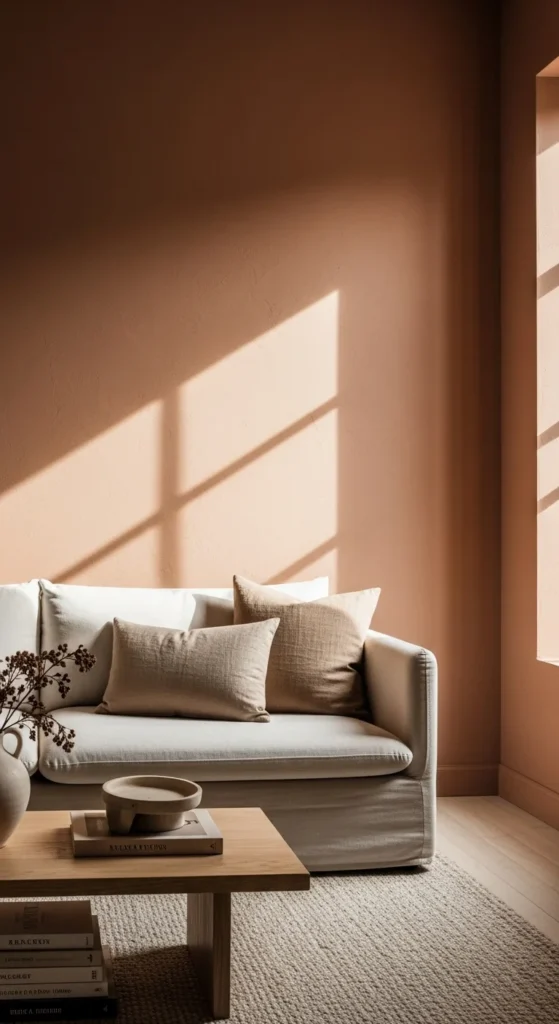
Warm neutrals create instant calm because they soften harsh lines and make rooms feel grounded. Colors like mocha, clay, caramel, and sandy beige work well in apartments that tend to feel cold or stark. Try painting just one wall if you’re on a budget. It’s quick and affordable. Swap bright white pillows for linen or cotton in earthy shades. Even one simple tone change—like replacing cool gray throws with oatmeal or tan—can shift the entire mood. Look for secondhand accessories in natural colors. Thrift stores often have baskets, wooden bowls, or ceramic vases for just a few dollars. These little warm touches help the room feel more inviting without buying major furniture.
—
## 2. Soft Curved Furniture Pieces
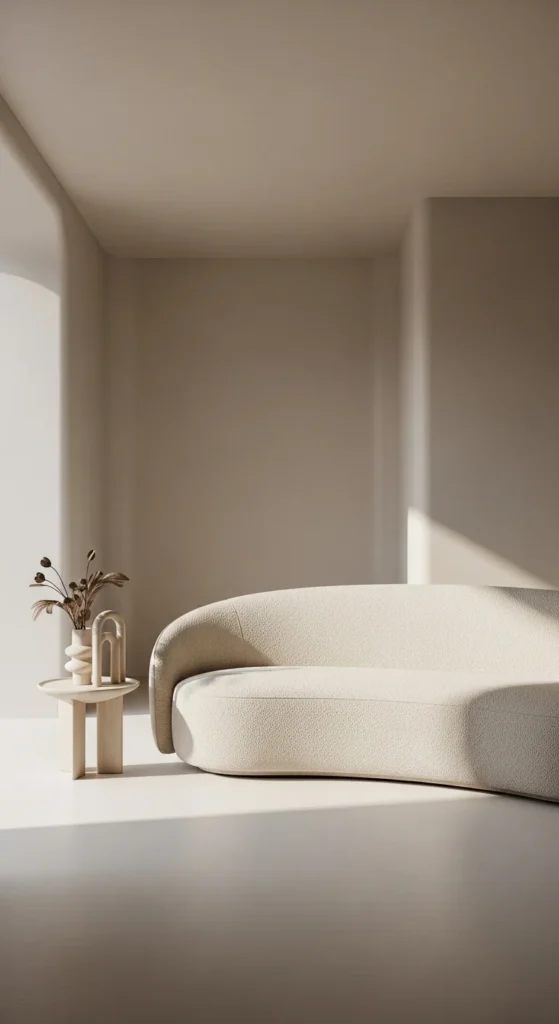
Curved shapes slow down the visual chaos that straight lines sometimes create. A rounded sofa, circular ottoman, or arched floor mirror instantly softens the space. Try adding one curved item instead of replacing everything. A budget idea: look for a round pouf or a thrifted side table with tapered edges. If your furniture is square-edged, use round trays or soft pillows to mimic curved lines. Curves make the room feel calmer because they guide the eye in gentle movements rather than sharp jumps. This style also pairs well with warm neutrals for a relaxed look.
—
## 3. Layered Textures Without Clutter
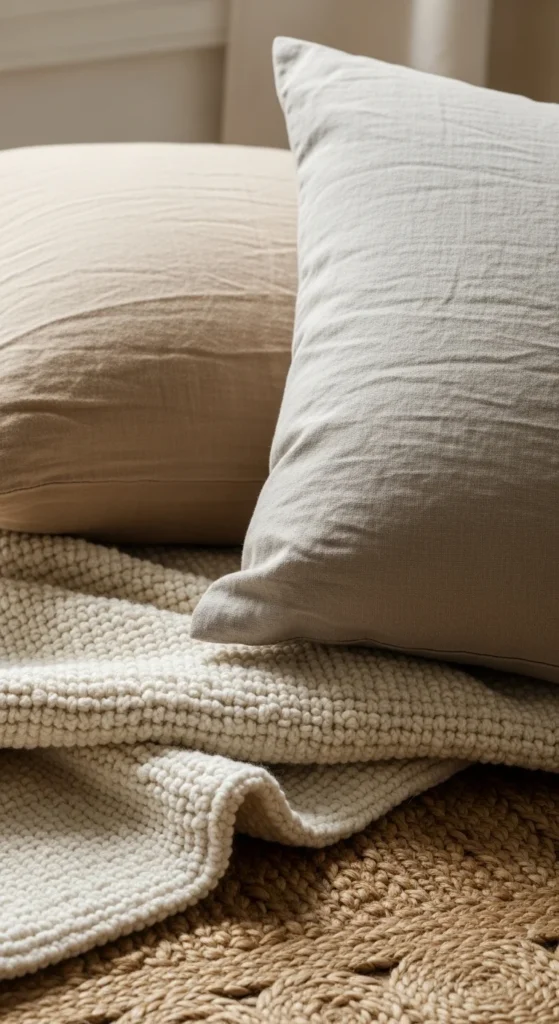
Texture instantly brings warmth into minimalist homes. Combine bouclé, velvet, cotton, and linen for visual interest without creating clutter. Start with one textured piece, like a jute rug or a linen throw, and build slowly. Keep the palette simple so the textures do most of the work. If you’re decorating on a budget, check discount fabric stores for leftover cuts to make your own cushion covers. Small textured layers make a room feel lived-in and cozy without adding extra objects.
—
## 4. The 80/20 Minimalist–Traditional Mix
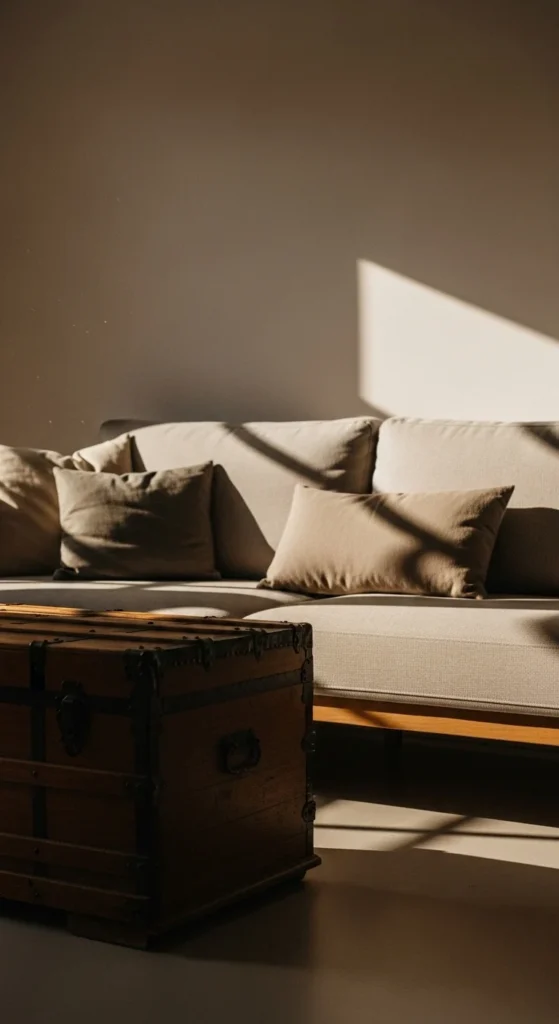
Minimalism doesn’t mean removing everything sentimental. The 80/20 method helps you blend clean lines with personality. Keep 80% of the room simple—neutral sofa, uncluttered shelves, calm colors. Then let the remaining 20% include traditional or heirloom items like an old chest, decorative lamp, or framed family photo. This creates a balanced room that feels warm, not empty. If your heirloom pieces look too bold, soften them with neutral decor nearby.
—
## 5. Multifunctional Reading Nooks
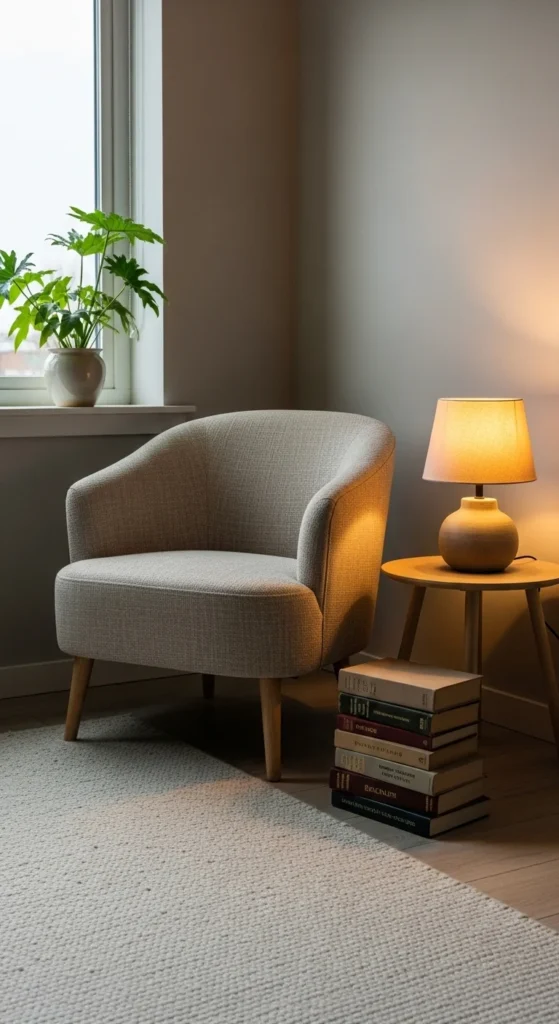
Even tiny apartments benefit from a small reading nook. A single chair and a small lamp can define a peaceful corner. Add a basket for blankets or books. Use soft colors so the nook blends into the room rather than looking separate. If you’re limited on space, create a “reading wall” with a mounted light and tiny floating shelf. This gives you the feeling of a nook without needing extra square footage.
—
## 6. Sensory-Rich Neutrals
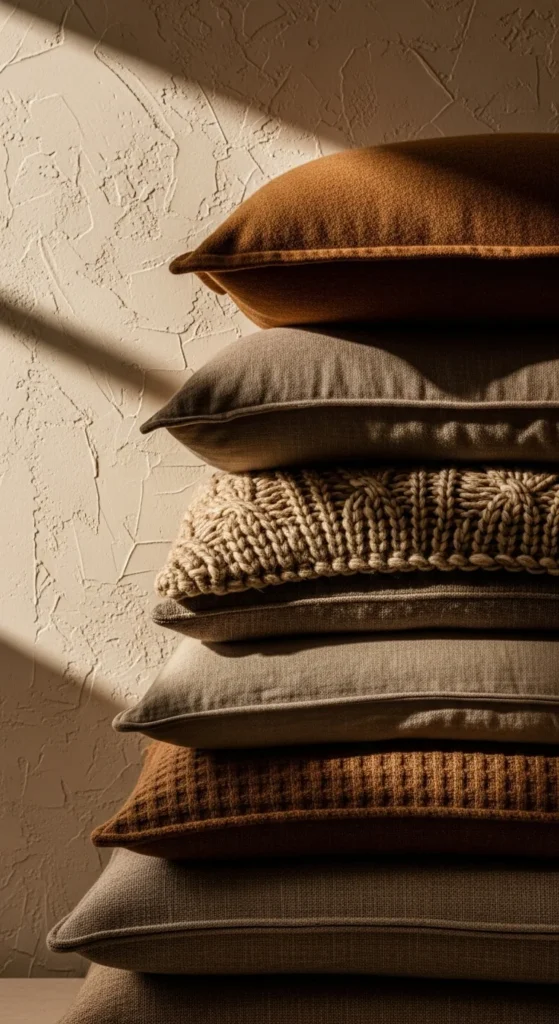
Sensory neutrals combine warm colors with tactile elements. Think clay walls, tan rugs, or sandy throw blankets. These elements help small spaces feel calmer because they reduce contrast and visual noise. You can DIY a textured wall using a sponge and diluted paint for only a few dollars. Or simply rotate fabrics with richer tones during cooler seasons. Start small, and notice how these changes soften the room.
—
## 7. Real Greenery Over Faux
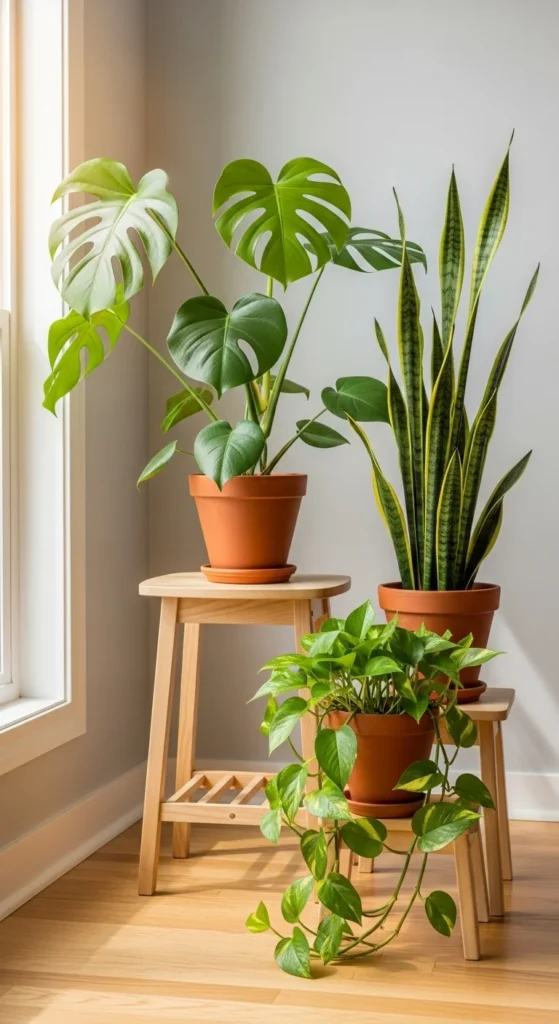
Real plants bring life into minimalist spaces without clutter. They add gentle movement and organic shapes. Look for easy plants like pothos or snake plants. Thrifted clay pots make them look even better. Place one plant near a window and another on a shelf for balance. Avoid buying too many. Two or three well-placed real plants look cleaner and calmer than a dozen faux ones.
—
## 8. Simple Decorative Anchors
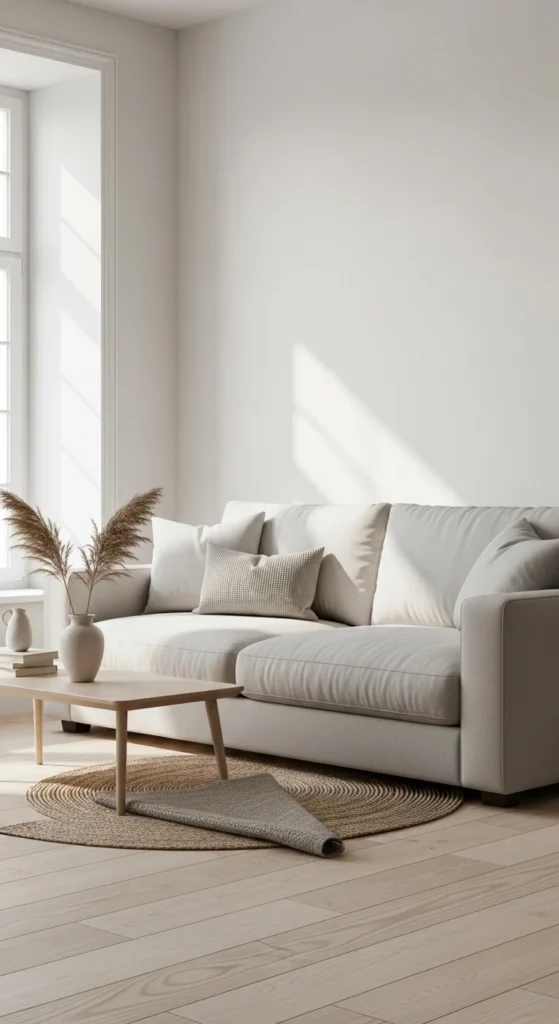
Anchors are the big pieces—the sofa, the bed, or the dining table. When budgets are tight, invest in the anchor and keep accessories simple. A neutral sofa works with any style shift you make later. You can change pillows or rugs for cheap updates while keeping the big item consistent. If your anchor piece is older, add a throw blanket to refresh it.
—
## 9. Soft Geometry Art
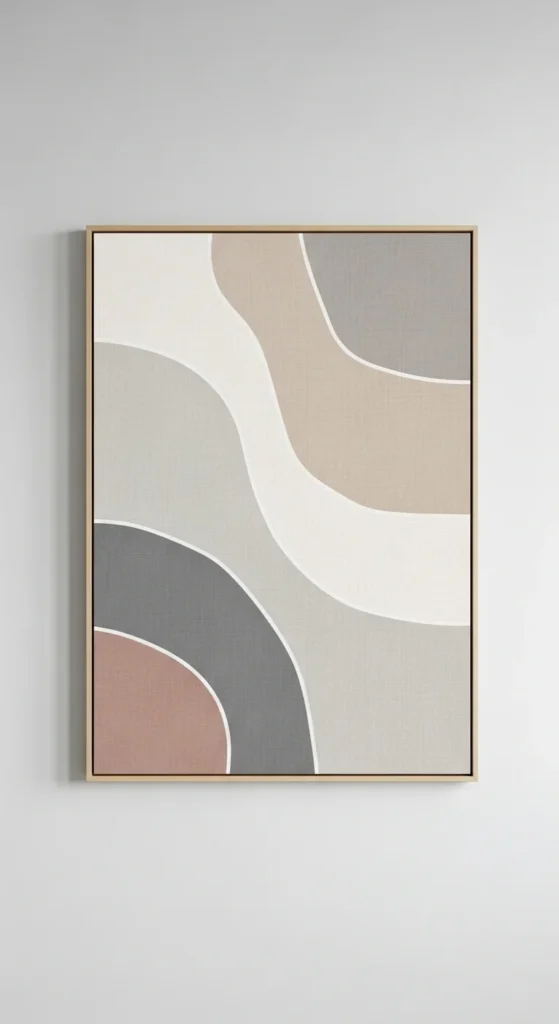
**[Image Prompt: A photograph of neutral abstract wall art featuring soft curves and gentle shapes hanging on a minimalist wall. No text.]**
Art can make a room feel calm if the shapes are gentle and the colors soft. Choose pieces with curves, muted tones, or organic lines. You can print affordable digital art at home using warm off-white paper for a more natural look. Keep frames simple to avoid visual clutter. One large piece tends to look calmer than many small ones.
—
## 10. Quiet Lighting Layers
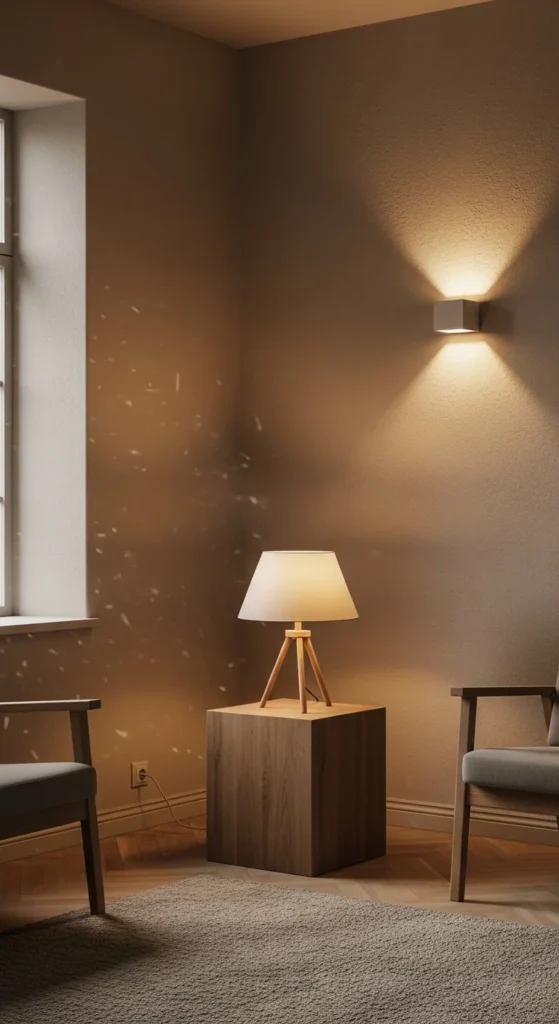
Harsh overhead lights can make minimalist rooms feel cold. Use table lamps, floor lamps, or wall sconces to spread softer light around the room. Choose warm bulbs for a calmer vibe. Place one lamp near the sofa and another in a reading corner. If you’re on a budget, look for secondhand lamps or swap lampshades for warmer tones.
—
## 11. Decluttered Open Surfaces
Clear surfaces make the biggest difference in creating calm. Keep tables and counters free from small items. Dedicate one tray for everyday essentials, like keys or remotes. This helps you stay organized without feeling bare. If storage is limited, add baskets under tables or in corners. Even a small declutter session each week helps maintain peaceful energy in the room.
—
## 12. Clay and Stone Accents
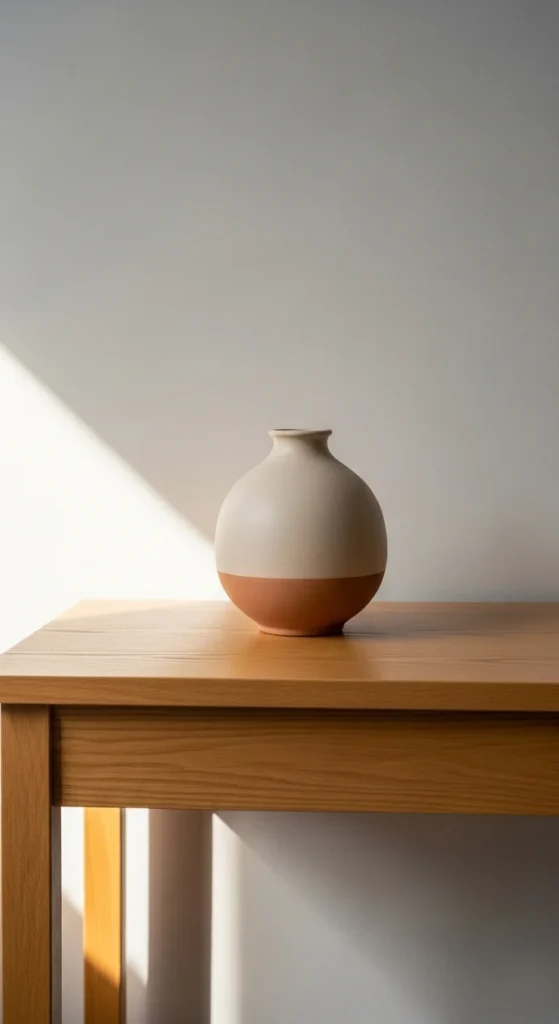
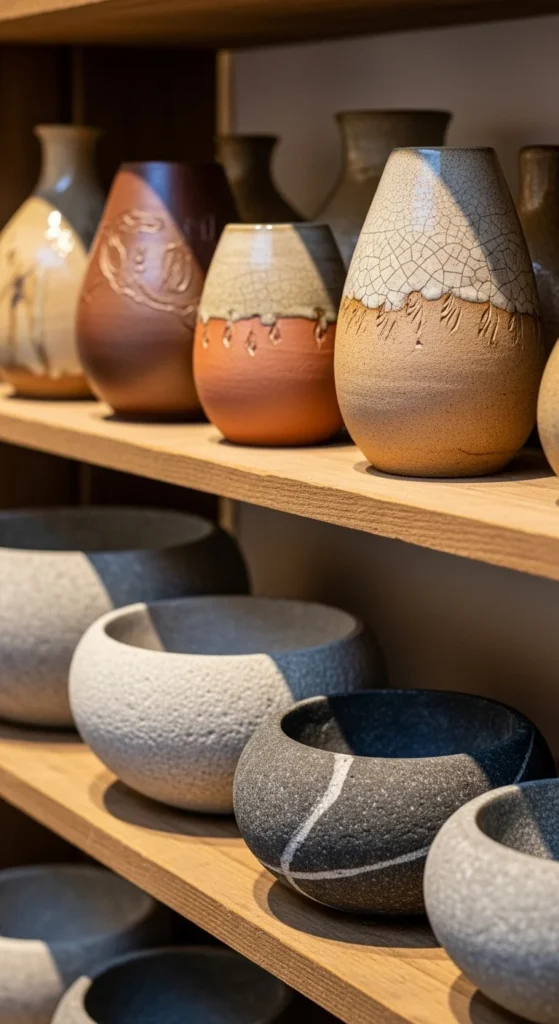
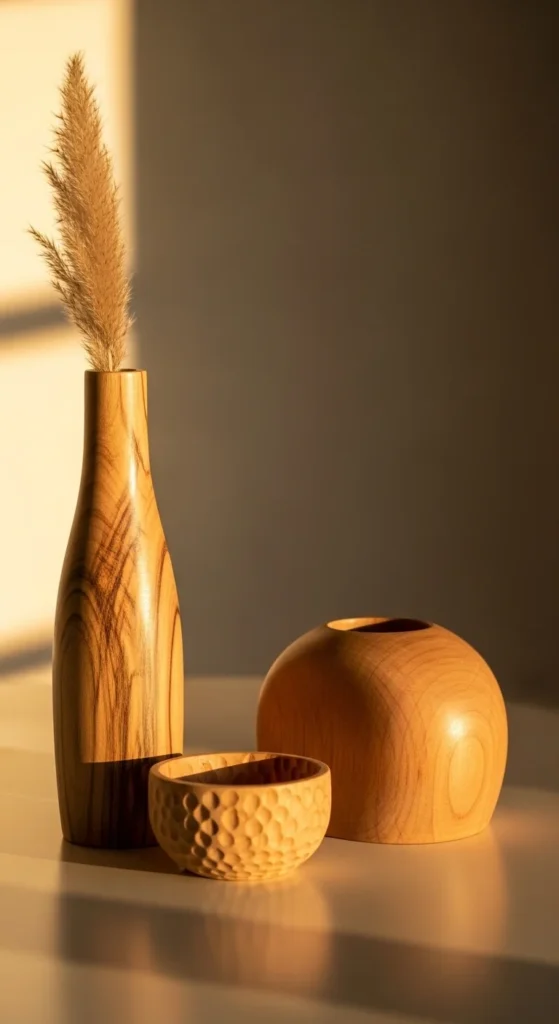
Natural materials feel grounding. Clay vases, stone bowls, or rough ceramics add quiet texture to minimalist spaces. Look for handmade pieces from local sellers or thrift stores. They tend to cost less and have more character. Use these accents sparingly—one or two per shelf. Their imperfect shapes pair beautifully with simple furniture.
—
## 13. Soft Fabric Curtains
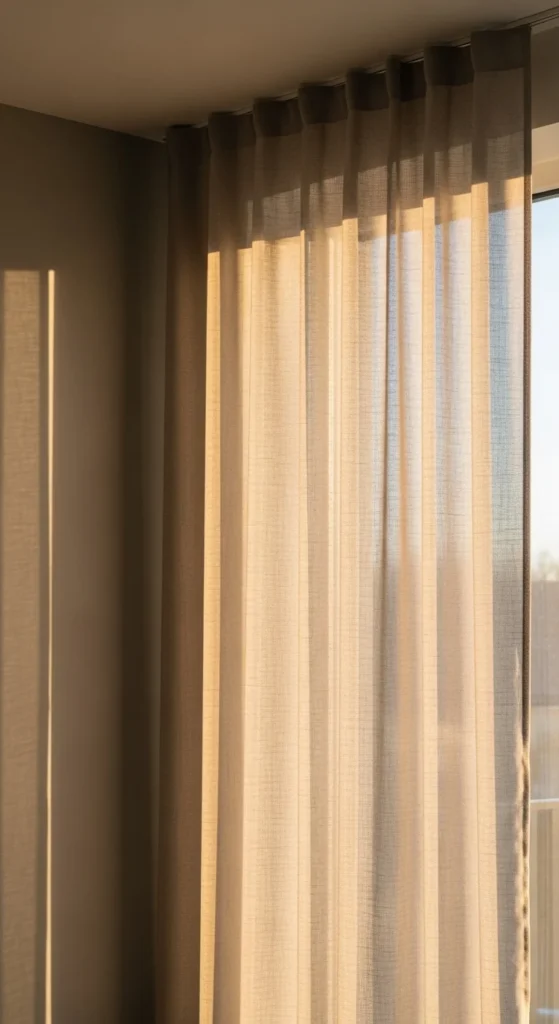
Curtains help soften straight lines and control light. Choose linen or cotton in warm neutrals. They diffuse sunlight gently and make rooms feel peaceful. You can often find affordable sheer panels online or at discount stores. If your windows are small, mount the curtain rod higher to create the illusion of taller ceilings.
—
## 14. Minimalist Floor Styling
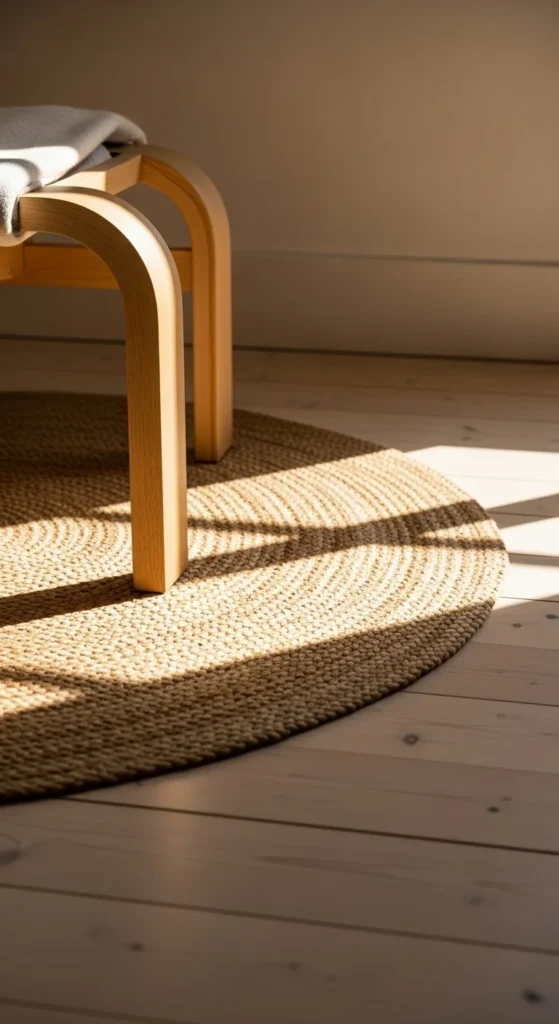
Floors matter more than people realize. A simple jute or cotton rug adds warmth without overpowering the room. Stick to natural colors. If your rug is too small, layer it over a larger inexpensive base rug. This trick makes the room feel more connected and intentional.
—
## 15. Calming Entryway Setup
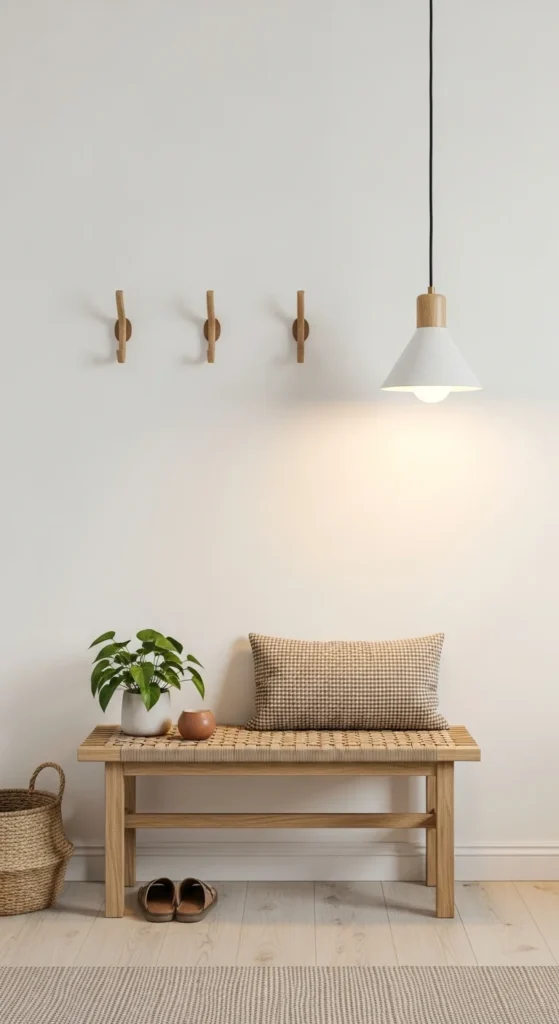
A calm home starts at the door. Keep the entry simple—a small bench, one hook for bags, and a tray for daily items. This helps reduce stress when coming and going. If you’re on a budget, repurpose a wooden crate as a bench and hang inexpensive wall hooks. Add one small plant for warmth.
—
## 16. Simple Shelf Styling
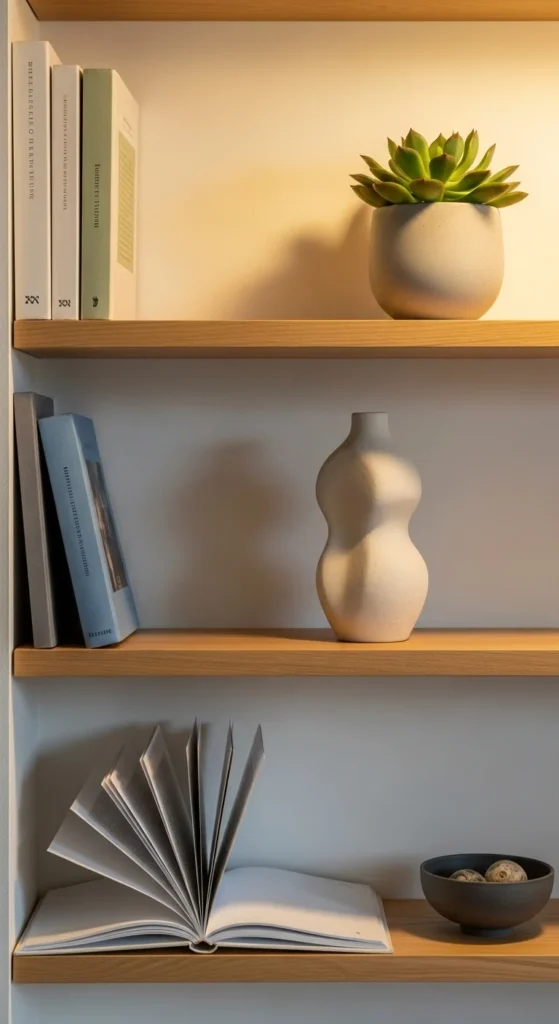
Shelves often become clutter zones. Use the “3-item rule”—a book stack, a bowl, and one plant. Spread items out and leave breathing room. Flip books so the neutral pages show if your spines are too bright. You can also wrap books in kraft paper for a budget-friendly uniform look.
—
## 17. Earth-Tone Bedroom Layers
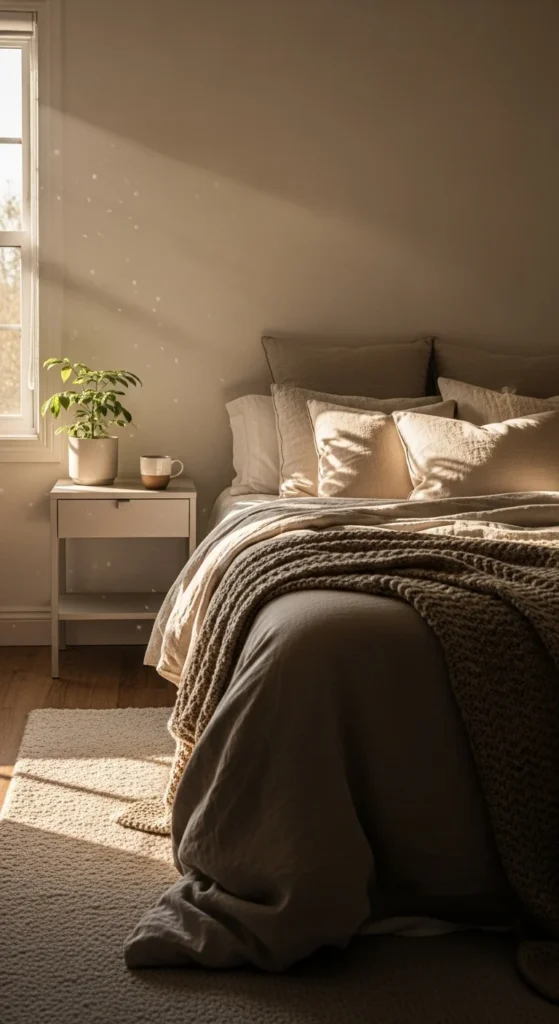
Bedrooms feel calmer with warm, soft layers. Choose tan, cream, or clay bedding. Add one textured throw and two supportive pillows. Keep nightstands clear except for a lamp and one small item. If you’re decorating cheaply, mix high-quality pillowcases with budget-friendly sheets for a balanced look.
—
## 18. Analog Corners (Tech-Free Zones)
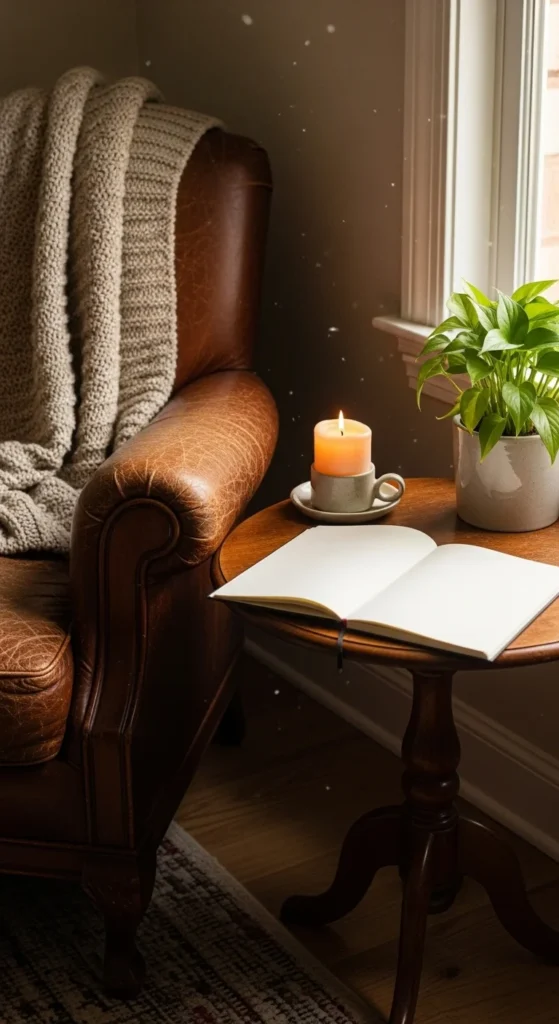
Create one tech-free corner in your home. It signals rest and helps calm the mind. A small chair, soft light, and a plant are enough. Keep this spot separate from screens. Use it for reading, journaling, or quiet moments. It doesn’t require extra space—just intention.
—
## 19. Simple Wood Accents
Wood adds warmth and connects the room to nature. Use wooden bowls, stools, or frames. Shop secondhand to save money. Keep the tones consistent—light oak with light decor, dark woods with deeper colors. Wood works well with clay, linen, and stone.
—
## 20. Statement Mirror for Light
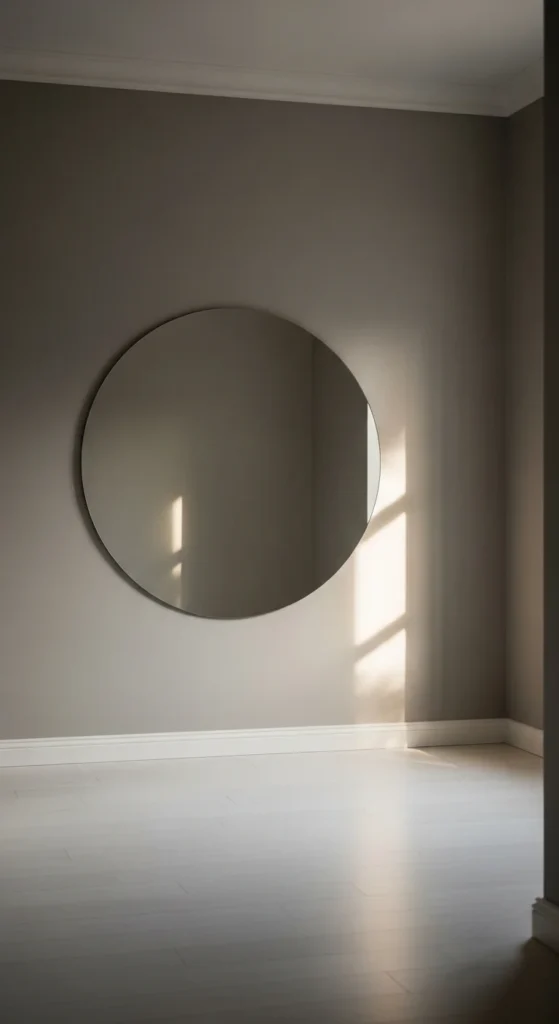
Mirrors brighten small rooms and make them feel larger. Choose one large round mirror with a simple frame. Place it opposite a window for the best light bounce. If your budget is small, look for frameless options—they’re often cheaper and still look clean.
—
## 21. Calm Zones for Small Apartments
Small apartments benefit from designated calm zones—one corner for resting, one for reading, one for daily tasks. Use rugs or lighting to define each area. Keeping zones separate helps your brain relax. Use what you already have: shift furniture, repurpose lamps, or add a small plant to signal the space’s purpose.
—
## Conclusion
Minimalist decor doesn’t mean empty rooms. It’s about choosing fewer, warmer, more intentional pieces that help your home feel peaceful. With earthy colors, curved shapes, textures, real plants, and simple zones, you can create calm in any space—even on a tight budget. Start with one idea, build slowly, and watch your home transform into a warm, restful haven.