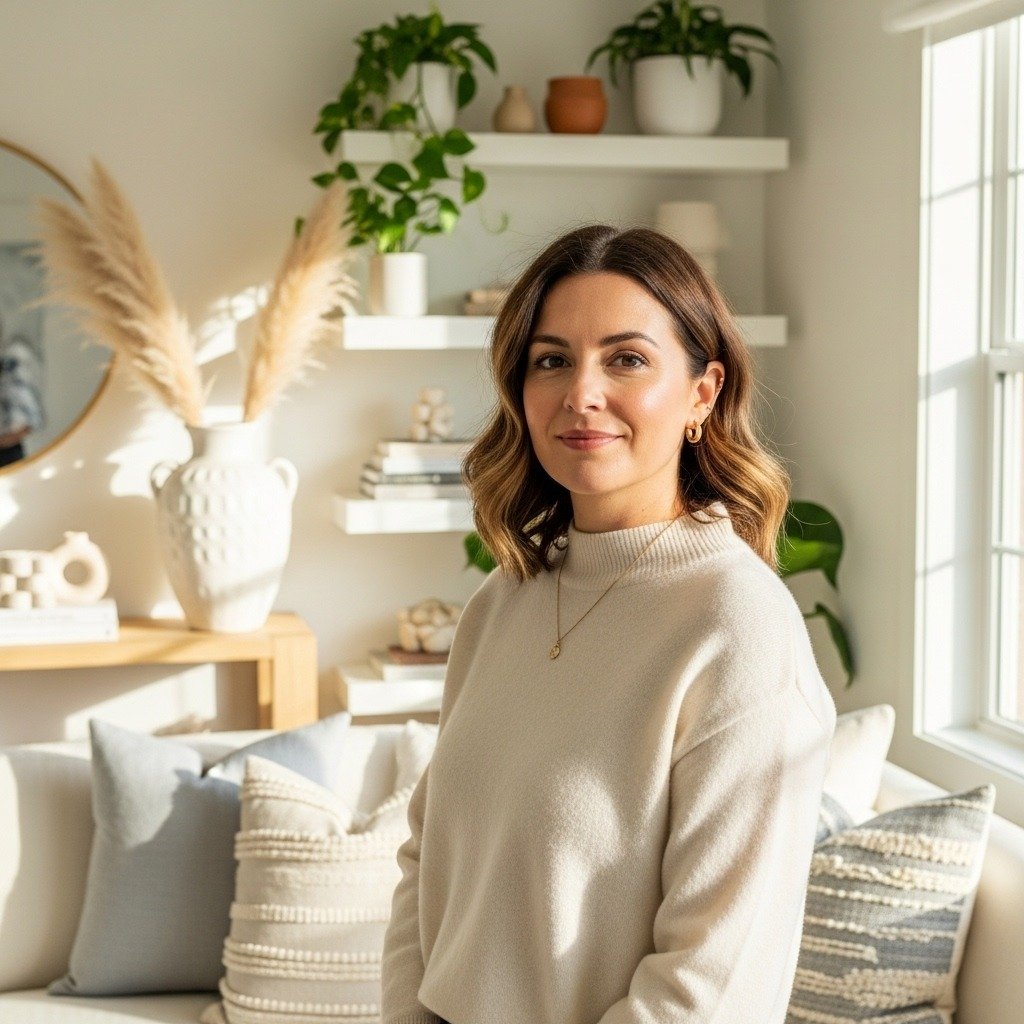
I used to think rustic meant heavy wood and deer heads. After years of living with kids, dogs, and real light, I learned it’s about warmth and textures that hold up to life.
These ideas are the versions I actually used, ditched, returned, or kept. Simple fixes first. Then a few bigger moves that made the house feel like home.
22 Rustic Home Decor Ideas That Feel Warm and Grounded
These 22 ideas are short, honest, and practical. I wrote only things I’ve tried in real rooms. Use them in pieces — not all at once — and you’ll get a warm, grounded home without it feeling like a set.
1. Layered Neutral Textiles That Make a Room Feel Finished
I started here because textiles fixed the chill in my living room faster than anything. I layered floor-length linen curtains, a cotton quilt over the sofa, and three pillow textures. It stopped the space from feeling sparse.
I once bought identical pillows for symmetry and hated it. Mixing linen, knit, and a small embroidered cushion gave depth. The room finally felt like a place you could sit and stay.
Pay attention to scale. Big sofas want larger throws. Keep colors warm: cream, warm beige, soft sage. Small mistake to avoid: don’t match everything—vary texture.
What You'll Need for This Look
- Linen curtains in warm beige (floor-length)
- Cotton quilt throw, light cream (50×70)
- Chunky knit throw blanket, cream (50×60)
- Linen pillow covers, warm beige (18×18)
2. Mix Raw Wood with Polished Surfaces for Character
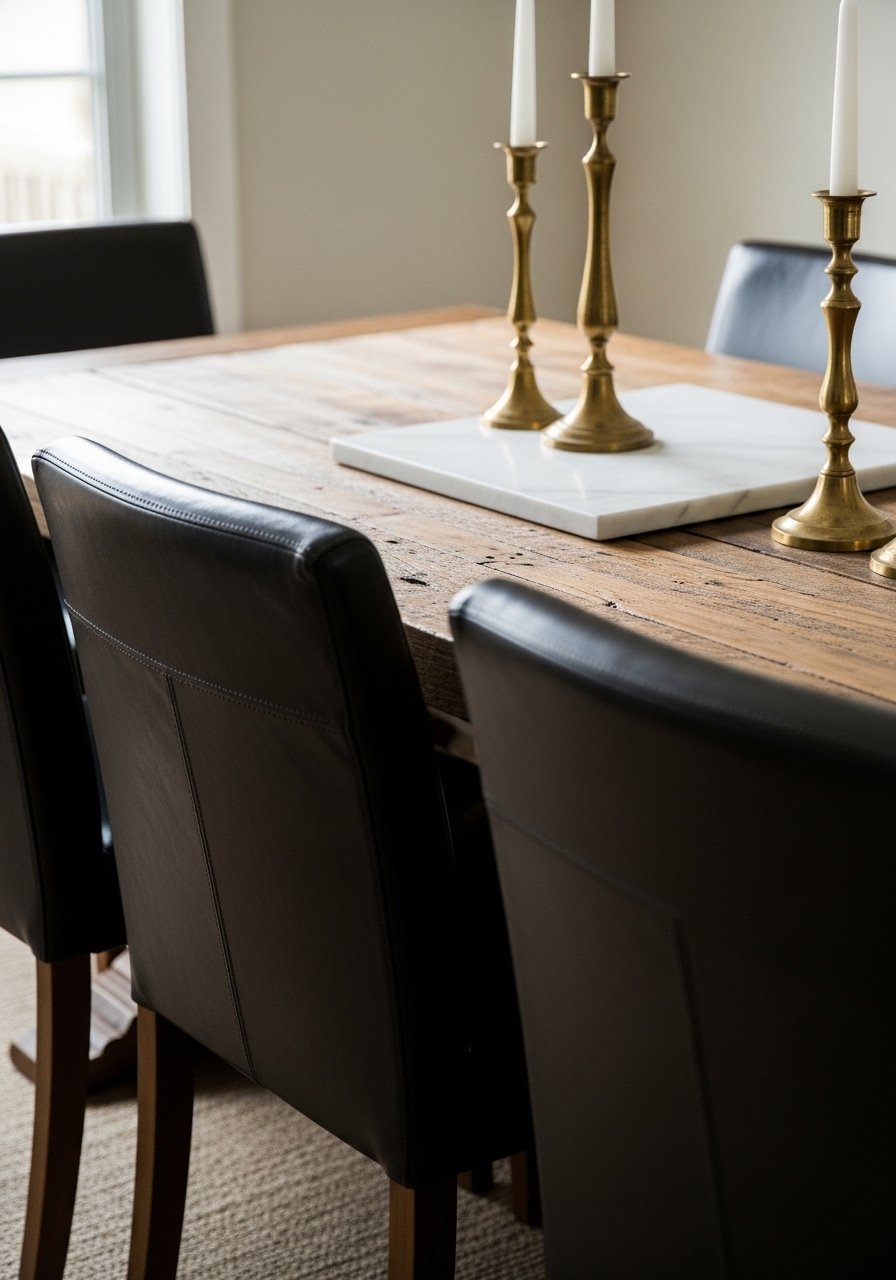
I learned this by replacing a full-wood table with a reclaimed top and adding a small polished marble board. Suddenly the kitchen felt purposeful, not themed.
Raw wood brings warmth. Polished surfaces add a moment of calm and reflect light. The contrast prevents the room from feeling one-note.
When pairing, pick one polished surface per vignette—a marble serving board, a concrete planter, or a glossy lamp base. Keep finishes within a similar warmth range so they read cohesive.
What You'll Need for This Look
- Reclaimed wood table or shelf top (light finish)
- Small marble serving board
- Tan leather dining chair (upholstered)
- Antique brass candlestick
3. Pair a Modern Sofa with an Antique Cabinet for a Collected Look
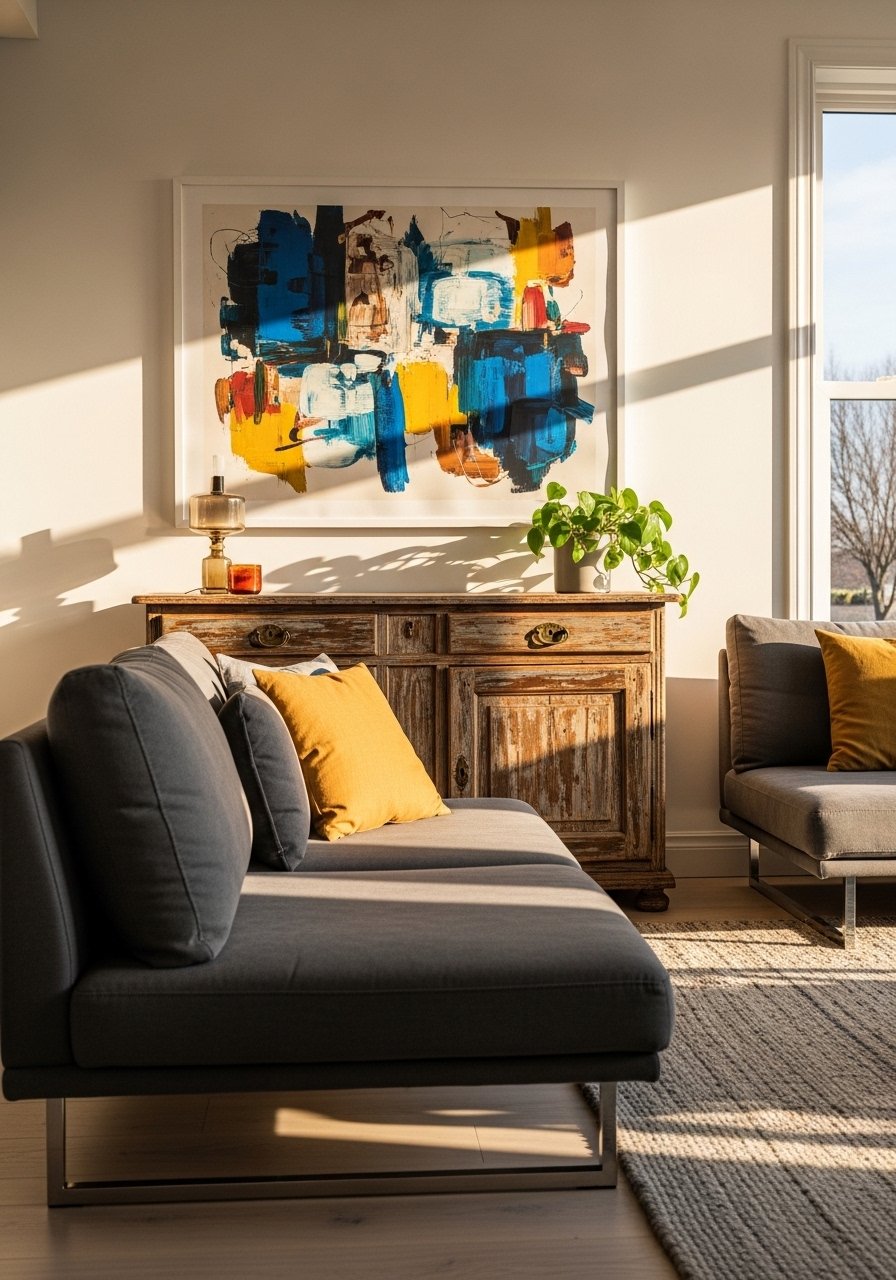
I bought a streamlined sofa and panicked it felt cold. Then I hunted down a battered cabinet and the room clicked. The cabinet anchors the sofa and tells a story.
My mistake was starting with two antiques—too heavy. The right balance was one modern anchor and one vintage piece. That mix reads collected, not themed.
Place the cabinet where it can breathe. Add a modern lamp on top and one vintage ceramic. The contrast keeps the space calm and interesting.
What You'll Need for This Look
- Modern sofa in light beige (84-inch)
- Distressed wood cabinet (vintage-style)
- Contemporary art print, neutral palette
- Matte ceramic table lamp, off-white
4. Herringbone or Weathered Tile as a Statement Floor
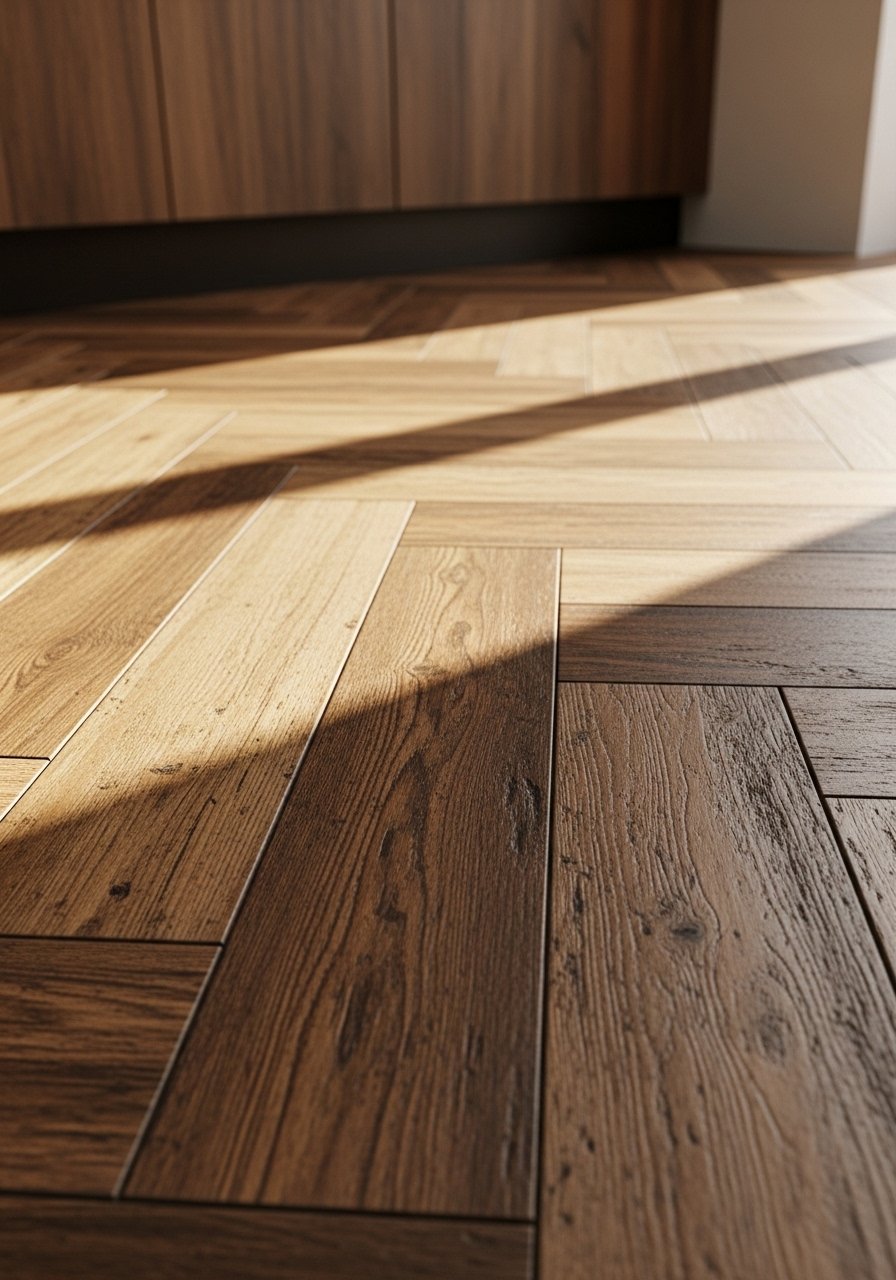
I swapped worn vinyl for wood-look herringbone tile and the kitchen felt grounded. The pattern adds sophistication while staying honest and rustic.
Tiles with a weathered finish give that inherited feel without real age. Herringbone reads deliberate and raises a simple kitchen without fuss.
It’s an investment, so plan where it matters—entry, kitchen, or a fireplace hearth. Use warm grout to keep the tone soft and avoid a cold, clinical look.
What You'll Need for This Look
- Herringbone wood-look tile (peel-and-stick or ceramic)
- Warm tone tile grout
- Stone and tile sealer (clear)
5. Tile Mosaic Fireplace Surround to Create a Cozy Anchor

I tiled my fireplace surround with small mosaics and it became the room’s quiet anchor. The texture reads hand-crafted and pulls all the warm neutrals together.
At first I tried large tiles and it felt flat. The mosaic added depth and a slight handmade imperfection that I liked. That imperfection is the point—rustic should feel human.
Keep grout subtle and mirror colors from nearby textiles. If you’re nervous, try a small sample section first to live with it before committing.
What You'll Need for This Look
6. Exposed Beams Softened with Linen Curtains and Knits
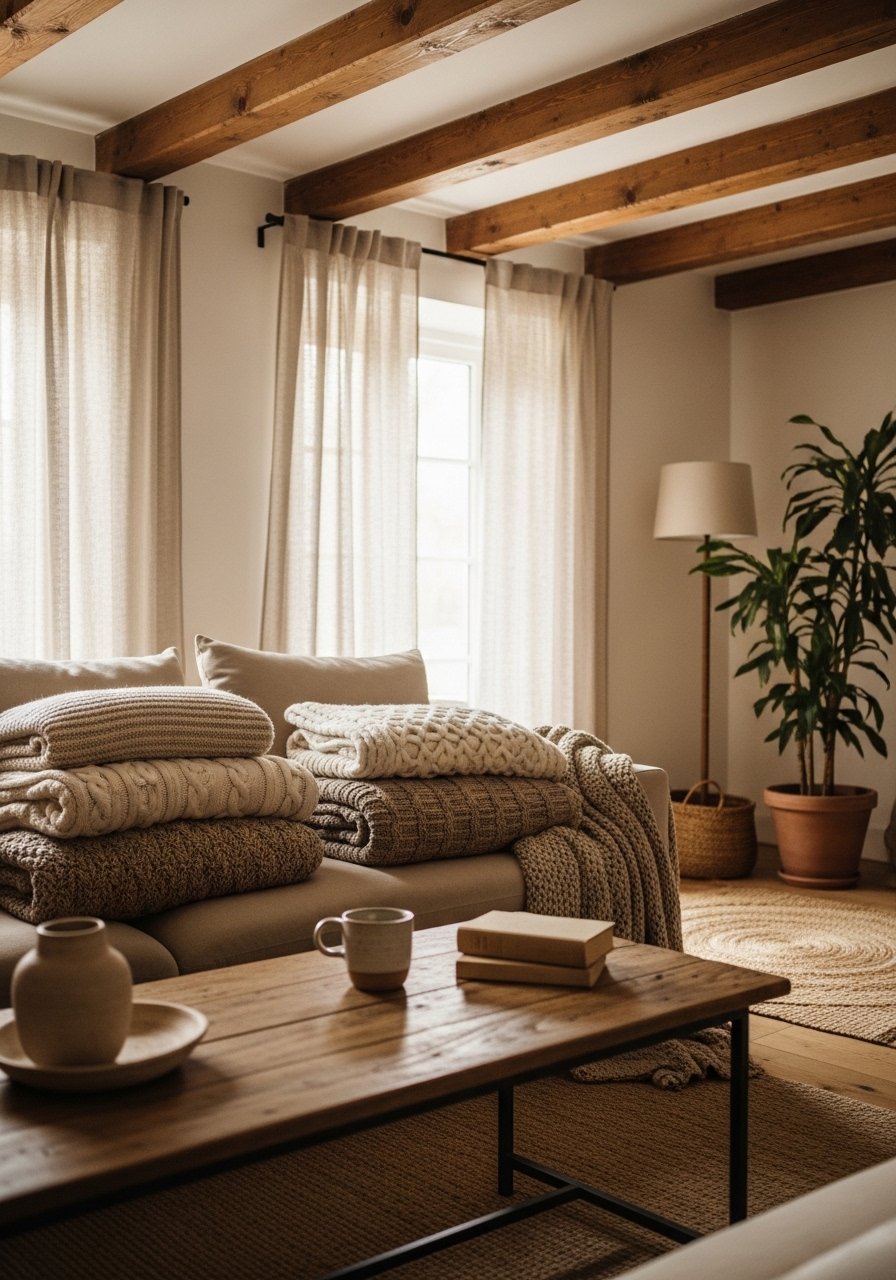
We added faux beams and then layered soft textiles under them. The beams give structure. The linens and throws keep it from feeling heavy.
Beams can make a room feel like a cabin if everything else is dark. I learned to counterbalance with light curtains and layered rugs. The room read grounded, not enclosed.
If you can’t add beams, a painted wood finish or ceiling trim helps. Keep textiles light in color to avoid visual weight under the beams.
What You'll Need for This Look
- Faux wood ceiling beams (install kit)
- Linen curtains, cream (pair)
- Knit throw blanket, beige
- Jute base rug (5×8)
7. Use Primitive Antiques with Contemporary Art for Americana Balance
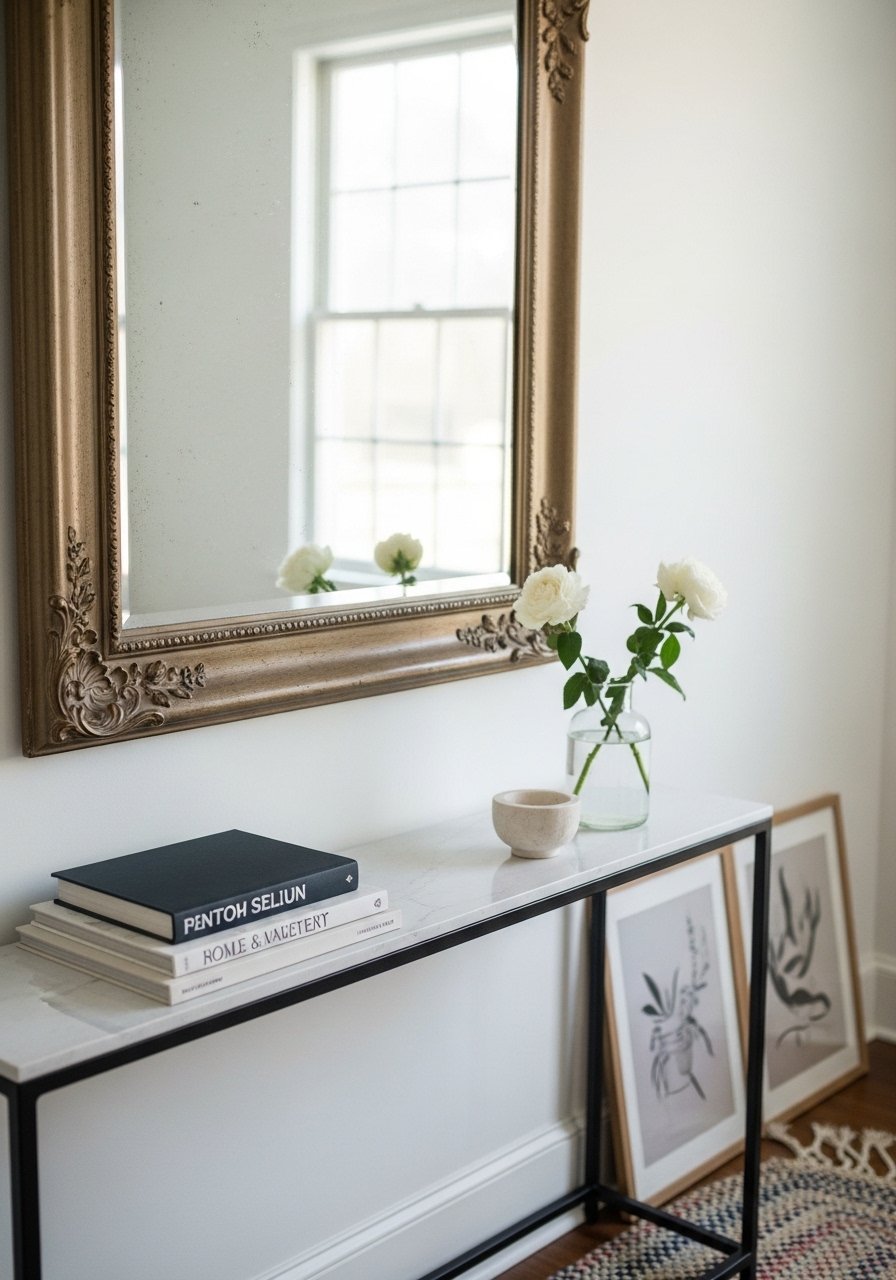
I love a braided rug and an old mirror. Placing contemporary art above a primitive piece keeps it from feeling stagey. It reads like history, not a costume.
I once over-accessorized with too many patriotic motifs and it looked literal. The fix was one antique, one modern artwork, and neutral textiles to bridge them.
Let the antique breathe. Add a single modern lamp or a clean print. The contrast keeps the room interesting and honest.
What You'll Need for This Look
- Federal-style mirror (distressed finish)
- Braided natural fiber rug (round or runner)
- Contemporary abstract print, neutral
- Matte metal table lamp (small)
8. Reclaimed Wood Shelves to Show a Collected-Over-Time Aesthetic
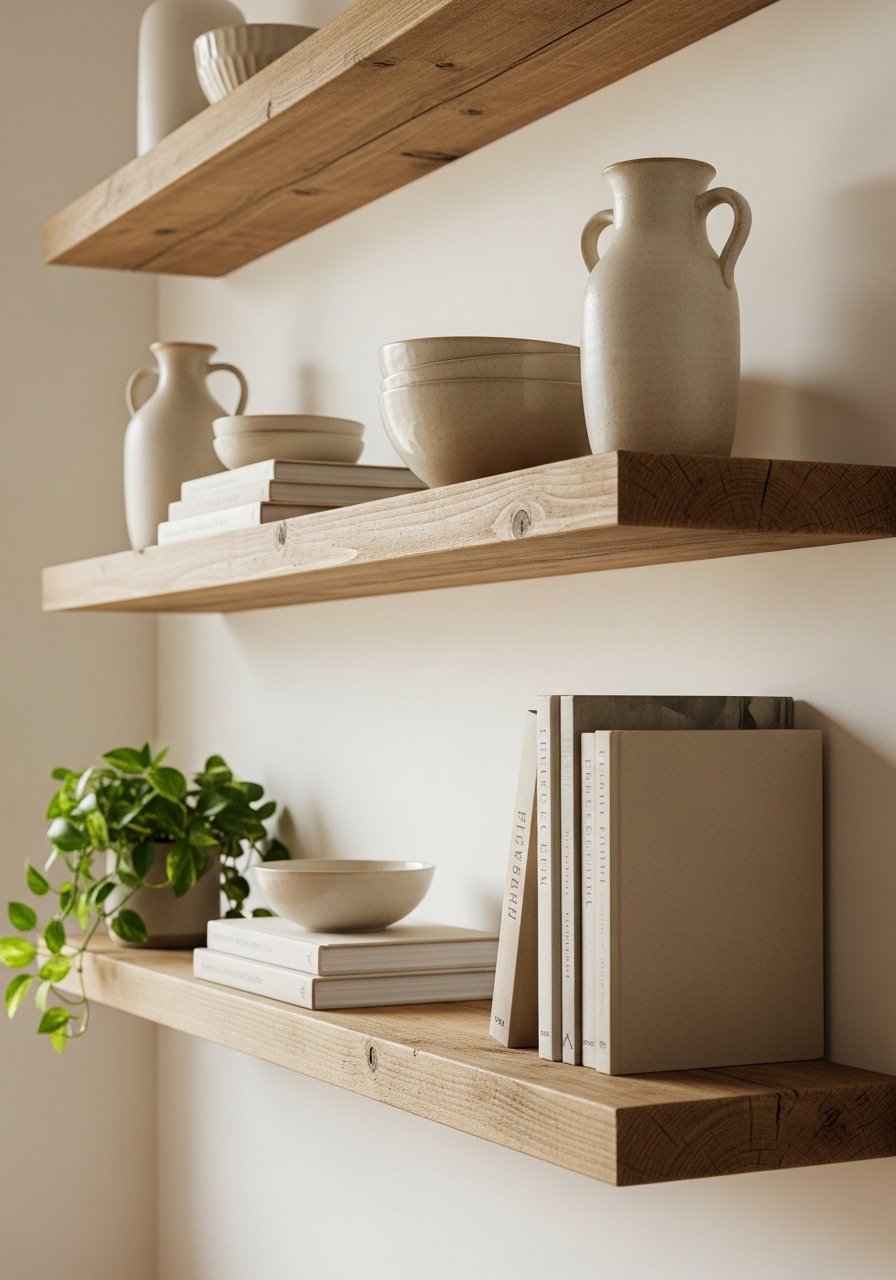
I swapped new white shelves for reclaimed planks and it instantly added history. The wood grain reads personal and anchors whatever you place on it.
Style sparingly. Open shelving should feel curated. I follow a 50/50 rule—half items, half breathing room—so it never looks like clutter.
If the shelves feel too heavy, sand them slightly or choose a lighter stain. Don’t line every wall. One well-styled shelf is better than many crowded ones.
What You'll Need for This Look
- Reclaimed wood floating shelves (set)
- Small ceramic vases, neutral tones
- Hardcover vintage books for styling
- Small indoor plant in terracotta pot
9. Terra-Cotta Accents for Belgian Country Warmth
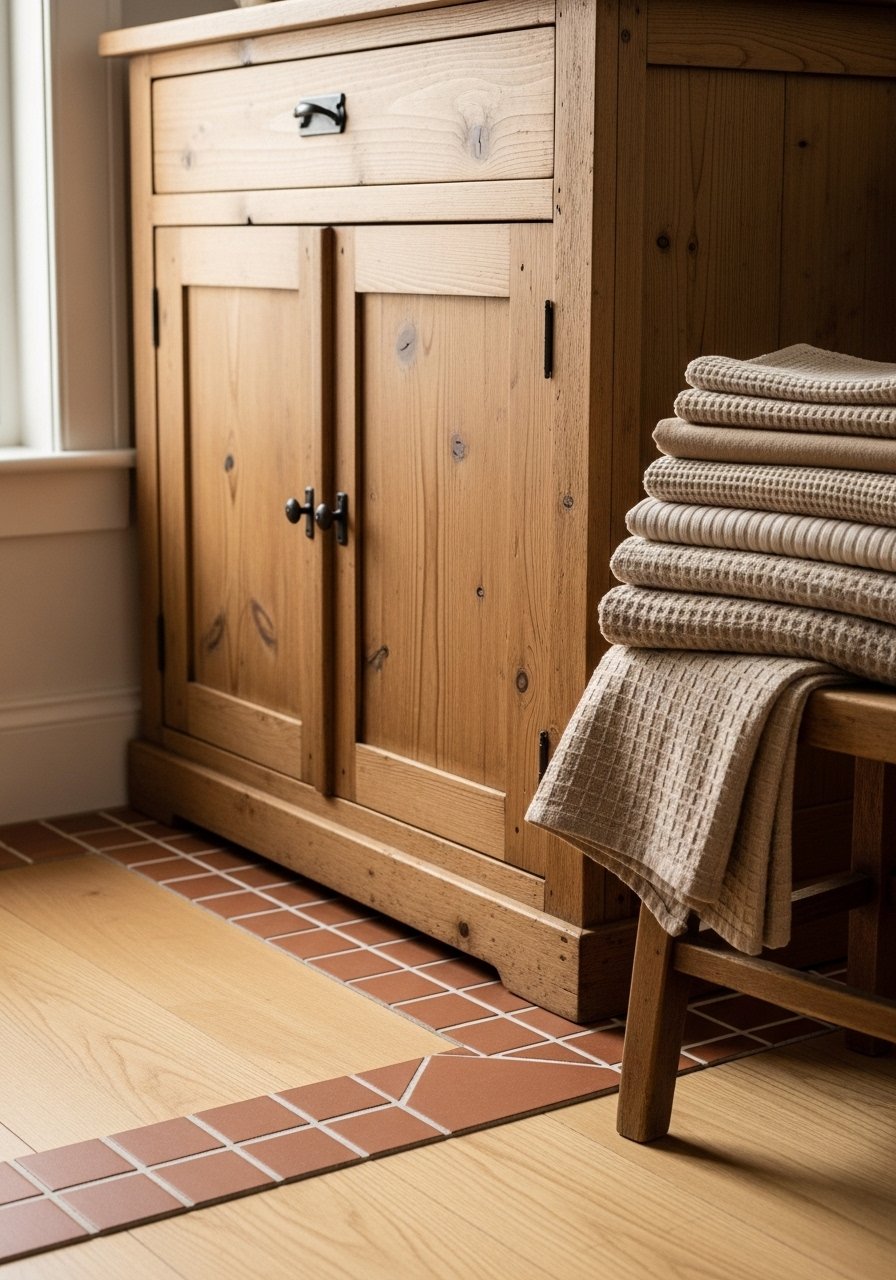
I added terra-cotta floor tiles in a kitchen nook and it suddenly felt European. The warm red-brown grounds cream cabinets and soft linens.
My mistake was overdoing the terra-cotta in one go. Instead, start with accents—planters, coasters, or a tile border. Those small touches gave the authentic patina without overwhelming the space.
Terra-cotta pairs beautifully with warm beige and forest green. Seal tiles near sinks to avoid staining.
What You'll Need for This Look
- Small terracotta tiles or tile mats
- Terra-cotta planters (set)
- Warm beige kitchen linen (tea towels)
10. Soft Neutral Palette with a Single Bold Accent

I switched my cool grays for warm neutrals and the house felt friendlier. Cream, warm beige, and soft sage form a calming base.
Then I add one bold accent—a dusty rose pillow or a forest green throw. That single pop keeps the room from drifting bland without shouting.
My tip: choose the accent color from an item you already love. Work in odd numbers—three pillows, one accent vase. It feels intentional and lived-in.
What You'll Need for This Look
- Cream throw pillows (18×18)
- Sage accent pillow (12×18)
- Dusty rose accent pillow (small)
- Light wood coffee table (small)
11. Curated Open Shelving with the 50/50 Rule
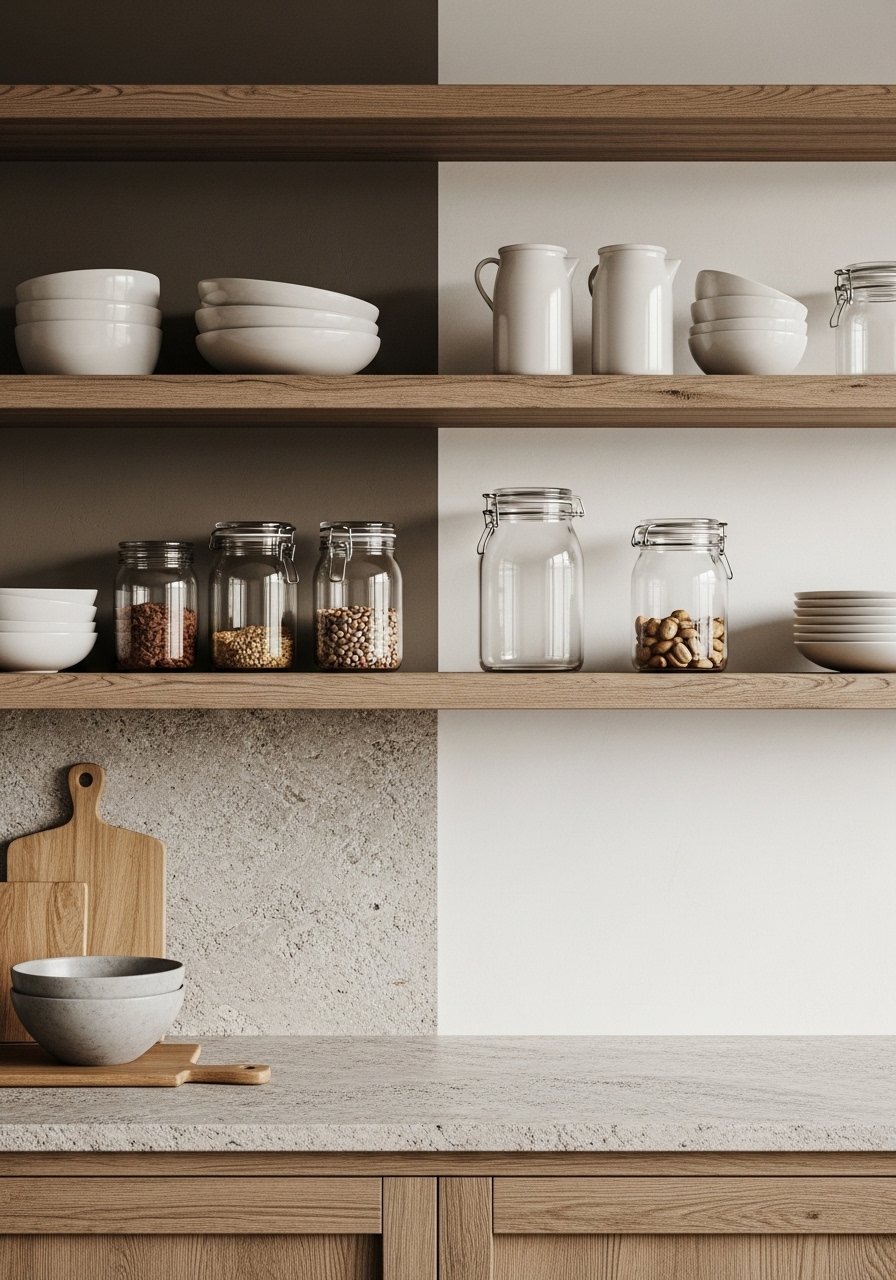
Open shelves were a disaster when I first tried them. I filled every inch and it read cluttered. The 50/50 rule saved me—half styled, half empty.
Group items in odd numbers and vary heights. Use a mix of functional pieces (dishes, jars) and decorative ones (a small plant, a framed print). Leave breathing room.
Rotate seasonally. I swap a few ceramics in fall and a light linen in spring. That keeps the shelves feeling fresh without a full redo.
What You'll Need for This Look
- Open floating wood shelves (set)
- Neutral ceramic bowls and jars
- Small framed botanical print
- Small succulent in terracotta pot
12. Subtle Floral Touches — Pressed Flowers & Botanical Prints
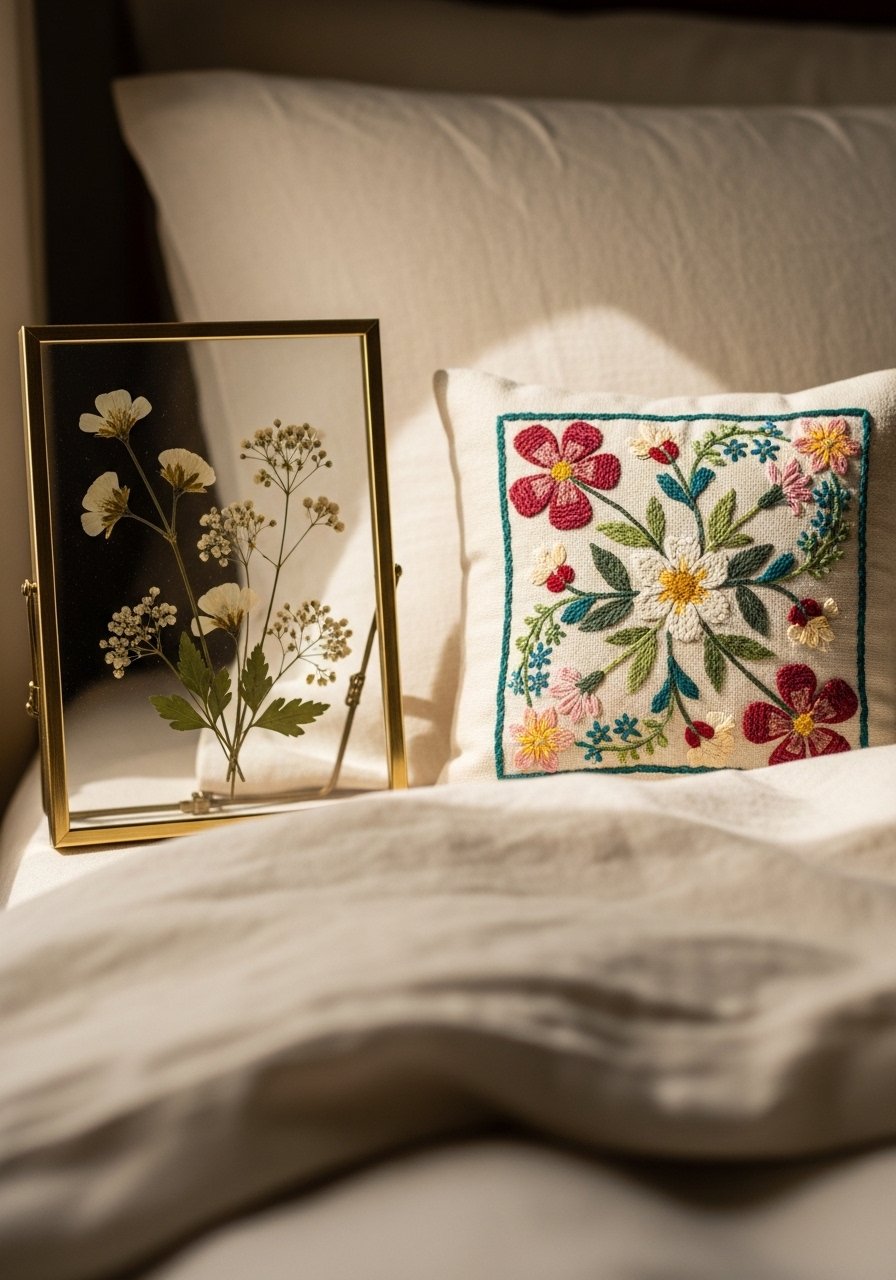
I learned to use florals quietly. A pressed flower frame or a delicate embroidered pillow adds spring softness without shouting pattern.
In my bedroom I swapped a bold floral duvet for plain linen and added two small botanical prints. The result felt feminine but calm.
Keep florals as accents. Use muted palettes like sage, dusty rose, or soft lavender. They read intentional and seasonal.
What You'll Need for This Look
- Pressed flower frame (8×10)
- Botanical print set, neutral tones
- Embroidered floral pillow cover (small)
- Linen bedding, cream (queen)
13. Renter-Friendly Rustic: Removable Walls, Rugs, and Mirrors
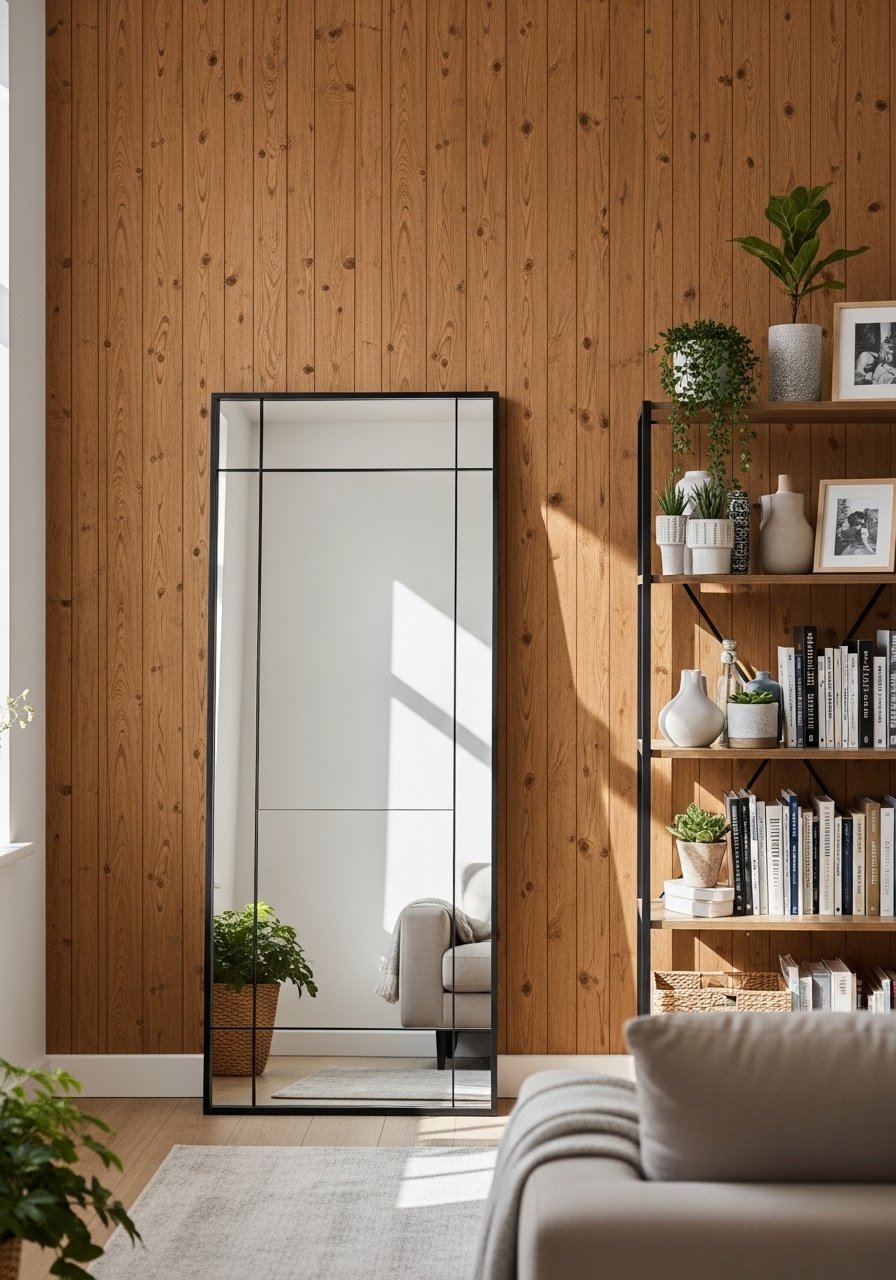
When I rented, I still wanted a rustic feel. Peel-and-stick wallpaper, large leaning mirrors, and freestanding shelving did the trick without damage.
I once installed heavy hooks that left marks. The lesson: use command strips, removable wallpaper, and large rugs to change the room temporarily. They make a big visual impact.
Choose high-quality peel-and-stick and test a corner first. A large mirror will double light and read like a built-in focal point.
What You'll Need for This Look
- Peel-and-stick wood-look wallpaper (removable)
- Large leaning mirror (30×40)
- Freestanding wood and metal shelving unit
- Layered jute rug (5×8)
14. Small-Space Rustic: Light Woods and Vertical Storage
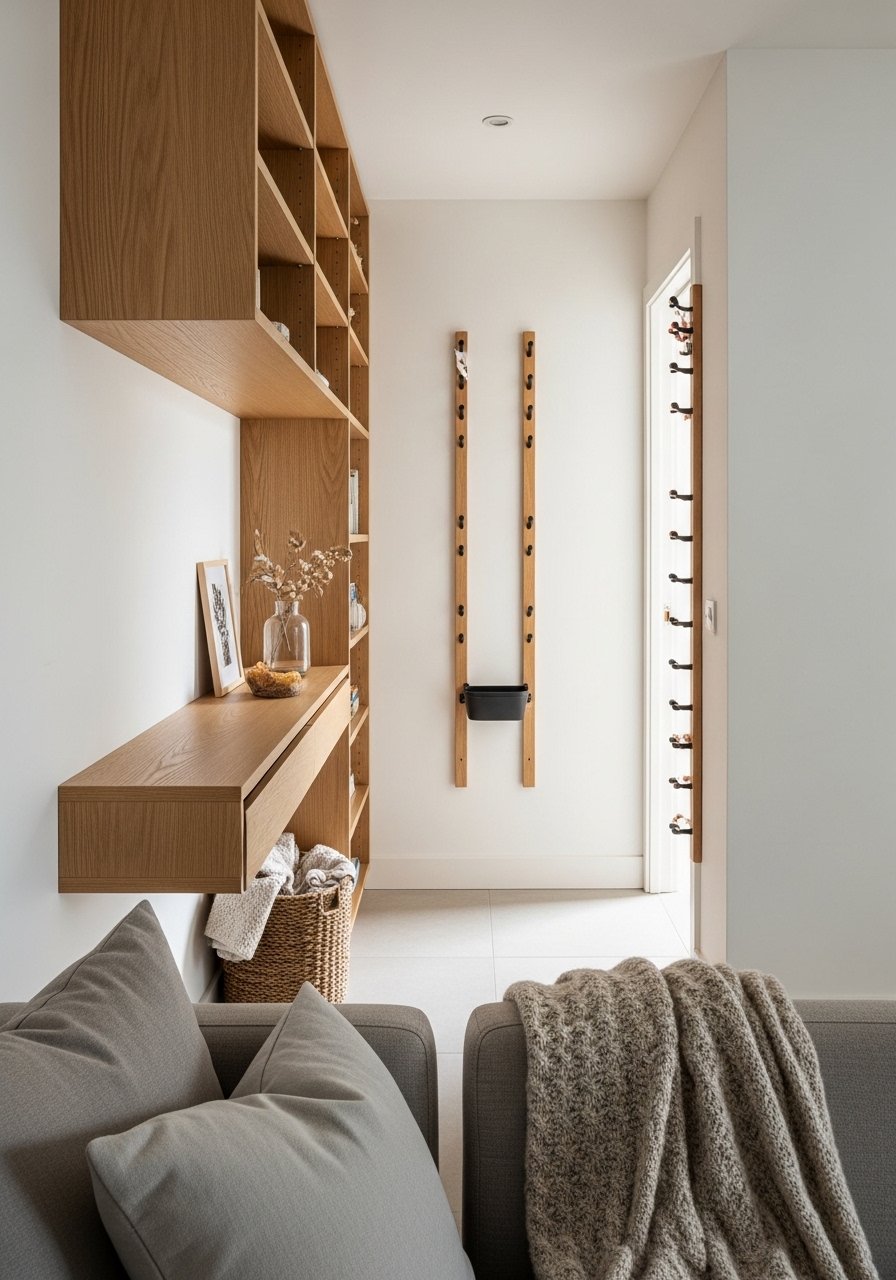
My first tiny apartment felt crowded with heavy furniture. Switching to light oak and tall shelves opened the space while keeping that rustic mood.
Use vertical storage and one statement piece instead of many small ones. A tall, slim bookcase and a narrow console do more than a bulky sideboard.
Keep textures but reduce scale. A small woven rug, two pillows, and a slim pendant lamp give cozy without crowding.
What You'll Need for This Look
- Light oak tall bookcase (narrow)
- Slim light wood console table
- Small jute rug (3×5)
- Wall hooks for vertical storage (set)
15. Layer Natural Fiber Rugs for Texture and Warmth
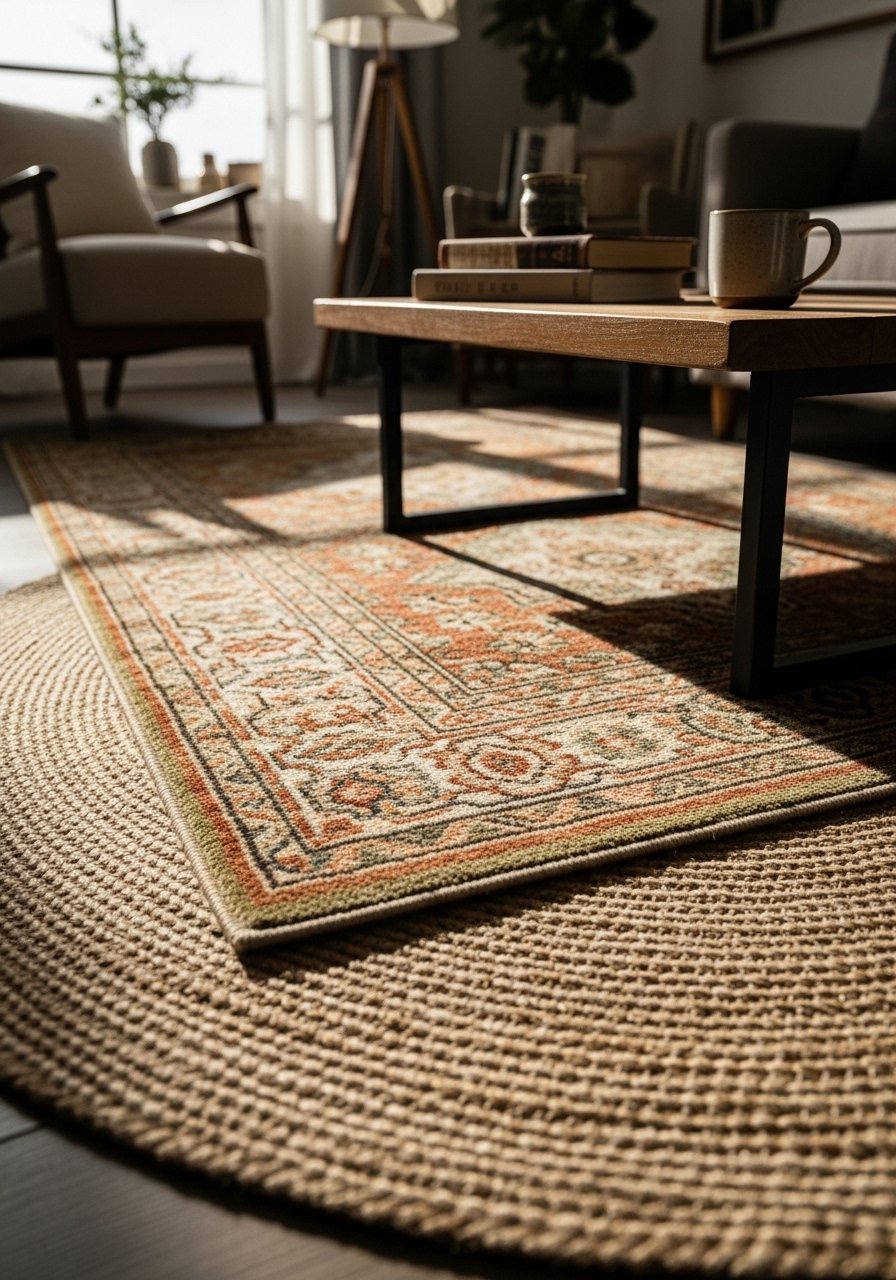
I layered a jute rug under a smaller patterned wool rug and it instantly read intentional. The jute grounds; the wool adds pattern and softness.
At first I tried two patterned rugs and it looked busy. The fix was a plain natural base and one patterned top—calm with interest.
Make sure the top rug sits fully on the furniture front legs for cohesion. Choose warm tones and natural fibers to keep the rustic feel.
What You'll Need for This Look
16. Mix Metals in Lighting and Hardware — Keep the Palette Warm
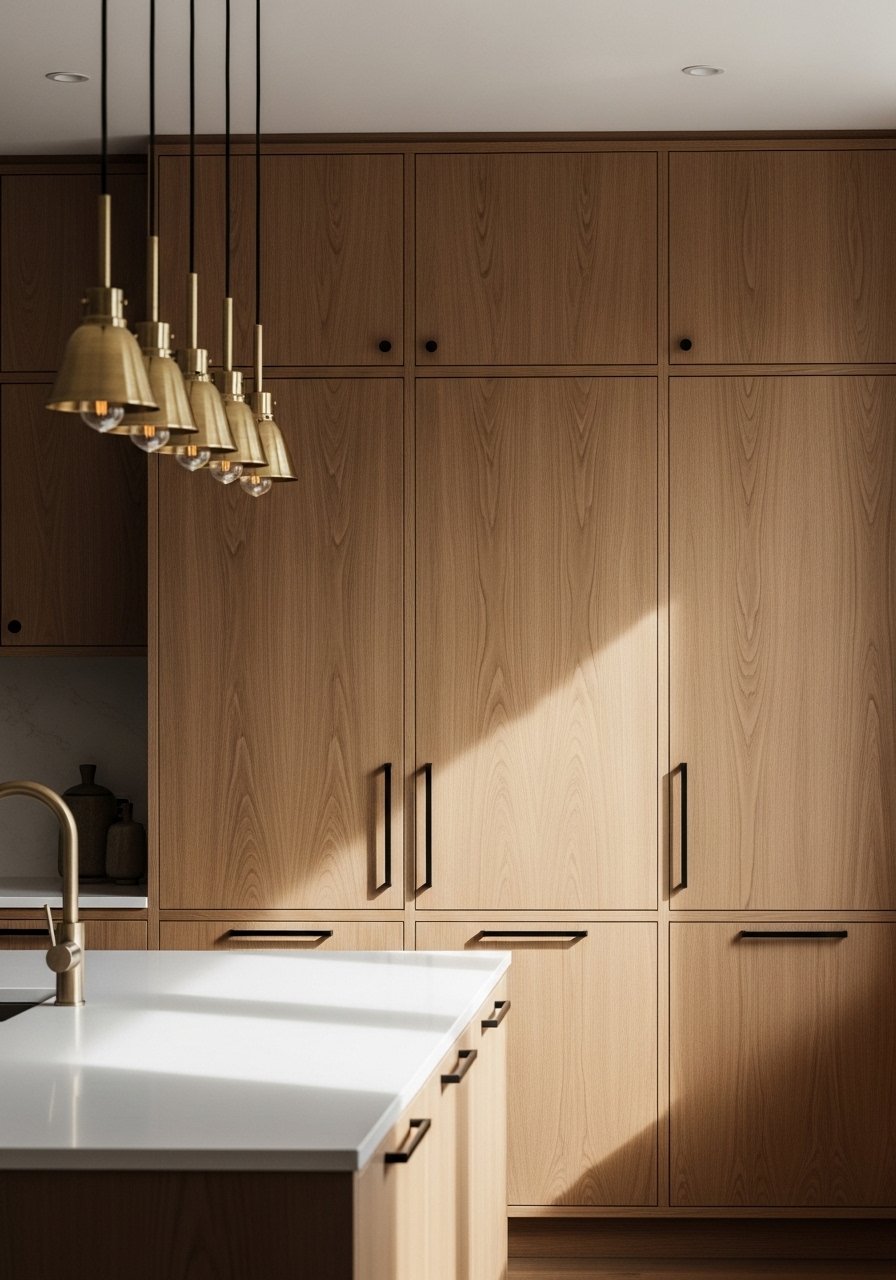
I used brass pendants over a wooden island and matte black pulls on cabinets. It felt deliberate and modern-rustic. Mixed metals add depth.
The mistake I made was too many finishes. Limit yourself to two dominant metal families—warm brass and a darker metal for contrast.
Match the metal temperature to your palette. Warm neutrals love antique brass. Keep light fixtures cohesive in finish but vary scale.
What You'll Need for This Look
17. Bouclé and Textured Upholstery for Tactile Richness
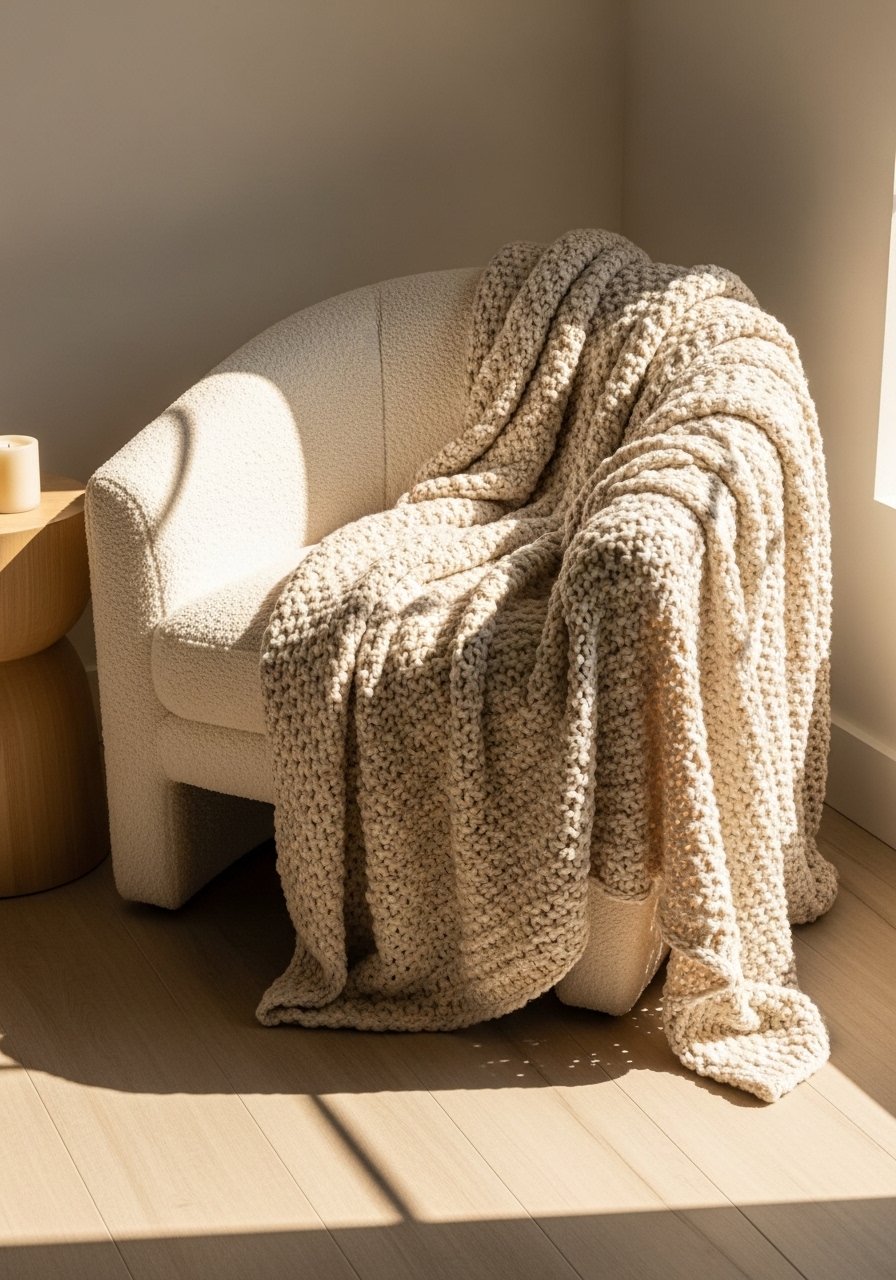
I replaced a plain accent chair with a small bouclé chair and it invited touch. Bouclé reads modern and cozy, which is perfect for rustic vogue.
It’s a small change with big effect. The texture balances raw wood and soft linens. I use bouclé in seats rather than full sofas to keep maintenance manageable.
Tip: pick a chair with removable cushions if possible. Pets love textured fabrics, so consider cleanability.
What You'll Need for This Look
18. Create an Americana Corner Without Feeling Costume-y
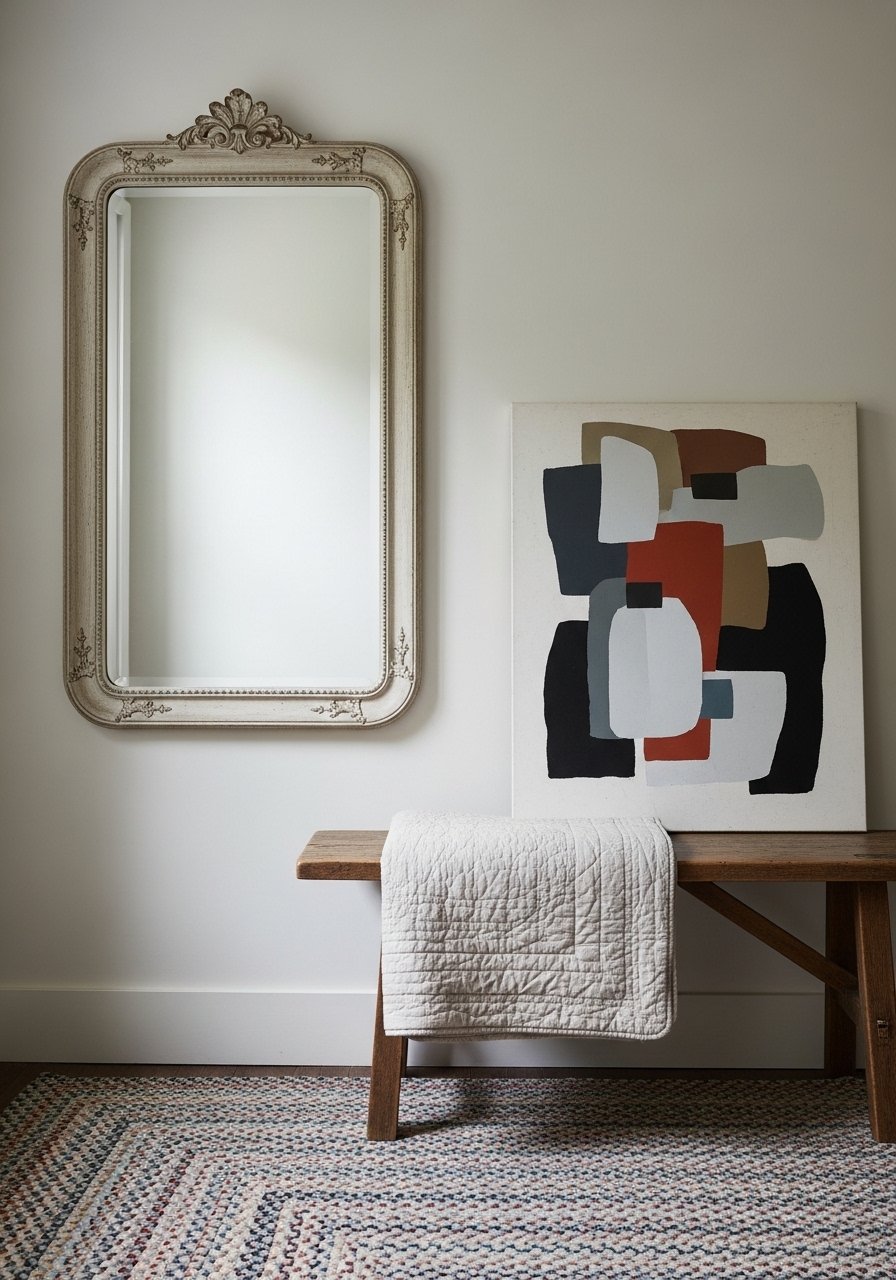
I love Americana pieces but once filled a whole wall with flags and it looked kitschy. The better approach was one Federal mirror, a braided rug, and modern art nearby.
Keep quilts as soft accents on benches or chairs instead of covering whole walls. Let one antique tell the story while modern pieces keep it fresh.
Balance is the key. Use neutral textiles and one small historic piece to reference the style without reenacting it.
What You'll Need for This Look
- Federal-style mirror
- Braided rug runner (natural)
- Folded vintage-style quilt (small)
- Small modern art print, neutral
19. Vintage Sourcing Strategy: Thrift First, Dealers for Pieces Worth Restoring
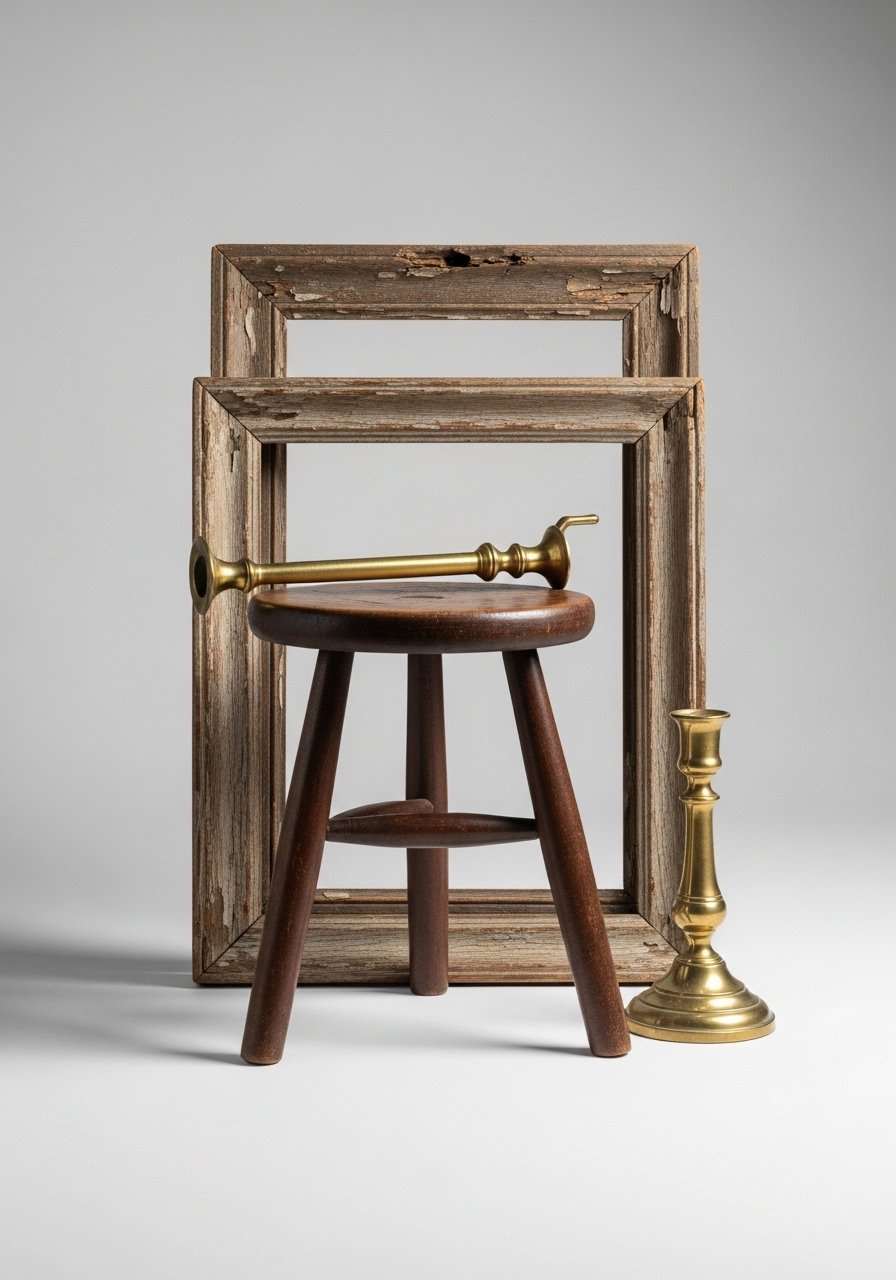
I thrifted for years and learned where to spend. Thrift stores and flea markets are great for linens, small furniture, and frames. Dealers are better for solid pieces that need repair.
I wasted money on a poorly made "antique" once. Now I check joinery, wood type, and smell—solid wood doesn’t smell musty. If it wobbles, factor repair into the price.
Start with small finds and learn to spot construction details. Online marketplaces are good, but inspect in person when possible.
What You'll Need for This Look
- Small wooden stool (vintage-style)
- Brass candlestick, medium
- Weathered picture frame (8×10)
- Wood repair kit for small restorations
20. Lighting That Feels Rustic — Matte Brass, Glass, and Warm Bulbs
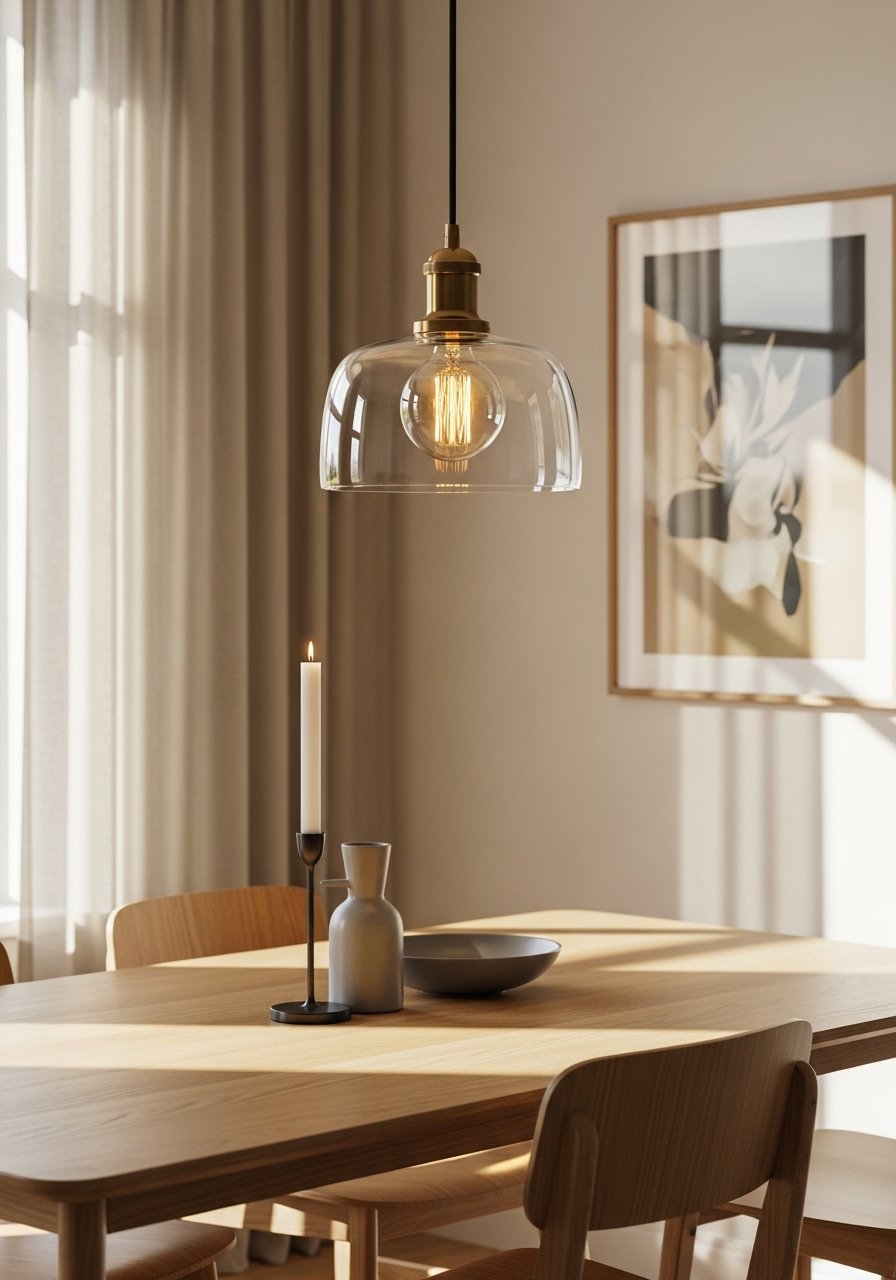
I swapped cool LEDs for warm filament bulbs and the whole room softened. The fixtures—matte brass with glass shades—feel both rustic and modern.
I once bought a cheap fixture that rattled. Lesson learned: invest in a solid pendant you’ll see daily. Lighting changes mood more than paint.
Choose bulbs around 2700K for warmth. Keep fixtures simple and tactile—brass, glass, or aged metal work well together.
What You'll Need for This Look
- Matte brass pendant light with glass shade
- Filament LED bulbs, 2700K (warm)
- Antique-style floor lamp (matte finish)
21. Styling a Coffee Table with Odd Numbers and Negative Space
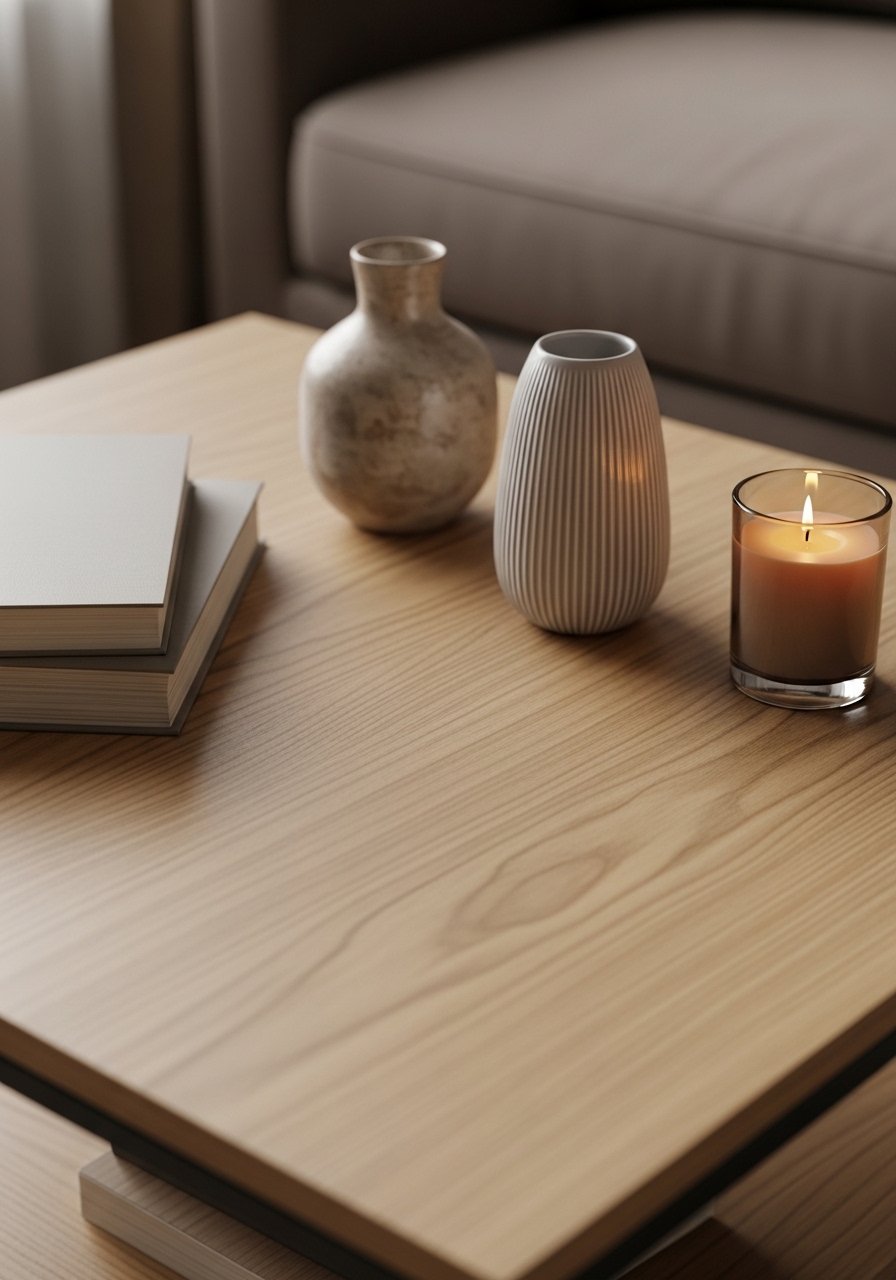
I used to cram trays with everything. Then I tried three simple pieces on the table and it felt calm. Odd numbers and negative space make styling look deliberate.
One book, one natural bowl, and one low vase is enough. Keep heights varied and leave empty space so the table breathes.
Rotate items seasonally. A fresh sprig in a small vase goes a long way.
What You'll Need for This Look
22. Maintenance: How to Live with Rustic Pieces Around Kids and Pets

Rustic can be practical. I use washable slipcovers, sealed wood finishes, and baskets for toys so the look lasts. You don’t need fragile antiques in daily spots.
My early mistake was choosing delicate linens in a family room. Now I pick durable natural fabrics and protect surfaces with coasters and trays. A little prep saves heartache.
Seal wood surfaces and choose rugs that can be cleaned. Rustic should feel lived-in, not ruined.
What You'll Need for This Look
- Removable sofa slipcover, beige
- Clear wood furniture sealer
- Woven storage basket (large)
- Washable rug pad and spot cleaner
Final Thoughts
You don’t have to do everything at once. Pick one or two ideas and live with them for a month.
Rustic is about feeling rooted and comfortable. Small choices—textiles, one vintage piece, better lighting—add up quickly.