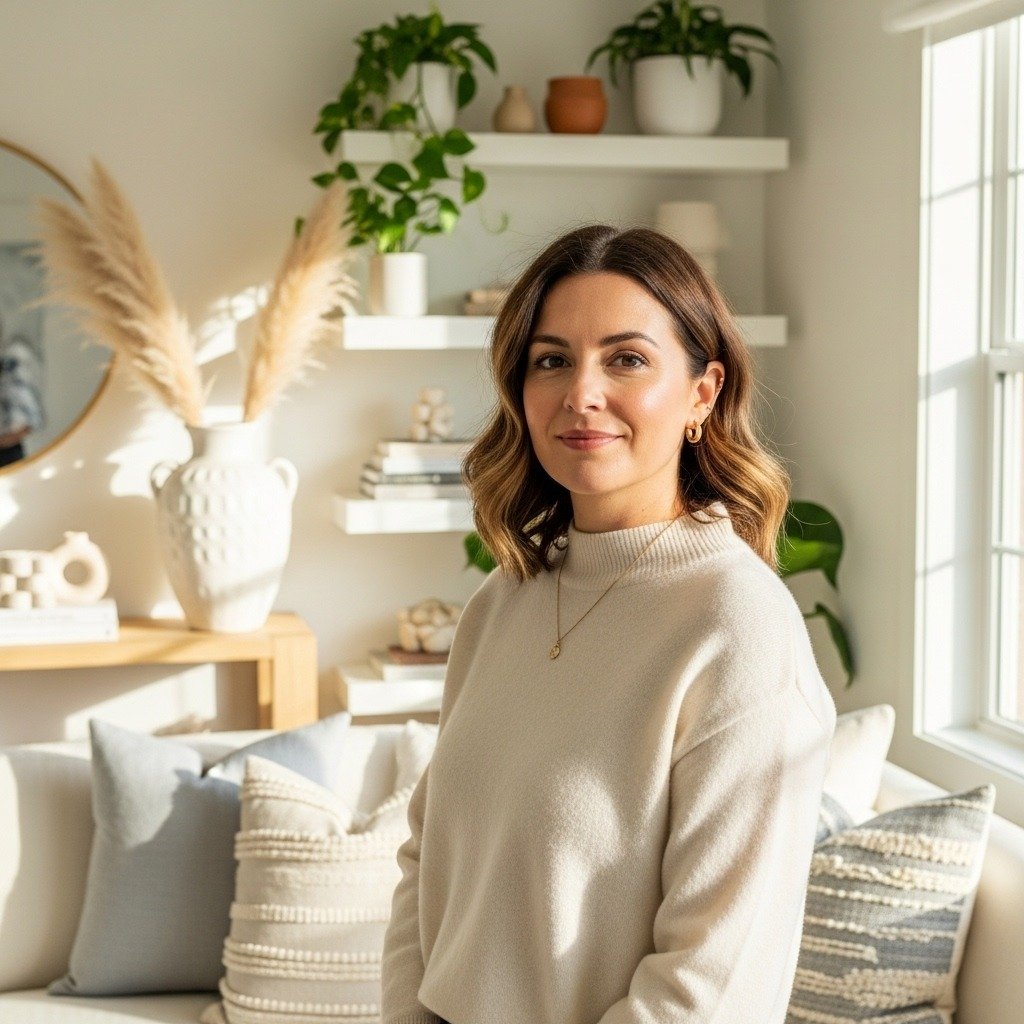
I stared at my tiny living room and realized the problem wasn't the square footage — it was how I used every inch. Swapping a few heavy pieces, raising curtains, and adding mirrors made my space feel calm and open. These 23 changes leaned on smart scale, light colors, and multifunctional pieces that cost under $300 in most cases and felt like a real refresh.
This collection leans modern Scandinavian, minimalist, and a touch of boho. Most ideas are budget-friendly, with a few splurges under $200. They work in small living rooms, studio apartments, and cozy open-plan dens. Lately I’ve seen warm wood tones and layered textiles everywhere, so I mixed natural materials with clean lines for a lived-in but airy feel.
What You'll Need to Get This Look
Textiles & Soft Goods:
- Chunky knit throw blanket in cream (~$35-55)
- Linen blend curtains, 84-inch (~$30-50 per panel)
- Velvet pillow covers, set of 4 (~$40-50)
Wall Decor & Art:
- Set of 3 floating shelves, white oak (~$45-70)
- Large round mirror, 36-inch (~$80-120)
Lighting:
- Rattan pendant light shade (~$30-60)
- LED Edison bulbs, warm white (~$15-20)
Plants & Greenery:
- Artificial fiddle leaf fig tree, 6ft (~$60-90)
Budget-Friendly Finds:
- Peel and stick wallpaper panels, neutral (~$20-35)
- Slim clear acrylic side table (~$60-90)
- 8×10 jute area rug (~$80-150)
Similar at Target and HomeGoods for many of these pieces; West Elm and IKEA have good slim-profile sofas if you want a splurge or try in-store sizing.
Floor-To-Ceiling Curtains To Add Height
Style/Vibe: Modern Scandinavian / Minimalist
Budget: $$ (under $100)
Best For: Living rooms, studios
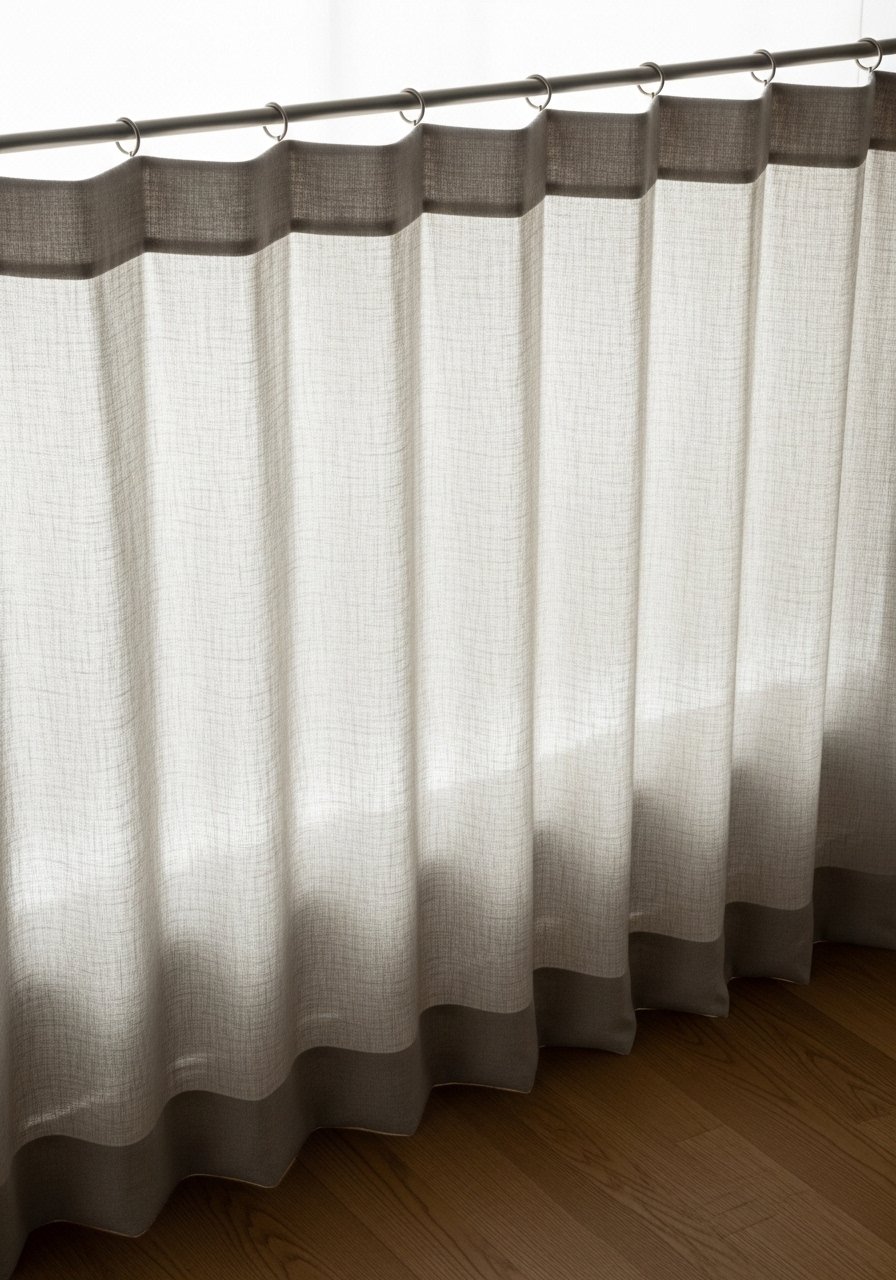
Hanging curtains so they almost touch the ceiling instantly raises the eye line. I used linen blend curtains, 84-inch and mounted the rod six inches above the window frame. The space reads taller and more cohesive. Avoid curtains that are too patterned in a small room — busy prints make walls feel closer. Keep the fabric light and neutral, and aim for floor-skimming or slight puddle for an intentional, cozy look.
Oversized Round Mirror To Brighten Dark Corners
Style/Vibe: Minimalist / Coastal
Budget: $$$ ($80-150)
Best For: Living rooms, entryways
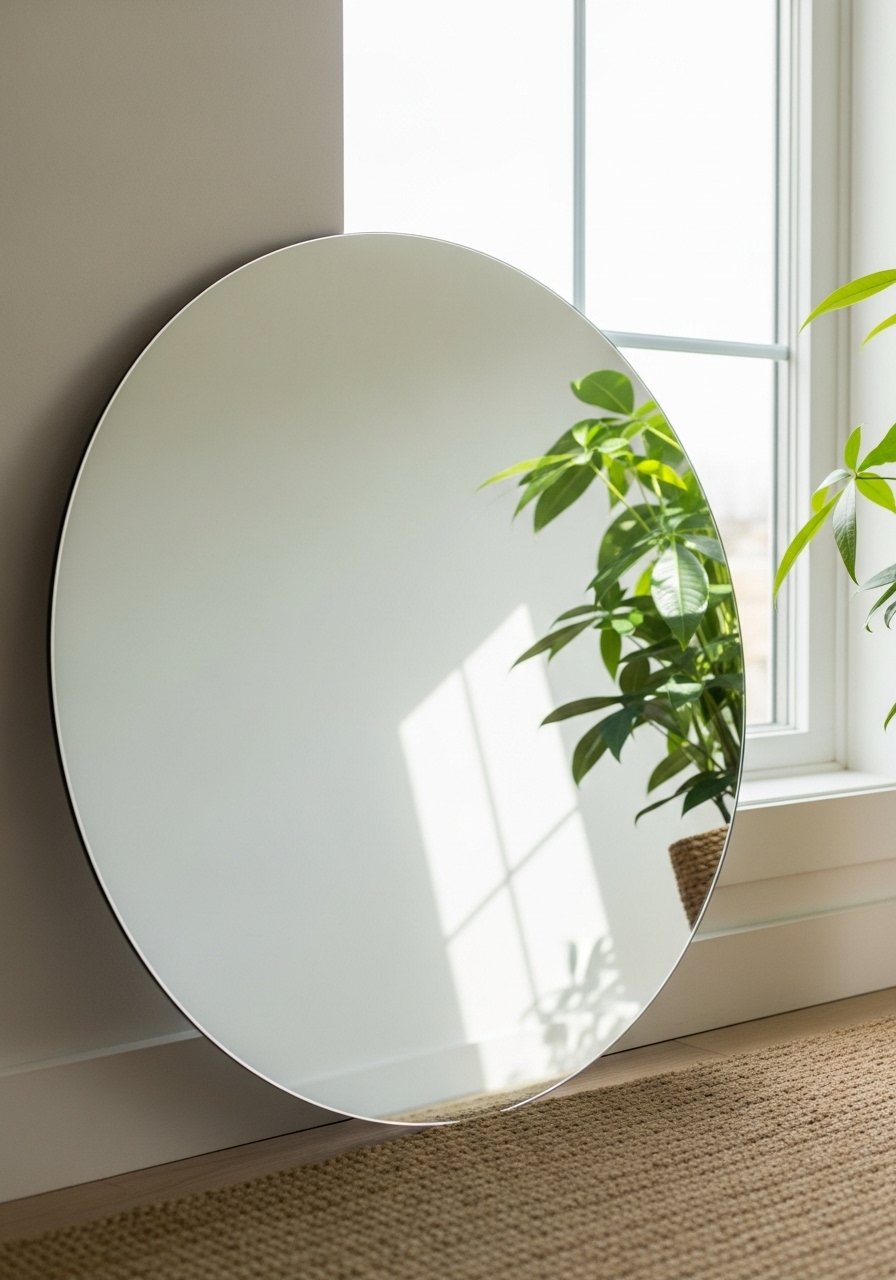
An oversized round mirror bounces light and visually doubles space. I propped this 36-inch round mirror against a dim wall and the room felt brighter within hours. Mirrors work best opposite a window or next to a light source. Don’t hang small square mirrors on a big plain wall — they can emphasize scale problems. A single large piece reads cleaner and keeps the room airy.
Floating Shelves With Curated Greenery
Style/Vibe: Boho / Modern Farmhouse
Budget: $$ (under $100)
Best For: Living rooms, hallways
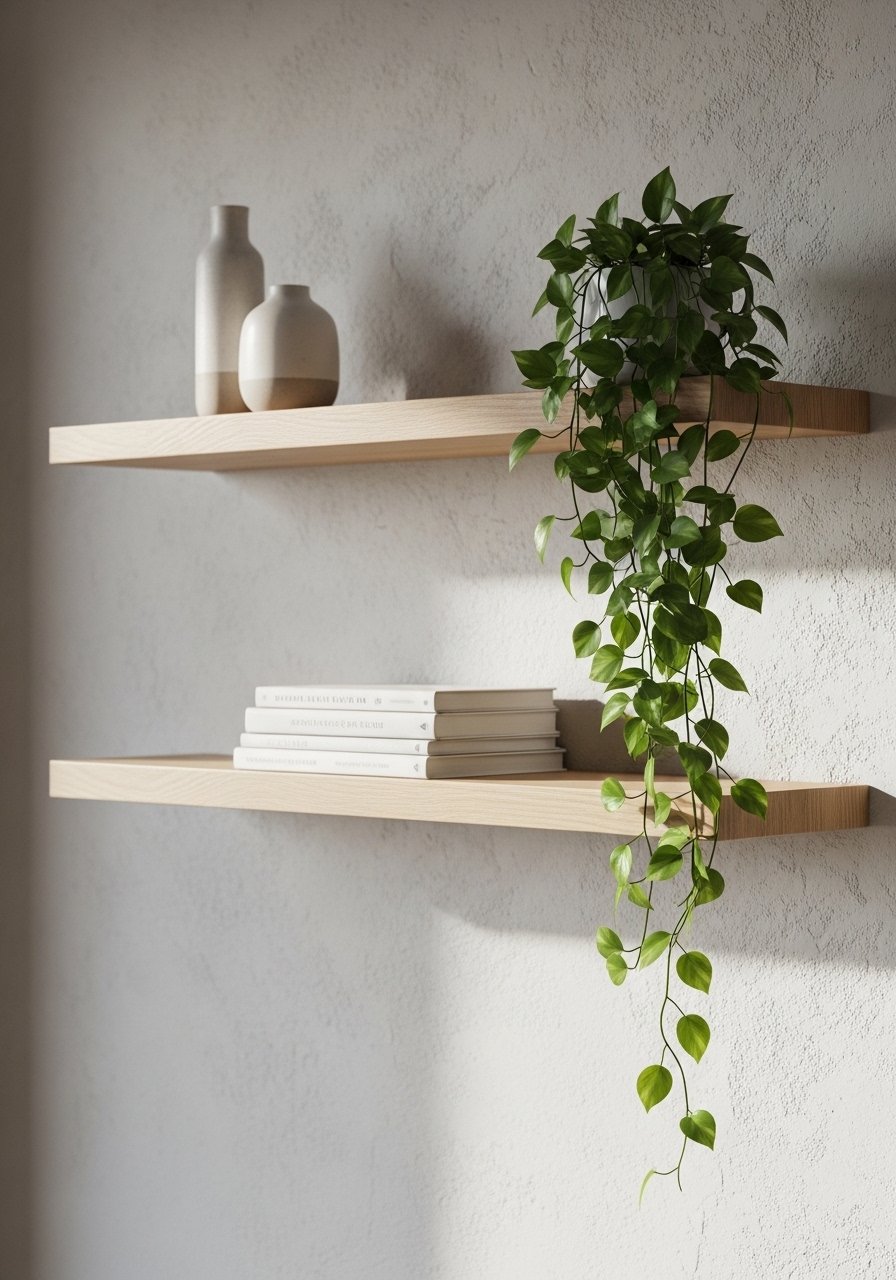
Floating shelves free up floor space and create vertical interest. I installed white oak floating shelves in an odd-number grouping and balanced plants with framed prints. The key is editing: one trailing plant, two art pieces, and a small ceramic bowl keeps the shelf from looking cluttered. Avoid overcrowding; too many small objects read chaotic. Aim for height variation and odd numbers for a relaxed, intentional display.
Slim Profile Sofa For Airy Seating
Style/Vibe: Mid-Century / Modern
Budget: $$$ ($300-900)
Best For: Living rooms, apartments
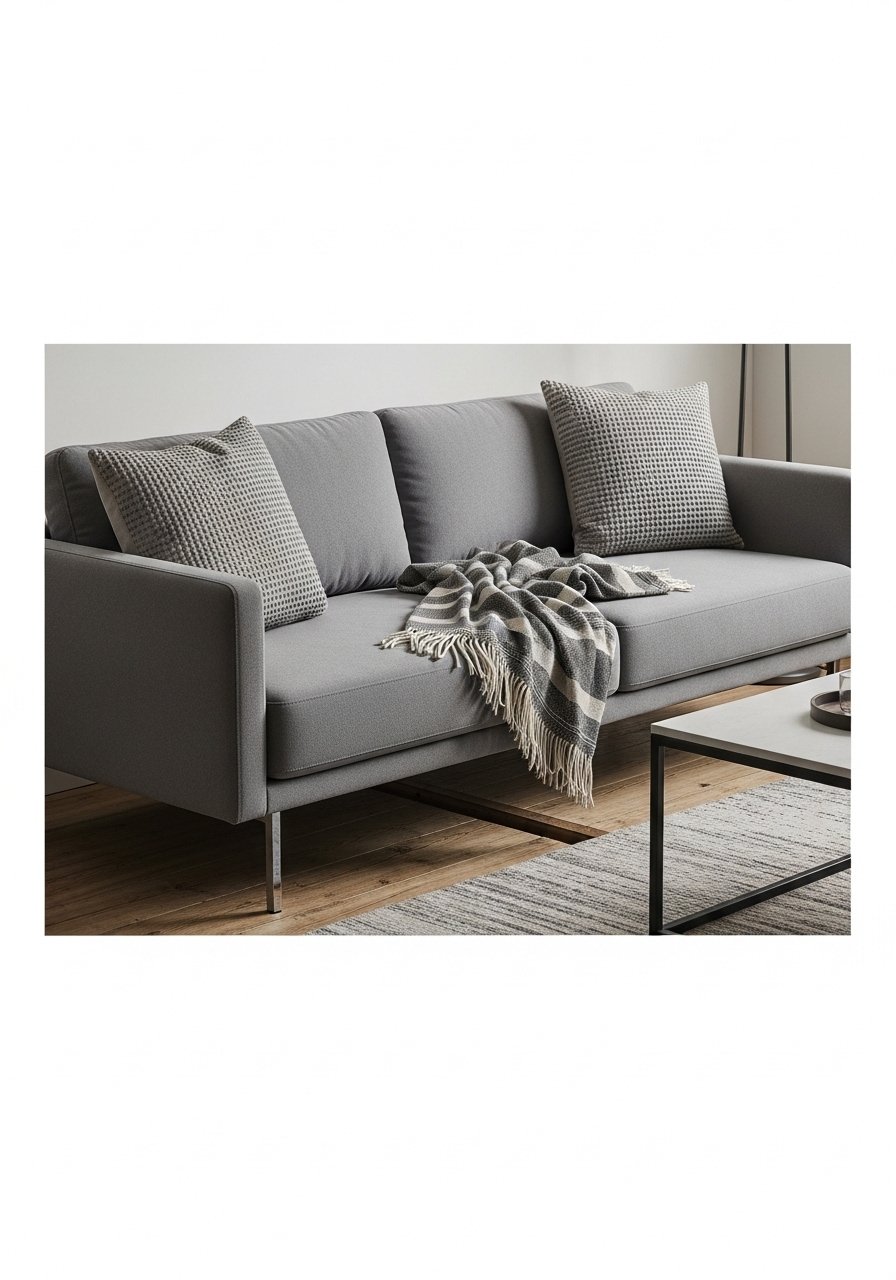
Swapping a chunky sofa for a slim-profile option made my room feel twice as open. Look for exposed legs, narrow arms, and a depth under 36 inches. I compared an IKEA option to a West Elm slim frame and picked one with a 32-inch depth. Avoid oversized sectional pieces in small rooms — even a two-seat couch can seat three if styled with cushions. Keep scale light and add a small side table rather than bulky end tables.
Glass Or Acrylic Coffee Table To Reduce Visual Weight
Style/Vibe: Modern / Minimalist
Budget: $$ (under $150)
Best For: Small living rooms
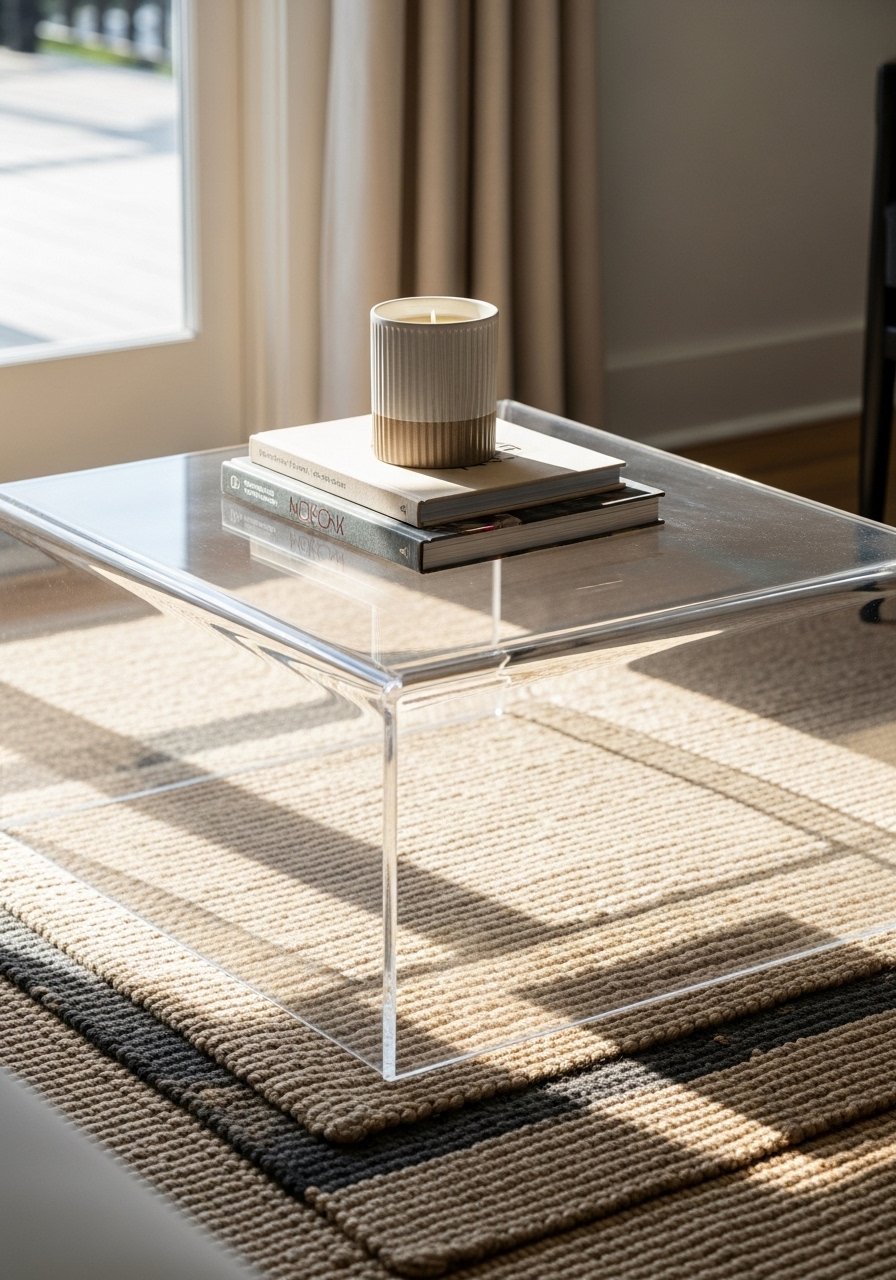
A clear coffee table keeps sightlines open and prevents the center of the room from feeling heavy. I use a slim clear acrylic side table paired with a low-profile rug. It visually disappears, so the room reads larger. Avoid glass with thick, dark metal framing in tiny rooms — that adds visual weight. Keep accessories minimal: one tray, one book, and a single vase keep the look intentional.
Layered Rugs For Depth Without Clutter
Style/Vibe: Boho / Eclectic
Budget: $$ (under $200)
Best For: Living rooms, open-plan spaces
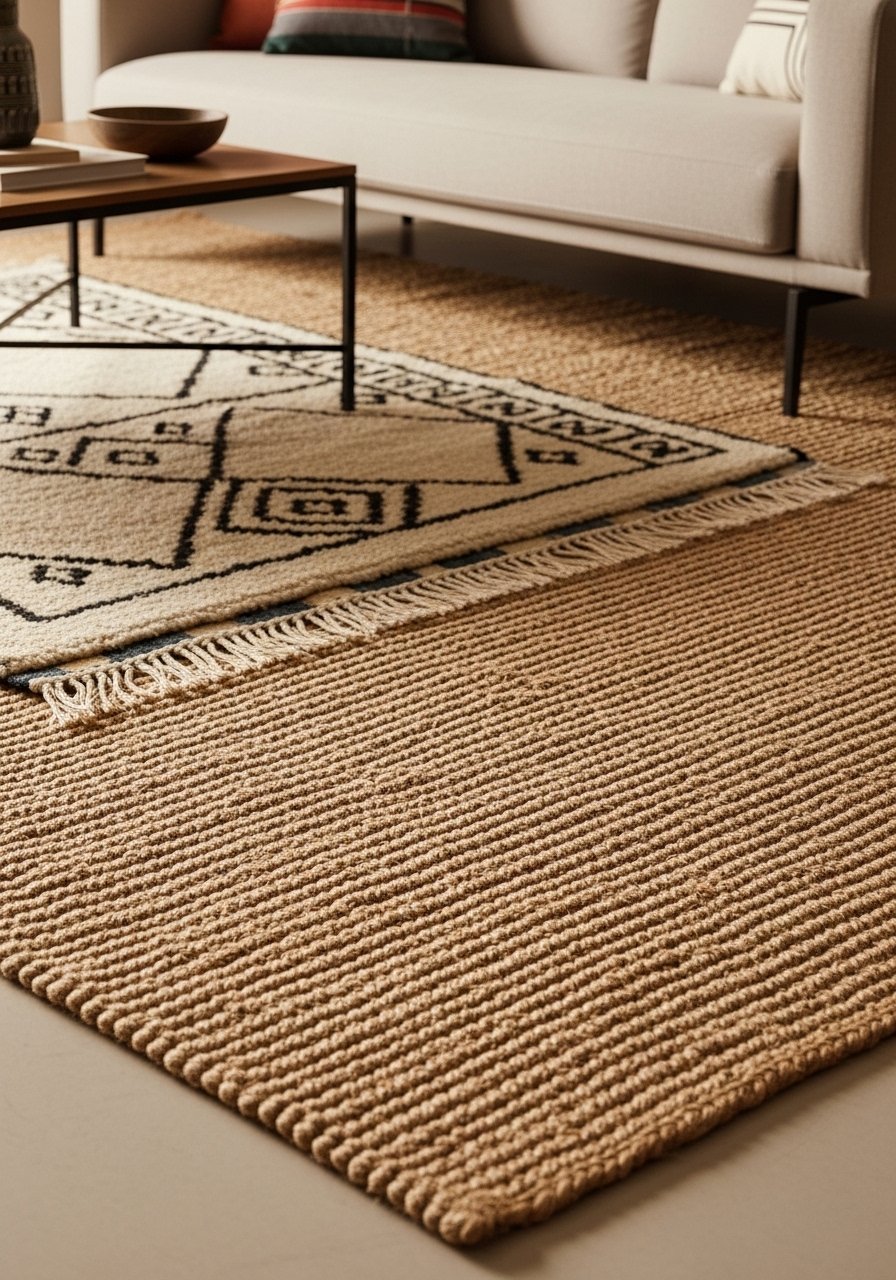
Layering an 8×10 jute rug with a smaller patterned rug adds depth while keeping the palette grounded. I chose this 8×10 jute area rug as the base and a 5×7 patterned piece on top. The jute keeps it light; the smaller rug adds pattern without swallowing the room. Avoid too many colors — stick to two to three complementary tones. This technique adds texture and defines the seating area in open studios.
Multipurpose Storage Ottoman With Tray
Style/Vibe: Transitional / Cozy
Budget: $$ (under $150)
Best For: Living rooms, multifunctional spaces
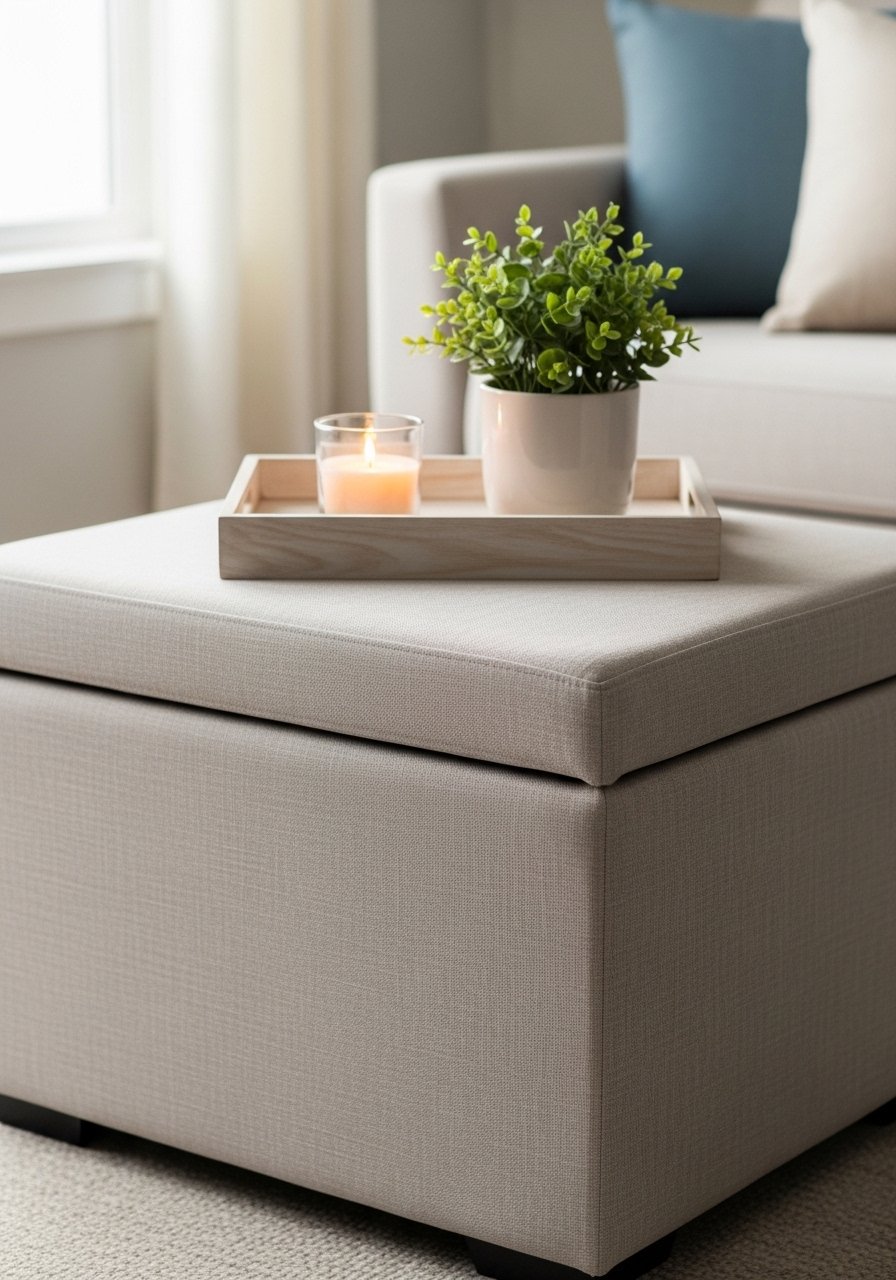
A storage ottoman gives seating, a coffee table surface, and hidden storage in one. I keep blankets and kids’ toys inside and use a wooden tray for drinks. Pick a piece about 36 inches long for balance. Avoid ottomans that are too low or too plush — they read like a floor cushion and reduce usable surface. Neutral upholstery pairs with seasonal pillows to change the vibe quickly.
Narrow Console Table Behind Sofa For Definition
Style/Vibe: Modern Farmhouse / Minimalist
Budget: $ (under $120)
Best For: Open-plan living rooms
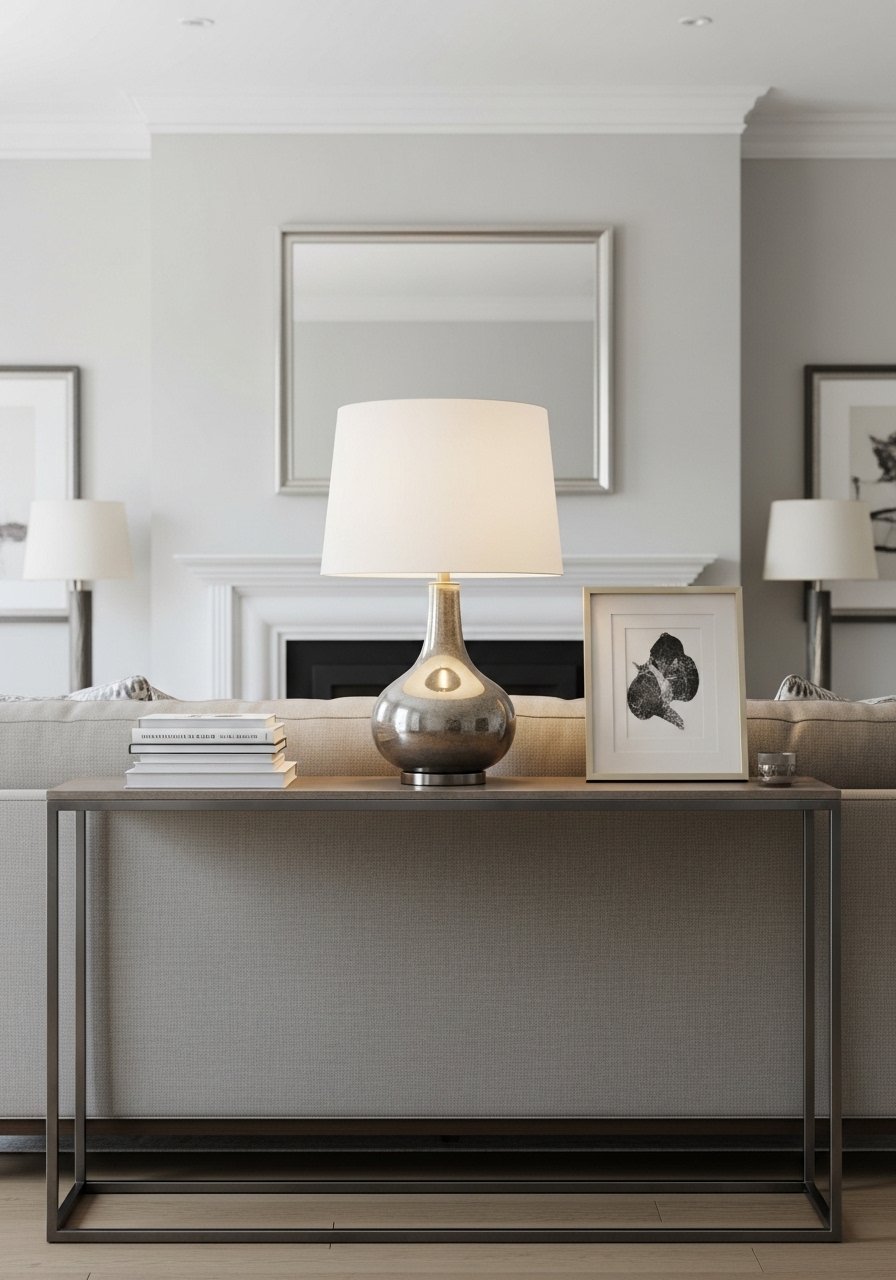
A narrow console behind the sofa creates separation and gives room for a lamp and drop-zone. I scored a 12-inch-deep console at Target and it fits without crowding the walkway. It’s perfect for a slim table lamp and a tray for keys. Avoid bulky consoles wider than 18 inches in narrow rooms — they block the visual openness. Keep styling low and horizontal to maintain sightlines.
Vertical Gallery Wall To Draw The Eye Up
Style/Vibe: Scandinavian / Eclectic
Budget: $ (under $80)
Best For: Tall walls, small living rooms
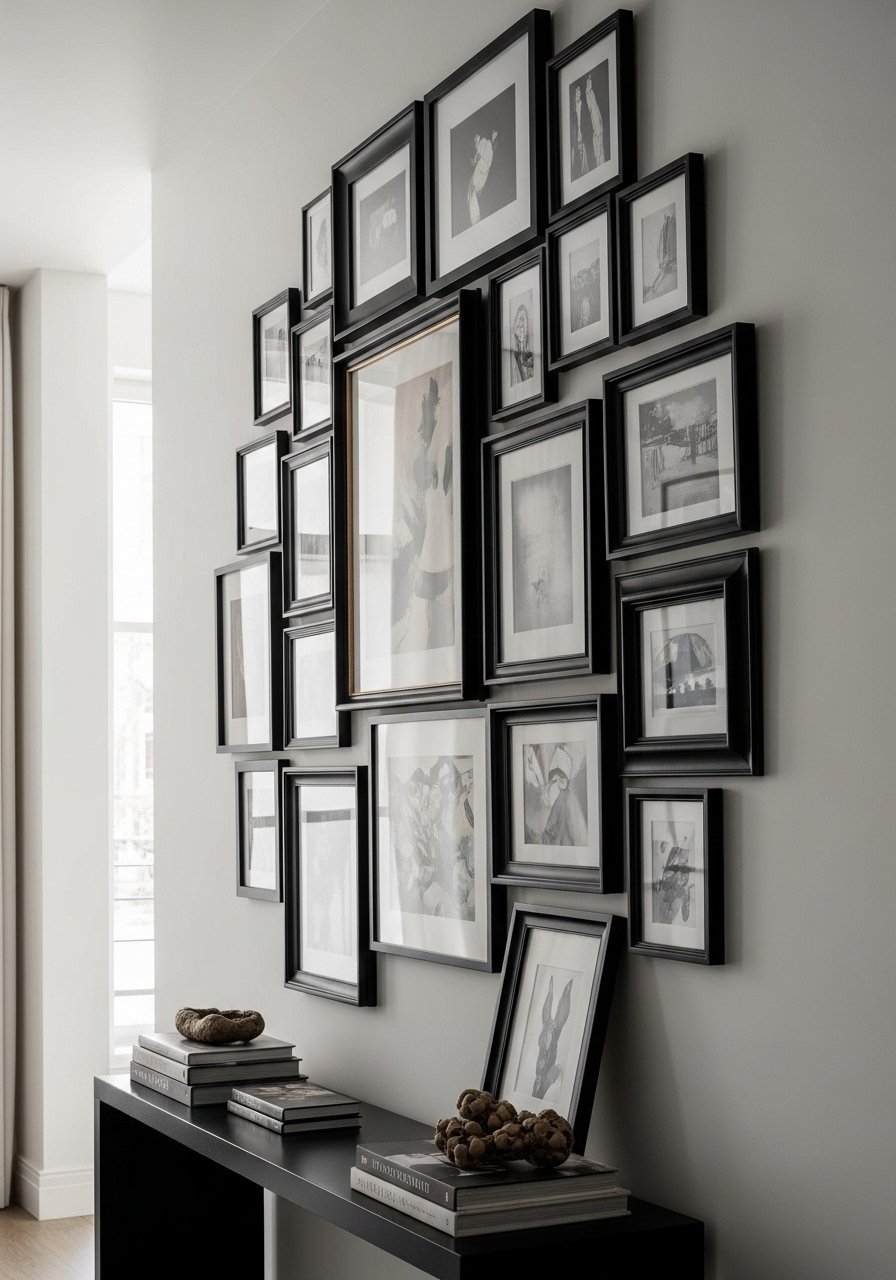
A vertical gallery wall stretches a wall visually. I picked 3-5 black frames in different sizes and stacked them with 6-inch spacing. It feels curated, not busy. Use consistent matting or frame color to keep cohesion. Don’t scatter small pieces randomly; vertical alignment works best in tight spaces. This draws the eye up and makes ceilings read taller. Thrift frames and buy new mats for a refined look.
Built-In Style Floating Desk Nook For Work
Style/Vibe: Minimalist / Modern
Budget: $ (under $150)
Best For: Living rooms, studio apartments
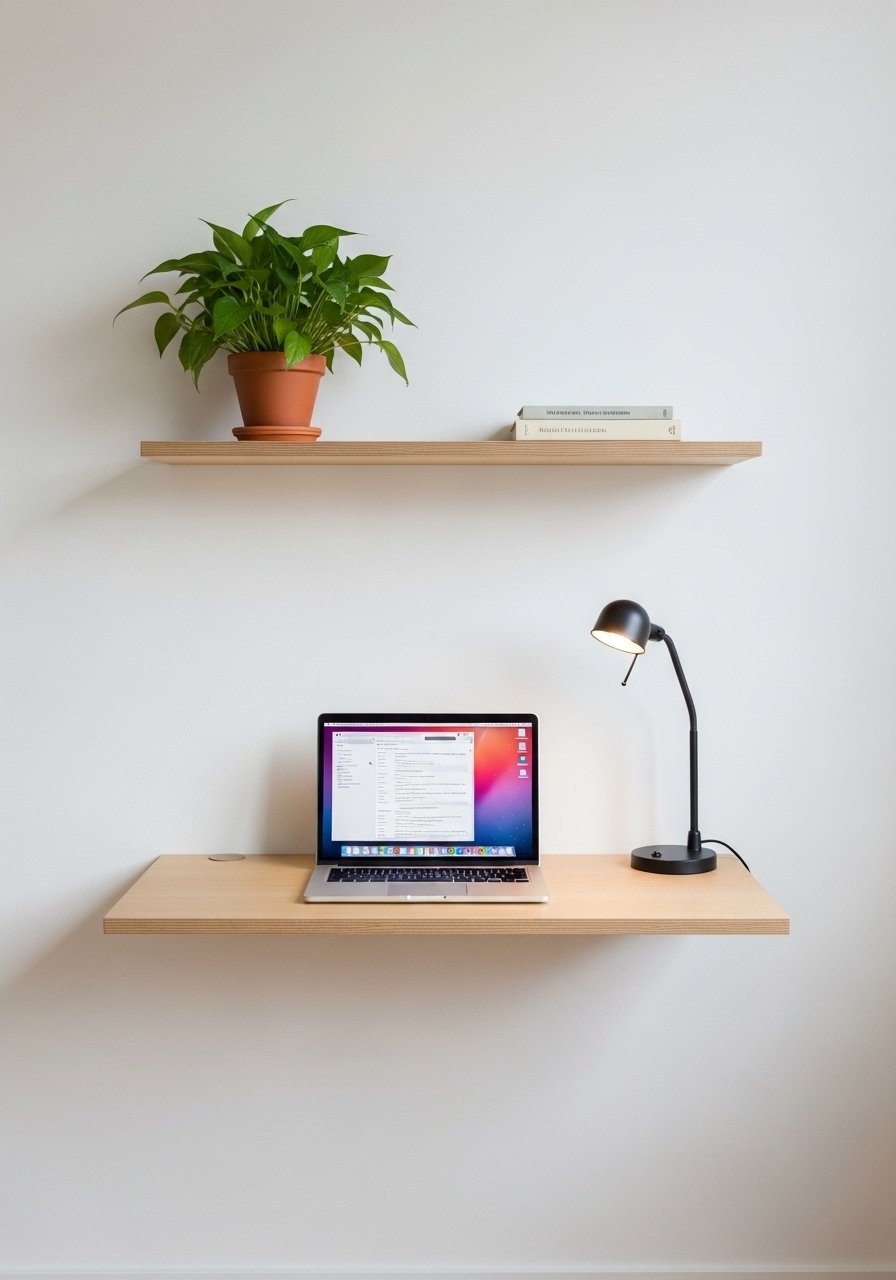
A floating desk acts like a built-in without renovation. I installed a 30-inch floating top paired with a slim wall lamp and it functions as work and styling surface. Use a slim chair that tucks in and keep cables hidden with adhesive clips. Avoid putting a bulky desk in an open living room; it will eat floor space. This solution keeps the footprint minimal and doubles as a console when guests arrive.
Peel-And-Stick Wallpaper Accent For Interest
Style/Vibe: Boho / Modern
Budget: $ (under $80)
Best For: Accent walls, behind a sofa
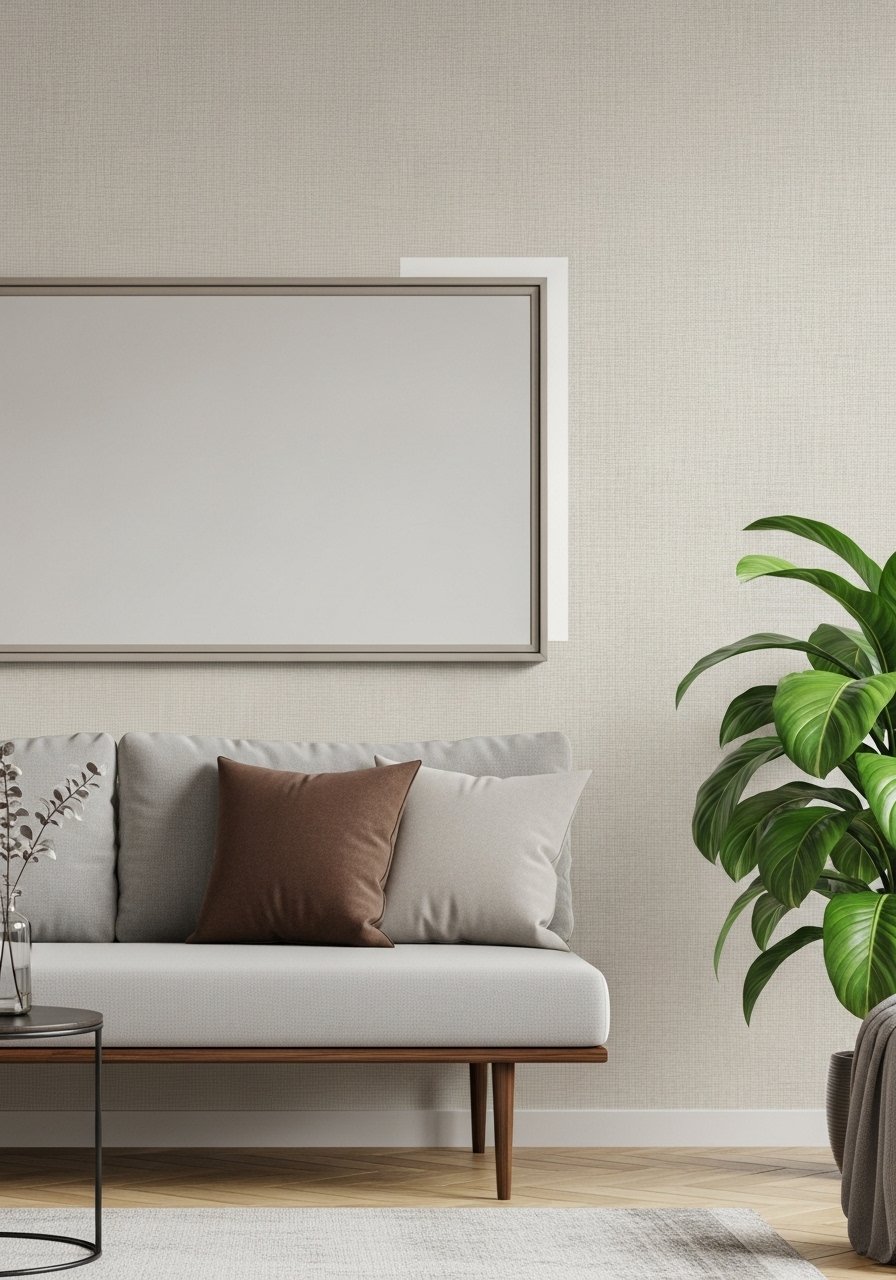
Peel-and-stick wallpaper adds personality without commitment. I used neutral linen-tone panels behind the sofa for depth and texture. The application was quick and removable for rentals. Keep the pattern subtle in small rooms; large-scale prints can overwhelm. Avoid full-room coverage in tiny spaces — one accent wall is enough. This is an easy way to layer texture and create a focal point without heavy paint.
Corner Reading Nook With Ladder Shelf And Pouf
Style/Vibe: Cozy / Boho
Budget: $ (under $150)
Best For: Corners, living rooms
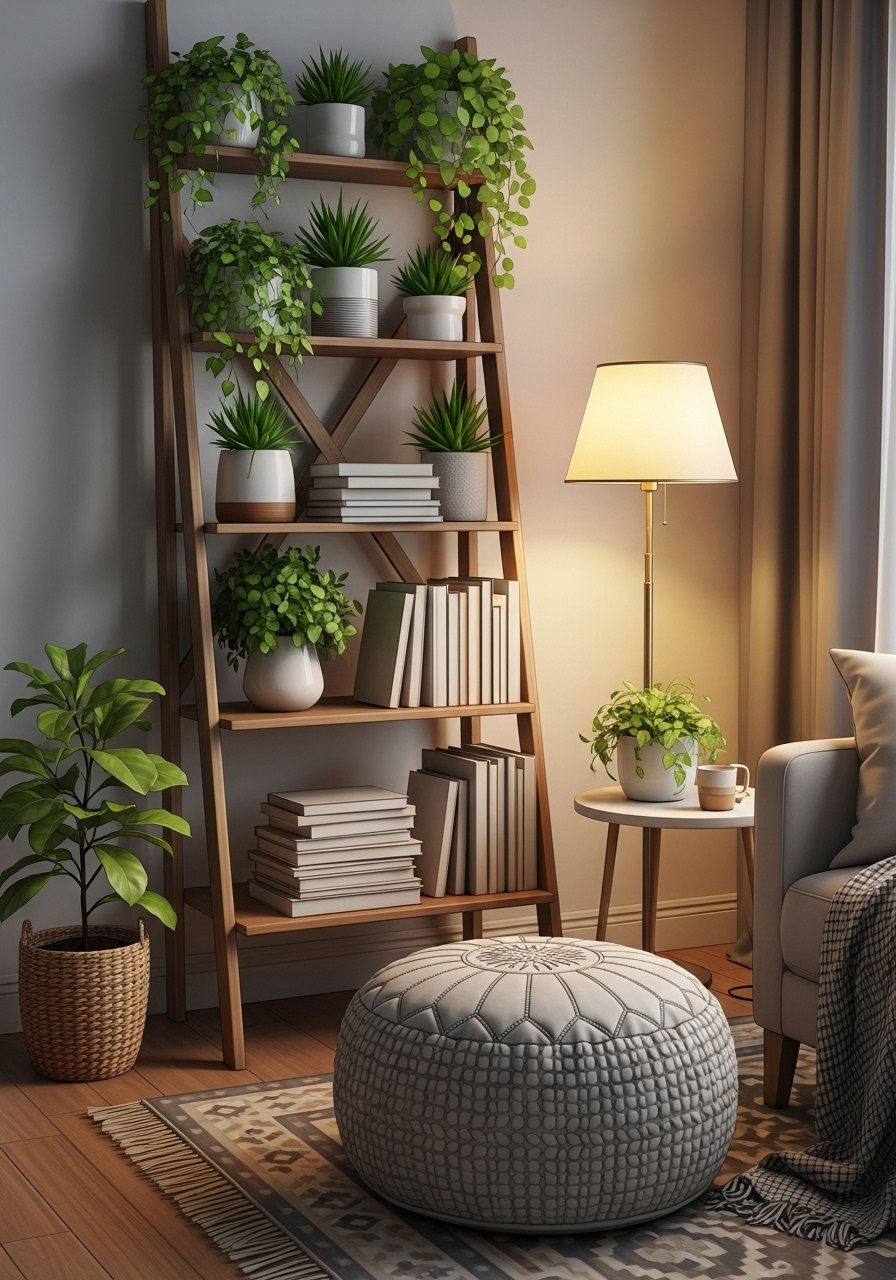
Carving a corner into a reading nook adds function and charm. I paired a ladder shelf with a textured pouf and a floor lamp to save space. Use a slim-profile lamp and a pouf that tucks under the shelf when not used. Don’t crowd the nook with a big armchair — scale down to keep flow. This creates a cozy zone without blocking pathways and makes every square foot count.
Mix Metals For Modern Interest Without Chaos
Style/Vibe: Modern / Transitional
Budget: $ (under $100)
Best For: Living rooms, shelves
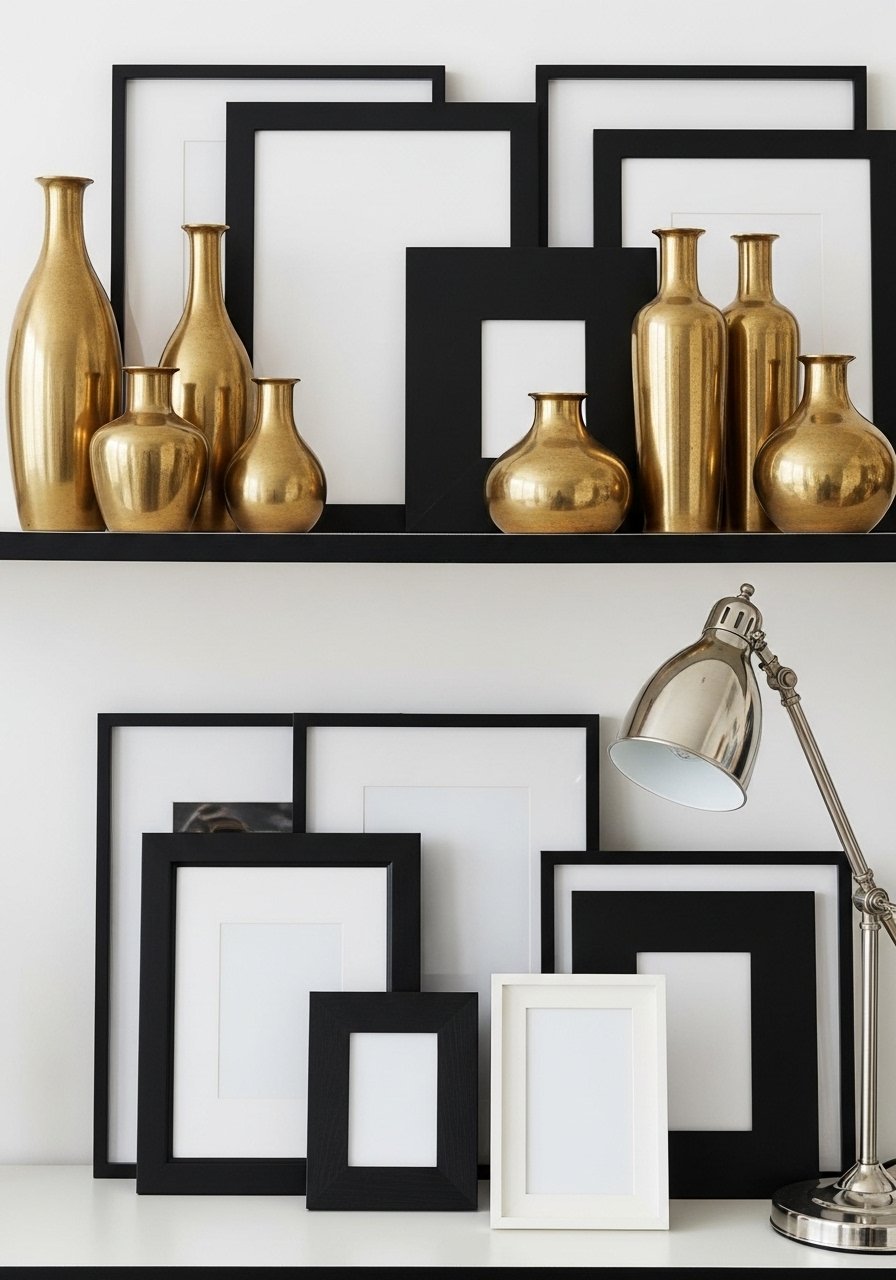
Mixing metals keeps a small room layered and current. I paired warm brass with matte black accents and a nickel lamp for balance. The trick is a dominant metal (I chose brass) and two accents to add depth. Avoid random clashing finishes; limit it to three metal tones max. Start with hardware or frames and add small accessories. This approach feels intentional and brings subtle contrast to a neutral palette.
Switch To Light Wood Tones And Rattan
Style/Vibe: Coastal / Scandinavian
Budget: $$ (under $200)
Best For: Living rooms, sun-filled spaces
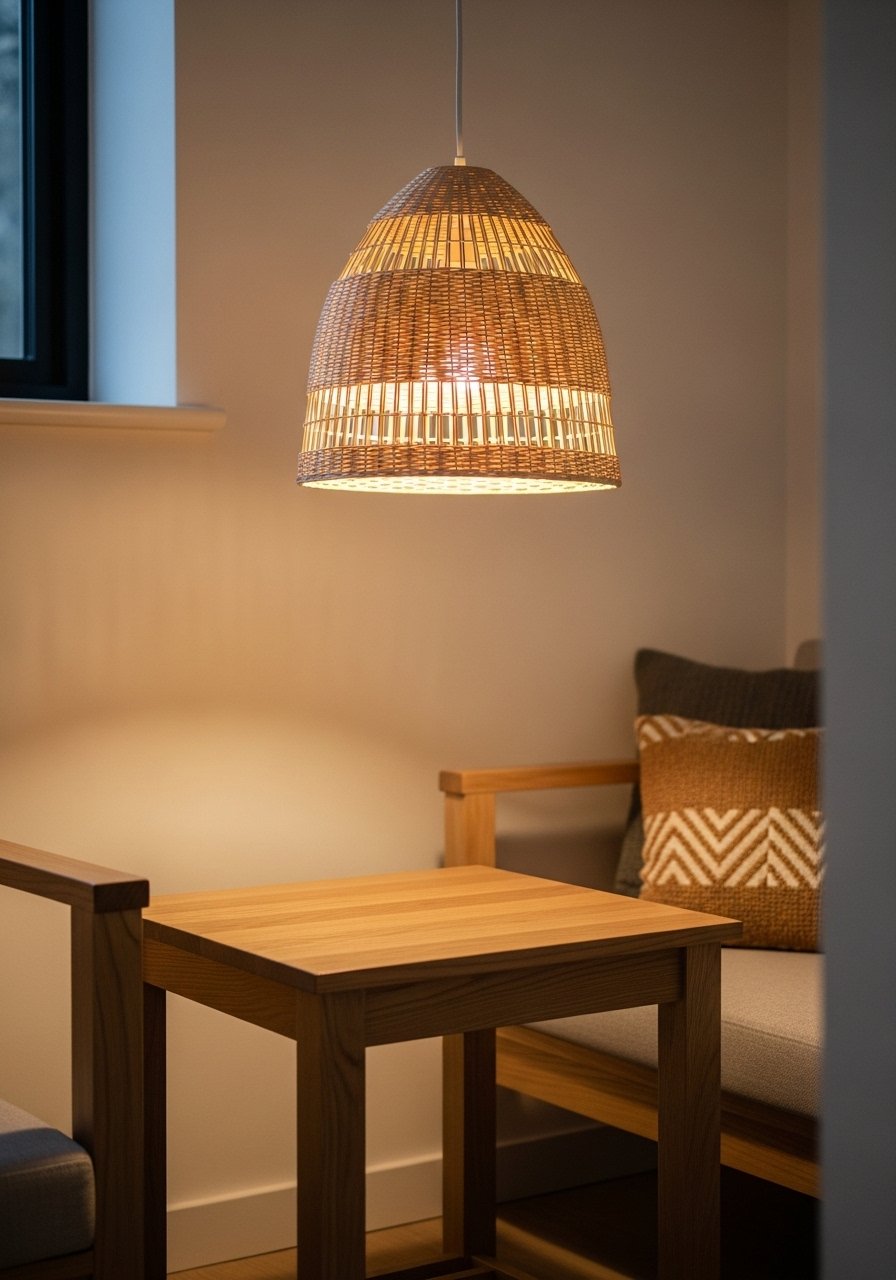
Light wood tones and rattan add warmth without heaviness. I swapped a dark coffee table for a white oak one and added a rattan shade which brightened the room visually. Warm wood paired with neutral textiles reads fresh and timeless. Avoid overusing dark woods in small rooms — they make walls feel closer. These materials feel current in 2026 showrooms and translate well across modern, coastal, or boho schemes.
Recessed Wall Lighting And Table Lamp Pairing
Style/Vibe: Modern / Cozy
Budget: $$ (under $150)
Best For: Low-light rooms
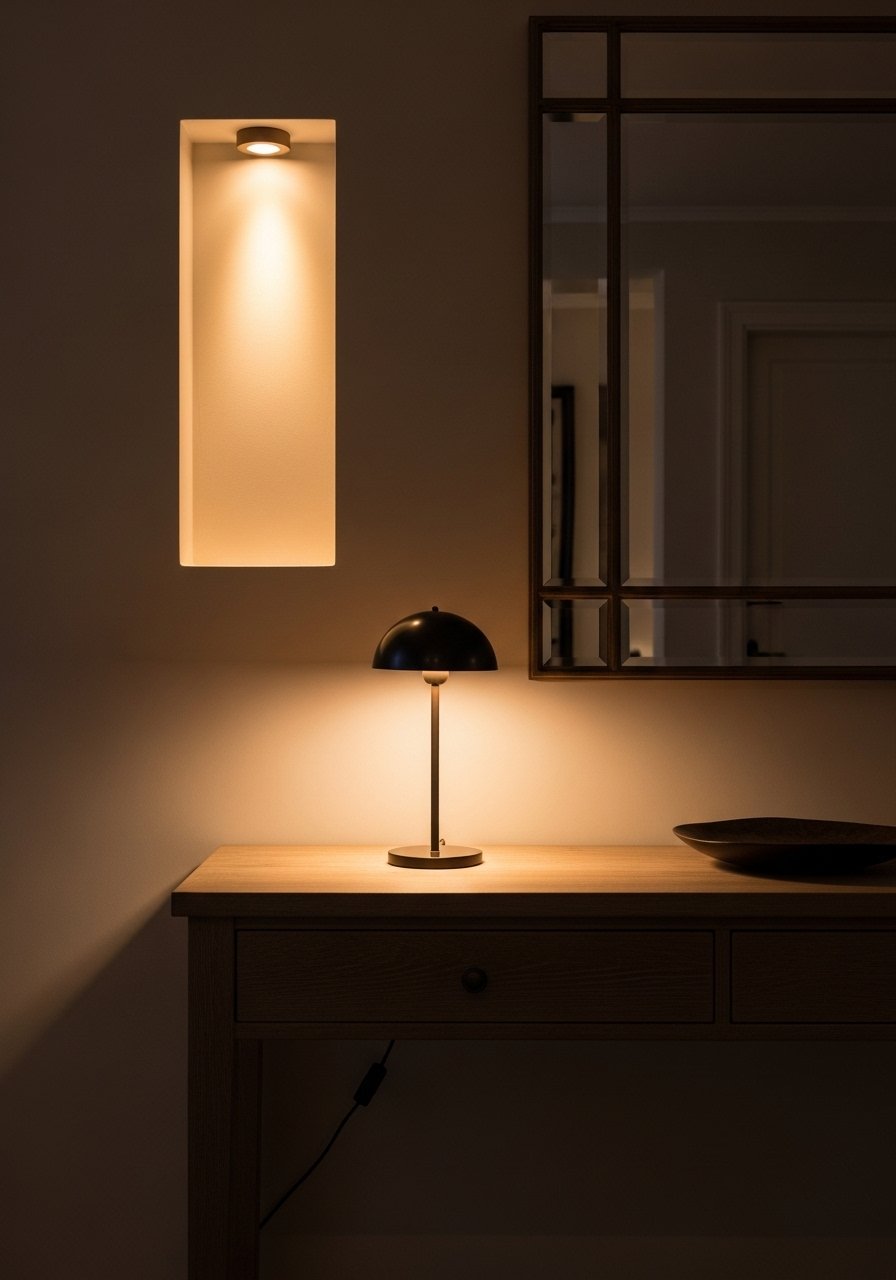
Layered lighting changes how a space feels after dark. I added a small wall sconce and a table lamp to avoid relying on a harsh overhead. Warm LED bulbs keep the mood soft. Avoid a single bright fixture that creates flat light and shadows. Aim for three light sources in a small room — ambient, task, and accent. This balances functionality and atmosphere without cluttering surfaces.
Low-Profile Media Cabinet With Hidden Storage
Style/Vibe: Minimalist / Mid-Century
Budget: $$$ ($150-400)
Best For: Living rooms, small media setups
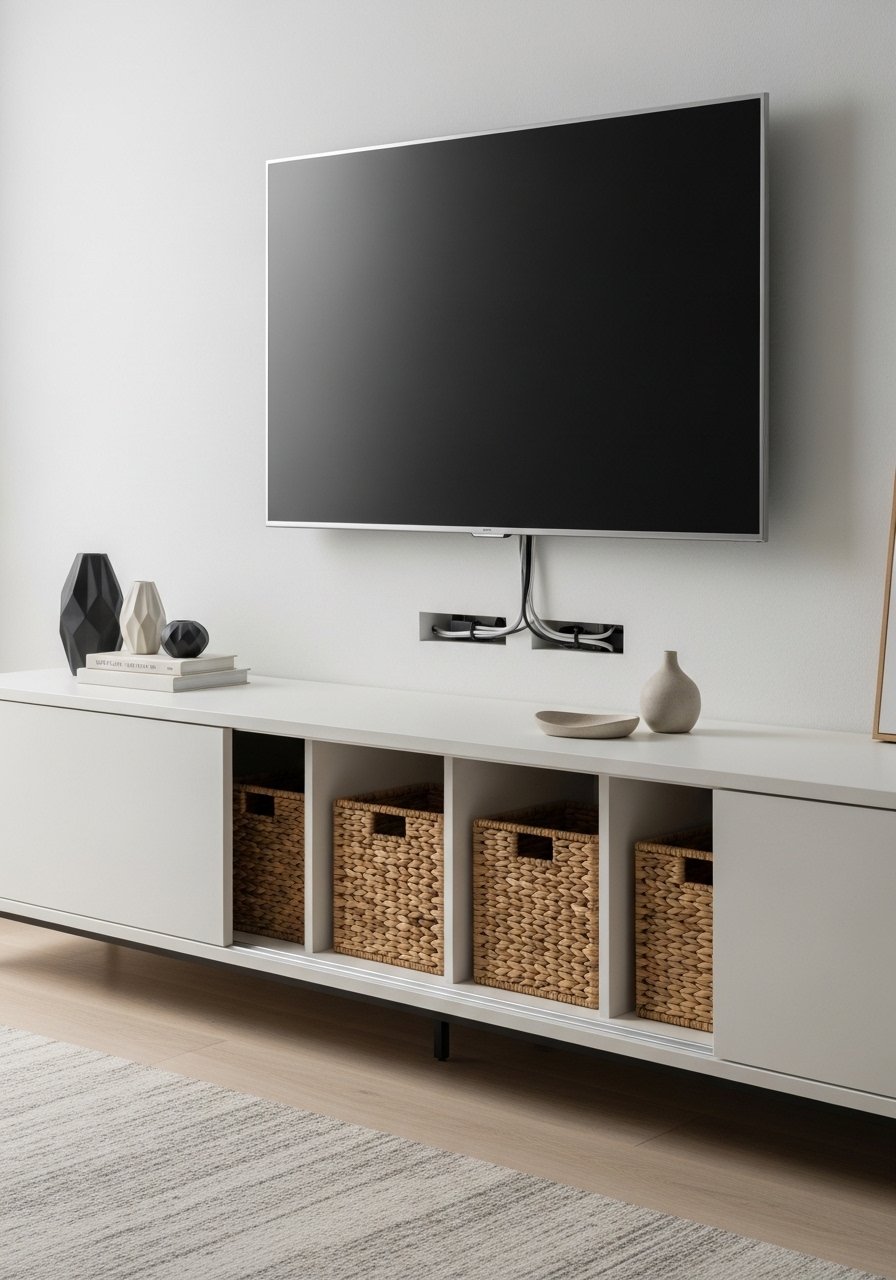
A low media cabinet keeps the TV at eye level and conceals gear. My cabinet has sliding doors and three baskets for remotes and consoles. Choose a piece no taller than 22 inches to keep sightlines open. Avoid tall, bulky armoires near the TV — they dominate the room. A low unit plus a wall-mounted TV visually expands the wall and keeps the floor accessible.
Use Benches Instead Of Extra Chairs
Style/Vibe: Modern Farmhouse / Casual
Budget: $ (under $120)
Best For: Flexible seating, entryways
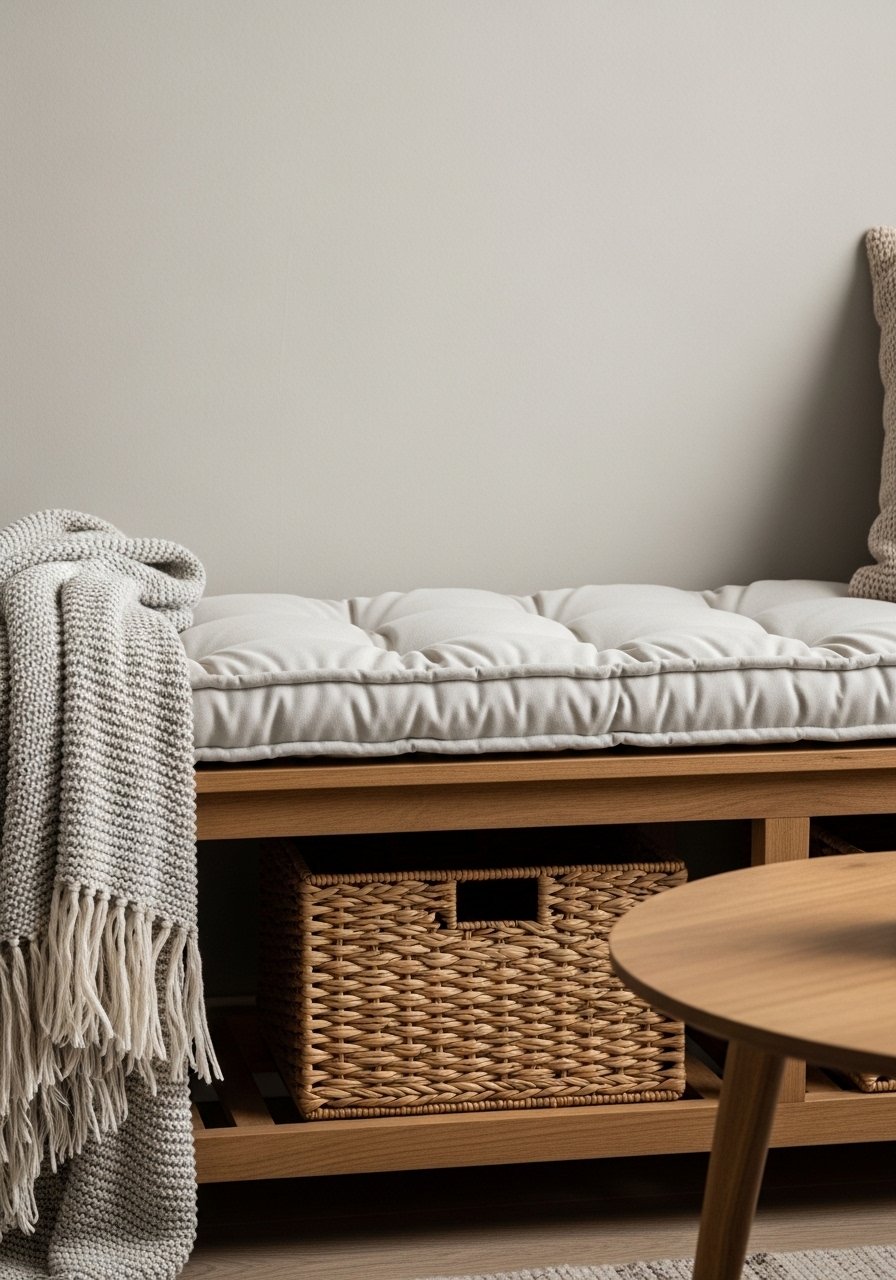
Benches seat more people and tuck away when not in use. I swapped two armchairs for a 48-inch bench with a cushion and it freed up floor space. Benches are great behind a console or at a coffee table. Avoid benches with bulky legs; pick an open-base style. They keep sightlines lower and add casual, flexible seating for gatherings without crowding.
Tall Artificial Plant For Vertical Interest
Style/Vibe: Boho / Natural
Budget: $$ (under $100)
Best For: Corners, low-light rooms
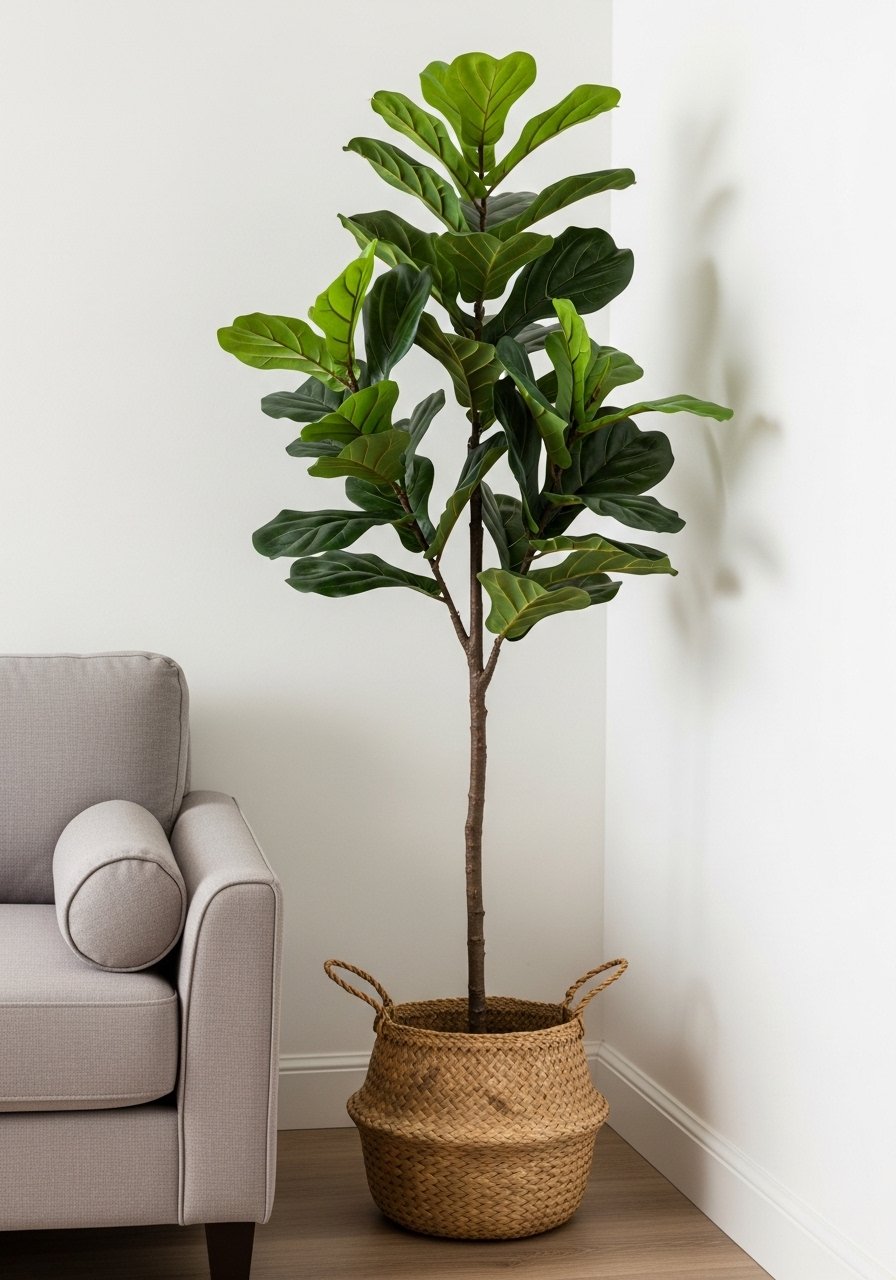
A tall artificial plant gives instant height without upkeep. I placed a 6-foot fiddle leaf fig in a corner and it visually lifts the ceiling. Pick a realistic one with a woven basket base for texture. Avoid placing it in the center of a walkway — corners are best. For real plants, choose low-light varieties if light is limited; otherwise faux is a smart no-fuss option.
Round Rug And Round Mirror Combo For Flow
Style/Vibe: Coastal / Eclectic
Budget: $$ (under $200)
Best For: Small seating areas
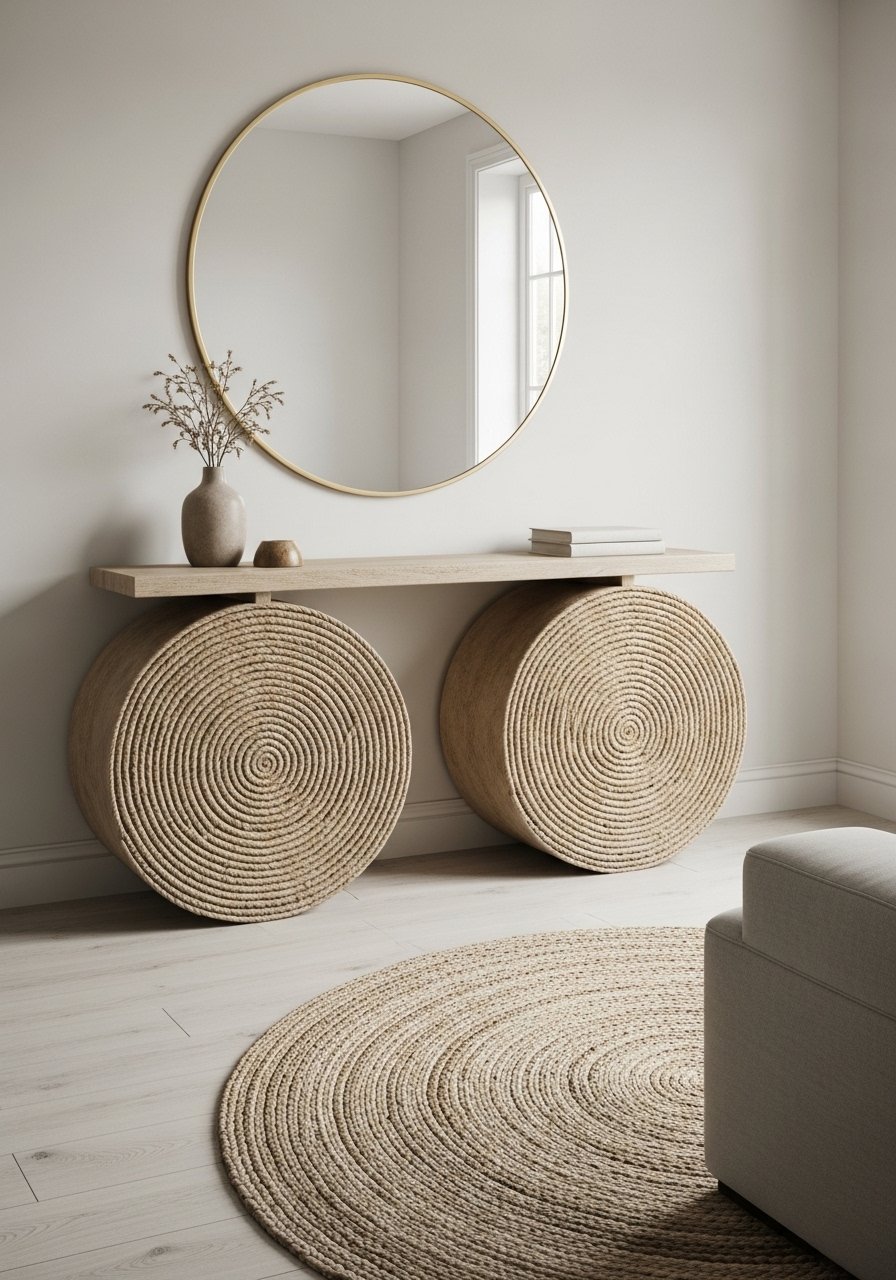
Circles soften corners and encourage movement. I paired a round jute rug with a round mirror above the console to create a flow that makes the room feel less boxy. Round shapes break up rectilinear furniture and invite the eye to move around. Avoid too many competing patterns in small rooms; keep shapes simple and textures varied. The combo adds a subtle organic note that feels relaxed and intentional.
Modular Seating Pieces That Tuck Away
Style/Vibe: Modern / Flexible
Budget: $$$ (under $400)
Best For: Multipurpose rooms
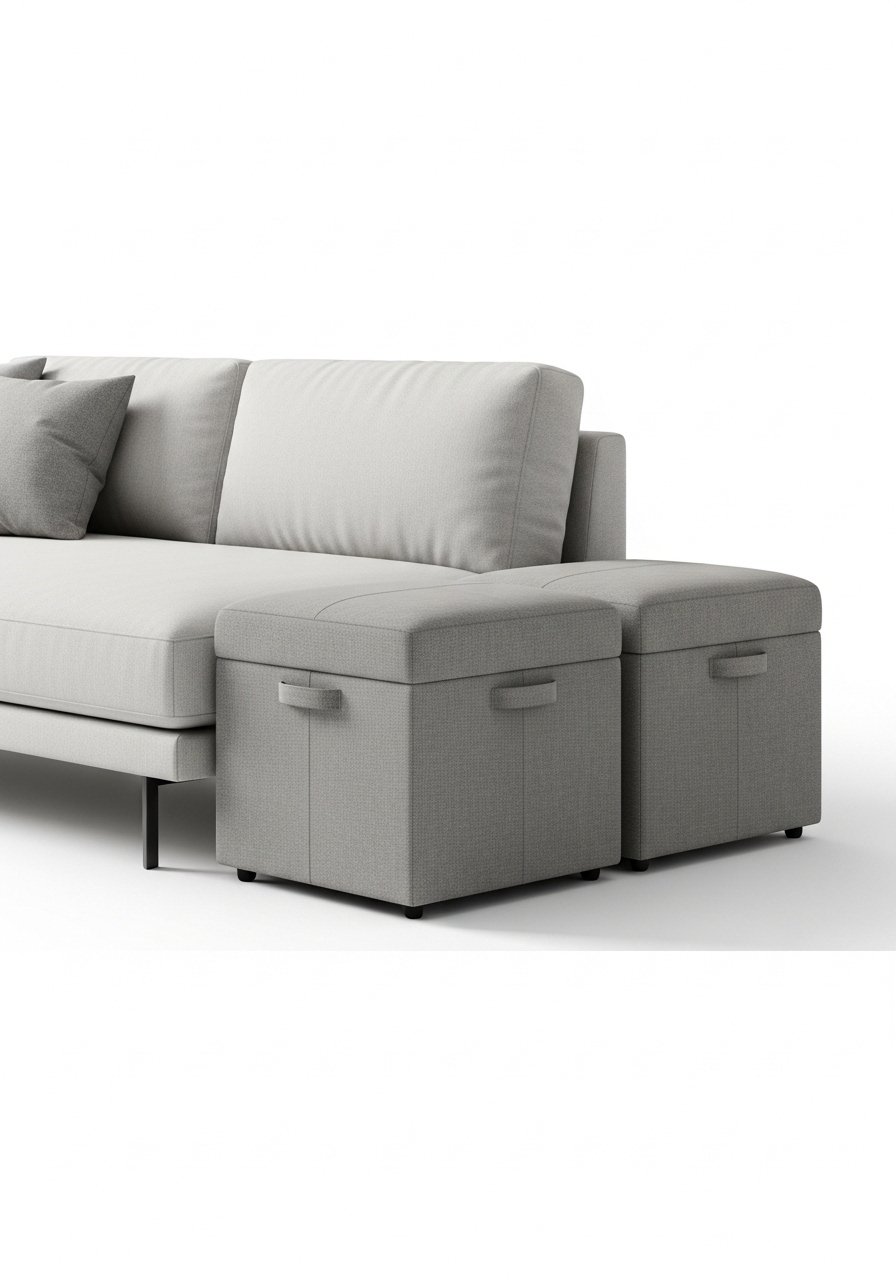
Modular ottomans and stools let you reconfigure seating without permanent bulk. I keep two cubes under a console to pull out when guests arrive. They double as side tables with a tray. Avoid fixed, heavy pieces that can't adapt to different layouts. Modular seating is friendly for small living rooms and studios — you can create a lounge, extra dining seats, or a footrest as needed.
Use Narrow Arms And Open Legs On Furniture
Style/Vibe: Mid-Century / Scandinavian
Budget: $$ (under $500)
Best For: Small living rooms
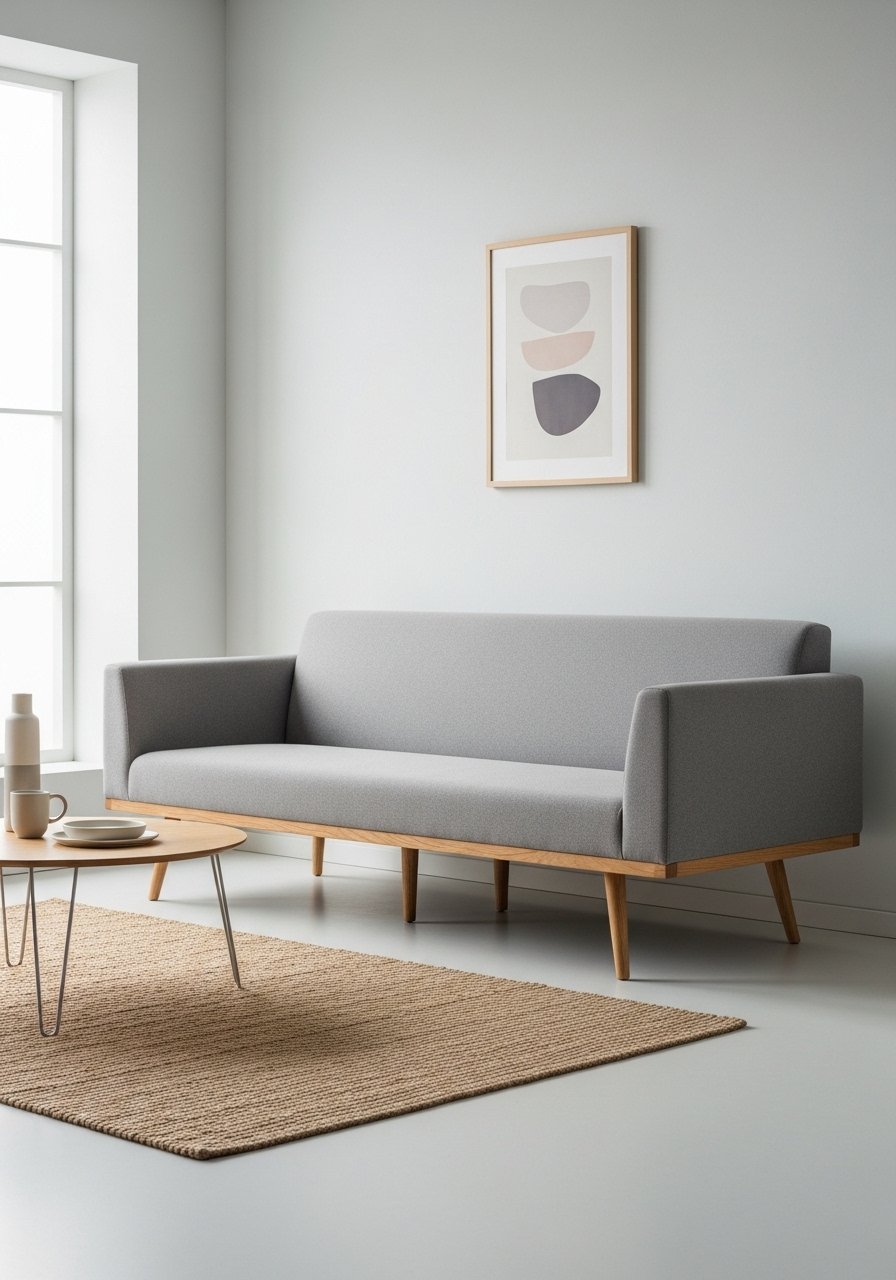
Furniture with narrow arms and open legs reads lighter than boxy silhouettes. I swapped a bulkier couch for one with slim arms and 6-inch legs and the floor looked more visible. Open legs let light flow under pieces, making the room feel less crowded. Avoid skirted sofas or pieces that sit flush to the floor in small spaces. Exposed legs and compact arms keep everything airier.
Create The Illusion With Painted Trim Lines
Style/Vibe: Minimalist / Modern
Budget: $ (under $50)
Best For: Rentals, accent walls
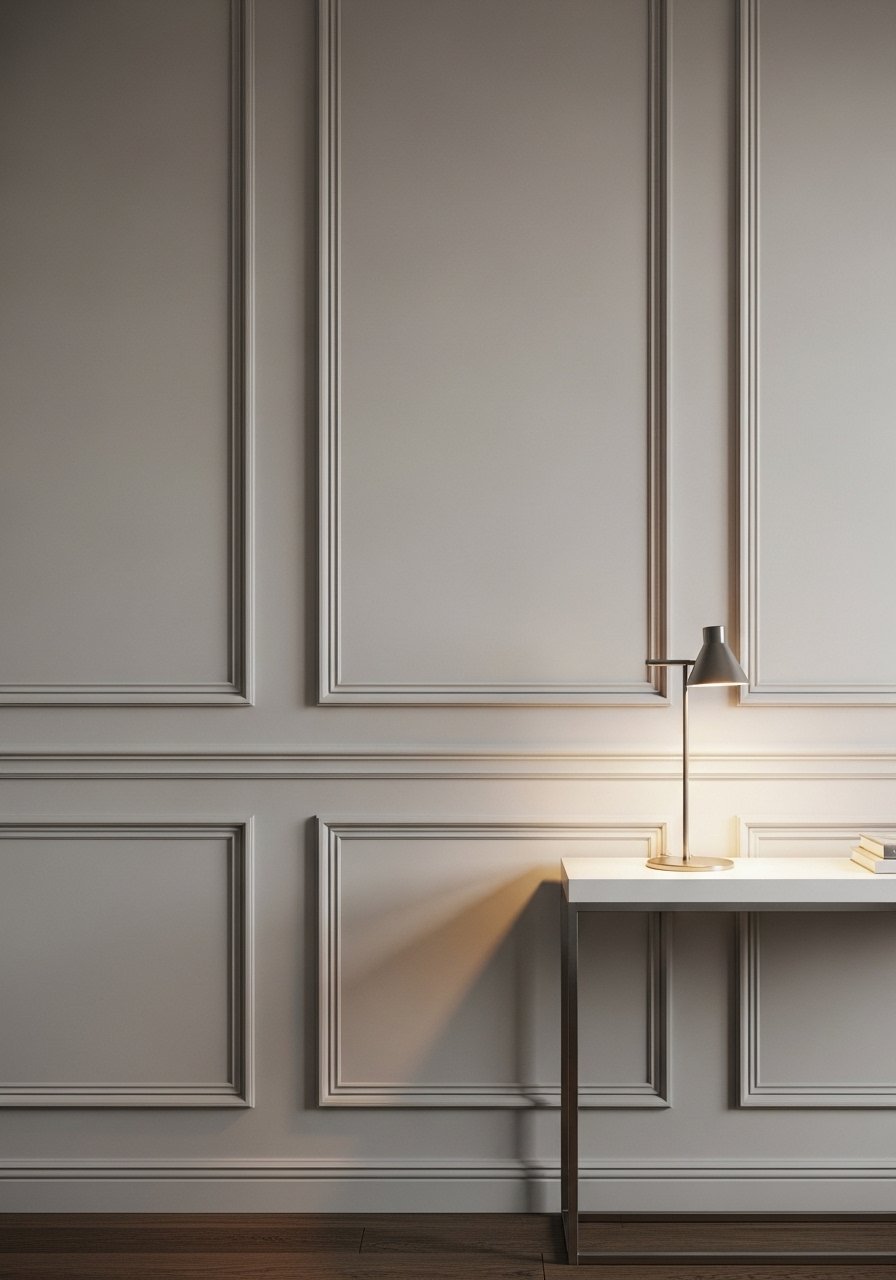
Painting an inset trim line or box on a wall tricks the eye into architectural detail. I painted thin rectangles in a slightly darker tone to add depth without heavy moldings. It reads custom and adds dimension. Don’t go overboard with heavy contrasts; subtlety wins in small rooms. This budget trick elevates plain walls and brings a tailored look without breaking the bank or doing major renovations.
Minimalist Mantel Styling With Odd Numbers
Style/Vibe: Modern / Transitional
Budget: $ (under $100)
Best For: Living rooms with a fireplace or focal shelf
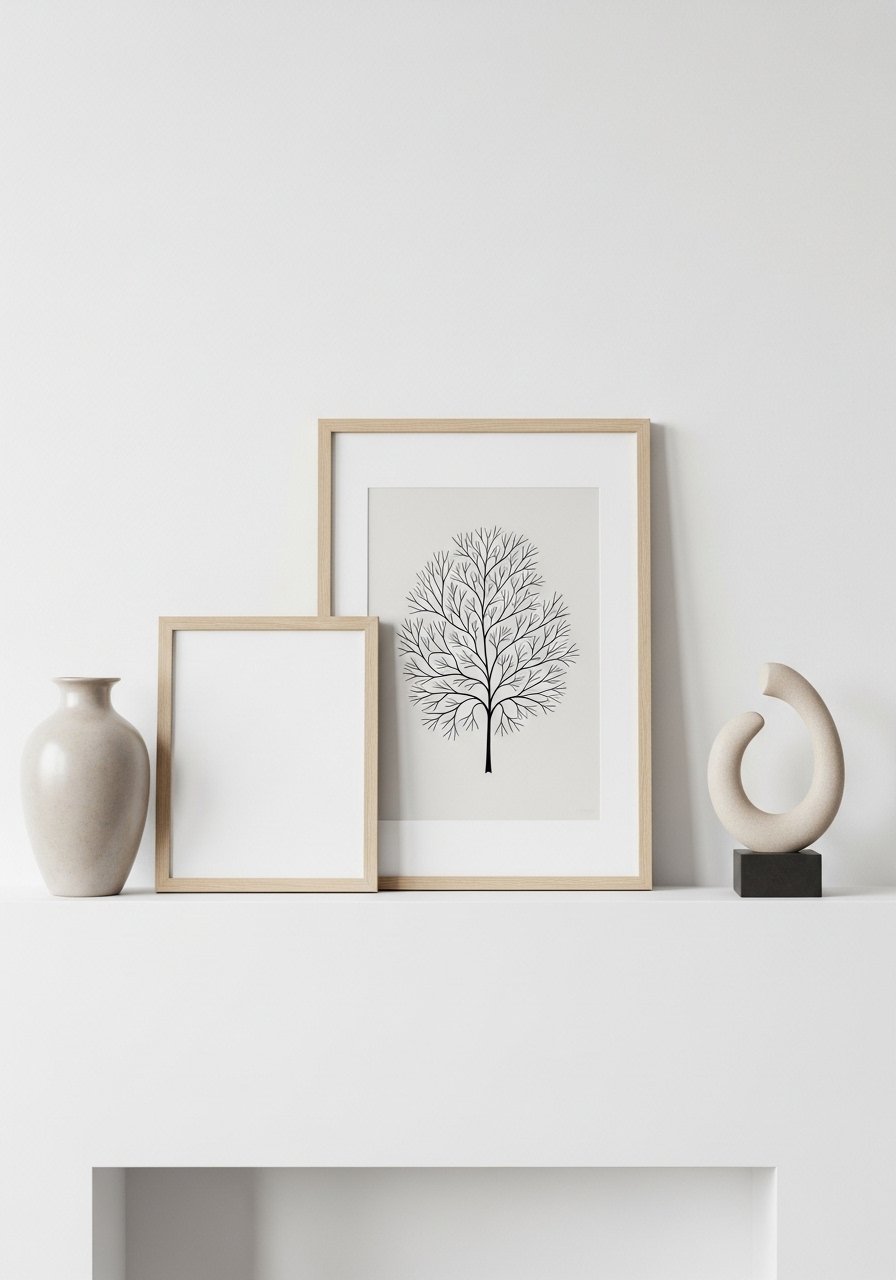
Styling a mantel with three objects creates a curated, intentional focal point. I use a taller object, a medium frame, and a small sculpture arranged off-center. Odd numbers and negative space keep it from feeling busy. Avoid lining the mantel with a dozen small items; clutter shrinks a room. This clean approach highlights a focal point and maintains breathing room in a compact living area.
Shopping Tips for These Looks
Buy throws and pillows seasonally: I swap them every three months. This cream chunky knit throw refreshes a sofa for under $50.
Invest in one large plant, not five small ones: A single 6-foot fiddle leaf fig has more visual impact than many succulents.
Choose open-leg furniture: Open legs increase perceived floor space. Check IKEA and West Elm for options with 4–6 inch leg clearance.
Thrift frames, buy new mats: Find vintage frames at Goodwill and pair them with white picture mats for a polished look.
Pick a dominant metal, then accent: Start with brass or black and add others sparingly. Mixed metal picture frames make it easy.
Measure before you buy sofas: Slim depths under 36 inches work best in tight layouts. Test in-store at CB2 or IKEA.
Frequently Asked Questions
Q: How many throw pillows should I use on a small sofa?
A: For a standard sofa, 3-5 pillows looks intentional. Use one 22-inch euro in back with smaller 18-inch pillow fronts. Try velvet pillow covers for texture swaps.
Q: Is it better to buy real or faux plants?
A: Both work. I use real snake plants for low care and a realistic faux fiddle leaf fig where light is limited and I want height without fuss.
Q: What size mirror opens a small room?
A: A mirror around 30–36 inches makes a real difference. I hung a 36-inch round mirror and it reflected light across the space.
Q: How big should my rug be for a small living room?
A: Aim for at least 6×9 or 8×10 depending on layout so front legs of seating sit on the rug. I liked an 8×10 jute rug as a neutral base.
Q: How do I hide cords and media clutter in a studio?
A: Use a low media cabinet with sliding doors and add cable channels behind the TV. A slim low-profile media console can store devices and keep surfaces clean.
Q: Any quick trick to make ceilings feel higher?
A: Hang curtains higher than the window frame and use vertical art to pull the eye upward. I hiked rods 6–8 inches above the frame and it made the room feel taller immediately.