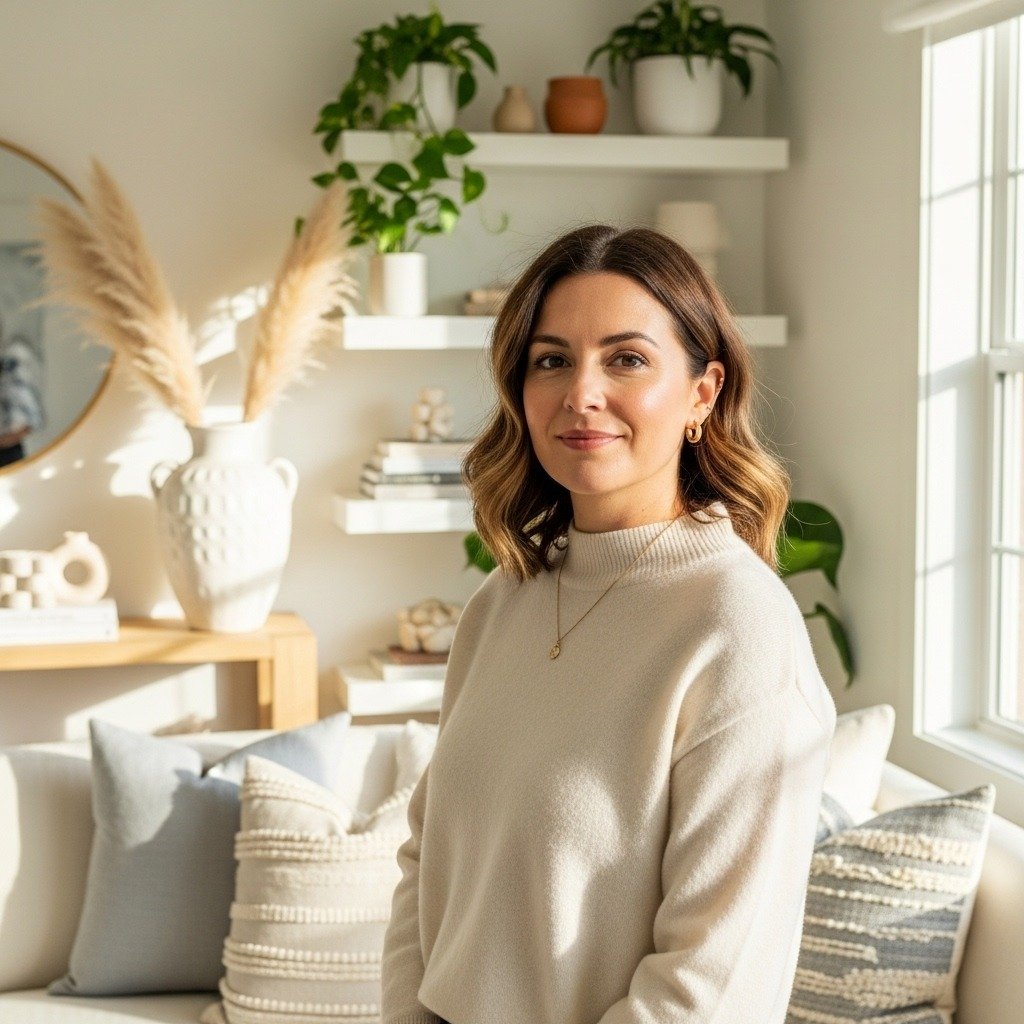
My living room had all the right furniture and still felt flat. One evening I swapped smooth cushions for mixed textures and the place finally felt lived-in. The change cost less than a new sofa and taught me that texture equals personality.
These looks skew modern-transitional with boho and Scandinavian touches. Most items are under $100, with a few splurges near $200. Use them in living rooms, bedrooms, entryways, or small home offices. Everywhere I look this year, warm woods and natural fibers are winning.
What You'll Need to Get This Look
Textiles and Soft Goods.
- Chunky knit throw blanket in cream. I drape mine over the sofa arm. Price about $35-55.
- Linen blend curtains 84-inch. Filter light without blocking it. About $30-50 per panel.
- Velvet pillow covers, set of 4. Mix two colors for depth. Roughly $35 for the set.
Wall Decor and Art.
- Set of 3 floating shelves white oak. Stagger heights for interest. $45-70.
- 36-inch round oversized mirror. Opens small rooms visually. $80-120.
Lighting.
- Rattan pendant light shade. Swapping a shade updates the room. $30-60.
- LED Edison bulbs warm white. Warm tone for evening. $15-20 per pack.
Plants and Greenery.
- Artificial fiddle leaf fig tree 6ft. One tall plant beats five small ones. $60-90.
Budget-Friendly Finds.
- Peel and stick wallpaper panels neutral. Commit to one accent wall. $20-35 per panel.
Layered Textiles for a Cozy Reading Nook

The moment I draped a chunky knit throw over my gray sofa the whole corner stopped looking flat. For a cozy reading nook aim for a 60-30-10 ratio with color. Sixty percent neutral base, thirty percent textured midtones, ten percent bold accent. Works great in living rooms and bedrooms on budgets from $30 to $150. Avoid too many same-scale textures, which reads muddled in photos. I recommend this chunky knit throw and velvet pillow covers. In small nooks keep patterns smaller. In large spaces bump up the throw size.
Jute and Sisal Rug Layering in Living Rooms

I keep seeing jute layered with a softer rug everywhere. Layering anchors seating areas and gives tactile contrast underfoot. Budget is $50 to $400 depending on materials. A common mistake is choosing two rugs too similar in tone. Pick a natural jute base for texture and a patterned wool runner for color. For a standard living room use an 8×10 jute with a 5×8 patterned rug over it. Grab this natural jute rug for durability and this 5×8 wool rug for softness.
Handwoven Wall Hangings in a Boho Bedroom

My feed is full of handwoven wall hangings for bedrooms. They add vertical texture and soften light. Works well in boho and modern bedrooms, budget $40 to $250. When photos look great they often hide scale. In real rooms pick a piece that fills two-thirds of the width above the bed. I bought a 30×48-inch piece that balances a queen headboard. Avoid flimsy yarn with uneven knots, which looks cheap in real life. Try this large woven wall hanging.
Velvet Accent Chairs for Modern Glam Lounges

A friend asked me about choosing velvet for small rooms. Velvet reads luxe in photos and feels warm in person. Use one velvet chair as a focal point and balance with matte surfaces. Budget $150 to $600. Avoid buying satin-like velvet that pills. Look for cotton-velvet or polyester blends with tight weave. I paired a teal velvet accent chair with a brass lamp for contrast. In larger rooms add two chairs and keep them 24 to 30 inches apart for conversation.
Textured Wallpaper Accent in Entryways

Every showroom I walk into has a textured wallpaper now. An entryway accent wall absorbs echoes and adds instant depth for under $60 to $250. Use grasscloth or strié for subtle, tactile interest. The typical mistake is covering all walls, which overwhelms the space. Limit it to one wall and pick a matte finish. I used grasscloth peel and stick panels behind a console table. For renters choose peel-and-stick variants.
Chunky Knit Throws on Minimalist Sofas
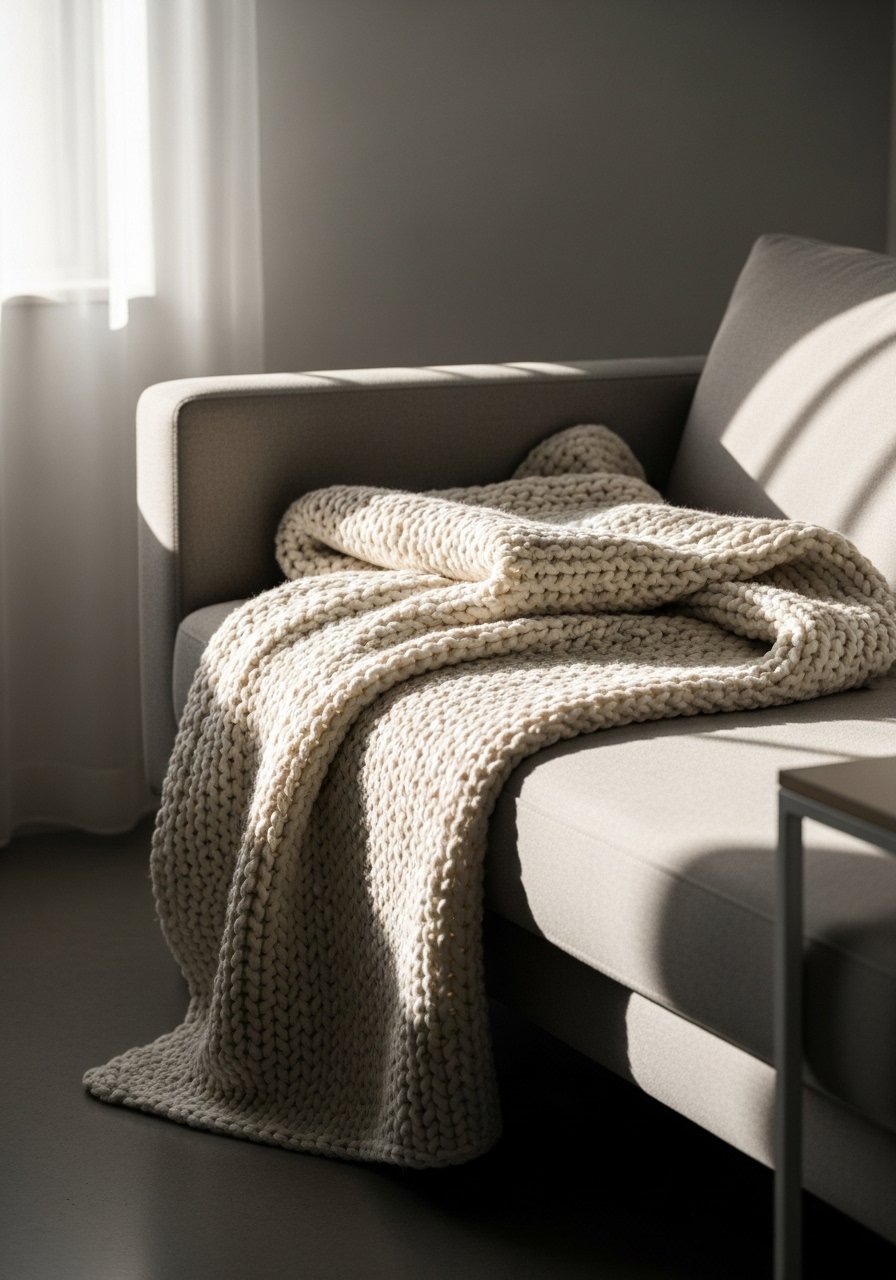
I switched to chunky throws six months ago and the sofa stopped looking sterile. Minimalist rooms need one large tactile piece to avoid feeling clinical. Keep budget $30 to $90. A common misstep is buying thin throws that defeat the point. Choose 50×60-inch chunky knits for sofas, not scarves. I use this chunky knit throw and avoid synthetic fakes that flatten after washing. In tiny apartments use a smaller throw so seating doesn't feel crowded.
Distressed Wood Open Shelving in Kitchens

A friend installed open shelving last year and never looked back. Distressed wood adds texture and warmth to kitchens, budget $80 to $300. The rule I use is odd numbers for styling. Group items in threes or fives. Avoid overcrowding shelves, which looks messy in photos and in real life. I recommend white oak floating shelves and label jars like 'Flour' and 'Sugar' for a curated look. In small kitchens use two shallow shelves rather than one deep one.
Rattan Light Fixtures in Dining Areas

My feed is full of rattan pendants over dining tables this year. Rattan softens harsh angles and casts interesting shadows at night. Budget ranges $40 to $250. Pick a pendant that is proportionate to your table. A good rule is it should be two-thirds the table width. The cheap plastic-look rattan is a common mistake. Choose natural weave or hand-braided pieces. I used this rattan pendant shade and swapped in warm LED bulbs for ambience.
Leather and Linen Mix in Home Offices

I used to avoid leather in home offices, but pairing it with linen tones down formality. The contrast creates a lived-in, professional vibe. Budget $100 to $500. When photos look polished they sometimes hide glare. Real life needs matte finishes to avoid reflections during video calls. Avoid vinyl leather that cracks after a year. I like a leather desk chair with a linen throw over a shelf. In small offices choose slim-profile chairs to save floor space.
Pleated Lampshades to Soften Corners

I keep seeing pleated shades revive dated lamps in showrooms. They add subtle texture and diffuse light evenly. Budget $20 to $80. The wrong shade can read fussy in photos. Choose neutral pleats in cotton or linen for a modern take. I swapped mine for a 14-inch pleated shade and the corner felt more inviting. Try a 14-inch pleated lampshade. In small rooms pick lower profile shades so sightlines stay open.
Kilim Runner on Stairs for Visual Interest
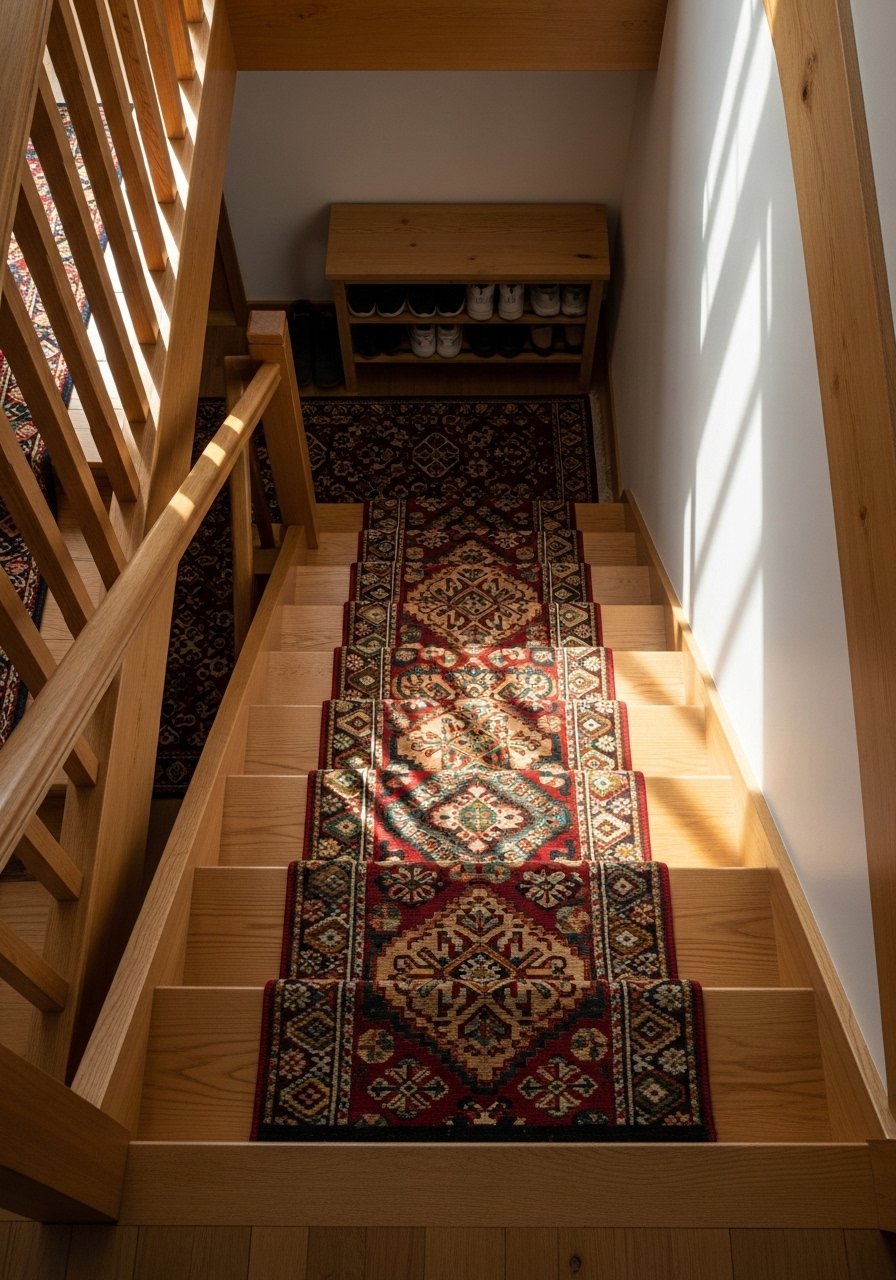
My stairs used to be a wasted vertical plane. Adding a kilim runner introduced pattern, texture, and grip. Expect $120 to $500. The styling rule is to keep the runner centered and leave about 2.5 to 3 inches of wood border on each side. Cheap runners often shift and look sloppy. Use a non-slip underlay and a 5×24 kilim runner for a busy pattern. In narrow stairs pick thinner runners to avoid a cramped look.
Concrete Planters for Industrial Vibes
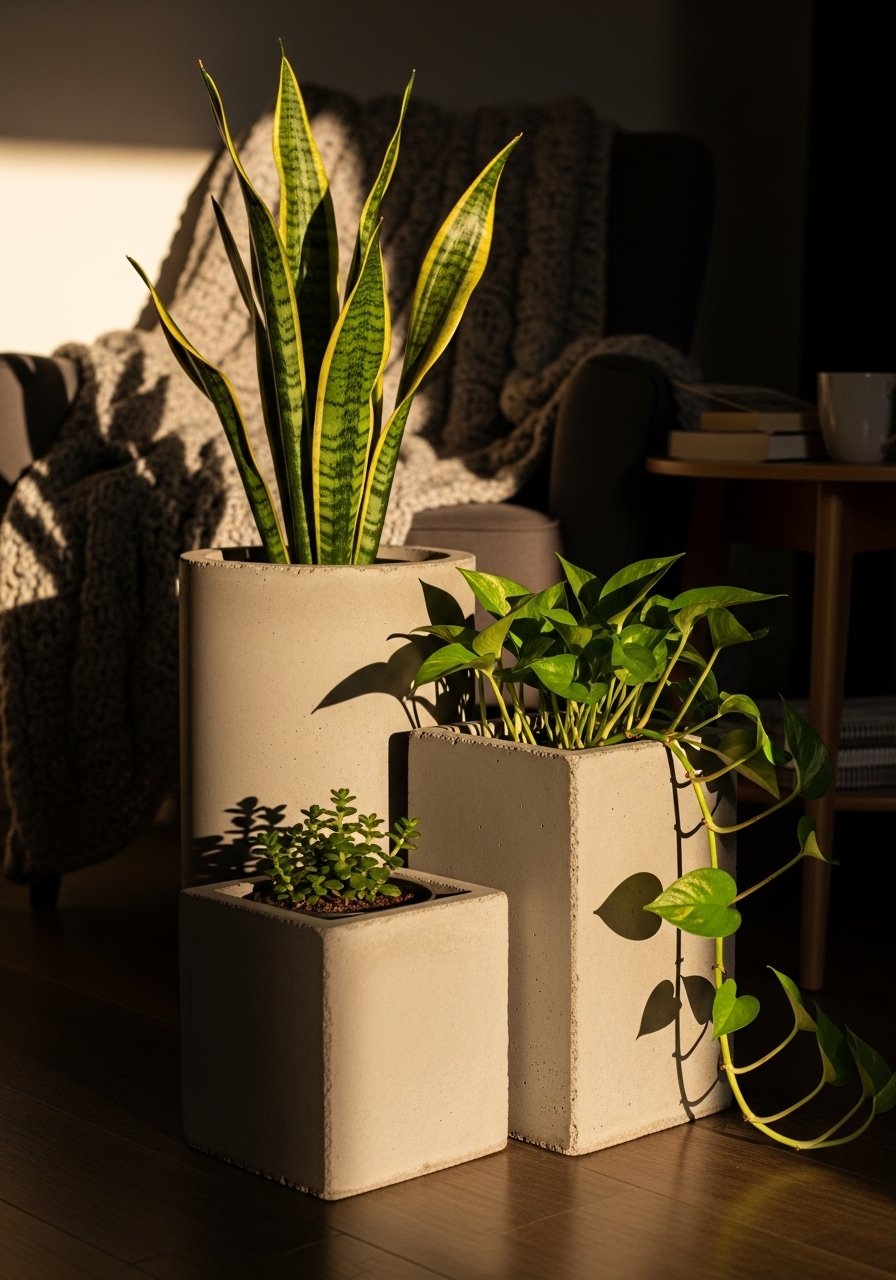
A little concrete goes a long way. Concrete planters add weight and a sculptural feel to shelves and corners. My last three clients asked for mixed heights to create a 60-30-10 visual rhythm. Budget $20 to $120 per planter. Avoid very lightweight resin that looks fake. Look for matte finishes and real texture. I use a medium concrete planter set. For tiny apartments choose one tall piece rather than several small ones.
Grasscloth Accent Wall in Bedrooms
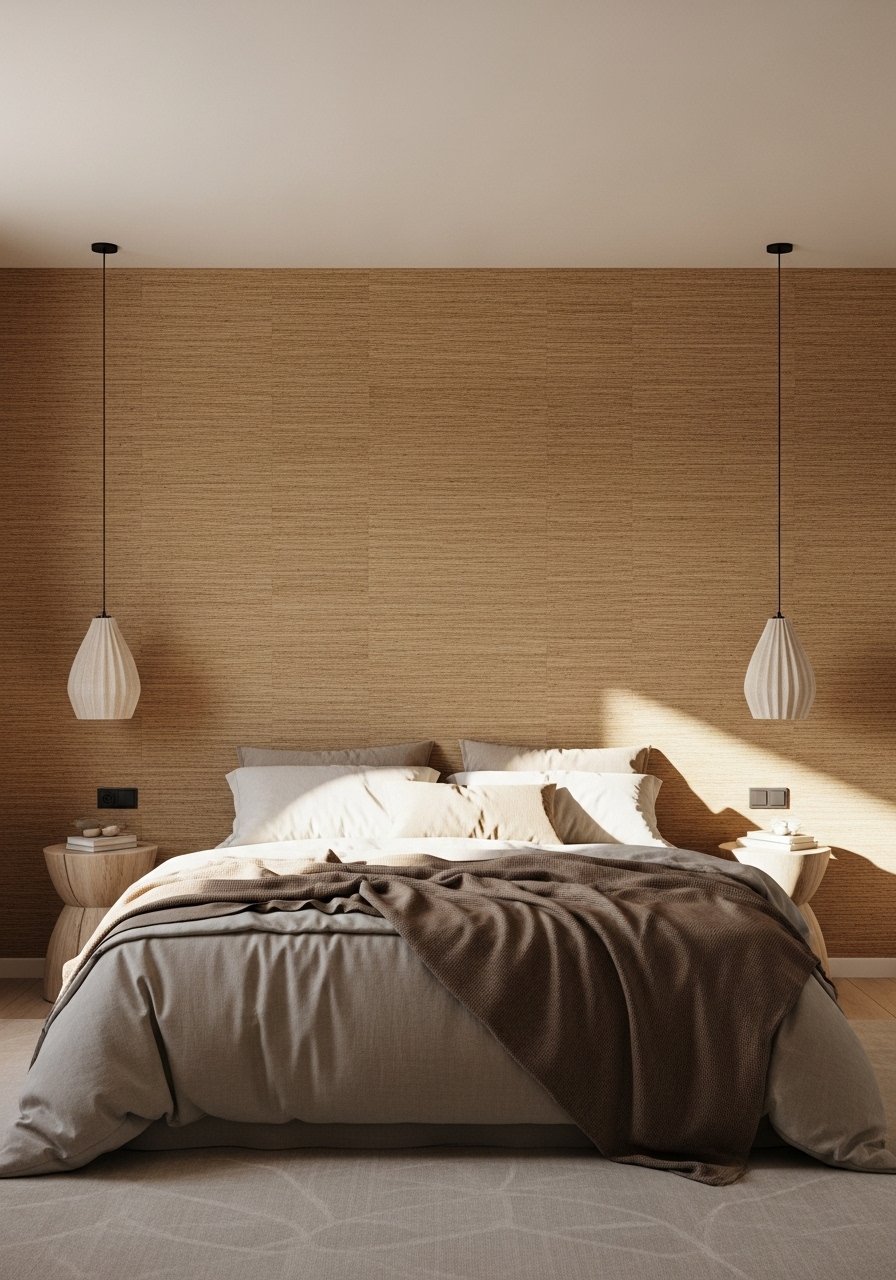
My feed is full of grasscloth bedroom walls this year. The weave introduces depth without heavy pattern. Budget $80 to $300 installed. The top mistake is shiny finishes that highlight seams. Pick a matte grasscloth and match trim color for a seamless look. I installed a 10-foot wide panel behind my bed and used two bedside sconces to balance it. Try grasscloth panels peel and stick for renters.
Mixed Metallics in the Bathroom Vanity

I used to match every metal. Mixing metals makes a bathroom feel curated. Pair warm brass with matte black accents for depth. Budget $40 to $300 when updating hardware. The common mistake is too many finishes. Limit to two main metals and one accent. I swapped drawer pulls for matte black knobs and kept the faucet in brass. In small baths keep fixtures compact so they do not dominate.
Oversized Mirror to Brighten Dark Corners

Every showroom I walk into has a large round mirror now. An oversized mirror bounces light and doubles visible texture. Budget $80 to $250. The best placement is opposite a light source. Avoid ornate frames that steal focus if your room has many patterns. I went with this 36-inch round mirror and the hallway opened up immediately. For narrow hallways choose a tall rectangular version to accent height.
Pleated Cushion Groupings on Beds
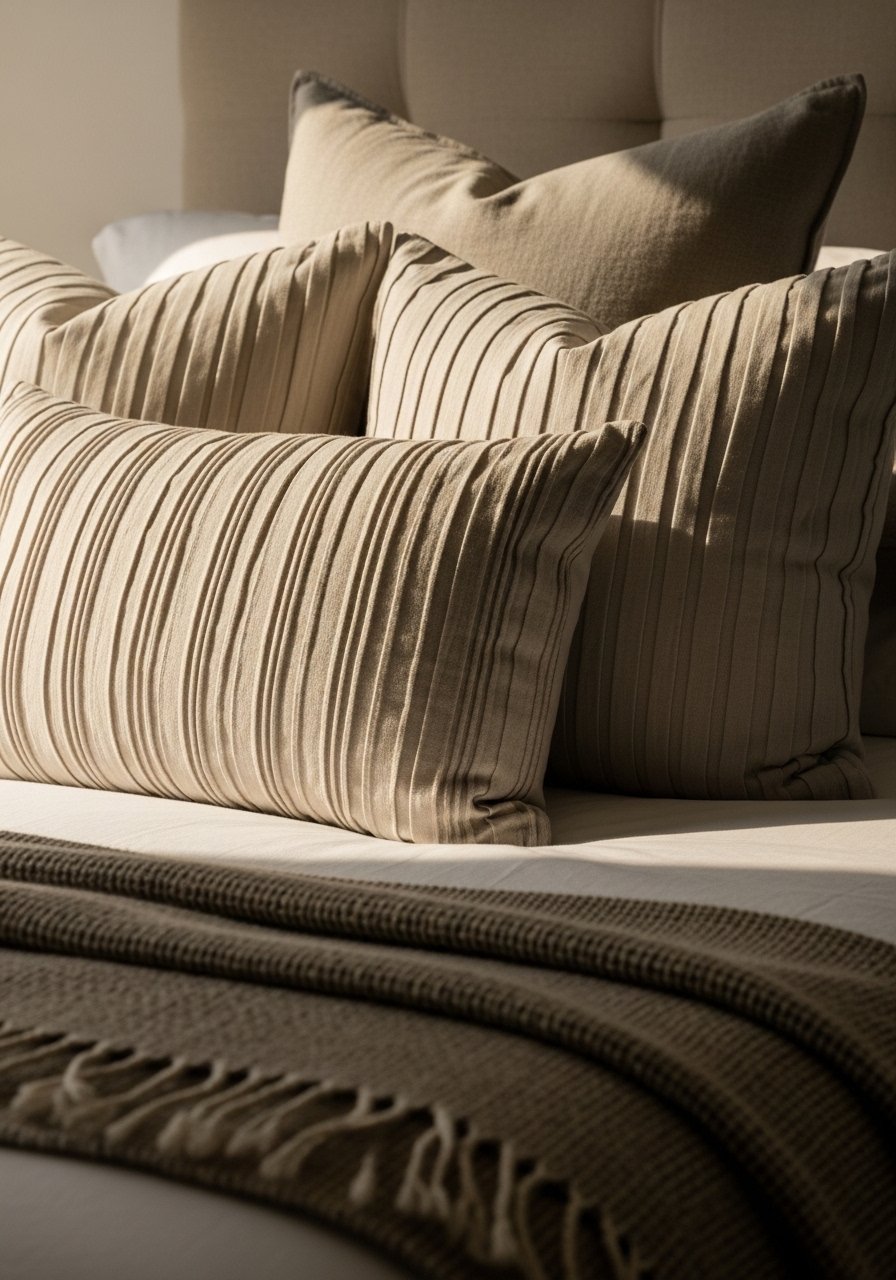
A friend asked me about cushion layouts for a queen bed. Pleated cushions add shadow and depth. Use odd numbers and scale: two euro pillows, three cushions, one lumbar. Budget $20 to $90. The cheap mistake is matching all fabrics. Mix a pleated velvet with a flat linen and a printed cushion. I bought pleated cushion covers and a linen set to layer. In studio apartments limit to three cushions so sleeping remains easy.
Painted Brick Fireplace with Tactile Mantel Styling

I painted my old red brick in soft white and the whole room felt calmer. Painted brick keeps texture while modernizing color. Costs run $50 to $300 for quality paint. A common mistake is painting the mantel the same color, which hides the shelf depth. Keep the mantel slightly darker or in a natural wood to show contrast. I styled mine with a mix of ceramics and a small woven basket. Use high-quality masonry paint for longevity.
Basket Wall Display in Entry or Mudroom

I keep seeing curated basket walls in modern farmhouse and boho homes. They bring organic shape and shadow to blank walls. Budget $10 to $80 per basket. The biggest mistake is uniform sizing, which looks staged. Mix sizes and textures and hang with invisible picture hooks. I used three large and two small baskets and left even spacing. Grab a set of woven baskets. In compact entries choose flatter baskets to avoid obstruction.
Layered Window Treatments for Height

Most people hang curtains at the window frame. That makes rooms look shorter. Hang curtain rods eight inches above trim and use floor-to-ceiling panels to add height. I keep the color neutral and layer a sheer behind a heavier linen. Budget $40 to $200 per panel pair. Avoid panels that skim the floor by more than two inches unless you want puddling. Try linen blend curtains 96-inch for nine-foot ceilings. In small rooms use lighter fabrics to keep things airy.
Sculptural Ceramic Vases Grouping on Console

I switched out glass vases for ceramic and the entryway gained presence. Group three vases at odd heights for balance. Budget $25 to $150 for a set. The wrong shape will compete with nearby frames. Choose simple silhouettes in matte finishes for real rooms. I recommend a set of sculptural ceramic vases. In long consoles stagger pieces to create a left-to-right flow.
Patterned Tile Backsplash with Matte Finish
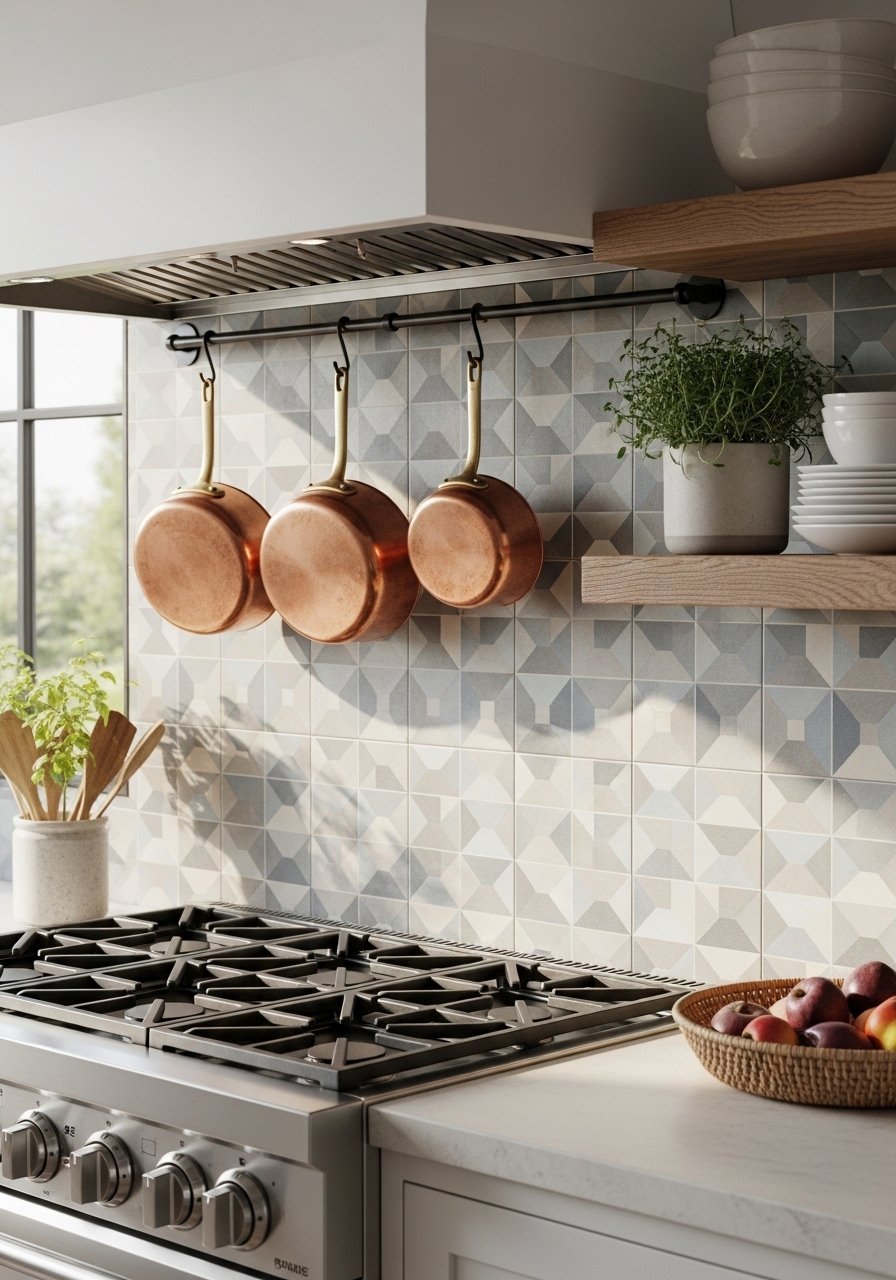
Every showroom I walk into features patterned tile with a matte finish now. Matte reduces glare and shows texture better than gloss. Budget $200 to $1200 depending on coverage. The common mistake is choosing high-gloss patterns that look great in photos but reflect too much light. I installed a small geometric matte tile behind my range and paired it with open wood shelving. Consider matte patterned ceramic tile for a subtle statement.
Woven Headboard for a Calm Bedroom

I used to buy upholstered headboards exclusively. Switching to woven rattan introduced air and texture without heaviness. Works great in coastal, boho, or modern bedrooms. Budget $120 to $400. The mistake is choosing a headboard that's too narrow for the bed. Aim for headboards that extend to within 2 inches of the bedside tables. I bought a queen woven rattan headboard. In loft bedrooms choose taller headboards to anchor the vertical space.
Framed Textile Collage Gallery Wall

A friend asked if textile art is a fad. My answer was no. Framed textiles add three-dimensionality and are forgiving with lighting. Budget $10 to $200 per framed piece. The styling rule is to mix frame finishes and use white mats to calm busy fabrics. Avoid tiny frames that disappear on a large wall. I made a set of 11×14 frames and included an ikat, a linen swatch, and a woven sample. Try white picture mats 11×14 to unify them.
Raw-Edge Live Wood Coffee Table in Living Rooms

Raw-edge tables bring organic texture and a sense of craft into the center of a room. I see them in rustic and Scandinavian spaces this year. Budget $200 to $1200. The wrong finish makes them look rough and unfinished. Look for sealed surfaces with a natural oil finish to protect against spills. I bought a live-edge coffee table and style it with a tray to keep edges usable. In small rooms choose a narrow oval shape.
Flocked or Faux Fur Rug for Cozy Corners

I swapped a flat rug for a faux fur one by my chair and suddenly wanted to sit there all evening. A plush rug reads tactile in photos and in person, budget $40 to $200. The biggest mistake is using shag in high-traffic zones where it mats quickly. Use small faux fur pieces beside a bed or under a lounge chair. I recommend a 3×5 faux fur rug for bedside coziness. For households with pets pick washable options.
Embroidered Throw Pillows in Transitional Spaces

My last three homes I've visited all had embroidered pillows. They add fine detail that photos pick up but real rooms feel. Budget $20 to $80 per pillow. A common error is mixing heavy embroidery with glossy velvet, which clashes. Pair embroidered pillows with matte linens and a plain bolster to keep the look grounded. I use embroidered pillow covers and swap them seasonally. In small sofas limit to two pillows to avoid crowding.
Statement Tapestry as Bed Headboard Alternative

I hung a tapestry instead of buying a headboard and the room felt more layered immediately. Tapestries offer pattern and texture at low cost, usually $30 to $200. The mistake is choosing tiny tapestries that float on a wall. Aim for pieces that span two-thirds of the bed width. I paired mine with neutral bedding to keep focus on texture. Try a large tapestry wall hanging. For renters use removable hanging strips.
Shopping Tips for These Looks
Buy one tactile piece first: Grab a chunky knit throw for $35 and see how the room responds.
White oak beats dark wood in 2026: I keep seeing it in showrooms. White oak floating shelves look current and finish well.
Curtain height matters: Curtains should kiss the floor or puddle slightly. These 96-inch panels work for nine-foot ceilings.
Grab velvet pillow covers for $12 each. I swap mine seasonally and it refreshes the room.
One tall plant over five small ones: A 6-foot fiddle leaf fig fills negative space. This artificial fiddle leaf fig 6ft looks realistic and is low maintenance.
Frequently Asked Questions
Q: Can I mix boho textiles with modern furniture, or does it look messy?
A: Yes, you can mix them. Keep the color palette tight. Use one boho textile as an accent and pair it with clean-lined furniture. For example, a woven wall hanging over a mid-century sofa works well. Avoid overloading pattern. A woven wall hanging plus neutral cushions is a safe start.
Q: How do I choose rug sizes when layering jute and wool?
A: Bigger than you think is the rule. Put the jute as the base in 8×10 for a standard living room and layer a 5×8 patterned rug on top. Leave a visible border of natural fiber. This 8×10 jute rug works well.
Q: Are faux plants acceptable for texture or do they look fake?
A: Both are valid. I use faux fiddle leaf figs where light is poor. Choose realistic foliage and matte pots. An artificial fiddle leaf fig 6ft can look convincing for under $100.
Q: Which metals should I mix in a bathroom without it feeling random?
A: Pick two dominant metals and one accent. Warm brass with matte black is a current combo I recommend. Keep finishes matte to avoid glare in photos. Start with matte black cabinet knobs.
Q: My living room feels flat even after adding texture. What's the usual mistake?
A: The usual mistake is using all textures at the same scale. Add contrast in scale and finish. Pair a chunky knit with a smooth leather chair and a low-sheen wood table. Swap one item and observe the change before buying more.