
My living room had the usual suspects, nice sofa and good lamps, but the flow felt off. I finally spread a printed floor plan on the coffee table and realized my seating and traffic paths were fighting each other. Moving one chair and shifting the rug fixed the whole thing. Small plan changes make a house feel like a home.
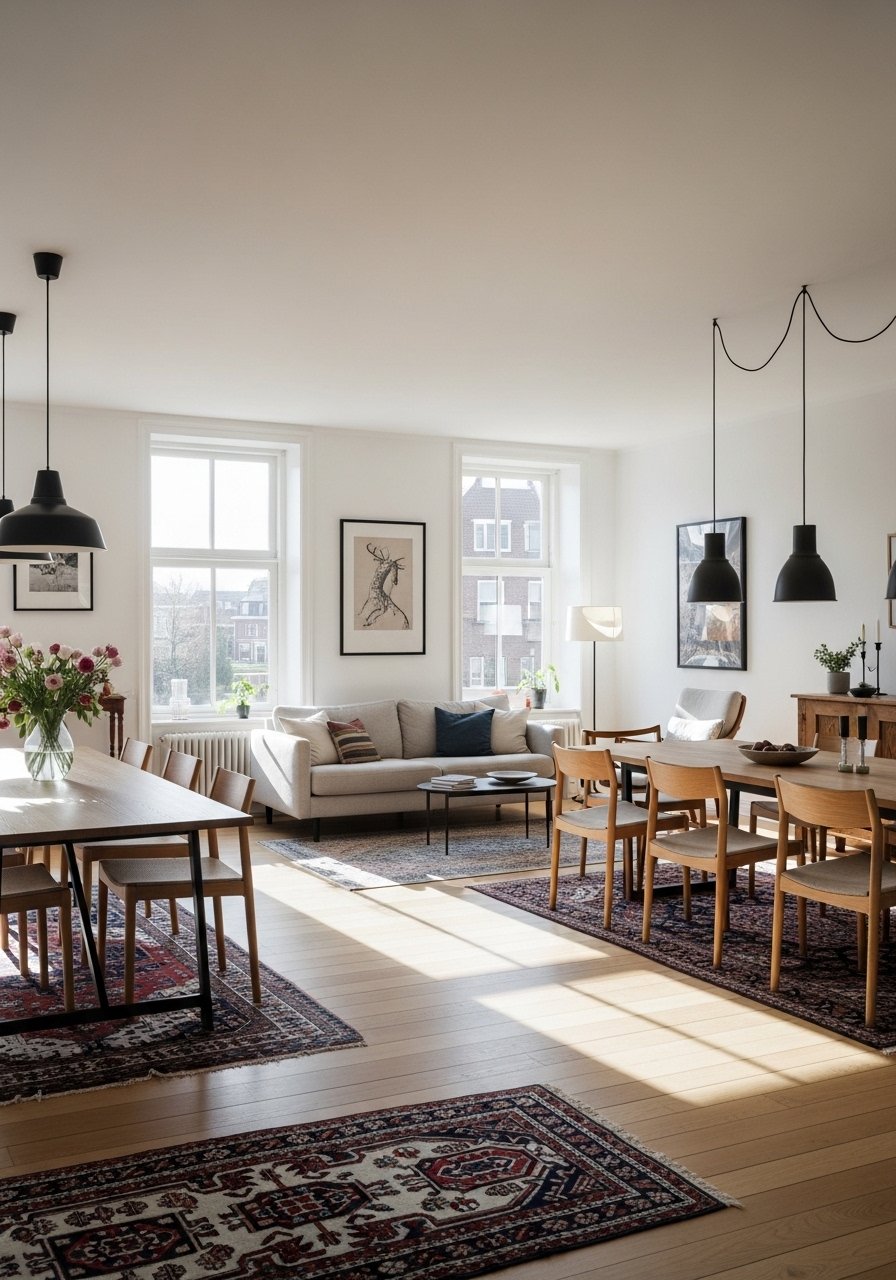
Open-Plan Living With Defined Zones
The open-plan living-dining layout is my go-to for transitional homes because it feels airy without being vague. What makes it work visually is deliberate zoning. I use one 8×10 rug under the main seating area and a smaller runner under the dining table so the eye reads two rooms, not one endless box. For a living room roughly 22 by 14 feet, aim for the rug to be at least 8 by 10 and have front legs of the sofa land on it. A chunky-knit throw is an easy tactile anchor and I like Chunky knit throw in cream tossed over an arm. Common mistake is placing furniture flush to the walls. Pull pieces in six to 12 inches for breathing room. Pair this with the curtain length trick from later to make ceilings read taller and traffic feel natural.
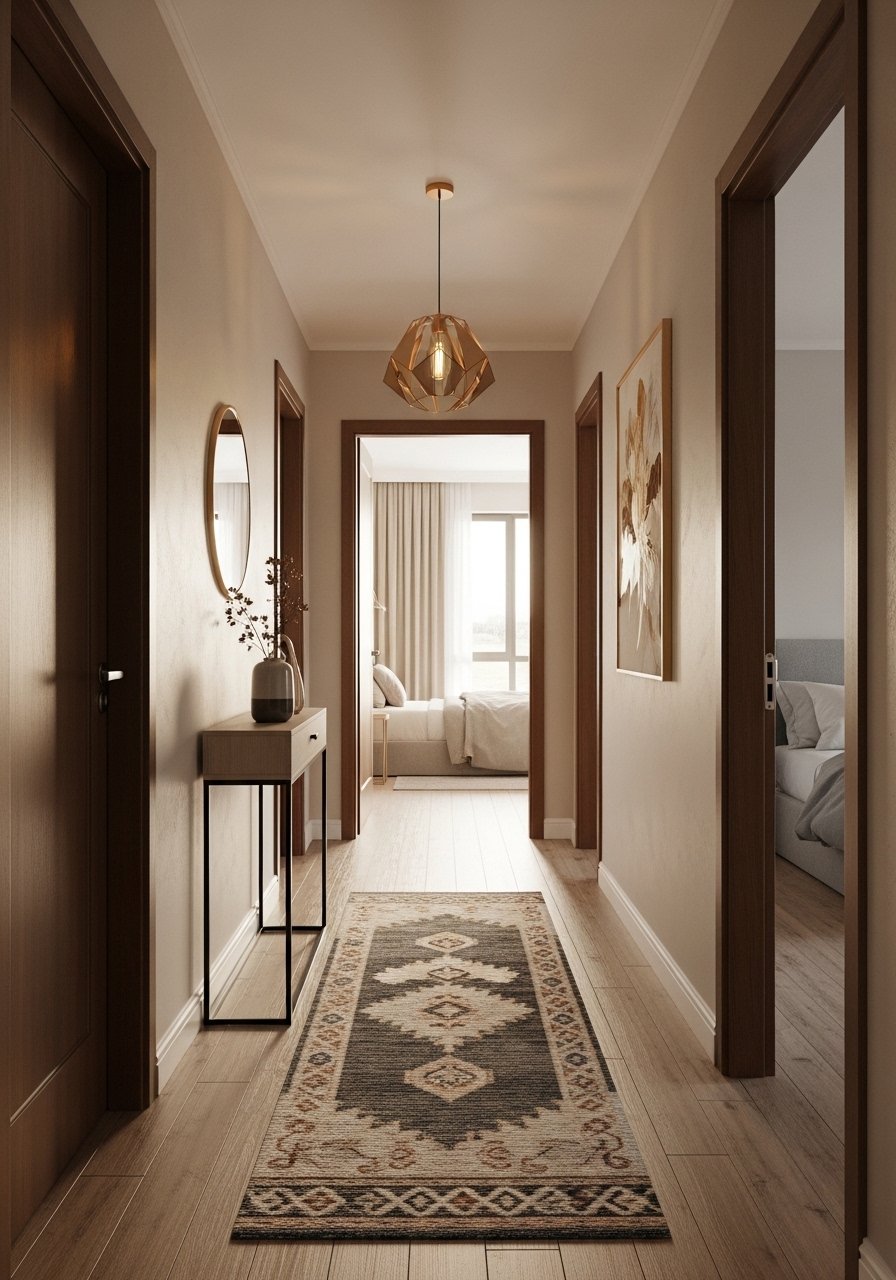
Split-Private Bedrooms For Quiet Evenings
If you want one family zone and private sleeping wings, a split-bedroom layout is gold. My friend used this in her 3-bedroom plan and it cut night-time hallway noise by half. The rule of thumb I use is a 36-inch minimum corridor for comfortable two-way traffic. For sound control add a 20-inch deep bookshelf near the wall as a buffer and soft textiles on the bed like 22-inch down-filled linen pillow covers to absorb echoes. A common error is putting kids' rooms next to noisy service areas. Instead place bathrooms or closets as acoustic buffers. Also think about outlet placement, a bedside outlet on both sides fixes a surprising number of late-night fights over chargers.
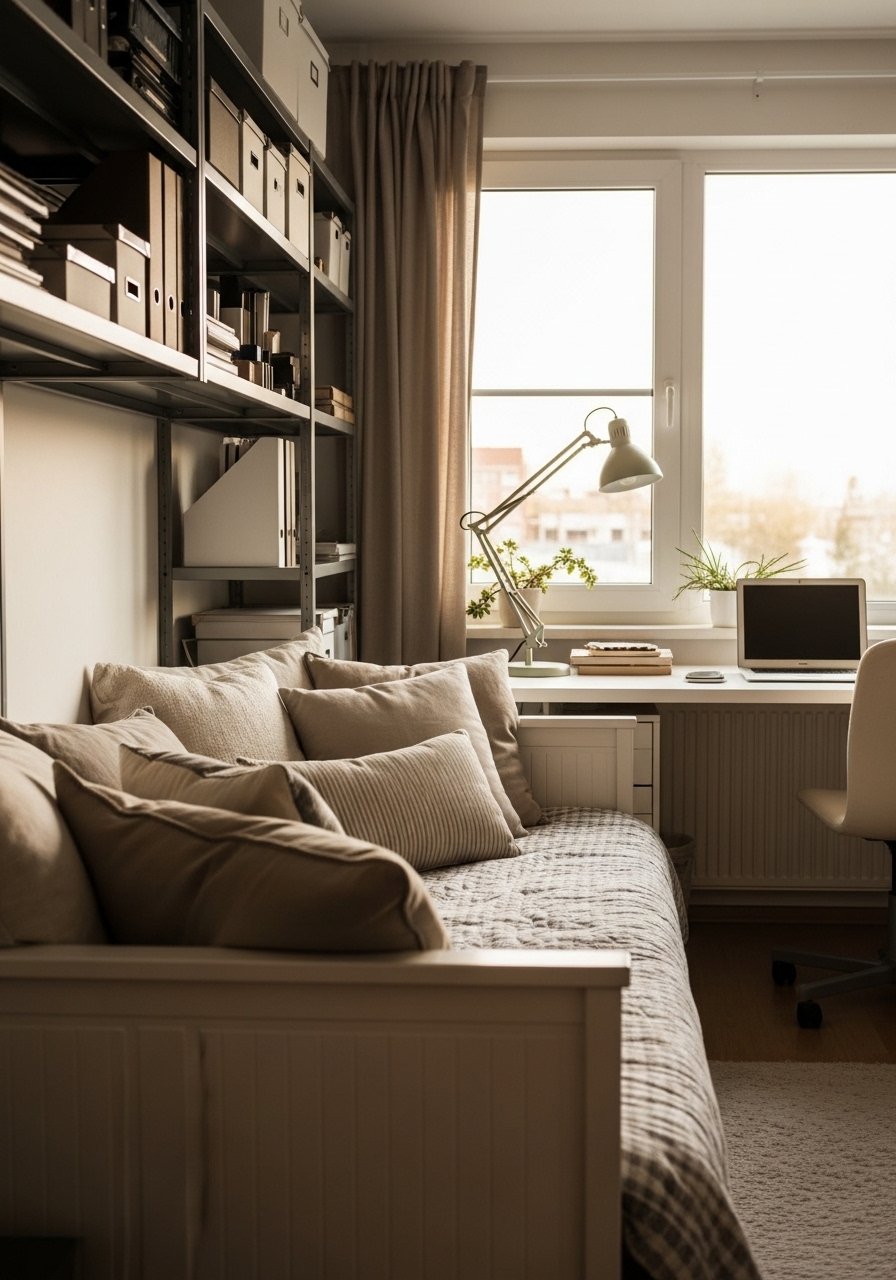
Flexible Third Bedroom That Doubles As Home Office
The third bedroom should not be a one-use guest box. I set mine up as a flexible room that handles guests, work, and my occasional craft mess. Use a sleeper sofa or a daybed that is 80 inches long to fit a standard guest without crowding. Add a compact desk under a window and floating shelves for a clean footprint. I keep a small set of velvet pillow covers on rotation, swapping them for a more formal look when guests come. Grab Velvet pillow covers, set of 4 for easy swaps. A mistake people make is not planning storage for linens and office supplies. Use a 24-inch-wide storage bench with a lid, and keep the room looking dual-purpose by tucking everything behind a sliding door or curtain.
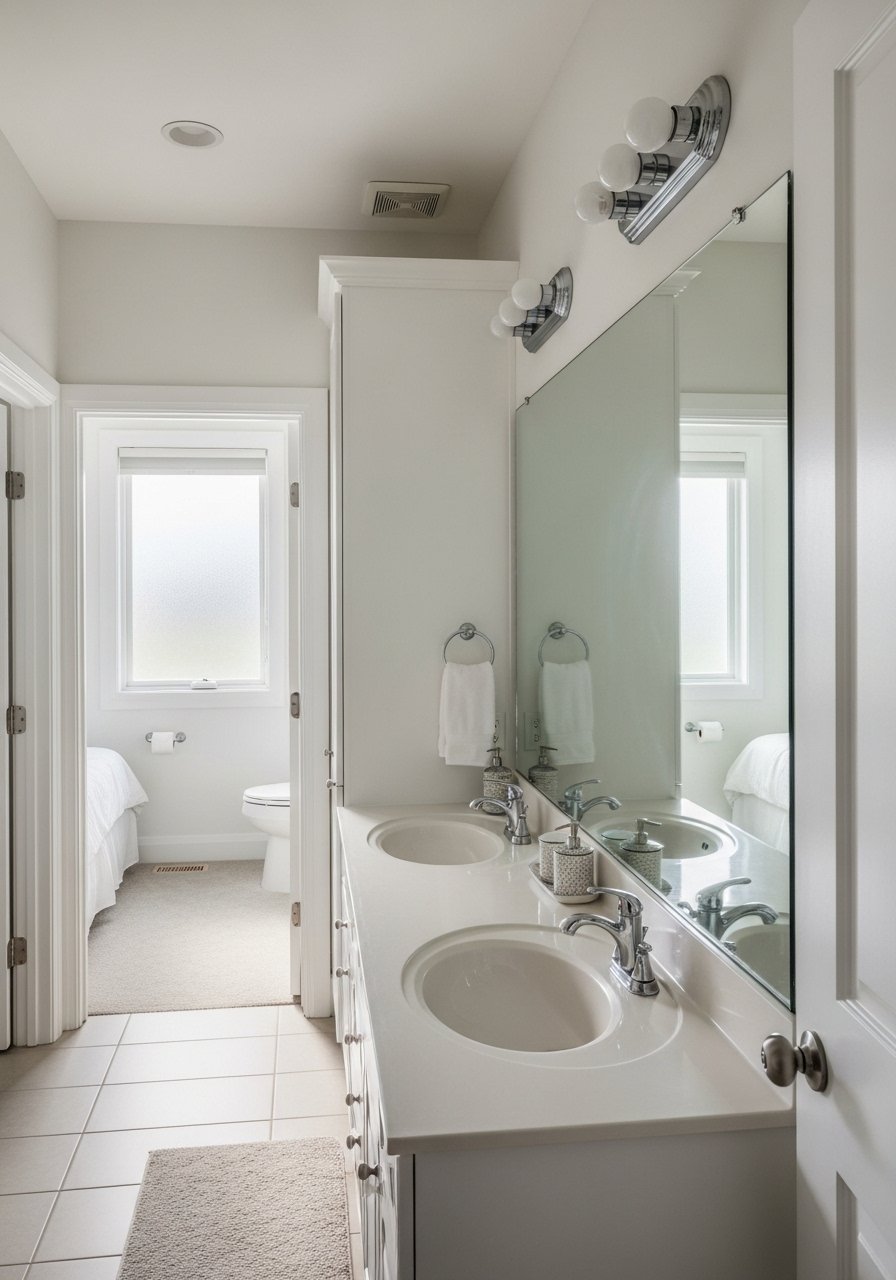
Jack-and-Jill Bathroom That Keeps Mornings Moving
A Jack-and-Jill bath is the worst layout if sinks are tiny. Make sure each side gets at least a 24-inch-wide vanity so both people can spread out. I installed dual towel hooks on each side and a shared linen tower in the middle, which saved fights over storage. Add a small ledge for toothbrushes and a tray for hair tools so counters stay calm. If you plan finishes from the start, you avoid repainting later. A ton of folks end up repainting because the match bombed. Plan neutral tile that reads warm or cool under your actual bulbs. The frequent error is buying fixtures before testing mirror placement and door swing, so mock the swing with painter’s tape first.
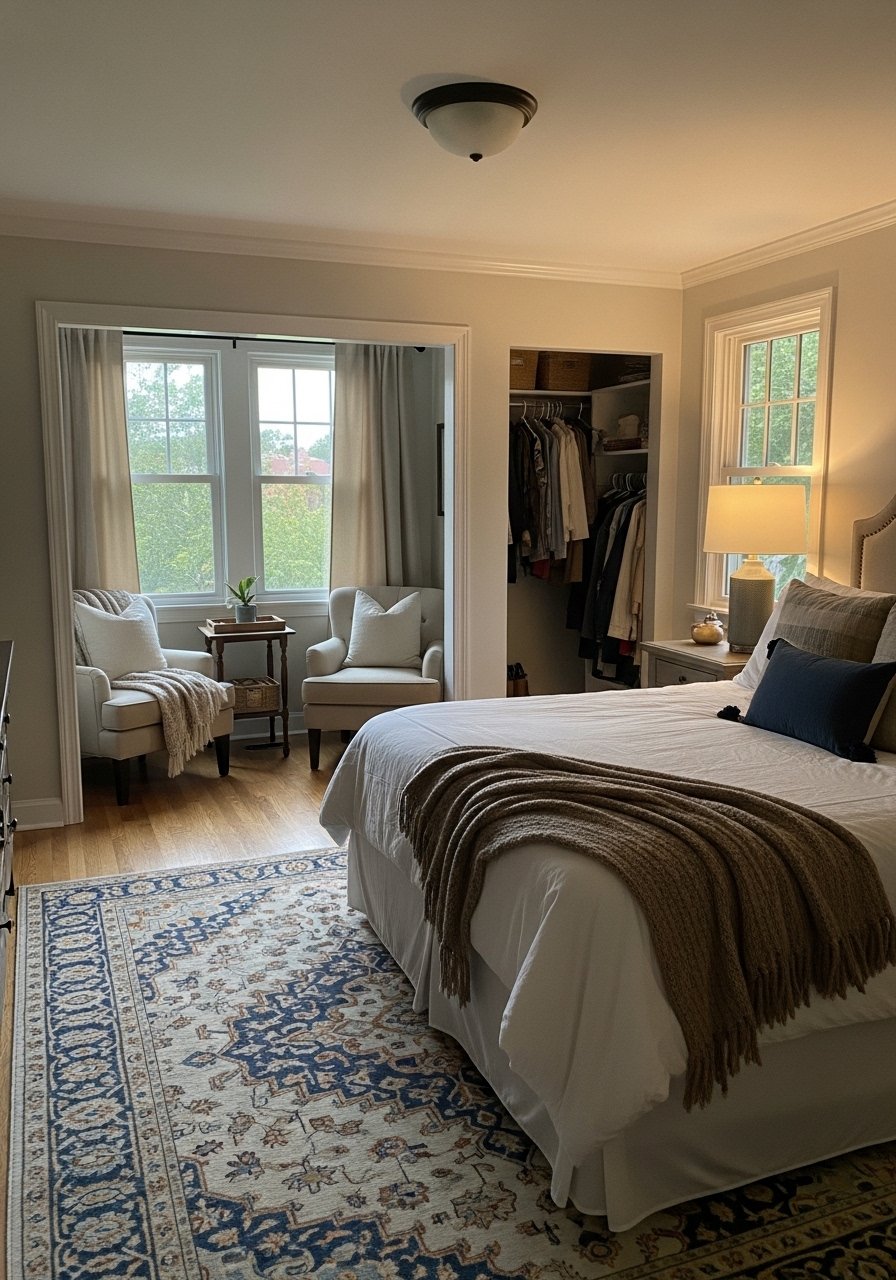
Primary Suite With Walk-In Closet And Sitting Nook
Design the primary suite with a sitting nook that faces the bed for a hotel-like pause. I prefer a 5×7 rug in front of the chair instead of the full-size rug to keep the bed as the anchor. The closet should be at least 6 by 8 feet to hold seasonal rotation without cramming. Lighting matters here in a weird way. Most matches flop if you skip the room light check. Test swatches of paint, fabric, and rug under bedside lamps and overhead lights before committing. For a chair that reads classic transitional, I like Accent slipper chair in muted blue. A common mistake is undersized sconces that don’t light the nook for reading. Aim for 400 to 600 lumens near the chair.
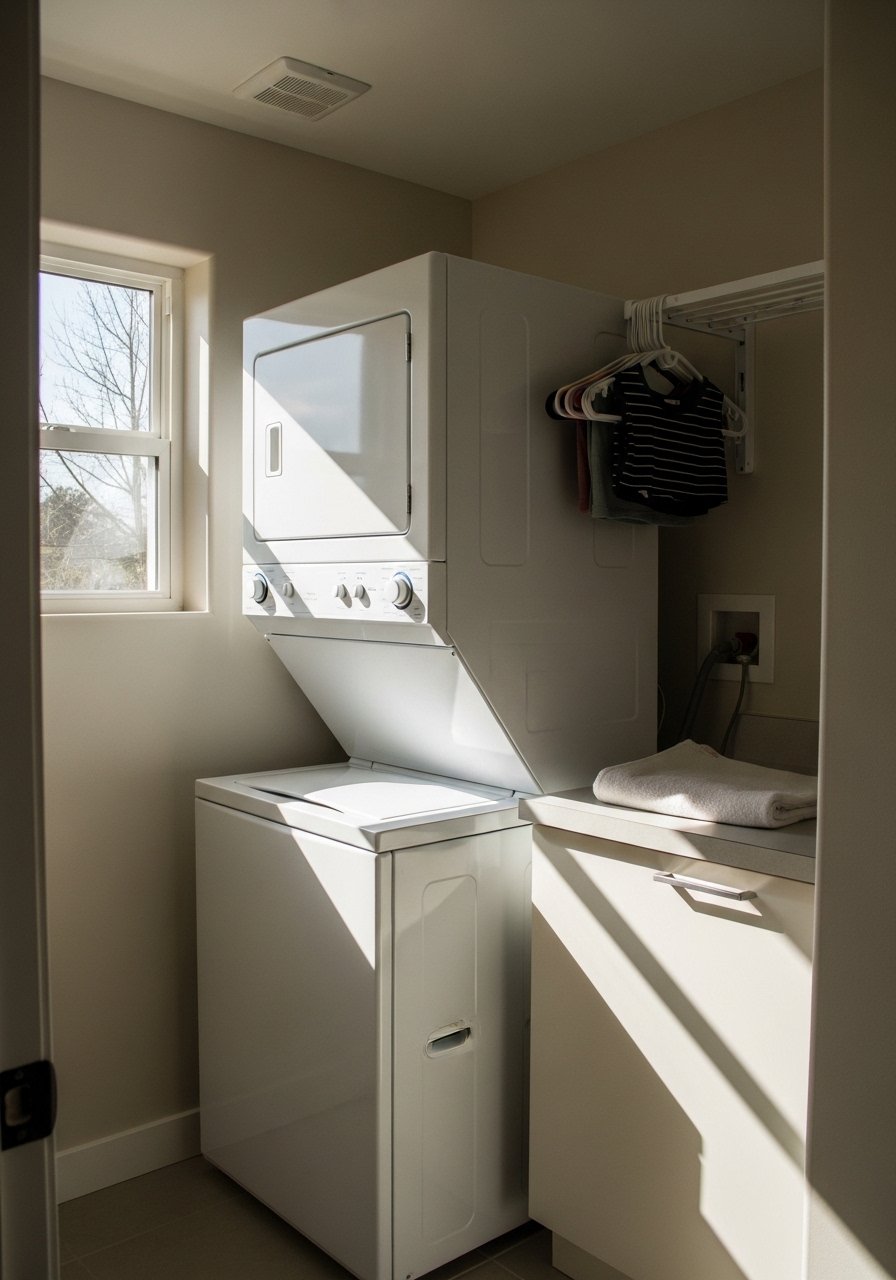
Efficient Laundry Hub Near Bedrooms
Putting laundry adjacent to the sleeping wing saved me hours each week. Stackable units free 24 inches of footprint and a 30-inch-wide folding counter makes a huge difference. Add a three-bin sorter under the counter for lights, darks, and delicates. I keep a hanging rod for quick air-dry items and a small wall-mounted drying rack for sweaters. For real life, include a deep sink if you have pets. One mistake I see is putting machines in a hall with thin doors that bang into laundry carts. Plan a 32-inch door swing clearance. A practical pick is Collapsible laundry sorter with wheels so you can roll loads to the main folding station.
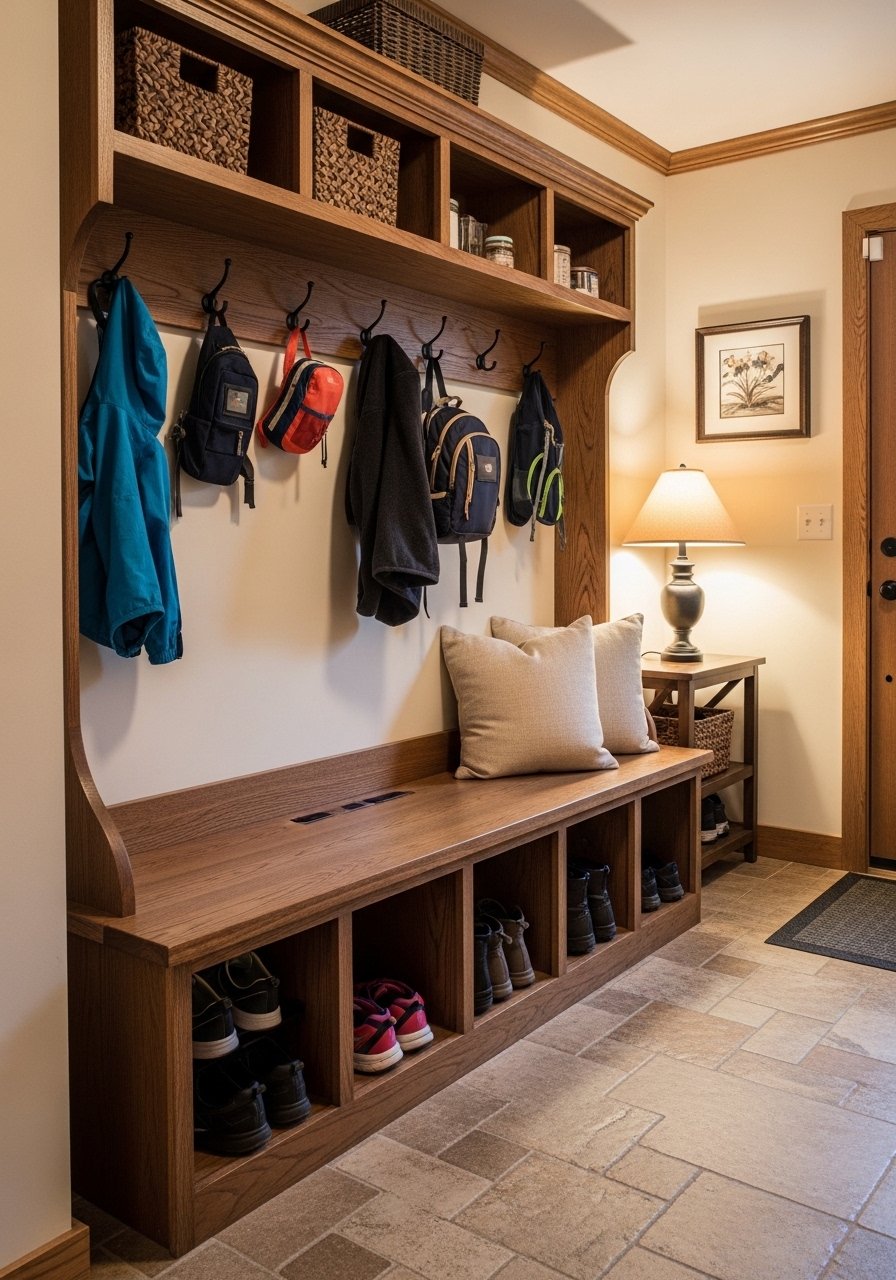
Mudroom Transition For Real-Life Gear
You want a mudroom that handles muddy shoes and backpacks without looking like a storage closet. I installed a 48-inch bench with cubbies underneath for shoes and a coat rail above at 60 inches high so kids can reach hooks. Use washable indoor-outdoor rugs in a 2 by 3-foot size in front of the bench. A fail I see a lot is shallow benches that force shoes into the hall. Go 16 inches deep minimum. For a small budget add Wall-mounted metal hooks, set of 6 and a narrow tray for keys. Also plan a glove and mask bowl by the door and a closed cabinet for dog leashes so the entry stays tidy.
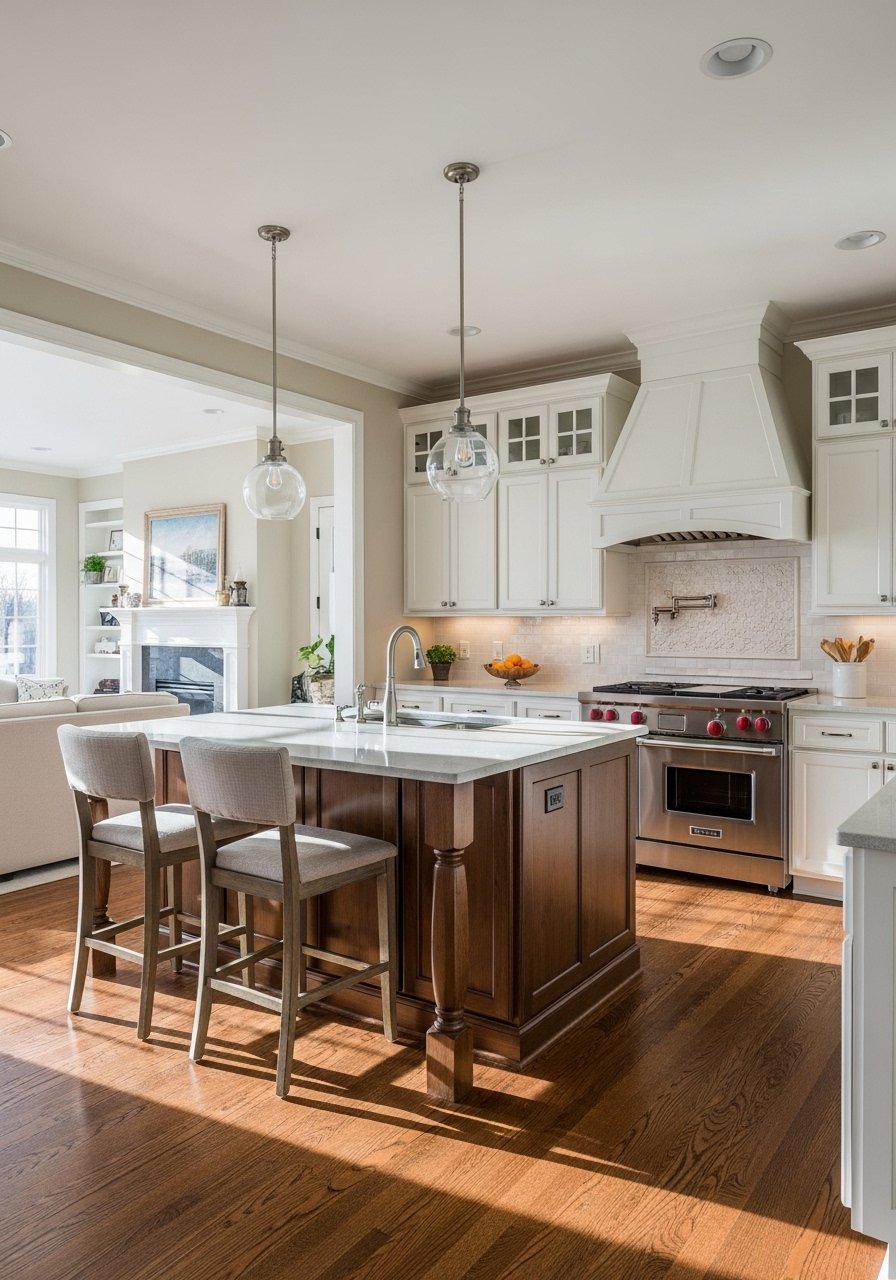
Kitchen That Balances Island And Traffic
Picking island size is always a negotiation between cooking surface and pass-through. I use a rule: keep a 42-inch clear path between island and counter for one cook, 48 inches for two cooks. My 7-foot island gives generous prep space while leaving traffic open for kids walking between living and backyard. If your island blocks sightlines to the living area you lose the conversational flow. A common mistake is putting the sink in the island without planning plumbing access and storage under it. For a lighting pick that reads classic but not fussy try Brass pendant light, single globe style. Also think about appliance garages to keep small appliances off counters for a tidier look.
Covered Porch Entry To Extend Living Space
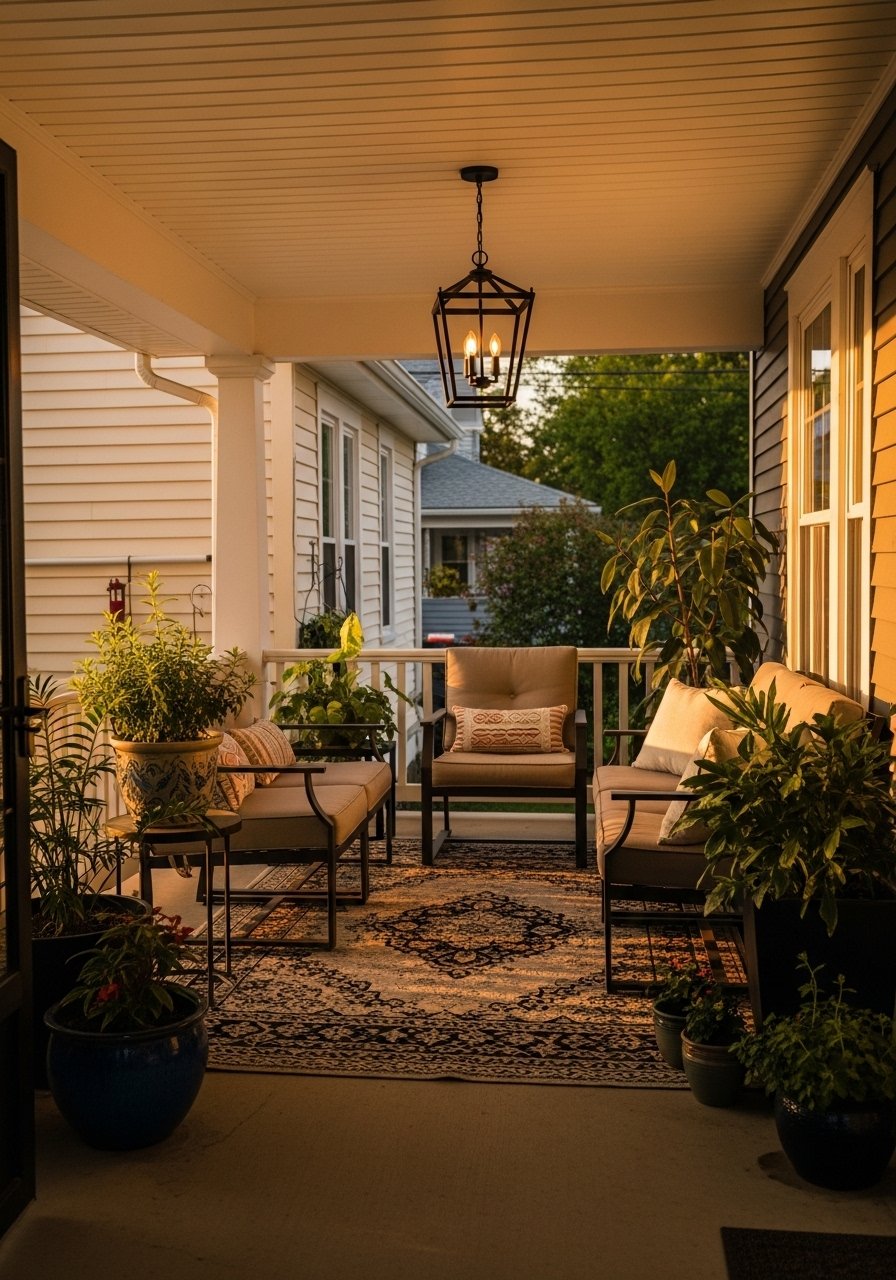
A covered porch is extra square footage if you design it as a room with no walls. Place two chairs with a 24-inch table between them, and choose seating about 28 inches deep so the porch feels open. I put a weatherproof 4 by 6 rug underfoot and a porch lantern hung at 66 inches high for that warm glow. One detail most people skip is exterior threshold height; match interior flooring height to avoid tripping. Use an outdoor cushion set like All-weather seat cushions, set of 2 that repels stains and dries quickly. The porch also solves a lot of first-impression problems when paired with the mudroom from earlier.
Your Decor Shopping List
Textiles
- Honestly the best $40 I have spent. Velvet pillow covers, set of 4 in two tones for quick seasonal swaps
- Chunky knit throw in cream (~$35-55). Drape over the sofa arm for instant texture
- 8×10 jute area rug (~$120-220). Durable and neutral enough to anchor the open plan
Wall Decor & Shelving
- Found these while looking for something else. Brass picture ledges (~$18-25) let you swap art without new nail holes
- Mixed metal picture frames, set of 6 for a layered gallery that doesn’t match everything exactly
Storage & Entry
- Collapsible laundry sorter with wheels keeps sorting in one place
- Wall-mounted metal hooks, set of 6 (~$15-30). Use at 60 inches for kid reach
Budget Finds
- All-weather seat cushions, set of 2 for porch seating, similar at Target for lower pickup hassle
Shopping Tips
White oak beats dark wood in 2026. Design feeds have shifted. White oak floating shelves look current and integrate with transitional trim.
Grab Velvet pillow covers, set of 4 for $12 each. Swap them every few months and the room reads seasonal without a big spend.
Curtains should puddle or kiss the floor, never hang halfway up. These 96-inch linen panels are the right call for standard 9-foot ceilings.
Everyone buys five small succulents. One single 6-foot fiddle leaf fig has ten times the visual impact.
Frequently Asked Questions
Q: What size rug do I actually need for an open-plan living area?
A: Bigger than you think. For a standard open living-dining room, go 8×10 under the main seating so front legs of the sofa sit on it. Use a 5×7 or runner under the dining table to define that zone.
Q: Can I mix transitional furniture with modern light fixtures?
A: Yes. Mix them deliberately. Use one metal finish across pendants and table legs and let other metals be accents. Brass pendant light, single globe style pairs well with neutral upholstery.
Q: How do I plan the third bedroom for guests and office use?
A: Pick a sleeper or daybed at least 80 inches long and plan 24 inches of workspace depth for a compact desk. Keep linens in a nearby bench so the space flips quickly.
Q: Should laundry be close to bedrooms or near the kitchen?
A: Close to bedrooms wins for convenience. You put clothes away faster and reduce baskets on stairs. Make sure you have a 30-inch folding counter and a sorter with wheels like Collapsible laundry sorter with wheels.
Q: Any quick mistakes to avoid when choosing a floor plan for a transitional 3-bedroom home?
A: Don’t ignore sightlines and traffic. A 42-inch path through the kitchen and 36-inch hallways are practical minimums. Also, plan storage near entries and bedrooms, and think about lighting tests for finishes early. Switching brands on a match usually shaves real money off the bill. A ton of folks end up repainting because the match bombed. Most matches flop if you skip the room light check.