
My living room had nice furniture and decent lighting but it still felt like a waiting room. Took me embarrassingly long to figure out it was missing texture. Every surface was smooth, every color was flat, and nothing invited you to actually sit down. I treated my office the same way for months until I started swapping metal bins for wood trays and adding a single trailing plant. The room went from stiff to usable overnight.
These ideas lean modern farmhouse and Scandinavian with a touch of industrial charm. Most projects stay under $100, with a few small splurges around $120. They work for dedicated home office rooms, corner desks, and cubicles.
Layered Pegboard Wall Organizer, Modern Industrial for Small Desks
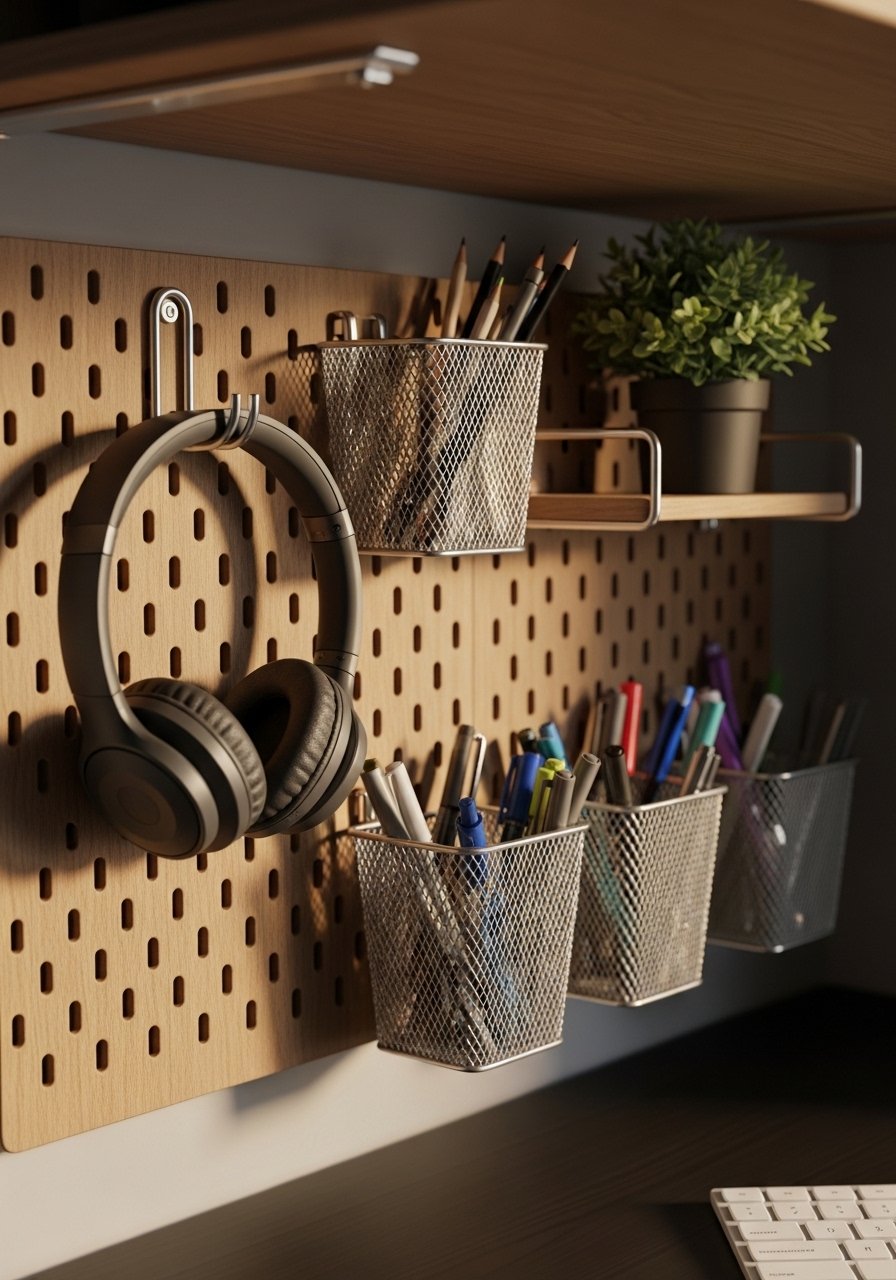
The pegboard made the biggest difference in my corner desk setup. It keeps cords off the desktop so I see my workspace, not junk. I built one using an IKEA SKADIS pegboard and a mix of hooks and small baskets. SKADIS pegboard and hooks make this renter-friendly and easy to relocate. Most people put everything flat on the desk and then complain about clutter. Instead, layer a clip for notes, a tiny shelf for a faux succulent, and a basket for chargers. For a corner desk, mount the board vertically so it reads taller than the desk. The common mistake is using baskets that are too deep. Stick to 2 to 3 inch baskets so mail doesn't disappear into a black hole.
Faux Trailing Plant Shelf Cascade, Scandinavian Calm for Cabinets
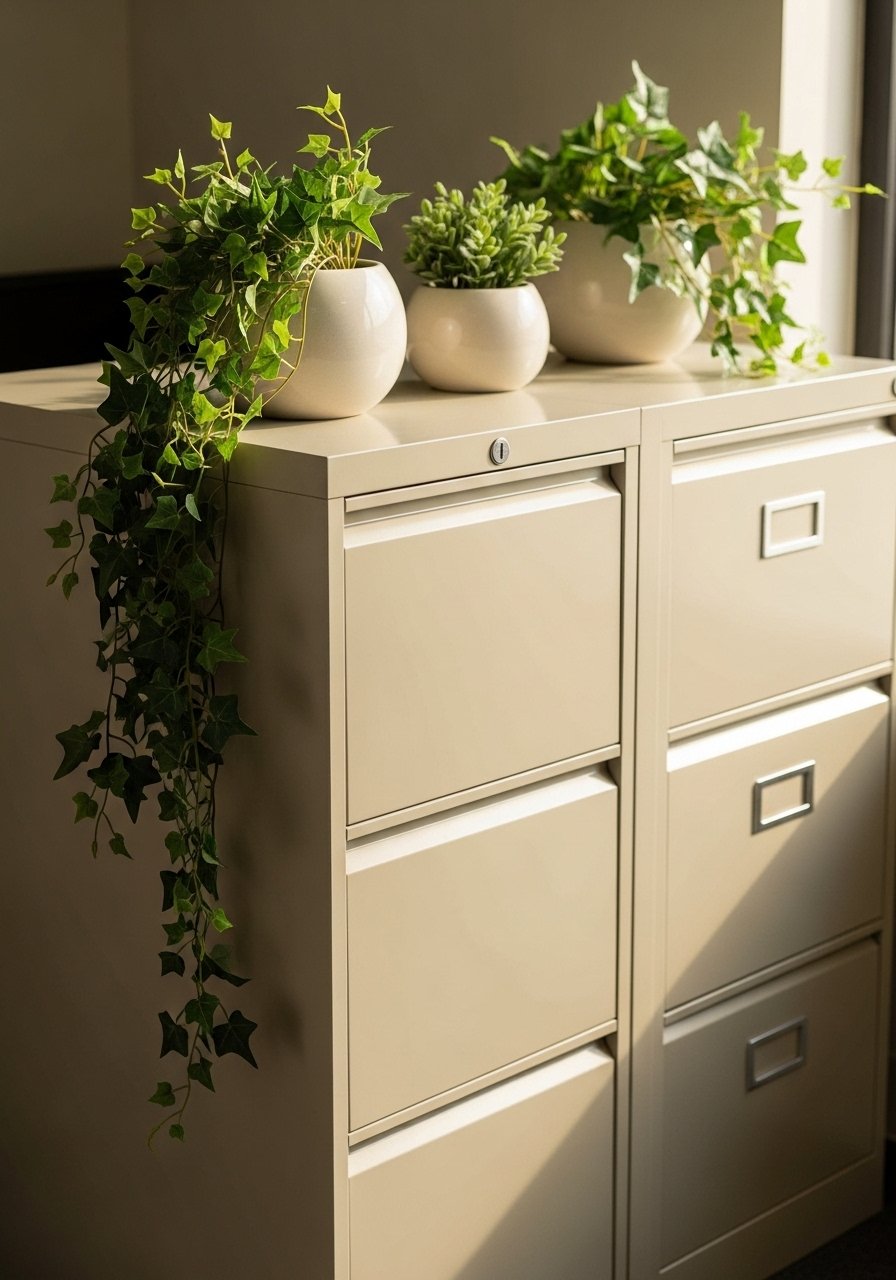
I started using faux trailing plants because real ones kept dying in the back corner. Faux looks real from five feet away if you pick the right line. I drape three faux ivies across a high shelf and they add movement without dusting every day. Most folks buy five small succulents. One single faux trailing cascade has ten times the visual impact. Try artificial trailing ivy that has matte leaves and a few brown tips for realism. A pet owner tip I learned the hard way, pick faux plants that do not shed fibers. Place them in groups of three for rhythm and avoid lining them up perfectly. The result is soft edges around metal cabinets that used to read cold.
Peel and Stick Grasscloth on File Cabinet, Modern Farmhouse for Renter Files
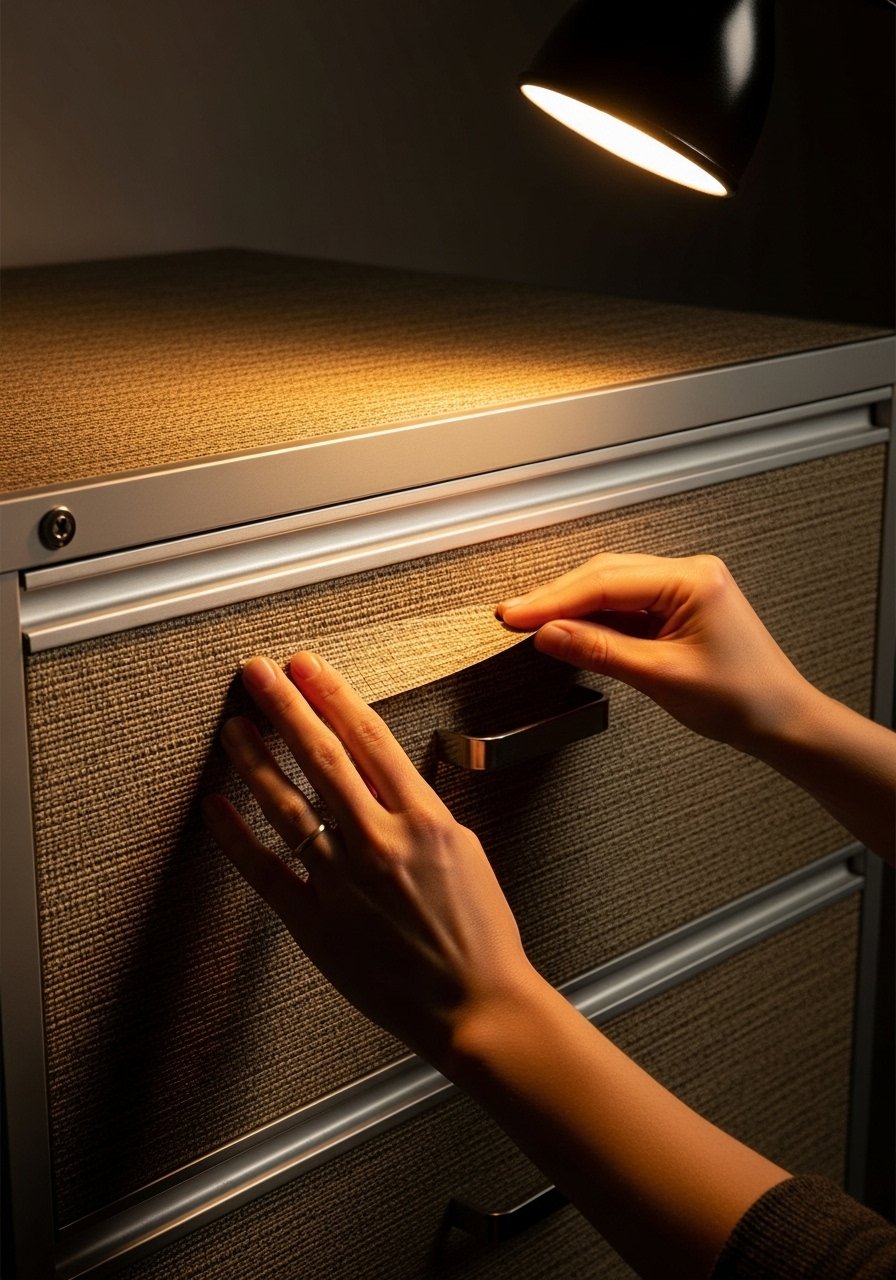
Peel and stick grasscloth added texture to a boring metal filing cabinet and it peeled off clean when I moved. Cut panels to roughly 12 by 18 inches to cover drawer fronts, leaving a small gap around handles. Peel and stick grasscloth sheets are renter-friendly and give that sand texture people want without painting. A frequent mistake is wrapping the top edge under the lip, which bubbles over time. Instead, cut flush and press at the center, then smooth outward. If you are in a cubicle, measure the divider and notch for trim. For metal edges, use small Command strips behind the sheet for extra hold during humid months.
DIY Wood Tray for Pencil Holder, Rustic Transitional for Desks
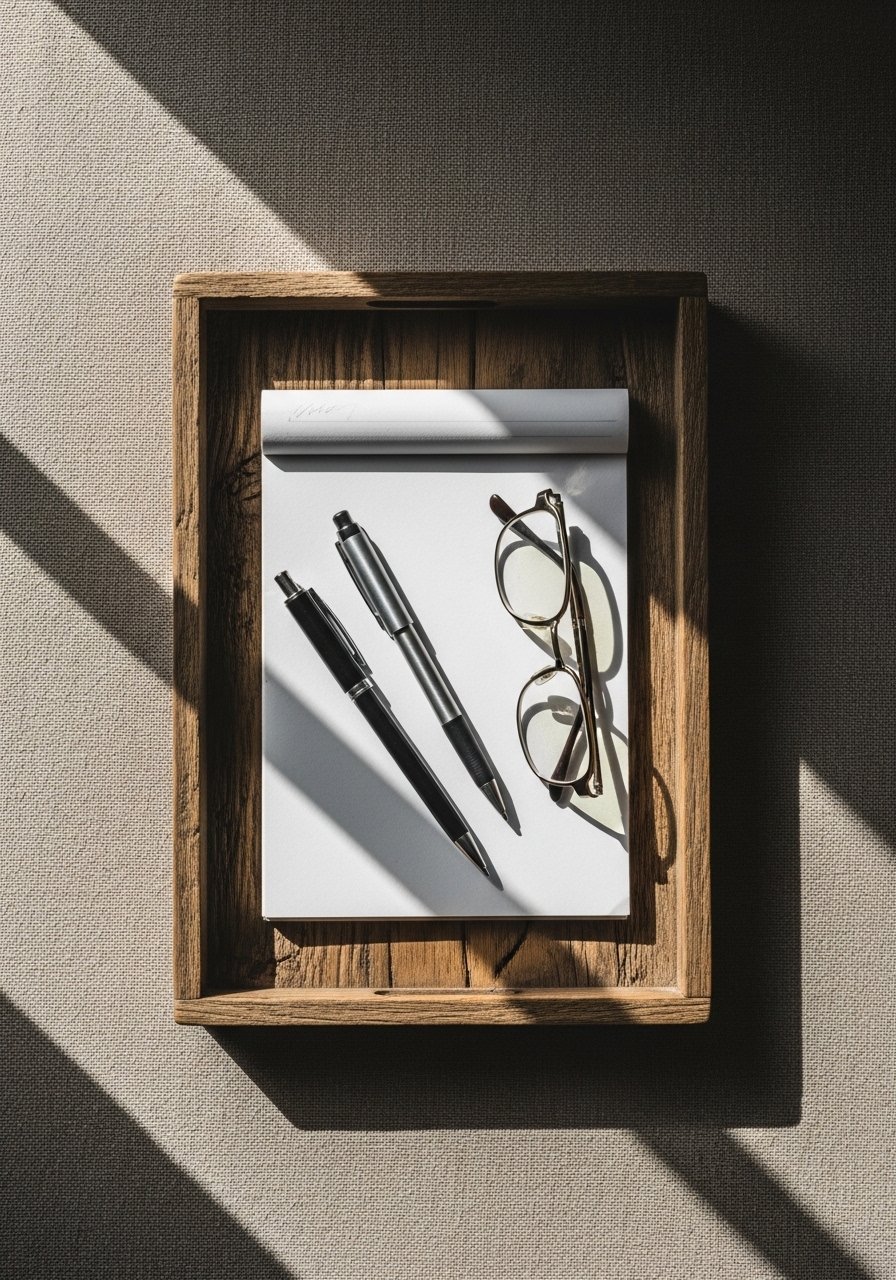
A shallow wood tray changed how my desk looked within five minutes. I made mine from scrap wood and kept the interior 3 inches deep so it holds pencils and a small stack of index cards. You can buy small rustic wood trays that fit binder widths exactly. The visual payoff is instant because everything has a place and you stop digging. People often pick trays that are too big and they become catchalls. Match tray length to the width of your most used binder or notebook for a neat look. Pair this with the pegboard above for a system that keeps the desktop flat and usable.
Jute Rug Desk Anchor, Coastal Boho for Hard Floors
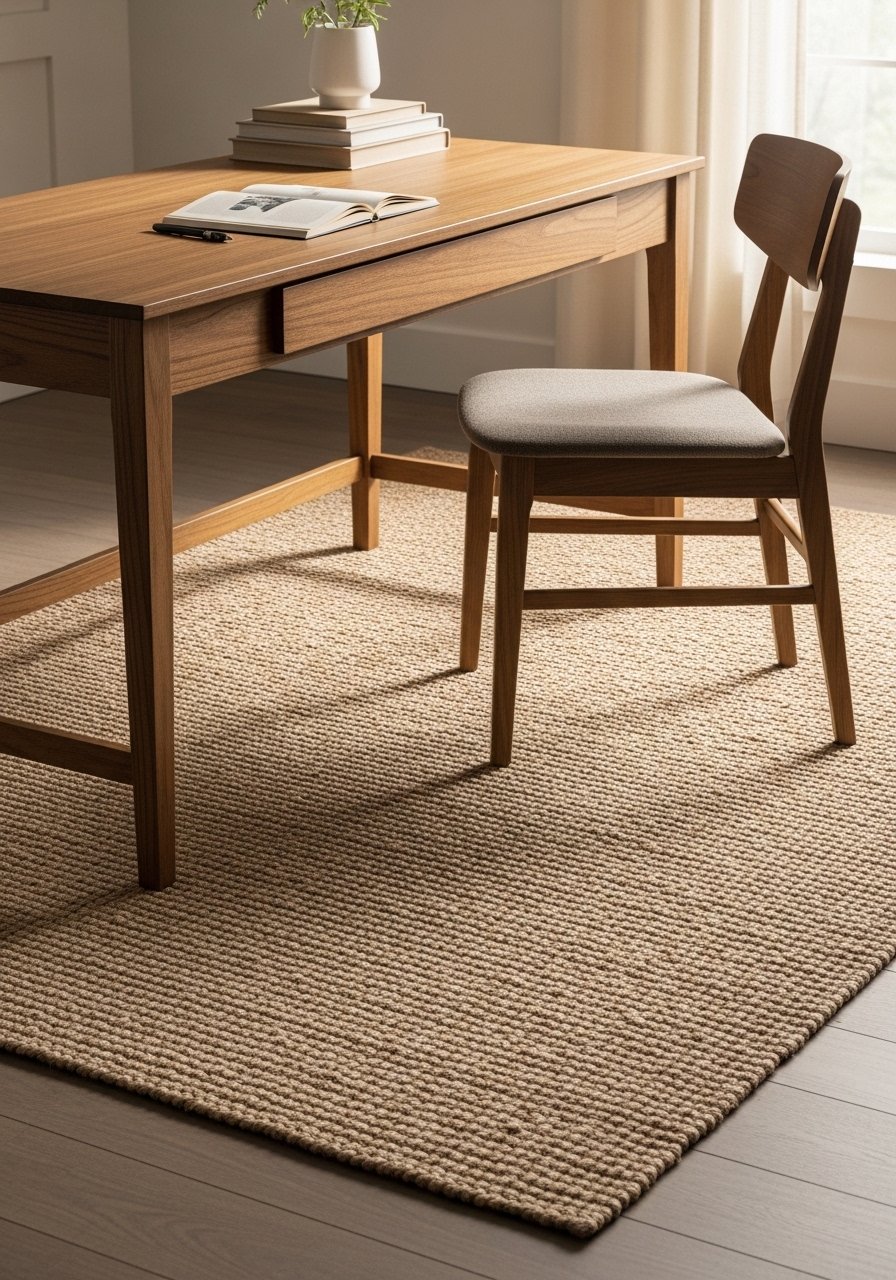
Putting a jute rug under the desk made the whole corner feel intentional. The rule I follow now is furniture front legs on the rug edge. I use a 5×7 jute so the chair still rolls and the rug stops the squeak. 5×7 jute rug is affordable and tames chair movement. Most people buy tiny mats that float and the result looks unfinished. Warning, jute sheds the first few weeks. Vacuum weekly and use a rug pad to stop sliding. Over half crave wood or jute over plain plastic at work, which is exactly why this works. If you have a low-pile office chair, add a clear chair mat on top of the rug or choose a tighter weave.
Binder Crate Desktop Storage, Vintage Industrial for Paper Piles
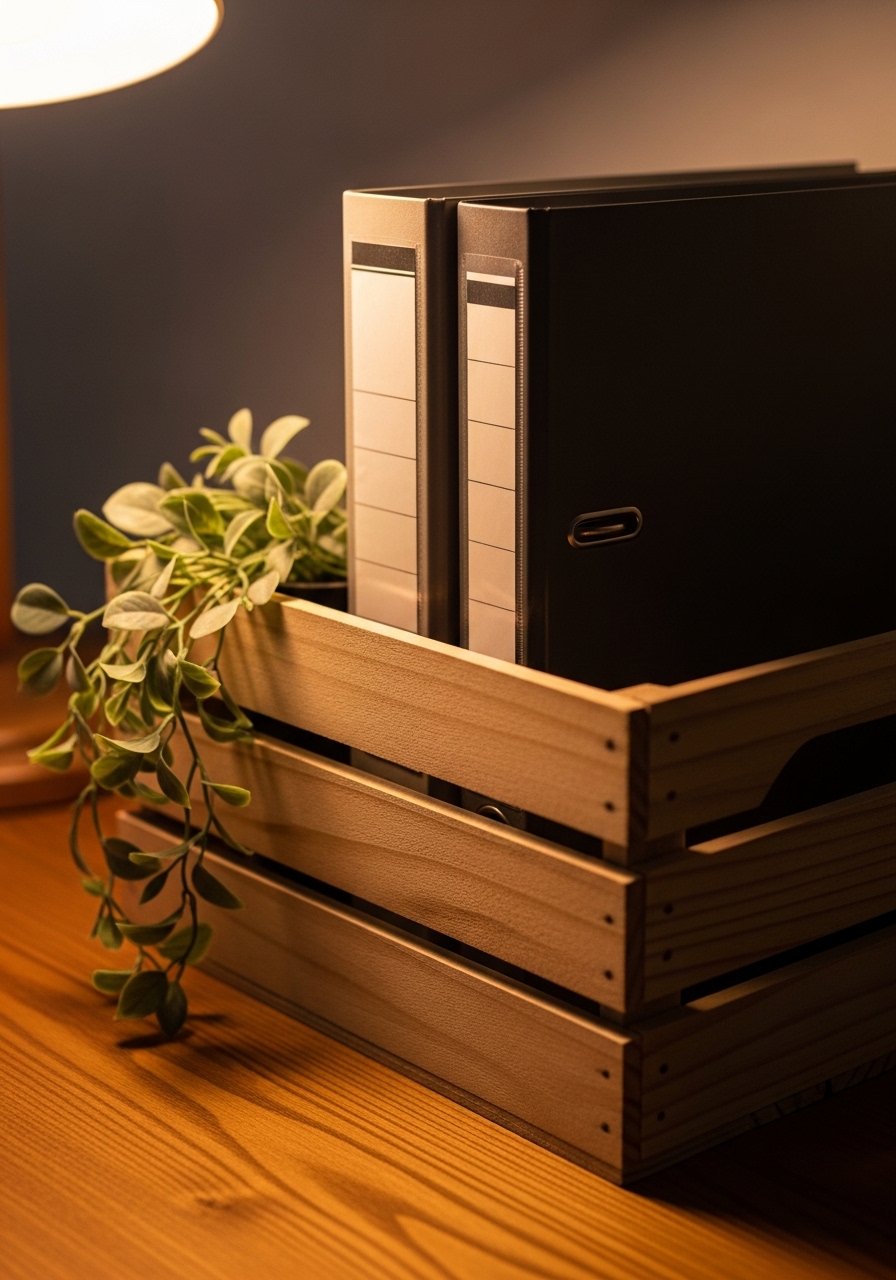
My binders used to spread like a paper avalanche across the desk. A small antique crate sized to fit standard 11×8.5 binders corralled everything. I found a thrift crate and sanded the inside to remove splinters. Vintage wooden crate options are easy to source and cost less than plastic bins. The key detail most articles skip is measuring binder width first. Standard binders are 1 to 2 inches thick depending on rings. Use that to size crates so they fit snug, not sideways. Pair the crate with a small faux plant and the tray idea to create a three-level storage system that stops piles from forming.
Word Art Print Trio Wall, Minimalist Office for Motivation
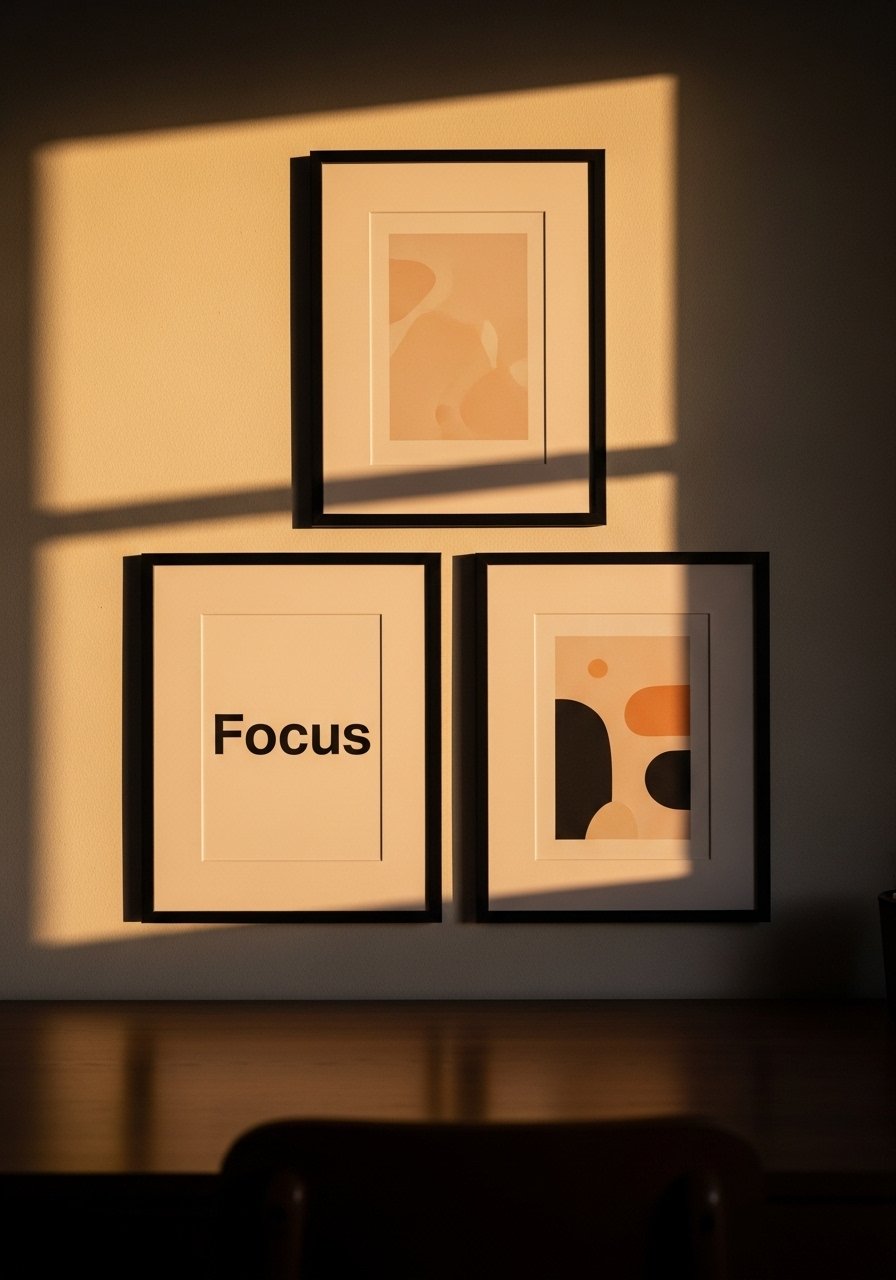
Word art keeps me on task more than I expected. I hung three 8×10 prints in odd numbers and it reads deliberate, not cluttered. I print at a local shop and used white mat frames to keep it crisp. 8×10 framed art prints set are an inexpensive way to fill blank walls. A common mistake is centering art too low. Hang the center of the group at eye level when standing if you want height. Try mixing one small photo with two typographic prints so the wall tells a short story. Most folks go for matchy-matchy frames; mix metals here for interest and it still feels cohesive.
Movable Whiteboard on Wheels, Modern Office for Brainstorming

I bought a rolling whiteboard and suddenly weekly planning feels natural. It gives permission to scribble without commitment and it tucks behind the desk when guests arrive. Rolling whiteboard on wheels works for roommates and cubicles because it is freestanding. The mistake is buying a board too small for more than one person to use. Go for at least 24 by 36 inches if you collaborate. Pair this with the pegboard for a layered wall that can be reconfigured on the fly. People usually assume stationary boards are fine, but flexibility helps focus during long projects.
Patterned Chair Cushion Pop, Playful Transitional for Task Chairs
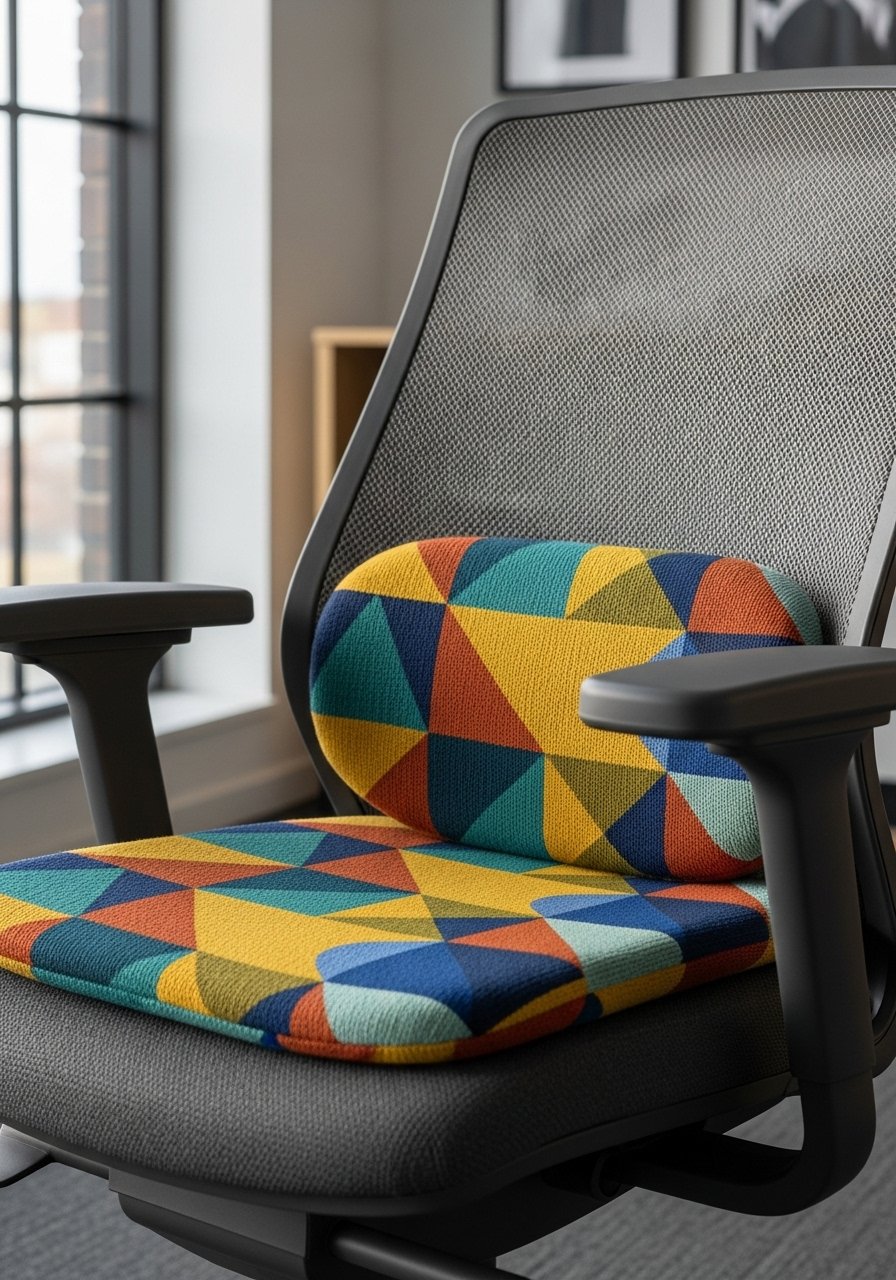
My beige office chair looked washed out until I added a removable 18-inch patterned cushion. It breaks up beige without overwhelming the room. I swap covers seasonally to shift the palette. 18-inch removable chair cushion covers are cheap and renter-safe. A mistake I see is using very thick cushions that change ergonomics. Choose a thin, supportive cover that slips on and off. Pair this cushion with the jute rug and word art for a linked color story. People often think they need a new chair. Start with a cushion first and see how long you want the change.
Framed Vision Board, Personal Minimalist for Focused Work
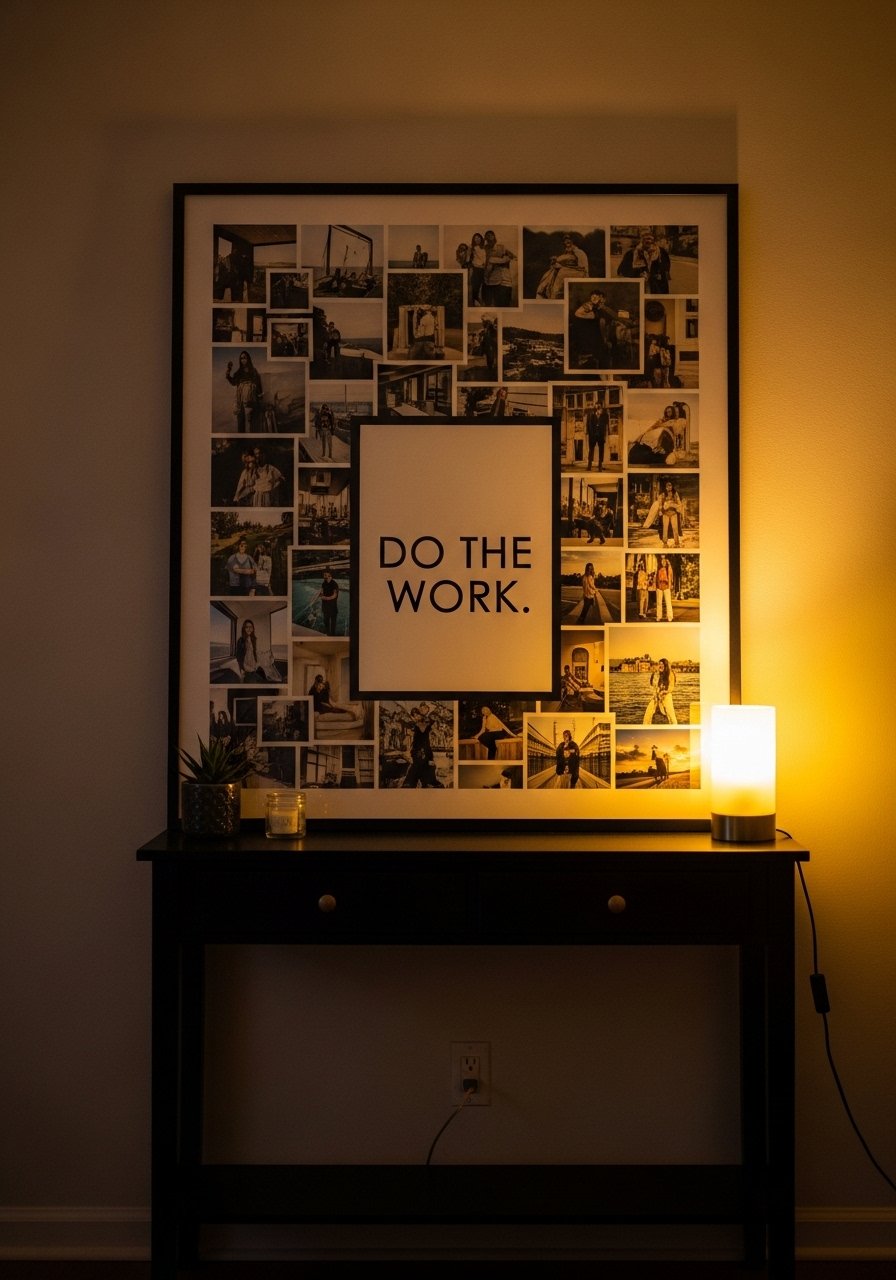
I made a framed vision board from a poster frame and a cork backing. It keeps goals visible without adding clutter to the desk surface. I use a mix of magazine clippings and a single printed quote reading "Do the Work" so the board stays specific. 24×36 poster frame with cork backing is the easiest route. A common error is making the board too busy. Stick to three main items and swap one element each month. If you paired the pegboard idea earlier the framed board acts as a calm counterpart. People usually skip scale here. For a 6-foot wall, go 24 by 36 minimum so the board feels intentional, not lost.
Your Decor Shopping List
Textiles
- Honestly the best $40 I have spent. 18-inch removable chair cushion covers in two colors for easy swaps
- 5×7 jute rug (~$50-90). Use a rug pad to stop sliding and reduce shedding
Wall Decor
- SKADIS pegboard and hooks for vertical desk storage, great for corner desks
- 24×36 poster frame with cork backing for a tidy vision board
Plants and Greenery
- Artificial trailing ivy in matte finish, low-shed for homes with pets
Storage and Organization
- Vintage wooden crate small for binders and paper stacks
- Small rustic wood tray for pens and loose items
Budget Finds
- 8×10 framed art print set (~$15-30) for a quick gallery trio
Most of these have similar options at Target or HomeGoods if you prefer seeing them in person.
Shopping Tips
White oak beats dark wood in 2026. Design feeds have shifted completely. These white oak floating shelves look current, not dated.
Grab peel-and-stick-grasscloth-wallpaper for file cabinets. Cut panels to 12×18 inches for drawer fronts, and leave a small gap around hardware.
Buy one large faux trailing plant instead of five tiny ones. Artificial trailing ivy fools visitors from five feet away and is easier to dust.
Lead with measurement not color when choosing crates and trays. Vintage wooden crate small sized to binder widths will save you headaches.
If you have pets pick faux plants that advertise low-shed materials. Artificial fiddle leaf fig 6ft gives height without mess.
Frequently Asked Questions
Q: What size rug do I actually need for a desk area?
A: Go bigger than you think. For most desks a 5×7 rug works well so chair movement stays on the rug. If your desk is larger aim for 6×9. 5×7 jute rug is a neutral choice that holds up to chair traffic.
Q: Can I use peel and stick on cubicle dividers?
A: Yes. Cut panels to 12×18 inches for drawer fronts or a 24×36 area on a cubicle. For metal edges, add small Command strips behind the panel for extra hold during humid months.
Q: How do I stop my desk from drowning in paper?
A: Make a three-level system. A shallow wood tray on the surface, a crate sized to fit binders, and a single shelf or pegboard pocket for current files. Small rustic wood tray plus vintage wooden crate small covers most use cases.
Q: Should I buy real plants or fake ones for the office?
A: Both. Most folks say a plant nearby keeps them locked in longer. Use low-care real plants like snake plants if you want green that survives neglect. Use a high-quality faux trailing plant where you need height without maintenance.
Q: My office feels cold even with stuff on the walls. What did I miss?
A: Texture. Swap one metal bin for a wood tray, add a jute rug, and layer a faux trailing plant. Over half crave wood or jute over plain plastic at work. Those three moves warm a space more than adding one more framed print.
Q: How do I hang art in a small office without messing walls?
A: Use picture ledges or frames on command strips. Brass picture ledges let you swap pieces without new holes and keep the layout flexible.