
My living room had nice furniture and decent lighting but it still felt like a waiting room. Took me embarrassingly long to figure out it was missing texture and the walls were echoing every time someone laughed. Building a few panels fixed the sound and made the room feel like it had been lived in for years.
These ideas lean modern and slightly lived-in. Most builds land around $60-70 per panel once you get the hang of it, with a few splurges under $150. They work for home offices, living rooms, bedrooms, and any spot that needs to stop sounding hollow.
Minimalist Rockwool Panels for Small Home Offices
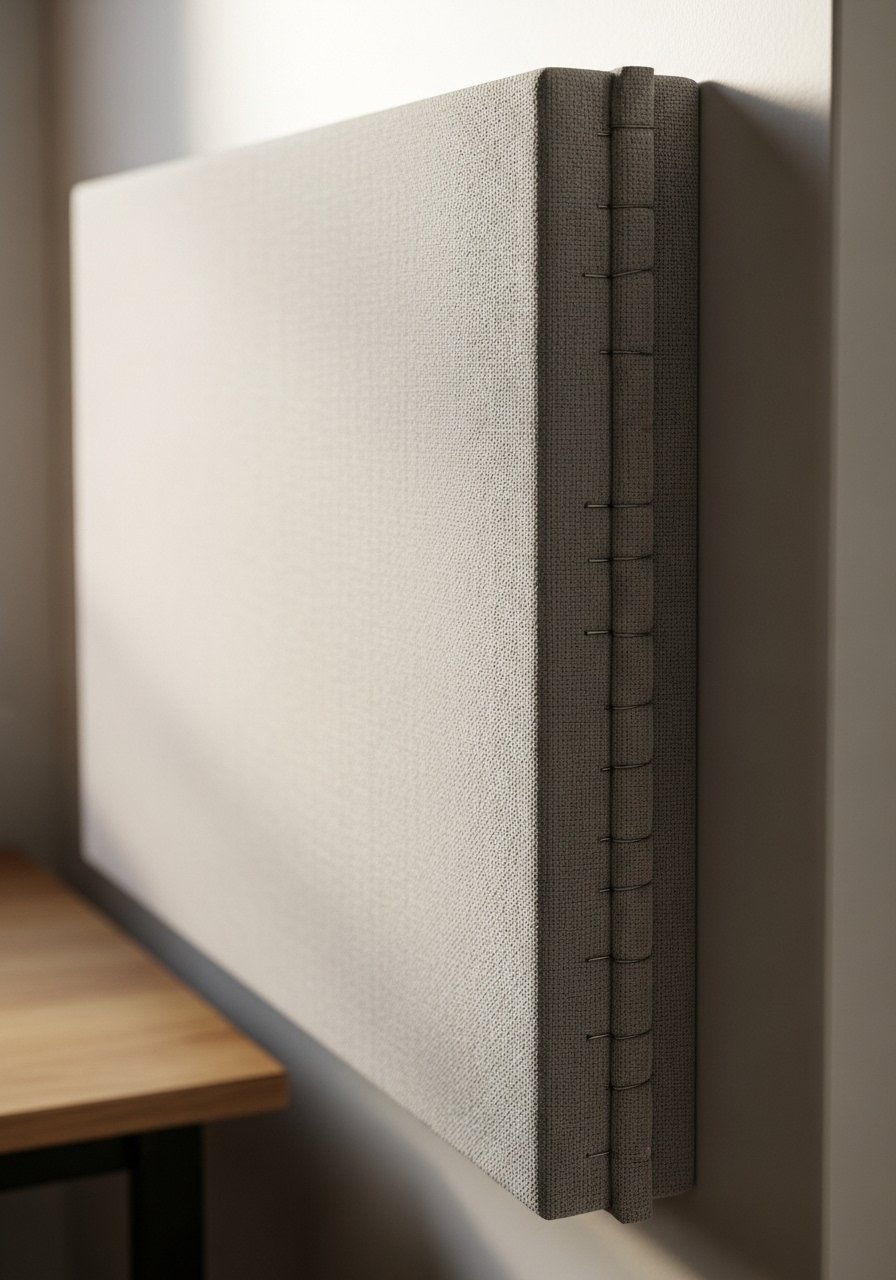
The quickest thing I built was a 16×48-inch frame using 1×2 furring strips and a 2-inch rockwool slab. It cut midrange reverb on video calls and cost under $80 to build. I wrapped the slab in breathable burlap and stapled the fabric every inch across the back so it would not sag after a few months. A common mistake is using thick upholstery fabric that blocks sound. Use acoustic-transparent fabric instead. If your room is small, plan one panel per 10-15 square feet and hang them in an odd-number group for balance. I used rockwool slabs and 1×2 pine furring strips to keep weight down.
Upholstered Velvet Panels for the Living Room
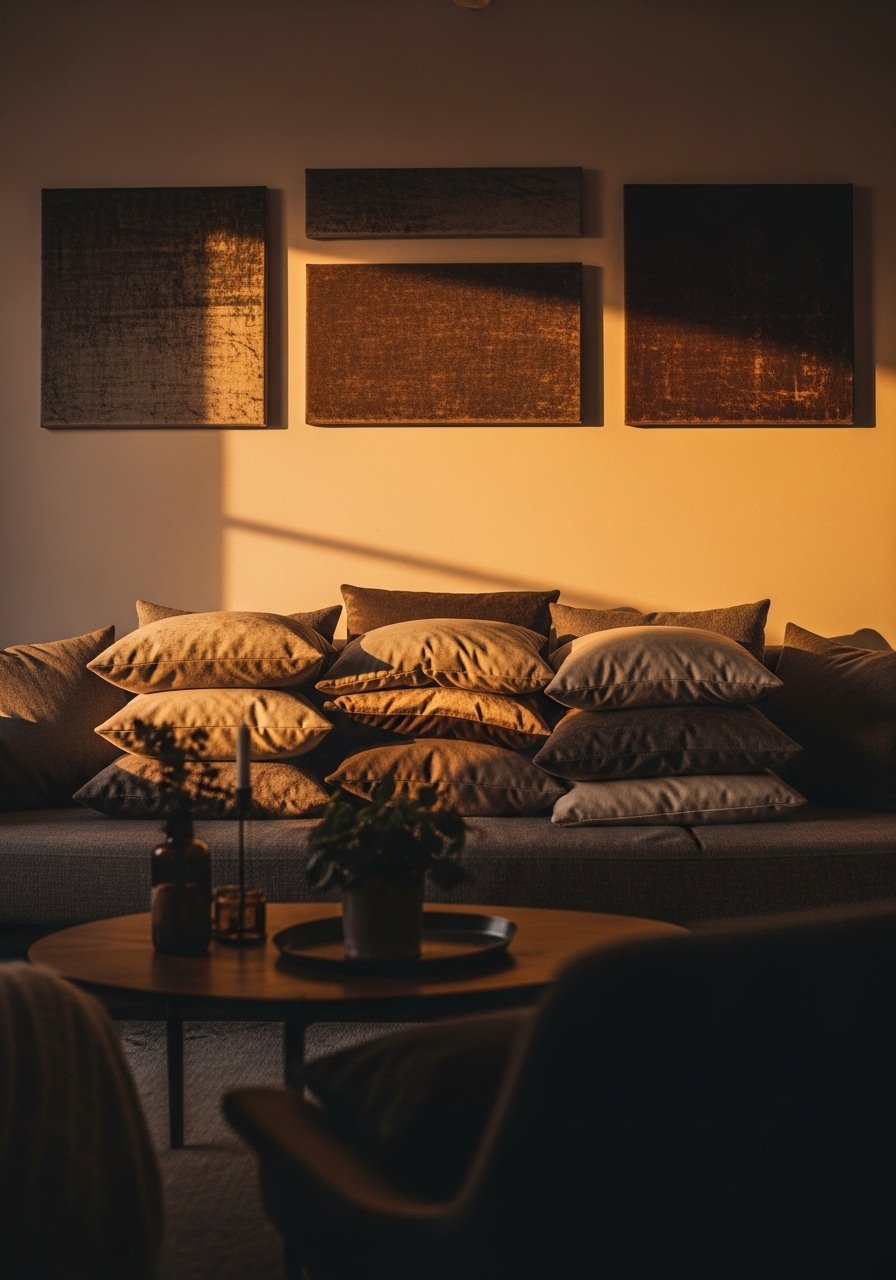
Velvet makes panels read like real pieces of furniture rather than soundproofing. I built 24×48 frames, used 2-inch rigid rockwool, and wrapped them in dark charcoal velvet for a calm bedroom vibe. Velvet costs more at around $15 a yard but it softens harsh reflections and looks intentional. One mistake is stapling too loosely. I pull the fabric tight and staple at one inch intervals across the back. If you rent, use heavy-duty removable picture hanging strips on studs or wall clips for a swap-friendly option. Try charcoal velvet and command-hanging-strips-heavy-duty for a renter-friendly setup.
Gallery-Style Canvas Panels That Read as Art
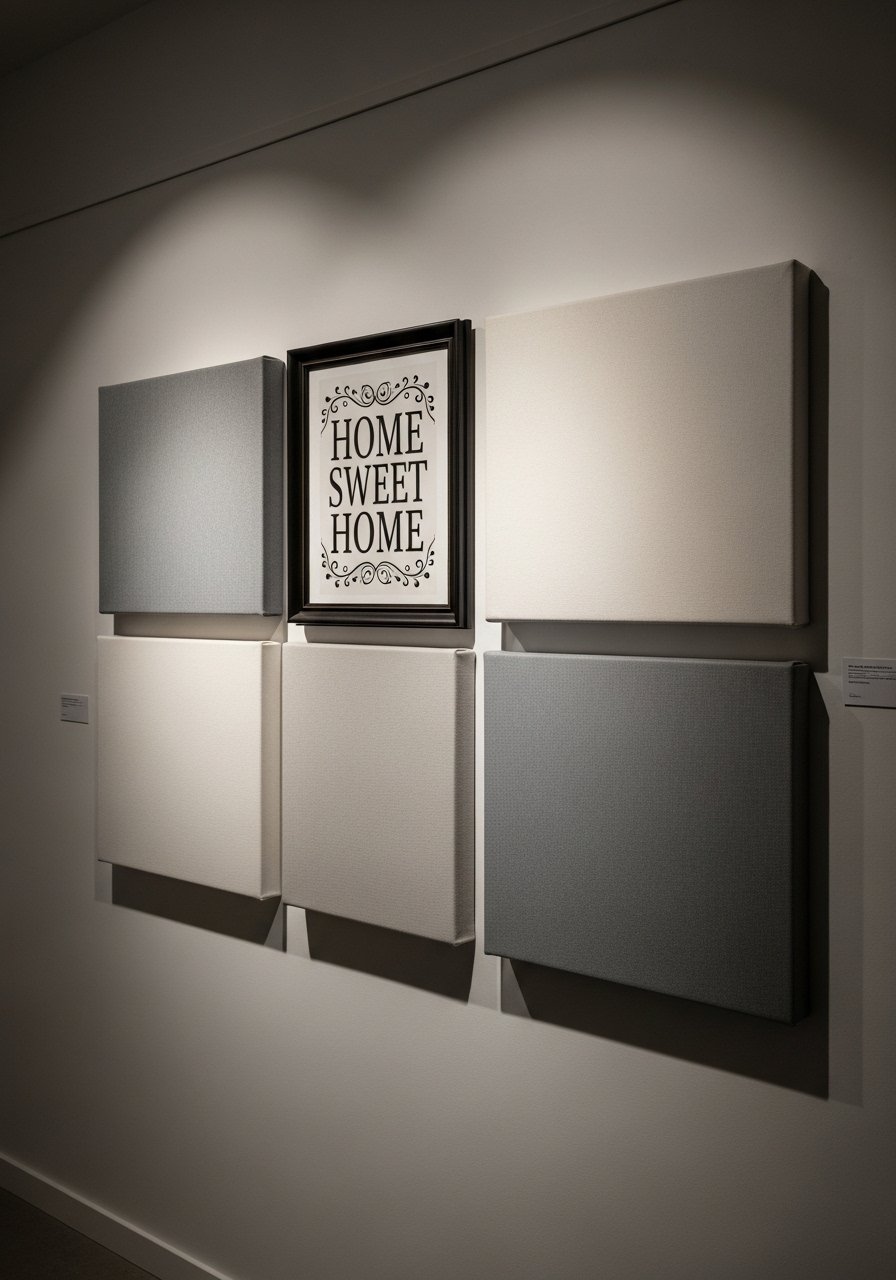
If you want functional art, glue a printed canvas over a rockwool core and hang it like a painting. I used 18×24 canvases stretched over 2-inch cores and the result looks like gallery work. People often expect foam squares to disappear visually. Canvas hides the acoustic function while still absorbing sound. Keep panels about 2-4 inches off the wall with small cleats to increase low-end absorption. I used pre-stretched-canvases and spray adhesive for a tidy bond. Pair these with the minimalist rockwool panels above for balance.
Corner Bass Traps for Home Theater Quiet
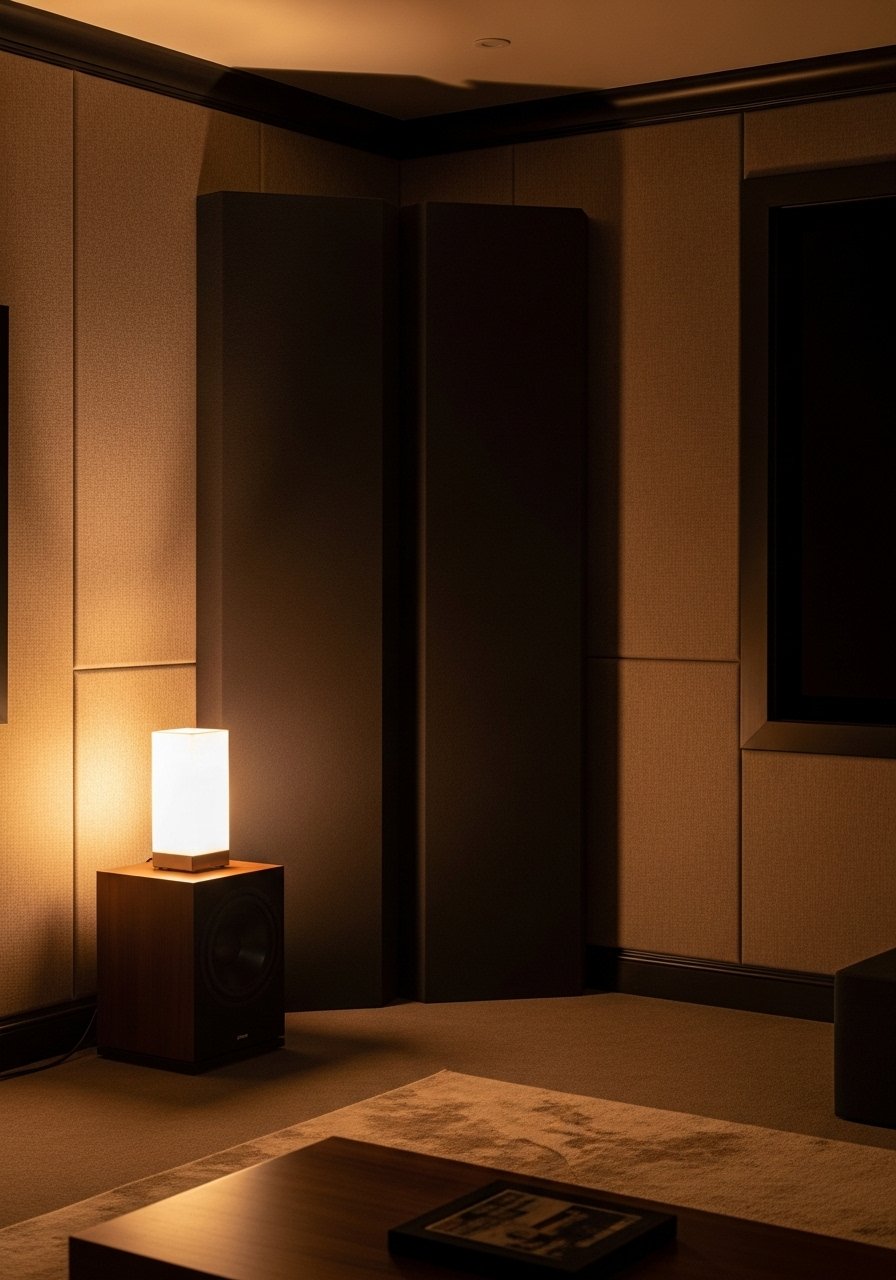
If bass still booms after wall panels, build corner traps first. I stacked 4-inch rigid fiberglass in a triangular frame for each corner and immediately felt the low end tighten. These need to sit flush in room corners and are heavier so you will fasten into studs. A common mistake is treating flat panels as corner fixes. They do not trap low frequencies well. For a home theater, plan larger corner traps, at least 24-inch tall and 12-inch deep. I used rigid-fiberglass-panels and 1×3 lumber for framing.
Floating Panels for Improved Bass Response
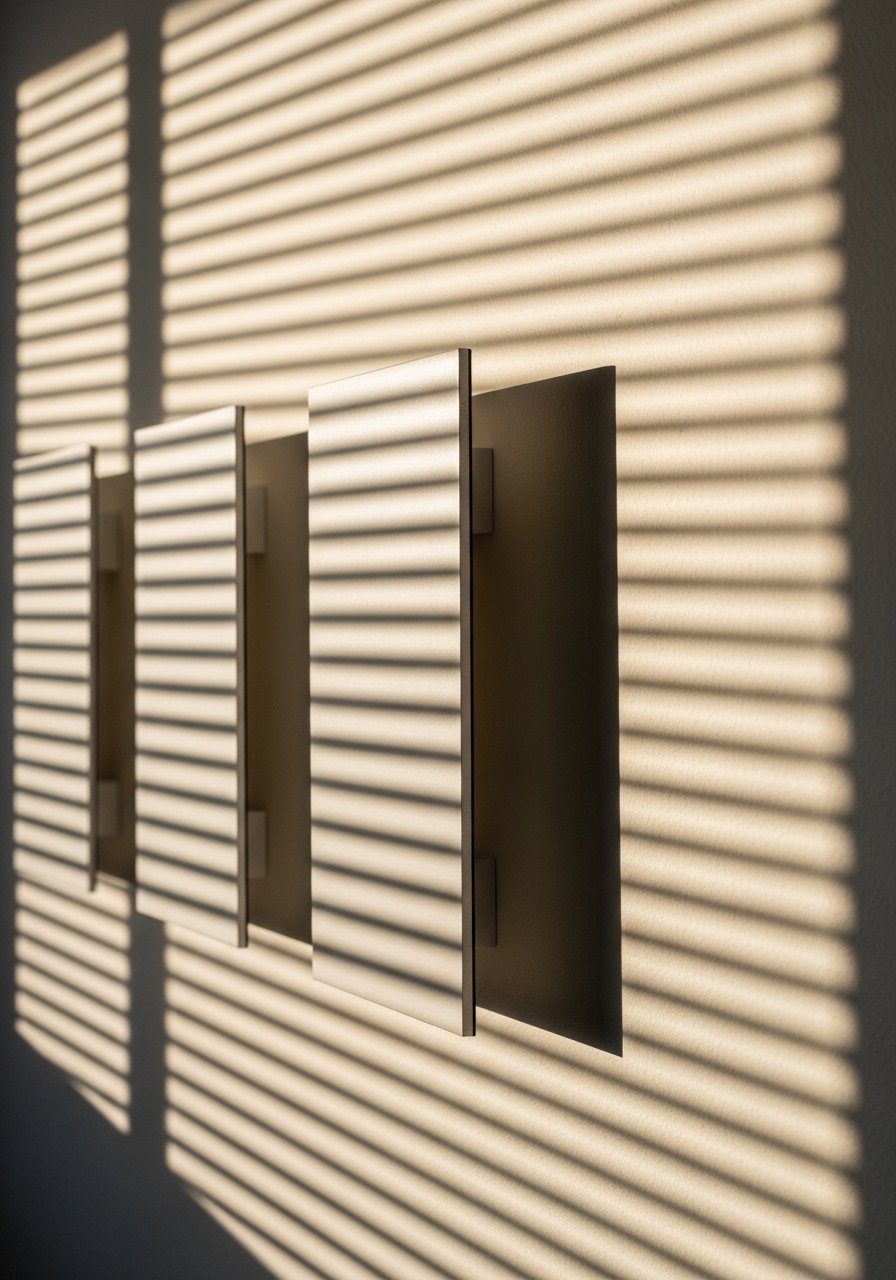
One trick I only learned after the first build is that an air gap matters. Floating panels hung 2-4 inches off the wall double bass absorption compared with panels mounted flush. I cut frames at 24×48, used 2-inch rockwool, and added thin wooden spacers to create the gap. A common mistake is screwing panels straight to drywall. Use small cleats or Z-clips for easier removal and better performance. If you want a cleaner line, try z-clips-for-panels to hang panels without visible hardware.
Rustic Veneer Panels for a Modern Farmhouse Wall
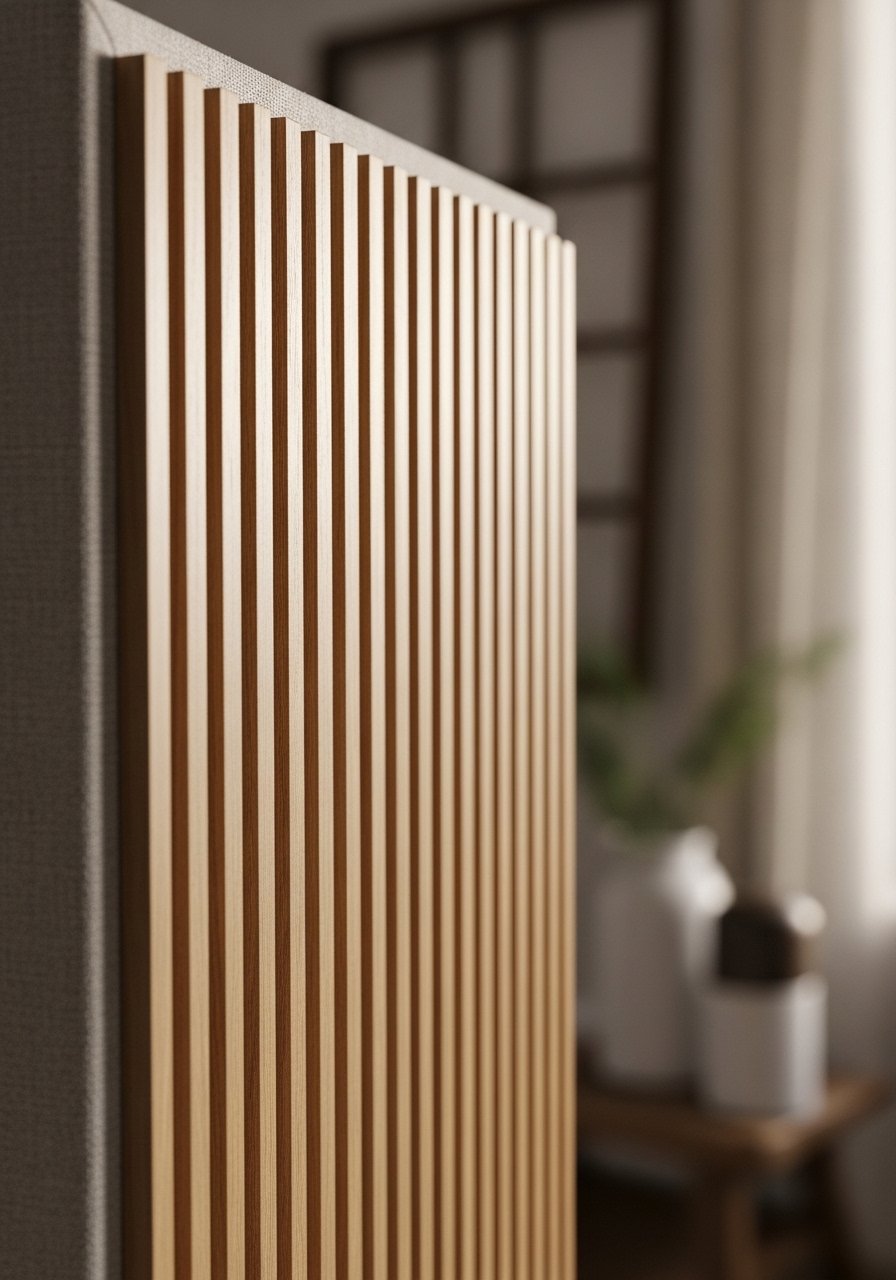
I covered a core of rockwool with thin white oak veneer slats to match my shiplap wall. It blends with a farmhouse vibe and still absorbs sound if the veneer is thin. The detail most people miss is leaving a narrow fabric border at the back so the front reads like finished wood, not exposed insulation. Keep slats 1/2 inch apart to let sound through to the core. I used white-oak-veneer-sheets and staple-backed burlap for the hidden edge. Budget was around $100 per larger panel.
Hexagon Boho Panels for Playrooms and Kids Rooms
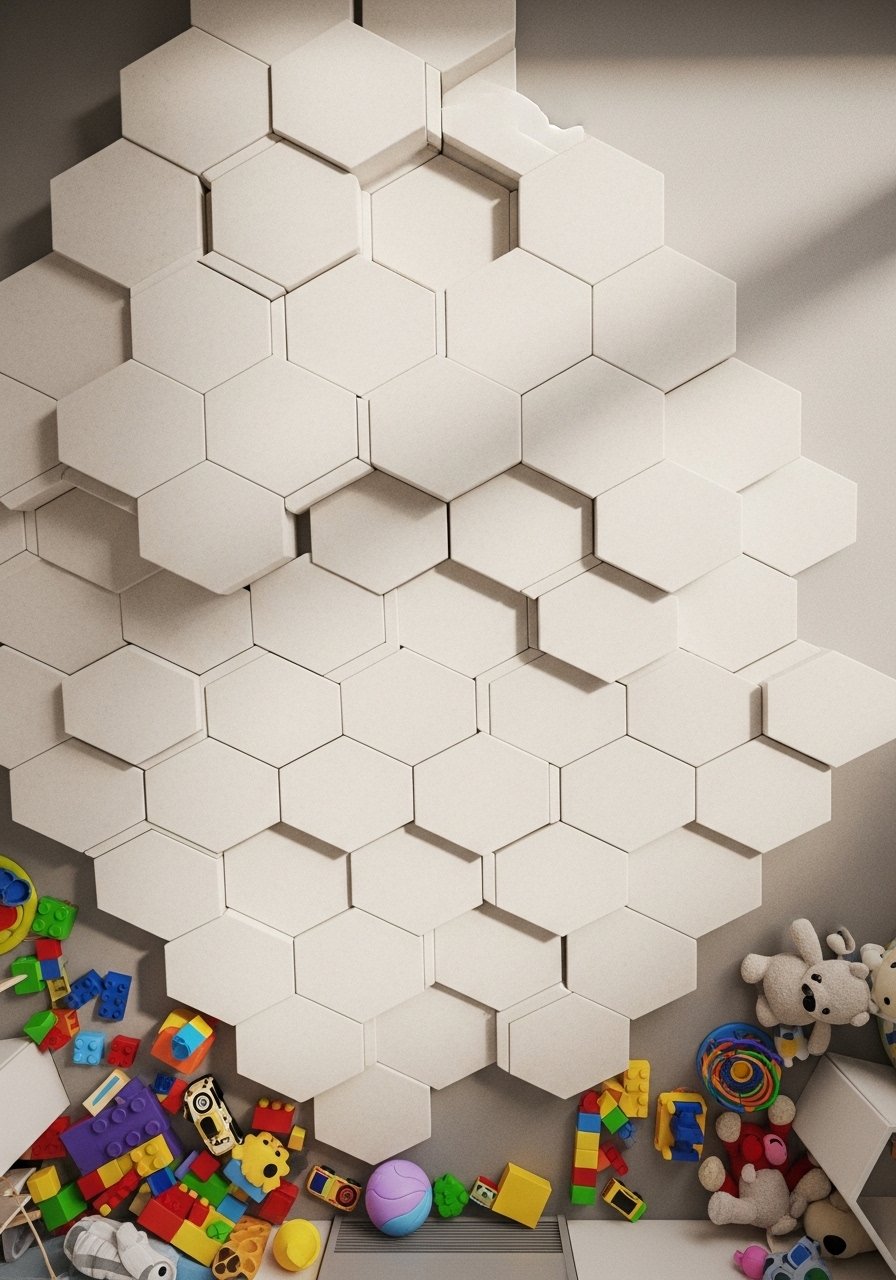
Shapes make panels feel playful. I cut 18-inch hexagon plywood faces, filled them with polyfill for a lighter build, and wrapped them in colorful linen. These are great over playroom reading nooks because they are lighter and safer if they fall. The mistake is building them too deep for the look. I kept them under 2.5 inches so they read as tiles. For renters, use adhesive velcro tabs rated for 20 pounds per panel. I linked adhesive-velcro-tabs and a linen-fabric-by-the-yard I used for covers.
Velvet Headboard Panels for Bedroom Calm
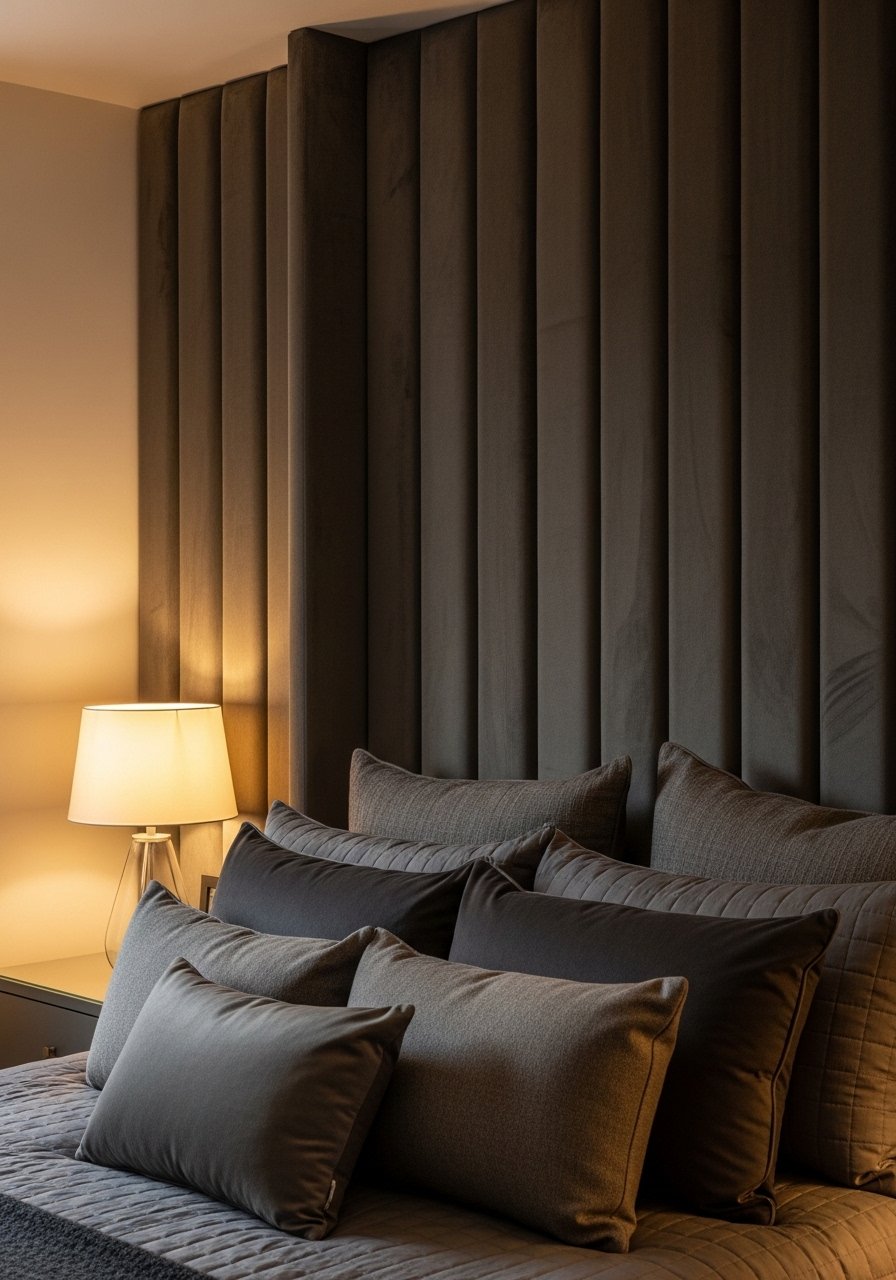
I replaced a fabric headboard with a row of tall velvet-wrapped panels and the bedroom suddenly felt quieter and more hotel-like. Keep panels about 24×36 inches tall and mount them 2 inches apart for an odd-numbered rhythm. People forget to staple twice at the corners and come back to fraying after a year. I double-folded edges and used a dense batting under the fabric to avoid imprinting the rockwool texture. I bought charcoal-velvet-fabric and batting-roll to get the clean finish.
Slat Wall Diffuser Hybrid for Living Rooms
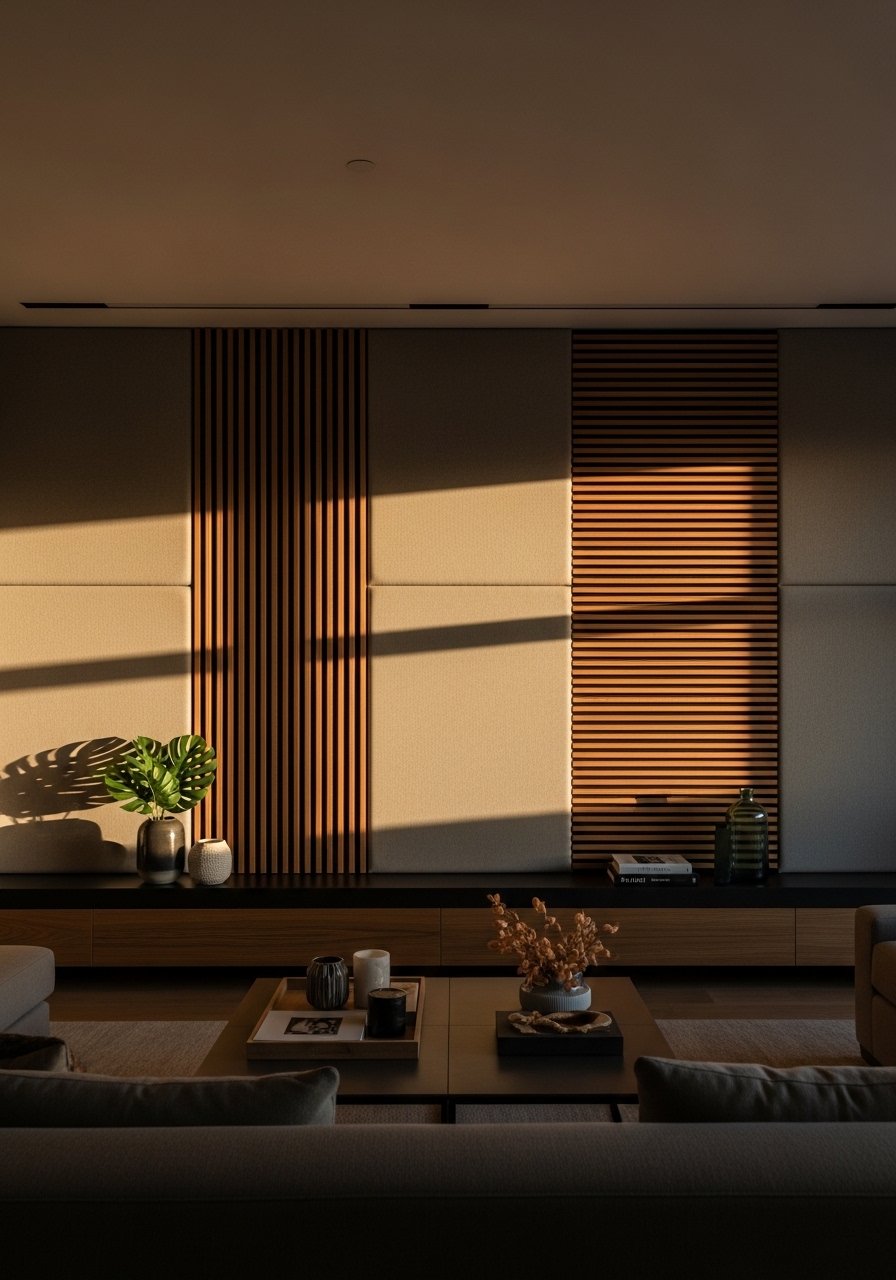
If you want some reflection and some absorption, overlay 1×4 pine slats on an absorber core. The slats break up reflections and make the wall read like a designed feature. I used 1×2 frames with 2-inch rockwool inside, then mounted slats on top leaving a 1-inch gap between slats. A common misstep is cutting corners on the core thickness. Use rigid insulation, not fluffy batts, for midrange control. Try pine-1×4-slats and acoustic-rockwool-slab.
Quick Foam Strips for Renters and Students

When I moved into a tiny rental, I used small 12×24 foam strips behind my monitor. They are cheap and removable and stopped the flutter echo during calls. Foam is not the full answer for low frequencies but it is a decent quick fix. People make the mistake of assuming a few random tiles will solve everything. Place them directly behind speakers or reflective surfaces and keep a consistent pattern. I used acoustic-foam-panels-12×24 and removable adhesive strips so the landlord never knew.
Curved Diffusers for Scattering Highs in Media Rooms
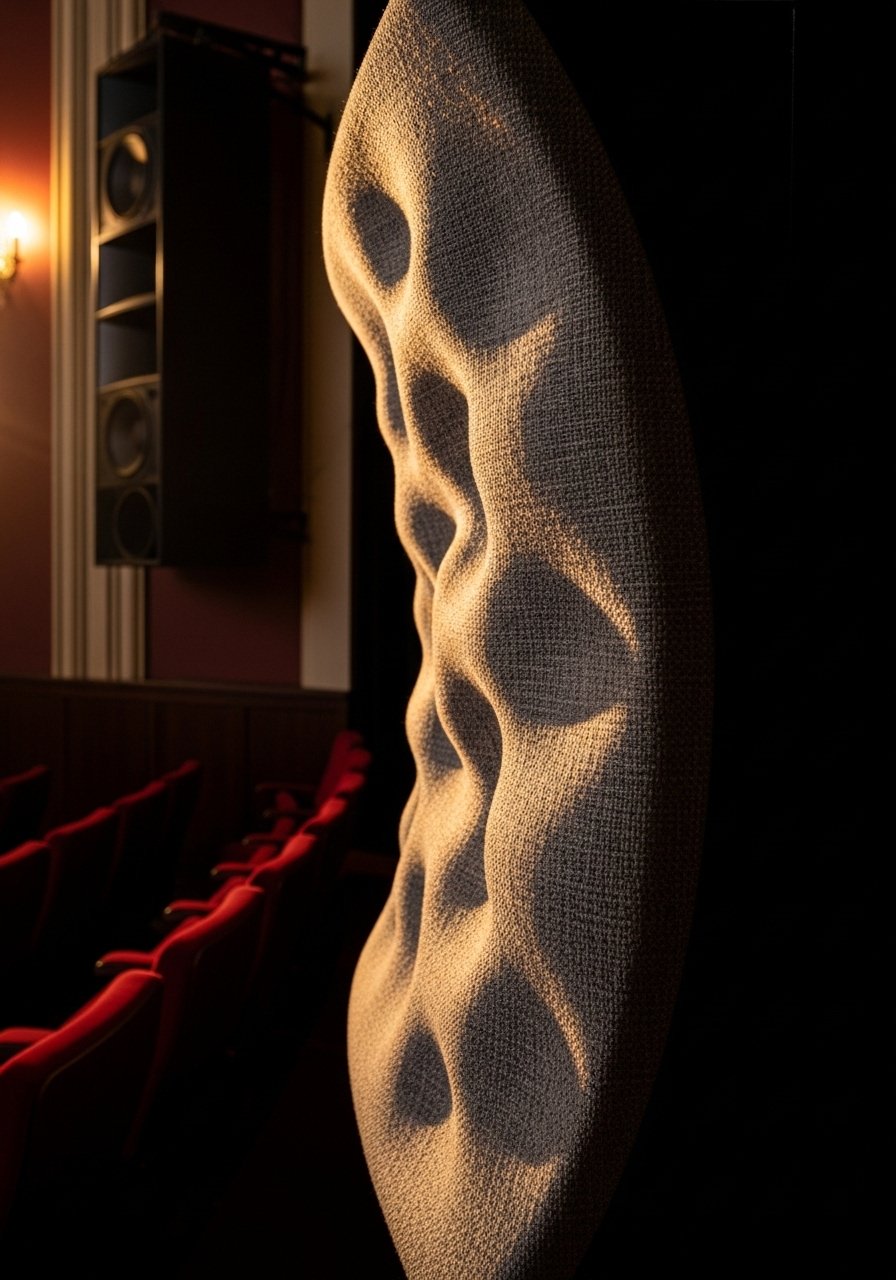
For media rooms, diffuse the highs so dialogue stays clear. I built shallow curved panels using wire-mesh forms and 1-inch rockwool, then wrapped them in breathable fabric. The curve breaks up hotspots without swallowing too much energy. One hard lesson was that curves need extra internal stitching so the fill does not shift over time. I stitched the cores every 6 inches to hold the shape. For materials try flexible-wire-mesh and breathable-acoustic-fabric.
Rustic Chalkboard Panels for Multipurpose Spaces

We needed a homework wall that would not echo. I covered panels in chalkboard paint over a thin veneer and the surface doubles as a message board. The trick is to keep the chalkboard layer very thin and paint a porous primer so sound still passes to the core. People often paint straight onto foam which blocks sound. Keep panels mounted slightly off the wall for bass help. I used chalkboard-paint and thin plywood faces to create a usable surface.
Pet-Proof Canvas Panels for Homes with Pets
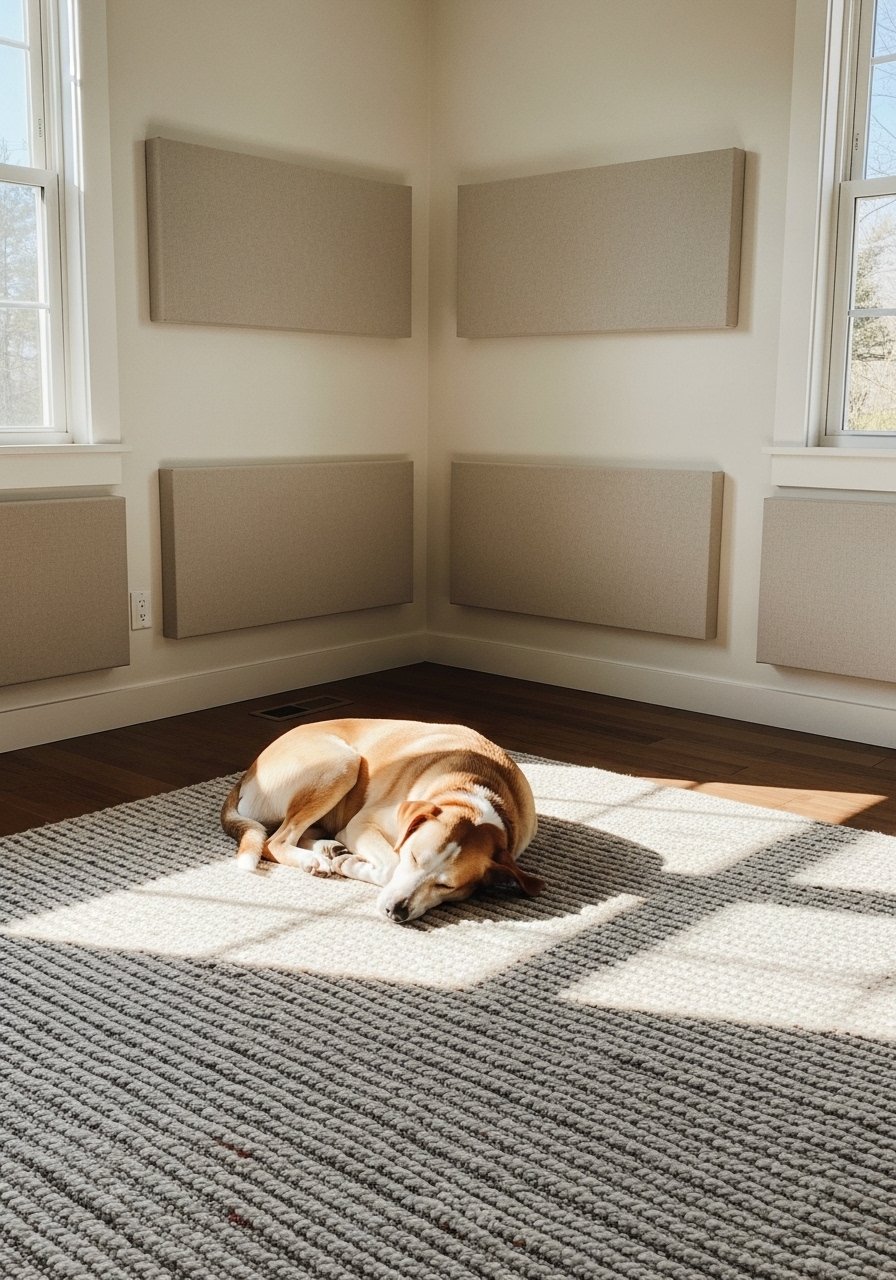
Pets changed my priorities. I wrapped panels in tight-weave canvas that resists clawing and cleaned better than linen. I backed the canvas with a plywood lip so clever noses could not push the core out. Most DIY posts ignore pet durability. Reinforce edges and keep lower panels at least 18 inches above baseboards if you can. I bought pet-proof-canvas-fabric and small-wood-cleats to make mounts removable.
Door-Hang Panels for Apartments and Closets
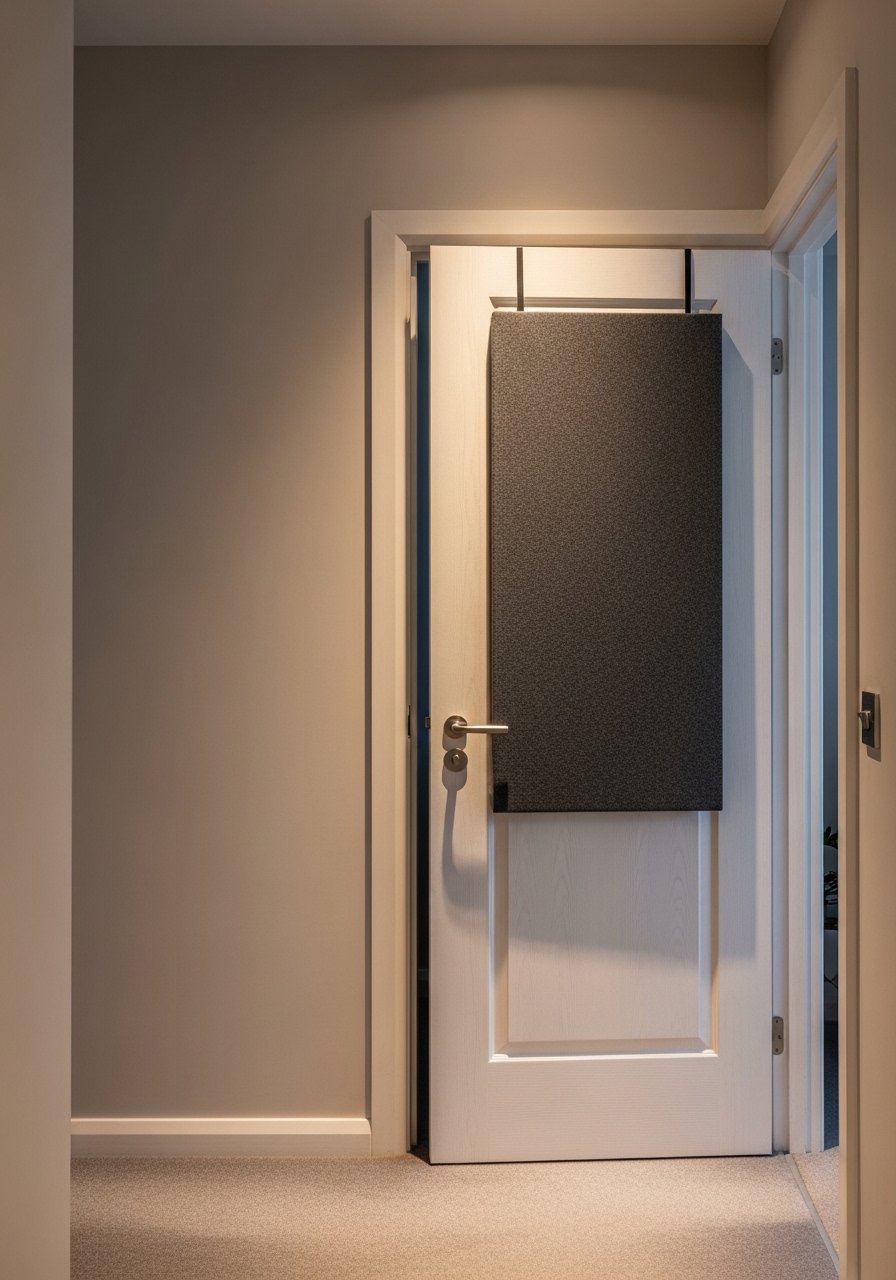
When wall space is tight, hang panels on doors. I made 20×30-inch padded panels with heavy Velcro straps that slip over the top of the door. It took five minutes to switch them between rooms when needed. A mistake is making them too heavy which stresses the door hinges. Keep cores thin, under 1.5 inches, and use lightweight polyfill or thin foam. For renters this is a lifesaver because you leave no holes. Try heavy-duty-velcro-straps and slim acoustic-foam-sheets.
Strut-Channel Modular Panels for Easy Swapping
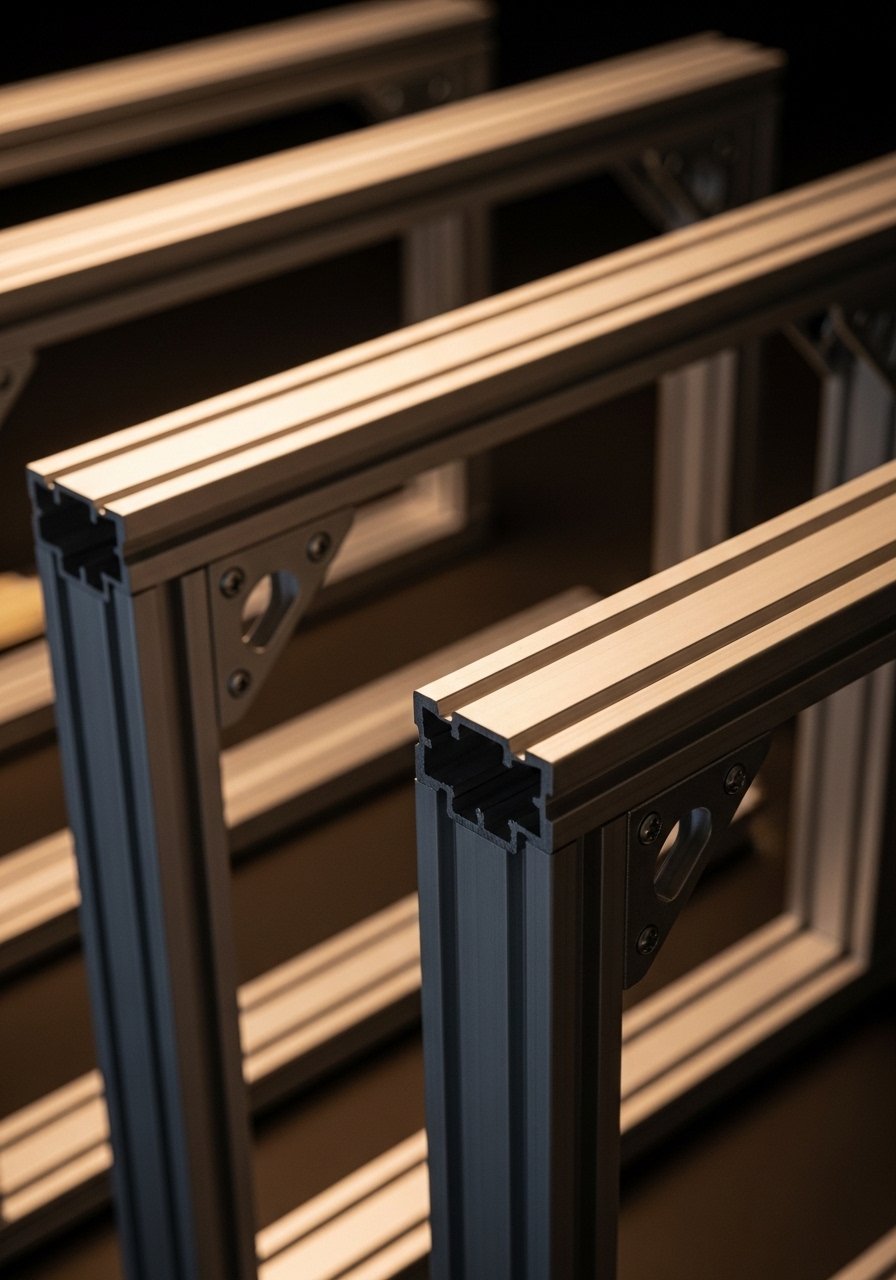
I created a modular grid using aluminum strut channels so I can swap fabrics seasonally. The channel holds 16×48 panels securely and lets me slide them out without tools. Competitors often ignore modularity. Strut channels are slightly pricier but they save time and prevent new holes each change. Use thin cores to keep weight manageable. I used aluminum-strut-channel and lightweight-rockwool-cores.
Photo-Print Panels for a Gallery Wall Vibe
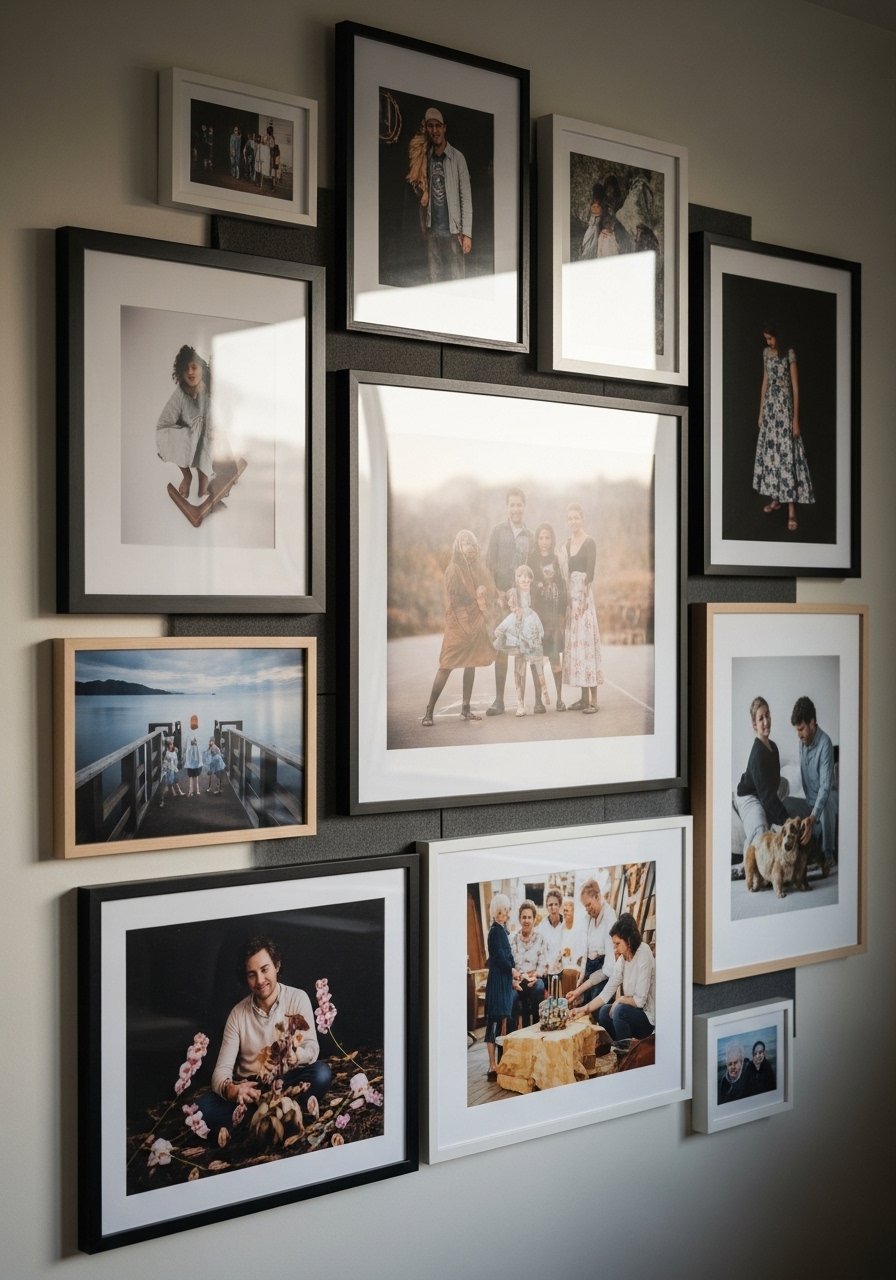
I printed family photos on matte canvas and adhered them to acoustic cores for a personal gallery that works as treatment. The specific detail most tutorials skip is sealing the canvas edges before mounting to prevent moisture from loosening the adhesive. People also hang everything too symmetrically. Use odd numbers and varied heights. I used matte-photo-canvas-prints and small Z-clips to keep mounting discrete.
Full Wall Grid for Podcast Rooms
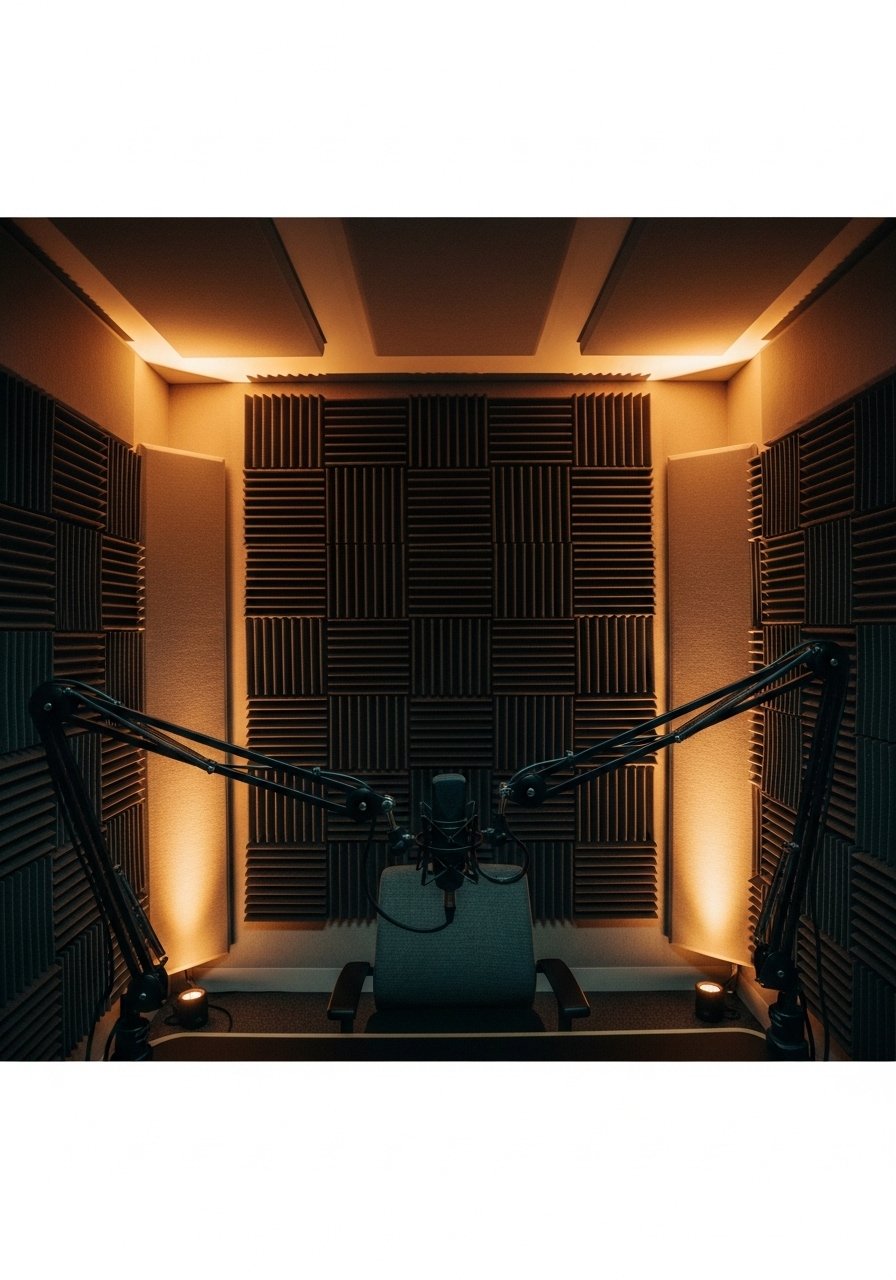
For my podcast wall I went full-grid, using 12×12 panels over an 8×10 area. It killed flutter echo and flattened reflections for easier mixing. Note that total coverage can make a room feel dead. If you go full wall, balance with plants and rugs to keep life in the room and stick to about 25-30 percent of opposite walls treated. One failing I see is people randomly scattering tiles. Keep a consistent pattern for a clean look. I used small-acoustic-tiles-12×12 for speed.
Thin Panels Behind Shelving for Subtle Control

Behind bookshelves is wasted real estate. I cut thin 1-inch cores that slip behind the back of shelving to tame reflections without changing the room look. The detail most folks miss is leaving a 1-inch air gap between the shelf back and the panel for extra effect. Thin panels should use breathable fabric only. I used thin-acoustic-boards-1-inch and fabric staples to keep the finish hidden.
Velvet and Linen Mix for Bedroom Layers
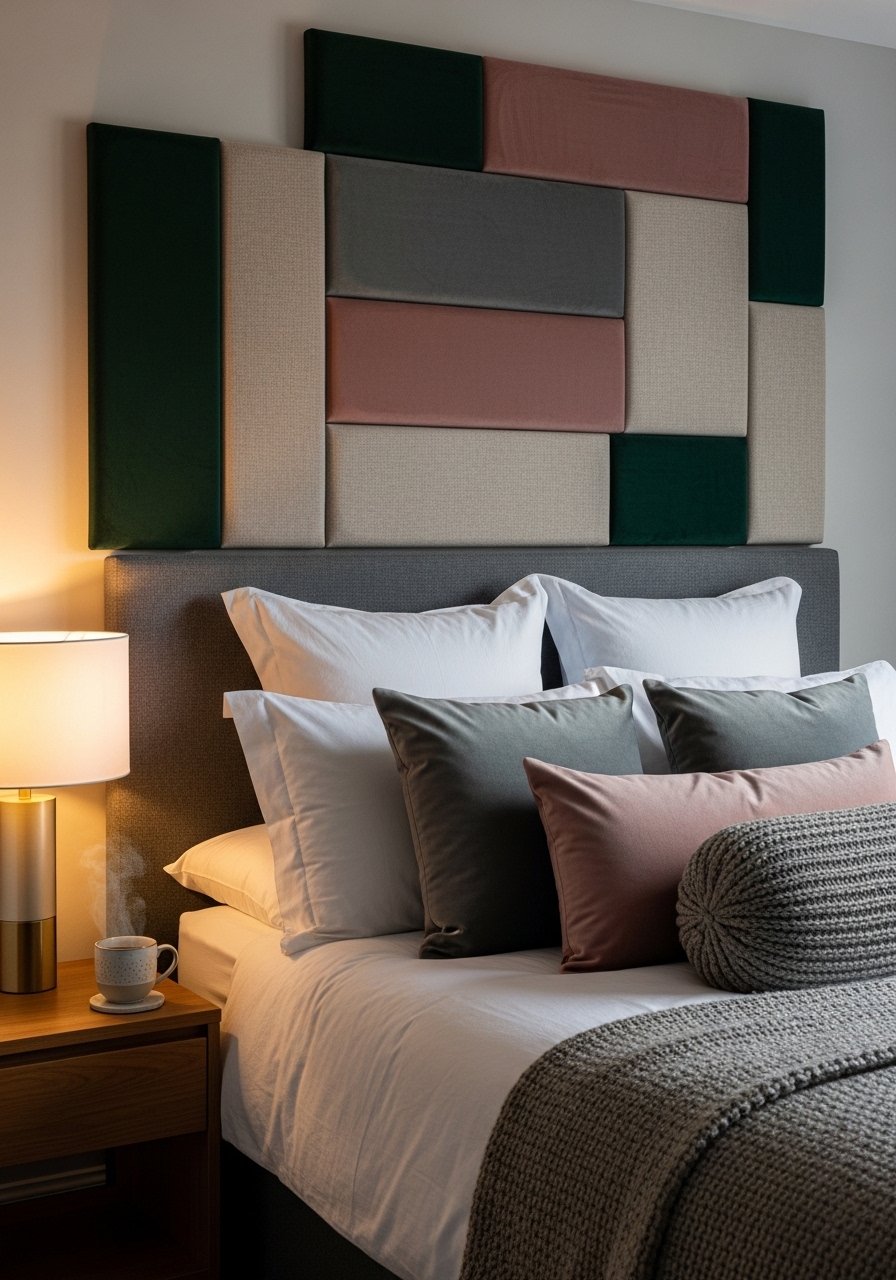
I mixed velvet and linen panels in alternating panels above my bed. It reads tailored and prevents the monotony of one fabric. About four in ten go fabric first for the clean look so mixing textures gets attention without being loud. The mistake is using both fabrics with different bulk so panels look uneven. Use the same core thickness for all panels and line up bottom edges carefully. I used linen-by-the-yard and velvet-by-the-yard to match textures.
Lightweight Polyfill Panels for Easy Removal
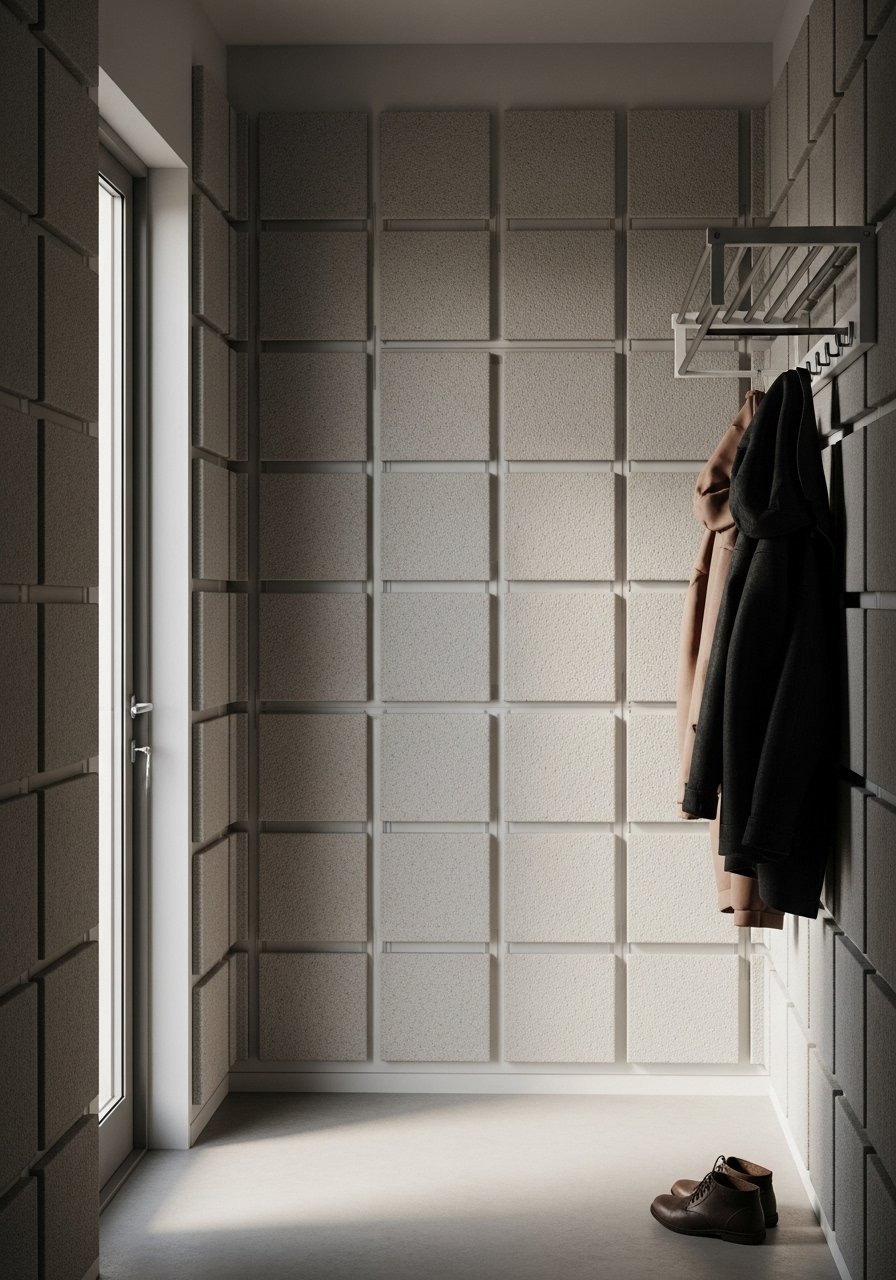
When I needed super-light panels to avoid drywall damage, I used plywood faces filled with polyfill. They look soft and are easy to move. A common complaint is people making panels too heavy to use adhesive hooks. Keep cores under 2 pounds for standard adhesive hooks. These are great for renters and seasonal swapping. If you need more absorption later, you can swap the polyfill for rockwool without changing the visible face. I used polyfill-batting and adhesive-picture-hooks.
Art-Prints Over Rockwool for a Decorative Studio Wall

For my creative studio I mounted large art prints over rockwool cores. It keeps the space lively and the prints stay flat because the cores breathe. The detail most tutorials forget is to seal the printed surface with a matte fixative to protect it during cleanup. This approach works for anyone who wants art and function without the science lab look. I used large-photo-prints-24×36 and a matte spray sealant to finish.
Your Decor Shopping List
Textiles
- Honestly the best $45 I have spent. Charcoal velvet fabric by the yard for headboard and panel faces
- Linen fabric by the yard in natural for gallery-style covers
Wall Decor
- Pre-stretched canvases 18×24 for quick art panels
- Matte photo prints 24×36 when you want personal art
Hardware and Cores
- Rockwool acoustic slabs 2-inch for real absorption
- 1×2 pine furring strips 8ft to build frames
- Z-clips for hanging when you want clean lines
- Adhesive velcro tabs 20lb for renter-friendly hangs
Tools and Extras
- Staple gun kit to keep fabric tight long-term
- Spray adhesive for canvases and prints
- Batting roll to hide rockwool texture
Budget Finds
- Acoustic foam 12×12 tiles pack for temporary fixes
- Adhesive picture hooks set to avoid nails
Shopping Tips
White oak beats dark wood this year if you want a modern, current look. White oak floating shelves anchor a panel wall without feeling dated.
Grab velvet pillow covers for $12 each. Swap them seasonally and the room reads new.
Curtains should either puddle or kiss the floor. If your ceilings are 9 feet, get 96-inch linen panels so windows look taller.
If you rent, choose heavy-duty adhesive strips and keep panels under 20 pounds so you never need screws.
Everyone buys five small succulents. Instead, get one 6-foot faux fiddle leaf fig for real presence without maintenance.
Frequently Asked Questions
Q: How many panels do I actually need for a small home office?
A: Start with one panel per 10-15 square feet on the primary reflective wall and run a clap test. Most folks say echo messes with calls half the time so begin small and add panels. If bass remains, add a corner trap.
Q: Will fabric choices change how the panel performs?
A: Use breathable fabrics like linen or burlap. About four in ten go fabric first for the clean look. Thick upholstery blocks sound and makes panels less effective. Staple every inch across the back to avoid sagging.
Q: I rent. How do I hang panels without damaging walls?
A: Use heavy-duty adhesive strips, Z-clips attached to wooden cleats, or hangers over doors for movable panels. Keep individual panels light and use multiple smaller anchors to spread load.
Q: My panels look like science projects. How do I make them look finished?
A: Add a thin trim, use pre-stretched canvases, or overlay thin wood slats. Odd-number groupings and consistent spacing make even cheap builds read custom.
Q: Why do I still have bass boom after adding panels?
A: Low frequencies live in corners. Flat wall panels help mids and highs but corners need traps. Build corner traps at least 24 inches tall and 12 inches deep to make a real difference.
Q: Will foam panels work as well as rockwool?
A: Foam is fine for quick high-frequency fixes. Rockwool or rigid fiberglass targets midrange and speech frequencies better. People land around $60-70 per panel once they get the hang of it and rockwool tends to be the better long-term value.
Q: How do I stop fabric sag after a few months?
A: Staple every inch and use a solid backer or batting to support the fabric. Humidity can cause sag, so choose fabrics that breathe and check tension at three months.
Q: Can I mix styles like boho and modern without it looking messy?
A: Yes. Use a common thread such as color or scale. Mixing velvet panels with linen ones works if all panels share the same depth and are arranged in an intentional pattern.