
I had a room that kept feeling flat no matter what I bought. I tried cramming in decor, stacking frames evenly, and pushing the sofa to the wall. It only made everything feel crowded or oddly empty in the same spots. The little wins came when I stopped adding and started editing.
What finally worked was rearranging around light and leaving breathing room, choosing one calm palette, and letting texture do the heavy lifting. I messed this up the first three times. The version that stuck is quieter, softer to the touch, and it feels like the room breathes.
Step 1: Pull everything out and decide what stays
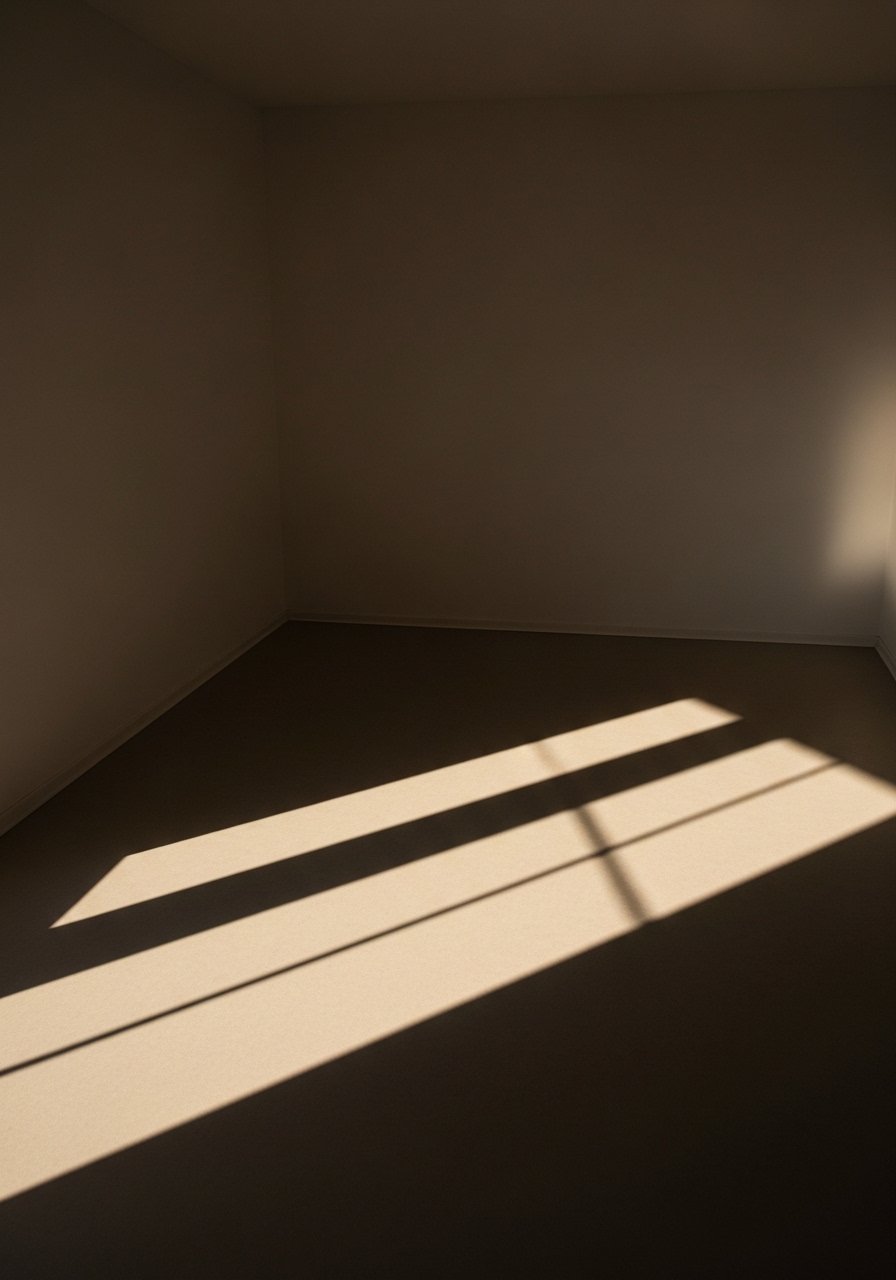
Pull everything off surfaces, yes, everything. You are not redecorating around objects you already own. Lay the big pieces back first, then consider what small items actually earn their place. This step feels brutal, but it reveals the room's bones: how the light falls, where a sofa wants to sit, and which wall is honest about hosting art.
Common mistake: keeping objects because you love them, not because they belong. Insight: scale matters more than quantity. A single ceramic vase with presence beats five tiny trinkets that make the shelf look noisy.
Step 2: Anchor furniture for flow and human movement
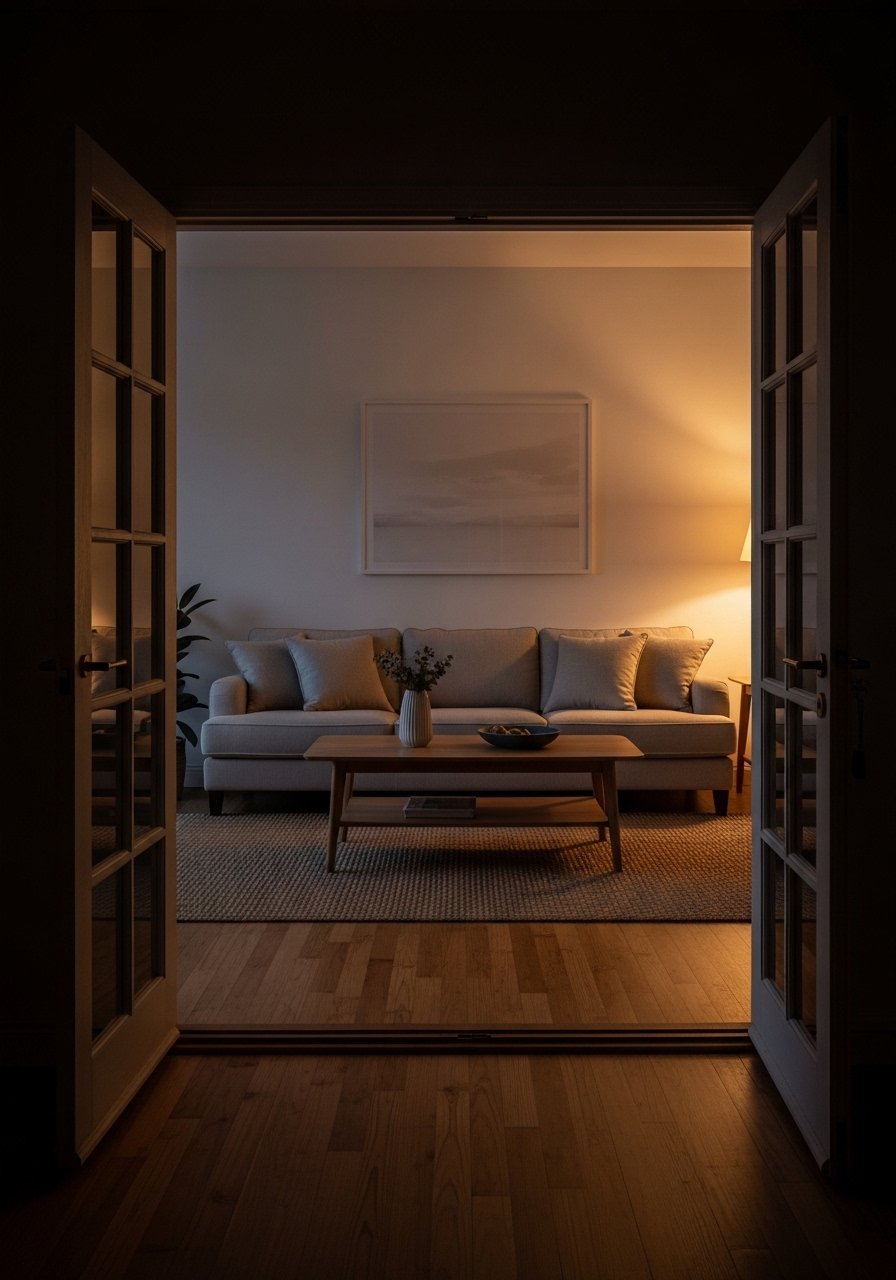
Most people push furniture to the perimeter. Instead, float pieces to create a central zone. Aim to have the front legs of sofas and chairs on the rug, or use a rug at least large enough so furniture sits partly on it. Leave 18 to 24 inches between the sofa and coffee table so the space reads open, not cramped.
I measured wrong the first time and my coffee table felt like a trip hazard. Fixing that 18-24 inch gap made the room feel intentional. The sofa's linen is cool and slightly textured against a nubby wool rug, and that contrast grounds the seating area.
Step 3: Set a calm palette, then pick one accent
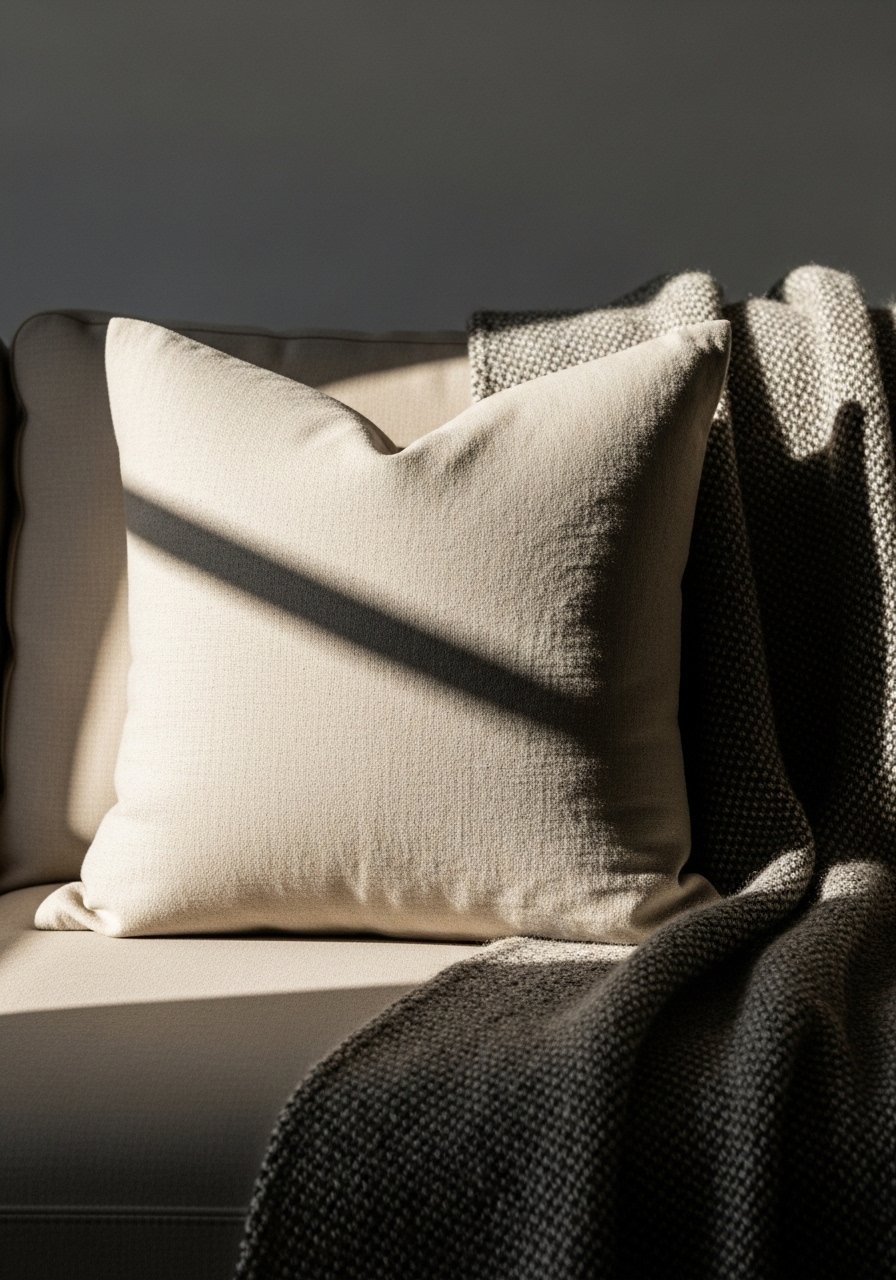
Limit your colors. Try a 60-30-10 split: 60 percent light neutrals, 30 percent warm wood tones, 10 percent a single muted accent like dusted blue or sage. This keeps the room calm, and it makes the accent feel deliberate rather than random.
Texture replaces pattern in this style. Linen feels cool and slightly slubby on skin, a chunky knit throw feels heavy and soft when you fold it over an arm. I thought patterned pillows would save the room, but they only competed. The restrained palette gave the items I loved the attention they deserved.
Step 4: Layer light and tactile textures for depth
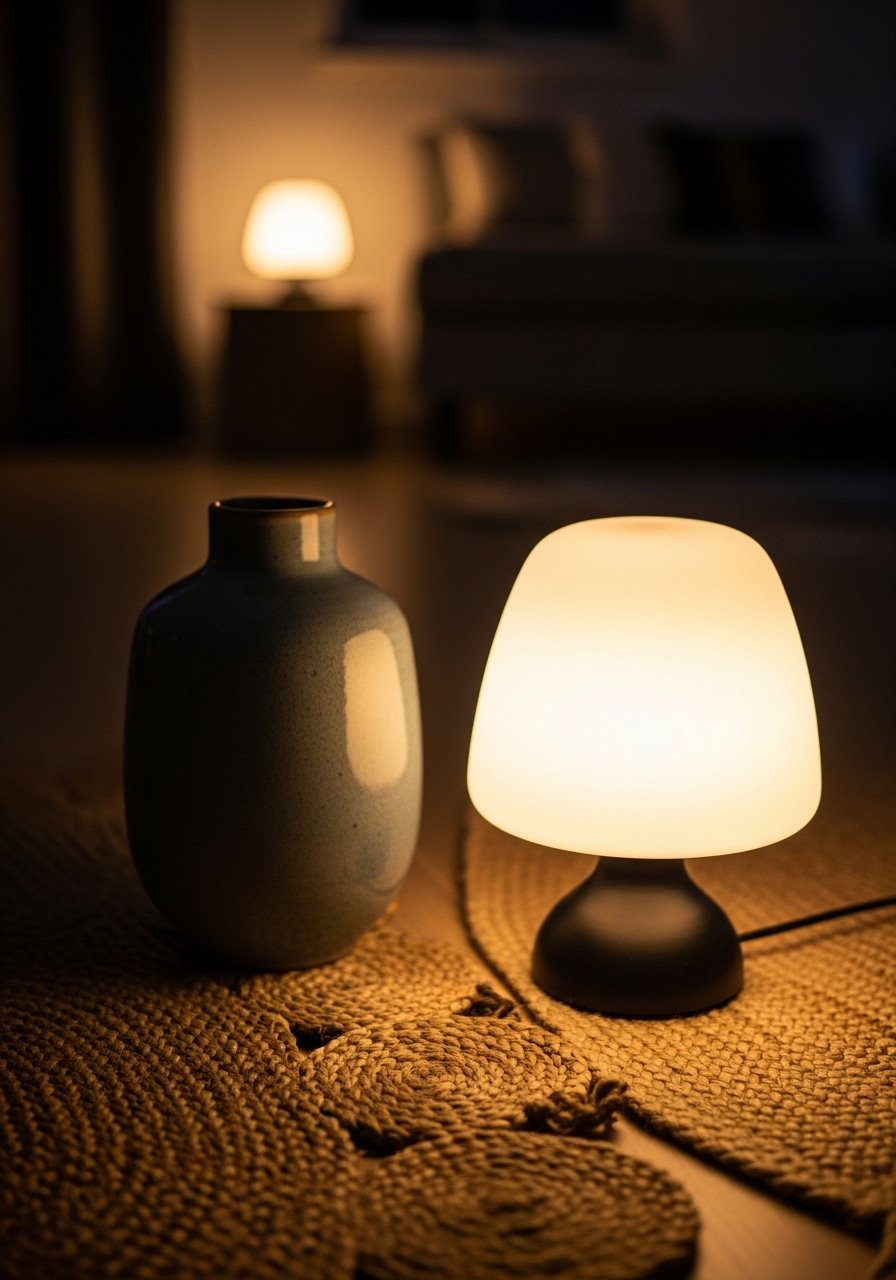
This is the step where it starts to look styled instead of cluttered. Add a floor lamp with warm bulbs, a table lamp near reading spots, and a pendant if the ceiling allows. Hang a pendant so the bottom sits about 30 to 34 inches above a dining table or work surface.
Layer textures: rough jute underfoot, smooth ceramic on the table, soft boucle or wool on the chair. Bouclé will catch crumbs in real life, so I use it where I sit less often. A matte ceramic vase feels cool and substantial in the hand, and that physical weight matters when you are editing.
Step 5: Edit, step back, live with it, then adjust
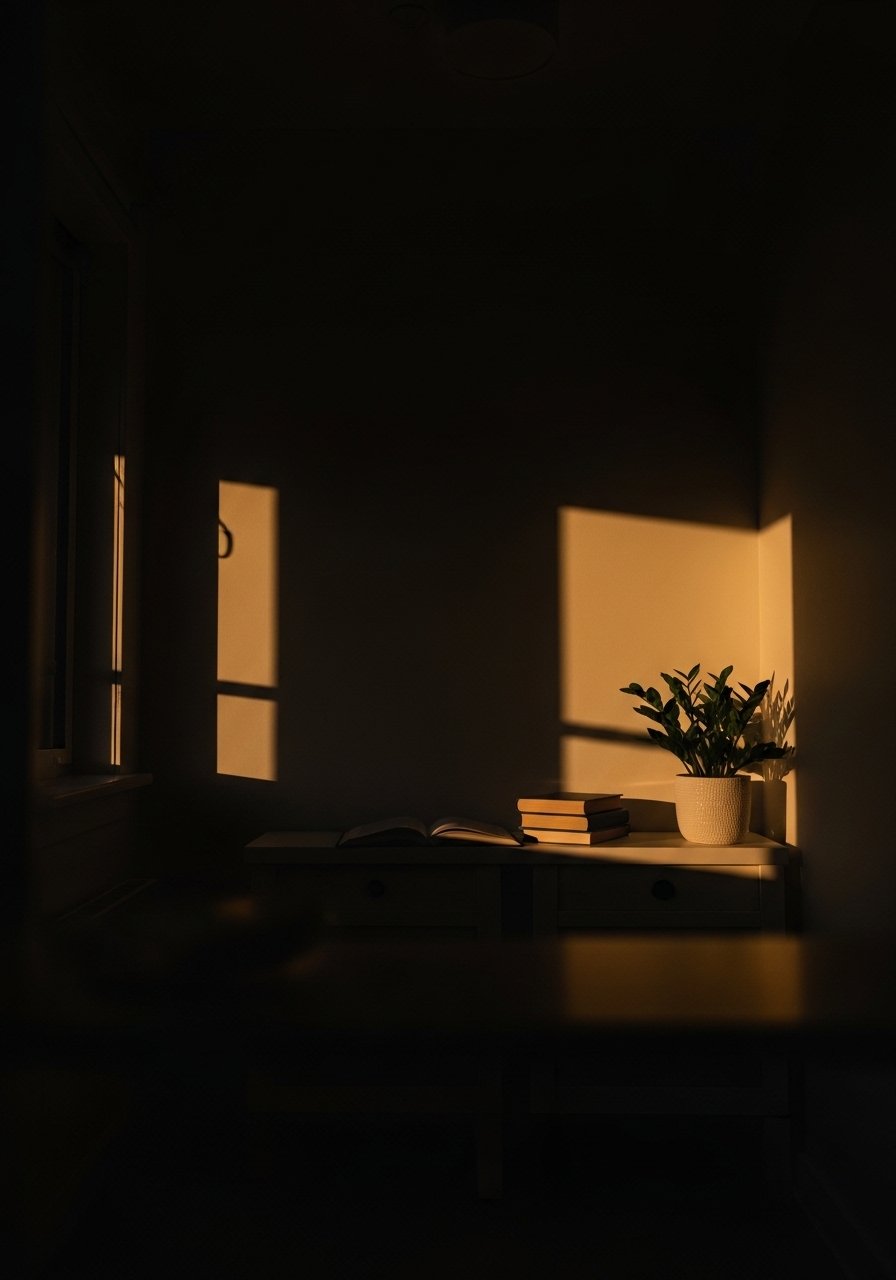
This part is uncomfortable because you will want to keep tweaking. Put up your art at about 57 inches for the center, then live with it for a few days. I moved one print three times before my partner admitted he liked it first where I hung it. The trick is to remove one item, not add another, when something feels off.
Common mistake: filling empty surfaces because empty feels wrong. Leave negative space. After a week you will notice what gets used and what is purely decorative. Swap accordingly.
What to Grab for Your Scandinavian Room Refresh
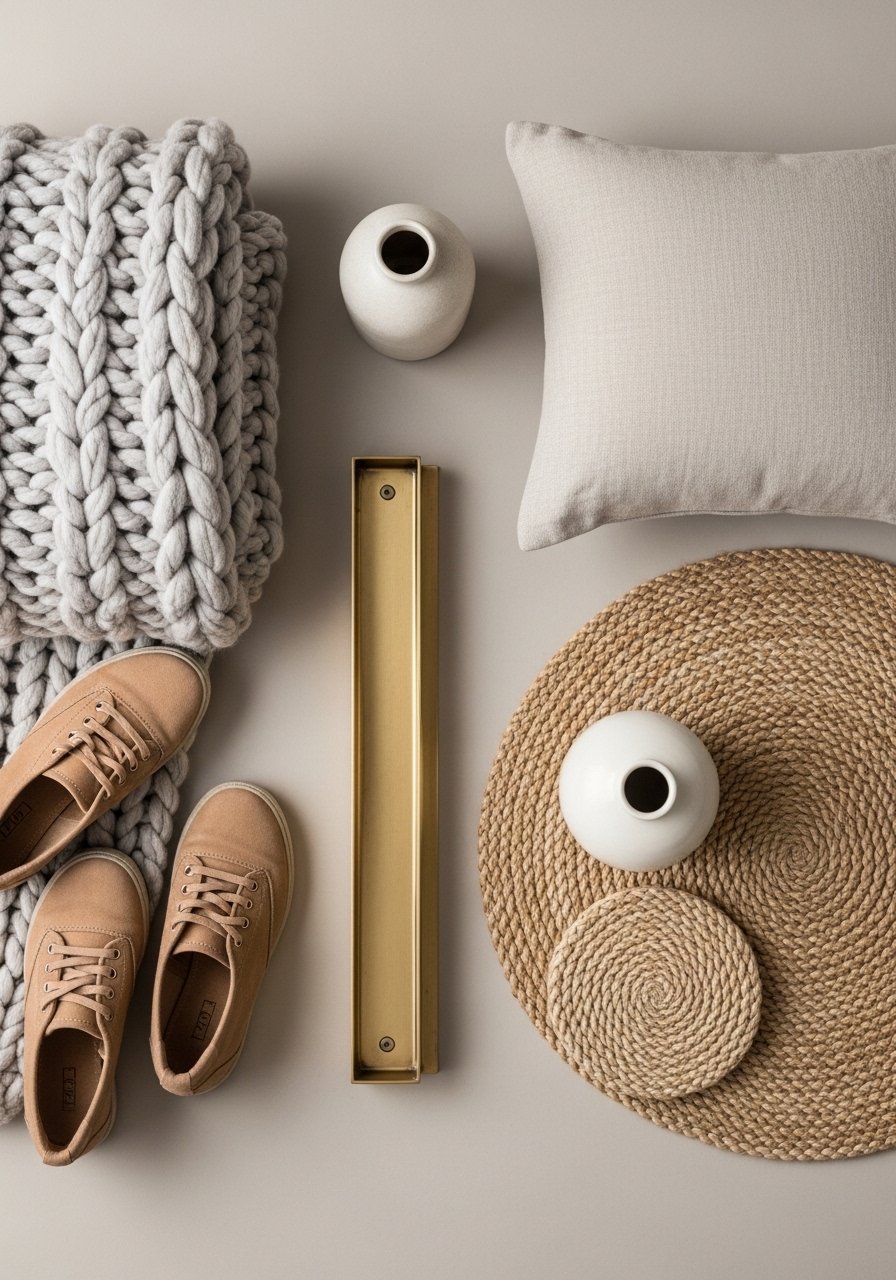
- Chunky knit throw in oatmeal, 50×60 ($40-65). I keep one on the arm of every sofa, it's heavy and soft to the touch. Step 4.
- Linen cushion cover in soft grey, 20×20 ($15-28). Linen cools against skin and looks lived-in. Step 3.
- Jute area rug, 8×10 ($90-160). Neutral enough for any style, rough underfoot in a good way. Step 2. Similar at Target.
- Matte ceramic vase set, white, set of 3 ($25-40). Use one tall piece for height on a console. Step 1 and Step 4.
- Brass picture ledges, 24-inch pair ($18-30). Solved my indecision about gallery wall layouts. Step 5.
- Warm LED bulbs, 2700K, 4-pack ($12-22). Soft light makes wood read warm and inviting. Step 4.
- Small potted plant in terracotta pot, 6-inch ($12-25). Adds a living note without fuss. Step 1 and Step 5.
- Round oak coffee table, 36-inch ($120-260). The circular shape softens angles and leaves flow around it. Step 2.
Why Your Room Still Feels Cold After Styling
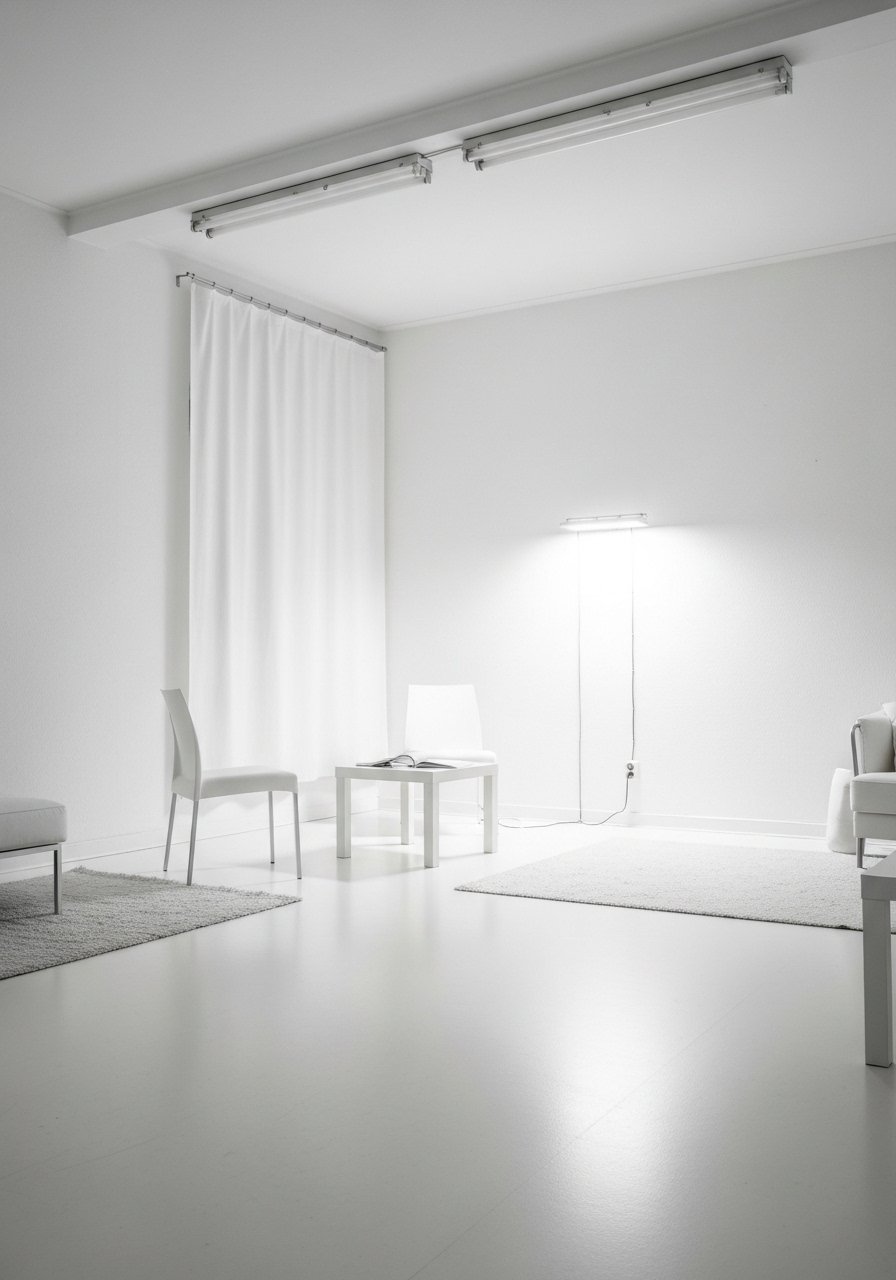
You might be missing warmth, not color. A room can be visually clean but feel cold if surfaces are all smooth and lighting is flat. Add a tactile rug, a lamp with a warm bulb, and a wooden surface. I once had a pristine white sofa and the space felt like a showroom until I introduced a rough jute rug and a wool throw.
Quick fixes:
- Swap one smooth cushion for a nubby one.
- Add a lamp on a low table rather than relying only on ceiling light.
- Layer a small natural-fiber runner under a console to anchor it.
Making This Work in a Small Room
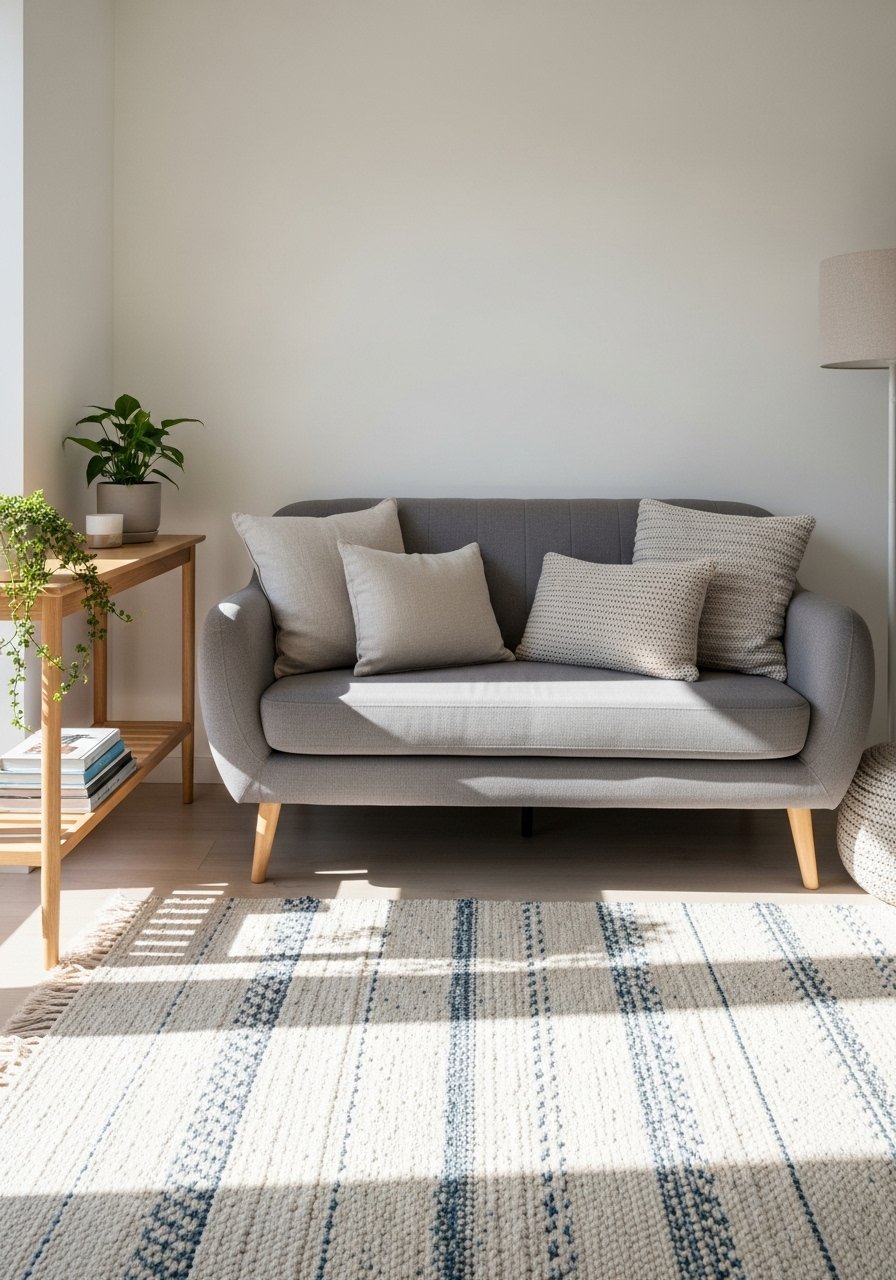
Small rooms need fewer, larger elements rather than many tiny ones. Choose a single seating piece and a round coffee table to keep sightlines open. Use a rug sized so front legs sit on it, even if corners are off the rug. Mirrors can help, but placing them opposite a window is best for reflecting light, not for adding decoration alone.
Plan for 18 to 24 inches between high-traffic pieces to avoid tight squeezes. If you rent, use brass picture ledges for art so you can swap prints without hammering lots of holes.
What This Looks Like After a Week with Real Life
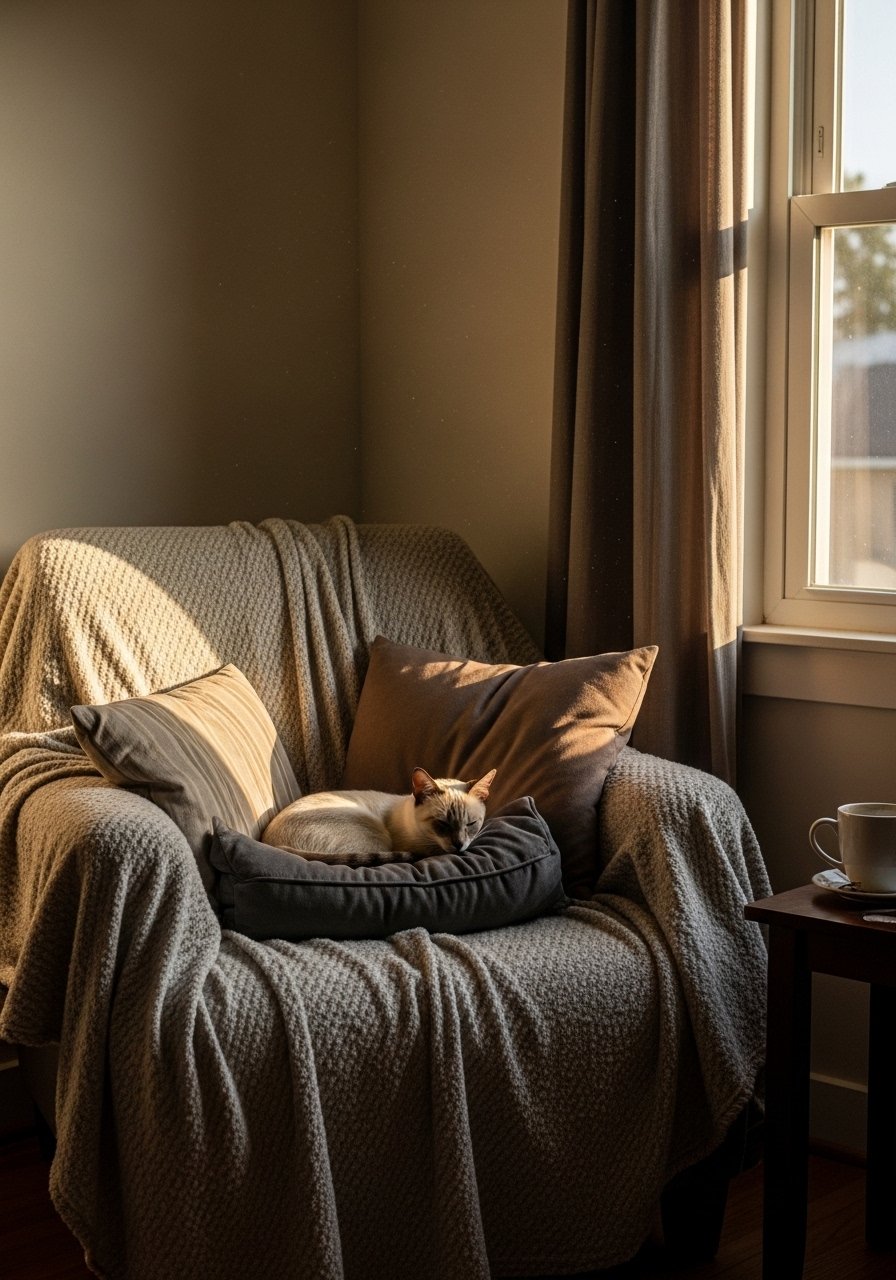
After a week, the room should feel used, not ruined. You'll notice scuffs on the rug or that the light by the chair is too dim for reading. I had to move a vase because my roommate bumped it twice. Real life reveals which textures survive daily wear. Replace fragile accents with ceramic or wood if you have pets or kids.
If a cushion attracts all the crumbs, swap boucle for a tighter weave in that seat. The rest can stay cozy and nubby.
Start with One Corner
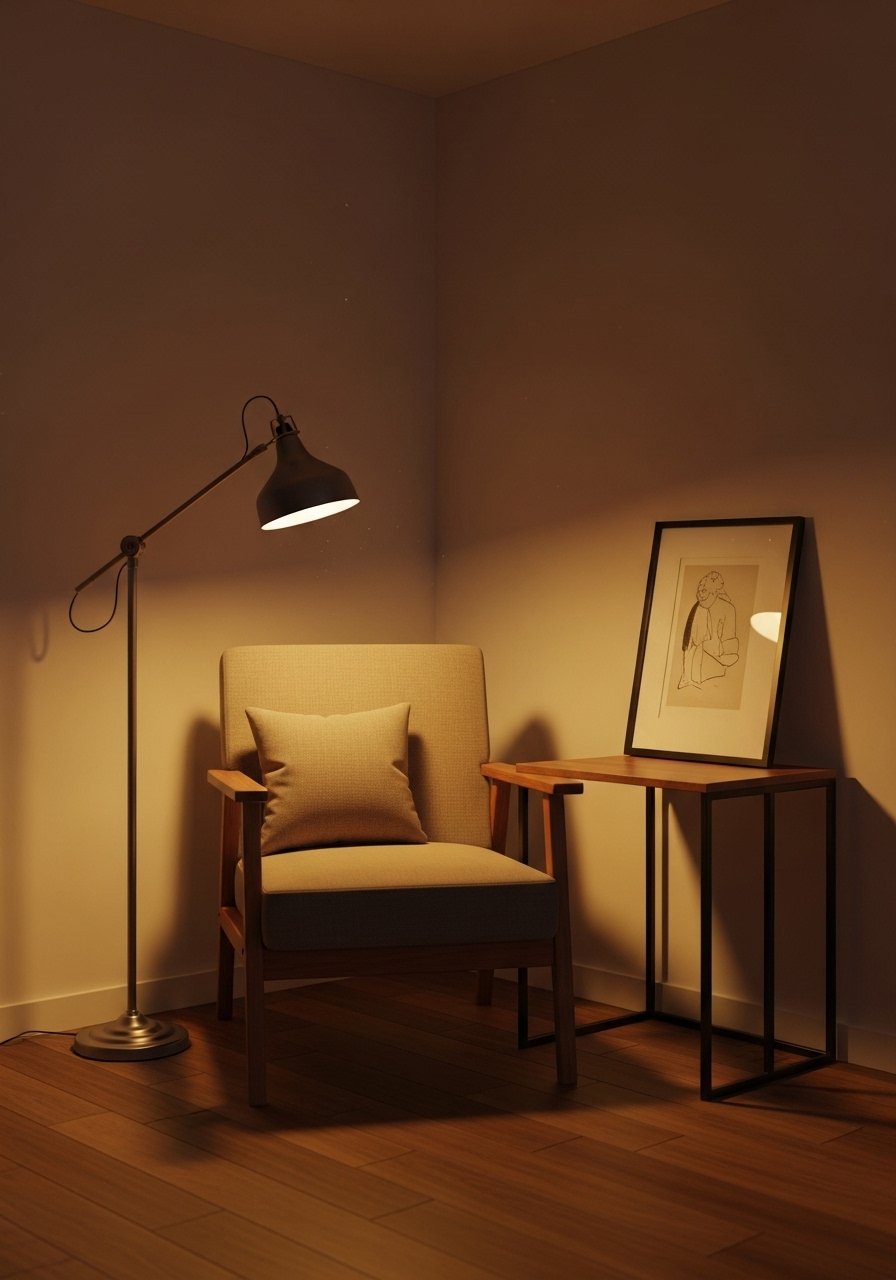
Pick one corner and do the full process there: clear, anchor, set the palette, add texture, then edit. It is the least commitment and the most instructive. Bring in a chunky knit throw to drape over the chair and a small ceramic vase for the table. If it feels right after a few days, use the same approach elsewhere.
You will be surprised how quickly a single, considered corner makes the whole room feel intentional and calm.