
My living room used to look like a dental office at night. Bright white ceiling light, no depth, and everything felt flat. I bought a few lamps, stuck in whatever bulbs I had, and still the room felt like a showroom not a place to sit down and breathe.
At first I thought more lamps would fix it. It did not. What helped was dialing in color temperature, adding layers in the right proportions, and learning to edit light the same way I edit accessories. I messed up the first three attempts. The fourth time the room finally felt like us.
Step 1: Set a Warm Ambient Base
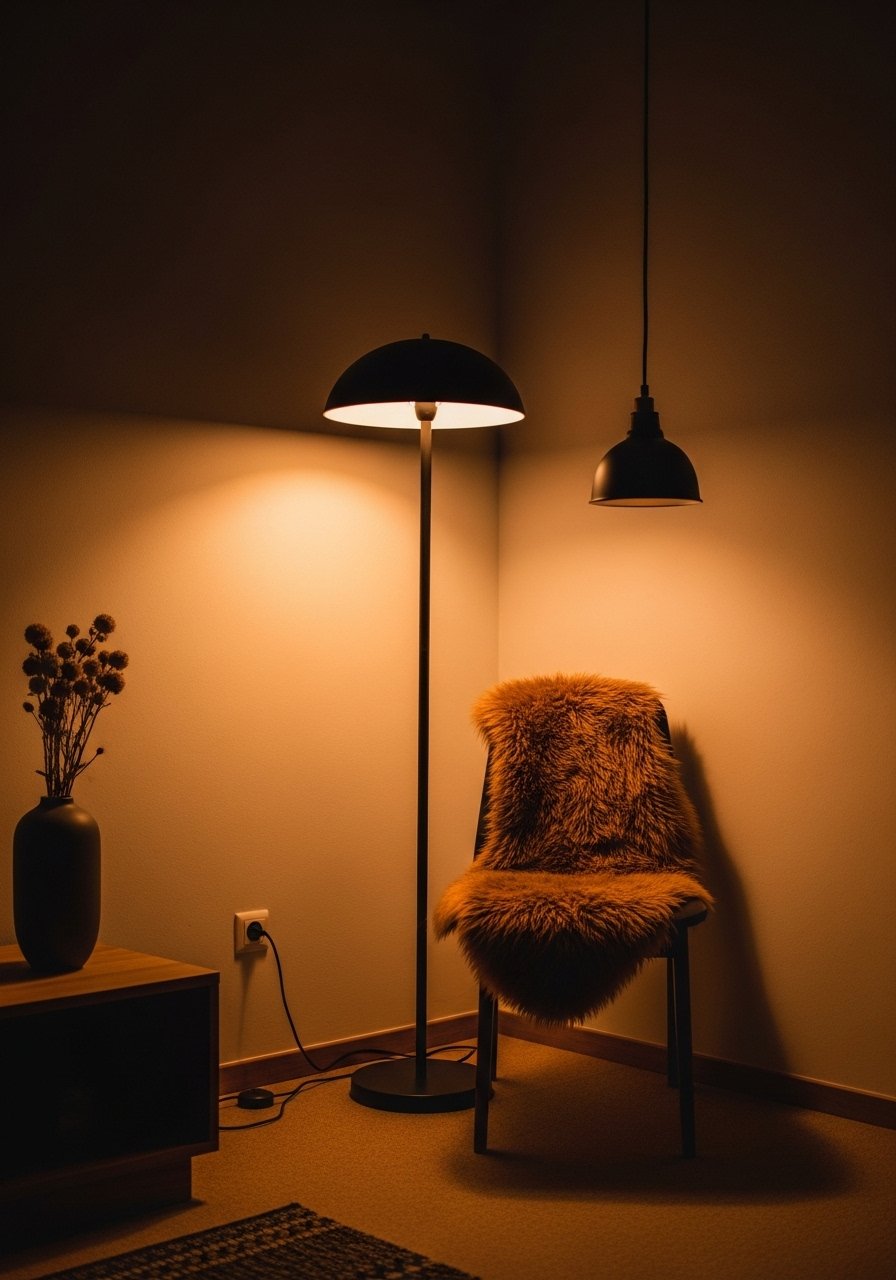
Start by picking a warm bulb for your main ambient source, 2200K to 2700K for a golden tone. Aim for roughly 20 lumens per square foot of ambient light as a baseline. If your room is 200 square feet, that is about 4,000 lumens total split across fixtures. The visual change is immediate, the space feels softer and the shadows gain depth.
Common mistake: swapping in bright cool bulbs that undo everything. Another mistake I made was using too many matching lamps, which looked staged. Mix lamp styles with similar color temperature to keep the glow cohesive.
Step 2: Add Task Light Layers Where You Use the Room
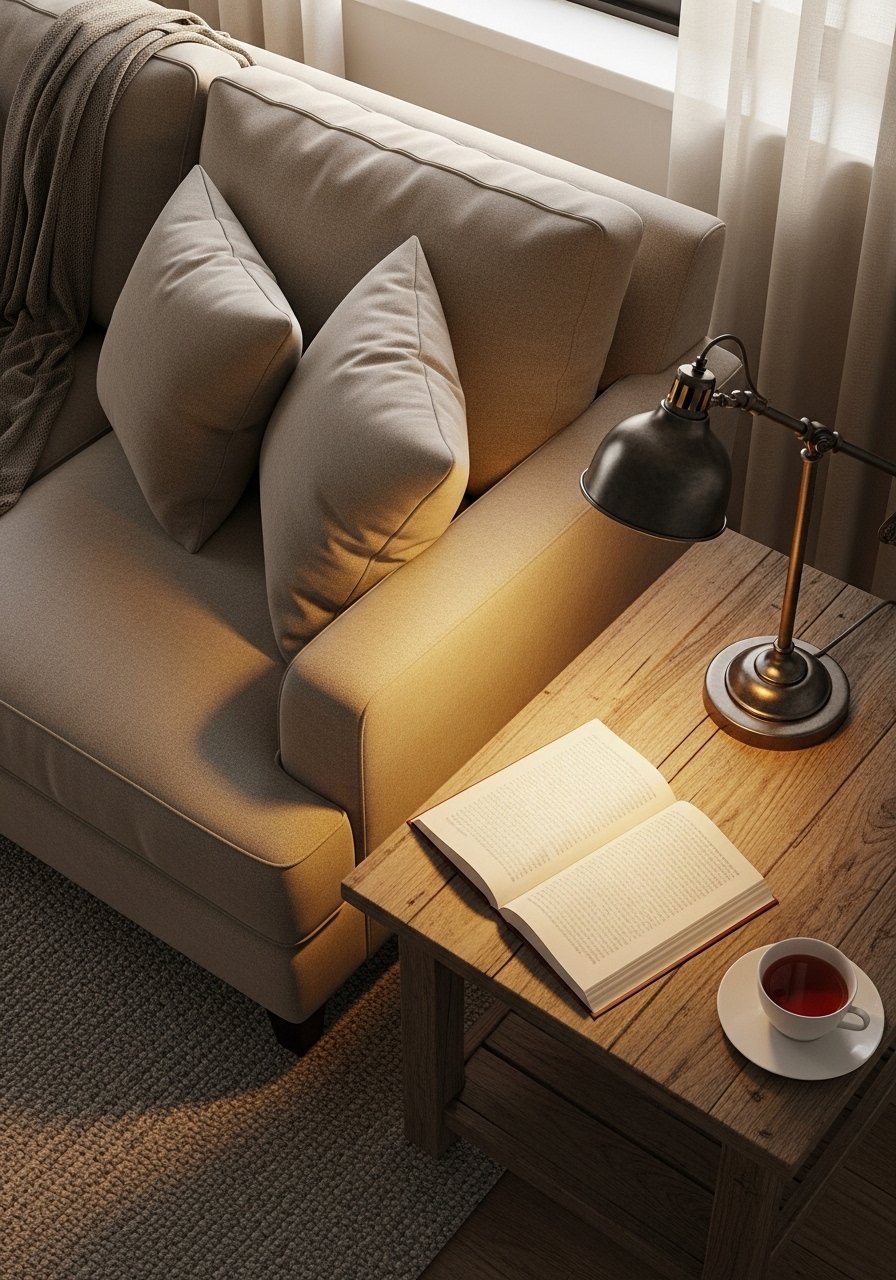
Place task lights where you read, work, or knit. A table lamp with a 24 to 30 inch overall height next to a sofa sits at the right level to light a lap without glare. For reading aim for 400 to 800 lumens at the lamp, set to 2700K. The result is a cozy pool of light that lets the rest of the room settle into softer shadows.
People often put these lamps too close to the wall, which creates a hot spot. Move them 6 to 12 inches from the back of the sofa and angle the shade slightly toward the seating area. I learned this after one evening when my pages were in shadow because the lamp was behind my shoulder.
Step 3: Use Accent Lighting to Create Pockets of Warmth
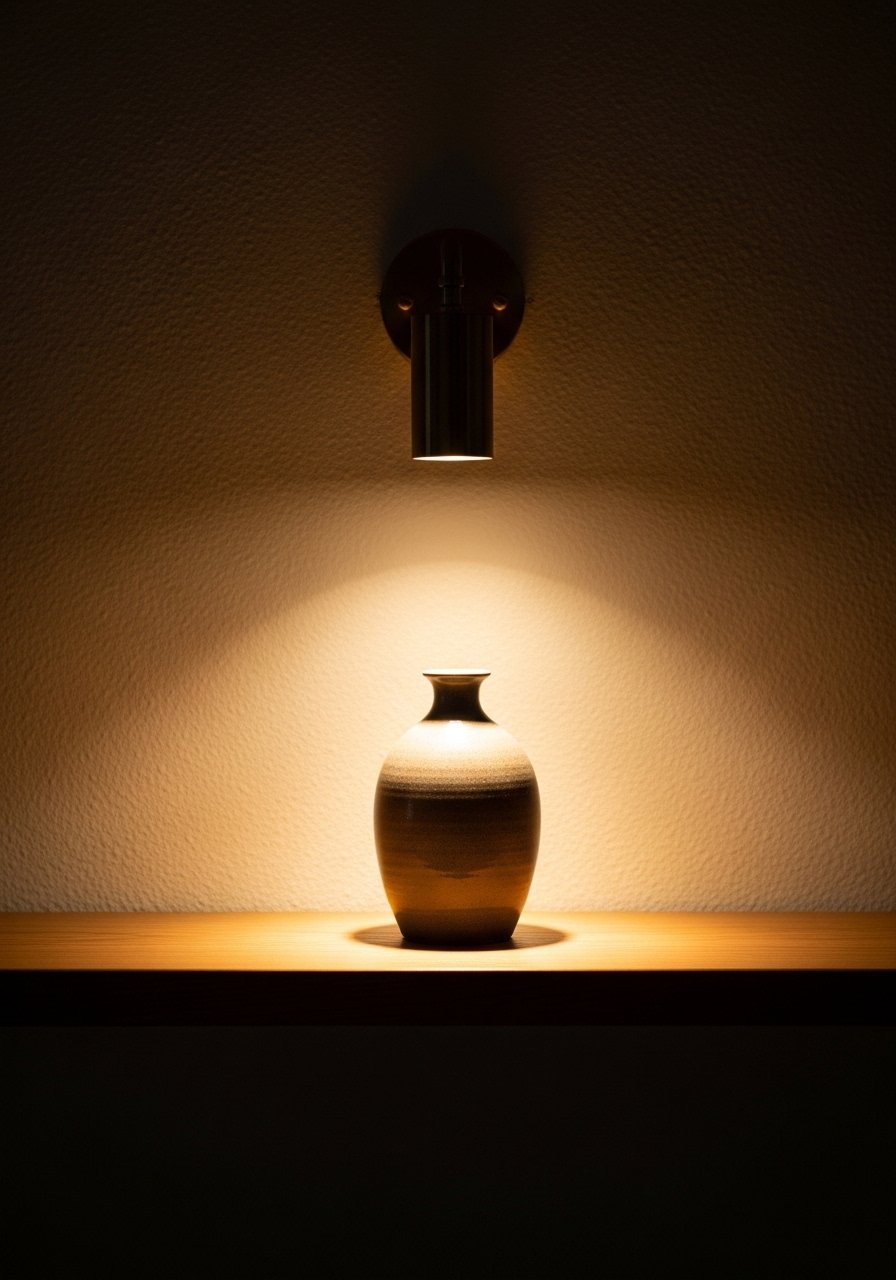
Accent lights add depth, not brightness. Use picture lights, small puck lights, or an LED strip behind a TV at about 10 to 20 percent of your room’s total light. The change is subtle, but the room will read as layered instead of flat. I like one taller accent, like a ceramic floor vase with an uplight, to add vertical warmth and a touch of drama.
A common oversight is over-illuminating every object. Pick a few focal points to highlight. I did too many at once on my second try and the room looked busy instead of calm.
Step 4: Add Dimmers and Control the Brightness
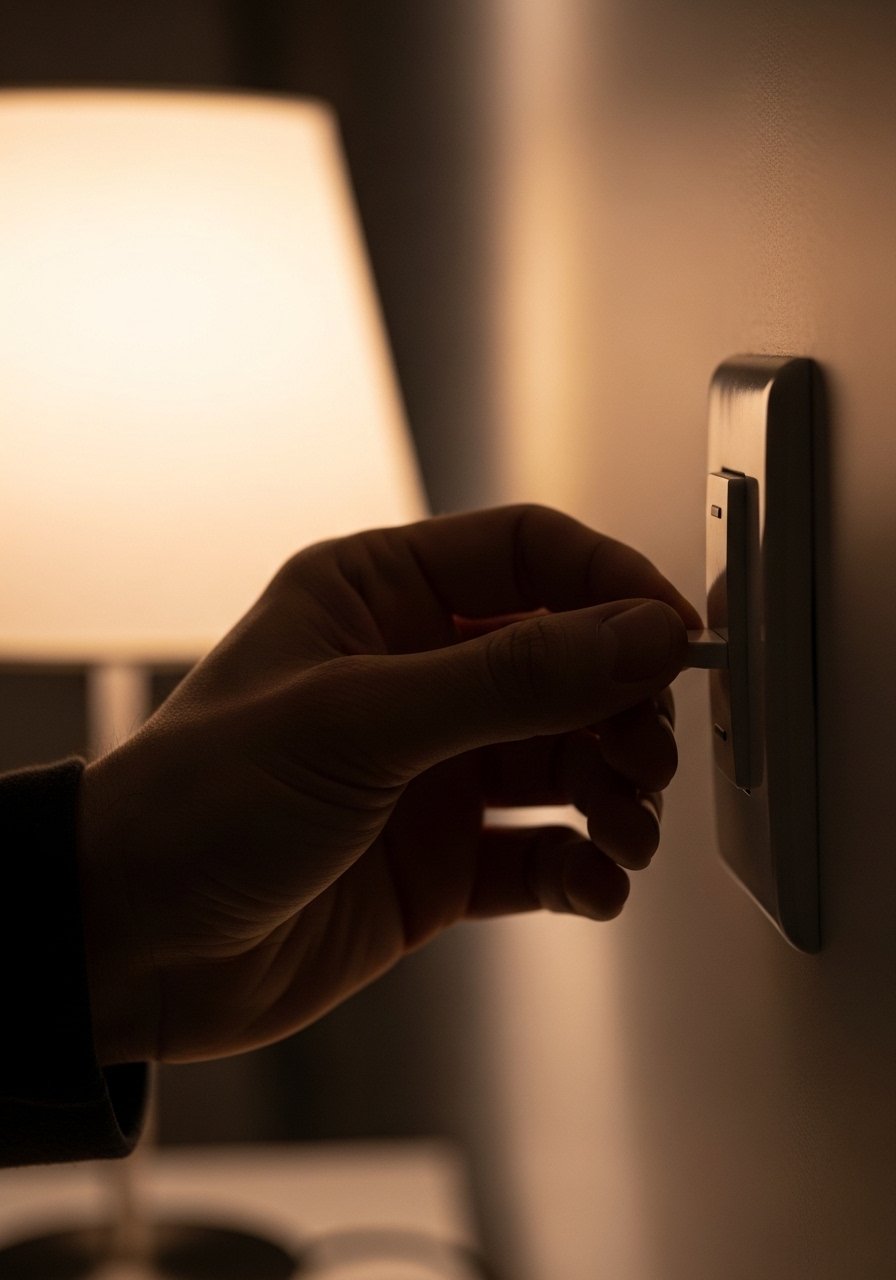
Dimmers move a room from clinical to comfortable. Put dimmers on your ambient and task circuits or use smart bulbs you can dim. Set a scene at 100 percent for cleaning, and 40 to 60 percent for evenings. The tactile feedback of a low, warm light makes the room feel friendly and smaller in the best way.
Be warned, incompatible dimmers will flicker or buzz. I replaced one after days of frustration. Smart bulbs also solved my wiring limits and let me set gradual transitions that feel calm.
Step 5: Edit, Live in It, and Tame the Bright Spots
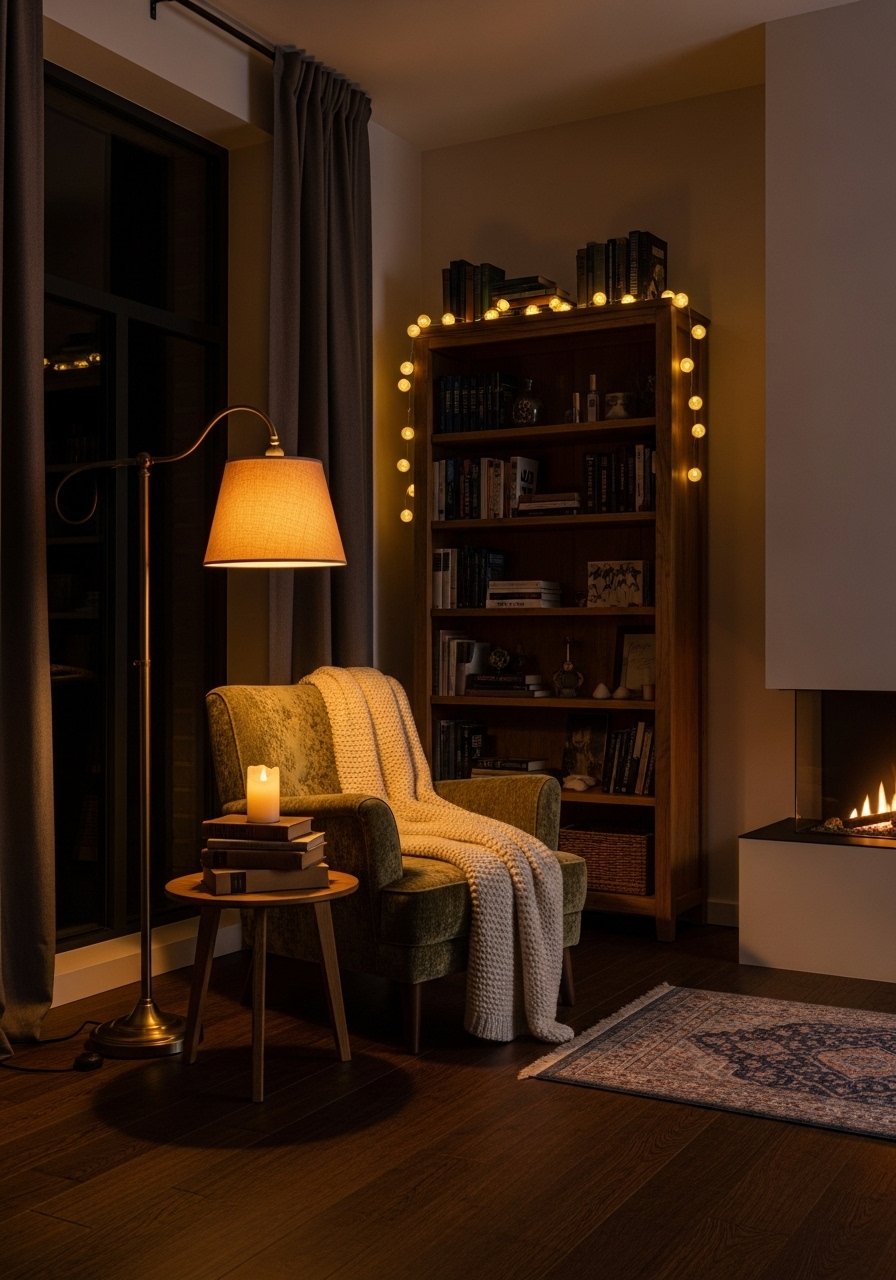
This is the part where you stop arranging and actually use the room. Walk around at night, sit in each seat, and notice where reflections or glare bother you. Swap a clear bulb for an amber glass bulb to soften a harsh bulb, or add a linen shade to mellow the tone. Textiles help too. A nubby throw and a linen pillow absorb light differently and make surfaces feel warmer to the touch.
I almost skipped this step. After a week of living with the changes I tuned lamp positions and shades. It felt minor at the time, but it made the whole room calm.
What to Grab for a Warm-Lit Room
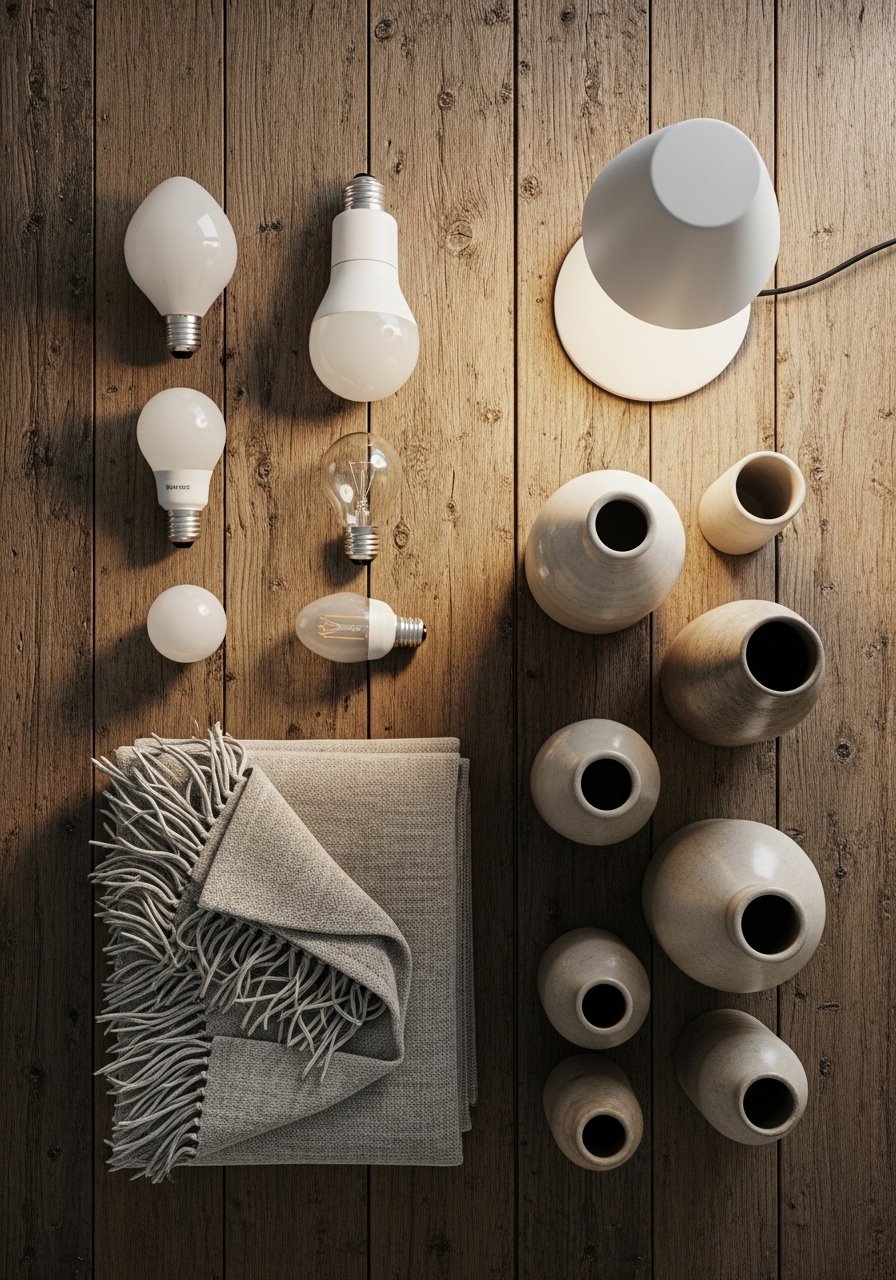
- Warm LED bulbs, A19 800-lumen, 2200K ($8-18 for 4). Use these in your ambient fixtures from Step 1.
- Smart bulbs, tunable white, A19 ($20-40 each). Great for dimming and scenes, used in Step 4.
- 24-inch brass table lamp with linen shade ($45-90). Perfect height for sofa task lighting in Step 2.
- Arc floor lamp, 60-inch, matte black ($80-140). Good as an ambient source in Step 1.
- In-wall dimmer switch, compatible with LED ($18-35). Use in Step 4.
- Chunky knit throw in oatmeal, 50×60 ($40-65). Texture for Step 5.
- Matte white ceramic vase set, various heights ($25-40). For Step 3 accents.
- Amber glass decorative bulbs, G25 ($12-22 for a pair). Use to soften exposed fixtures in Step 5.
Why Single Overhead Lighting Feels Cold
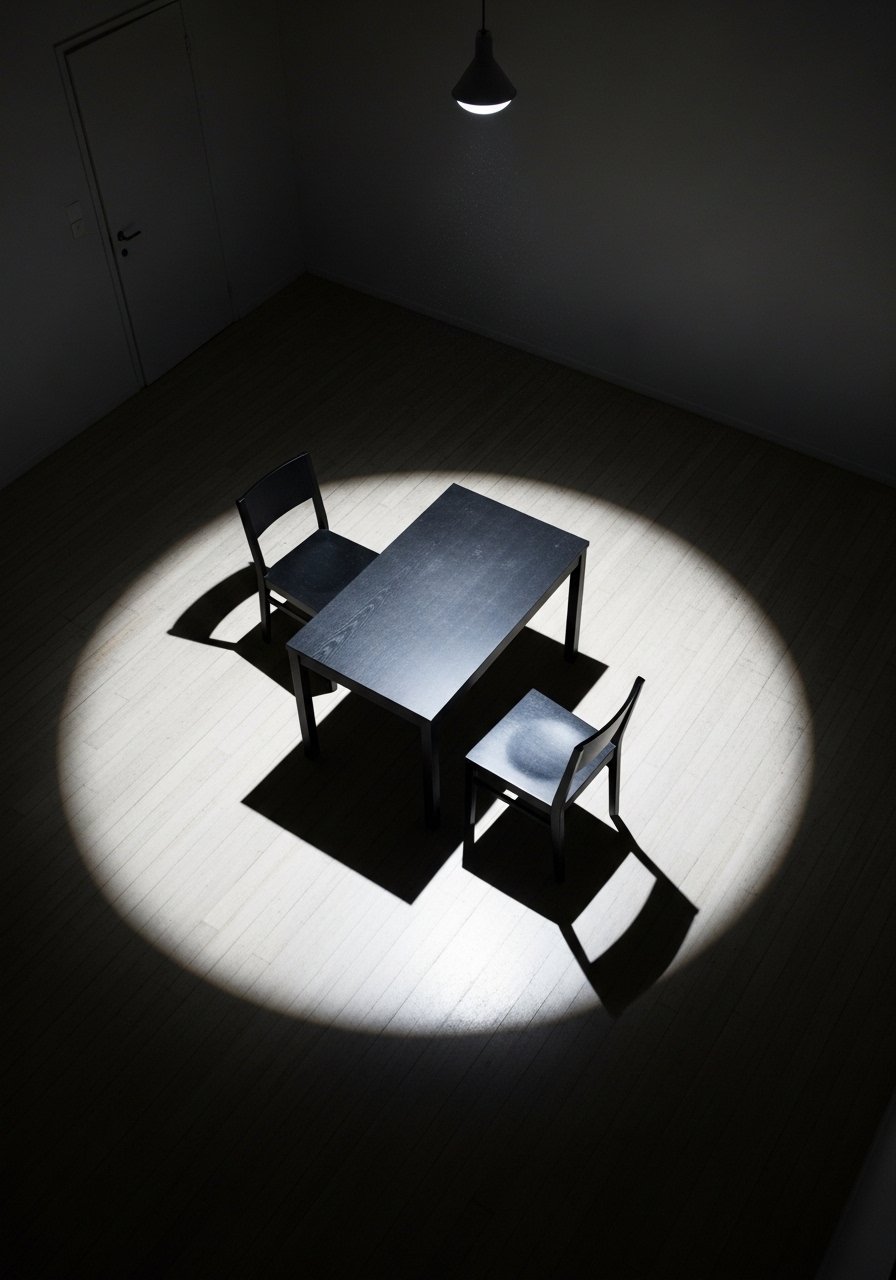
Single overhead lighting flattens texture and removes shadow that gives shape to furniture. When everything is lit evenly, colors wash out and surfaces read as one plane. The fix is simple, but it took me a few tries to stop reaching for brighter bulbs. Switch to a warm ambient bulb, then add two more light layers. It will read as smaller and more inviting, even on a budget.
Making This Work in a Small Room
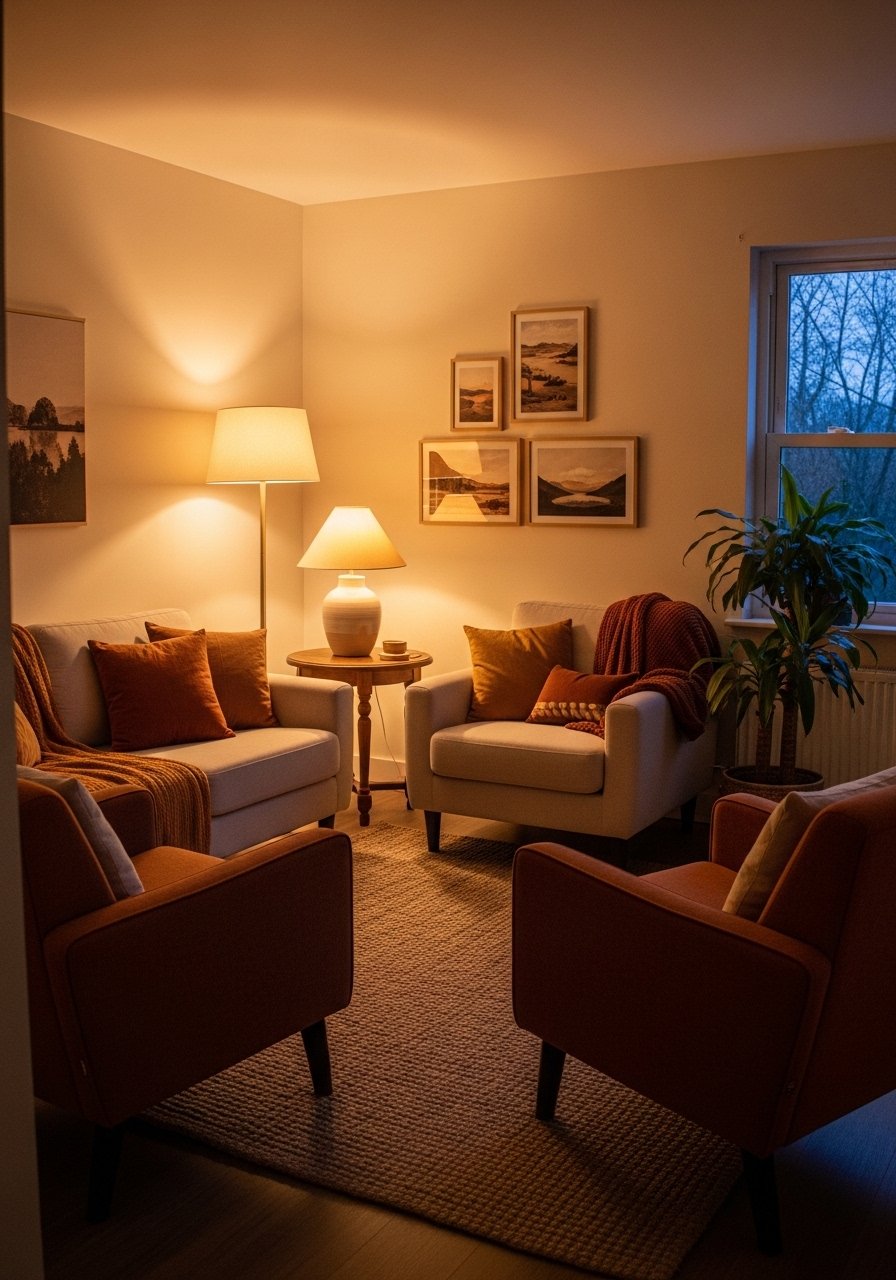
Small rooms need less lumens, not more fixtures. Try these moves:
- Use one ambient lamp and one task lamp rather than many small lights.
- Choose slim-profile lamps to save floor space.
- Add a mirror to bounce warm light and make the glow feel larger.
- Keep shades in light fabrics to allow warmth to pass through, not block it.
Scaling the bulbs down to 10 to 15 lumens per square foot keeps the mood snug without going dark.
What This Looks Like After a Week with Real Life
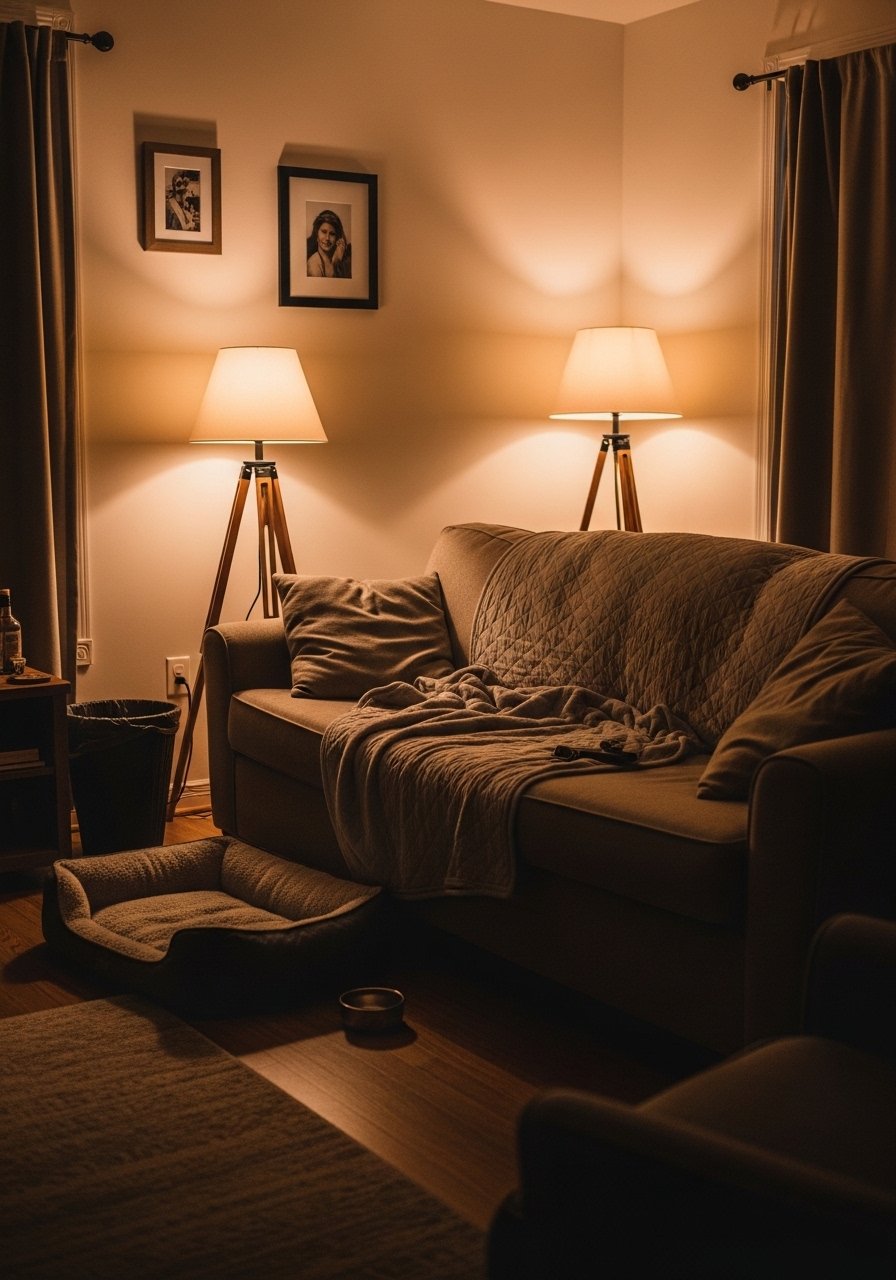
After a week you will notice habits. Lamps that were once decorative become part of your routine. Bulbs that seemed dim in daytime feel perfect at night. You will clean shades and find spots that need softening. Pets will investigate the new vase, so place delicate accents out of reach. My partner admitted he liked the asymmetry after a few nights. That small admission sealed the change for me.
Start with One Lamp
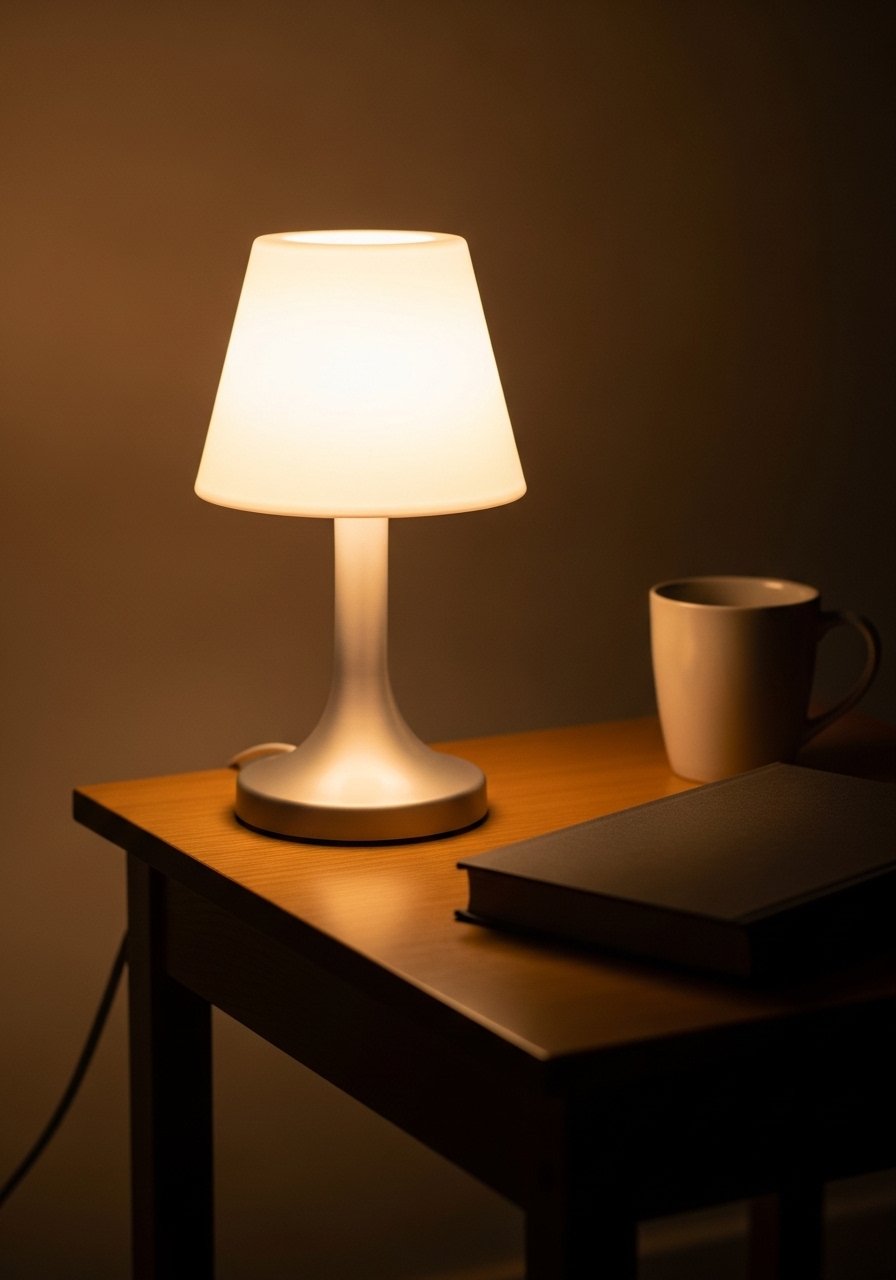
Put a warm 2200K bulb in one lamp and move it next to where you sit. Dim it after dinner and live with that light for a few nights. If it feels better, swap bulbs in your other fixtures to match. The simple act of picking one warm source makes the rest of the decisions easier, and you will see the room come together without a big overhaul.