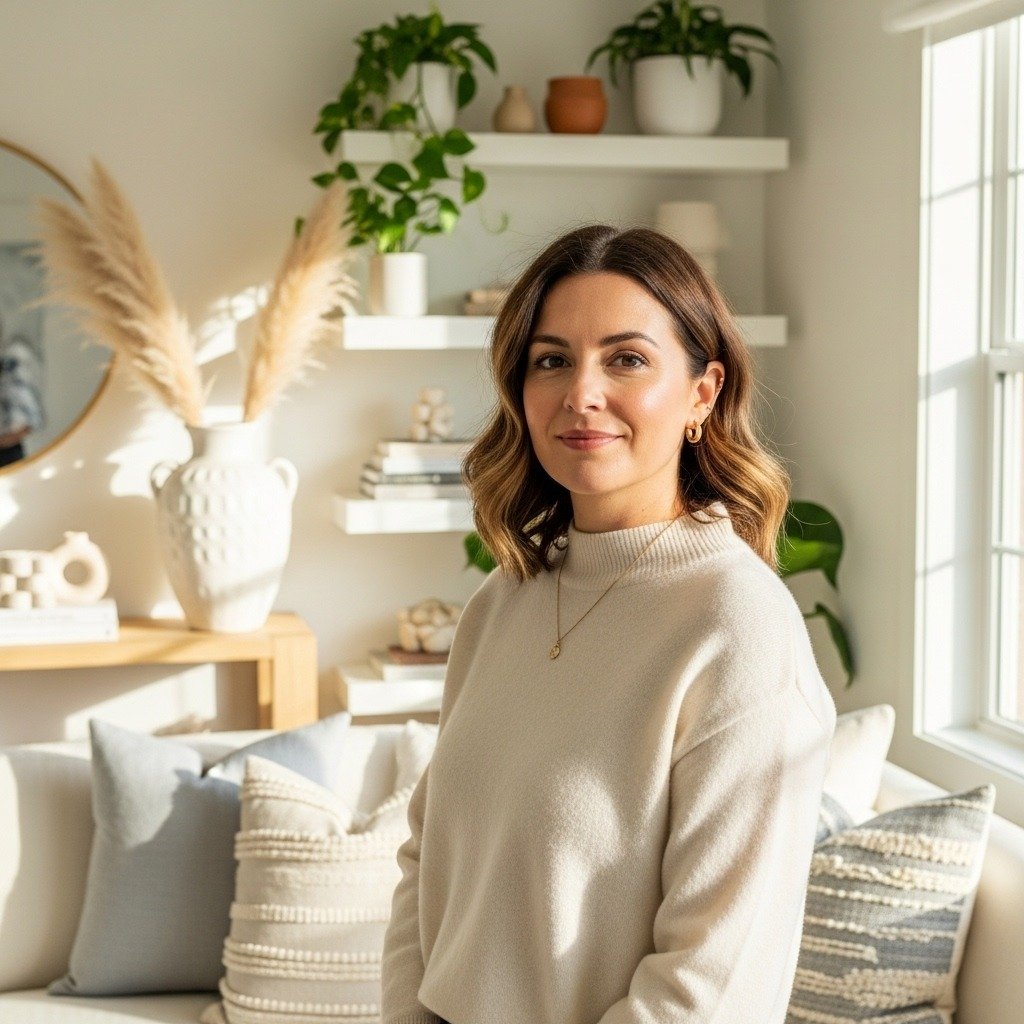
My living room had nice furniture but it still felt like a waiting room. Took me embarrassingly long to figure out it was missing texture. Every surface was smooth, every color was flat, and nothing invited you to actually sit down.
These ideas lean cozy-modern and approachable. Most projects run $5 to $40, with a few small splurges under $100. They work for living rooms, bedrooms, entryways, and any spot that needs a quick sewn update.
Piped Velvet Pillow Covers for a Boutique Look
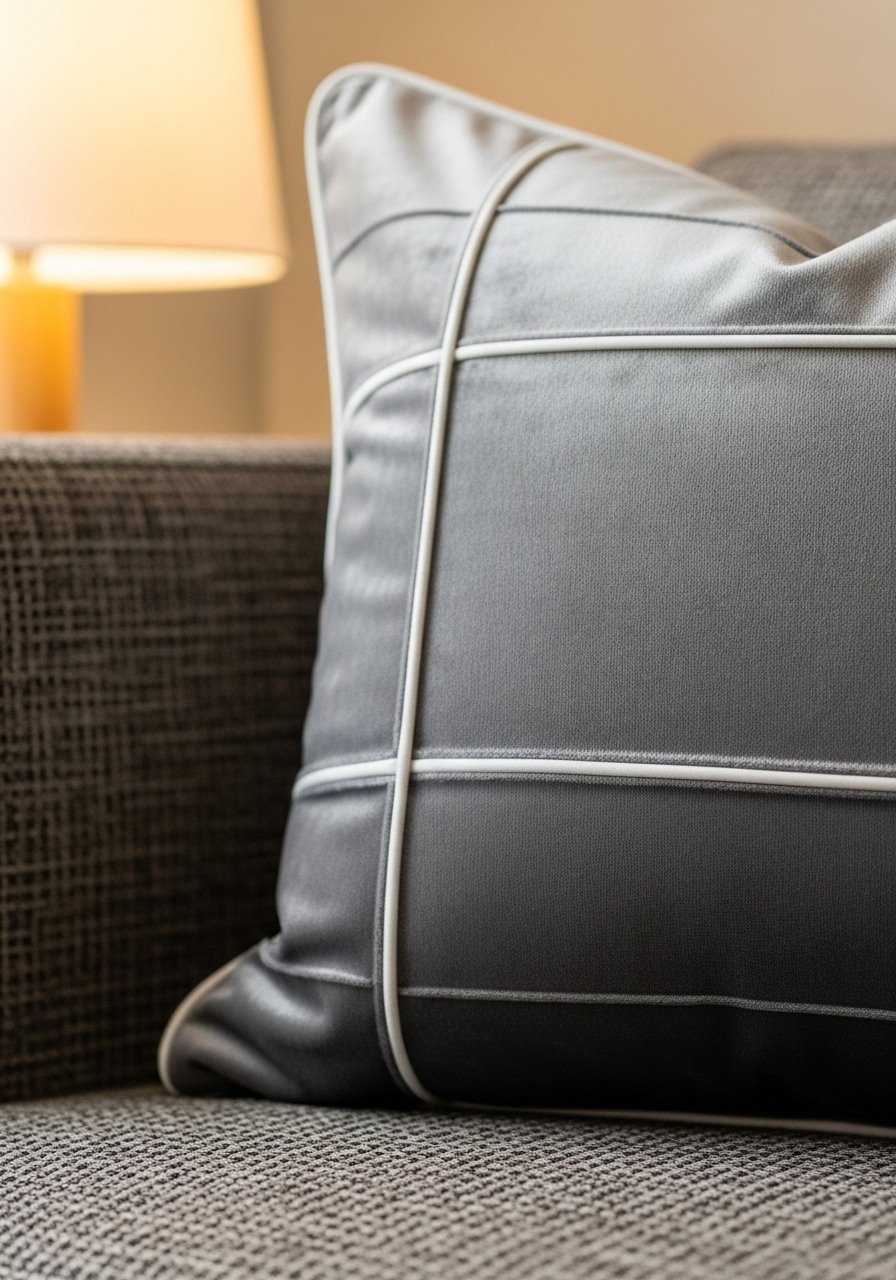
The moment I draped a chunky knit throw over the arm of my gray sofa, the whole room stopped looking flat. If you can sew a straight line, you can make velvet pillow covers with piping. Use a 22-inch down insert and cut covers with a 1/2-inch seam allowance plus 1-inch for piping. Velvet hides a lot of mistakes but piping reads professional. For materials, grab a velvet fabric bundle and piping cord and bias tape. Common mistake, sewing the cover too tight. Leave 1 to 2 inches extra so the pillow fills the corners. Pair with a linen cover from idea about mixed textures for better depth.
Invisible Zipper Envelope Cushions for Clean Lines
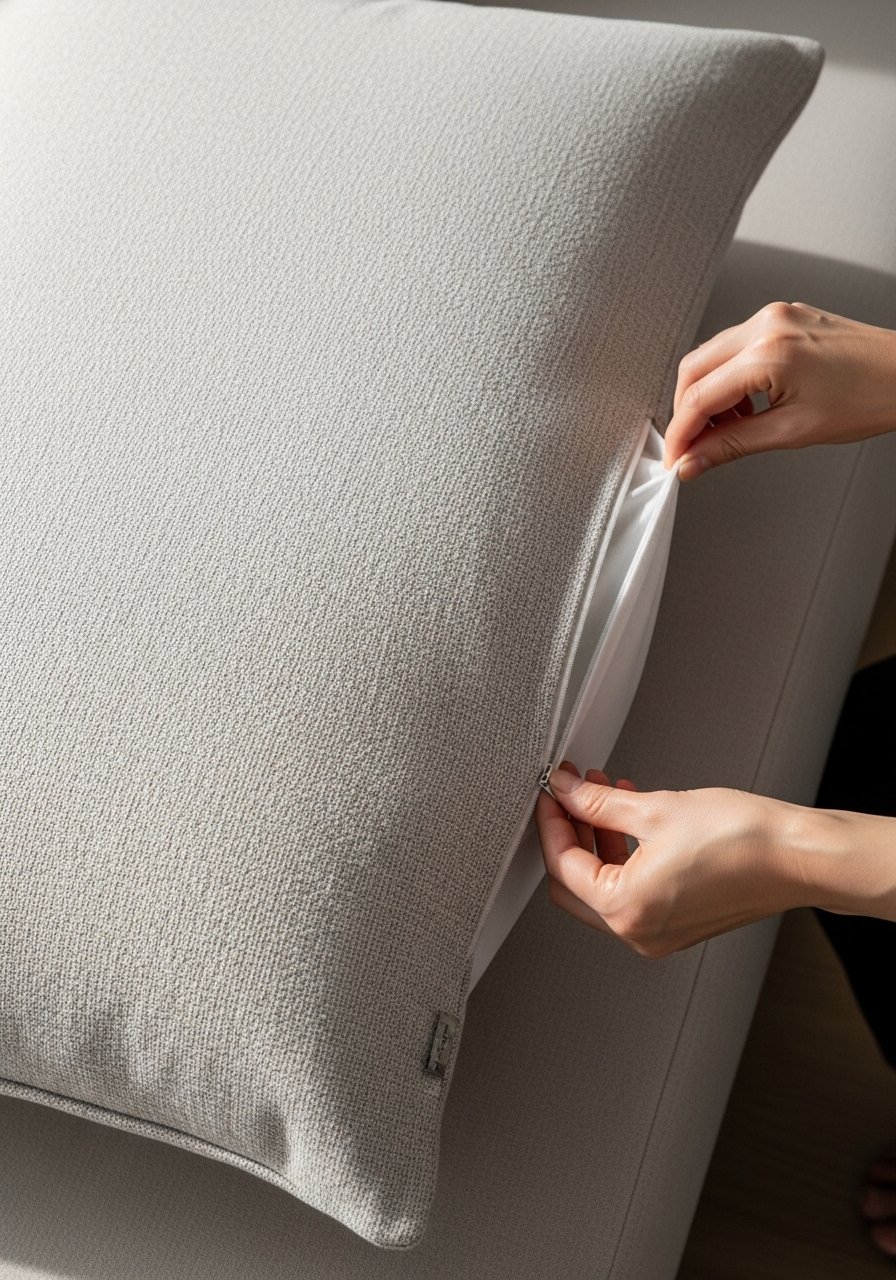
Most throw pillow zippers look homemade because people use visible chunky zippers. An invisible zipper makes a cushion look store-bought. Cut a 20-inch square for an 18-inch finished cushion. Install the invisible zipper kit with a zipper foot and press the seam flat. I use linen or a midweight cotton so the zipper hides and the corners stay crisp. The problem this solves is sloppy removable covers that gape after washing. Tip, stitch 1/4-inch from the edge for a neat finish. Works in living rooms and guest bedrooms.
Tailored Bed Skirt for a Hotel-Style Bedroom
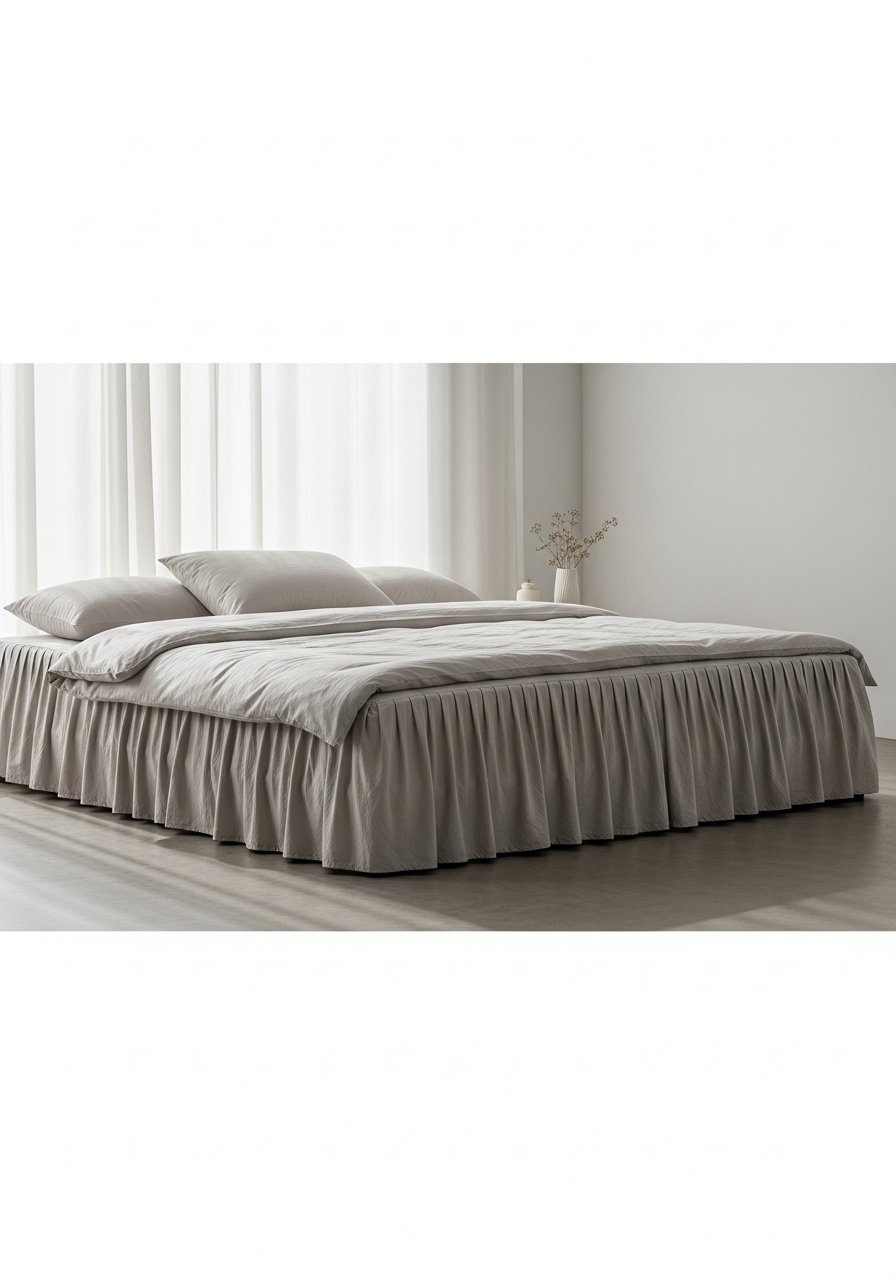
My friend texted me a photo of her bedroom asking why it felt cold. She had zero textiles. No throw, no layered pillows, nothing soft anywhere. Adding a tailored bed skirt changed her room. Measure mattress height, then add 18 to 21 inches for the drop. Use 100 percent cotton drill for structure and a boxed corner pattern for a crisp look. I use a hidden elastic band for easy removal, and a fabric weight cotton drill that presses like a charm. The mistake people make is letting the skirt puddle unevenly. Keep pleats equal and the top edge exactly level with the mattress.
DIY Roman Shade with Interfacing for Smooth Folds
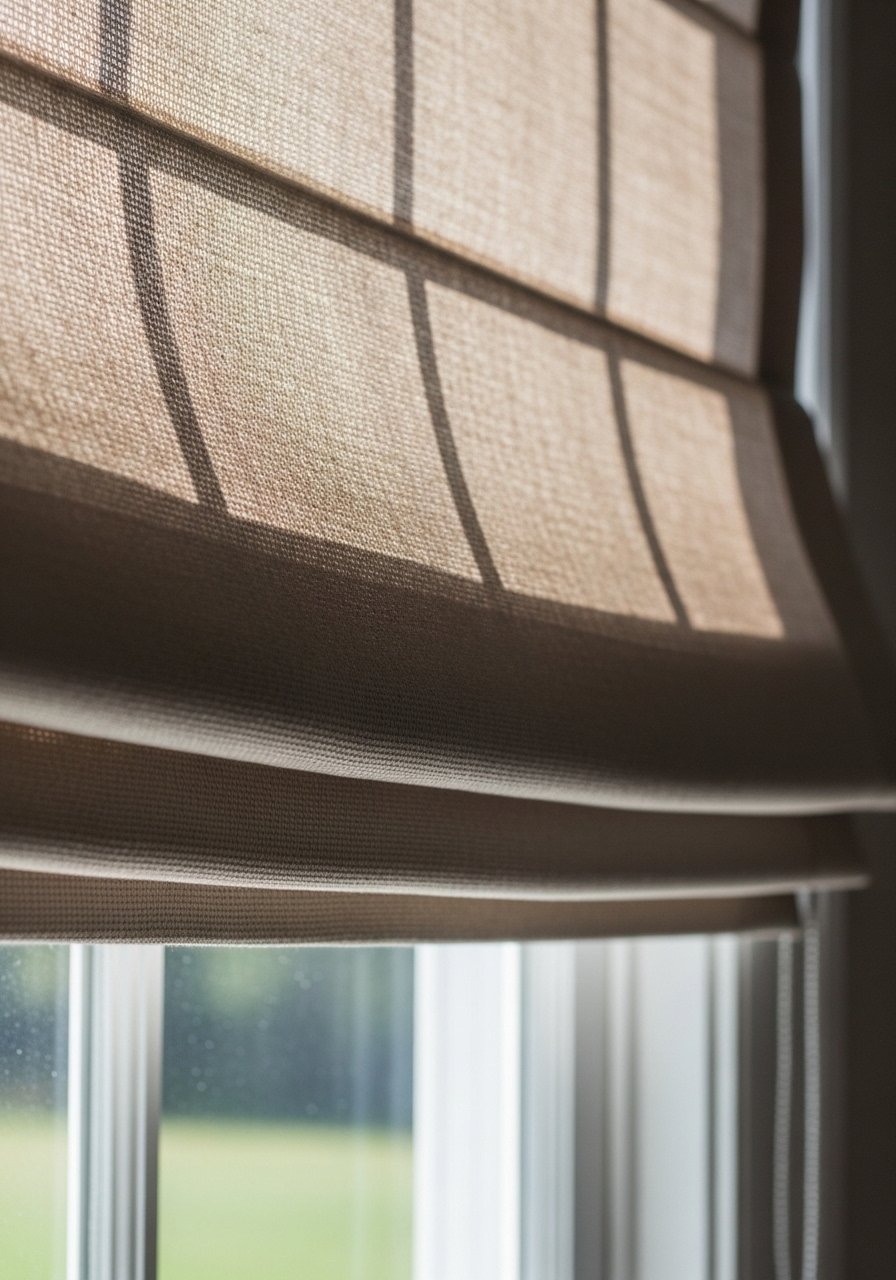
Roman shades can scream amateur if the folds are uneven. The trick is using heavy interfacing and 1-inch ladder tape. Cut the fabric 4 to 6 inches wider than the window so you can hem nicely and allow for a tidy 1/2-inch seam on each side. I used a linen-look upholstery fabric and a roman-shade-ladder-tape. The result reads tailored and layered, perfect for bedrooms or dining rooms. A common mistake is underbaling the weight; add a thin wooden dowel at the bottom for straight lines.
Box Cushion Reupholstery for Dining Chairs on a Budget
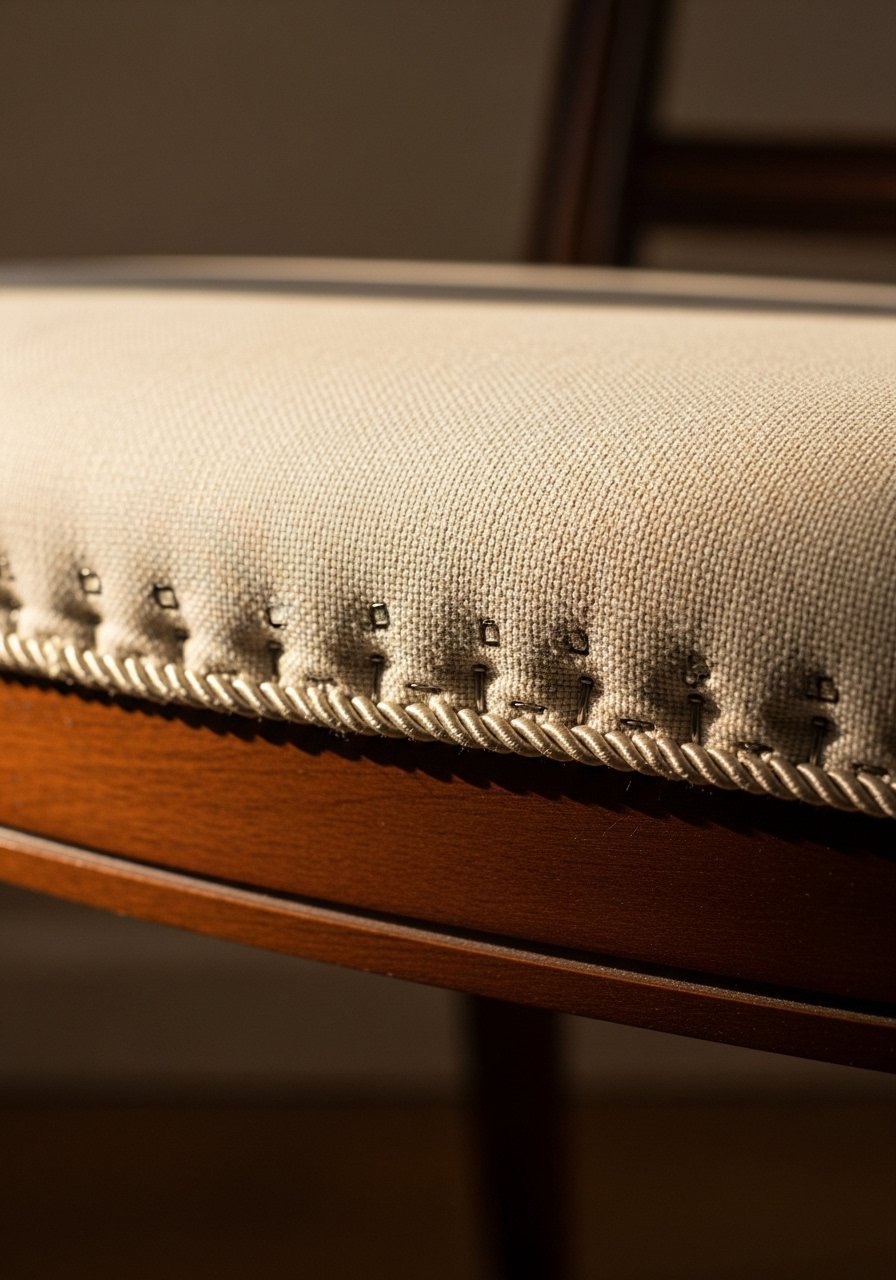
Reupholstering seat cushions is cheaper than new chairs and gives a high-end look. For most dining seats, use 2-inch foam from an upholstery shop and cut the fabric with a 2-inch wrap allowance. I like starting with a cotton canvas like this upholstery cotton canvas. The real detail that makes it look professional is hand-stitching the final seam by ladder stitch. People underestimate how much better a new foam pad looks than the original. If your chair frame is worn, sand and stain the legs to match the new fabric.
Quilted Throw Blanket with Simple Binding for a Layered Bed
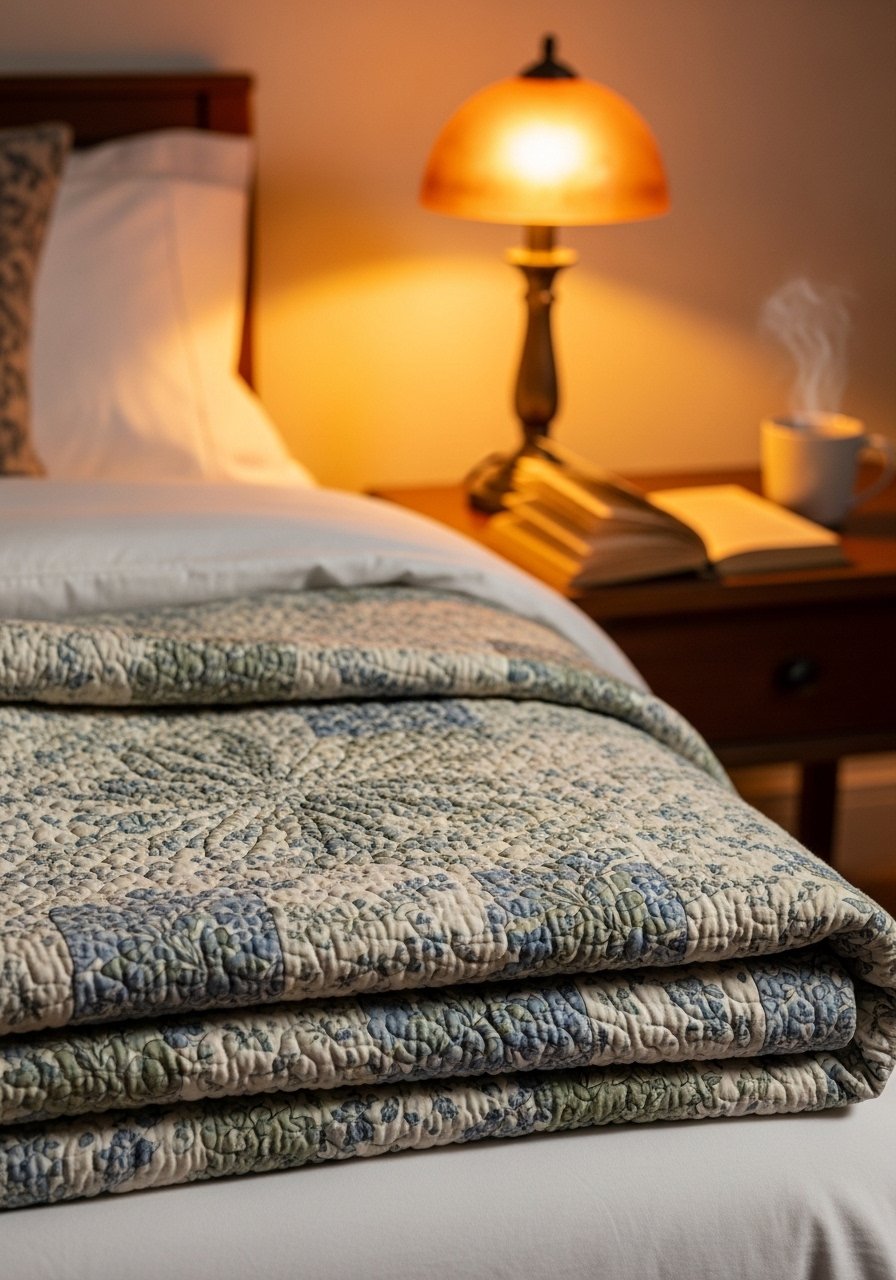
There is something about a reading nook with layered pillows that makes you want to cancel your plans. A small quilted throw looks expensive when you use a 60 x 45 inch size, cotton batting, and 1/2-inch binding. Use straight-line quilting 3 to 4 inches apart for a modern look. I buy cotton quilting bundles and a quilt-batting-45×60. A common mistake is skipping the pressing step. Pressing flattens seams and makes the binding sit like it was factory made. This works great on sofas and guest beds.
Fabric Storage Baskets with Stiffener for Entryways
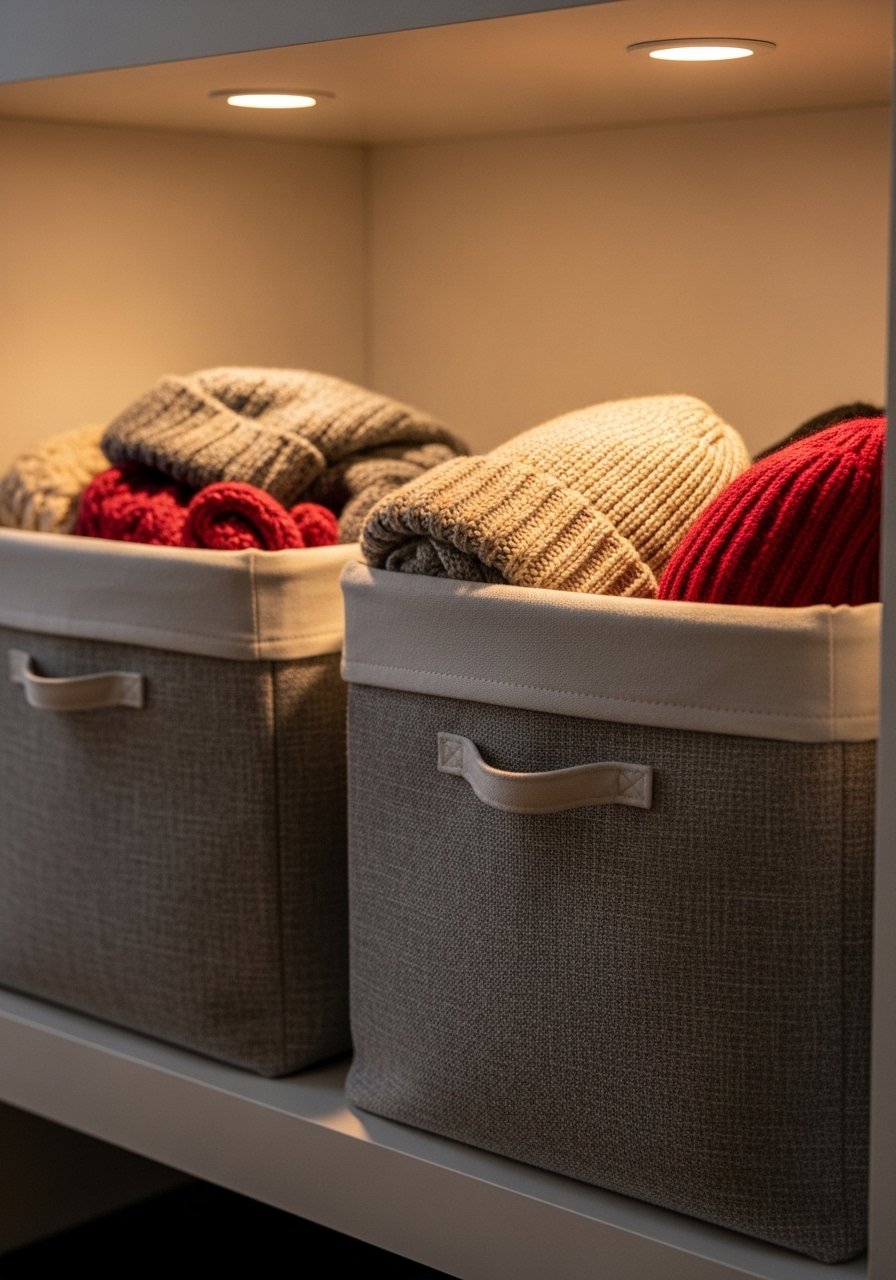
Entryways are where functional sewing makes the most impact. Make fabric storage baskets using upholstery fabric and fusible stiffener so they hold shape. A 12-inch square basket uses a 14-inch cut for seams and stiffener inside each panel. I used a fusible-interfacing-for-bags and a heavy canvas-upholstery-fabric. The feeling is controlled clutter, not chaos. People often skip boxed corners which leads to floppy baskets. Add a small inner pocket for keys to solve the drop-and-forget problem.
Pleated Linen Curtains to Add Height in Living Rooms
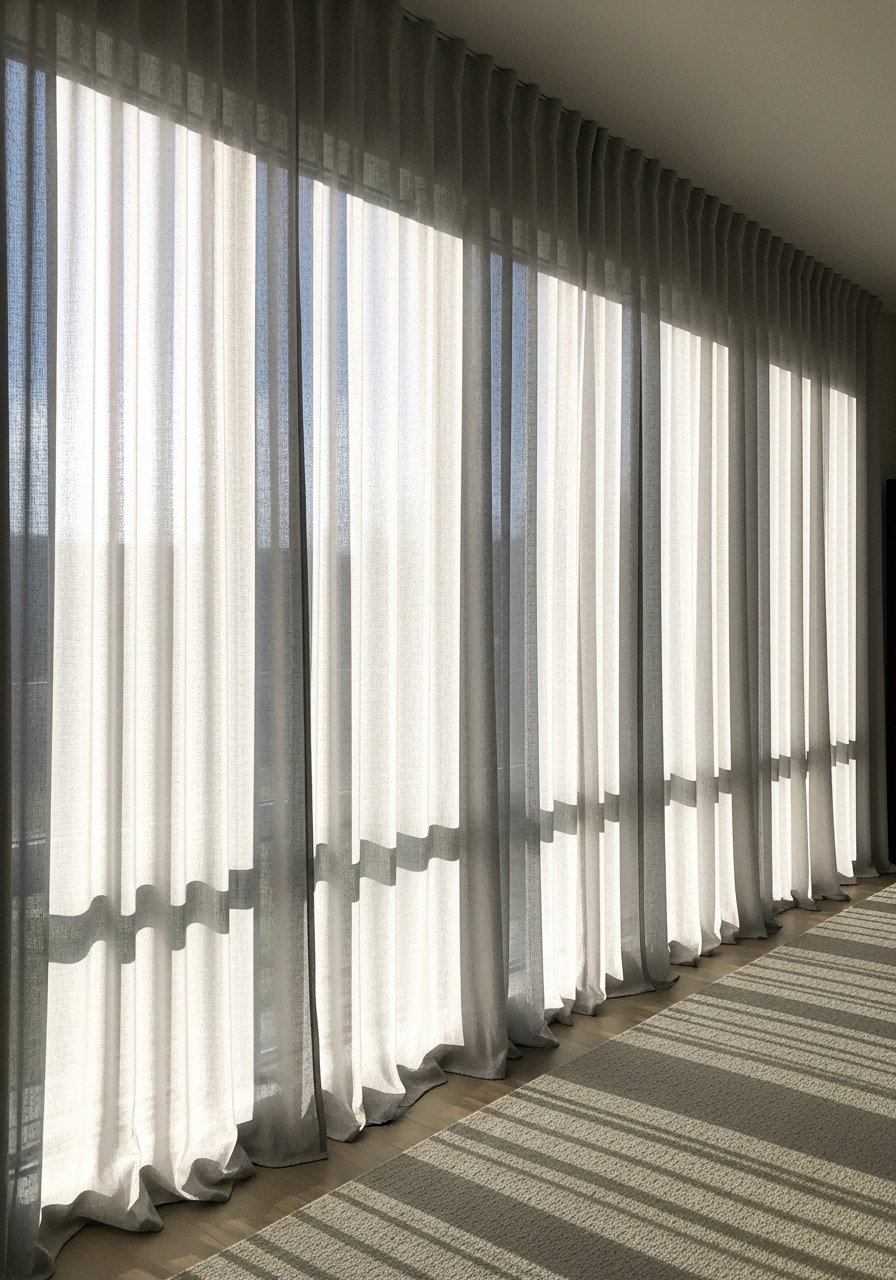
Most people hang curtains right at the window frame. That is why their rooms look shorter than they are. Hang curtains 4 to 6 inches above the frame and use 2 to 2.5 times the window width in fabric for full pleats. For a breezy look, use 96-inch or 108-inch linen panels like these linen-curtains-96-inch. I finish the hem with a 1-inch double fold and press every seam. The problem this solves is a cramped feeling in small rooms. Pair these with the Roman shade idea when you want both softness and light control.
Draft Stopper with Waxed Canvas for Doorway Style
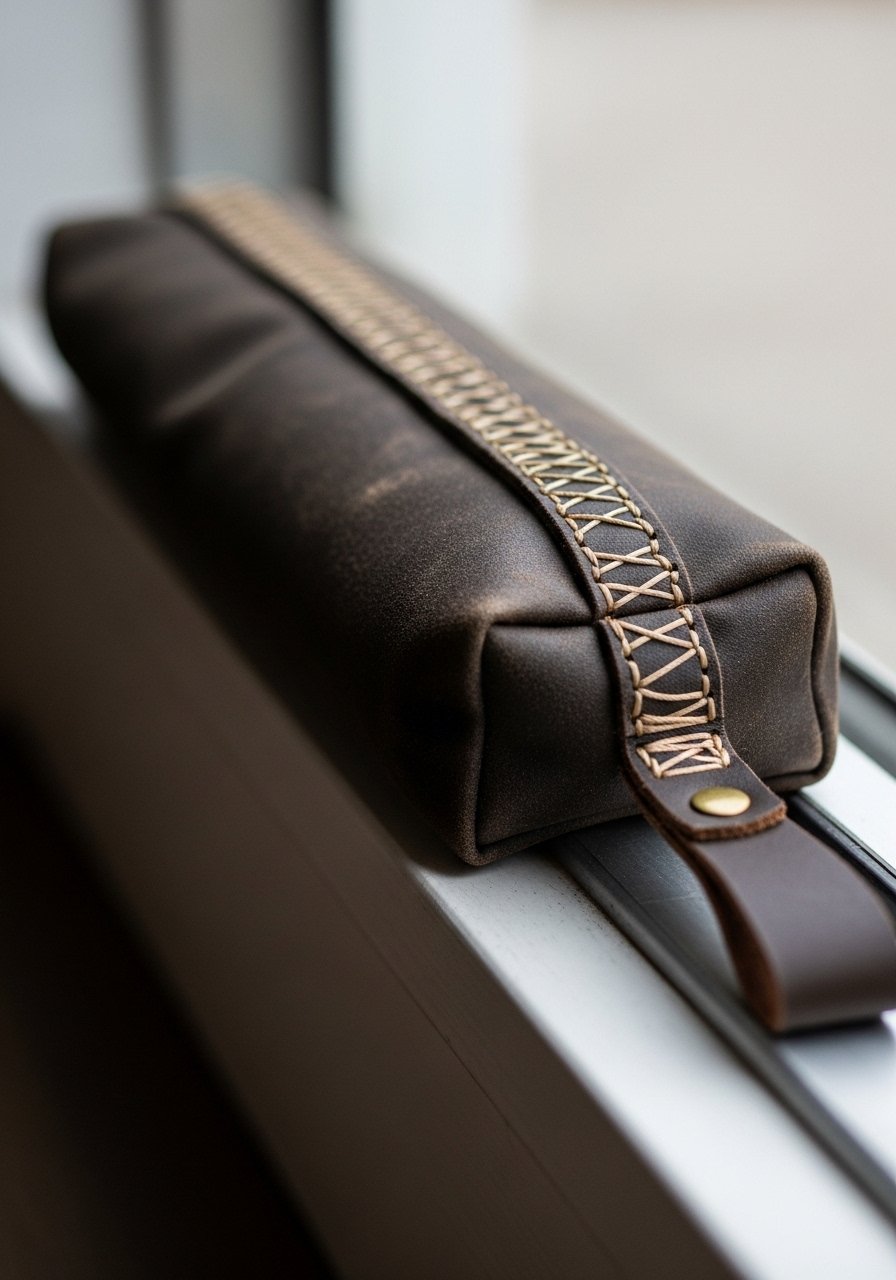
If your house has cold spots, sewn draft stoppers are practical and look intentional when made from waxed canvas. Cut a 36-inch tube, fill with sand mixed with rice for weight, and topstitch at 2-inch intervals to keep filling distributed. I used a waxed-canvas-fabric and a small leather-pull-tab-kit. Many people sew these too light and they slide. The weight matters. This fixes drafty doors and adds a tactile detail at entryways or back doors.
Hidden-Pocket Throw for Living Room Convenience
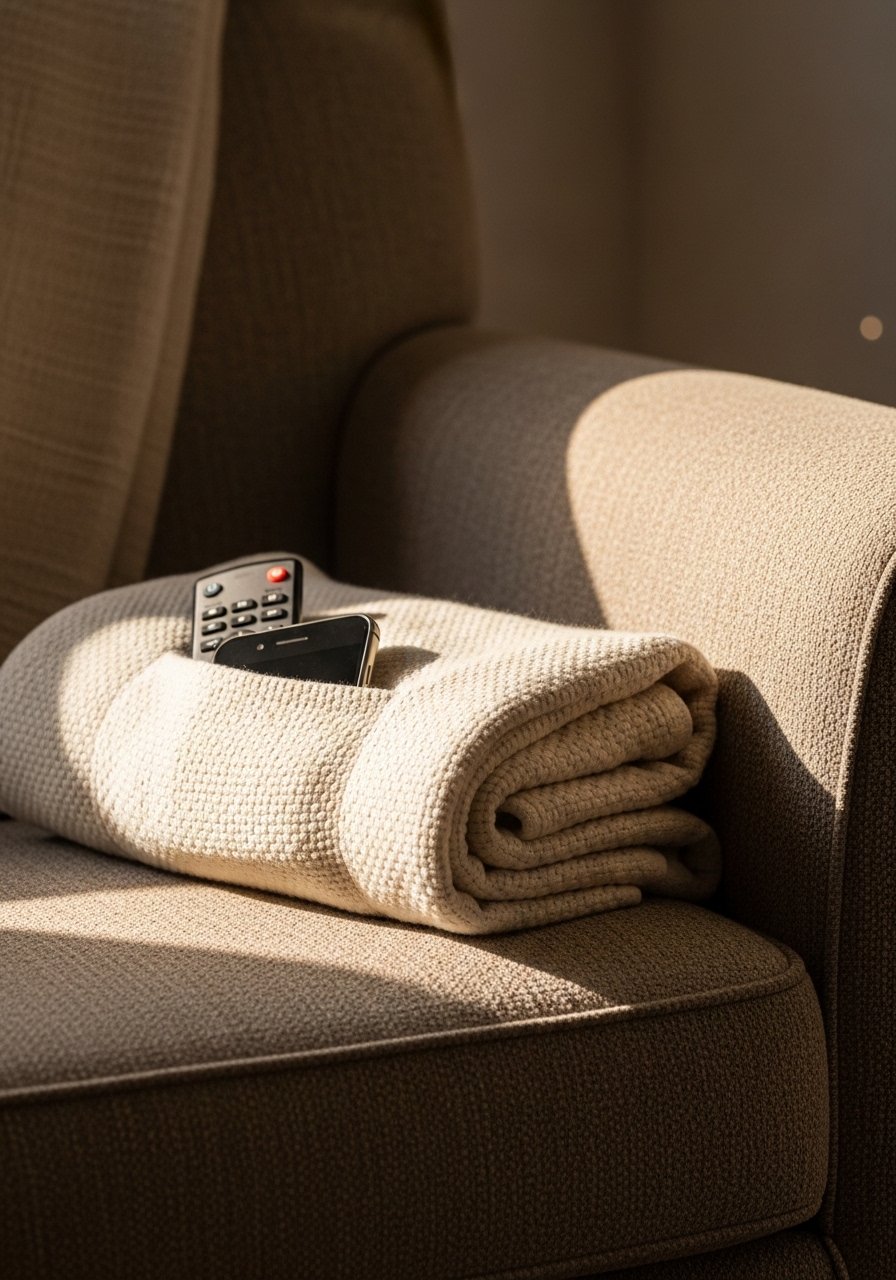
I hate hunting for the remote. Sew a hidden pocket into a throw so remotes and phones live in plain sight. Use a 20 x 20 inch throw and add a 6 x 8 inch pocket on the back, stitched 1/4-inch from the edge. Use a chunky-knit-throw-blanket-cream for the front and a cotton lining inside the pocket. The result is functional and tidy. The main mistake is making the pocket too small. Make it large enough for everyone to store a slim remote and a phone.
Chair Slipcover with Elastic Hem for Renter-Friendly Updates
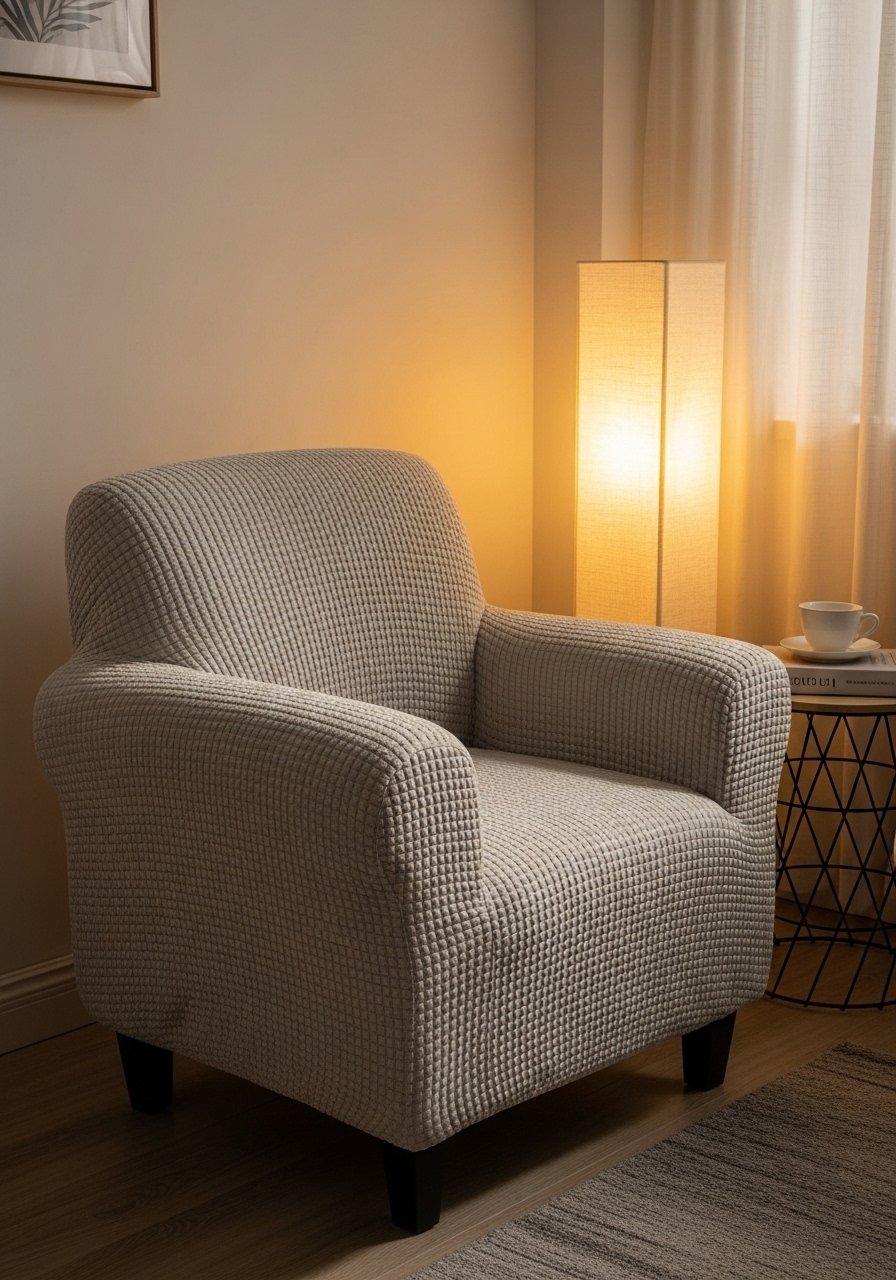
I paid more for a couch I could not recover and learned slipcovers are life. A renter-friendly slipcover with an elastic hem gives a tailored look without staples. Measure the widest point, add 4 inches for seams, and install elastic casing at the base for a snug fit. Stretch-slipcover-fabric works for most armchairs. People often cut fabric too short and then end up with folds. Leave extra length and pin before you stitch. These are great for pets and high-traffic living rooms.
Lampshade Re-covering for a Cohesive Lighting Scheme
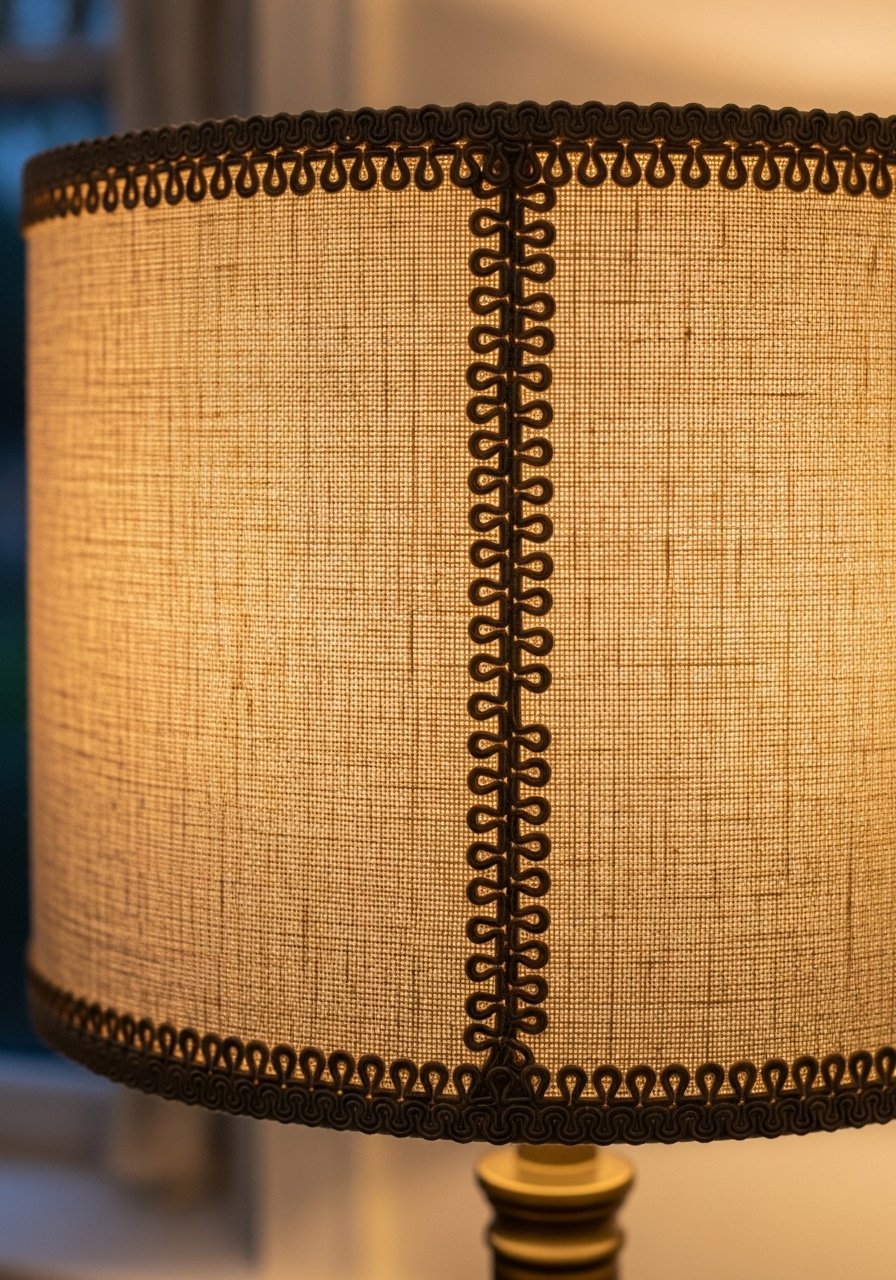
Switching a lampshade fabric can tie a room together for under $30. Measure the top and bottom circumference and the height. Use a lightweight fusible interfacing so the fabric smooths over the frame. I used a drum-lampshade-cover-kit and a neutral textured-fabric-sample. The common mistake is ignoring heat resistance. Avoid acrylics near bulbs and leave 1-inch gap at the top for airflow. This works well in living rooms and bedside spaces.
French-Seam Table Runner for Dinner-Ready Style
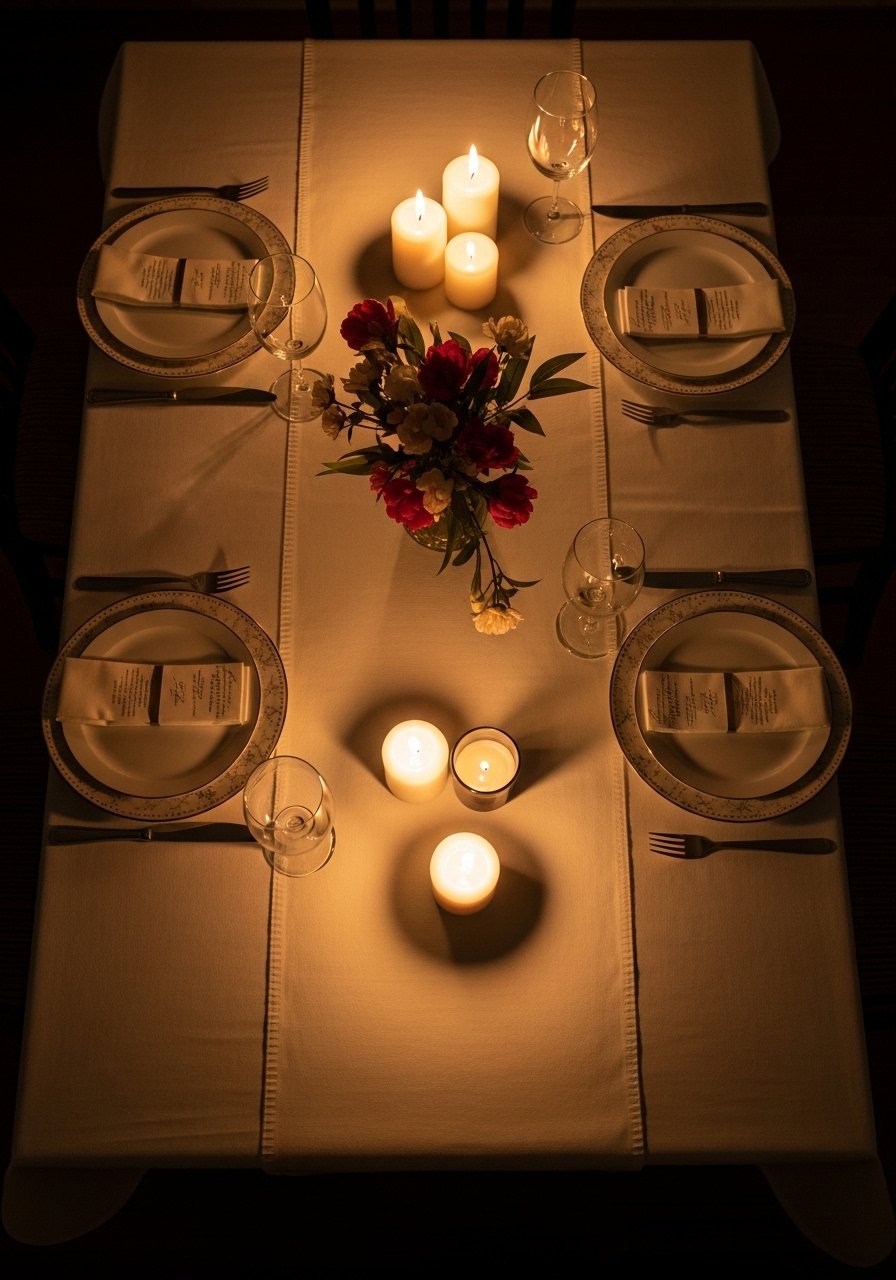
Dinner parties feel more intentional when the table has a sewn runner with clean seams. Use a 14 x 72 inch size for standard tables and finish with French seams so the inside looks tidy after spills and washing. I use a cotton-table-runner-fabric and press every seam flat. The specific detail that sells this is a 1/8-inch topstitch along the edge. People assume the top stitch is decorative. It also locks seams and prevents edge fraying. Works for holiday tables or everyday dining.
Upholstered Fabric Headboard with Pocket Detail
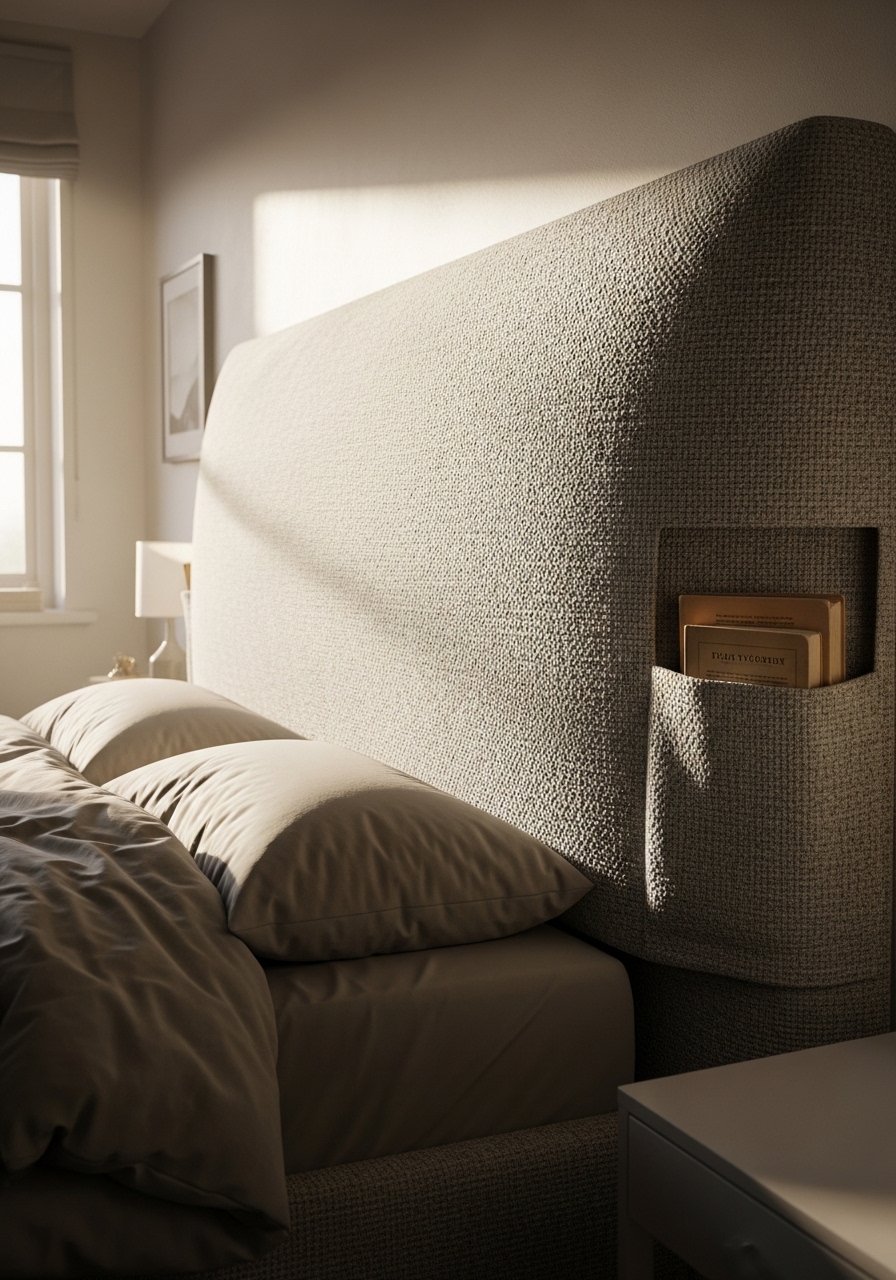
There is a low-effort way to make a bedroom feel finished. An upholstered headboard with sewn side pockets for books looks custom. Build a simple plywood frame, wrap with 2-inch foam, and cover with a tight-weave fabric. Add 6 x 8 inch side pockets on both sides at 24 inches above the mattress. I used upholstery-foam-2-inch-thick and a tight-weave-upholstery-fabric. A mistake people make is under-padding which shows staple lines. More foam equals cleaner curves. Pair this with the quilted throw idea for a layered bed.
Napkins with Mitered Corners for Everyday Dinner Style
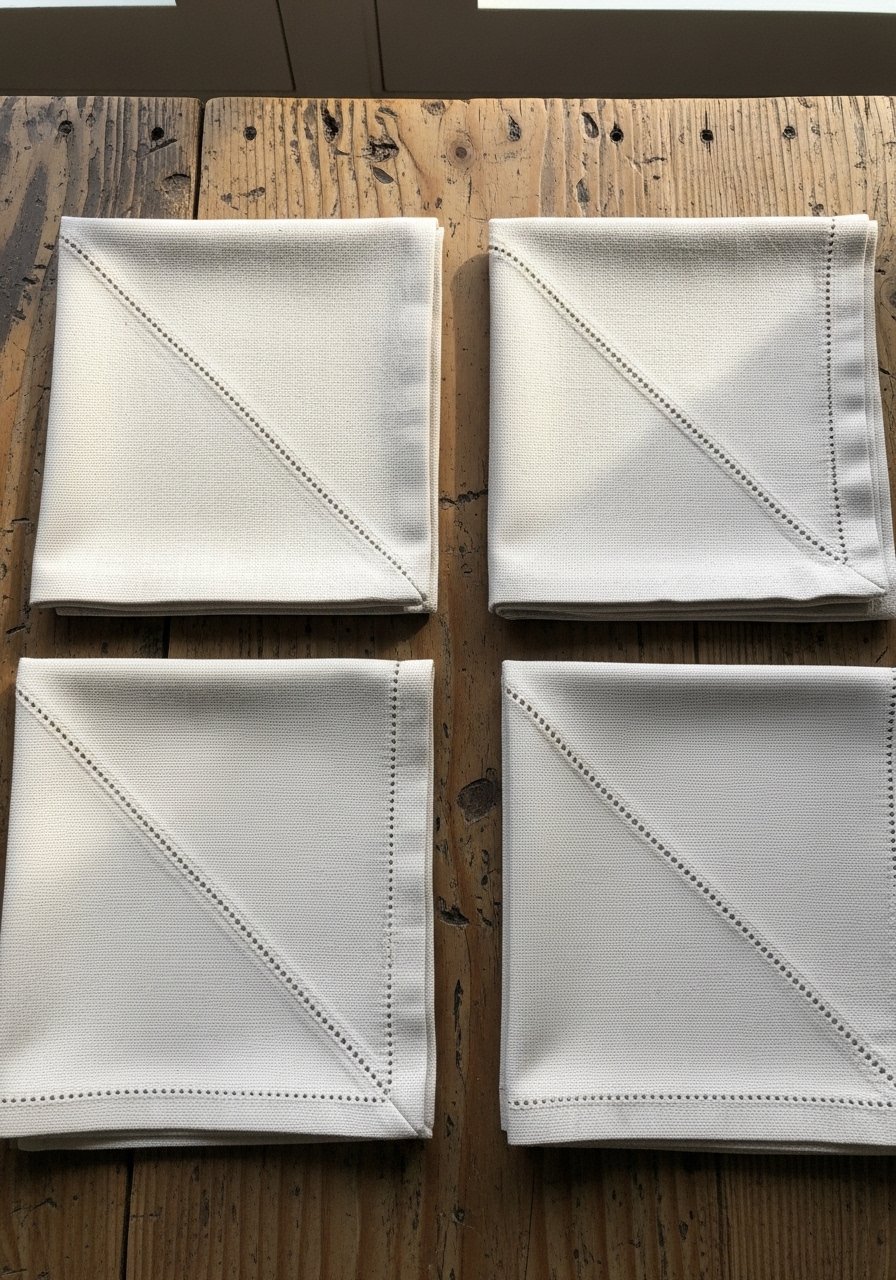
Small sewn details matter. Mitered corners on napkins look custom and are easy. Cut napkins 18 x 18 inches, mark a 1-inch fold, press, then fold again and stitch close to the edge. Use a linen-cotton blend like this linen-cotton-napkin-fabric. The specific rule I use is 1-inch finished hem for napkins to handle repeated washing. People often do a raw edge or a narrow hem that warps. Keep corners square and iron after each wash. Works for dinner tables and picnic sets.
Your Decor Shopping List
Textiles
- Honestly the best $40 I have spent. Velvet pillow covers, set of 2 22-inch with piping options
- Chunky knit throw in cream (~$35-55). Drape over the sofa arm for instant warmth
- Linen curtains 96-inch panels (~$30-50 per panel), similar at Target
Wall Decor and Soft Furnishings
- Drum lampshade cover kit for easy lamp updates
- 8×10 jute area rug neutral base for living rooms
Sewing Supplies
- Invisible zipper kit and zipper foot essential for pillow covers
- Piping cord and bias tape set for that boutique edge
- Fusible interfacing for bags for baskets and shades
- Upholstery foam 2-inch thick for cushions and headboards
- Waxed canvas fabric for durable draft stoppers
Budget Finds
- Brass picture ledges (~$18-25), great for swapping art without new holes
- Quilt batting 45×60 small throw projects
Shopping Tips
White oak beats dark wood in 2026. Design feeds have shifted completely. These white oak floating shelves look current, not dated.
Grab velvet-pillow-covers for $20 each. Swap them seasonally and your sofa feels changed without a heavy investment.
Curtains should puddle or kiss the floor, never hang halfway up. These 96-inch linen panels are right for standard 9-foot ceilings.
Everyone buys five small succulents. One single 6-foot fiddle leaf fig has ten times the visual impact.
Buy a good zipper foot and invisible zipper kit. Small tools make sewn projects look pro. Zipper-foot-and-kit under $15 will save you headaches.
Frequently Asked Questions
Q: Can I mix boho textiles with modern furniture without it looking messy?
A: Yes, if you stick to an 80/20 color ratio and use the rule of three for textures. Pair one patterned throw, one solid velvet, and one knitted piece. Use neutral anchors like a jute rug or linen curtains to keep it cohesive.
Q: What size rug do I actually need for the layered rug look?
A: Bigger than you think. For a standard living room, go 8×10 minimum so at least the front legs of the sofa sit on the rug. If you layer, let the top rug be two-thirds the size of the bottom one for balance.
Q: How tight should I sew my pillow covers for that professional plump look?
A: Leave covers 1 to 2 inches smaller than the insert size. For an 18-inch insert, sew the cover to 16 or 17 inches. It sounds counterintuitive but that slight compression fills the corners and avoids sag.
Q: Can I use faux fabrics for headboards and still get a luxe feel?
A: Yes. Choose tight-weave synthetics that mimic texture and add a little foam. Topstitch edges and add welt or piping for a tailored finish. Avoid shiny plastics that read cheap.
Q: What common sewing mistake ruins a DIY Roman shade?
A: Skipping interfacing and incorrect ladder tape placement. Use medium-to-heavy fusible interfacing and place ladder tape evenly, 8 to 10 inches apart, so folds stack neatly.
Q: How do I keep my DIY napkins crisp after washing?
A: Use a linen-cotton blend and press while damp. Fold and store flat. A 1-inch finished hem and mitered corners will resist fraying and maintain a sharp edge.