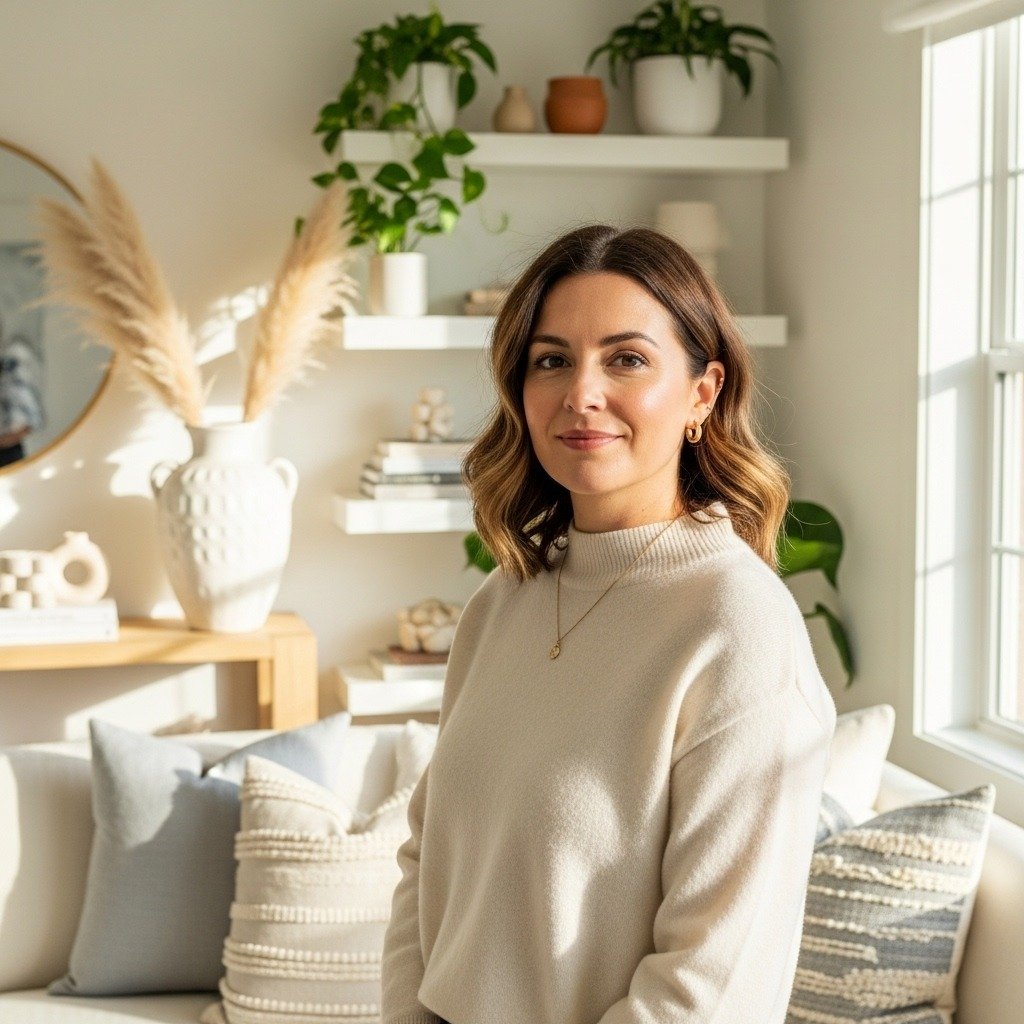
I had a living room that looked like I was trying too hard. I kept adding pieces because empty space made me nervous. Lamps, trays, more plants. It ended up cramped and tired. The moment I pulled everything back and left a third of the surfaces empty, the room finally breathed.
I tried matching everything and then tried matching nothing. Both felt wrong. What actually worked was accepting white space, choosing a small set of tactile materials, and placing things with gentle rules so the room reads calm without feeling cold.
Step 1: Pick one soft neutral palette and one contrasting accent
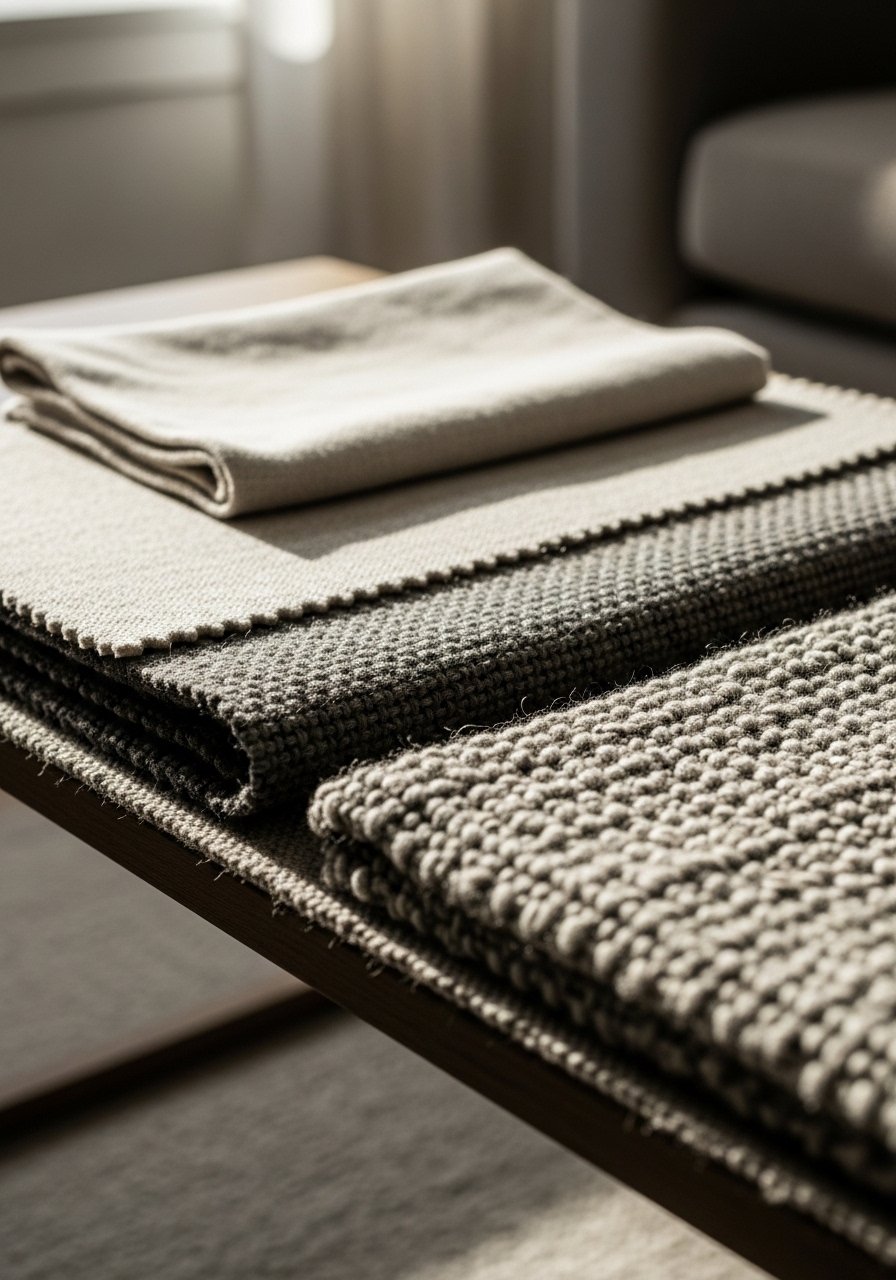
Start by limiting color. I picked warm whites, a mid gray, and one soft clay accent. That tiny limit makes decisions easier. Lay out three swatches and live with them on the sofa for a day. If you move to the couch and it still feels good after a meal, it will work at night.
Mistake to avoid: swapping every pillow for a new color while keeping the same textures. Insight people miss, texture reads as color from across the room. Linen feels cool to the touch and light, boucle is nubby and traps crumbs, jute is rough underfoot and grounds the space. Keep one accent color at about 10 to 20 percent of the visible surfaces. I used a clay vase as my single accent and it tied everything together.
Step 2: Anchor the room with the right rug and furniture layout
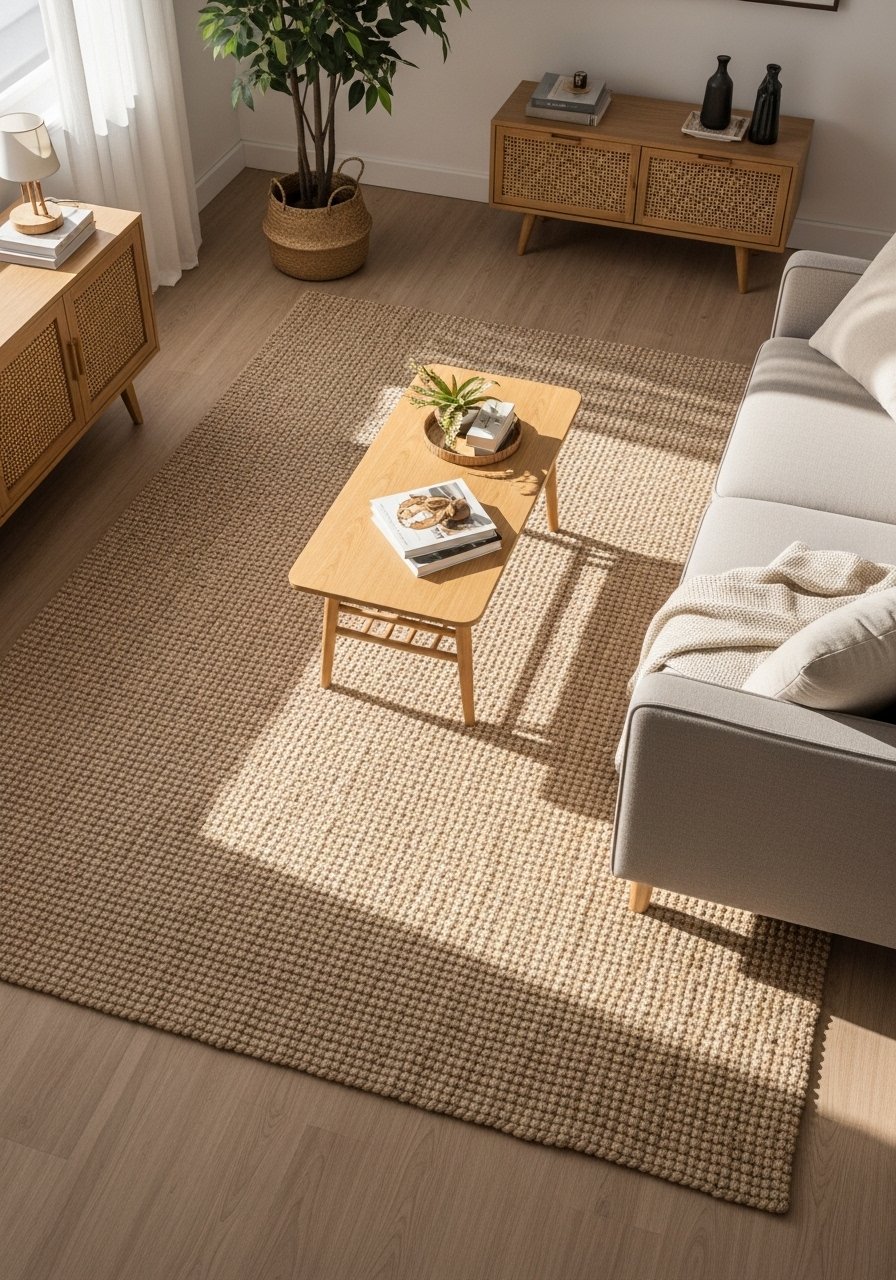
A rug that is too small makes a room feel floaty. Use a rug large enough for at least the front legs of the seating to sit on it, 8×10 for a typical living room or 5×8 for a small seating area. Place the sofa so there is a walk path of about 28 to 36 inches between it and other furniture.
Common mistake, people buy tiny rugs to save money and then feel the layout is off. Insight, having the furniture anchored to a single plane makes the room feel intentional. I learned this after three different rug returns. The right rug size makes everything look measured, even if the rest is simple.
Step 3: Edit surfaces using a 2-to-1 object size ratio
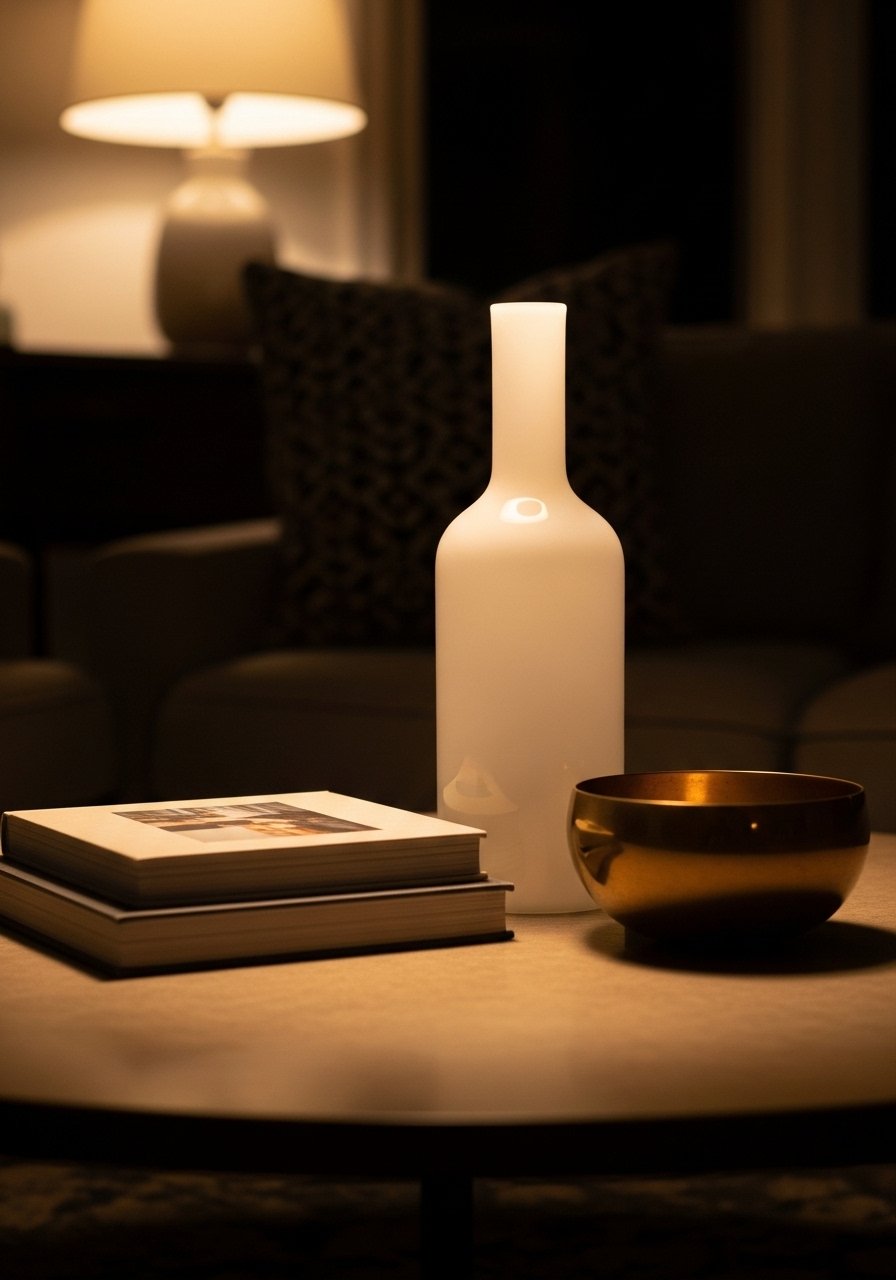
When styling a table or shelf, aim for two large objects to every small one. I use a tall matte ceramic vase and a low bowl, plus one small sculptural object. Leave about 30 to 40 percent of the surface empty so the items have breathing room. That empty space is the design, not a sign you gave up.
A mistake I made often was centering everything symmetrically. Asymmetry reads more modern. My partner hated the off-balance setup at first. After a week he admitted it looked better. If you need a quick swap, add a small live plant to one side and a book stack to the other.
Step 4: Layer lighting and keep hardware minimal
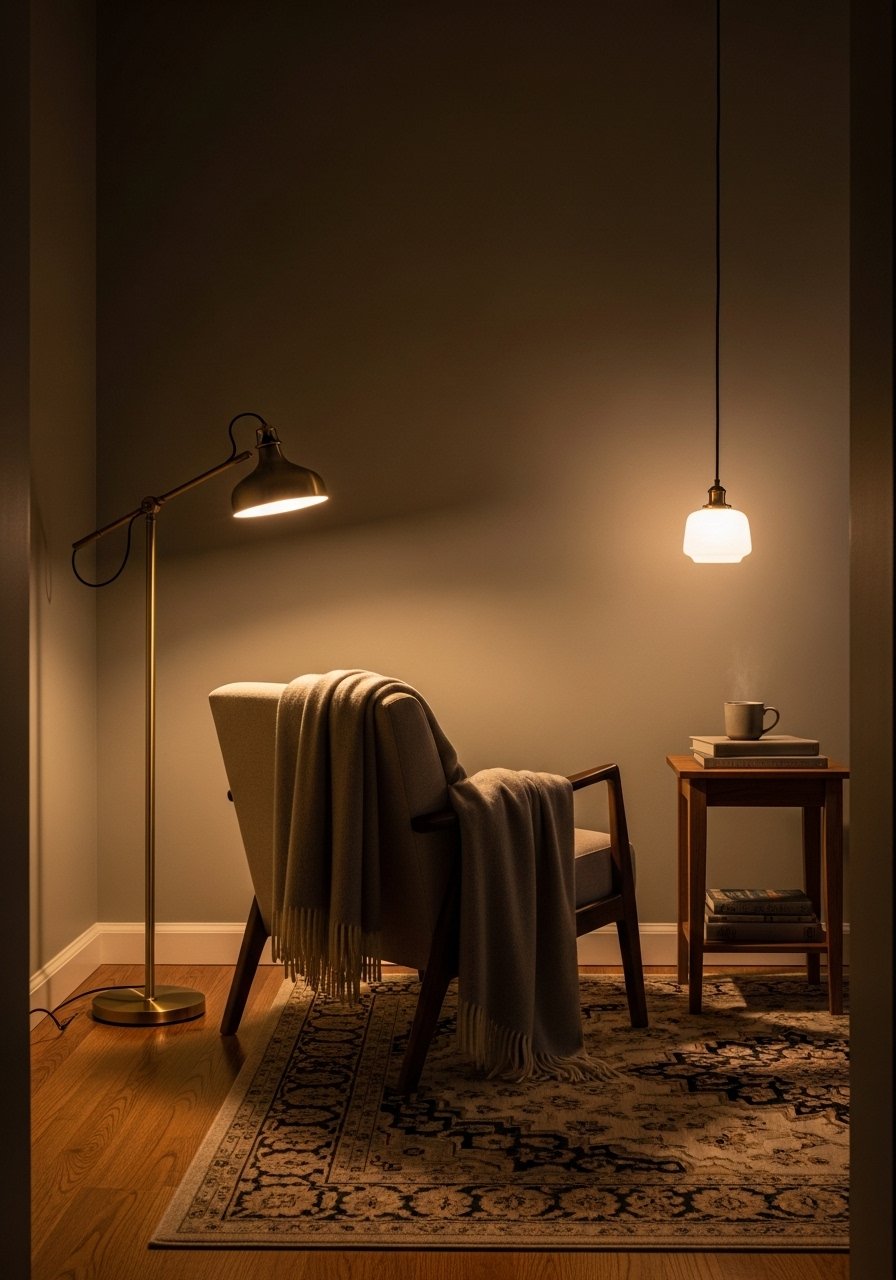
Natural light is the best friend of minimalism, but layered lamps create depth when daylight is low. Use one floor lamp, one table lamp, and overhead light if needed. Choose finishes that are warm metal or matte black and keep the shapes simple. A lamp with a thin stem and a soft fabric shade feels lightweight and modern.
People often over-light and then hide lamps. The trick is to place lamps where they are useful and visible. I learned this after moving a lamp three times in a week. Keep switch access in mind, and use warm bulbs so the room reads cozy instead of flat.
Step 5: Live with it, tweak over a week, then stop fiddling
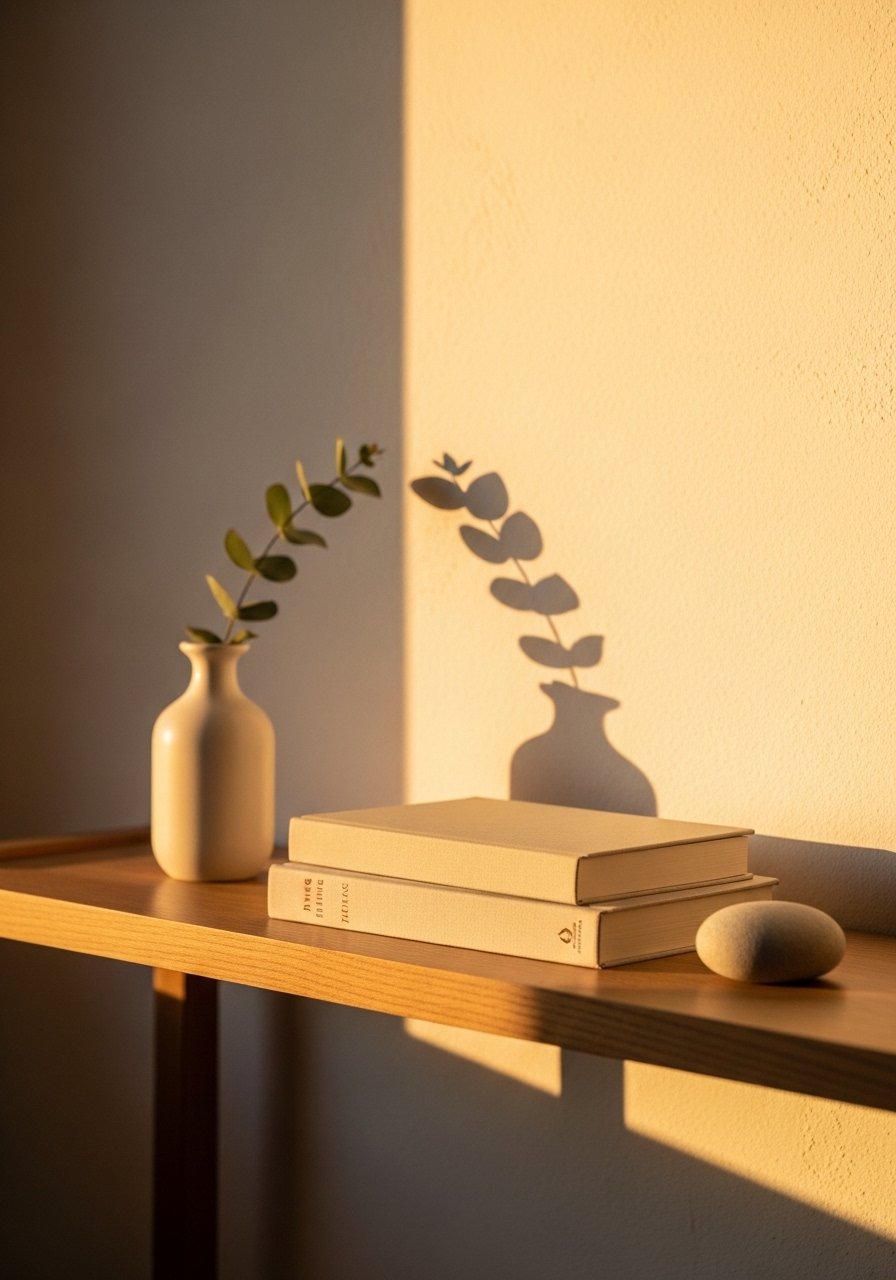
Put everything back slowly and then walk away. I promise this will feel wrong at first. Give it two to three days and then adjust one item only. The worst habit is to keep changing multiple pieces at once. You will know when a spot is done because the room will look calm from the doorway.
A small failure I still laugh about, I swapped out a pillow every day for a week. Nothing settled. Once I left a single textured throw in a neutral tone, the whole sofa read complete. One practical ratio to keep in mind, use two larger pieces to one smaller piece on any surface. That rule saved me a lot of indecision.
What to Grab for Your Modern Minimalist Room
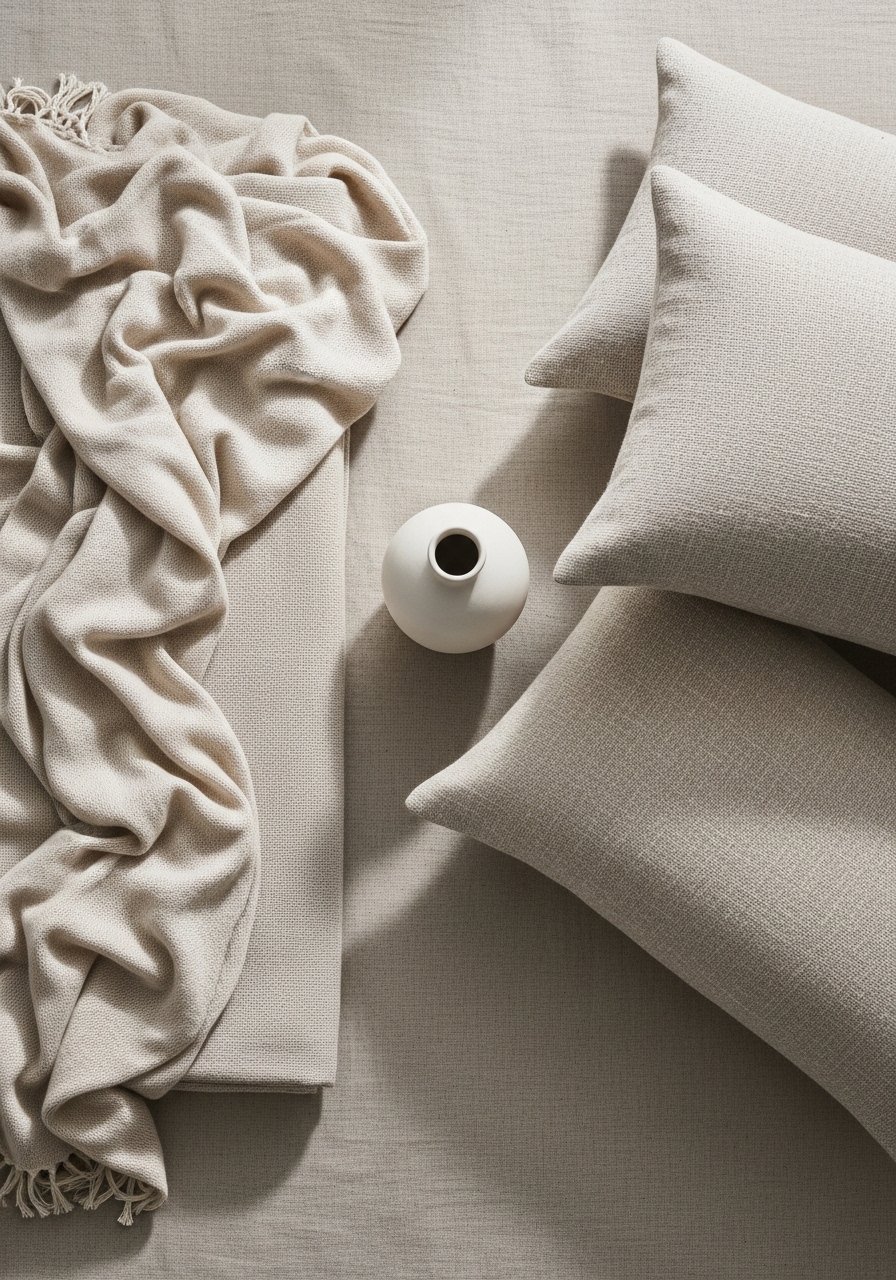
- Chunky knit throw in oatmeal, 50×60 ($40-65). I keep one on the arm of every sofa I own. Used in Step 5.
- Linen duvet cover in sage green, queen ($70-110). The texture alone changes a bedroom. Swap whites for this if you want a touch of color.
- Brass picture ledges, 24-inch ($18-30). Worth every penny for an easy gallery fix. Used for asymmetry in Step 3.
- Jute area rug, 8×10 ($90-160). Neutral and grounding. Matches Step 2.
- Ceramic vase set, matte white, set of 3 ($25-40). For height variation on tables and shelves. Used in Step 3.
- Boucle accent chair, cream ($180-350). A tactile focal point but it does catch crumbs. Mentioned in Step 1.
- Linen pillow covers, 20×20, set of 2 ($24-40). Cool to the touch and easy to wash. Used across Steps 1 and 5.
- Arch floor lamp, brass finish ($70-140). Slim profile for layering light. Used in Step 4.
Similar options are often available at Target or HomeGoods if you want to touch materials in person.
Why Your Minimal Room Still Feels Empty
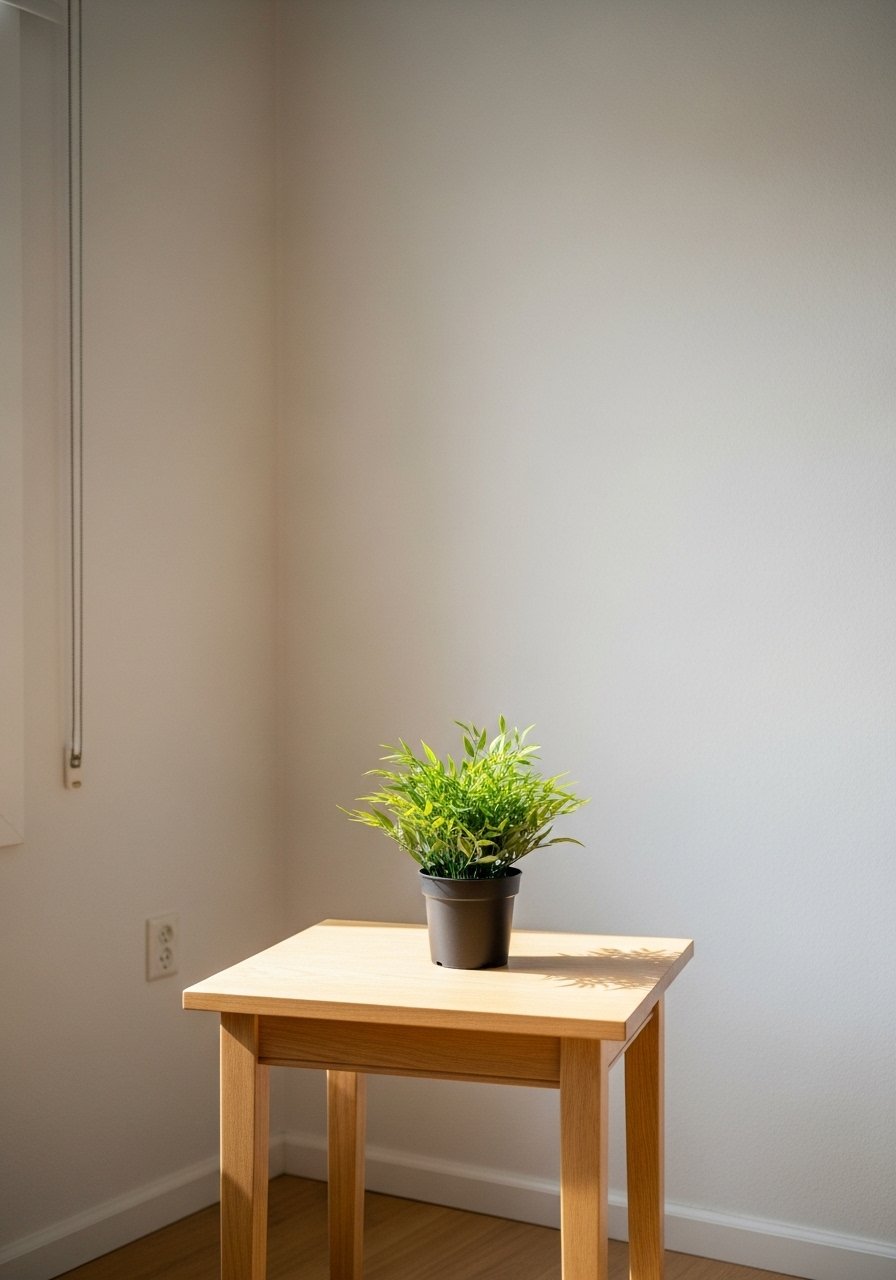
You may have stripped too much. Minimalism is about intention, not absence. If a room feels empty, check scale first. Too-small art or a rug that does not anchor seating creates a hollow feel. Add one item with weight, like a wooden coffee table or a textured chair. Another common slip is using only flat finishes. Mixing matte ceramics, nubby textiles, and warm metal prevents a flat look. If you are unsure, add one tactile item and live with it for a week.
Making This Work in a Small Room
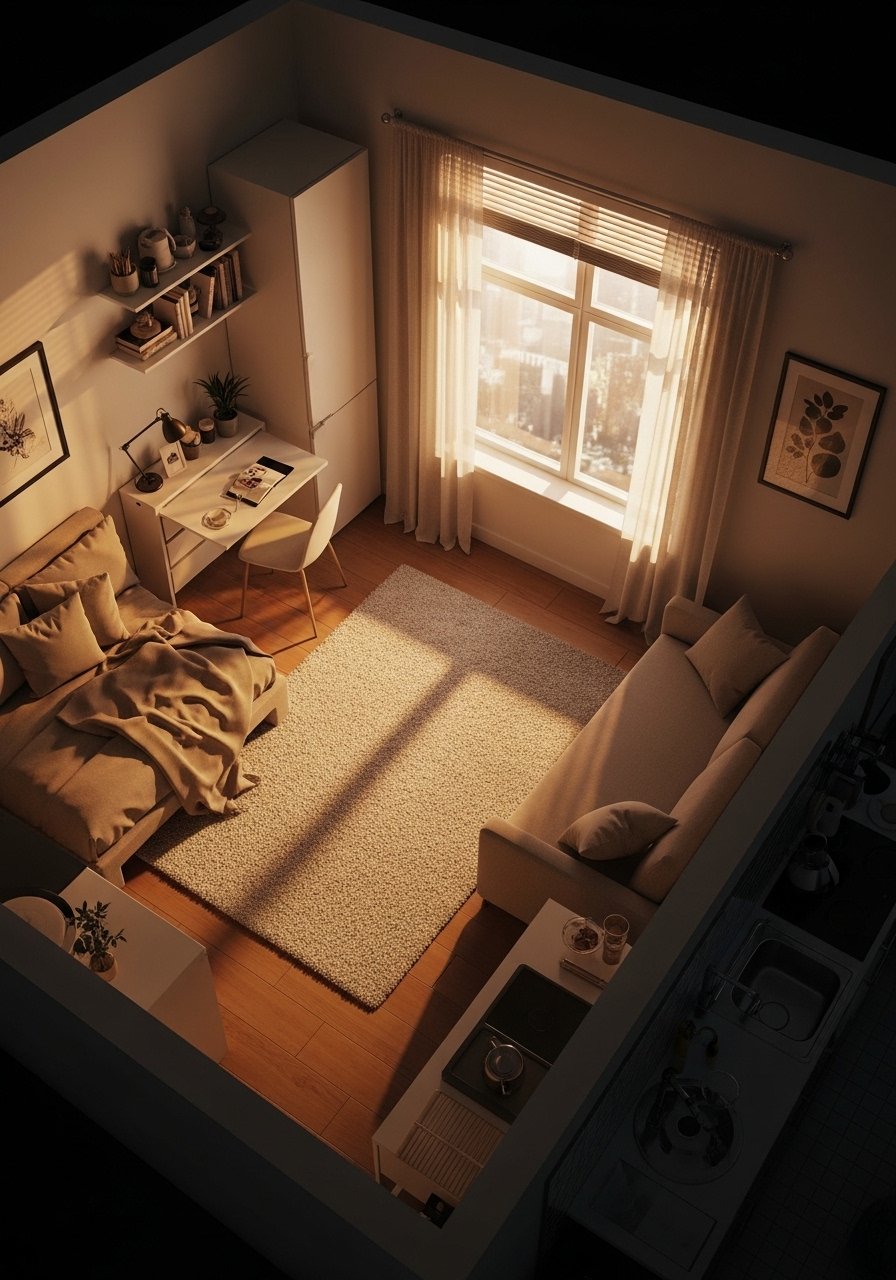
Small rooms need fewer rules, not more furniture. Use a 5×8 rug that fits the front legs of the seating. Choose multipurpose furniture, like a slim console that doubles as a desk. Keep vertical storage minimal to avoid visual clutter. I use open shelves with 30 to 40 percent empty space, then group objects in 2-to-1 size ratios. If you rent, try removable picture ledges instead of heavy frames.
What This Looks Like After a Week of Real Life
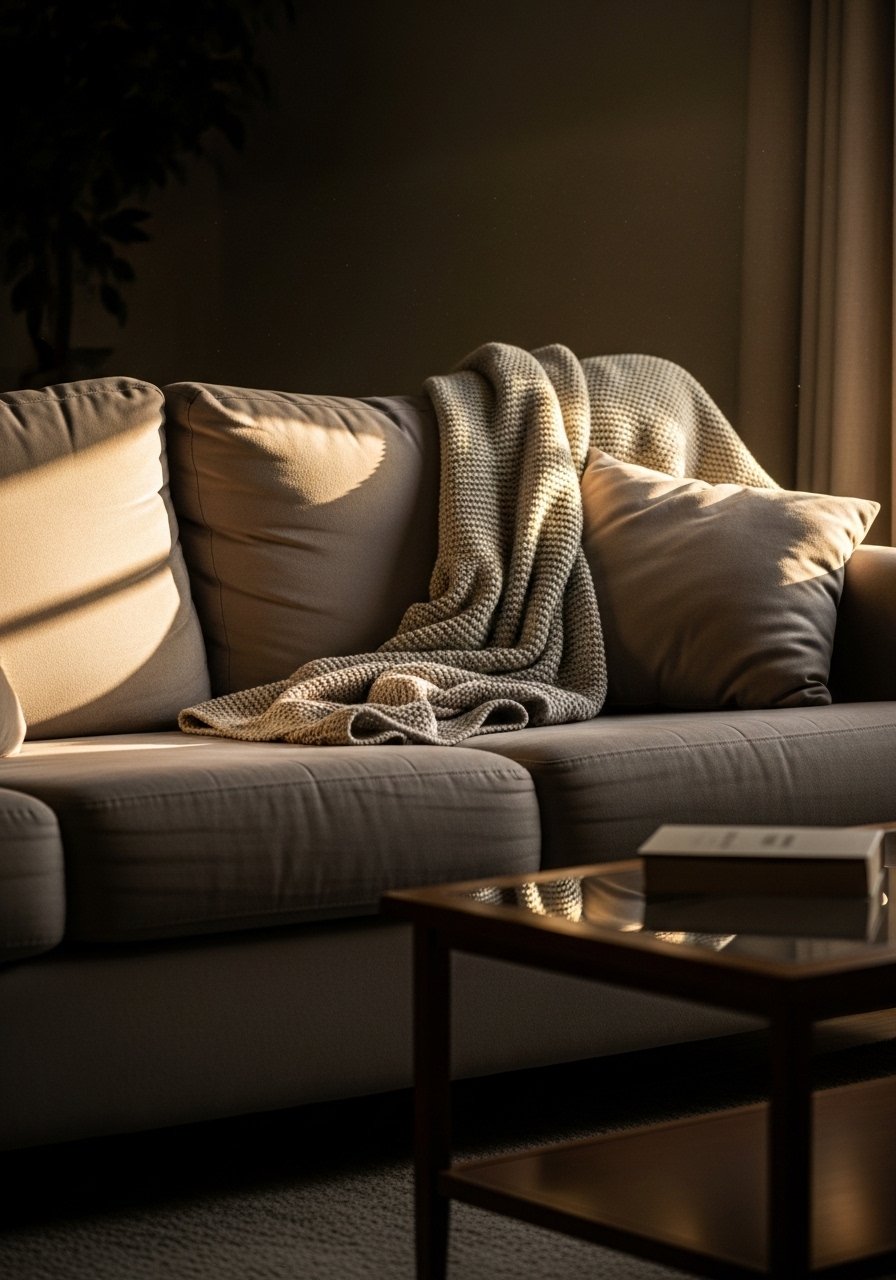
After a week, a good minimalist room looks used but calm. The throw may be slightly askew, the vase will have a few stems in it, and the lamp will be in its normal spot. If something gets knocked over often, move it or replace it with a sturdier piece. My rule, if an item causes more fuss than joy after three days, it goes. The living result should feel easy to maintain and comfortable to sit in.
Start with One Corner
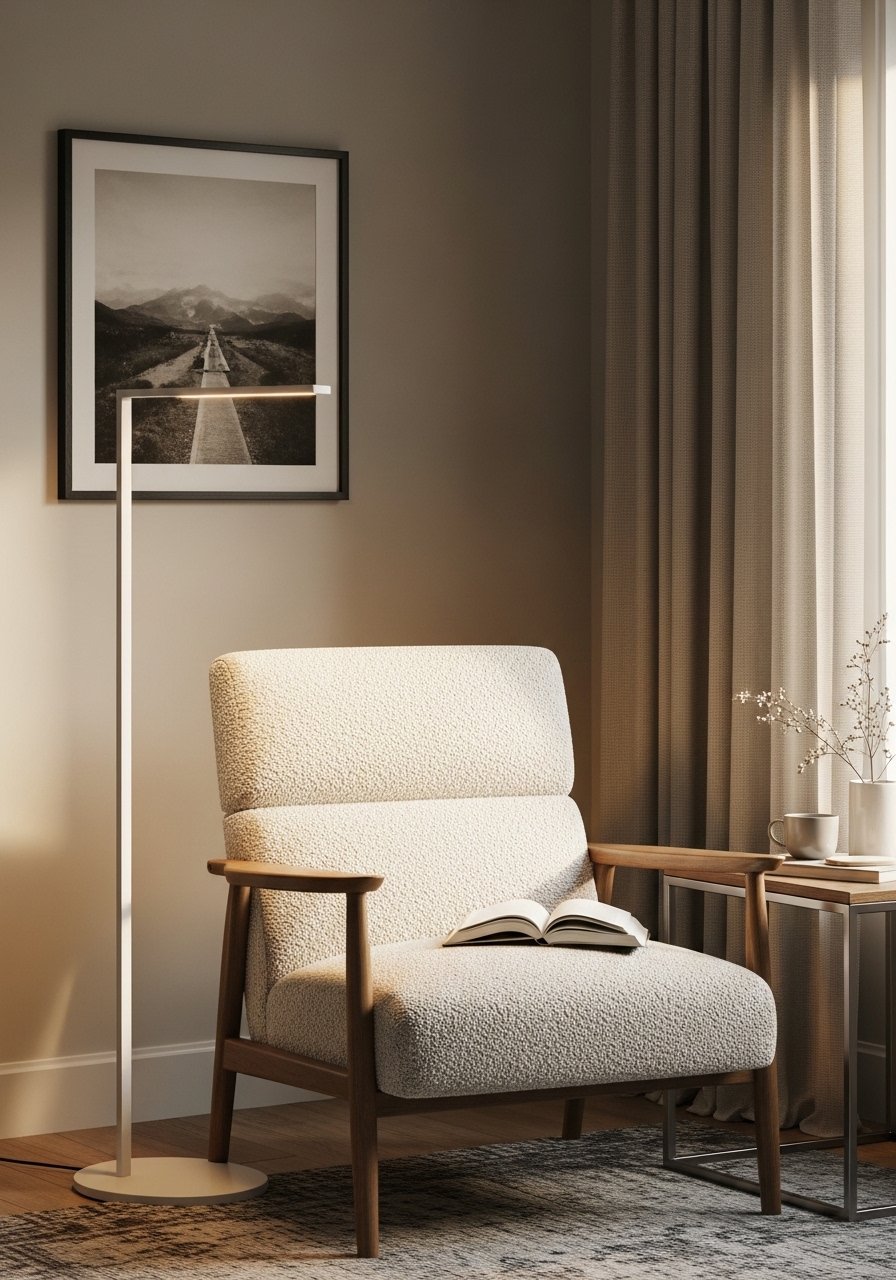
Pick one corner and apply the rules: limit your palette, add an anchor rug or chair, place one lamp, and style the side table with a 2-to-1 object ratio. Edit until about a third of the space is empty, then stop fiddling. If you want a low-stakes starter, try the chunky knit throw from the shopping list. My corner took three tries to land, but once it did I stopped rearranging every weekend and actually used the room.