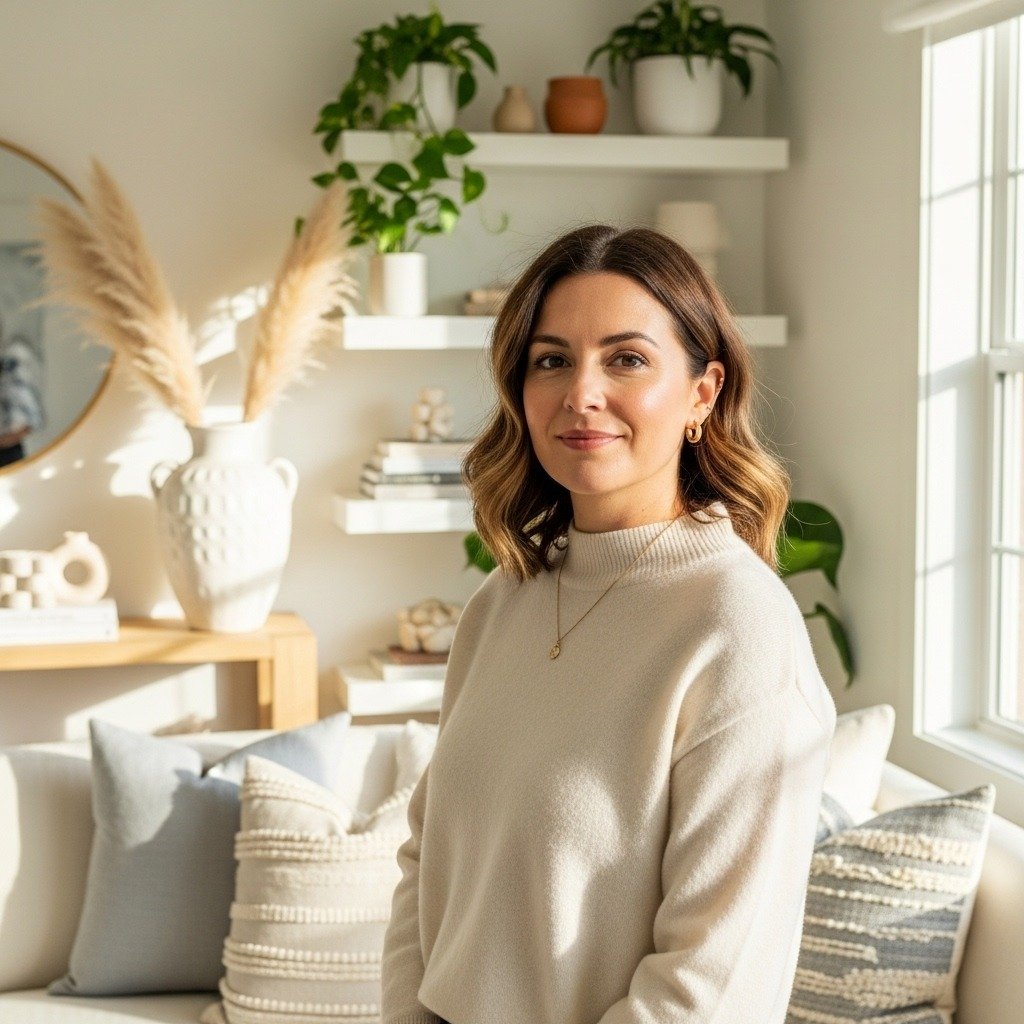
I used to think more light meant brighter, cleaner rooms. Instead my first living room felt like a hospital waiting room, all overhead and harsh. I tried bigger lamps, then more lamps, until everything looked crammed and wrong.
What finally worked was thinking about glow, not brightness. I learned to treat lighting like furniture, placing it, leaving air around it, and dialing warmth so rooms feel like you can sink into them. My first two attempts looked like themed store displays. The third time, when I slowed down and added dimming and a single pendant, the room actually invited me to stay.
Step 1: Start by reading the room and picking an anchor light
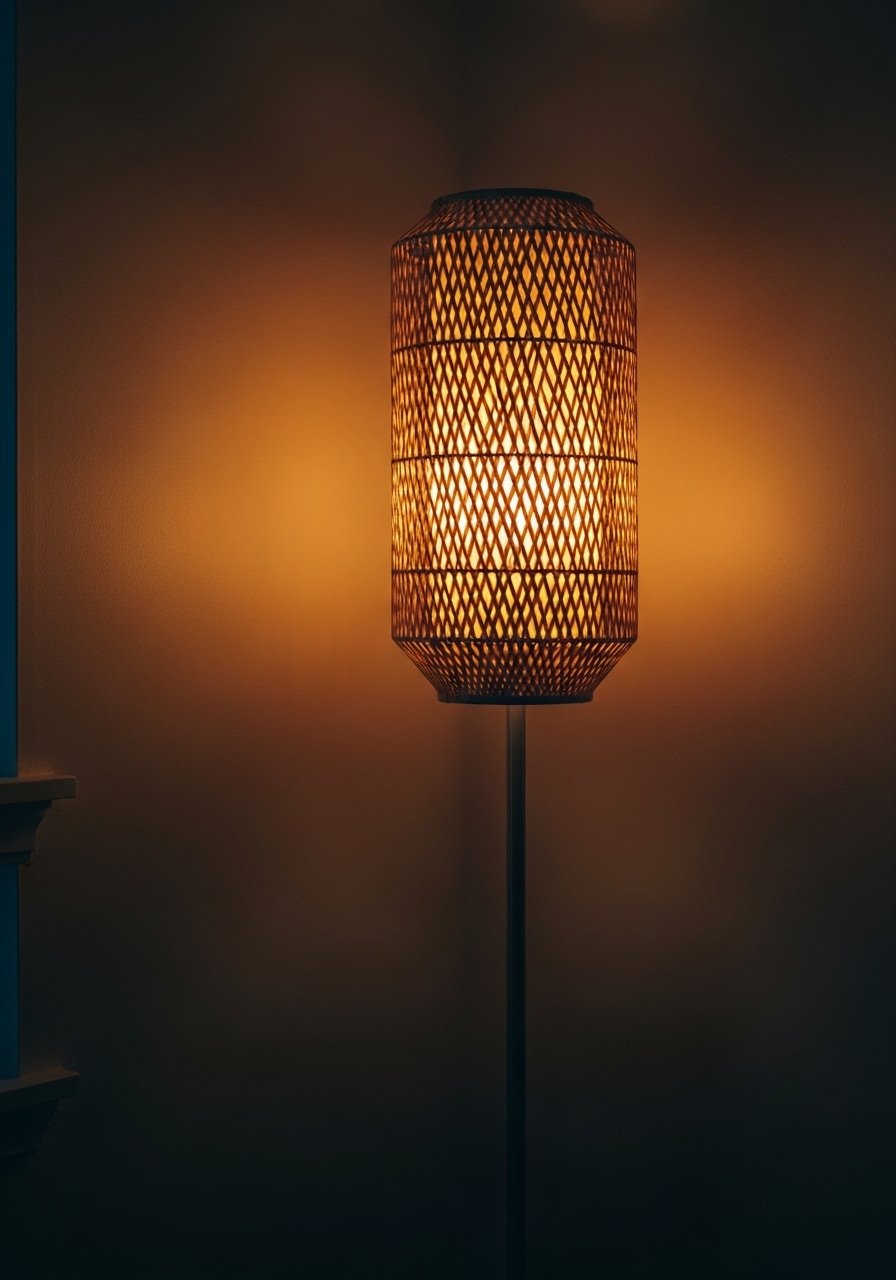
Walk the space and sit in it, the way you'll actually use it. If your ceiling is 8 feet, a floor lamp about 5 to 6 feet tall usually reads in scale. Common mistake is grabbing tiny lamps for big sofas, which makes the sofa feel unmoored. Anchor one side of the room first, then add. I once put two identical table lamps on one side and left the other side dark. It felt lopsided for weeks before I fixed it with a taller lamp that gave a soft vertical glow. The result should feel grounded, not explained.
Step 2: Layer in three types of light, and aim for a 60/30/10 balance
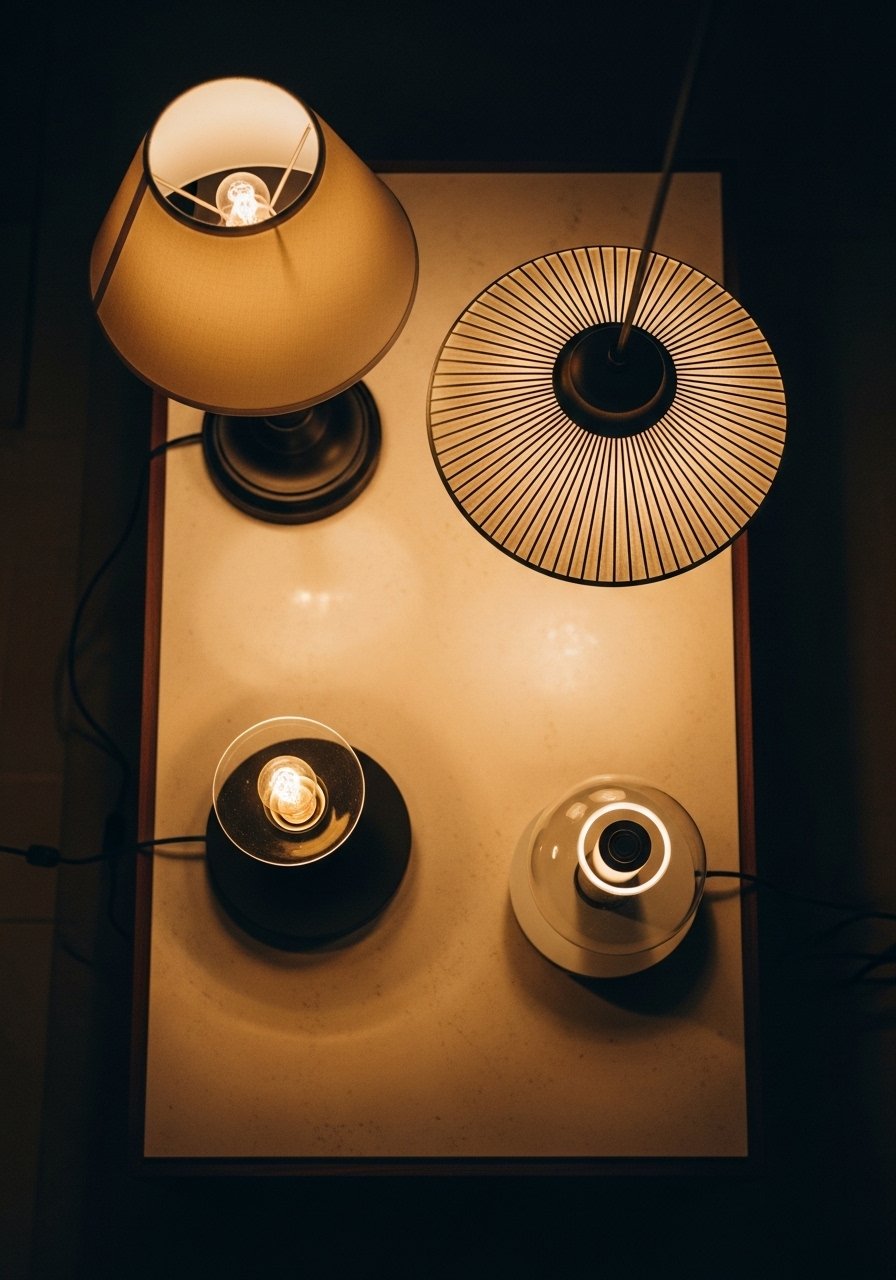
Ambient light for general glow, task light for reading or working, and accent light to highlight texture or art. Try a rough brightness split of 60 percent ambient, 30 percent task, 10 percent accent. A common mistake is lighting only the center of the room, leaving corners flat. I used to do that. Once I added a task lamp near the armchair and a small uplight by the shelves, the space read layered and calmer. The textures then show up, the knit throw looks more inviting, and the ceramic vase gets a little shadow that makes it feel solid.
Step 3: Choose bulbs that actually feel warm, 2700K to 3000K works best
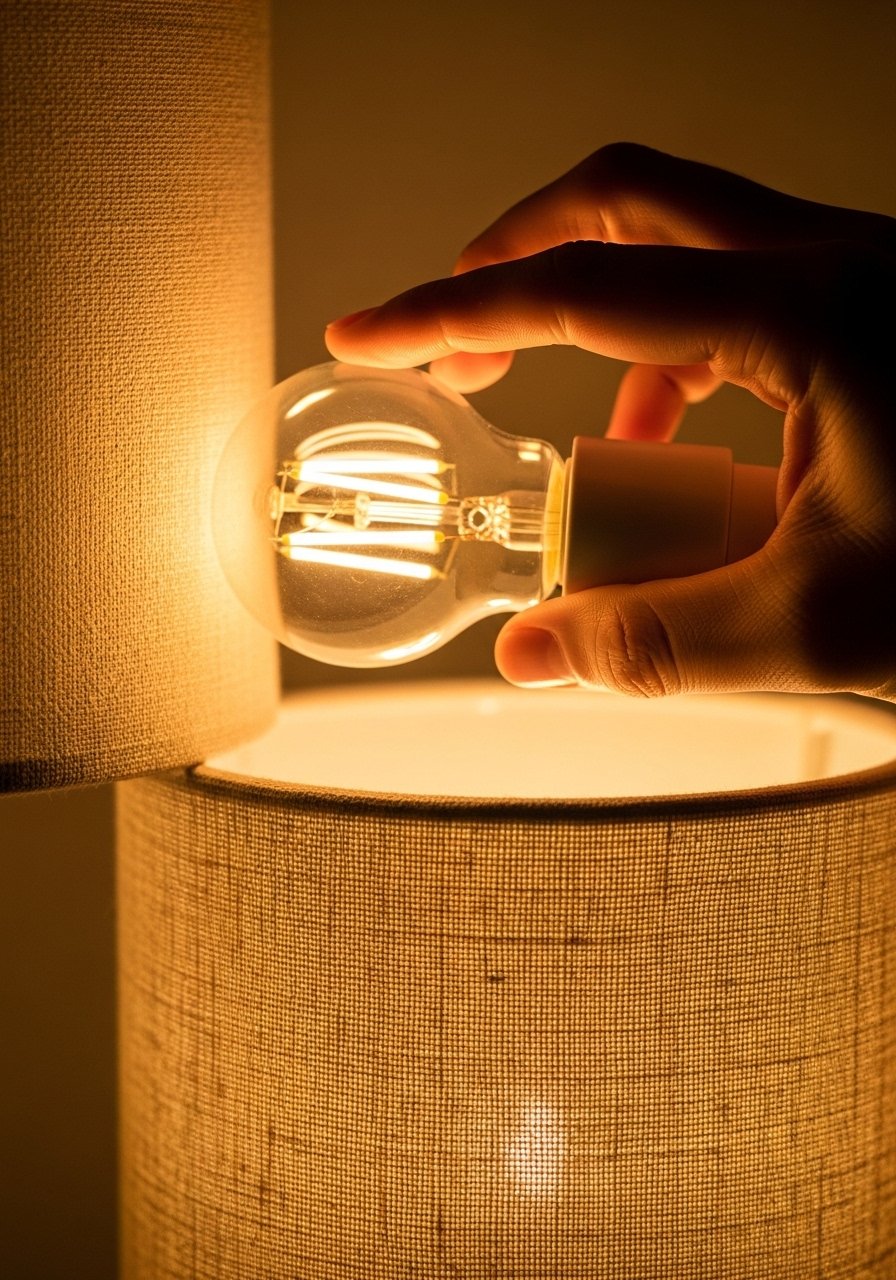
Color temperature matters. Warm white bulbs between 2700K and 3000K give a golden, cozy glow. Aim for around 800 lumens for ambient fixtures in a medium living room, and 400 to 600 lumens for task lamps. Mixing cool and warm bulbs is a very common mistake. I did it once and the TV wall looked bluish while the couch was amber. It felt unfinished. Swap in dimmable, warm LED bulbs that are soft to the eye. The light should make skin tones look natural and fabrics feel touchable, not washed out.
Step 4: Place lights so they create paths of glow, not islands of brightness
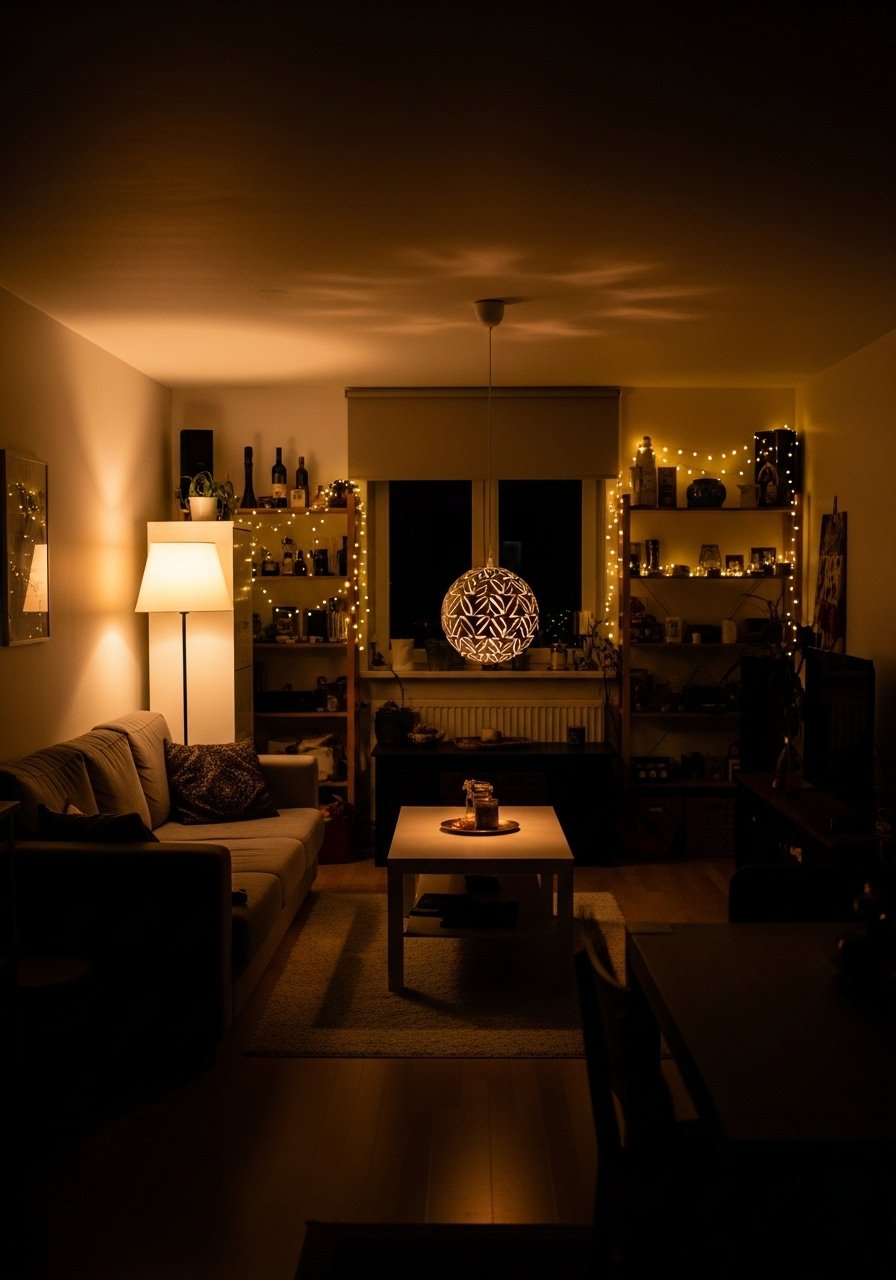
I messed this up the first three times. Everything looked crammed together because I was afraid of empty space. Leave breathing room. A floor lamp should sit 2 to 3 feet from seating, not jammed behind you. If you hang a low pendant over a coffee table, set it about 28 to 34 inches above the table top so it feels intimate, not in the way. Hide cords along the baseboard and tuck bulbs behind shades to avoid glare. When you step back and the shadows fall like wide, soft bands, you know placement is right.
Step 5: Add dimmers or smart controls, then edit with restraint
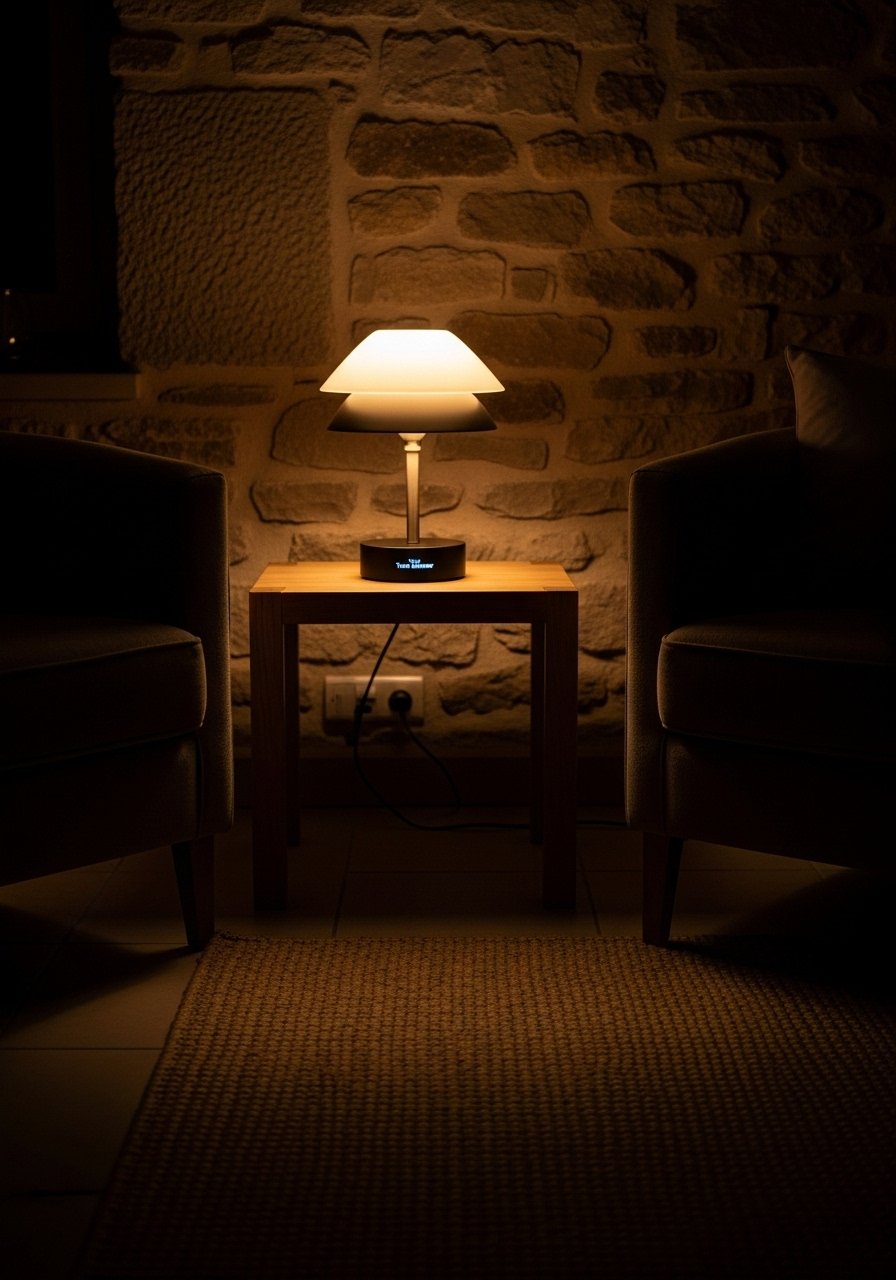
This is the step where it starts to actually look styled instead of just lit. A single dimmer can change the whole mood, and smart bulbs let you program evening and reading scenes. Resist the urge to add more string lights in every corner. I almost went string-light crazy and my living room looked like a craft fair for a week. Instead, put one delicate string on a bookshelf and one solid light source near seating. The room will feel intentional, not busy. Final touch, test it at night while doing a normal activity, not just standing and judging.
Everything You Need for the Cozy Lighting Aesthetic
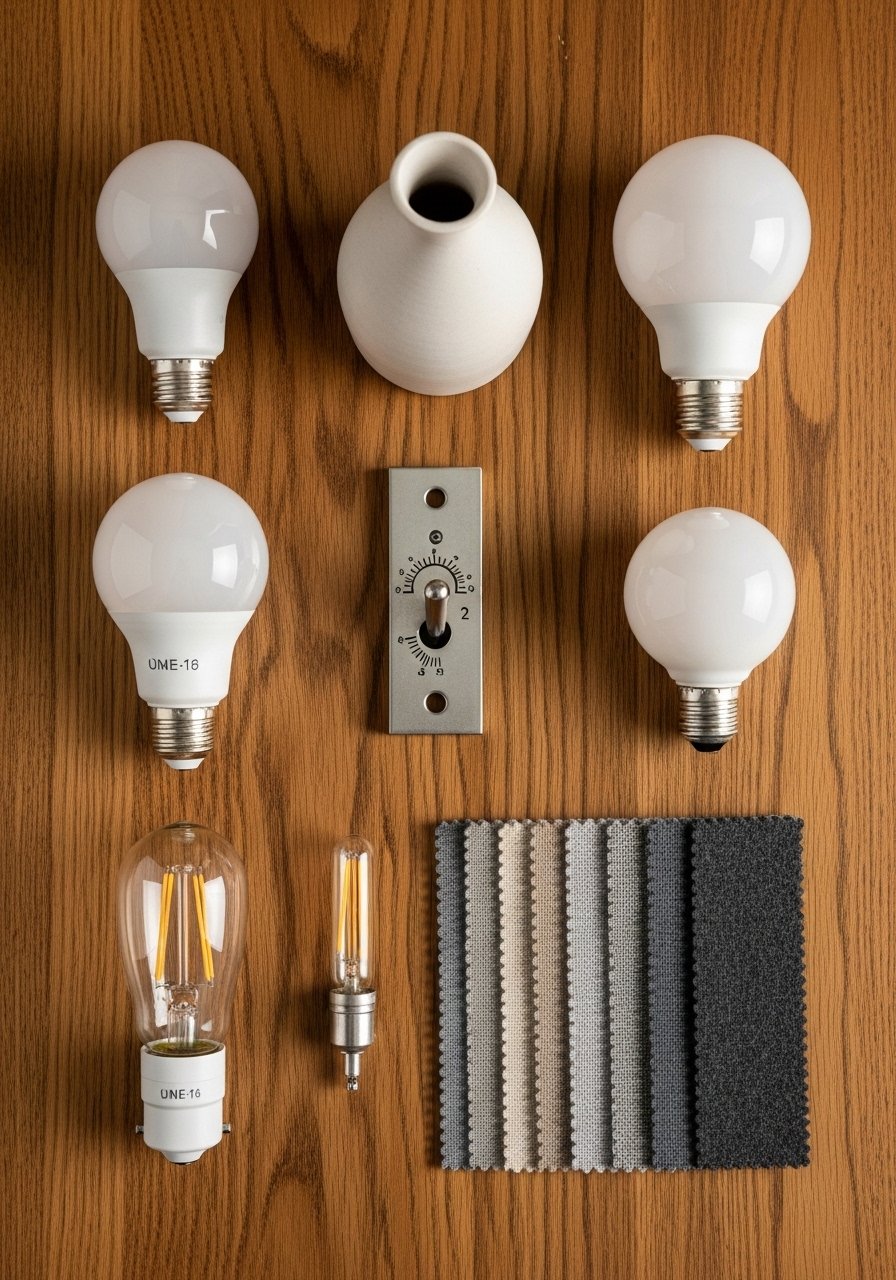
- Dimmable LED bulbs, 2700K, 800-lumen 4-pack ($20-35). Use in Step 3 for warm ambient light.
- Adjustable floor lamp, 62-inch brass finish ($65-120). Anchor piece referenced in Step 1.
- Matte ceramic table lamp, 16-inch, oatmeal shade ($30-55). Great for task lighting mentioned in Step 2.
- Plug-in dimmer switch, inline toggle dimmer ($12-25). For Step 5, simple and budget-friendly.
- Small pendant light with linen shade, adjustable cord ($45-90). Use over a coffee table per Step 4, hang 28-34 inches above surface.
- String lights, warm white, 25-foot copper wire ($12-20). Accent use in Steps 2 and 5. Similar at HomeGoods.
- Chunky knit throw, 50×60, oatmeal ($40-65). Texture referenced in Step 2 to show how light brings out nubby fibers.
- Matte ceramic vase set, varying heights 8-12 inches ($20-35). Used in Step 1 and Step 4 for accent lighting shadows.
Why Your Room Still Feels Flat After Adding Lamps
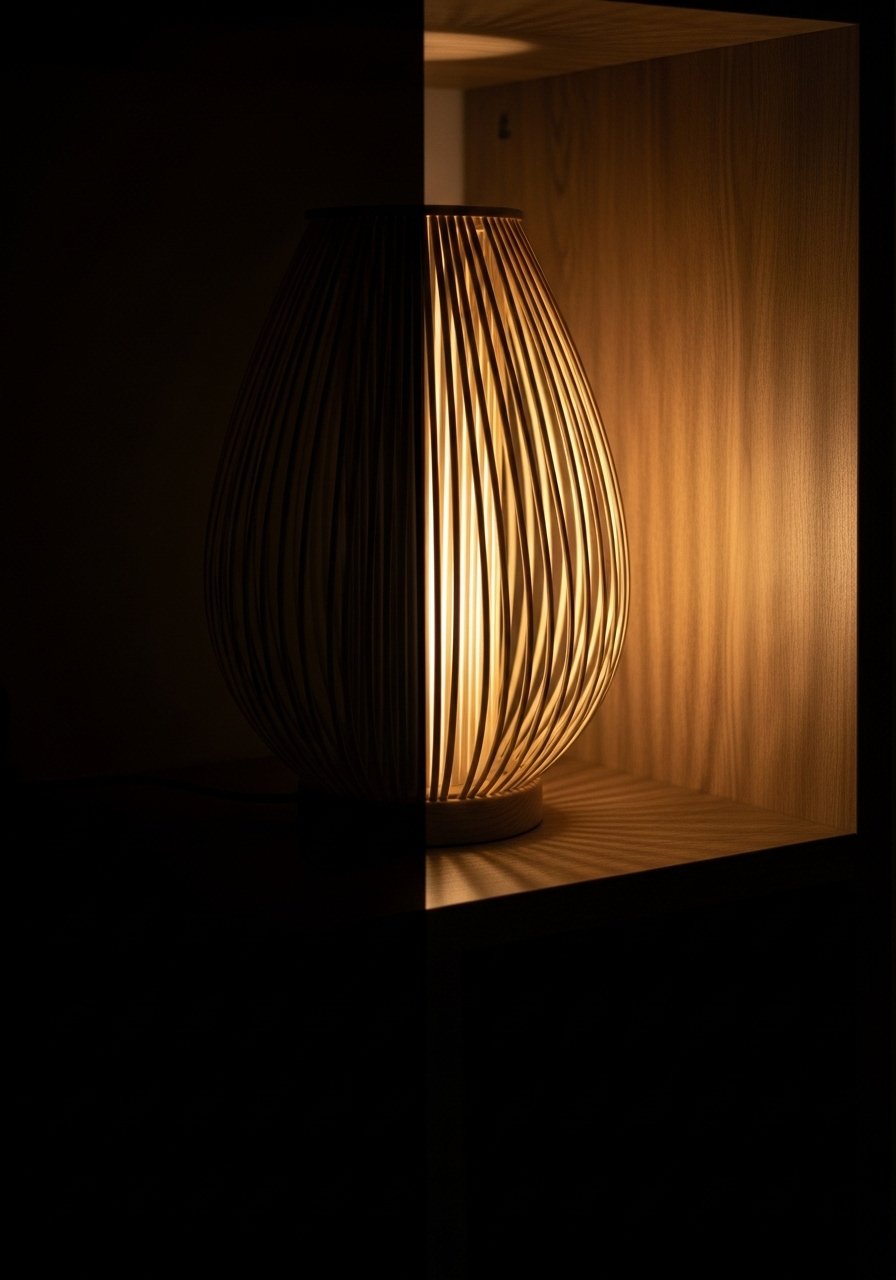
Most flat-feeling rooms suffer from three small misses, not one big mistake. First, bulbs are the wrong color temperature. Second, lamp heights are too similar so nothing reads as foreground or background. Third, cords and reflective surfaces create glare. Fix one at a time. Swap one lamp to a warmer bulb, add a taller floor lamp, and tuck cords behind furniture. I fixed a living room by changing just two bulbs and moving a lamp 18 inches. The change felt disproportionally calming.
Making This Work in a Small Room
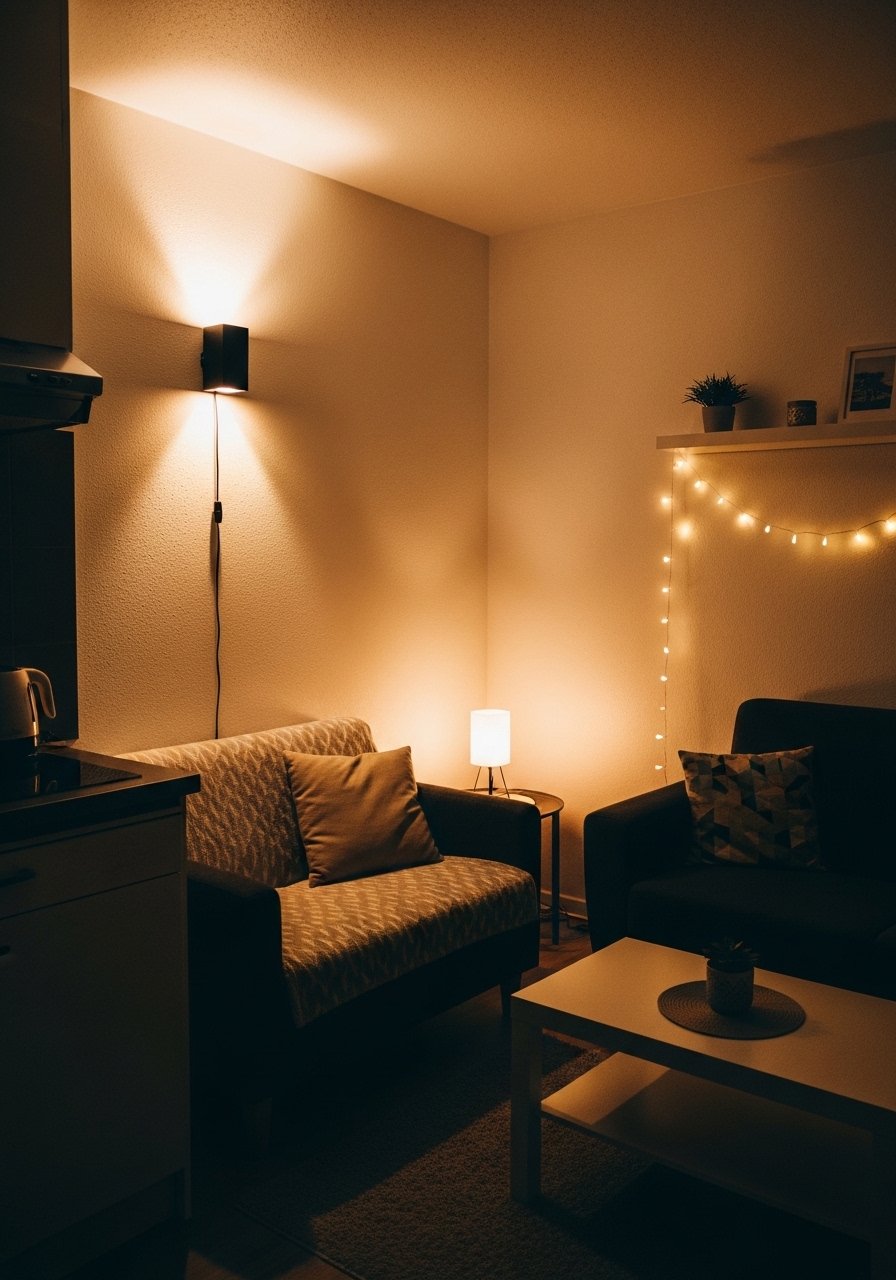
Small spaces need scale and negative space. Keep fixtures slim. Use wall sconces or a single narrow floor lamp to free floor area. Tips you can try:
- Pick one overhead or none, rely on 2-3 smaller sources instead.
- Use bulbs around 600 to 800 lumens for ambient in a small room.
- Mount a small pendant closer to a coffee surface to define a zone.
I once styled a 10-by-12 living room by removing the overhead light and using a 5-foot floor lamp and a wall sconce. The room felt larger right away.
What This Looks Like After a Week with Kids and a Dog
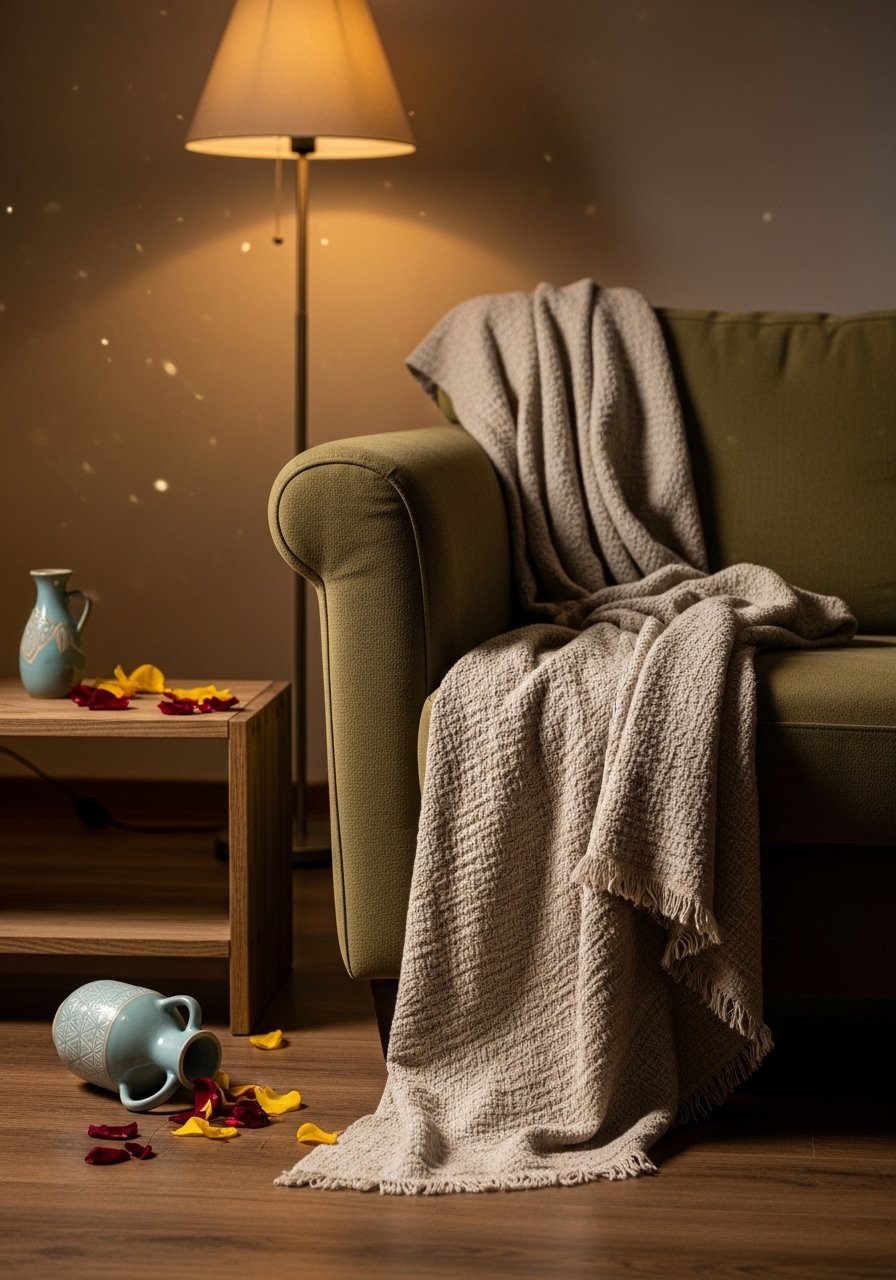
Real life will test any styling method. Expect a few knocked-over items and a throw dragged on the floor. I had a cat that batted at a string light twice before I moved it higher. Keep breakables up and use heavier vases on low shelves. Swap delicate bulbs for shatterproof options in high-traffic areas. After a week of family use, you should still be able to sit, read, and feel relaxed. If not, edit: remove one accent light or move a lamp out of the main traffic path.
Start with One Corner
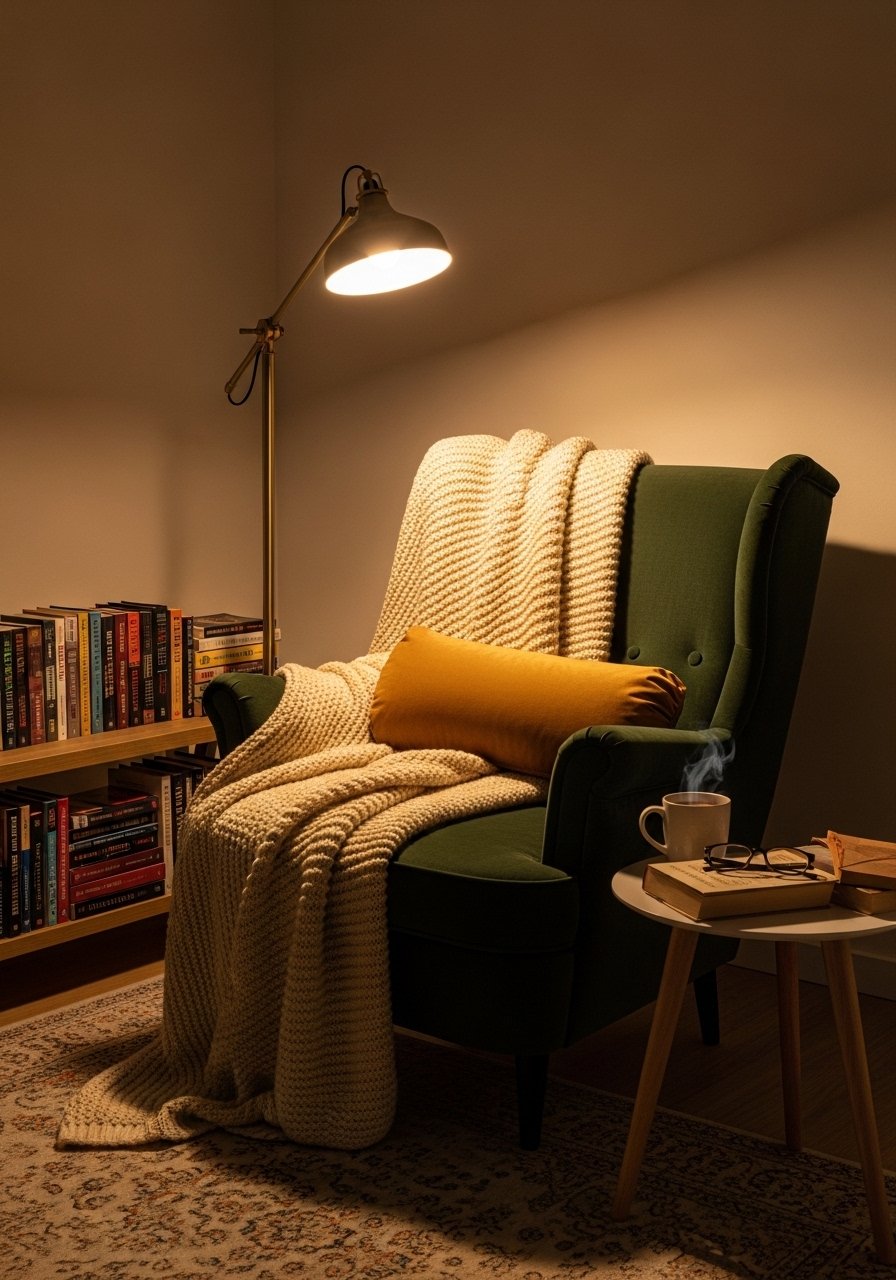
Pick one corner and style it as a small project. Add a tall lamp, a task lamp, and one accent such as a ceramic vase or string light. Live with it for a few evenings, adjust the height or bulb temperature, and let the room tell you what needs to come next. My first successful setup started with a single dimmable floor lamp from the shopping list, and that one corner now pulls the whole room together.