
My living room had nice furniture and decent lighting but it still felt like a waiting room. Took me embarrassingly long to figure out it was missing layers and warm bulbs. I swapped one harsh ceiling light for three softer sources and the room finally invited people to stay. These ideas are the little fixes I used to make lighting feel like it cost way more than it did.
These ideas lean modern and slightly transitional, with a few boho touches. Most projects cost $10 to $75, and a handful use a $100 splurge like a good pendant or designer lamp. They work in living rooms, bedrooms, entryways, and small kitchens, and they’re easy to do even if you rent.
Warm Layered Lamps for Living Rooms
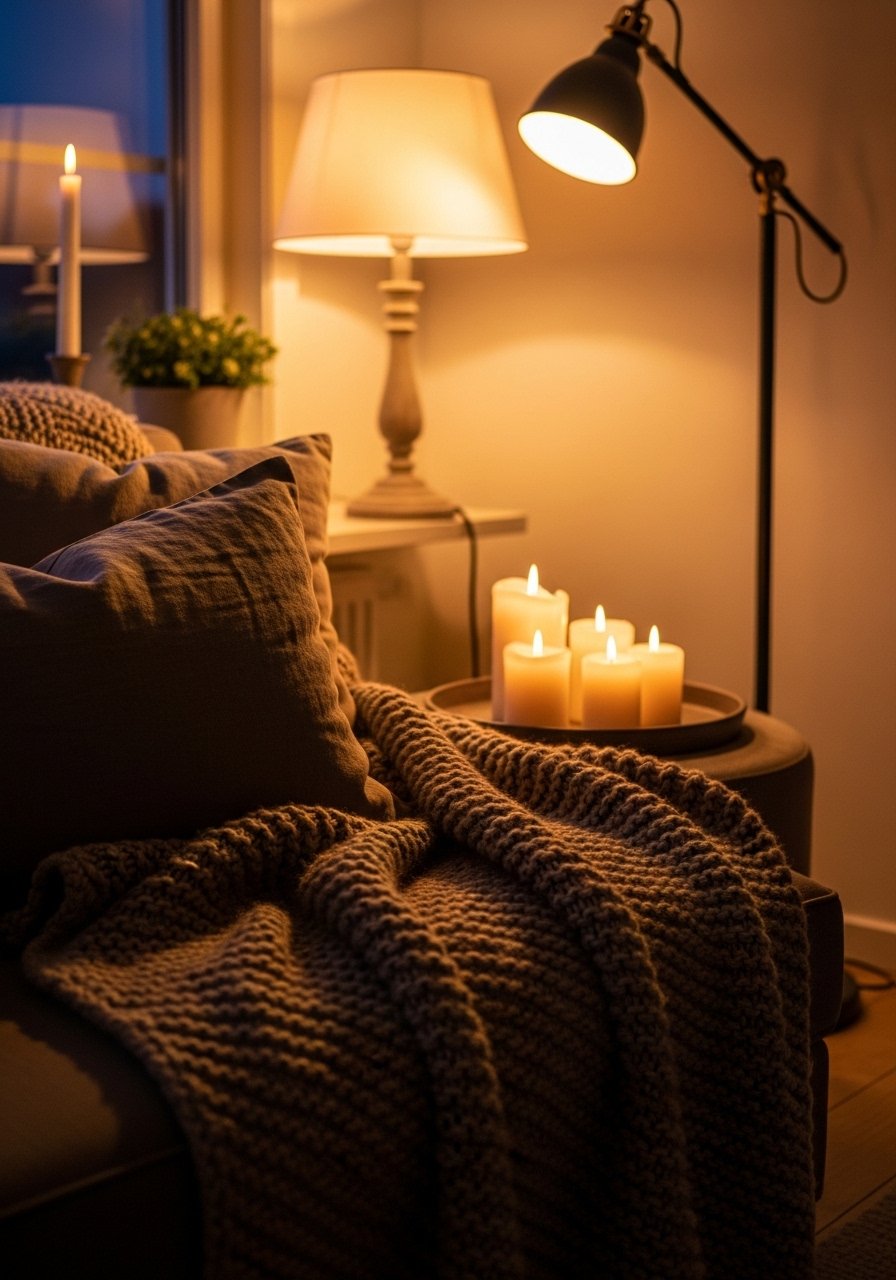
Start by adding two different lamp heights to one seating area. I use a 26-inch table lamp beside the sofa and a 58-inch floor lamp behind the armchair, which follows the idea that varying heights stop the room from feeling flat. Use 2700K LED bulbs around 800 lumens, so the light reads warm and not hospital-bright. Budget here is $40 to $150 depending on the lamp. I like a brass-swing-arm-lamp for reading and an inexpensive arched-floor-lamp for ambient glow. Common mistake is using identical lamps on both sides of a sofa. Instead, aim for the rule of three: two lights plus one accent candle or string.
Minimal Pendant Cluster Over Kitchen Island
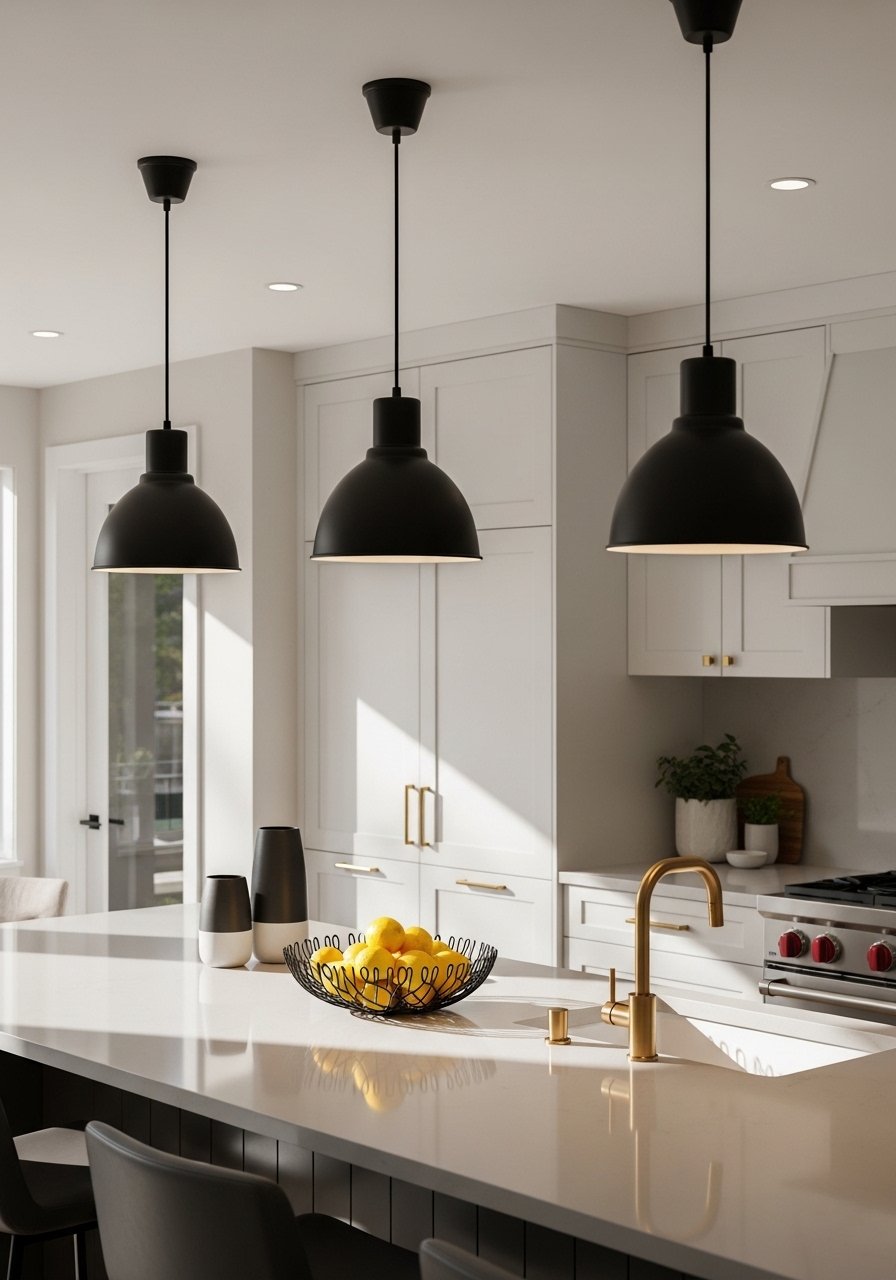
If you have an island, three small pendants look intentional and premium. Hang them 30 to 34 inches above the counter and space centers about 24 to 30 inches apart for an average 6-foot island. That measurement made my island finally feel proportionate after years of one awkward oversized fixture. Mid-range pendants run $60 to $180 each. I used matte-black-pendant-light and swapped 2700K dimmable bulbs so they’re bright for cooking and soft for evenings. People often hang pendants too high or too low. Follow the measurement and you’ll avoid glare and blank space above your heads.
Soft Rope Pendant for Cozy Dining Nooks
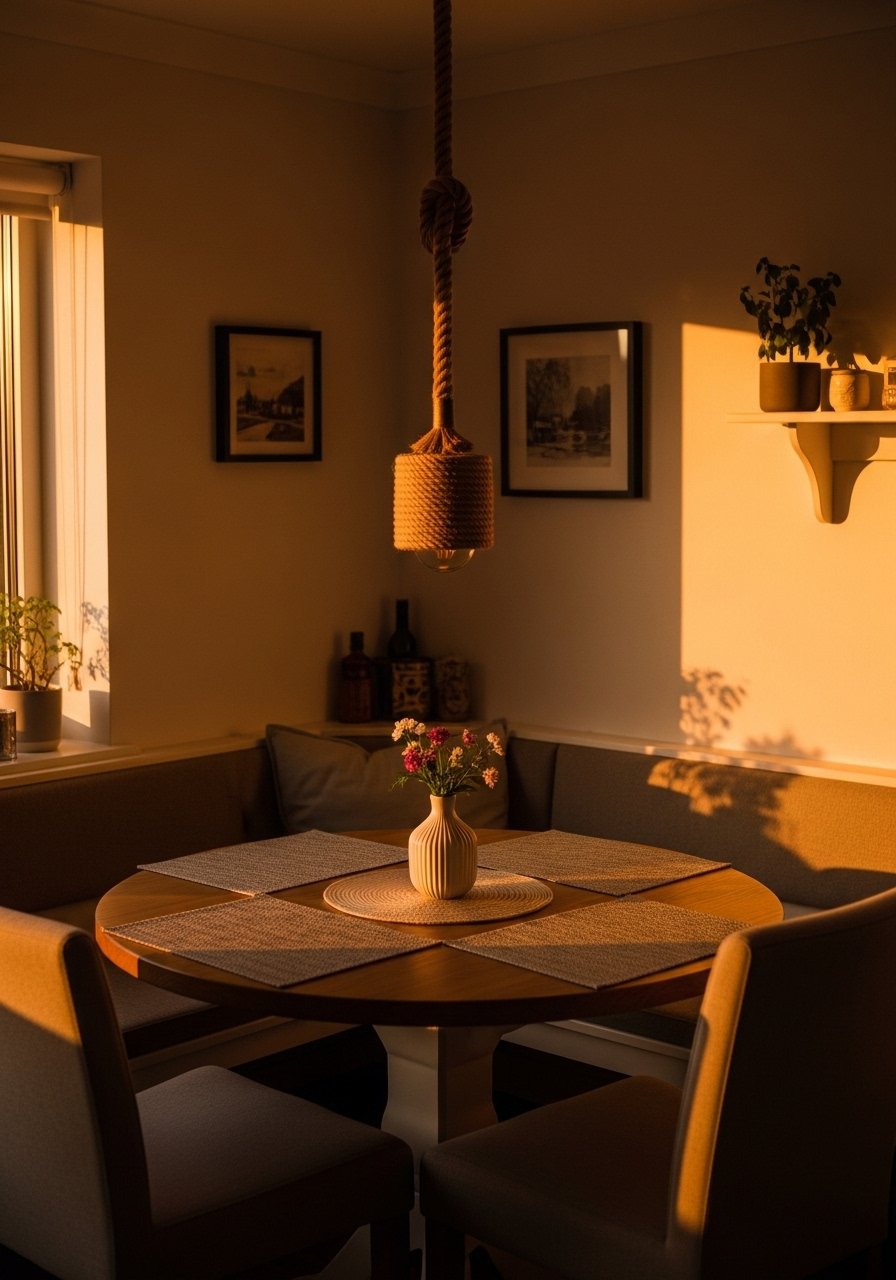
A rope or rattan pendant quietly adds texture that reads expensive. I paid about $70 and paired it with a 12-inch diameter shade for my 42-inch round table. The shade scale matters. Too small and it looks like an afterthought. This fixture works in coastal, boho, and cottage dining nooks. I linked a rope-pendant-light that was under $90. A common mistake is using a cool white bulb. Use warm 2700K or the fixture begins to look cheap. Swap a plastic shade or cheap glass for natural fiber if you want a dated look avoided.
Magnetic Under-Cabinet Strips for Task Lighting
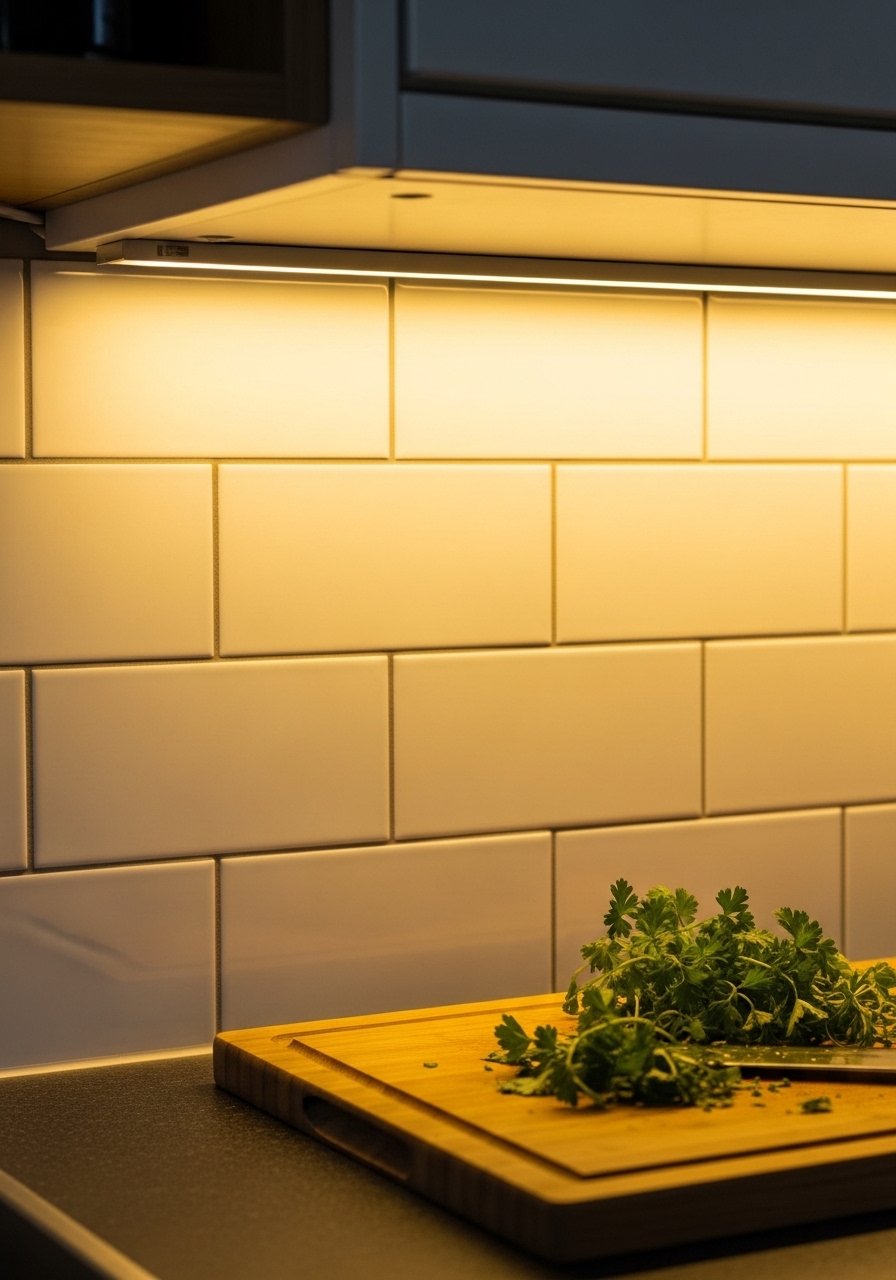
Under-cabinet lighting is one of the highest return upgrades for function and style. Magnetic LED strips are renter-friendly and easy to hide under cabinets. I cut the strip to fit one 36-inch section and used 3000K lights for tasks. Expect $20 to $50 for a good strip. Try magnetic-led-light-strip. The mistake I saw often is a single long run that creates shadows. Break strips into two circuits so you can dim zones. Also, keep the strip 2 inches from the front cabinet edge so it lights the counter, not the cupboard face.
Faux Candle Lamps for Entryway Mood
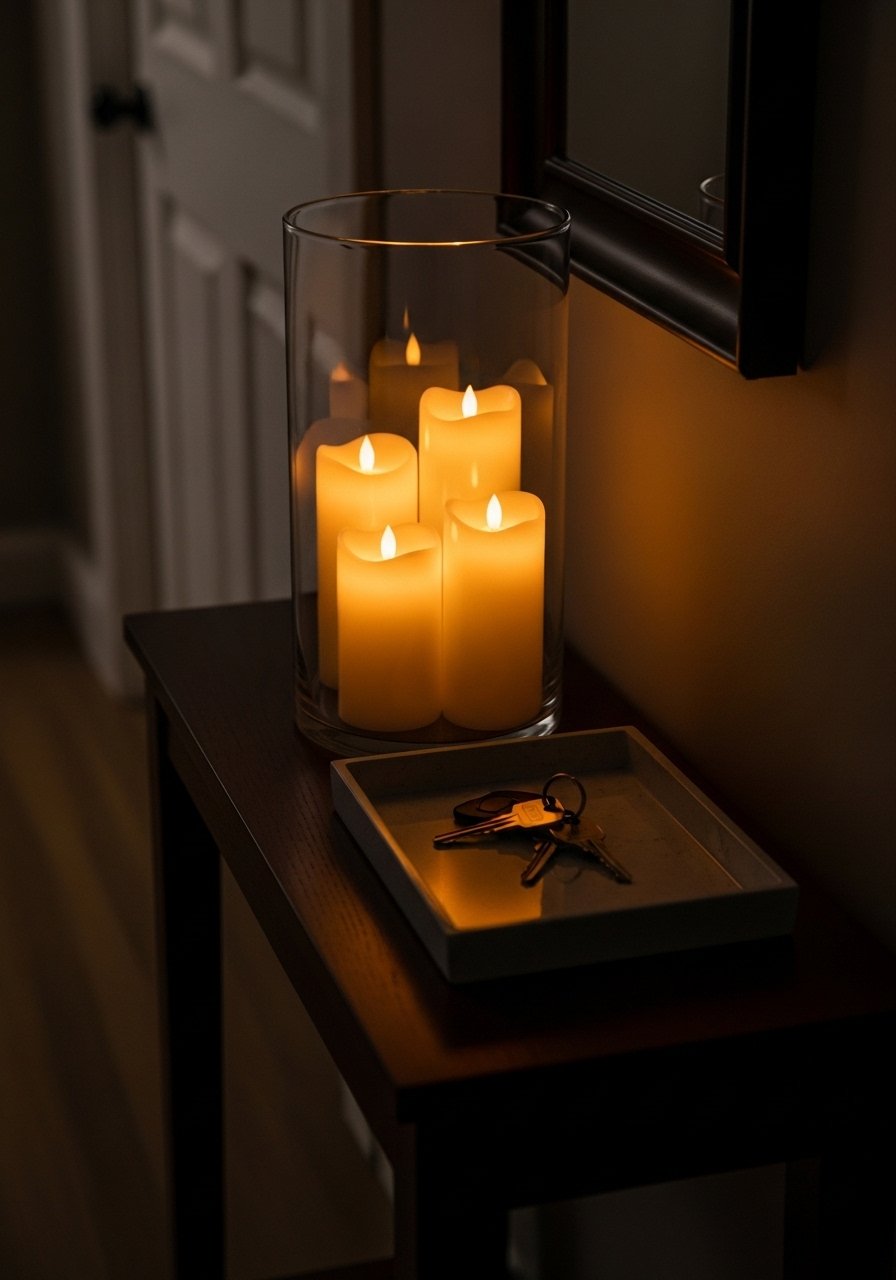
If your entryway feels harsh when the front light is on, swap it for a battery-powered faux candle cluster. I used three different heights of LED pillar candles in glass hurricanes and it costs under $40. It creates a soft halo that reads expensive without wiring. I used battery-pillar-candles-set. People assume candles are only decorative. They actually fix first-impression light by softening contrast between outside and inside. Common mistake is placing them too close to the door so they get blown out. Keep them set back on a console.
Dimmer Retrofit For Existing Fixtures
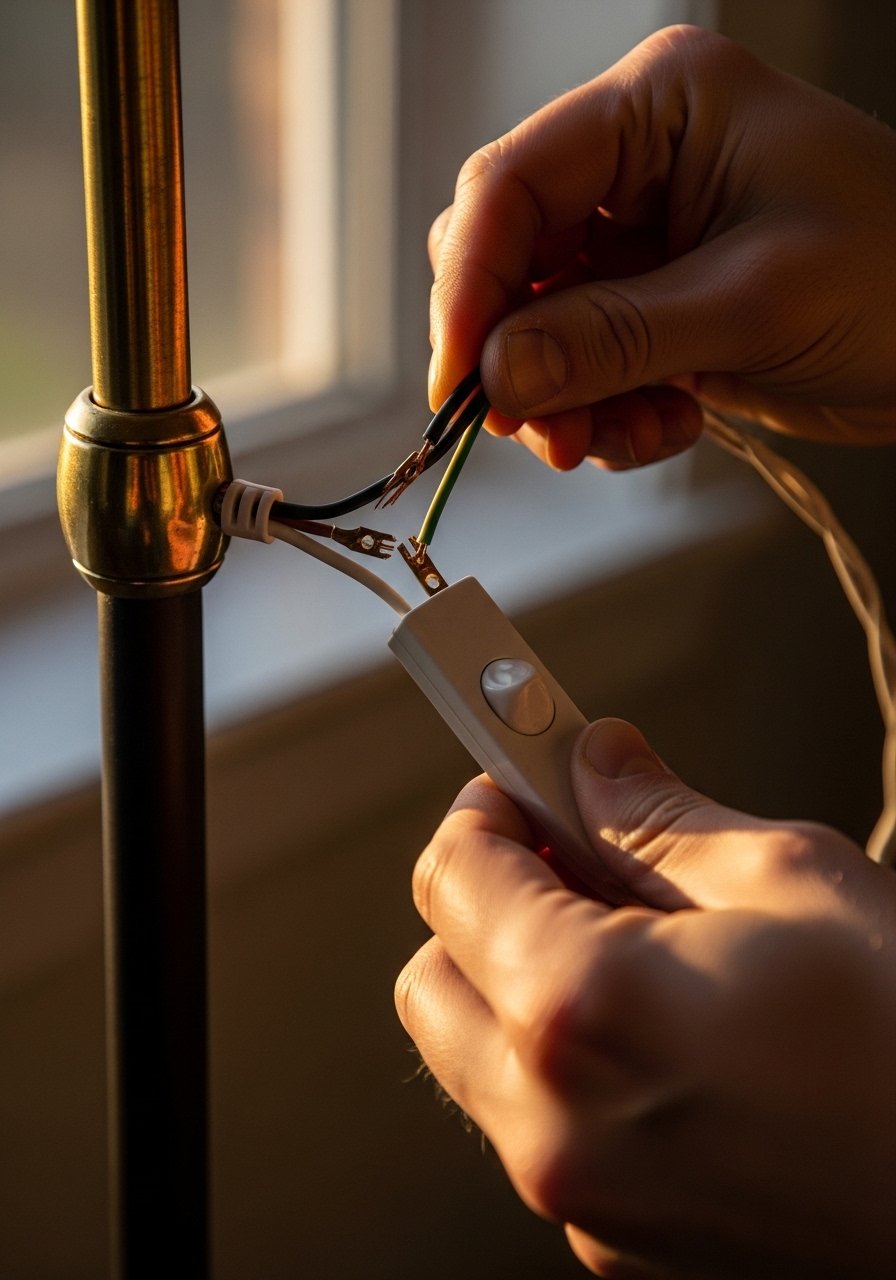
One of the cheapest upgrades I did was add inline dimmers to lamps and a dimmer switch for the ceiling light. Most LED bulbs now work with dimmers but check the label for “dimmable.” A $12 inline dimmer fixed my living room’s harsh overhead problem. I recommend in-line-dimmer-switch. Renter hack: use plug-in smart bulbs with an app if you cannot touch the wiring. A mistake is buying the wrong dimmer type. Match it to LED rated dimmers so you do not get flicker.
Glass Globe Floor Lamp for Modern Cozy Corners
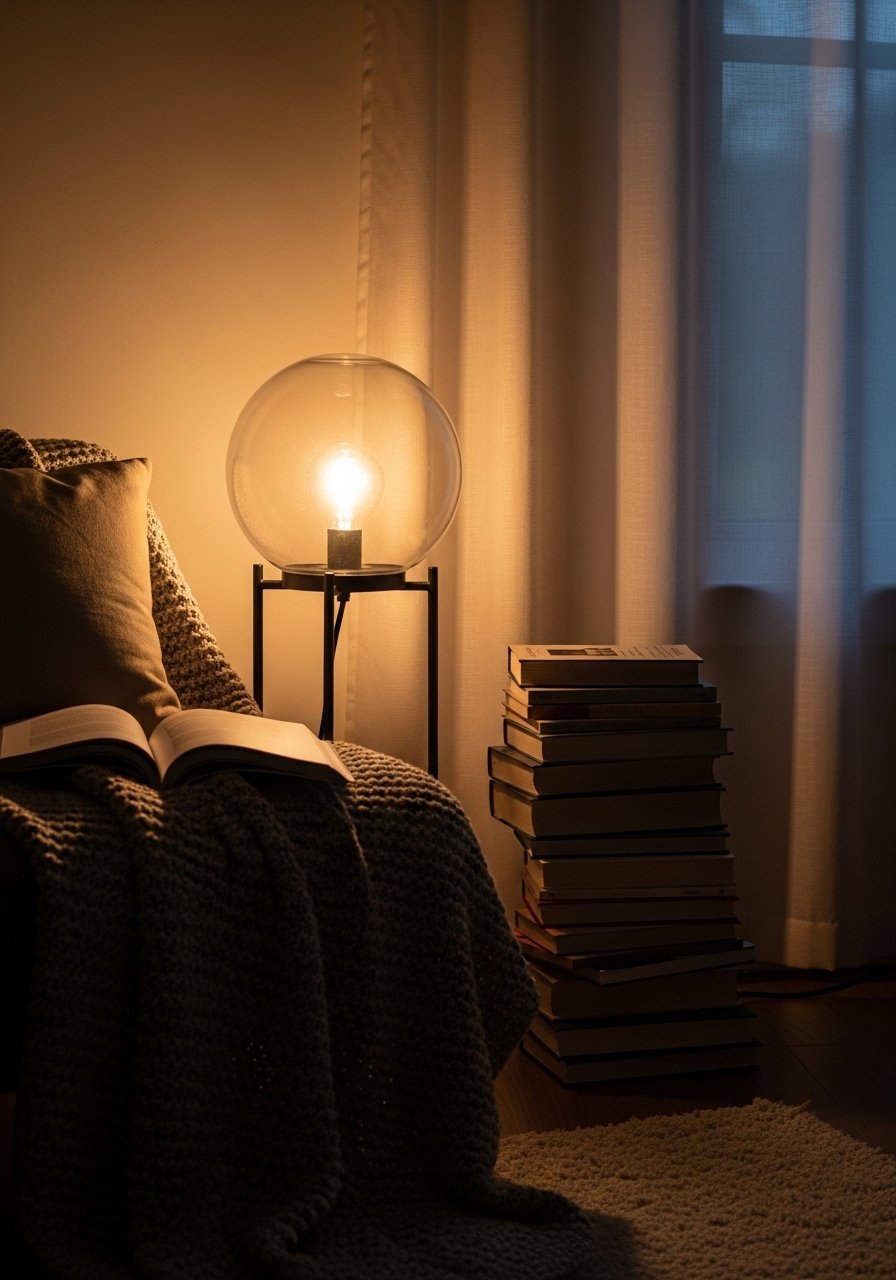
A glass globe floor lamp blends minimal design with warm light. I placed one next to my reading chair and took the lamp height to 62 inches so the globe sits above eye level for a soft overhead glow. My budget was $90 for a classy one with a dimmer. I linked a glass-globe-floor-lamp. The trap is buying a globe that is too small for the space. Aim for a globe at least 10 inches wide next to an average armchair. Pair with a linen pillow and you have a relaxing reading scene.
DIY Industrial Pipe Sconce for Hallways
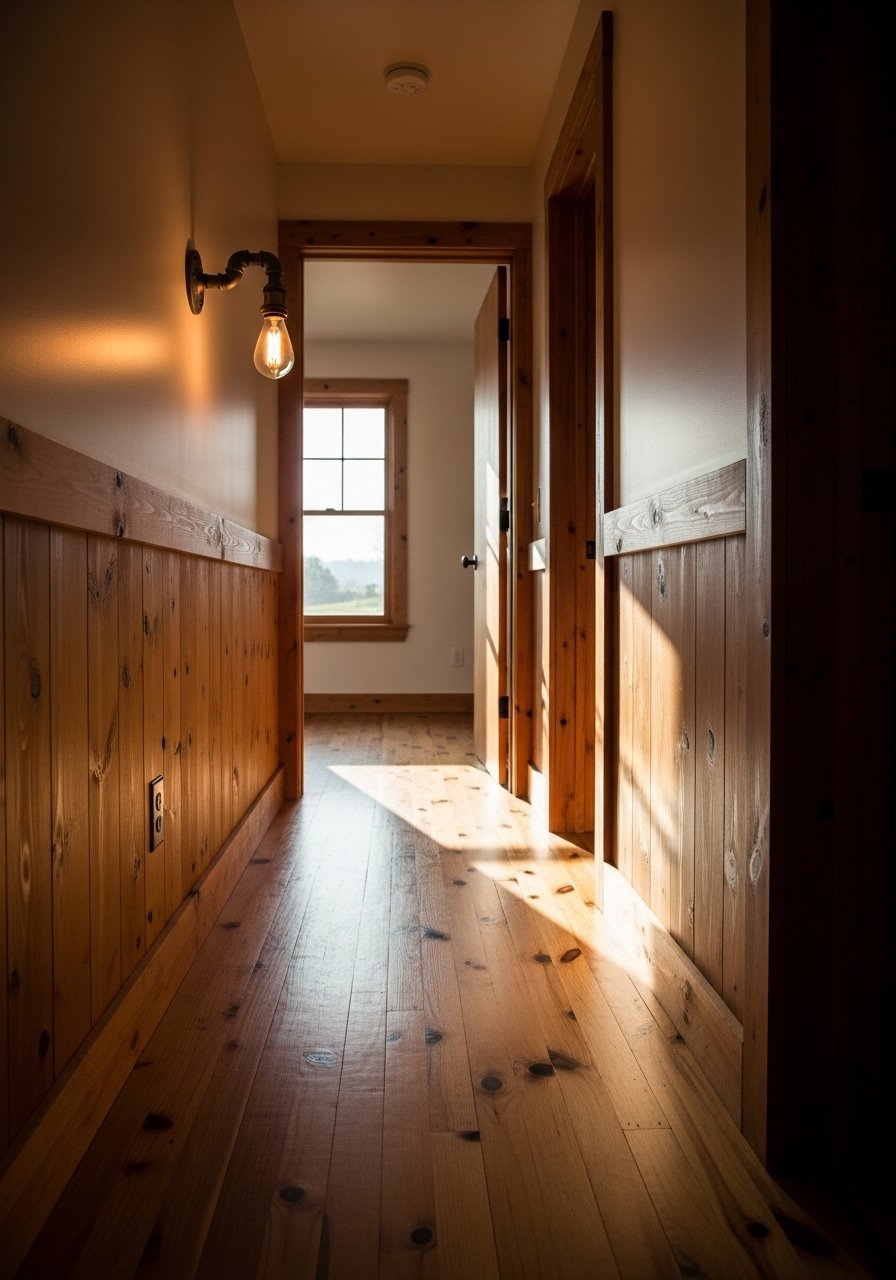
I built a sconce from brass-look pipe fixtures that cost about $35, and it gives a custom, heavy-feel that usually costs hundreds. Mount the sconce so the bulb center is at about 60 to 65 inches from the floor. Use an E26 LED filament bulb for that vintage look. I used industrial-pipe-sconce-kit. People often center sconces on the wall instead of centering them on the eye-line. Also, wire it to a switch with a dimmer if possible. The DIY approach fixes the bland hallway lighting problem without hiring an electrician.
Statement Drum Pendant for Bedrooms
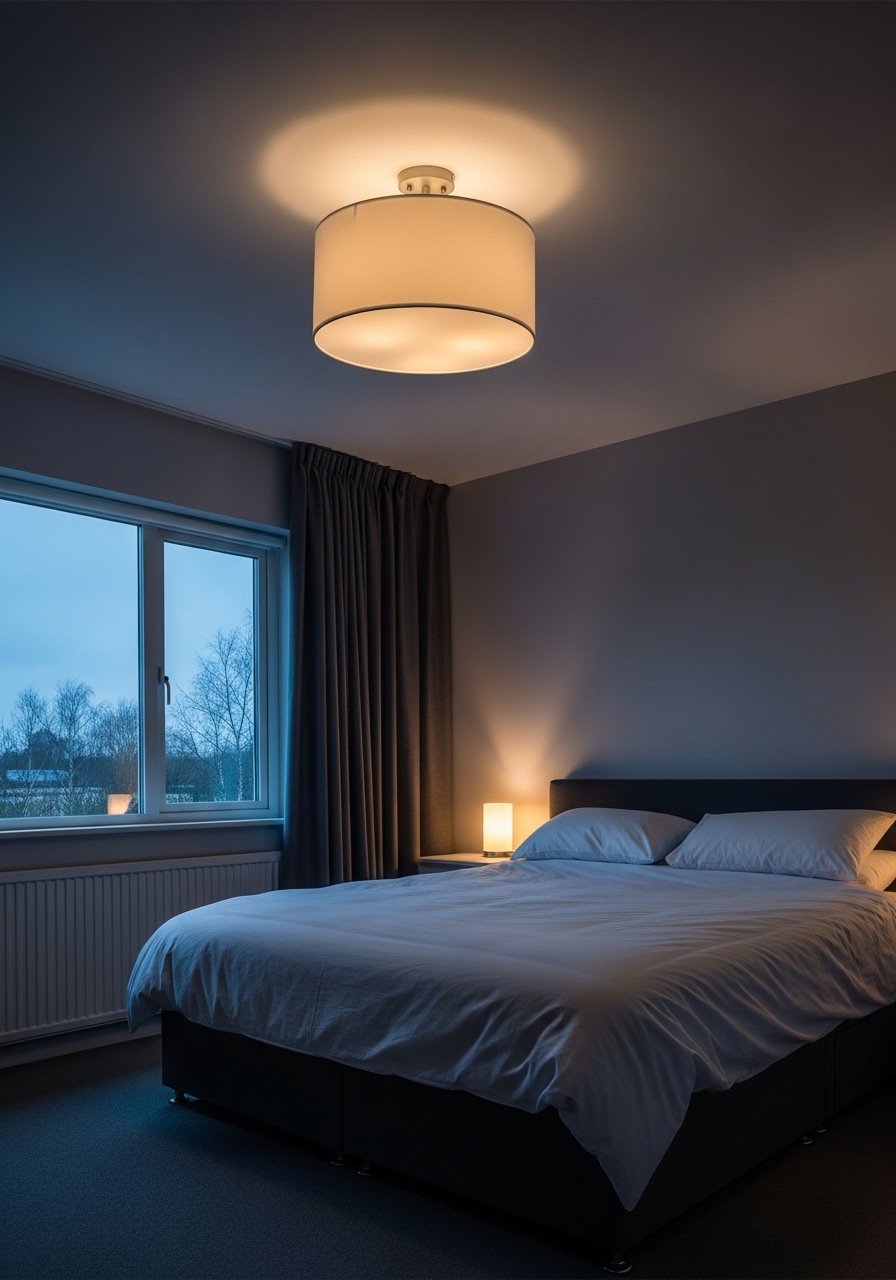
A fabric drum pendant is an inexpensive way to look polished. I chose a 20-inch diameter for a queen bed and set it 28 to 32 inches above the mattress top when the ceiling was 8 feet. That scale felt balanced. Budget between $60 and $150 depending on fabric. I used a linen-drum-pendant. Bedroom mistake is using a pendant that is too bright for winding down. Pair it with a 2200 to 2700K bulb and dimmer. If you have low ceilings, use a flush mount instead.
Rope Light Backlighting for TV Walls
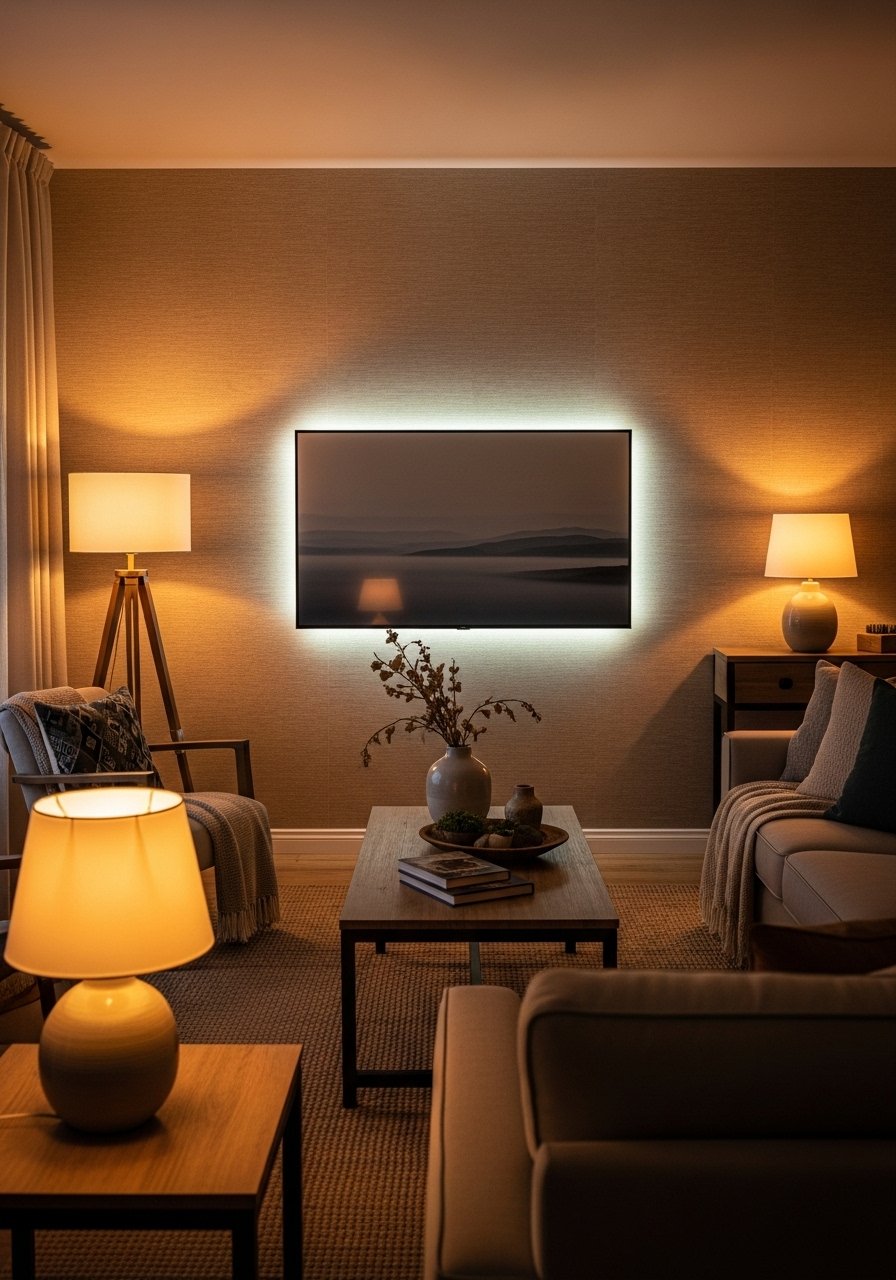
TV glare kills ambience. A simple rope LED strip behind the TV makes the screen float and reduces eye strain. I used a 16-foot RGB warm-white strip for my 65-inch TV and set it to 3000K for evenings. It was about $30. Try led-tv-backlight-strip. Don’t put the strip too close to the TV edge or it will reflect on glossy screens. A common mistake is matching the TV backlight color to the test pattern; pick warm white for long viewing sessions.
Repurpose a Chandelier With New Shades for Dining Rooms
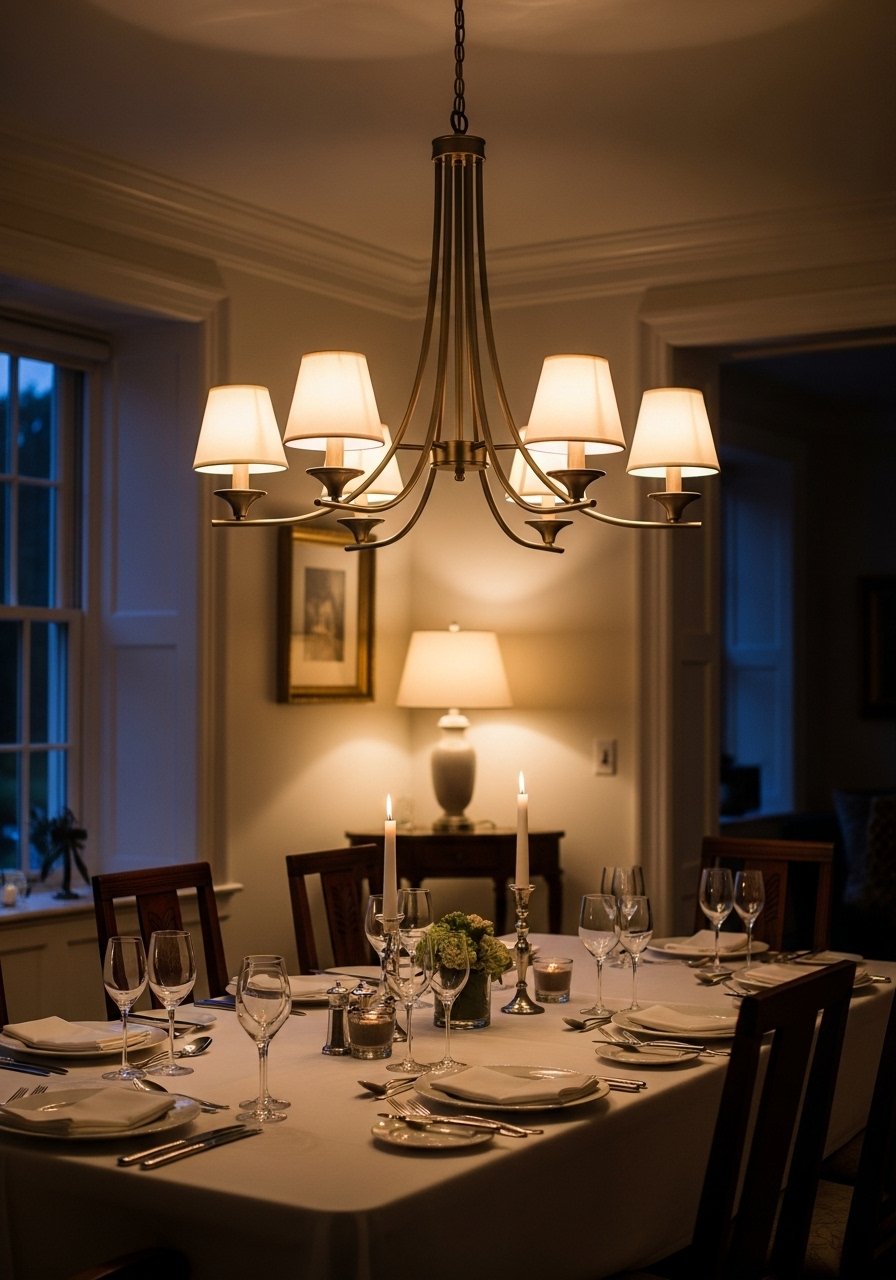
I rescued a dated chandelier by adding drum shades to each bulb. The shades cost $12 each and made a $120 fixture look tailor-made. For a six-light chandelier, choose 4 to 6-inch shades that sit flush with the bulbs. I used drum-lamp-shade-set. Mistake is picking shades too opaque which reduces useful light. Pick a slightly translucent fabric so dinner looks warm, not dim. This trick is budget-friendly and renter-approved.
Clustered Mini-Pendants for High Ceilings
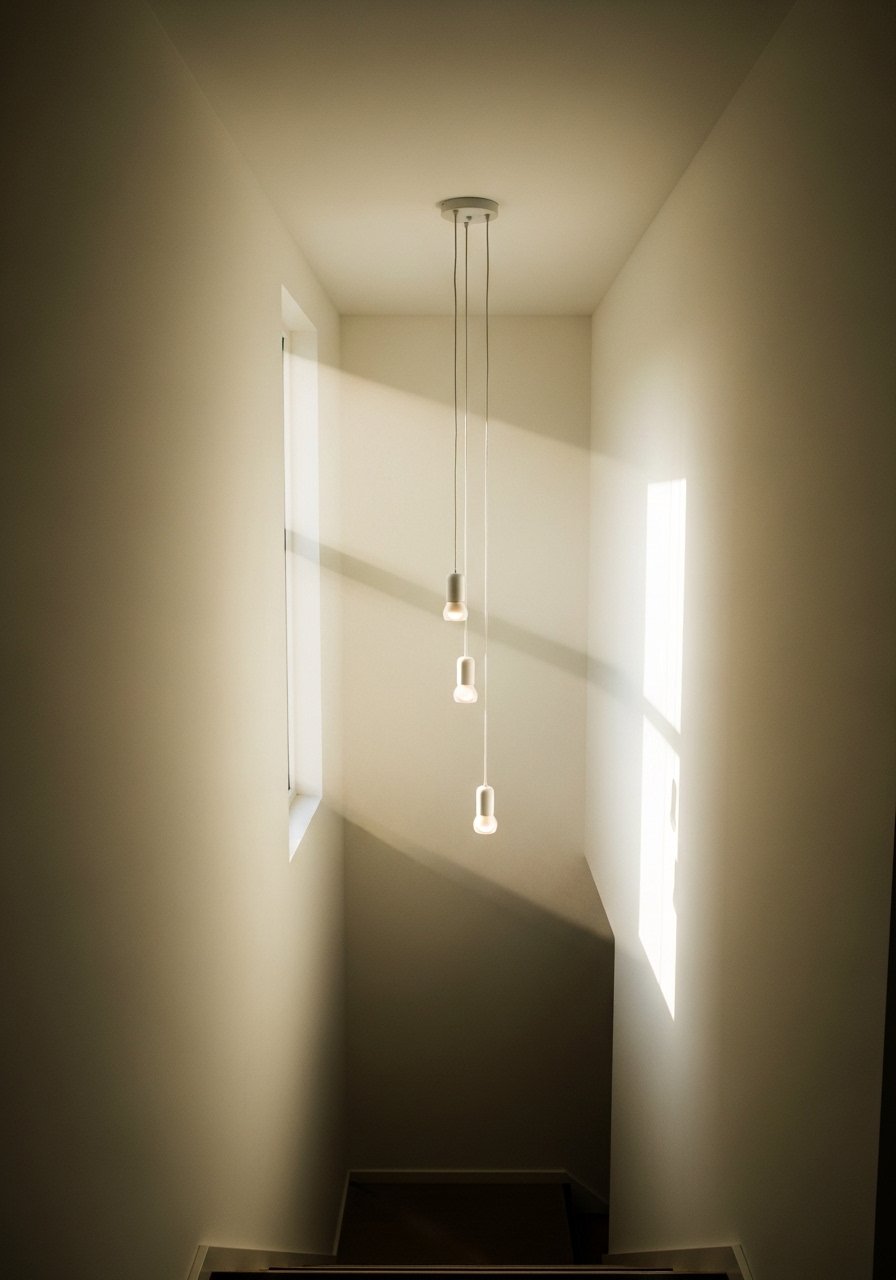
Tall stairwells look grand with a cluster of small pendants hung at different lengths. I hung mine over a 14-foot foyer, spacing them vertically by 18 inches. Clustering three pendants creates movement that feels intentional. Budget varies, $120 to $350 total. I like mini-pendant-cluster-kit. The common mistake is uniform height which reads flat. Also, match metal finishes to the stair hardware for cohesion. This is a top-to-bottom visual fix that competitors often miss.
Edison Bulb Accent in Rustic Bedrooms
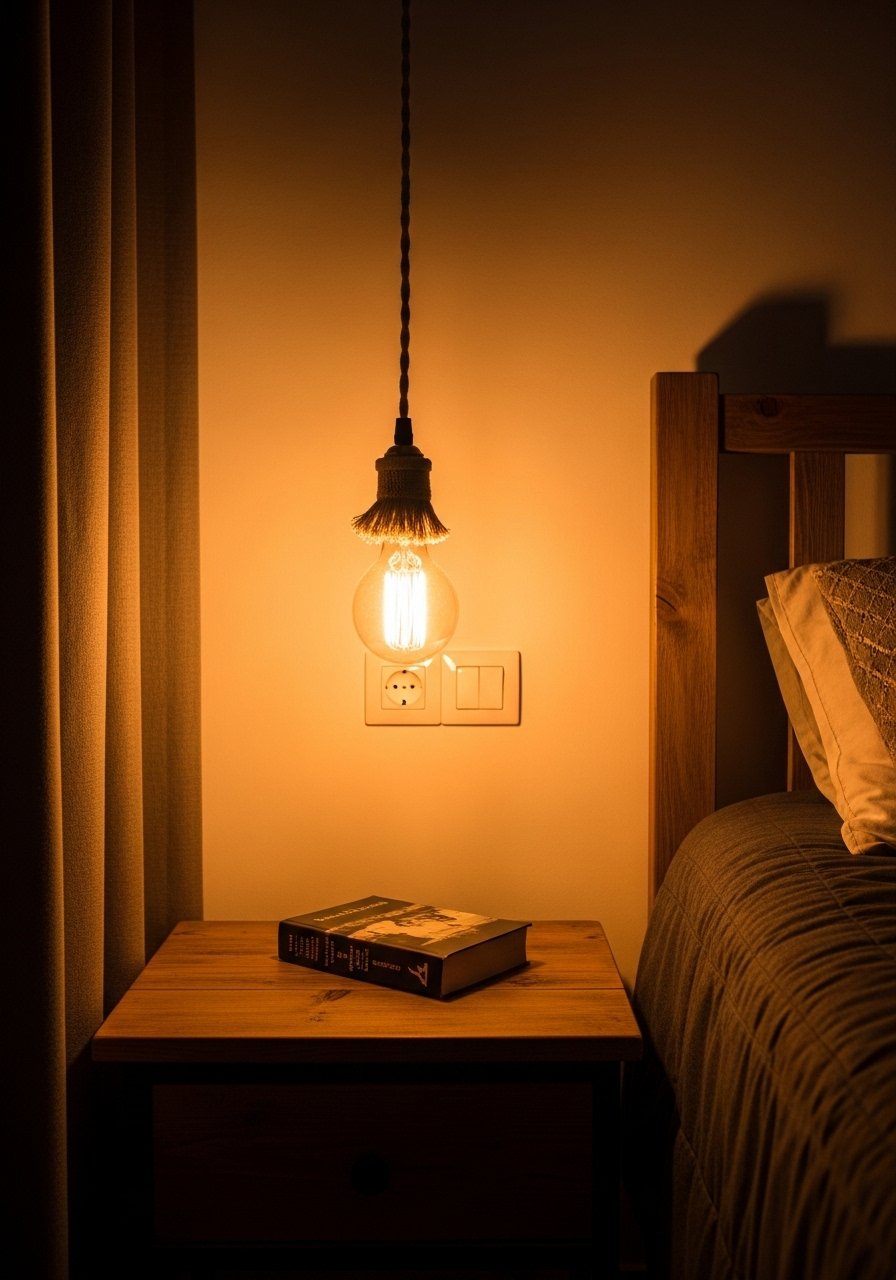
Edison bulbs are not just nostalgia. Use a single exposed filament bulb over a bedside table on a cloth-covered cord for a warm amber glow. Choose 2200 to 2400K for an intimate feel and around 400 to 600 lumens. I paid $12 per bulb and $15 for the cloth cord kit. Found a filament-led-bulb-pack. The mistake is using true amber-tinted bulbs that look orange on walls. Stick to warm white filament style for flattering light. This works in cottages and modern rustic bedrooms alike.
Pendant Swap: White Oak Shade for Midcentury Vibes
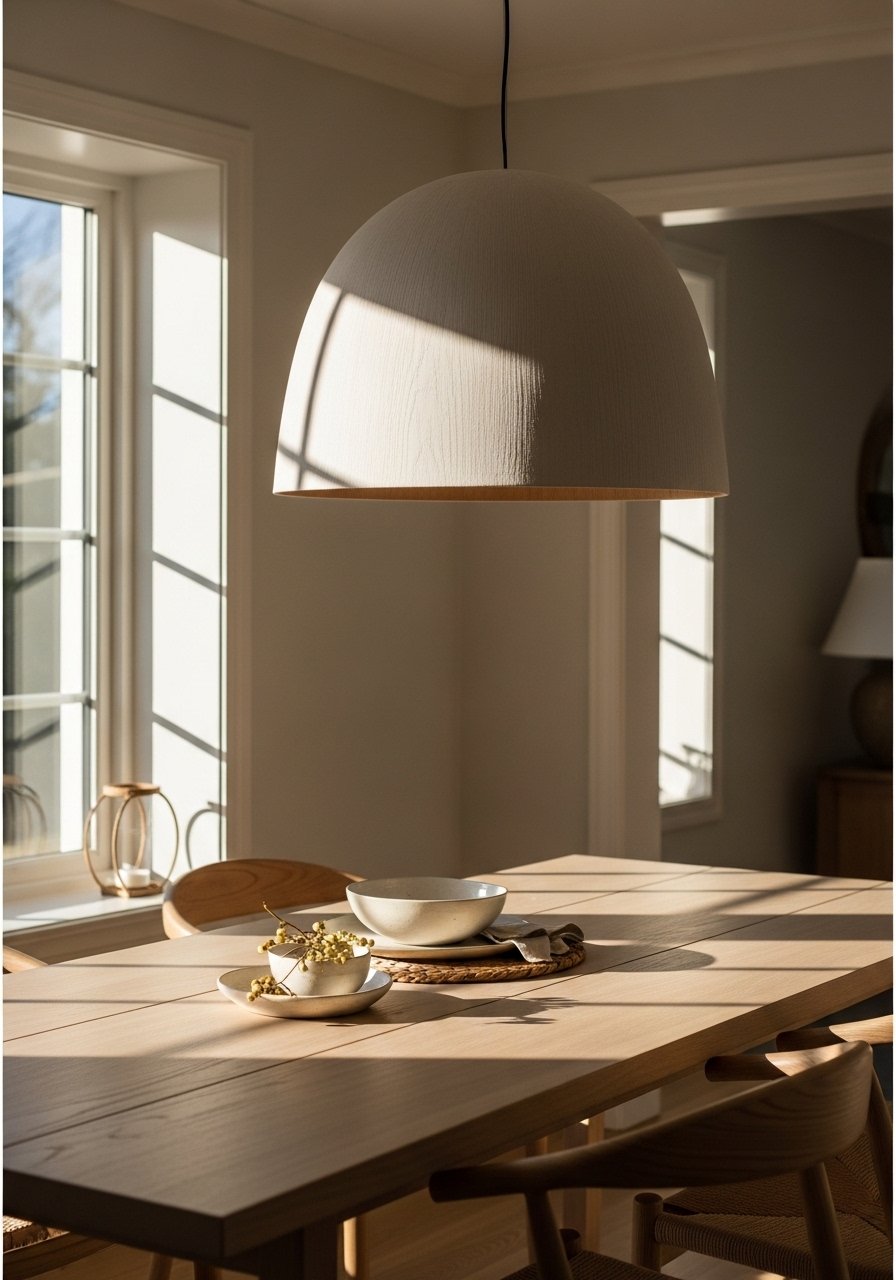
Swap a dark wood pendant for a white oak shade to keep a room feeling current. White oak reads lighter and more modern. I replaced a walnut-toned fixture with a 14-inch white oak pendant for under $120 and the room felt fresher instantly. Try white-oak-pendant-light. Many people cling to dark woods that make rooms look heavy. If you want a dated look avoided, pick lighter wood tones for fixtures and shelving.
Battery Wall Sconces for Renters
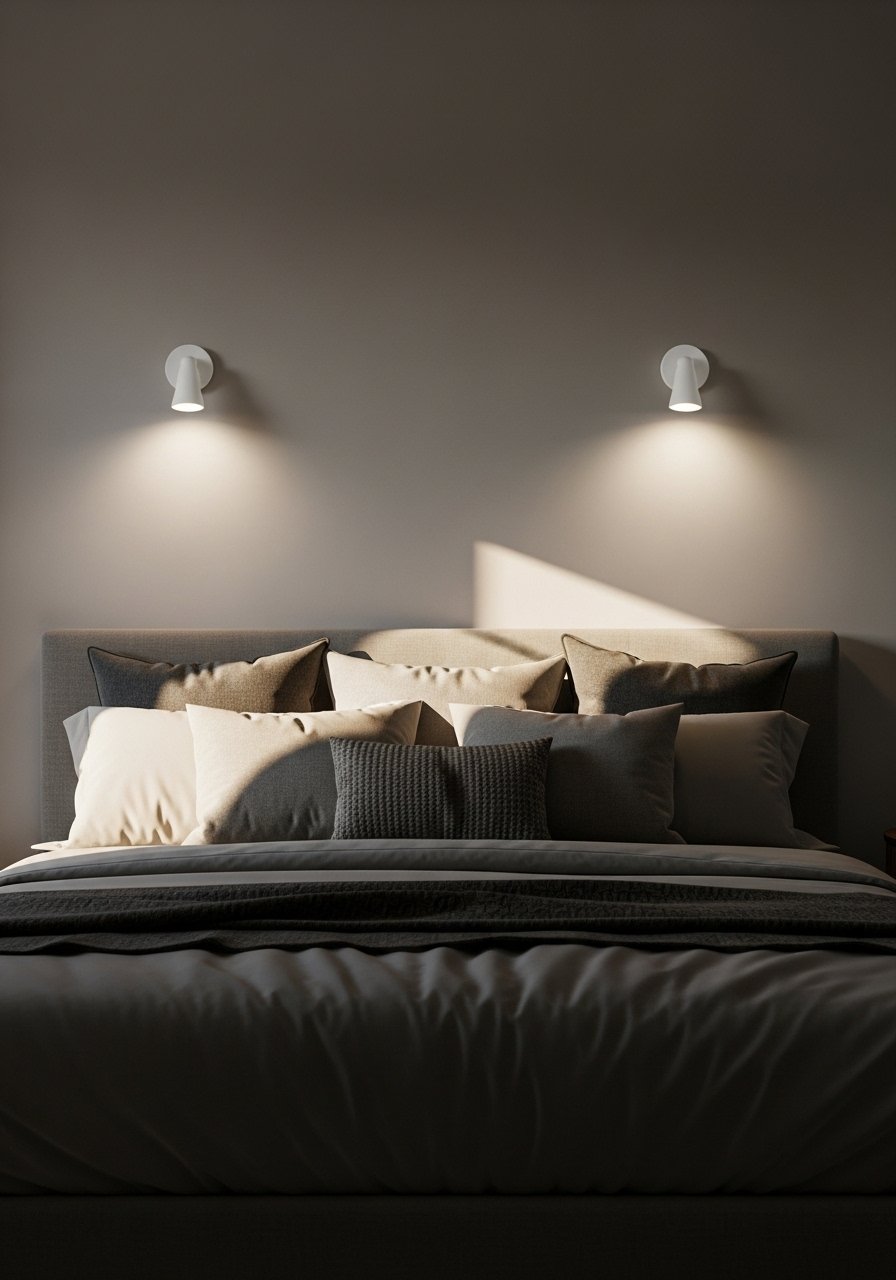
If you rent and can’t hardwire, battery sconces are a godsend. I used two battery wall lamps with adhesive mounts and they look surprisingly refined. Expect $25 to $60 for a set. I recommend battery-wall-sconce-set. The common mistake is mounting them without testing eye-line height. Aim for the bulb center at 56 to 62 inches from the floor. This avoids awkward light angles when you’re reading in bed.
Accent Lighting for Bookshelves and Nooks
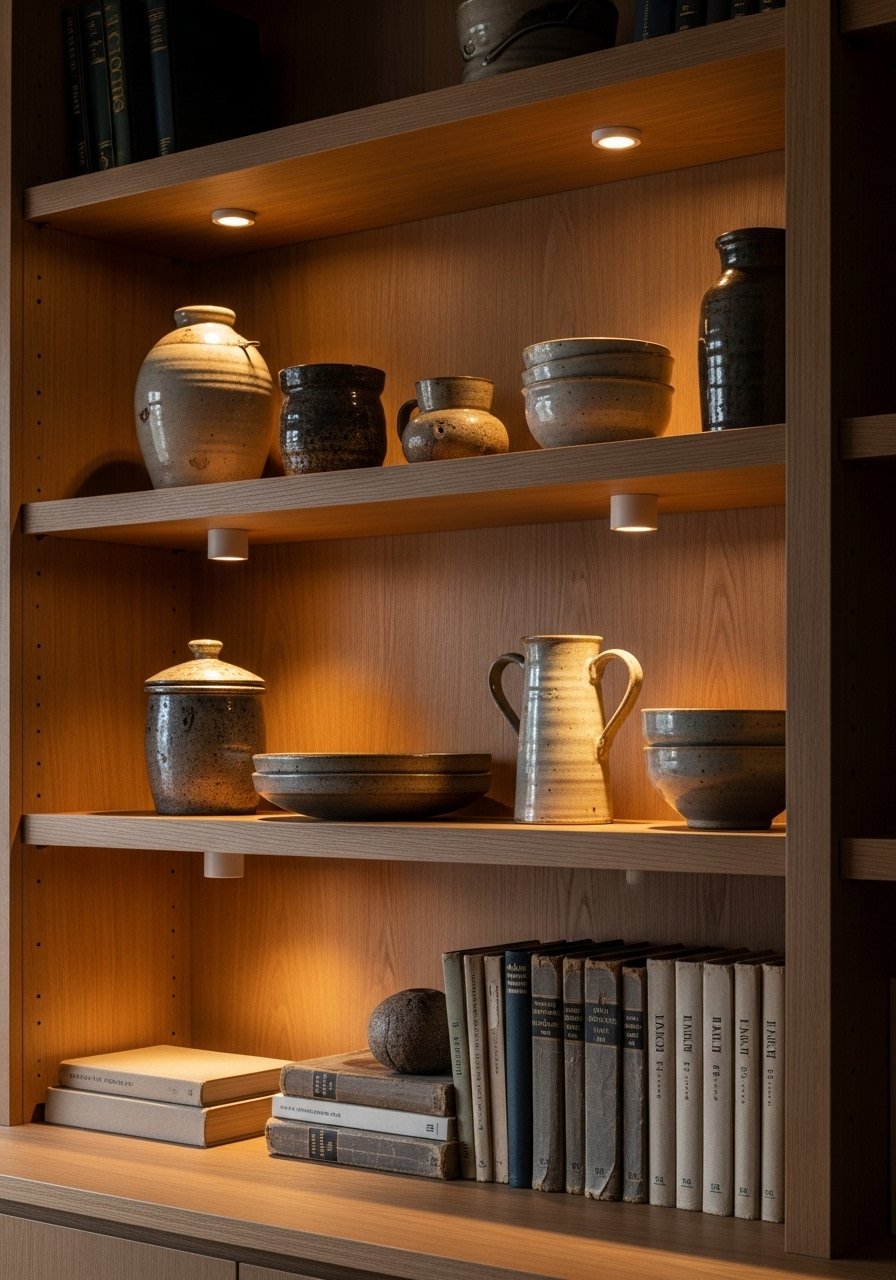
Highlighting shelves makes displays look curated, not piled. Use small puck LEDs placed five to eight inches apart depending on shelf depth. I used three 1.5-inch puck lights on a 36-inch shelf. It cost about $30. I used led-shelf-puck-lights. Mistake is installing lights that are too bright or too cool. I used 3000K warm white so ceramics and book colors read true. Pair with the gallery wall idea later for a cohesive vignette.
Rope Light Stair Runner for Ambient Steps
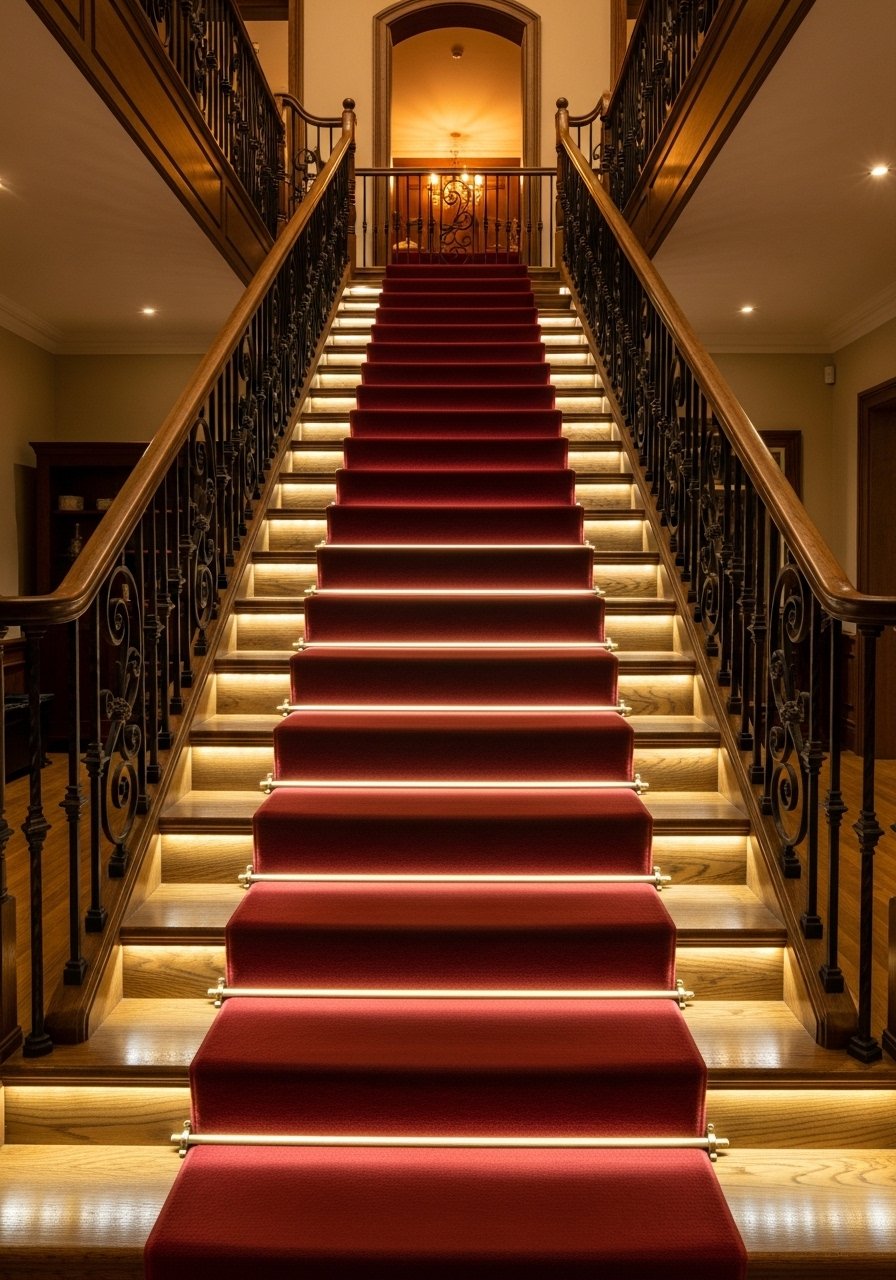
My stairs were awkward at night until I tucked a warm rope LED along the risers. It’s a safety and style upgrade. I used 16-foot runs cut into three zones for my stairs and wired them to a motion sensor for under $50. Try stair-led-rope-light. People either over-light or ignore stairs. Keep the glow low, about 50 lumens per step, so it reads ambient not theatrical. This solves tripping hazards and adds a premium subtlety.
Brass Plug-In Wall Lamps for Home Offices
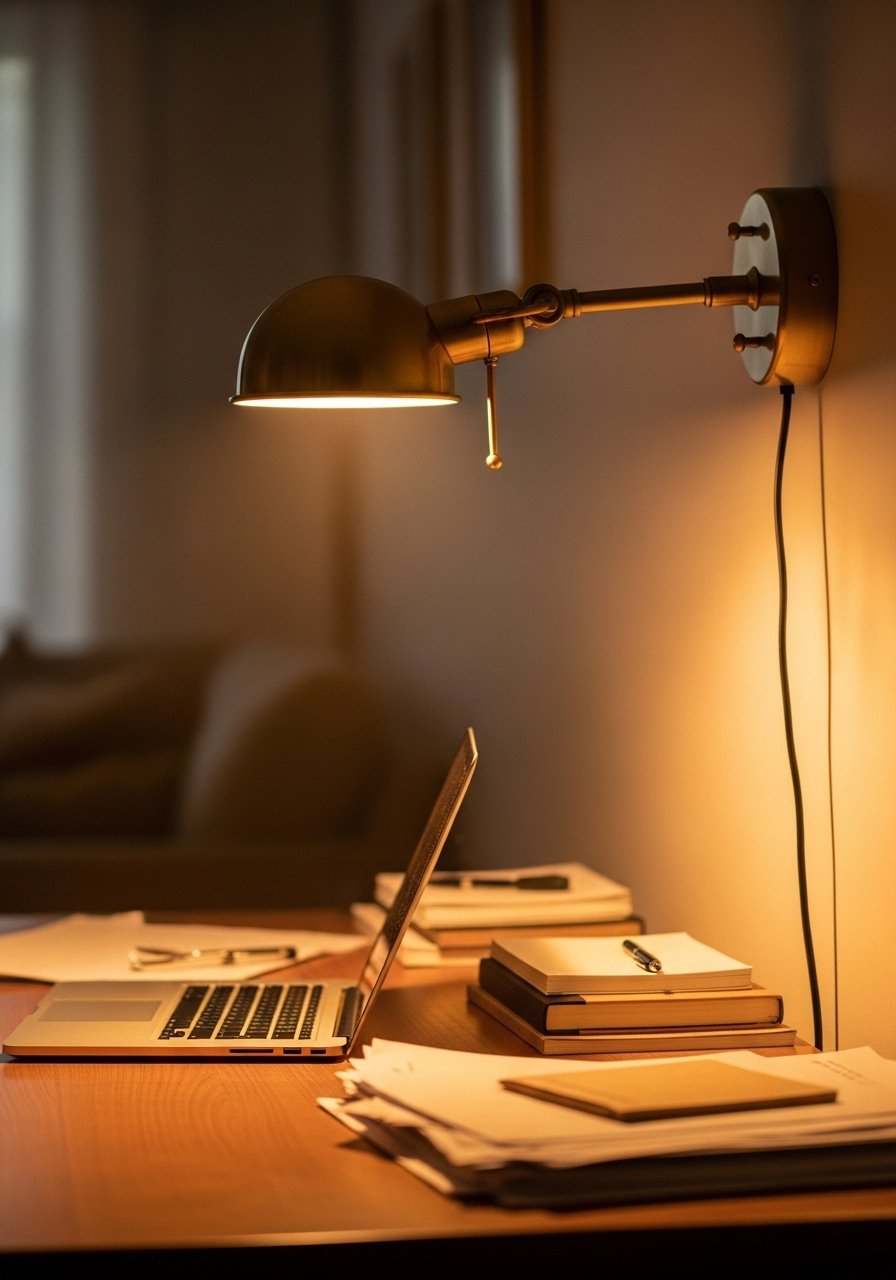
My desk felt hospital-bright until I added a brass plug-in wall lamp with an adjustable arm. It frees up desk real estate and directs task light where you need it. The lamp sits around 28 inches above the desk surface for a 30-inch desk. I spent $65 on a brass-plug-in-wall-lamp. Don’t use a high Kelvin bulb for tasks. Aim for 3000K with about 800 lumens. This is perfect for home offices and study nooks.
Mirror-Backed Sconce for Small Bathrooms
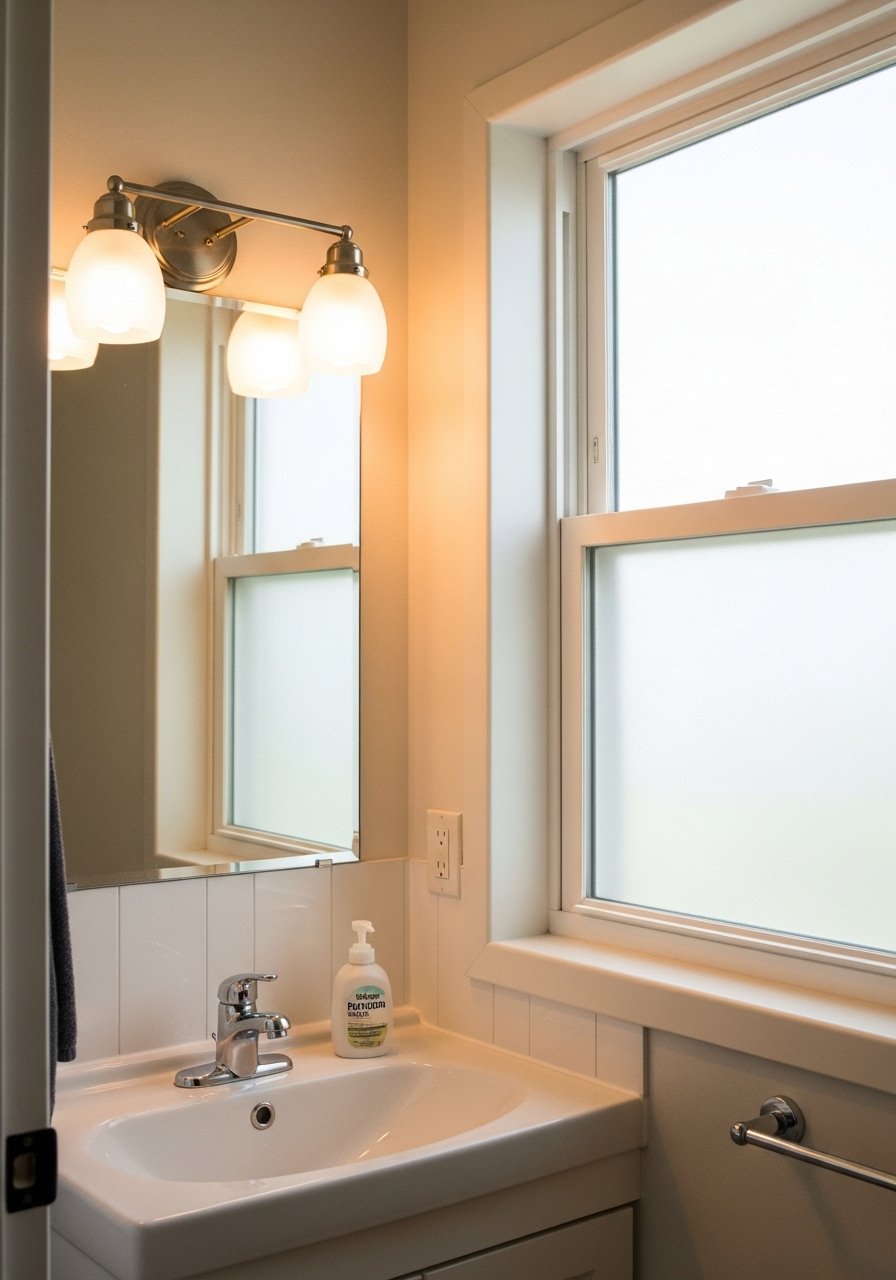
Small bathrooms get dreamy with a mirror-backed sconce. I installed one above my medicine cabinet and it doubled the light without adding fixtures. Use a sconce width that matches your mirror, usually 18 to 24 inches for single-sink vanities. Budget around $40 to $120. Try mirror-backed-sconce. Mistake is placing it too high which casts shadows. Keep center of light at eye-level for flattering bounces. This trick makes tiny bathrooms feel intentional and larger.
Gallery Wall Illuminated With Picture Lights
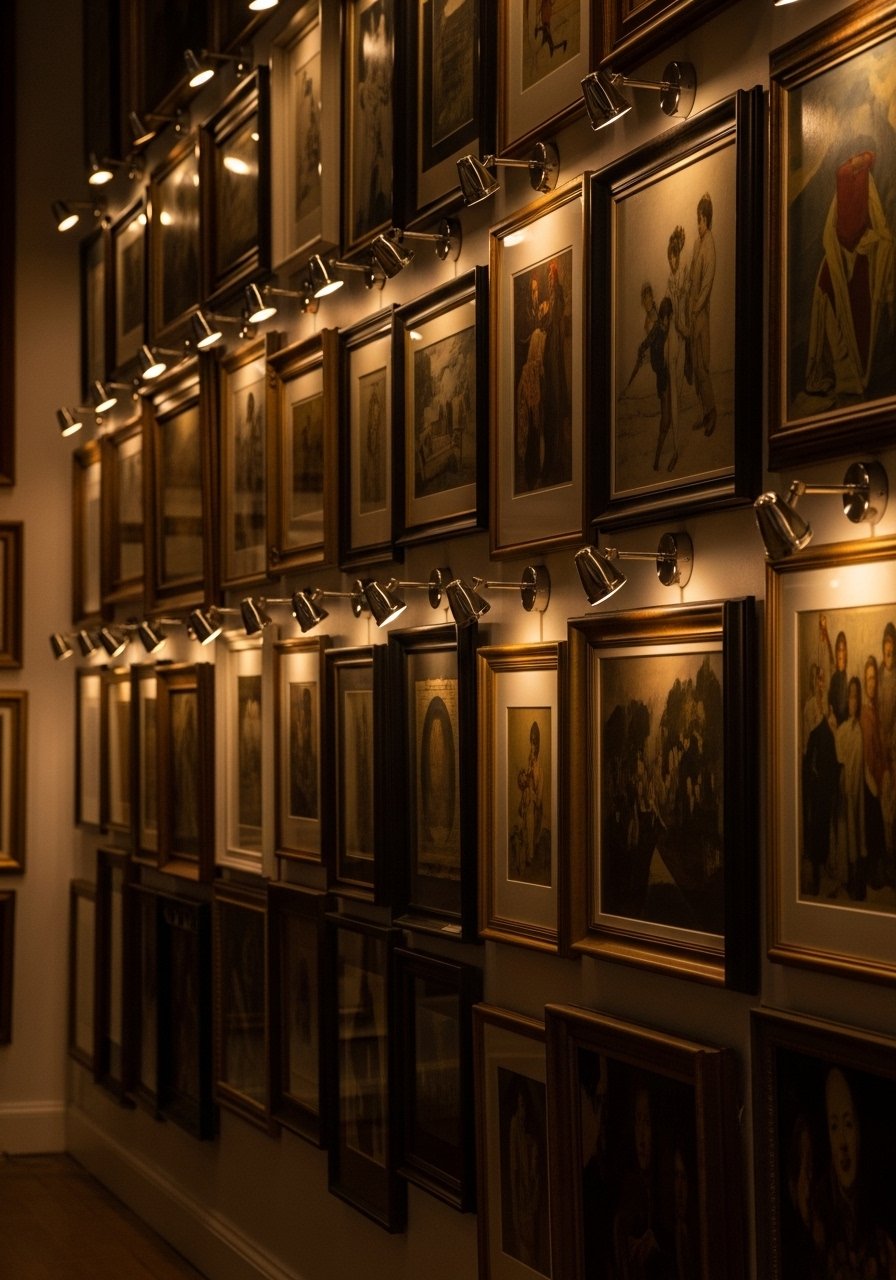
I never loved my gallery until I added picture lights above the collection. Even a narrow 6-inch LED picture light can bring depth. For a standard 24-inch frame, place the light 6 to 8 inches above the frame top and use 2700K bulbs. I used a set of led-picture-lights. People often light artwork from the side which creates glare. Center the light and dim it to make the art pop without stealing the show. Pair this with shelf lighting from idea 13.
Your Decor Shopping List
Textiles
- Honestly the best $40 I have spent. Chunky knit throw in cream in a 50×60 inch size. Drape over the sofa arm for instant warmth
- 22-inch linen pillow covers, set of 2 in oatmeal and dusty blue
Wall Decor
- For illuminated art, LED-picture-lights, pack of 2 (~$35)
- Found these while looking for something else. Brass picture ledges (~$18) let you swap art without new nail holes
Lighting
- Matte-black-pendant-light for kitchen islands, 8-inch shade
- Glass-globe-floor-lamp 62-inch height for reading corners
Plants & Greenery
- Faux fiddle leaf fig, 6-foot for height without maintenance
Budget Finds
- Battery pillar candles, set of 3 (~$25)
- Magnetic LED light strip, 3-pack for under-cabinet lighting
Tools & Extras
- In-line-dimmer-switch for lamps, easy install
Similar at Target/HomeGoods: look for linen drum shades, chunky throws, and brass accents if you prefer to see fabric and finish in person.
Shopping Tips
White oak beats dark wood in 2026. Design feeds have shifted completely. These white-oak-floating-shelves look current, not dated.
Grab velvet-pillow-covers for $12 each. Swap them every 3 months and the whole room feels different.
Curtains should puddle or kiss the floor, never hang halfway up. 96-inch linen curtain panels are right for standard 9-foot ceilings.
Everyone buys five small succulents. One single 6-foot faux fiddle leaf fig has ten times the visual impact.
If you can’t wire it, use smart bulbs. Dimmable-smart-led-bulbs let you control warmth and brightness without changing fixtures.
Swap plate switches for dimmer modules paired with dimmable-led-bulbs to avoid harsh overheads and get layered light.
Frequently Asked Questions
Q: What bulb temperature should I pick for living rooms?
A: Go warm. Use 2700K to 3000K for living rooms and bedrooms. It softens skin tones and makes fabrics look richer. For task areas use 3000K or slightly higher.
Q: Can renters get the layered lighting look without hardwiring?
A: Yes. Use battery sconces, plug-in wall lamps, and smart bulbs. I used a plug-in wall lamp over my desk and a battery sconce in a bedroom for the same layered effect without an electrician.
Q: What height should pendants be over a table or island?
A: For a table, hang the bottom of pendants 28 to 34 inches above the tabletop. For an island, aim for 30 to 34 inches above the counter and space pendants 24 to 30 inches apart for a 6-foot island.
Q: How do I avoid a single harsh overhead light?
A: Use at least three sources: overhead, task, and accent. Add table or floor lamps and a dimmer or smart bulbs so the overhead can be softer when needed.
Q: Can I mix lamp finishes without it looking messy?
A: Mix them. Match one dominant finish to furniture hardware and use a secondary finish on smaller items. Mixed metal picture frames are an easy starter.
Q: What size pendant should I buy for a bedroom above a bed?
A: For a queen bed, a 14 to 20-inch diameter pendant usually works. Keep the pendant 28 to 32 inches above the mattress top on an 8-foot ceiling unless you have a higher ceiling.
Q: How do I make a DIY light look intentional, not like a thrift store project?
A: Pay attention to scale, bulb color temperature, and mounting height. Use matching screws, hide cords with cloth-covered cables or paint them to match the wall, and add a dimmer so the light reads soft and controlled.