
My living room had nice furniture and decent lighting but it still felt like a waiting room. Took me embarrassingly long to figure out it was missing texture. Every surface was smooth, every color was flat, and nothing invited you to actually sit down. Once I fixed the door treatments, the whole house started to feel like mine.
These ideas lean coastal with plenty of wood and light finishes, but there are industrial and modern twists too. Budgets here run from quick $30 swaps to $1,200 installs, and everything works for front entries, patio doors, or interior passageways where you want better flow and personality.
Fluted Teak Panel Front Door For Modern Coastal Entries
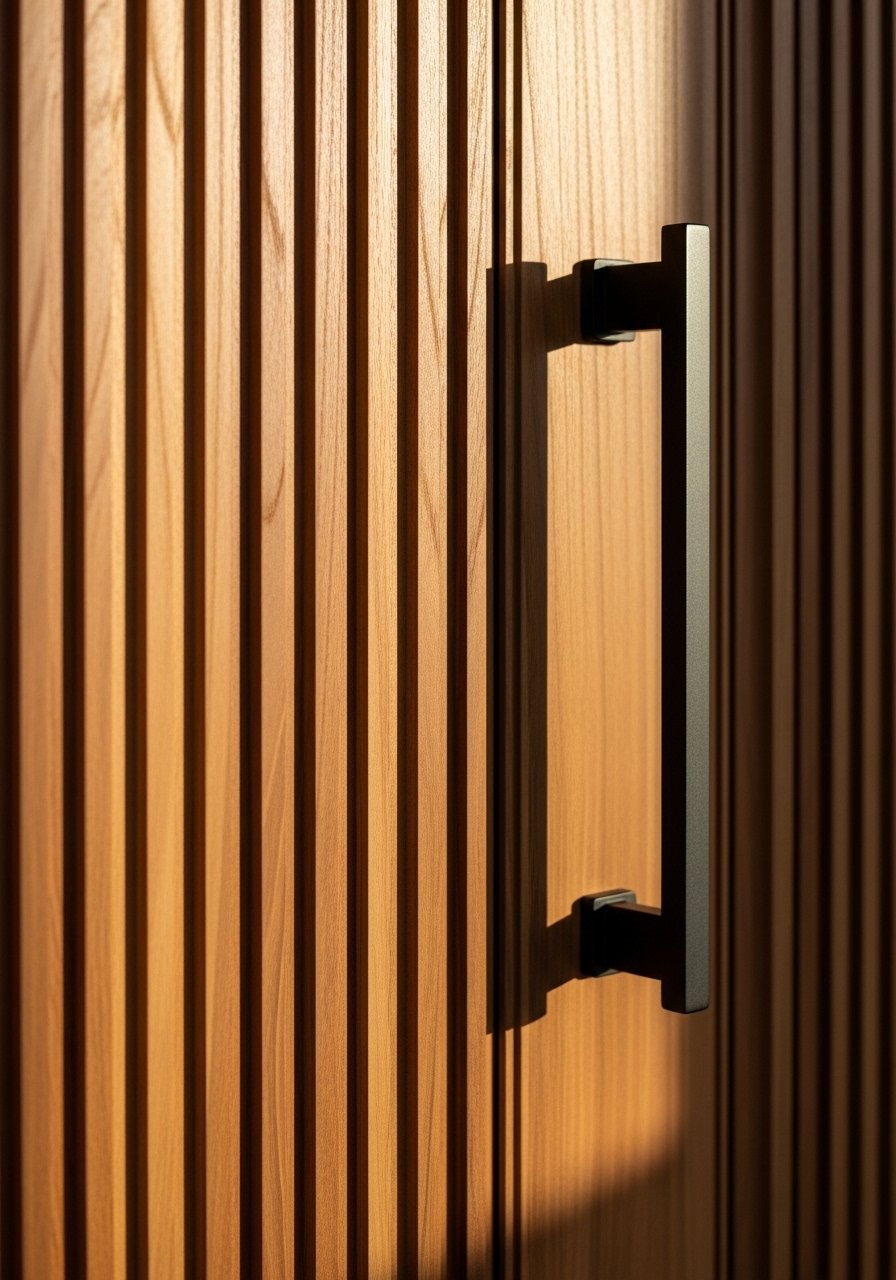
Fluted teak turns a plain door into something you keep touching. The grooves I like are 2 to 4 millimeters wide and spaced 1 to 2 inches apart, which reads as texture not stripes. It gives a modern coastal look and hides tiny salt scratches better than a painted flat door, which matters by the beach. Expect $300 to $600 for a reclaimed teak slab and a matte black pull. I used a 14-inch handle for proportion. A common mistake is shallow grooves that look cheap. Pair this with a UV-protect stain so the color ages without going orange. Matte black door pull worked for me.
Metal-Framed Glass Insert Entry With Thermal Break
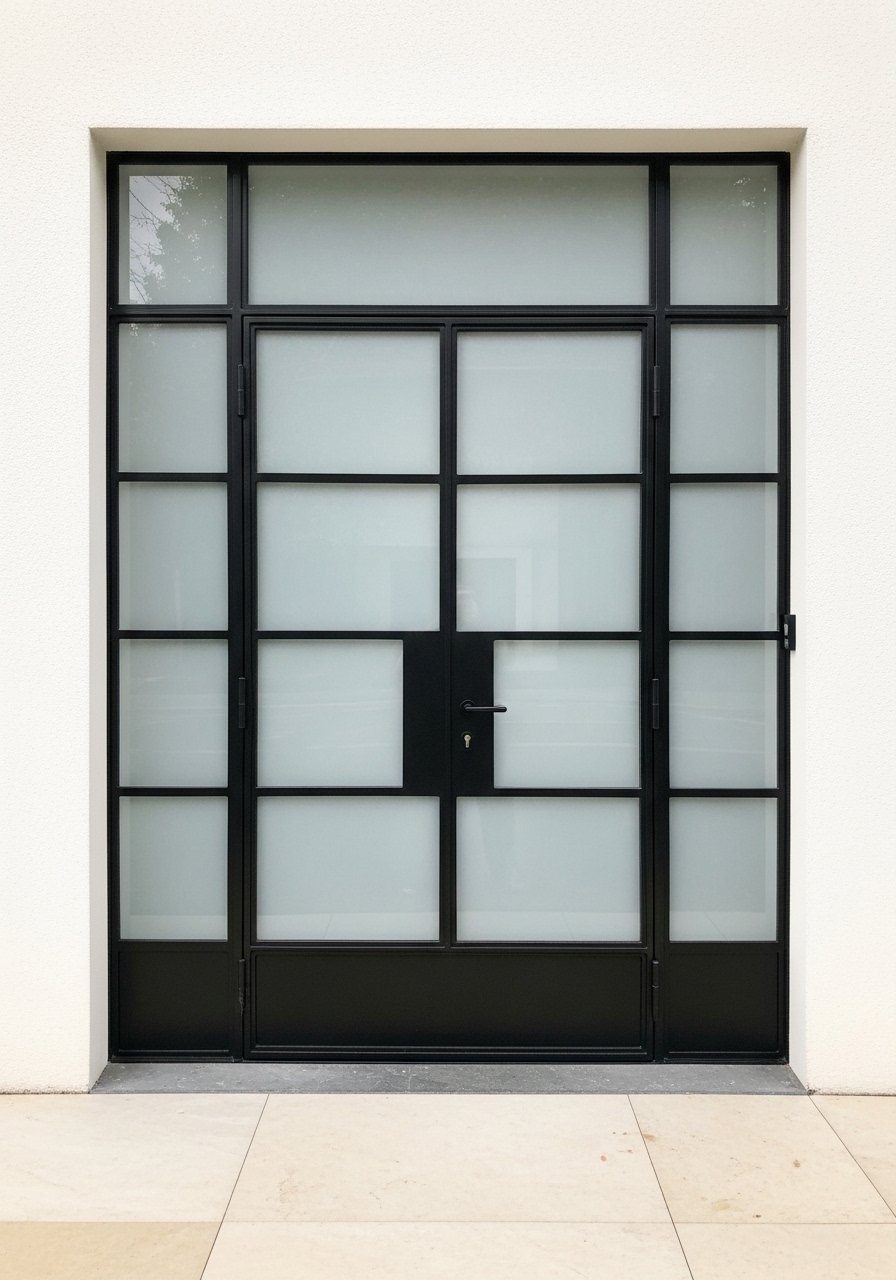
If you want light without feeling exposed, aim for glass that covers 40 to 60 percent of the door surface. Glass doors light up entries like nobody's business, and a metal frame with a 1 to 2 inch thermal break prevents the door from turning into a draft tunnel. This is an industrial coastal look that brightens small foyers. Budget runs higher, around $800 plus professional install. People forget to choose frosted panes for privacy, then regret it. Use matte bronze or black trim to keep the frame grounded. Frosted glass panel kit is a good starting point for upgrades.
Deep Navy Pivot Door For Minimalist Beach Houses
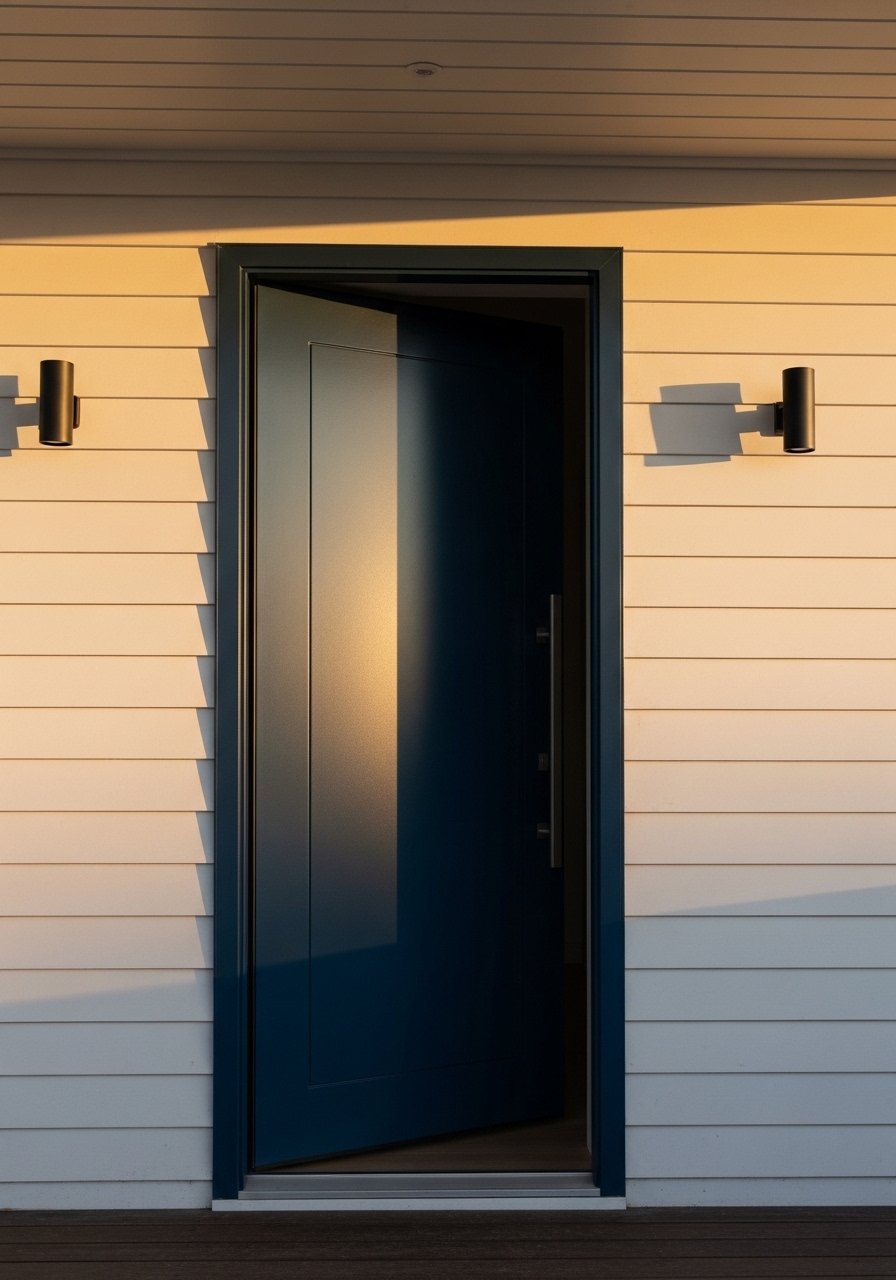
Painting a large pivot slab navy makes a crisp statement. Most folks swap their front door when they want the house to actually look like theirs, and a deep blue pivot achieves that without clutter. If the door is over 90 inches tall, plan for pivot hardware so it does not sag. Expect $400 to $700 including paint and a fingerprint-capable lock. Don’t paint a south-facing door bright red unless you plan to refinish every few years, because bold colors fade fast in sun. I added a fingerprint lock rated for damp climates rather than a cheap keypad. Weatherproof fingerprint lock kept keys out of my pocket on rainy days.
Sliding Wood-and-Glass Patio Door For Indoor-Outdoor Flow
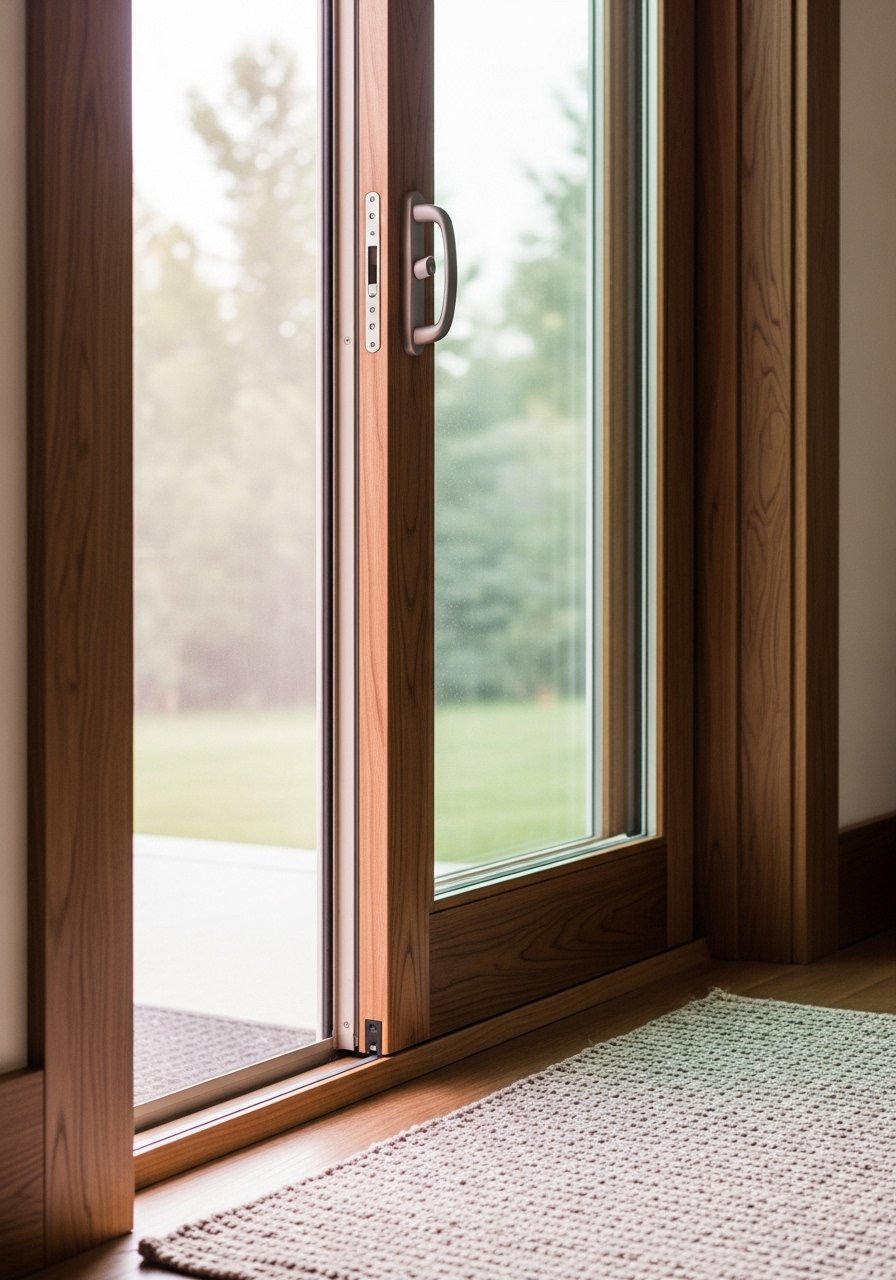
Sliding doors open a room without stealing swing space and they are ideal for coastal patios where you want breezes. A solid recommendation is a wood frame with roughly half the surface as glass to balance light and thermal performance. Budget around $1,000 plus if you want smooth tracks. One trap is buying cheap rollers that clog with sand. I swapped to a stainless-steel track and it glides even after a beach day. Glass doors light up entries like nobody's business, but add a low-E coating for sun protection. Replacement sliding door rollers saved me two trips from a stuck panel.
Matte Bronze Folding Door With Jaali Cutouts For Breezy Privacy
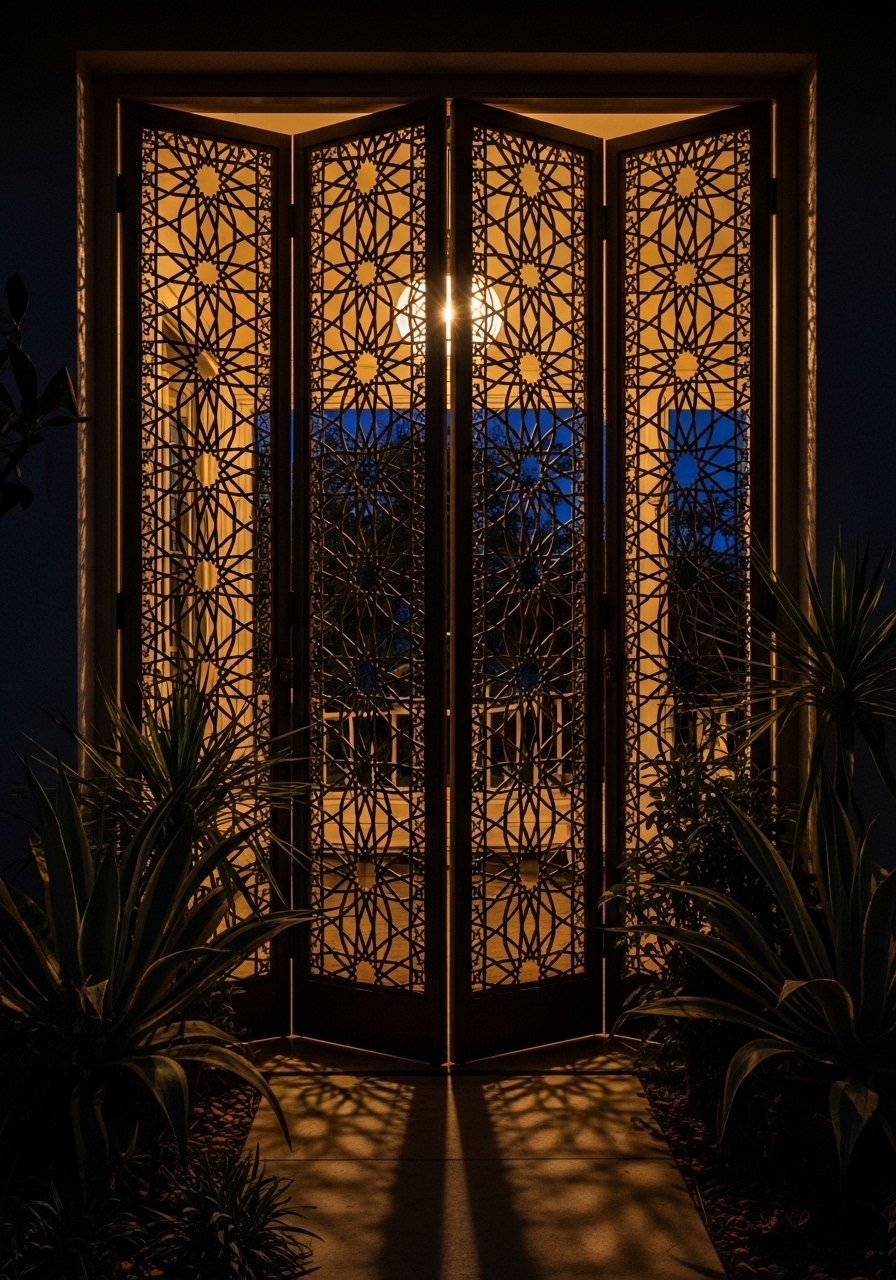
Folding doors with jaali-style cutouts give airflow and pattern without sacrificing privacy. Matte finishes are better in coastal air because matte hides smudges and corrosion spots. Matte is taking over shiny stuff fast, and bronze tones warm light oak or white siding nicely. You can get a folding set for $500 to $800. A common mistake is using thin metal that rattles in wind. Look for folded panels with a rigid core and test how they stack. For renters, hinge clips let you remove decorative panels without drilling permanent holes. Bronze folding door kit is a sturdy pick.
Flush Minimal Interior Door With Backlit Nameplate
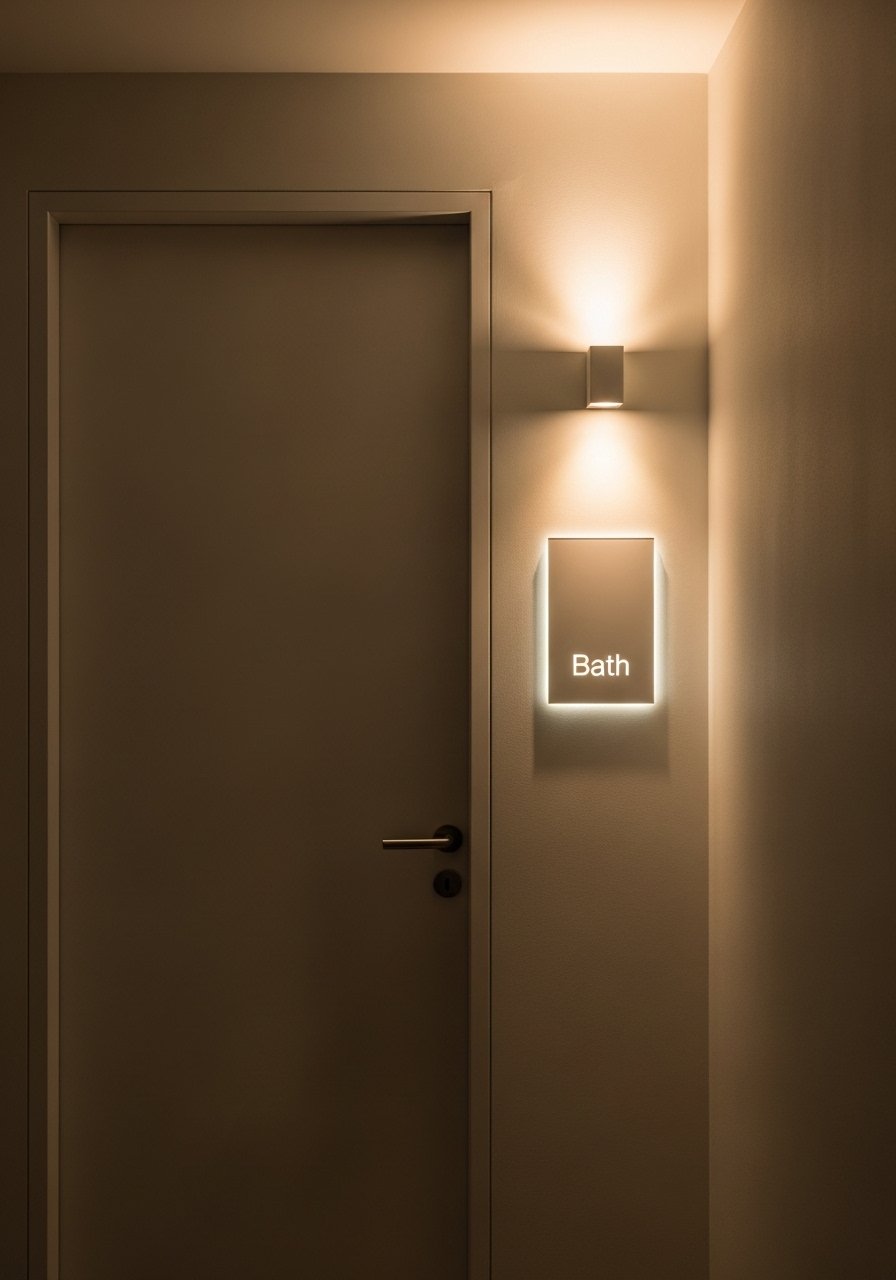
For bedrooms and bathrooms, a flush door keeps sightlines clean and lets a backlit plate carry personality. I used a 12-inch LED strip behind a slim plate and it makes the doorway feel like an intentional pause rather than a blank slab. This suits minimalist coastal or Japanese-inspired interiors and costs about $150 to $300. People often add chunky knobs that ruin the line of the door. Keep hardware minimal and use a 12 to 18 inch handle only if the door is oversized. Slim LED backlight kit was easy to install and renter friendly.
Bold Red Double Entry With Copper Accents For Grand Feel
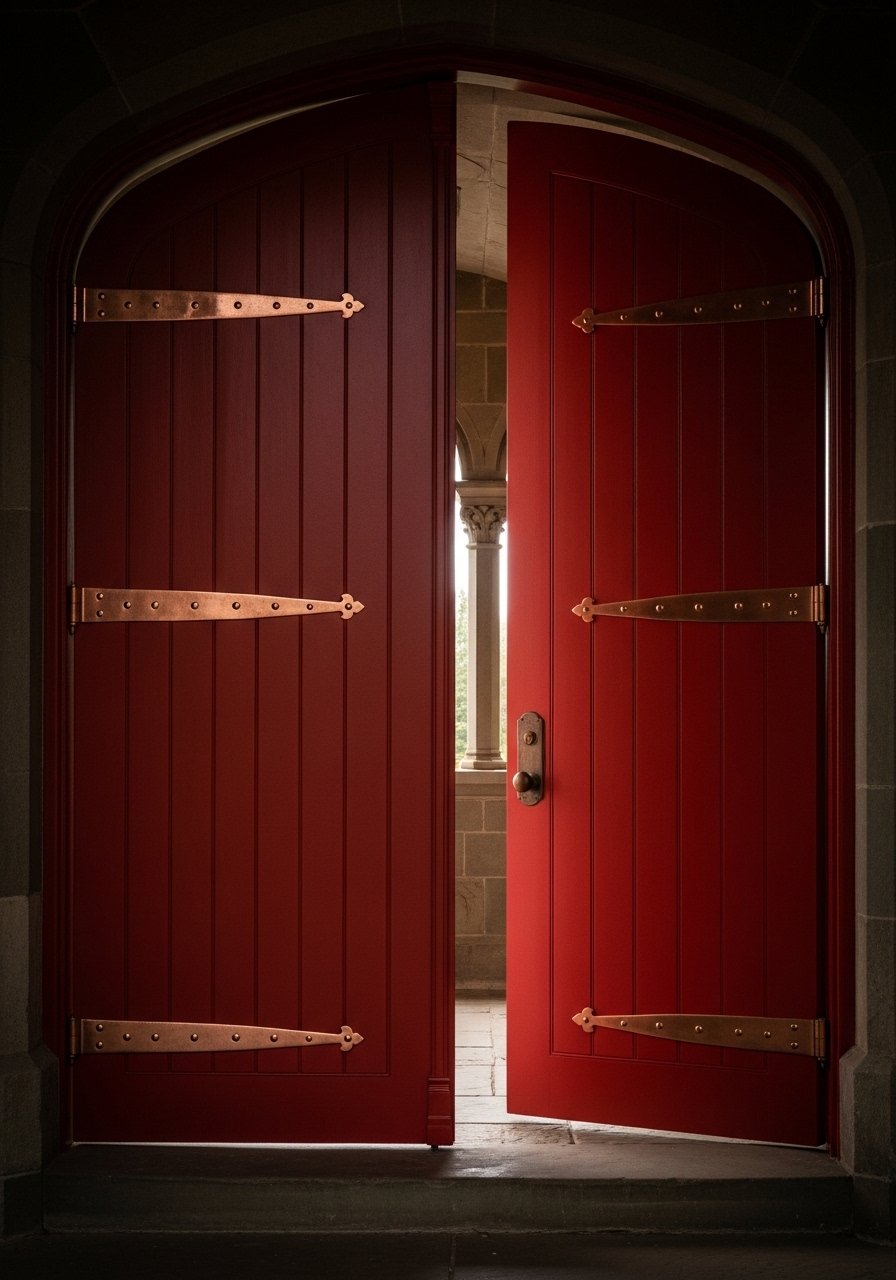
A red double entry reads like celebration and makes small facades look taller because your eye travels up. I recommend matte red in shaded entries so UV does less damage. Expect $900 plus for quality mahogany doors with copper hardware. People often match every metal which can look flat. Use copper on hinges and a matte black handle for contrast. Keep the red from overpowering by balancing 70 percent wood tones with 30 percent warm accents if nearby siding is light. Copper door hinges set added the right patina.
Sustainable Teak Groove Door With Smart Doorbell For Humid Coasts
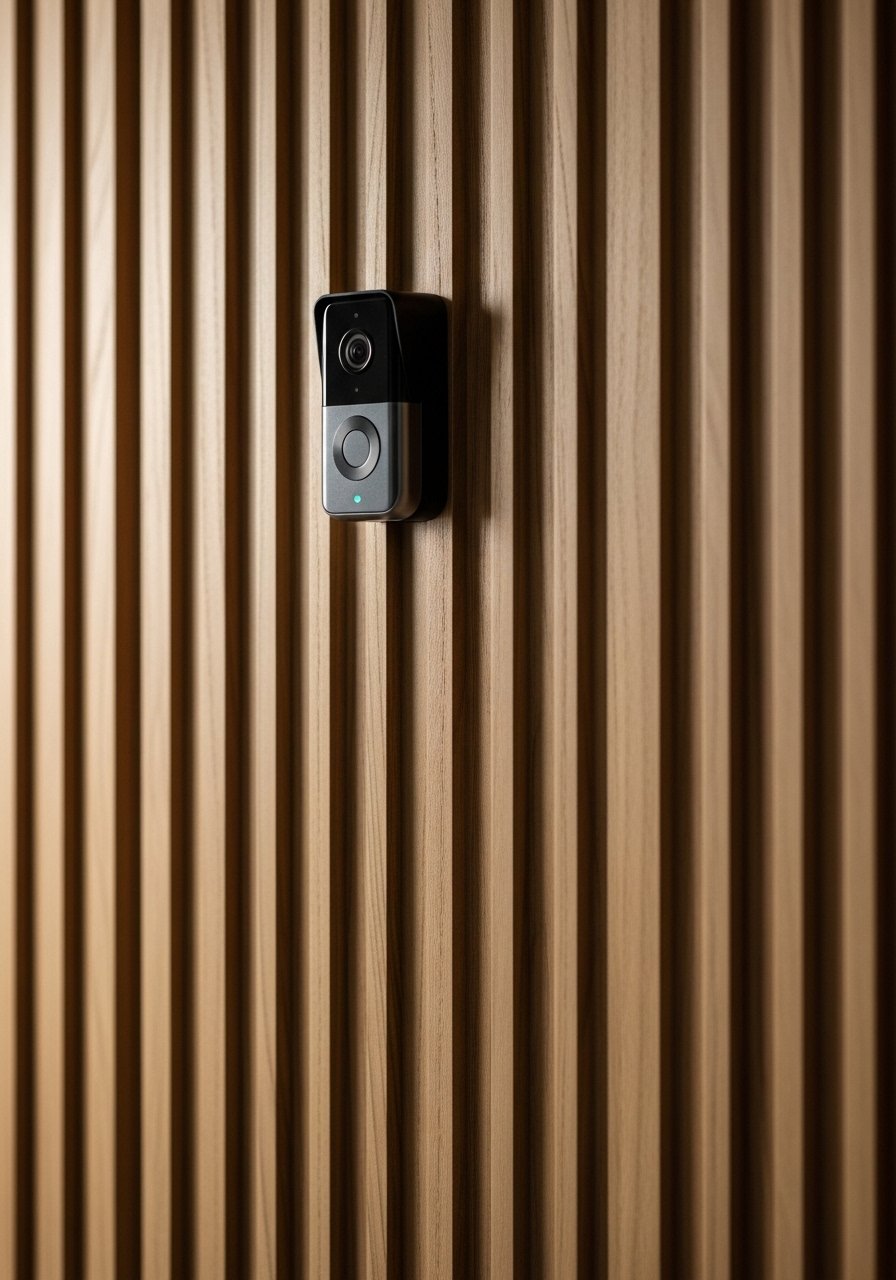
Teak handles humidity better than most woods and looks better as it weathers. I like grooves that are shallow enough to avoid trapping salt but deep enough to read as texture. Pairing a teak slab with a wireless smart doorbell avoids hardwiring and is renter friendly. Over half go wood that lasts these days, and sustainable teak is worth the premium. Expect $400 to $650. Avoid cheap cams that fog up in salt air. Choose an IP65-rated, wireless model. Wireless weatherproof doorbell camera held up through two storms.
Oversized Black-Framed Glass For Dramatic Light
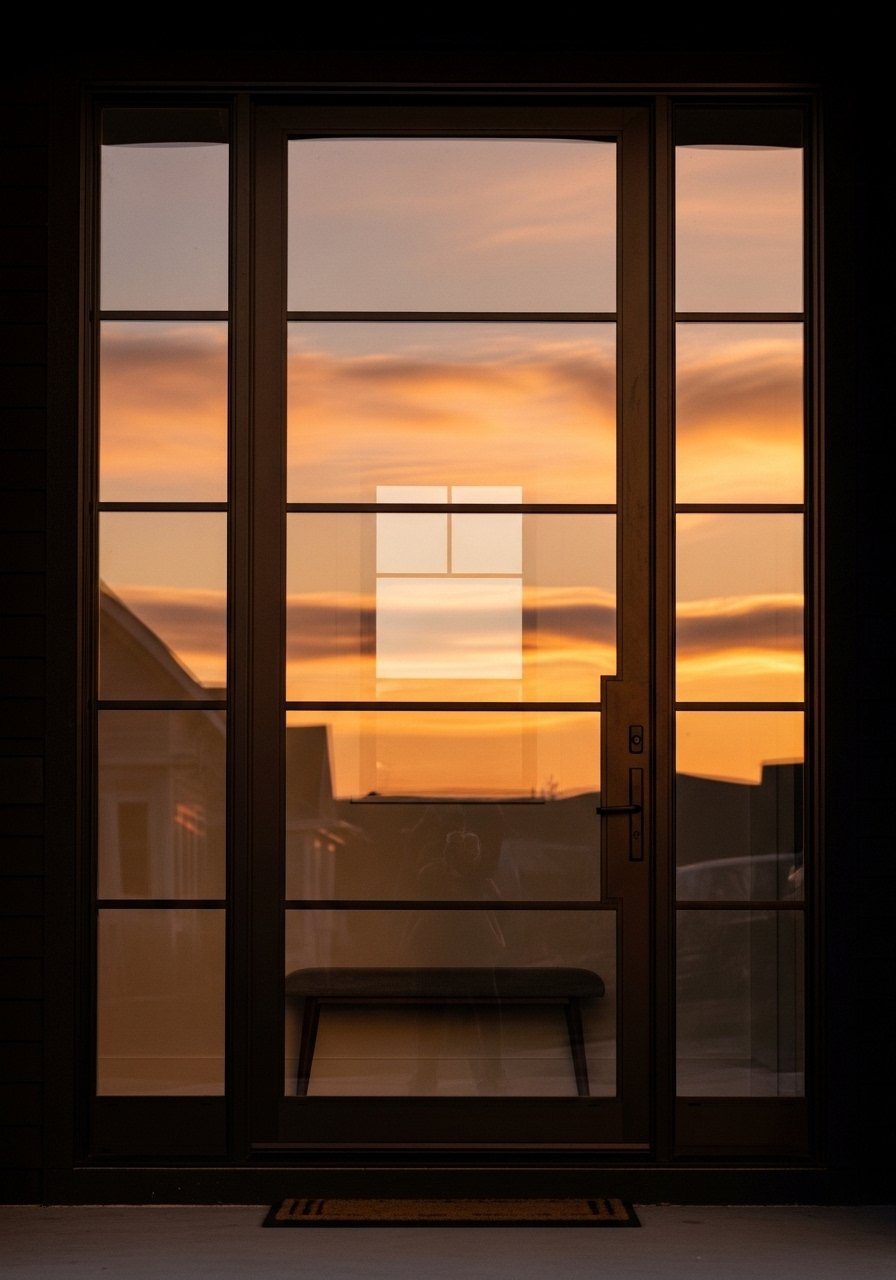
An oversized glass door in a matte black frame reads modern and anchors a light facade. If you do this, use thermal breaks and thicker seals because glass panels leak heat quickly otherwise. Most folks swap their front door when they want the house to actually look like theirs, and an oversized glass entry does that in one go. Budget tends to be $1,200 and up with professional glazing. A mistake is picking full clear glass right at eye height. Frost or a 40 percent opacity film keeps privacy while letting light pour in. Thermal break glazing film is a DIY compromise.
Warm Walnut Panelled Pivot For Interior Separation
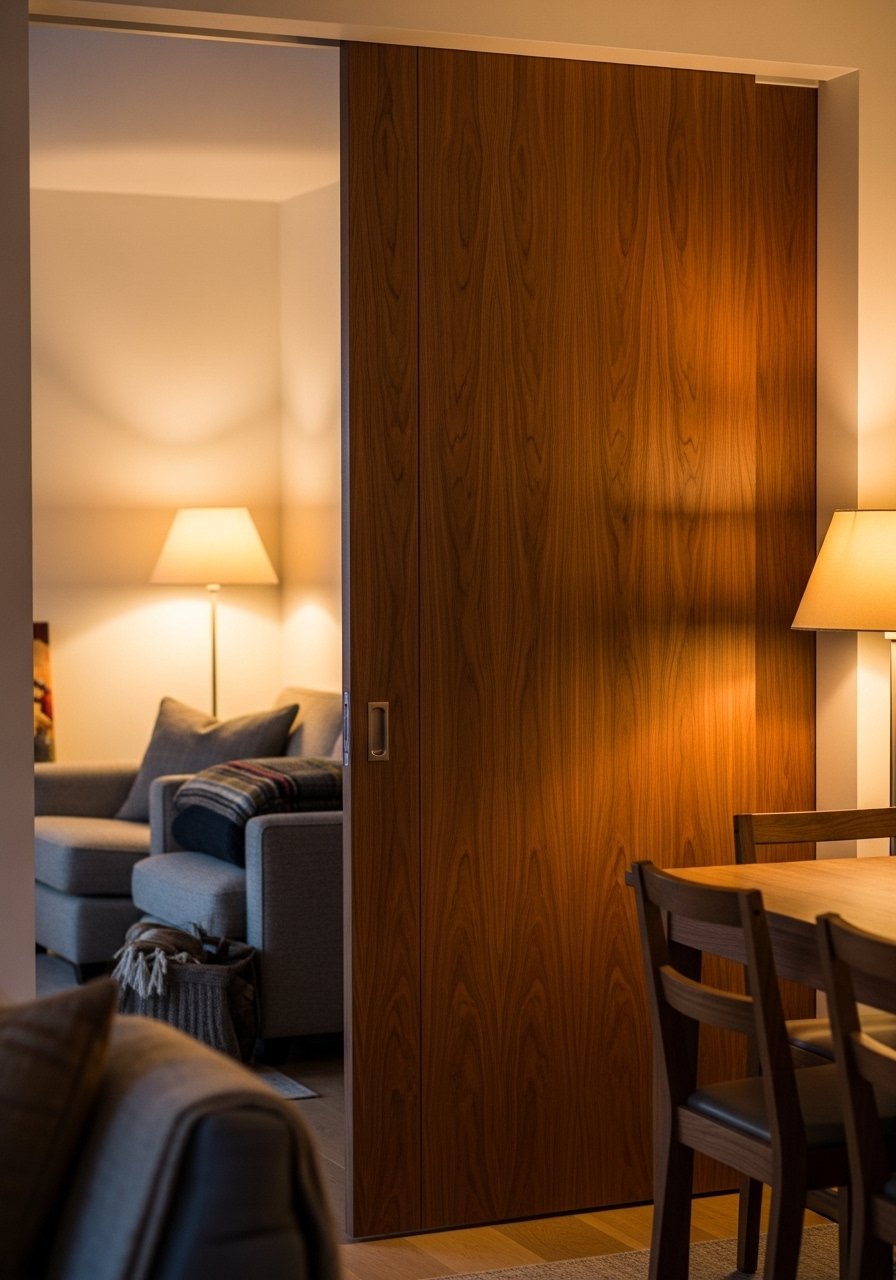
Walnut warms a coastal palette without feeling heavy. A pivot panel works beautifully between a kitchen and living room where you want visual separation but also the option to swing dramatic open. I recommend a pivot sleeve for renter installs so the hardware is reversible. Expect $350 to $550. People under-size the handle; on a 96-inch panel go 16 inches or more for balance. Also add soft-close pivots if kids are around so slams do not break the panels. Walnut veneer door slab matched my trim perfectly.
Frosted Geometric Cutout Slider For Privacy And Pattern
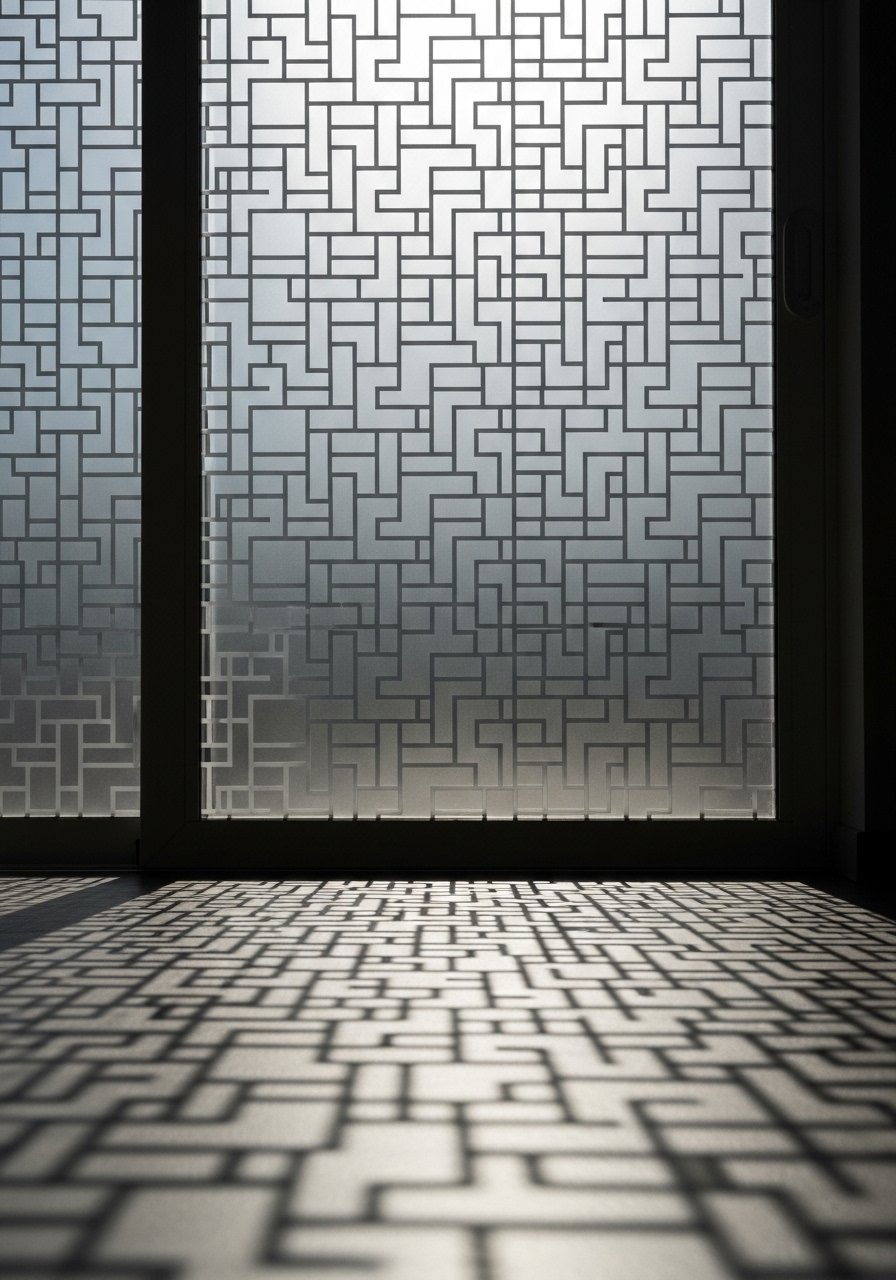
Geometric cutouts let patterned light read as art and keep rooms private. Go with frosted panels in bedrooms or bathrooms, and aim for patterns that put frosted areas at eye level. A common oversight is making the pattern too dense so the door reads heavy. Keep about 60 percent solid to 40 percent frosted for balance. This works well for closets, bathrooms, or dividing a studio. Budget is modest, $200 to $400. For renters, magnetic panels over existing glass are a quick swap. Frosted geometric slider kit made the install painless.
Light Oak Front With Black Hardware For Bright Coastal Curb
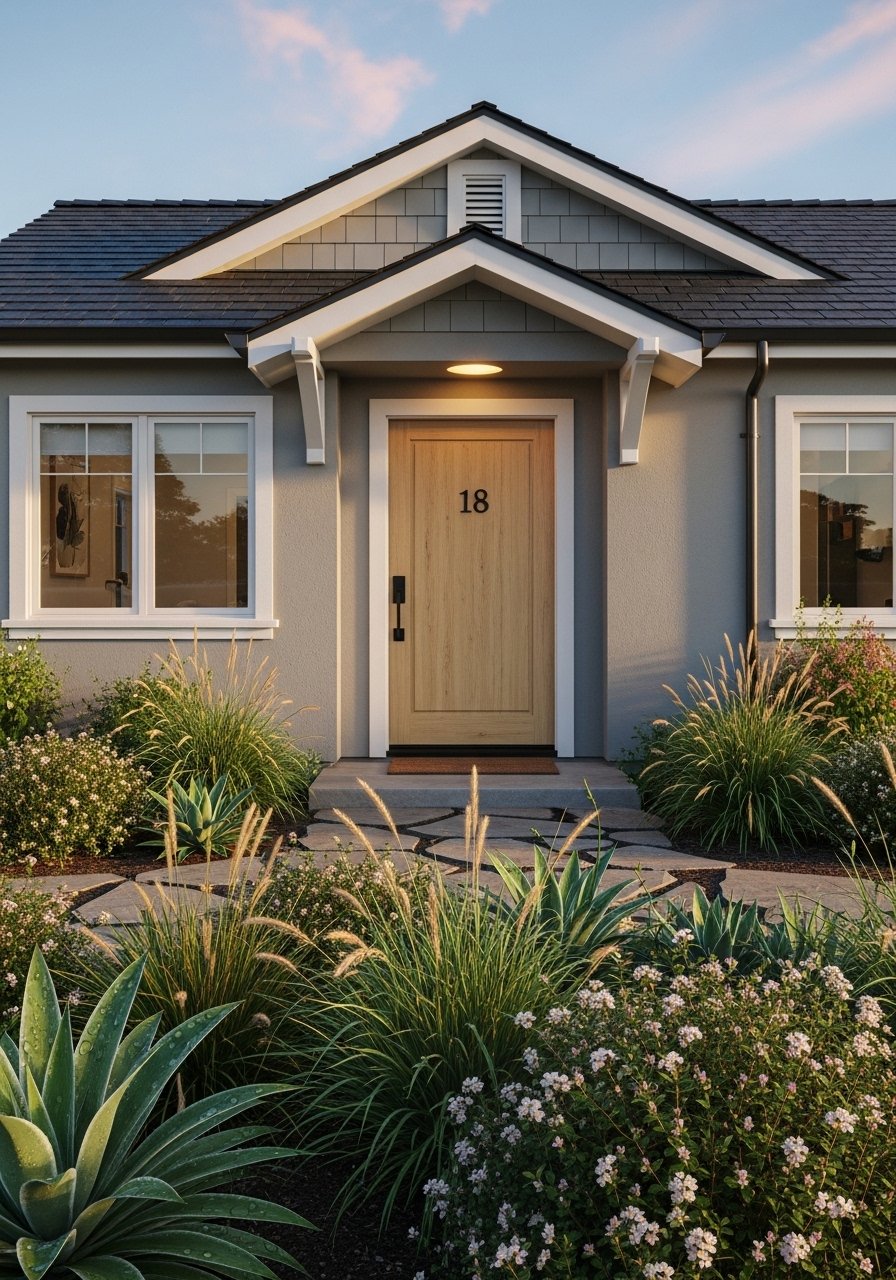
Light oak reads fresh in coastal light and helps a small house look less heavy. Use a 70 percent natural wood tone with 30 percent warm undertone if you are staining. Matte black hardware around 12 to 18 inches grounds the look and prevents the door from floating. Expect $450 to $700 including a good finish that resists salt. A mistake is glossy clear coat which shows every finger mark. Matte is taking over shiny stuff fast, so go matte for low maintenance. 18-inch matte black handle fit my proportions perfectly.
Renter-Friendly Peel-and-Stick Door Film And Bamboo Overlays
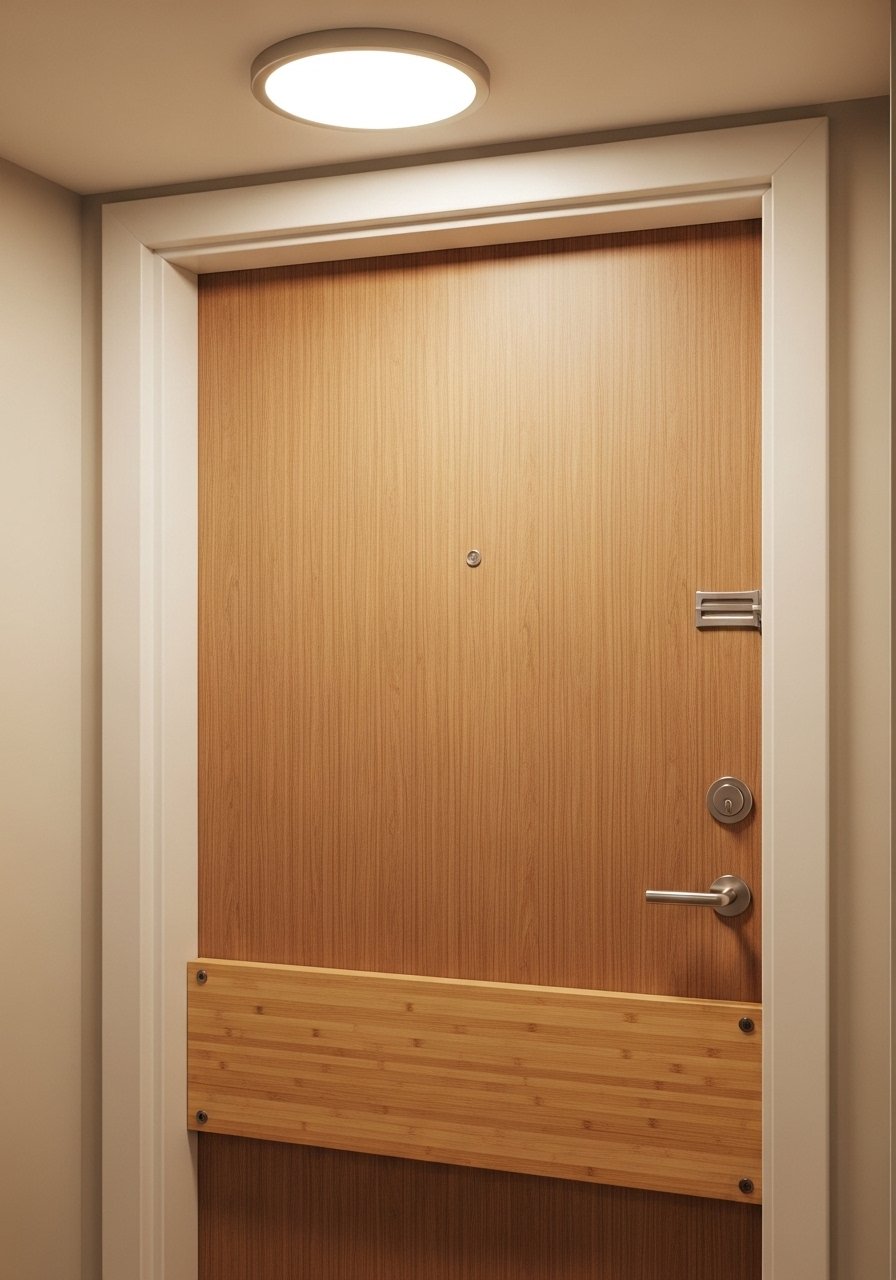
If you rent or cannot drill, peel-and-stick films and bamboo overlays are lifesavers. I put a woodgrain film over a bland metal door and it read like real wood from a few feet. For pet owners, bamboo overlays hide scratches and breathe well in humid air. Expect $30 to $120 for good film and adhesive trim. A common mistake is using thin vinyl that peels in sun. Choose a UV-protective film and test a 6-inch patch first. Magnetic frames for mail slots and adhesive pulls mean you can get a high-end look without a landlord sign-off. Woodgrain peel-and-stick door film was my apartment trick.
Your Decor Shopping List
- Honestly the best $40 I have spent. Velvet pillow covers, set of 4 in 22-inch size for layered living room seating.
- For the sliding door track swap, you need durability. Stainless-steel sliding door rollers are the ones I trust.
- Found these while looking for something else. Matte black 14-inch door pull replaces cheap hardware in minutes.
- For the curtain trick in idea 11, grab 96-inch linen panels in natural for taller ceilings.
- Wireless weatherproof doorbell camera in white for rental doors where wiring is a no-go.
- Frosted geometric slider kit for privacy with personality.
- Slim LED backlight strip for backlit plates or recessed detailing.
- Woodgrain peel-and-stick door film for renter-friendly wood looks.
- Copper door hinges set if you want warm metal accents.
- Thermal break glazing film for glass-heavy entries that need insulation.
Most items are easy to find at Target or HomeGoods if you prefer to see them in person.
Shopping Tips
White oak beats dark wood in 2026. Design feeds have shifted. White oak floating shelves look current and help balance a light oak door.
Grab these velvet pillow covers for $12 each. Swap them seasonally and the whole space feels different.
Curtains should puddle or kiss the floor, never hang halfway up. These 96-inch panels are the right size for standard 9-foot ceilings.
If you want a renter solution, try woodgrain peel-and-stick film and magnetic hardware for a no-drill upgrade.
One large plant beats five small ones. Artificial fiddle leaf fig, 6-foot is low maintenance and adds instant height.
Frequently Asked Questions
Q: How do I stop a large door from sticking in humid weather?
A: Use pivot hinges for doors over 90 inches and add a thermal break in metal frames. Also leave a 1/8-inch clearance around the frame and use a finish that resists swelling. If you already have a sticking door, sanding the bottom by 1/8 inch and re-sealing usually fixes it.
Q: Can I get privacy with a glass front door?
A: Yes. Aim for 40 to 60 percent glass coverage and pick frosted panes or a 40 percent opacity film at eye level. That balances natural light with privacy. Glass doors light up entries like nobody's business while still keeping you from being on display.
Q: What hardware size should I buy for a tall front door?
A: Go big. For doors 84 to 96 inches tall, choose handles between 12 and 18 inches. It feels proportional and makes the door easier to operate. Matte finishes hide fingerprints and salt better.
Q: Will peel-and-stick film look fake?
A: Good films do not from a distance but they can reveal seams up close. Test a small area first and choose a UV-protective option. For pet scratch protection, add a bamboo overlay on the lower portion.
Q: My bold painted front door faded after one summer. What went wrong?
A: Bright, south-facing colors fade fastest. Use UV-protective exterior stain or choose deeper hues in shaded entries. Matte finishes also show fading less than glossy ones.
Q: Are smart locks reliable in coastal rain?
A: Only some are. Pick a lock with at least an IP65 rating and wireless options to avoid corrosion. Cheap keypads often glitch in storms, so choose a weatherproof fingerprint or camera-enabled model for peace of mind.