
My neighbor joked that my balcony looked like a campsite the first summer I started building outdoor furniture. It was true. I had mismatched chairs and a table that leaned. After a few inexpensive builds and one waterproofing lesson learned the hard way, the space finally felt settled. These are the projects I kept, the ones that survived weather and time, and the small tricks that stopped them from looking like something I made ten minutes before guests arrived.
These ideas skew toward laid-back modern and coastal-cottage vibes. Most builds land between $30 and $200, with a few around $300 if you splurge on fast-drying outdoor paint or a quality cushion. They work on small balconies, wide decks, and yard patios where you want pieces that look intentional and survive rain, sun, and real life.
Low-Slung Pallet Sofa for Casual Patio
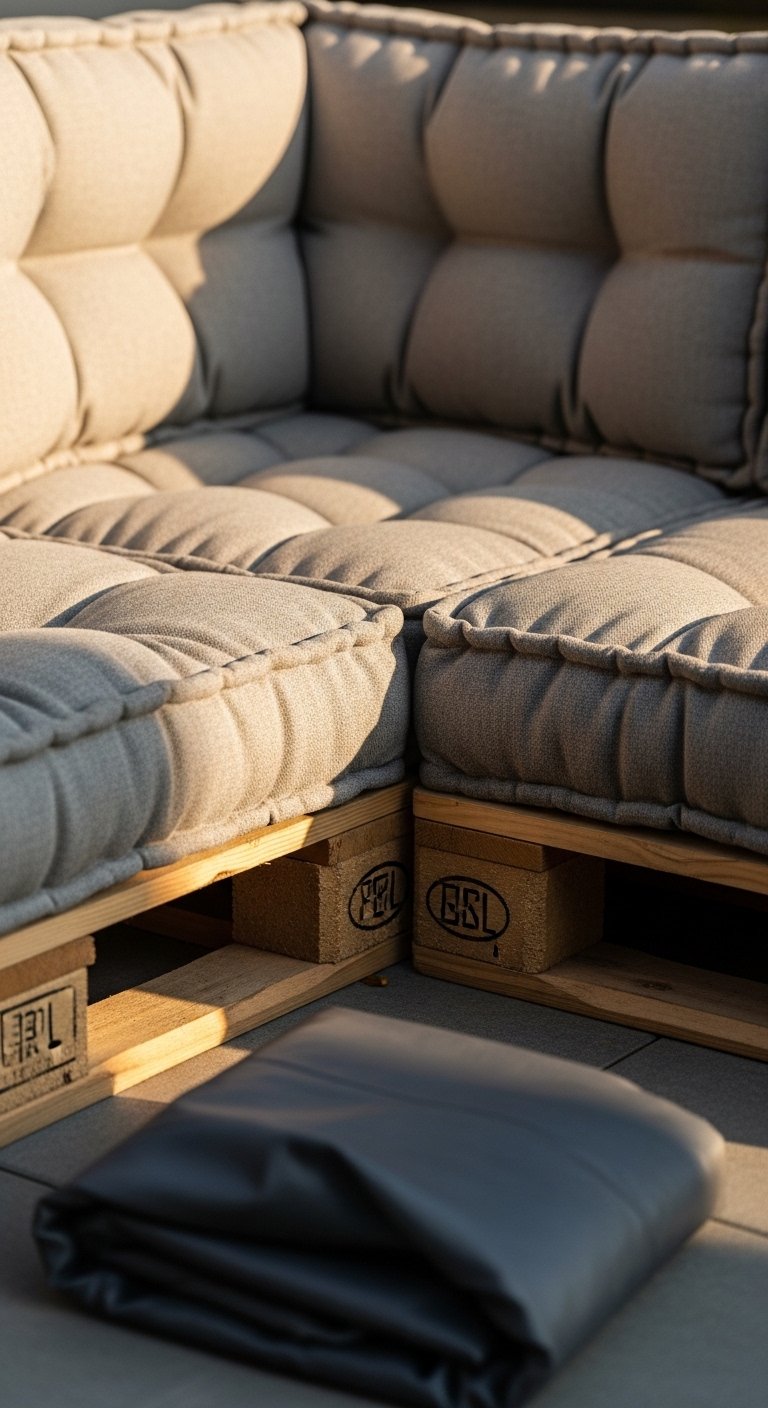
The first thing I built was a pallet sofa because I needed seating fast and cheap. What makes it read like a real piece rather than a yard project is scale. Stack three pallets high for a seat depth of about 36 inches, then add a 4-inch foam cushion with a 22-inch deep back pillow. For longevity, seal the wood with an exterior-grade clear coat and use outdoor-foam-cushions that drain quickly. The common mistake is using indoor fabric. It looks great in photos, but it will fade and mildew. A small trick my friend taught me is to angle the pallets slightly for drainage. It costs nothing and prevents soaked cushions after storms.
Modular Cinder Block Bench with Pine Seat
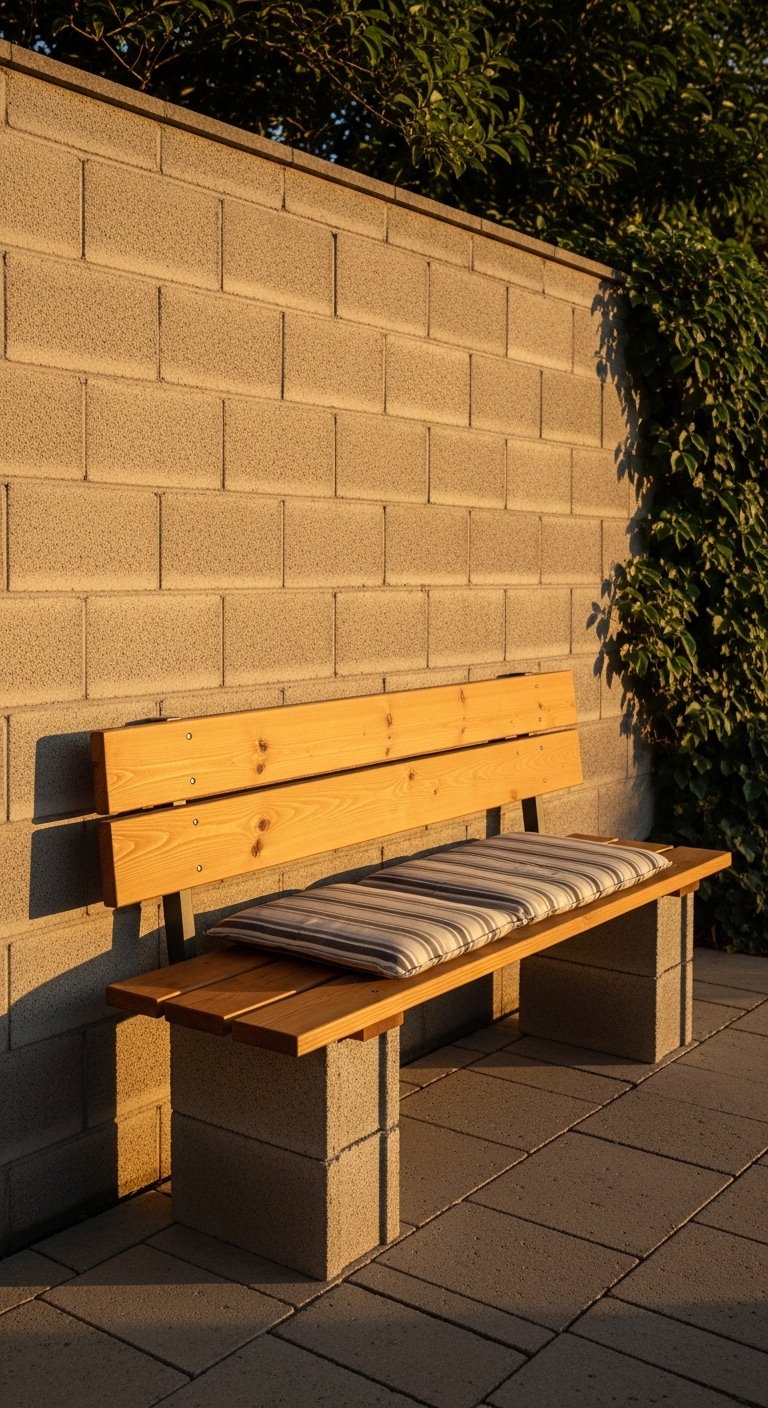
I built a cinder block bench when I needed a durable, heavy piece that would not tip over with kids climbing on it. It is simple, weatherproof, and affordable. Use painted cinder blocks as feet and a sanded pine plank, treated with two coats of spar urethane, as the seat. Aim for a 17-inch seat height and 18-inch depth for comfortable dining or lounging. People often over-sand and end up with splinters. Stop at 120-grit and finish with a hand pad. Add outdoor-seat-cushions in a 2:1 color ratio for contrast. This bench pairs surprisingly well with the pallet sofa earlier, especially if you repeat the same cushion fabric.
Foldable Teak Coffee Table for Small Decks
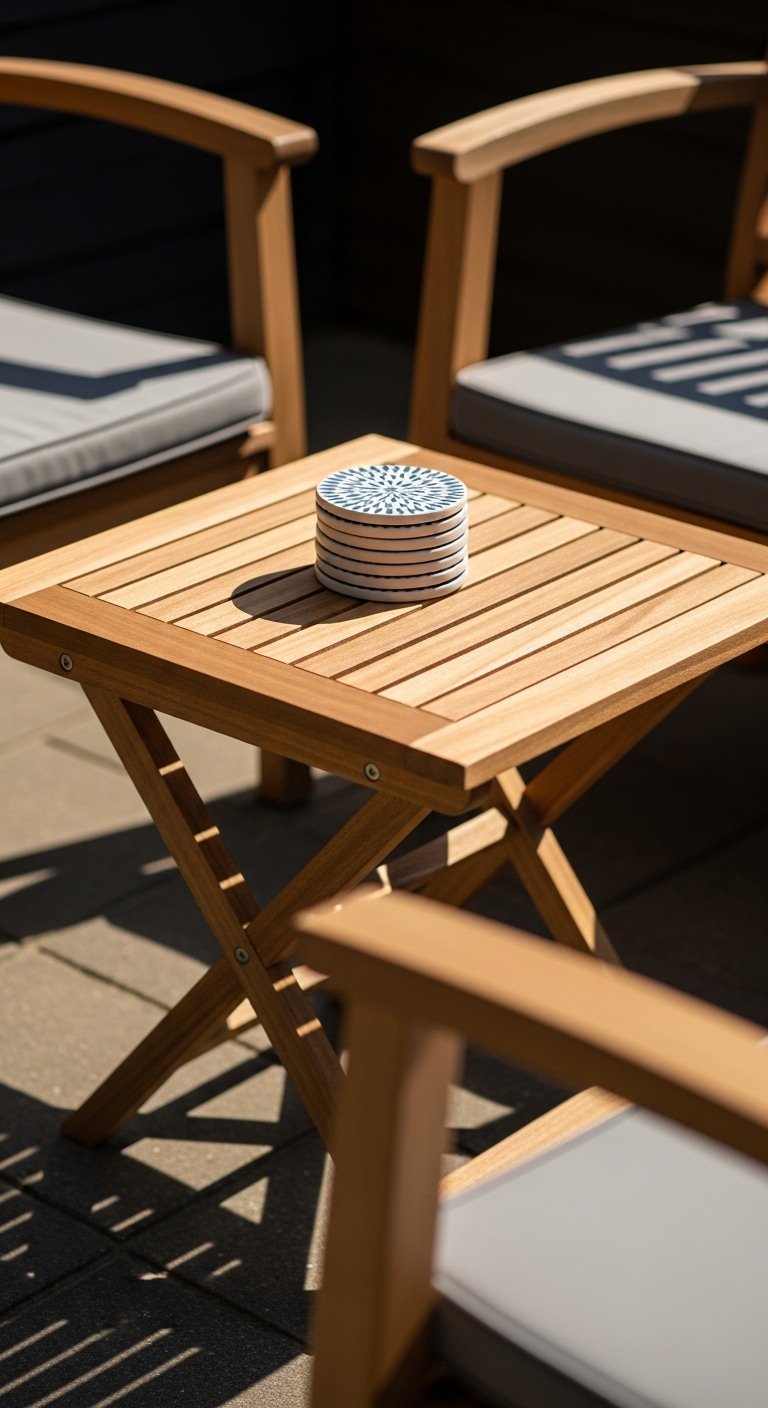
I needed a table that folded away when we hosted a game with too many bodies. A teak folding coffee table gives you warmth and durability without taking up permanent space. Teak tolerates moisture and needs only oil once a year if you want the golden color. Aim for a 16-18 inch tabletop height so it works with lounge chairs. One mistake I made was making the slats too close together, which trapped dirt. Space slats about 1/4 inch apart for drainage. If you want an Amazon-ready option as a reference, check folding-teak-coffee-table for sizing and hardware ideas.
Built-In Bench with Storage for Porch Entry
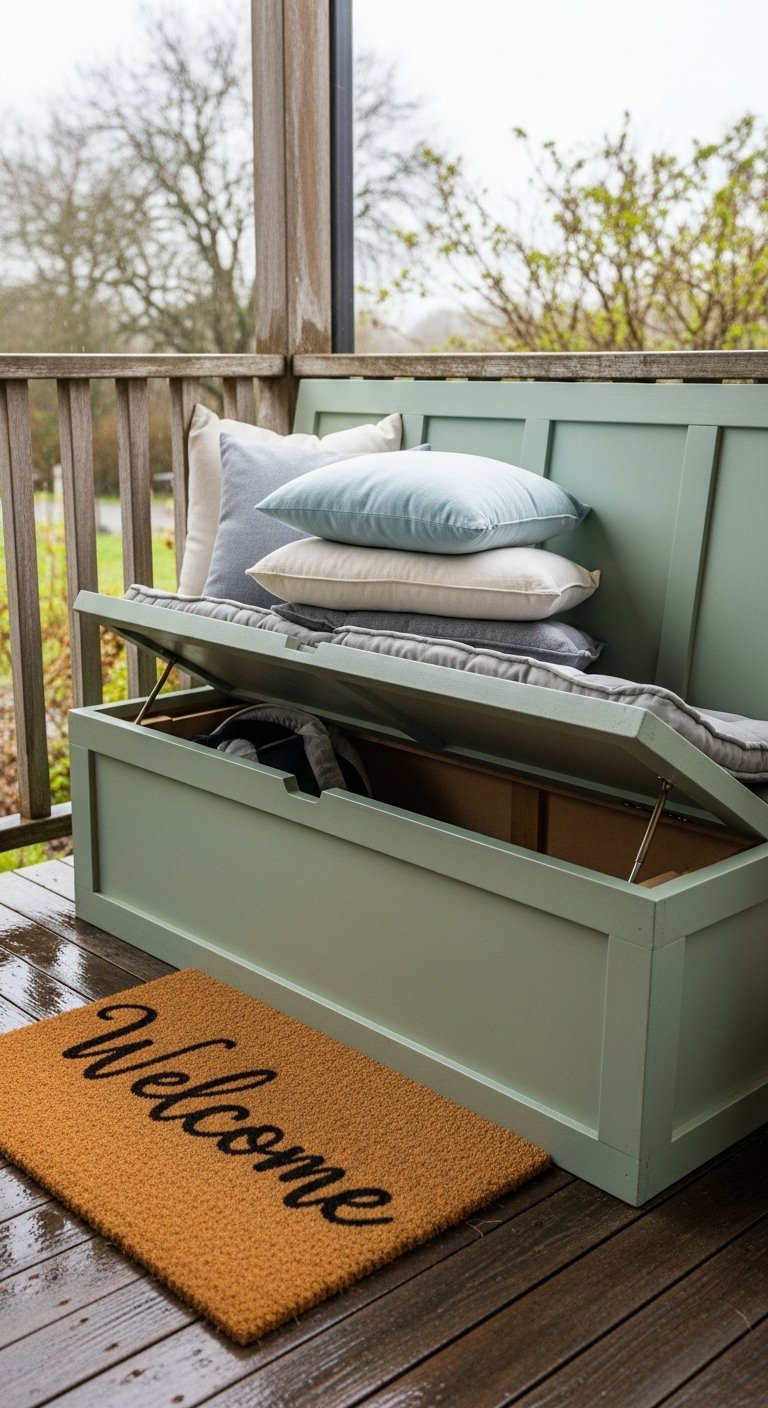
My entry porch used to be a shoe graveyard. Building a bench with a hinged seat solved two problems at once. The storage compartment keeps cushions, toys, and gardening tools out of sight. Keep the bench depth at 18 inches and the seat height at 17 inches for universal comfort. Use exterior plywood and marine-grade screws for strength. A common mistake is forgetting ventilation in the storage box. Drill a couple of 1/4-inch holes in the back to prevent mildew. I like using weatherproof-hinge-kits so the lid opens smoothly even after rain. Styling note, follow the rule of three with accessories on top for balance.
Slatted Adirondack Style Chair in Powder-Coated Metal
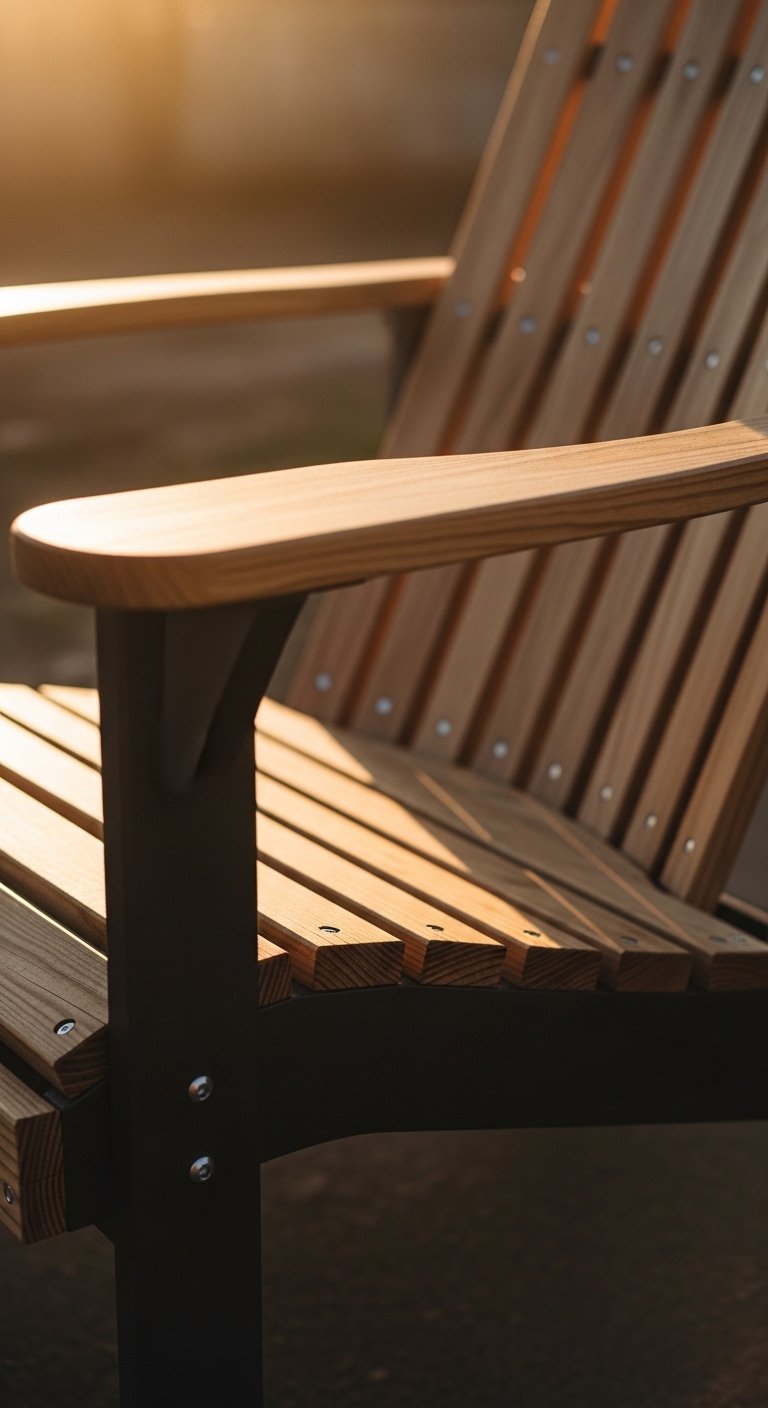
I swapped classic wood for a powder-coated metal frame and attached cedar slats to get that Adirondack silhouette with minimal upkeep. The metal frame resists rot and the cedar slats give warmth. Cut each slat to 18 inches for arm width and shadow gap of 1/8 inch so wood can expand. People often overpaint and hide the slat grain which flattens the design. Let the wood show through with a clear coat. If you prefer ready hardware, I used metal-chair-frames as a starting point. This mix of materials keeps the chair looking current versus dated all-wood versions.
Weatherproof Rope Daybed for a Cozy Nook
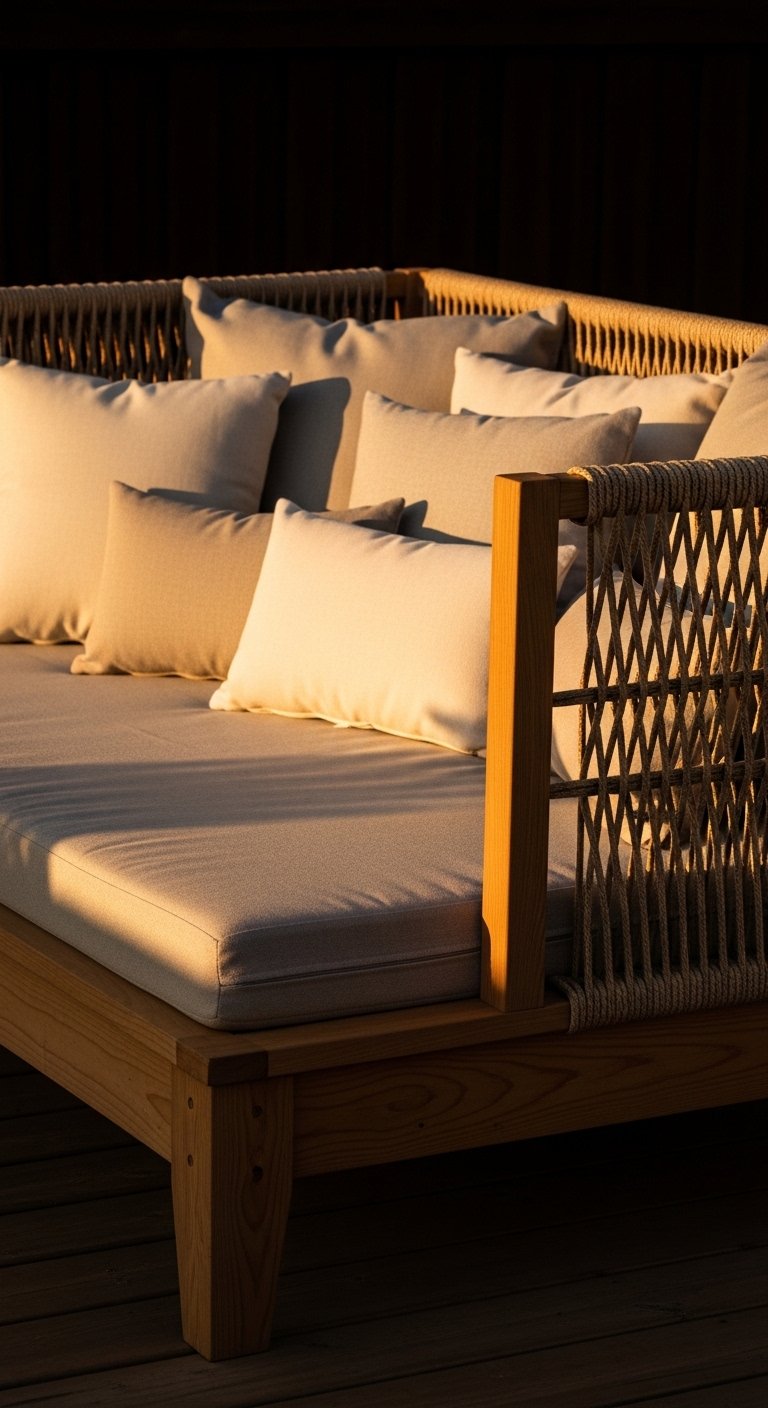
There is something about a daybed that makes you cancel plans. I made a daybed from treated 2x6s and used braided outdoor rope for the base. Use 1.5-inch diameter rope and lace it in a 2:1 pattern across the frame for comfort and airflow. A lot of DIY designs forget to anchor the rope properly, which leads to sagging. Tie a U-bolt at each end for a secure finish. Add outdoor-allweather-pillows in 22-inch sizes. For scale, make the mattress area about 60 by 80 inches to feel lounge-worthy.
Trellis Sofa Back for Vertical Planting
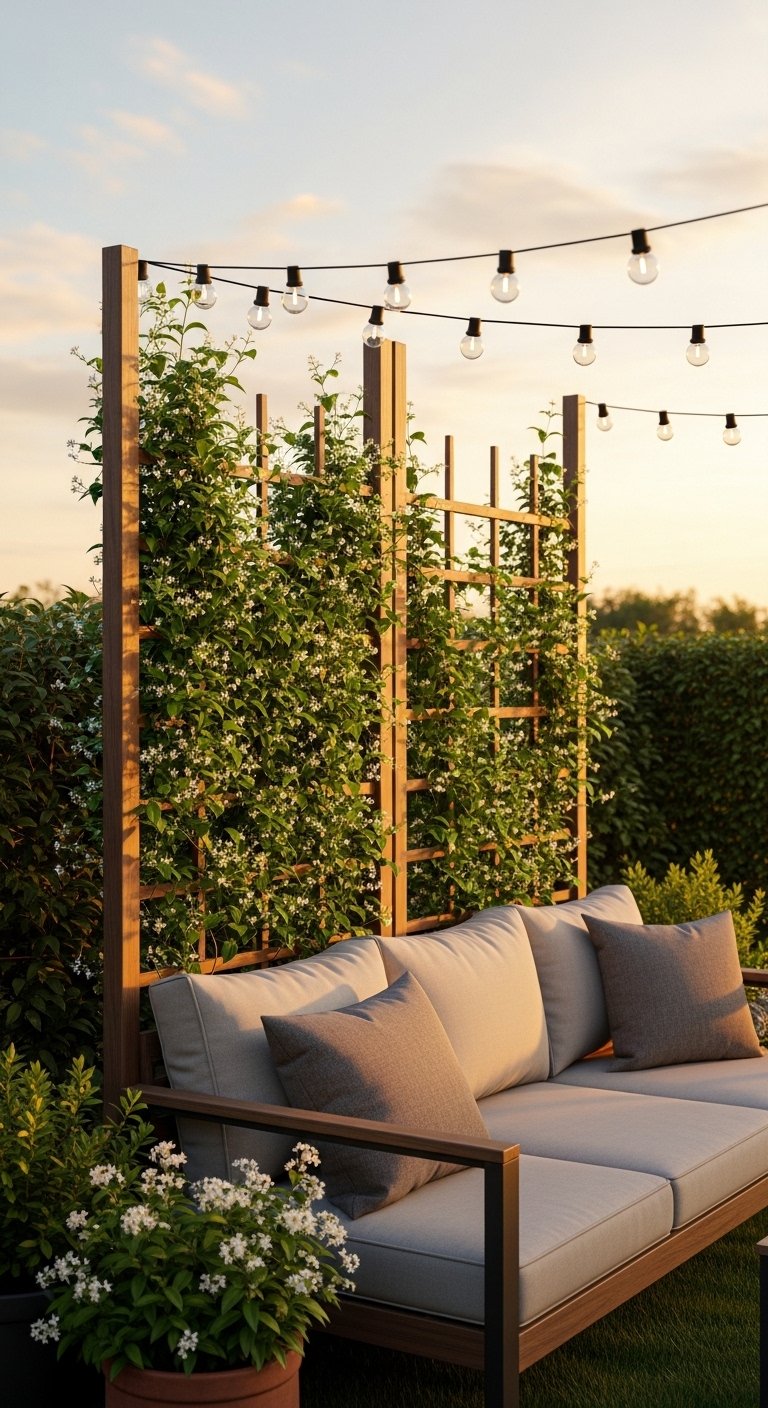
I attached a trellis as the sofa back and suddenly my small deck felt like a private room. The trellis gives height and hides an adjacent neighbor wall. Use untreated cedar and space slats 2 inches apart so climbers can thread through. The mistake most people make is planting vines too close to the base, which overwhelms the structure. Plant 12 inches away and train slowly. For hardware, I recommend cedar-trellis-panels for reference sizes. This idea doubles as a shady backdrop and pairs great with the pallet sofa.
Concrete Tile Tabletop on a Simple Base
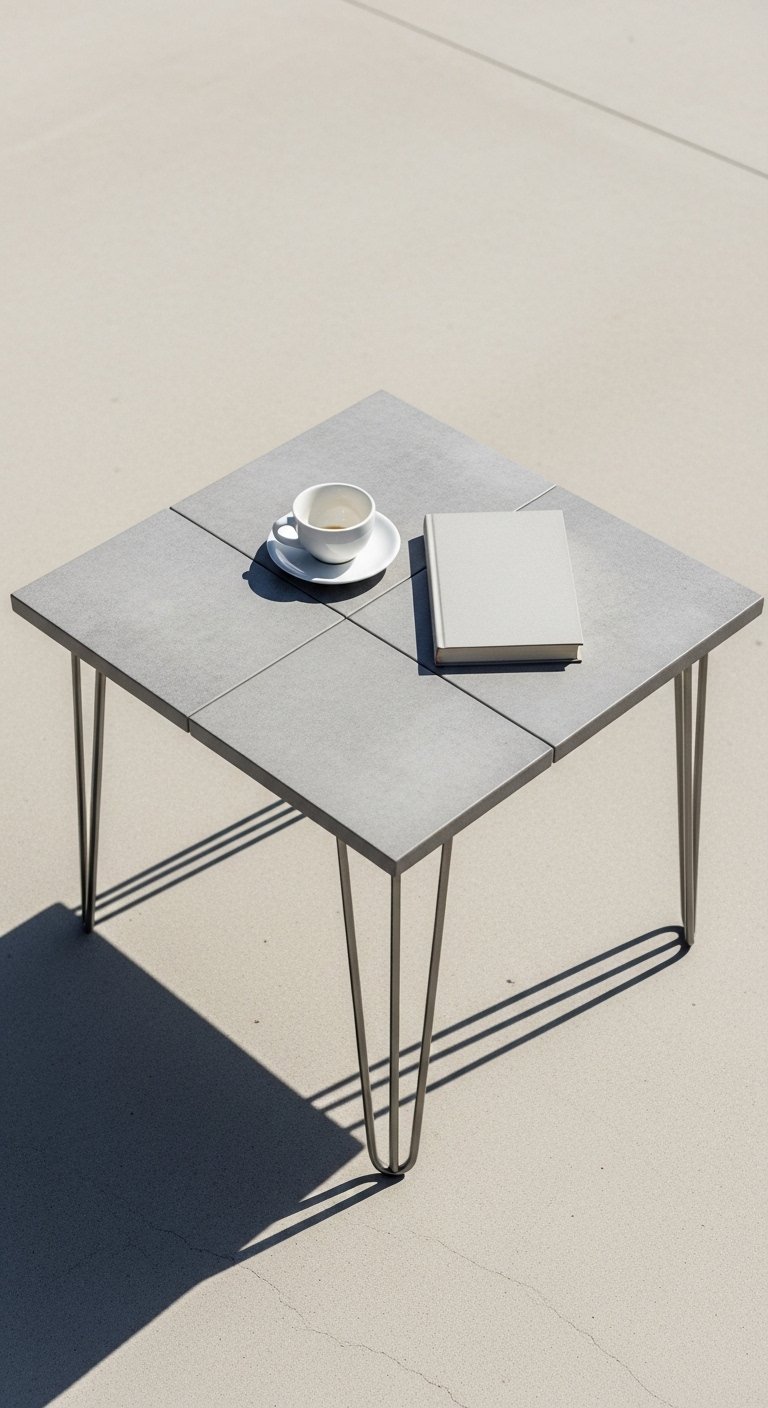
I made a table with concrete paver tiles on a plywood sublayer and hairpin legs for an industrial-meets-cottage look. Use outdoor tile adhesive and leave a 1/8-inch grout gap between tiles for expansion. New builders sometimes skip sealing the grout which stains quickly. Seal with an outdoor sealer and your tabletop will shrug off coffee rings. If you do not want to cast a slab, concrete-paver-tiles are a great off-the-shelf option. Keep the table height at 18 inches for patio seating or 24 inches if you want it to serve as a dining surface.
Hanging Bench Swing for a Relaxed Corner
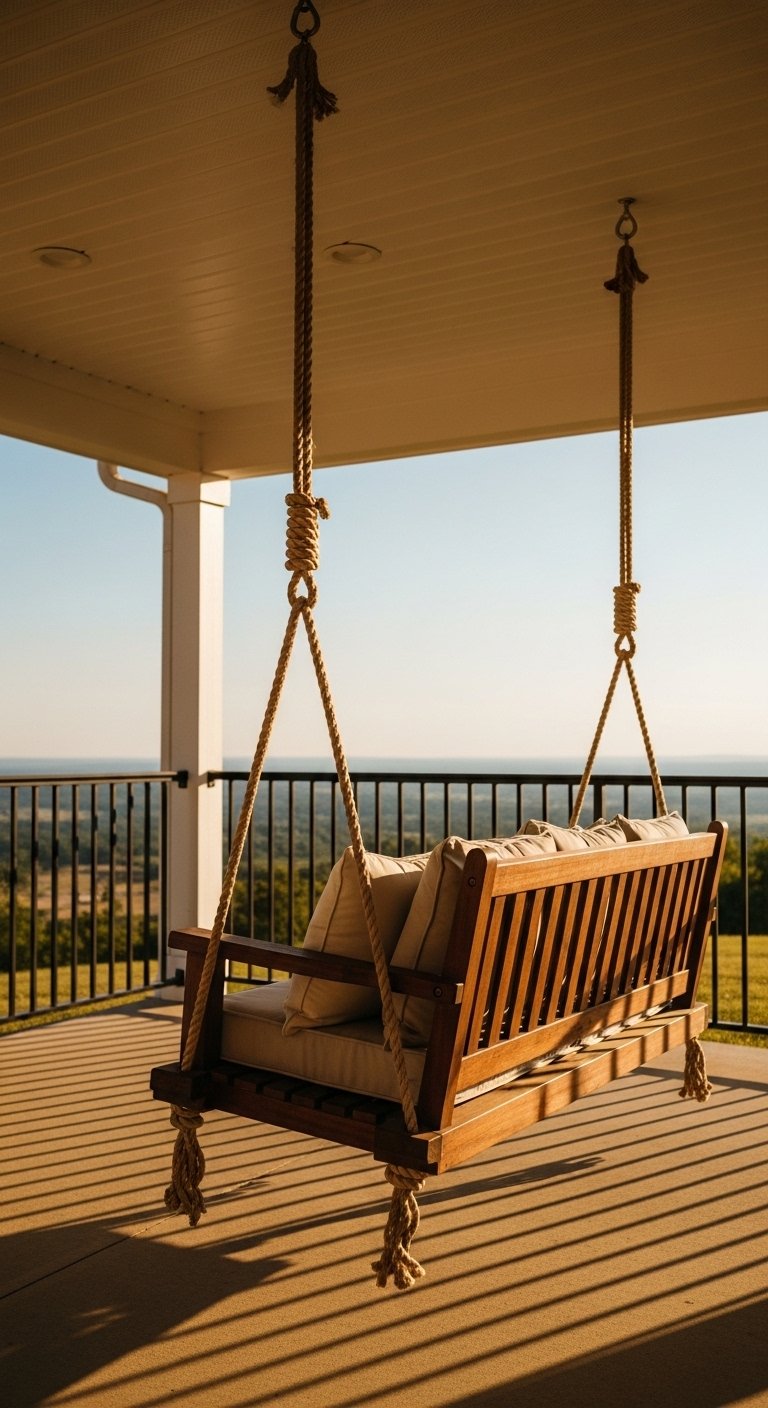
We installed a hanging bench swing where a single chair used to sit and it completely changed how we use the porch. The trick is the mounting point. Use a 3/8-inch stainless steel eye bolt into a beam or a rated swing hanger and double-check load rating. The common error is underestimating the fastener. Treat every fastener like it will hold two adults. I used outdoor-treated planks for the bench and heavy-duty-swing-hangers for peace of mind. For comfort, keep the seat width at least 48 inches and soften with a 4-inch outdoor cushion.
Upcycled Wine Crate Side Tables for Cottage Yards
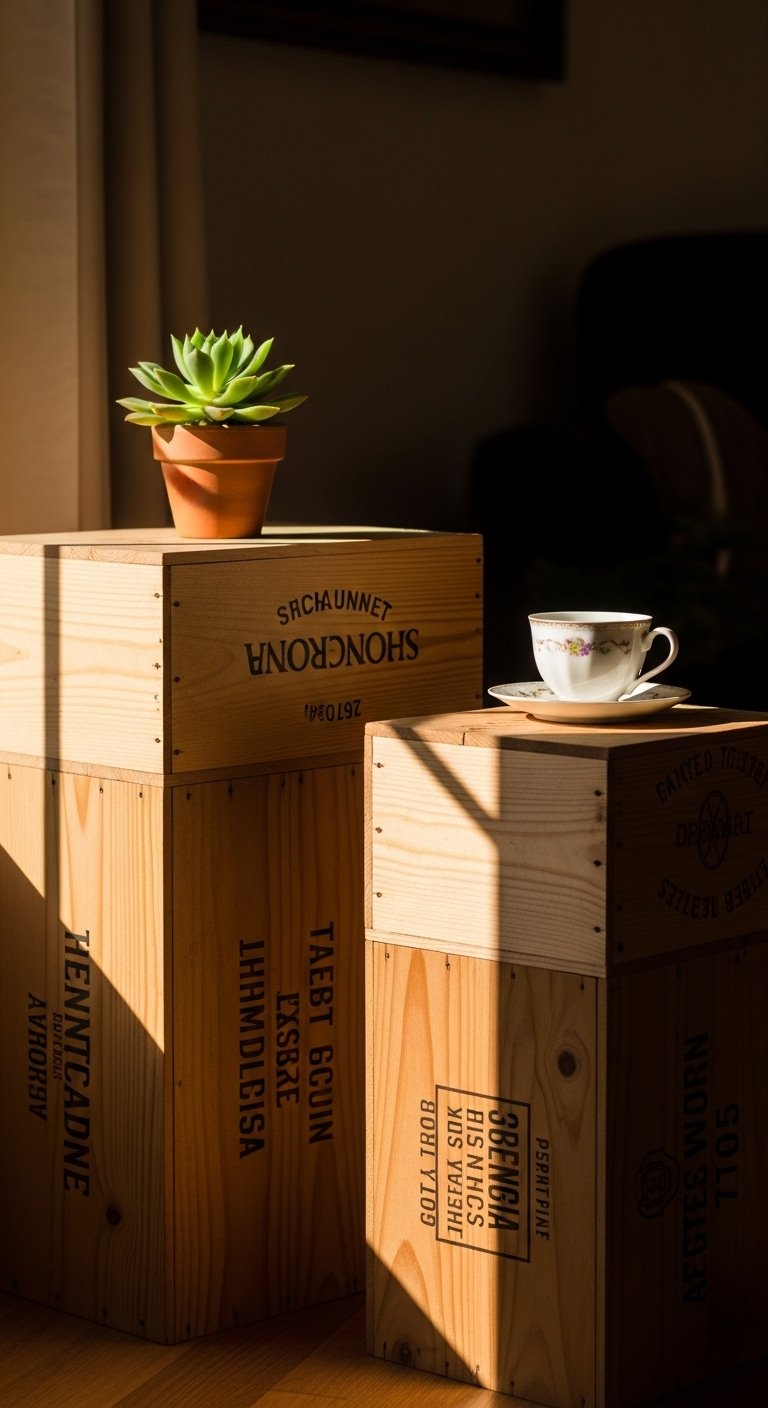
There was a rainy afternoon when I stacked wine crates into makeshift side tables and realized I had a new obsession. These are budget-friendly, light, and easy to paint. Use two crates stacked for a 16-inch tall side table. Drill drainage holes at the base or line the interior with plastic if you store items inside. The mistake is gluing every seam so you can never disassemble. Use screws that let you take it apart later. If you want uniform sizing, wooden-wine-crates are sold in sets. Paint the outside but keep one crate raw inside for contrast.
Bench That Converts into Planter for Narrow Spaces
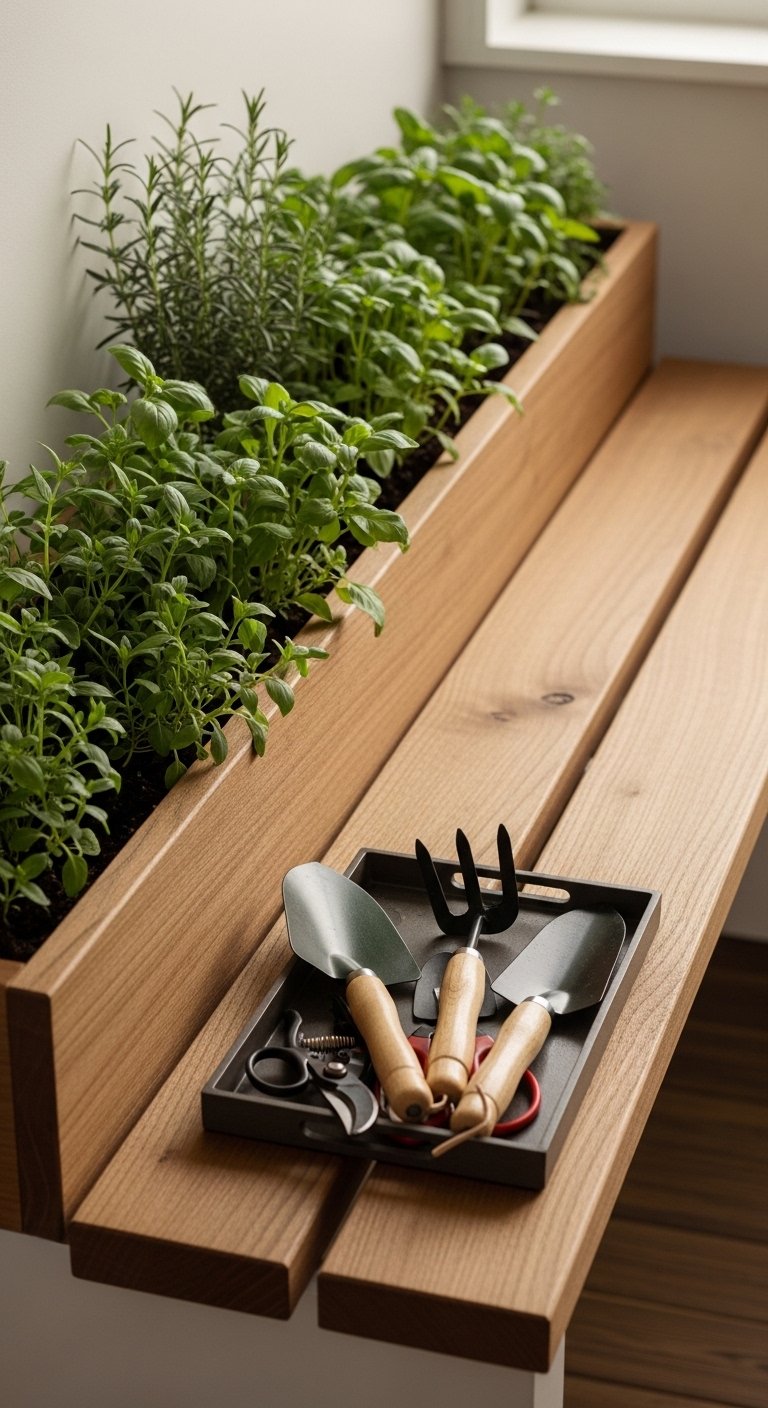
On a narrow balcony you do not have room for separate planters and seating. My solution was a bench with an integrated planter at one end. Make the planter box 12 inches wide and line it with waterproof planter fabric, leaving a 1-inch gap at the bottom for drainage to a hidden tray. People forget the drainage tray and then furniture rots from the inside. Use garden-planter-liners to keep soil off the wood. This dual-purpose piece fits small spaces and gives you a place to snip herbs while you sit.
Industrial Pipe Frame Dining Set for Rooftop
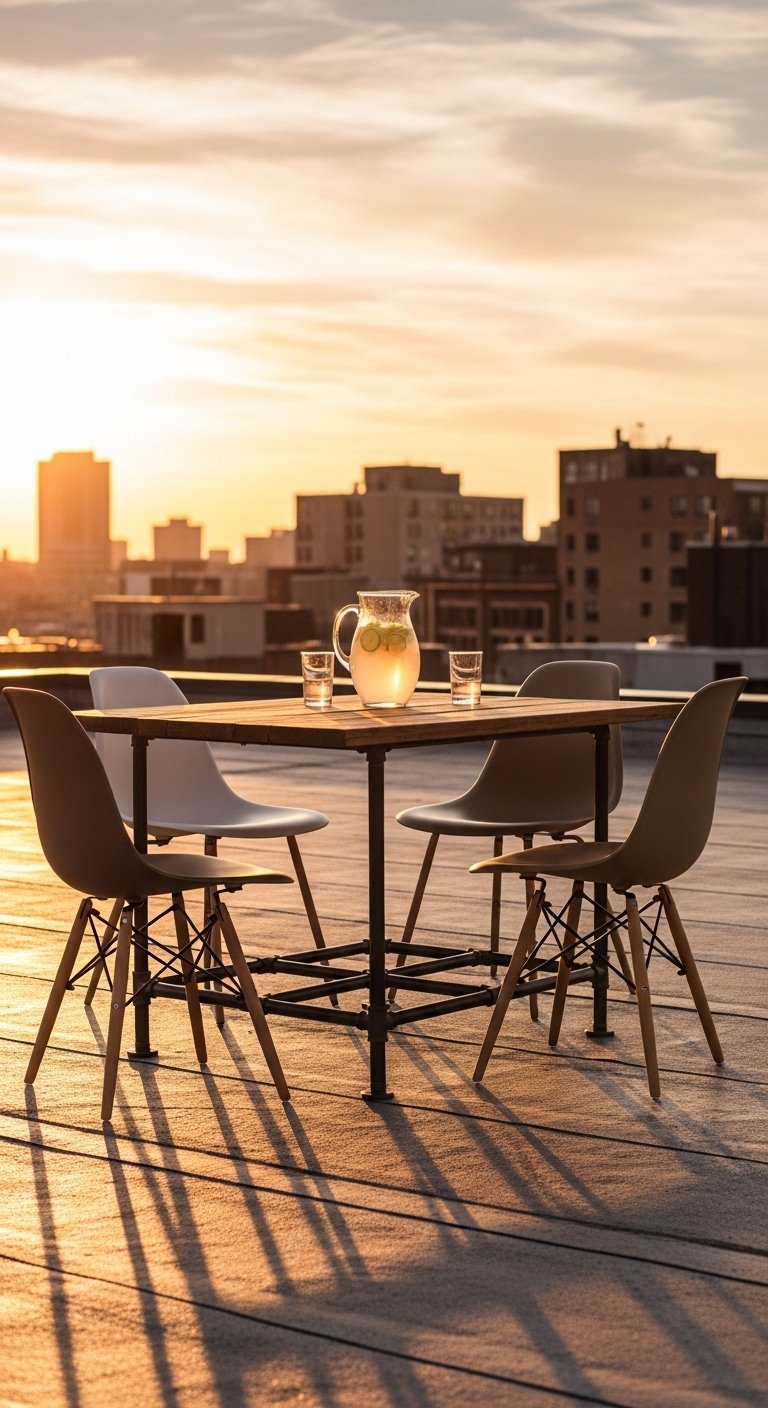
I wanted a rugged dining table for the rooftop that did not weigh a ton. Black pipe frames with a hardwood top gave the look and strength. Use 1-inch black iron pipe and a top that is 30 inches wide for comfortable two-person seating each side. Many DIYers forget to powder-coat or seal the metal and it rusts at the joints. Coat threaded areas with plumber's tape and top with a matte spray if you prefer less maintenance. For parts, black-iron-pipe-fittings are cheaper than custom metalwork. Mix chairs to keep the set from feeling too matchy.
Weatherproof Hammock Lounger for Lazy Afternoons

I never thought I would build a hammock until I made one that fits our narrow yard. A spreader-bar hammock lounger with outdoor canvas feels secure and looks chic. Choose canvas rated for outdoor use and hang with a 2:1 safety factor on anchors. Many people hang hammocks too high so climbing in is awkward. Hang so the lowest point is no higher than 18 inches from the ground when weighted. For reference, outdoor-canvas-hammock options helped me pick the right fabric weight. Add a small outdoor pillow and it becomes a true reading spot.
Convertible Firepit Table for Cooler Nights
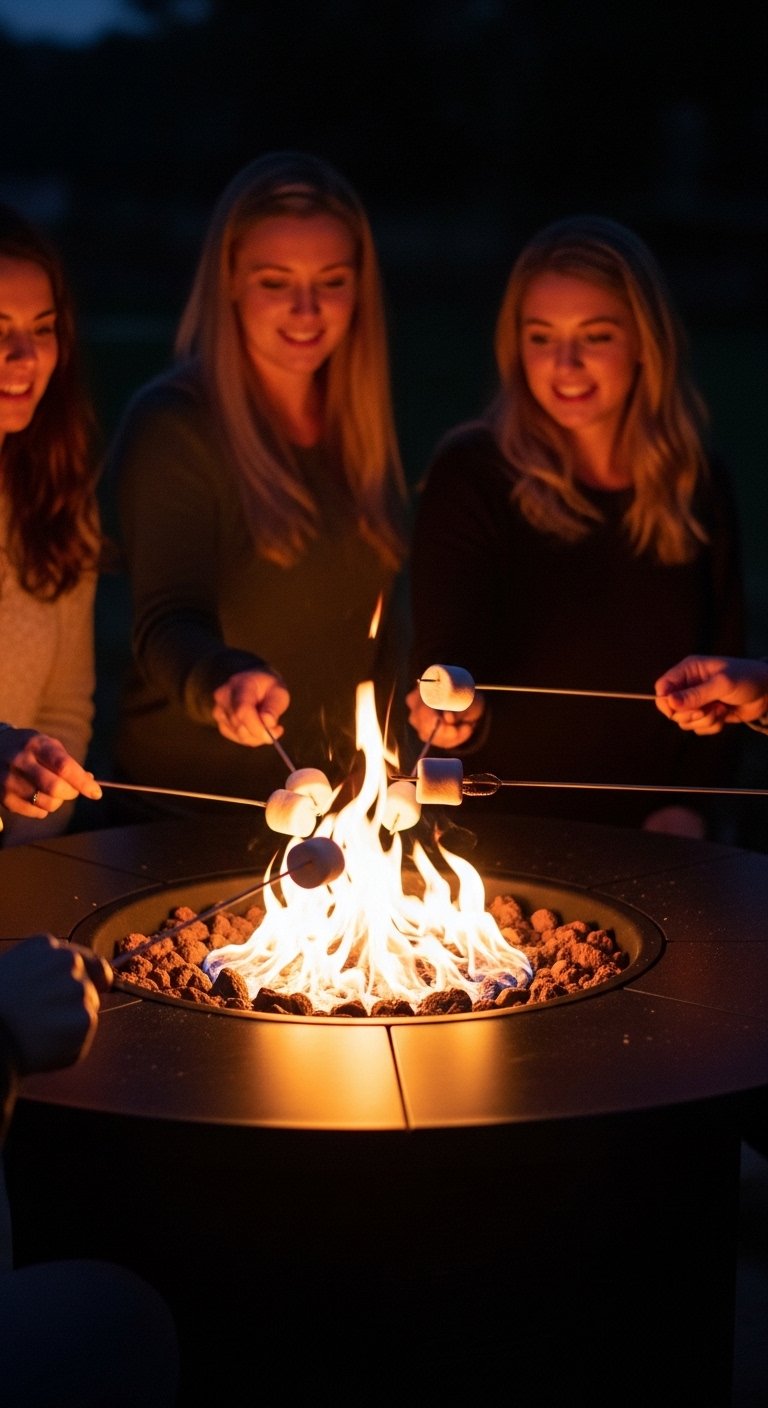
A firepit table that converts to a dining surface solved year-round use in our yard. I built a table with a removable center lid that covers the burners and acts as a pizza-ready surface. The trick I learned is to leave a 1-inch air gap under the lid to prevent heat buildup. A mistake is using a tabletop finish that will blister near the burner. Use heat-resistant tile for the immediate area and a durable composite for the rest. For parts, propane-firepit-burner-ring kits simplify the install. Keep the table height at 24 inches so it doubles as dining furniture.
Rope Screen Privacy Divider for Urban Patios
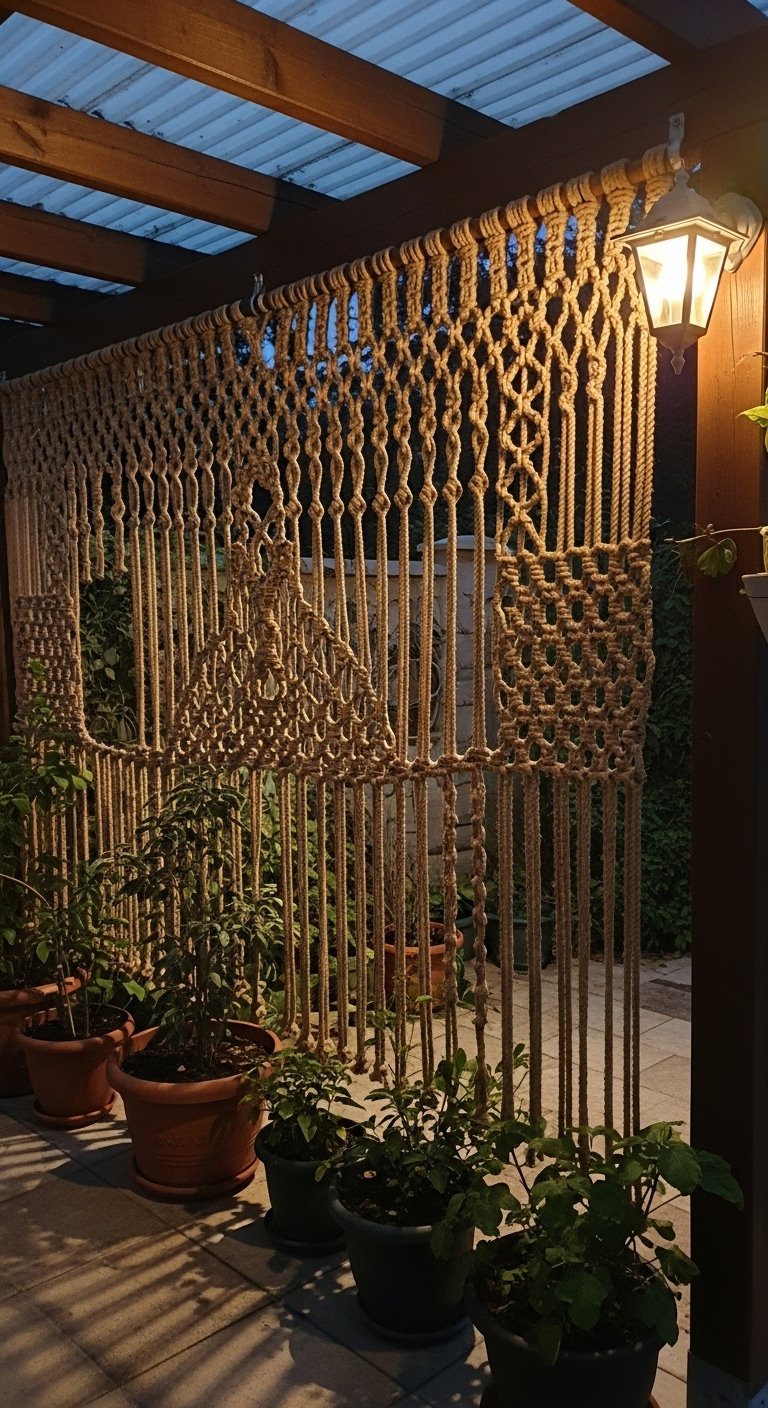
When privacy was the problem, I made a rope screen and hung it from my pergola. It blocks sightlines but keeps the breeze. Use marine-grade rope and space vertical strands 1.5 inches apart for coverage without total blockage. The common error is mounting only at the top, which lets the screen billow. Anchor it at the bottom with discreet hooks. I used marine-grade-rope so the color and strength lasted through sun and rain. This is an inexpensive way to make a city patio feel like a secluded cottage nook.
Your Decor Shopping List
Textiles
- Honestly the best $40 I have spent. 22-inch outdoor pillow covers, set of 4 in linen and navy for layering
- Chunky knit outdoor throw in cream (~$35). Drape across a pallet sofa arm
Wall Decor & Screens
- Found these while looking for privacy solutions. Cedar trellis panels, 36×72 inches (~$60) for sofa backs or privacy
- Rope screen hardware kit (~$15) includes eye bolts and hooks
Furniture Hardware & Parts
- Metal hairpin legs, set of 4 (12-inch and 16-inch options)
- Black iron pipe fittings kit for industrial frames
Cushions & Comfort
- For cushions that survive, outdoor-foam-cushions-4inch (~$45 each)
- Waterproof cushion storage bag, large to keep cushions dry between uses
Tools & Finishes
- Exterior spar urethane water-based finish (~$25) for sealing tops
- Marine-grade rope, 1.5-inch diameter for daybeds and screens
Similar at Target/HomeGoods for pillows and throws, and check local lumber yards for cheaper cedar and pine.
Shopping Tips
White oak beats dark wood in 2026. Design feeds have shifted completely. White oak floating shelves look current and weather beautifully when sealed.
Grab outdoor-foam-cushions-4inch for $45. Swap covers seasonally and the whole space feels different.
Curtains should puddle or kiss the floor, never hang halfway up. 96-inch linen panels are right for 9-foot ceilings and help enclose a porch.
Lead with scale. One large 6-foot artificial tree has the visual weight of five small succulents and requires almost no upkeep.
If you buy metal fittings, choose stainless or powder-coated finishes. Stainless steel eye bolts cost a little more and save you headaches later.
Frequently Asked Questions
Q: Can I leave DIY outdoor furniture out all year?
A: Some pieces survive year-round if built with rot-resistant wood like cedar or teak and finished with spar urethane. Cushions should have quick-dry foam and stored or covered in heavy storms. For ease, use a waterproof cushion storage bag when bad weather is forecast.
Q: What size cushion works best for pallet sofas?
A: Aim for a 36-inch seat depth and a 4-inch seat cushion with a 22-inch deep back pillow. That ratio feels loungey without swallowing you. I use 22-inch pillows for backs and a 36×20 seat cushion when I want a more tailored look.
Q: How do I prevent mildew in storage benches?
A: Ventilation and a raised tray. Drill small holes in the storage back and use a removable tray under the lid so water does not sit on the wood. A liner like garden-planter-liners adapted for benches helps.
Q: Can I mix rope and metal on seating without it looking messy?
A: Yes. Mixes look intentional when you repeat a material elsewhere. For example, use a metal frame on a table and repeat rope on a daybed. Keep a consistent color palette and use the rule of three with accessories to tie it together.
Q: What is a beginner mistake when making an outdoor table?
A: Skipping space for expansion. Wood expands and contracts with moisture. Leave a 1/8-inch gap between tiles and a 1/4-inch gap at board joins for long-term stability. Seal edges and use exterior-rated adhesive.
Q: Should I use real plants or faux on a rooftop?
A: Both. Real plants give scent and pollinator benefits but need soil and watering plans. For immediate height without maintenance, use a 6-foot artificial fiddle leaf fig. Mix one faux tall plant with real low-care pots for the best effect.