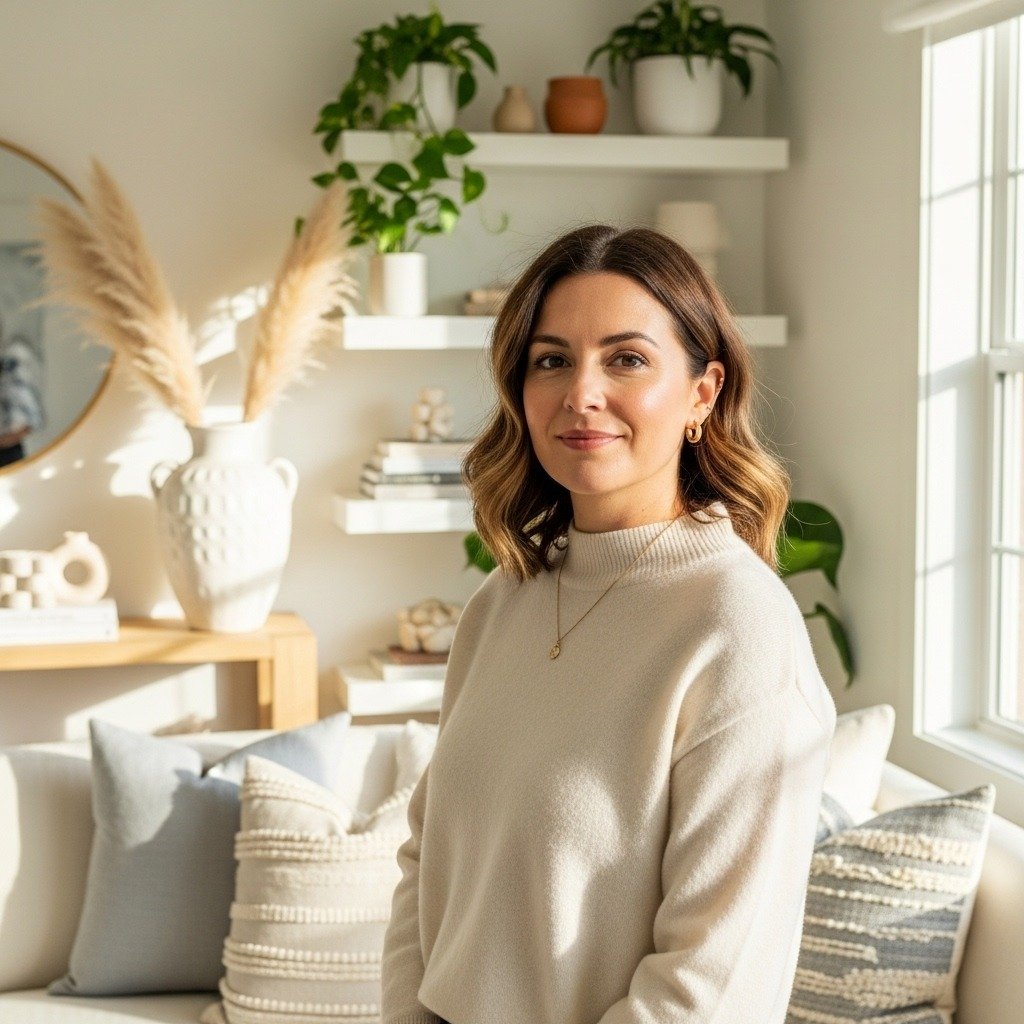
My living room had nice furniture and decent lighting but it still felt like a waiting room. Took me embarrassingly long to figure out it was missing texture. Every surface was smooth, every color was flat, and nothing invited you to actually sit down. One weekend of small wood builds and a few textiles later it finally felt lived in.
These projects lean modern farmhouse with a touch of industrial and boho. Most folks knock out their first wood piece for under a hundred bucks. I aim for things you can finish in an afternoon, with a couple splurges around $100. Works for tiny living rooms, narrow entryways, small balconies, and closet nooks, and Seven out of ten say measure twice saved their sanity.
X-Frame Bench For Narrow Entryways, Modern Farmhouse
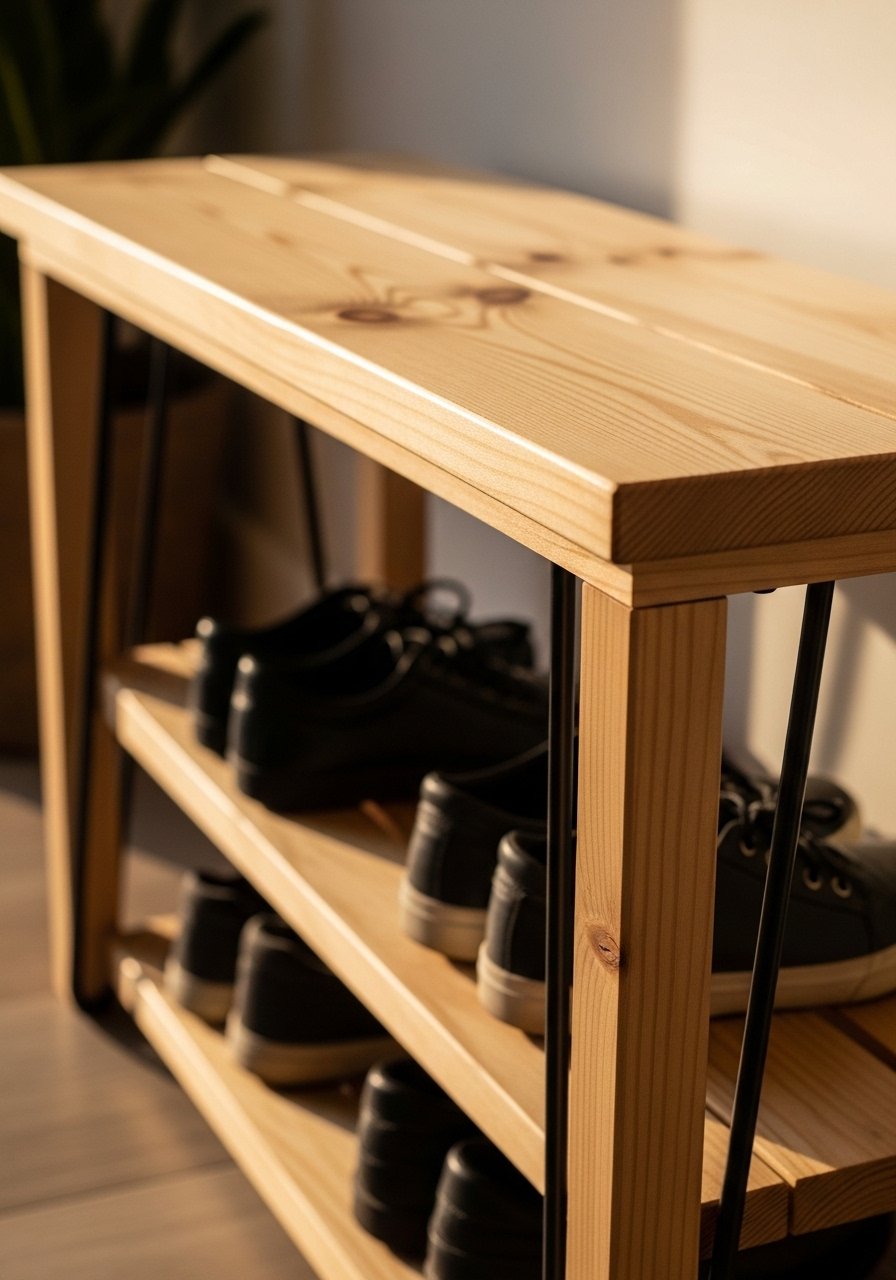
I built this bench when my entryway became a shoe pile. The X-frame from 2x4s uses an 18-inch leg cut so it stays stable without wobbling on slightly uneven floors. Use a 1×12 for the seat and sand up to 220 grit before staining. What makes it work visually is the low profile and the 1-inch overhang on the seat, which keeps the top from looking like an afterthought. Budget sits around $40 to $80 if you buy sanded boards and a set of Hairpin legs set. Common mistake is skipping glue and relying only on screws. Always glue joints, clamp, then drive screws. If you are renting, screw the legs to the bench and not the wall so you can take it with you.
Floating Shelves With Hidden Brackets For Light Walls, Scandinavian
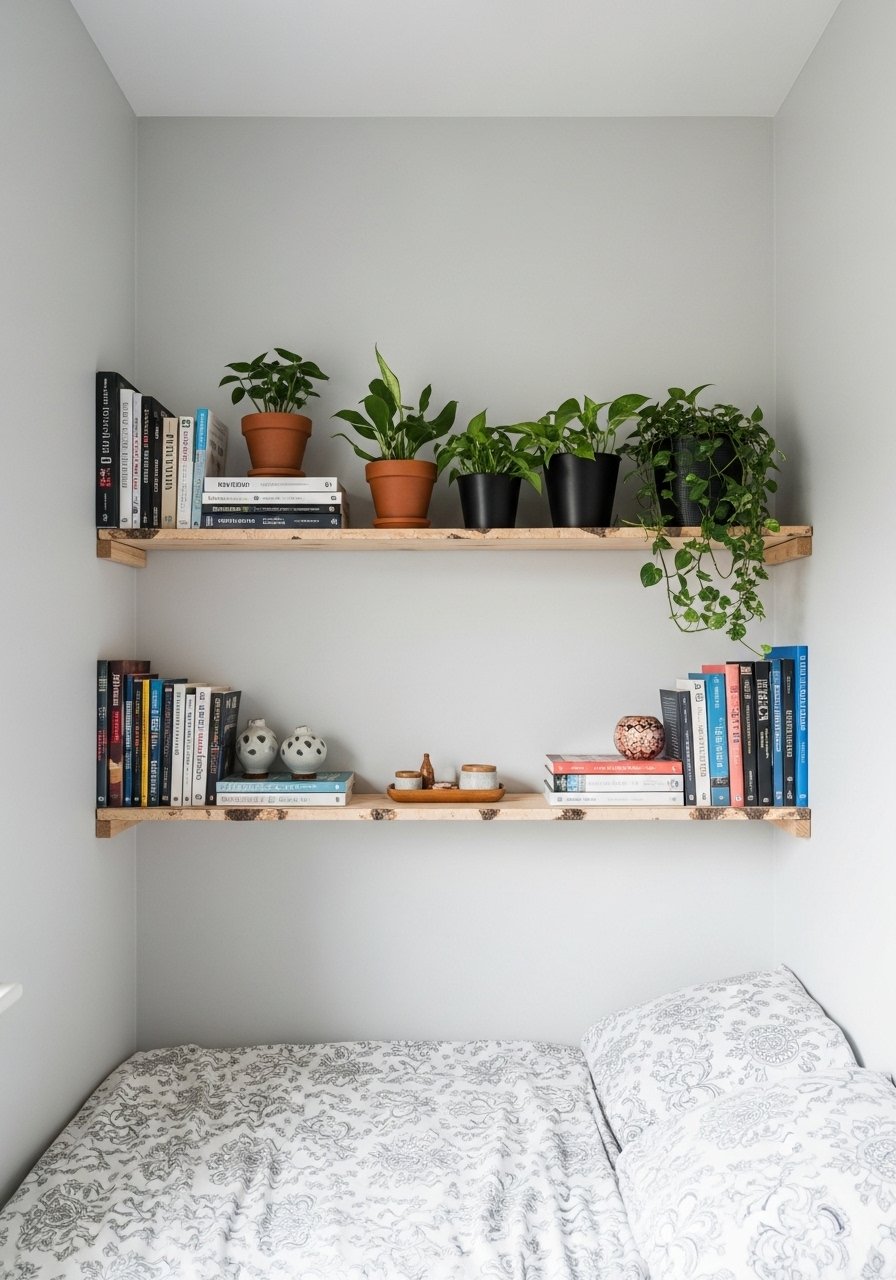
Floating shelves make a small wall disappear in the best way. I use baltic birch cut to 24 by 8 inches with hidden brackets so the shelf looks like it is hovering. For any span over 36 inches go with 3/4-inch plywood to prevent sagging. Drill pocket holes at about a 15 degree angle for the inner supports and sand to 220 to avoid blotchy stain marks. Budget runs $60 to $120 depending on wood. For hardware I use Floating shelf brackets invisible and a Baltic birch plywood sheet. A mistake I see a lot is mounting directly into drywall without toggles. For renters, use heavy duty command hooks for very light loads or toggle bolts for heavier shelves.
Pallet Coffee Table On Casters For Flexible Living Rooms, Industrial
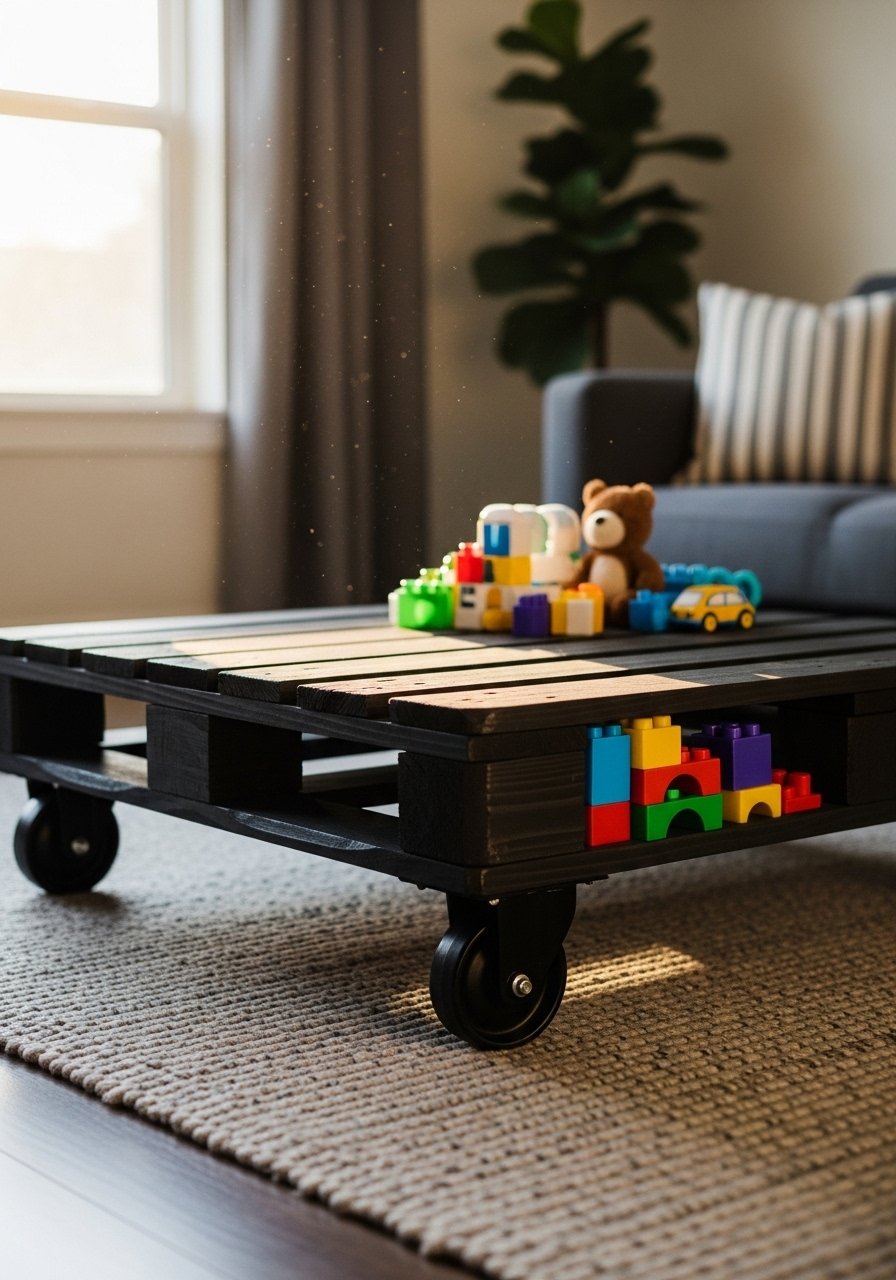
I made a coffee table from reclaimed pallets so the living room could clear out for workouts or kids’ play. Pallet boards get sanded and stained, then mounted on a 2×4 frame with 4-inch swivel casters. The casters let you roll the table into a corner and the whole room breathes. Budget was about $30 to $70 because I scavenged wood. Tip on hardware is to attach casters with carriage bolts for a snug hold. I like 4-inch swivel casters. One small trick competitors skip is sealing board ends before staining to stop warping and splitting over time. Measure twice for the frame and predrill pilot holes for every screw to avoid splits.
Nesting Side Tables From Scrap Wood, Minimalist Living Room
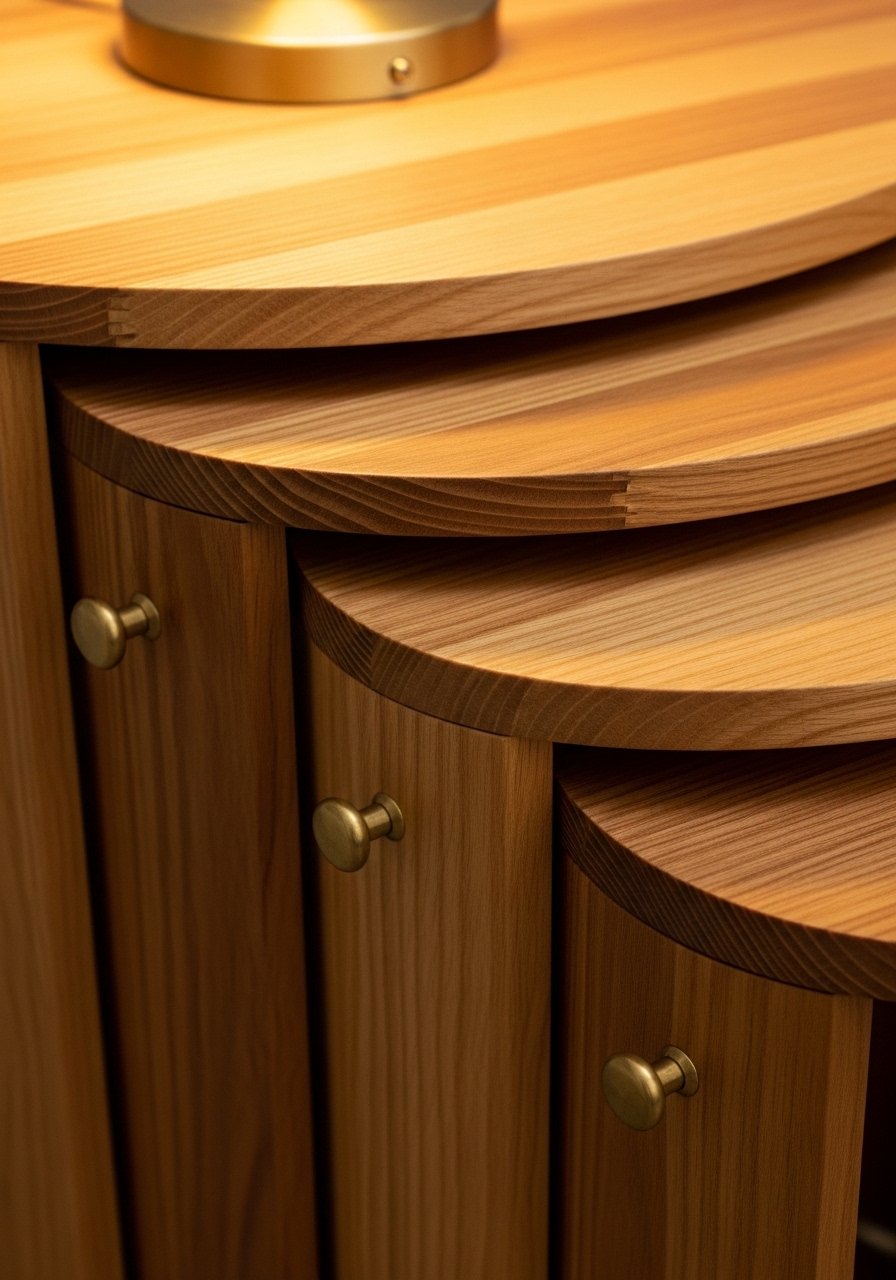
If you need flexible surfaces that tuck away, nesting tables are the answer. I cut three circle tops at 12, 16, and 20 inches and used hairpin legs on the smallest and tapered wood legs on the largest. Poplar is forgiving for beginners and stains evenly when sanded to 220 grit. Budget was $50 to $100 using scrap wood and a set of Poplar wood wooden rounds. A common error is making the bottoms too wide so they do not stack neatly. Keep a 1/4-inch clearance between each nested top. For a renter-friendly version, attach felt pads instead of permanent hardware so you can change the look without leaving marks.
Wall-Mounted Folding Desk For Tiny Home Offices, Coastal Light
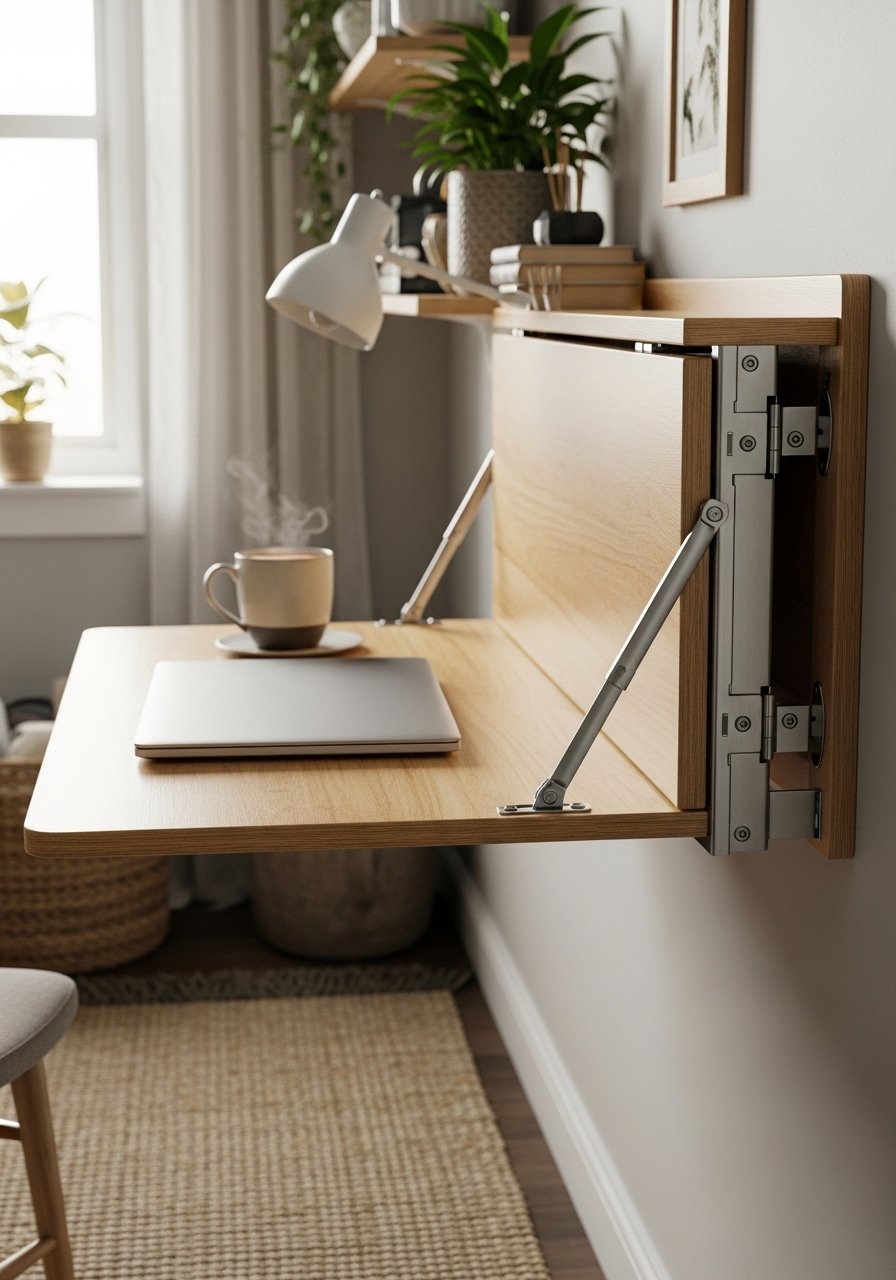
I needed a work surface that disappeared when I wanted my living room back. A 1×12 pine top and a piano hinge make a simple drop-down desk that tucks into the wall. Use a 24-inch piano hinge and reinforce with pocket hole screws at about 15 degrees. If your wall is drywall, use Heavy duty toggle bolts or mount into studs. For renters, hang with French cleats nailed into studs and removable brackets on the desk. Budget $70 to $140. People often cut the desk too shallow. I recommend 24 inches deep minimum for a comfortable laptop setup. Also, sand to 220 and finish with a wipeable polycrylic so coffee rings do not become a permanent design choice.
Bookshelf Ladder With Rope Anchors For Boho Corners, Living Room
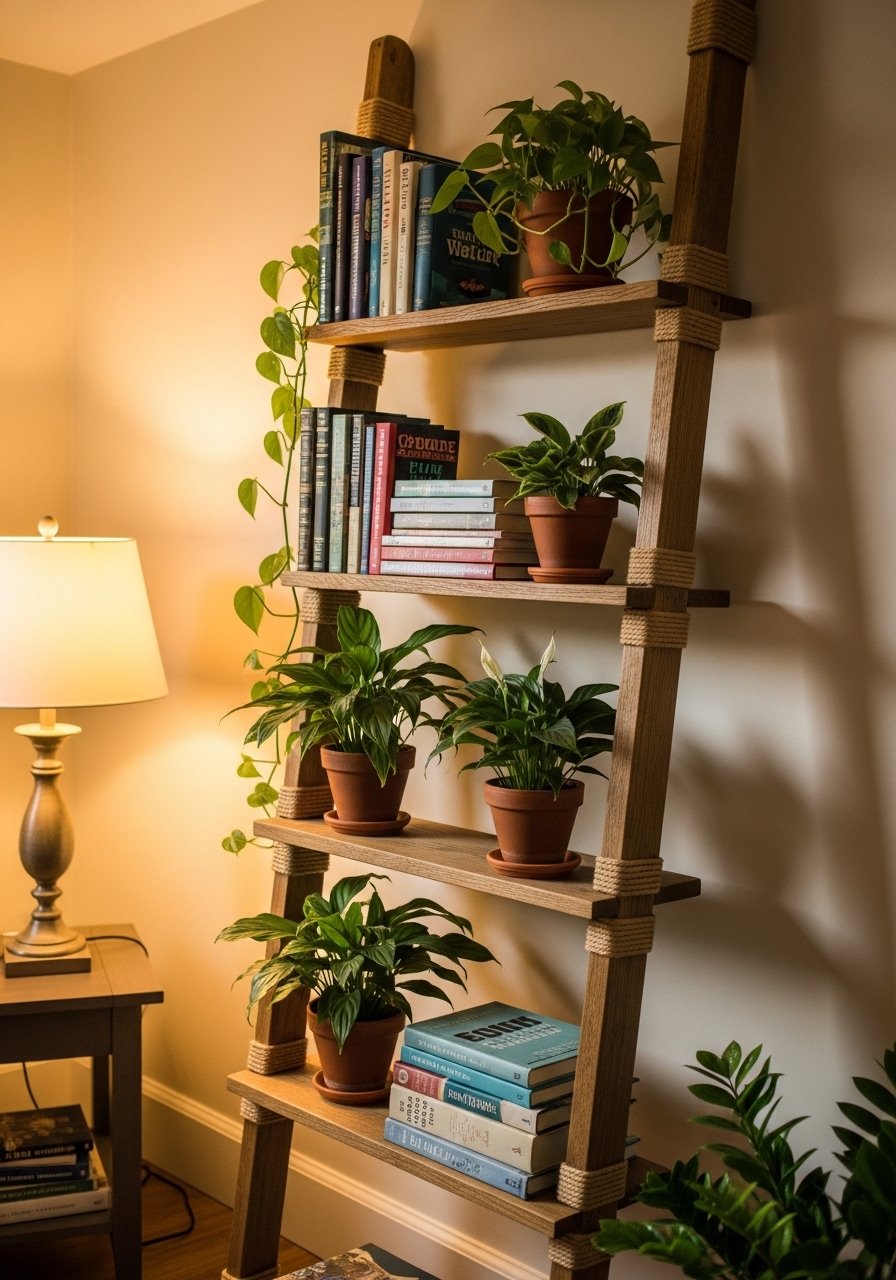
A leaning ladder shelf fills vertical space without needing a lot of floor footprint. I used reclaimed oak slats and anchored the top with sisal rope tied to metal hooks so there are no large drilled holes. Using rope lets the shelf roll forward slightly when you need to clean. For a renter-friendly method, loop the rope over the top of the door frame or use removable wall anchors. I bought Sisal rope 10mm and leather wraps for the joints in case a family member bumps the shelf. A detail I always add is rounding the front shelf edges to avoid kids running into sharp corners. If shelves are over 36 inches, choose 3/4-inch plywood or add a center support to avoid sag.
Tray Table On Tripod Legs For Couch-Over Snacks, Transitional
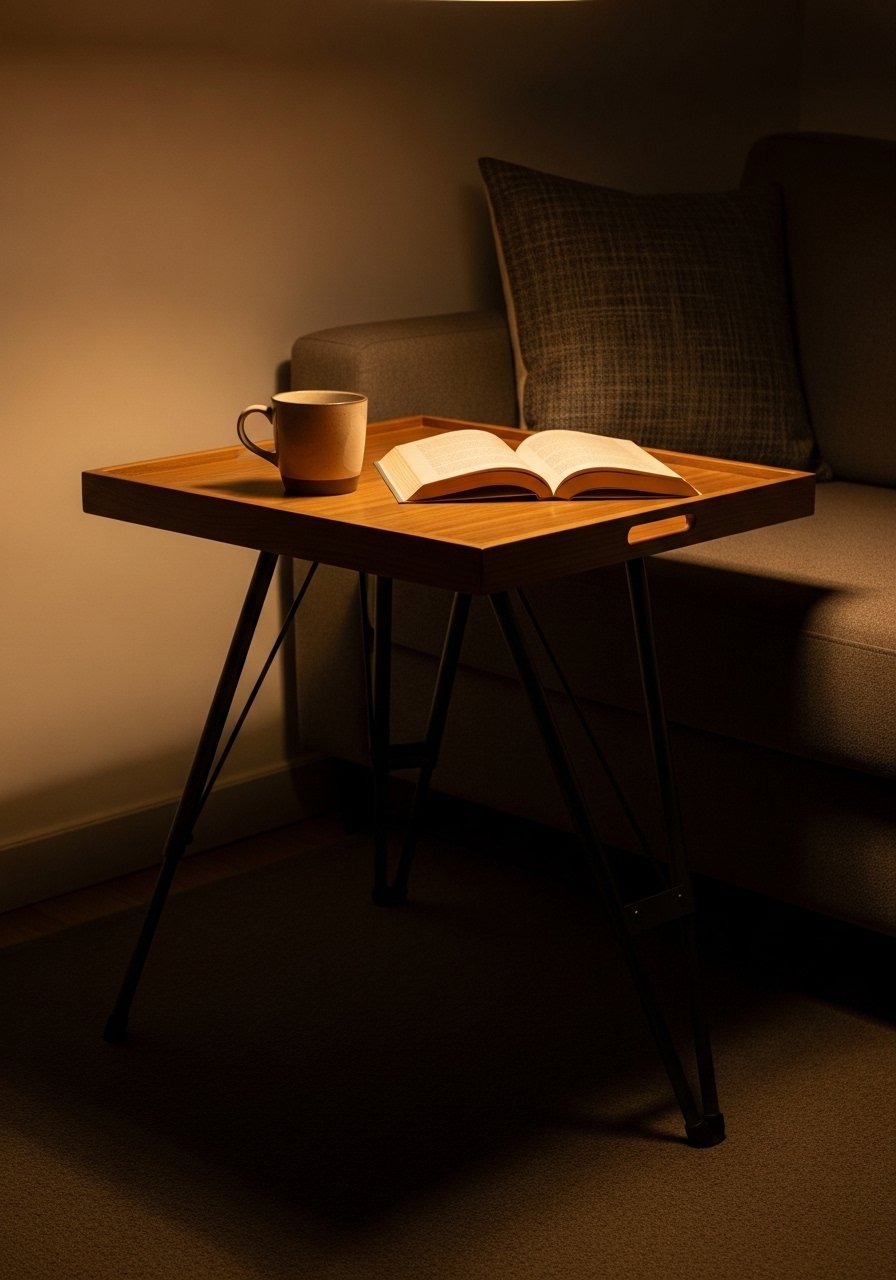
I wanted a table that slides over the couch without tripping anyone during movie night. A 20 by 30 inch plywood tray paired with tripod legs does the trick. Cut the tray with a 1-inch overhang to make the lip feel custom and finish edges smooth up to 220 grit. I used Tripod table legs set and a pre-cut plywood tray to speed things up. Common mistakes are not reinforcing the leg mounts and using thin plywood that flexes. Screw a corner gusset under the tray for extra stiffness. If you have pets, add a wipeable top coat so paw prints are no drama.
Console With Pipe Legs For Narrow Hallways, Industrial Edge
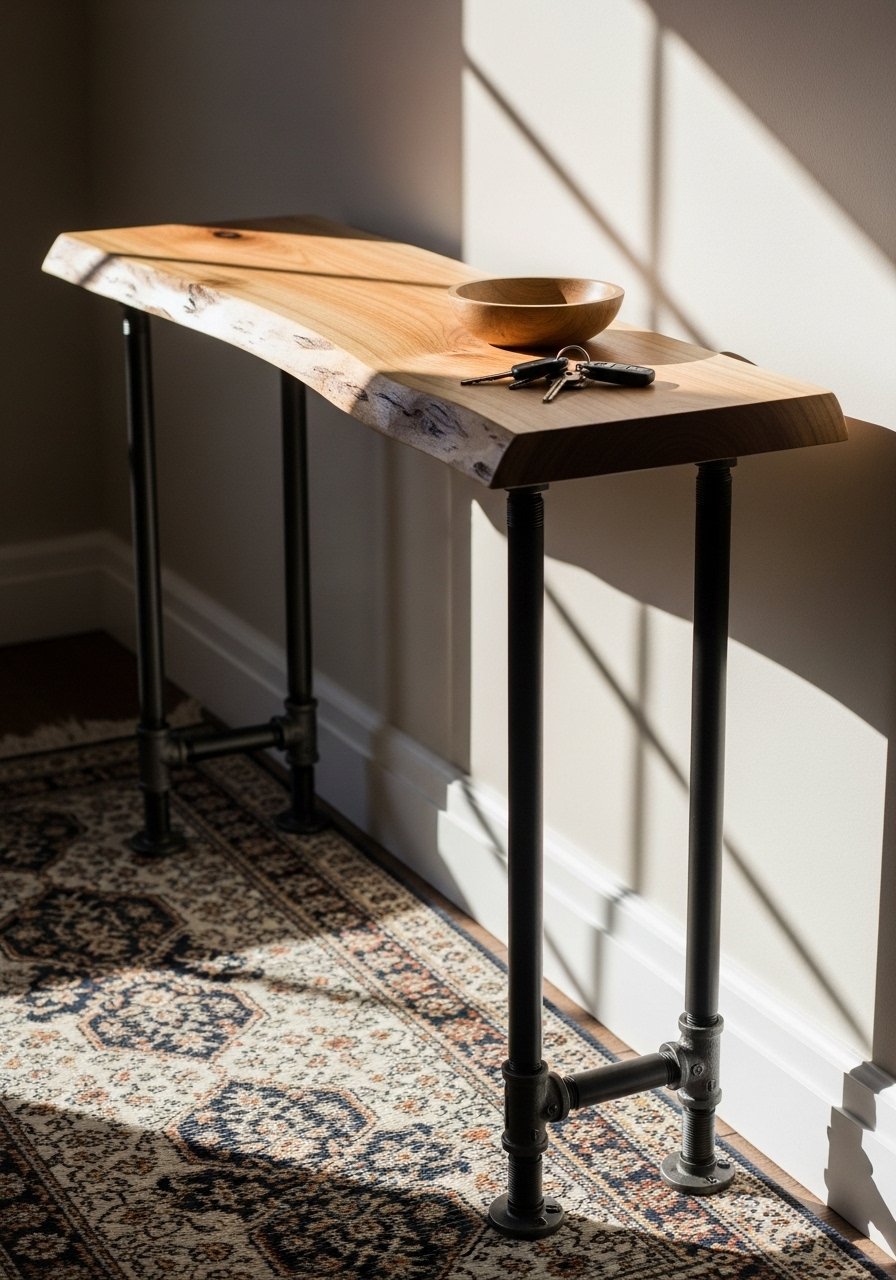
I built this console to give my narrow hallway some air. A poplar slab lifted on black pipe fittings makes the whole piece feel lighter. The pipe legs let furniture appear more open because you can see the floor beneath. I like a 1-inch overhang on the front edge and mounting flanges screwed into the wood, not the wall. Use Black pipe fittings set and a Poplar wood slab. One oversight people make is using a heavy top without enough floor protection. Add felt pads under each flange so your wood floors do not get scratched. For finishing, pick a warm cedar tone if your space has a lot of gray walls.
Picnic Bench With Attached Table For Small Balconies, Vintage Outdoor
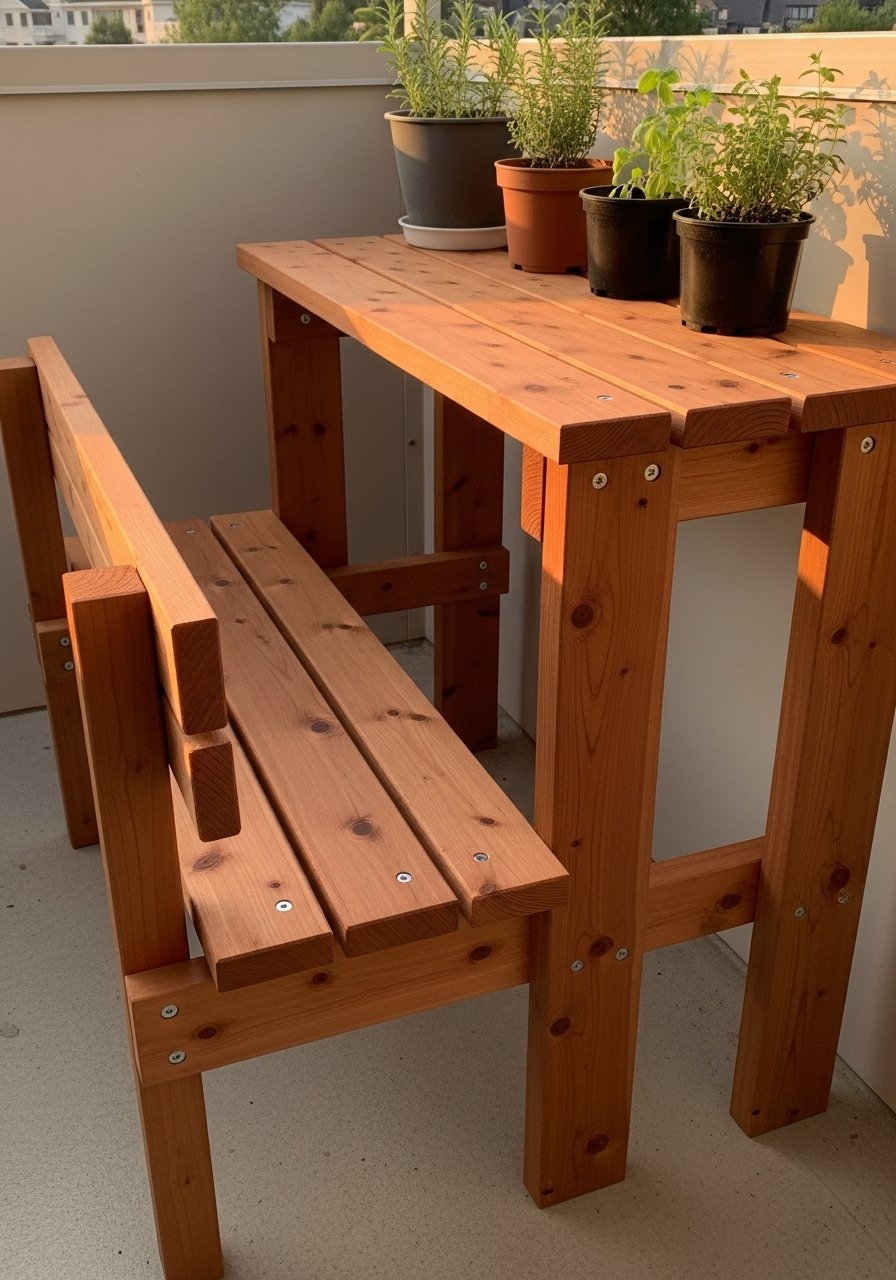
If you want an outdoor dining spot but have a tiny balcony, an attached picnic bench is perfect. I used cedar 2x6s because cedar stands up to moisture and looks warm without staining. Carriage bolts are the best hardware for the joints since they compress the lumber well. Budget was $100 to $200 with cedar and hardware. I grabbed Cedar 2×6 board and Galvanized carriage bolts kit. The number one mistake I saw on forums was failing to seal board ends. Seal the cut ends to prevent warping. Plan for a 14-inch bench depth and a 28 to 30-inch table width for two people to sit comfortably.
Entryway Shoe Rack Cubby For Small Doors, Modern Farmhouse
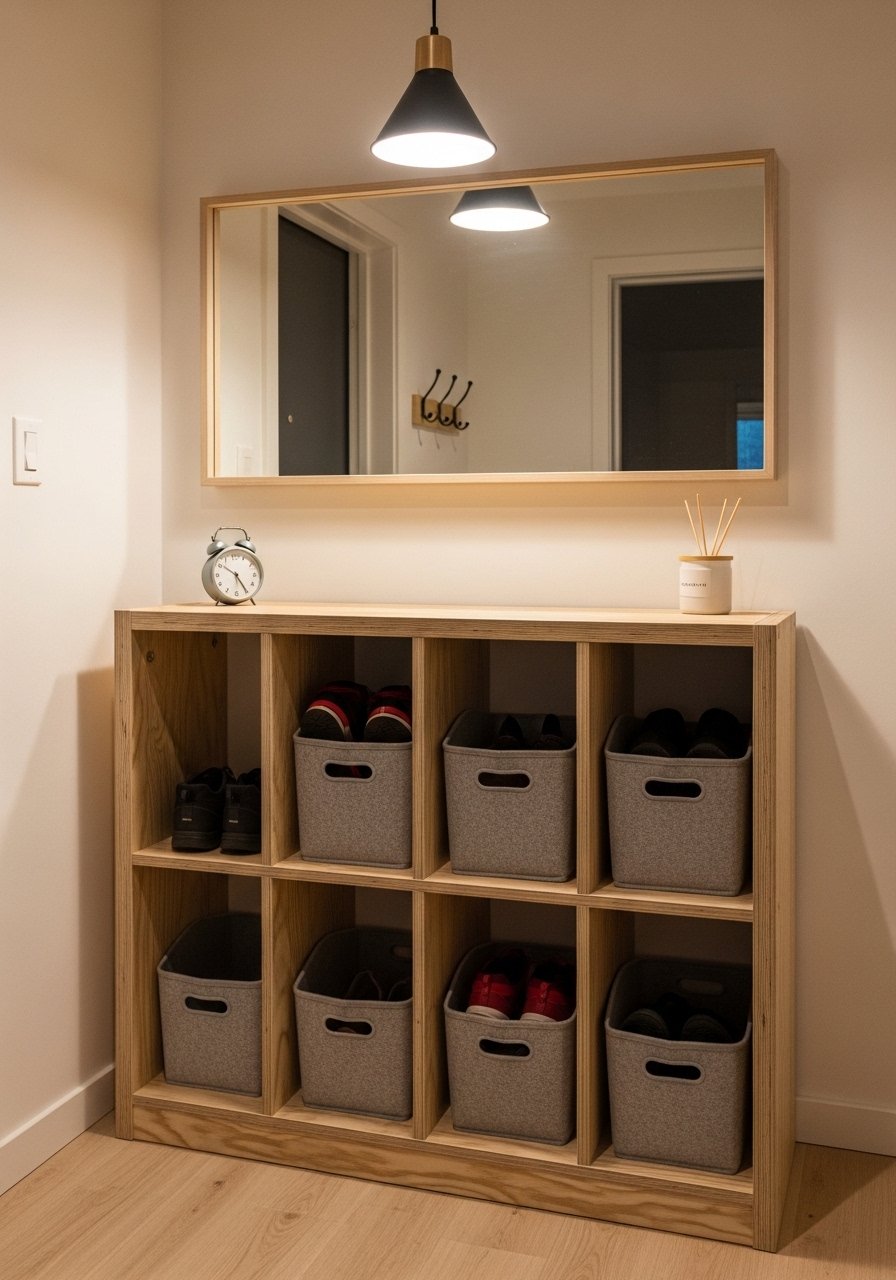
My entryway used to be a dumping ground until I built a shallow cubby that fits behind the door. Use 3/4-inch plywood, cut to a 36 by 12 by 48 footprint, and divide into cubbies that are 10 inches tall. Felt bins slide in to hide the chaos and double as seasonal storage. I linked Cube storage felt bins and used a 3-4-plywood-sheet for the build. Mistakes include making cubbies too narrow for adult shoes. Allow 12 inches width per pair and a 1-inch overhang on the top shelf to catch small items. If you rent, anchor the cubby to the wall with toggles and keep the whole unit light enough to move.
Your Decor Shopping List
Textiles
- Honestly the best $40 I have spent. Chunky knit throw in cream (~$35-55). Drape over a bench or chair.
- Velvet pillow covers 22-inch, set of 2 in two colors for layering. Similar at Target.
Hardware & Tools
- Hairpin legs set for benches and nesting tables.
- 4-inch swivel casters to make tables movable.
Shelving & Surfaces
- Baltic birch plywood sheet for floating shelves and trays.
- Floating shelf brackets invisible for a clean look.
Finish & Fasteners
- Wood stain rustic tone and Polycrylic wipe-on finish.
- Heavy duty toggle bolts for renters who cannot hit studs.
Shopping Tips
White oak beats dark wood in 2026. Design feeds have shifted completely. These white oak floating shelves look current, not dated.
Grab these velvet pillow covers for $12 each. Swap them every season and the whole room feels different.
Curtains should puddle or kiss the floor, never hang halfway up. These 96-inch linen panels are right for standard 9-foot ceilings.
One tall plant beats five small succulents. Artificial fiddle leaf fig 6ft gives instant height without the maintenance.
If you have pets, pick a wipeable top coat. Clear polycrylic finish keeps tabletops looking good after scratches.
Frequently Asked Questions
Q: What tools do I actually need to finish most of these projects?
A: A circular saw or miter saw, a drill with a 1/8-inch pilot bit and a 3/8-inch spade bit, a sander with 120 and 220 grit, a pocket hole jig if you like hidden screws, and clamps. For small spaces the saw can be a handsaw plus a straightedge clamp if you want to avoid big tools.
Q: Can I make these projects renter-friendly without drilling studs?
A: Yes. Use toggle bolts for heavier loads and heavy duty command hooks for lightweight items. For shelves try removable floating brackets or freestanding ladder shelves that lean for a no-drill option.
Q: How do I stop my wood from warping or splitting outside?
A: Seal cut ends immediately with a clear sealer before installation and use cedar or treated lumber outdoors. I always pre-seal and then finish with an outdoor-rated poly for extra protection.
Q: What size screws and bits should I use for pocket holes and frame builds?
A: For 3/4-inch stock use 1 1/4-inch pocket hole screws and a 1/8-inch pilot for regular screws into hardwood. For softwood frames a 1-inch screw is fine. Glue the joint, clamp, then screw for the strongest hold.
Q: How do I match mixed scrap woods so a piece looks intentional and not like a patchwork?
A: Sand everything to 220, then use a single coat of stain toner wash to unify tones before final stain. Another trick is a thin liming whitewash over oak to bring different woods closer in hue.