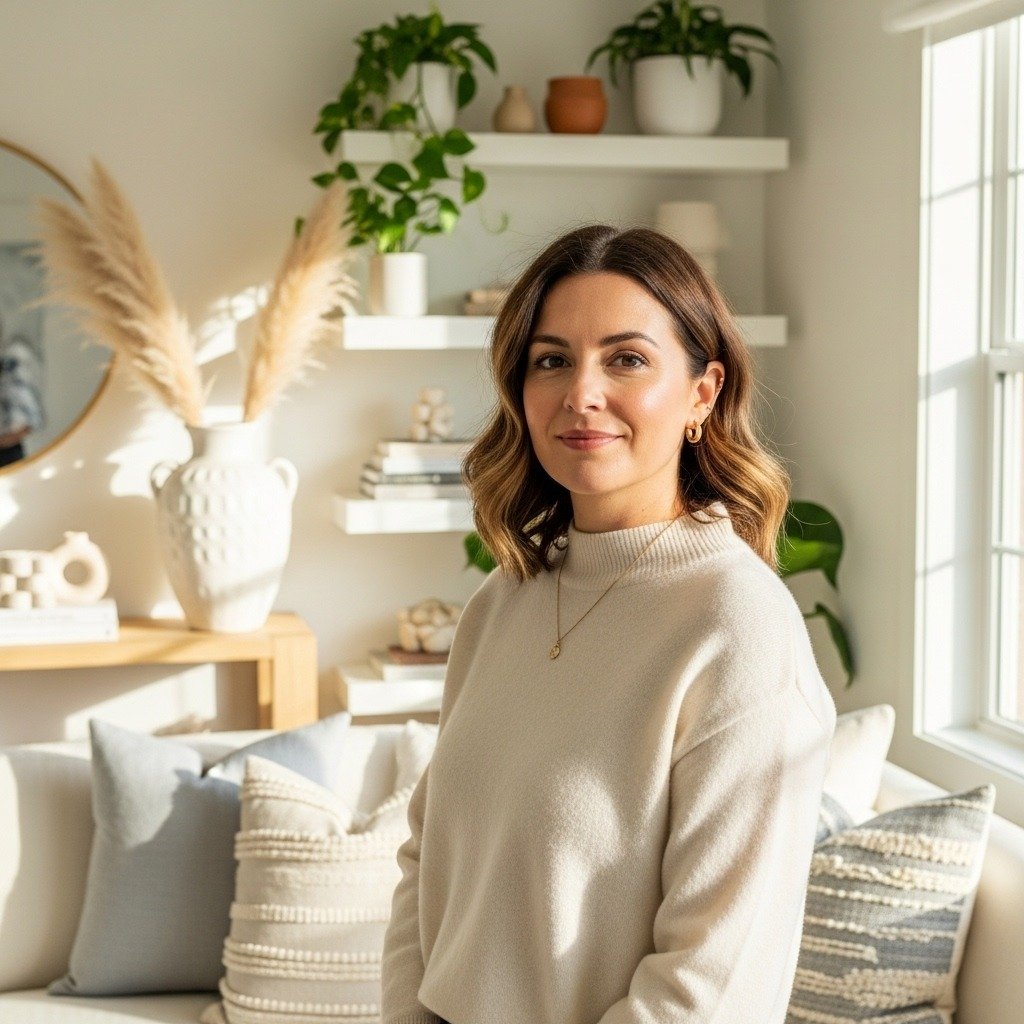
My living room had nice furniture and decent lighting but it still felt like a waiting room. Took me embarrassingly long to figure out it was missing texture. That same lesson applies to doll corners. Small changes make miniature setups read like a real room, not a toy display.
These ideas lean cozy-modern with a sprinkle of vintage details. Most builds cost $5 to $40, with a couple of nicer finishes around $60-90. Great for playrooms, shelf vignettes, and dollhouse-style displays that need to pass for adult furniture.
Scaled Sofa With Real Upholstery Look for 18-inch Dolls
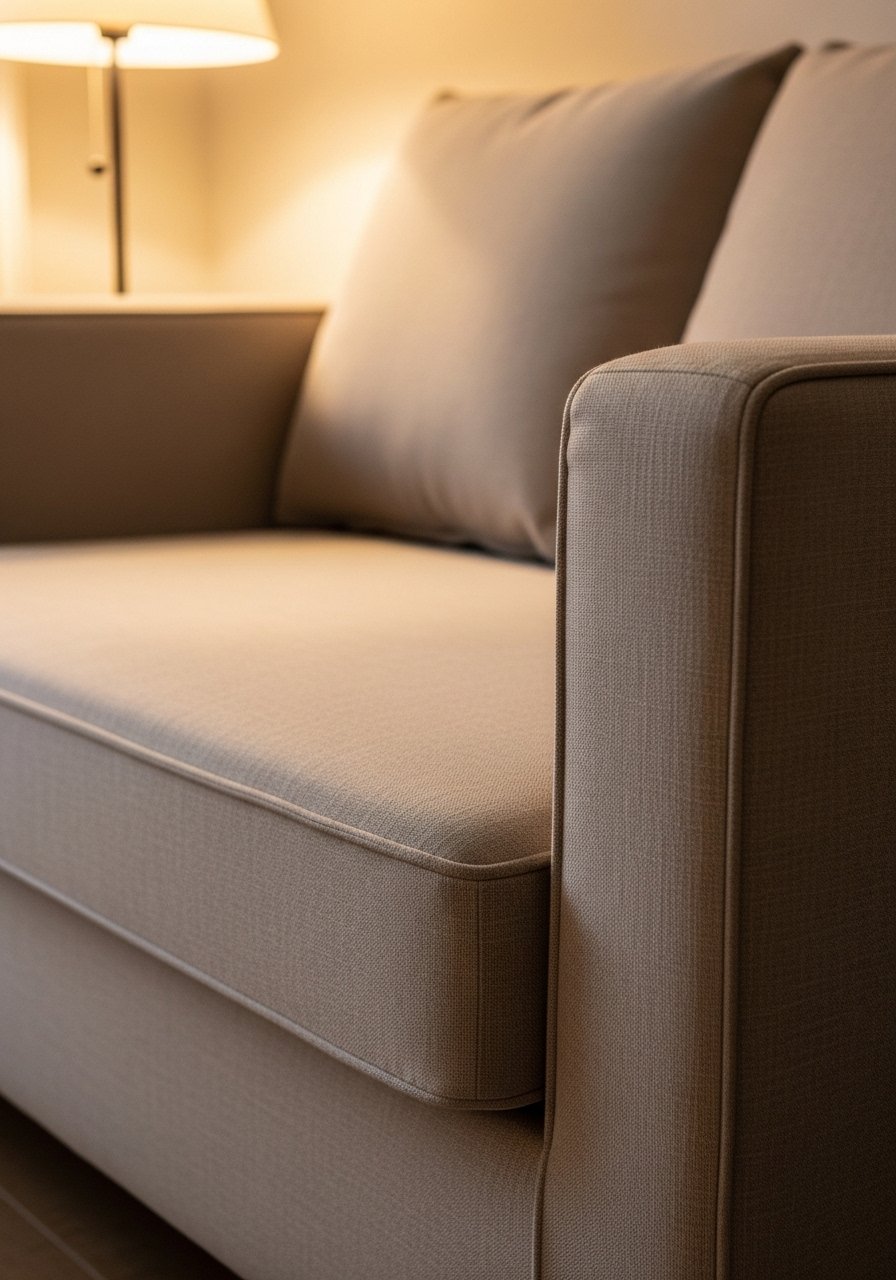
The trick that made my doll sofa stop looking plastic was real fabric, not printed vinyl. For 18-inch dolls aim for a seat depth around 6 to 7 inches and a back cushion height about 5 inches to keep proportions believable. I built a simple box frame from basswood, glued 1/2-inch foam, and wrapped it in 100 percent linen from a fabric remnant. Use tiny Velcro tabs to keep cushions in place so kids can remove them. A common mistake is making cushions too thin. Go thicker for a plush look and pair with mini wooden dowel legs for scale. I used linen remnant fabrics for the upholstery.
Midcentury Mini Credenza for A Doll Bedroom
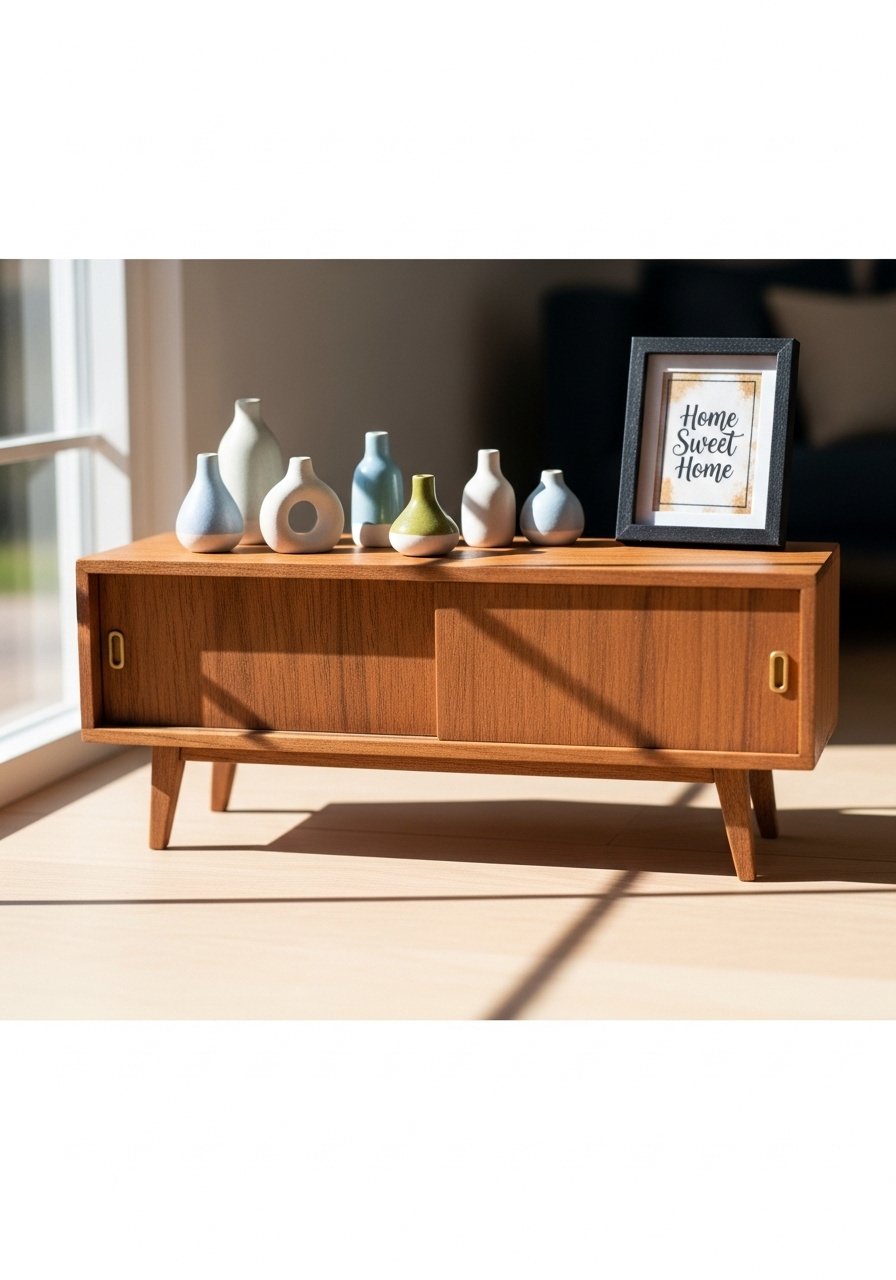
I found that a low, long silhouette instantly reads adult. Cut a 10-inch long plywood box, add tapered wooden legs, and finish with a walnut stain for that midcentury vibe. Keep the color ratio 80 percent wood to 20 percent accent color when painting drawers so it does not look toy-like. Budget is $25 to $60 depending on hardware. Most people use stickers for drawer knobs and it reads cheap. Instead, use small brass brads or tiny knobs like the ones in this mini hardware set. Works great in a bedroom or living room display.
Realistic Rug Layering For Tiny Living Rooms
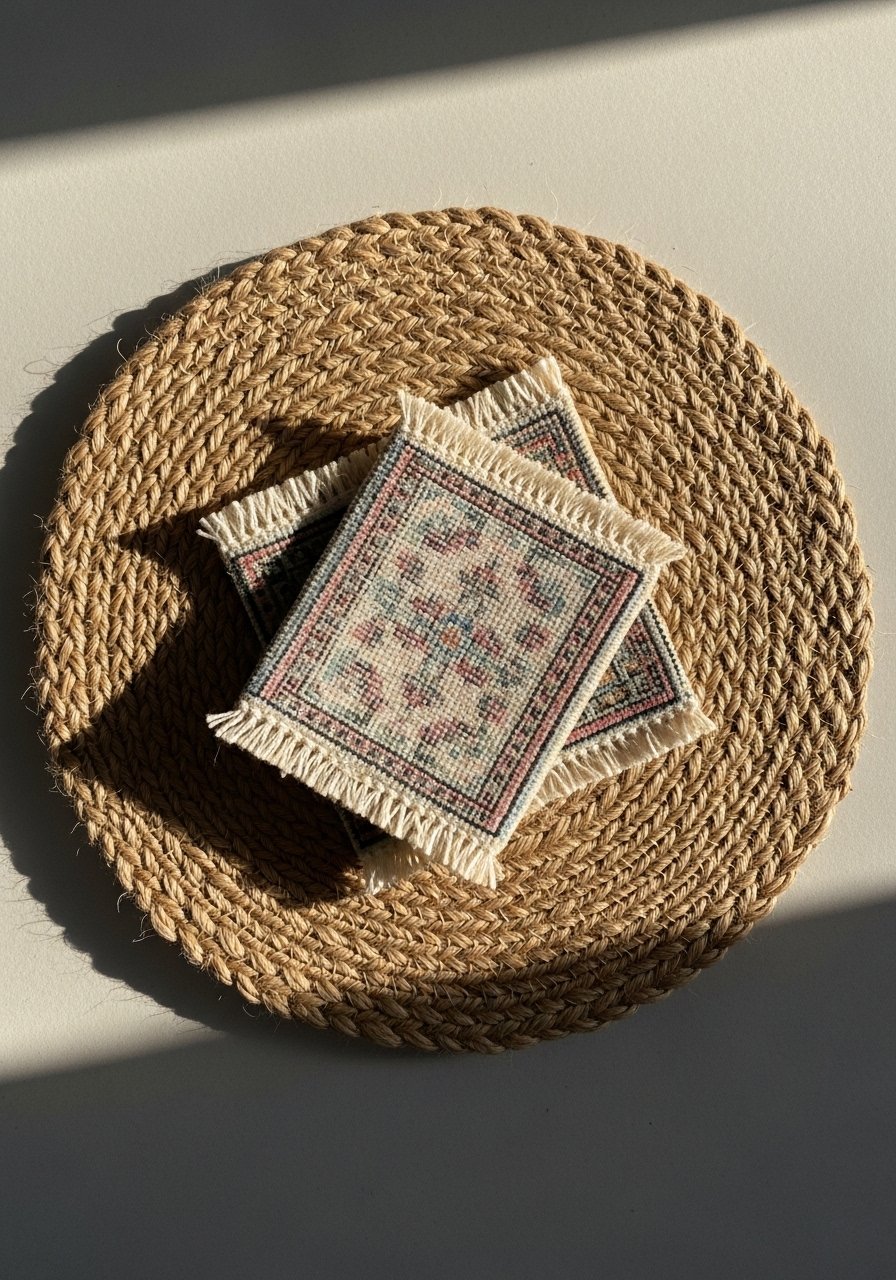
Layering rugs adds depth even at doll scale. Start with a neutral jute base trimmed to 10×14 inches, then add a patterned 6×9-inch rug centered on top. I stuck the base down with double-sided fabric tape and left the top rug loose so it shifts like real life. Many people make rugs with printed fabric that looks flat. Use actual woven materials to get texture. This technique costs around $10 to $25. Pair the layered rugs with a small coffee table from the next idea for a believable seating area.
Mini Coffee Table From Upcycled Picture Frame Glass
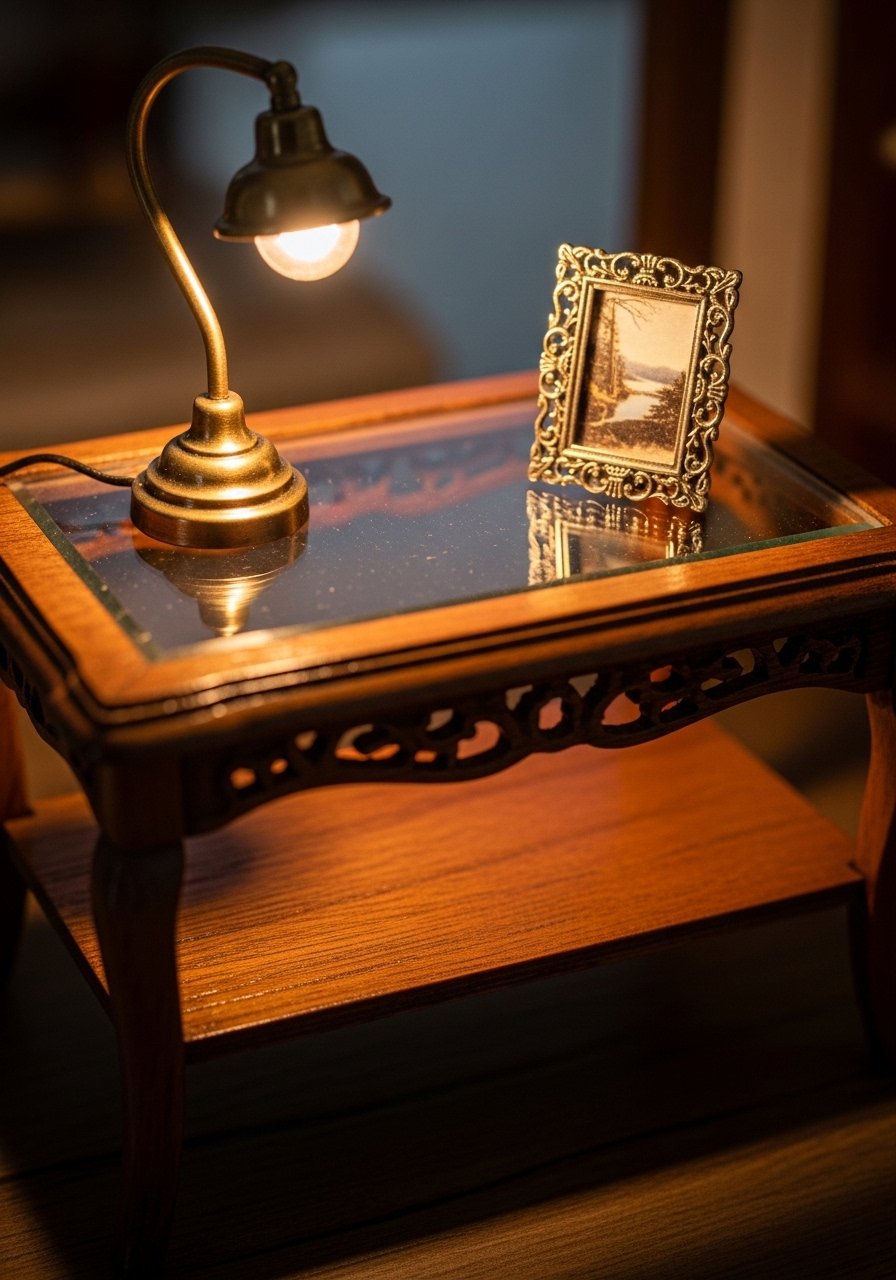
I made a coffee table from a thrifted small picture frame. Flip the frame so the back becomes the tabletop, glue a tiny wooden crate base, and add hairpin legs. The clear glass makes the scale feel real and the table reads grown-up. Expect to spend $5 to $20. The mistake I see is using glossy plastic which reflects light oddly. Real glass gives weight. For legs I bought small metal hairpin legs like these mini hairpin legs and cut them down to match the scale.
Tiny Upholstered Chair With Tufting For A Reading Nook
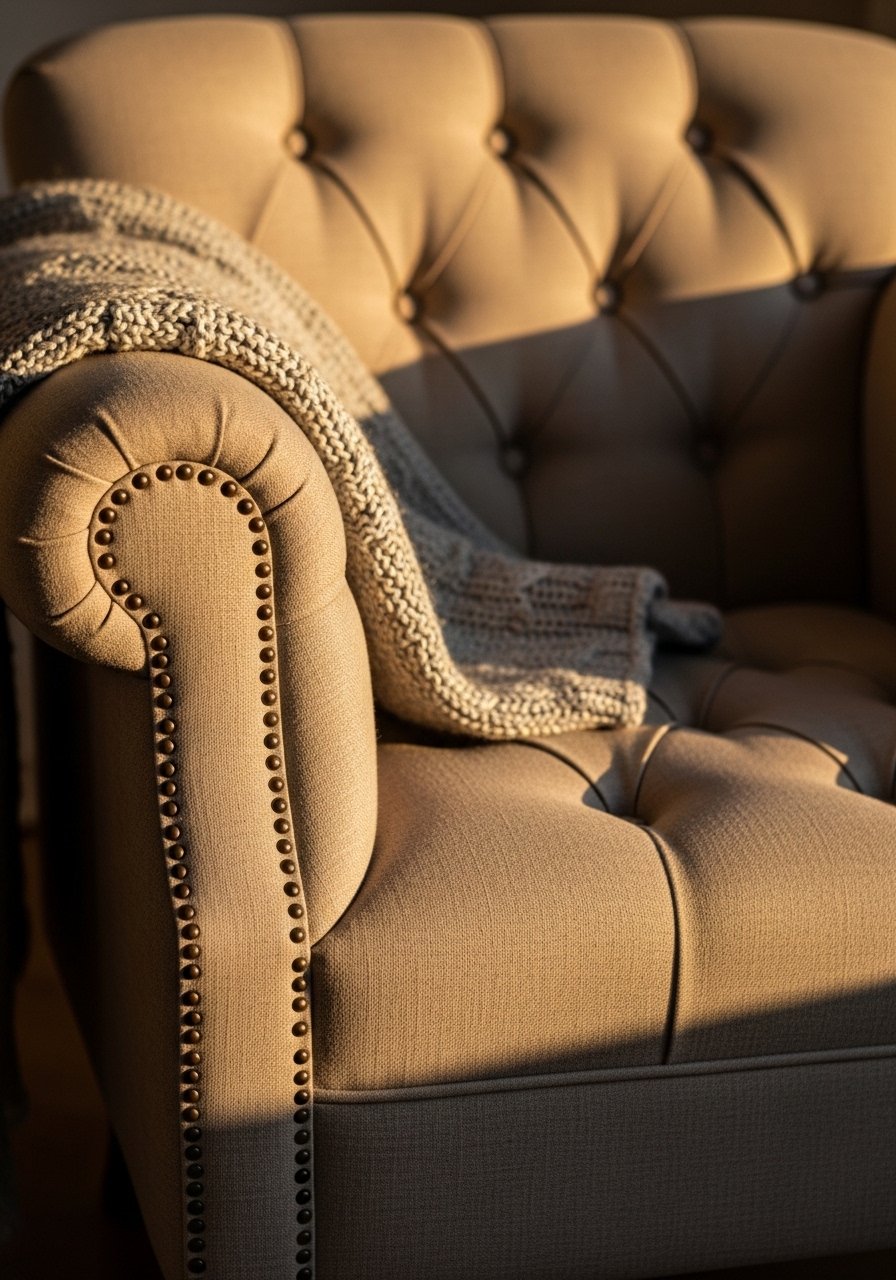
There is something about a reading nook that makes any space feel lived in. I hand-stitched simple tufting into a 5-inch-wide back cushion and it made the chair suddenly look like an actual piece, not a plaything. Use scrap upholstery foam 1/2 inch thick and cover with a velvet or linen remnant. Budget $10 to $30. A common mistake is over-tufting. Use one or three buttons, not a grid. This pairs well next to the scaled floor lamp idea and follows the rule of three when you arrange cushions and a small side table.
Faux Marble Counter For Mini Kitchen That Reads Valuable
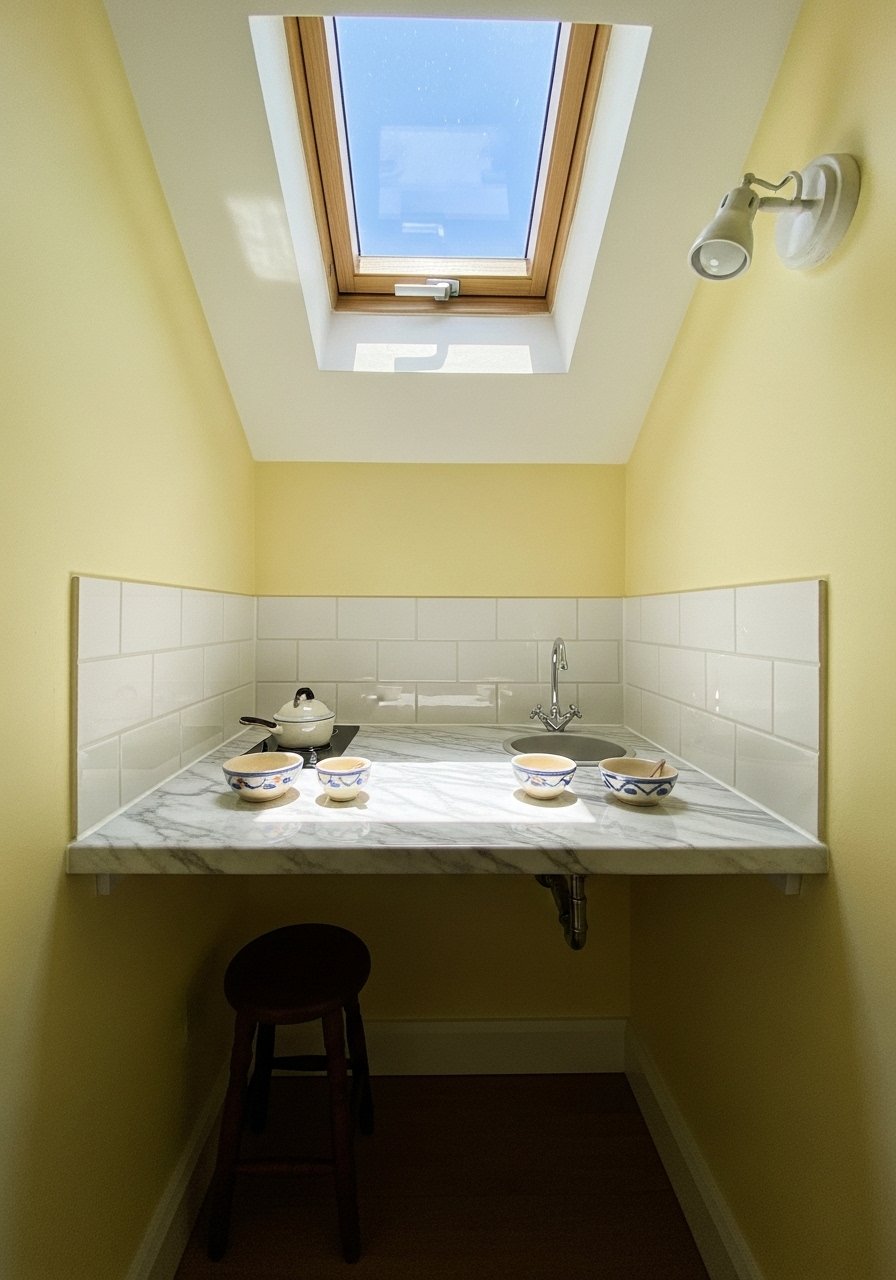
Marble makes miniature kitchens look expensive without the price. I used white polymer clay mixed with tiny amounts of gray paint and scraped thin veins with a toothpick, then sealed with gloss varnish. For a more budget approach try glossy white contact paper with hand-painted veins. The visual result is a counter that catches light like real stone. Keep the counter overhang minimal, about 1/4 inch, so it reads proportional. Mistake to avoid is using too-thick veining. Fine, subtle lines look real. Tools and clay can be found in a polymer clay starter kit.
Scaled Lighting That Actually Gives Mood
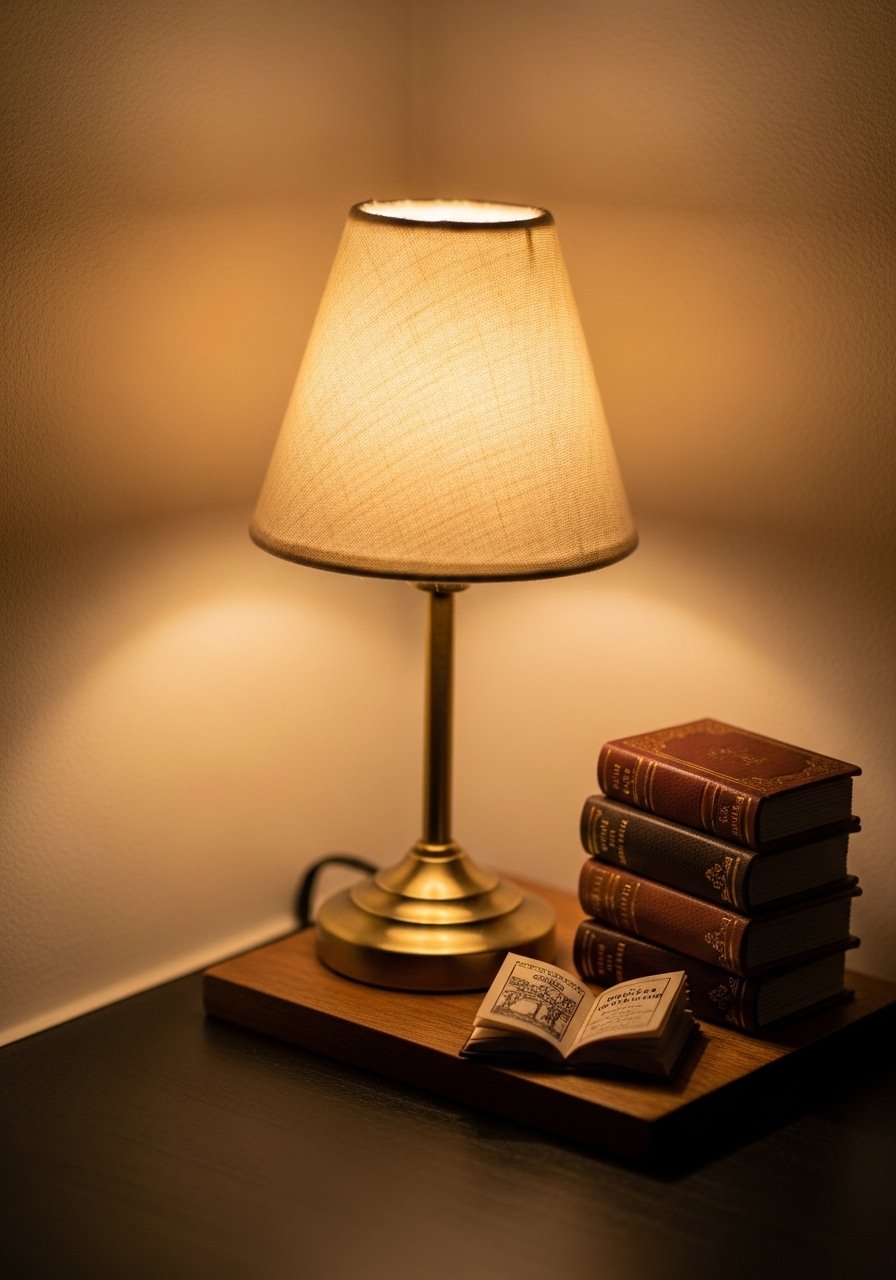
Lighting is the quick fix I always reach for. A tiny fabric shade and a warm LED micro-bulb create real mood. I wired a micro LED puck to a tiny lamp base and hid the switch under the table. Many mini lamps sold online are battery-cased in ugly plastic. Buy a simple brass-tone lamp base like this and recover a shade in linen for a higher-end look. Expect $15 to $40 for a kit. The result is a vignette that reads like an adult room and it pairs perfectly with the tufted chair idea above. Try micro LED lights.
Tiny Built-In Shelves For Realistic Display Storage
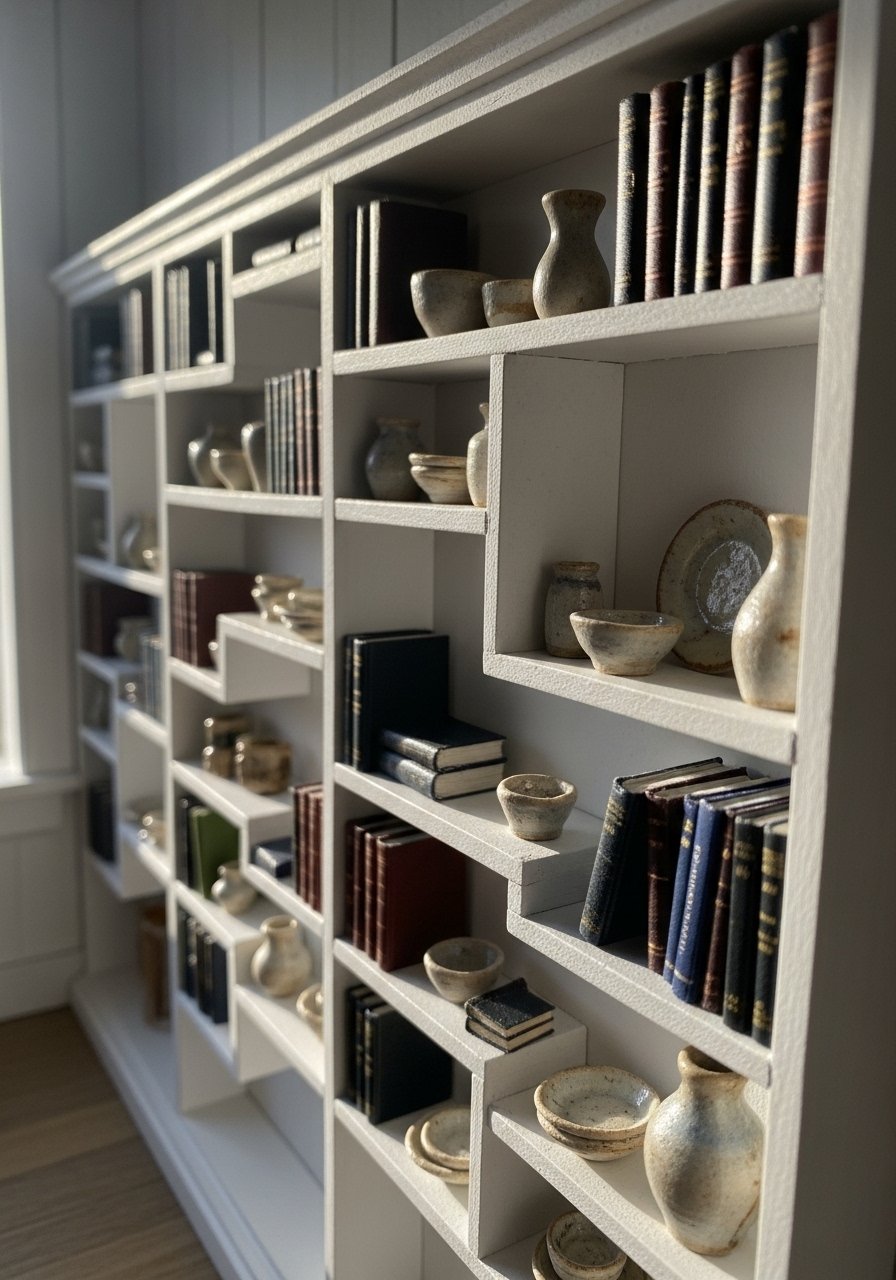
Built-ins give scale instantly. I cut thin birch plywood to create recessed shelves and painted them the same color as the wall so they disappear like real cabinetry. Use a 1:3 approach to spacing. For 18-inch dolls, make standard shelf heights 3 to 4 inches apart. A common error is oversized spacing that leaves empty gaps. Budget $20 to $50 including paint and wood glue. Use small book spines and real miniature ceramics to style. These shelves are ideal for a study or living room doll setup.
Real Textile Pillows With Insert Options
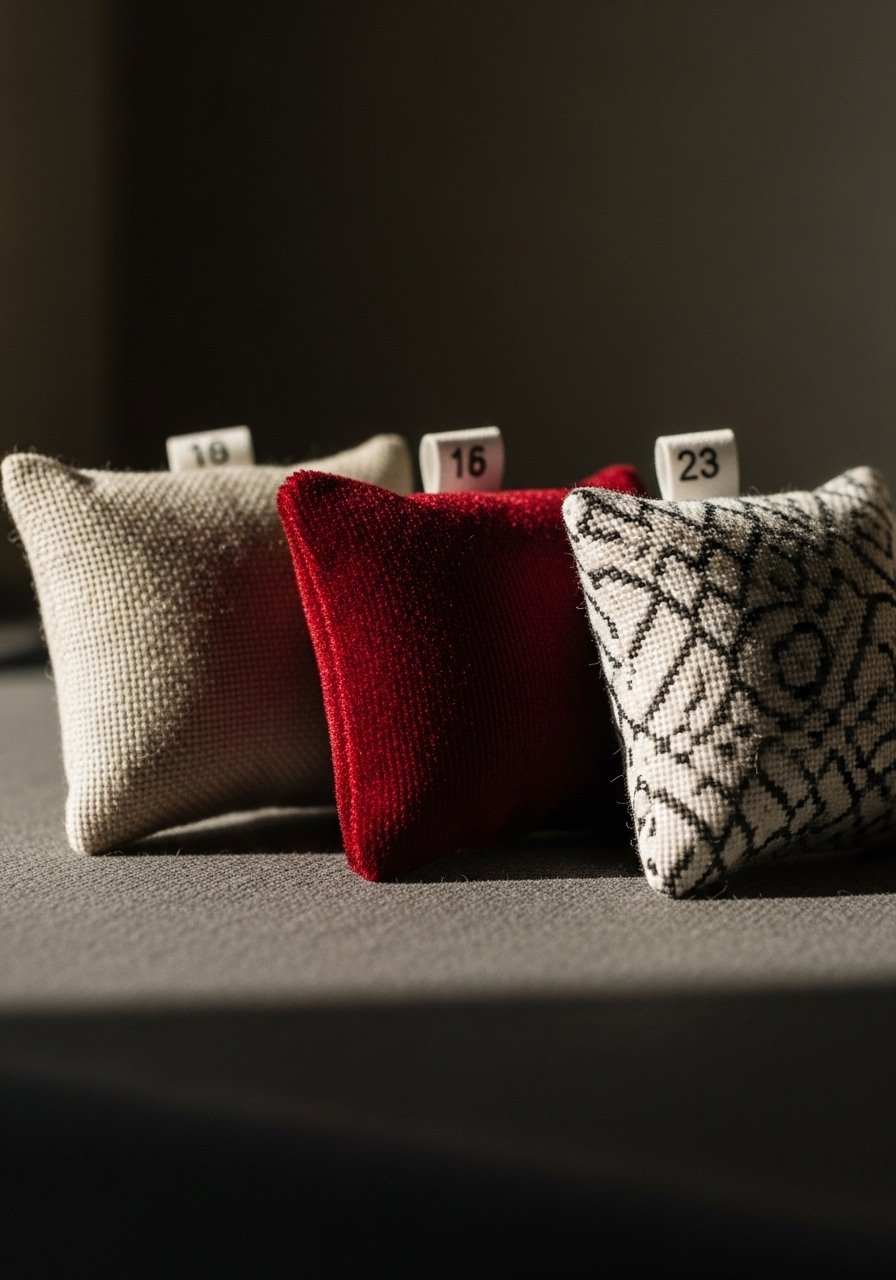
Ten little throws and pillows will make a tiny couch read like a real sofa. I use a 22 percent down fill ratio and sew covers to allow swapping. Specific sizes I like are 3×3 inches for square cushions and a 2×4-inch lumbar. The mistake most people make is glueing fabric rather than sewing covers. Covers let you change looks and wash things. You can get tiny down inserts or fill scrap batting, but aim for slightly overstuffed pillows. I used these mini pillow inserts for consistent plumpness.
Scaled Dining Set With Real Table Settings
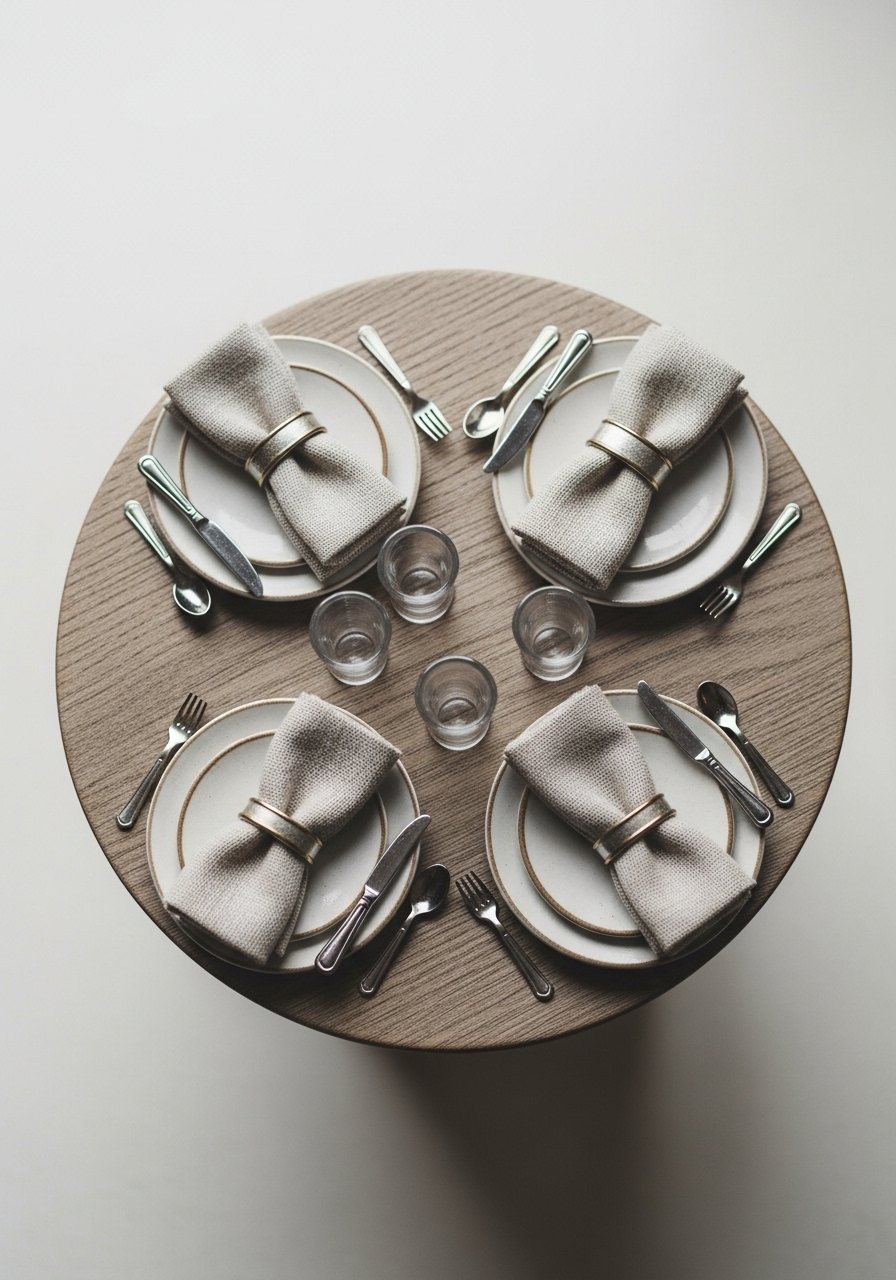
Setting a tiny table made my whole display feel like a real home. I used a 6-inch round tabletop for four doll chairs and set it with handmade polymer clay plates and folded tiny linen napkins. Keep place settings at a 1:3 ratio too. Mistake: going too symmetrical. Slight offsets and one mismatched plate make it lived-in. Budget for this is $10 to $30 depending on materials. Use a small set of miniature flatware to finish the look.
Faux Leather Armchair For A Sophisticated Corner
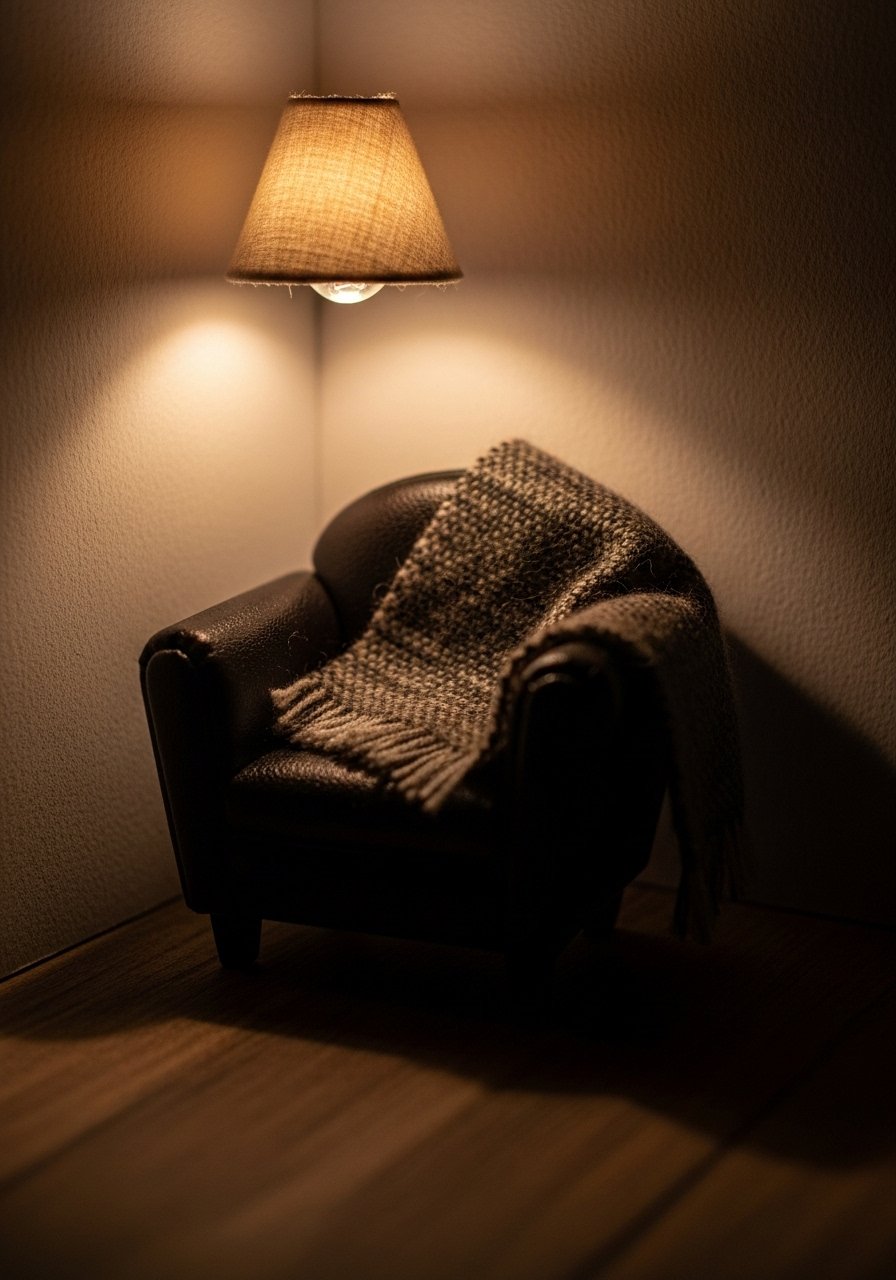
A dark leather-look chair grounds a corner in a way fabric rarely does. I used faux leather scraps glued over a chipboard frame with rounded edges for a grown-up silhouette. Keep seams exposed and stitch them where possible to avoid a toy finish. Budget $15 to $40. People often choose shiny vinyl that screams plastic. Matte faux leather reads more authentic. Pair this with the scaled lamp idea to create a believable reading spot.
Miniature Planters With Living Moss For Real Greenery
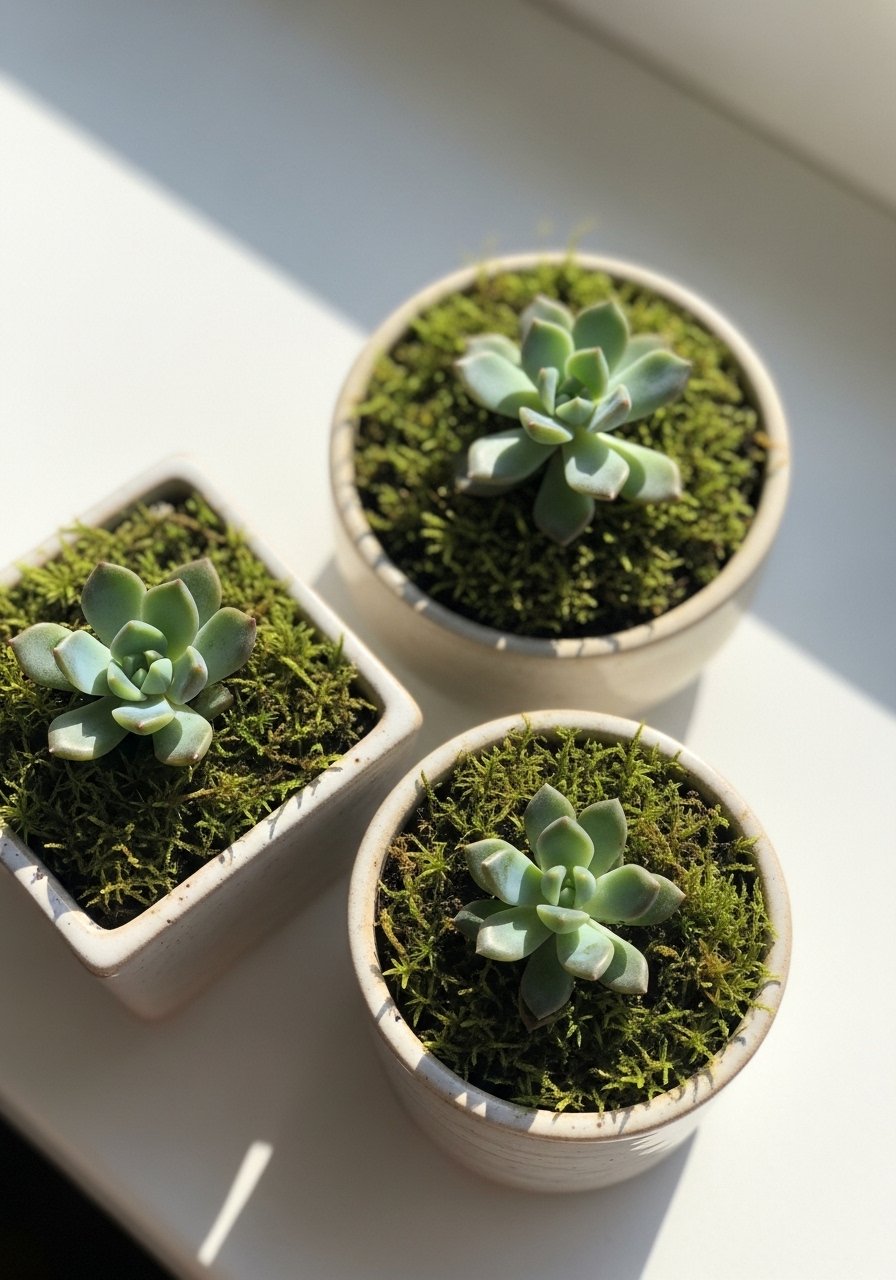
Nothing ages a doll setup faster than fake plastic succulents. I planted live preserved moss and a tiny real succulent in shallow ceramic pots. Preserved moss needs no watering and looks real, so it solves maintenance concerns. Use pots 1 to 1.5 inches wide for scale. Budget $5 to $20. Mistake: using large rocks as filler which raises the plant unnaturally. Instead, use a thin layer of real soil or floral foam. These planters add life without extra work.
Convertible Mini Sleeper Sofa For Play Practicality
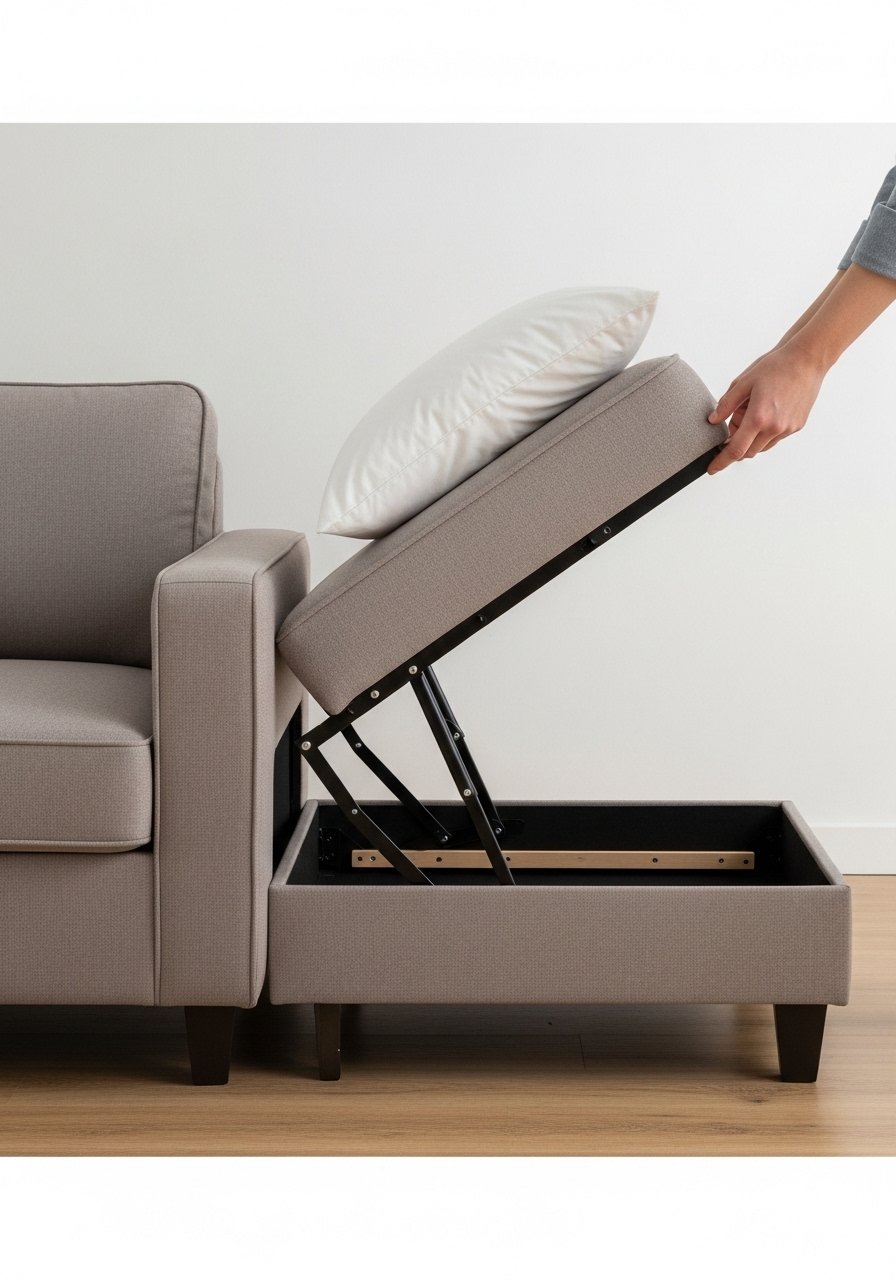
If the dolls will actually be played with, make pieces functional. I built a pull-out sleep surface that tucks under the couch. It slides on a thin dowel and locks with a small magnet. Practical builds like this solve the problem of one-note furniture. Budget $15 to $45. The common mistake is making mechanisms fragile. Use sturdy dowels and small magnets like these mini craft magnets for reliable movement. This works well in a multi-use living room or guest corner.
Vintage Wardrobe With Working Hinges For Doll Closets
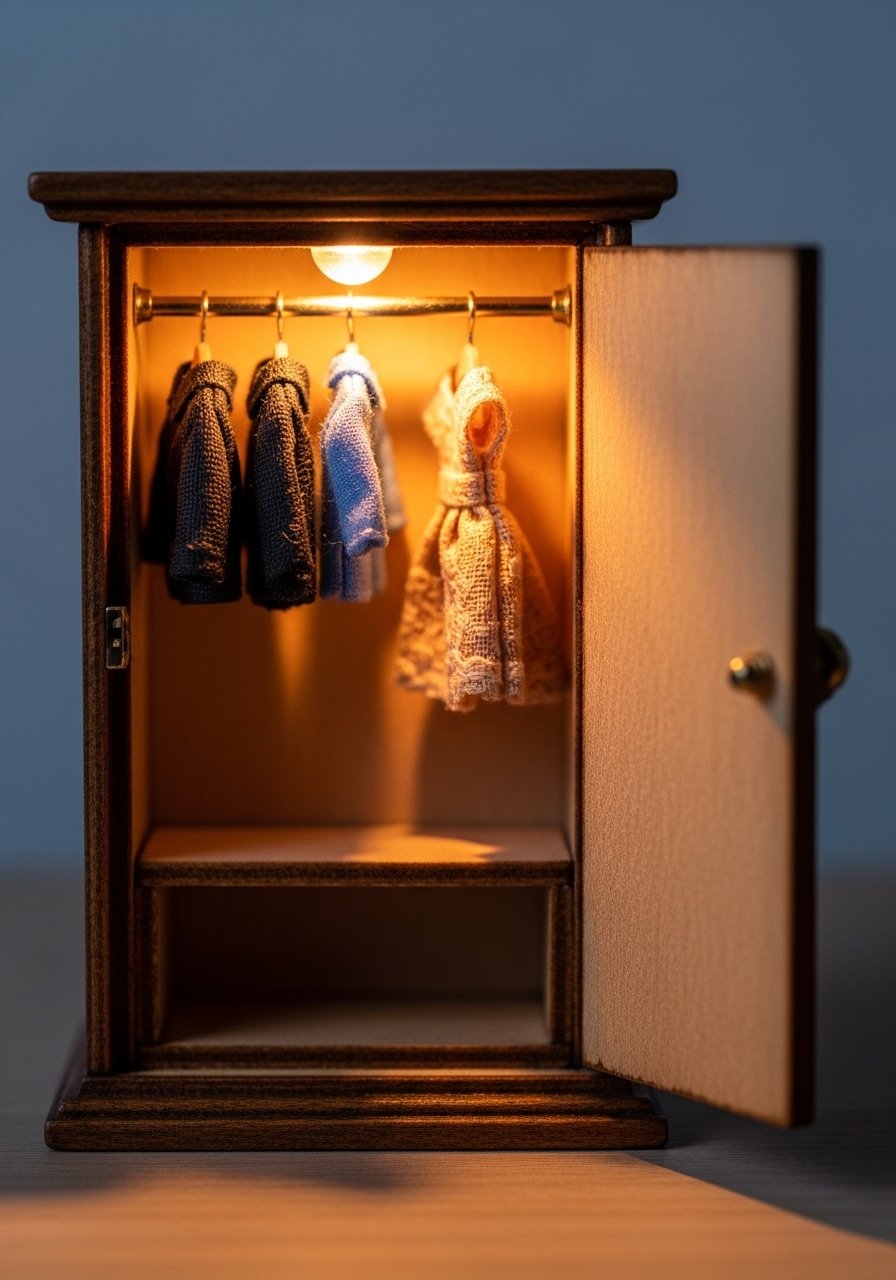
My friend complained her doll closet always looked like a jumble. I built a narrow wardrobe with real working hinges and a tiny rod inside. Use quarter-inch dowel for the rod and space hangers 1/2 inch apart. The wardrobe door gives you a place to hide clutter and makes the tiny bedroom feel finished. Budget $20 to $60 depending on finish. People often glue doors shut, which kills the illusion. I used small brass hinges from this mini hinge set and it made everything feel handcrafted.
Your Decor Shopping List
Textiles
- Honestly the best $12 I have spent. Mini pillow inserts 3×3 inches for plump cushions
- Linen remnant fabric 1-yard pieces in natural and gray for upholstery
Wall Decor & Shelving
- Mini brass picture ledges set (~$18) for rotating art
- Miniature mixed frames for gallery walls
Lighting
- Micro LED lights pack to install in lamps and overheads
- Mini hairpin legs set (~$12) for tables
Tools & Hardware
- Polymer clay starter kit for faux marble and dishes
- Mini drawer knobs and hinges set for realistic doors
Plants & Styling
- Preserved sheet moss pack and small ceramic pots
- Mini craft magnets pack for convertible mechanisms
Similar finds at Target or HomeGoods for baskets, throws, and small ceramics.
Shopping Tips
White oak beats dark wood in 2026. Design feeds have shifted completely. These white oak floating shelves look current, not dated.
Grab mini hairpin legs for $12 a set. Cut them down to size and your homemade coffee table will look like a store-bought piece.
Curtains should puddle or kiss the floor, never hang halfway up. These 96-inch linen panels are right for standard ceilings and show how height changes perception at any scale.
Lead with real materials when you can. Buy a polymer clay kit for faux stone and dishes. Tiny realistic details beat novelty plastic every time.
One large plant beats five tiny tabletop ones. If you need height without upkeep, try an artificial fiddle leaf fig 6ft or use preserved moss for low maintenance.
Mix metal finishes and keep the largest piece neutral. Start with mixed metal frames for a cohesive but interesting look.
Frequently Asked Questions
Q: What scale should I use so doll furniture looks real?
A: Match the doll you have. For 18-inch dolls aim for about one third of adult dimensions, so a sofa seat depth around 6 to 7 inches and chair backs about 5 inches. Measure a favorite real piece and divide by three for fast scaling.
Q: Can I mix modern mini pieces with vintage ones without it looking messy?
A: Yes. Stick to one dominant material, like wood, and use the rule of three for accents. Three small contrast items like a lamp, pillow, and tiny frame will make the mix feel intentional.
Q: How do I make things durable enough for play?
A: Use real joinery where possible, small magnets for moving parts, and hide battery packs under bases. Avoid thin plastic tabs and choose thin plywood or basswood for frames. Reinforce corners with wood glue and tiny brads.
Q: What size fabric should I buy for mini upholstery projects?
A: Small cuts go a long way. One yard of 45-inch fabric yields several cushions, a sofa slip, and small curtains. Linen and velvet remnants work well. I used a 1-yard remnant for one sofa and several pillows.
Q: Any quick fixes when a scene reads too toy-like?
A: Add texture. Swap a printed plastic rug for woven fabric, put a knit throw over the arm, and replace glossy pieces with matte finishes. Spent $35 on textiles in one afternoon and a whole setup stopped feeling like toys.
Q: How do I display mini furniture without it collecting dust?
A: Use glass-front cabinets or rotate a few pieces on display and store the rest in breathable bins. Preserved moss and faux plants cut down maintenance and keep vignettes fresh.