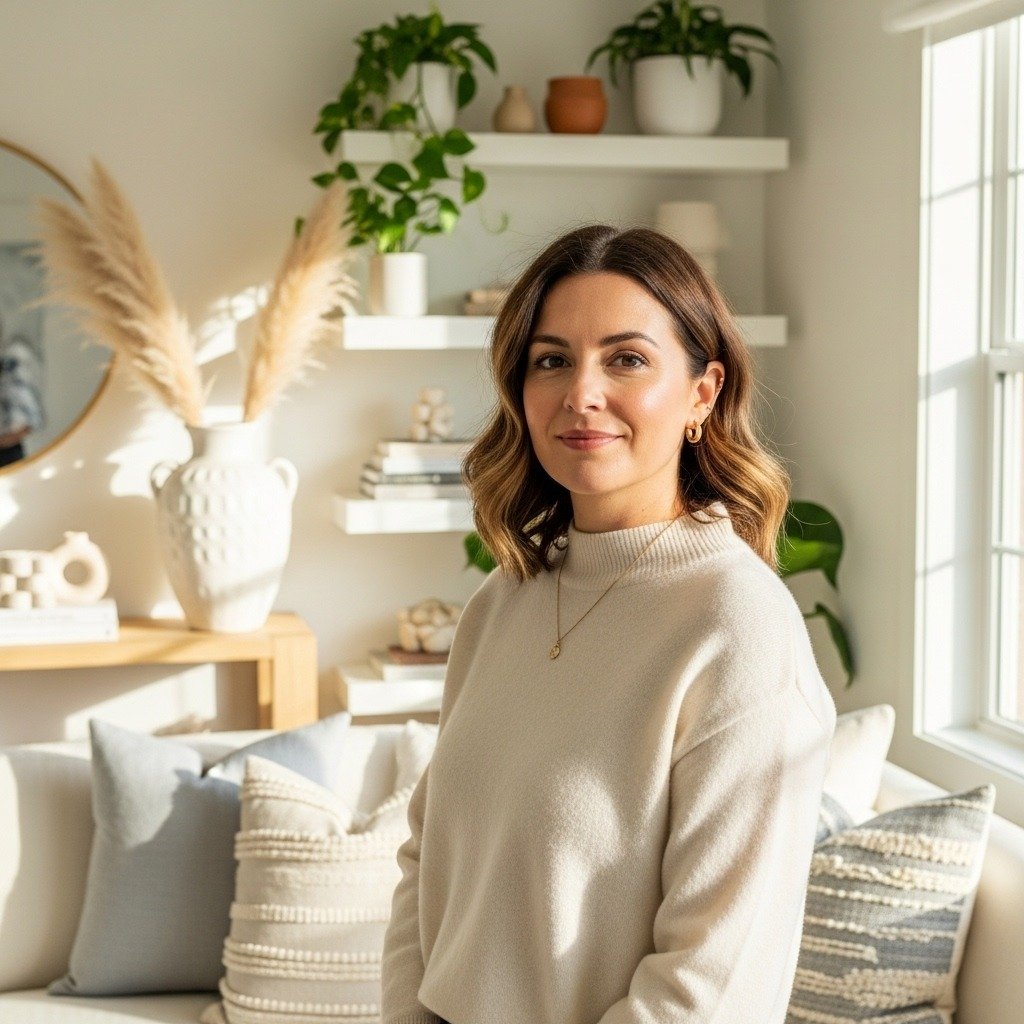
My living room had nice furniture and decent lighting but it still felt like a waiting room. Took me embarrassingly long to figure out it was missing texture. Every surface was smooth, every color was flat, and nothing invited you to actually sit down. Turning that same sensibility toward a home gym changed how workouts felt. Small tweaks make the space feel purposeful without making it feel like a commercial studio.
These ideas skew modern with warm, lived-in touches. Most projects sit in the under $150 range, with a few splurges around $300. They work for dedicated spare rooms, garage conversions, or a corner in a bedroom that needs a little more intention.
Airy Minimalism for Compact Home Gyms
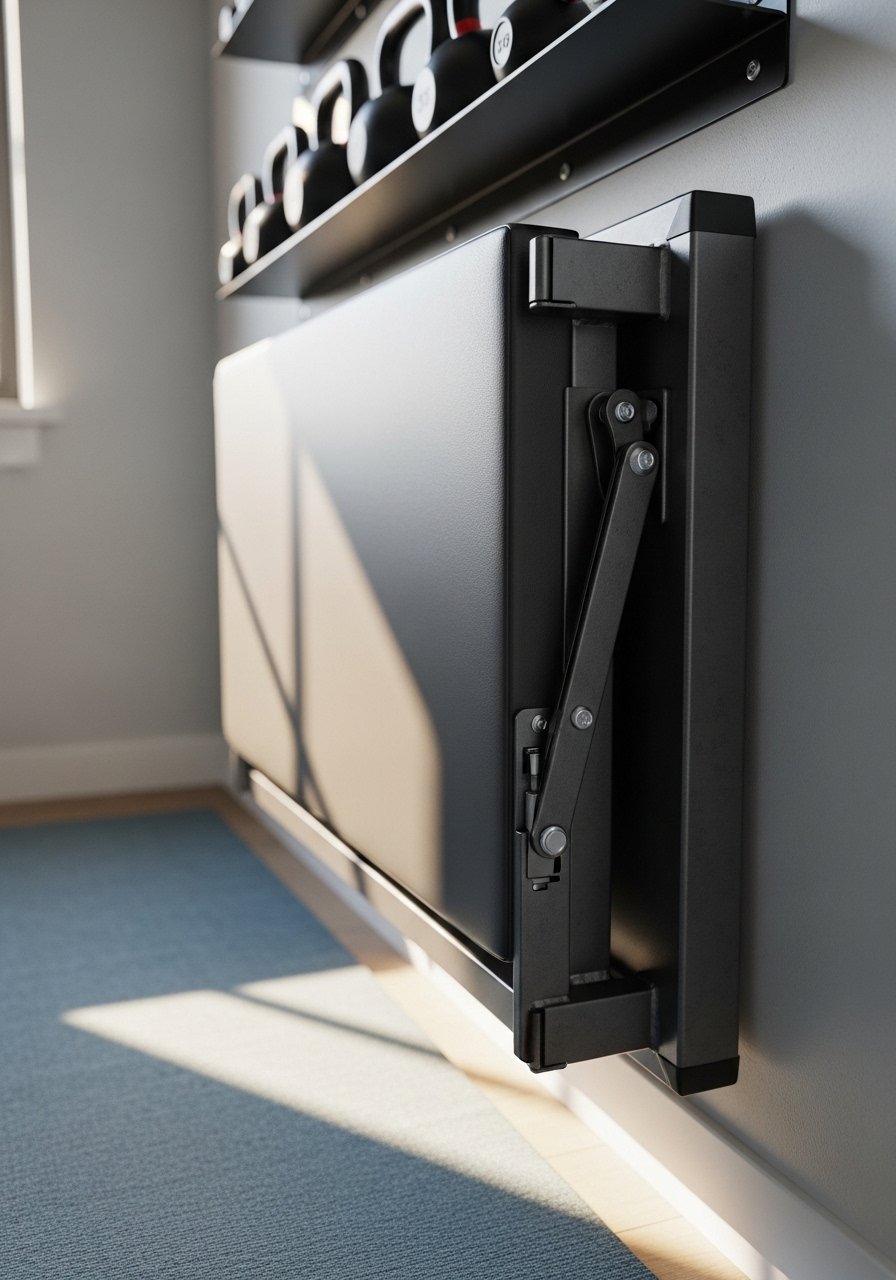
The moment I swapped a clunky storage rack for a wall-mounted fold-down bench, the whole corner stopped feeling like a broom closet. Minimalism here means visual breathing room, not coldness. Keep equipment to a curated few pieces, add a slim adjustable dumbbell set for compact strength work, and use open shelving to make the wall read as part of the room. Budget is under $300 for a functional setup. Common mistake is leaving the floor cluttered. Aim for 18 to 24 inches of clear space around each piece for safe movement.
Warm Boho Corner for Light Cardio Sessions
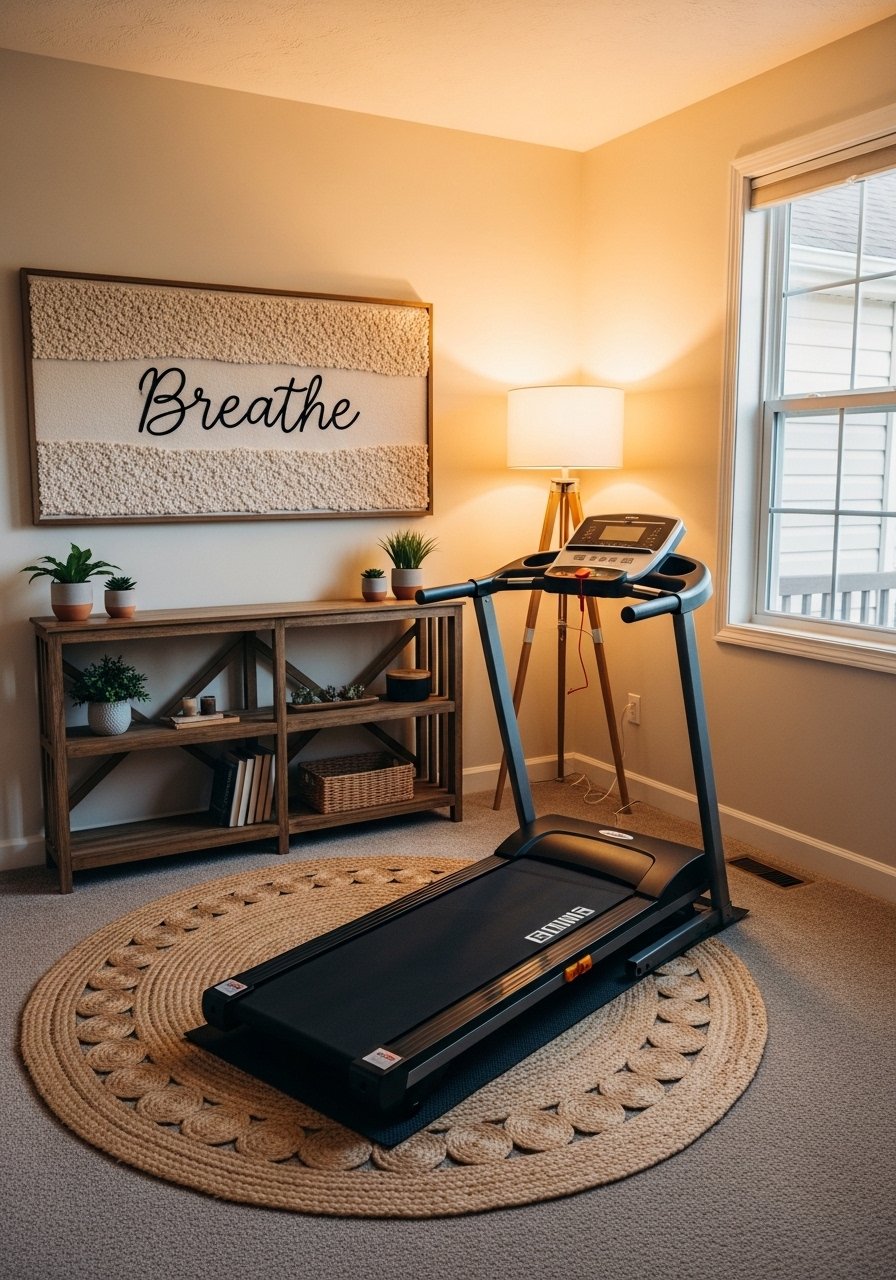
There is something about a soft rug under a treadmill that makes morning walks feel nicer. I layered a 5×7 jute rug under my compact tread and it reduced echo and cold feet. For texture, add a chunky knit throw to a bench and a soft anti-slip yoga mat for floor work. Budget for this look is $50 to $150. A big mistake is using a bright white rug that shows sweat and dirt. Pick natural fibers and go one size larger than you think.
Industrial Chic with Wall-Mounted Storage
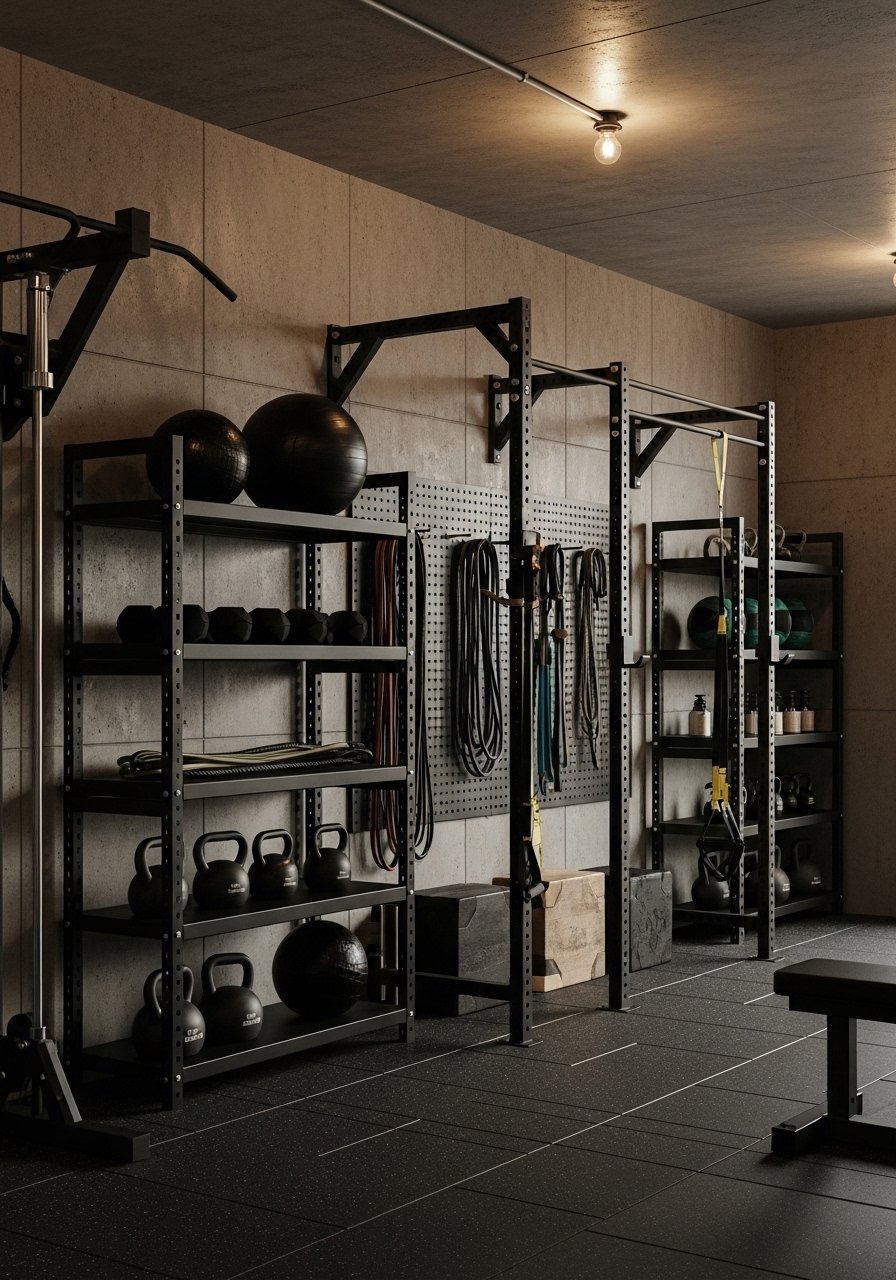
I built a wall of industrial shelves and pegboard and suddenly everything had a spot. Wall mounts free the floor and keep small items visible so you actually use them. Use heavy duty wall anchors for racks and add labeled hooks for jump ropes and resistance bands. A practical product I rely on is a wall-mounted storage rack that holds mats and weights. Budget range here is $80 to $250 depending on steel quality. One detail most guides miss is mapping weight capacity per stud and testing with a 20 pound bag before hanging metal racks.
Mirror Wall to Double the Space
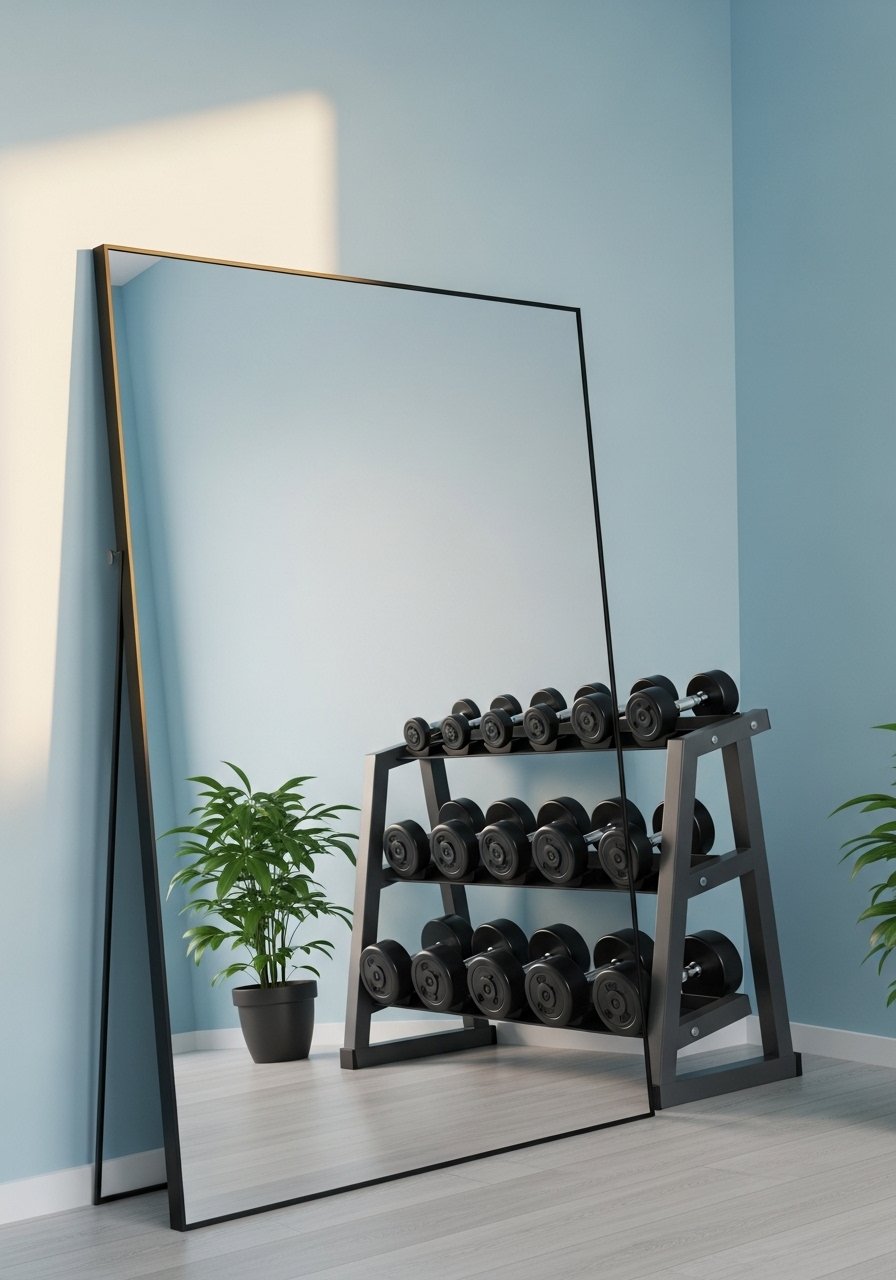
An oversized mirror made my tiny workout room look twice as big and kept me honest about form. I use a floor mirror instead of mirrored panels so there are no seams to align. For safety, anchor the mirror to the wall and place it at least 12 inches from floor heating. I bought a heavy duty floor mirror and it was a splurge under $200 that paid off. A common mistake is placing mirrors under direct sunlight, which creates glare in the middle of a set.
Layered Flooring for Shock Absorption and Style
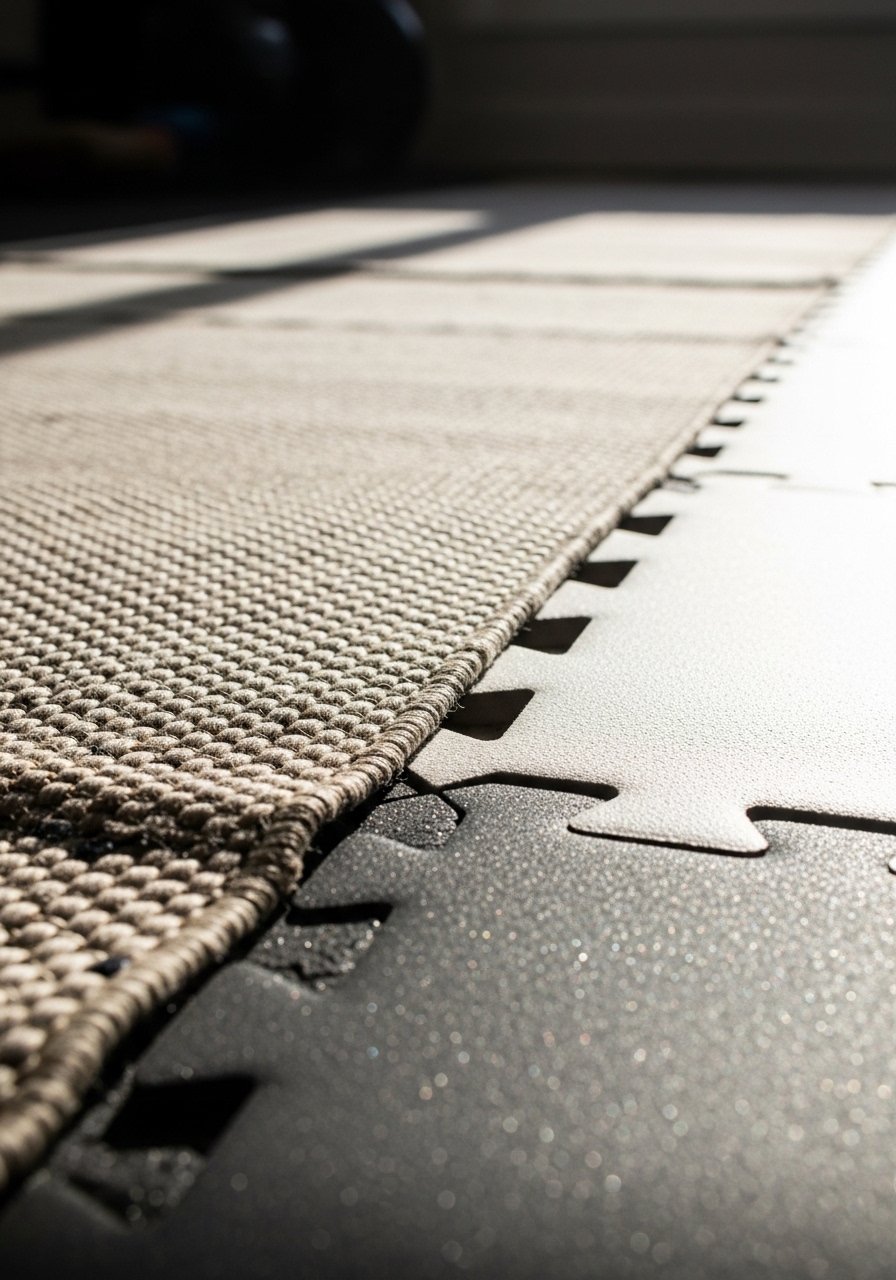
Hard rubber tiles are functional but look like a studio. My trick was to use interlocking foam tiles beneath a decorative 4×6 rug runner. The tiles protect the subfloor and the rug softens sound and temperature. Use 3/4 inch foam tiles under heavy equipment and slip-resistant backing for rugs. I use a set of interlocking foam gym tiles and a washable rug on top. Budget is $40 to $200. People often skip taping seams, which leads to tripping. Tape the underside with construction tape for a stable surface.
Task Lighting and Sconce Tricks for Evening Workouts
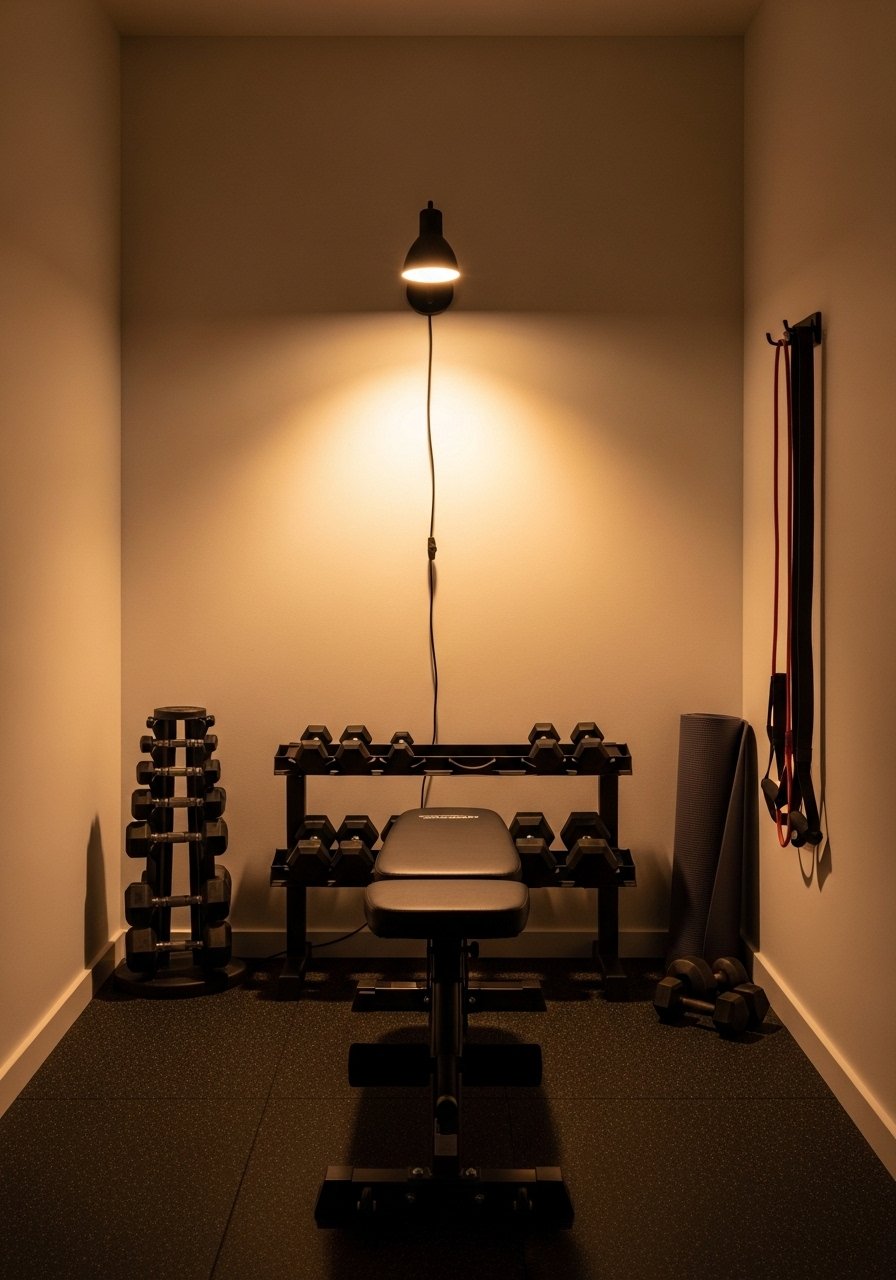
Lighting changed evening workouts for me. Harsh overhead fluorescents make you wince. I installed an adjustable sconce above my bench and a dimmable floor lamp in the corner. Layered light makes the room feel intentional and keeps eye strain down. For directional work, try a dimmable plug-in sconce. Expect to spend $40 to $120. The mistake most people make is relying on a single ceiling fixture. Aim for at least two light sources with one focused and one ambient.
Built-In Bench with Hidden Equipment Storage
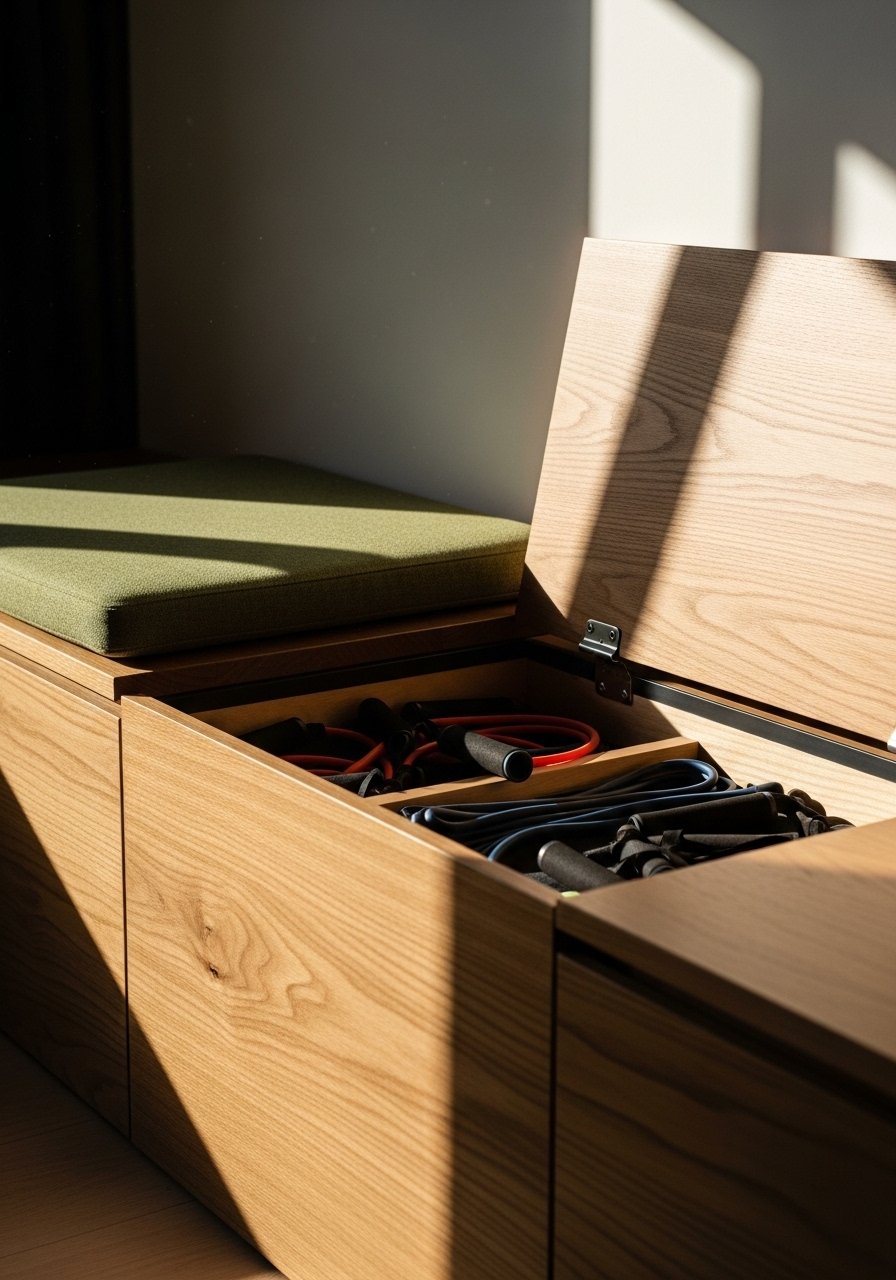
I converted a bench under a window into a lift-up storage unit and it swallowed yoga blocks, bands, and a rolled mat. Built-ins keep the space tidy and double as seating when a friend uses the room. If you DIY, leave a 1 inch ventilation gap to avoid mildew on stored towels. I linked a similar bench with storage that fits a 6 foot wall. Budget $150 to $400 depending on materials. One tiny detail I ignored at first was cushion thickness. Go at least 3 inches for a seat that is comfortable between sets.
Soft Textiles to Soften Hard Gym Equipment
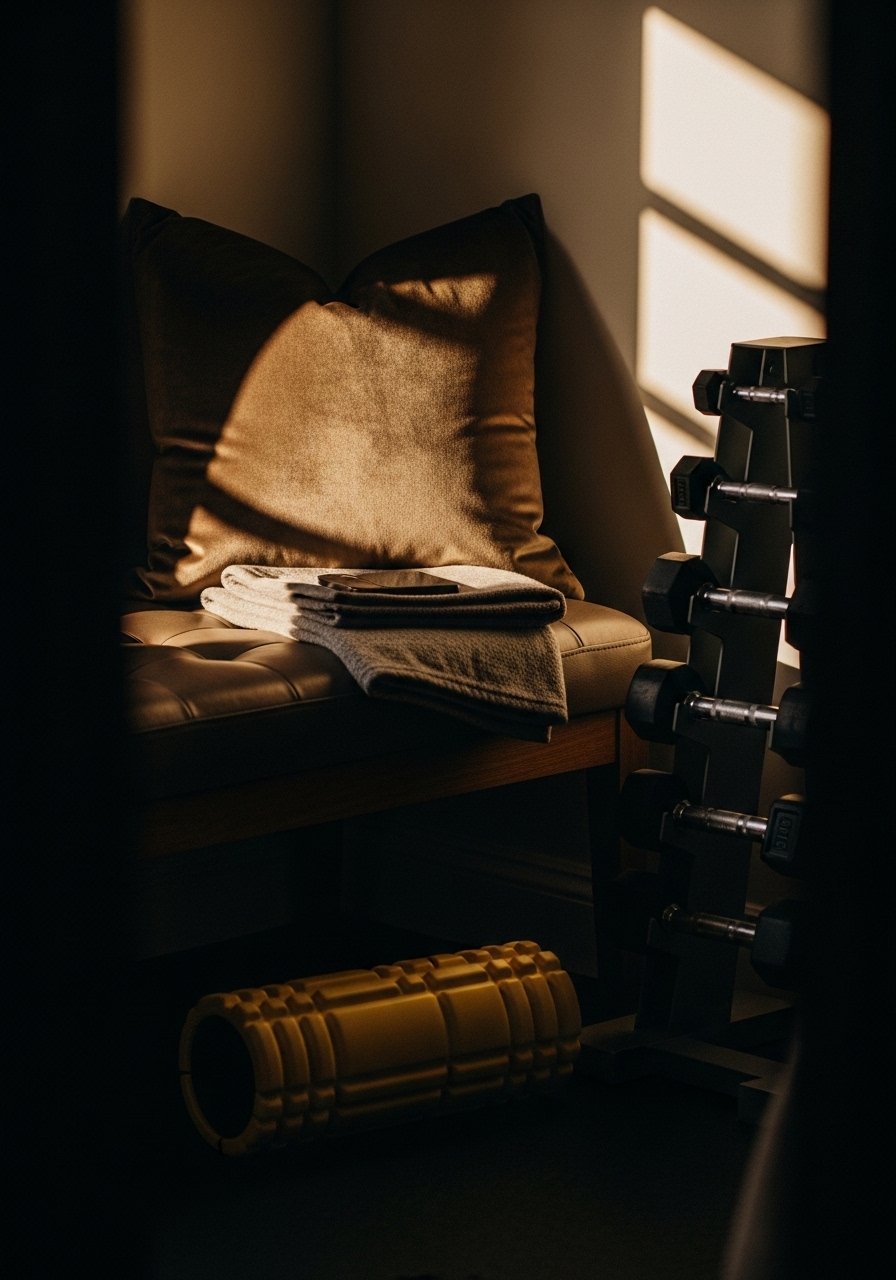
I never thought pillows and a blanket belonged in a gym until I added a velvet 22-inch pillow to my bench. Suddenly that metal bench looked intentional. Textiles absorb sound and make stretching feel less clinical. Use machine-washable covers and a throw that can handle sweat. I use velvet pillow covers in two colors for quick swaps. Budget is $20 to $60 for a few well chosen pieces. Avoid wool that traps moisture. Linen and velvet both clean easily and still look layered.
Gallery Wall of Motivation and Personal Art
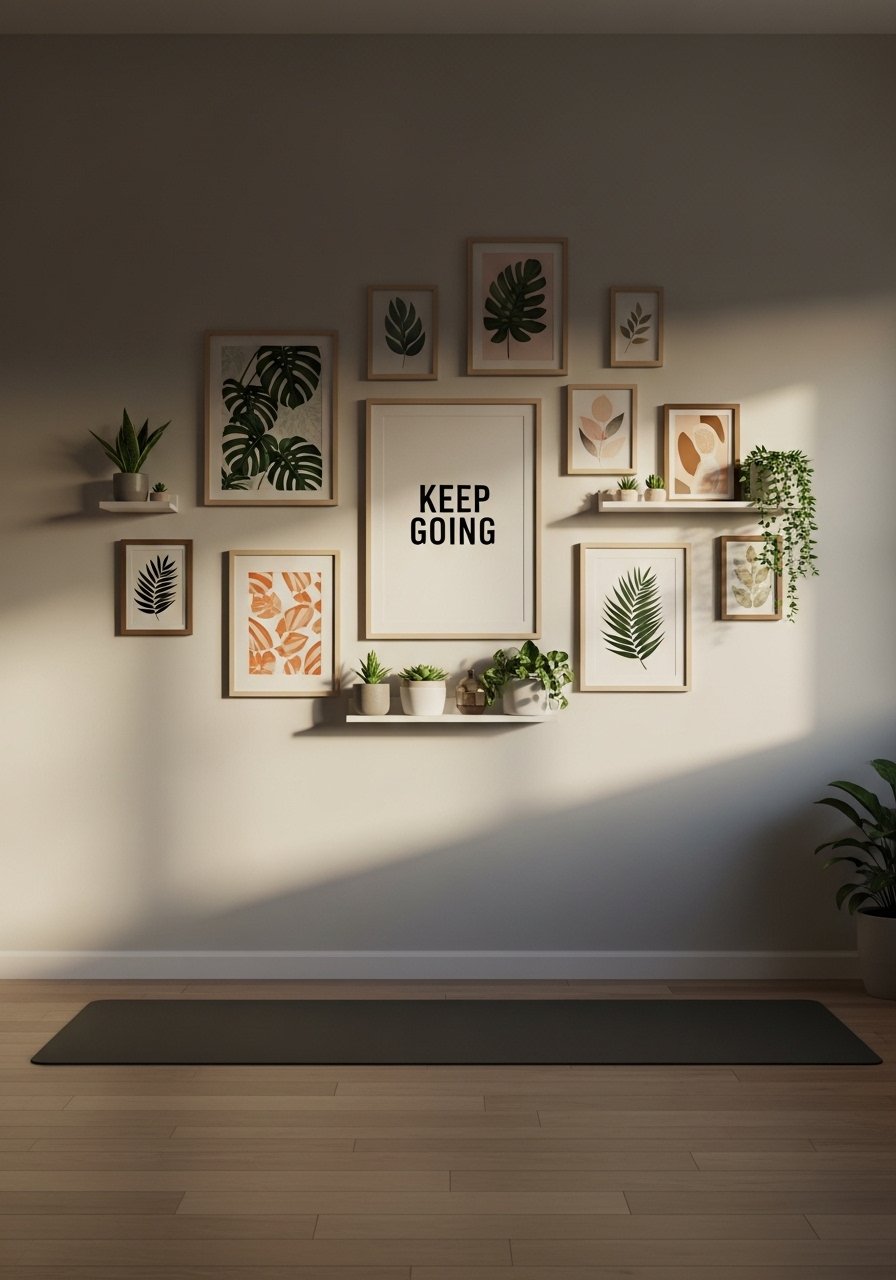
My gallery wall keeps me on schedule more than any alarm. Mix workout milestones, framed photos, and a small shelf for a timer. Use lightweight frames for drywall and alternate horizontal and vertical pieces to keep the eye moving. For fast swapping, I use brass picture ledges so I can rotate art without new holes. Budget for an entire small wall is $30 to $150. A common mistake is making everything match. Intention comes from mixing frame sizes and finishes.
Sound and Acoustics Without Looking Loud
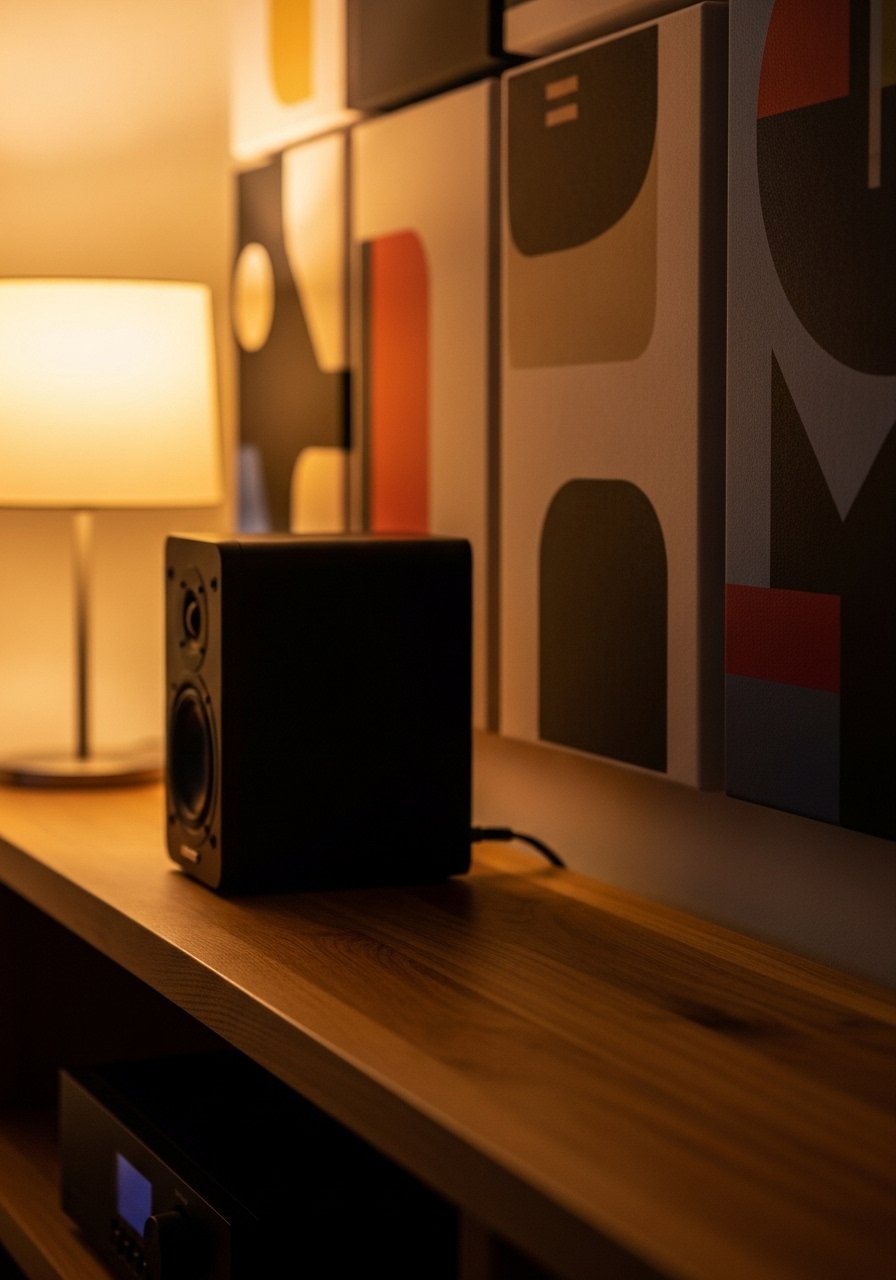
Good sound makes a class feel like an event. I hid acoustic panels behind fabric prints and the difference was night and day. Use a small Bluetooth speaker for clarity and place it at ear height. I recommend a compact soundbar-style speaker for clean sound without bulk. Budget is $50 to $250. Avoid blasting music with bass directly on laminate floors. Pair panels with a rug to reduce thump and echo.
Compact Folding Equipment That Looks Good
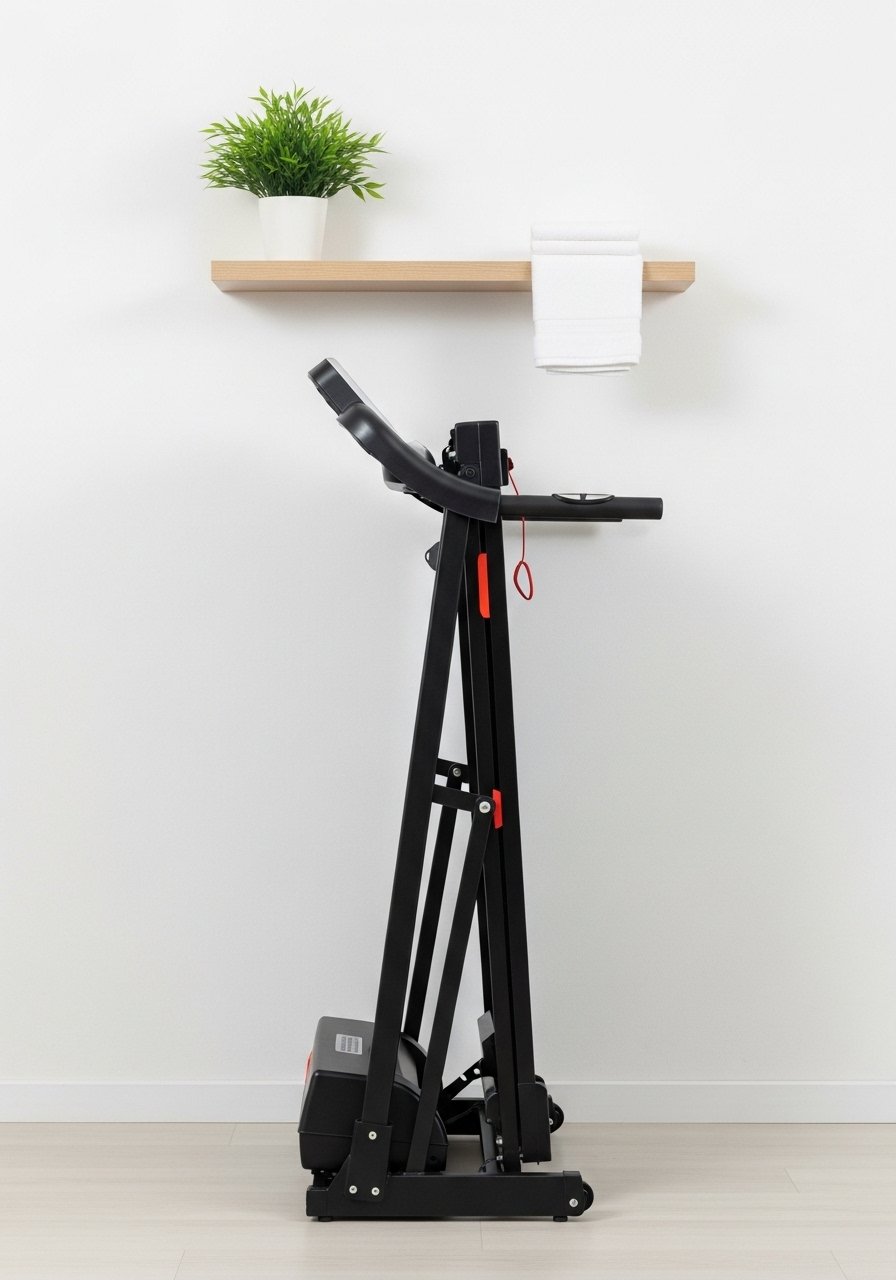
I got a folding treadmill and stopped resenting my living room. Choose equipment that folds vertically and has a slim profile when stored. A slim folding treadmill with a built-in transport wheel makes storage simple. Budget varies from $250 to $1,000 depending on features. The mistake is buying too-heavy cardio that you cannot move. Test the fold and move it once before you commit.
Paint and Color Matching for Gym Zones
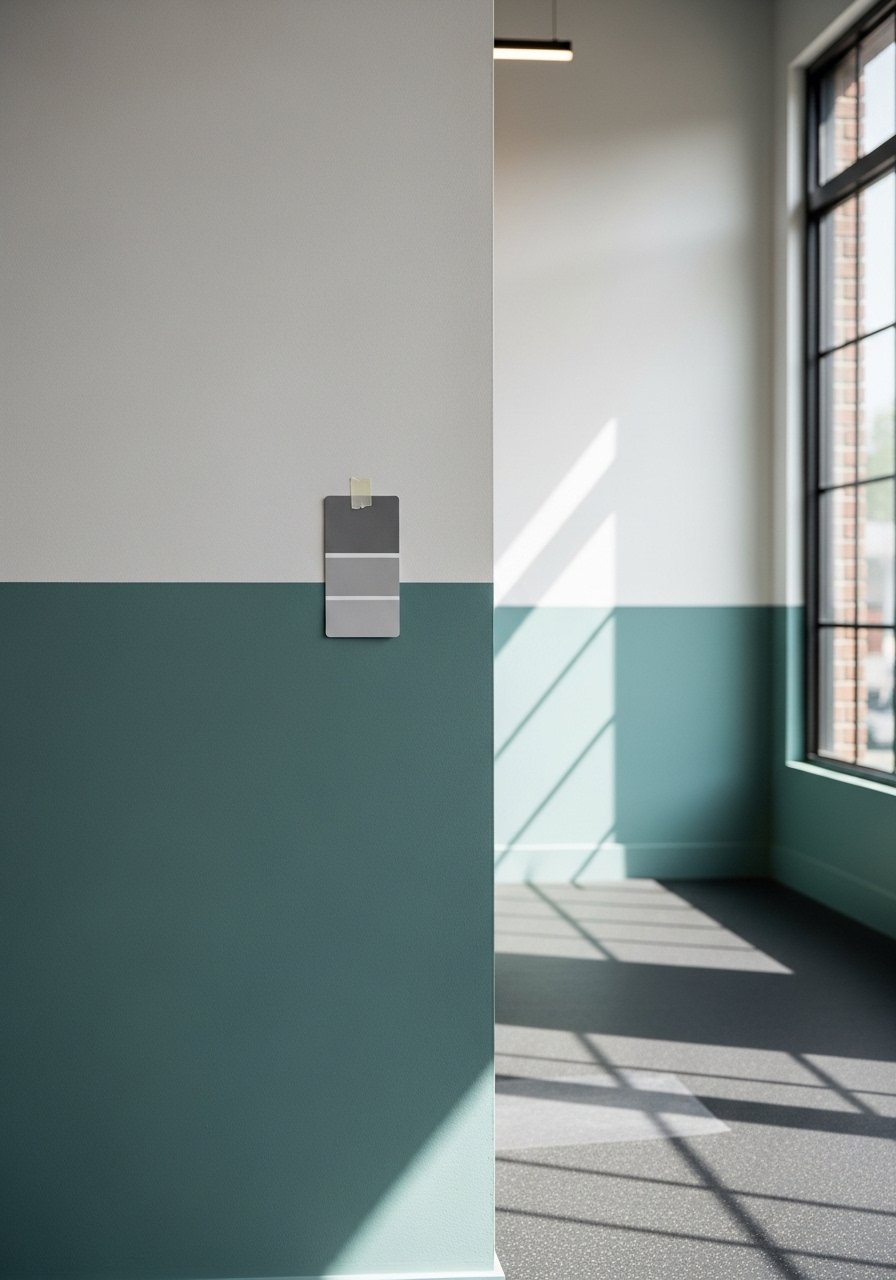
I used paint to separate my lifting area from my yoga nook and saved a lot on room dividers. Bring the actual fabric swatch or favorite towel when you match paint. Most matches get way better when you scan instead of guess. Lighting trips up color picks almost every time. Paint a 2 foot patch rather than a strip and check it in morning and evening light. For tricky shades I brought a sample card to a paint desk and asked them to scan it. A little trick I learned is to test patch color next to the floor material because texture changes how the color looks.
Greenery and Faux Trees for Low-Maintenance Life
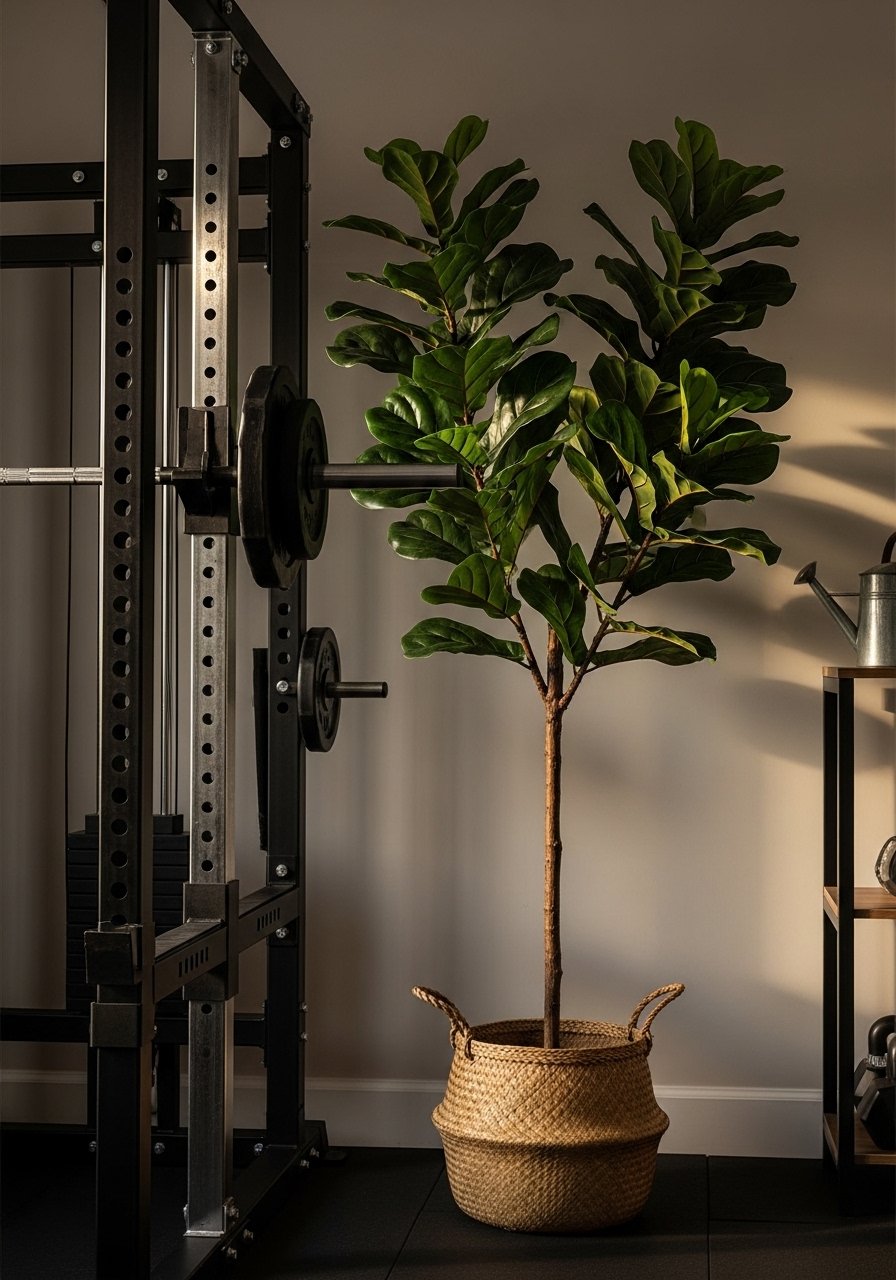
Real plants sometimes died on me between work trips. A 6-foot faux fiddle leaf fig solved the height and visual softness without the stress. Mix one large faux tree with a couple of real succulents for authenticity. I use an artificial fiddle leaf fig where light is limited. Budget is $30 to $200 depending on quality. People often scatter five tiny plants. One tall tree has ten times the visual impact and keeps the space calm.
Your Decor Shopping List
Textiles
- Honestly the best $40 I have spent. Chunky knit throw in cream for draping over benches
- Velvet pillow covers, 22-inch in two colors for layering
Flooring
- For the layered flooring idea, interlocking foam gym tiles, 3/4 inch to protect floors
- 4×6 washable rug runner to soften sound
Storage and Furniture
- Found these while looking for something else. Wall-mounted storage rack with hooks for small equipment
- Bench with lift-up storage, 6-foot with cushion included
Gear
- Adjustable dumbbell set for compact strength training
- Anti-slip yoga mat that cleans easily
Lighting and Sound
Most of these have similar options at Target or HomeGoods if you prefer to see them in person.
Shopping Tips
White oak beats dark wood in 2026. Design feeds have shifted completely. These white oak floating shelves look current, not dated.
Grab velvet pillow covers for $12 each. Swap them every few months and the whole room feels different.
Curtains should puddle or kiss the floor, never hang halfway up. These 96-inch linen panels are right for standard 9-foot ceilings.
Everyone buys five small succulents. One single 6-foot fiddle leaf fig has ten times the visual impact.
If you are renting, buy samples only. Quart paint samples and test full 2 foot patches before committing.
Frequently Asked Questions
Q: Can I mix textiles with gym equipment without it feeling messy?
A: Yes. Use washable fabrics and keep them on a bench or shelf rather than the floor. A velvet pillow on a bench reads intentional. Avoid rugs that trap sweat and pick materials that launder easily.
Q: What size mirror should I get for a small gym?
A: Bigger than you think. A single full-length mirror that shows the entire body while standing 3 to 5 feet back is ideal. Anchor it to studs and keep it 12 inches away from any heat source.
Q: How do I keep a compact gym from sounding like a school gym?
A: Layer rugs and hide acoustic panels behind fabric art. Sound trips up a lot of people. Add soft textiles and one large rug to absorb foot thumps and echo.
Q: Should I use real plants or faux for a gym?
A: Both. Use real succulents where light permits and a faux tree where height is needed without maintenance. One tall faux plant has ten times the visual impact of multiple small ones.
Q: How do I pick paint colors for different gym zones without repainting twice?
A: Bring a fabric swatch or towel to the paint desk and scan it if possible. Most matches get way better when you scan instead of guess. Always paint a 2 foot patch and check it in the morning and evening light to avoid surprises.