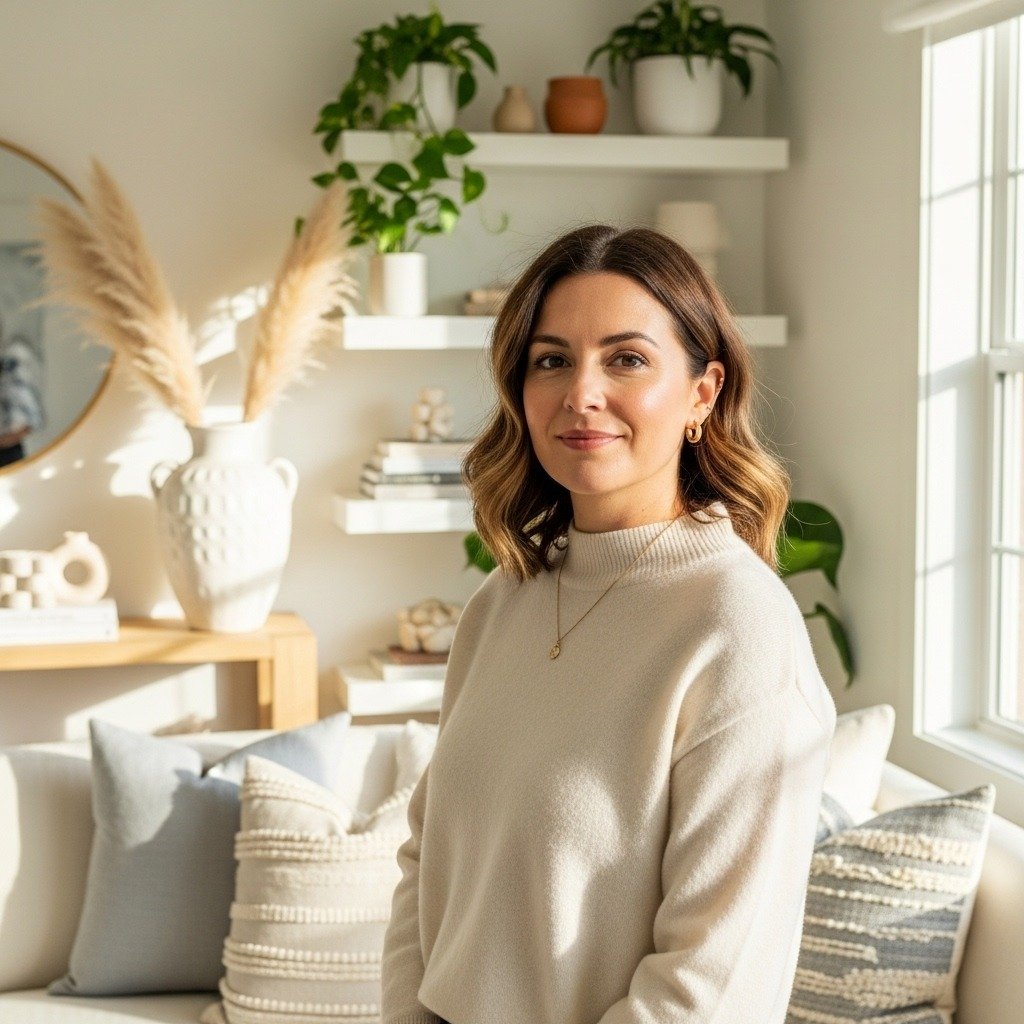
Spent $400 on a new coffee table. Room still looked off. Spent $35 on a throw and three candles. Suddenly everything clicked. That moment was when I learned wall art is not just decoration. It anchors scale, adds texture, and fixes awkward blank space faster than a new piece of furniture.
These ideas skew modern cozy with a few boho and vintage touches. Most projects land under $75, a few go to $150 if you buy higher end supplies. They work in living rooms, bedrooms, entryways, and any wall that feels unfinished.
Layered Textiles With Framed Fabric Panels For A Cozy Bedroom
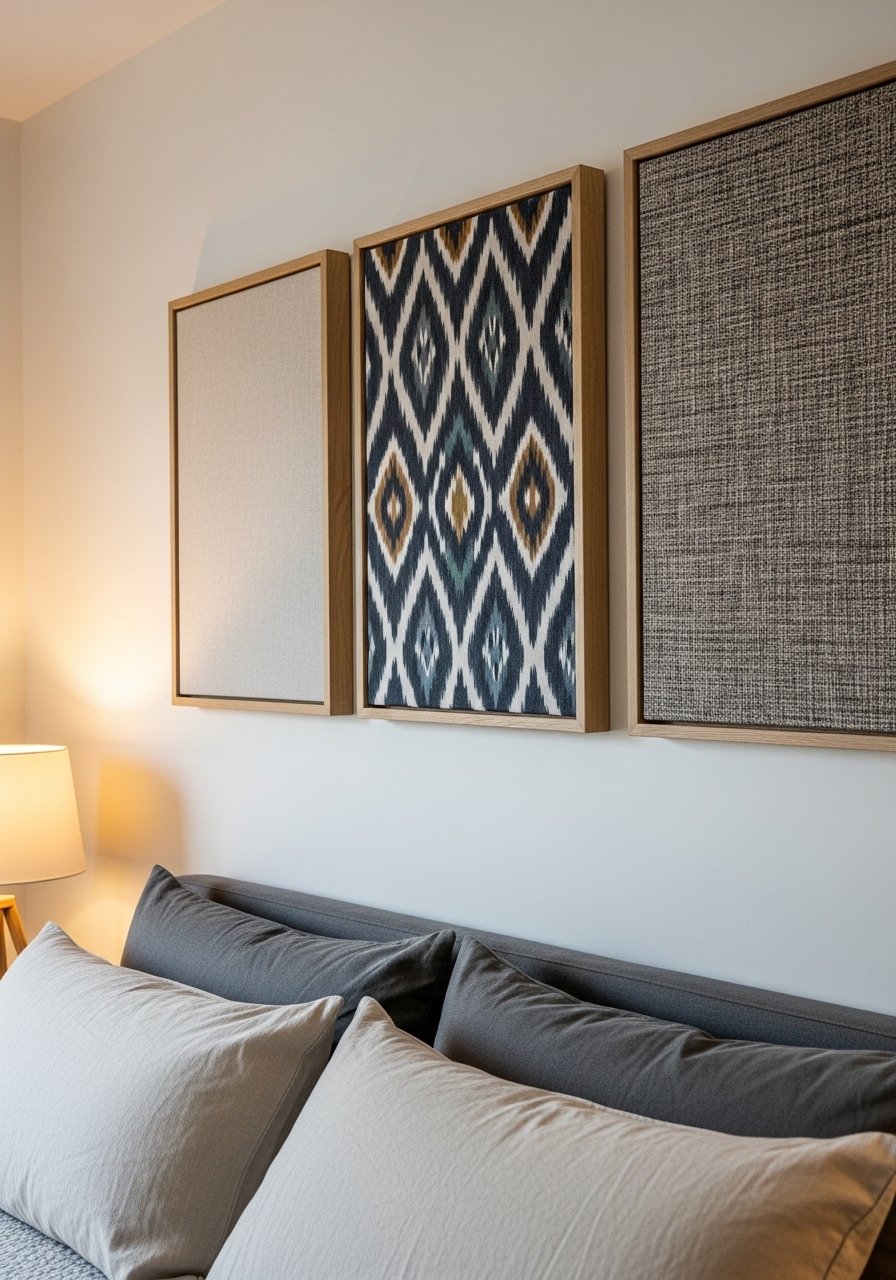
I hung three 24×36 framed fabric panels above my headboard and the room lost its echo. The rule of three applies here, and keeping two neutral panels with one patterned keeps it calm. Budget was about $40 per frame if you shop sales. I used removable hanging strips so I did not nail into plaster in my rental. Common mistake is using fabrics that are too busy, which reads chaotic from the doorway. A small detail most people skip is backing the fabric with thin foam board to give depth and stop light from showing through.
Minimalist Black And White Photo Grid For A Modern Living Room
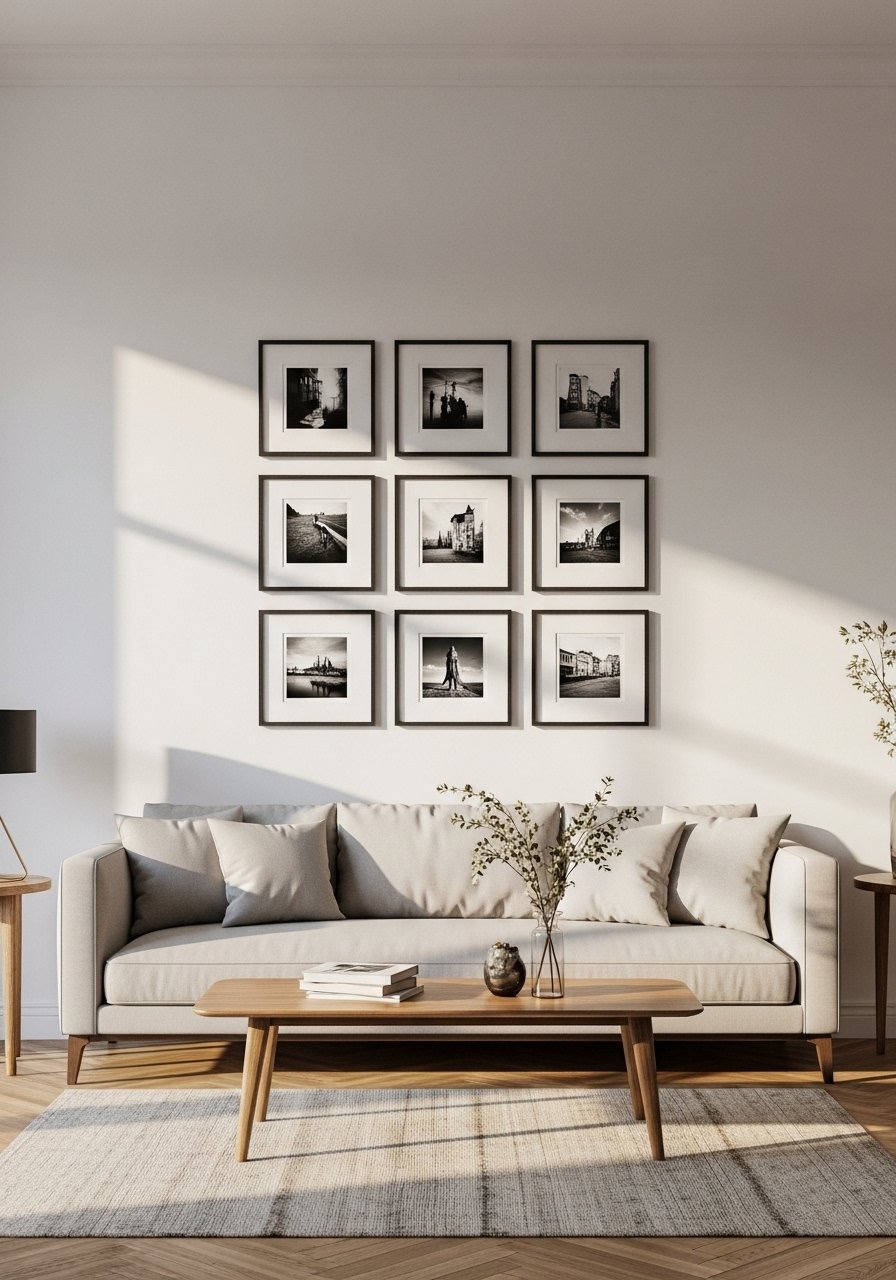
When I switched all the photos to black and white the wall finally stopped competing with the sofa. Keep center at 57 inches high and 2 to 3 inches between frames for a clean grid. Budget frames and matte board made this doable for under $120 total. The mistake is mixing frame finishes in a tight grid. If you want variety, match mat sizes instead. Pair this with the floating shelves idea below for a layered effect that reads intentional.
Oversized Map Canvas For A Vintage Study Or Hallway
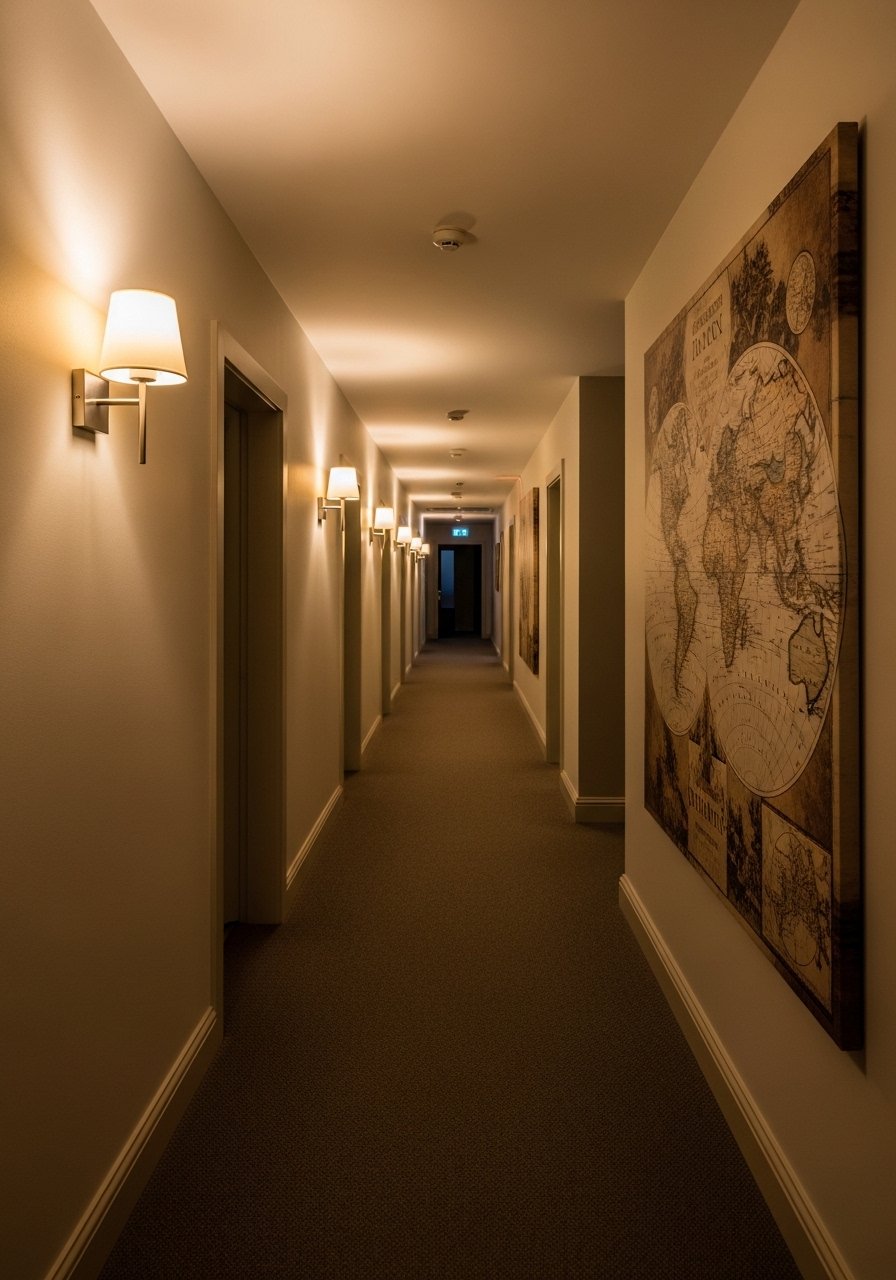
An oversized map fills a long narrow wall and gives a sense of history without clutter. I printed a 36×48 canvas for about $80. Hang the center roughly at eye level, or raise slightly above wainscoting by 4 to 6 inches. People often pick a map with too many colors, which competes with wood tones. A tip I learned is to mute colors by applying a thin wash of diluted acrylic to the print so it plays well with existing finishes.
Macrame Wall Hanging With Wooden Bead Detail For A Boho Nook
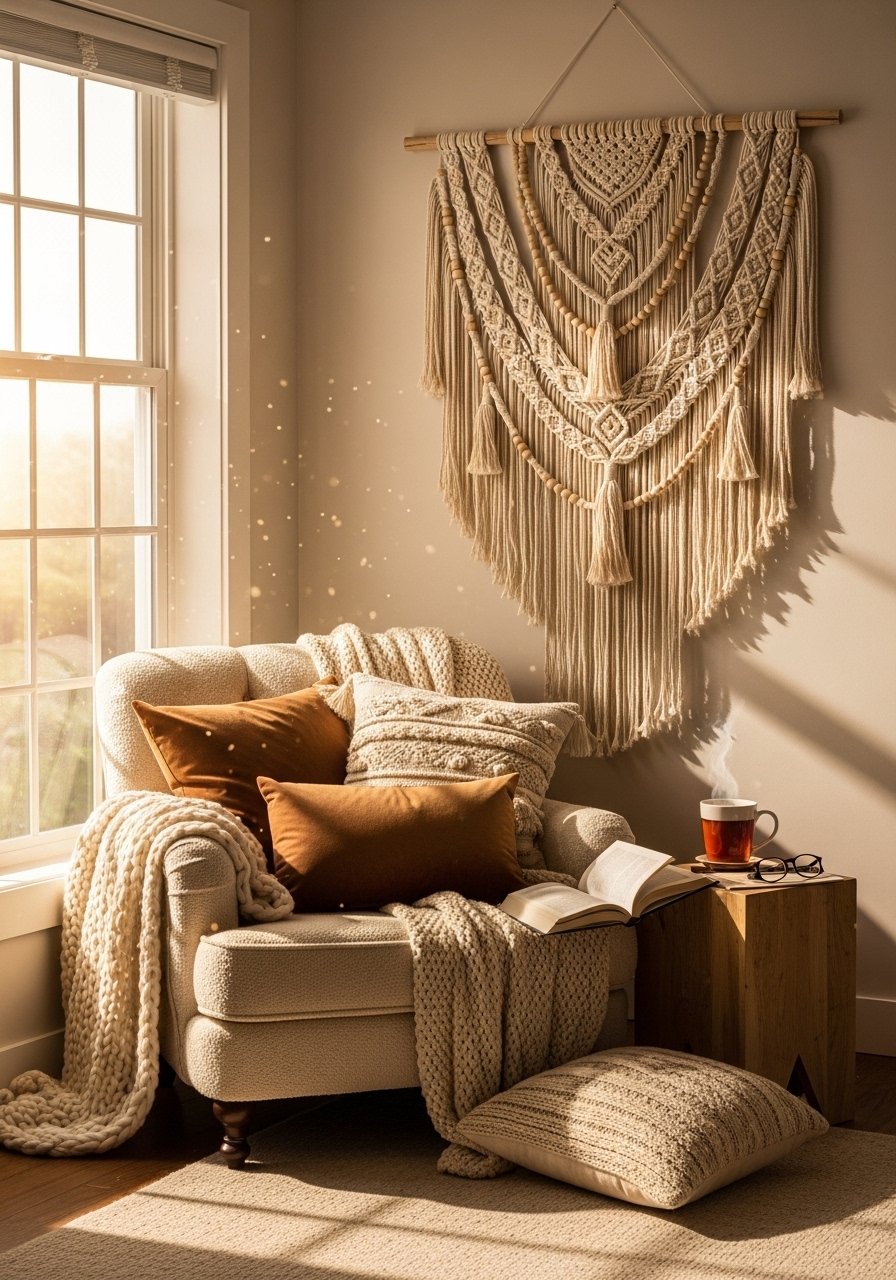
I made a macrame piece after buying a small starter kit and the space felt instantly lived in. Kits run $20 to $45 depending on size. The visual trick is a wooden rod wider than the hanging by 4 to 8 inches to prevent it from looking cramped. Common mistake is choosing cotton cord that is too thin, which flattens out after a few weeks. Add one brass accent rod or pair with a framed print to avoid the boho-only vibe and make the nook feel intentional.
Mixed Frame Gallery Wall Using Same White Mat For An Eclectic Hallway
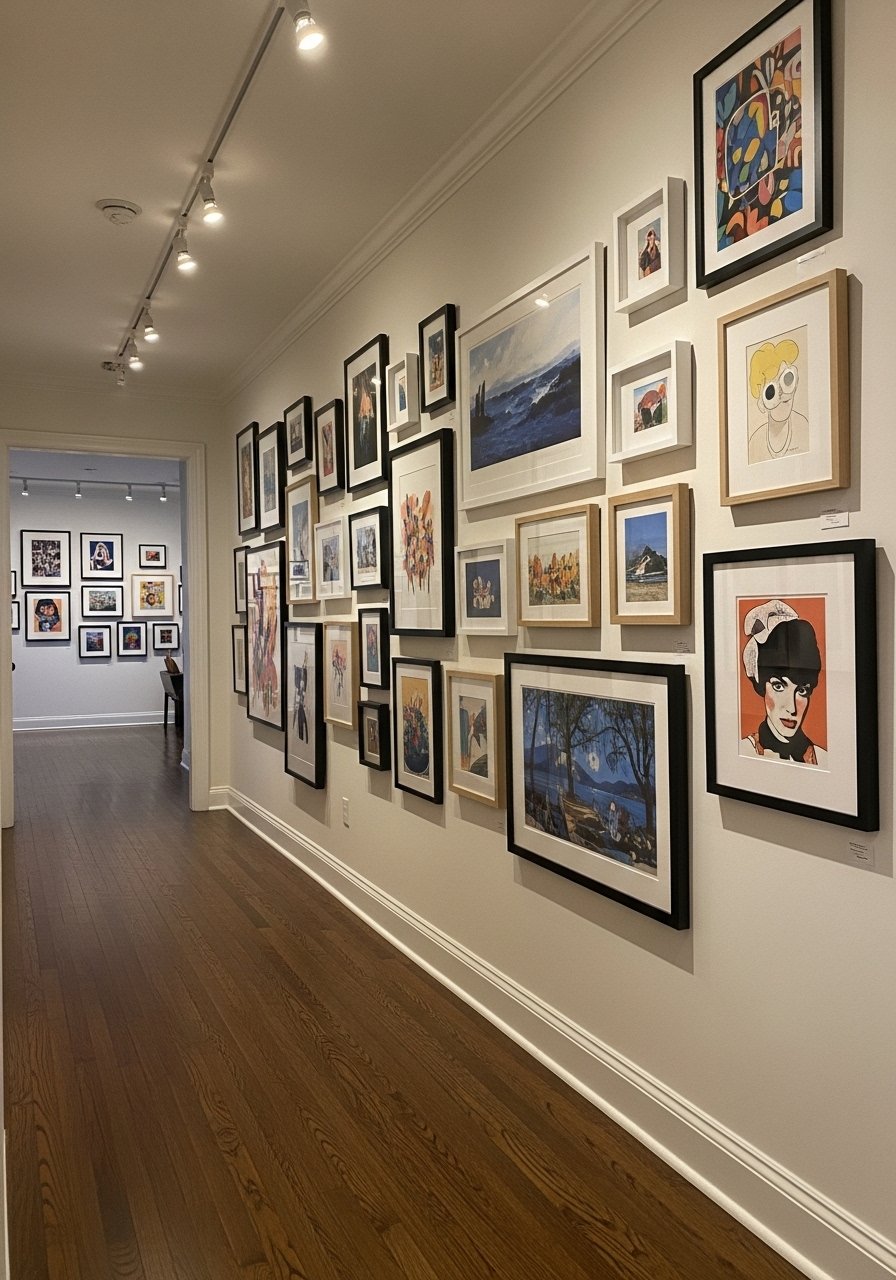
I used different thrifted frames but had them all cut to identical 11×14 mats and the chaos turned chic. Uniform matting creates rhythm even when art styles differ. Expect to spend $75 to $150 on mat cutting and a few nails. People hang frames at random heights and the result is a lopsided mess. Keep the overall grouping about 60 to 70 percent of wall width for balance. If you are nervous, lay everything on the floor first and take a photo to visualize.
Floating Shelves With Rotating Art For A Multiuse Living Space
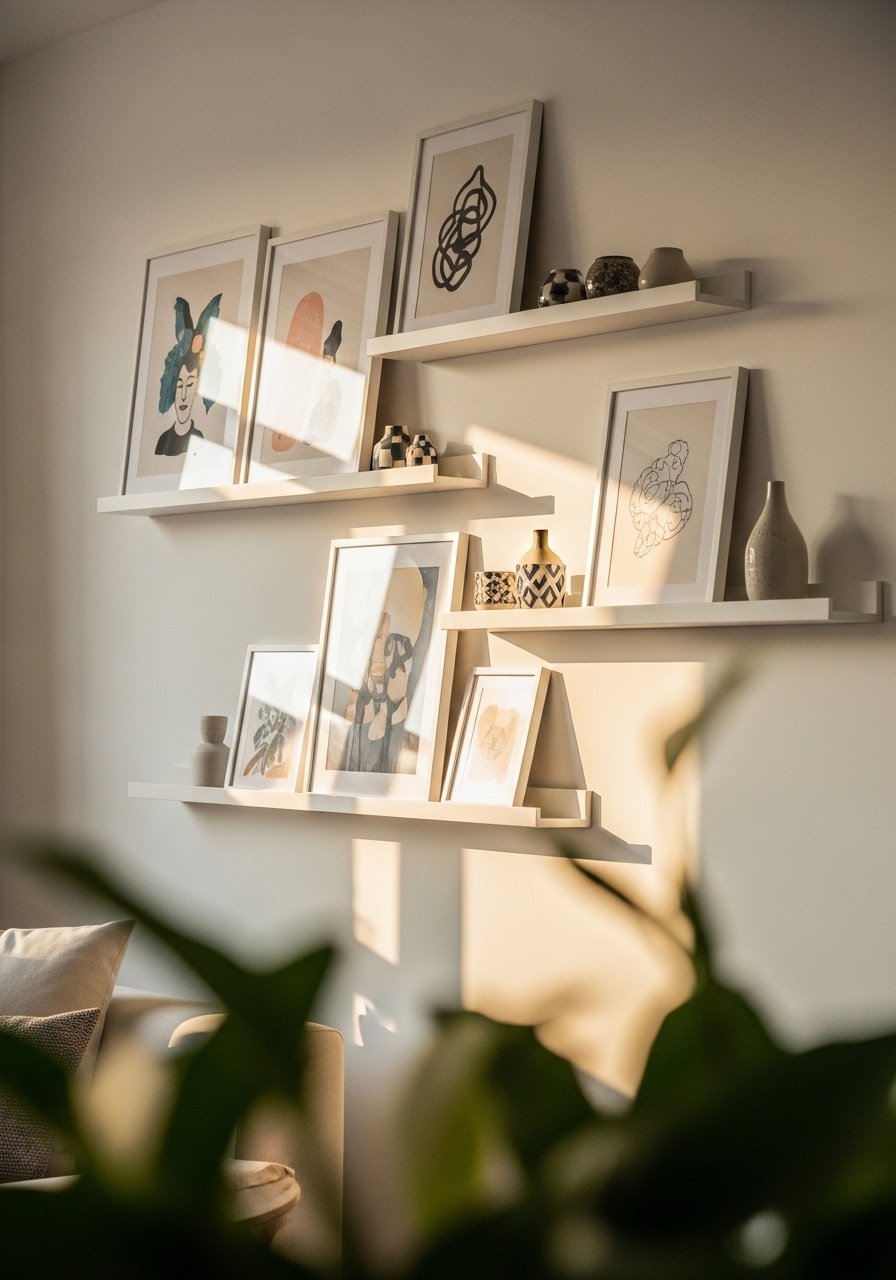
Picture swapping art without new holes. I used two 36-inch floating shelves and swapped prints seasonally. Shelves cost $20 to $60 each and let you layer small sculptures with art. The mistake is spacing shelves too close together; keep at least 10 inches between shelves so art can breathe. A neat detail I learned is to place heavier pieces toward the back and lean lighter framed prints in front, creating depth with the 80/20 color rule, where one bold color does most of the talking.
DIY Resin Abstract Panels For A Color Pop In A Contemporary Space
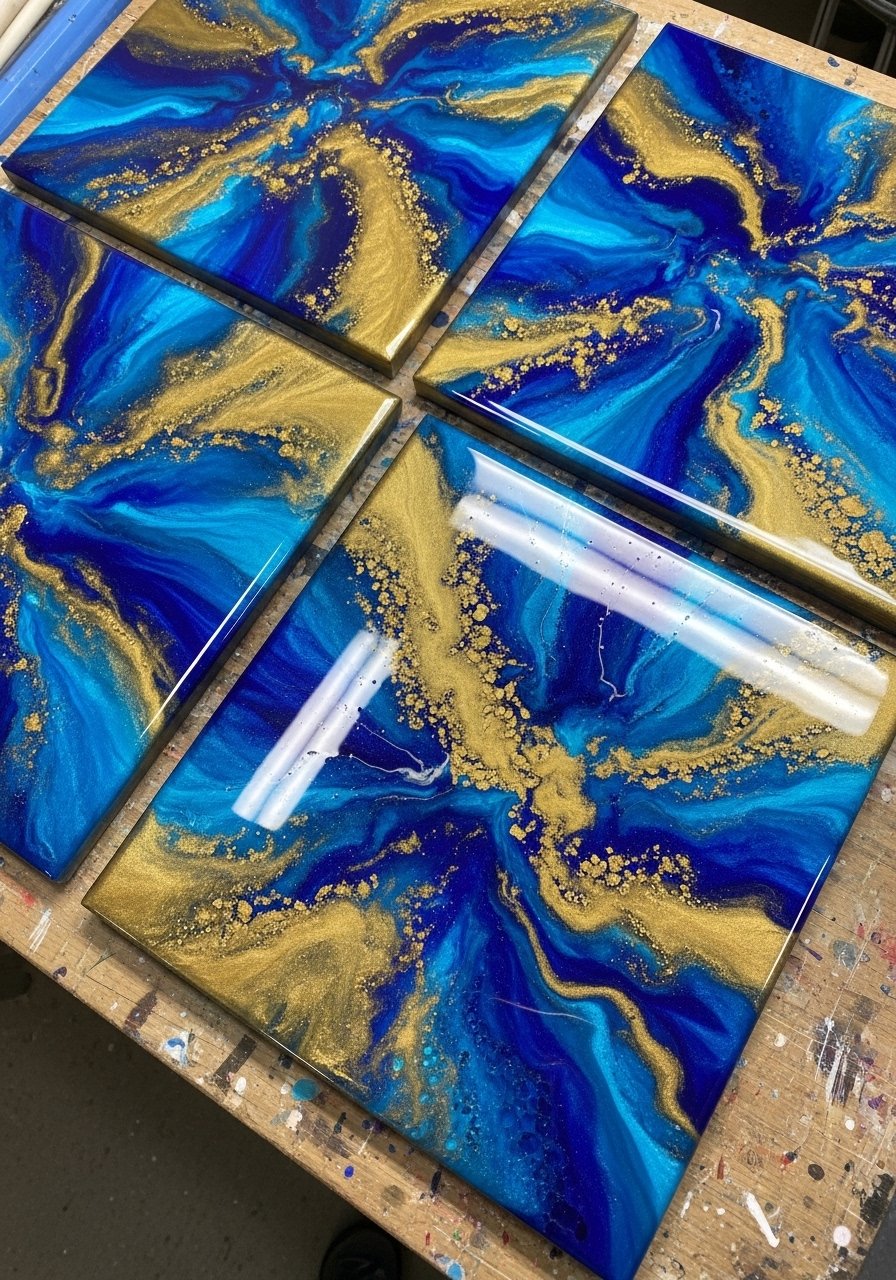
I tried resin art after watching a weekend tutorial and three panels later my rental felt like a gallery. Resin gives glossy depth that paint lacks. A set of three 12×16 panels cost under $100 in supplies if you stick to sample pigments. People pour too much pigment or not enough flow agent, which creates dull patches. Measure resin and hardener by weight for consistent results. If you hate the gloss, sand lightly and add a matte varnish.
Framed Botanical Pressed Leaves On Dark Paper For A Sunroom
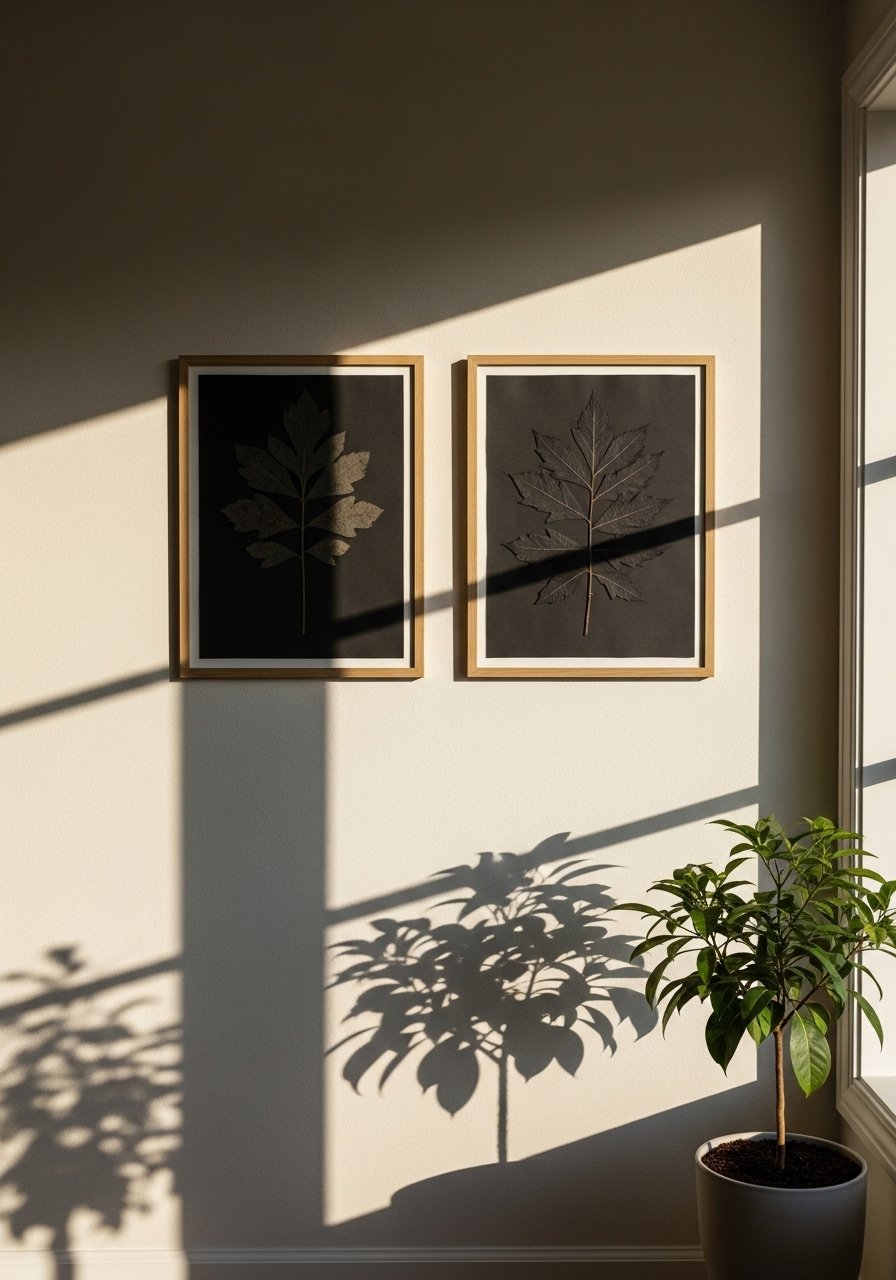
Pressed leaves on charcoal paper read both vintage and modern. I pressed leaves over a month using heavy books and mounted them on 11×14 black mats to make the greens pop. Total cost was under $30 if you use thrifted frames. The common mistake is using pale paper that washes out foliage details. Dark paper gives immediate contrast. A tiny trick is to place the heavier leaf off-center by one third for a more natural composition.
Painter's Tape Geometric Accent For A Rental-Friendly Statement Wall
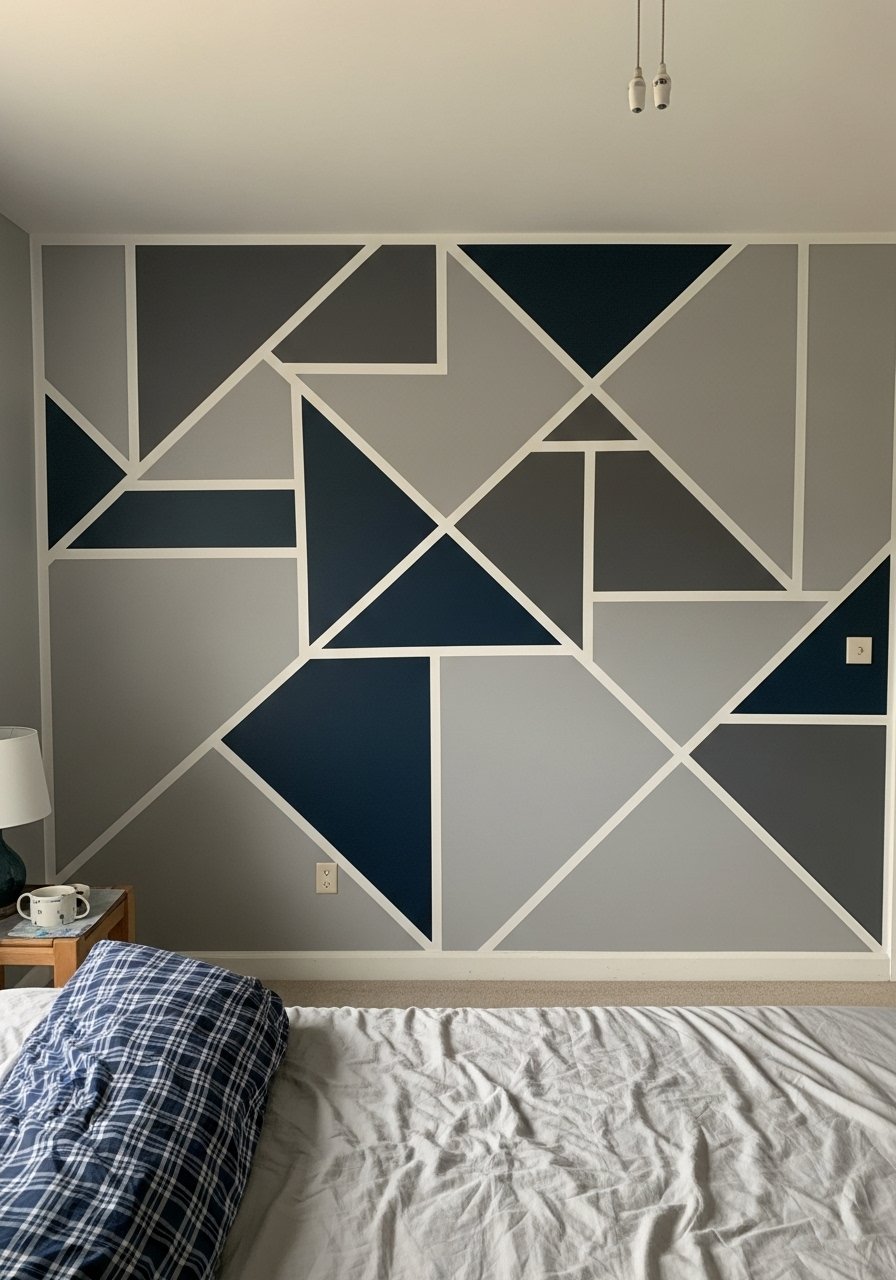
I used painter's tape and leftover wall paint to create a geometric feature that peeled off cleanly when I moved. Tape patterns cost basically the price of paint samples, so about $15 to $30. People make shapes too small for the wall which reads busy; keep segments at least 6 to 10 inches wide. For crisp lines, apply two coats of paint and remove tape while the second coat is still tacky. This trick pairs nicely with the minimalist photo grid idea earlier.
String Art Typography With Warm Paint Contrast For An Entryway
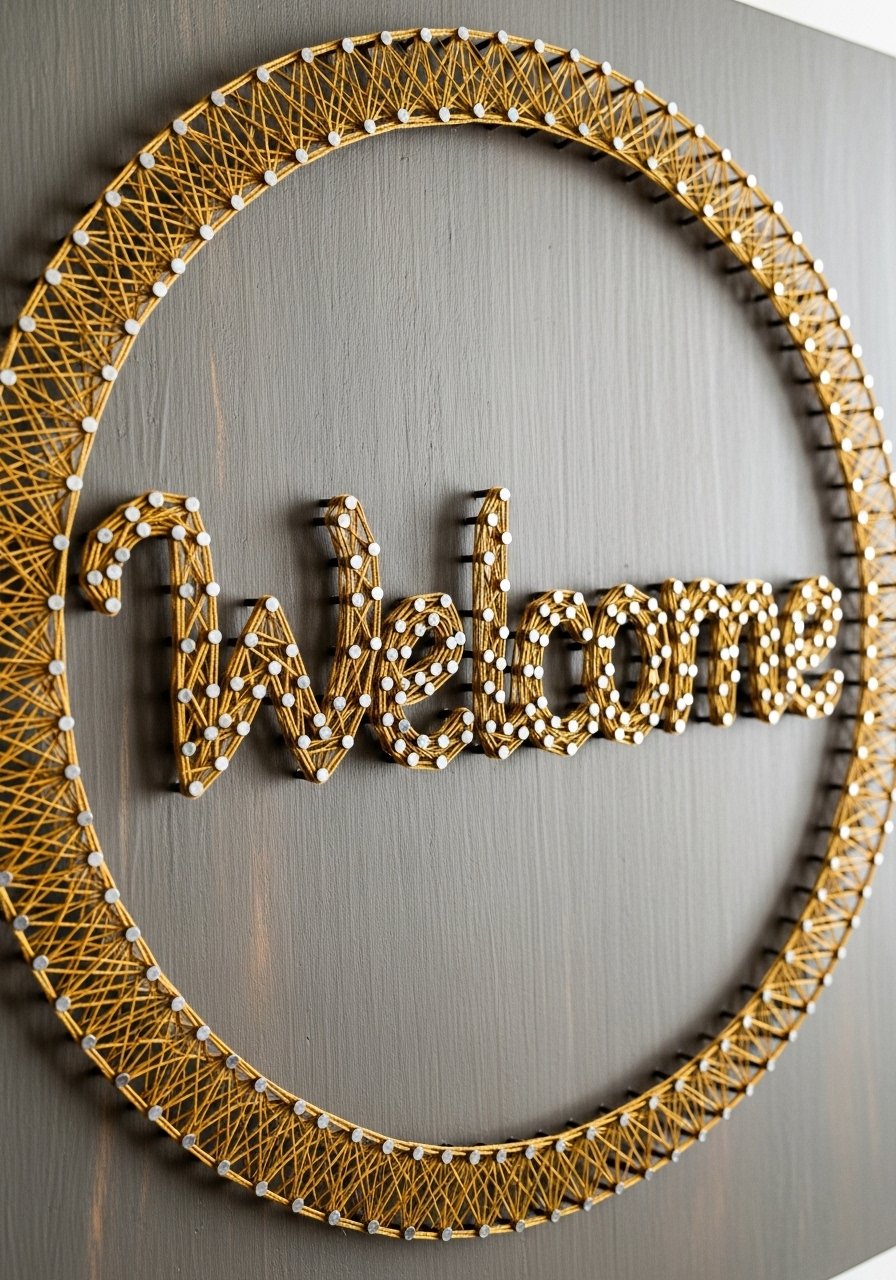
I threaded a simple word board for our entry and every guest notices it. Make the board 18 to 24 inches wide for a single-word piece. Nails at 1-inch spacing give a filled look without overdoing it. Many people overuse color contrast which can feel shouty; pick one warm accent against a neutral board. The cost was under $25 using scrap wood, brass nails, and embroidery floss. Hang it with a picture rail hook to avoid visible hardware.
Layered Mirrors To Open A Small Hallway
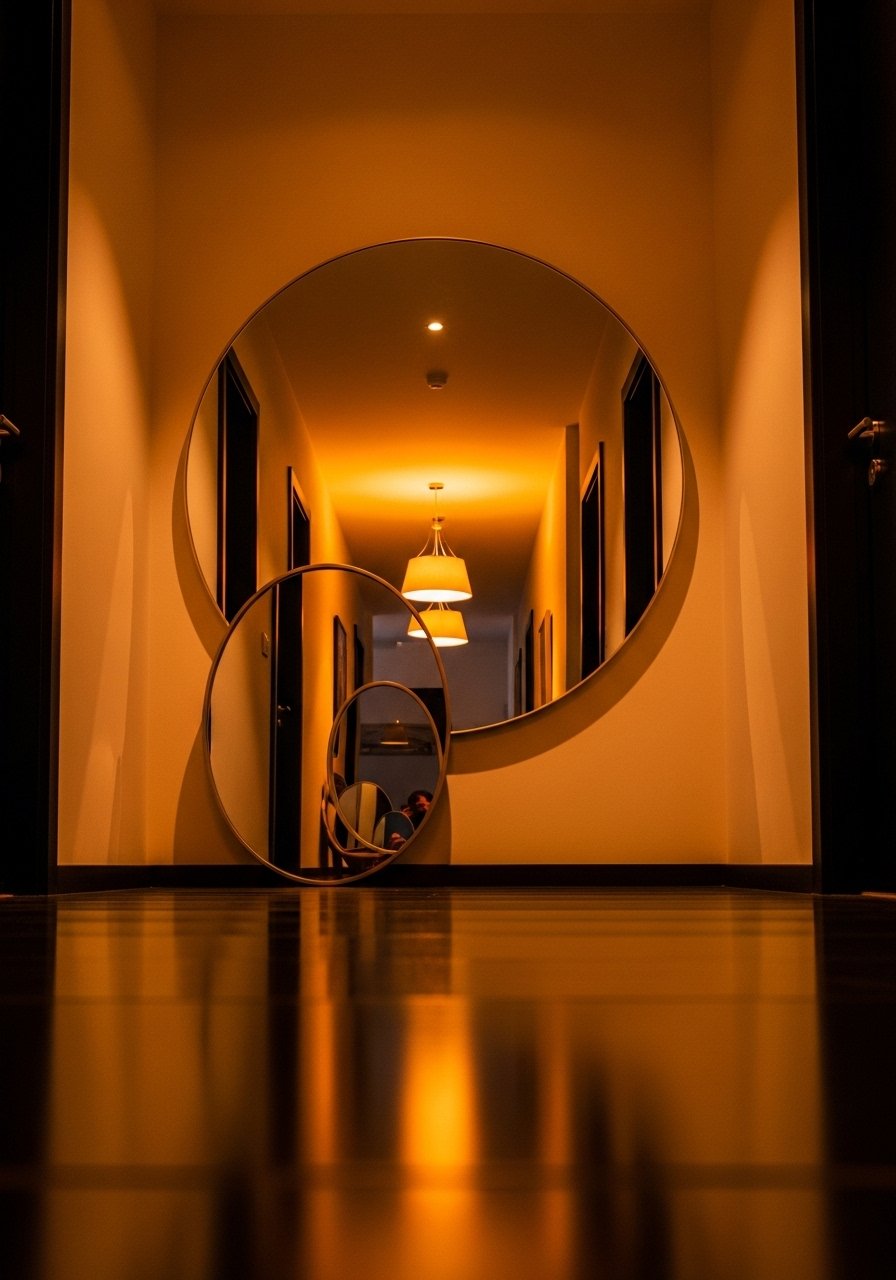
I layered a large round mirror over an antique framed mirror and the hallway suddenly felt wider. Mirrors should cover roughly 40 to 60 percent of a wall to reflect meaningful light. A common mistake is hanging a mirror too high. Aim for the center at about 65 inches or aligned with nearby furniture. Buying a statement mirror for about $120 and pairing with two thrift finds kept costs down. The trick most people skip is angling a smaller mirror slightly to catch a different sightline.
Upholstered Headboard-As-Art With Simple Nail Trim For A Bedroom
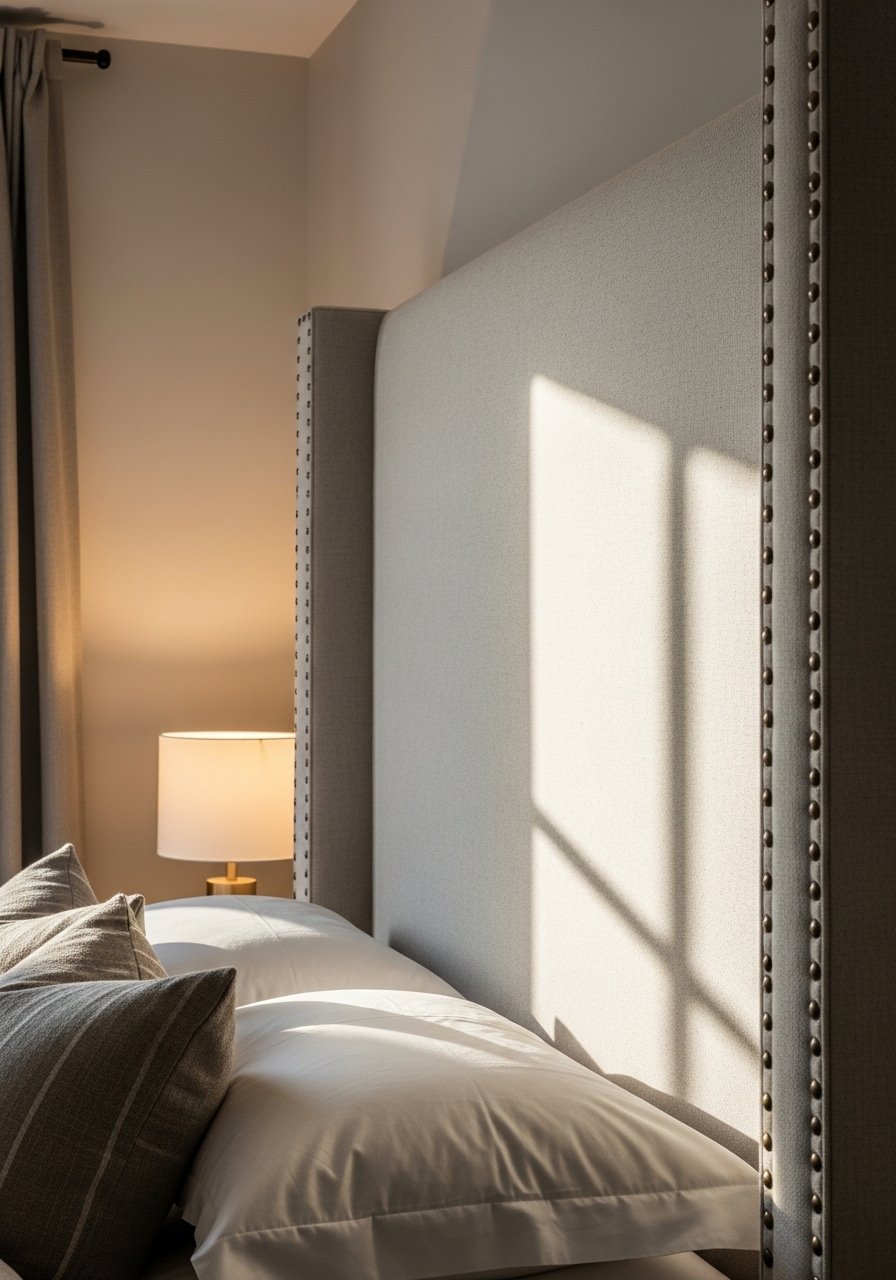
Instead of wall art I made a 48×60 upholstered headboard and hung it like a canvas. Using a simple fabric and thin batting keeps it under $100. The headboard reads as both wall anchor and functional piece. People pick prints that are too small for the bed which makes the room feel disjointed. Aim for wall art or a headboard that spans at least two-thirds of the bed width. Adding brass nail trim gives a furniture look without extra framing.
Painted Ombre Canvas Triptych For Above The Sofa
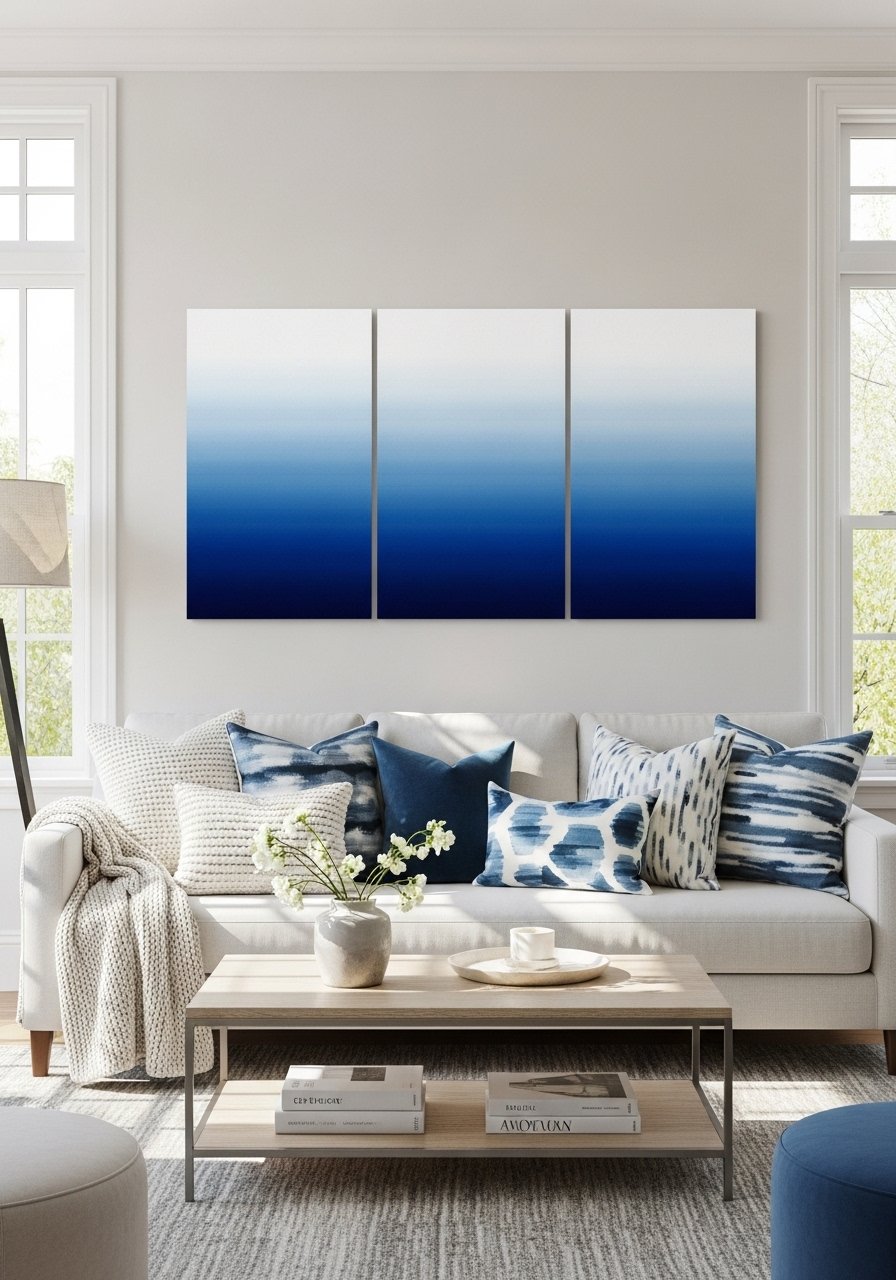
I painted three 12×36 canvases in a slow ombre from soft sand to teal and the sofa finally read as grounded. Spacing of 2 inches between panels keeps the eye moving. Canvases and paints together were about $70. Beginners sometimes overblend which blurs the intended transition; plan your gradient in thirds for control. I paired the triptych with a rug that repeats the middle tone at about 20 percent saturation to pull the wall into the room.
Pegboard Art Display That Doubles As Storage For A Home Office
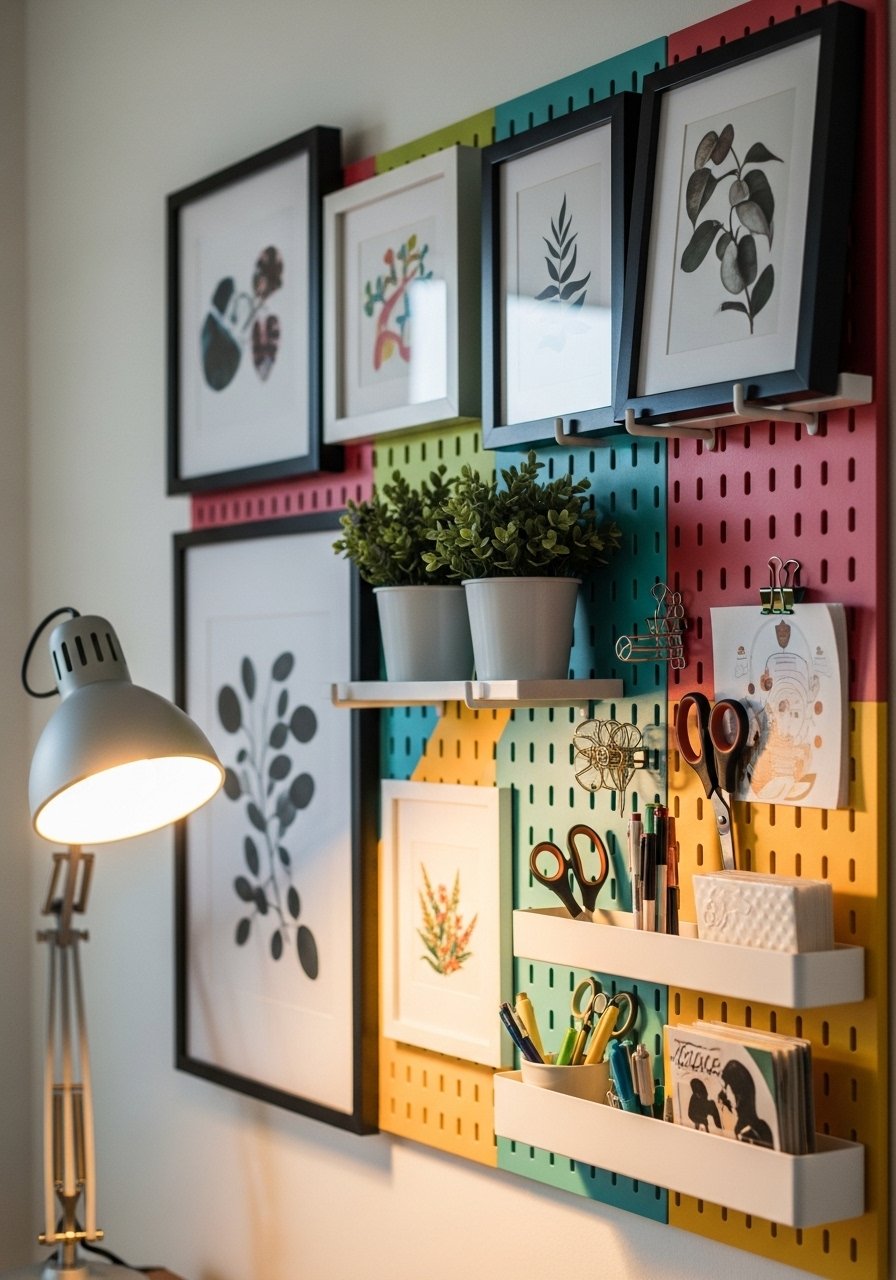
A painted pegboard can host rotating art and your most used supplies. I painted mine a soft green and used simple hooks to hang three small frames and a shelf. Pegboards run $25 to $50 and save trips to the hardware store. The mistake is making the grid too cluttered. Leave negative space so each piece reads. A practical detail is to mount the board at desk height with the bottom edge 6 to 8 inches above the desktop for reachability.
Vintage Scarf Shadowboxes For An Eclectic Dining Area
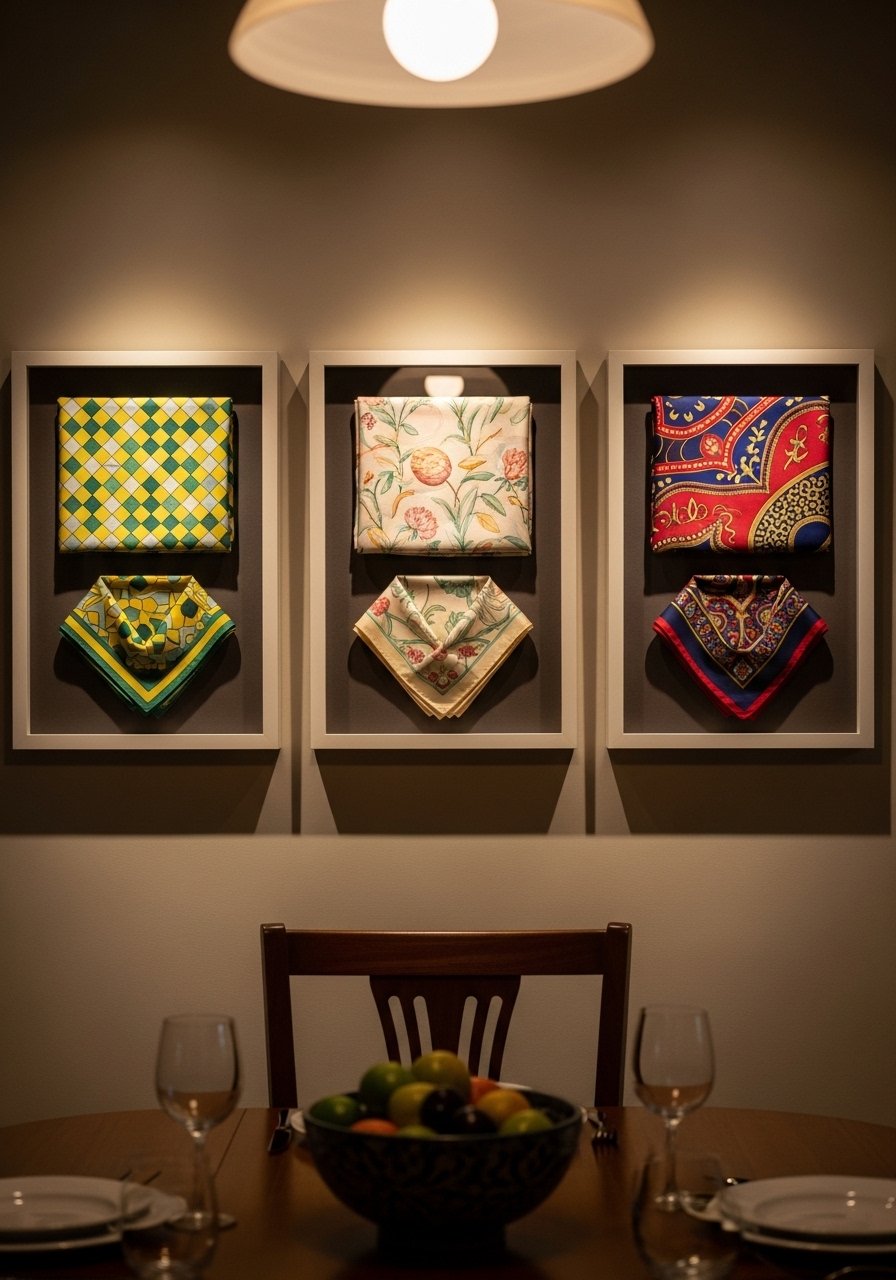
I framed silk scarves in shadowboxes and the dining room went from plain to collected. Make each box 14×14 inches and fold the scarf so a pattern repeat hits the center. People try to flatten silk completely which kills the fabric's life. A little tuck and a thin foam backing adds gentle volume. Total cost was around $60 using thrifted scarves. These shadowboxes double as conversation starters at dinner.
Woven Yarn Wall Hanging With Fringe And Brass Rod For A Boho Living Room
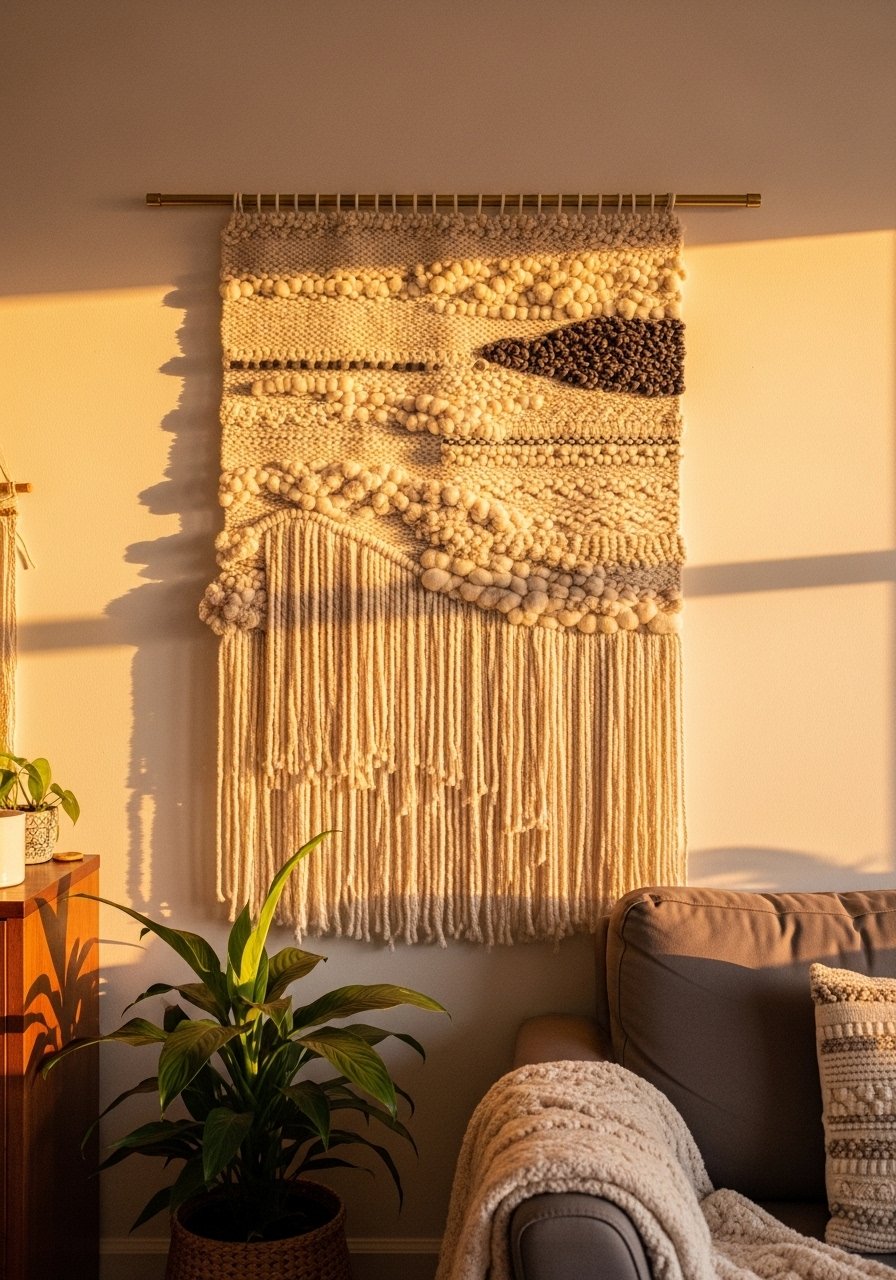
After learning a simple weave knot I made a piece with fringe that softens a large painted wall. Aim for a width of 30 to 40 inches to balance a standard sofa. Cost is low, often under $40 for yarn and a brass rod. A common error is using too many colors which reads like a craft fair. Pick a dominant tone and use two supporting hues to follow the 80/20 color instinct. Hanging with two small brass hooks keeps the rod steady.
Gallery Rail With Ledges For Kids Art Rotation In A Playroom
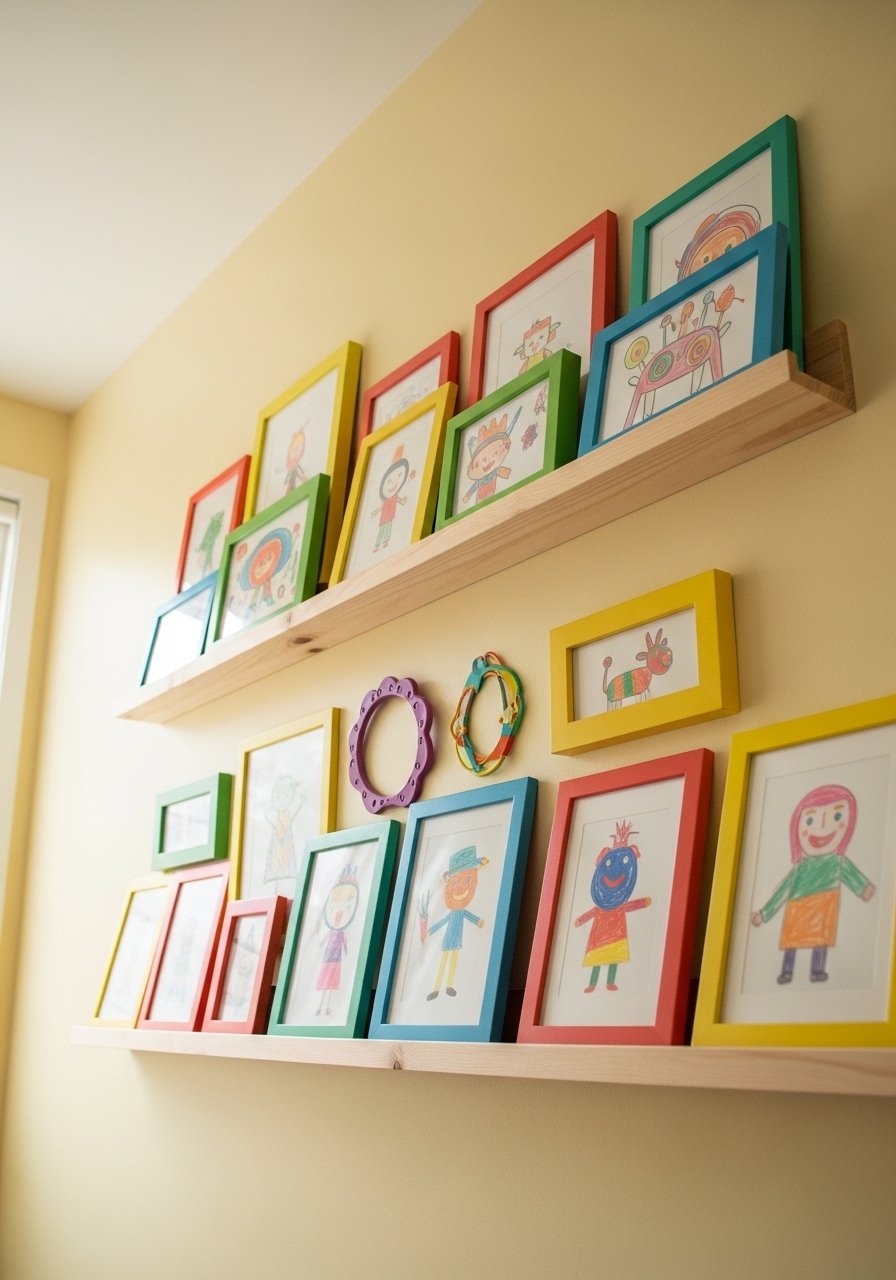
My kids were proud to see their drawings on ledges they can reach. Picture ledges let you swap art without new holes and teach kids to curate. Install the lower ledge about 36 inches off the floor for easy access. People mount them too high which defeats the purpose. A pair of 36-inch ledges costs $25 to $50. For safety, use wall anchors and keep heavier frames on the top ledge out of child reach.
Minimal Floating Light Box Backlit Print For A Modern Bedroom
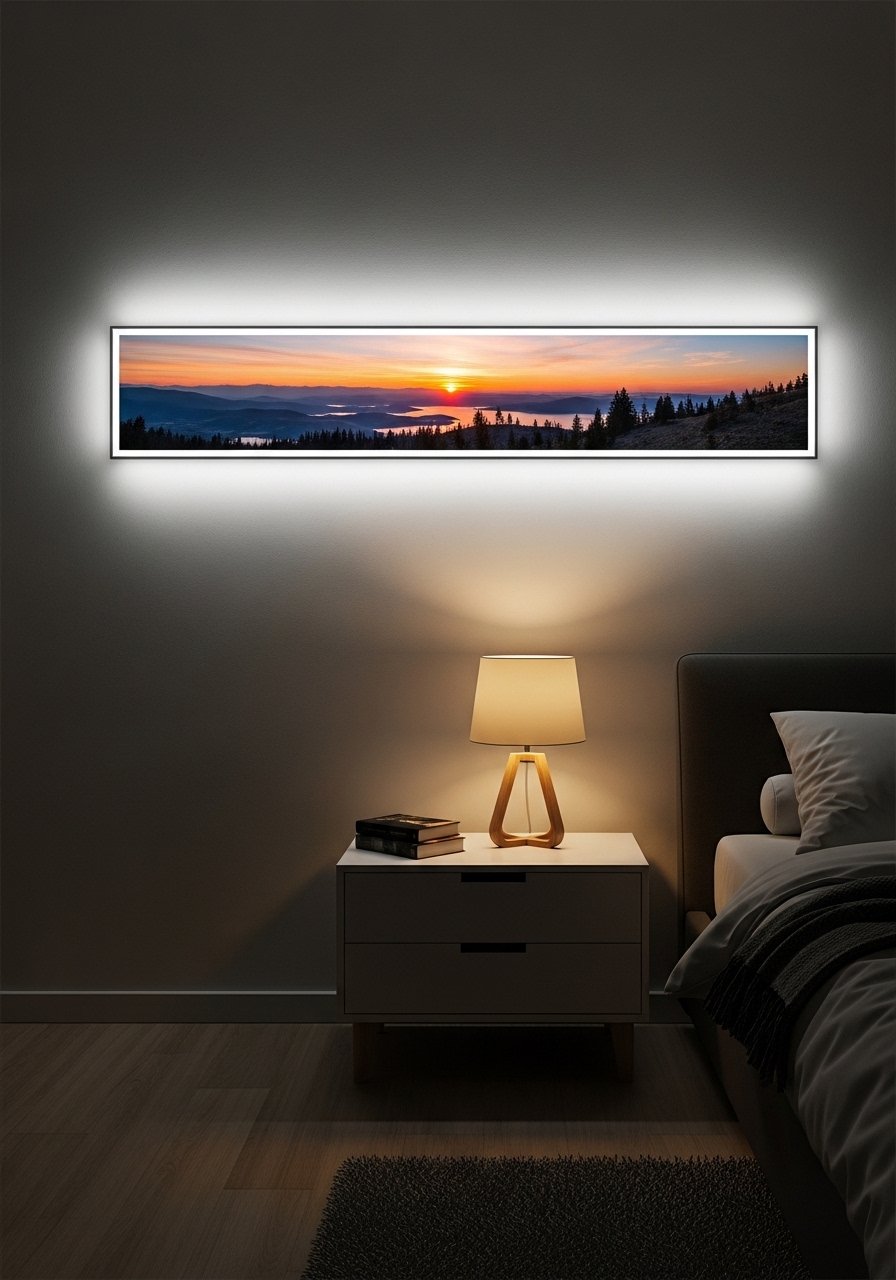
I built a shallow light box and swapped printed photos behind a translucent paper. The glow makes the print feel like art at night without harsh overhead light. Keep the box depth under 3 inches so it reads sleek. LED strips and a slim frame cost about $60. People forget to diffuse the LEDs which creates hot spots, so add a thin foam diffuser layer. This pairs well with layered mirrors for added glow in smaller rooms.
Washable Fabric Poster With Seasonal Prints For A Kitchen
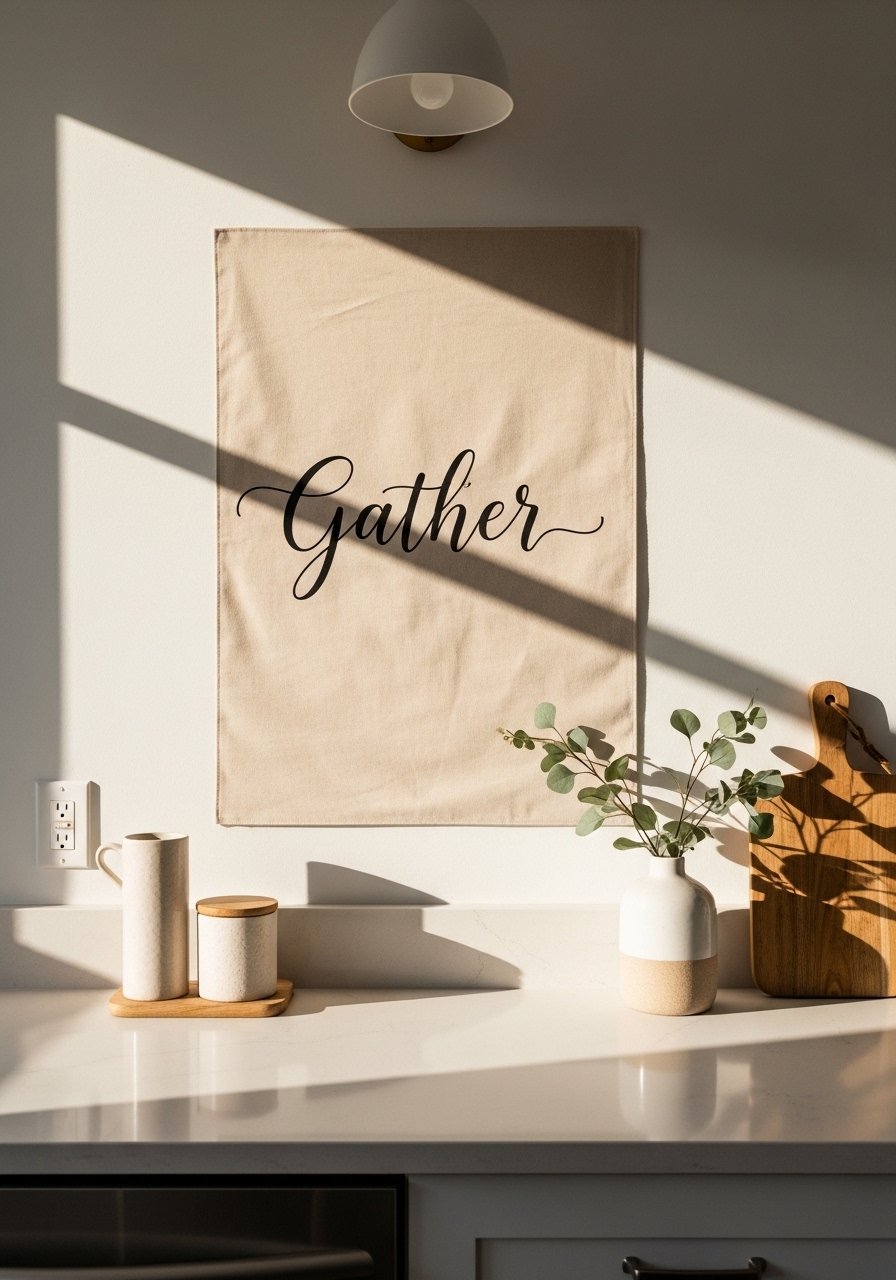
I swapped seasonal fabric posters on a magnetic hanger so art can change with holidays and produce. Fabric posters wash, do not crease, and cost $25 to $40 for a nice one. The mistake is using thin paper that tears in humid rooms. Use polyester blends for kitchens. Hang the poster so the lower edge sits 14 to 18 inches above countertops to avoid splashes while staying visible.
Large-Scale Tape Mural Using Sixty-Forty Color Rule For A Studio
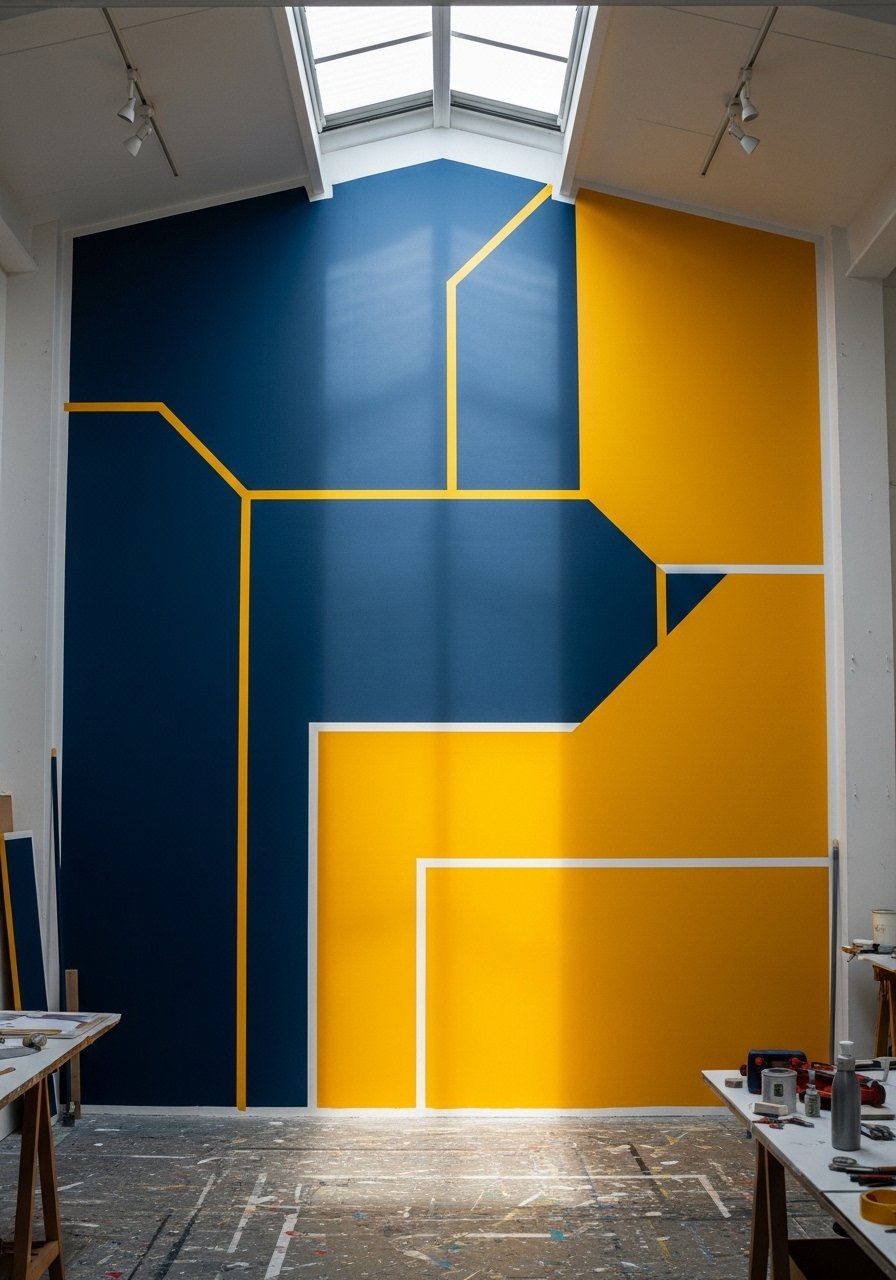
I created a wall mural with painter's tape and two colors, keeping one color dominant at about 60 percent. That ratio keeps the space dramatic without being overwhelming. For a 10-foot wall, make blocks at least 12 inches wide. People pick colors that fight with furniture finishes. Test 8×11 paper swatches on the wall first. The project cost under $50 using sample paints and a good foam roller.
Your Decor Shopping List
Textiles
- Honestly the best $40 I have spent. Chunky knit throw in cream, 50×60 inches. Drape over a sofa arm for instant warmth
- 22-inch linen pillow covers, set of 2 in dove gray (~$30). Stuff with down inserts for loft
- 96-inch linen curtain panels (~$35 per panel). Great for the curtain trick in idea 3
Wall Decor
- 36×48 vintage-style map canvas print (~$80)
- Brass picture ledges, pair of 36-inch (~$45)
- Floating shelves, 36-inch white (~$30 each). Similar at HomeGoods
Lighting
- LED light strip kit with dimmer (~$25) for backlit prints
- Round statement mirror, 30-inch (~$120)
Plants And Greenery
- Faux fiddle leaf fig, 6-foot (~$75) for corners with no natural light
- Ceramic hanging planter set (~$25)
Budget Finds
Shopping Tips
White oak beats dark wood in 2026. Design feeds have shifted completely. White oak floating shelves look current, not dated.
Grab velvet pillow covers for $12 each. Swap them every season and the whole room feels different.
Curtains should puddle or kiss the floor, never hang halfway up. These 96-inch panels are right for standard 9-foot ceilings.
Everyone buys five small succulents. One single 6-foot fiddle leaf fig has ten times the visual impact.
Measure paint samples on 8×11 sheets and live with them for a day. Paint sample set, 6-pack avoids costly mistakes.
For renter-friendly art, use heavy duty removable strips so you can hang large pieces without holes.
Frequently Asked Questions
Q: Can I mix boho textiles with modern furniture without it looking messy?
A: Yes. Balance is the key. Keep 80 percent of the palette neutral and use boho textiles for the remaining 20 percent to add texture. I pair a woven wall hanging with a streamlined mid-century sofa so the textures read intentional.
Q: What height should I hang art above a sofa?
A: Aim for the center of the art at around 57 inches, or leave 6 to 9 inches between the top of the sofa and the bottom of the art. If you use a triptych, keep panels 2 inches apart.
Q: How do I make a gallery wall feel cohesive with mixed frames?
A: Match mat sizes or use the same frame color. I once mismatched frames and made them uniform with white mats and the wall read as curated. Keep spacing between 2 and 4 inches.
Q: Are resin pieces practical in sunny rooms?
A: Resin can yellow over time if you use low-quality pigment. Use UV-stable pigments and place pieces out of direct midday sun. Weigh resin and hardener by grams for consistent curing.
Q: Real plants or faux for artwork-heavy rooms?
A: Both. Use real plants where you can care for them and add a faux fiddle leaf fig where you need height without maintenance. A faux 6-foot tree anchors corners without watering.
Q: What size should a mirror be for a small hallway?
A: Cover 40 to 60 percent of the wall for meaningful reflection. Place the center around 65 inches or align the mirror edge with nearby furniture height.
Q: How do I display kids art without the wall looking cluttered?
A: Install a lower picture ledge at about 36 inches so kids can swap works. Use frames of the same depth and leave negative space so each drawing reads like its own piece.