
I hit a wall with my first boho attempt. I thought more pillows, more pattern, more everything would do it. Instead the room felt cramped, and the bed vanished under a pile of mismatched cushions. I kept rearranging until one night I pulled everything off the bed and walked away for ten minutes. When I came back, the rule I had been missing was obvious: space is part of the design.
I tried copying photo-perfect rooms that were clearly staged. Those looked great in a picture but wore strangely in real life. What actually worked was picking a few textured pieces, committing to where they sat, and living with it for a few days before adding more.
Step 1: Anchor the room with the right rug and bed placement
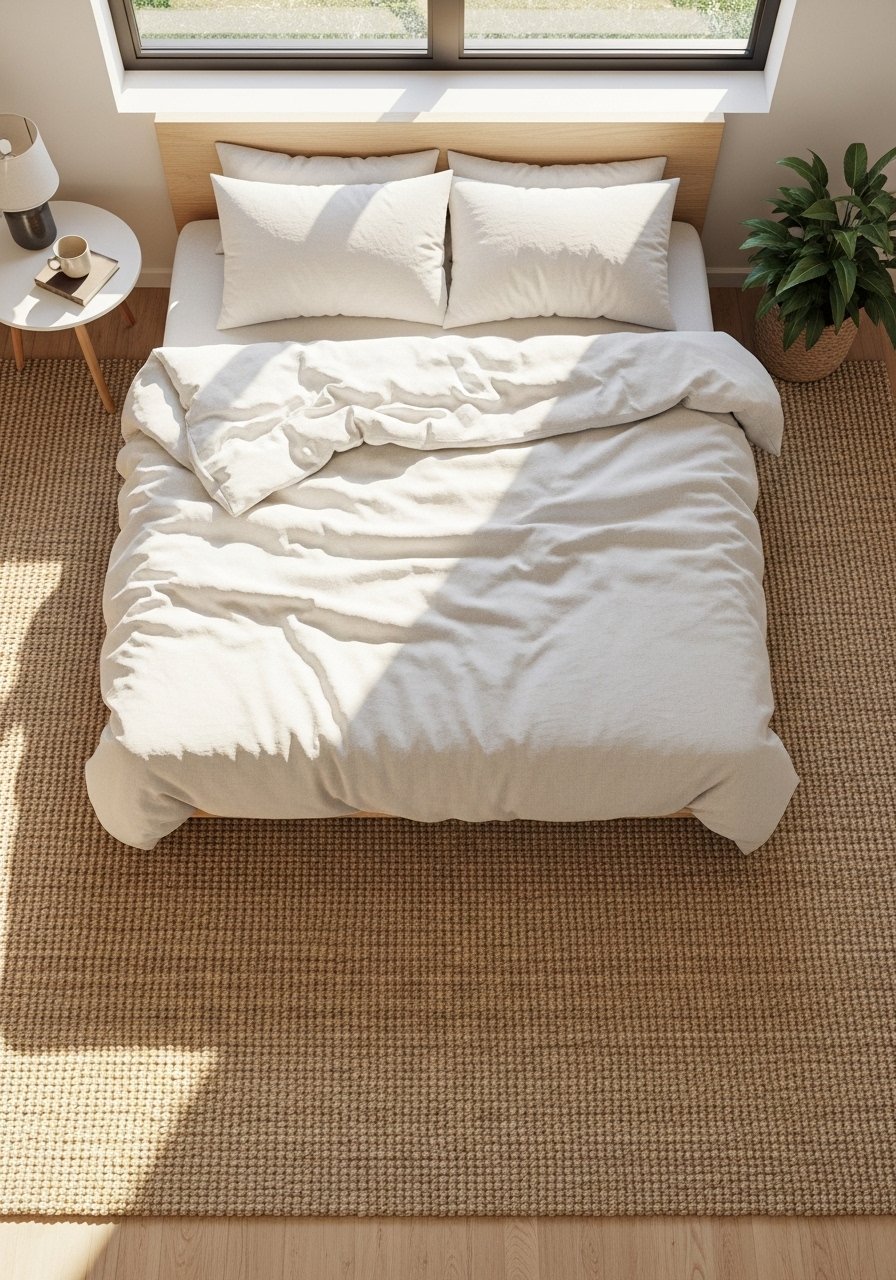
Start with a rug that gives the bed a platform. For a queen bed, aim for an 8×10 rug or one that extends 18 to 24 inches beyond the sides and foot of the bed. That extra inches creates breathing room and makes the space feel grounded without looking crowded. If you have a smaller room, let the rug sit under the front two thirds of the bed rather than trying to cover the whole floor.
Common mistake: picking a rug that is too small and looks like a doormat under the bed. Sensory detail: jute has a slightly rough, dry feel underfoot, which contrasts nicely with soft linen on the bed. I once used a too-patterned rug and had to replace it after two weeks.
Step 2: Build the bed in layers, and stop at the right moment
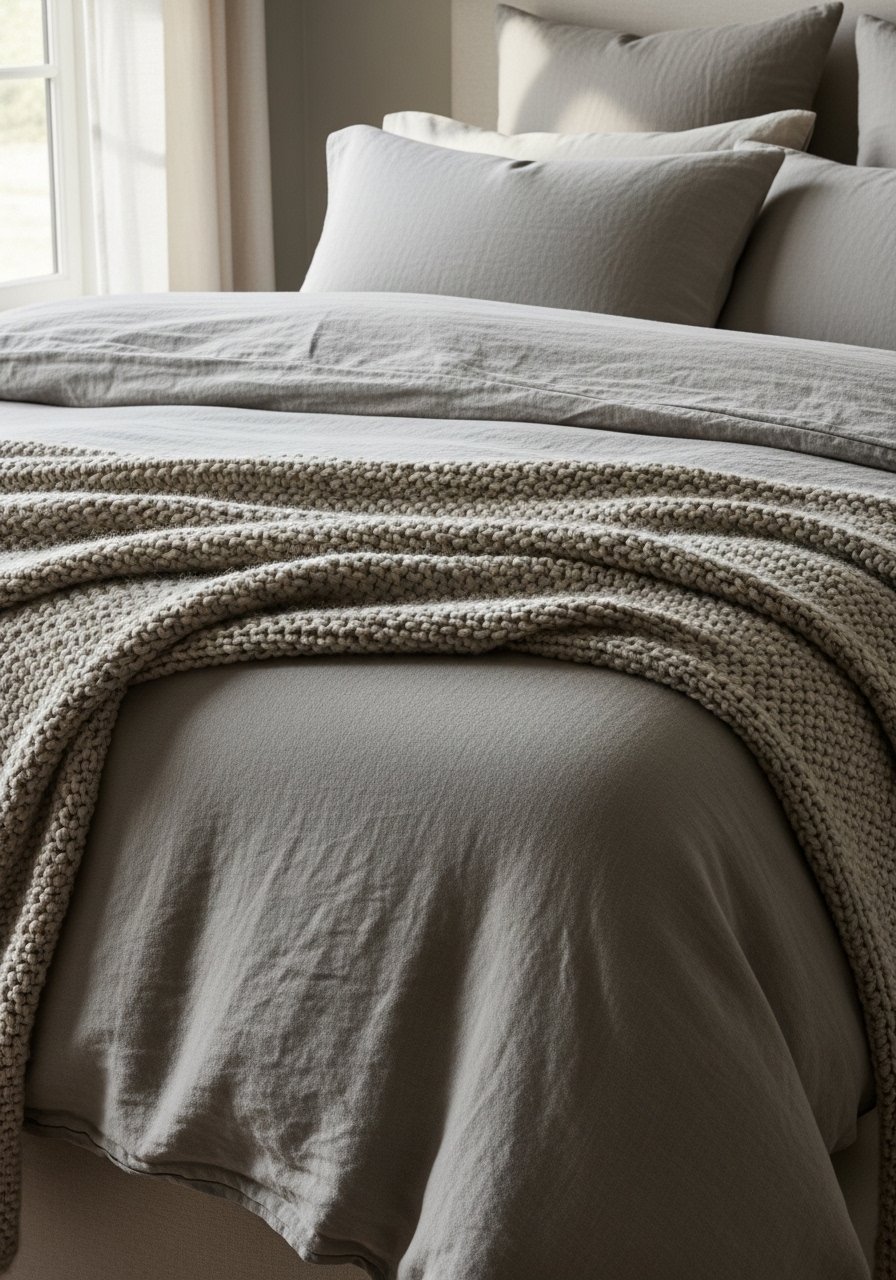
Layering is where boho feels lived-in, not messy. Start with a linen duvet in a muted color, then add two 26×26 inch euro shams and two 20×20 inch pillows in mixed textures. Include one chunky knit throw, folded or casually draped. A good color balance to aim for is 60/30/10, meaning 60 percent neutral base, 30 percent secondary tone, and 10 percent accent. Textures matter. Linen feels cool and slightly slubby, boucle is nubby and soft, a knit throw feels heavy and cozy in your hands.
Mistake many people make: piling on every cushion they own. My first version looked staged. The third try, where I stopped adding pillows, finally read as calm.
Step 3: Style bedside surfaces with height, not clutter
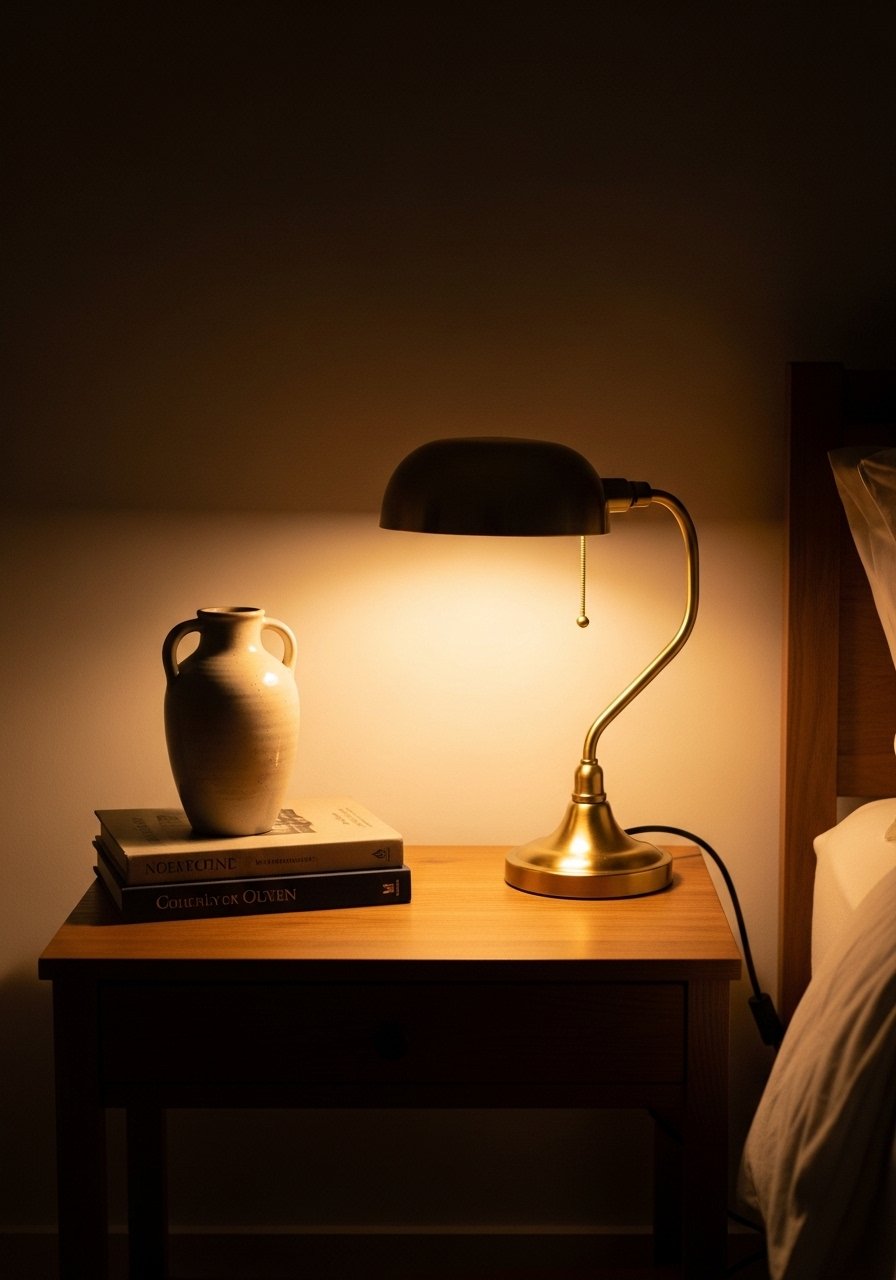
Choose a bedside table around 24 to 28 inches high so it lines up with your elbow while seated. Put one taller object, like a ceramic vase or lamp, at the back, then one lower item, such as a small plant or a stack of books, in front. Leave 3 to 6 inches of space between grouped items so each piece can breathe. I used to cram ten small things on every surface. It read as clutter. Limiting the count to two or three objects cleared the visual noise.
Product that helped me: this ceramic vase set, matte white for height and smooth texture.
Step 4: Hang art and textiles at the right scale and position
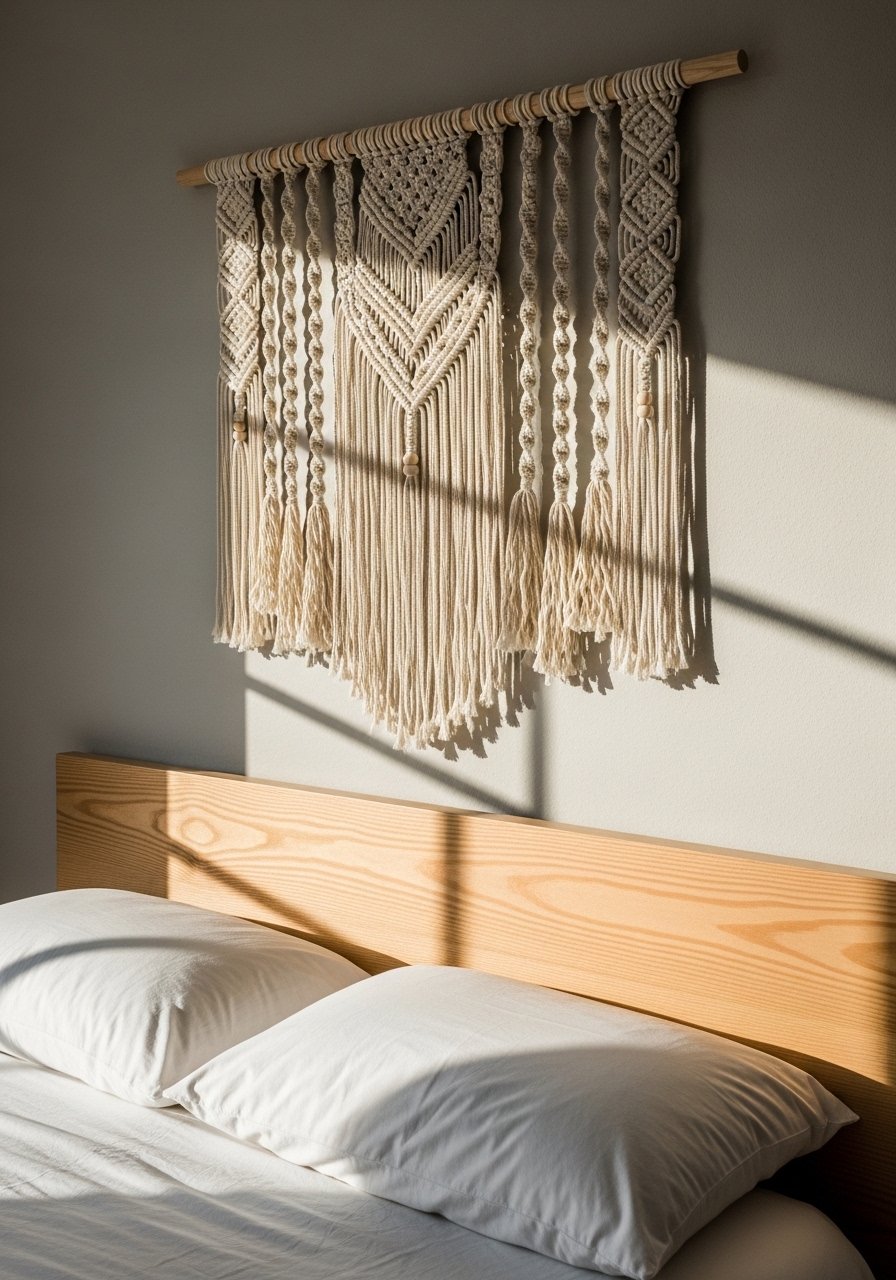
For a wall hanging above the bed, aim to place it about 6 to 8 inches above the headboard, not touching and not floating too high. If you use framed art, let the combined width be roughly two thirds to three quarters of the bed width so it feels proportional. Many people hang things too high. I did that once and it made the ceiling feel lower. Macrame or a woven adds soft texture and a slightly rough, tactile contrast to smooth walls.
Swap to consider: a rattan mirror hung horizontally brings light back into the room, while still keeping the boho natural feel.
Step 5: Edit, live with it, and adjust small touches
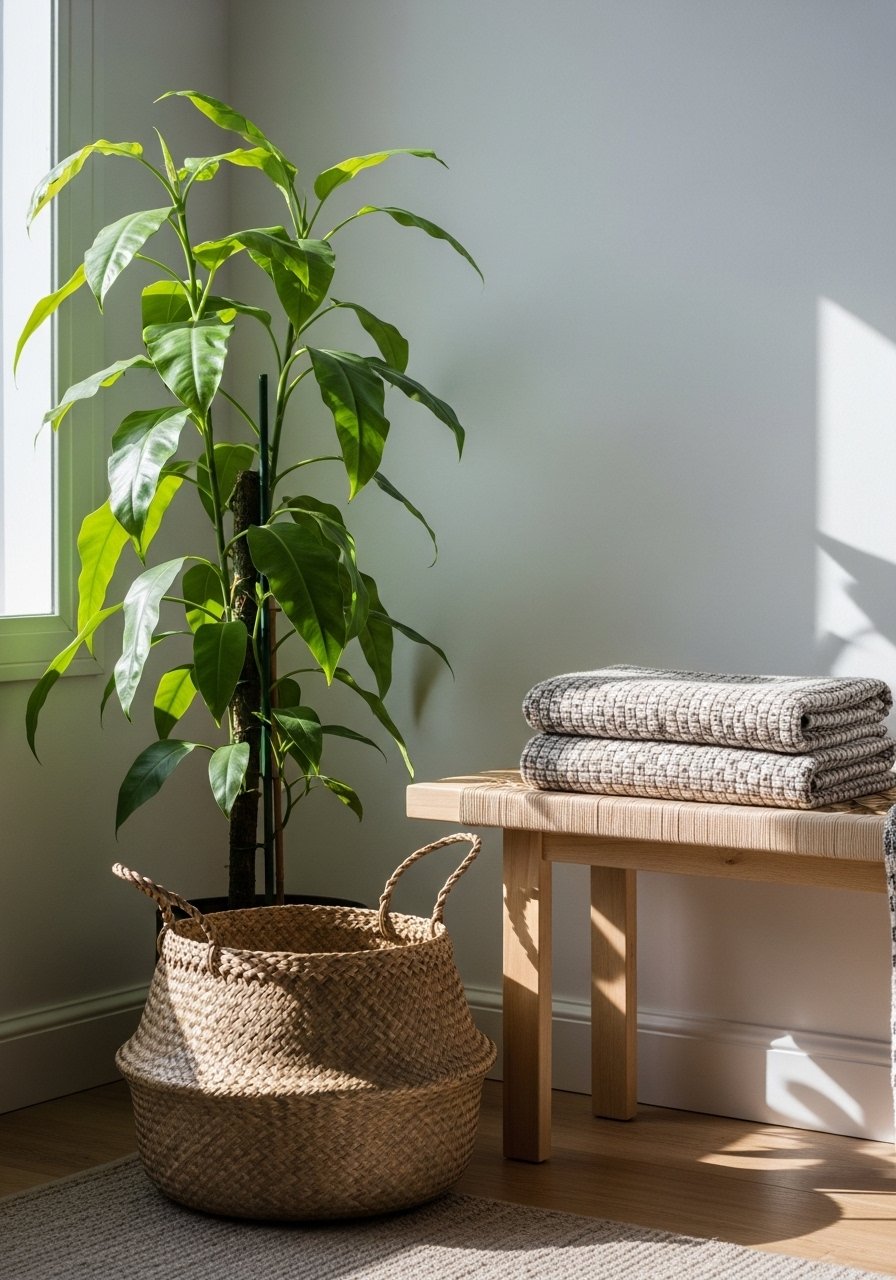
This is the step where it starts to feel like a real room, not a staged photo. Step back, close the door, and live with your changes for three days before buying more. Small edits make a big difference, such as moving a pillow 4 inches, swapping a ceramic vase for a taller one, or removing a second plant if it overwhelms. Insight many miss: empty space counts as a styling choice. I almost skipped this step and paid for it with another cluttered shelf.
For a low-commit change, try this chunky knit throw in oatmeal, 50×60. I keep one on the arm of every sofa I own.
The Bedroom Basics You'll Actually Use

- Jute area rug, 8×10 ($90-160). Durable and neutral, used in Step 1.
- Linen duvet cover in sage green, queen ($70-110). The linen texture is forgiving, used in Step 2.
- Chunky knit throw in oatmeal, 50×60 ($40-65). Hands-on cozy, mentioned in Step 5.
- Ceramic vase set, matte white ($25-40). Adds vertical interest, used in Step 3.
- Macrame wall hanging, 24×36 ($30-50). Tactile wall layer, used in Step 4.
- 26×26 linen pillow covers, natural set of 2 ($25-40). For the euro shams in Step 2.
- Brass bedside lamp, adjustable height ($40-80). Adds warmth and polish, referenced in Step 3.
- Rattan mirror, 30-inch round ($60-120). Use for light and scale, suggested in Step 4.
Making This Work in a Small Room
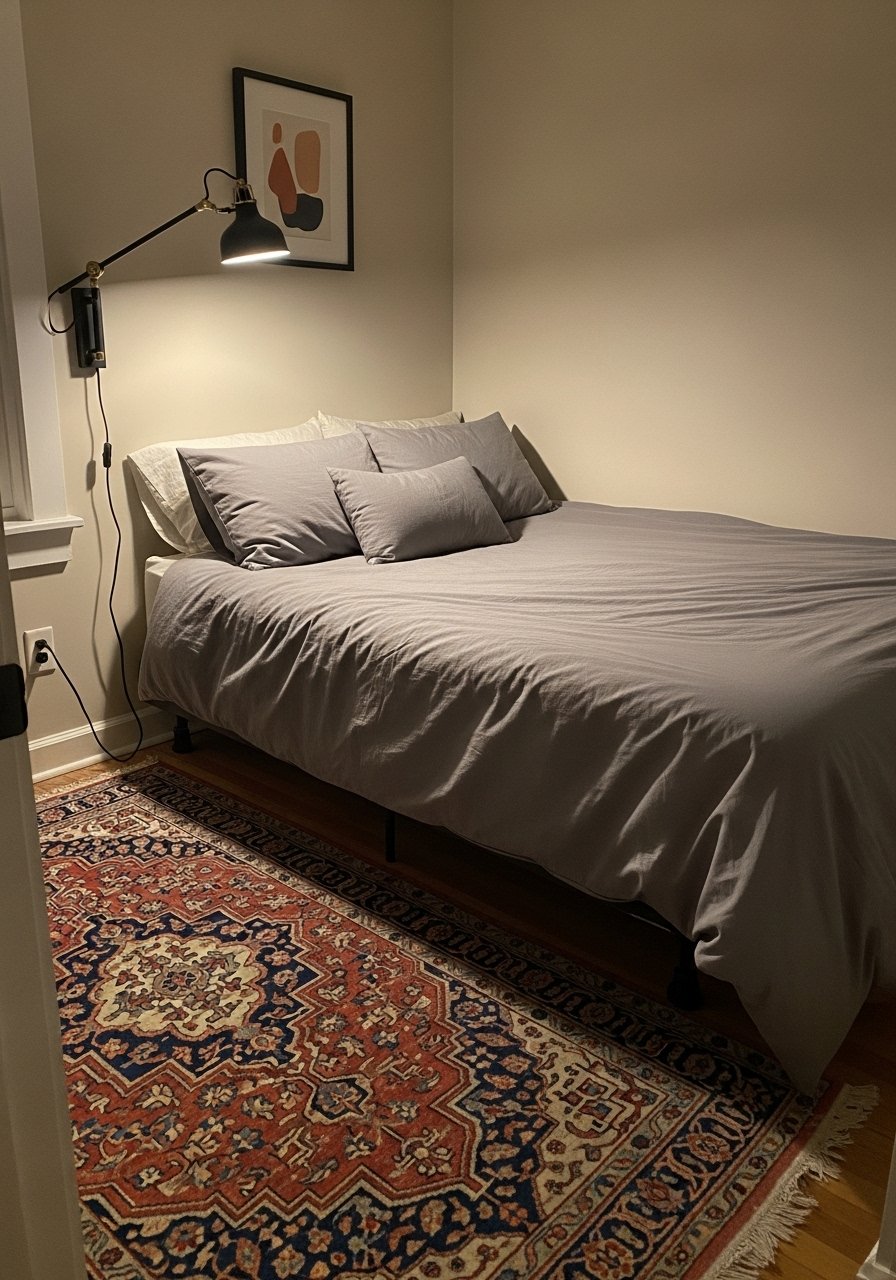
Small spaces call for scaled-down decisions. Pick a 5×7 rug and let it sit under the front two thirds of the bed instead of trying to fit a larger size. Use wall sconces or a slim brass bedside lamp to free up table surface. Keep furniture low to the ground so your sightlines stay open. A single vertical plant in a corner reads less cluttered than several small pots scattered around. I swapped a bulky nightstand for a narrow one and the room felt immediately airier.
What to Do If Your Ceiling Feels Low
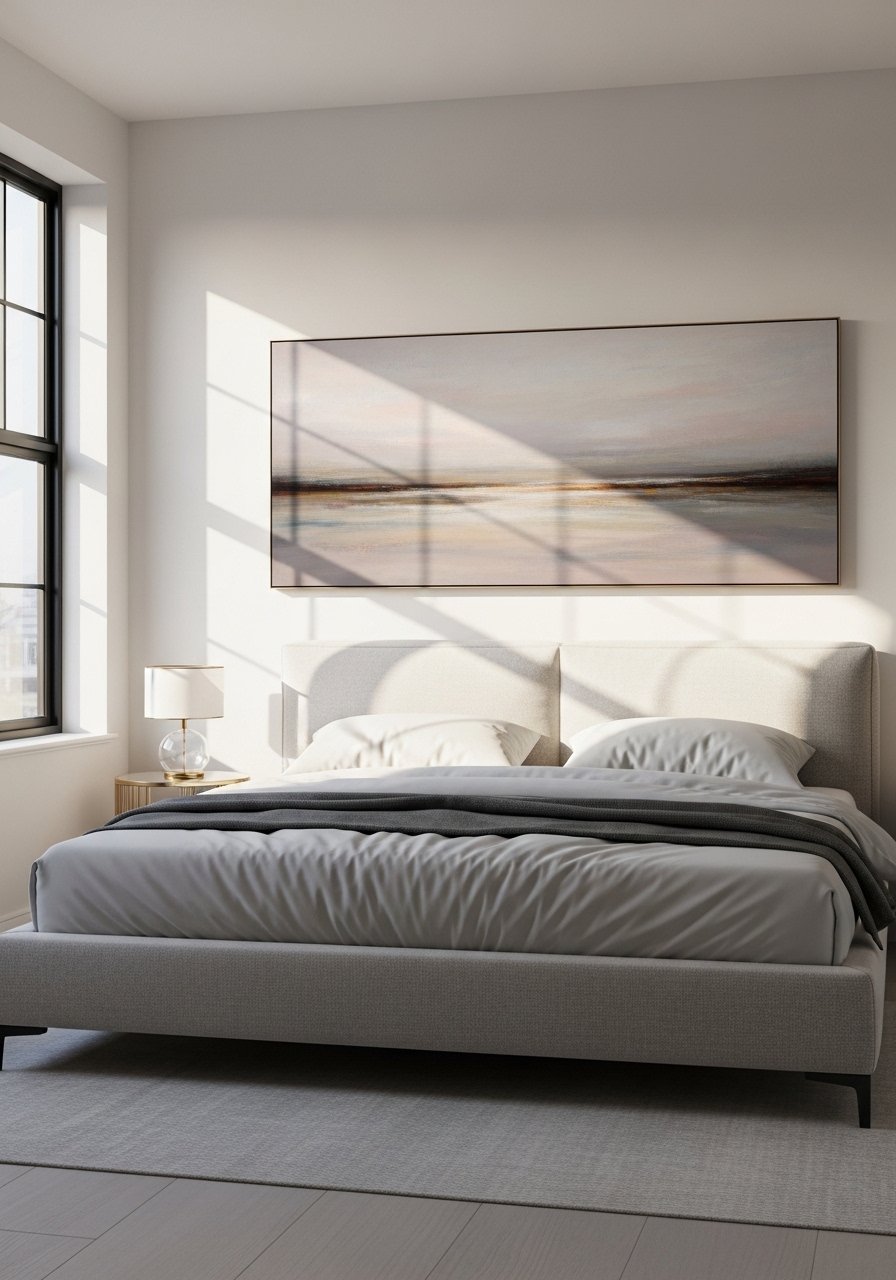
Low ceilings ask for horizontal emphasis. Hang art horizontally rather than vertically. Choose a low-profile headboard and keep floor lamps short or skip them in favor of wall lighting. Mirrors help by reflecting light, but pick wider shapes to keep the eye moving sideways. One small trick I learned the hard way: avoid tall freestanding shelves. They compress the room. A short media console or rattan bench works better and still gives storage.
How This Setup Holds Up After a Week with Real Life
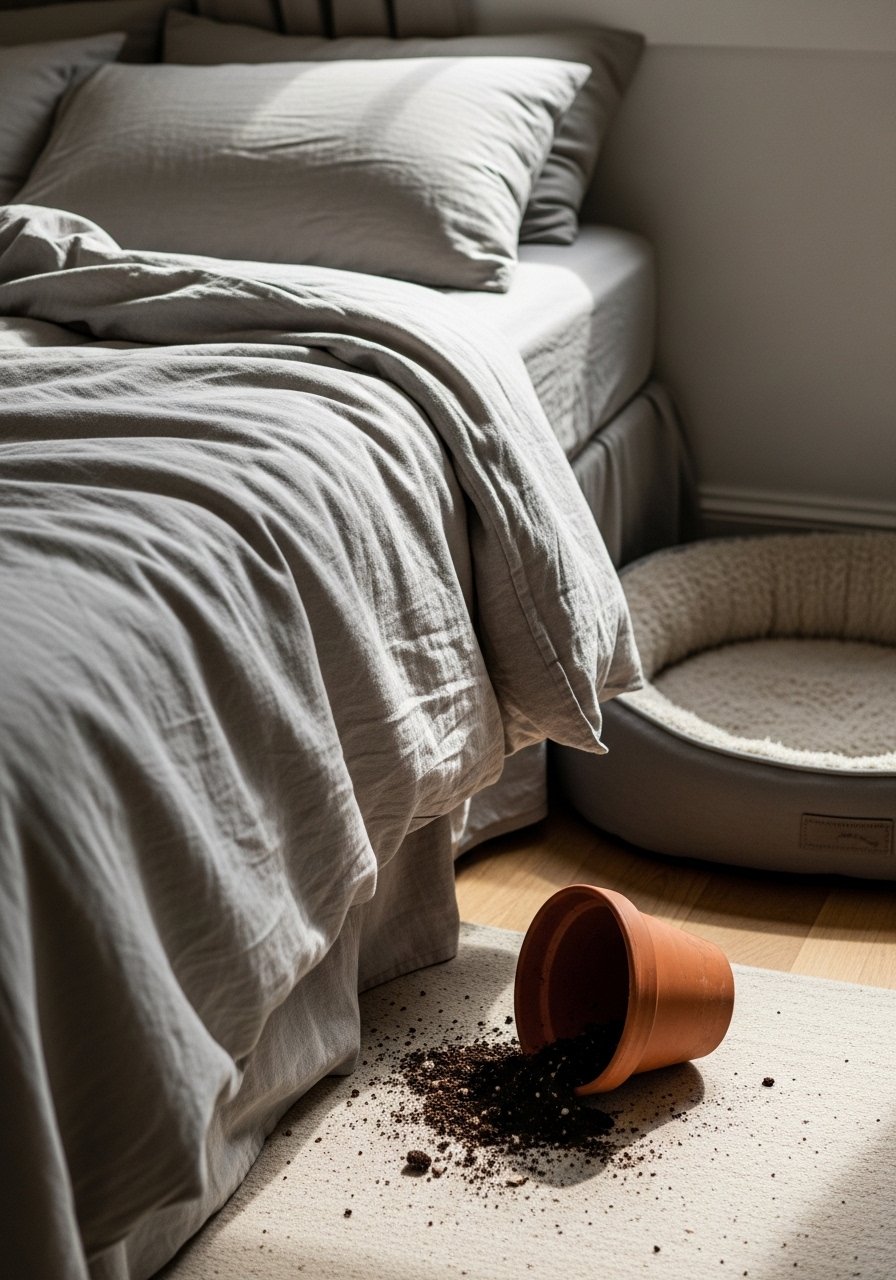
Expect the bed to look lived-in, linen will wrinkle, and your throw may get shifted. Boucle picks up crumbs. If you have pets, choose washable pillow covers and place fragile ceramics out of reach. After a week I noticed the spot near the window needed a sturdier plant pot and the macrame needed a tiny re-fluff. The fix was simple: move the pot 6 inches and rotate the wall hanging slightly. Living with the room will show the last 10 percent of what it needs.
Start with One Cozy Corner
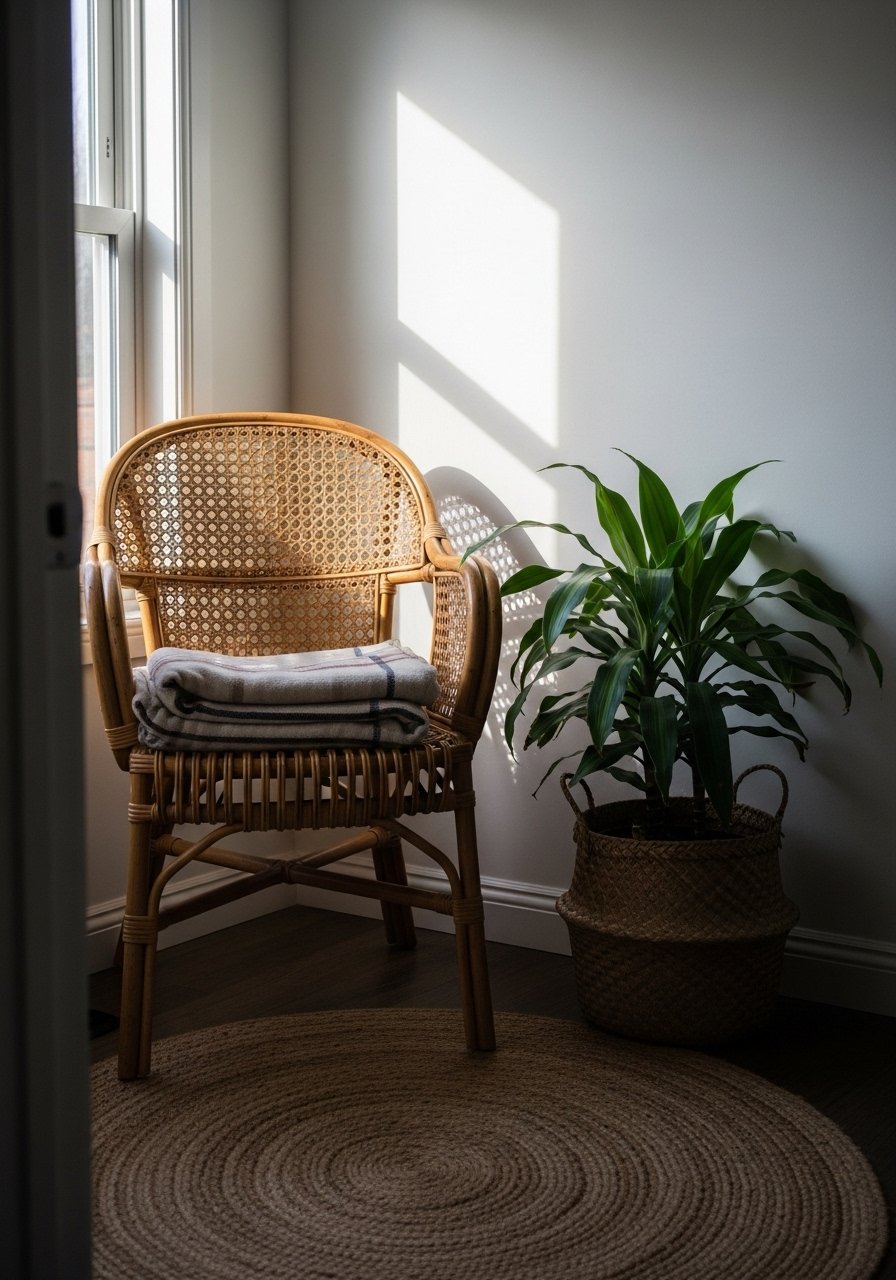
Pick one corner and make it feel intentional. Add a textured throw, a single plant, and a small table lamp. See how the textures and scale read together before changing anything else. For a low-commit start, bring in the linen duvet or the chunky knit throw from the shopping list and live with it for a few days.
You will notice what needs to move after a week, and those small edits are where the room finally feels like yours.