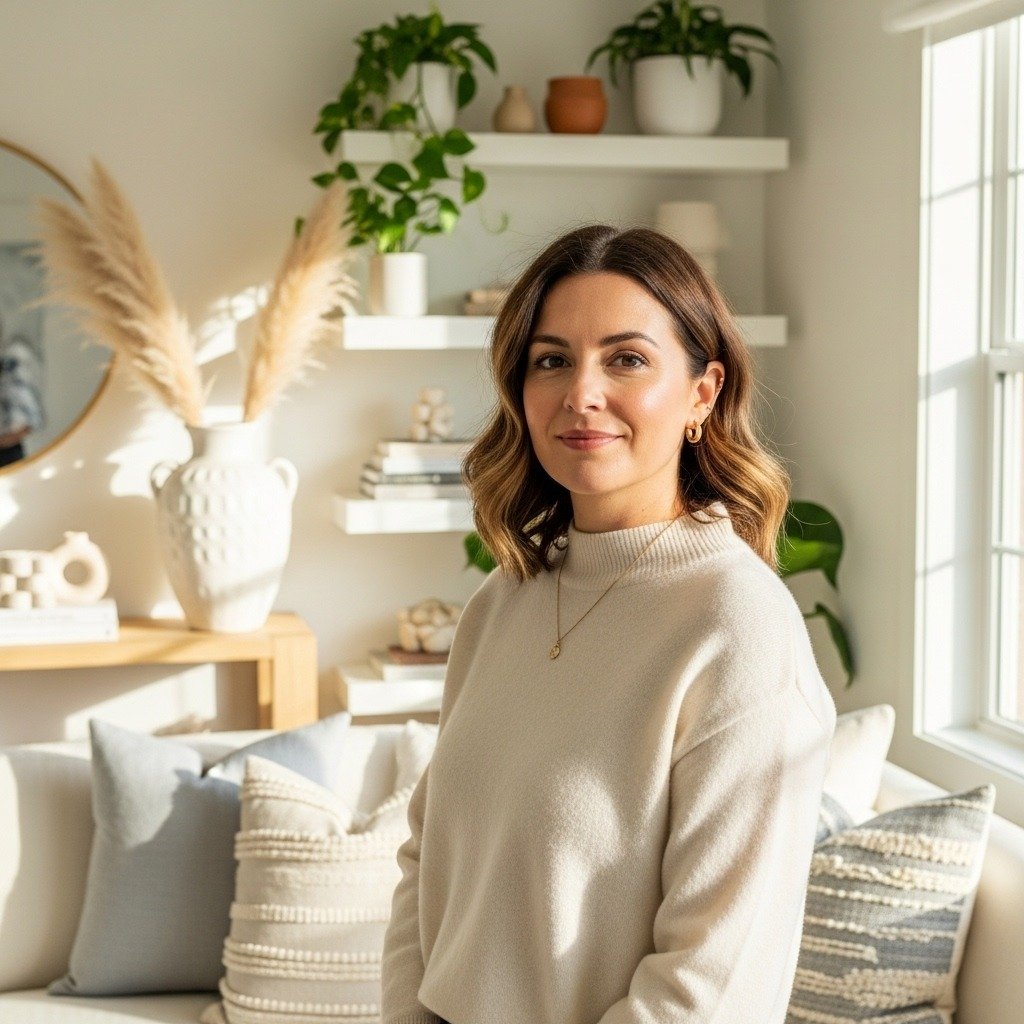
I had a room that felt loud but empty at the same time. I painted one wall bright teal, then added a shelf, then more art, and somehow it still read wrong. Everything looked stuck on like stickers. It took repainting and moving the sofa three times to see the problem was about scale and breathing room, not color.
Before I landed on this method I tried copying gallery walls, stacking identical frames, and crowding shelves because I was afraid of empty space. The third attempt is the one that finally clicked. I want to walk you through that exact sequence, the mistakes I made, and the small measurements that fixed the whole thing.
Step 1: Pick the wall that already wants attention
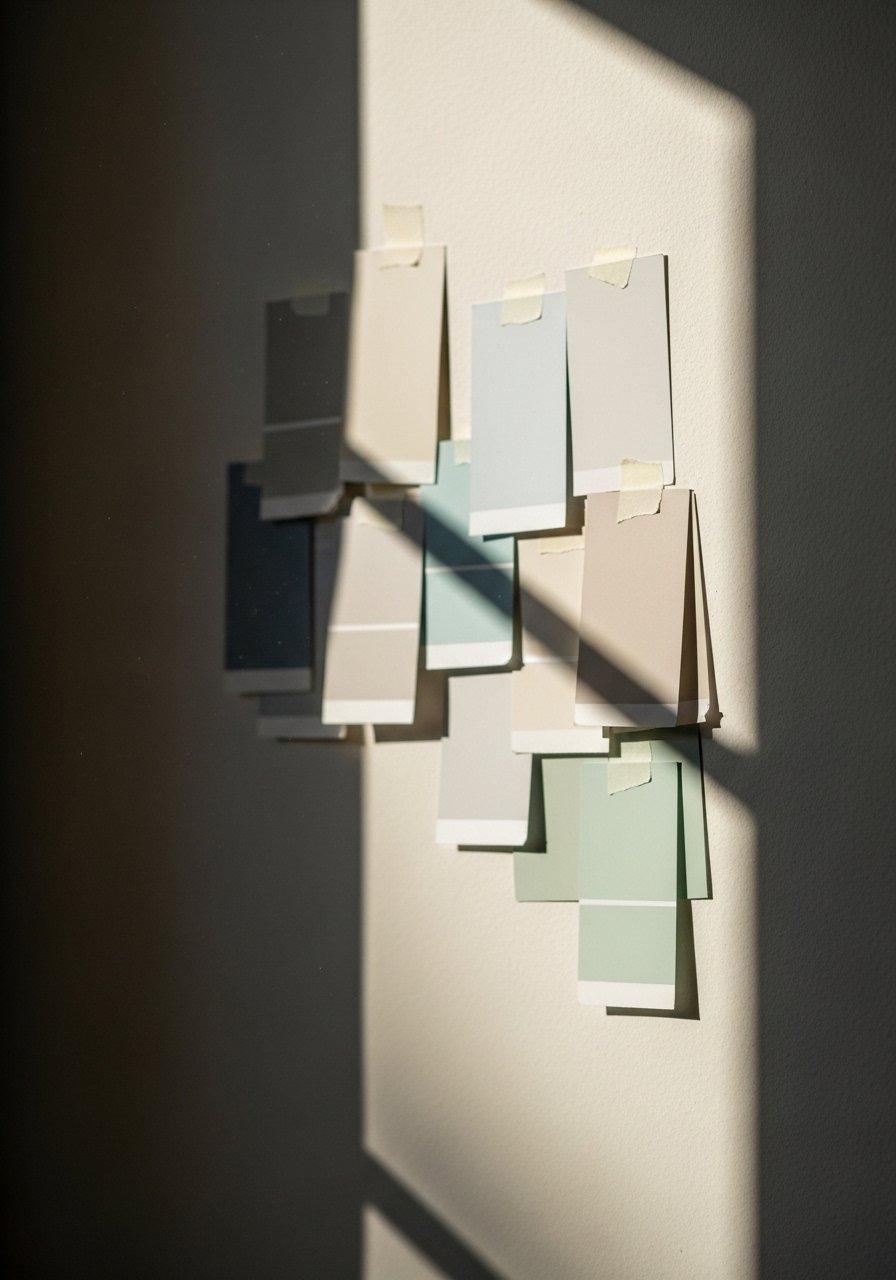
Choose the wall you face when you enter the room, or the wall behind the main piece of furniture. If your sofa will sit against it, make the artwork or main piece about two thirds the width of the sofa. A large framed piece should be roughly 2/3 the furniture width, not the whole thing. Common mistake: painting every wall, which removes contrast and flattens the space. Try sample pots first, paint 2-foot swatches, and live with them at different times of day. Matte paint reads velvety and soft to the eye. Eggshell has a faint sheen and feels easier to wipe clean.
Step 2: Anchor furniture before you decorate the wall
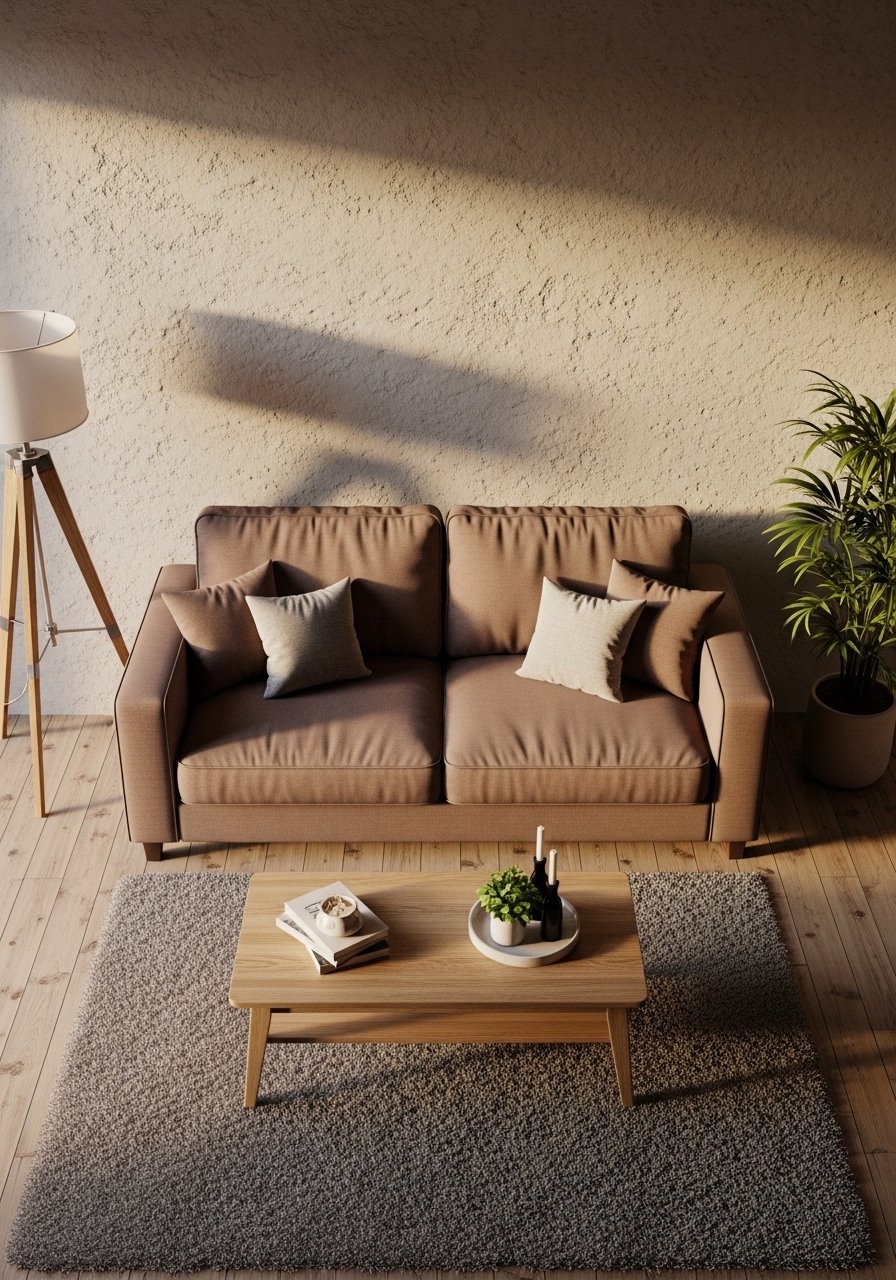
Move the furniture into place before hanging anything. Pulling a sofa 2 to 3 inches off the wall creates a tiny shadow line that gives depth. If you center a console or sofa, leave a 2-inch gap on either side so decor doesn't look jammed. I once shoved everything flush and then spent an hour rearranging because the wall looked flat. Lighting matters here. Add a floor lamp so the accent wall has a pool of light at night. The room will feel grounded when the largest pieces relate to the painted surface, not fight it.
Step 3: Build the focal cluster, then step back
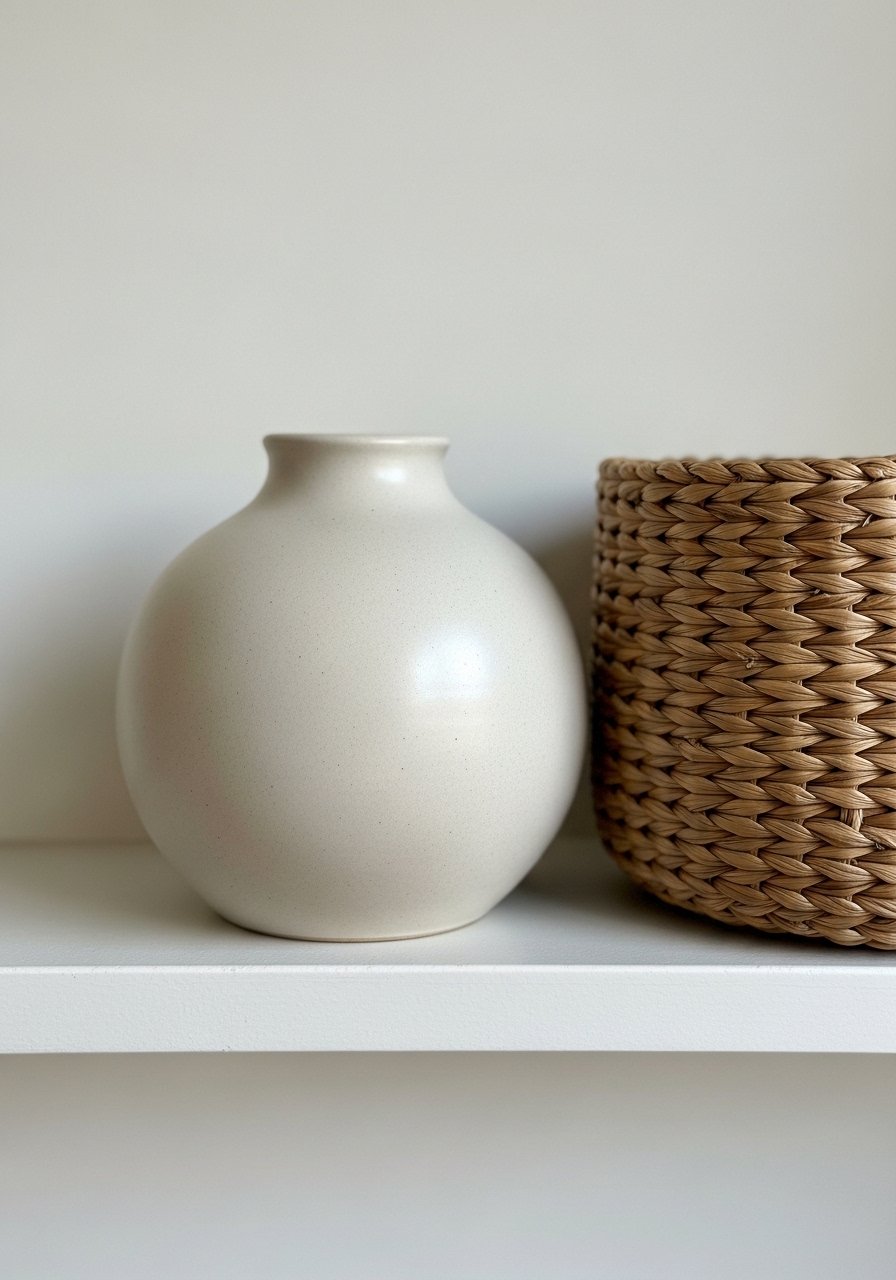
Start with one large anchor piece, then add two to three supporting items. Hang the center of artwork at about 57 inches from the floor, or align the center with the eye height where you spend most time. For a sofa, the art cluster should leave about 6 to 8 inches between top of the sofa and bottom of the frame. Spacing between frames should be 2 to 3 inches for a tight grouping, or 4 to 6 inches for airy compositions. My first attempt had things too tight. My second was too sparse. The third felt balanced. Use a tall ceramic vase on a console for vertical interest, and a 24-inch picture ledge to keep things relaxed and changeable.
Step 4: Soften the scene with textiles and layered light
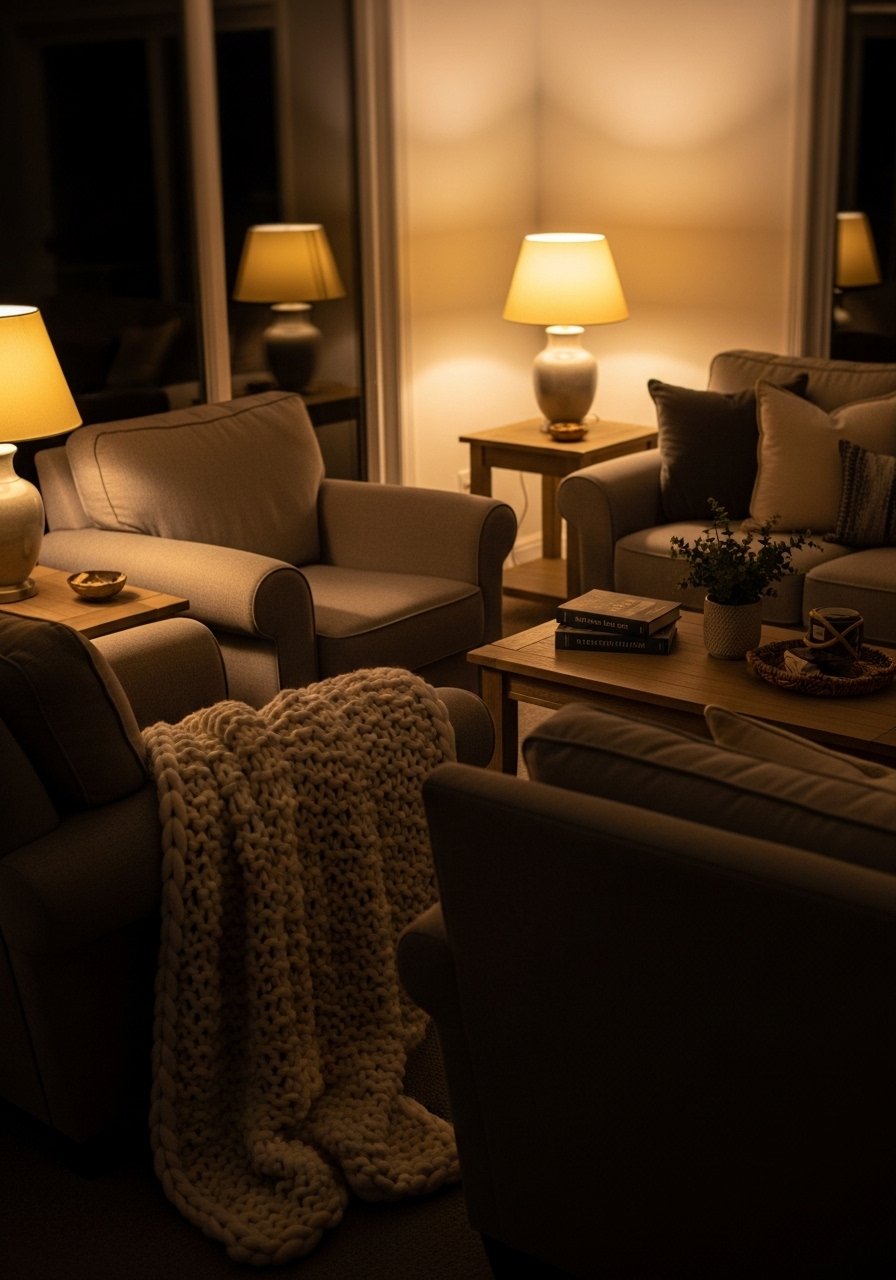
Add texture to make the painted wall feel lived in. A rug that fits the seating area, like an 8×10 for a standard living room, anchors the whole wall and keeps the eye from wandering. Front legs on the rug makes the set feel unified. A chunky knit throw in oatmeal drapes heavy and tactile over an arm, while linen pillows feel cool to the touch and make the surface less visually heavy. Boucle looks gorgeous but traps crumbs, so keep that in mind. Layer three light sources, including a floor lamp with the shade center near 60 inches, for comfortable evening reading.
Step 5: Edit, live with it, then tweak
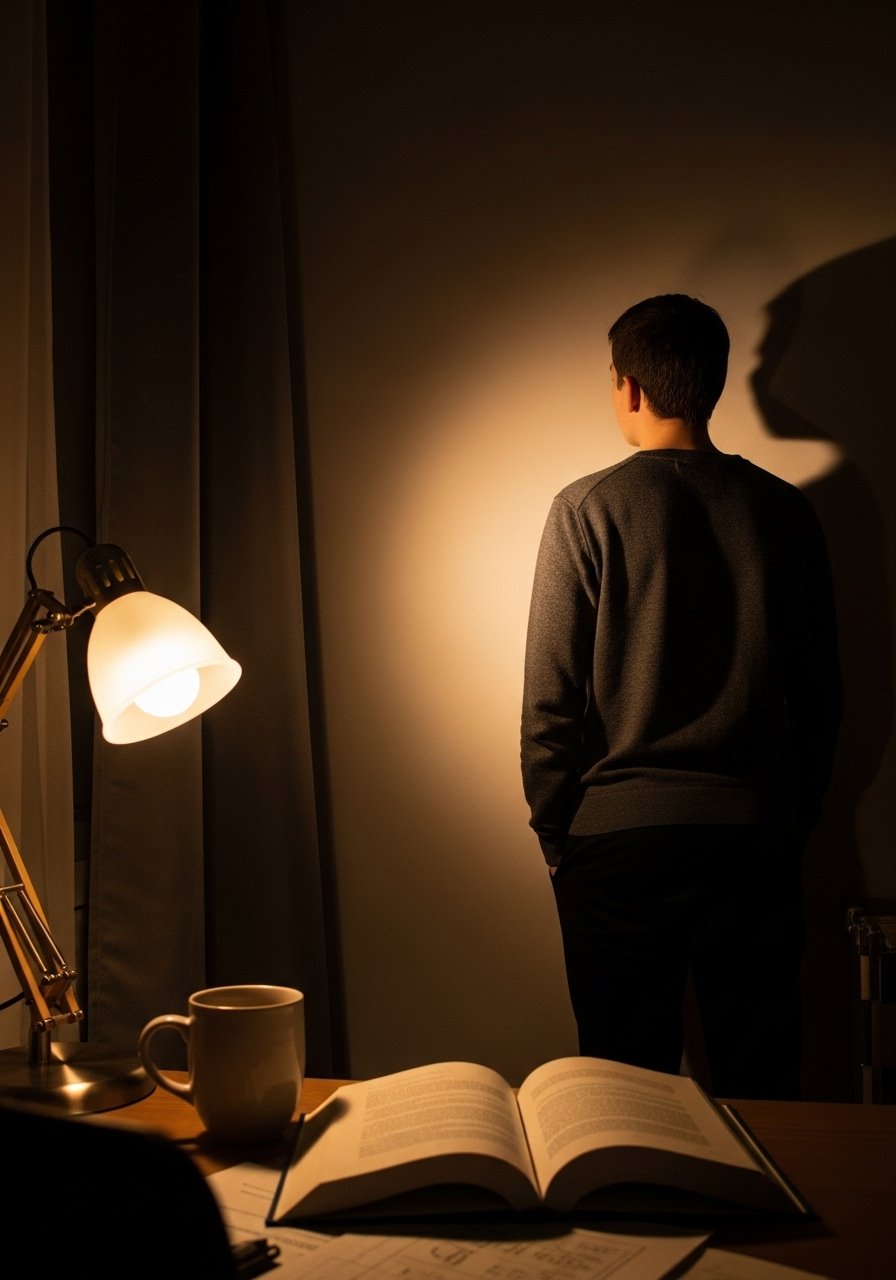
This step will feel odd. Put everything up, then walk away for an hour or a day. Live with the arrangement for a week before making big changes. Aim for about 30 to 40 percent negative space on the wall so the eye can rest. The biggest mistake I keep seeing is fear of empty space, which leads to cramming. I almost skipped this live test and would have missed how much better the wall looked after a few small shifts. Trust a slow edit. The room should feel calmer, not fuller.
What to Grab for an Accent Wall Refresh

- High-quality painter's tape, 1-inch roll ($5-8). Use in Step 1 to mark sample swatches and protect trim.
- Sample paint pots, set of 4, 8 oz each ($12-20). Try colors on the wall in Step 1.
- 24-inch brass picture ledges ($18-30). Useful in Step 3 for flexible art arrangements.
- Ceramic vase set, matte white, set of 3 ($25-40). Gives height in Step 3.
- Jute area rug, 8×10 ($90-160). Anchors the seating in Step 4.
- Chunky knit throw in oatmeal, 50×60 ($40-65). Drapes for Step 4.
- Floor lamp, 60-inch brass tripod ($60-120). Adds layered light in Step 2 and 4.
- Linen throw pillows, 20×20, sage green set of 2 ($30-50). Cool-to-the-touch texture used in Step 4.
- Picture hanging kit with level and anchors ($10-18). Needed for Step 3.
Why Accent Walls Still Look Like Band-Aids
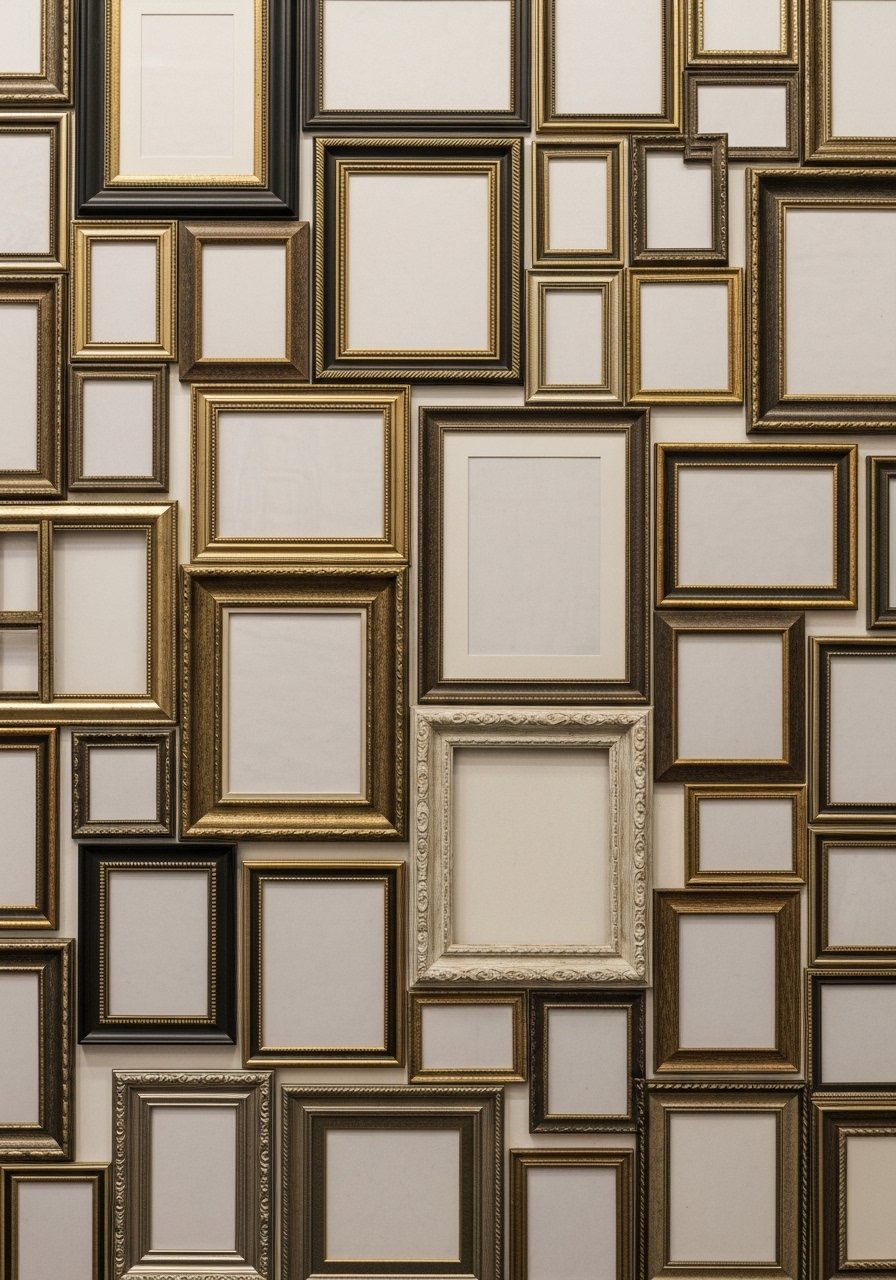
Too many people pick a color and then try to force everything onto that surface. The real issue is scale and spacing. Common pitfalls: choosing art that is too small for the wall, centering pieces too high above furniture, and layering heavy textures without a light source. Quick fixes are sized art, a 6 to 8 inch gap above furniture, and one or two lighter elements like a lamp or a woven basket. I made all of these mistakes. Once I corrected scale, the rest felt intentional.
Making This Work in a Small Room
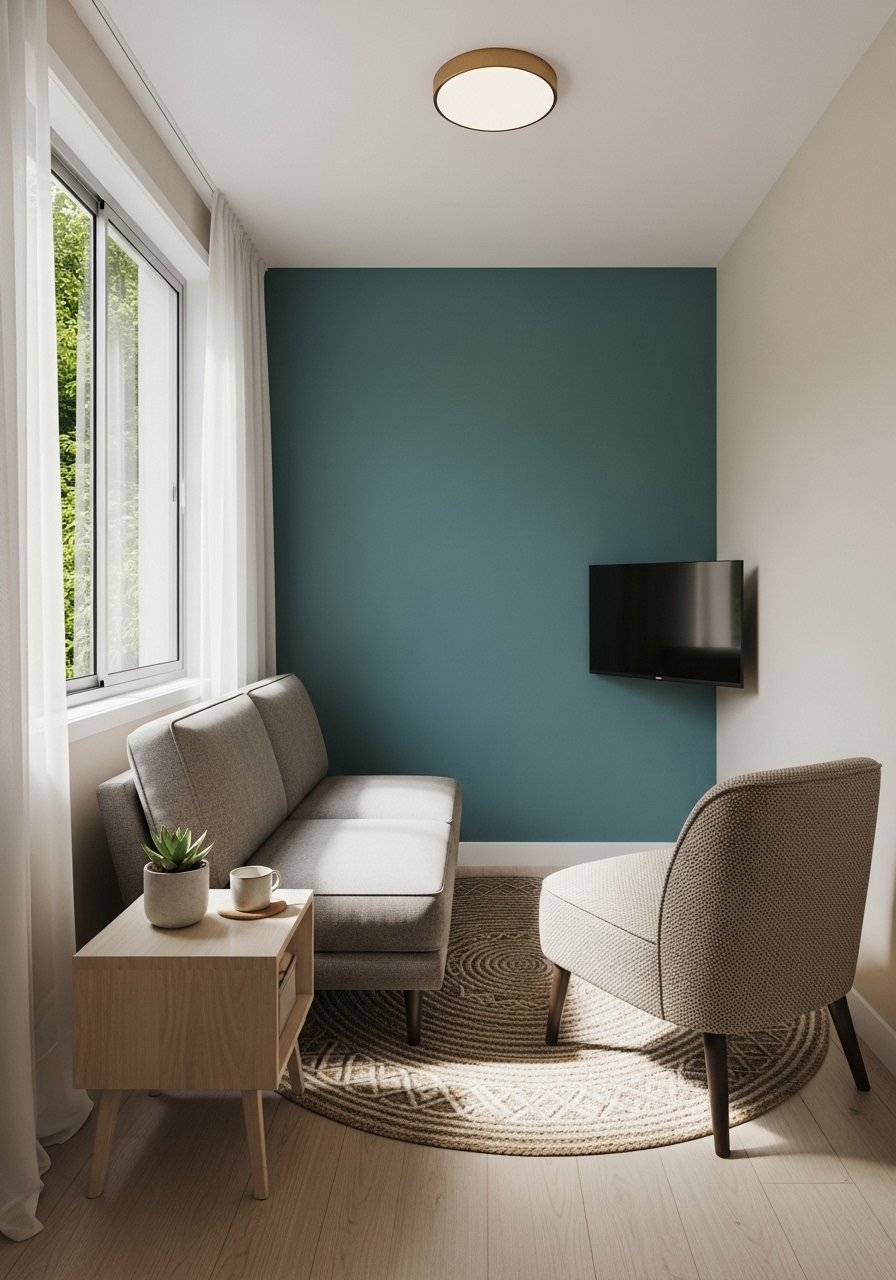
In tight spaces, paint the wall behind the focal piece only, not the whole room. Use a lighter version of the color so the room reads open. Keep furniture low and choose a rug that keeps front legs on it, even if it is 5×8. Mirrors work well on the accent wall to bounce light. If you rent, try peel-and-stick wallpaper or large removable decals as a low-commitment option. My first small-room attempt used a saturated color and it made the ceiling feel lower, so I repainted with a softened shade and the room opened up.
What It Looks Like After a Week with Pets and People
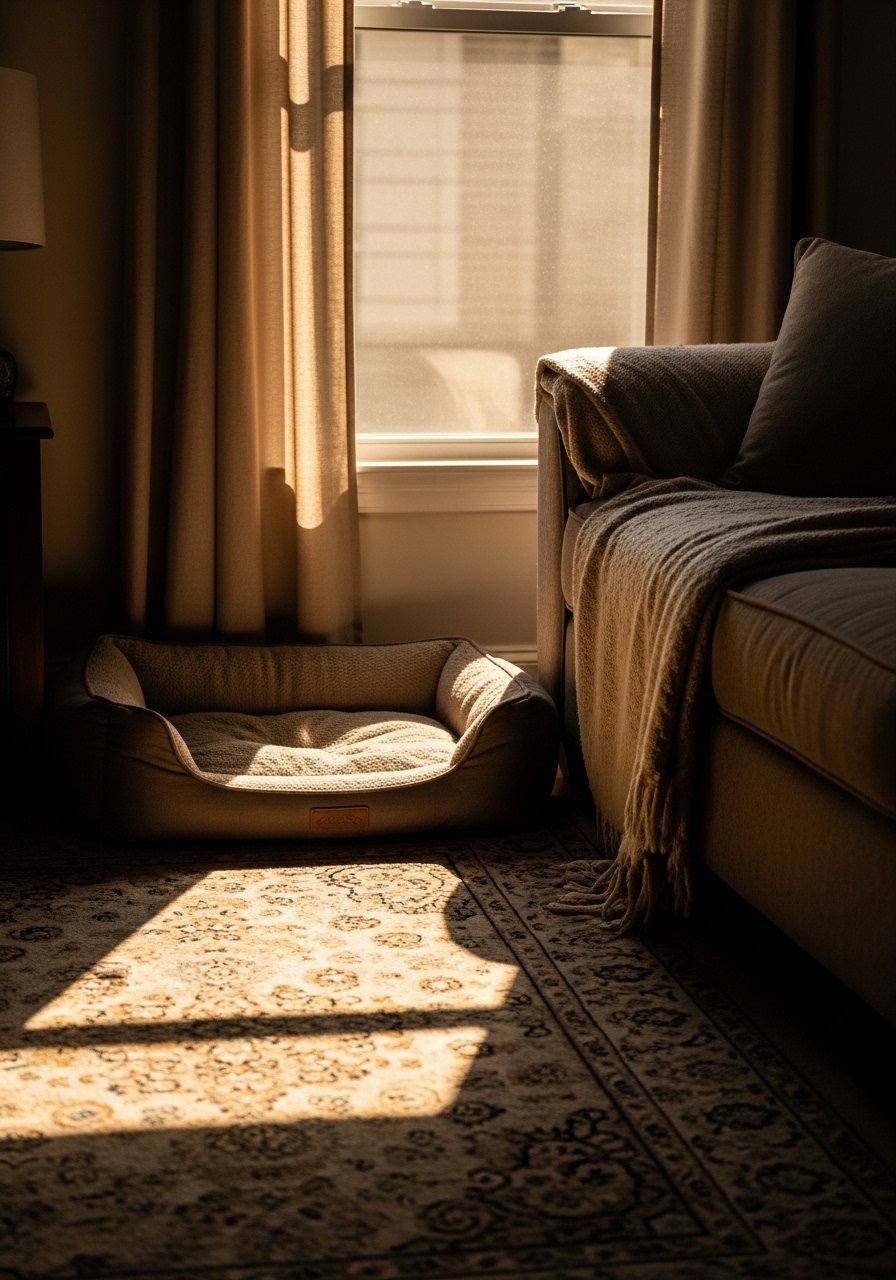
Living with an accent wall is different from photographing it. Expect slight scuffs, a need to dust picture ledges, and pillow fillings to settle. Choose washable textiles for homes with kids and pets. Jute rugs develop character but shed a little at first. I left a ledge too low and my roommate knocked over a vase twice before I moved it. Small changes like anchoring a lamp, rearranging a lower shelf, or swapping boucle for washable linen make the look last without constant fuss.
Pick One Wall and Commit
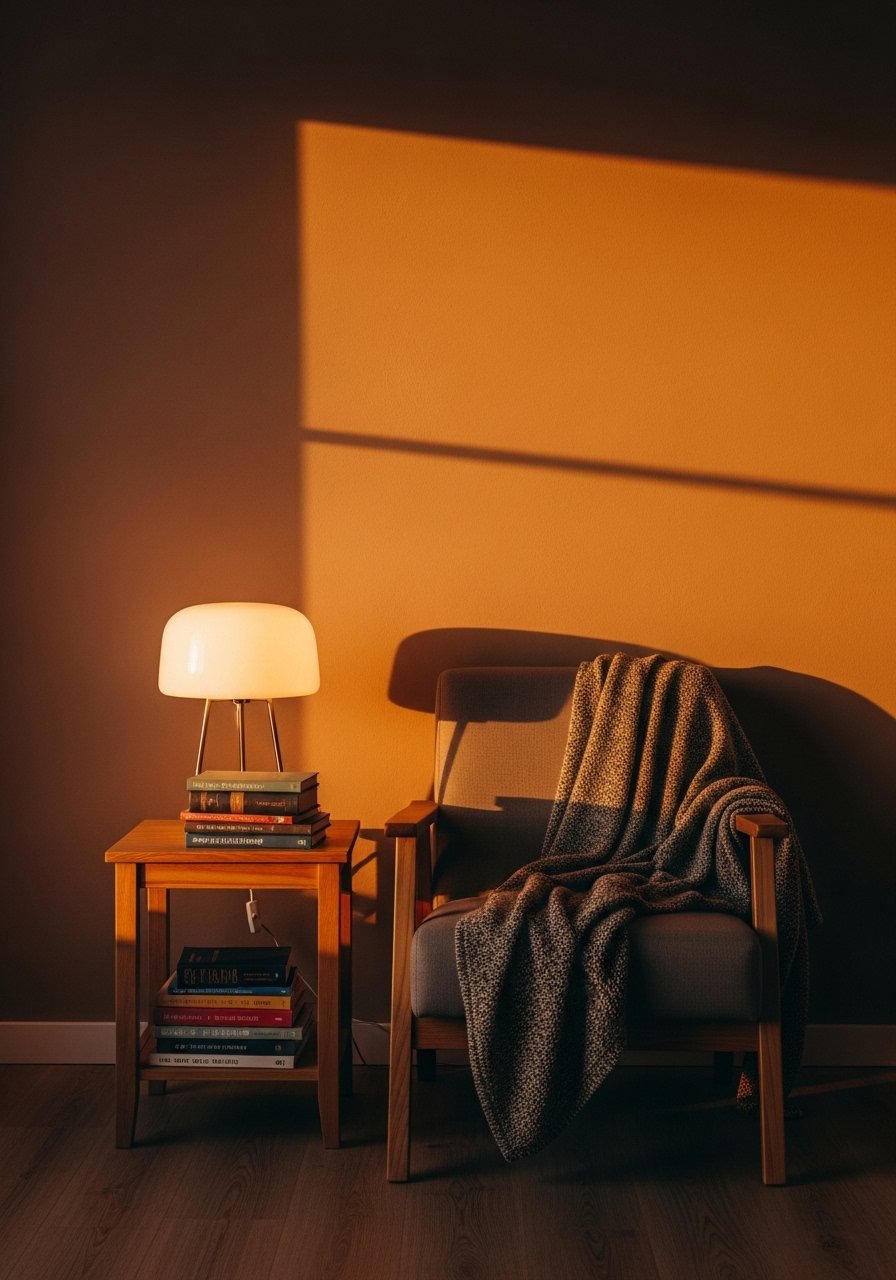
Start with a single wall and one main move, like swapping the paint or adding a picture ledge. You do not have to fix everything at once. Grab a sample pot and one 24-inch ledge from the list, and see how the room settles over a few days.
It is quieter work than shopping impulse buys. Move slowly, live with the arrangement, and trust small edits. My accent wall now feels anchored and calm, which is exactly what I was aiming for.